Category: General

Retail News Asia is committed to providing both local and global retailers with the latest General Retail news throughout the Asian market. This on a daily base.

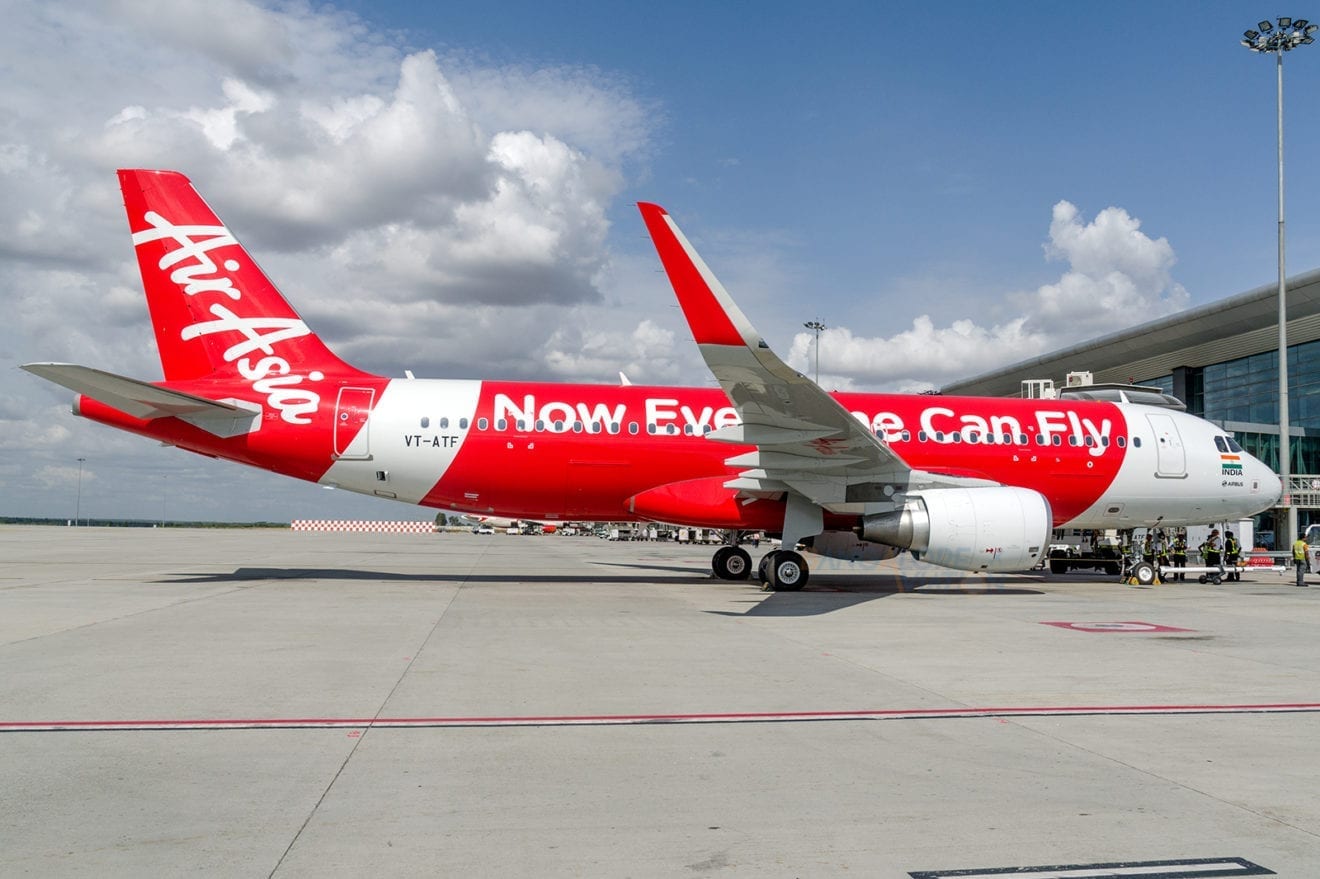
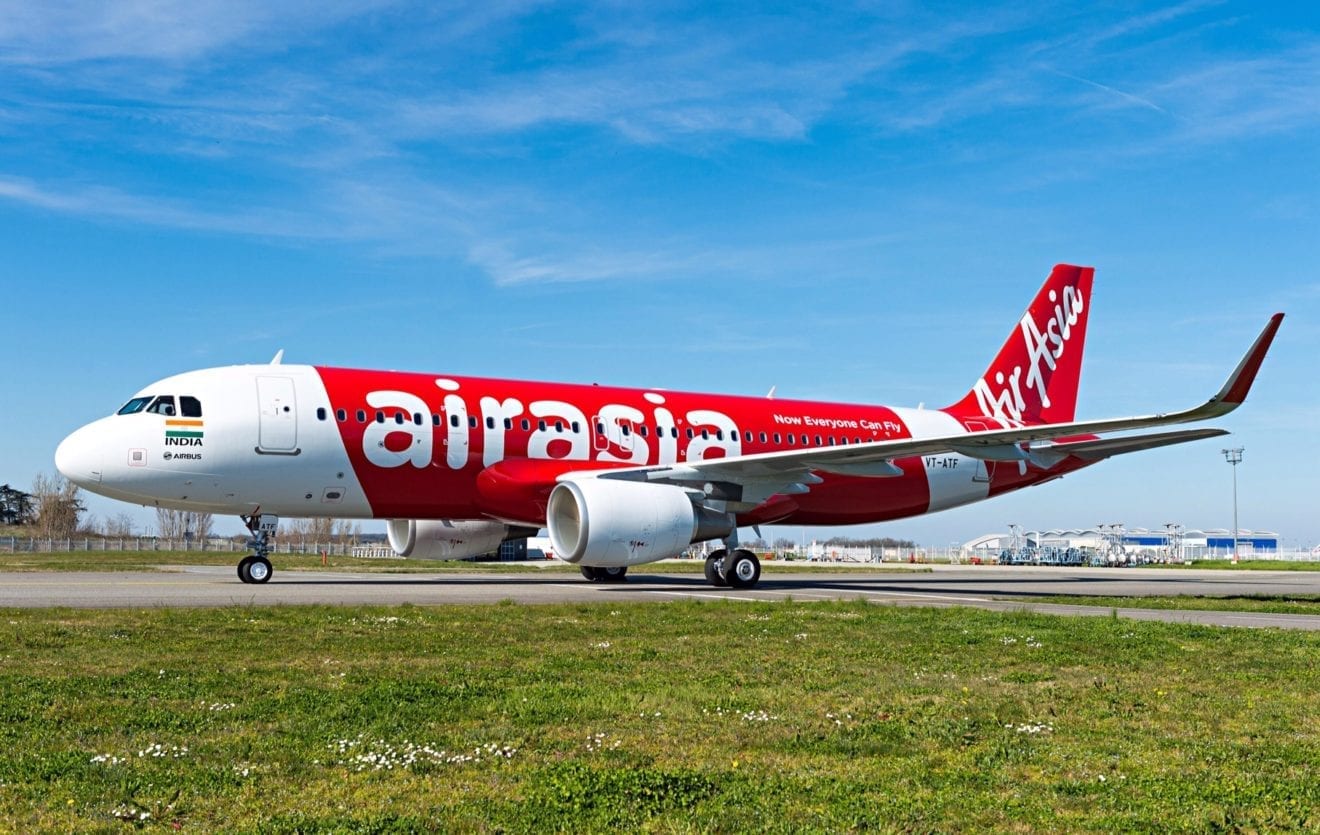
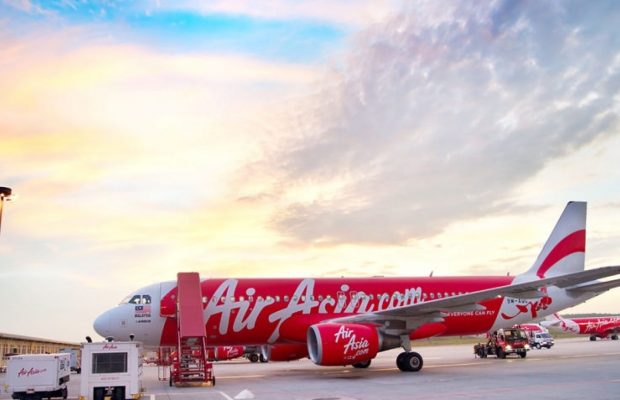
  • AirAsia opens Cebu-Shenzhen route on May 9

    AirAsia opens Cebu-Shenzhen route on May 9

    Budget carrier Philippines AirAsia is enhancing its route with the introduction of a new one from Cebu to Shenzhen, China.

    Starting on May 9, AirAsia will fly daily directly between Cebu and Shenzhen, making that city its first Chinese destination out of the Queen City of the South.

    “The addition of our first China route from the Cebu hub enables us to further strengthen our network outside Metro Manila and open up new and exciting places to visit this summer,” Philippines AirAsia CEO Dexter Comendador said last Sunday.

    Shenzhen is located in the Pearl River Delta metropolitan area and is one of the major economic hubs of China.

    Known as “China’s Silicon Valley,” Shenzhen is home to some of the top start-up and tech businesses in the world, including the headquarters of popular global companies such as Huawei, BYD and ZTE.

    “Cebuano travelers would be delighted to experience Shenzhen’s modern metropolis and marvel at how the southern city that links Hong Kong to mainland China built the world’s largest electric bus fleet, massive malls, contemporary buildings and amusement parks,” Comendador said.

    AirAsia is strengthening its operations outside Metro Manila due to capacity constraints in the Ninoy Aquino International Airport.

    It has a fleet of 17 planes as of end-December. For 2018 it is expected to take delivery of five more jets, bringing its fleet to 22 planes by end-2018.

  • Nok Air touches down at Mae Hong Son

    Nok Air touches down at Mae Hong Son

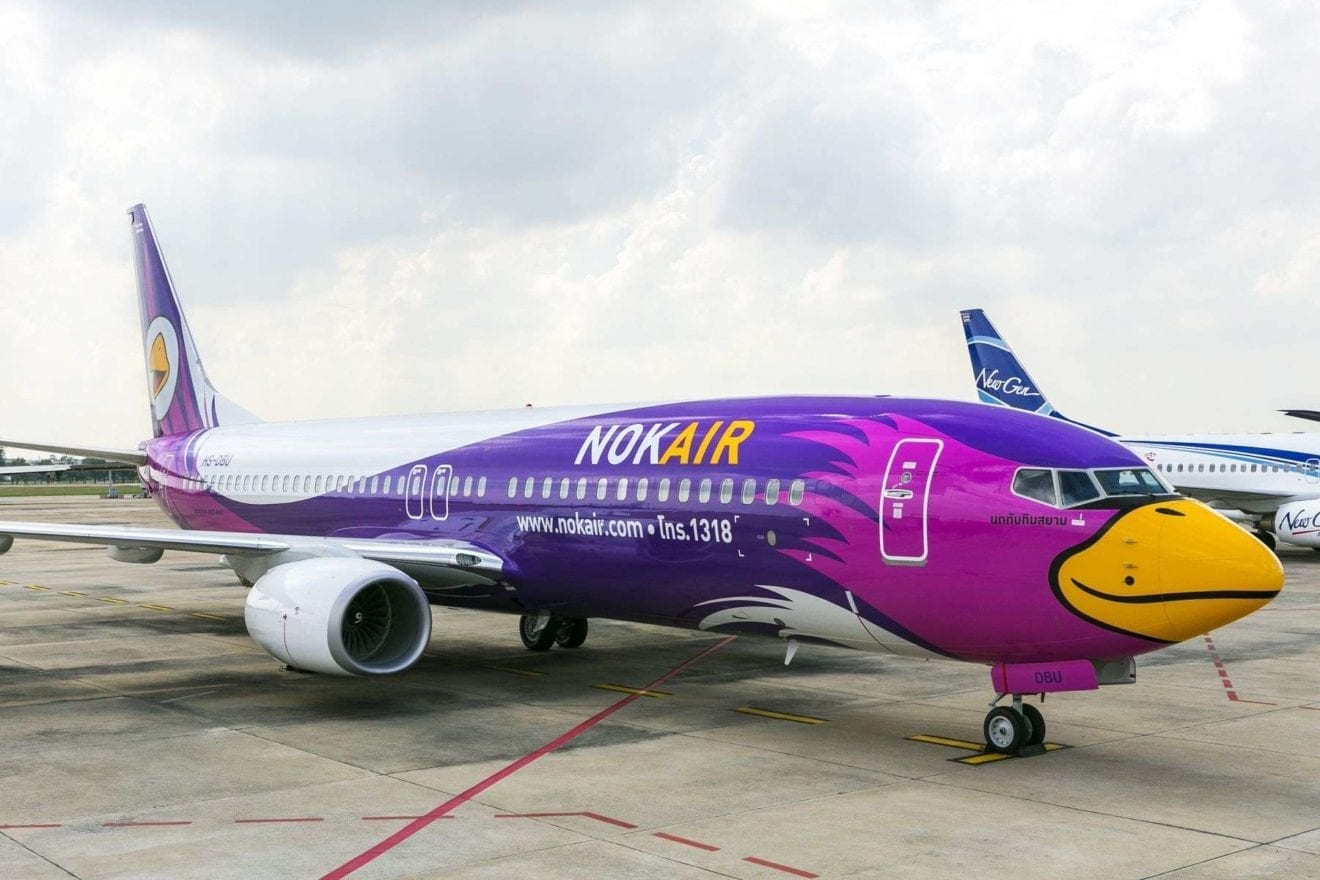
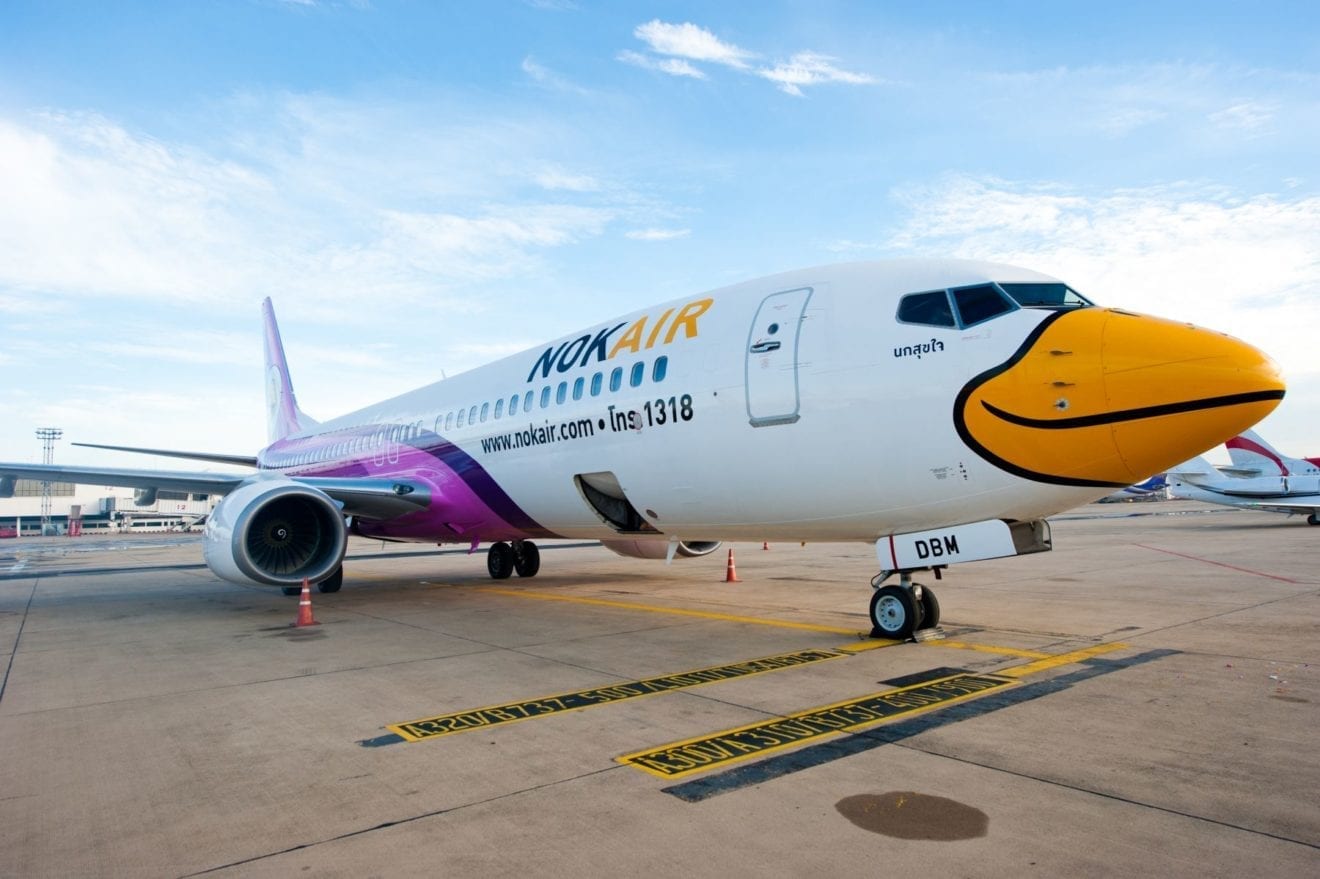
    Nok Air landed smoothly at Mae Hong Son Airport in a maiden flight that re-established the long-awaited direct air link between Bangkok and the northwestern city.

    The arrival of flight DD8214, operated by a 72-seat ATR72-500 turboprop, marks a new era for easy connection between the Thai capital and “the city of three mists.”

    Officiating the launch was Transport Minister Arkom Termpitthayapaisith, Mae Hong Son Governor Suebsak Aiamwijan, Nok Air CEO Mr. Piya Yodmani, Thai Airways International (THAI) Acting President Usanee Sangsingkeo and THAI Smile Acting Managing Director Chatchai Panyoo.

    The city was without direct service from Bangkok for decades mainly because of limited demand for both leisure and business travel.

    But with Nok Air’s newly-introduced services, at three flights a week, Mae Hong Son’s economy, particularly its high-potential tourism industry, will be given an impetus.

    The launch quickly responds to the Government’s recent directive to enhance access to the province whose economic and social development has been in greater focus, said Mr. Piya.

    The introduction was also made possible by cooperation extended by THAI and subsidiary THAI Smile which became code-share partners for the flight under the umbrella of THAI Group which the three carriers belong, he added.

    Subject to robust demand, Nok Air may step up the Bangkok-Mae Hong Son frequencies, now on Wednesday, Friday, and Sunday, on a daily basis, according to Mr. Piya.

    The ATR72-500 turboprop was chosen for the flights because it can operate on the shorter runway at Mae Hong Son airport.

    Mae Hong Son Governor Suebsak welcomed Nok Air’s decision to offer regular Bangkok-Mae Hong Son service for it would spur the province’s development, especially the tourism sector.

    “It would help spreading out tourism to the wider area of Mae Hong Son, rather just the current hotspot at Pai,” he noted.

    Last year, Mae Hong Son attracted 862,219 tourists with total spending of THB 4.17 billion.

    Nok Air CEO, Mr. Piya estimated Nok Air could bring in at least 20,000 tourists directly by air to the province this year.

    Access to Mae Hong Son by ground transport is a challenge, a mountain road that boasts 1,864 hairpin bends end-to-end.

    Nok Air will cover the distance from the Thai capital and Mae Hong Son in one hour and 50 minutes.

  • Nok Air to cut and reschedule flights to solve flight delay

    Nok Air to cut and reschedule flights to solve flight delay

    Nok Air airliner has decided to reduce the number of its flights to avoid the problem of flight delay and, at the same time, has put on standby two planes to be brought in from U-tapao airport in case there is a problem of plane malfunctioning, said Nok Air CEO Piya Yodmanee.

    Noting that turbulent weather is another reason for several flight delays, he made clear that Nok Air would not allow its planes to leave the airport in case of turbulent weather for safety sake.

    Due to smoke problem from forest fires which usually takes place in the morning for flights in northern provinces, he said the airline would reschedule the morning flights for the routes to Tak, Lampang, Mae Hong Son and Loei to the afternoon.

    However, during the Songkran festival, two more flights for the four routes will be added each day to cater to the increasing demand of travelers, said Mr Piya.

    Starting May until September, Nok Air will reschedule the timetable of some flights during the dry season and to cut down five flights a day during the period.

    Nok Air management on Friday (March 30) met with senior officials of the Civil Aviation Authority of Thailand led by Mr Chula Sukmanop at the CAAT head office to discuss Nok Air’s frequent flight delays which have attracted a lot of criticisms from domestic travelers.

    Mr Chula said flight delays were caused by a number of factors, including turbulent weather and congested air traffic.  He said Nok Air agreed to train a group of its staff who will deal with passengers in case of flight delays and to put on standby two planes which will be put into service in case of emergency.

  • Spar Continues Global Expansion with Entry in Sri Lanka

    Spar Continues Global Expansion with Entry in Sri Lanka

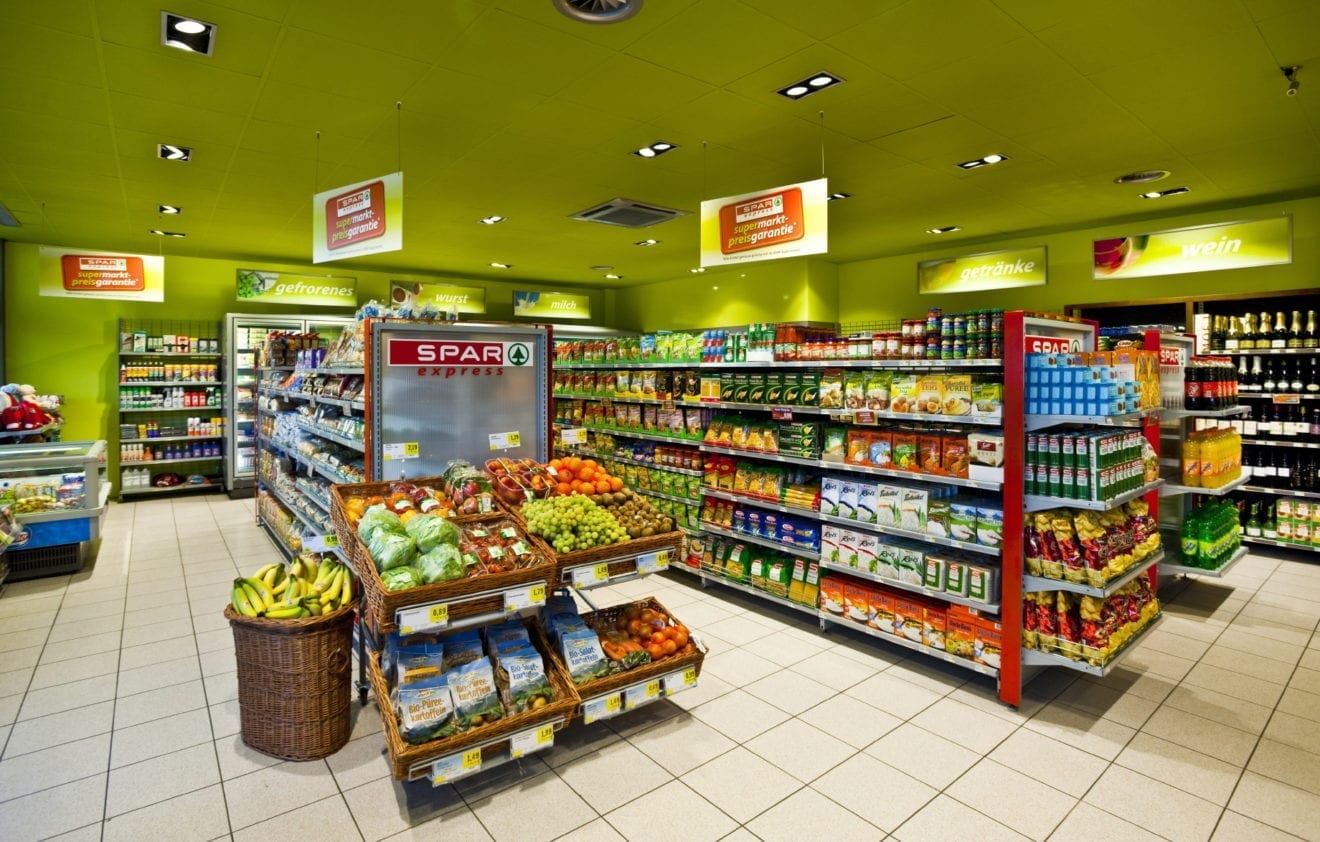
    SPAR International, the world’s largest food retail voluntary chain, is delighted to announce the brand’s entry into the Sri Lankan retail market. SPAR Sri Lanka (Pvt) Ltd, a partnership between SPAR South Africa and Ceylon Biscuits Limited has announced ambitious plans to open 50 new SPAR stores in Sri Lanka by 2023 primarily by developing independent SPAR retailers.

    With the opening of SPAR in Sri Lanka, SPAR International celebrates the launch of the brand in 6 countries across Asia and the 48th country worldwide. The newly established SPAR Sri Lanka benefits from the globally renowned SPAR Brand, providing shoppers with an international shopping experience adapted to local needs.

    The partnership was launched at an official opening of the first SPAR Supermarket in Colombo on the last week. The 1,000m2 SPAR Supermarket offers customers a great shopping experience with its emphasis on fresh foods, including a wide range of fruits and vegetables, fresh meat and an instore bakery. The development of the first SPAR neighborhood supermarket has been built on tried and tested international SPAR best practice setting the benchmark for future growth of the SPAR Brand in Sri Lanka. 

    The high-quality SPAR stores currently being developed will offer great value and a wide range of choice, with an emphasis on freshness and service. SPAR Sri Lanka will also be offering shoppers an extensive range of exclusive SPAR Own Brand products sourced both internationally and locally. 

    SPAR Sri Lanka has been able to utilize the global expertise of SPAR International and SPAR South Africa to support the extensive training of the new store colleagues over the past two months. 

    Tobias Wasmuht, Managing Director of SPAR International, said: “We are delighted to partner with Ceylon Biscuits Ltd. and to bring the SPAR Brand to this dynamic market. The distinct global but local SPAR approach will create excellent growth opportunities for Sri Lankan SPAR independent retailers. The opening of the first SPAR supermarket marks the beginning of a new, world class retail experience for consumers in Sri Lanka.” 

    Wayne Hodson, CEO of SPAR Sri Lanka, said “This is a very exciting period in the ever-changing food retail environment. Our mission is to develop and grow local, independent retailers, supporting them through the implementation of efficient supply chain management, stock procurement, promotional and marketing support, IT and retail leadership”.


  • AirAsia X Malaysia gets third IATA op safety audit

    AirAsia X Malaysia gets third IATA op safety audit

    AirAsia X Malaysia has received its third biennial IATA Operational Safety Audit (IOSA) registration. AirAsia X, which is the long-haul, low-cost affiliate carrier of the AirAsia.IOSA is an internationally recognised and accepted evaluation system designed to assess an airline’s operational management and control systems, and is regarded by the industry as the global benchmark for safety management.

    To qualify for the registration, AirAsia X Malaysia had to successfully complete an operational safety audit covering eight areas of operations: organisation and management system, flight operations, operational control and flight dispatch, aircraft engineering and maintenance, cabin operations, ground handling operations, cargo operations and security management.

    AirAsia X Malaysia CEO Benyamin Ismail said this third IOSA registration testified of its continuous commitment to maintaining the highest safety standards across its operations.

    “It was made possible by our dedicated Allstars who work tirelessly to ensure we comply with the most stringent safety standards in the industry. Safety is at the heart of everything we do and we will strive to not only meet regulatory requirements at all times but to surpass them,” he said.

    AirAsia X Malaysia joined the IOSA Registry on April 16, 2015, becoming the second airline in Malaysia to successfully pass the internationally recognised operational safety audit.

  • Alibaba Global Course Arrives in Singapore

    Alibaba Global Course Arrives in Singapore

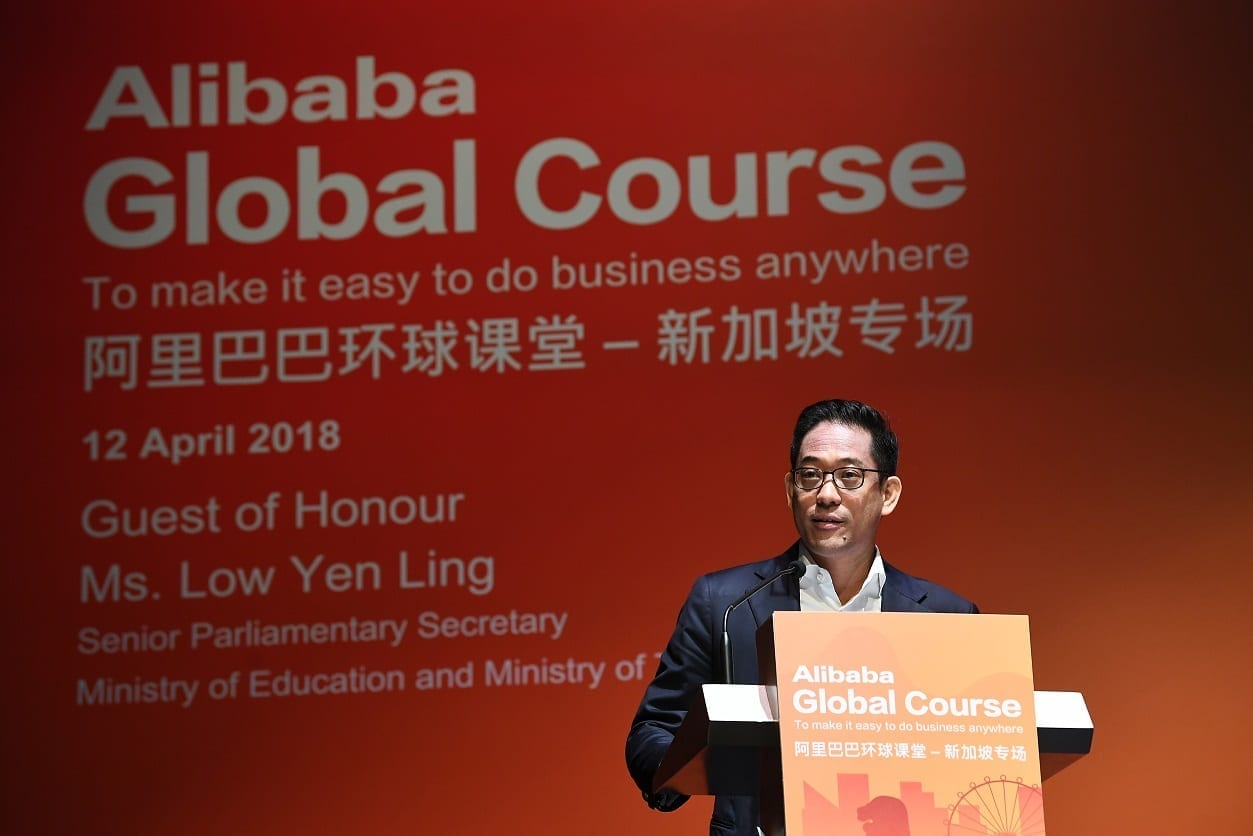
    Alibaba Group continues its mission to enable global business transformation in the digital age with the expansion of the Alibaba Global Course (AGC) to Singapore for the first time. Singapore is the first stop of the global AGC calendar for 2018, with additional events planned for India, Australia, the United States, Mexico and in Europe later in the year.

    The opening ceremony today was graced by Ms. Low Yen Ling, Senior Parliamentary Secretary, Ministry of Education and Ministry of Trade and Industry, in the presence of more than 2,000 attendees representing 600 SMEs and leading international companies.

    The AGC is a series of public lectures that aims to enhance the capabilities of merchants around the world through a better understanding of e-commerce and related trends. In Singapore, the AGC is offered by Alibaba Business School and organised by Taobao University in partnership with Nanyang Polytechnic’s Singapore Institute of Retail Studies (NYP-SIRS), SkillsFuture Singapore, National Trades Union Congress and StarHub. The Singapore leg of the AGC is the latest in a series of initiatives by Alibaba Group to empower local businesses and entrepreneurs to digitise and diversify their operations for the future.

    Helping SMEs to be Future-Ready

    “Our mission is to make it easy to do business anywhere and Singapore is integral towards realising this vision. We are delighted to be able to bring the Alibaba Global Course to Singapore for the first time and to share our key learnings from more than 18 years’ experience of reshaping the way people shop and conduct business,” said Brian Wong, Vice President of Alibaba Group, who shed light on Alibaba’s globalisation initiatives at the opening ceremony today.

    “SMEs form the majority of Singapore’s businesses and they are key to the city-state’s quest to be the hub of the future digital economy. We hope to continue partnering with local stakeholders and companies in this journey and navigate the exciting opportunities ahead together,” continued Wong.

    During the intensive one-day session, participants heard from leading minds from Taobao University and the Alibaba network, including the region’s foremost made-to-measure interior furniture design brand Suofeiya, China’s leading department store chain Intime Retail and enterprise data aggregator CBNData.

    Among other topics, the speakers shared best practices on innovating customer experience with AI and machine learning and on bringing the concept of “New Retail” to life, as well as insights into the next frontier in digital lifestyle and cross-border purchases by Chinese consumers and the opportunities for SMEs here.

    Taobao University and SIRS Extend Partnership

    During the AGC, Taobao University and NYP-SIRS also announced the extension of a partnership first signed in 2016, which has in the past two years rolled out a host of e-commerce training programmes from Taobao University to Singapore retailers.

    The 30-month renewal is geared towards beefing up the digital capability of local businesses and equipping them with knowledge of the latest industry developments. Under this agreement, Singapore-based businesses will also be able to access courses via a customised online learning platform developed by Taobao University for the first time. SMEs here can look forward to a more holistic learning experience with curated online courses tailored to the local business landscape and considerations, on top of other modules jointly offered by Taobao University and NYP-SIRS.

    “The maturity of businesses and the strong talent pool in Singapore means our training efforts here so far have been very well received,” said Lewis Lew, Vice President of Training College at Taobao University. “From opening up new business opportunities to improving productivity and operational capabilities by exploring consumer insights and new business models, we are confident that our initiatives will continue to complement the Singapore government’s goal for businesses here to be future-ready in a new era of competition and disruption.”

    Megan Ong, Director of NYP-SIRS, said: “NYP-SIRS was the first training provider in Singapore to partner Taobao University in 2016. Many of our participants thrived in their retail business after attending the cross-border e-commerce training programmes. NYP-SIRS is committed to continue working closely with local retailers to enable them to be future-ready. With the extension of this partnership with Taobao University, we look forward to continuing our effort to equip the local retail industry with the necessary skills and knowledge to successfully tap into the vast e-commerce global market.”

  • Singapore Airlines planning new first-class offering that will set industry standard

    Singapore Airlines planning new first-class offering that will set industry standard

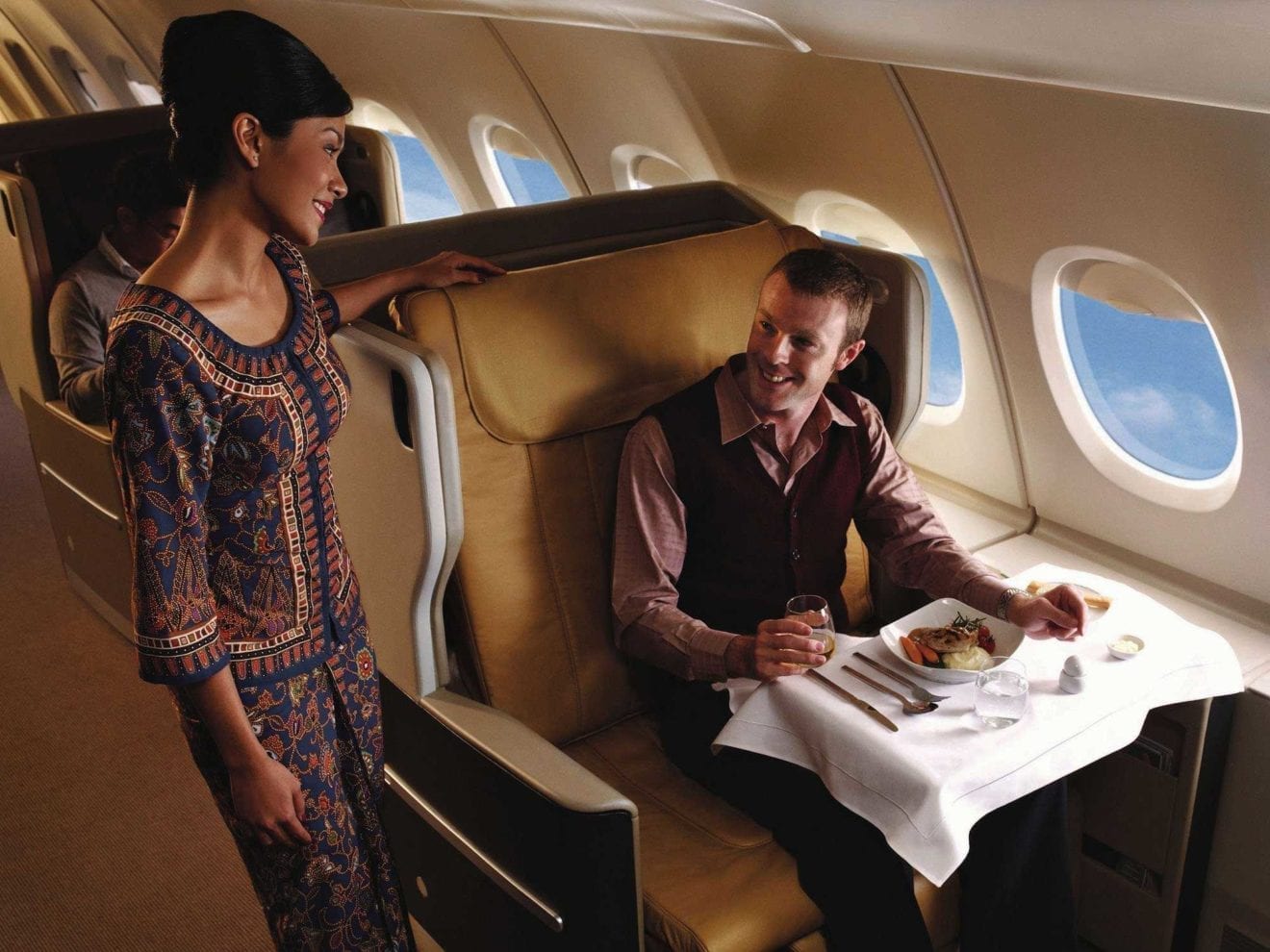
    Singapore Airlines is developing a first-class offering for its new Boeing 777-9 planes that the carrier’s chief promises will set an industry standard.

    The planes, 20 of which SIA has ordered, are due for delivery from the 2021/22 financial year.

    The new first-class offering is currently in the conceptualisation stage. Said the airline’s chief executive Goh Choon Phong: “We believe when we launch it, we will set an industry standard.”

    The Boeing 777-9 will replace SIA’s 777-300ER planes.

    Mr Goh said: “(SIA will) be going out to our consumers and customers to get better ideas about what it is they really want in the next quantum leap of service and product.”

    The plans are part of the airline’s strategy to woo customers with new seats and features, among other service and product enhancements.

    It launched new cabin products for the Airbus 380 late last year. New cabin products for Boeing’s latest Dreamliner variant, the 787-10, will debut on Wednesday (March 28), with the arrival of the plane in Singapore. SIA is the first airline to operate this model.

    Mr Goh was in the United States to collect the first of SIA’s order of 49 B787-10 planes on Sunday from the airplane maker’s Dreamliner production facility.

    Speaking to reporters in North Charleston, South Carolina, on Monday, Mr Goh also revealed that SIA is eyeing a third route on which to deploy a new ultra-long-range (ULR) aircraft it will receive in the second half of this year.

    This is in addition to the relaunch of non-stop flights to New York and Los Angeles with this new aircraft.

    When asked about plans for the new Airbus 350-900ULR – which SIA will be the first airline to operate – Mr Goh said there is potentially one more destination that the carrier has “firm plans” for. However, he declined to reveal what the destination could be.

    With the Airbus 350-900ULR – which SIA has ordered seven units of – the carrier will resume the 19-hour flights to New York and 14-hour trips to Los Angeles that it scrapped in 2013.

    The flights were started in 2004, but the 2008 financial crisis, coupled with rising fuel prices, made the routes unsustainable.

    United Airlines launched a Singapore-Los Angeles service last October, but SIA is undeterred.

    “We think that Los Angeles is a good market, and our customers continue to tell us that they would like to have direct flights to Los Angeles… It’s part of competition, we are not afraid of it,” Mr Goh said.

    During a wide-ranging interview on the SIA group’s strategy and market positioning, Mr Goh said the coming financial year will see significantly more growth for parent carrier SIA.

    From 2011 till 2015/2016, SIA was not growing a lot, because of the transition period when planes were retrofitted with premium economy products, leading to a reduction in seat count for aircraft, said Mr Goh.

    “At the same time, we were waiting for aircraft with the right capabilities, like fuel efficiency, for us to grow in a commercially viable manner.

    “So when the A-350s and 787s were available, that’s how you see that we are beginning to again get back to the growth phase for the parent carrier.”

  • Credit card spending rebounds in March

    Credit card spending rebounds in March

    New Zealand retail spending on electronic cards rebounded in March on the back of increased grocery and liquor spending.

    Seasonally adjusted total retail spending on credit and debit cards increased 1 per cent in March, Statistics New Zealand.

    Economists had expected a lift of 0.5 per cent, according to a Bloomberg poll. Core retail spending, excluding fuel and vehicles, rose 1.6 per cent.

    “Despite losing a trading day to Good Friday, retail card spending rose in March,” retail manager Sue Chapman said.

    “The rise was driven by an increase in spending on grocery and liquor retailing, rebounding from a fall in the previous month.”

    Ms Chapman said spending may have been lower in February due to two large storms that hit several parts of the country.

    Consumables spending, which covers grocery and liquor retailing, rose 2.9 per cent in March.

    Spending on durables – which includes hardware, furniture and appliances – lifted 1.2 per cent on the month while hospitality rose 1.4 per cent in March versus February.

    Apparel spending, however, fell 1.1 per cent on the month. Spending on vehicles fell 1.8 per cent and spending on fuel fell 0.5 per cent.

    Thursday’s figures show actual total retail spending climbed rose 6.0 per cent in March to $5.5 billion.

    Card-holders across all industries made 151 million transactions in the month. The average value of $49 was unchanged on the year and down from $50 in February.

    “Election-related uncertainty looks to be well behind us, with consumers voting with their wallets. We remain constructive on the outlook for consumer spending over 2018 and beyond,” said ASB senior economist Mark Smith.

  • Embracing body diversity, Asos invests in virtual fit tech

    Embracing body diversity, Asos invests in virtual fit tech

    Online fashion giant, Asos, is making it easier for consumers to see how items of clothing fit different body types and saving time and money on photography in the process.

    The retailer recently started working with Israeli tech startup Zeekit, which uses augmented reality (AR) to digitally ‘map’ the same item of clothing on various models using existing photographs of the item and models.

    A customer noticed the change while shopping on the site last month, eliciting a response from Asos that the new feature will be rolling out across the app soon.

    In a statement, Asos explained, “We’re always testing new technology that can make our customers’ experience even better.

    “In this case, we’re experimenting with AR to show product on different size models, so customers can get a better sense of how something might fit their body shape.”

    The race to solve the fit problem

    Fit is one of the biggest sticking points for online clothing retailers, which still by and large rely on size-8 models. With the average Australian woman being closer to a size 14, most consumers are left to guess how an item will fit and look in real life.

    A study by global research firm, IHL, pegs the annual cost of preventable returns at US$642.6 billion globally, and while it is difficult to pinpoint the average return rate for online purchases, (one analyst suggested 17-25 per cent is normal, it is decidedly higher than for items purchased in-store.

    Solving the fit – and return – problem becomes even more important for online retailers that offer free shipping, delivery and returns, which consumers have come to expect in the age of Amazon.

    A number of digital startups have sprung up in this space in recent years, such as Virtusize, which helps customers compare the measurements of an item they want to purchase with a garment they already own, and Fit.me and Metail, which let customers create 3D models to virtually ‘try on’ clothes.

    Asos struck a deal with Virtusize – which lacks a visualisation component – in 2013. The partnership with Zeekit crucially enables customers to also see how an item will fit.

    Zeekit differs from existing players, since it digitally maps garments onto the bodies of real models, not virtual avatars or faceless mannequins, which not only creates a more seamless shopping experience for customers, but also potentially saves Asos an enormous amount of time and money on photographing different size garments on different size models.

  • Tesco profits ups as turnaround kicks in

    Tesco profits ups as turnaround kicks in

    UK supermarket Tesco has managed to turnaround several years of lacklustre results, booking a pre-tax profit of £1.3 billion (AUD$2.38bn) for the year ended 24 February, up 795 per cent.

    The grocery giant’s shares jumped almost 6 per cent in the UK overnight on the figures, which included a 2.2 per cent increase in like-for-like sales in its home market and a 29.6 per cent reduction in net debt.

    “This has been another year of strong progress, with the ninth consecutive quarter of growth. More people are choosing to shop at Tesco and our brand is stronger, as customers recognise improvements in both quality and value,” Tesco chief executive Dave Lewis, who was appointed in 2014 to turnaround the business, said.

    “We have further improved profitability, with Group operating margin reaching 3.0% in the second half.  We are generating significant levels of cash and net debt is down by almost £6bn over the last three years.  All of this puts us firmly on track to deliver our medium-term ambitions and create long-term value for every stakeholder in Tesco.”

    There are now 260,000 more people shopping at Tesco, driving group revenue up by 2.3 per cent to £51 billion (AUD$93.18bn).

    Sales increases were booked in all Tesco’s operating region’s bar Asia, where LFL sales worsened over the year, decreasing by 14 per cent in the fourth quarter.

    The business has now completed its £3.7 billion (AUD$6.76bn) acquisition of wholesaler Booker and has begun improving its top line growth, leaving it on track to deliver at least £200 million (AUD$365m) in pre-tax synergies.

    “I am delighted to have completed our merger with Booker, and we are moving quickly to deliver synergies and access new growth, making the most of the complementary skills in our combined business,” Lewis said.

    Tesco reiterated its commitments set out in October 2016 to reduce costs by £1.5 billion (AUD$2.74bn) and generate an additional £6.3 billion (AUD$11.51bn) in retail cash from operations while also improving margins between 3.5 per cent and 4 per cent by 2019/20.

    Tesco’s operating margins increased by 57 basis points year-on-year to the year ended February 24 to 2.9 per cent.

  • AirAsia India expands its flight operations in India

    AirAsia India expands its flight operations in India

    Earlier last week, a top official of AirAsia India reported that the carrier has charted out expansion plans to connect more tier-II and III cities and set a target to commence flights to overseas destinations by January 2019. This statement followed the induction of AirAsia’s 16th aircraft and the addition of Nagpur and Indore to its list of destinations.

    According to AirAsia India, Managing Director and CEO, Amar Abrol, the airliner has planned to commence overseas operation by January 2019 once it has 20 or more planes. “Our strategy is that once we get to 20 planes (operating in domestic operations) we will start flying international. Mostly, it will be to South East Asian countries,” he told.

    A spokesperson of AirAsia told that the expansion plans were adopted to survive the competitive aviation market. He stated, “One has to evolve in a competitive market to stay relevant. Many of our flyers are first time flyers and we plan to tap this and make it a sustainable relationship. To do so, we have to connect more destinations that were still untapped by our flights and more importantly expand our operations overseas. Even though there is existing competition but the demand is there.”

    Amar Abrol stated that the plan is to connect more and more tier II and III cities in India, wherever A320 can go and also start flying international after crossing 20 aircraft. Elaborating, he said, the company would serve those markets which were already connected by the airliner’s group entities—AirAsia Malaysia, AirAsia Indonesia, AirAsia Thailand. “We will be flying mostly to Malaysia, Indonesia, and neighbouring SAARC countries as well. Bangladesh, Nepal and so on and so forth,” he said.

    Closely following the announcement of expansion, AirAsia India expanded its fleet size to 18 planes with the induction of a new Airbus A320, which will help it add new routes and enhance the frequency between Kolkata and Bagdogra.

    The 18th A320 aircraft will be stationed in Kolkata, which is the third base for the Tata Sons-AirAsia invested domestic carrier. Bengaluru and New Delhi are the two other bases of AirAsia India besides Kolkata, which serves as the gateway to its North-East operations. The induction of 18th plane in the fleet, AirAsia India will mark the launch of new daily flight services from Kolkata to Visakhapatnam, Imphal, Guwahati, Pune, and Bagdogra, starting May 11.

    Bookings for all the new routes opened from early morning today. The airline said that it is offering promotional fares as low as INR 1,699 for flights connecting Kolkata to Visakhapatnam, Imphal, Guwahati and INR 3,499 for the Kolkata-Pune services. This is seen as one of the many steps towards realising the carrier’s expansion goals.

  • Ex 7-Eleven manager fined for underpaying staff

    Ex 7-Eleven manager fined for underpaying staff

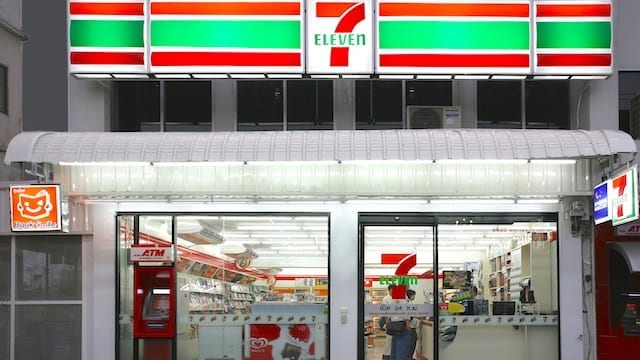
    The Federal Circuit Court has fined a former Brisbane 7-Eleven operator for about $193,000 for short-changing workers and failing to keep proper pay records.

    Jason Yuan, who operated two 7-Eleven stores in the Brisbane CBD in 2013 and 2014, was said to have underpaid 21 staff a total of $31,507, and he also failed to keep records of cash payments made to staff on public holidays.

    The court penalised Yuan $36,559 and for two companies in which he was a director, Viplus Pty Ltd, $88,140 and Vipper Pty Ltd, $68,262. Viplus Pty Ltd operated the store in Adelaide Street until July 2017, while Vipper Pty Ltd operated the store in George Street until May 2017.

    The Federal Circuit Court imposed the fine following a lengthy investigation by the Fair Work Ombudsman, which has taken legal action against 11 7-Eleven operators since 2009.

    During the investigation, inspectors found the workers at both stores were paid flat rates for all hours worked, save for public holidays where they received an additional $20 per hour in cash.

    According to a statement from the Ombudsman, given the 24-hour, seven-day nature of the businesses, this resulted in significant underpayments of Saturday and public holiday penalty rates, overtime rates and shift work rates stipulated by the General Retail Industry Award 2010.

    Two workers at the Adelaide Street store were also found to have been paid at the incorrect classification.

    Individual underpayments ranged from $98.36 to $5080.16, which have all now been rectified.

    The respondents were also penalised for failing to meet record-keeping and payslip requirements, including by failing to include information in respect of cash payments made to some of the employees.

    In her judgment, Judge Mercuri noted that the underpayments were “substantial”, particularly given the low-skilled nature of the work and the vulnerability of the workers due to their age and, in some cases, their visa status.

    “Given that many of the employees of both Viplus and Vipper were in Australia on various visas, with many being young workers, the impact of the underpayments was significant for each of the affected employees,” Mercuri said.

    In determining the penalties, Mercuri also pointed out that Yuan had been running the stores for over twelve years, had a background in finance, banking and project management and had access to significant training and support from the 7‑Eleven head office.

    Acting Fair Work Ombudsman Kristen Hannah businesses should be aware that serious breaches of workplace laws have increased ten-fold and can now attract penalties of up to $630,000 per contravention for companies and $126,000 for an individual.

  • Alfamart Dreaming Big in the Philippines

    Alfamart Dreaming Big in the Philippines

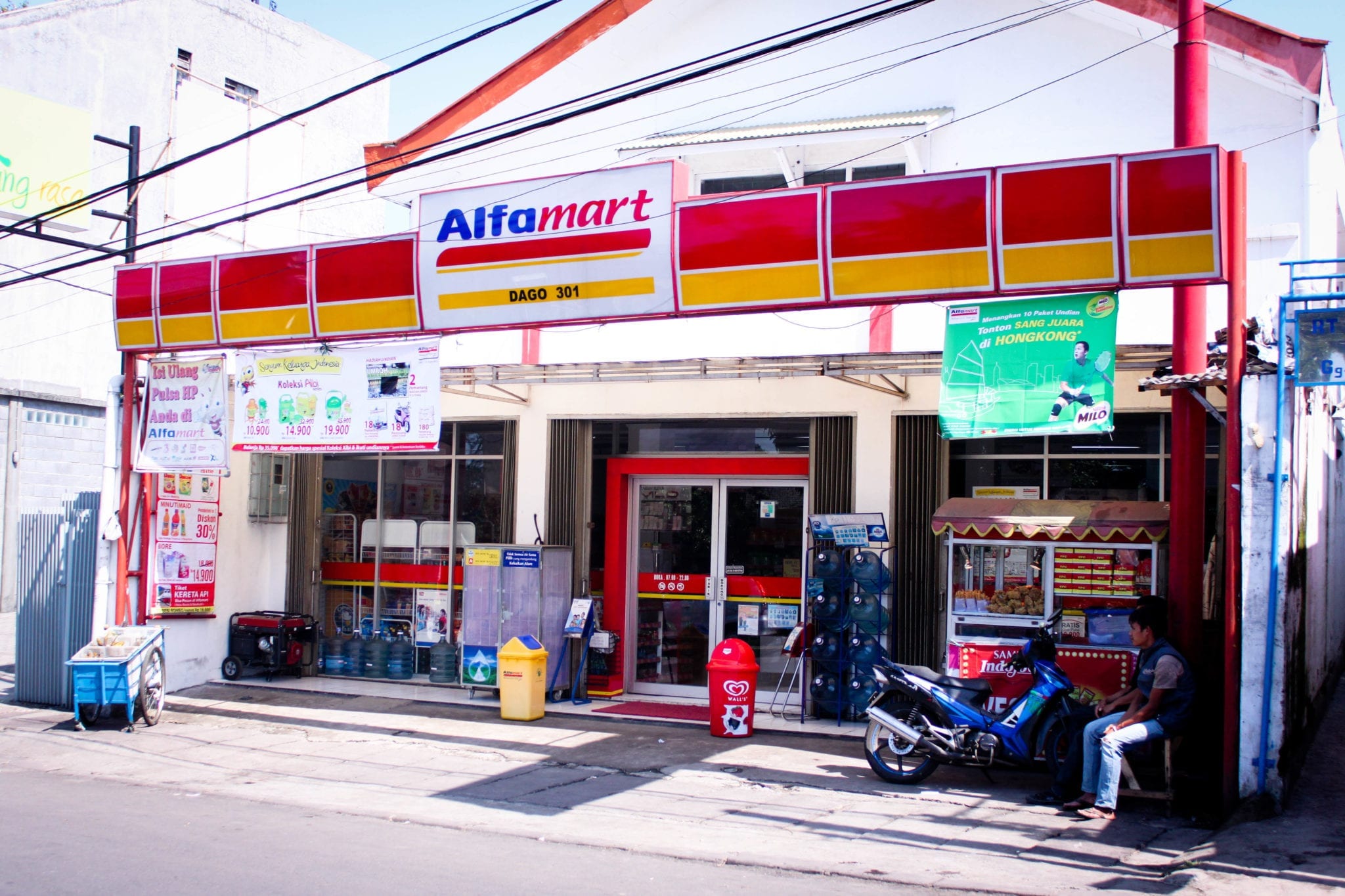
    Alfamart Philippines owner Sumber Alfaria Trijaya plans to add 150 more outlets to its present 400.

    The Indonesian convenience store’s president/director Hans Prawiraafter says a deal for financing has been signed with Standard Chartered Bank in Jakarta.

    He says the current outlets are in greater Manila, but following “significantly positive” market response based on same-store sales growth, the brand is set to enter regions outside of Manila.

    In Indonesia, Alfamart plans 800 more outlets this year including 150 franchises. There are presently 13,477 outlets. Half of the new outlets will be on Java Island while other regions will have distribution centres in Kalimantan, Sulawesi and Sumatra.

  • AirAsia to mentor start-ups as they develop products for travel sector

    AirAsia to mentor start-ups as they develop products for travel sector

    AirAsia is partnering with Plug and Play Tech Center, a global startup innovation platform headquartered in Silicon Valley. AirAsia will work as an anchor partner of Plug and Play’s Travel and Hospitality programme to mentor new businesses and collaborate with emerging technologies.

    This will allow AirAsia to identify, observe and support relevant startups as they develop new products and technologies for the travel sector. AirAsia deputy group CEO (Digital, Transformation and Corporate Services) Aireen Omar said, “This partnership – the first of many to keep a finger on the pulse of innovation – will allow us to identify leading edge technologies that will help maintain our leadership in cost and customer experience and transform AirAsia from an airline into a global digital company.”

    Plug and Play Founder and CEO Saeed Amidi said, “We are here to help AirAsia engage with the most promising startups in the industry and bring new ideas into their business. Their expertise will be a great addition to our ecosystem and we welcome them to Silicon Valley.”

    AirAsia has also invested heavily in digital services as it embarks on a transformation process to become a truly digital airline, including BigPay financial services app, ROKKI inflight entertainment and connectivity, AirAsia BIG Loyalty programme and RedBox logistics.

  • Time to go to into a retail rehab

    Time to go to into a retail rehab

    Why are retailers failing at such an alarming rate?

    The preconditions for any business to be successful are:

    1. Is there a real market need that I understand?
    2. Do I have access to a product or service address that need?
    3. Am I sufficiently equipped (skills, resources, motivation etc) to address this opportunity in a particular way that provides me with a competitive advantage or at least desirable point of difference?

    Points one and and two are usually not the issue because failure is quick – if the business even succeeds in getting off the ground.

    The root cause of many failures can be found in HOW the retailer chooses to play the arbitrage game of tapping into a supply to meet a need.

    That is, entrepreneurs will pick the way in which business is done (proposition delivered) and attempt to build some differentiation around that that can be defended at a profit.

    Timing: First or faster

    An example would be Zara that aims to bring the latest fashion (from the catwalk to the store) in less than six weeks – and if anecdotal reports are to be believed have done so in a matter of days. Or you can be the Concord. Or the movie house that shows all the premiers.

    Leverage:  Add value, minimise cost

    Someone turns raw meat into patties, someone solves the challenge of distributing fuel to every town in every country. Someone is the cheapest, someone figures out how to make things smell better, work differently, last longer or taste better. We are limited only by our imagination and the possibilities of innovation are endless. Of course, any particular innovation can be made redundant in a flash.

    Change: Adapt, transform, improve

    More than simply adding value, there are opportunities for entrepreneurs to transform products completely. Old tires can become road base. Cars can be turned into supercars or transformed into vehicles for mobility impaired people and clothes can be altered to fit. Wind can be turned into electricity.

    Access: Exclusive or convenient

    Businesses also exist on the premise that access to the product/ service is exclusive or particularly convenient. This is a very typical ‘advantage’ that many smaller retailers rely on, and it is most often also their weakness. E.g. to be the only menswear retailer in Yepoon or the only newsagent in the shopping centre, or maybe even the only convenience store on that particular side of that particular city block leverages ‘access’ as the method of arbitrage.

    Most small, product-oriented retailers tend to rely on the ‘access’ angle to create a POD. Retailers tend to be resellers, so innovation is not a primary focus. The only value-add lies in the bulk-breaking activity. These SME retailers are content to be ‘the only shoe shop’ in the mall as their core proposition.

    In the past this has been a legitimate approach to ‘capitalise’ on an opportunity. There has always been limits as to how far people would travel to gain access to a product, so geography-based retail propositions have been viable since forever.

    But, reliance on this particular approach is the reason why the technological shift in the market is causing serious competitive pressure. And being blind to the change that has occurred is the cause of many retail failures.

    Too many retailers rely on the fact that they are ‘the only’ cafe on the strip, the only menswear retailer in a suburb, the only servo on that street.

    If you merely rely on being the only store in a particular geography, the internet obliterated that point of difference because on the internet, geography hardly matters.

    Everything that is for sale is in every customer’s pocket. And the time delay (caused by delivery requirements) are (a) offset by cost saving and (b) becoming shorter and shorter. In metropolitan areas, many e-commerce providers are providing same-day delivery and food delivery businesses do it in a matter of hours.

    This leaves traditional corner-stores an ever-shrinking market comprising mostly of emergency shoppers or impulse buyers.

    That is why Amazon poses such a threat to retailers – suddenly there is a competitor that it is more convenient and cheaper than your shop on your corner, and you can do very little about it.

    The internet has made geography irrelevant – and if THAT has been the basis of your business, so is the business.

    The only appropriate response is to change your execution. You need pick a different propositional dimension to differentiate.

    The problem is obvious. The solution is obvious. But maybe, like any good rehab program, the starting point is to admit the problem.