Category: General

Retail News Asia is committed to providing both local and global retailers with the latest General Retail news throughout the Asian market. This on a daily base.

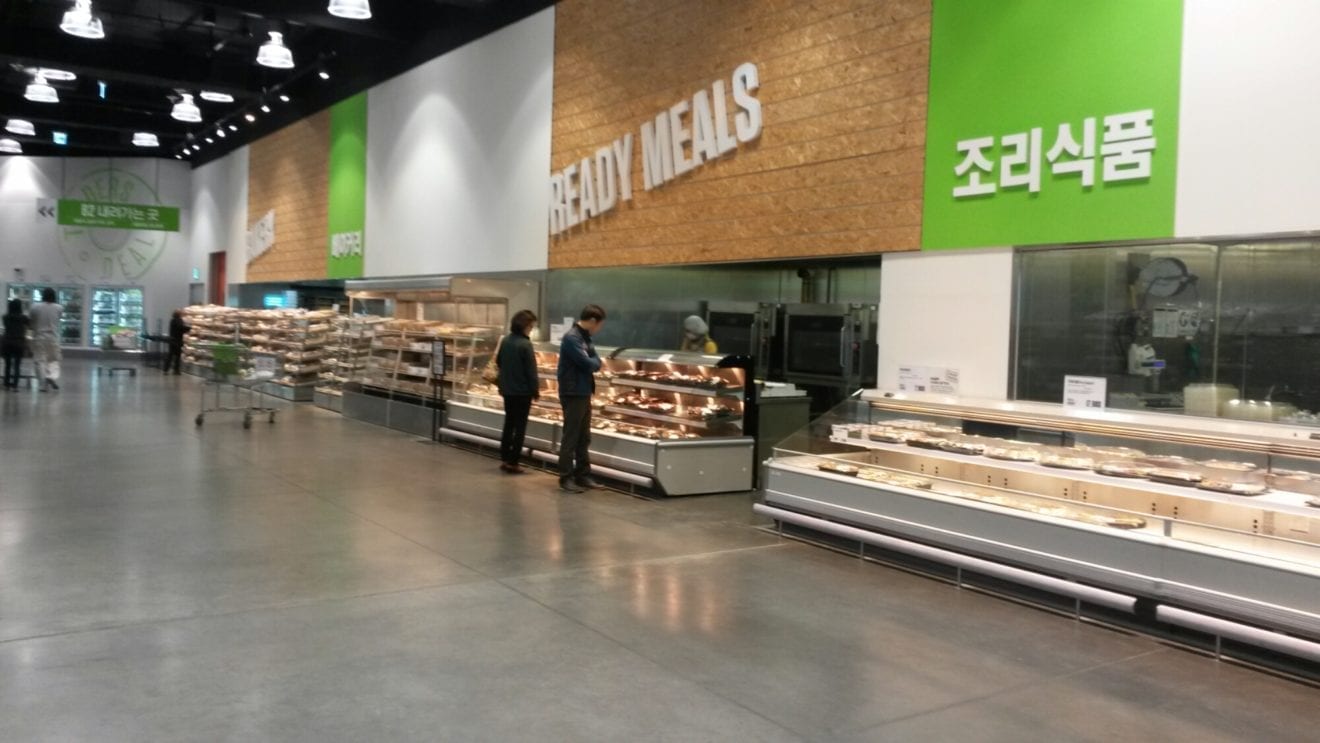
  • Massive Muji fresh store opens in Osaka

    Massive Muji fresh store opens in Osaka

    Japanese anti-brand retailer Muji has opened a massive 4300sqm store in Osaka featuring its first dedicated fresh department.

    While the company has offered dried foods, snacks and other foods since it was founded in 1980, and even shelf-stable vegetables in some stores, this is the first time it has ventured into chilled, fresh meat and produce.

    The Muji fresh store is the brand’s largest globally and five times the typical Japanese footprint. About 50 per cent of it is dedicated to food and it also features a Cafe & Meal Muji eating place.

    Kei Suzuki, director and executive officer of Muji parent Ryohin Keikaku, told Inside Retail Asia that once refined the company will look to roll out the concept in other markets.

    “At first we have to see what is going to happen in Japan, but I believe the Muji customer … is keen to have a good fresh product,” said Suzuki, who was one of the leading speakers at yesterday’s MarketingPulse conference, organised by the Hong Kong Trade Development Council.

    Suzuki said Muji customers are in tune with freshness, sustainability, supporting local farmers and suppliers – and they want quality. He is confident the Osaka concept store will win over customers.

    “Once we see that we are successful then … I also want to try it here in the future. But it has not been decided yet.”

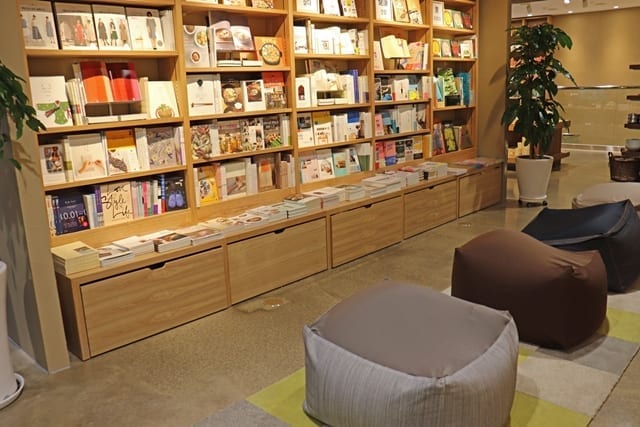
    Photos released by Muji show fresh meats, fish, vegetables and perishable goods on display in a bright, airy retail space. Minimalist design and displays made from natural materials are in keeping with the company’s market positioning.

    Meanwhile, in Japan, Ryohin Keikaku chairman Masaaki Kanai told local media Muji was committed to expanding its selection of local food products.

    “We want to become a part of the community.”

    One of the reported rationales behind Muji fresh is to entice customers to visit more often. Food is a more frequent purchase than stationery or household items, for example.
  • Walmart China introduces compact format

    Walmart China introduces compact format

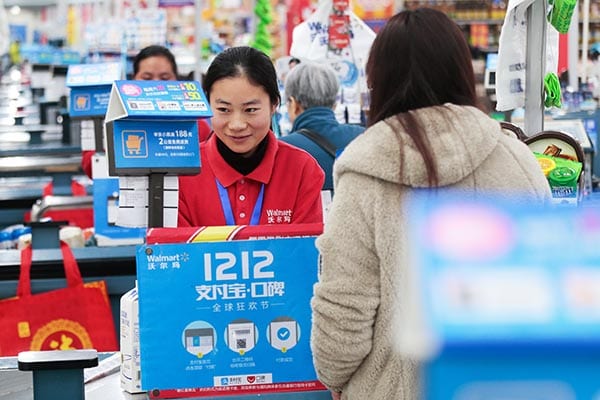
    Walmart China has deepened its omni-channel retail model with the opening of its first small-format Walmart Supermarket.

    In Shenzhen’s Bao’an district, the store delivers an integrated online/offline experience, with an emphasis on fresh foods, fast delivery and convenience.

    “Retail and lifestyle are closely linked,” says Walmart China hypermarket senior VP/COO Elliot Dickson.

    “Walmart is proud to have been a part of the evolution of shopping in China since we opened the first Walmart Hypermarket here in Shenzhen in 1996. We are introducing our Walmart Supermarket to give customers an upgraded omni-channel experience rooted in their own community.”

    The 1200sqm store stocks more than 8000 items, with a localised assortment strategy that includes fresh products, prepared meals, dairy products, beverages and household supplies. The layout also seeks to enhance shopper convenience with chilled vegetables, fresh fruit and frozen foods given prominence, alongside pre-prepared dishes such as fish with preserved vegetables and stir-fried clams.

    Ninety per cent of the supermarket’s inventory, including fresh, frozen, deli and bakery goods, are also available on the Walmart Supermarket at JD.com. The store has a high-tech stocking system so associates can precisely find products on the shelf and fulfil orders by the fastest product-picking route. This enables the store to provide delivery as fast as 29 minutes to homes within 2km of the store.

    Walmart Supermarket’s soft opening day set a record for stores on the JD.com platform, with more than 1000 online orders. The fastest delivery on opening day was less than 10 minutes from online order to the customer’s door.

    Using the scale and merchandising resources of more than 400 Walmart stores across China, the store introduces electronic price tags to help keep prices up to date.

    Services for customers include online options to buy e-gift cards, schedule home-appliance maintenance, arrange flower deliveries, and make travel reservations. In-store services ranging from laundry to key cutting, shoe repair and Shenzhen Tong card top-ups.

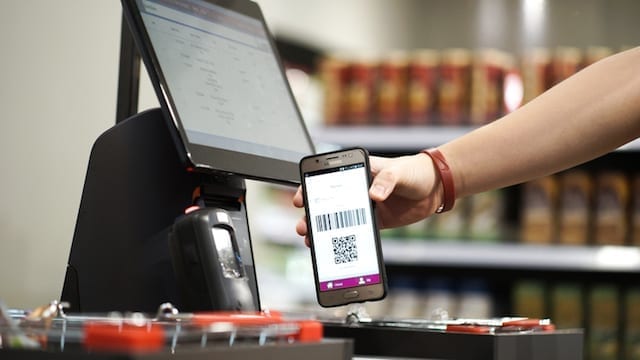
    Customers can use a WeChat mini-program to scan barcodes as they shop, and pay via their mobile device and verify payment in store to bypass the checkout counter. In a two-month pilot, more than one in five customers chose to pay through Scan & Go, with about 95 per cent of them planning to use the new way of payment again to save time. Overall, more than half of Walmart Supermarket customers chose online ordering, Scan & Go or self-checkout during the pilot period. There are nine checkouts: three Scan & Go payment-verification stations, three self-service checkouts, and three traditional checkouts with cashiers. The store provides high-speed Wi-Fi.

  • GS Retail to expand Lalavla network

    GS Retail to expand Lalavla network

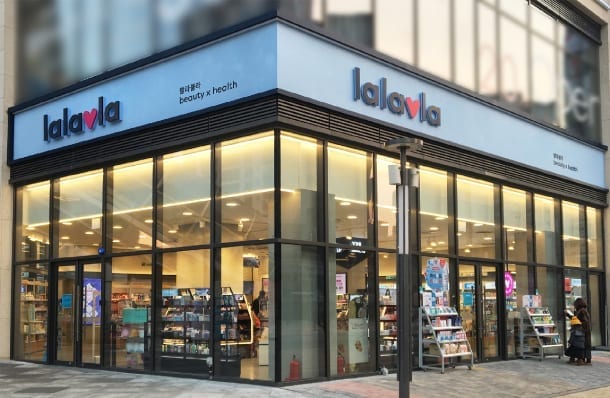
    South Korean convenience store company GS Retail plans to grow its health and beauty store network by up to 300 this year.

    After running Watsons outlets through a 50-50 JV with AS Watson, GS Retail bought the balance of shares from the Hong Kong-based firm last year and launched its new Lalavla brand in February.

    “We have completed changing the storefront signs,” says a company official. “We will now focus on advertising our new brand and expanding our business.”

    There are now 191 Lalavla stores nationwide.

  • Vietjet launches Summer Promotion with 500,000 tickets

    Vietjet launches Summer Promotion with 500,000 tickets

    Vietjet is to launch a 3 golden days promotion from April 4 to 6, 2018, with half a million tickets priced from HKD0. Available on its website www.vietjetair.com, the promotion is part of Vietjet’s Summer Promotion.

    The promotion applies for international route flying from Ho Chi Minh City to Hong Kong and all other international services from Vietnam to Seoul, Busan (South Korea)/ Kaohsiung, Taipei, Taichung, Tainan (Taiwan)/ Singapore/ Kuala Lumpur (Malaysia)/ Bangkok, Phuket, Chiang Mai (Thailand)/ Yangon (Myanmar) and Phnom Penh, Siem Reap (Cambodia). The flight period of this promotion is from May 5 to December 31, 2018(**).

    Vietjet’s three golden days promotion will offer passengers the opportunity to experience the native traditions of the new year of Southeast Asian countries, while planning for their summer vacations in many attractive international destinations.

    The promotional tickets are available during the golden hours from 13:00 to 15:00 (GMT+8) on their website. Payment can be easily made with debit and credit cards of Visa/ MasterCard/ AMEX/ JCB and KCP.

    Aiming to become a “Consumer Airline”, Vietjet is continually opening new routes, adding more aircraft, investing in modern technology and offering more added-on products and services to serve all demands of customers. Vietjet is a pioneering airline that is loved by many for its exciting promotional and entertainment programs, especially during the festive season. With high-quality services, diverse ticket classes and special low-fare tickets, Vietjet offers its passengers flying experiences on new aircraft with comfy seats, delicious hot meals, beautiful and friendly cabin crews, and other interesting added-on services.

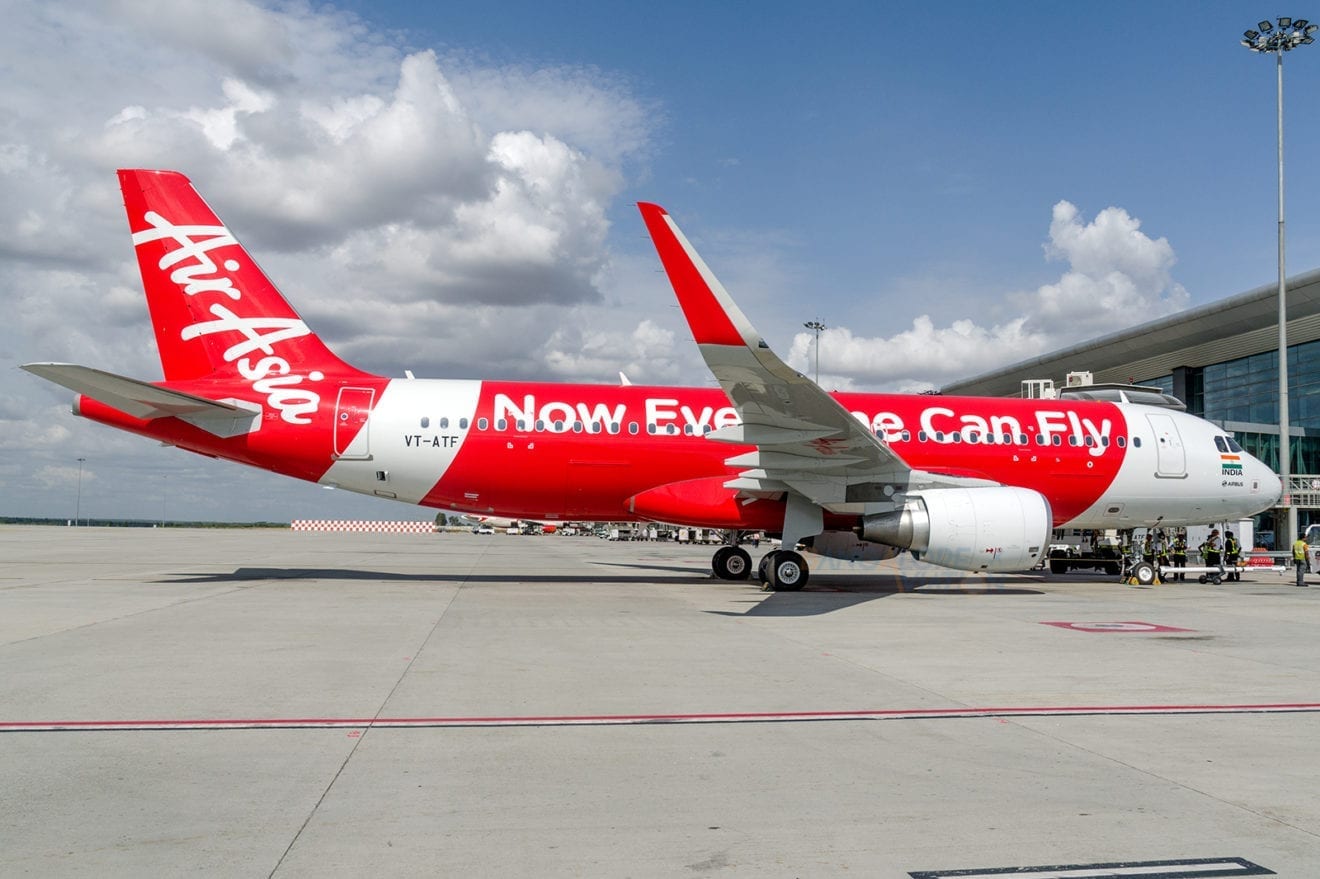
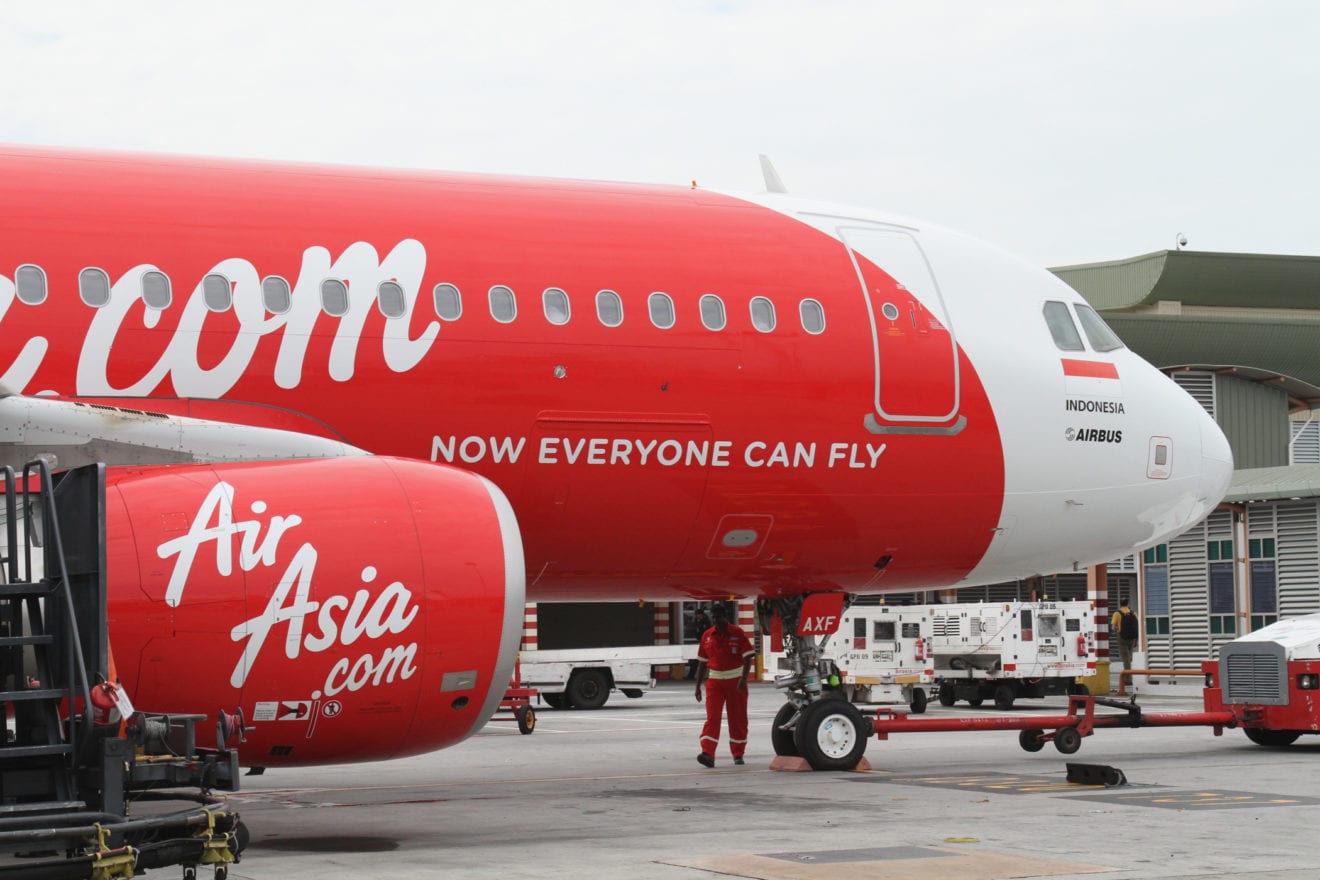
  • AirAsia Malaysia has flexible policies to empower its women workforce

    AirAsia Malaysia has flexible policies to empower its women workforce

    Over half of Spencer Lee’s team are women, and the head of the commercial department at AirAsia Malaysia continues to be amazed by all of them, their drive and their prowess for critical thinking.

    “Women are analytical, dynamic and rational individuals. Besides being great planners, they are calmer and never take no for an answer. This positive drive has enabled AirAsia to produce great results in the aviation turf,” Lee says.

    “I’m surrounded by women in the office. Some say I need a bodyguard to protect me from these confident and empowered women,” Lee adds in jest, during an interview at AirAsia’s RedQ in Sepang, Selangor.

    “A large percentage of women in our department hold managerial positions, too. They head sections such as marketing, sales, social media and route revenue,” says Lee, who has been with AirAsia for 13 years.

    Women are analytical, calm and confident in the workplace.

    Though Lee surrounds himself with strong women, he is never threatened or intimidated by their capabilities. On the contrary, he says he has never been gender specific about selecting team players. Instead, he focuses on their individual skills.

    “Employment comes down to having the drive, right skills set and commitment towards the job. No matter how smart a person is, that means nothing without the right attitude. At AirAsia’s commercial department, we source talents who are driven and passionate,” Lee explains.

    Lee says he’s aware that many of his colleagues are juggling various roles, especially mothers with young kids or those caring for elderly parents. “It’s important for leaders to emphasise and understand their subordinate’s concerns.”

    He adds, “We live in a world where everyone is digitally connected. At times, mothers in my team work from home when caring for a child who is unwell. The key is flexibility and understanding,” says Lee, who believes in adopting versatile work policies.

    AirAsia recently set up a daycare centre for kids between one and six years old, to make working more conducive for mothers. There’s also a launderette, a cafeteria and a clinic for their benefit.

    Lee says any company will attract the right female talent if it has the right policies and work environment.

    “At AirAsia, we have an amazing team comprising of mothers who juggle work and family. They are engineers, pilots and ramp agents (people who load and unload baggage and cargo). It is important to create a good ecosystem with facilities that empower women.”

    Lee says he’s never had a major hiccup among his female colleagues. The secret is to respect everyone and work as a family.

    “We take our work seriously and strive to give it our best. The job can be challenging but we embrace the work culture. Occasionally we have a get-together after work. It keeps the team stronger and united regardless of gender, colour or creed.”

  • ​AirAsia X seeks to move operations to secondary airports

    ​AirAsia X seeks to move operations to secondary airports

    By moving to secondary airports, airlines can save on expensive landing fees and slot fees while potentially receiving subsidies and creating an overall easier travel experience for their passengers. Passengers can still benefit though, as most secondary airports are just on the outskirts of large cities.

    AirAsia X Chief Executive Benyamin Ismail told FlightGlobal that the airline is expecting to save “around 40-50% in cost savings” by moving to smaller airports.

    Currently, the airline has only solidified one move to a smaller airport after they announced that they would be shifting their operations from Melbourne’s Tullamarine airport to Avalon later this year.

    The airline has also stated that it is evaluating whether or not they will move to Nagoya Airport, a smaller airport compared to Nagoya’s Chubu International Airport, as well as Toowoomba Wellcamp airport, 81 miles west of Brisbane.

    With a growing wide-body fleet, seven Airbus A330s being added this year, and its order for an additional 66 A330neos and 10 A350-900s, the airline has also been eyeing expanding their operations to smaller airports in India, China, and the United States.

    While the announcement of moving to smaller airports is new, the practice of “budget airports” has been a key principle for Air Asia, Air Asia X’s sister company, for quite some time now.

    According to Tony Fernandes, Air Asia’s CEO, the airline doesn’t “need [all of the] facilities, and new cities should build facilities to attract low cost airlines. We don’t need aerobridges, we don’t need expensive facilities. Our passengers want to go in and out as cheaply and quickly as possible.”

    The business model for “budget airports” allows low operating and building costs for the airports which in turn allows low-cost carriers to offer even cheaper tickets to their passengers.

  • AirAsia plans to launch BigCoin, a crypto-based reward system

    AirAsia plans to launch BigCoin, a crypto-based reward system

    Tony Fernandes, the CEO of AirAsia has announced that the airline plans to convert its frequent-flyer rewards program into a crypto-based reward system known as BigCoin. Tony was speaking to us when he made the statement.

    The Malaysian low-cost airline is trying to move towards a cashless system and at the same time improve the airline’s digital services. In the publication made on Nikkei on Thursday, Tony describes the system as something that will allow customers to buy seats, buy in-flight meals, upgrade seats and other services by use of BigCoin. All these services will be in addition to existing fiat currency options.

    He also goes on to tell Nikkei Asian Review that he foresees a situation where the airline will launch an initial coin offering very soon. While he didn’t provide a concrete timeline when this will happen, the article suggests it might occur anywhere between three and six months from now.

    So far there have been no details released by the airline if it’s developing its own blockchain or if it’s utilizing an existing platform. The Asian carrier isn’t the only airline looking at the blockchain as a crypto-based reward system in recent months. Singapore Airlines on Feb. 5 announced they were planning to launch a digital wallet that was to be powered by the blockchain and it would serve the frequent-flyer KrisFlyer program.

    The airline said the program would enable members of the KrisFlyer program to spend their air miles at any retail members for any point of sale transactions. The company goes on to say the initiative comes after a successful trial of proof-of-concept that was done in collaboration with Microsoft and KPMG and they are currently signing up retail merchants based in Singapore to join the blockchain based service.

  • Malaysia First to Offer Gold in Exchange for Recycled Plastics and Cans

    Malaysia First to Offer Gold in Exchange for Recycled Plastics and Cans

    Malaysians will soon be the first to earn gold by recycling their plastic bottles and aluminum cans. Southeast Asian fintech firm HelloGold and Malaysia’s reverse-vending machine (RVM) company KLEAN are implementing a recycling scheme that offers Malaysians 0.00059 grams of investment-grade gold for each recycled plastic bottle and each aluminum can.

    Anyone can start earning gold by first downloading the HelloGold app from the Google Play Store or Apple Store and registering for an account. Once registered, users can bring their plastic bottles and aluminum cans to any KLEAN RVM for recycling. After depositing the bottles or cans in the machine, users can choose to convert their KLEAN e-credits into gold through a seamless integration between the KLEAN digital wallet and the HelloGold mobile app. Users can also register for an account at any of the forty machines that will be available across Klang Valley in July, and 500 machines across Malaysia at key locations before the end of the year.

    Robin Lee, CEO and Co-founder of HelloGold, said, “Emerging economies across Asia are dealing with increasing plastic use and consumption. Without adequate recycling infrastructure or habits in place, these plastics end up in landfills and oceans destroying the environment. HelloGold’s partnership with KLEAN will incentivise people to clean up the environment, while accessing new financial products such as gold.”

    “In our mission to enable everyone access to safe and affordable gold products to protect their savings, HelloGold has been expanding our reach to millions of online and offline communities through key partnerships such as Axiata’s Boost and Aeon Credit. Our latest partnership with KLEAN reflects our shared values in using innovative technology to enable financial inclusion and wealth creation for the man on the street,” Robin concluded.

    Increasing plastic waste has become a pressing environmental problem for countries across Asia. Six of the top ten countries most responsible for plastic waste entering the ocean are in Asia, leading with China and followed by Indonesia, Philippines, Vietnam, Thailand and Malaysia. Only 14% of plastic packaging is collected for recycling globally, an estimated US$80-120 billion economic loss per year.

    Nick Boden, CEO of KLEAN, said, “Plastic waste is increasing around the world, yet recycling rates remain low. Through this partnership, we aim to encourage greater recycling by showing Malaysians the potential wealth and money that lies around our communities, in our landfills and floats in our oceans.”

    Nick continued, “After launching in Malaysia, we see great potential to expand our offering to other countries such as Singapore and South Africa. In countries such as South Africa, plastic scavenging is often the main source of income for families who must sell their plastic within an informal economy that is dominated by middle men with high fees. Enabling these families to directly access virtual currency or gold at KLEAN’s reverse vending machines will allow for a safer and more stable economic livelihood.”

    The KLEAN Reverse Vending Machines collect aluminum cans and plastic bottles, sort and crush on site, while registering users and rewarding them with virtual points. These collected items are then smelted back into aluminum in the case of cans and recycled into PET pellets in the case of plastic bottles.

    According to report, imports of plastic waste have increased sharply in Southeast Asia following China’s decision to ban imports of plastic waste from the start of 2018. Malaysia’s plastic imports jumped from 288,000 tonnes in 2016 to 450,000 tonnes in 2017; in the same period, Vietnam’s imports rose 62%, Thailand’s 117%, and Indonesia’s 65%.

  • More stagnant E-mart store to be closed

    More stagnant E-mart store to be closed

    Shinsegae Group’s discount chain E-mart has decided to shut several more stagnant stores this year to improve the company’s efficiency.

    Shinsegae says it has also sold its Deoki-dong branch in Ilsan, Gyeonggi Province. The outlet had initially been a Walmart store in 1996, but became an E-mart in 2006 after Shinsegae acquired the US-based discount chain’s Korean affiliate.

    “We realised we needed to reform our stores for continuous growth,” says an E-mart official, “so we began closing down our stores that showed sluggish sales.”

    The company sold its store in Hakseong in Ulsan, the store in Bupyeong in Incheon and the store in Siji in Daegu last year. It also sold land in Hanam and Pyeongtaek, Gyeonggi Province.

    Following the closure of an SSG Food Market Mokdong store in Seoul in January, E-mart plans to shut down the Bupyeong and Siji branches in the first half of this year. The restructuring is regarded as a move to offset the retailer’s sluggish growth rate over the past few years.

    E-mart posted KW566.9 billion (US$524.3 million) in operating profits last year, down 0.3 per cent from the previous year.

    Disposing of its stores showing losses, the company is considering opening a couple of new stores this year, as reported.

    E-mart left the Chinese market last year because of lingering losses in the world’s most populous country. After launching E-mart store there in 1997, at one time it had 30 outlets. However, the Chinese affiliate posted KW21.6 billion in losses in 2016, and its accumulated deficit between 2013 and 2016 reached KW150 billion.

    Meanwhile, E-mart will begin building its second store in Ho Chi Minh City in May. The company is using its Vietnamese affiliate as a base for its expansion in other Southeast Asian countries, such as Cambodia, Laos and Myanmar.

  • Retail, office sectors will top investments in 2018

    Retail, office sectors will top investments in 2018

    Commercial real estate investors will continue to invest in the retail sector despite the oversupplied market, a commercial real estate investment sentiment survey done by Knight Frank Research revealed.

    The survey targeted key players in commercial property, namely developers (56%), fund/REIT managers (24%) and commercial lenders (20%), to grasp their sentiment in real estate investment.

    It showed that despite unfavourable market sentiment towards the retail sub-sector, all respondents intend to deploy more capital, citing opportunities available. For example, embarking on various asset enhancement initiatives will improve the competitiveness of their retail assets.

    Surprisingly, the office market, which is also viewed unfavourably, is also expected to generate much attention from developers and lenders, with the exception of fund/REIT managers, who plan to limit exposure in this sub-sector mainly due to the oversupply situation that will inevitably place downward pressure towards rental yields of office properties.

    The survey concluded that retail and office sub-sectors are expected to continue generating the most interest in 2018 despite their unfavourable outlook, due to the two sub-sectors generally having higher development values.

    As for the hotel/leisure sub-sector, lenders plan to retain a similar exposure in 2018, whereas developers are expected to deploy more capital into this sub-sector. However, fund/REIT managers will limit their exposure to this sub-sector in 2018.

    Developers’ plan to invest more in the hotel/leisure comes at a time where the tourism sector in Malaysia remains strong.

    Hence, this sub-sector acts as a logical avenue for developers to diversify beyond the weakening office and retail sub-sectors, which used to be the highly coveted sub-sectors for developers.

    Fund/REIT managers plan to limit their exposure towards the hotel/leisure sub-sector as they prefer to invest in the logistics/industrial sub-sector, due to higher yields and brighter prospects supported by the rise in e-commerce.

    Logistics/industrial and healthcare/institutional sub-sectors will garner more attention from fund/REIT managers and lenders while developers remain on the sideline.

    Besides that, the retail sub-sector is also better liked by fund / REIT managers although they will be more selective in the future.

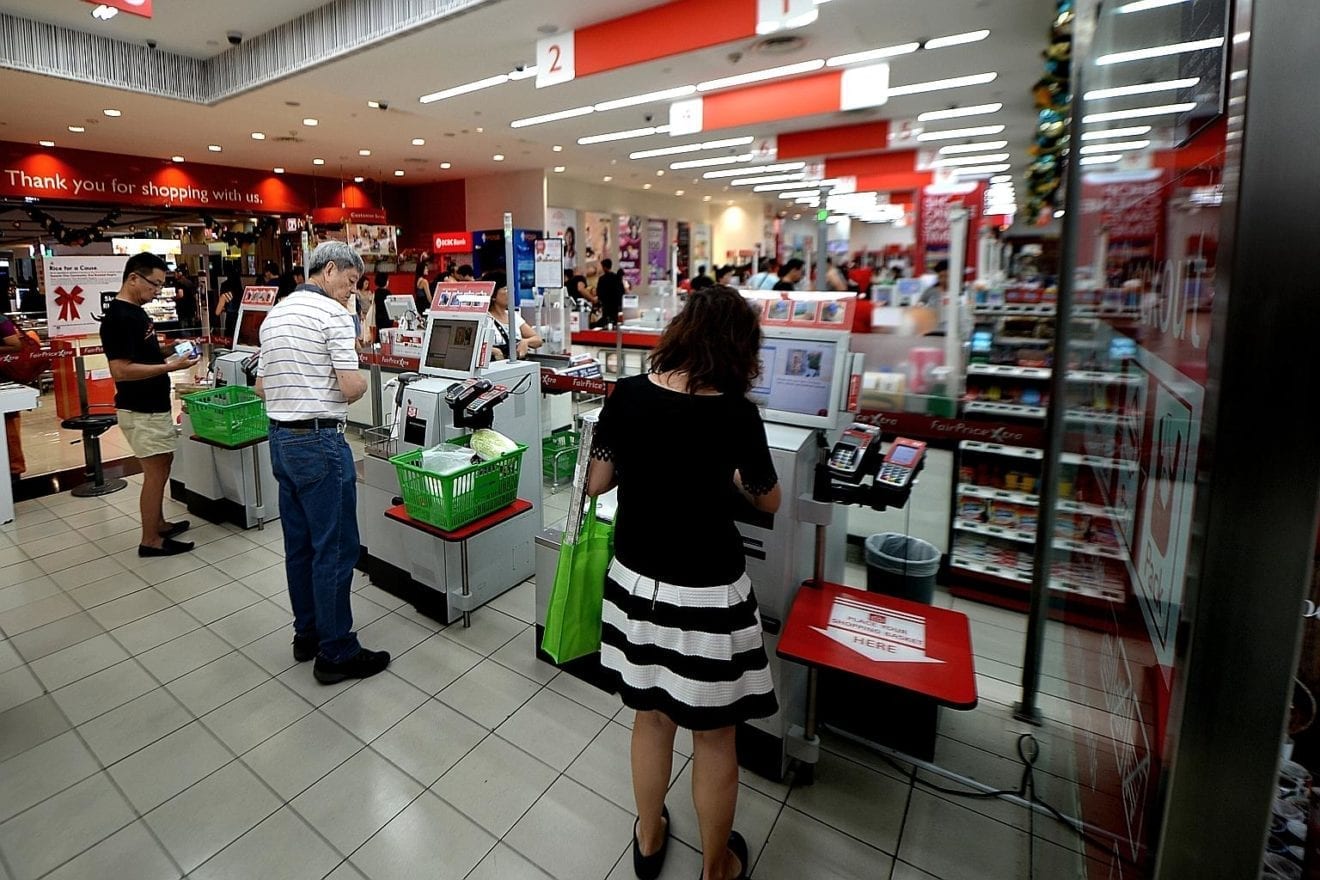
  • Automated stores with no human cashiers on the rise

    Automated stores with no human cashiers on the rise

    Unmanned Stores without cashiers are on the rise, industry sources said, amid local retailers‘ efforts to find a breakthrough in the saturated market.

    Local software firm Danal Co., which operates coffee franchise dal.komm coffee, said it recently opened the country’s first cashier-less coffee shop at the country‘s main gateway, Incheon International Airport.

    The coffee shop, named Beat, is located at the newly opened second terminal and is activated by robots, the company said.

    The store is operated by smart robots that can take orders, make coffee and move cups to a pick-up location where customers can drink.

    “The company aims to add up to 100 stores by the end of this year at various locations, including banks, shopping malls, and universities,” said a company official who asked not to named.

    Unmanned convenience stores are also on the rise, since the country’s first cashier-less convenience store broke onto the retail scene in May. The local operator of 7-Eleven unveiled a shop that utilizes vein recognition technology at South Korean retail giant Lotte‘s 123-story skyscraper.

    Unlike other 24-hour shops, automated convenience stores feature self-service kiosks, where guests scan the bar codes of their items and pay.

    Emart24, an affiliate of leading discount store chain operator Shinsegae, currently operates six cashierless stores, having opened the first one last June.

    BGF Retail Co., the operator of CU, South Korea’s largest convenience store chain, said it is preparing to open an unmanned shop.

    The company currently provides mobile application called “Buy-Self,” which allows customers to search for an item, and provides a payment tool.

  • China vows to hit back as US trade sanctions loom

    China vows to hit back as US trade sanctions loom

    President Donald Trump is poised to unveil sanctions against China today for the “theft” of US intellectual property, fuelling fears of a trade war as Beijing vowed to retaliate.

    White House spokesman Raj Shah said that Trump will announce actions following an “investigation into China’s state-led, market-distorting efforts to force, pressure, and steal US technologies and intellectual property”.

    According to his schedule, released by the White House on Wednesday evening, he will sign “a Presidential Memorandum targeting China’s economic aggression”.

    The Chinese commerce ministry issued a pre-emptive warning, saying in a statement today that Beijing “will certainly take all necessary measures to resolutely defend its legitimate rights and interests”.

    China today blamed US export restrictions for its record trade surplus with the US, but expressed hope that a solution can be found to settle trade issues between the world’s two biggest economies.

    Chinese Foreign Ministry spokeswoman Hua Chunying said it was unfair to throw around criticism about unfair trade if the US won’t sell to China what it wants to buy, referring to US export controls on some high-tech products.

    “How many soybeans should China buy that are equal to one Boeing aircraft? Or, if China buys a certain number of Boeing aircraft should the US buy an equal number of C919s?” Hua said, mentioning China’s new self-developed passenger jet.

    However, China still hopes it can hold constructive talks with the US in a spirit of mutual respect to seek a win-win solution, she added.

  • Orolia Brand introduces PRISMA, a reporting solution with true UTC Source Traceability

    Orolia Brand introduces PRISMA, a reporting solution with true UTC Source Traceability

    Spectracom, an Orolia brand, has released PRISMA™ Compliance, the first time-sync reporting solution developed specifically for MIFID II and FINRA compliance that was built from the ground up using a high-performance database from the Paris-based company Quasardb. The drop-in software is the only compliance reporting solution that provides true UTC traceability with real-time reporting, NTP/PTP compatibility and multisite replication for resilience.

    “Spectracom partnered with quasarDB because we needed a solution that was capable both of handling the huge quantity of data generated by all of the timing elements in large networks, and would provide fast reporting of that data.” said Jeremy Onyan, Spectracom’s director for time sensitive networks. “With quasarDB behind it, PRISMA™ Compliance users can easily produce the reports necessary to satisfy the RTS25 requirement of MIFID in real time – in seconds, not hours.”

    Onyan said that, unlike other compliance software, PRISMA™ Compliance collects and aggregates all the relevant information in the timing chain to deliver true offset to UTC, “not just from master to client.”

    “This capability is key, because both MIFID and FINRA regulations require full traceability to UTC,” Onyan said.

    PRISMA™ Compliance is fully compatible with all common versions of NTP and PTP, making it easy to use in both older legacy NTP networks or new, low latency PTP deployments.

  • Funmaii jumps on cashless retail hype with e-wallet app service

    Funmaii jumps on cashless retail hype with e-wallet app service

    Malaysian convenience store concept Funmaii aims to become a major player in the cashless retail ecosystem.

    It has made this announcement at the opening of its second outlet, in Bandar Puteri, Puchong. Its first store launched at Sunway Nexis, Kota Damansara, in January.

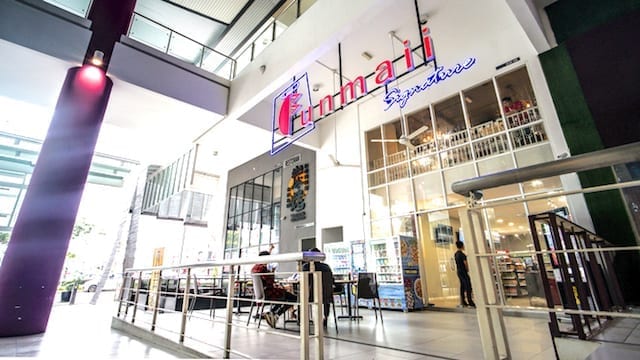
    Designed like a normal convenience store, Funmaii outlets offer daily necessities combined with the ease of electronic payment. Customers simply pick up their items and make payment through the Funmaii app e-wallet service, or by Mastercard or Visa credit cards. As well as Malaysian food products, the stores offer imported snacks and beverages from Japan, Korea, Taiwan Funmaii co-founder Brian Wee says the shopping experience is centered on an all-in- one mobile app. Besides its e-wallet capabilities, the app also allows customers to track their expenses and redeem rewards in the form of discount vouchers, extra credit and rebates.

    Meanwhile, Funmaii is about to introduce three types of convenience stores: Basic, Signature and Concept. Funmaii Basic stores offer cashless convenience and small seating areas, while Funmaii Signature stores also feature a “chillout” area for small events. Through partnerships with various brands, Funmaii has plans to set up Funmaii Concept stores that will feature an array of products and services not typically found at convenience stores, including dessert and coffee bars, and also fashion and beauty.

    “We have an aggressive ambition to grow our network of Funmaii branded stores and kiosks, not only in Malaysia but also in Southeast Asia, including Singapore and Indonesia,” says Wee. “We plan to open around 30 outlets over the next 12 months and ultimately have 100 outlets by the end of next year.”

    He says Funmaii also plans to install 10,000 vending machines in major shopping malls around Malaysia in the next three years.

  • Ministry working on faster internet with private sector

    Ministry working on faster internet with private sector

    Korea is pushing to commercialize 10-gigabit transfer speeds that are 10 times faster than Giga Internet, the fastest broadband service currently available in the country, the Ministry of Science and ICT said Sunday.

    The ministry would work closely with local IT companies to adopt 10-gigabit service, considered the core technology behind 5G wireless technology, virtual reality and augmented reality. Under the plan, the ministry plans to form a consortium to develop basic equipment and prepare networks for the rapid commercialization of 10-gigabit speeds.

    “The ministry hopes to achieve competitiveness in the ICT industry by commercializing 10-gigabit internet through close cooperation between public and private sectors,” a ministry official said.