Category: General

Retail News Asia is committed to providing both local and global retailers with the latest General Retail news throughout the Asian market. This on a daily base.

  • Singapore retail sales and Lunar New Year

    Singapore retail sales and Lunar New Year

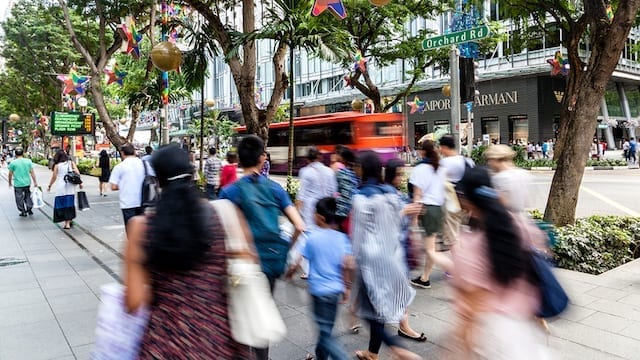
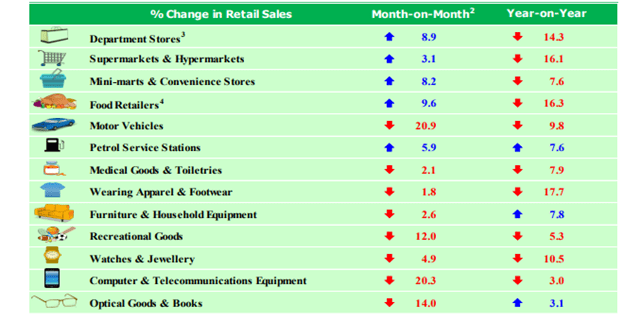
    Singapore retail sales fell in January, however there is little to read from the figures.

    The decline – of 8.1 per cent (excluding motor vehicles) – is totally attributable to the timing of Lunar New Year which fell in February this year and January last year, making year-on-year comparisons meaningless.

    However, month-on-month sales fell a mere 1.5 per cent which suggests a solid January given the strength of Christmas trade in December.

    Statistics Singapore estimates the total value of retail sales in January at S$3.9 billion, compared with $4.3 billion in January last year. It estimated online retail sales accounted for 4.1 per cent of total sales in the city state.

    The only categories to register a rise in sales year-on-year were furniture and household equipment and optical goods and books, which rose 3.1 per cent and 7.8 per cent, respectively.

    Seasonally adjusted sales of food and beverage services fell 4 per cent in January over December, and 13.2 per cent over January last year, again reflecting the timing of Lunar New Year.

  • January Malaysia manufacturing sales up 11% year-on-year

    January Malaysia manufacturing sales up 11% year-on-year

    Manufacturing sales in Malaysia soared 10.8% to RM67.8 billion in January this year compared with RM61.2 billion in the same month of 2017.

    The Department of Statistics said in a statement today the significant increase in sales value was due to increases in electrical and electronic products (14.3%); petroleum, chemical, rubber and plastic products (10.9%); and non-metallic mineral products, basic metal and fabricated metal products (8.1%).

    These three sub-sectors contributed 80.2% to the sales value of the manufacturing sector in the first month of the year.

    The total number of employees engaged in the manufacturing sector in January 2018 was 1.07 million persons, a 2.5% increase or 26,203 persons from the 1.04 million persons in January 2017.

    Salaries and wages paid rose 13.3% or RM439.7 million to RM3.74 billion, translating into an average salaries and wages per employee of RM3,494 in January 2018.

    Sales value per employee was up by 8% to RM63,292 compared with the same month in the previous year.

  • Vietnam records US$33.62bn in export value in Jan-Feb

    Vietnam records US$33.62bn in export value in Jan-Feb

    Vietnam had six groups of export commodities gaining at least US$1 billion in export value in the first two months of 2018.

    This was revealed by the General Department of Customs.

    The result was one more group than that in the first two months of 2017. The new “billion dollar” goods item was seafood, which was the largest export product of the agricultural sector.

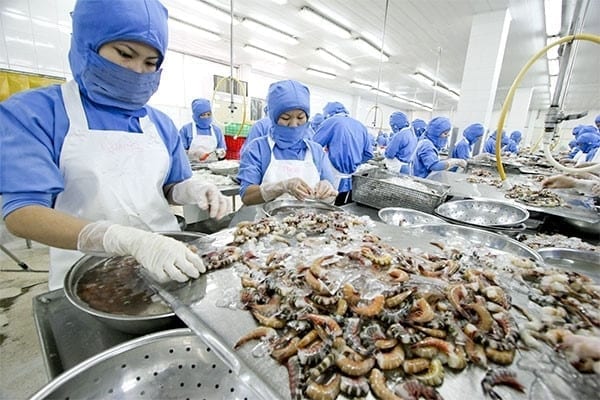
    In the first two months of this year, the export value of seafood reached $1.1 billion, up 20.4 per cent over the same period last year. However, its export value in February reduced 37.3 per cent month-on-month to $430 million.

    Five others included the group of telephone and its parts; the group of computer, electronic products and their parts; the group of other machines, equipment, tools and components; the group of footwear; and the group of textile and garmentt.

    The department said all export commodities gaining billion-dollar export value achieved double-digit growth rate in export value.

    During the first two months of this year, the export value of telephone and its parts reached $6.63 billion, a year-on-year increase of 41.7 per cent, the largest export value among all.

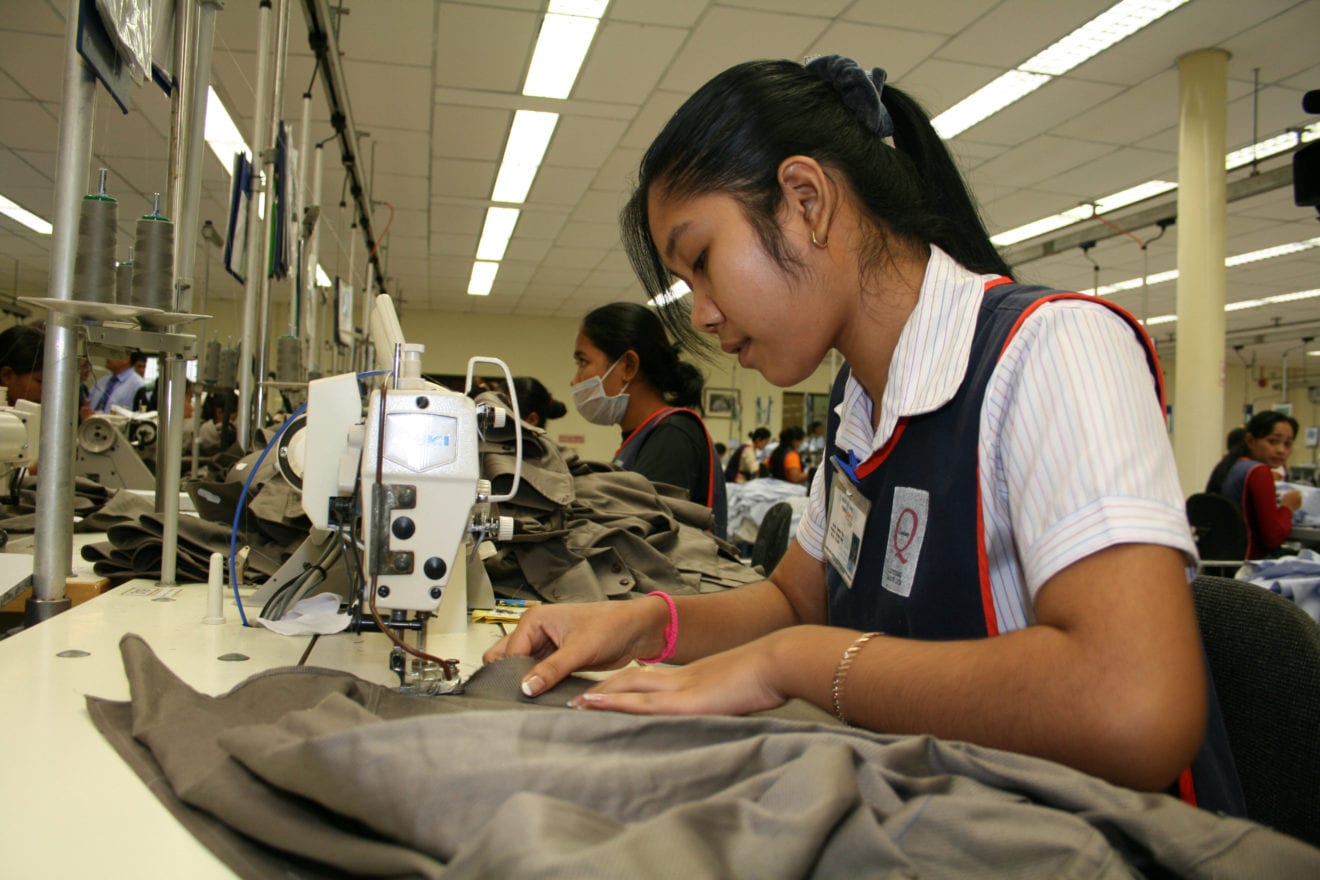
    Textiles and apparels gained a surge of 22.3 per cent year-on-year in export value to reach $4.3 billion. This was considered the highest growth rate in export value of the textile and garment industry in recent years.

    Computers, electronic products and their parts had an estimated export value of $4 billion, up 19.2 per cent over the same period last year. The export value was $2.27 billion for footwear products, up 11.9 per cent, and $1.27 billion for wood and wooden products, up 20.1 per cent compared to the same period last year.

    By the end of February, the total national export value was estimated at $33.62 billion, a year-on-year increase of 22.9 per cent. Of this, $19.57 billion came from the six groups of commodities earning a billion dollars in export value, accounting for 58.2 per cent of the total export value.


  • Indonesia Will Call Trump’s Trade War Bluff

    Indonesia Will Call Trump’s Trade War Bluff

    Indonesia will not back away from a potential trade war with the United States, should US President Donald Trump decide to carry out his plan to increase tariffs on some imported commodities, Vice President Jusuf Kalla said on Thursday (08/03).

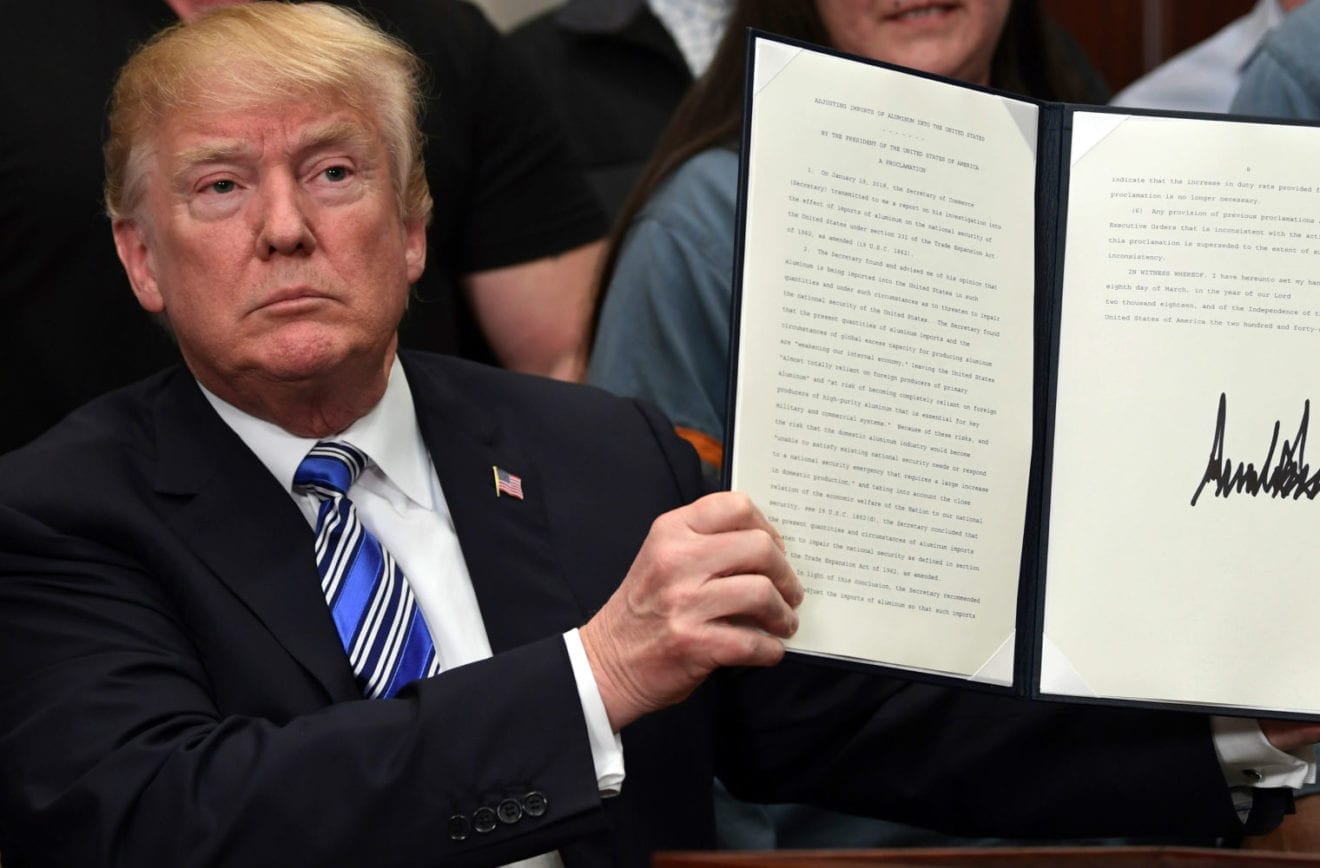
    Trump announced last week that his administration plans to impose a 25 percent tariff on imported steel and a 10 percent tariff on imported aluminum, on the grounds that imports endanger American national security by harming domestic production.

    The plan unsettled even the United States’ close allies, fearing a full-blown global trade war that could derail delicate global economic growth.

    “If Trump’s trade war eventually escalates, it can drag agricultural countries in. If the US blocks our palm oil, we will block their soybean exports to Indonesia; we can be self-sufficient,” Kalla said in a speech at the fourth Jakarta Food Security Summit.

    Eleven percent of Indonesia’s total exports, or $17 billion, were destined for the United States last year. This makes it Indonesia’s second-largest export destination.

    Southeast Asia’s largest economy also enjoyed a $9.3 billion trade surplus with the United States last year.

    Indonesia’s palm oil exports to the United States amounted to $939 million last year, which represents around 5 percent of its total exports of the tropical oil, Central Statistics Agency (BPS) data showed.

    According to the US Department of Commerce’s International Trade Administration, the United States exported 2.6 million metric tons of soybean last year, worth $994 million.

    Indirect Blow

    Only 1 percent of Indonesia’s steel exports go to the United States, so Trump’s proposed steel and aluminum import tariffs would not inflict a direct blow to local steel producers, said Hidayat Triseputro, executive director of the Indonesian Iron and Steel Association.

    But he warned of the possibility that Chinese steel exports destined for the US market may flood the Indonesian market.

    Indonesia is a member of a free trade arrangement between the Association of Southeast Asian Nations (Asean) and China that came into effect in 2010. The agreement resulted in Chinese exports to Indonesia spiking to $30.5 billion in 2014 from only $3.4 billion in 2004.

    According to World Steel Association data, China was the world’s largest steel producer in 2017, at 831.7 million metric tons, while Indonesia produced only 4.8 million tons of the alloy.

    “The government should secure the domestic market with strict regulation and take sides with local products … as it can make investors lose interest in the Indonesian market due to the policy being not affirmative to the domestic market,” Hidayat said.

  • Aldi Eyes Store Expansion In China

    Aldi Eyes Store Expansion In China

    Aldi South, the German discount supermarket giant, is planning to open up to 50 branches in China, as reported on Thursday.

    Aldi South, one of the leading low-budget supermarket chains in Germany, has put together a team for its expansion in China, the Lebensmittel Zeitung, a German weekly newspaper for executives in the food industry and in commerce. It will be one of the biggest expansion plans in the history of the company.

    Aldi South has already opened its first online shop in China on the platform of Tmall, which is run by Alibaba group in China.

    The company has not commented on the report.

    The discounter offers groceries including wine, snack, breakfast and organic food products at its flagship Tmall store through its Australian suppliers.

  • Qualtrics Leapfrogs Reactive Customer and Employee Experience Tools with New Prescriptive Offering

    Qualtrics Leapfrogs Reactive Customer and Employee Experience Tools with New Prescriptive Offering

    Qualtrics, the leader in experience management, today announced significant enhancements to its award-winning Qualtrics Experience Management (XM) PlatformTM, making it easier than ever for organisations to close experience gaps––the difference between what organisations think they are delivering and what customers and employees actually experience. With the launch of the iQ Directory, Qualtrics now offers organisations a single-system-of-record for all experience data. Powered by a layer of artificial intelligence and machine learning, the iQ Directory enables advanced, intelligent features throughout the Qualtrics XM platform––including predictive capabilities that forecast individual behavior such as employee attrition and customer churn. The announcement was made at the Qualtrics 2018 X4 Experience Management Summit in Salt Lake City.

    Based on over 15 years of leadership in the insights and analytics industry, Qualtrics announced the revolutionary XM Platform one year ago. Used by over 75 percent of the Fortune 100 and 99 of the top 100 U.S. business schools, the Qualtrics XM Platform helps companies like Allianz, JetBlue, Microsoft and Yamaha measure, prioritise, and optimise the experiences they deliver across the four core experiences of business—customer, product, employee and brand experiences.

    “The experiences companies deliver are more important today than they have ever been. Customers don’t just buy a product anymore, they buy an experience. And it is the experience companies provide that makes or breaks a brand,” said Ryan Smith, co-founder and CEO of Qualtrics. “Similarly, employees don’t want a job description where they are cogs in a machine. They want their work to be an experience they can talk about and share. Companies today essentially compete on the experiences they provide and they are turning to the XM Platform to help them measure, improve, and act on these key experience programs.”

    Two enhancements to the Qualtrics Experience Management Platform announced today include important extensions to the Qualtrics iQ™ group which was announced last year—a collection of advanced, intelligent features built on artificial intelligence, machine learning and advanced analytics to improve the experiences organisations deliver. The newest elements of Qualtrics iQ include the iQ Directory and Predict iQ:

    iQ Directory:

    The Qualtrics iQ Directory is a live, organised chronicle that captures the emotions, sentiments, beliefs and preferences of an audience. The iQ Directory contains all experience data, or X-data, collected over time, creating a system of record of all interactions and opinions each person has of an organisation.

    iQ Directory enables a company to take a person-centric view, helping companies gain a better understanding of an individual person’s unique journey with the company. Because each new interaction builds upon past information, this rich collection of experience data makes new interactions smarter over time, allowing a brand to customise future touch points for each group based on past preferences and therefore ensuring a better overall experience.

    As the iQ Directory is now recorded as transactional data with each data point providing a record of each interaction throughout the individual’s journey, it is possible to pinpoint key drivers and changes in sentiment over time. The application of machine learning helps predict how an individual might respond in a certain situation, empowering a company to be predictive in its outreach rather than just reactive.

    The Qualtrics iQ Directory enables companies to interact with people at the right moment, with the right message, via the best channels, making interactions feel like an ongoing conversation rather than transactional pings along a customer or employee journey.

    Predict iQ:

    Predict iQ helps companies understand which customers are likely to leave and what they can do to prevent customer attrition before it happens. Using neural network, open-source algorithms to make its predictions, Predict iQ utilises Qualtrics Actions, allowing users to set up triggers to send emails, create tickets, or ping any third-party service for immediate action to be taken when needed. Easy-to-use and requiring only minutes to set up, Predict iQ makes deep learning accessible to anyone.

    Predict iQ centralises all churn analysis and reduction efforts in one place and is deeply integrated into existing feedback collection, so there’s no need to move data around to get predictions. Predict iQ also complements Stats iQ, allowing companies to use Stats iQ to understand and fix systemic issues while leveraging Predict iQ to save individual customers. All this can be done while larger-scale initiatives are being put in place, providing results from day one.

    Certified XM Solutions:

    Designed by the world’s leading researchers, practitioners and consultants, Certified XM Solutions are packaged projects and programs with expert content, workflow, and automation––built directly into the Qualtrics platform. These community-driven solutions provide complete industry-specific experience management programs including everything from best practices, to content, to technical implementation, to survey design, to contact frequency guidance, to data analysis, and recommended next steps.

    Qualtrics Certified XM Solutions currently include experience management solutions that span employee engagement solutions, customer experience solutions, product and brand experience solutions for many industries including financial services, education, government, retail, B2B, and more.

    Qualtrics Certified XM Solutions are designed to reduce the time, risk and cost of implementing an experience management program from the ground up. Ideal for customers who want a pre-packaged solution to get up and running quickly when they have little capacity, low in-house expertise, or when time is of the essence, Qualtrics Certified XM Solutions are easy to implement and are built for change and growth.

    Because Certified XM Solutions are powered by the flexible Qualtrics Experience Management Platform, it is easy to scale programs as organisations grow and needs evolve. The solutions are designed for use by any organisation, from the smallest start-up to the largest global enterprise.

    Continued Growth for XM Platform

    Qualtrics recently launched a global Qualtrics Partner Network to support the fast-growing XM ecosystem, including founding partners J.D. Power, Kantar TNS and Walker Information. Qualtrics opened new international offices in France, Japan, Poland and Singapore in recent months, and the company has grown to over 1,600 employees, all to support expanding demand for the XM Platform.

    These latest enhancements to the Qualtrics Experience Management Platform are available now as part of the CX, EX and RC solutions.
  • Aeon expects sales to increase 10-20% during promotion period

    Aeon expects sales to increase 10-20% during promotion period

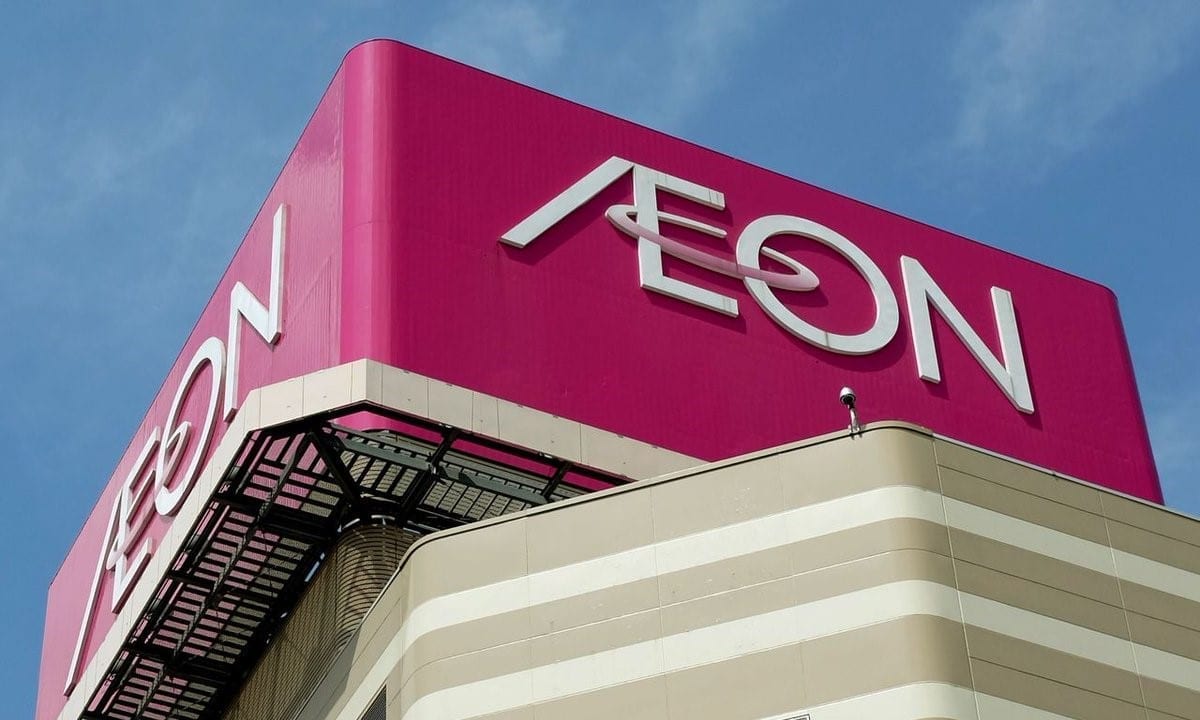
    Aeon Co (M) Bhd expects sales to grow between 10% and 20% during its promotion period, the Aeon Day and Thank You Day sales promotions.

    Executive director Poh Ying said the “Aeon Day” sales promotion would be held on every 8th and 28th day of the month while the “Thank You Day” on every second and last weekend of the month.

    “These promotions will benefit 1.2 million Aeon members who have played a pivotal role in spurring our growth,” he said after launching the Aeon 2018 Promotions today.

    He said for “Aeon Day”, members would receive RM5 cash vouchers for every RM100 spent or RM3 cash vouchers for every RM60 spent, while for “Thank You Day”, they would receive RM5 cash vouchers for every RM80 spent, RM10 cash vouchers for every RM150 spent and RM30 cash vouchers for every RM300 spent, all excluding the Goods and Services Tax.

    “With the rising cost of living and the inflation, many consumers are looking for more ways to stretch their money, especially for groceries.

    “The cash vouchers can help our customers obtain greater savings in the long-run,” he added.

    Poh said that consumer spending sentiment this year was expected to be good due to the upcoming election as well as the implementation of measures to curb inflation.

    “Along with the consumer-friendly 2018 Budget and the better ringgit, I believe these factors will drive consumer spending and the growth of the retail industry,” he added.

    Meanwhile, Poh said Aeon had allocated between RM400 million and RM500 million in capital expenditure this year to be used, among others, to renovate new and existing stores in Taman Maluri, Kuala Lumpur, Kuching and Johor.

    To date, Aeon operates 33 departmental stores cum supermarkets and manages and operates 26 shopping malls, three MaxValu and three MaxValu Prime supermarkets, nationwide.

  • Daigou hub streams live shopping to China

    Daigou hub streams live shopping to China

    Listed Australian company AuMake has launched the country’s first purpose-built retail hub for China’s growing army of “daigou” shoppers, using live streaming to reach millions of overseas consumers.

    The new 430sqm Daigou Hub retail concept is set in the heart of Sydney’s Chinatown, combines state-of-the-art live streaming technology with face-to-face supplier interaction – aiming to build the profile of Australian suppliers and connect them directly with Chinese consumers via the daigou and Chinese tourist markets.

    The hub includes a presentation space for supplier demonstrations, cafeteria, several product display locations and an area specifically designed for daigou to live stream their interaction with Australian suppliers to millions of their customers back in China.

    AuMake announced the retail blueprint will be replicated across Australia.

    The company reported the launch has drawn more than 70 Australian suppliers, a large number of investors, 150 daigou and a live viewing audience from China of 730,000.

    “This leading-edge initiative has been the culmination of 12 months of industry consultation with suppliers and daigou, and closely follows recent developments in the retail market in China, which has seen a move away from a pure online marketing model to an omnichannel model which combines engaging offline experiences for customers, coupled with advanced online functionality,” said Keong Chan, AuMake chairman.

    Chan said live streaming is fast becoming a key component of the decision making for consumers in China when they look at the brands and products they are going to purchase.

    “Being able to see, in real time, suppliers demonstrating their Australian product and interacting with their trusted daigou is the next evolution of their increasing desire to understand the origins of the product they are purchasing,” he said.

    “In just two and a half hours today we had a live stream viewing audience of 730,000 people early in the morning in Mainland China.”

    The company has a retail flagship on Sydney’s main CBD street, George St, and plans to roll out another retail hub in the city’s inner-west in April and another in either Brisbane or Melbourne later in the year.

  • Malaysia unfazed by US import tariffs on steel, aluminium

    Malaysia unfazed by US import tariffs on steel, aluminium

    While Malaysia may not see much of an impact from the United States’ move to go ahead with steel and aluminium import tariffs, the move is likely to trigger a surge in steel prices.

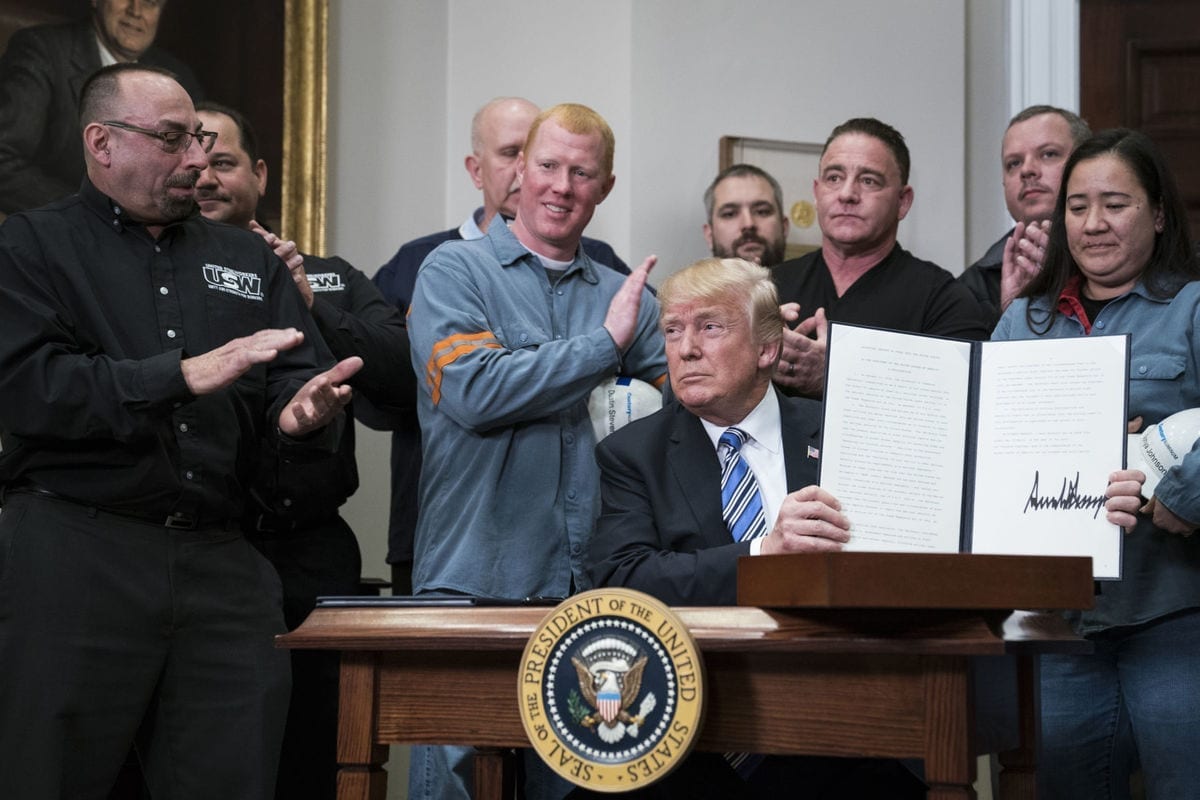
    US President Donald Trump signed off on the implementation of 25% tariff on steel imports and 10% for aluminium last week, fanning an outburst from industry players and critics from across the world and within the US alike.

    Maintaining his earlier stance, Malaysian Iron and Steel Industry Federation (Misif) president Datuk Soh Thian Lai said that the impact on Malaysia will be minimal given the relatively small volume of steel exports.

    Malaysian steel exports, which stood at about 96,000 tonnes, accounted for only 0.2-0.3% of the total US steel imports for 2017 of between 34 million and 37 million tonnes.

    Soh said Malaysia will still be able to find an alternate market to the US to export this 96,000 tonnes.

    “Most probably steel prices in US will increase fast enough in the near term and importers will still be able to import even with the 25% duty,” he added.

    In line with that, scrap prices are likely to see a rise, given that consumption of the material will become more domestic centric, hence limiting exports.

    “Scrap prices will increase because now the US could use more scrap internally instead of exporting. The US in actual fact is a net exporter of scrap, and with this trade act imposed, this could raise steel prices not only in the US but also countries importing scrap from them especially Malaysia and Asean countries,” he explained.

    Majority of Malaysia’s scrap, which could not be quantified, he said, is imported, with the US being one of the major importers.

    On the next course of action, Soh said Misif has written of its grouses to the US embassy and the Ministry of International Trade and Industry (Miti).

    “We will follow up with US Embassy and Miti on this. Since the US has allowed an exemption on Canada and Mexico. We will ask the government to bring this up to the US, for Malaysia to be exempted,” he added.

    Echoing Soh’s sentiment on surging steel prices, Barnabas Gan, economist at OCBC Bank, said while trade barriers will spike steel and aluminium prices, it could also result in job casualties for the steel and aluminium-consuming industries of the US.

    “Eventually, we note that the trade tariffs without exemptions will likely do more harm than good, both to the US economy as well as impeding global growth and trade activities. Even in the absence of trade retaliation, the tariffs would threaten many jobs in the US pertaining to aerospace, automobile, manufacturing and construction industries, while benefiting steel and aluminum makers,” he noted.

    Consumers would then face higher inflationary pressures, and thus adversely affect consumer spending and overall disposable income levels. Moreover, the bleaker outlook for the said industries could worsen investor confidence, and thus dissuade investment spending into the US,” he added.

    Meanwhile, Ambank Research said that the move could potentially reduce US steel imports by 13.3 million tonnes and Malaysia on its end could see a reduction of between 48,000 and 49,000 tonnes. Similar to Gan, the research house said the tariffs could have a knock-on effect on steel-consuming industries.

    In line with this development, AmBank noted that the US dollar is expected to weaken, working to strengthen the ringgit and heighten fears of possible trade war.

    The share price of Tatt Giap Group Bhd which exports steel products to the US, fell 3.33% to close at 14.5 sen on Friday, along with Mycron Steel Bhd, which fell 1.15% to 43 sen.

    Steel counters which saw gains at market close on Friday were Ann Joo Resources Bhd Resources, up 0.29% to RM3.47; Malaysia Steel Works (KL) Bhd, 1.05% to 96.5 sen; CSC Steel Holdings Bhd, 2.88% to RM1.43; and Atta Global Group Bhd, 0.55% to 92 sen.

    Leon Fuat Bhd was unchanged at 79.5 sen.

  • China says trade war with US will bring disaster to global economy

    China says trade war with US will bring disaster to global economy

    Any trade war with the United States will only bring disaster to the world economy, Chinese Commerce Minister Zhong Shan said today, as Beijing stepped up its criticism on proposed metals tariffs by Washington amid fears it could shatter global growth.

    After pressure from allies, the US has opened the way for more exemptions from tariffs of 25% on steel imports and 10% on aluminium that US President Donald Trump set last week.

    On Saturday, the European Union and Japan urged the US to grant them exemptions from metal import tariffs, with Tokyo calling for “calm-headed behaviour”.

    But the target of Trump’s ire is China, whose capacity expansions have helped add to global surpluses of steel. China has repeatedly vowed to defend its “legitimate rights and interests” if targeted by US trade actions.

    Zhong, speaking on the sidelines of China’s annual session of parliament, said China does not want a trade war and will not initiate one.

    “There are no winners in a trade war,” Zhong said. “It will only bring disaster to China and the United States and the world.”

    China can handle any challenges and will resolutely protect its interests, but the two countries will continue to talk, he said.

    “Nobody wants to fight a trade war, and everyone knows fighting one harms others and does not benefit oneself.”

    Trump’s announcement on tariffs underlined concerns about rising US protectionism, which has sparked bouts of turmoil in global financial markets over the past year as investors feared
    a damaging trade spat will shatter a synchronised uptick in world growth.

    China’s metals industry issued the country’s most explicit threat yet in the row, urging on Friday for the government to retaliate by targeting US coal – a sector that is central to Trump’s political base and his election pledge to restore American industries and blue-collar jobs.

    The US is the world’s biggest importer of steel, purchasing 35 million tonnes of raw material in 2017. Of those imports, South Korea, Japan, China and India accounted for 6.6 million tonnes.

    Trade tensions between China and US have risen since Trump took office. China accounts for only a small fraction of US steel imports, but its massive industrial expansion has helped create a global glut of steel that has driven down prices.

    The dispute has fuelled concerns that soybeans, the US’ most valuable export to the world’s second largest economy, might be caught up in the trade actions after Beijing launched a probe into imports of US sorghum, a grain used in animal feed and liquor.

    Zhong said US official trade deficit figures had been overestimated by about 20%, and in any case would be a lot lower if the US relaxed export restrictions on some high-tech goods.

    He also reiterated a previous pledge that China would lower import tariffs on consumer goods including automobiles, as part of an effort to boost domestic consumption.

    Trump believes the tariffs will safeguard American jobs, though many economists say the impact of price increases for users of steel and aluminium, such as the auto and oil industries, will destroy more jobs than curbs on imports create.

    Nonetheless, there is growing bipartisan consensus in Washington, and support within some segments of the US business community, for the US government to counter what are
    seen as Beijing’s predatory industrial policies and market restrictions on foreign firms.

    Trump’s administration has said the United States mistakenly supported China’s membership in the World Trade Organisation in 2001 on terms that have failed to force Beijing to open its economy.

    Diplomatic and US business sources say the US has frozen a formal mechanism for talks on commercial disputes with China because it is not satisfied Beijing has met its promises to ease market restrictions.

  • Brazil feels pain of US steel tariffs

    Brazil feels pain of US steel tariffs

    Brazilian iron and steel shares took a hit Friday, as markets weighed a potential trade war in response to Washington’s decision to impose hefty tariffs on foreign steel and aluminum.

    Brazil is the second biggest steel exporter to the United States after Canada — and the government is deeply worried about US President Donald Trump’s imposition of 25% tariffs on steel and 10% on aluminum.

    Foreign minister Aloysio Nunes and foreign trade minister Marcos Jorge shot back with a statement Thursday warning that Brazil “will resort to all necessary steps … to protect its rights and interests.”

    Nunes said Brazil was “greatly concerned” by the measure which would “bring severe damage to Brazilian exports and have a negative impact on the flow of bilateral trade.”

    On the Sao Paulo stock exchange Friday, Vale was down 1.33% in late-morning trading, Gerdau was down 1.72% and Usiminas 1.8%. Shares had already taken hefty hits the previous day after Trump’s announcement.

    US NAFTA partners Canada and Mexico are being exempted from Trump’s tariffs, but Brazil will be left wide open to the measures. Brazilian steel accounts for nearly 14% of US steel imports by volume, the US commerce department says.

    The US market accounted for 32.9% of all Brazil’s steel exports last year, the Brazilian government says.

    Blowback

    Brazil’s National Confederation of Industry (CNI) has gone further, blasting Washington’s “unjust, illegal” move which it says will cost Brazil some US$3 billion a year in lost steel exports and US$144 million in aluminum trade losses.

    Diego Bonomo from the CNI says the United States will get blowback because Brazil is the main importer of US carbon steel. Also, 80% of Brazilian steel exports to the United States are semi-finished products used by US industry, then sold on.

    Trump’s tariffs, due to take effect in 15 days, “will have two negative effects: first on exports of Brazilian steel to the North American market and secondly on US exports to Brazil,” Bonomo said.

    The fact that Brazil’s exporter rivals Canada and Mexico will not be under the same tariffs will further hurt Brazilian competitiveness, said Jose Augusto Coelho Fernandes, policy director at the CNI.

    “Brazilian industry regards this measure of President Trump with great worry. Firstly, since he excluded the NAFTA countries from the initial impact, it leaves Brazil as the most-affected country,” he said.

    “If Brazil doesn’t manage to get an exemption it will certainly file a formal complaint at the WTO along with the European Union and China,” Risk Brief consultancy said in a note to clients.

  • Vietnam Airlines to introduce flights to Singapore, Taiwan

    Vietnam Airlines to introduce flights to Singapore, Taiwan

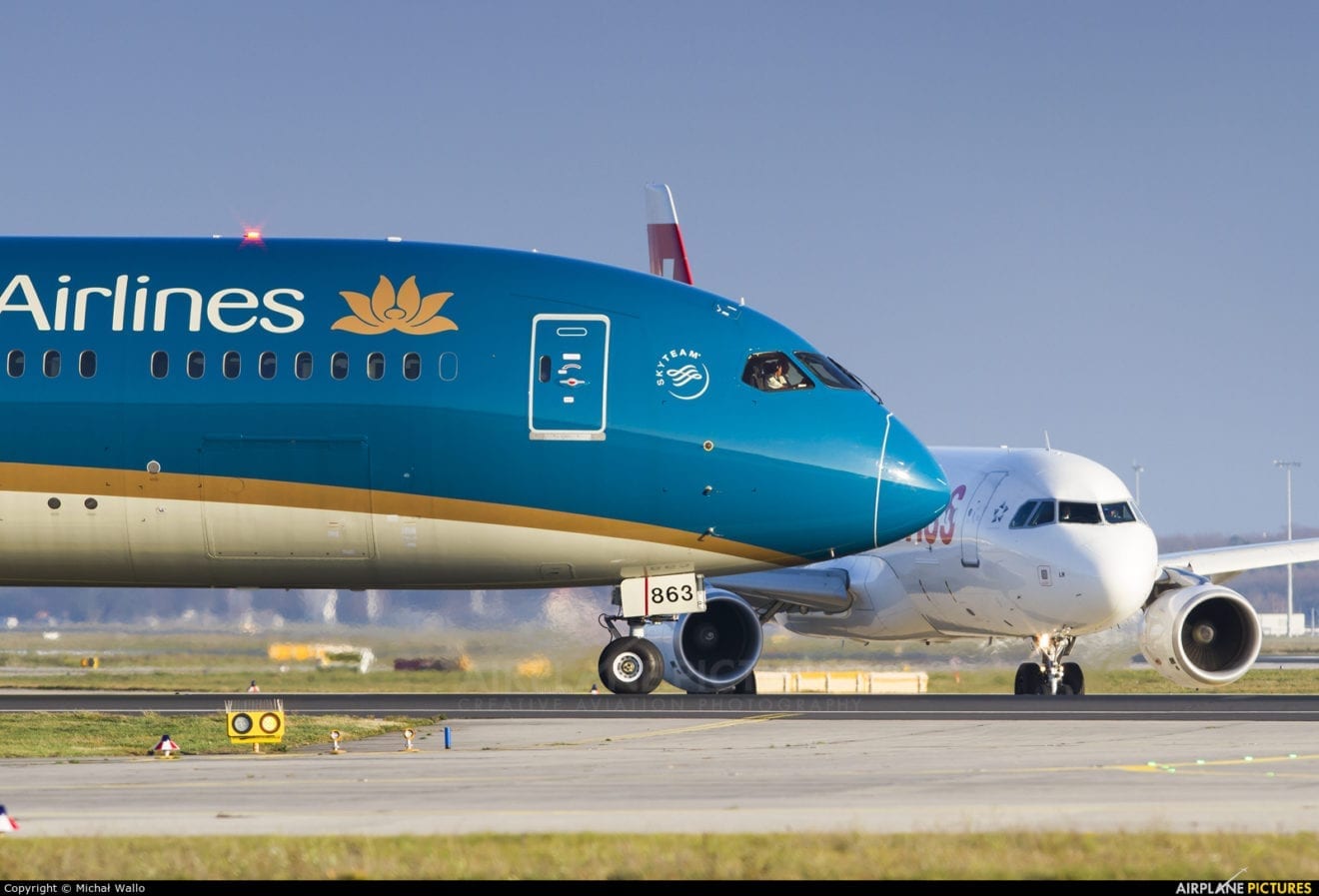
    National carrier Vietnam Airlines will add four flights per week from HCM City to Singapore and Taiwan each from March 27.

    A spokesperson of the carrier said the firm wanted to diversify its products to meet the demand of passengers as Singapore and Taiwan had recently become favourite destinations for Vietnamese tourists.

    The new flights to Singapore will depart from HCM City at 7.25pm every Monday, Wednesday, Thursday and Sunday, while the return flights will depart at 11.25pm on the same days.

    The flights from HCM City to Taiwan will depart at 2.05am every Tuesday, Thursday, Saturday and Sunday. The return flights will depart from Taiwan at 10.10pm every Monday, Wednesday, Friday and Saturday.

    With the introduction of the new flights, Vietnam Airlines will have a total of 11 flights per week on the HCM City-Taiwan route and 25 flights between HCM City and Singapore. All flights will be Airbus A321 with four-star international levels.

    On June 30, the carrier will launch a special promotional programme, in which the return ticket between HCM City and Singapore will cost VNĐ2.79 million and that between HCM City and Taiwan will cost VNĐ4.56 million (US$200), including taxes and fees.


  • JCPenney Annual Statement shows positive numbers

    JCPenney Annual Statement shows positive numbers

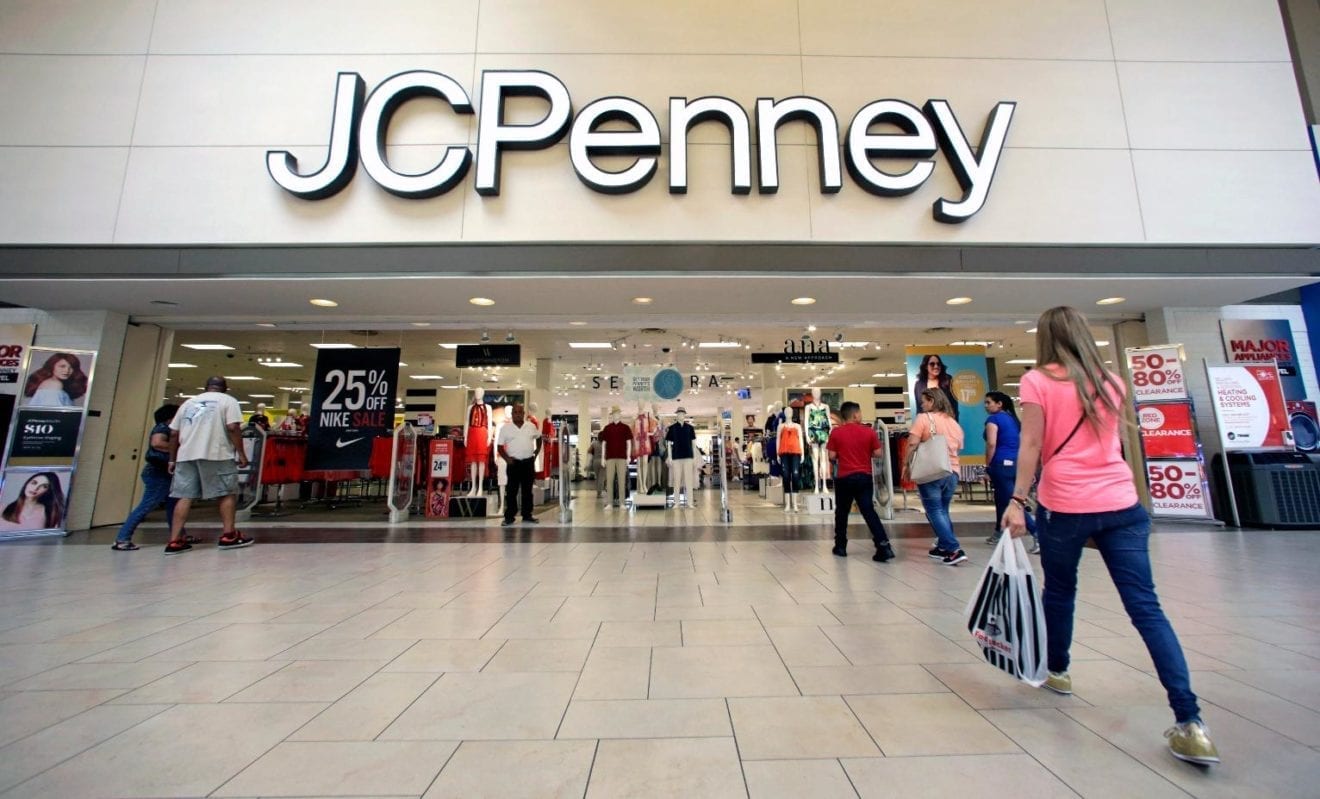
    US department store JCPenney has recorded a 2.6 per cent increase in same-store sales for its fourth quarter, rescuing full-year sales to a negligible 0.1 per cent rise.

    Total net sales for the 14 weeks ended February 3 increased 1.8 per cent to $4.03 billion compared to $3.96 billion for the 13 weeks ended January 28 last year. Comparable sales increased 2.6 per cent on the same 13 week basis as the fourth quarter last year.

    Jewellery, home, Sephora, footwear and handbags were the company’s top performing categories during the quarter.

    Adjusted net income was $179 million, down from last year’s $202 million.

    Total net sales decreased 0.3 per cent to $12.51 billion for the full year, compared to $12.55 billion last year. The company said the slight decline in total net sales was primarily due to store closures last year, most of which closed in the first half of the year, and was partially offset by incremental sales for the 53rd week.

    JCPenney reported a net annual loss of $116 million, compared to net income of $1 million last year. This reduction was driven primarily by restructuring charges associated with the fiscal 2017 store closures and voluntary early retirement program.

    Chairman and CEO Marvin R Ellison, said the company was encouraged by the results for the fourth quarter and full year.

    “Through the hard work and dedication of the entire JCPenney team, we delivered our second consecutive year of positive adjusted earnings. For 2017, we improved adjusted earnings per share by 175 per cent, reduced our outstanding debt levels by over $600 million and generated over $200 million of free cash flow.

    “During the fourth quarter, we delivered our strongest positive sales comps and achieved our largest gross margin improvement for the year.”

    Ellison said in the year ahead the company will intensify its market share efforts in appliances, mattresses and furniture, while continuing to modernise its apparel assortment and omni-channel offer.

    “Our strategy and plan is clear and consistent, and we remain focused on two critical factors – to operate the business for growth and deliver profitable earnings.”

  • Circle K Hong Kong parent focused on digital to boost growth

    Circle K Hong Kong parent focused on digital to boost growth

    Despite a challenging business environment, Circle K Hong Kong parent Convenience Retail Asia reports comparable-store sales growth last year driven by digital initiatives.

    Leading the way were O2O customer-relationship management (CRM) programs, with membership for “OK Stamp It” (Circle K) and “Cake Easy” (Saint Honore) exceeding 1 million and 300,000 respectively.

    Group revenue was up 4.6 per cent to HK$5.09 million. The core operating profit rose 7.4 per cent to $182,594 while net profit grew by 7.7 per cent.

    During the year, the group’s O2O digital retailing platform FingerShopping.com saw moderate growth in gross merchandising volume (GMV). It also achieved high pick-up and payment rates at Circle K stores in Hong Kong and Macau. Beauty and personal care continued to be the anchor category, representing about 70 per cent of total GMV.

    Turnover for the convenience-store business grew 5.4 per cent to $4.05 billion, with comparable store sales up 4.2 per cent. Turnover for the bakery business increased 1.9 per cent to $1.09 billion, with comparable store sales in Hong Kong growing 5.2 per cent.

    Gross margin and other income as a percentage of turnover increased 0.3 points to 36.9 per cent despite keen competition in the retail market and high manufacturing costs.

    At the end of December the group had 332 Circle K stores, with 10 opening in Hong Kong and nine being closed.

    Eighteen months after its launch, “OK Stamp It” has attracted more than 1 million members and won industry awards for excellence.

    At the end of December, the group had 102 Saint Honore cake shops in Hong Kong and Macau. Thirteen stores were opened and nine closed during the year. There were also 41 Saint Honore locations in Guangzhou and Shenzhen.

    The digital CRM program “Cake Easy” had more than 300,000 members by the end of the year.

    During the year the group obtained the franchise for Japan’s fast-fashion eyewear chain Zoff, opening the brand’s first store in Hong Kong.

  • Beacon VC invests in Ookbee to expand C Channel Thailand

    Beacon VC invests in Ookbee to expand C Channel Thailand

    Beacon Venture Capital announced its investment in Ookbee, the provider of Southeast Asia’s top digital lifestyle platform, to support the expansion of C Channel Thailand. Under collaboration of Ookbee and C Channel Japan, this joint venture will offer online lifestyle content, along with another new business to be announced within the first quarter of this year. Through this partnership, KASIKORNBANK (KBank) aims to approach greater audiences of new generations, which will reemphasize its digital platform leadership.

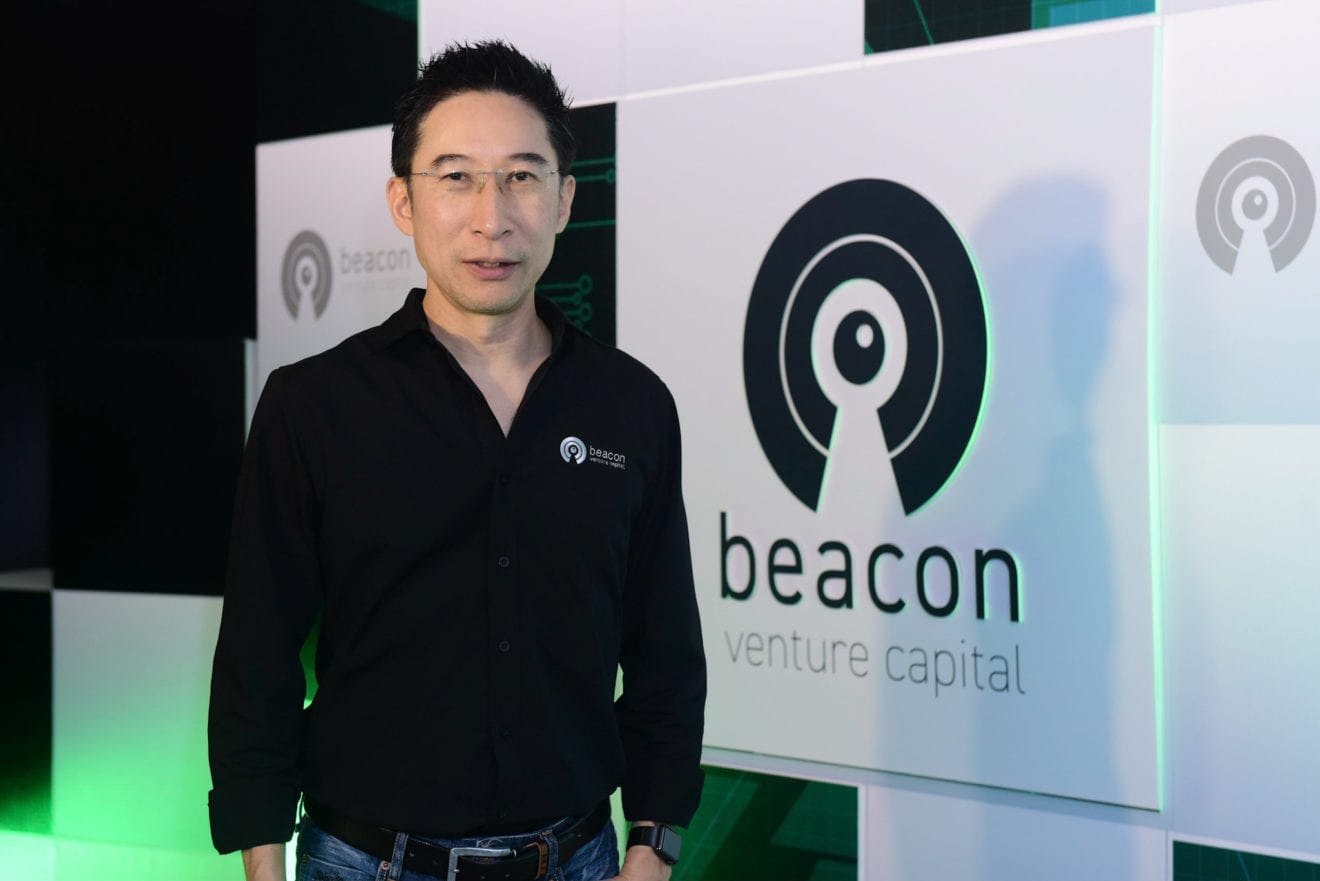
    Mr. Thanapong Na Ranong, Managing Director of Beacon Venture Capital Co., Ltd., said Beacon VC is a venture capital arm of KBank, with an aim to invest in potential startups in support of business advancements of the bank. Ookbee is one of the promising Thai startups, which has successfully redefined the digital publication landscape for the Southeast Asian market. At the early stage of business, Ookbee provided e-book products with content provided by publication companies. Currently, its products have diversified to professional- and user-generated contents, focusing on new trends and digital innovations with comprehensive online payment channels.

    C Channel Thailand, a new and interesting business of Ookbee, is a lifestyle video platform based on cooperation between Ookbee and C Channel Japan. Most recently, Beacon VC has joined in to support further development of C Channel Thailand.

    In addition, Ookbee is planning to launch another new and exciting business in 1Q18, which will not only help strengthen businesses that produce content for Ookbee’s current platform, but also spur the creation of better quality and more diverse content for service users, being part of Ookbee’s endeavor to meet the lifestyle needs of millennials. Beacon VC has set a target that such an investment will allow KBank to reach audiences, specifically Post-Millennials, in unique and creative ways, thus reinforcing KBank’s leadership in the digital platform.

    Mr. Natavudh Pungcharoenpong, CEO at Ookbee said that, “Our vision is to grow and expand platforms to accommodate creative content creation and consumption, as well as strengthening economic returns for creative communities.” Meanwhile, C Channel Thailand is an online VDO fashion magazine for women, featuring creative lifestyle content. It was launched by Ookbee in 2017 and has been popular since then. C Channel Thailand can be viewed via website and facebook. It has over 250 million monthly views and over 150,000 average views per clip.

    The partnership with Beacon VC will help Ookbee add value to C Channel Thailand and introduce new business to the market within 1Q18. The cooperation marks a significant step toward complementing Ookbee’s current digital lifestyle businesses and strengthening its ties with creative communities to enhance productive collaboration and foster its business presence.

    Since its inception in 2011, Ookbee has become No. 1 provider of digital lifestyle platform in Southeast Asia with over 10 million users and more than 1 billion page views per month. Ookbee provides a variety of informative content and entertainment on various modes of platforms, including e-books, translated novels, comics, music, videos, blogs, story chat, horoscope, from the company’s producing teams and user-generated contents. Achieving Series B funding round, the startup is expected to scale up to Series C funding round by the end of this year.

    Beacon Venture Capital, a VC arm of KASIKORNBANK PCL, was established in 2017. Mr. Thanapong Na Ranong is the company’s Managing Director. Beacon Venture Capital aims to jointly invest in Thai and international startups with the total funding of THB1 billion.