Category: General

Retail News Asia is committed to providing both local and global retailers with the latest General Retail news throughout the Asian market. This on a daily base.

  • Microsoft predicts digital gains

    Microsoft predicts digital gains

    Microsoft Korea said Tuesday the ongoing digital revolution will add roughly $42 billion to Korea’s gross domestic product by 2021 and push up the country’s growth rate by 0.5 percent annually.

    The projection was based on research conducted with market tracker IDC Asia Pacific. IDC surveyed 1,560 decision makers in mid- and large-sized business organizations across 15 economies in the Asia-Pacific region on the economic impact of digital technologies.

    According to Microsoft, application of digital technologies like the cloud, big data and artificial intelligence to business processes will increase profit margins and productivity, and create new sources of revenue for companies.

    The study predicted that while about eight percent of Korea’s GDP was derived from digital products and services created directly though the use of digital technologies last year, that percentage is expected to surge to around 65 percent by 2021.

    “Digital transformation has a positive and measurable impact on Asia Pacific’s economy,” said Andrea Della Mattea, president of Microsoft Asia Pacific, in a press briefing during the Digital Transformation Summit hosted by the computer software company on Tuesday.

    “In fact, organizations are seeing tangible improvements from their digital transformation initiatives today between the ranges of 15 to 18 percent, which shows digital transformation is no longer an idea, but a reality.”

    According to the study, about 77 percent of companies in Korea are in the midst of digital transformations while only seven percent can be classified as so-called leaders. The leaders in digital transformation have full or progressive digital transformation strategies with at least a third of their revenue from digital products and services.

    Microsoft introduced Korean partners that are rapidly adapting to digitization by using the software company’s AI and cloud platforms, such as 365mc Hospital, which is known for liposuction surgeries.

    “Until recently, liposuction procedures depended almost entirely on the surgeon’s experience and capability,” said Kim Nam-chul, CEO of 365mc Hospital.

    “Hence our motion capture and artificial intelligence-assisted liposuction system was built to collect data and enhance precision and safety of liposuction procedures.”

    Other Korean partners of Microsoft include Samsung Electronics, LG CNS, NH Investment & Securities, Hyundai Motor and Asiana Airlines.

  • Supermarket chains dominate offline shopping

    Supermarket chains dominate offline shopping

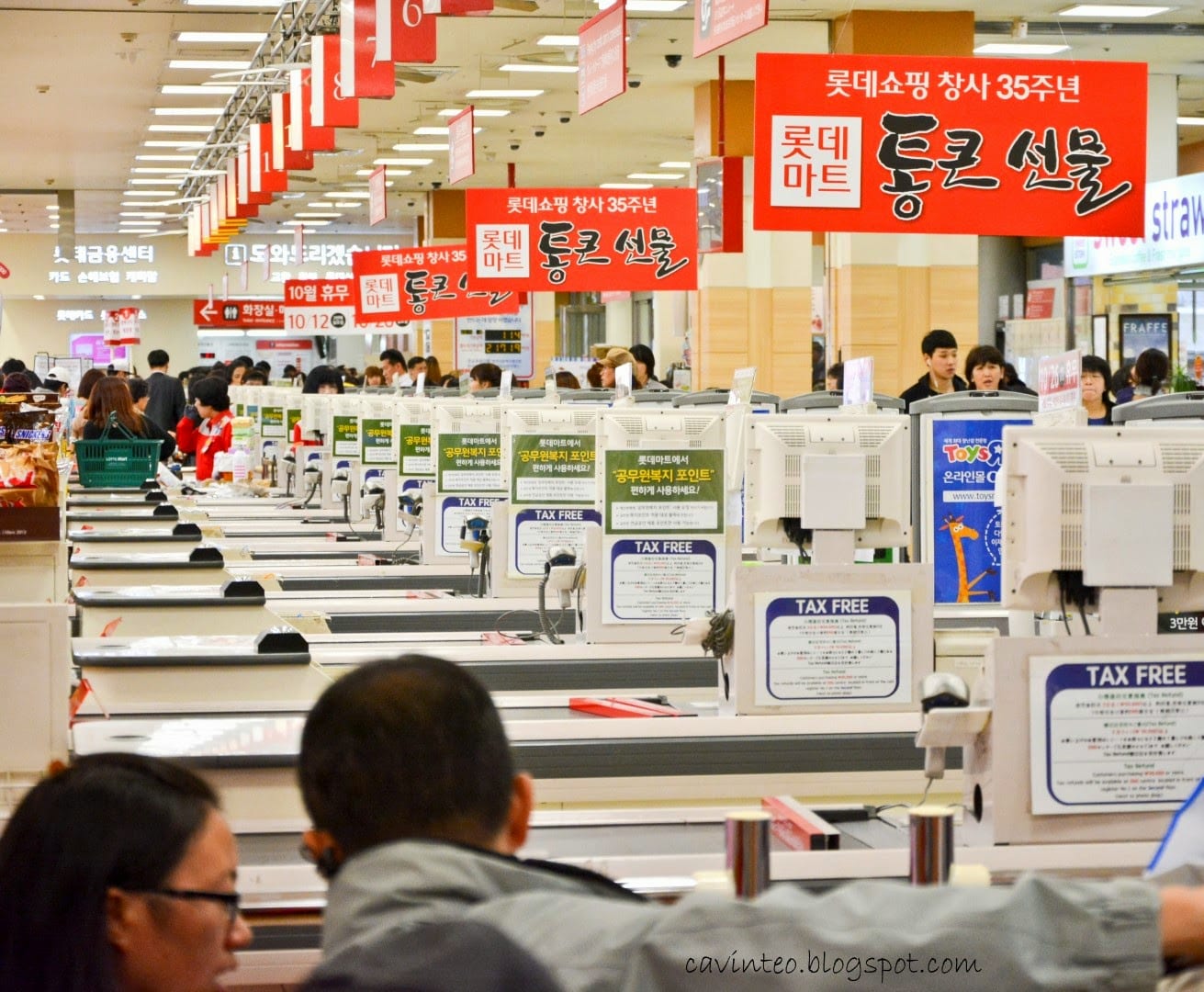
    Scale continues to play a major part in attracting shoppers both online and offline, a recent survey showed, with supermarket chains and large open market platforms coming top in consumers’ preferred retail outlets.

    According to a joint survey conducted by research firm Consumer Insight and Hanyang University’s retail research center, at least 80 percent of consumers said they went to supermarkets within the last month. The survey was conducted on some 15,000 Koreans from July 2017 to the end of January this year.

    Convenience stores came in second at 68 percent, followed by local grocery stores (55 percent), brand stores (45 percent) and traditional markets (39 percent).

    The report said 44 percent of the respondents said they generally tended to choose supermarket chains for offline shopping, while less than other offline shopping channels picked up shares of less than 10 percent each.

    “Some of respondents said they visit supermarket chains because it is well-located and easy to find. Some of them also cited familiarity as another reason, because its category of products and even interior provide similar ambience throughout all chains,” said Jung Kyung-sik who participated in the study.

    E-mart, discount store chain under retail giant Shinsegae, currently operates 145 stores across the country, while Homeplus and Lotte Mart have 142 stores and 123 stores, respectively.

    In terms of customer loyalty, which the report calculated based on preference and actual use, supermarket chains topped the list at 55 percent, while department stores (17 percent) and midsize grocery stores (16 percent) operated by retail giants such as Shinsegae followed. Midsized grocery stores, also known locally as “super supermarkets,” are those between 1,000 and 3,000 square meters.

    “Supermarket chains are dominating offline shopping channels, while other shopping platforms such as local grocery stores, convenience stores and traditional markets are left as secondary options,” the report read.

    Meanwhile, among online shopping channels, customers used open markets the most, with 79 percent of shoppers having used one, followed by social commerce (51 percent), home shopping (35 percent) and individual retailers’ online sites (30 percent).

    Customer loyalty was the highest, again, for open markets at 64 percent, compared to other online shopping channels such as social commerce (35 percent) and online retailers (26 percent). Home shopping, duty-free stores and multiplex shopping malls showed low customer loyalty at 10 percent, 8 percent and 7 percent, respectively.

    “Competition in both offline and online retail industries is quite obvious, as supermarket chains are dominating offline shopping channels, while open markets are taking the lead in online shopping platforms. This structure is unlikely to change at the moment,” according to the report.

    “Only the aggressive and creative online marketing strategies from social commerce and retailers’ online sites can change the situation for online shopping channels.”

  • Behind the glitz and glamour of ‘Monopoly City’

    Behind the glitz and glamour of ‘Monopoly City’

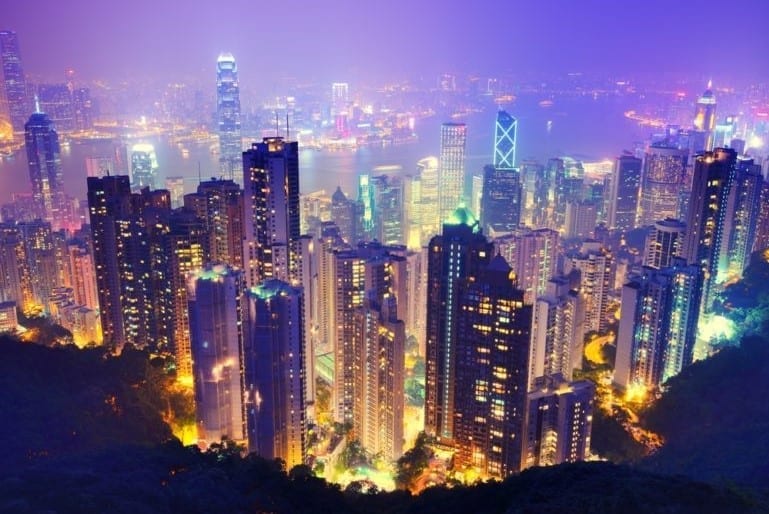
    Hong Kong has built its reputation as a free-wheeling, innovative and sophisticated city. Just like New York, it is known globally as a vibrant metropolis, which never sleeps and where money still talks.

    But is this view outdated, a facade constructed more from fantasy than reality? Certainly, business professionals, analysts and academics, who talked to Asia Times, are starting to voice serious concerns.

    They point to a myriad of problems, which are buried beneath the surface, such as monopolies in an array of sectors from transport to supermarkets.

    Underlining fears that “the rule of law” has been eroded by the “One Country, Two Systems” policy after Hong Kong was handed back to China by Britain in 1997 also loom large in the background.

    “In Western countries, the rule of law is a core value. But it is different in Hong Kong as it belongs to China,” Andy Kwan Cheuk-chiu, who runs ACE Center for Business and Economic Research, a Hong Kong think tank said.

    “Beijing’s reinterpretation of the Basic Law of Hong Kong might create certain political issues but it will not worry businesses as long as they make money,” Kwan, a former associate economics professor at the Chinese University, added.

    In the 2018 Economic Freedom Index rolled out by the Heritage Foundation, a conservative public policy think tank based in Washington, Hong Kong retained its No. 1 position.

    Yet even in a sanguine review, there was a caveat inserted into the section governing the “Rule of Law”, casting a shadow over the independence of the judiciary in the Special Administrative Region.

    “An exceptionally competitive financial and business hub, Hong Kong remains one of the world’s most resilient economies,” the Heritage Foundation study stated. “A high-quality legal framework provides effective protection of property rights and strongly supports the rule of law. There is little tolerance for corruption and a high degree of transparency.

    “The judiciary is independent, but Beijing reserves the right to make final constitutional interpretations, effectively limiting the power of Hong Kong’s Court of Final Appeal. Although the corruption rate is low, it is perceived as rising,” it added.

    With such a multi-layered society, perception is a crucial part of everyday life for the 7.4 million people who live in an area of 106 square kilometers or 41 square miles.  Alongside a dense population, property prices have soared at breakneck speed, leaving many unable to afford a home of their own.

    A report released in January by Demographia, entitled the International Housing Affordability Survey, showed Hong Kong was still the world’s “least affordable city” – a title it has held for seven straight years.

    The United States-based consultancy reported that prices were more than 18 times the median annual pretax household income. A score of more than five times is considered “severely unaffordable,” according to its website.

    “Hong Kong is like a confectioner’s jelly, it looks great from the outside but internally it is melting,” Neville Sarony, a practicing QC in Hong Kong and a former Professor of Law at the City University of Hong Kong said.

    “As I see it, there are two overarching but interconnected problems: 20 years of increasingly dysfunctional government and the paralyzing greed of the property developers,” he added.

    Similar concerns exist in the retail and transport sectors, which could squeeze growth and strangle competition.

    Despite what many consider a world-class metro system, road congestion and inadequate transportation in new towns have left parts of Hong Kong with a major gridlock headache, adding to the city’s pollution problems.

    Quentin Cheng has been an outspoken critic of Hong Kong’s transport policy and is convinced a lack of serious competition needs to be addressed.

    “Our town planning does not adopt a holistic approach, and only focuses on small areas of land. The Development Bureau just generates slogans and does not carry out the concepts. What we need is competition [in the industry],” Cheng, who is co-founder and spokesman for the Public Transport Research Team said.

    “Hong Kong’s rail networks are too small and inadequate. [They do] not cover a lot of areas, compared to other developed [cities and districts]. They should build more direct rail routes connecting different districts together,” he added.

    As for the highly vaunted retail industry, its veneer of choice has been peeled away to reveal a sector controlled by two supermarket chains.

    In a study compiled by Euromonitor, retail sales of food and beverages in Hong Kong reached US$11.9 billion “with supermarkets accounting for 55%” of the market.

    Two grocery groups, Dairy Farm International’s Wellcome brand and AS Watsons’ ParknShop, dominated the scene, accounting for about 75% of the revenue.

    “There is a monopoly in Hong Kong’s supermarket sector with Park’n Shop and Wellcome, [while] most of our pharmacies belong to Watsons and Mannings,” Ho Hei-wah, a veteran social activist and director of the Society for Community Organisation, a rights group for the disadvantaged said.

    “The elements of a monopoly exist in different industries [which means] small and medium-sized enterprises cannot bid [for] government projects because they haven’t worked on [them] before,” Ho, who is known as the “voice of the poor” in Hong Kong circles, added.

    “Monopoly” is a word that crops up often in a city which is not only struggling to retain its identity but its unique competitive spirit.

  • Asian markets tumble with Wall St as Facebook breach hits tech

    Asian markets tumble with Wall St as Facebook breach hits tech

    Asian markets sank on Tuesday following sharp losses in New York as a massive data breach at Facebook fuelled fears of a regulatory crackdown on the technology sector.

    The scandal at the social media giant come as investors fret over a possible increase in the rate of US interest rate hikes and Donald Trump steps up his protectionist rhetoric that has sparked talk of a global trade war.

    Reports said Cambridge Analytica, the analysis firm hired by Donald Trump’s 2016 presidential campaign, stole data from 50 million Facebook user profiles to help design software to predict and influence voters’ choices.

    Stephen Innes, head of Asia-Pacific trading at OANDA, warned: “This security breach could end up being a significant turning point for the social media and network portal.”

    The news hammered tech giants with Facebook plunging 6.8 percent, while other household names were also hit — including Apple, Google-parent Alphabet and Netflix — by regulatory concerns.

    “The adults are starting to realise that the altruistic kids who started some of these tech behemoths are either unwilling or unable to deal with the fact that the companies they wrought and thought were a force for good can be manipulated by those who seek to do ill,” said Greg McKenna, chief market strategist at AxiTrader.

    The US losses filtered through to Asia, with Hong Kong-listed internet giant Tencent and AAC Technologies sharply lower. Samsung retreated in Seoul, while Sony was one percent lower in Tokyo.

    On broader markets Japan’s Nikkei went into the break more than one percent lower, while Hong Kong shed 0.6 percent and Sydney was off 0.5 percent.

    Shanghai dropped 0.3 percent, Singapore gave up 0.2 percent and Seoul retreated 0.4 percent, with Wellington, Manila, Taipei and Jakarta all sharply down.

    Investors are keeping a close watch on the Federal Reserve’s policy meeting this week looking for clues about its timetable for tightening monetary policy. Opinion is split on the number of rate hikes it will likely announce this year, with some forecasting three and others saying four.

    Market-watchers warn a G20 meeting of finance ministers in Argentina could also revive tensions on international trade after Trump unveiled his controversial tariffs this month.

    On currency markets the pound extended gains against the dollar after Britain and European Union leaders agreed a post-Brexit transition deal that will buy businesses and citizens time to adjust to life after the divorce.

  • Hong Kong business icon Li Ka-Shing announces retirement

    Hong Kong business icon Li Ka-Shing announces retirement

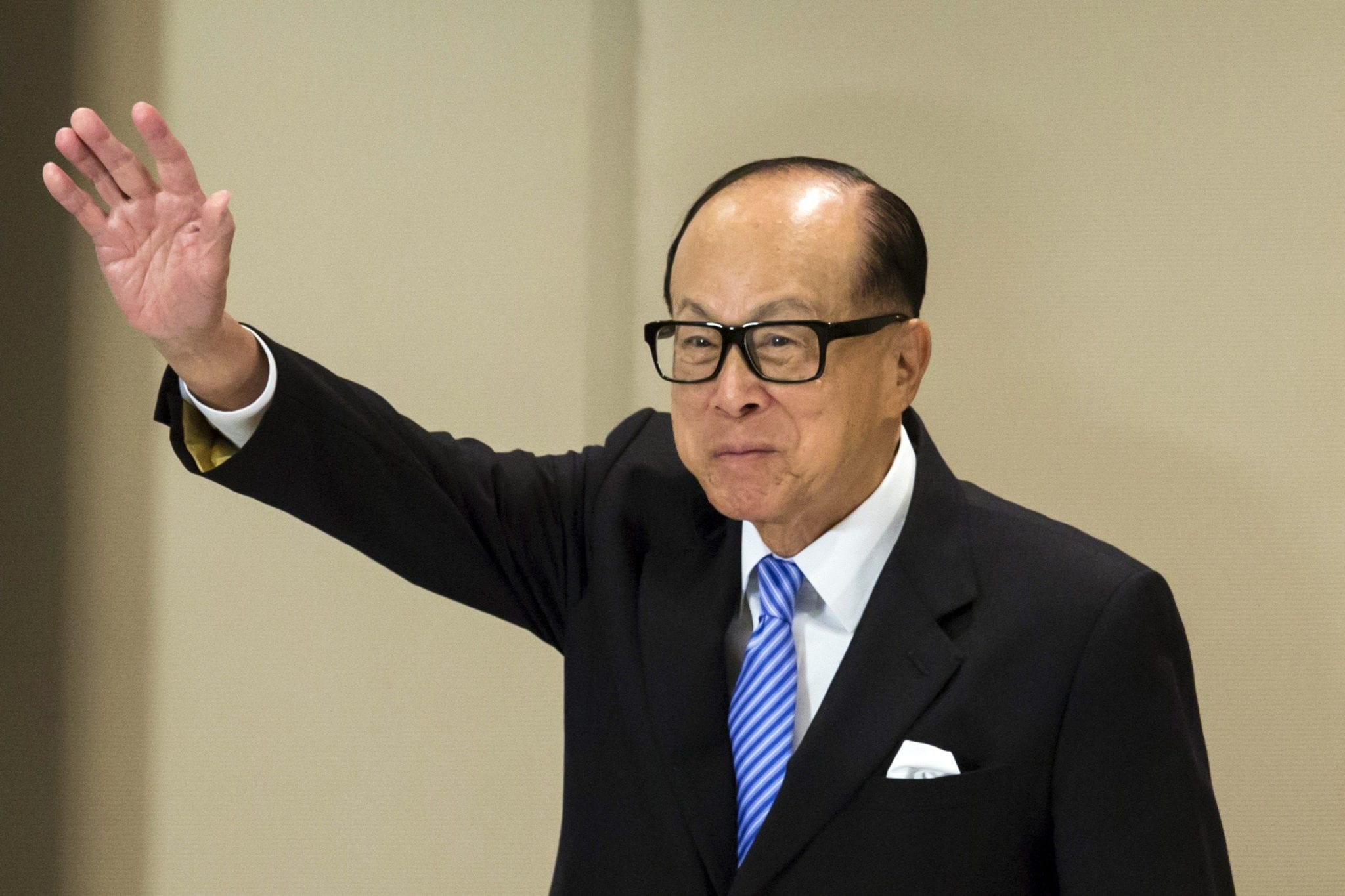
    Li Ka-Shing, business tycoon and Hong Kong’s richest man, has announced his retirement from conglomerate CK Hutchison Holdings Ltd., He is handing over all corporate responsibilities to his eldest son Victor.

    Li, with a net worth of $35.4 billion, has dominated Hong Kong’s business landscape for over two decades in areas including retail, telecommunications and real estate. He was ranked No. 23 on Forbes magazine’s list of world billionaires in 2018.

    CK Hutchison Holdings will now be headed by Victor Li, who was chosen as his father’s successor in 2012. The company reported attributable profits of $4.48 billion in 2017, making it the largest nonfinancial Hong Kong company listed on the Hang Seng.

    Li now intends to serve as senior adviser to the company and develop his charitable organisation, the Li Ka-Shing Foundation.

  • Retailers Urge White House To Rethink China IP Tariffs

    Retailers Urge White House To Rethink China IP Tariffs

    Retail giants like Walmart, Target and Best Buy and their powerful lobbying groups on Monday urged the Trump administration to hold off new tariffs aimed at punishing China for its intellectual property practices, saying that such an aggressive step will only make matters worse.

    The White House is preparing to wrap up its sweeping audit of China’s IP regime, focusing mainly on Beijing’s policies requiring U.S. companies to hand over their proprietary technology as a condition of market access. The administration is said to be readying steep tariffs to punish China.

    A coalition of retail titans wrote a letter to the White House urging President Donald Trump to rethink the move, saying that while China’s IP policies deserve scrutiny, sweeping tariffs are not an effective remedy for the problem.

    “Investigating technology and intellectual property policies and practices is critically important to our innovative economy,” the companies wrote Monday. “Yet were this investigation to result in a broadly applied tariff remedy on imports from China, it would hurt American households with higher prices and exacerbate a U.S. tariff system that is already stacked against working families.”

    The administration kicked off its investigation of China under Section 301 of the Trade Act of 1974 last year. The law allows for a wide variety of responses if the U.S. finds that a foreign country is violating its trade obligations.

    Supporters of the multilateral trading system had hoped that the White House would use Section 301 as a pretext for a new World Trade Organization case against China, but it looks as if the administration is leaning in favor of bypassing the WTO and imposing unilateral tariffs.

    A day before the retailers sent their letter, the White House received a similar missive from business associations including the Information Technology Industry Council, the National Retail Federation and the U.S. Chamber of Commerce.

    Much like their individual member companies, the organizations pleaded with the White House to moderate its response and build a coalition with its allies to counter China.

    “Imposition of unilateral tariffs by the administration would only serve to split the United States from its allies, hinder joint action to effectively address shared challenges, and ensure that foreign companies take the place of markets that American companies, farmers and ranchers must vacate when China retaliates against U.S. tariffs,” the groups said.

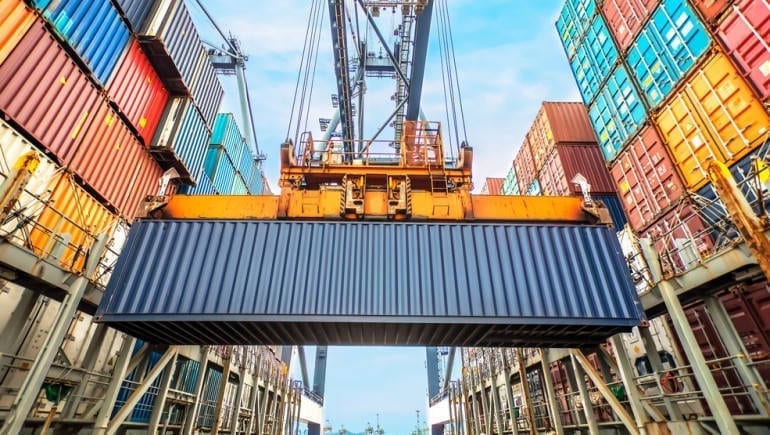
    Both letters said that while tariffs will affect Chinese imports, they will also raise costs that will eventually be passed down the supply chain to U.S. consumers.

  • SPAR to establish largest cooperative food retail chain in Greece

    SPAR to establish largest cooperative food retail chain in Greece

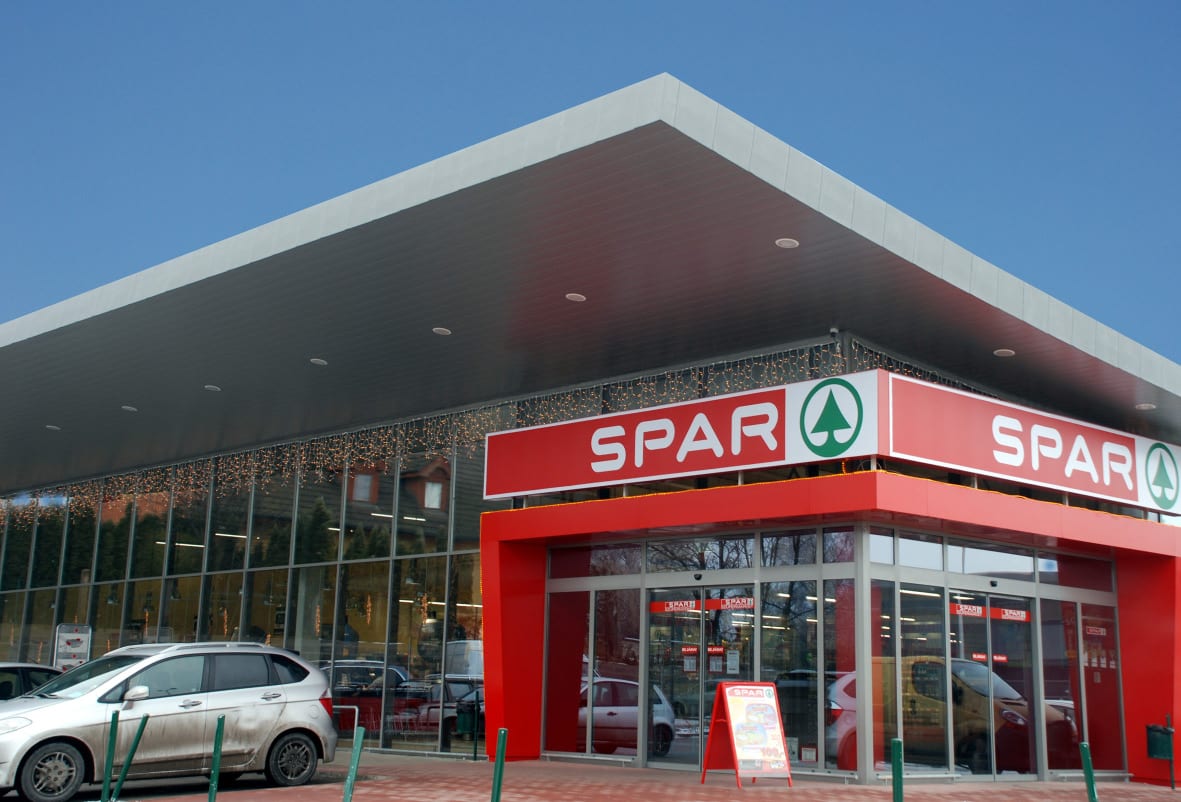
    SPAR Hellas has announced its entry into the Greek market with the ambition to create and operate the largest food retail chain of independent retailers in the country. It will be part of SPAR International, the world’s largest food retail chain with over 12,500 stores in 44 countries and overall sales of up to €33.1 billion. SPAR Hellas plans to develop more than 350 SPAR stores nationwide over the next four years. The stores will offer up to 1,400 SPAR Own Brand products, with many sourced from Greek producers and suppliers.

    A strategic cooperation between SPAR Hellas and the ASTERAS association will develop SPAR’s retail presence in Greece. Within the next 3 years, ASTERAS will convert most of its existing 200-store network to the SPAR Brand. To build its capabilities and resources further, ASTERAS has entered into a joint co-operation with the MESIS association, which leads to a group with more than 500 stores across Greece and a reported €700 million in sales.

    The first 10 SPAR stores are due to launch in Greece by July and SPAR Hellas aims to operate a total of 80 stores by the end of 2018. The SPAR network in Greece will grow both by the conversion of ASTERAS and MESIS stores and by SPAR Hellas operating new, company-owned stores.

    In addition to its global, dynamic brand, SPAR International offers licensed partners comprehensive support including store development, private label ranges, staff education and skills development, high-end supply chain distribution and the design and implementation of locally focused marketing campaigns. Access to international best practice and the local expertise of the team at SPAR Hellas will ensure a full set of services and benefits for all licensed partners, helping them grow their business in a competitive retail environment.

    Speaking about the strategic new initiative, Mr. Fivos Karakitsos, CEO of SPAR Hellas said: “SPAR is establishing in Greece in order to develop the most modern cooperative network of independent retail stores in the country. The combination of Greek retailers’ excellent local knowledge with SPAR’s international best practice and global brand will result in innovative store layouts for the customer, excellent fresh products, a wide range of private label products and value for money. High-levels of customer service will be delivered through continuous staff training programs. SPAR Partners will build on their traditional roots, creating a strong family focused business which is unique in the Greek market. SPAR Hellas in turn, consists of a well-regarded team from the areas of sales, marketing, operation and supply, something that guarantees the highest level of support for the retail network. Our vision is that SPAR will become one of the strongest Greek retail players in the market and we are excited to play our part in strengthening the Greek economy.”

    Mr. Tobias Wasmuht, SPAR International’s CEO said: “We are delighted to welcome SPAR Hellas to our network of partners all over the world. SPAR was founded on the principle of ‘Better Together’. Uniting the shared resources and expertise of ASTERAS and MESIS under the internationally recognized SPAR Brand will benefit all three parties. The Greek retail market is competitive, but SPAR will act as a dynamic force, bringing quality, fresh produce, value and an excellent retail experience for our customers. I am confident that SPAR will create growth opportunities for independent retailers and Greek producers and suppliers and bolster the growth of the Greek economy.”

    Mr. Georgios Vogiatzakis, Development Consultant at SPAR Hellas said: “Supplying local, Greek products in SPAR’s network is a key part of our business strategy. We recognize our responsibility to encourage Greek production and we will continuously strengthen both local production and thereby the economy. The private label products will gradually be produced in our country and we will offer quality producers the opportunity to access the SPAR network. We will open SPAR stores throughout Greece and will harness the power and expertise of the SPAR Brand to grow the business.”

    Mr. George Papantonis the president of group ASTERAS said “The cooperation with SPAR sets a totally new trajectory for ASTERAS but also for the market. With the increased cooperation through partnerships like the one with MESIS, we can achieve the union of the convenience business for Greece under the brand of SPAR. Our target is that by the year 2021 ASTERAS will report more than 1.20 billion euro in sales and a market share that will be well over than 12% in total.”

  • PM Vietnam expects huge investments from Australia

    PM Vietnam expects huge investments from Australia

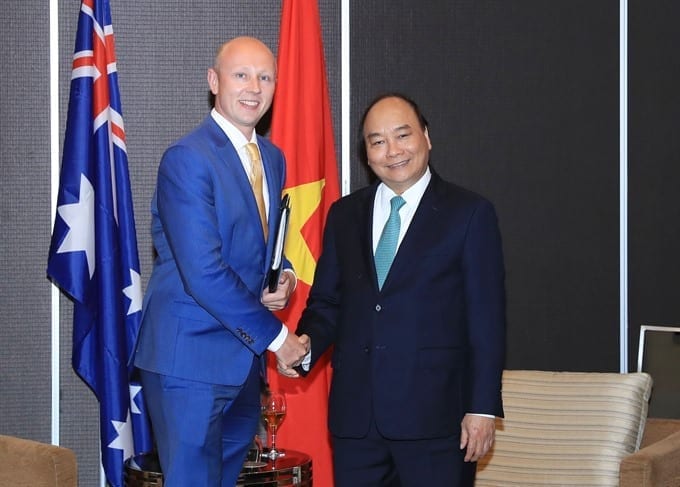
    Prime Minister Vietnam Nguyễn Xuân Phúc said he expected a new wave of investments, both direct and indirect, from Australia to land in Việt Nam for win-win benefits.

    His statement comes after the newly established strategic partnership of which the two countries are the members.

    Phúc said the partnership would provide a favourable environment for Australian investors to enter Việt Nam faster and would create a crucial foundation for Việt Nam and Australia to lift their cross-the-board co-operation to the next level.

    He said this at a working session with leading financial groups and investors from both Australia and Việt Nam in Sydney on March 16.

    The session was presided by 12 groups, finance investment funds and businesses managing an investment capital of worth over US$500 billion with keen interests in the Vietnamese market, along with nine prestigious financial groups of Việt Nam. The session was organised by VinaCapital and Macquarie Group.

    Macquarie Group Chairman Peter Warne showed great interest in Việt Nam’s priorities in infrastructure development. He said Việt Nam was urbanising strongly and thus its need for infrastructure, roads, transport and electricity was high.

    Meanwhile, VinaCapital CEO Don Lam said the Vietnamese Government had made great efforts to reform institutions and speed upequitisation of State-owned enterprises (SOEs). He hailed the Vietnamese Prime Minister for actively working to draw businesses and investment into the country.

    He said, as a result, Việt Nam’s business and investment environment had improved considerably, and the country’s market had become more attractive to international investors.

    PM Phúc welcomed the Australian groups’ interests in Việt Nam and spoke highly of the organisation of the session by VinaCapital and Macquarie.

    He told investors that 2017 was a successful year for Việt Nam as the country posted a growth rate of 6.81per cent, a record high in many years, maintained a stable exchange rate, soundly reined in inflation and achieved a record foreign reserve. The country also attracted $37 billion in foreign direct investment, the highest in a decade, and its stock market achieved a growth rate of 48 per cent, one of the highest rates in the global market.

    PM affirmed that the Vietnamese Government had undertaken many policies to ensure the sustainable development of the economy and safeguarding of the rights and benefits of investors.

    He further said Việt Nam had targeted to achieve a fast but sustainable growth on the basis of defending the rights of people and investors, and that the country had been persistent in pursuing the goal of building a facilitating, transparent and efficient government and continuing to improve the investment and business environment to meet OECD (Organisation for Economic Co-operation and Development) standards.

    He also told investors that the country would continue transforming its growth model, restructuring its economy, SOEs, human resources and other sectors.

    “Việt Nam is concentrating on developing a sustainable and healthy finance market that is friendly to investors,” he added.

    The country has so far signed 12 free trade agreements and the latest Comprehensive and Progressive Agreement for Trans-Pacific Partnership with Australia and is negotiating the Regional Comprehensive Economic Partnership with the aim of forming a large market to attract investors.

    During the intensive and extensive economic integration, Việt Nam had unceasingly worked to facilitate the development of the private economy, the Prime Minister told investors.

    At the session, Phúc, along with ministry and sector officials from Việt Nam, fielded questions pertaining to Việt Nam’s foreign investment attraction and agriculture development policies as well as its priorities in infrastructure development.

    Later, Phúc will chair the Việt Nam-Australia Business Forum.


  • Vietnam tech firms to expand in Japan

    Vietnam tech firms to expand in Japan

    Japan, one of the global leaders in implementing the 4.0 industrial revolution, is witnessing strong investment from Vietnam’s information technology (IT) firms.

    Currently, there are some 20 IT companies in Vietnam with branches in Japan.

    The Japanese market holds tremendous potential for Vietnam’s information technology (IT) sector, said Trương Gia Bình, chairman of FPT Corporation.

    He said this at the inauguration ceremony of the firm’s sixth representative office in Japan’s Hamamatsu, Shizuoka Prefecture on Tuesday.

    Vietnam’s software exports turnover to Japan is expected to increase from US$300 million to $1 billion by 2020, while the number of programmers working for the Japanese market in the future may increase from 10,000 to 300,000, Bình said.

    For FPT, the Japanese market accounts for more than half of the company’s global sales.

    At present, FPT has more than 400 Japanese customers, including 50 companies on the list of the largest enterprises in the world. FPT’s annual growth rate in Japan is consistently around 30 per cent.

    The Vietnam Software and IT Services Association is encouraging the trend, which will hopefully lay the foundation for turning Vietnam into a software-export country, according to Bình.

    Regarding Vietnam’s advantages when investing in Japan, Bình said “the two countries have similar cultures and strong political and socio-economic relations”. Moreover, “Vietnam, with its young population and low-wage human resources, can help Japan rejuvenate its work force in the software industry. Vietnam is also the source for many Japanese companies in the latest technology fields, such as artificial intelligence, robotics and data analysis”.

    On November 7, 2017, the CMC Corporation opened its first office in Yokohama City, Kanagawa Prefecture. It is expected that by 2020, there will be some 1,000 Vietnamese employees working for the Japanese market.

    Smaller businesses, such as NAL Vietnam Joint Stock Company, are also planning to expand in Tokai after opening representative offices in Tokyo and Nagoya.

    “Vietnam has been the second-largest partner of Japan in software and service outsourcing since 2014”, FPT Software CEO Hoàng Nam Tiến spoke at the recent Việt Nam IT Day 2018 in Japan.

    According to statistics from the Japanese Ministry of Economy, Trade and Industry, the country lacks 100,000 technicians in the fields of information safety, cloud computing and mobile technology.

    In terms of new technology, including artificial intelligence, big data, Internet of Things and robotics, the country is estimated to be short of 600,000 information technology professionals by 2030.

    “It is a huge opportunity for Vietnamese enterprises to join hands with their Japanese counterparts to solve the problem of inadequate human resources in this field,” Tiến added.


  • 7-Eleven brings facial-recognition technology to stores in Thailand

    7-Eleven brings facial-recognition technology to stores in Thailand

    7-Eleven Thailand is to roll out advanced AI technology, including facial recognition of employees and customers, across all 11,000 stores in the kingdom.

    The convenience store chain’s parent, CP All, has signed a contract with US-Chinese technology company Remark to use its KanKan data intelligence and AI-based facial recognition and behavior-analysis technologies which it says will provide enhanced customer support, business analysis, employee management and security.

    An estimated 10 million people walk into 7-Eleven Thailand stores each day and the KanKan technology can monitor such things as how long a customer lingers in specific places in-store, and even record their emotions. It can identify members of 7-Eleven’s loyalty program allowing management to offer them tailored promotions.

    From a store-management perspective, the technology can monitor stock levels on shelves and provide real-time operations performance and competitor analysis, check employees on and off shift and identify unauthorised personnel on site.

    “The KanKan implementation at 7-Eleven marks our first major collaboration with Remark,” said CP Group chairman Soopakij Chearavanont.

    “The 7-Eleven team evaluated many AI technologies and selected KanKan because it has the most robust platform for meeting business objectives, namely, driving revenues, reducing costs and rapidly improving profit margins.”

    Remark Holdings’ CEO and chairman, Kai-Shing Tao said the 7-Eleven partnership represents “an incredible opportunity to implement our KanKan technologies on a massive scale”.

    Chearavanont told a media briefing that the technology would help the chain cut costs, improve revenues and increase margins.

    Remark has promised that no images of human faces will be stored on servers by 7-Eleven, apparently addressing privacy concerns relating to what happens to recordings, something being raised by lobby groups around the world.

    The companies say only facial features – not whole faces – are used to generate data which is encrypted.

    “No human faces or images ever leaves the KanKan system or goes on the public network,” the company said.

  • Malaysia’s Q4 retail sales up a disappointing 3.1%

    Malaysia’s Q4 retail sales up a disappointing 3.1%

    The Malaysian retail industry reported a modest growth rate of 3.1% in the fourth quarter of 2017 compared with the same period in 2016, coming in below expectations due to the rising cost of living which the eroded purchasing power of Malaysian consumers, said independent retail research firm Retail Group Malaysia.

    “This latest quarterly result did not meet market expectations. Members of MRA (Malaysia Retailers Association) projected the fourth quarter growth rate in November 2017 at 3.8%. It was also below Retail Group Malaysia’s forecast of 4.5%,” the firm said in its March 2018 Malaysia Retail Industry Report.

    It said the quarterly result is consistent with the Consumer Sentiment Index for the same period published by the Malaysian Institute of Economic Research (MIER).

    “During the latest quarter, the Consumer Sentiment Index (by MIER) improved to 82.6. Malaysian consumers remained cautious in their monthly spending while juggling with higher cost of living.”

    During the fourth quarter of 2017, the performances of all retail sub-sectors were mixed. The supermarket and hypermarket sub-sector was the worst performer.

    For the whole of 2017, the retail sale growth rate was 2.0% (or RM99.8 billion) compared with the same period a year ago. The retail industry’s performance last year lagged the gross domestic product growth rate of 5.9%.

    “After a rollercoaster ride in 2017, members of the retailers’ association are hopeful that their businesses will begin to recover in 2018. They estimate an average growth rate of 5.4% during the first quarter of 2018, due to the Chinese New Year period.”

    Based on its first quarterly projections of retail sales for 2018, Retail Group Malaysia estimates 4.7% growth in retail sale this year (or RM104.4 billion).

    “At this moment, this projection is considered optimistic by MRA members. The prospect of the retail industry this year is still highly dependent on the economic performance and consumer confidence level,” it said.

    It explained that the upcoming Malaysia general election is one of the main reasons Malaysian consumers have been taking a wait-and-see attitude on their retail spending.

    Retail sales may rise after the official election campaign starts. When campaigns begin, there will be many political and social activities throughout the country. This should motivate consumers to spend.

    “Post-election, consumer spending may improve further as Malaysians will focus on their own economic future and release the pent-up demand.”

  • Japan bank mulls PetroVietnam plan

    Japan bank mulls PetroVietnam plan

    The Japan Bank for International Cooperation (JBIC) is considering funding the Block B&52/97 project of the Việt Nam Oil and Gas Group (PetrolVietnam) with loans without a government guarantee.

    General Director of PetroVietnam Nguyễn Vũ Trường Sơn recently worked with JBIC representatives on the financial arrangements for the project.

    According to PetroVietnam, the project, worth nearly US$10 billion, is one of the two largest gas projects in Việt Nam. The capital arrangement for the project is one of the main concerns of foreign partners involved in the project.

    The Block B&52/97 project’s oilfield development report was approved by contractors and the State appraisal council, while its environmental impact assessment report was ratified by the Ministry of Natural Resources and Environment. The quantitative risk assessment report was also submitted to the Ministry of Industry and Trade.

    As scheduled, the contract will be awarded in June 2018, and the signing of Engineering Procurement Construction and Installation (EPCI) contracts for the project will be done in July.

    The Block B&52/97 project includes two sub-projects. The first aims to develop the Block B oilfield, with PetroVietnam owning maximum capital in the project (42.896 per cent). Other investors are PetroVietnam Exploration and Production Corporation (26.788 per cent), Mitsui Oil Exploration Company (MOECO) of Japan (22.575 per cent), and Thailand’s PTT Exploration and Production Public Company Limited (PTTEP) (7.741 per cent).

    The second is to build the Block B-Ô Môn gas pipeline having a total length of 430km. PetroVietnam, PetroVietnam Gas Corporation (PV Gas), MOECO and PTTEP have invested in this project.

    The Block B&52/97 project is expected to bring ashore 5.06 billion cu.m of gas per year within 20 years, meeting the gas demand of power plants in the south.

    It is expected to contribute some $18 billion to the State budget.


  • Top Chinese brands gaining global recognition for quality

    Top Chinese brands gaining global recognition for quality

    China is fast emerging as brand leader in a wide variety of sectors and many of the leading domestic companies are gaining global recognition for quality, according to a new report from Brand Finance, a London-based brand valuation consultancy.

    In its latest 2018 China 300 league table, the consultancy ranked the Industrial and Commercial Bank of China, also known as ICBC, and China Construction Bank, with brand values of US$59.2 billion and $56.8 billion respectively, as the most valuable brands in the global banking sector.

    Alibaba, Tencent, and Huawei are leading the charge, however, as technology is poised to overtake banking as the ranking’s most valuable sector.

    The fastest-growing Chinese brands come from the auto and spirits sectors with BYD up 211 percent and Wuliangye up 161 percent.

    David Haigh, CEO of Brand Finance, said: “This year has seen strong growth amongst the big Chinese brands.

    “The unique modern history of the Chinese economy has produced huge, national brands on the domestic front. In the coming years, Chinese brands have an opportunity to use this strong domestic foundation as a platform for global expansion.”

    In the past, many Western brands expanded into China, but Haigh said he expects to see many Chinese brands expand to the West in the future.

    While banking remains the most valuable sector, accounting for 24.7 percent of the ranking’s total brand value over the last year, the robust growth of the technology sector suggests it is likely to overtake banking. Tech’s overall share of the value of the 300 brands listed has increased from 20.7 per cent to 24.4 per cent.

    Haigh said Alibaba, which is also the world’s fastest growing big retail brand in percentage terms, shows no sign of slowing as it plans to invest $15.2 billion toward its global logistics chain expansion.

    China Mobile, the fourth most valuable Chinese brand-up 14 percent to $53.2 billion-is the most valuable telecoms brand in Asia. China Mobile boasts the world’s most extensive mobile network and the world’s largest mobile phone customer base.

  • Indonesia lures US to invest more

    Indonesia lures US to invest more

    The administration is revising regulations on tax incentives for investment and seeks to pass them by the end of this month.

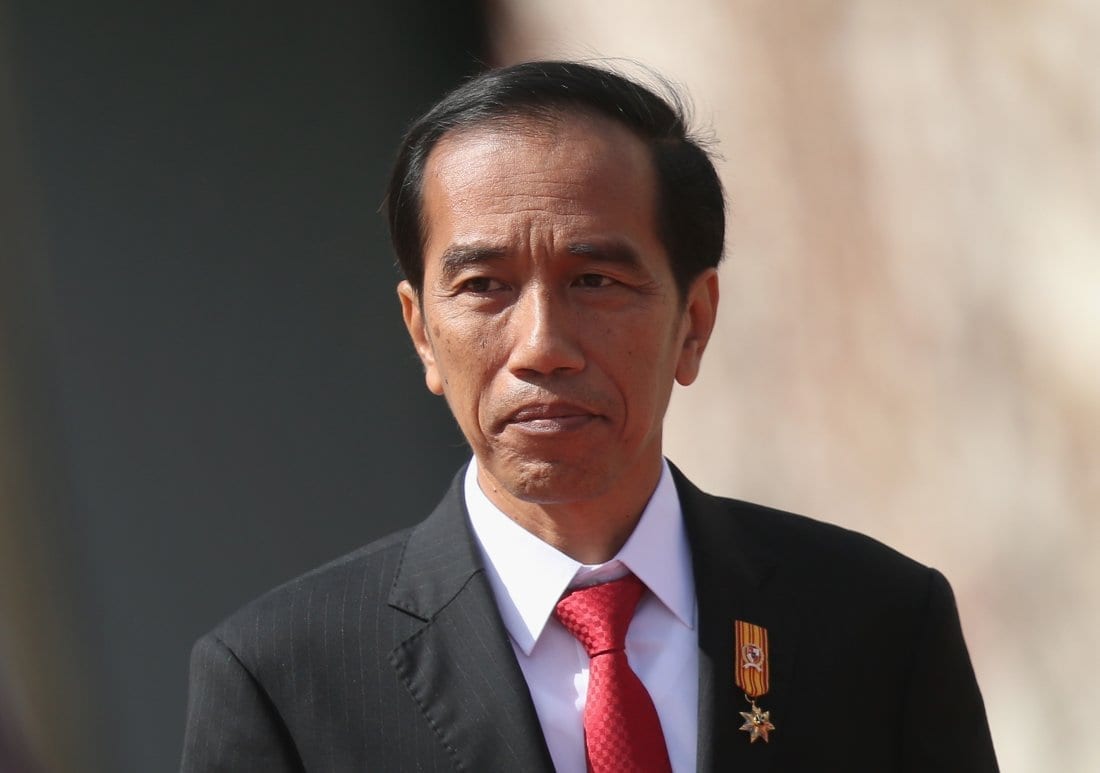
    Speaking to 41 US-based companies grouped under the US-ASEAN Business Council on Tuesday morning, the President underlined the significance of investment into Indonesia from the world’s top economy.

    “American investment into Indonesia has been sizeable and plays an important role in the Indonesian economy,” Jokowi said during a meeting with the council at the Merdeka Palace.

    Realized foreign direct investment (FDI) in Indonesia by US firms surged by 71.5 percent to US$1.99 billion last year, driven by 625 projects. That is significantly higher than the 30 percent growth to $1.16 billion seen in 2016, spread across 540 projects.

    The US stood still as the sixth-largest foreign spender in the archipelago over the 2016-2017
    period.

    Jokowi also noted that the US brought high-quality investment into Indonesia through companies with powerful brands, state-of-the-art technology and a broad international network, including gold and copper miner Freeport-McMoRan, technology giants Google and Facebook and entertainment giant Walt Disney.

    Consequently, he expected US companies to jack up their investment although he was also aware of the many challenges of doing business in Indonesia, from policies regarding digital payment and patents to complicated export-import procedures.

    “Give me two months and I’ll bring you some positive [progress] on economic policy reforms,” Jokowi said.

  • Vietnam wants exclusion from US steel tariffs

    Vietnam wants exclusion from US steel tariffs

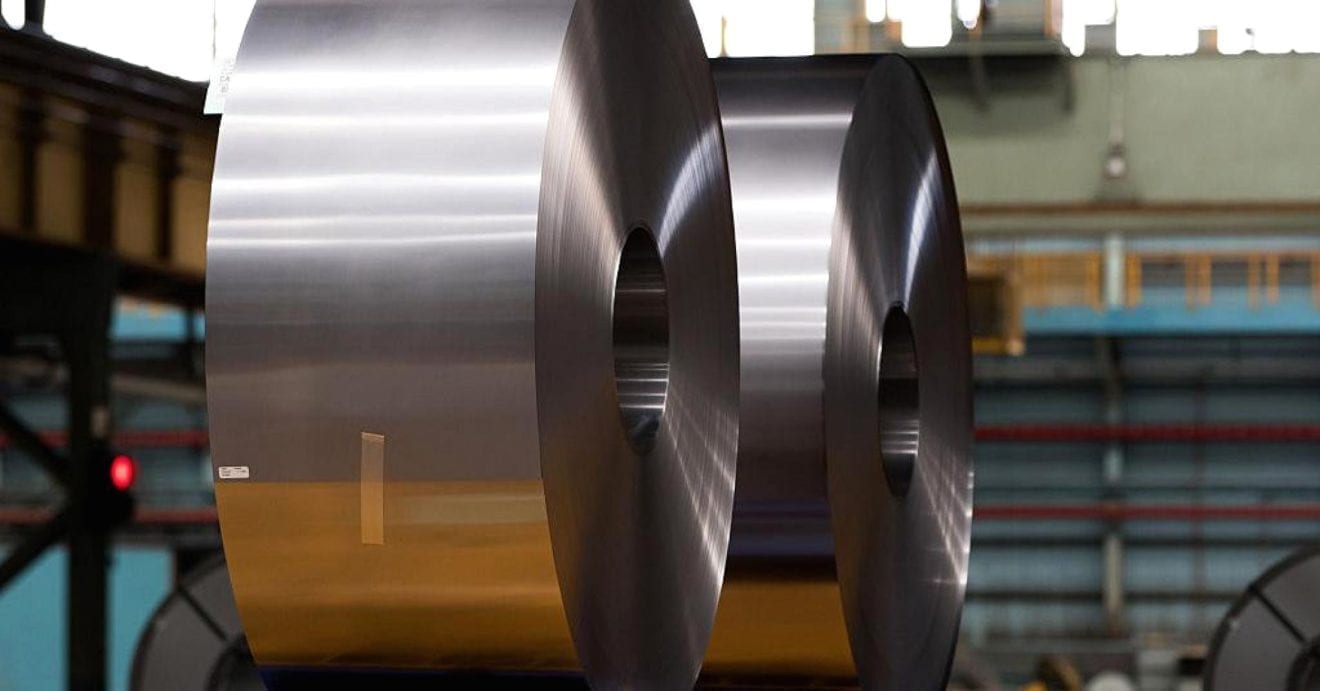
    The Ministry of Industry and Trade (MoIT) has urged the US Government to consider excluding Vietnamese products from its newly announced tariff measures on imported steel and aluminium.

    The ministry stressed that Vietnamese steel and aluminium products sold to the US are intended for use in civil construction, not for infrastructure or security-defence purposes, thus not affecting the US goal of ensuring its national security.

    Moreover, Vietnam’s steel and aluminium products account for just a marginal proportion of US imports of those products, and neither cause nor threaten to cause damage to the US steel and aluminium industries, the MoIT said.

    The ministry will continue to keep close watch on the situation and consider subsequent actions to ensure the legitimate interests of Vietnamese enterprises, while maintaining the growing trend of the comprehensive partnership between Vietnam and the US.

    US President Donald Trump, on March 8, signed proclamations to impose a 25 percent tariff on imported steel and a 10 percent tariff on imported aluminum.