Category: General

Retail News Asia is committed to providing both local and global retailers with the latest General Retail news throughout the Asian market. This on a daily base.

  • Indonesia Improves Ranking on Global Intellectual Property Index

    Indonesia Improves Ranking on Global Intellectual Property Index

    Indonesia has increased its ranking on the United States Chamber of Commerce’s 2018 International Intellectual Property Index this year, which shows that the government’s efforts to protect copyrights are starting to bear fruit.

    The sixth edition of the annual report titled “Create,” published last month, shows the state of intellectual property rights in the world’s 50 biggest economies.

    The index uses 40 indicators in eight categories to evaluate which policies and efforts have been effective in protecting intellectual property rights.

    Indonesia scored 12.14 compared with last year’s 9.64, putting it in 43th place – just above India (44), but below Thailand (41), Vietnam (40), Brunei (35) and Singapore (9).

    Topping the list are the United States, Britain, Sweden, France and Germany.

    Patrick Kilbride, vice president of international intellectual property for the Global Innovation Policy Center at the US Chamber of Commerce, said music and film are two of the sectors that have improved the most in Indonesia.

    “Indonesia does well [in the creative industry]. I think copyright helps to preserve [intellectual property]. It’s a vehicle for cultural experience,” he said.

    The report also notes that Indonesia has improved measures to control copyright infringements through an online system. The government and the creative and advertising industry established the Infringing Website List to address such cases in the creative industry.

    The report lauds the government’s framework for intellectual property rights, which was established across ministries. It notes that over the past decade, the country has had an inter-ministerial group tasked with the enforcement of these rights.

    Through a 2006 presidential decree, the government also created a national intellectual property task force, which is responsible for designing policies and measures to enforce intellectual property rights.

    The task force, which consists of cabinet-level officials from the ministries of industry, trade, finance, foreign affairs, justice and home affairs, reports directly to the president.

    Biotech, Software

    However, Kilbride said the biotechnology and software sectors are still vulnerable in the country.

    “Foreign companies operating in that space [biotech and software] may be less inclined to bring their products to Indonesia and must be less inclined to invest in domestic innovation,” Kilbride said.

    The report further highlights certain weaknesses Indonesia still has to address, such as limited participation in international intellectual property treaties, copyright piracy and a 2016 law that has proven to be a barrier to foreign companies entering the country, as it requires them to transfer all patented technologies and processes.

    Kilbride said 80 percent of research and development in Indonesia is currently state-funded, but that it should be the exact opposite. Private companies are deterred from investing or expanding in the country if there are no clear regulations on intellectual property rights.

    “The private sector doesn’t have enough confidence in the domestic system to take risks. Intellectual property is to enable risk-taking. If you are in a sector with a high cost of entry, maybe it takes a long time to take a product to market, from research to development and testing. It costs a lot of money. You won’t want to spend a lot of money without rock-solid rights,” Kilbride said.

    He said Indonesia will do well in the coming years as it has a large population, dynamic economy, young workforce and abundant natural resources. However, innovation is key.

    “With strong intellectual property protections, the industry would be willing to invest in Indonesia; to invest in R&D. [This will] put Indonesia on the cutting edge of global technology and help it to overcome the middle-income trap,” Kilbride said.

  • Indonesian Energy Ministry Scraps Hundreds of Troubling Regulations to Boost Investment

    Indonesian Energy Ministry Scraps Hundreds of Troubling Regulations to Boost Investment

    Indonesia has revoked 186 regulations in the energy and mineral resources sectors that were considered troubling, as the country seeks to improve the investment climate, while improving the ease of doing business, a minister said.

    “This is important, as was instructed by the president; we have to be business- and investment-friendly to increase employment and boost economic growth,” Energy and Mineral Resources Minister, Ignasius Jonan said at a press conference in Jakarta on Monday (05/03).

    He explained that 90 general regulations and another 96 related to permits, certification requirements and government recommendation prerequisites for certain projects in the energy and mineral resources sectors have been revoked.

    Indonesia seeks to lure $50 billion in investment in the energy and mineral sectors this year alone.

    The regulation regulations were applied by different directorate generals in the ministry, including oil and gas, minerals and coal, and new and renewable energy.

    The Directorate General of Minerals and Coal saw the revocation of 32 general and 64 permit-related regulations.

    Ministry officials will start to inform the relevant stakeholders about the newly scrapped regulations in the coming weeks, Ignasius said.

    “We hope the cuts will have a quick impact, so that the business world will experience a better, less bureaucratic service,” he added.

  • Foot Locker Looking To Shutter 100 Stores

    Foot Locker Looking To Shutter 100 Stores

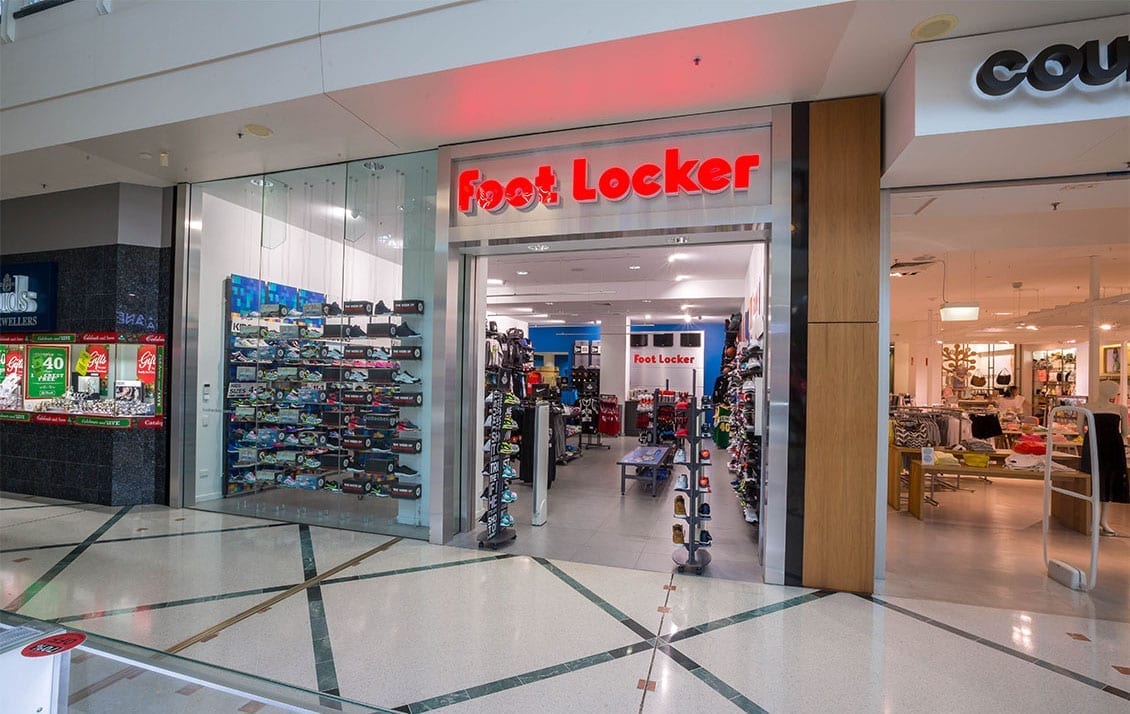
    Foot Locker has revealed plans to close about 110 stores this calendar year after reporting a loss of US$49 million for the last quarter.

    The closures follow the cull of 147 stores globally last year – however it will continue to open new stores where there is market potential, with about 40 likely this year.

    “We continue to prune the fleet of under-productive stores and open a few select, high-profile stores,” Foot Locker CFO Lauren Peters said in an earnings call with investors.

    Most of the stores to be closed are located in “deteriorating” shopping malls, typically in regional US, where shoppers are increasingly going online to buy essentials.

    Where an American consumer may once have gone to a Foot Locker store to buy Nike or Adidas shoes, they can now go online to the manufacturer’s site or to a portal like Amazon where they can shop multiple categories without leaving the sofa.

    Globally, Foot Locker has 3310 stores after opening in 94 new locations last calendar year.

    “The disruption that has characterised the retail industry recently is not going away,” CEO Richard Johnson added. “Consumers want experiences, they want cool products, and they want it all – fast.”

  • House of Fraser’s Chinese owners to sell stake in department store

    House of Fraser’s Chinese owners to sell stake in department store

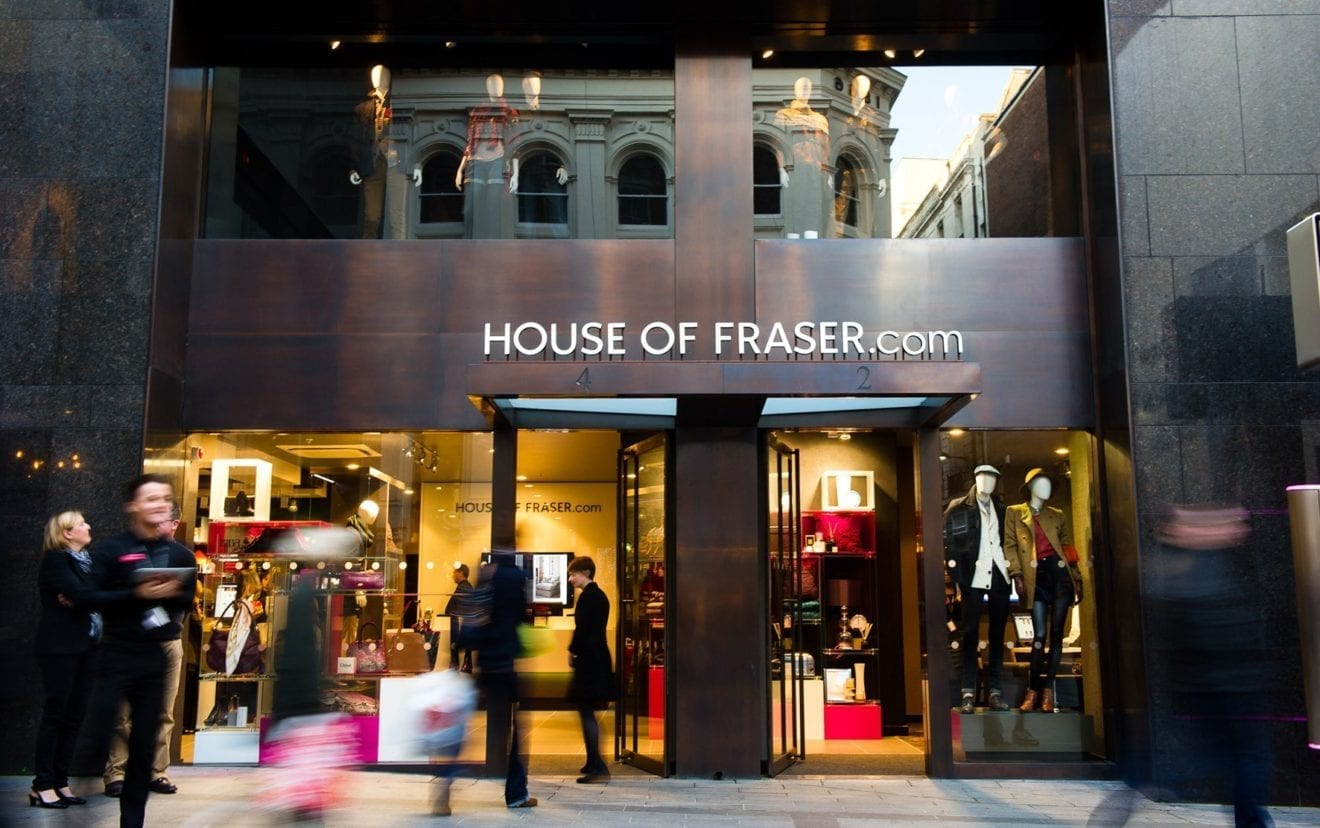
    The Chinese firm which has a majority ownership in House of Fraser has confirmed plans to offload most of its stake.

    A Chinese stock-exchange filing indicates that Nanjing Xinjiekou Department Store (or Nanjing Cenbest) is poised to sell off most of its holdings to tourism development company Wuji Wenhua.

    Nanjing Cenbest has an 89 per cent stake in House of Fraser, and is looking to sell off 51 per cent of it. This would mean retaining a 38 per cent stake in the retailer.

    Meanwhile, Nanjing Cenbest has confirmed it is in “advanced discussions” with Wuji Wenhua about it investing in the British department store chain.

    Nanjing Cenbest – a subsidiary of Sanpower Group, which acquired House of Fraser in 2014 – also hailed the potential collaboration as a strategy that could “further internationalise” the retailer. “We are very proud of our continued stake in the 169-year-old House of Fraser brand.”

    House of Fraser had a slump in Christmas sales, its credit rating has been downgraded, and it has drafted in Rothschild to help refinance its debt package.

    Nanjing Cenbest is a department store retailer in China, where it runs both the Xinjiekou fascia and Chinese House of Fraser stores.

    Bloomberg data shows Sanpower Group has a 27.32 per cent stake in Nanjing Cenbest. When the firm acquired its 89 per cent ownership of House of Fraser in 2014, it had planned to open 50 outlets in China.

    So far it has opened only two. The remaining 11 per cent stake in the retailer is owned by Sports Direct founder Mike Ashley.

    The department stores have struggled amid the rise of online shopping and a surge in sourcing costs driven by the pound’s 7 per cent fall against the US dollar and 14 per cent decline against the euro since the Brexit vote.

    House of Fraser reported a 2.9 per cent drop in sales over the holiday shopping season and has entered negotiations with landlords to reduce rents on some of its 59 UK stores. In the year ended January last year the company reported net income of £26.8 million (US$37.2 million).

    Sanpower Group, which owns a 27.32 per cent stake in Nanjing Xinjiekou, acquired House of Fraser in 2014 in a deal that valued the chain at £450 million.

  • Carrefour Asia comes back strong

    Carrefour Asia comes back strong

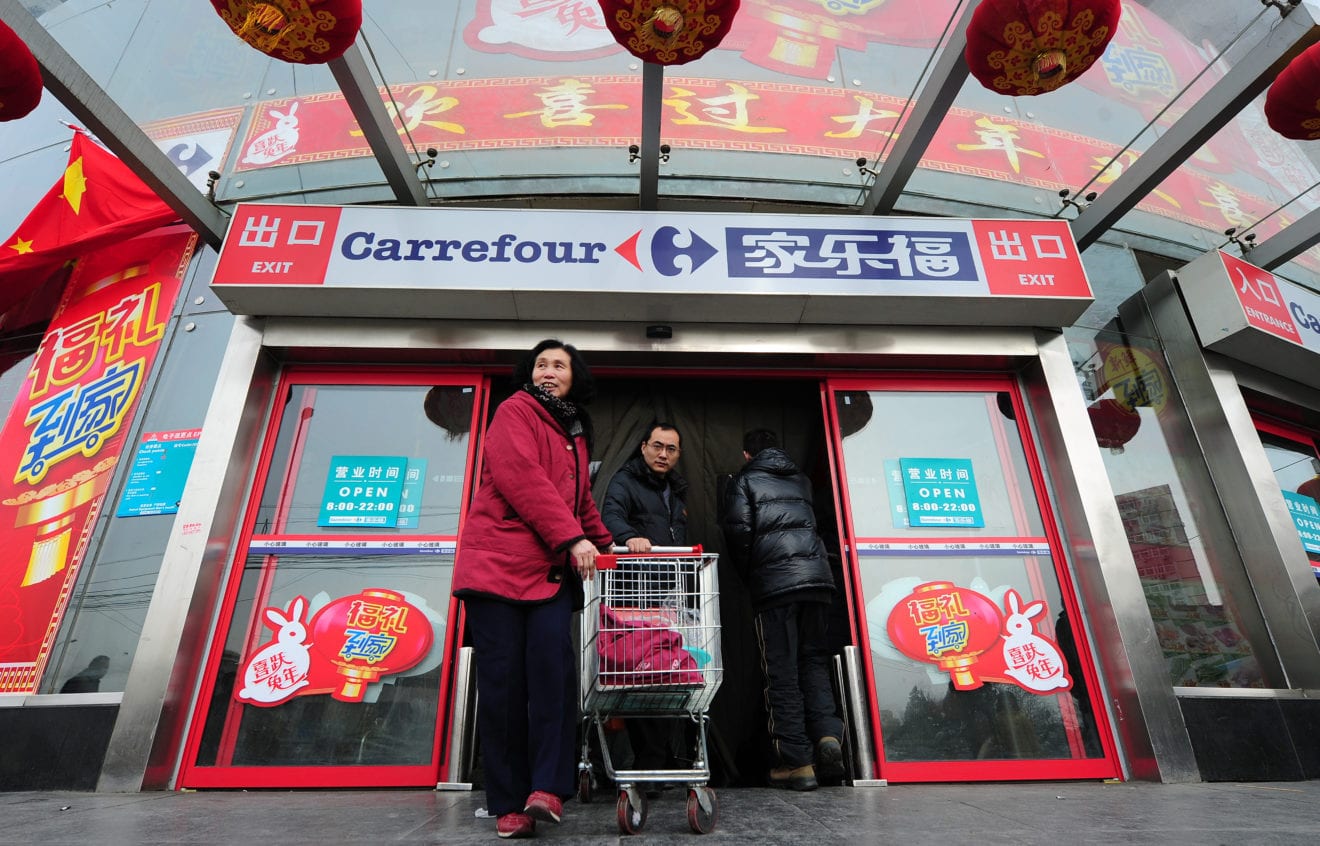
    French hypermarket retailer Carrefour is reaping the rewards of restructuring its Asian operations.

    The Carrefour Asia business has converted an operating loss of €58 million in 2016 to a return on investment of €4 million US$4.4 million) last year, according to the company’s annual results released overnight.

    “Carrefour is back on the offensive and investing to resume growth,” says chairman/CEO Alexandre Bompard.

    Carrefour says the group reaped the fruits of action plans implemented in China, in particular in cost reductions, in a market that remains highly competitive and marked by rapidly changing consumption habits.

    In Taiwan, sales growth remained strong and operating margin continued to improve.

    Globally, Carrefour experienced a slowdown in like-for-like sales at 1.6 per cent, but that is down from 3 per cent in 2016. Net sales totalled €78.8 billion.

    Group EBITDA stood at €3.6 billion, down 6.4 per cent at current exchange rates, with margin slipping to 4.6 per cent.

    This reflected strong competitive pressure, a rise in distribution costs in the group’s main markets, and an increase in depreciation after a period of significant investments.

    Gross margin stood at €18.2 billion, or 23.1 per cent of sales, down 38 points.

  • How China is growing its economic influence in the Middle East

    How China is growing its economic influence in the Middle East

    China is becoming a major player in Middle Eastern real estate, with activity driven by tourism and the Belt & Road Initiative.

    Both the overland Silk Road Economic Belt and the Maritime Silk Road, which aim to boost trade links between China and Europe and China and Africa, run through the Middle East.

    The UAE, particularly the trading centre of Dubai, is expected to be a key beneficiary of Chinese investment interest in the next few years. Large state-owned construction companies such as China State Construction Engineering Corporation (CSCEC) and China National Aero-Technology International Engineering Corporation already have a number of projects underway.

    For example, CSCEC has committed to 16 projects in Dubai, mostly in the residential sector, but also in retail and hospitality. The firm is also active in other Emirates; in January CSCEC signed an agreement with Ajman Holdings to build a US$136 million shopping centre in Ajman, one of the UAE’s emirates.

    Chinese construction companies are mostly involved in hospitality and residential projects although JLL is “also seeing more activity in the retail and commercial sectors.”

    Dubai is home to Dragon Mart, a shopping mall said to be the largest trading hub for Chinese products outside of Mainland China, with more than 3,500 retailers. Developer Nakeel Malls plans to expand the mall into Dragon City, a mixed use development which will capitalise on Chinese influence in Dubai.

    At the new masterplanned city of Dubai South, the China Business Hub is intended to become home to hundreds of new Chinese businesses. “China Business Hub will allow Chinese companies to smoothly set up and quickly develop their business in the region and to facilitate all processes such as visa applications,” says Andrew Williamson, Head of Retail at JLL MENA.

    A new destination

    It’s not just business attracting Chinese visitors to the UAE, tourism is increasingly important.

    According to the Dubai Statistics Centre, the number of visitors from China to Dubai rose 49 percent to 573,000 in the third quarter of 2017 compared with the same period the previous year.

    China is also now the biggest source of tourists for Abu Dhabi, with 242,000 visiting in the first nine months of last year, up 68 percent on 2016.

    CSCEC and other Chinese construction firms are working on five hotels in Dubai, with others expected to follow as more Chinese tourists and business travellers arrive in the Emirate, said Amr El Nady, Head of Hotels & Hospitality MENA at JLL.

    r

  • EPS helps elderly to withdraw money at circle K stores

    EPS helps elderly to withdraw money at circle K stores

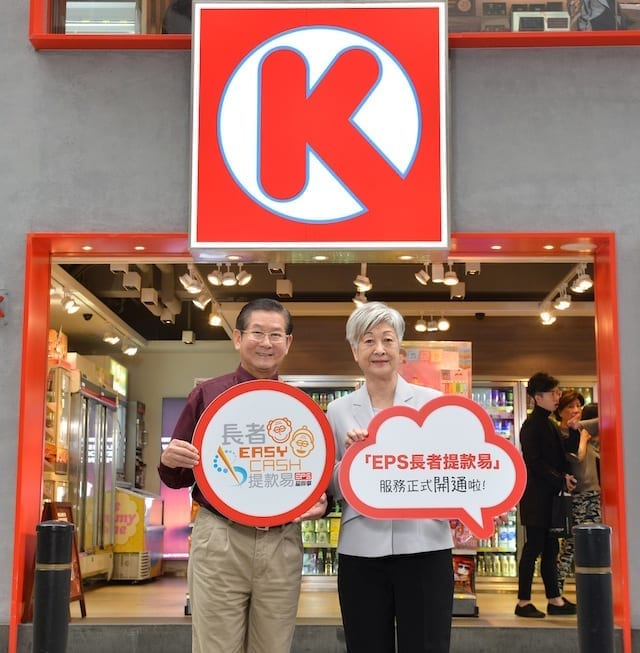
    EPS Company (Hong Kong) has introduced a service that enables the territory’s elderly to withdraw small amounts of cash at Circle K convenience stores.

    The first phase of EPS EasyCash for Senior Citizens has been launched as an extension to the EPS EasyCash service. It allows senior citizens to withdraw money at designated stores without needing to make a purchase.

    EPS GM Raymond So says the company hopes to engage more business partners and plans to expand the service to most districts in Hong Kong by the end of this year.

    “Making customers’ lives easier is Circle K’s core motto,” says CEO Richard Yeung of parent company Convenience Retail Asia. “With Circle K’s extensive network, we hope to provide the community in need with a convenient and fast cash withdrawal channel through this co-operation.”

    To use the service, elders simply go to the counter at  Circle K store and present their senior-citizen card and ATM card issued by EPS member banks. Circle K staff members will help elders make withdrawals of up to HK$500 (in multiples of HK$100).

    In the first phase, the service will start in 34 Circle K convenience stores across Tin Shui Wai, Sheung Shui, Yuen Long, Cheung Chau and Tung Chung, Lantau Island. By the end of the year, the service will be available at most Circle K stores in Hong Kong.

    Established in 1884, EPS Company is a consortium of 20 major banks in Hong Kong with a mission is to provide greater convenience for customers and merchants through electronic payment transfers. Its EPS secured cashless retail payment system is available at more than 30,000 locations in Hong Kong and Macau.

  • Accelerate, a Digital growth initiative by Capillary, is now a Google Premier Partner

    Accelerate, a Digital growth initiative by Capillary, is now a Google Premier Partner

    Capillary Technologies, whose solutions help businesses get ahead of the digital evolution and stay consumer ready, has announced that their Accelerate initiative is now a Google Channel Partner and Google Premier Badge holder. Amidst the increasing inclination of businesses to unify their multiple sales channels to derive greater ROI out of their digital marketing efforts, this recognition will help brands to drive increased conversions and better spend optimisation through intelligently targeting the right consumer at the right time.

    The Accelerate team envisions this as a means to drive more relevant and targeted results for online as well as offline businesses by driving the right customers through the right channel. Being a Premier Badge holding Channel Partner, Accelerate benefits with dedicated account management for efficient turn-around timings, exclusive industry vertical insights, competitor data and Beta access to new products for associated clients to implement in their digital strategies. This will help brands better orchestrate their customer’s journeys and drive better conversations.

    Soumajit Bhowmik, Director at Accelerate stated – “The increase in digital media consumption has made it an important channel for brands to engage their consumers. Around 10% of brand marketing spends are invested in the digital medium. In the current scheme of things, data sits in silos across the channels – both online and offline. We’re solving just this!”

    In relation to the partnership with Google, Soumajit added, “This recognition is a testimony to our uncompromising commitment towards client success through a sustainable and profitable e-commerce ROI. In a short span of time, we are working with more than 40 premium brands globally like HUL, W, Fair & Lovely, LuLu Webstore, Bata, amongst others and delivering cost-effective and ROI driven cutting edge performance marketing. We look forward to a greater market share of digital marketing spends of online/offline retailers and helping them make e-commerce profitable.”

    Capillary Technologies is looking at this as a means to help accelerate partner businesses while working together to create a more targeted, strategic, and revenue driven approach for marketers across the world.

    Abhijeet Vijayvergiya, VP and Business Head Asia Pacific, Capillary Technologies, commented on what this means to Capillary’s business in Southeast Asia, “This recognition from Google is a testimony to our steadfastness on developing revolutionary products and reinforces our goal to make brands always consumer ready. Southeast Asia is undergoing an incredible transformation thanks to digital technologies. And with Capillary Accelerate, we will push this transformation in the direction that delights both the retailers and the customers.”

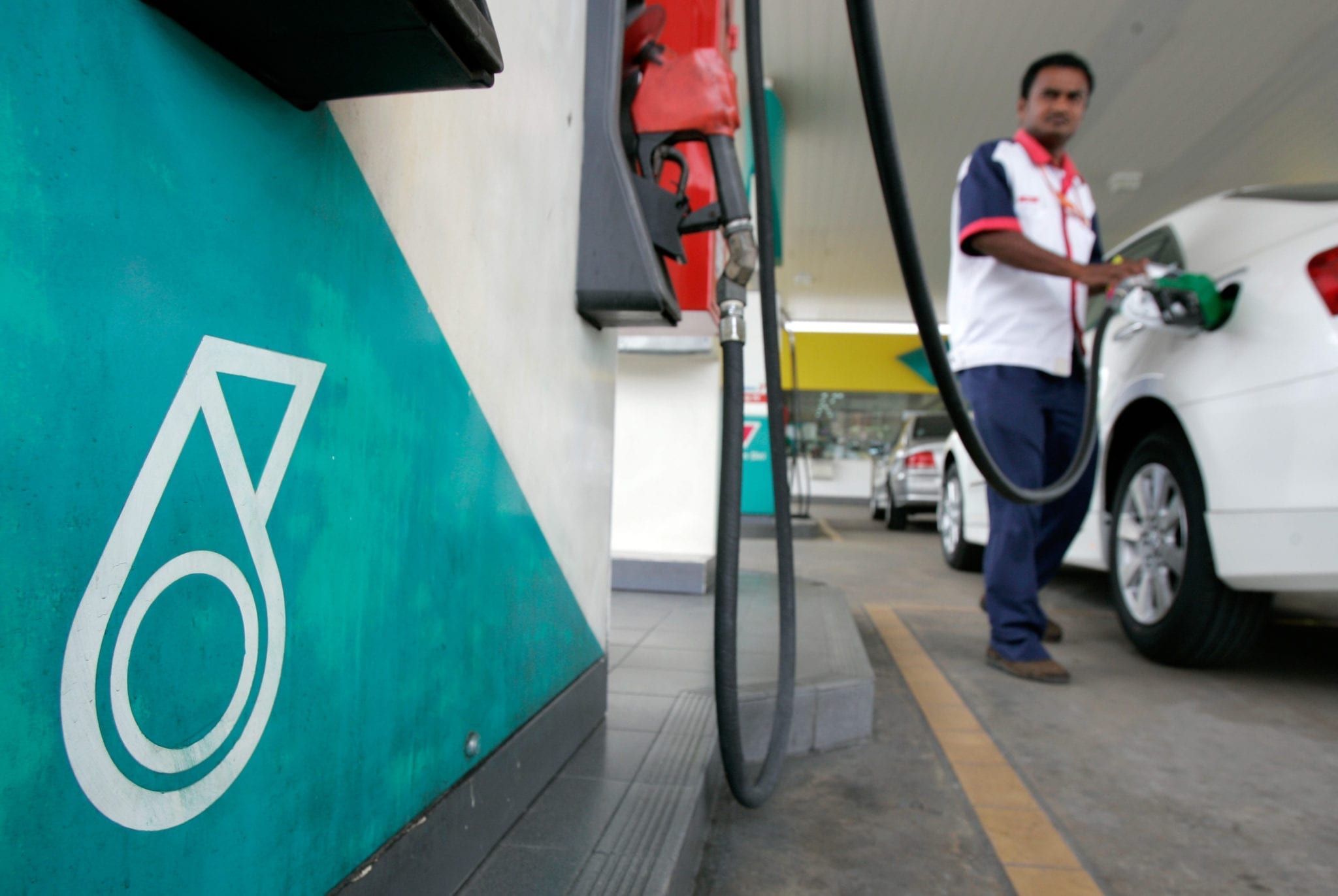
  • Petronas: Biggest risk now is stronger oil price

    Petronas: Biggest risk now is stronger oil price

    Petronas which saw its net profit soar 91% last year, considers the biggest risk in the horizon to be the improved oil price which looks to already be making oil and gas players abandon hard-won cost efficiencies achieved over the last three years.

    Although the recovery of global oil prices played a key role in its strengthened performance for 2017, its president and group CEO Tan Sri Wan Zulkiflee Wan Ariffin at a briefing last Friday cautioned that the sustainability of the oil price at current levels, which are supported by the Organisation of Petroleum Exporting Countries (Opec) and non-Opec production cuts, remains to be seen.

    “A concern here, is that with the oil price recovery, costs are showing signs of increasing at a worrying rate. This is likely being driven by a premature exuberance among industry players. If we do not keep these escalating costs in check, the industry as a whole runs the risk of negating the value we have gained from intensive cost-efficiency efforts over the last three years,” he added.

    Wan Zulkiflee said the industry should continue to ensure costs are kept under control, increase efficiencies and drive up value.

    For the fourth quarter ended Dec 31, 2017, Petronas’ net profit rose 61% to RM18.2 billion from RM11.3 billion a year ago due to higher revenue and lower net impairment on assets and well costs.

    Revenue for the quarter rose 14% to RM61.8 billion from RM54.3 billion a year ago due to higher average realised prices for major products and higher sales volume from liquefied natural gas and petroleum products, partially offset by the ringgit strengthening against the US dollar.

    For the full year, its net profit nearly doubled with a 91% jump to RM45.5 billion from RM23.8 billion a year ago while revenue for the year rose 15% to RM223.6 billion from RM195.1 billion a year ago.

    A dividend of RM16 billion was paid to government last year, while it is committed to paying out RM19 billion this year.

    The group is expecting a higher capital expenditure (capex) this year of RM55 billion compared with RM44.5 billion last year.

    “The stronger ringgit will have an impact on our bottom line but it also works in our favour in terms of capex, which is priced in US dollars. The amount of ringgit that we need to spend on those will be lower,” said executive vice-president and group CFO Datuk George Ratilal.

    He said the stronger ringgit will also benefit Petronas when its borrowings, of which 80% are in US dollars, are translated into ringgit.

    The group managed to sign on nine production sharing contracts in 2017, almost double that of less than five in 2016, a feat the state-owned oil multinational attributes to the regulatory environment for oil and gas investments here, where Petronas is the single point of reference.

    Moving forward, Petronas is driving a three-pronged growth strategy that includes maximising its cash generators by sweating its assets and building a solid foundation for growth; expanding its core business by growing its resource base and integrated business model; and stepping out to build capabilities and venture into new business areas such as specialty chemicals and new energy.

    The strategy will see Petronas focusing on regions like Asean, the Indian sub-continent, the Middle East and the Americas.

    Commenting on its plans to venture into new business areas, Wan Zulkiflee said oil and gas will remain its core business but contribution from renewable energy will grow, to some 18% in 2037-2040.

    On the establishment of Petroleum Sarawak (Petros), he said it welcomes the participation of Petros and any other state-owned company that wants to engage in the oil and gas sector, as long as it is within existing arrangements. He did not elaborate.

  • Hong Kong start 2018 with positive number

    Hong Kong start 2018 with positive number

    Hong Kong retail sales rose 4.1 per cent in January, compared to last year.

    While that marked a positive trend to kick off the new year, it was well short of the revised 5.8 per cent growth of December, most likely explained by the timing of Lunar New Year.

    The Census and Statistics Department provisionally estimated the value retail sales in January at $44.9 billion. After netting out the effect of price changes over the same period, the provisional estimate of volume was a 2.2 per cent ahead year on year, while the revised estimate of December’s volume was up 4.3 per cent.

    The C&SD says retail sales tend to show greater volatility in the first two months of the year due to the timing of the Lunar New Year. “Local consumer spending normally attains a seasonal high before the festival. As the Lunar New Year fell on February 16 this year but on January 28 last year, the year-on-year comparison of the figures for January 2018 with those for January 2017 might have been affected by this factor to a certain extent.”

    Accordingly, the real measure of growth in retail sales can only be determined by comparing combined January-february figures for both years in a month’s time, when the February data is released.i

    However,i retail spending was strong during February. There was also a double-digit increase in visitor numbers from the mainland during the holiday week.

    A government spokesman said that, after taking into account the Lunar New Year timing, the sales figures suggested consumer sentiment was “rather robust” entering 2018.

    Predictably, the jewellery and watch sector drove January’s growth, up 10.4 per cent year on year.

    Apparel sales rose 3.3 per cent in value, cosmetics by 12.1 per cent and electrical goods by 21.1 per cent. Those, in order, are the four largest categories contributing to the total retail market.

    Unsurprisingly, given the Lunar New Year timing effect, supermarket sales slumped 13.3 per cent. Department store sales were down 4.6 per cent and food and alcoholic drinks fell 4.6 per cent.

  • Acquisition threat real for Vietnam FMCG brands

    Acquisition threat real for Vietnam FMCG brands

    The Sa Giang Import and Export Joint Stock Company has reported a net profit of VNĐ30.5 billion ($1.34 million) on a turnover of VNĐ290.7 billion (US$12.8 million) last year.

    They were almost 4 per cent and 11 per cent up respectively.

    For Sagrimexco, as the company is known, the biggest earner was bánh phồng tôm (shrimp crackers).

    The Sài Gòn Food Joint Stock Company (Sài Gòn Food) also achieved positive business results with domestic sales soaring by 30 per cent.

    Hotpot was its main product.

    Sagrimexco and Sài Gòn Food are among many domestic companies that are leading the Vietnamese fast moving consumer goods (FMCG) market.

    Reports released recently by market analysis firms also show that in the FMCG sector, Vietnamese brands hold the upper hand over their rivals from multinational corporations in both rural and urban markets.

    Kantar Worldpanel’s Asia Brand Power report released on January 15 said in rural areas, Vietnamese brands hold a 78 per cent market share. In large cities, the figure is 71 per cent.

    Kantar Worldpanel’s David Anjoubault said the strengths of Vietnamese brands lie in good understanding of local markets and distribution networks.

    The success is also attributed to their close co-operation with retailers.

    After analysing the four largest market segments — food, beverages, home care and personal care products — Nielsen came to the conclusion that Vietnamese manufacturers earned 42 per cent of the FMCG sector’s total revenues.

    In the food and beverage segments, Vietnamese enterprises have a market share of 69 per cent and 45 per cent respectively. In the home care and personal care segments, multinational brands have advantages, but their growth rates are lower than those of domestic ones.

    Analysts said Vietnamese brands’ domination is easy to understand since they possess many advantages.

    Their quality has improved recently and their prices have become more competitive while they have always had large distribution networks that take them to consumers in the remotest areas.

    More and more modern retail chains are also becoming distributors for local FCMG manufacturers, thus actively helping them expand their market share.
    Besides a good understanding of consumers’ customs and tastes, the local players also understand the importance of investing in technology and being flexible, all of which have helped them quickly capture the imagination of the fickle modern consumer.

    With the current low consumption level in the Vietnamese market, the FCMG sector still offers huge prospects to investors.
    Many analysts fear however that their impressive achievements have put many local FMCG enterprises on the radar of foreign investors, who could easily buy them lock, stock and barrel.

    For instance, in just the last seven months South Korean conglomerate CJ Corp acquired over 70 per cent shares of food processor Cầu Tre Foods and 100 per cent of kimchi distributor Ong Kim.

    In March last year it had shelled out $13.44 million to acquire a controlling interest in Minh Đạt Food.

    CJ also bought a 4 per cent stake in Việt Nam’s leading meat processor, Vissan, when the State giant held an IPO in March 2016.

    To help ward off predatory foreign investors while not violating the country’s World Trade Organsiation commitments, the analysts said the Government should have practical support policies.

    They also stressed the need to simplify administrative procedures to create a fair and healthy competitive environment and help enterprises cut down unnecessary costs.

    In the meantime, the Government should create conditions that enable local FMCG businesses to access loans with preferential interest rates.

    Bank loans remain out of agricultural businesses’ reach

    According to the State Bank of Việt Nam (SBV)’s credit department, as of June 2016 bank loans outstanding to the agricultural sector had been worth over VNĐ1.1 quadrillion (US$48.5 billion), accounting for nearly 20 per cent of the total loans outstanding.

    Loans from Agribank alone made up almost 50 per cent of the total, with the remaining banks accounting for only VNĐ500 trillion ($22.03 billion).

    But a study by the Ministry of Agriculture and Rural Development (MARD) found that 70.1 per cent of enterprises involved in agriculture have faced difficulties in getting bank loans, with 49.4 per cent unable to borrow at all.

    Why do companies in the farm sector find it difficult to get bank loans?

    According to some businesses, the process of borrowing capital from banks remains very complicated with many stringent requirements, one of which is that borrowers have to put up assets for collateral.

    An SBV official said many agricultural enterprises are unable to borrow because of this requirement since they do not have assets.

    Though the central bank has instructed banks to offer unsecured loans to agricultural businesses, they still make up of only 20 per cent of the outstanding loans to this sector, he said.

    Analysts said banks remain apprehensive about lending without collateral despite the Government’s many support policies.

    For instance, it issued Decision No.68/2013/QĐ-TTg on fully subsidising interest on loans for buying machinery and equipment to reduce agricultural losses.

    But a banker revealed that the central bank is tardy in paying the interest subsidies.

    Agricultural companies said the biggest problem for them in getting bank loans are the interest rates.

    Though the rates for loans to agricultural projects with high feasibility are only 6-6.5 per cent, even these are too high for them because the profitability of these projects is very modest, they said.

    Concurring with this, analysts suggested the Government should continue to slash interest rates and bring them down to 3.5-4 per cent.

    MARD has proposed some measures in a draft decree to be submitted to the Government for approval to resolve collateral-related problems for agricultural enterprises and improve their access to bank loans.

    The decree also includes interest rate support policies for them, one of which is that the rates should be 1.5-2.5 per cent lower than for other sectors.

    The Government would bridge the difference in interest rates.

    Analysts said it is imperative to lower interest rates for enterprises involved in agriculture and industry, thus attracting more investors to these sectors.


  • 7-Eleven Malaysia numbers look good last year

    7-Eleven Malaysia numbers look good last year

    For the 4th Quarter ended 31 December 2017

    The Group’s revenue for the current quarter of RM546.2 million grew by RM22.6 million or 4.3% against the
    corresponding quarter’s revenue in the previous year of RM523.6 million. The growth in revenue continued to be
    driven by the growth in new stores, higher average spend per customer and better consumer promotion activity.

    Gross profit of RM173.8 million improved by RM13.1 million or 8.2% compared to the corresponding quarter in the previous year. This was mainly attributed to the increase in revenue and improvement in gross margin by 1.1% points. The improvement in gross margin was due to higher sales contribution from those categories with higher gross profit margins.

    Other operating income of RM42.7 million increased by RM10.5 million or 32.4% compared to the corresponding
    quarter in the previous year. This is mainly attributed by compensation income from vendors of RM9.3 million in the current quarter.

    Selling and distribution expenses for the quarter increased by RM6.5 million or 4.1% against the corresponding quarter of the previous year. This was mainly due to new store expansion resulting in higher rental cost, store depreciation
    expense and utility cost. Administrative and other operating expenses for the quarter increased by RM1.0 million or 4.4% due to increase in staff cost.

    The increase in revenue, gross margin improvement and other operating income resulted in the Group’s profit after tax of RM15.9 million, an increase of RM6.3 million or 66.5% as compared to the corresponding period in previous year.

    For the 12 months ended 31 December 2017

    For the 12 months ended 31 December 2017, the Group’s revenue of RM2.19 billion grew RM83.7 million or 4.0%
    against the corresponding period in the previous year of RM2.10 billion. The growth in revenue was driven by the
    growth in new stores, higher average spend per customer, improved merchandise mix and consumer promotion activity.

    Gross profit improved by RM44.8 mil or 6.9% compared to the corresponding 12 months in the previous year. This was mainly attributed to the revenue growth and gross profit margin expansion of 0.9% points.

    Other operating income increased by RM21.7 million or 18.8% compared to the corresponding 12 months in the
    previous year. This was mainly due to increase in marketing income by RM11.5 million and compensation income
    from vendors of RM9.3 million.

    Selling and distribution expenses for the 12 months period in 2017 increased by RM55.1 million or 9.2% against the corresponding period of previous year. This is mainly due to impact of minimum wages which came into effect from 1st July 2016, new store expansion and depreciation.

    Administrative and other operating expenses increased by RM5.0 million or 5.4% against the corresponding 12 months in the previous year. This is also mainly due to the increase in staff cost and staff training.

    This resulted in the Group’s profit after tax of RM50.1 million a decrease of RM2.1 million or 4.0% compared to the corresponding 12 months in the previous year.

  • Longines Masters of Hong Kong

    Longines Masters of Hong Kong

    After a gripping competition over 1.6m obstacles, on a course etched out by internationally-renowned course designer Louis Konickx, French Patrice Delaveau, astride Aquila HDC, took top honors, ahead of second-placed Max Kühner of Austria on Cielito Lindo 2 by just 0.07 seconds in the jump-off, and Longines Grand Prix of Paris 2017 winner Daniel Deusser of Germany on Cornet D’Amour, who was in with the chance of a €2.25 million bonus if he’d also won in Hong Kong, in third.

    Juan-Carlos Capelli, Vice-President and International Marketing Director for Longines, who handed the Longines Grand Prix to the winner, along with an elegant Longines watch.

    With the crown of this evening’s Longines Grand Prix in hand, Dreelaveau has an excellent chance to collect the Grand Slam Indoor bonus of €1 million if he can win the Longines Grand Prix at the final leg of the current season of the Longines Masters Series, in New York, and follow it up with a win in Paris at the start of the 2018-19 season.
    “It was great today, and my horse was fantastic,” said victorious rider Delaveau, “I love it here in Hong Kong.”

    The other competition of the final day, earlier in the afternoon, the Masters One DBS, presented by new Official Partner DBS, featured a strong field competing over 1.45m obstacles. It was Great Britain Robert Smith who showed the determination and grit to come off victorious on 11-year-old gray gelding Cimano E, clocking a time of 57.17 seconds ahead of Christian Kukuk of Germany on Cordess, and Gerco Schröder of the Netherlands on Glock’s Debalia, who finished second and third respectively.

    Earlier in the day, Hong Kong’s own Nathaniel Chan and Lay Your Love On Z won the JETS Junior Trophy, a competition that gives local fans a chance to cheer for home-grown talents from the next generation as they aspire after high-level honors in a five-star international arena. The young hopefuls were put to the test on a specially designed course in a Grand Prix format across two rounds. Both rides counted, with the winner decided by the fewest penalties across both and the best time in the second.

    The success of the Longines Masters Series has also been recognized by experts, with an award of Best Live Experience at a Professional Sporting Event by the Sports Industry Awards Asia. The 2018 edition of the Longines Masters of Hong Kong has also confirmed its “M” Mark status helping to enhance the image of Hong Kong as Asia’s sports event capital. The “M” Mark, awarded by the Major Sports Events Committee, symbolizes intense, spectacular and signature event on the territory’s sports calendar.
    The glamor and elegance of the event were echoed in the Prestige Village, where sophisticated luxury lifestyle took center stage, shining the spotlight on contemporary art, champagne and wine tastings alongside numerous fine-food outlets, and late-night musical performances from MC RiverJaxx and DJ Jérémie Charlier.

    The Prestige Village was brought to life by a selection of suitably high-end exhibitors, among them Title Partner Longines, which displayed a collection of horological masterpieces in its elegant boutique; Official Partners DBS and Maserati, and an extraordinary collection of artistic masterpieces from Macey and Sons, including works by Cézanne, Turner, Constable and Ai Weiwei.

    “Our ambition has always been to give equestrian sports the most incredible international stage. The Longines Masters Series brings together the Best of Sports and the Best of Lifestyle, with the 3 iconic capitals for backdrop: Paris, Hong Kong, New York” said Christophe Ameeuw, CEO of EEM and Founder of the Longines Masters Series.

    And so, the curtain goes down on the Asian leg of Season III of the Longines Masters Paris – Hong Kong – New York. Attention now turns to New York, which hosts the third and final leg of the Longines Masters Series.

    The American stage presented by equestrian artist Clémence Faivre to the tempo of Amazing Grace, is set to break ground, taking up new quarters in 2018 in New York, at NYCB Live from April 26 to 29, 2018, unquestionably the world’s capital for business and lifestyle, and city that calls nothing impossible.

  • 7-Eleven in Thailand Witness Significant Growth

    7-Eleven in Thailand Witness Significant Growth

    Convenience store group CP All, which runs 7-Eleven and Siam Makro stores in Thailand, has revealed strong growth over the past year.

    It has posted a net profit of THB19.9 billion (US$631.5 million) for the fiscal year, up 19 per cent on revenue growth with a strong performance also from its cash-and-carry subsidiary.

    Expansion and product strategy drove total sales revenue to THB278.7 billion, up 8.7 per cent from the year earlier with a gross profit margin of 28.1 per cent, down from 28.3 per cent because of higher oil prices pressurising logistics costs, says the company.

    CP All has more than 10,000 7-Eleven outlets across Thailand. It plans to add a further 700 stores this year with a goal of reaching 13,000 by 2021. It is targeting tourist destinations.

    Average daily sales at 7-Eleven stores were THB79,786 last year.

    The company plans capital expenditure of THB9.5 to 10 billion for store expansion, renovation and investments in new projects this year.

    CP All’s cash-and-carry subsidiary Siam Makro has meanwhile reported 14 per cent growth in net profit, reaching THB6.1 billion.

  • AirAsia to fly to Hua Hin, Thailand from May 18

    AirAsia to fly to Hua Hin, Thailand from May 18

    AirAsia, is set to fly to Hua Hin, Thailand, with four times weekly direct flights from here, starting May 18. In a statement today, AirAsia said the route, operated on flight code AK, marked the airline’s seventh route into Thailand while providing the widest network in ASEAN and connecting the road less travelled in the region to the world.

    Head of Commercial, Spencer Lee, said the airline carried about 1.3 million of guests from Kuala Lumpur to Thailand and is positive that Hua Hin would be the new preferred holiday destination, while further contributing to tourism growth for both cities.

    “AirAsia currently operates 165 weekly flights one way to Thailand, including Bangkok (80 times weekly), Phuket (35 times weekly), Krabi (21 times weekly), Hat Yai (7 times weekly), Chiang Mai (14 times weekly), and Pattaya (4 times weekly) and now Hua Hin,” he said.

    To celebrate the launch of this new route, AirAsia is offering promotional all-in-fares from RM79 for one way from now to March 4, 2018, for the travel period between May 18, 2018, and Oct 26, 2018.