Category: General

Retail News Asia is committed to providing both local and global retailers with the latest General Retail news throughout the Asian market. This on a daily base.

  • Google may face over $400 million Indonesia tax bill for 2015

    Google may face over $400 million Indonesia tax bill for 2015

    Indonesia has really slammed Google this time around. If you can’t pay the fine don’t do the crime. The latest with the two is that Indonesia is arranging to seek after Google for a long time of back charges, and the colossal exploratory giant could be condemned with a bill of more than $400 million for 2015 single-handedly, in the occurrence that it is found to have maintained a strategic distance from installments.

    Muhammad Hanif, leader of the assessment office’s exceptional cases branch, went to Google’s neighborhood office in Indonesia on Monday. The duty office claims Google Indonesia paid under 0.1 percent of the aggregate wage and esteem included expenses it owed a year ago.

    Google Indonesia emphasized an announcement made a week ago in which it said it keeps on participating with neighborhood powers and has paid all pertinent charges.

    On the off chance that discovered blameworthy, Google will need to pay fines of up to four times the sum it owed, conveying the greatest expense bill to 5.5 trillion rupiah ($418 million) for 2015. OUCH!

    The greater part of the income produced in the nation is reserved at Google’s Asia Pacific base camp in Singapore. Google Asia Pacific declined to be reviewed in June, provoking the expense office to heighten the case into a criminal one,

    Google’s contention is that they simply did tax planning. Tax arranging is lawful, however forceful expense arranging – to the degree that the nation where the income is made does not get anything – is not lawful. That’s right, the law will bite you, so make sure you do your homework beforehand.

    Tax avoidance, not at all like tax evasion, is legitimate. Be that as it may, numerous expansive organizations push into legitimate hazy areas with forceful methodologies intended to expand “charge effectiveness”. A typical approach to move benefits seaward is through exchange evaluating, when auxiliaries in various nations charge each other for merchandise or administrations “sold” inside the gathering. This is especially prevalent among innovation and medication organizations that have bunches of licensed innovation, the estimation of which is particularly subjective. These intra-organization eminence exchanges should be arm’s-length, however are regularly evaluated to minimize benefits in high-charge nations and amplify them in low-impose ones.

    The assessment office will summon chiefs from Google Indonesia who additionally hold positions at Google Asia Pacific, including that it is working with the Indonesian police.

    All around, it is uncommon for a state examination of corporate assessment structures to be swelled into a criminal case. It ordinarily takes no less than three years for an Indonesian court to settle on a choice on an assessment criminal case.

    The duty office wants to pursue back assessments from different organizations that convey content through the web (over-the-top administration suppliers) in Indonesia.

    The Indonesian correspondence and data service is chipping away at another direction for OTT suppliers, and the duty office has suggested that an organization with system nearness in Indonesia ought to likewise be liable to tax assessment.

    Lawsuits are a pretty common manner with society and especially businesses. The Law dictionary outlines it significantly. According to the most recently acclaimed statistics, approximately 95 percent of awaiting lawsuits end in a pre-trial settlement. This means that just one in 20 cases are determined in a court of law by a judge or jury. It also means that planning for a pre-trial settlement is a vital factor of any lawful policy. Evidently, many seasoned plaintiffs use the immensity of the pre-trial preparation period to assemble a case that persuades their opponents into resolving for a favorable sum.

    We have to consider that Google is a very, very, very successful business. So despite them possibly being hit with this bill, chances are they can afford to pay for it. But of course who wants to waste money like that? How much does Google make exactly? I’m sure you’re all wondering. Moz indicates that in 2013, Google made $58.8 Billion in revenues. In Q1 of 2014, Google reported making $15.4 billion – on track to beat $60B for the year. For the financial year 2010, Google reported revenues of $29.3 Billion.
  • Indonesia-US economic ties to strongly develop in next five years

    Indonesia-US economic ties to strongly develop in next five years

    The US-Indonesia trade may increase by 46 percent in the next five years, according to the latest report from the US Chamber of Commerce in Indonesia, source from Vietnam News in Jakarta.

    The report appreciates efforts by President Jokowi’s government in carrying out economic reforms and improving the business environment, saying that the reform needs to be stepped up.

    It also urges the Indonesian government to boost the law enforcement and create a more solid and fair legal foundation, especially in respecting commercial contracts, which is very important in creating confidence for businesses who intend to do business in Indonesia.

    The report recommended the Indonesian government continue reforming administrative procedures and investment policy and cut investment licensing time.

    In 2014, two-way trade between the US and Indonesia surpassed 90 billion USD.-

  • Pokemon Go device launched in Japan

    Pokemon Go device launched in Japan

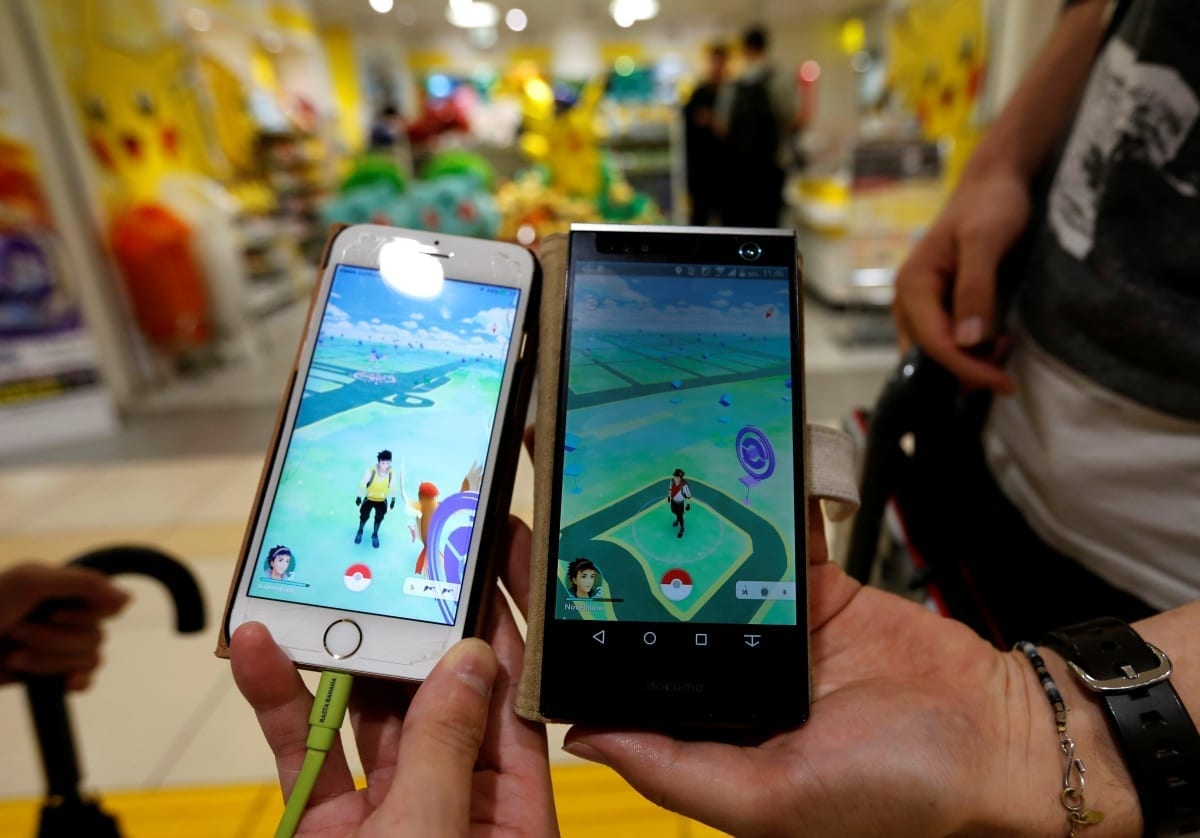
    Hundreds of people have stood in long lines outside Japanese stores to buy the Pokemon Go Plus device.

    In Osaka, around 700 people waited outside a Pokemon Centre shop to buy the device when the store opened at 0800, two hours earlier than usual.

    Pokemon Go Plus allows Pokemon Go players to interact with the mobile game without looking at the phone.

    “(Using the peripheral gear), Pokemon hunting will speed up because I don’t have to stare at the (Smartphone) screen. I want to get them (Pokemon monsters) one after another,” said Kana Sugiura, 29, who was waiting outside the store, to Japanese news agency Kyodo.

    Pokemon Go Plus is a gadget similar to a wristwatch but attached with a clip that connects to the game.

    The device, which costs around US$35 (A$47), is connected to the mobile phone via Bluetooth, and through a led light (green or blue) and vibrations notify the player when there is a ‘poke stop’ or a Pokemon nearby, which can then be captured by pressing the device button without any need for the phone.

    The peripheral add-on is available from Friday in most countries – including Australia, said game developer Niantic in a statement.

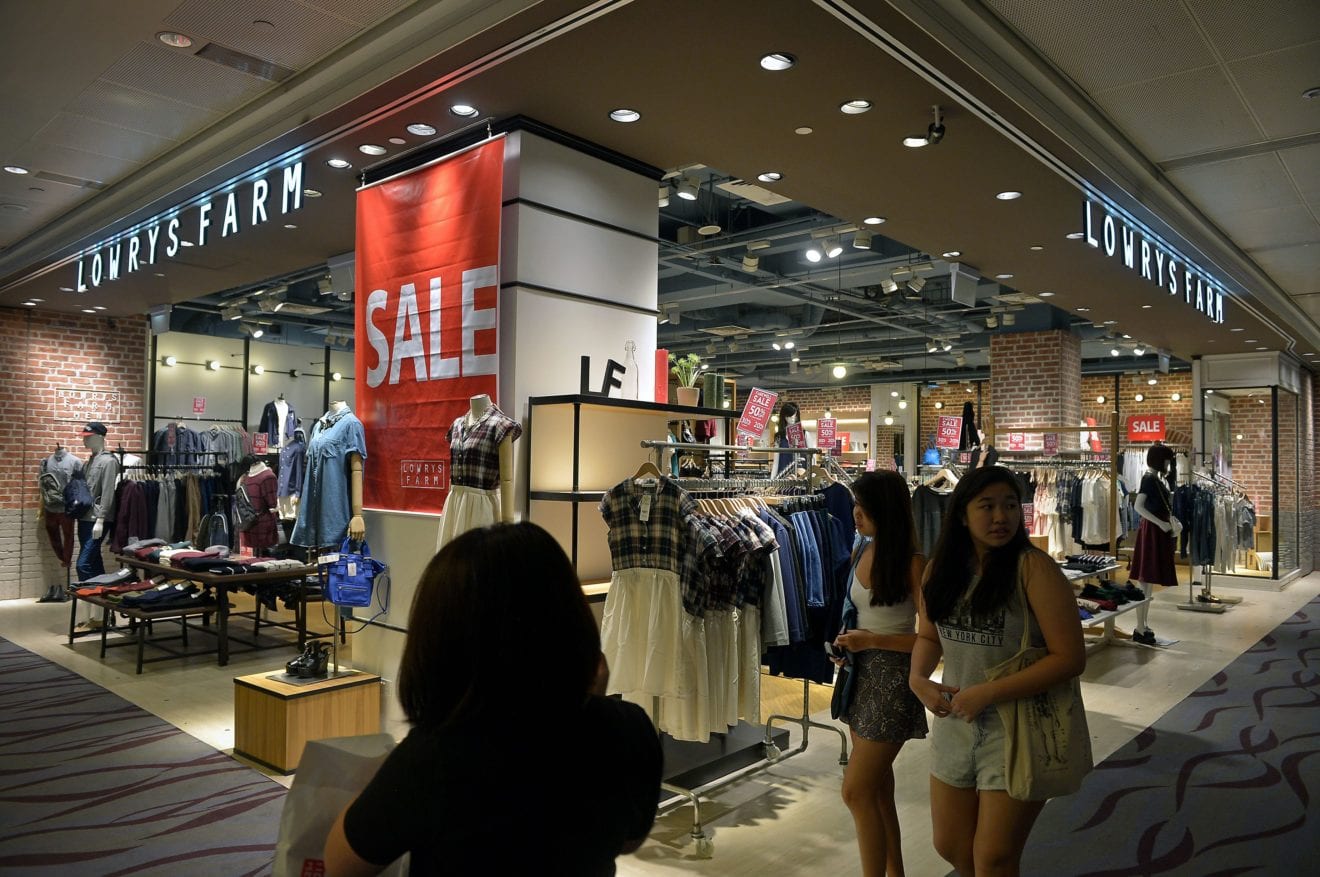
  • New roadmap issued for Singapore retail

    New roadmap issued for Singapore retail

    Guidelines aimed at spurring new life into the Singapore retail industry have been launched by the government.

    Its Retail Industry Transformation Map (ITM) follows the release of a food services roadmap as the city-state’s economy slows.

    According to Spring Singapore, an agency under the Ministry of Trade and Industry responsible for helping Singapore enterprises grow, the launch of the Retail ITM takes into consideration such challenges as fewer business travellers, lower spending per individual, and consumer shifts from brick-and-mortar to eCommerce. Consumers have also turned to foreign eCommerce sites to find a wider variety of goods at lower prices.

    “Retailers can look to expand their markets locally and internationally through e-channels,” says Spring Singapore, which encourages retailers to adopt an omni-channel strategy to better reach out and support targeted end-to-end consumer needs across both online and offline channels.

    Singapore has about 21,000 retail establishments which contribute nearly 1.4 per cent to GDP and employ about 3 per cent of the total workforce.

    Aside from optimising productivity, the ITM also aims to focus on innovation and the adoption of new technologies to drive competitiveness. It will also work on the industry’s flexibility to adapt to evolving trends in jobs and skills.

    Strong industry partnerships and internationalisation are considered key elements in pushing the industry’s transformation.

    Doubts over sale

    Meanwhile, the future of the Great Singapore Sale (GSS) could be in jeopardy after 23 years of helping bolster the city’s reputation as an international shopping destination.

    After three years of falling sales during the GSS, the organiser, the Singapore Retailers Association(SRA), and the Singapore Tourism Board (STB) are about to look at the annual event’s direction.

    “We need to discuss if there is a point in continuing it, or whether there is a need to reformat it,” says SRA president R. Dhinakaran after official sale figures confirm that efforts this year to arrest the slide have failed (this year the GSS ran for 10 weeks from June to the middle of last month).

    Singapore Department of Statistics figures released last week show a 3 per cent fall in July retail sales, excluding motor vehicles. This follows a similar dip in June’s figure.

    Orchard Road Business Association (ORBA) executive director Steven Goh believes it is time to reformat the event. He says it should be held when Singaporeans are not away during the school holidays.

    He urges retailers to come to a consensus on saving their best deals for the GSS. “That way, it will be really one-off and impactful.”

    Singapore is also competing with similar events in the region, such as the 1Malaysia Mega Sale Carnival, usually from June to August. Started in 2000, the nationwide promotion includes contests, prizes and street food.

    Launched the same year, the Korea Grand Sale runs from August to October, and January to February each year. It features celebrity performances and opening-day events at the country’s airports.

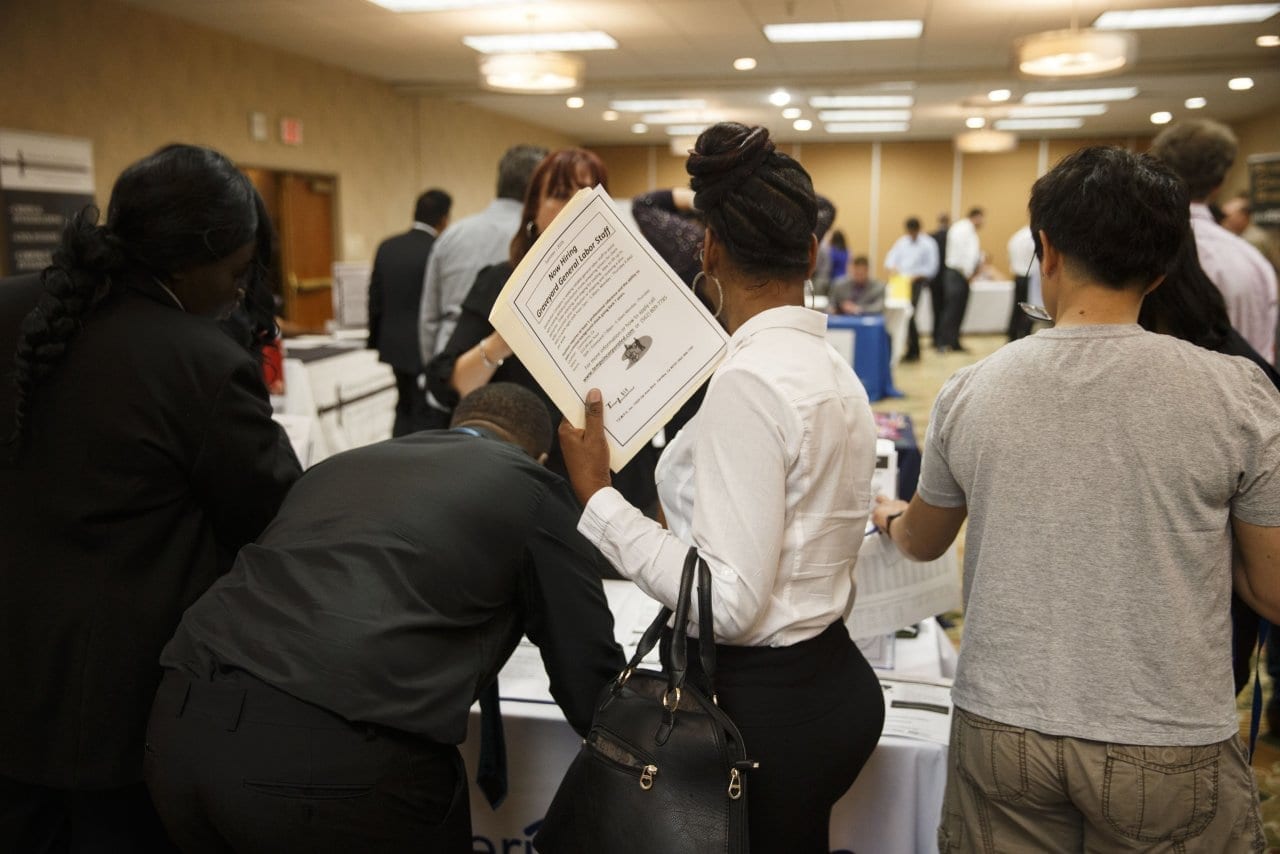
  • Retail sector jobless rate rises to 5.4pc

    Retail sector jobless rate rises to 5.4pc

    Retail sector jobless rate rises to 5.4pc

    The Secretary for Labour and Welfare, Matthew Cheung Kin-chung, said today that on a year-on-year comparison, Hong Kong’s unemployment rate was 0.3 percentage point higher, with employment dipping for the 16th consecutive period.

    He was responding to the June to August period when both the seasonally adjusted unemployment rate and the underemployment rate was unchanged at 3.4 percent and 1.4 percent.

    Cheung said the retail sector was particularly hard hit by the fall in tourist spending and lackluster local consumption, with its unemployment rate up by 0.9 percentage point over a year earlier to 5.4 percent.

  • China eyes Vietnam’s hundred-billion dollar retail market

    China eyes Vietnam’s hundred-billion dollar retail market

    Miniso has been mentioned repeatedly in local newspapers. The retailer has announced its official presence in Vietnam through a franchise contract signed with Le Bao Minh Group.

    Le Bao Minh’s representative said it plans to open 13 shops in large cities in 2016. Miniso’s official website shows that the company was established by a Japanese named Miyake Junya and a conglomerate from China.

    In April, Alibaba, China’s biggest e-commerce group, spent $1 billion to obtain the right to control Lazada, a well-known e-commerce website.

    Alibaba has shown strong determination to expand its business in SE Asia.

    According to the US Securities And Exchange Commission, Alibaba has outstripped Walmart to become the world’s largest retailer. Its online transaction value accounts for 10 percent of retail transactions in China.Analysts commented that with the investment from Alibaba, Lazada Vietnam would have more opportunities to develop because it would be able to spend more money on advert campaigns and increase goods supply from China.

    While foreign retailers flock to Vietnam, Vietnamese retailers are not yet ready for competition. Some retail chains have been either shut down or sold to foreign partners. There are only several Vietnamese brands still existing, such as Vinmart, Co-op Food and Satra Foods.

    Meanwhile, Vietnamese e-commerce firms, though having been operational for 10 years, still cannot hold the upper hand over Lazada.

    According to Vu Vinh Phu, chair of the Hanoi Supermarket Association, the Vietnamese consumer market is attractive to foreign retailers, as retail turnover was $100 billion last year.

    Vietnam has a large population (over 91 million people), of which 60 percent are young consumers, per capita income at $1,890 in 2015, fast pace of urbanization, and growing middle class.

    Phu noted that retailers now pay special attention to the rural market which is large and unexploited. Online sales have become a growing tendency, which gives goods suppliers opportunities to approach consumers more easily.

    Chinese goods have been mostly penetrating the Vietnamese market across border gates. However, they now have to compete fiercely with Thai and Japanese goods.

    Le Phung Hao, chair of the Vietnam Marketing Association, anticipated that more Chinese goods would be brought to Vietnam thanks to the presence of retail groups from China.

    Instead of dealing with low-quality and smuggled goods flown from remote areas, Vietnam will have to compete with Chinese goods available at luxury shops in large cities.


  • Real Singapore retail sales slide again

    Real Singapore retail sales slide again

    Real Singapore retail sales fell 3.1 per cent year-on-year in July according to official data.

    SG retail sales august

    Real sales, as Inside Retail Singapore defines it, excludes motor vehicles; with those included, year-on-year sales rose 2.8 per cent.

    Compared to June, real retail sales in July rose 3 per cent.

    The total retail sales value in July 2016 was estimated at $3.7 billion, higher than the $3.6 billion in July 2015.

    Smartphones and computers led the year-on-year decline, with sales down 18.8 per cent, suggesting there may be a turnaround in September, given the launch of the new Apple iPhone range and initial sales of the now-suspended Samsung Galaxy Note 7.

    Sales of watches & jewellery, food & beverages, recreational goods, optical goods & books, furniture & household equipment, wearing apparel & footwear and department stores declined between 0.7 per cent and 9.6 per cent in July 2016.

    The only winning categories were medical goods & toiletries, mini-marts & convenience stores and supermarkets which increased by between 0.3 per cent and 4.5 per cent over the same period.

    Month on month

    SG retail sales August 2

    Besides motor vehicles, food & beverages was the only category to post a sales decline over June, decreasing 1.3 per cent.

    After seasonal adjustment, retail sales of recreational goods increased 13.6 per cent. Medical goods & toiletries, optical goods & books, wearing apparel & footwear, computer & telecommunications equipment, watches & jewellery, petrol service stations, mini-marts & convenience stores, supermarkets, department stores; and furniture & household equipment rose by between 0.4 per cent and 8 per cent.

    Sales of food & beverage services

    Sales of food & beverage services consumer away from home (seasonally adjusted) increased by 3.6 per cent month-on-month in July and 3.5 per cent year-on-year.

    The total sales value of food & beverage services in July 2016 was estimated at $698 million, higher than the $675 million in July 2015.

    After seasonal adjustment, turnover of fast food outlets, restaurants and food caterers increased between 5.4 per cent and 11.5 per cent year-on-year. In contrast, sales of other eating places, such as cafes, declined 1.4 per cent.

    Year-on-year, sales of fast food outlets and other eating places increased 16.3 per cent and 4.8 per cent respectively in July. But, turnover of food caterers and restaurants declined 0.5 per cent and 0.2 per cent respectively.

  • Introducing the tech-savvy Generation Z

    Introducing the tech-savvy Generation Z

    Meet Generation Z. The next big consumer retail power has grown up with social media and assuming instant access to almost all things digital, from music to video to information.

    They’re today’s image-savvy teens and tweens and they want it all – and they want it now as they acquire apparel, cosmetics and experiences.

    That’s the conclusion of a new report Gen Z: Get Ready for the Most Self-Conscious, Demanding Consumer Segment, from Fung Global Retail & Technology.

    “Retailers, restaurants and leisure companies will have to adapt to the wants and needs of Gen Zers, who have not all even been born yet and so possess substantial growth potential as a demographic group”, explains Deborah Weinswig, MD of the think tank.

    Born in 2001 and later, and the first generation to grow up “in public” online, Gen Zers attach great importance to their physical appearance. Their presence on social media also pressures them and those who support them to spend on travel and events, Weinswig writes, a phenomenon she dubs “the Instagram effect.”

    “The new technology products and services have broadened consumers’ range of choice and quickened the pace of life,” Weinswig observes. “It is hard not to see these creating a more demanding, image-conscious consumer.”

    Fung Global Retail & Technology estimates that consumers in the US spent $829.5 billion on Gen Zers last year, and that approximately $66 billion of that was spent on discretionary categories. Generation Z comprises 19 per cent of the US population, and will rise to 25 per cent in 2020. In the EU, the generation accounts for 16 per cent of the population, and is forecast to peak at 21 per cent in five years. Across Asia, that percentage is higher in most markets.

    The influence of technology on these consumers’ habits cannot be underestimated. The first members of Generation Z are only a few months older than the Apple iPod, which debuted in 2001. The generation is typified by three dominant characteristics related to its relationship with tech:

    • The importance of self-image, with their vanity influenced by social media, dating apps and video chat.
    • The demand for experiences, and a change in consumption habits shaped by booking and delivery apps as well as social media; and
    • The demand for immediacy, propelled by Amazon Prime Now, among other delivery apps.

    Social media and selfies have spurred Gen Zers to be more concerned with personal appearance than any other previous generations, boosting sales of cosmetics, skincare and hair products among boys and girls, the report notes. New brands are even emerging from social media stars such as Kylie Jenner from the US and British blogger Zoella.

    This generation’s habit of documenting interesting and fun experiences on social media means they are spending more on events, dining out and travel. Mobile connectivity makes it ever easier to book these activities, and in 2015 UK consumers increased their spending on recreational services by 15.9 per cent and their spending on cultural services by 6.7 per cent, while retail sales rose just 1.9 per cent. In the US, restaurant and hotel spending rose by 7.4 per cent and 7.3 per cent, respectively, in 2015, while retail sales rose just by 3.5 per cent.

    “While these figures reflect all consumer spending, not just Gen Z’s spending, we think that the forces driving leisure spending are likely to be stronger for Gen Z than they will be for older age groups,” Weinswig writes. “Gen Zers are, and will almost certainly continue to be, the heaviest users of technologies, including apps that allow users to find and book leisure services.”

    The only generation to grow up with the on-demand economy, Gen Zers likely will continue to be highly demanding consumers, whether they are requesting instant access to video, ride-hailing apps or delivery services.

    “Exposure to near-infinite choice and access to near-endless information makes this generation more demanding than any of its predecessors. As Generation Z matures, it will become more discerning, but its demanding nature is unlikely to be diluted,” Weinswig says. “We think brands and retailers will be the ones that need to change, because Generation Z looks unlikely to compromise on its high expectations.”

    Fung Global Retail & Technology is a think tank whose research team, based in New York, London and Hong Kong, follows emerging retail and tech trends, specialising in the ways retail and technology intersect, and in building collaborative communities.

    Led by Deborah Weinswig, a former Wall Street and retail tech analyst and startup advisor, the team publishes ongoing thematic and global market research on topics such as the Internet of Things, digital payments, omni-channel retail, luxury and fashion trends and disruptive technologies.

  • Record-breaking entries received for Spikes Asia

    Record-breaking entries received for Spikes Asia

    Spikes Asia, the three-day Festival of Creativity in the Asia Pacific region has today announced a record-breaking 5,132 entries from 23 countries. Entries into Healthcare have seen a significant 72% increase, with Design (40%) and Direct (34%) also experiencing an upturn.

    “Creativity in Asia Pacific continues to excel globally with 3 of the top 10 most awarded countries at this year’s Cannes Lions coming from the region. The growth in entries is reflective of the fantastic work coming from this creative community and Spikes Asia is a platform for this work to be celebrated,” says Terry Savage, Chairman of Lions Festivals. “This increase demonstrates just how important the region is becoming in the global creative communications sphere,” he added.

    Prior to the Festival, which takes place from 21 – 23 September at Suntec, Singapore, 98 industry experts will convene to judge the work and award the most creative with the Spikes accolade across 20 categories.

    The full count is as follows:

                                2016    2015

    —————————————–

    Creative Effectiveness        25      23

    Design                       375     267

    Digital                      488     424

    Digital Craft                140       0

    Direct                       395     295

    Entertainment                168     154

    Film                         446     388

    Film Craft                   296     321

    Healthcare                   254     148

    Innovation                    56      47

    Integrated                    59      50

    Media                        430     438

    Mobile                       183     159

    Music                         83       0

    Outdoor                      453     468

    PR                           286     249

    Print & Outdoor Craft        234     181

    Print & Publishing           186     256

    Promo & Activation           434     350

    Radio                        141     133

    —————————————–

    TOTAL                      5,132   4,351

    With live judging at the Festival on Wednesday 21 September, the Innovation jury has confirmed their shortlist of 10 from the 56 entries received. Attendees of the Festival can experience the judging, led by Fred Raillard, Creative CEO, Fred & Farid, China while hearing the entrants explain the rationale behind the concepts competing for the Innovation Spikes. All of the shortlisted work will be available for attendees to view on the Innocean interactive kiosks.

    The winners will be announced onstage on Friday 23 September at the MasterCard Theatre, Marina Bay Sands. Additional awards presented on the night include the Spikes Asia Agency of the Year, Independent Agency of the Year, Media Agency of the Year, Network of the Year, Spikes Palm Award and the Grand Prix for Good. The Spikes Asia Advertiser of the Year Award will be presented to Mars, Incorporated before the official After Party brings the Festival to a close at The Clifford Pier.

    Delegates can still register to attend the Festival and further information can be found on the Spikes Asia website.

  • MHPS Opens Global Service Center for Thermal Power Plants in the Philippines

    MHPS Opens Global Service Center for Thermal Power Plants in the Philippines

    Mitsubishi Hitachi Power Systems (MHPS) has opened a Global Service Center (GSC) for thermal power plant operators, centered on the Southeast Asia region in Alabang, Muntinlupa City in Metro Manila, Philippines. The Center will support the optimal operation and maintenance (O&M) of thermal power plants, harnessing the latest Information and Communications Technology (ICT), such as remote monitoring, and MHPS’s extensive accumulated knowledge of thermal power systems. In addition, it will provide training to increase the expertise of clients’ O&M engineers. The Center will begin to provide services this fall.

    An opening ceremony was held locally on the 16th and was attended by many VIPs such as Department of Trade and Industry (DTI) Undersecretary Rowel Barba and Ambassador Kazuhide Ishikawa from the Embassy of Japan, as well as executives from Southeast Asian and Japanese power plant operators, financial institutions and trading companies. President and CEO Takato Nishizawa and Executive Vice President Masao Ishikawa also attended from MHPS and presented an outline of GSC and its services for thermal power plants using ICT.

    The Global Service Center follows the remote monitoring centers set up in Takasago, Hyogo Prefecture in 1999 and Orlando, Florida in 2001. It will open with approximately 20 employees with excellent communication and technical skills from local group companies with the aim of promoting globalization and consideration will also be given to technology transfer from Japan and development of new services designed to meet the needs of Southeast Asia.

    The Center will have three main functions:

    – The Service Solution Center will act as a ‘one-stop shop’ for client needs, providing services such as management of maintenance parts and dispatch of emergency personnel.

    – The Remote Monitoring Center will not only perform remote monitoring but will also provide solutions for improving O&M based on early fault detection and optimized outage management as well as data collection and forecasting analysis.

    – The Training Center will feature an operations simulator to facilitate response training for various scenarios to enable client engineering teams to acquire advanced skills.

    MHPS will use GSC as a base to offer comprehensive services to a wide range of operators including remote monitoring, control, O&M and single-point centralized management that is optimized for each power plant. This includes clients currently using generation equipment supplied by other manufacturers. The company will promote enhancement of client asset value through achieving improvements in plant availability and efficiency. Development efforts continue on an ICT platform that can significantly improve the operational efficiency of client facilities by taking advantage of MHPS’s world-class R&D and product engineering capabilities and IoT (Internet of Things) technology.

  • Richemont expects weaker half-year earnings after restructuring costs

    Richemont expects weaker half-year earnings after restructuring costs

    Luxury goods maker Richemont said on Wednesday that it expected operating profit in the six months to September to decline by 45% from a year ago.

    The Luxembourg-and JSE-listed group said in a statement that the decline reflected the effect of one-off restructuring charges of about €65m, and the additional effect of inventory buybacks.

    “We are of the view that the current negative environment as a whole is unlikely to reverse in the short term. However, we remain convinced of the long-term prospects for luxury goods globally and in particular for watches and jewellery,” it said.

    Sales in the five months to August dropped 13% at constant exchange rates and 14% at actual rates.

    Richemont said sales in the UK had shown growth since the weakening of pound against most currencies at the end of June following the EU referendum.

    Elsewhere in Europe, sales were down, particularly in France, due to a significantly lower level of tourist activity.

    There was positive momentum in both jewellery and accessories in the Americas, but an overall decline in sales due to a weaker performance in watches.

    In the Asia-Pacific region, growth in mainland China and Korea was more than offset by the continuing weakness of the Hong Kong and Macau markets.

    Retail declined overall, primarily due to Europe and Japan. All other regions’ sales declines were low single digits, supported by jewellery and accessories. The marked decrease in wholesale sales reflected the continuing negative trend and the watch inventory buybacks.

    Richemont’s other businesses reported sales growth, thanks to positive performances at Montblanc, Chloé, Azzedine Alaïa and Peter Millar.

  • Taubman Centers Unit Opens Starfield Hanam in South Korea

    Taubman Centers Unit Opens Starfield Hanam in South Korea

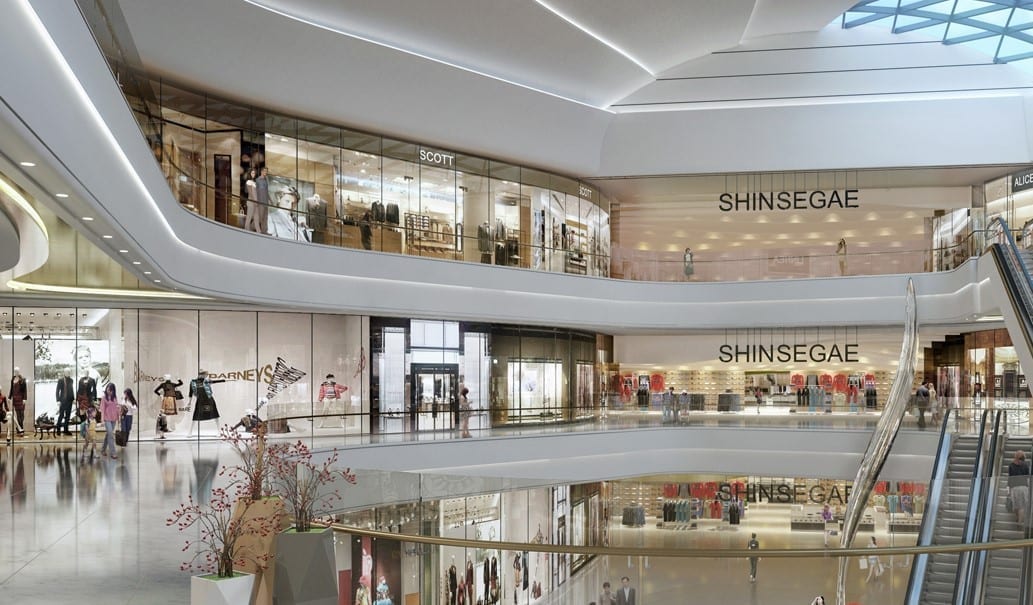
    Taubman Centers, Inc. is making its impact felt around the world. Its wing in Asia – Taubman Asia – together with its partner Shinsegae Group, celebrated the opening of Starfield Hanam shopping center at Hanam, Gyeonggi Province in South Korea. This retail project, developed by Taubman Asia and Shinsegae Group, marks Taubman Asia’s first ground-up development in South Korea.

    The shopping center is the country’s largest western-style mall and is nearly 100% leased. There are almost 300 stores and restaurants in this 1.7 million square foot center. It is anchored by Korea’s reputed department store brand, Shinsegae.

    There has been a rapid shift in customers’ shopping preferences and patterns, with online purchases growing significantly. Hence, the mall landlords have been making concerted efforts in developing retail hubs with swanky entertainment zones, and this shopping center is no exception.

    From international luxury brands, like Balenciaga, Burberry, Bvlgari and Fendi, to fast fashion choices – such as Cos, H&M, Massimo Dutti – Starfield Hanam has a vast range of stores to offer. Also, with 110,000 square feet of dining options and entertainment options like the 11-screen Megabox cinema, a Sports Monster sportsplex and an 112,000 square foot Aquafield indoor/outdoor water park, this retail property is expected to attract high footfall.

    Taubman Asia is a subsidiary of the U.S. Mall operator Taubman Centers and is into retail real estate projects in Asia. It is, in fact, Taubman Centers’ platform for expansion into China and South Korea. Taubman Asia, founded in 2005, is headquartered in Hong Kong.

    On the other hand – Bloomfield Hills – MI-based Taubman Centers, is engaged in the ownership, management and/or leasing of several regional, super-regional and outlet shopping centers in the U.S. and Asia. Taubman currently has a Zacks Rank #3.

    A better-ranked stock in the REIT industry is InfraREIT, Inc., sporting a Zacks Rank #1.

    Also, investors can consider better-ranked stocks like EPR Properties and Weingarten Realty Investors that carry a Zacks Rank #2.

    Confidential from Zacks

    Beyond this Analyst Blog, would you like to see Zacks’ best recommendations that are not available to the public? Our Executive VP, Steve Reitmeister, knows when key trades are about to be triggered and which of our experts has the hottest hand.

  • Thai ICT minister resigns

    Thai ICT minister resigns

    Thailand’s ICT minister Uttama Savanayana has resigned as reports circulate that the ICT Ministry will be relaunched as the Digital Economy Ministry later this week.

    The Cabinet yesterday (13 September) approved Uttama’s resignation and appointed Deputy Prime Minister and Deputy Junta leader Air Chief Marshal Prajin Janthong as acting ICT Minister. The ICT Minister did not attend the cabinet meeting.

    Prime Minister and Junta leader General Prayut Chanocha said that the move was to pave way for the launch of the new Digital Economy Ministry but he refused to confirm if Uttama would be appointed to the new post or not.

    Local media have quoted unnamed sources saying that three people are in the running for Thailand’s first Digital Economy Minister – Incumbent Uttama, National Broadcasting and Telecommunications Secretary-General Takorn Tantasit and an unnamed “senior figure” in the finance ministry.

    However, General Prayuth said that Cabinet Secretariat Ampon Kittiampon, who was also rumoured to be in the running, was not in the picture for a ministerial post. Ampon shot to fame as cabinet secretariat when he quietly took the blame for the Single Gateway mass surveillance project that General Prayuth said was simply a clerical error by the person taking notes at the cabinet meeting.

    Takorn resigned from the NBTC last year with rumours that he wanted to become ICT Minister after the previous minister resigned. His resignation was later rejected by the NBTC board chairman Air Chief Marshal Thares Punsri and Uttama got the job.

    Uttama became the second ICT Minister appointed under the current military regime on 19 August 2015 succeeding Pornchai Rujiprapa. He was seen as part of a package deal to kickstart the economy that included Deputy Prime Minister Somkid Jatusripitak who was also Thaksin Shinawatra’s finance minister. Before the appointment Uttama was president of Bangkok University and Somkid was Chairman of the university board.

    However in one of his final tasks as ICT Minister Uttama has become embroiled in controversy in a $430 million (15 billion baht) rural broadband project by state owned telco TOT. The project is under investigation by the office of the auditor-general. On 10 September Uttama held a press conference saying the budget watchdog simply misunderstood things. The ICT Minister said that normal USO budget rules do not apply as it is not investment in telecoms, but rather the TOT project was about investing in the country’s competitiveness.

  • South Korean retailer E-mart to invest $200m for retail chain ops in Vietnam

    South Korean retailer E-mart to invest $200m for retail chain ops in Vietnam

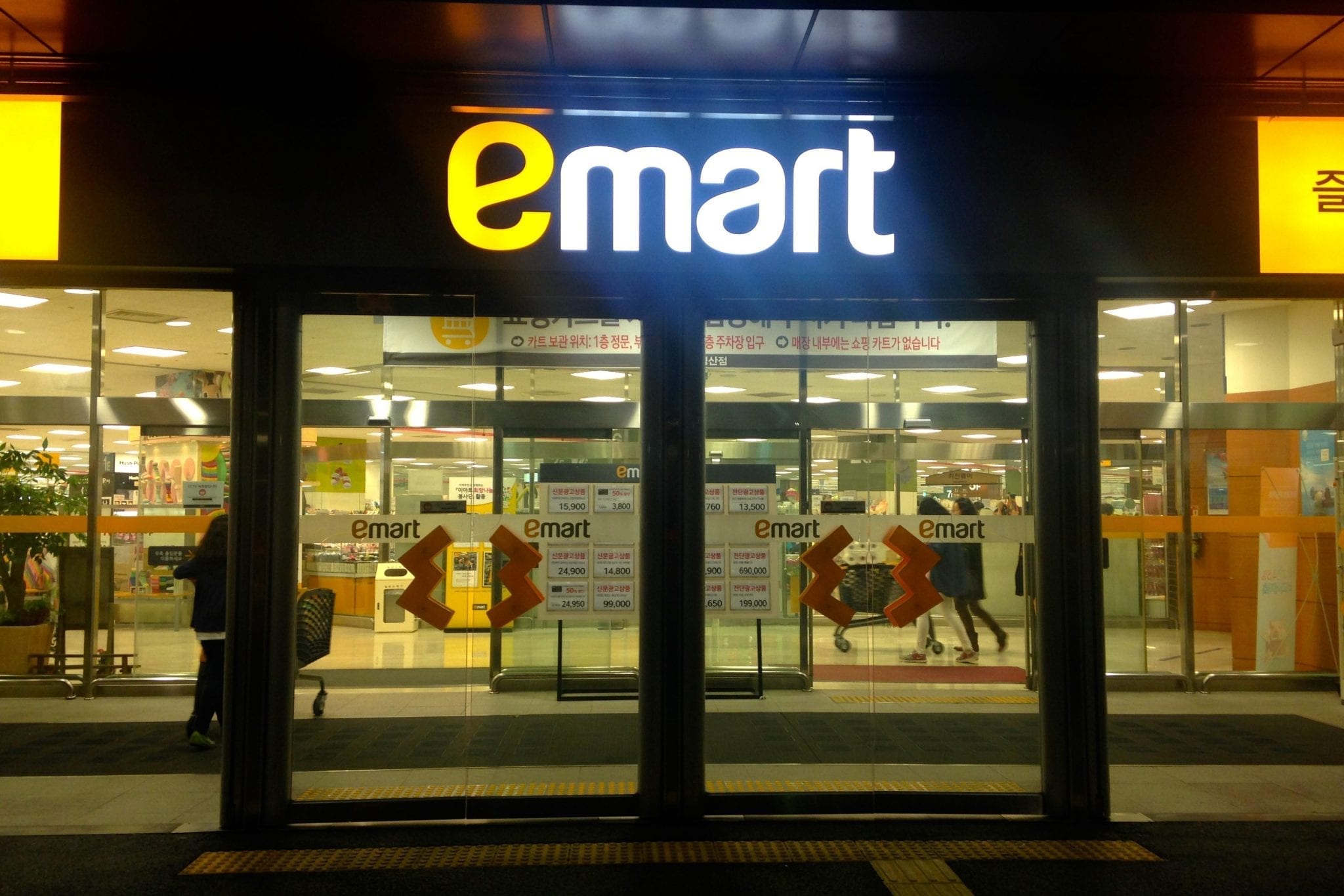
    A memorandum of understanding between E-mart and Vietnam’s Ho Chi Minh City was signed on September 9. Emart will make the investment over the next four years.

    The investment is expected to be used for building new supermarkets and commercial facilities, as well as local social development. E-mart opened a supermarket worth $60 million in Ho Chi Minh City last year, in addition to a toy library in the city.

    The Korean company had earlier said it planned to open 52 stores in Vietnam by 2020.

    E-mart is betting the country’s rapid growth, averaging 5.2 per cent since 2013, driven by a young and urban demographic with higher spending power.

    Vietnam’s growth was the highest among Southeast Asian peers featured in the 2016 Global Retail Development Index conducted by US management consulting firm AT Kearney. Vietnam was seen as the 11th fastest emerging retail market, up from 28th spot two years ago.

    Government data showed that retail sales in the country rose 7.4 per cent year-on-year in August 2016. Consumer spending rose to $116.2 billion, while the retail market was forecast to be worth $109 billion in 2017.

    Free trade pacts signed by Vietnam have encouraged foreign retailers to tap into this liberalizing market. Vietnam fully opened its retail industry in 2015, which is coupled with a lot of tax preferences for investors.

    Japan’s Takashimaya and Miniso have set up retail shops in Vietnam in July. Meanwhile, 7-Eleven is planning a local presence through the franchising route.

    Existing players are opening new outlets, as well as acquiring local businesses. Vingroup, the most active domestic company which launched over 90 stores in 2015, aims to introduce twice as many in 2016. It acquired Maximark and Vinatexmart, two Vietnamese operators, as part of this strategy.

    Thailand’s Central Group had acquired Big C Vietnam for $1.05 billion, along with electronics store chain Nguyen Kim and e-commerce site Zalora Vietnam. Other M&A deals include TCC Holdings buying Metro Cash&Carry Vietnam, and AEON acquiring Fivimart and Citimart.

    Central has since announced that it has halted further investment in  the country and would focus on consolidation.

  • A Leading Malaysian FMCG Distributor Chooses ORION ERP Suite from 3i Infotech

    A Leading Malaysian FMCG Distributor Chooses ORION ERP Suite from 3i Infotech

    Malaysian based Teik Senn (M) Sdn Bhd (TSM), a leading FMCG distributor, recently upgraded to ORION ERP Suite from 3i Infotech. The company was seeking a technology upgrade to support its business consolidation, and wanted a Cloud enabled application with real-time reports for better decision-making.

    With their distribution network spread across Malaysia and Thailand, the company required better visibility among the end users. ORION offered real-time management dashboards, such as Report Designer and Enterprise Content Search to enable TSM to stay updated as well as track the status of various departments & its processes.

    They reported several key benefits after the upgrade. Our client, Ms Chong Sok Chee said, “TSM wanted to move from a Client server setup to a Cloud enabled application. We also wanted a reporting system that enabled an end-user personalisation and customisation of views, along with real-time data for better decision-making. ORION from 3i infotech gave us an overview of the entire business through KPI management as well as a 360-degree view of products, customers and suppliers, thus providing us with user defined scheduled reports with active report designers.”

    As ORION was able to meet all of TSM’s requirements, Suryanarayan Kasichainula, EVP and Business Head (ERP) from 3i Infotech said, “The upgrade empowered TSM’s end users with real-time data to ensure better decision-making. Through this deal, which is the first for Warehouse Management, ORION is expanding its product portfolio further in the logistics space.”