Category: General

Retail News Asia is committed to providing both local and global retailers with the latest General Retail news throughout the Asian market. This on a daily base.

  • India is world’s third biggest startup hub

    India is world’s third biggest startup hub

    India is the third biggest home to tech startups, following the US and the UK, a study indicates.

    The study, conducted by Assocham in association with Thought Arbitrage Research Institute, also indicates that Bengaluru hosts the largest share of technology startups in the country, followed by Delhi NCR and Mumbai. Hyderabad and Chennai are also popular destinations for prospective tech entrepreneurs.

    “In the technology driven startups, India has moved up to third position with the US occupying the top position with more than 47,000 and the UK with over 4,500. India’s tech startups were to the tune of 4,200 up to 2015,” the report states.

    India also figured among the top 5 largest hosts in the world, along with China (10,000 each) in terms of the total number of startups, comprising both tech and non-tech areas. US leads with 83,000 startups.

    IT hub Bengaluru is host to 26% of domestic tech startups, followed by Delhi NCR (23%) and Mumbai (17%). In the ‘catching up’ category were Hyderabad (8%), Chennai and Pune (6%).

    “The disruptive innovation in technology and process is creating newer Indian startups and foreign investors, including some of the well-known venture capital funds, are showing immense interest in these startups,” Sunil Kanoria, President, Assocham said.

    The awareness that a startup is a vehicle of rapid growth through technological disruption and innovation, has to spread across the economy, the report said. Otherwise, if any small traditional business is treated as a startup, then the ecosystem will never develop properly, it added.

    The study recommended that aligning ‘Startup India’ with ‘Make in India’ and ‘Digital India’ campaigns had the potential to expand the domestic ecosystem for new entrepreneurs.

    It also suggested tax exemption for research and experimentation to encourage fresh ideas without fear of failure. Recommending a Stanford University model in various Indian universities, the Assocham-Thought Arbitrage paper said courses on creation of small businesses should be encouraged in campuses.

  • Indonesian house in Russia`s Vladivostok opened

    Indonesian house in Russia`s Vladivostok opened

    Indonesian Ambassador to Russia and Belarus Wahid Supriyadi has opened Indonesian House in the easternmost Russian city of Vladivostok to promote Indonesian products.

    The opening of the Indonesian House took place on the sidelines of Eastern Economic Forum, the second largest economic forum in Russia, the embassy said in a press statement released on Tuesday.

    Supriyadi said the Indonesian House is the second of its kind held in Vladivostok after his predecessor, Djauhari Oratmangun, opened the first such an event in 2015.

    Unlike the first Indonesian House which focused on coffee commodity, the second Indonesian House focused on promoting furniture, antique goods and interior products for hotels and restaurants, he pointed out.

    On the occasion, the ambassador held talks with 20 local businessmen who have done business and are interested in doing business in Indonesia.

    In his address to the opening of the Indonesian House, Supriyadi praised businessmen in Vladivostok for their desire to make investment and do business in Indonesia.

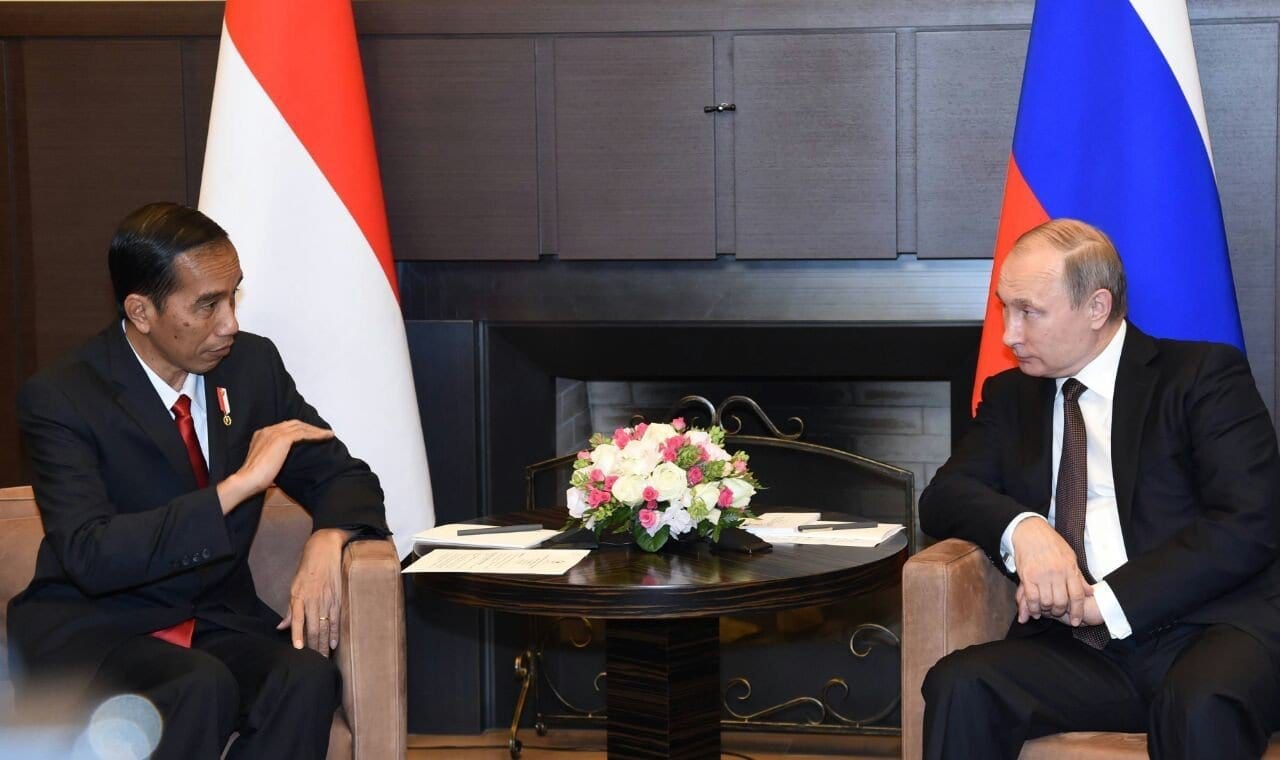
    “This is the right momentum. Since President Joko Widodo (Jokowi) visited Sochi last May, businessmen from both countries have shown high interest to do business. The Indonesia Festival held on August 20-21 proves it (the high interest),” he said.

    Despite the sluggish global trade, bilateral trade between Indonesia and Russia in the first quarter of this year rose 17 percent, while the number of Russian tourists visiting Indonesia in the January-June 2016 period also increased 17.5 percent, he said.

    Since the first Indonesian House was opened in 2015, Indonesias export of furniture and antique goods to Russia reached US$23 million.

  • Central Java to build high quality salt factory

    Central Java to build high quality salt factory

    The Central Java administration plans to build factories to produce high quality salt to improve the welfare of the local salt farmers.

    “Currently five pilot projects of salt factory are being prepared,” Central Java Governor Ganjar Pranowo said here on Tuesday.

    Ganjar said factories to produce high quality salt need to be built immediately in Central Java as the province is a potential producer of salt especially its northern coastal areas.

    Unfortunately the quality of farmers salt in that area is relatively low that the price is also low, he said.

    The provincial administration has discussed the plan with a number of relevant experts, the governor said.

    “There has been talk on the possibility of producing high quality salt,” he said.

    He said so far the price of farmers salt in northern coastal area of Central Java has been very low at around Rp350 per kilogram.

    With the factories the quality of salt would be improved and the price could rise to an ideal level of Rp650 per kg, he said.

    Deputy chairman of the regional legislative assembly Yudi Sancoyo asked the regional administration to address the condition of the salt farmers in the region.

    “It is feared that the price of farmers salt would drop in this years grand harvest. Instead of gaining from the grand harvest the farmers would likely suffer losses,” he said.

  • Taiwan invited to take part in maritime development in Indonesia

    Taiwan invited to take part in maritime development in Indonesia

    Indonesia has invited Taiwan to invest in the maritime sector to help bring to reality the governments vision of making the country a world maritime axis.

    Director of Investment Planning in the Agribusiness and Natural Resources of the Capital Investment Coordinating Board (BKPM) Hanung Harimba Rachman said the maritime sector is a priority in the countrys 5 year development program.

    “The maritime sector is a priority in our strategic plan for 2015-2019,” Hanung said in a maritime seminar here on Tuesday.

    Investment in the maritime sector is open in shipbuilding, fisheries and cold storage sectors, he added.

    Other areas open for investment in Indonesia by Taiwan include in infrastructure sector such as seaport and deep sea energy development, he said.

    “In January 2016, the government issued a policy to accelerate implementation of national strategic projects with 225 projects offered under the scheme of government private cooperation,” he said.

    Hanung said participation of Taiwan in investment is important for Indonesia, in its program to enter the phase of industrialization.

    Taiwan is known to be strong in the manufacturing industry as it has high technology, he added.

    “Indonesia wants to develop its maritime sector with high technology,” he said.

    Representative of Taipei Economic and Trade Office (TETO) in Indonesia Liang Jen Chang said he welcomed Indonesian offer for cooperation in the maritime sector.

    “Taiwan and Indonesia already have close relations for years , but the good relations are no longer enough with the changing condition especially in the maritime sector,” Chang said.

    Based on data at BKPM, Taiwan is among major foreign investors in the country . In the first half of 2016, Taiwan investors implemented US$816 million worth of projects in paper industry and US$400 million in metal industry in Indonesi8a.

  • Cover up, stay in: Singaporeans wary as Zika spreads

    Cover up, stay in: Singaporeans wary as Zika spreads

    Many of Singapore’s five million people are covering up and staying indoors to avoid mosquito bites as health experts warned that the outbreak of the Zika virus in the tropical city-state would be difficult to contain.

    One of the world’s leading financial hubs, Singapore is the only Asian country with active transmission of the mosquito-borne virus, which generally causes mild symptoms but can lead to serious birth defects in pregnant women.

    Authorities say they have found over 150 cases since the first locally contracted infection was reported a week ago, and with the virus spreading beyond the cluster where it was initially detected, more people are taking precautions.

    “I’m not going to let her go outside much until Zika dies down,” said Nat Bumatay, a self-employed mother, of her six-year-old daughter Sunshine. “Usually during short holidays, we go outside to the parks, go cycling, but now I will refrain.”

    A warm, tropical climate, forested areas and a network of public parks make outdoor activities popular across Singapore, especially during school holidays like the ten-day break that began on Friday.

    Authorities have stepped up spraying insecticide and clearing stagnant water to prevent mosquito breeding, but many people said they were also avoiding the city’s popular outdoor food centres and dousing themselves in repellent to avoid getting bitten.

    “Prevention is better than cure,” said Tomas Quong, a Filipino who has been working in Singapore for five years. “That’s why I am wearing long sleeves.”

    Some fans of Nintendo’s Pokemon Go mobile game are also becoming more cautious and crowds at outdoor Pokemon hotspots around the city are likely to be thinner. “I am still okay with outdoors, just not damp and dirty parks,” said Nelson Ho, a 19-year-old gamer.

    Pharmacies and supermarkets have reported a surge in mosquito repellents over the past week, with some running out of stock. Online retailers Lazada and Qoo10.sg have set up a Zika shop, while other enterprising Singaporeans trying to cash in are advertising mosquito net tents and “anti-bite” jewellery.

    SLOWING ECONOMY

    The outbreak coincides with a slowdown in trade-dependent Singapore. Worries about Zika could further crimp overall retail sales, United Overseas Bank economist Francis Tan said. “If it continues, people will generally not want to go out, so all the retail sectors will be slowing down,” Tan said.

    Zika could also increase concerns about tourism, a mainstay of the economy, especially with the city-state’s key annual attraction – the floodlit Formula One Grand Prix race – due to start in two weeks. Several countries, including the United States and Australia, have advised pregnant women or those trying to conceive not to visit.

    “It will certainly create a bit of caution in the minds of tourists and they may think about it twice,” said Jonathan Galaviz, partner at consultants Global Market Advisors. “But I don’t see Zika standing in the way of a successful F1 event or tourism flows in the short term.”

    Tourism arrivals topped 8 million in the first half of this year, around 1 million more than a year ago.

    The Tourism Board has said it is premature to consider any impact on the industry, with at least two international chain hotels contacted by Reuters reporting business as usual. The promoters of the Grand Prix have also said planning for the event is going ahead “as per normal”.

    Several of those initially infected by the virus were foreigners, many believed to be among the thousands of migrant workers in Singapore’s construction industry.

    The latest tally includes two pregnant women, and officials and experts say the number of cases is likely to increase as the virus is likely to spread.

    “The virus is extending beyond the square that was drawn out,” said Leong Hoe Nam, an infectious disease specialist at Mount Elizabeth Novena hospital in Singapore. “We have re-draw the battle lines. We have to first admit defeat to Zika and accept that the whole country is at risk.”

  • The Great Singapore Sale 2016 Registers 15% Growth in Spend

    The Great Singapore Sale 2016 Registers 15% Growth in Spend

    UnionPay, the Official Card for The Great Singapore Sale (GSS) 2016, has revealed that total spend in Singapore by UnionPay Cardholders grew 15 percent during the 10-week-long event held from 3 June to 14 August 2016. The increase was contributed by the surge in UnionPay card usage by both locals and tourists during the GSS 2016 period, and boosted by the rise in card issuance in Singapore, and around the world.

    Locally, UnionPay registered significant growth in spend among locally-issued cards. Total spend by locally-issued UnionPay cards and transaction count doubled over the same period last year. The growth in spend can be attributed to the rise in acceptance of UnionPay cards by merchants in Singapore, which has improved from over 70 percent merchant coverage last year, to over 80 percent now.

    On the overseas Cardholders’ front, tourists from China, Hong Kong, Macau, Korea and Indonesia contributed to the bulk of the growth, signifying that UnionPay’s expansion across key markets in Asia has helped to boost tourist spending in Singapore during GSS 2016. Comparing performance across retail categories, the Supermarket and F&B categories registered the largest percentage growth.

    “We are delighted to see positive spending momentum among our local and overseas UnionPay Cardholders during GSS 2016. This growth marks the continued appeal of Singapore as a choice shopping destination for locals and visitors, and puts us on the right track to continue the growth momentum in our partnership with the Singapore Retailers Association for GSS. We are committed to further improving our acceptance coverage in Singapore to better serve our Cardholders here,” said Mr. Wenhui Yang, General Manager of UnionPay International Southeast Asia.

    “Singapore Retailers Association is glad that our new partnership with UnionPay International has generated increased spending among its overseas and local cardholders at the Great Singapore Sale 2016. The numbers are indeed encouraging, and show that the collective efforts of SRA, UnionPay and the industry to give UnionPay Cardholders more reasons to spend during the GSS have brought new growth opportunities to participating retailers. Looking ahead to the GSS 2017, we look forward to working with UnionPay and the industry to continue to grow the appeal of the GSS to both tourist and local consumers,” said Mr. Anthony Gan, Executive Director, Singapore Retailers Association. 

    UnionPay International focuses on supporting the growth of UnionPay’s global payments business. With an acceptance footprint covering 160 countries and regions globally, UnionPay serves the world’s largest cardholder base by providing quality, cost-effective and secure payment services to over 5.4 billion Cardholders worldwide.

    In Singapore, UnionPay enables efficient and cost-effective payment services that are tailored to the needs of local businesses and consumers. UnionPay cards are issued by Bank of China (BOC), DBS Bank (DBS), Industrial and Commercial Bank of China (ICBC) and United Overseas Bank (UOB) in Singapore, and are accepted at over 80 percent of retail, lifestyle and food and beverage establishments locally, as well as at almost all automated teller machines (ATMs) across the island. In May 2016, UnionPay announced its partnership with Singapore Retailers Association announced as the new Official Card for the Great Singapore Sale from 2016 to 2018.

  • Ksubaka’s media network surpasses 5,000 playSpots installed across China

    Ksubaka’s media network surpasses 5,000 playSpots installed across China

    Ksubaka today announced that it has broken through the 5,000 barrier of installed playSpots across China. Ksubaka has the fastest growing direct-to-consumer media network in China with over 10 million shoppers engaging with the network each month. Importantly for brands, each shopper is engaged with a bespoke interactive experience for over one minute.

    Ksubaka’s media network addresses the issue of how to connect with consumers at the physical point of purchase – in-store. Interactive kiosks called ‘playSpots’ provide fun mini games that take the consumer on a branded game journey. Key brand messages and information are played out through game play with rewards and offers redeemable once the session has been completed. A typical fun game session lasts for one minute – Ksubaka calls this a ‘Moment of Joy’ (MoJo). Games are provisioned to the network over-the-air.

    To support Ksubaka’s rapidly growing network of playSpots is a sophisticated real-time analytics platform providing campaign owners with deep data-driven insight into activity results. Campaigns can be tweaked and optimised in a matter of minutes across the entire network, providing full control and a level of understanding, right at the point of purchase. Ksubaka’s network provides an opportunity for brands which was never previously available. The likes of Coca-Cola, Colgate, Head & Shoulders, Kellogg’s and many others are already taking this opportunity to better engage in-store with consumers.

    “Our rapid roll out across Asia and unique ability to connect with consumers at the moment when they are in ‘purchase mode’ gives us one of the most powerful new media networks available to brands and retail,” said Julian Corbett, CEO and Co-Founder, Ksubaka. “Brands get access to incredible engagement stats, which are both reliable and meaningful, and significantly a demonstrable uplift in sales. The feedback we get from retailers is that shoppers play and afterwards they have a smile on their face. We are creating Moments of Joy for shoppers and brands alike.”

  • Citilink recruits 70 new pilots for business expansion

    Citilink recruits 70 new pilots for business expansion

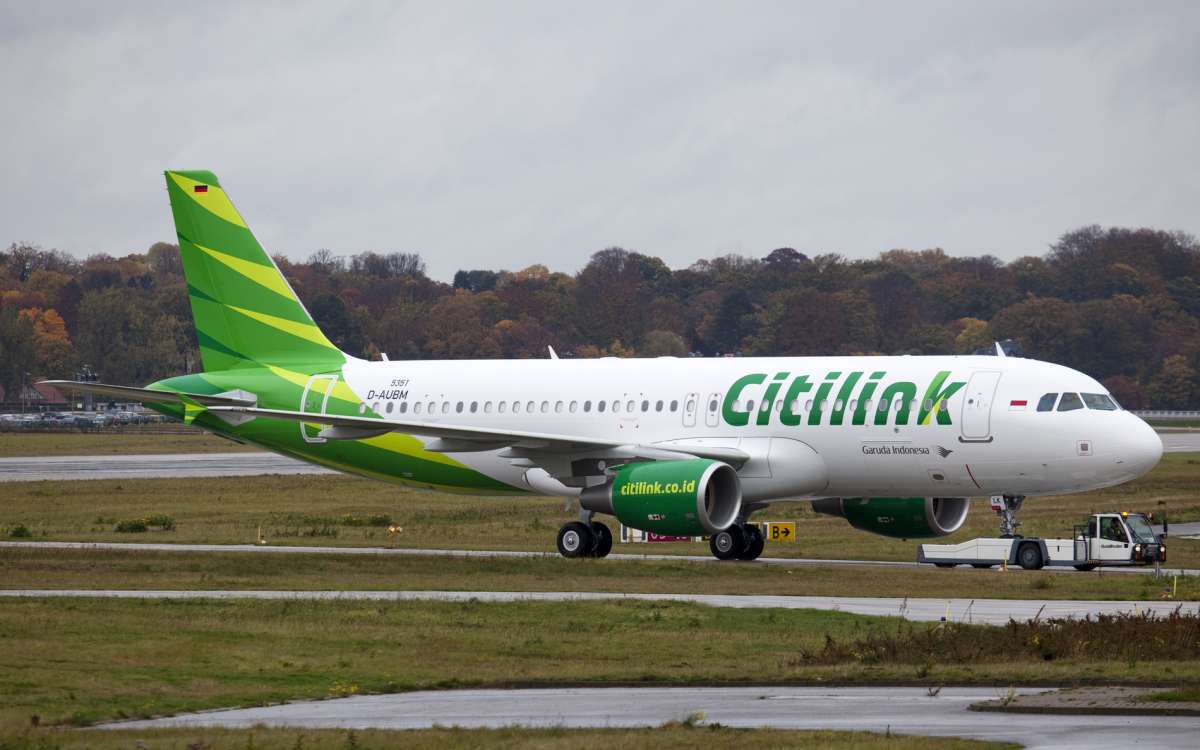
    Low-cost carrier Citilink, a subsidiary of national flag carrier Garuda Indonesia, recruited 70 candidate pilots to boost the company’s business expansion after a three-month enrollment process from June to August this year.

    Citilink president director Albert Burhan said that the company had chosen the candidates out of 897 applicants from across country.

    “We need to recruit more pilots to undertake our expansion and open new routes,” Albert said at the Garuda Indonesia Training Center (GITC) in Jakarta on Monday.

    The recruited pilots will undergo a series of training at the GITC and at the Airbus training centers in Toulouse, France, and Florida, US, for at least six months. They will exercise to achieve a “type rating” as is required to operate an Airbus A320.

    Garuda Indonesia human resources director Linggarsari Suharso warned the candidate pilots that working as a pilot was a difficult job. A pilot must prioritize the safety of passengers over other considerations, he said.

    “Safety is the top priority in the transportation business,” he said at the training center on Monday.

    According to data from the Transportation Ministry last year, Indonesia needs at least 600 new pilots every year. Meanwhile, 24 pilot schools across the country graduate from 15 to 24 students each annually.

  • IBDExpo 2016, a Gateway to the Business Opportunity in Indonesia

    IBDExpo 2016, a Gateway to the Business Opportunity in Indonesia

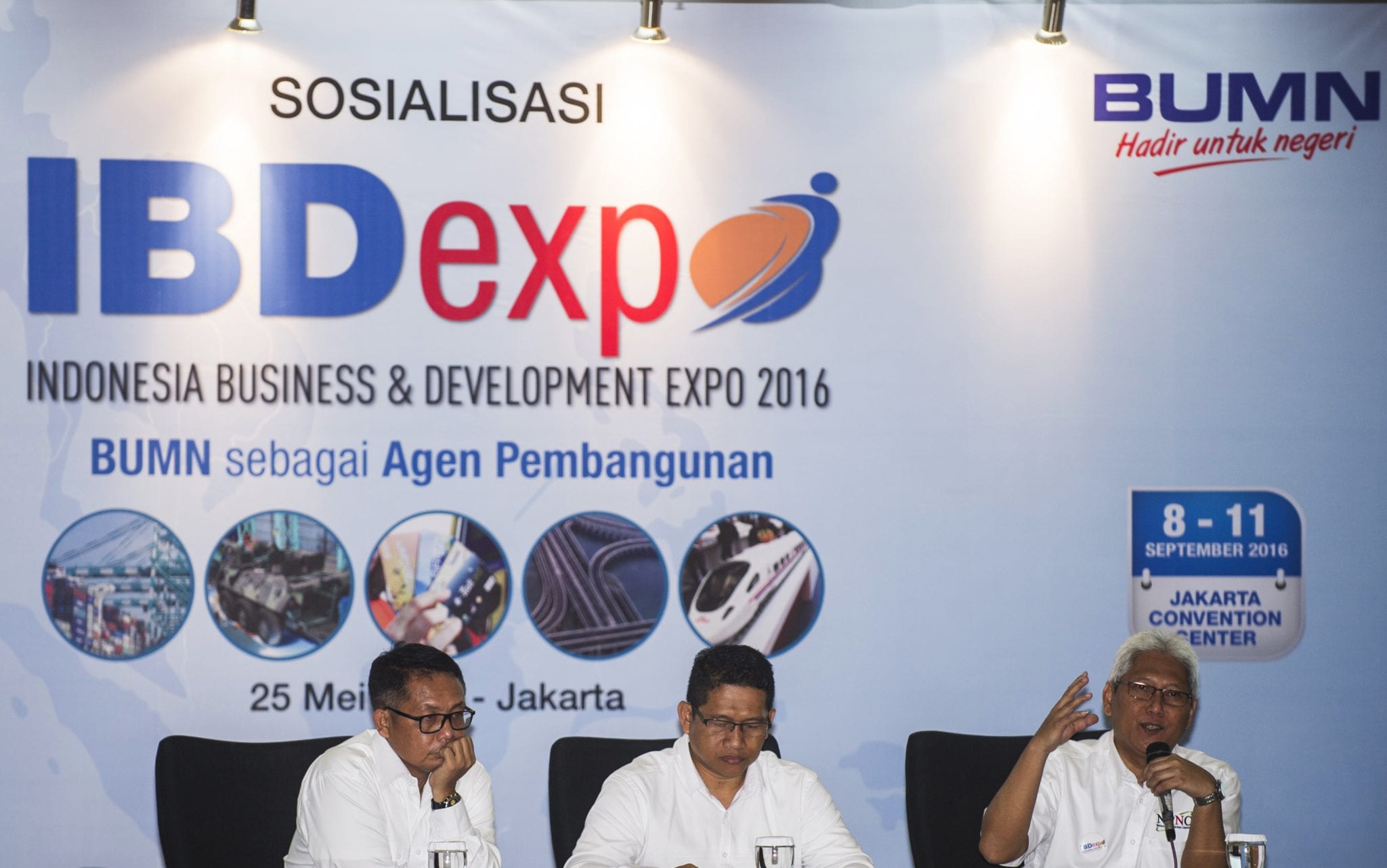
    The Minisitry of State Owned Enterprise of Republic of Indonesia (MSOE), announced on Friday that it will hold Indonesia Business and Development Expo (IBDExpo) 2016 on September 8-11, 2016 in Jakarta Convention Center. This event is organized by National Publishing and News Corporation (NPNC), a consortium of media-focused SOEs consisting of Antara News Agency, Balai Pustaka, National Publishing of Indonesia (PNRI), and PFN.

    Themed “SOE, an Agent of Development,” IBDExpo 2016 will be participated by almost all of 118 Indonesian SOEs and ROEs. The event is designed to promote all of the achievements, innovations, and the role of SOEs to the nation, as well as publicly sharing the commitment of SOEs to develop and empower the underserved and underdeveloped regions which is in accordance with the President Jokowi’s Nawacita vision.

    The event will include a number of side events such as the corporate exhibition, International Conference, Ministerial Lecture by the Minister of SOE, Rini Soemarno, business matching, SOE Career Opportunity, and Partnership and Community Development Program (PKBL) Pitching. This year’s IBDExpo also presents a number of domestic and international keynote speakers, such as Singapore’s Temasek and ICBC China.

    Open to public and free of charge, IBDExpo 2016 will also feature a number of flagship products and innovations of SOEs, such as: the Indonesian military producer, Pindad, that will exhibit firearms and Tank Anoa; PT PAL that will bring their ships; a mock-up of High-speed Train, a project of PT Kereta Cepat Indonesia China; and a flight simulator of PT Dirgantara Indonesia. In addition, the visitors can expect folk art and mini theater playing the films produced by PFN every day during the expo.

    IBDExpo 2016 is scheduled to be inaugurated by President Joko Widodo on September 8 2016 and attended by the Ministers of Republic of Indonesia, the legislators, the ambassadors, and a number of the C-suite invitees.

  • Indonesia to host Forbes conference

    Indonesia to host Forbes conference

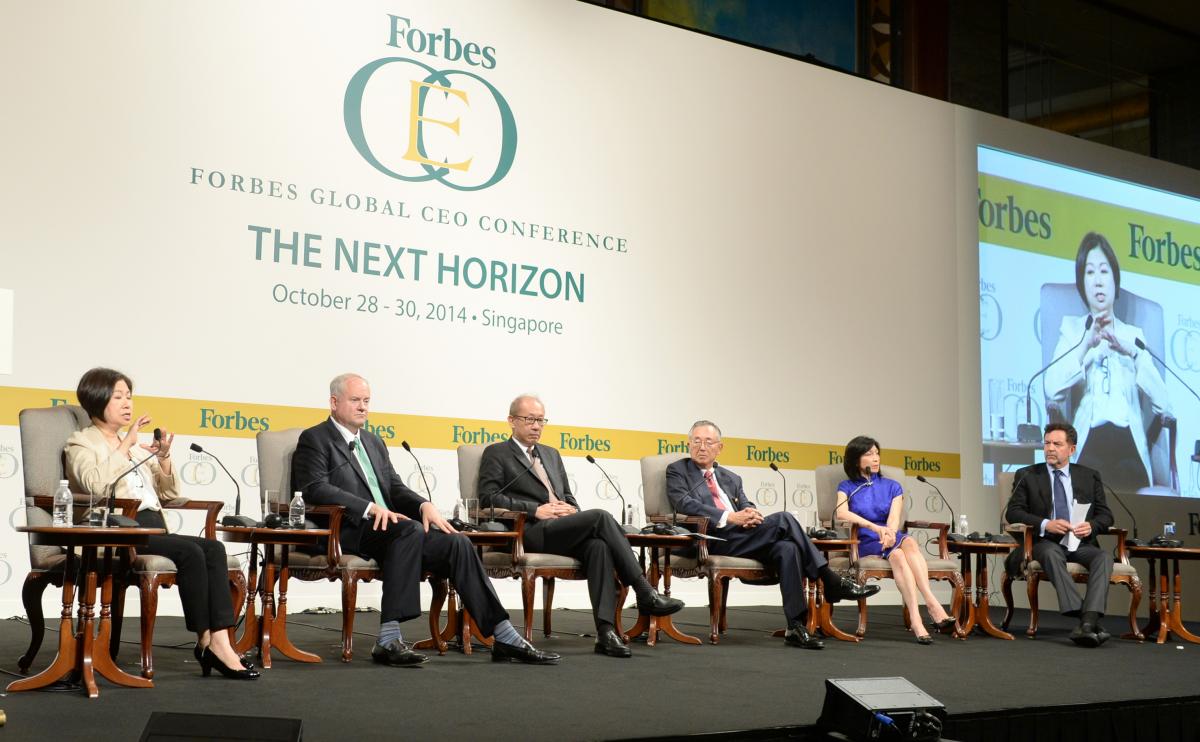
    Indonesia is set to host the Forbes Global CEO Conference for a second time. The gathering will see business players and thought leaders from around the world discuss possible solutions to the continuous global economic slump.

    Now in its 16th year, the conference will host at least 42 speakers and has received confirmation from 300 delegates who have been invited to come to the conference in Jakarta, a change of pace from the 2013 conference held in Bali.

    Forbes Media chairman and chief editor Malcolm Stevenson “Steve” Forbes, Jr. said that Jakarta was chosen to host this year’s conference due to its continued growth even during the global economic slowdown.

    The country’s sheer size and President Joko “Jokowi” Widodo’s efforts to establish economic reforms have caught the eye of business players from across the globe.

    “Even though it’s facing some economic challenges with the collapse of commodity prices, Indonesia is still achieving higher growth rates than many of its neighbors. You have a president who is determined to make major economic reforms to unleash the potential of the Indonesian economy,” he told on Friday.

    President Joko “Jokowi” Widodo has pushed for economic reforms and has issued 13 economic stimulus packages that aim to increase investment and nurture growth.

    The economy grew 5.2 percent year-on-year (yoy) in the second quarter, beating average estimates of 5 percent from economists and Bank Indonesia’s (BI) forecast of 4.9 percent.

    The growth domestic product (GDP) growth rate was higher than the 4.9 percent yoy reported in the first quarter and the 4.7 percent posted in the second quarter of 2015.

    With the second quarter result, the economy has so far expanded by 5.04 percent this year.

    However, despite positive-looking growth, experts have predicted that the official 5.2 percent growth target for the whole year may still be unattainable as the second quarter’s performance was largely due to a surge in consumption and production during the Ramadhan and Idul Fitri festivities, a trend that typically happens every year.

    Meanwhile, not much is happening on the global stage. The World Bank has forecast that global growth will only reach 2.4 percent by the end of the year.

    “So you look around the world and business leaders, whether with established companies or start-ups, they face very real headwinds,” Forbes said.

    Mayapada Group owner Dato’ Sri Tahir said the conference was an important event to show off the economic reforms that Indonesia had made to cut costs and create a conducive investment environment.

    “Through this platform, the President can explain to these 300 and more delegates about Indonesia’s future. This platform is
    important to introduce Indonesia to the world and the world to Indonesia,” he said.

    Mayapada Group is one of the sponsors of this year’s conference.

    The conference, themed “Rising to the Challenge”, will feature distinguished Indonesian and international speakers.

    They include Investment Coordinating Board (BKPM) chairman Thomas Lembong, CT Corp. chairman Chairul Tanjung, AirAsia Group chief Tony Fernandes and Ayala Corporation chairman and CEO Jaime Augusto Zobel de Ayala.

    The conference will be held from Nov. 29 to Dec. 1.

  • Indonesia encourages direct trade with Cuba

    Indonesia encourages direct trade with Cuba

    The Indonesian government will encourage direct trade contact with Cuba to increase the value of the two countries bilateral trade, Indonesian Deputy Foreign Minister A.M. Fachir has said.

    “Indonesia will encourage direct trade contact with Cuba in order to increase the volume of bilateral trade between the two countries and appreciate the significant economic development in Cuba,” Fachir said here over the weekend.

    The deputy foreign minister made the remarks in connection with his meeting earlier with Cuban Director General for Bilateral Relations Affairs of the Foreign Ministry of Cuba, Ambassador Gerardo Penalver Portal.

    During the meeting, Fachir discussed various issues of mutual concerns, both, at bilateral and multilateral forums.

    “On the bilateral basis, the political relations of the two countries had been closely established. Yet this closeness should be translated into a concrete form of cooperation, among others in the fields of trade, health and agriculture,” he said.

    In the multilateral context, Indonesia and Cuba shared similarities in views and cooperation regarding various international issues, the deputy foreign minister said.

    “In the bilateral aspect, Cuba pays attention to direct trade contact to increase trade relations by among others planning a Cuban trade mission to Indonesia and that of Indonesia to Cuba,” Fachir said.

    Meanwhile, Gerardo Penalver Portal expressed appreciation for the establishment of good cooperation between the two countries at various international forums.

    Cuba appreciates Indonesias big contributions to the Non-Aligned Movement so that the movement remains relevant to the present conditions, he said.

  • Kiosk uniting with Taiwan Posiflex

    Kiosk uniting with Taiwan Posiflex

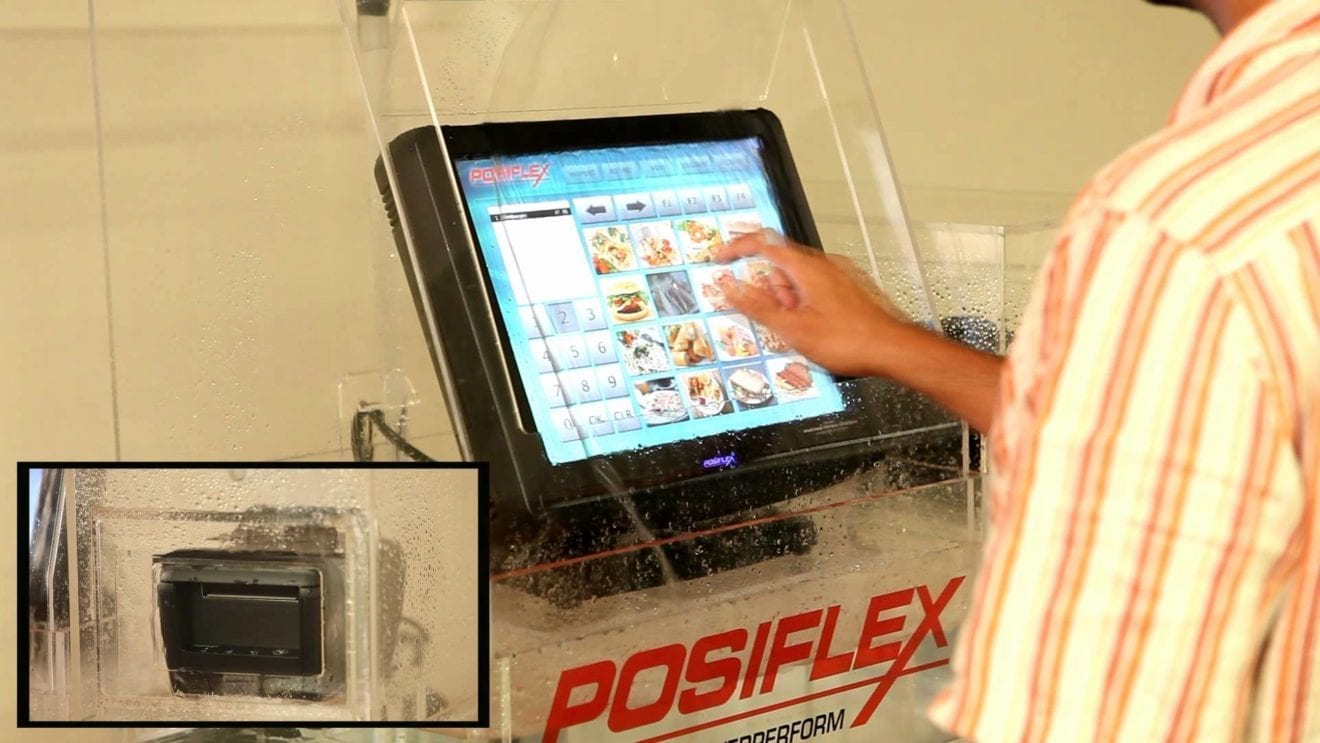
    Taiwanese Point-of-Sales terminal brand Posiflex announced that they have entered into a purchase agreement with Kiosk Information Systems (Kiosk), a provider in self-service solutions.

    Posiflex will offer Kiosk a cash purchase for all outstanding ordinary shares, for a total consideration of approximately US$105 million. Both companies are industry forerunners known for best-in-class POS and self-service platforms. Combining these complementary strengths positions Posiflex for continued growth tied to emerging “Internet of Things” (IoT) applications within the service automation industry.

    Retailers, financial service providers, hospitality and logistics service providers are key among an even wider industry audience driving steady and steep demand in transaction automation.

    Deployers are increasingly incorporating self-service as a “must-have” element of today’s Omnichannel consumer experience; increasing touch points, reducing costs – all while simultaneously collecting valuable transaction data.

    Kiosk is unique among its’ competitors in its ability to provide a complete end-to-end solution encompassing custom design engineering, manufacturing, software development, field services, and highly secure managed services. This “total solution” approach to services has fueled Kiosk’s continued growth and reinforced analyst’s rankings of Kiosk as the dominant North American provider and #3 globally.

    As the IoT is driving improved asset utilization, better logistics management, and better customer experiences, self-service automation platforms become an increasingly integral element of Omnichannel sales strategies.

    Utilizing IoT data from transactions provides valuable insight for customer-specific data collection and enables customized point of sales marketing. Posiflex CEO Owen Chen adds that, “By combining Posiflex and Kiosk’s dual-value proposition in this domain, we are confident in emerging as a distant leader in this growing market.”

  • Malaysia’s retail industry may grow by 6% this year

    Malaysia’s retail industry may grow by 6% this year

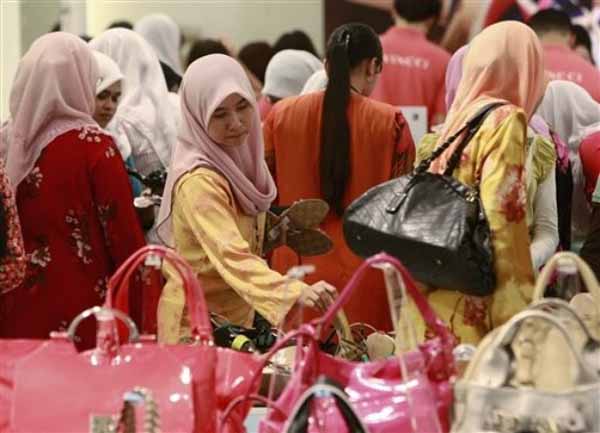
    Malaysia’s retail industry is expected to grow by 5.9% in the third quarter of this year, boosted by the timing of the Hari Raya holidays, according to Retail Group Malaysia (RGM) in the latest Malaysia Retail Industry Report.

    RGM said the projected growth would also be spurred by the Minimum Wages Order 2016 that was implemented on July 1.

    “For civil servants in Malaysia, the minimum wage increased to RM1,200 per month. This has raised the average purchasing power of the Malaysian working population to some extent,” RGM said.

    It added that the Pokemon Go app launched in Malaysia this month had also attracted more visitors to shopping centres and retail outlets throughout the country.

    “Nevertheless, it is not expected to contribute significantly to retail sales. Food and beverage outlets and grocery stores located near to Pokestops will benefit the most from this craze.”

    Mall operator Sunway Malls, in a recent statement, said Pokemon Go had resulted in a surge in traffic and sales numbers at its shopping centres locally.

    “To date, we have seen traffic increase by an average of 10% for Sunway Pyramid (pic), 8% for Sunway Giza, 6% for Sunway Putra Mall, and 4% for Sunway Carnival Mall,” said Sunway Malls chief operating officer Kevin Tan.

    “It is widely known that malls in general have high traffic during the festive period and school holidays, but the introduction of Pokémon Go has certainly spiked up the footfall for the non-peak season.”

    Meanwhile, RGM said retailers in the fashion and fashion accessories sector expected their business to slow down again, with a positive growth of only 0.2% during the third quarter of this year.

    “Retailers in the pharmacy and personal care sub-sector are expecting to maintain their recovery with a growth of 11.4% during the third quarter of 2016.”

    MIDF Research, in a report earlier this month, said it was optimistic that the launch of the new Perodua Bezza and Proton’s new batch of models, combined with the launching of new smart devices, will boost retail sales in the second half of 2016.

    Moving forward, RGM said the Malaysian retail industry’s fourth-quarter growth rate estimate remained at 5.5%, taking into consideration the growth of 1.3% achieved during the same period a year ago.

    “The projected retail sales growth rate of Malaysia’s retail industry in 2016 by RGM stays at 3.5% or RM99.5bil in values.”

    The Malaysian retail industry reported a lower-than-expected growth rate of 7.5% in the second quarter of this year compared with the same period last year.

  • Dunnhumby strives to deliver innovative state of the art “media planning”

    Dunnhumby strives to deliver innovative state of the art “media planning”

    Dunnhumby, a leading customer science company, today announces a 29.8% year-on-year growth in gross revenue, as it continues to be an innovator in retail business by significantly expanding its retail media services over the past few years.

    Analyzing data on consumer spending behavior, Connect Media from dunnhumby is able to understand the customer decision-making process, and therefore better tailor marketing and advertising, both online and offline, to enhance customers’ decisions in buying products, while at the same time earn brand loyalty.

    “We’re able to offer a seamless customer journey, through-the-line, from home, when customer on the moves, on mobile, to the point of sales,” said Teeradet Dumrongbhalasitr, Head of TESCO Commercial South East Asia, dunnhumby Thailand. “dunnhumby begins with understanding the customer’s mind, then we pick the right knowledge to match media that suits the campaign’s objectives. We then choose the right touch point on the customer’s journey to communicate with them.”

    Over the past couple of years, Connect Media from dunnhumby has supported many of Thailand’s leading brands to successfully deliver their message to customers and build their brands at Tesco Lotus. 

    “dunnhumby strives to create new execution, new platform, new measurement to deliver innovative state of the art media. This makes Connect Media clearly different from other media in the market,” said Mr. Teeradet.

    It isn’t just the new innovations like its ibeacon on-location technology, or its unique approaches, like personalized opportunities, that is responsible for Connect Media’s success in “Return on Customers” for companies, though, but also its combination of innovative media solutions for ultimate impact and penetration in the market.

    “Of course, digital channels and platform synergy are becoming increasingly important in empowering customers’ shopping experiences and targeting individual customers, but we should also not neglect ‘point of sales media’, and advertising on the sales floor in its ability to influence customers at their moment of truth” added Mr. Teeradet. “Although customers may very well have a clear idea of what they want before they enter the store, the influence of promotions and media at point of sales can always change their purchase intention.”

    Connect Media from Thailand shows no sign of slowing in terms of growth and expansion, and in the coming months seeks to better “humanise” online interactions, and continue to evolve the shopping experience through creative offline platforms.

    “We will be focusing on as of yet untapped markets in the coming months, while strengthening key categories,” said Mr. Teeradet.

     In line with Connect Media’s history of leading the retail industry in innovation, Connect Media will also be focusing on business opportunities in other sectors, and looking at ways to solidify their position in the marketplace by potential data partnerships.

  • Indonesia’s inflation rate at seven-year low

    Indonesia’s inflation rate at seven-year low

    Indonesia’s inflation slowed to the weakest in almost seven years and fell below the central bank’s target, bolstering the case for further interest rate cuts by Bank Indonesia (BI).

    Consumer price gains eased to 2.79 per cent last month from a year earlier, compared with economists’ 3.02 per cent estimate.

    Prices fell 0.02 per cent in August from the previous month, the National Statistics Office said yesterday, adding that the annual rate was the lowest since December 2009.

    “If you ask me now whether there is room for (monetary) easing, the room is more open. But whether it would be used or not, it is up to BI,” Coordinating Minister for Economics Darmin Nasution said after the lower-than-expected data was announced.

    Mr Nasution said BI had wanted to cut the benchmark rate “since last month” but then decided to delay to better introduce its new policy rate, the seven-day reverse repo rate, which stands at 5.25 per cent.

    The authorities have set their 2016 inflation target at 3 per cent to 5 per cent and expect consumer price gains to end the year at around 3.5 per cent.

    “Easing inflation – along with stability in both the current account deficit and exchange rate – has created policy space for rate cuts,” said economist Ng Weiwen at Australia & New Zealand Banking Group (ANZ).

    “The degree of easing will be dependent on the size of tax amnesty inflows.”

    ANZ expects the Indonesian central bank to lower its new benchmark rate by another 25 basis points to 5 per cent as soon as its September meeting, Mr Ng said.

    Indonesia’s 10-year bond yield slid four basis points to 7.07 per cent yesterday afternoon in Jakarta, set for the biggest daily gain in three weeks. Shares fell, with the Jakarta Composite Index extending its drop to 0.9 per cent and set for the lowest close since Aug 15.

    Falling airfares, inter-city transport costs and cheaper food were the biggest factors driving the monthly drop in prices, said National Statistics Office deputy Sasmito Hadi Wibowo.