Category: General

Retail News Asia is committed to providing both local and global retailers with the latest General Retail news throughout the Asian market. This on a daily base.

  • Entrant results are in for the Golden Pin Concept Design Award 2016

    Entrant results are in for the Golden Pin Concept Design Award 2016

    Taiwan’s international Golden Pin Concept Design Award wrapped up its call for entries for 2016 on 15 June, and the award has once again broken the record for the number of entries received.

    Of the 3,380 entries received from 11 countries in 2016, design concepts from China and Taiwan make up the bulk of the participation figures. New countries spotted on the entry list in 2016 include Australia, Israel, and Thailand. Malaysia and South Korea, countries with marginal representation in 2015, saw a significant jump in their entry numbers in 2016, an indication of the award’s growing reputation.

    The Golden Pin Concept Design Award, launched in 2015, is an annual award that offers a total of NT$900,000 (more than US$27,000) in cash prizes. Entrants are encouraged to consider philosophies, ideologies, principles, or areas of thought attributable to huaren culture or lifestyles in their submitted concepts, as well as the Chinese concept of zhongguan (中觀). While separately the words mean ‘center’ or ‘middle’ (zhong 中) and ‘to observe’ or ‘to watch’ (guan 觀), the meaning of the combined phrase is much deeper–something akin to ‘mastery gained from the perspective afforded those at the center of things.’

    While philosophical Chinese concept of zhongguan may seem difficult for someone unfamiliar with Chinese language to understand, this year, entries from international participants revealed some surprising and perceptive interpretations.

    • Designer Noa Razer from Israel entered a series of ceramic Chinese stools adorned with decorative motifs from cultures around the world. Named “Stoolim,” the series explores integration, influence, and synthesis between cultures.

    As with last year, designers from countries and areas outside of Taiwan with large huaren (Chinese-speaking) populations were once again keen participants in the award.

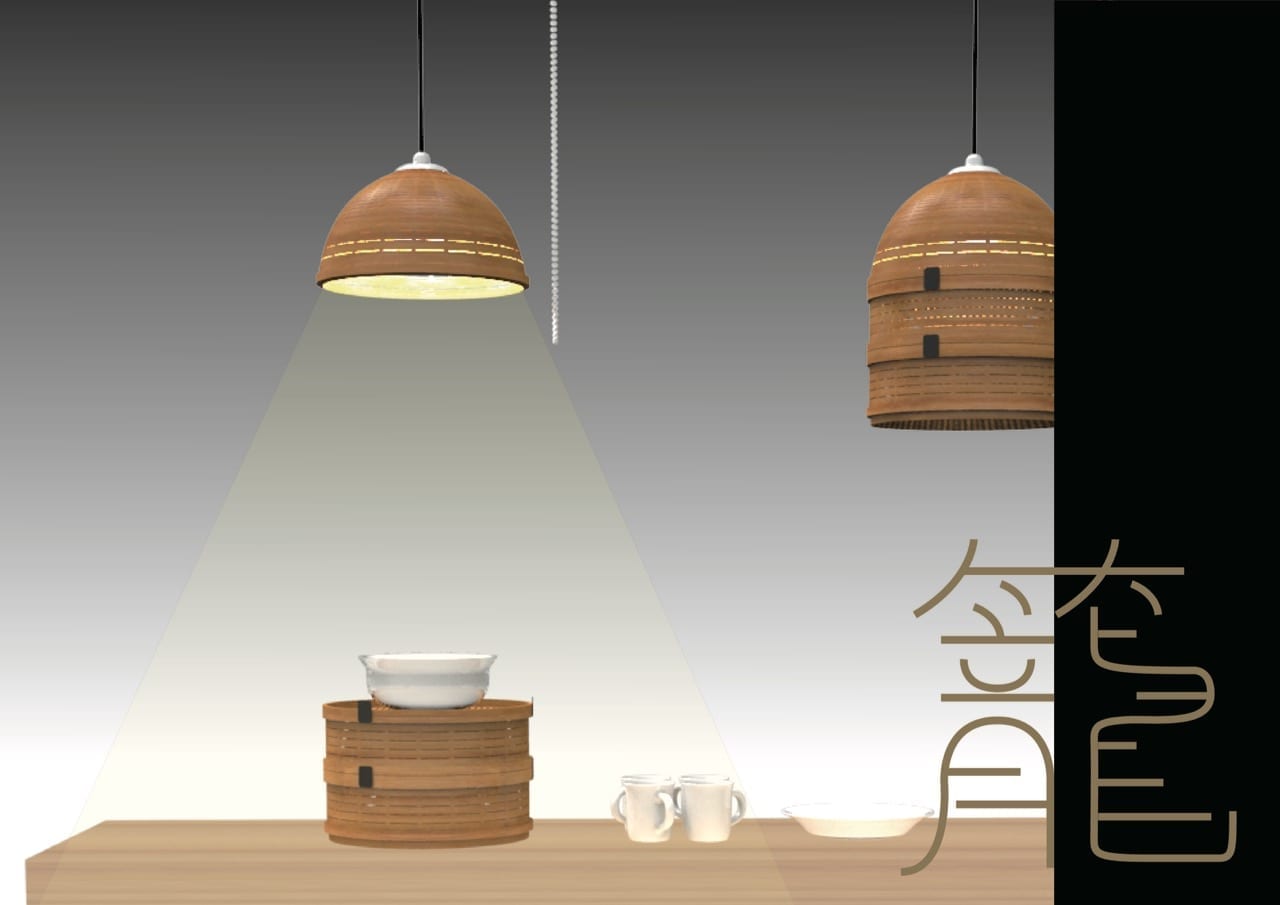
    • Guan-Yu Chan from Malaysia took the woven dish covers commonly used by Chinese families living in the southern parts of the Greater China region and adapted them into a modern pendant light-dish cover combo. The resulting work, called “CAGE–Dish Cover Design” by the creator, adds a touch of contemporary luxury to a once utilitarian object and ensures it is no longer relegated to the kitchen cupboard or market stall table.
    • Jiahui Tan of Fable, a boutique design agency in Singapore, entered “PLAY,” a cultural book commissioned by the National Heritage Board (NHB) for a community exhibition. The work, which takes the structure of DNA for its visual language, plays on the meanings and structures of the English letter ‘Y’ and the Chinese character ren (人), which means ‘man’ or ‘person’ in English, as well as a famous Chinese idiom (前人种树, 后人乘凉) that encourages people to appreciate the efforts of their predecessors in providing the comforts people enjoy today.
    • From Hong Kong, Yiu Hoi Lun’s poster “Migrant Worker” attempts to highlight the suffering many migrant workers in China face during the Chinese New Year holiday when they attempt to leave the cities and return to their family homes in the countryside. The designer was inspired by images she saw on TV and the internet of people breaking down in tears as they waited in endlessly long lines in the rain, snow, freezing temperatures just to buy their train tickets.
    • Calvin Sio of Hylé Design Macau entered “Fond of Shar[ing]–Food Serving Board” into this year’s award. The platter is inspired by the Chinese dining custom of sharing food from multiple dishes placed in the center of a table. The platter also comes with a set of interchangeable handles. Inspired by the shape of the armrests and backs of Ming Dynasty chairs, the handles allow for easy gripping of the platter from multiple angles around a table.

    Perhaps unsurprisingly, entries from Taiwan and China offered some of the most complex and deeply considered fusions of contemporary design and zhongguan.

    • Through the tableware series, “Home Craft,” Taiwanese designer Yu-Rui Liang attempts to create a contemporary use for the traditional craft of Chinese joss paper, also known as ghost or spirit money. The forms of the cups, plates, candle holders, and other utensils in the series are also inspired by objects found in religious shrines and temples in Taiwan.
    • “Roaming Through [the] Garden,” a typography system created by Chinese designer John Yan, incorporates architectural elements of the Classical Gardens of Suzhou–a UNESCO World Heritage Listed historical site–into the character design. He hopes that as readers take in the font, they will feel as though they are walking in a classical Chinese garden.

    While most entries were received in the Product Design category, as was the case in 2015, the number of entries submitted into the Spatial Design and Packaging Design categories rose by over 50%. Entries into the Visual Communications category remained more-or-less stable.

    Running since 2015, the Golden Pin Concept Design Award is one among three awards in the Golden Pin design award group. The annual competition is open to submissions from students, professionals, and corporations from around the world, and accepts product and project design concepts in four design disciplines: Product Design, Visual Communication Design, Packaging Design, and Spatial Design. Concept designs must not be available in the market, nor may they be produced within the year of the award.

    In 2016, entries will be assessed in three stages by a carefully selected international jury. All entrants that pass the second round of selections will be awarded a Golden Pin Concept Design Award Design Mark and a certificate. Best Design of the Year winners will receive one of three cash prizes awarded at a grand ceremony in Taipei, Taiwan in early December, each worth NT$300,000 (approx. US$9,800).

    The Golden Pin Concept Design Award is executed by the Taiwan Design Center and organized by the Industrial Development Bureau, Ministry of Economic Affairs. The Ministry of Economic Affairs acts in an advisory capacity.
  • GMR Hyderabad International Airport Adds New Brands to its F&B Kitty

    GMR Hyderabad International Airport Adds New Brands to its F&B Kitty

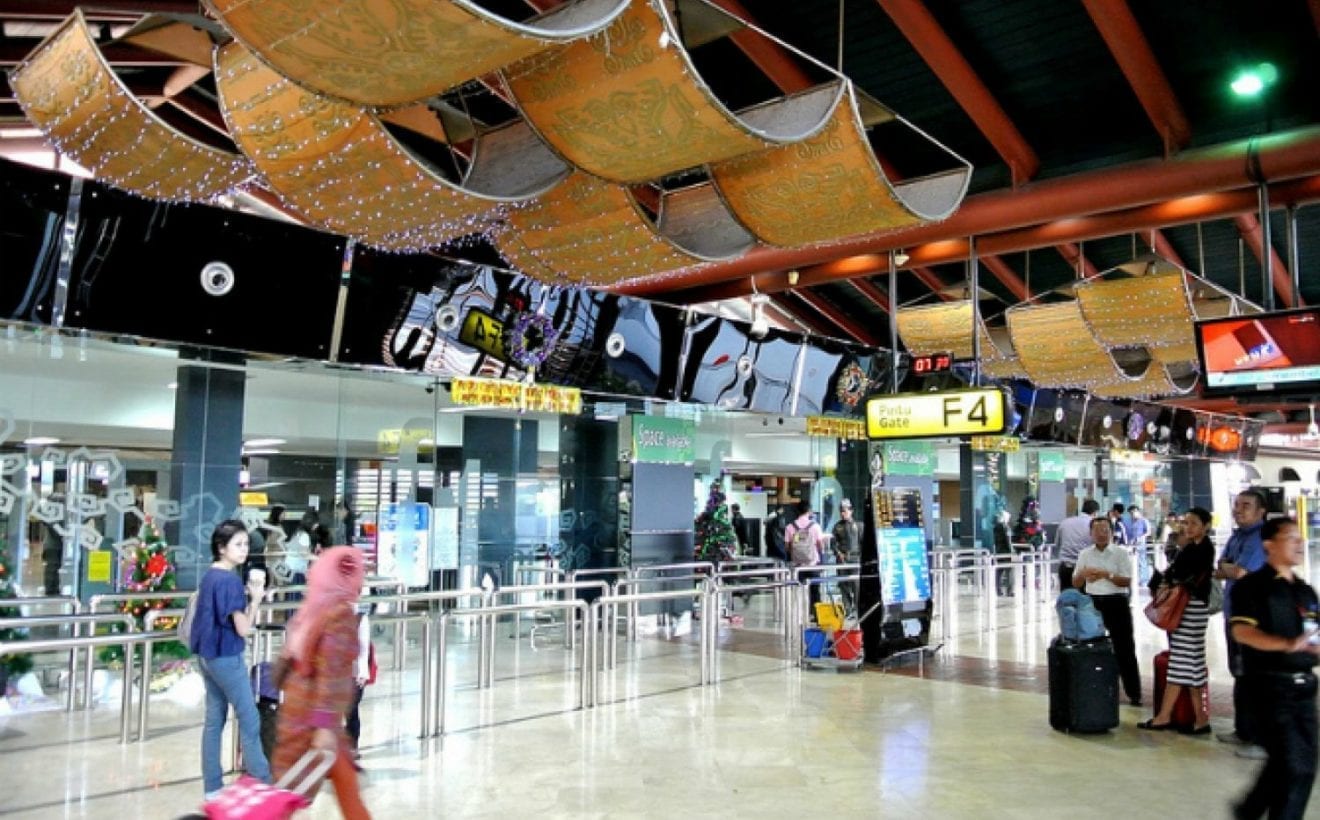
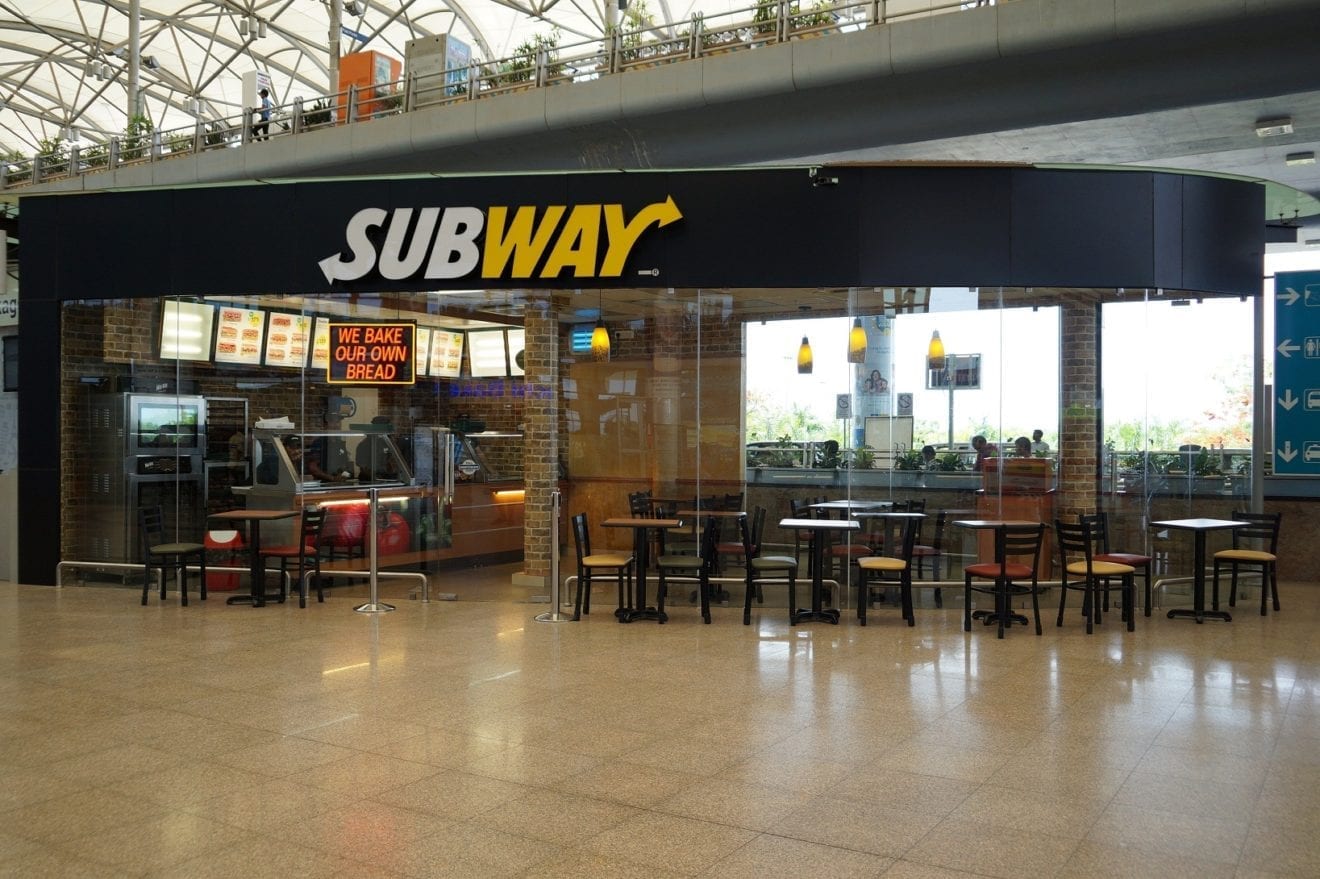
    GMR Hyderabad International Airport becomes all the more favourite destination for foodies. Recently, the airport added Mc Café and Subway to its succulent list of global F&B (Food & Beverages) brands.

     With the opening of its first outlet at Hyderabad Airport, Mc Café, has done a maiden venture in the F&B category of Indian Airports; this also happens to be their first outlet in Hyderabad City. Mc Café, which is a renowned brand of coffee-house-style food and drink chain owned by McDonald’s, is available for passengers and visitors at the F&B Space at Car Park Level of the airport. One can explore an exciting range of beverages, smoothies, hot cakes, indulgent treats of burgers, chicken wings among the many more.

     Subway, a popular American fast food restaurant franchise, is available at Airport Village (Arrivals level) and F&B space at the car park level of the airport. The outlet offers a wide range of Indian and international subs. Few of the subs are 97% fat free catering to the needs of health conscious people. Operating round the clock, both these outlets are attracting the foodies in hordes.

     Commenting on the inclusion of these two brands at Hyderabad Airport, Mr. SGK Kishore, CEO, GMR Hyderabad International Airport Ltd. (GHIAL), said, “We welcome Mc Café and Subway at Hyderabad Airport. Hyderabad, as a city, is well known for its hospitality and variety of cuisines it offers to everyone. In the same line, we at Hyderabad Airport, too, go extra mile to welcome our passengers and visitors by continuously enriching our portfolio of Food & Beverages. The addition of Mc Café and Subway has definitely made our F&B offer all the more attractive.”

  • Singapore economy grows 2.2% in Q2, beating expectations

    Singapore economy grows 2.2% in Q2, beating expectations

    The Singapore economy grew 2.2 per cent on a year-on-year basis in the second quarter, marginally higher than the 2.1 per cent expansion in the previous quarter and in line with analysts’ expectations, according to advance estimates from the Ministry of Trade and Industry (MTI) on Thursday (Jul 14).

    On a quarter-on-quarter, seasonally adjusted and annualised basis, the economy expanded 0.8 per cent, an improvement from the 0.2 per cent growth in the first quarter.

    The figures were in line with analysts’ forecasts, with economists in a Reuters poll predicting a 2.2 per cent year-on-year growth and a 0.9 per cent growth on a quarterly basis.

    The manufacturing sector expanded by 0.8 per cent on a year-on-year basis, a reversal from the 0.5 per cent decline in the previous quarter. Growth was supported by an increase in the output of the biomedical manufacturing and electronics clusters, MTI said. On a quarter-on-quarter basis, the sector grew at an annualised rate of 0.3 per cent, following the 18.4 per cent growth in the preceding quarter.

    The construction sector grew by 2.7 per cent, easing from the 4.5 per cent growth recorded in the previous quarter. The moderation in growth was largely due to a slowdown in private sector construction activities, the ministry said. On a quarter-on-quarter basis, the sector expanded at an annualised rate of 0.6 per cent, lower than the 3.5 per cent expansion in the preceding quarter.

    Growth in the services-producing industries came in at 1.7 per cent, the same pace of growth as in the previous quarter. Growth was driven mainly by wholesale and retail trade, and the transportation and storage sector. Within the retail trade sector, growth was supported by strong motor vehicle sales. On a quarterly basis, the industry grew by 0.5 per cent, reversing the 4.8 per cent contraction in the preceding quarter.

    The advance GDP estimates were computed largely from data in the first two months of the quarter – in this case, April and May. They are intended as an early indication of the GDP growth in the quarter, and are subject to revision when more comprehensive data become available, said MTI.

    The preliminary GDP estimates for the second quarter, including performance by sectors, sources of growth, inflation, employment and productivity, will be released next month.

    GROWTH IN LINE WITH EXPECTATIONS, BUT LIKELY TO DETERIORATE: ANALYSTS

    Mizuho senior economist Vishnu Varathan said manufacturing primarily drove the improvement for the second quarter.

    “Manufacturing snapped six consecutive quarters of year-on-year contraction, to come into an expansion. It’s a modest expansion, but nonetheless a poignant one,” he said.

    The improvement of the economy in the second quarter, after the numbers for the first quarter were upwardly revised from 1.8 per cent to 2.1 per cent, probably framed a “stabilisation story” in Singapore’s growth, if not a slight improvement, added Mr Varathan.

    However, economists told us the recovery is likely to be tentative, with the volatile pharmaceuticals unlikely to sustain the lift in industrial production, while sectors like transport engineering and petrochemicals continue to show signs of weakness.

    On the external front, the impact from UK’s vote to leave the European Union is likely to be felt in the coming months, said Mr Brian Tan, Nomura Singapore’s Southeast Asia economist.

    “The Singapore economy is so open, not just to trade, but also from the financial market channels because we’re an international financial centre, so both these channels could have a very negative impact on the Singapore economy once Brexit has happened,” Mr Tan said.

    He added the impact may possibly be apparent in the July and August trade data, saying that “because of this, we worry that the growth outlook for Singapore will deteriorate over the coming quarters, especially when we get into the third quarter when the impact of Brexit might be a bit more visible.” 

    Amid ongoing macroeconomic risks and currency market volatility, observers also said the Monetary Authority of Singapore is likely to actively review the need to weaken the Singapore dollar.

    For the full year, the Government’s forecast is for Singapore’s economy to grow by between 1 and 3 per cent.

  • Thailand retail growth predicted at 6%

    Thailand retail growth predicted at 6%

    Thailand’s retail market is expected to grow at a compound annual growth rate (CAGR) of more than 6 per cent from now until 2020.

    This was revealed in the latest market study by global technology research and advisory company Technavio.

    Its research report, Thailand Retail Market 2016-2020, offers an analysis of the market in terms of revenue and emerging trends, as well as forecasts for six major product segments – grocery, apparel and footwear, beauty and personal care, personal accessories, home and garden, and consumer electronics.

    Grocery

    Valued at US$103 billion last year, the grocery market in Thailand is forecast to reach $145 billion by 2020, growing at a CAGR of 6.92 per cent. The segment is largely driven by the modern retail sector, while increasing urbanisation and changing consumer lifestyles are playing a significant role in the market’s development.

    Supermarkets and convenience stores have shown the fastest year-on-year growth rates with 9.5 and 10.5 per cent respectively last year.

    “Even though hypermarkets offer attractive prices, consumers are increasingly preferring supermarkets for the convenience factor and the availability of a wide product range,” says Technavio lead retail goods expert Poonam Saini. “Unlike supermarkets, which are in urban zones, hypermarkets are generally in bordering areas, catering almost exclusively to nearby consumers.”

    Apparel and footwear

    The second-largest market segment last year, apparel and footwear is expected to reach $9.19 billion by 2020, growing at a CAGR of more than 3 per cent.

    Several foreign companies are competing with local companies in the segment, says the report. International brands have fair penetration rates, offering stylish designs and a wide product range through modern retail stores. Local brands have also been successful with their long-established presence along with customer loyalty and trust.

    “The popularity of the online channel is growing, and players are actively using social media sites such as Facebook and Instagram for promotional campaigns and marketing activities,” says Poonam.

    “Websites such as Zalora.com are becoming popular for apparel and footwear products, as these sites offer promotions and discounts.”

    Beauty and personal care

    One of the fastest-growing segments, beauty and personal care (BPC) is having more than 3 per cent CAGR and is expected to reach $5.53 billion by 2020. A continuous exposure to western beauty and grooming trends has helped maintain the growth of the market over the past few years.

    International BPC companies have a nearly 50 per cent share of the market, with comprehensive product portfolios and innovative products. Thai retailers are expanding and attracting new consumers, says the report, citing cosmetics brand Sephora, which opened two new stores in 2014 after entering the market late the previous year.

    Top vendors

    Technavio’s research analysts name five top vendors for Thailand in the report.

    Topping the list are supermarket Big C and retail conglomerate Central Group. Then follow CP All, which has a chain of 7-Eleven stores, and homewares stores Global House and Home.

    Other prominent vendors in the market are Adidas, Aeon, Isetan Mitsukoshi Holdings, Lazada, Nike, Sephora, Seven & I Holdings, Tesco, The Mall Group and WearYouWant.

    Technavio develops more than 2000 reports every year, covering more than 500 technologies across 80 countries. It has about 300 analysts globally.

  • Golden opportunity: why now’s the time for brands to move in Myanmar

    Golden opportunity: why now’s the time for brands to move in Myanmar

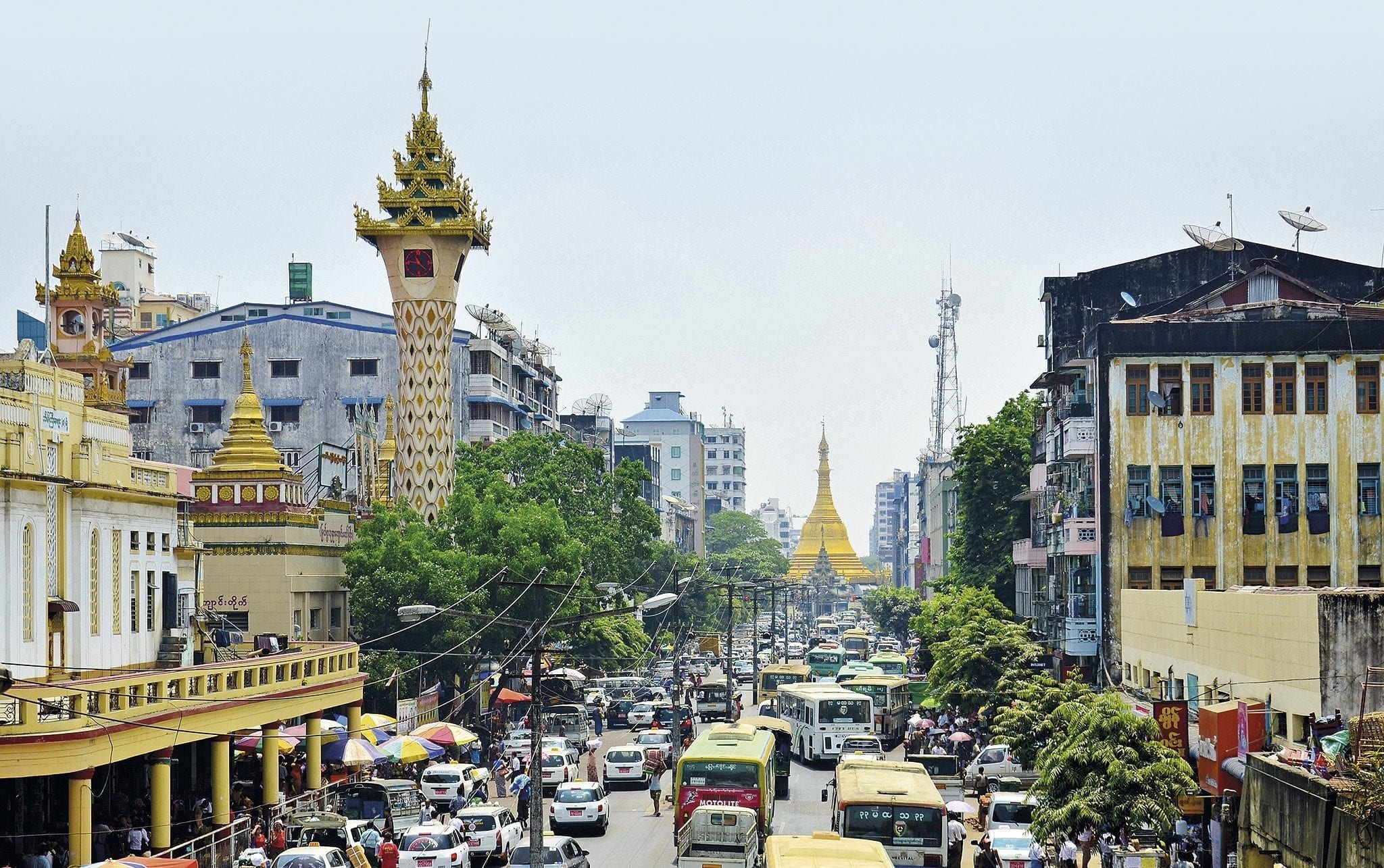
    In the street outside Yangon’s Shwedagon Pagoda, a Buddhist monk reaches into the folds of his burgundy robes for his mobile phone. He cuts a somewhat incongruous figure, tapping his screen against a backdrop of golden spires, with a steady stream of pilgrims and traffic all around. But this blend of ancient tradition with digital connectivity is now the way of modern Myanmar.

    The pace of change here is on a scale unseen in other fast-growth Asian markets. Just three years ago, buying a mobile SIM card meant handing over $2,000 in cash on the black market; now, there are now three competing networks and a SIM costs just $1.50. Ownership of mobile phones has already shot up to more than 50 per cent – a fact all the more remarkable given that only a third of people here have mains electricity in their homes.

    It is this prevalence of mobile connectivity right at the beginning of Myanmar’s growth curve that is proving such a strong accelerant of change. Mobile connectivity won’t just enable growth, it will direct it, leading entire business sectors – from banking to retailing – to leapfrog stages of development.

    The International Monetary Fund has predicted Myanmar will have the world’s fastest-growing economy this year, with GDP growth of 8.6%. Since the country embarked on a programme of ‘disciplined democracy’, investment has been increasing. The smooth transition to a civilian-led government earlier this year is giving many more businesses the confidence to invest and expand here.

    Economic growth and urbanisation are giving rise to social mobility, and with that, the world’s newest, youngest middle class. Myanmar is home to 51 million people, more than half of them aged under 30. By 2020, Boston Consulting Group anticipates that 10 million will be middle-class or affluent. These people won’t necessarily be wealthy by global standards, but they will have disposable income that puts fashion, fragrance and home appliances within reach. Later, they will be in the market for cars and overseas holidays.

    For brand owners, this represents unprecedented opportunity, and there is a clear early-mover advantage to be had. WPP’s global BrandZ study tracks the way consumers feel about different brands around the world. Some brands are so little understood by consumers, they are a ‘clean slate’ in consumers’ minds. In Myanmar, where shoppers have had little choice about where they shop and the brands they buy, about a third of all brands fall into this ‘clean slate’ category – double the global average.

    That means now is the time for brands to start making an impression, not just on people who are ready to buy, but also on those who are on their way up. Ford and Chevrolet are already here; Coca-Cola, KFC and Pizza Hut are among the other international brands to have launched in Myanmar.

    Consumers in Myanmar are open to trying new products and new brands, but while global brands can serve as shorthand for quality or safety, they are not a badge of honour and do not instantly command a premium. People are embracing the opportunities that digital connectivity offers, but do not seek an express route to ultra-modernity. The languorous pace of life here is seen as something to be treasured; thoughtfulness and self-control are admired, and modest attitudes to spending and thrift can make indulgence seem decadent.

    Brands need to be respectful of tradition, and understand that parents and grandparents are highly influential. BrandZ analysis shows that the strongest brands in Myanmar project idealism and a sense of adventure, but steer clear of individualism and rebellion. They also help consumers navigate what is becoming a sea of choice, emphasizing not just the features of a product but the difference it can make to the consumer’s life. This involves working closely with the traditional retail trade – local ‘Mom and Pop’ shops – which account for the vast majority of sales here. These stores are not just distribution points but trusted sources of information and advice.

    Norwegian mobile phone network Telenor has demonstrated how global brands can achieve local resonance. Its TV campaign reflects the importance of family as a young woman in the city calls her mother in the countryside for urgent cooking advice; she wants to cook ‘nan gyi thohk’ noodles from her home-town to impress her mother-in-law. The ad has been so popular that nan gyi thohk is now ‘the Telenor dish’.

    Similarly, the isotonic drink 100PLUS, from Malaysia, has established a powerful connection with consumers in Myanmar by reflecting what it feels like to be in a hot climate with so much that needs to be done.

    For now, access to television is higher than mobile penetration, but only just. Mobile internet is where consumers are increasingly getting their information, and going online in Myanmar means going on Facebook. Even President Htin Kyaw is a subscriber. Media plans need to be mobile-friendly, if not mobile-first.

    Success in this market requires a nuanced approach both to business and communications. The Buddhist monk on his phone appears to be straddling very distinct worlds; in fact, he is integrating the two in a uniquely Burmese way.


  • Ministry striving to attract 400 thousand South Korean tourists

    Ministry striving to attract 400 thousand South Korean tourists

    The Indonesian tourism ministry is taking innovative steps to achieve this years target of attracting 400 thousand tourists from South Korea, including by participating in the “Wedding Expo” in Seoul on July 9-10, 2016.

    Assistant Deputy for Market Development of the Asia-Pacific region of the Ministry of Tourism Vinsensius Jemadu stated from Seoul, South Korea, on Monday, that the ministry continued to fill innovation gaps.

    “We are looking for the slightest opportunities to promote Indonesias segment aboard. It has been almost three years that we have participated in events promoting this segment, but now, we will try again,” he noted in connection with the Tourism Ministrys participation at the wedding exhibition to offer honeymoon packages to various tourism destinations in Indonesia.

    Jemadu is optimistic that its target of drawing 400 thousand tourists from South Korea would be reached.

    In 2015, a total of 359,468 South Korean tourists visited tourist destinations in Indonesia.

    Jemadu pointed out that Bali and Bintan were now the most sought-after locations for pre-wedding photographs among brides and also the venues for the weddings of young Korean couples.

    “They really like the beach and the ambience of the tropical waters in Indonesia,” he noted.

    South Korea has direct flight connectivity to Indonesia. As many as three airlines operate flights to two international airports in Indonesia, and there are some 618,748 seats available on flights to the country.

    “This exhibition is held in summer in South Korea. We hope that during winter, South Koreans will leave the country and visit Indonesia that has moderate weather and is always a good option for couples on honeymoon,” he said.

    “Of course, we did this exhibition to promote the country as a wedding destination for couples planning to wed in autumn. It is this momentum that we are pursuing,” he stated.

    Meanwhile, Head of Asia-Pacific Exhibition of the Ministry of Tourism Rita Sofia in South Korea expressed hope that all engaged in supporting the tourism sector in Indonesia will continue to prepare various attractions, amenities, and access to support the arrival of newlywed South Koreans.

    Tourism Minister Arief Yahya seconded Sofias view as he believed that Korea was a potential market that could be tapped by showcasing Indonesias cultural and natural attractions.

    “The Asian market must be tapped by showcasing the oriental culture, and the countries must be frequently visited to create a joint program. For instance, the distance from Seoul to Indonesias tourism destinations, including to Manado, is not too far, so we just need to increase the number of direct flights,” he explained.

    Yahyas recent visit to South Korea already resulted in a commitment made by the two South Korean airlines —Jeju Air and Jin Air Korea — to operate flights to Indonesia.

    “It will boost the number of South Korean tourist arrivals in the country,” he affirmed.

    Industries participating in the exhibition had also prepared a variety of honeymoon vacation packages. General Manager Globlindo Arief Authority has prepared various packages: Bali Honeymoon Escape, Lombok Honeymoon, Tanjung Lesung Honeymoon, Kepulauan Seribu Honeymoon, and Raja Ampat Honeymoon.

  • Subdued tourism and weak retail sales likely to hurt Hong Kong economy

    Subdued tourism and weak retail sales likely to hurt Hong Kong economy

    In the first quarter of 2016, Hong Kong’s economy had contracted 0.4 percent on sequential basis and grew 0.8 percent on year-on-year basis. This was the first contraction since 2014 amidst weak retail sales and trade sectors, sluggish consumer demand and cautious business spending.

    Fewer visitors and subdued tourist expenditure further weighed on retail sales in April. Moreover weaker trade growth led to high jobless rate in the trade and wholesale sector. Downtrend in retail and tourism sector continue to be present because of fewer tourists and tepid spending and cautious consumer confidence.

    Hong Kong’s retail sales’ value dropped for the 14th consecutive month in April. It declined 7.5 percent year-on-year to HKD 35.2 billion. The retail sector continues to be in doldrums amidst fewer tourists and weaker tourists spending. The luxury segment has weighed majorly on the nation’s retail sales, with the sales value of watches and jewellery, declining for the 19th consecutive month by 16.6 percent in April.

    Given the dull outlook for the country’s retail sector, Hong’s Kong’s retail property market might drop further even as retail shop rentals and prices declined 1.3 percent year-on-year and 7.8 percent year-on-year respectively in March. Additional rental concession and higher vacancy rates in core business district might be likely, noted OCBC Bank in a research report.

    In April, jobless rate in the retail sector grew to 5.3 percent amidst subdued tourist activities and luxury consumption. This was disappointing as compared to an average of 4.4 percent in 2014. This is due to weak business performance in retail sales in the midst of contracting tourist spending. The Hong Kong’s retail sector is expected to be limited by subdued inbound tourism activities amidst downturn in Chinese economy and external uncertainties. This might be a drag on employment in the retail sector.

    “Overall, HK’s labor market may worsen further with unemployment rate expected to rise to 3.5 percent over 2016,” added OCBC Bank.


  • Garuda Indonesia Raking It In During Idul Fitri Holiday

    Garuda Indonesia Raking It In During Idul Fitri Holiday

    Flag carrier Garuda Indonesia filled more seats on its domestic flights during the Lebaran exodus this year, as more people chose air travel to return to their hometown for Idul Fitri.

    The state-controlled airline’s average load factor — which indicates how much an airline makes use of its seat capacity — went up to 74 percent from June 24 to July 5, a day before Idul Fitri, on all of its domestic routes, Benny S. Butarbutar, Garuda Indonesia’s vice president of corporate communication, said on Saturday (09/07).

    Benny did not give a figure for last year’s Idul Fitri holiday.

    Still, the latest figure could mark a turnaround for Garuda. The full-service airline had seen its load factor dip to 69 percent in the first three months of this year, compared to 74 percent in the same period last year, as weak economic growth forced cost-conscious travelers to opt out of the airline’s services.

    Garuda added 32,000 more seats on 132 extra flights, 112 of which are on international routes, between June 24 to July 17 to cater for Indonesians during the annual Lebaran exodus, Benny said.

    “This represents a 35 percent increase in our extra capacity from the same period last year,” Benny said.

    The National Police estimated 17.6 million people made the travel back to their hometown during the Lebaran exodus this year. Ouf of that figure, 4.6 million chose air travel, up 7.6 percent from a year ago as people’s purchasing power has increased and local airlines offer new fleets and routes.

    Air travelers met with relatively few problems during this year’s Lebaran exodus compared to their peers taking land routes, who were met by hellish traffic jams on toll roads across Java.

  • Saigon retail market to be put to the test

    Saigon retail market to be put to the test

    Is there too much retail space in Saigon – downtown Ho Chi Minh City – the commercial hub of Vietnam?

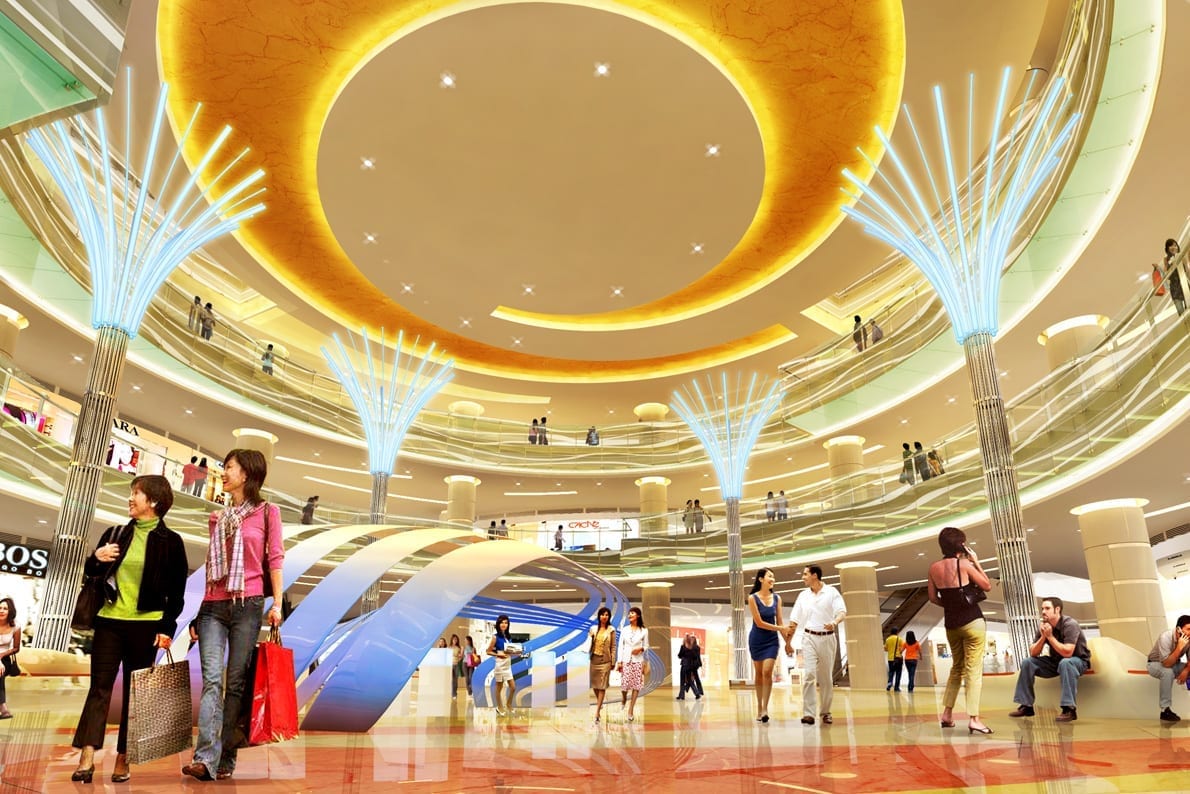
    With more than 1.1 million sqm of retail space, it looks like the Saigon retail market is oversupplied. The closing of Parkson Paragon in the city’s District 7  last month only amplified such concerns.

    But Cushman & Wakefield Vietnam GM Alex Crane begs to differ. He says demand is there if the retail formats are built to meet the market.

    He believes with the population of 10 million, the city is far from overloaded with retailers. The main problem lies in the wrong location or design – and incorrect retail segments.

    “I think the real test will show in the opening of shopping malls in the city center. Let’s just wait,” Crane said.

    The malls he may well be referring to are the upmarket Japanese department store Takashimaya-anchored Saigon Center 2 under completion now in District 1 and The One opposite Ben Thanh market when will be connected to the underground rail network currently at easing stage prior to construction.

    When these malls are operating, it will be easier to evaluate the real positioning of the retailers and the real demand of the market, says Crane, who is optimistic that it is not about the balance of population and retail space, but the practical demand.

    To Sigrid Zialcita, MD of Research Department, the key for shopping malls is to have suitable retailers (for market demand) and logical space designs – as well as market-savvy managers.

    “Joining WTO and TPP is turning Vietnam into a rising star in the retail market,” added Zialcita.

    HCMC’s demand for F&B, household supplies and fast moving consumer goods remains high based on the young population. But retailers entering the market need to conduct careful research to ensure their positioning strategies meet the market.

    While the retail market requires constant change and adjustment to customer demands, globally there is a continuing trend towards ‘one stop shopping’. Vietnamese are increasingly looking to go to places where they can eat, entertain and shop in a modern, air conditioned mall.

    According to data from AT Kearney, Vietnam has been one of the top 30 rising retail markets for foreign investors since 2008. Retail and consumer merchandising revenue has increased considerably between 2011 and 2015.

  • Ngurah Rai Airport offers additional flights for Lebaran holidaymakers

    Ngurah Rai Airport offers additional flights for Lebaran holidaymakers

    Some airline companies at the Ngurah Rai International Airport in Bali have started offering additional flights to handle the influx of passengers during the post-fasting Lebaran holidays.

    PT Angkasa Pura-I General Manager Trikora Harjo explained here on Tuesday that the additional flights were provided for international arrivals and departures.

    Harjo revealed that a total of 419 passengers had used additional flights for international arrivals and departures on Tuesday.

    Similar to the long Lebarang holidays in previous years, the flow of passengers at the Ngurah Rai Airport is different compared to that in other regions of Indonesia.

    The Ngurah Rai Airport is always dominated by an influx of both local and foreign tourists keen on spending the long holidays of Lebaran.

    Harjo stated that the number of departures last year had reached 119,937, while this year, it was forecast to reach 151,548.

    Referring to the growth in the percentage of domestic passengers, Harjo has estimated that the flow of departing passengers will peak during the period between six and five days before Eid.

    On June 30, six days before Eid, the number of domestic passengers departing from the Ngurah Rai Airport had reached 15,026 aboard 112 aircraft. This figure indicated a 128 percent increase compared to the previous year.

    As of July 1, five days prior to Eid, the number of domestic passengers departing from Bali was recorded at 15,771, a 105 percent rise from the year before.

    The increase in the percentage of domestic passengers was anticipated as the last working day for both public and private institutions fell on Friday, July 1.

    In this way, the travelers opted to return to their hometowns on the same day as they would get to spend more time there.

    The Ngurah Rai International Airport served 226 additional flights, proposed by seven airlines for both domestic and international routes.

  • Indonesia’s Pertamina targets stakes in two Iranian oil, gas blocks

    Indonesia’s Pertamina targets stakes in two Iranian oil, gas blocks

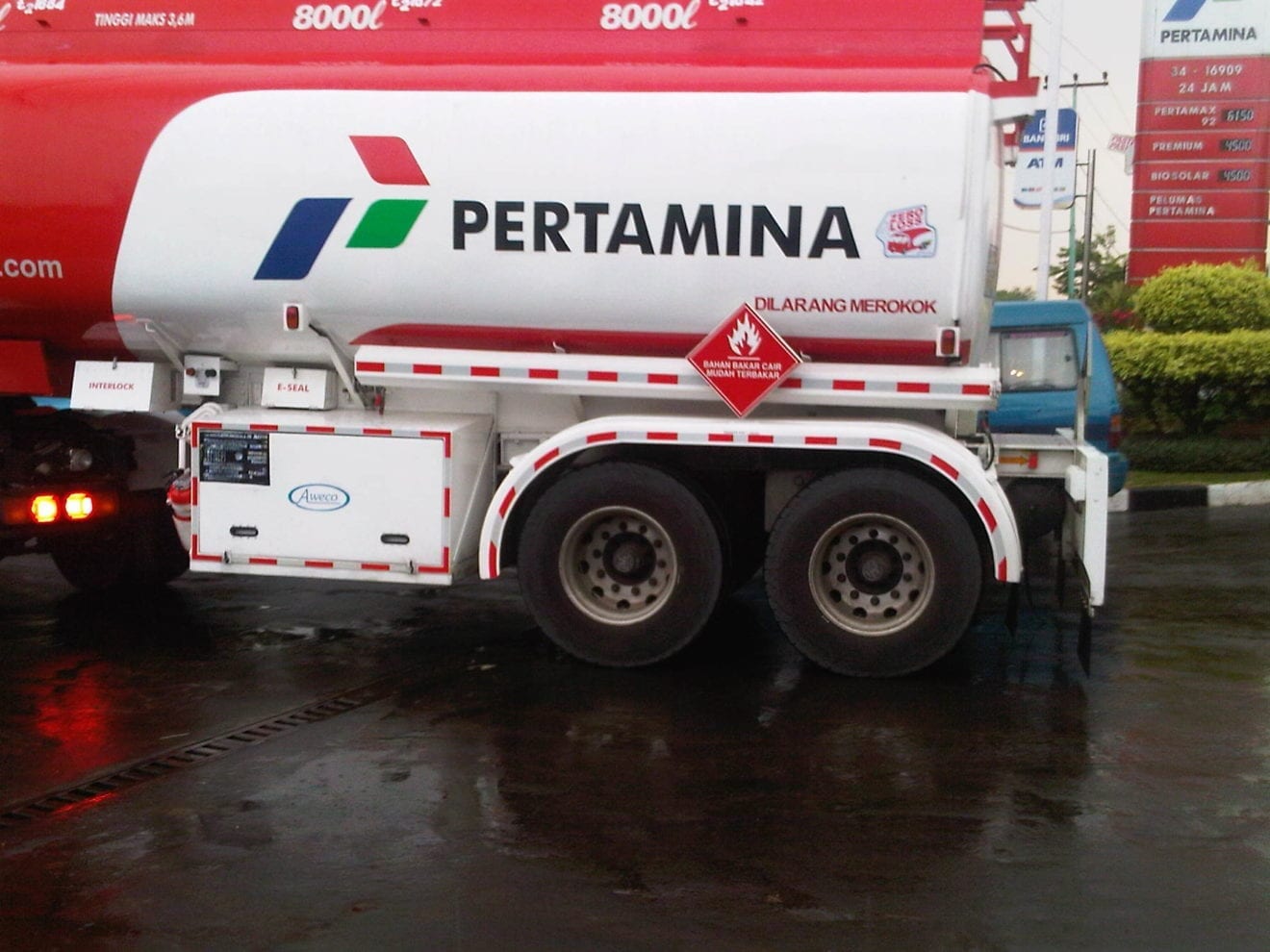
    Indonesia’s state-owned Pertamina will sign a memorandum of understanding with the National Iranian Oil Co. next month to develop oil and gas blocks in Iran.

    Under the initial agreement, Pertamina will be allowed access to data on four Iranian oil blocks, a senior company official said Friday.

    “There are two to four blocks that will be evaluated based on the initial study. Of the four, there are two blocks that will be our priority,” Syamsu Alam, Pertamina’s upstream director, said.

    Pertamina expects to get an additional production of 30,000 b/d from each block if it is allowed to acquire the blocks, Alam said.

    Indonesia and Iran have recently intensified efforts to cooperate. Pertamina and NIOC recently signed a heads of agreement for the latter to supply refrigerated LPG to the former. Pertamina is also planning to import a 1-million-barrel cargo of Iran Light crude oil in the third quarter of this year to test the grade at its 348,000 b/d Cilacap refinery in Central Java

    Pertamina has allocated a capital expenditure of $5.31 billion this year, of which 72% is for upstream business. The company plans to spend $2 billion on upstream mergers and acquisitions this year.

    The state-owned company’s overseas blocks produced 83,000 b/d in May 2016 compared with 75,000 b/d in May last year. The increase mainly came from the company’s 10% stake in the West Qurna block in Iraq.

    Pertamina has three producing oil and gas blocks located in Malaysia, Algeria and Iraq.

    The company produced 306,250 b/d of crude in Q1 2016, up 14.5% year on year. Gas production rose by 22.2% year on year in Q1 this year to 1.98 Bcf/day, Alam said. The company is targeting production of 327,000 b/d of crude and condensate and 1.926 Bcf/d of gas in 2016. The figure is equal to 659,000 b/d of oil equivalent, up 10% year on year.

    With limited options domestically, the company is looking at growing its production via acquisition of overseas blocks. It is in advanced talks with Russia’s Rosneft to take a stake of about 10%-15% in two oil gas blocks in Russia. The company is aiming to get 35,000 b/d of production and 200 million barrels of reserves from those blocks.

  • Shopping malls in Jakarta to remain open on Eid

    Shopping malls in Jakarta to remain open on Eid

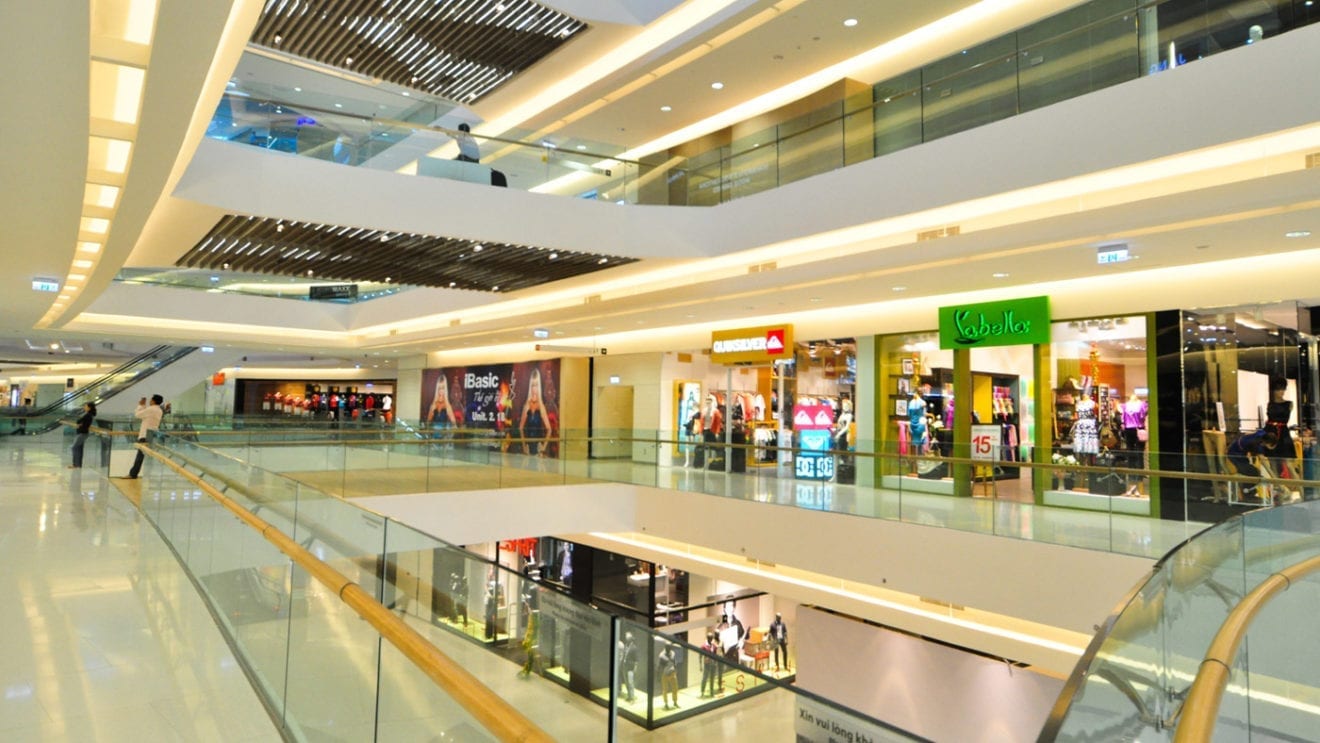
    A number of shopping malls in Jakarta will remain open on the Eid al-Fitr holiday or Lebaran on Wednesday to serve visitors.

    The malls that will open that day include Atrium and Lotus. “We will open late,” an employee of the Lotus shopping mall, Doni, said here on Tuesday.

    He informed that ahead of Lebaran, the shopping center closed 30 minutes later than the usual time of 22.00 hours.

    “Since June 27, we have been closing at 2230 hours, and opening at 0900 hours,” he added.

    Doni disclosed that for the past three days, just ahead of Lebaran, his shopping center has been closing at 2300 hours.

    “On Lebaran day, we will open at 13.00 hours,” he noted.

    The Atrium Mall in Pasar Senen, Central Jakarta, will also remain open on Lebaran.

    A shop attendant at the mall, Agus, rued that he could not return to his home town in Solo, Central Java, because he had to work.

    Several shops in the shopping centers in Jakarta will remain closed during Lebaran, including those at Mal ITC Cempaka Mas.

  • Singapore Tourism Board Launches Travel Privileges Exclusive for Thai Visa Cardholders

    Singapore Tourism Board Launches Travel Privileges Exclusive for Thai Visa Cardholders

    Thai travelers to Singapore will benefit from exclusive offers, courtesy of Visa and the Singapore Tourism Board, throughout 2016. With a variety of attractions, Singapore offers something for every family member. This campaign, a collaboration between Visa and the Singapore Tourism Board (STB),  includes exclusive offers from airlines, hotels, and attractions, aiming to augment the unique experiences for Thai visitors in the vibrant island city. 

    Participating partners include Singapore Airlines, Scoot, Resorts World Sentosa (RWS), Sentosa Leisure Management, Gardens by the Bay, Asiatravel.com, ION Orchard, Mount Faber Leisure Group, Wildlife Reserves Singapore and many more.

    “For Thais, Singapore is a destination that is easy to plan and travel, offering a mixture of cultures, and great experiences for leisure and business travelers alike. Hence, Thailand is one of our key markets. Over half a million Thais visited Singapore last year spending an average of THB 30,000 per trip. They stayed for around 4 days each time,” said, Edward Koh, Executive Director, Southeast Asia, Singapore Tourism Board.

    The island country is full of events and festivals year round, as well as packed with concerts and exciting entertainment options. Families can enjoy world-renown attractions such as Singapore Zoo, River Safari, Universal Studios Singapore and S.E.A Aquarium. It is also regarded as a shopper’s paradise with options aplenty for all budgets. 

    “Singapore has so many fun activities for both business and leisure travelers – people of all ages and backgrounds. Even though you might be frequent travelers to Singapore, there will always be some new activities and experiences that are worth exploring. Under the partnership, VISA and Singapore Tourism Board want Thais to have memorable treasured moments in Singapore,” said  Ms. Sherleen Seah, Area Director, Thailand & Myanmar, Singapore Tourism Board. 

    “As the preferred card for Thai travelers Visa is delighted to work with Singapore Tourism Board and our merchant partners in the city-state to offer special privileges and discounts exclusively to Visa cardholders. Singapore is a family-friendly destination. Our offers add crucial values for everyone on all touchpoints during travel from purchasing air tickets to booking accommodation and all the way to shopping and dining,” said Suripong Tantiyanon, Visa Country Manager, Thailand. 

    Key highlight for the promotion is the lucky draw. Thai visitors to Singapore who spend more than THB 30,000 during a calendar month between July and September will have the chance to win a premium travel package worth THB 250,000 for that month. A total of 3 premium travel packages will be given away. Key events in Singapore during this time include the Great Singapore Sale between June 3 and August 14, the Singapore Night Festival on the last two weekends in August, and the Singapore Formula 1 Grand Prix on September 16 – 18.

  • Hong Kong retail sales fall further

    Hong Kong retail sales fall further

    The latest Hong Kong retail sales data shows the rate of decline is continuing to slow this year.

    In May, according to information from the Census and Statistics Department released on the eve of Friday’s holiday, there was a year-on-year decline of 8.4 per cent to a provisionally estimated $35.7 billion. While that is a full percentage point higher than April’s decline, it is lower than the 10.8 per cent decline recorded for the first five months of the year, and the 11.4 per cent for the first four months.

    Based on the seasonally adjusted data, the value of total retail sales increased by 1.1 per cent in the three months ending May 2016 compared to the preceding quarter, while the volume of total retail sales increased by 0.3 per cent.

    Once again, falling jewellery and luxury goods sales brought the overall figures down, plunging nearly 20 per cent in May.

    A government spokesman said retail sales stayed weak in May, with many types of retail outlet still registering year-on-year declines in sales. “This was due partly to the drag from the slowdown in inbound tourism and partly to the more cautious local consumer sentiment amid the subpar economic conditions.”

    He said the near-term outlook for retail sales is still subject to a large degree of uncertainty, depending on the performance of inbound tourism as well as the extent to which local consumption sentiment will be affected by the increased external headwinds and heightened financial market volatility.”

    After netting out the effect of price changes over the same period, the volume of total retail sales in May 2016 decreased by 9 per cent compared with a year earlier. The revised estimate of the volume of total retail sales in April 2016 decreased by 7.7 per cent year-on-year and for the first five months of the year by 10.2 per cent.

    By broad retail category – in descending order of value – sales of jewellery, watches and clocks, and valuable gifts decreased by 18.7 per cent. This was followed by sales of commodities in department stores (down 5.9 per cent); apparel (down 5.7 per cent); electrical goods and photographic equipment (down 25.2 per cent); miscellaneous consumer durable goods (down 34.6 per cent); footwear and accessories (down 6.3 per cent); books, newspapers, stationery and gifts (down 6 per cent); furniture and fixtures (down 6 per cent); Chinese drugs and herbs (down 7.2 per cent); and optical shops (down 8.8 per cent).

    Sales of commodities in supermarkets increased by 1.5 per cent, medicines and cosmetics by 0.3 per cent; and food, alcoholic drinks and tobacco by 3.1 per cent.

  • Hong Kong’s choice between mainland and despair

    Hong Kong’s choice between mainland and despair

    Hong Kong faces great economic uncertainty and unprecedented market volatility, and given the Brexit chills, analysts expect a contraction. In fact, John Tsang Chun-wah, the Hong Kong Special Administration Region’s financial secretary, has warned that the city’s economy faces its “worst time in 20 years”. Growth has more than halved to about 2.5 percent over the past five years.

    The writing has been on the wall for Hong Kong since the outbreak of the global financial crisis, yet critical decisions have been delayed. The SAR’s old growth drivers are still necessary but not enough to propel growth, because the West can no longer absorb Asian imports, and the Chinese mainland’s economic growth has slowed down.

    Last spring, concerns about Hong Kong’s economy led some rating agencies to downgrade their outlook to negative, after doing the same for the mainland. But while the mainland can still rely on catch-up growth, Hong Kong’s aging economy has to adjust to stagnating growth and income polarization.

    In the past, Hong Kong’s property developers reduced risks by relying on prudent financial policies, funding flexibility and recurring income streams. Today, those positives have been offset by rising supply, slower growth, and the United States Federal Reserve’s future rate hikes.

    True, retail sales can still contribute to Hong Kong’s growth, but they cannot do so without mainland residents’ critical role as consumption engines. Also, the SAR’s thriving tourism sector is not viable without mainland residents, who comprise by far the largest group of tourists to Hong Kong. Actually, without the mainland, Hong Kong would be left with only half its trade and a quarter of its foreign investment.

    Hong Kong is highly vulnerable to Brexit spillovers, too. Outside the European Union, it has perhaps the largest trade, investment and financial linkages with the United Kingdom. And because the value of Hong Kong dollar is rising on the back of the US dollar as investors seek safe havens, Hong Kong faces even greater headwinds than Singapore.

    Last year, Hong Kong’s exports to the UK and the rest of the EU comprised 14 percent of the total, relatively the highest in Asia and thus exposed to Brexit and EU risks. In contrast, the mainland’s Belt and Road Initiative will allow Hong Kong to continue to benefit from trade and investment.

    In the past, Hong Kong was the mainland’s financial gateway to the world. But that role has been gradually taken over by Shanghai and other mainland cities, which makes Hong Kong’s attractiveness as a financial hub non-viable without regional economic integration.

    In the coming years, the current trends will become more prominent. During Hong Kong’s reunification with the motherland in 1997, the US economy was almost 10 times bigger than China’s. Europe was still integrating into a regional block. And Hong Kong’s living standards were 11 times higher than those on the mainland.

    Today-almost two decades later-the US economy is only about 40 percent larger than that of China. Europe faces fragmentation threats. Hong Kong’s living standards are on average about 3.7 times higher than those on the mainland, but almost at par in certain districts of Shenzhen in Guangdong province.

    Moreover, income polarization in Hong Kong has soared to alarming levels, according to the Gini coefficient, which some say is worse than those in Brazil or Zimbabwe in international comparisons.

    Worried over the gloomy prospects, Hong Kong tycoon Li Ka-shing recently suggested raising profit tax to boost public spending and narrow the wealth gap. In the absence of hope, the political despair even among a few may undermine the living standards of many in the future.

    But Hong Kong has a choice. By participating in the mainland’s economic growth it can alleviate transitional pains and move to greater equity. To thrive, small and open economies need growth, integration-and hope.