Category: General

Retail News Asia is committed to providing both local and global retailers with the latest General Retail news throughout the Asian market. This on a daily base.

  • Thailand retail growth trails other destinations

    Thailand retail growth trails other destinations

    While Thailand retail industry growth is up slightly and there have been more international tourists, more Thais are shopping abroad, and tourists are spending more in other regional destinations.

    Thailand’s first-quarter growth in the retail industry was 2.6 per cent – failing to hit the Thai Retailers Association (TRA) projection of 3 per cent.

    President Jariya Chirathivat says same-store sales growth for several retail formats declined year-on-year, particularly hypermarkets and convenience stores.

    “This is the first time in two decades that Thailand’s retail industry has [shown] declining rates for several years,” says Jariya. Growth has fallen from 12 per cent in 2012 to 2.8 per cent last year.

    She says retail consumption has weakened because of declining farm product prices hitting the purchasing power of middle- and low-income consumers.

    While there were 12 per cent more foreign tourists in Thailand last year (29.5 million), there was no effect on the sales of semi-durable goods such as clothes, make-up, leather products, shoes and watches.

    Tourists in Singapore and Hong Kong on average spent 1900 baht (US$54) and 5300 baht ($150)respectively per head per day, while the figure for Thailand was 1155 baht ($33).

    Tourism Authority of Thailand figures show that the number of Thais shopping abroad grows by 9 per cent a year. Thais spent 170 billion baht on shopping overseas last year, with brand-name products accounting for 50.8 billion baht.

    “We’re concerned the retail industry might not be able to maintain investment levels in the long run if consumer spending continues to decline,” says Jariya.

  • International supermarket chains might soon start operating in the Philippines

    International supermarket chains might soon start operating in the Philippines

    With the Philippine economy expected to continue along its growth path, it might not take long before international supermarket chains start operating in the country.

    This developed as the British Chamber of Commerce of the Philippines (BCCP) said it will continue to push for a bigger market share for its food and beverage products here in the country.

    Philippine Amalgamated Supermarket Association President Steven Cua said the current influx of imported brands in groceries and supermarkets might be the way of testing the market.

    “The international chains are hot on our market.  We have a good economy, and investor confidence is here.  Instead of stores, there are goods now.  They are also joining trade shows,” Cua said.

    However, Cua said what is preventing these chains from starting operations in the country are the low margins on sales.

    “Our margins are too low.  We are the lowest in the world, at 2 percent to 12 percent,” Cua said, while pointing at the Department of Trade and Industry’s suggested retail price as the main factor.  He said that within Asia alone, the sales margins are between 13 percent and 25 percent.

    Cua also cited rent, salary, electricity and taxes as the other factors that might prevent international supermarkets from setting operations in the country.

    Then he said there are the Big 5 in local-supermarket operations, including SM, Robinsons, Puregold, Super 8 and Metro Gaisano, which controls a big chunk of the market.

    “We have a free enterprise.  It is either the smaller ones sell or they open up beside them,” Cua said, while adding that the Big 5 are now using real-estate brokers in their expansion.

    He also said that recently Walmart pulled out its operations in Indonesia and South Korea.

    Meanwhile, BCCP Chairman Cris Nelson said British food and beverages are making inroads in the local market, while stopping short of saying if British supermarket chains will actually be entering the country.

    “Marks & Spencer [M&S] is here in the Philippines but like a lot of companies, it needed to establish itself first. Based on my experience in this market, you have to get yourself successfully introduce in key areas and to develop thereafter,” Nelson said.

    He added: “The Philippines is a very interesting market.  It is a challenging market with multiple points of sale.  It is a logistical challenge because of the multiple islands.”

    Aside from M&S, Nelson said Tesco, a British multinational grocery and general merchandise retailer, has some of its products now also available in Rustan’s.

    Another brand that is also being made available in Rustan’s is Waitrose and its pantry products.  However, like Tesco, it does not have physical stores yet in the country.

    However, he said international food and beverage brands trying to enter the local market would have to deal with distribution and manufacturing issues.

    “Distribution is a very critical factor in the Philippines. Let us not forget this is one of the most challenging aspects of doing business. As soon as you get the demand, you will also have to develop your supply line. You need to keep your points very close together,” he said.

    Nelson said more and more British companies are expected to enter the country and promising Filipinos will have the opportunity to enjoy their brands.
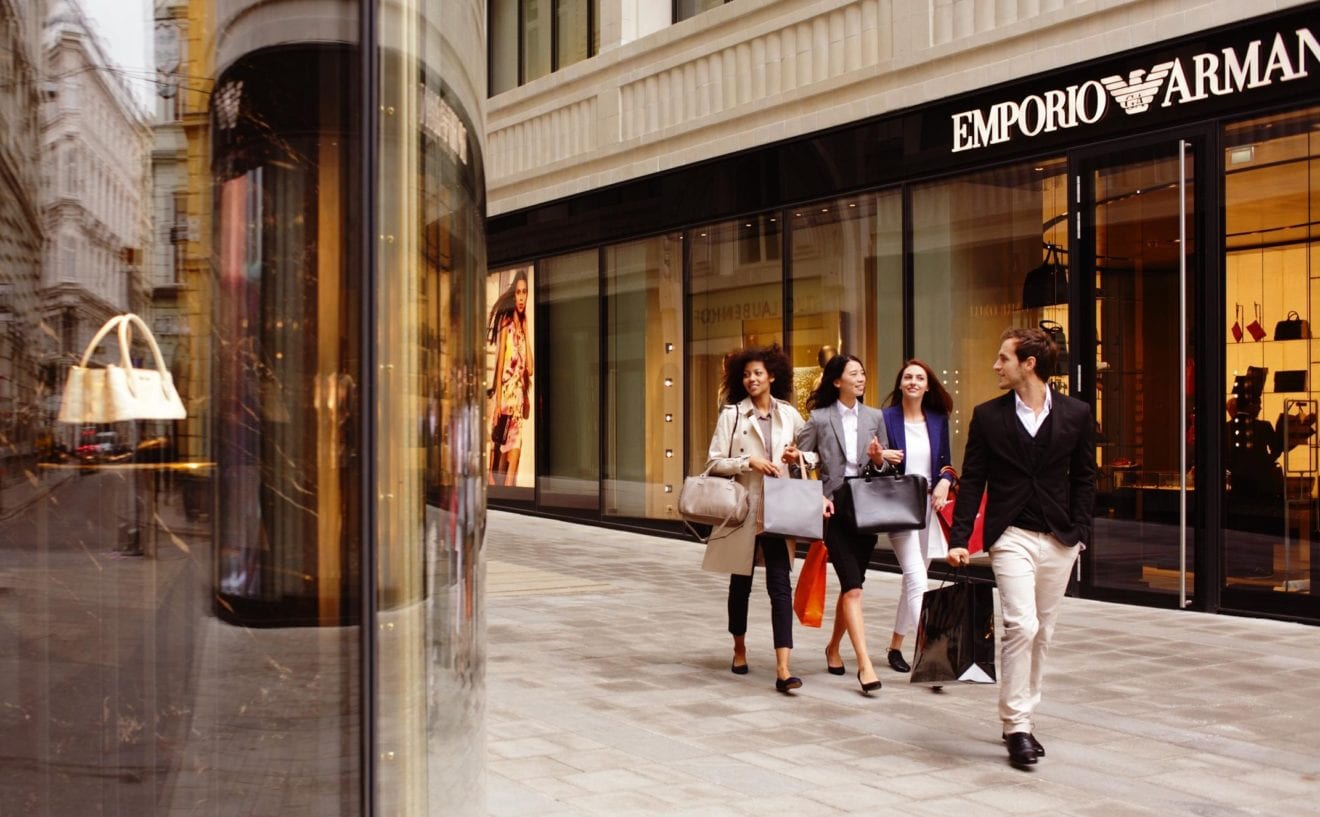

  • Further Slowdown for Hong Kong’s Economy in Q1

    Further Slowdown for Hong Kong’s Economy in Q1

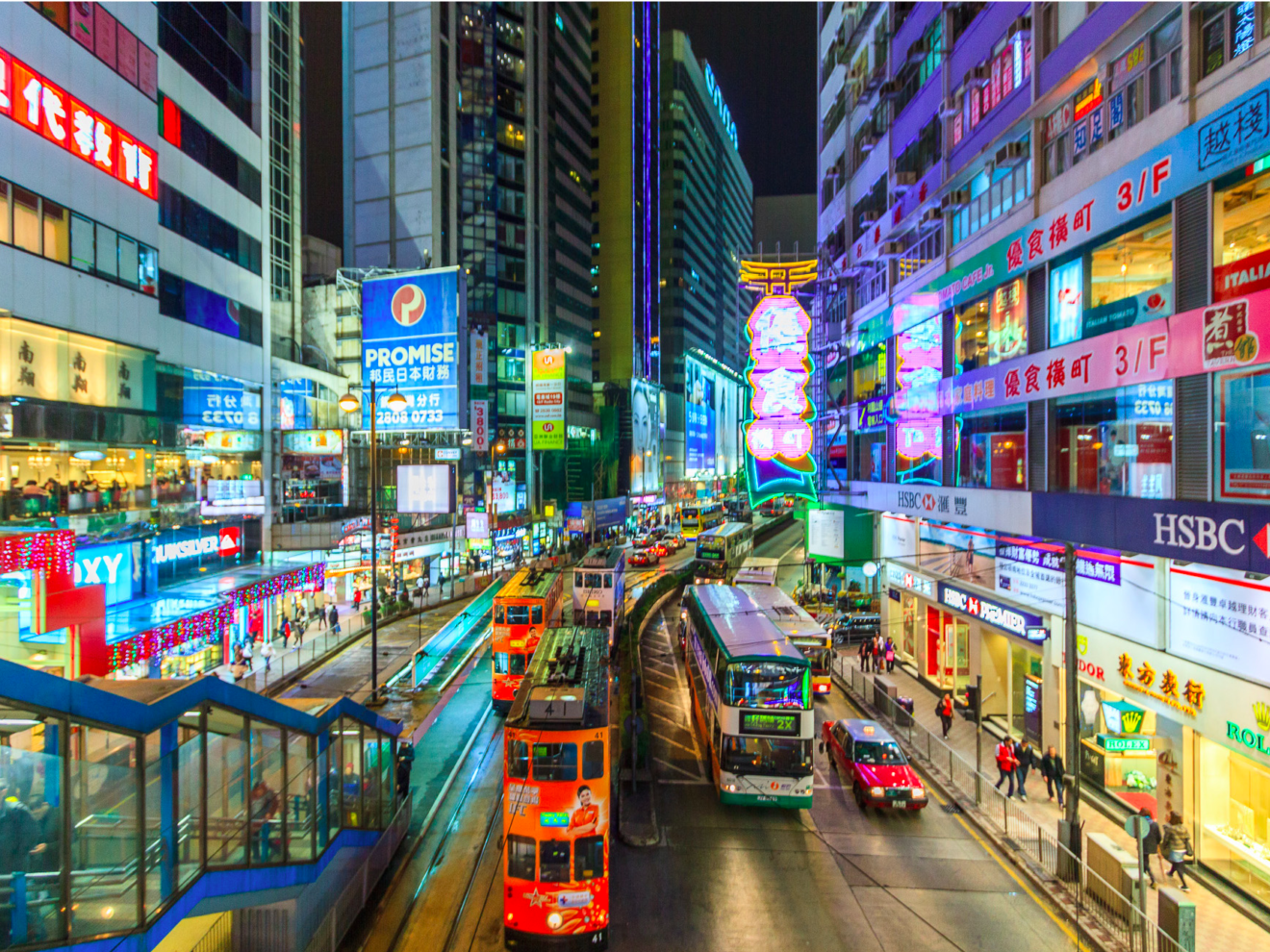
    New figures released by Hong Kong’s government suggest the city’s economy has seen a further slowdown through the first quarter. New stats show Hong Kong’s GDP grew by 0.8-percent year-on-year through the first 3-months. This is a 4-year low in term of quarterly growth.

    Hong Kong’s exports dropped 3.6-percent through Q1. Unemployment in the city has jumped by one-percent to sit at 3.4-percent.

    Hong Kong Financial Secretary Tsang Chun-wah admits the outlook for Hong Kong’s economy this year doesn’t appear promising.

    “The global economy is full of risks in 2016. With such an external environment, Hong Kong’s economy will be facing a downward pressure. As we can tell from the latest data, our exports, tourism industry, retail sectors and many other sectors have all been affected.”

    Housing prices in Hong Kong are down some 12-percent after hitting a peak in September.

    A slowdown in exports, coupled with a slowdown in spending from mainland tourists, has been dragging down Hong Kong’s economic fortunes over the past year.

    The city’s retail sector has borne the brunt of the slowdown.

  • Metro Retail earnings jump 69% in Q1

    Metro Retail earnings jump 69% in Q1

    Metro Retail Stores Group Inc. of the Gaisano family saw its net income surge by more than two-thirds in the first three months of the year on strong consumer spending. Net earnings reached P52.8 million, up 69.2 percent from P31.2 million.

    Metro Retail posted a 9.7-percent jump in all-store sales driven by strong same-store sales growth of 7.4 percent.

    “Building on our robust growth last year, our strong start for 2016 demonstrates our continued commitment to deliver more value to our customers and shareholders,” Metro Retail chairman and CEO Frank Gaisano said.

    Gaisano said the company continues to expand both its store network and its logistics and supply chain facilities.

    The retailer recently opened a hypermarket in Calbayog City in Eastern Visayas, as well as two department stores in UP Town Center and Fairview Terraces in Quezon City to bring its store network to 49. Of its 49 stores, 24 are supermarkets, 13 are hypermarkets, and 12 are department stores.

    Metro Retail had previously acquired department store assets from SIAL Specialty Retailers Inc., a joint venture between Ayala Land Inc. (ALI) and Store Specialists Inc.  It is set to open another department store in Fairview Terraces Mall in Quezon City.

    The company has also entered into a partnership with ALI for the establishment of its stores in four new Ayala commercial developments in Bacolod, Iloilo, Cebu, and Pasig.

    “The dynamic Philippine retail industry continues to present a lot of opportunities for growth, and we are currently ahead of schedule in doubling our footprint by 2020 with 40 percent of this target already secured today,” Gaisano said.

    Metro Retail stores are currently present in key cities in Central, Western and Eastern Visayas, as well as in Central Luzon, Metro Manila, and South Luzon.

    According to Euromonitor, Metro Retail is the Visayas’ largest department store and hypermarket operator, and second-largest supermarket operator in 2014 in terms of retail sales value.

    The firm was also Cebu’s largest retailer across all its three store formats in terms of retail value in the same year.

  • Bangkok 18th most attractive retail city

    Bangkok 18th most attractive retail city

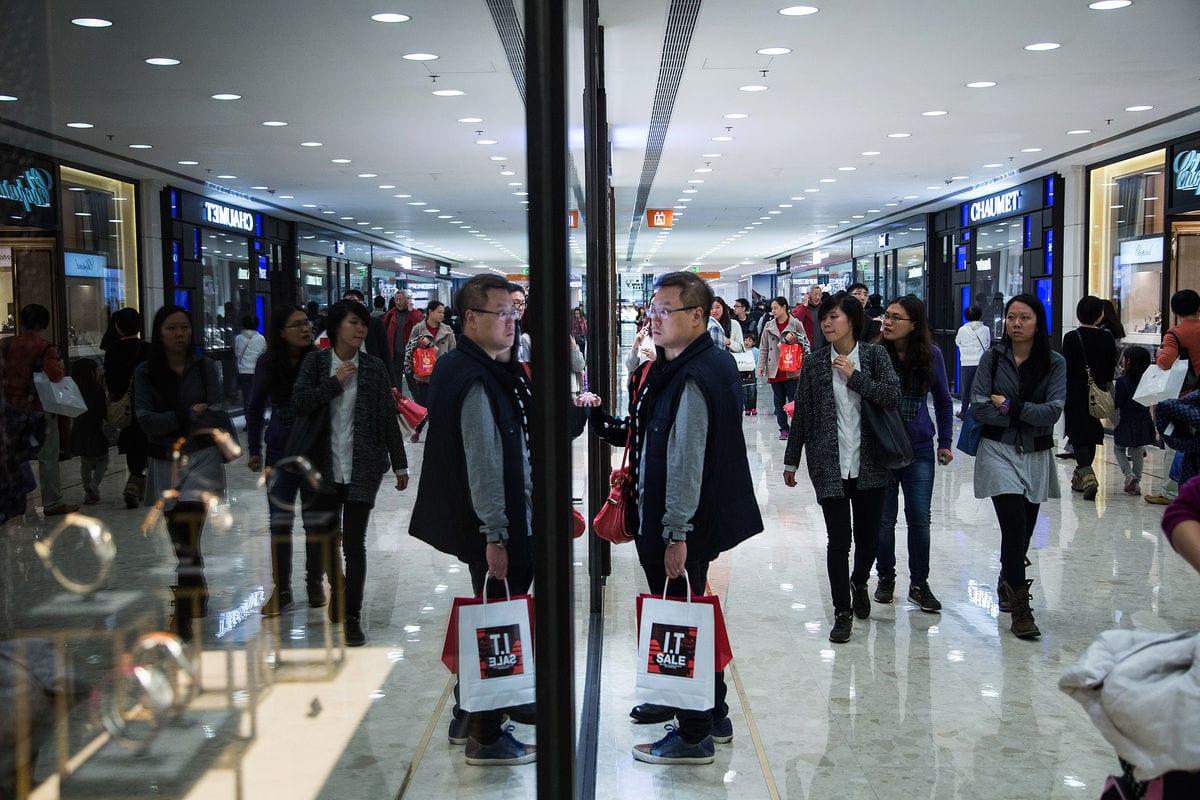
    Bangkok ranks 18th in terms of international retailer attractiveness, just ahead of Las Vegas, in a new report from real estate consultant JLL. “The Destination Retail 2016” report also revealed that Asia boasts five out of the 10 most appealing destinations for international retailers globally.

    According to JLL’s report, which for the first time provides a global ranking of 140 cities by their appeal to cross-border retailers, Hong Kong is second only to London in popularity. Also among the top 10 are Shanghai, Singapore, Beijing and Tokyo.

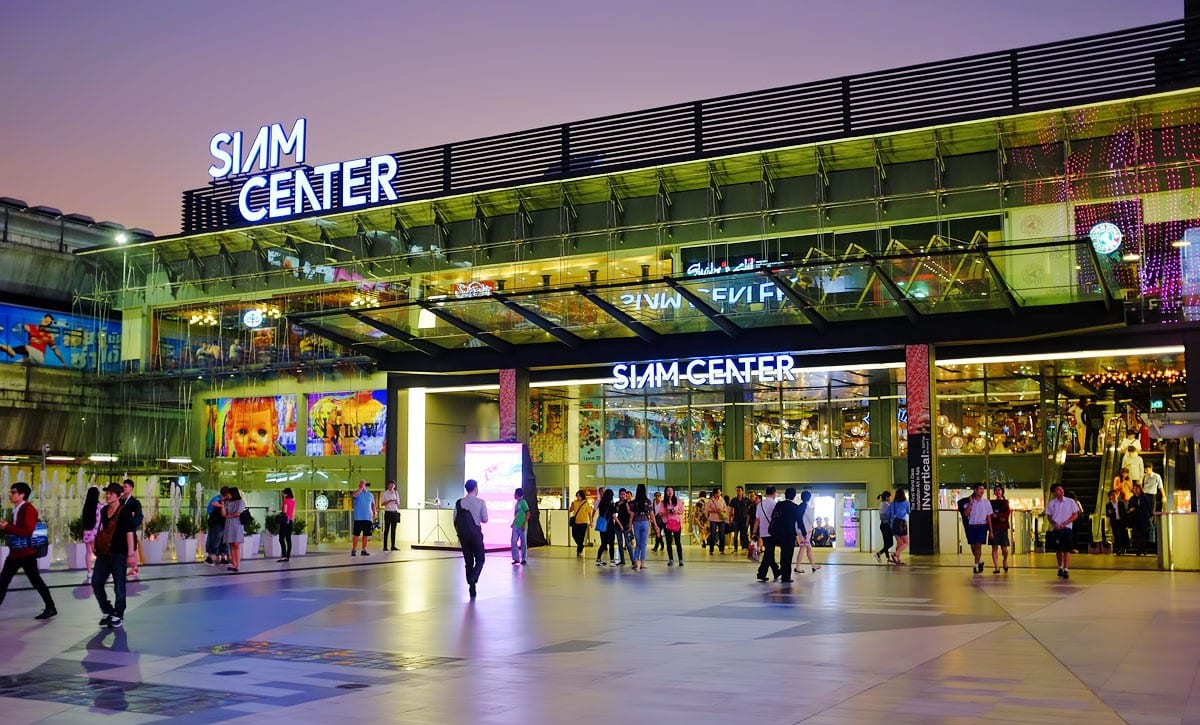
    Boosted by rising income levels and growing tourism numbers from across the world, Bangkok has attracted many international brands, such as H&M, Zara Home, Pull & Bear and Victoria’s Secret. Recently, retailers such as Dior Homme, Pierre Herme, A Bathing Ape and Tiffany & Co have started trading in the city. The Ratchaprasong area is Bangkok’s retail centre and attracts many locals as well as tourists, thanks to its central location and adjacent skytrain. It houses 11 shopping centres, including Siam Paragon, CentralWorld and Siam Square One.

    The recently completed EmQuartier, Central Westgate and CentralFestival EastVille, all outside the city centre, are providing new attractive opportunities to international retailers.

    Bangkok’s retail landscape continues to diversify, with renovations at Siam Discovery and several suburban CentralPlaza retail stores, the opening of HaHa Market and the continued success of Asiatique The Riverfront, a combined shopping centre and night bazaar.

    Cities in Asia-Pacific are the most appealing destinations for luxury retailers to set up shop. Seven Asia-Pacific cities are among the global top 10: Hong Kong, Tokyo, Shanghai, Singapore, Beijing, Osaka and Taipei.

    “Hong Kong remains Asia’s leading luxury shopping destination with many retailers using it as a springboard for expansion into China,” said James Assersohn, retail director for Asia-Pacific at JLL. “While there has been a noticeable slowdown in luxury sales due to China’s slowing economy and the government’s anti-corruption crackdown,Hong Kong continues to attract many high-spending Chinese tourists,” he said.

    More broadly, the dominance of Asian cities in the index highlights the attractiveness of the region to retailers, thanks to its burgeoning middle-class and growing levels of affluence, said Mr Assersohn.

    Tokyo, which takes fourth place globally, has seen a revival in luxury retailer’s demand for high quality real estate as a result of an improving economic climate and rising tourism numbers. The yen, which has devalued by nearly 30% since 2012, has made Japan a magnet for retail tourism across the region. International visitors to Japan rose 47% in 2015 with the largest contingent from China. A weaker yen is also encouraging Japanese to make the most of their luxury purchasing power at home.

    Shanghai, meanwhile, at number six in the ranking, is catching up fast on Hong Kong to become one of Asia’s leading luxury retail destinations and remains China’s premier shopping destination.

    “Thanks to a diverse economy and wealthy consumer base, Shanghai has become a favourite place for international brands to test the Chinese market and gain brand exposure,” said Mr Assersohn.

    (Original article from BangkokPost)

  • South Korea’s jobless rate falls to 3.9 pct in April

    South Korea’s jobless rate falls to 3.9 pct in April

    South Korea’s jobless rate fell in April as more people were hired in the accommodation and retail sectors, but the unemployment rate for young people still remained high, a government report showed Wednesday.

    The unemployment rate sank to 3.9 percent in April, from 4.3 percent in March. The seasonally adjusted jobless rate also dropped to 3.7 percent from 3.8 percent over the cited period.

    But job creation decreased from the previous month. The number of employed people stood at 26.2 million last month, up 252,000 from a year earlier. It is lower than the previous month’s 300,000 gain.

    The unemployment rate for young people, aged between 15 and 29, reached 10.9 percent last month, slightly down from 11.8 percent in March. It marked the highest number for the month of April.

  • South Korea April dept store sales seen surging, discount store sales bounce

    South Korea April dept store sales seen surging, discount store sales bounce

    South Korea’s top department stores scored a second month of sales growth in April, preliminary government data showed on Tuesday, backing recent surveys showing consumers are feeling better about the economy.

    Combined sales at department stores run by Hyundai Department Store, Lotte Shopping and Shinsegae Co were seen up 8.0 percent on-year in April, according to data from the finance ministry.

    That would be much stronger growth than a 0.3 percent rise in March and mark the fastest gain since January this year.

    The data also showed sales at discount stores last month likely rebounded to be up 0.2 percent in annual terms from a 4.6 percent drop in March.

    Domestic consumption is showing broad improvement supported by consumer spending although exports continue to fall, the finance ministry said in the statement. It also added the pace of recovery in the private sector was still weak, noting that offshore risks persist as global growth remains sluggish.

    The trade ministry will release finalised figures later this month.

  • Hong Kong retail sales ‘worst in history’

    Hong Kong retail sales ‘worst in history’

    A MasterCard spending survey released ahead of the official government data this afternoon shows March Hong Kong retail sales declined at the worst rate in the history of the survey.

    “Overall retail sales in Hong Kong contracted by 18.5 per cent year-on-year, reflecting the deepest decline since 2014,” according to the latest MasterCard SpendingPulse Hong Kong Report.

    Clothing and jewellery sales in March dropped by more than total retail sales, while only grocery outperformed overall retail sales. The March results brought the year-on-year Q1 retail sales decline to 11.7 per cent from the same period in 2015.

    Sarah Quinlan, senior VP of market insights for MasterCard Advisors, said the sharp decline was a result of the contraction in spending from Mainland Chinese tourists and in discretionary spending by domestic Hong Kong consumers.

    “The early Easter holiday did nothing to stimulate spending as consumer confidence remains subdued.

    “Overall our outlook for Hong Kong retail sales remains weak as the slowdown in spending from Mainland China continues to negatively impact the Hong Kong retail economy,” said Quinlan.

    Analysing local retail performance and spending, the macroeconomic report uses aggregated and anonymous transaction data, along with all other payment forms including cash, to offer insight into consumer spending trends, providing an early overview of market indices to help retailers, investors, card issuers, banks and government agencies in their decision-making processes.

    Launched by MasterCard Advisors, a unit of MasterCard, the SpendingPulse report is available to subscribers the third week of every month and shares quality insights on consumer spending. The monthly report also includes an overall retail sales and price index, so that subscribers can understand whether spending growth is truly being driven by increased shopping or by inflation or increased promotions.

    SpendingPulse is currently available to subscribers in Australia, Brazil, Canada, Hong Kong, Japan, the UK and the US, and is delivered ahead of retail spending figures provided by other sources. It is one of the most quoted reports on macroeconomic trends in the US and is often used as a source of reference by major international news outlets.

    In preparing the report, MasterCard analyses the transactions processed by the MasterCard Hong Kong payments network and uses statistical models which take into account the trends of other payment methods (cash) to produce accurate and efficient reports.

  • Indonesian taxi firm Blue Bird joins hands with ride-hailing app Go-Jek

    Indonesian taxi firm Blue Bird joins hands with ride-hailing app Go-Jek

    Indonesia’s largest taxi operator Blue Bird Group said on Monday (May 9) that it plans to form a partnership with the country’s biggest online ride hailing app Go-Jek.

    The collaboration is expected to cover the areas of technology, payments and promotions.

    In a joint statement, the two firms said the partnership would increase the quality of their customer service and that the initiatives would focus on enhancing the transportation experience through a convenient mobile solution. The partnership would “accelerate Indonesia’s digital revolution and empower consumers”, they said.

    Mr Yoga Adiwinarto, country director of the Institute for Transportation and Development Policy (ITDP), said Blue Bird needs to have more reliable apps and will probably ask Go-Jek to develop them.

    He added: “Go-Jek will probably handle the Blue Bird apps, perhaps even put Blue Bird on the Go-Jek platform. More reliable apps will help taxi passengers, an improvement from the poor Blue Bird apps right now.”

    The two companies said they would announce further details about the collaboration soon.

    Monday’s announcement came after a protest in March, where thousands of Indonesian drivers from various taxi companies took to the streets of Jakarta speak up against the ride-hailing app industry, which is often perceived as a threat to the traditional transportation industry.

  • Indonesia to promote national products at exhibition in Vietnam

    Indonesia to promote national products at exhibition in Vietnam

    The Indonesian Embassy in Hanoi, Vietnam, will promote national products through an exhibition to be held in Ho Chi Minh City from November 30 to December 3, 2016.

    The exhibition showcasing Indonesian products will help enhance bilateral trade between Indonesia and Vietnam, targeted to reach US$ 10 billion by 2018, according to information received from the Indonesian Consul General in Ho Chi Minh City. This was reported on the official website of the Ministry of Foreign Affairs on Tuesday.

    The Indonesian Ambassador to Vietnam, Ibnu Hadi, has held a meeting with representatives of Indonesian companies operating in Vietnam, especially those located in southern Vietnam.

    The meeting was attended by 14 Indonesian companies engaged in the business of aluminum extruders, travel agents, paints, snacks, pharmaceuticals, herbal supplements, paper, investment consultant, language courses, as well as animal feed.

    At the meeting, the ambassador said the Indonesian companies could participate in the exhibition without having to pay any money.

    According to him, the Indonesian Embassy in Hanoi will bear the cost of the exhibition, which will be organized by the Vietnam National Advertising Company and Trade Fair (Vinexad). Vinexad is a state-owned enterprise under the Ministry of Industry and Trade of Vietnam.

    The exhibition of Indonesian products will be a part of the 14th Vietnam International Trade Fair. Indonesia will have a pavilion featuring 76 booths.

    The Indonesian Pavilion will showcase superior products made in Indonesia and already accepted in the Vietnamese market. A number of new products will also be marketed soon.

    The Vietnam International Trade Fair is the largest trade fair in the southern part of Vietnam.

    In 2015, a total of 450 companies from 16 countries participated in the event, including the United States, China, Indonesia, Japan, Malaysia, Nepal, Singapore, Spain and Thailand.

  • Indonesia and Saudi Arabia set to double trade by 2020

    Indonesia and Saudi Arabia set to double trade by 2020

    Indonesia’s Trade Ministry received a business delegation from Saudi Arabia last week, as the two countries announced a plan to double their bilateral trade value by 2020, according to a report published by The Jakarta Post.

    The total trade between the two countries currently stands at a value of US$8.5 billion and is thought to leave plenty of room for expansion, according to the Indonesian Trade Ministry.

    “The figures are yet to reflect the potential of both countries,” said Arlinda Imbang Jaya, Trade Ministry Expert for Trade Services.

    Saudi Arabia is said to have expressed interest in cooperating with several Indonesian businesses in the fields of cosmetics, pharmaceutical products and medical equipment.

  • Garuda Indonesia Increases Flight Frequency in Banyuwangi

    Garuda Indonesia Increases Flight Frequency in Banyuwangi

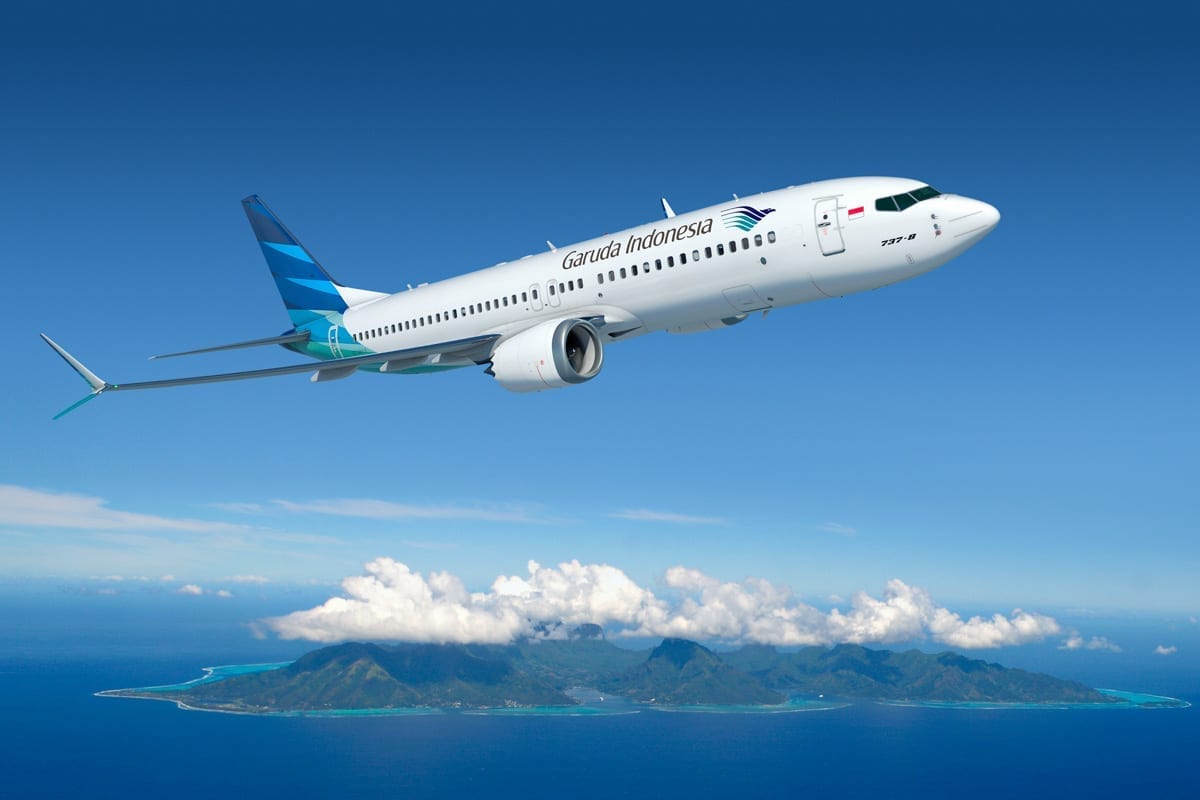
    Garuda Indonesia airlines will increase the flight frequency at Blimbingsari Airport, Banyuwangi to twice a day from May 16, 2016. The decision was made after the issuance of the permit to increase Garuda Indonesia flight services of Surabaya-Banyuwangi route and vice versa by Directorate General for Air Transport of the Transportation Ministry.

    At present, Garuda Indonesia flight schedule only serve one daily flight at Blimbingsari Airport namely Surabaya-Banyuwangi route at 11:35 a.m. – 12:35 p.m. and Banyuwangi-Surabaya at 1:05 p.m. – 2:00 p.m. After the issuance of the permit from Transport Ministry, Garuda will have an additional schedule of morning flight, namely Surabaya-Banyuwangi route at 6 a.m – 7 a.m. and Banyuwangi-Surabaya at 7:30 a.m. – 8:25 a.m.

    “We gladly welcome the additional flight schedule of Garuda morning [flight], making it two flights a day. It’s a solution to the high volume of airline passengers that often leads to complaints about the lack of seats, either to Banyuwangi or vice versa. I hope it could trigger a surge in tourist arrival,” said Banyuwangi Regent Abdullah Azwar Anas on Wednesday, May 4, 2016.

    In addition to new schedule of Surabaya-Banyuwangi route, Garuda Indonesia also plans to re-open Denpasar-Banyuwangi service. “I heard that the planned Denpasar-Banyuwangi service is ready, but we are still waiting for further confirmation about it,” Anas said.

    The number of passengers at Blimbingsari Airport continues to grow after it started operation. It has significantly increased up to 1,308 percent from only 7,826 passengers in 2011 to 110,234 passengers in 2015.

    Banyuwangi district administration has also arranged evening flights. It has prepared several infrastructures to achieve the target to start operation in 2016. “We hope that evening flights would offer a wider choice of flight schedules to Banyuwangi,” Anas said.

  • Tourists claim tour rates in Raja Ampat expensive

    Tourists claim tour rates in Raja Ampat expensive

    Some tourists have assessed that the tour rates offered in Raja Ampat, West Papua, were expensive, and it was feared to affect other travelers keen on visiting this tourist area.

    “Raja Ampat is much more beautiful than Bali, but the tour rates are also more expensive as compared to Bali,” Sami Ninggoroh, a tourist of Indian descent who visited Raja Ampat along with some Japanese tourists, stated on Tuesday.

    According to Ninggoroh, the rates of the Raja Ampat tour should be reconsidered as it is quite high, and the high prices will have a major impact on the number of visitors to the area.

    “We have ever been to Bali and found that the services offered there were better, and the travel rates were cheaper as compared to Raja Ampat,” he pointed out.

    Further, Ninggoroh opined that tourists visiting Bali will certainly want to revisit it, but ironically, visitors to Raja Ampat will think twice to return as it is quite expensive.

    He noted that besides being costly, there were other issues in Raja Ampat that should be addressed, especially with regard to the services, so every visitor will feel comfortable and will crave to come back.

    “The services offered by the people of Bali to the tourists are very good as they highly value the tourism sector. They serve the tourists as best as possible, and the same thing should also be applied in Raja Ampat,” he emphasized.

    Ninggoroh stated that Raja Ampat, as a marine tourism attraction, was already popular across the world, but the offered tourism packages should be made cheaper, so that tourists would yearn to revisit the region.

    “The local governments must lower the tour rates and improve the tourism supporting facilities, so Raja Ampat is thronged by as many visitors as Bali,” he added.

  • SM Retail sales boosted

    SM Retail sales boosted

    SM Retail sales grew across all operations – which consist of both SM Markets and The SM Store.

    Total sales grew 8 per cent to P48.8 billion (US$1.0 billion) in the first quarter, while net income rose 16 per cent  to P1.5 billion.

    SM’s food retail business continued to expand, adding five new stores. At the end of March, SM Retail had 314 stores comprising 53 The SM Stores, 45 SM Supermarkets, 44 SM Hypermarkets, 140 Savemore and 32 WalterMart stores.

    Two acquired Cherry Foodarama grocery stores are now fully operational inside SM Cherry malls in Shaw and Congressional Avenue.

    SM earlier announced the merger of SM Retail with a group of specialty retail stores such as Ace Hardware, SM Appliance Center, Homeworld, Our Home, Toy Kingdom, Watsons, Kultura, Baby Company and Sports Central. The combined entity will have over 1900 outlets and 2.4 million sqm of GFA.

    “We are pleased with SM’s strong underlying growth in the first quarter as consumer spending continued to be vibrant and sentiment about the Philippine economy remains strong. Our continuing efforts to improve efficiencies in all our businesses have also helped ensure solid earnings growth,” SM president Harley Sy said.

    SM Investments posted a 12 per cent growth in recurring net income in the first quarter of 2016. Consolidated net income (including non-recurring items) stood at P7.0 billion for January to March, up 3.6 per cent from P6.7 billion year-on-year. Consolidated revenues grew 7 per cent to P69.8 billion for the first quarter.

  • Bloomberg TV Indonesia pressed for severance payment

    Bloomberg TV Indonesia pressed for severance payment

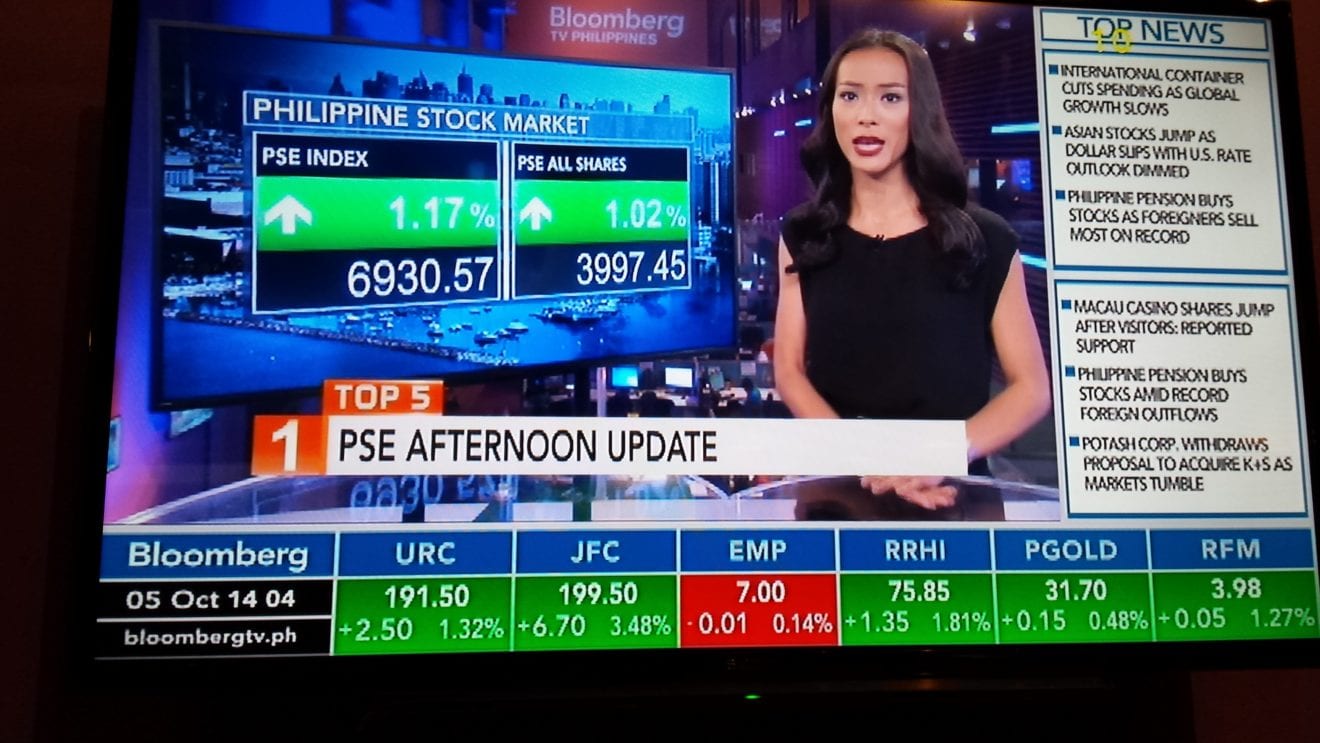
    The Legal Aid Center for the Press ( LBH Pers ) and the Manpower Ministry have called on the owner of now defunct station Bloomberg TV Indonesia Rosan Roeslani to pay compensation to its former workers in accordance with the company’s layoff agreement.

    LBH Pers executive director Nawawi Bahrudin said Rosan, who is also chairman of the Chamber of Commerce and Industry ( KADIN ), must comply with the legal agreement.

    “I strongly urge the employer to comply with its legal obligations,” Nawawi told  recently.

    Bloomberg TV Indonesia has failed to pay the compensation by the time stated in the payment agreement attached to the termination of employment letter issued on July 8, 2015.

    Manpower Ministry special staff Dita Indah Sari said as a leader of Indonesia’s industrialists, Rosan should be more sensitive in dealing with labor issues and attentive in treating employees properly.

    “The Manpower Ministry warns the shareholders not to neglect employees’ rights. Otherwise, our legal division will call and examine them,” Dita asserted.

    She added the ministry would continue to supervise the dispute process between the ex- employees of Bloomberg TV Indonesia and the employers until everything was settled, adding that the department’s legal division is ready to help if necessary.

    “I fully support the ex-workers’ struggle,” asserted Dita, a former labor activist who was jailed by President Soeharto’s government.

    The coordinator of ex-Bloomberg TV Indonesia workers Arif Budiman said the former employees had chosen LBH Pers as their representative to submit the lawsuit to the Industrial Relations Court ( PHI ) in the event of a deadlock in the mediation between ex-employees and employers.

    “We urge ex-CEO Adhitya Chandra Wardhana and the owner Rosan Roeslani to cooperate with us and meet the terms of the agreement,” Arif said.

    Bloomberg TV Indonesia owner Rosan Roeslani responded to the demands by saying that his party would settle everything related to the company’s obligation to the workers as soon as possible.

    Rosan established the economic and business focused Bloomberg TV Indonesia, which was operated under holding company PT Idea Karya Indonesia in 2013, and officially closed two years later due to financial concerns.