Category: General

Retail News Asia is committed to providing both local and global retailers with the latest General Retail news throughout the Asian market. This on a daily base.

  • Sales slide worst in 13 years for Hong Kong

    Sales slide worst in 13 years for Hong Kong

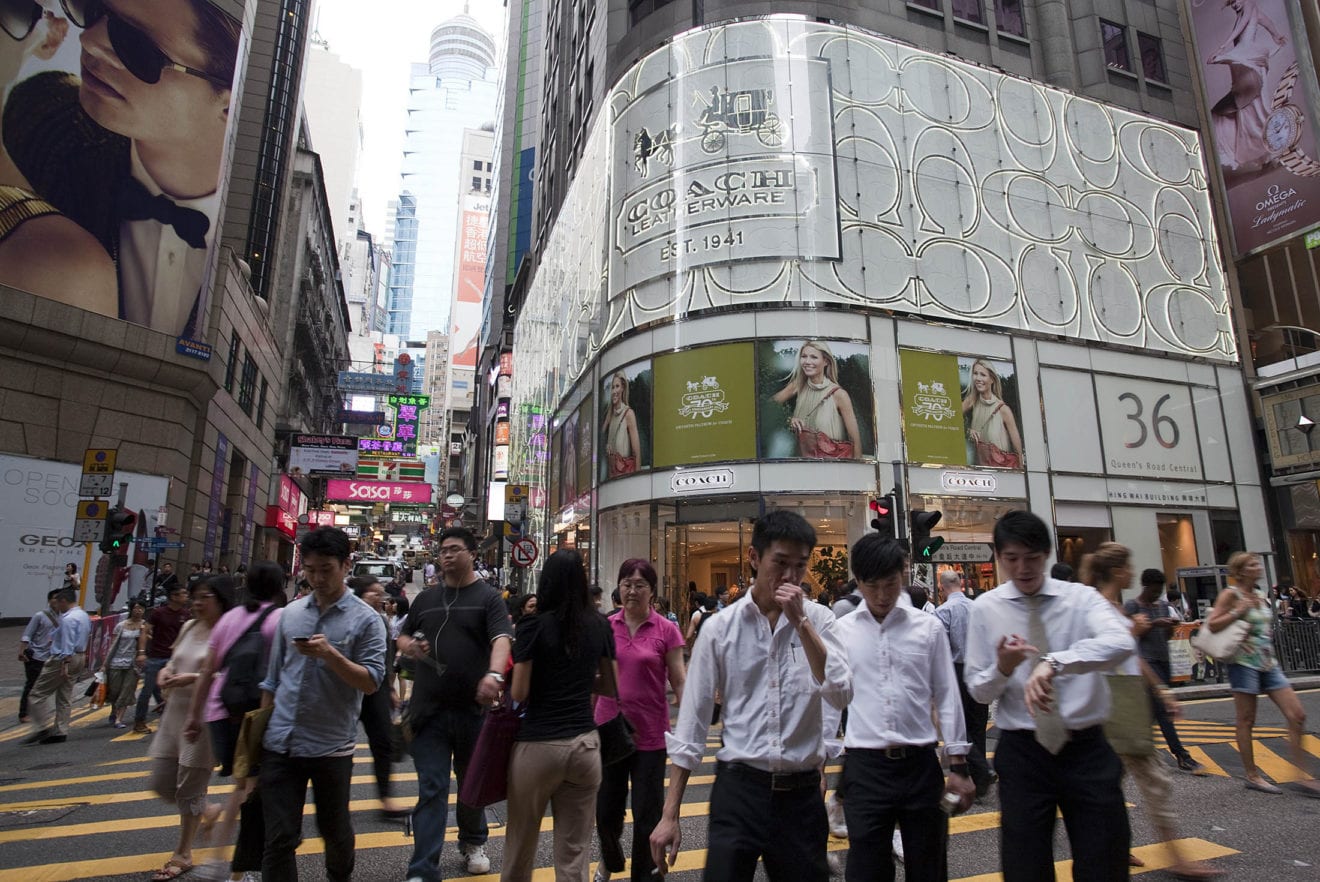
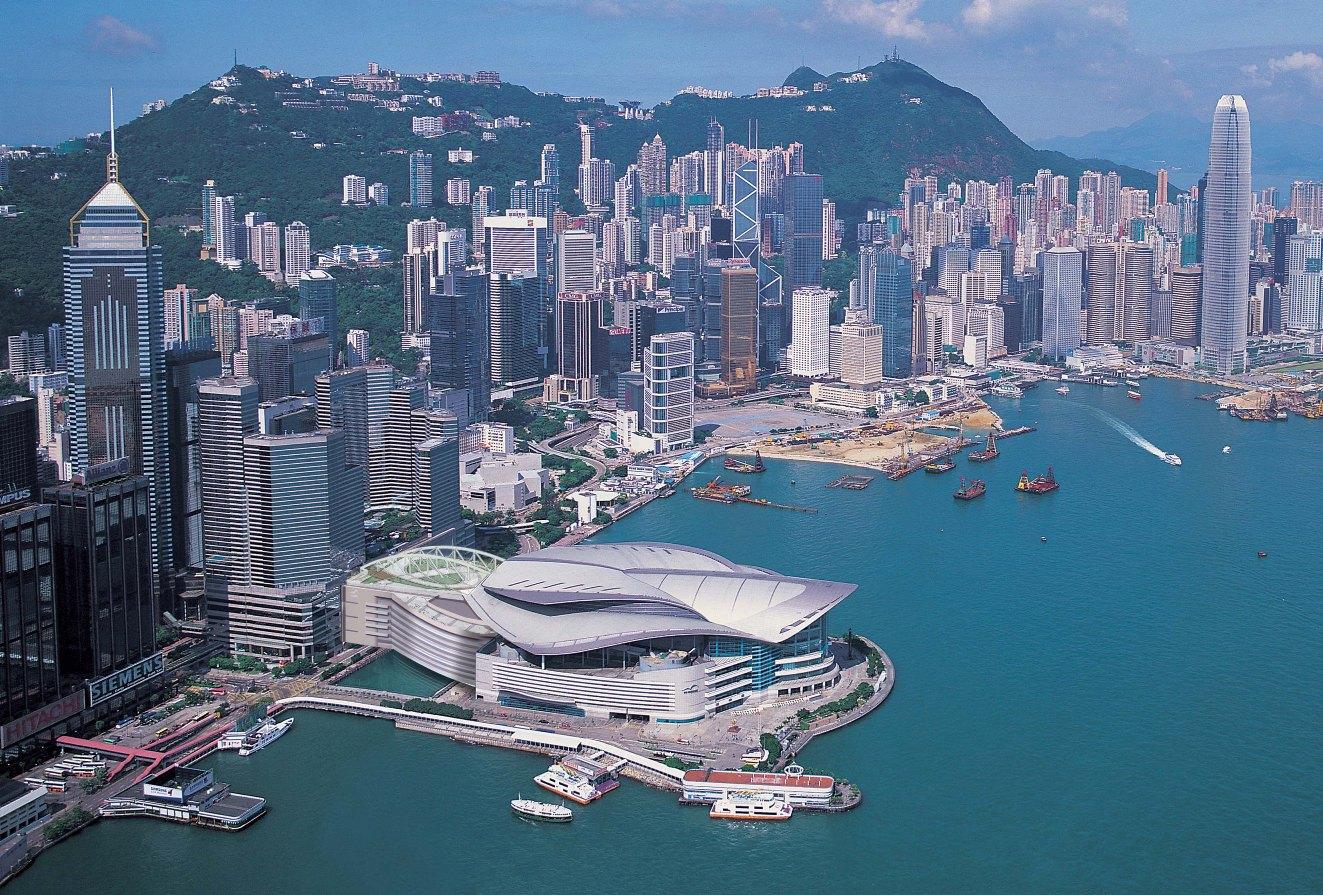
    Hong Kong retail sales fell 3.7 percent last year the worst in 13 years, including the 2.3 percent slide during the 2003 SARS epidemic with a gloomy outlook also forecast for this year.

    Retail sales fell to HK$475 billion, with volume slipping 0.3 percent, a second straight annual decline, the Census and Statistics Department said.

    In December, when the tourism board counted nearly 11 percent fewer visitors from a year earlier, total sales value fell 8.5 percent much worse than the 4.3 percent drop projected by analysts. The slump widened from 7.8 percent in November, and was the largest since January 2015.

    Sales of jewelry, watches, clocks and valuable gifts were among the hardest hit, slumping 17 percent in December and 16 percent for the full year. Clothing and department store sales also declined.

    Hong Kong Retail Management Association chairman Thomson Cheng said the situation, which fell back to the level seen in 2002, is “worrying.”

    Cheng expects a high single-digit slump in retail sales for the first quarter this year, and full-year retail sales to drop at least 3 percent.

    Erwan Rambourg, a retail analyst at HSBC in Hong Kong, said high-end watch and jewelry sellers suffered as mainland shoppers avoided lavish purchases, while falling currencies in other Asian nations reduced prices for goods bought elsewhere.

    Visitors from the mainland fell 16 percent in December from a year earlier, the tourism board said last week. Total visits to Hong Kong fell 2.5 percent last year to 59.3 million.

    ANZ noted visitor spending made up a large portion of more than 42 percent of retail sales in 2014.

    “Given the depreciation of the yuan and other currencies against the Hong Kong dollar, the tourism and retail sector will continue to face headwinds in 2016,” ANZ said.

    Retail sales were down on an annualized basis every month from March through December, according to Bloomberg data.

    Chow Tai Fook Jewellery Group (1929) said last month that sales during Lunar New Year would be challenging.

  • Trident launches first branded products in China

    Trident launches first branded products in China

    Vertically integrated US giant Trident Seafoods is launching its first retail branding and marketing initiative in China. Timed to coincide with the grand celebration of Chinese New Year beginning Feb. 8, the company will also introduce a Chinese version of its corporate website to communicate directly with Chinese consumers via the Chinese social media platform WeChat.

    The Seattle, Washington-based company, one of the largest in the US, is sponsoring promotions utilizing two Chinese e-commerce channels: YiGuo.com, which is one of the biggest online fresh food platforms in China, and YouPin Food.

    The partnership with YiGuo.com allows the company to offer wild Alaska king crab directly to the Chinese consumers in a retail channel.

    As part of the push, Trident will be supplying 1,000 whole, wild Alaska king crab, individually packed in dramatically decorated red and gold protective boxes.

    The company will also be offering wild Alaska sockeye salmon portions and wild Alaska smoked salmon to online consumers.

    A fleet of trucks, featuring an Alaska crab fisherman, a large king crab, and the Trident logo is currently delivering the special gifts through YiGuo.com in Shanghai.

    “What better time could there possibly be to introduce these truly amazing, ruby-red seafood items that we harvest from the pristine waters of Alaska,” said Joe Bundrant, Trident’s CEO. “We’ve been celebrating these products for decades ourselves, and we are very proud to be able to share them now with Chinese consumers who understand their great value and incredible ‘Wow!’ factor.”

    Trident’s partnership with YiGuo.com opens access to three additional online sales channels through YiGuo.com’s official website; they include YiGuo.com’s mobile app, Alibaba’s Tmall online Supermarket (Tmall Chaoshi) and YiGuo.com’s online flagship store at Tmall.com.

    Throughout 2016, Trident will introduce additional products from Alaska and elsewhere, assuring Chinese consumers of a steady supply of healthy, safe and delicious seafood products under the Trident brand.

  • Staying with Courts through thick and thin

    Staying with Courts through thick and thin

    When retail boss Terry O’Connor first joined Courts Singapore, he looked at its first managing director Christopher Wade and felt he could never emulate his record. Yet, he has done just that.

    Mr Wade is something of a legend around Courts. He was sent here to open its first store in 1974 and ran the show until he left in 1990.

    “The idea that this guy was with the company for 16 years; I thought, ‘Wow, that will never be me’,” said Mr O’Connor.

    But he, too, has clocked up an impressive stint at Courts Singapore, beginning in 1993 as a director of electrical buying at the age of 25 before moving up the ranks to his present position as Courts Asia’s group chief executive.

    Mr O’Connor, now 47, left school at 17 to work. His career as a buyer began a year later, laying the foundation for his retail experience.

    Later, he took the risk to move here from Liverpool and has been with Courts for most of his life, through thick and thin.

    That is why he is sticking by the firm, even as rising costs, weak market sentiment and challenges from e-commerce attack the bottom line.

    Group revenue has been slipping in recent years, coming in at $384.3 million in the six months to Sept 30 last year, down from the $409.7 million recorded in the same period in 2012. Courts Asia has a market capitalisation of about $175.8 million.

    Singapore sales contributed 63.3 per cent of the group’s sales for the six months, and dipped 2.6 per cent in the three months to Sept 30 last year, compared with the same period a year earlier, mainly due to lower sales across the categories.

    Group net profit in the six months to Sept 30 last year was $12 million, down from $22.6 million in the same period in 2012.

    The share price of the furniture and electronics retail giant has fallen by around 40 per cent since relisting in 2012.

    Despite the middling figures, Mr O’Connor believes in the firm. After all, worse things have happened.

    The litmus test came in 2004 when its British parent firm, known as a furniture retailer, was facing bankruptcy.

    As Courts Singapore’s managing director – a role he assumed in 2000, at the age of 32 – Mr O’Connor took charge of overhauling the Singapore operations with a team of 10 senior managers.

    It included rebranding Courts as a consumer electronics retailer instead of just a furniture seller, and privatising and restructuring the company as Courts Singapore.

    During that period, he stopped seeing himself as a mere manager and more of an entrepreneur who needed to save his baby. “With the events of 2004, you don’t think like a corporate employee any more. It’s more of an owner’s mindset.

    “Really, from that point onwards, I felt like a parent in many aspects, the person who’s responsible for the family, and started to think more like an entrepreneur.”

    He fondly recalls what a long-time employee of Courts Singapore told him on the day he gathered the staff to share news of the parent firm’s distress. “The longest-term employee, a lady by the name of Ms Stephanie Fong, said to me, ‘You’re our ‘father’ now.’ That’s a key point, as one of the things important to me was to be in front of my own management team and say, ‘Look, I’m not going anywhere.’ This is an opportunity, not a crisis.”

    Ms Fong, 59, who has been with Courts Singapore since 1975 and is now its senior manager of distribution, remembers those tough times like it was yesterday.

    “Back then, it was the saddest news I heard,” she told The Straits Times. “I went to my desk and started crying silently because I had so much passion working with Courts and the British directors, especially the Cohen family (owners of the Courts PLC business, then a majority shareholder of Courts Singapore).

    “The feeling was similar to the loss of our parents. I told Terry that he had to be the father of Courts Singapore, and all of us would need his leadership to bring Courts to greater heights. I believed in him and saw his potential.”

    Ms Fong said Mr O’Connor lived up to that monicker, unleashing his potential as he demonstrated “leadership with care and passion, and remained committed to the business from that day onwards”.

    She called him a man of his word, and that “his assurance to lead the business to success together with us came true”.

    Mr O’Connor made sure to tell his team that the Asian operations were different from Britain’s, that they were operating in a more modern manner and “this was our opportunity to create the kind of business that potentially wouldn’t have been allowed before”.

    That was how, bit by bit, he and his management nursed Courts back to health, eventually relisting the company as Courts Asia on the Singapore Exchange in October 2012.

    Mr O’Connor has an easy camaraderie with employees, who cheerfully call him by his given name, as he moves around the Tampines store.

    Mutual respect is important to the group chief executive, something he never forgets, even during store visits. “When you go to a store, first of all, it’s important to connect with the manager and give the manager ‘face’. It’s his or her business.”

    Mr O’Connor, a Singapore permanent resident who is married with a son and daughter, is no micro manager. If he spots a problem with the store, he will let the manager know and let them make the changes required to improve.

    “I don’t think there’s any point in going to the store, and tearing people apart or ripping into people. That’s not my style. But I might, if I go back and they haven’t fixed it. Mistakes are allowable, but not addressing the mistake isn’t.”

    Under his watch, Courts operates more than 80 stores – 15 here – across three markets, with more than 1.6 million sq ft of retail space.

    There are 62 stores in Malaysia, with two new outlets opening there by the end of March. Indonesia welcomed two new stores in January and should have nine by the first quarter of 2017, he said.

    “We recognise that the share price will move up and down, sometimes based on performance, sometimes based on market sentiment. I think the healthiest thing for us to do is to just focus on the business.”

    He added: “The upturn in South-east Asian markets always comes. We’re in this game for the long term and we’re used to going through cycles. In the interim, we’ll focus on strong cost and margin management, people development and planting seeds for the long-term growth of the company.”

    He let slip a little secret that would have changed the course of Courts forever, if it had panned out.

    “I did resign in 1996. I did three years (in Courts) and said I wanted to go back to Britain.

    “But I was persuaded by the then group chief executive to rescind my resignation. He said there were long-term plans for me and I’d be given a bigger commercial role. So I did and I decided to stay.”

    And that is how Mr O’Connor came to call both Courts and Singapore home.

  • Asian retail giants mull Big C bids

    Asian retail giants mull Big C bids

    At least three major Asian retailers are mulling bids for control of the Big C businesses in Thailand and Vietnam.

    But they all start as rank outsiders behind Thailand’s Central Group, which already has a 25 per cent share of the Thai Big C business.

    In a surprise move, France’s Casino group announced earlier this month it would sell its 58.6 per cent stake in the Thai hypermarket business in a bid to reduce debt. It had already put its struggling Vietnam business on the market in December.

    Reuters reports Hong Kong headquartered Dairy Farm International and Korea’s Lotte are in talks with their bankers about potential bids. Japan’s Aeon is also running the numbers.

    But as Reuters says, all three would need “punchy bids” to fight off frontrunner, Thailand’s Central Group.

    Casino Group will sell both businesses in an auction process – and has indicated it would prefer to sell the two operations to a single buyer.

    With a cornerstone stake in the Big C operation, Central would have to be frontrunner to secure Casino Group’s share. The company has already publicly declared its interest.

    “Whoever is going to buy this will have to pay a high price to get Central out or they will have to co-exist,” Reuters quoted an unnamed banking source “familiar with the matter”.

    The Thai stake is estimated to be worth about US$3.1 billion. The value of the Vietnam operation is less clear – bankers put it at between $800 million and $1 billion, although the business is not thought to be particularly profitable, despite recent media commentary to the contrary.

    Aeon, Lotte and Dairy Farm all declined to comment on the matter.

  • Siam Paragon innovative strategy to bait customer

    Siam Paragon innovative strategy to bait customer

    Discounts of up to 80 per cent and a chance to win prizes – including gold bullion – are key elements in a Chinese New Year campaign at Siam Paragon and Siam Center in Bangkok.

    Running from February 3 to March 13, the Siam Prosperous Chinese New Year 2016 campaign is offering 7.5 million baht ($200,000) in prizes for lucky shoppers. The aim of the event is to attract both locals and international tourists to the two malls, which feature fashion and lifestyle brands.

    A feature of the campaign is a free daily performance of The Magic of Seven Animals of the Gods by Hong Kong performance troupe Lok Chee Fu, at the Parc Paragon events space, where the celebrations will be officially launched on February 4.

    Marketing executive Chanisa Kwewruen of Siam Piwat, which runs the two centres, says the annual festival attracts more tourists each year, especially from China, Hong Kong, Singapore, South Korea and Taiwan.

    Chanisa Kaewruen, Deputy Managin ... am Piwat (center) and model


    “Tourists of Chinese descent comprise nearly 50 per cent of the foreign tourists who visit the two shopping centres.

    “Also, this Chinese New Year marks the first time the ASEAN Economic Community is officially involved.”

    Shoppers will receive a lucky-draw coupon for every 2000 baht they spend. The main prizes at stake include gold bullion worth 1 million baht (one winner), a model of the Royal Barge Suphannahongmade of 99.9 per cent yellow gold by Prima Art (two winners) and eight propitious trees made of 99.9 per cent yellow gold by Prima Art (20 winners). The 24 top spenders of the week will each win a 100,000-baht treatment from The Scarlett Clinic.

    Privileges are also offered for holders of participating credit cards.

    Meanwhile, the Siam Chinese New Year Sale from February 3 to 14 offers discounts of up to 80 per cent on leading brands. Special Siam Ang Pao (also known as Siam red envelopes) are also given away to shoppers from February 6 to 8, enabling them to win gift vouchers and discount cards.

    Ten Siam Paragon customers who spend 300,000 baht on February 8 will each receive a TWG hamper worth 10,000 baht.

  • Indonesia to host 30th IAPH World Ports Conference 2017

    Indonesia to host 30th IAPH World Ports Conference 2017

    Indonesia will host the 30th World Ports Conference of the International Association of Ports and Harbors (IAPH) in 2017, the spokesperson of the state port operator PT Pelabuhan Indonesia (Pelindo) III Edi Prayitno noted here on Friday.

    “In 2017, Pelindo I, II, III, and IV will be active IAPH members to host and hold the biannual conference that will take place at the Bali Nusa Dua Convention Center on May 7-12, 2017,” Edi stated.

    The conference would serve as a platform to share experiences and common interests on certain issues faced by port officials globally.

    Currently, Pelindo I, II, and III are holding a preparation meeting in Bali, which is being attended by more than 1.5 thousand members and delegations from around the world.

    iaph-press-05-06

    “Pelindo, a state-owned enterprise involved in the management of Indonesian ports, must actively play an important role in local and global port activities, one of which is by participating in the IAPH,” he pointed out.

    The conference is considered as one of the measures to deepen business relations with other port officials in the world in addition to improving and updating their knowledge.

    “This conference is expected to be a potential forum for Indonesian seaport businesspersons to mutually promote ideas and products along with serving as a means of promotion and learning about port management in the country,” affirmed Edi.

    The IAPH, established in 1955, represents more than 200 ports in 90 countries, with total cargo being serviced reaching 60 percent of the global trade by sea, as well as nearly 80 percent of the flow of containers around the world.

    In addition, individuals and organizations that are interested or are involved in a variety of port and maritime businesses in this organization are the associate members.

    “The IAPH is a non-profit and non-governmental organization that is headquartered in Tokyo, Japan,” Edi added.

  • Japan retail sales tumble

    Japan retail sales tumble

    Japan retail sales fell more than expected in December, with data suggesting that sluggish household spending will keep fourth-quarter economic growth subdued.

    While analysts expect the Bank of Japan to hold off on any more monetary easing at its latest rate review, the weak data is expected to keep policy-makers under pressure to do more to help the fragile economy recover.

    Retail sales fell 1.1 per cent for the month compared with the previous December to mark the second straight month of declines, trade ministry data shows.

    “It seems households are tightening their purse strings because of rising food costs,” says SMBC Nikko Securities chief economist Junichi Makino.

    Japan’s economy has emerged from recession, but growth remains subdued with sluggish demand and a slow rate of growth rate for wages.

  • Singapore firms capitalise on opportunity in China market

    Singapore firms capitalise on opportunity in China market

    China’s economic growth may have been at its weakest rate in a quarter of a century last year, but some Singaporean firms with operations there are finding pockets of opportunity as the world’s No 2 economy matures from one based on industry to one fuelled by consumption.

    Among them, warehouse operator Global Logistic Properties (GLP) yesterday reported a 64 per cent rise in third-quarter net profit to US$184 million (S$257.4 million), helped by a strong performance from its China operations, while CapitaLand Retail China Trust (CRCT) — the first China shopping mall real estate investment trust in Singapore — said its distributable income for the quarter ended December rose 6.5 per cent to S$21.8 million, highlighting China’s growing urban population and rising retail sales.

    Singapore-headquartered GLP, which operates warehouses in China, Japan, Brazil and the United States, said its China earnings were up 50 per cent on higher asset values, growth in rent, new leases and renewed lease contracts.

    Analysts expect the company to continue to benefit from demand for logistics facilities due to booming e-commerce, as well as the Chinese government’s attempts to guide its economy to a more sustainable path led by domestic consumption.

    “Within China, the domestic economy is being stoked by increasing urbanisation. There are geographies within the country that are growing well above the national average, particularly in Tier 2 and Tier 3 cities,” said Barclays senior regional economist Leong Wai Ho. “Logistics is one area of growth there. Logistics hubs have moved westwards. There’s been continuous investment in the sector itself,” he added.

    China’s growth has been steadily falling for the past half-decade as Beijing attempts to wean the economy away from exports and infrastructure investment and towards domestic consumption and services. The economy grew 6.9 per cent last year, its slowest expansion in 25 years.

    Chinese equities are slumping, too — the Shanghai Composite Index is down about 21.5 per cent this year. The yuan has weakened steadily since Beijing devalued the currency in August.

    The country on Wednesday announced an economic growth target of 6.5 per cent to 7 per cent this year.

    But the Chinese stock-market swings and capital outflows do not reflect trends in the economy, which is still expanding well amid efforts to rebalance growth, according to the head of the European Bank for Reconstruction and Development (EBRD).

    “The stock market issue, the currency issue in China, is a bit divorced actually from economic issues,” the EBRD’s president, Suma Chakrabarti, told Bloomberg in an interview on Monday. While the advance in China’s gross domestic product has slowed, 6.5 per cent “growth in the world’s second-biggest economy is pretty good actually for the rest of us”.

  • Jakarta Economy Slows Down in 2015

    Jakarta Economy Slows Down in 2015

    Data from the Central Bureau Statistics (BPS) of Jakarta revealed that the Jakarta economy grew by 5.88 percent, slower than in the previous year at 5.91 percent. The economic growth was measured based on the regional gross domestic product (GDP).

    “The regional GDP per capita in Jakarta last year reached Rp194.87 million or US$14,570,” BPS Jakarta head Syech Suhaimi said on Friday, February 5, 2016.

    From the production, Suhaimi explained, the highest growth was achieved by the financial services sector at 10.72 percent. From the spending, the household consumption gained the highest growth by 5.04 percent.

    The Jakarta economy structure is currently dominated by three sectors, namely car and motorcycle reparations (16.65 percent), the processing industry (13.84 percent), and construction (13.16 percent).

    The Capital’s economic growth had been slowing down over the last three years. In 2013, the Jakarta economy grew by 6.07 percent, and dropped to 5.91 percent in 2014.

    “The trend continues to decrease. Since 2011, the government and the business community have been watching this trend,” he said.

  • Amber Road and USFIA Facilitate Educational Seminar in Hong Kong

    Amber Road and USFIA Facilitate Educational Seminar in Hong Kong

    Supply chain leaders and service providers will convene again on March 1, 2016 in Hong Kong to provide major brands, manufacturers, retailers, agents and suppliers insight into the challenges and strategies to prepare for increased globalization of supplier bases and retail channels – spurred by many factors including preferential trade agreements.

    “We chose Hong Kong as the location for this event again this year because of its prominence as Asia’s major sourcing hub,” said Thomas Ng, General Manager, Supply Chain Solutions for Amber Road.

    This year’s keynote speaker is Therese Randazzo, U.S. Customs and Border Protection Attaché, Hong Kong. Ms. Randazzo will share her deep customs and trade expertise with the attendees, but also focus in her presentation on the progress of the ACE Single Window initiative for US customs entry.

    Amber Road and US Fashion Industry Association have teamed to deliver a full-day agenda with six panel discussions that address global trade policy, product testing regulations, China customs, social compliance and supply chain visibility. Each panel will include speakers from industry organizations along with of the industry’s leading service providers and consulting firms. Along with the support of USFIA, PwC Worldtrade Management Services (Shanghai), Worldwide Responsible Accredited Production (WRAP), APL Logistics, Asia Inspection, and Amber Road are sponsoring this educational forum.

    The event is open to any retailer, brand, manufacturer or supplier working in the compliance, global trade, logistics, sourcing, commercialization and management team for a cost of $1,600/HKD and lunch will be provided.

    Amber Road is offering limited discounts and free passes to its customers and its close connections in the industry.

  • Slower sales for Chinese New Year goodies, Chinatown retailers say

    Slower sales for Chinese New Year goodies, Chinatown retailers say

    Food takes centrestage during Chinese New Year, like most festive celebrations. But in the lead up to the occasion this year, retailers selling festive goodies say business is more lacklustre compared to 2015.

    Family-run bak kwa (sliced barbecued pork) stall Bee Kim Heng has seen festive retail sales drop by 10 to 20 per cent compared to last year. Based at People’s Park Food Centre, Bee Kim Heng – which is run by Mr Teo Ah Thin, 81 – has been in operation for almost 50 years.

    “We suspect it’s the economy, it’s because of the retrenchments that are going around in the market,” said Mr Damien Teo, who helps his father out during busy periods like Chinese New Year.

    Mr Teo, who is in his 30s, added: “A lot of our business is very dependent on regular customers. Some of the regular customers, for example – in the year before, they’d buy 3kg, maybe 5kg. This year, some of them have cut down in terms of the quantity they buy. They just want to save up a bit, I guess.”

    Similarly, fruit and nut supplier Tian Ran has experienced a 30 per cent drop in sales for the festive period. “A lot of people of browsing and tasting, but fewer are buying. I think it’s due to the bad economic situation,” said a Tian Ran employee, who only wanted to be known as Mr Fang.

    Mr Fang has been selling peanuts and melon seeds – traditional Chinese New Year snacks – for the past eight years. While this year’s takings are poorer than last year, the 40 year-old said he feels things are not as bad as in the aftermath of the 2008 global financial crisis.

    Less than a few hundred metres away, in the annual Chinatown Festive Street Bazaar, employees running a temporary waxed meat stall also opined that buying sentiment is poor.

    “We’re mainly in distribution, but we have set up a stall at this bazaar for many years. This year, sales are down about 30 per cent,” said a stall employee, who only gave his name as Mr Liang.

    The 56-year-old who been in the business for 30 years, believes that caused shoppers have held back due to the rainy weather, and a poorer economic climate.

    A MIXED PICTURE, OVERALL?

    Outside of the Chinatown area – the epicentre of Chinese New Year shopping – other consumer businesses appear to be faring a little better.

    For example, Paradise Group, which will have over 20 restaurants in operation on the first and second day of the Chinese New Year period, told Channel NewsAsia these restaurants are already 80 to 90 per cent booked for the first day.

    Hotel Fort Canning also expects to “sell-out for the season”, as it caters to both foreign visitors and local staycationers. In an email reply, a hotel spokesperson said: “Demand for our rooms are typically higher during this extended period of festivities and the hotel usually runs at full capacity.”

    Meanwhile, online travel agency ZUJI has recorded a 17 per cent year-on-year increase in staycation hotel bookings during the Chinese New Year period, with an average spend of S$190 to S$220 per night.

    “We’re also seeing more 4-star hotels being booked on ZUJI this year, as compared to last year which had an almost even split of both 4 and 5-stars bookings. This could possibly be due to Singapore travellers being more budget conscious,” said Ms Chua Hui Wan, CEO of ZUJI Singapore.

  • Chinese shoppers in South Korea shun luxury for local brands

    Chinese shoppers in South Korea shun luxury for local brands

    Chinese visitors to South Korea are buying less from global luxury mainstays like Louis Vuitton and Chanel in favor of cheaper homegrown brands, as young, independent travelers make up a bigger share of tourists.

    Lured by the “Korean Wave” of culture exports, from soap operas and K-pop music to food and fashion, price-conscious younger Chinese visitors are seeking a more authentic and less expensive shopping experience.

    South Korea trails only Thailand as an overseas destination for Chinese travelers, whose heavy retail spending has helped make South Korea the world’s largest duty free shopping market.

    The emphasis on value will put further pressure on global luxury retailers already grappling with slowing sales in China after years of skyrocketing growth, as a government crackdown on graft and lavish spending bites.

    “You can buy those big brands everywhere, and it is actually cheaper to buy those brands in other countries compared to the prices in South Korea,” said 21-year-old Zhu Xin, who was shopping at the Stylenanda store in Hongdae, a Seoul neighborhood popular with young adults.

    “Now that we are here, we should buy local brands,” she said.

    Average prices on best-selling items from global luxury brands in South Korea are cheaper than they are in mainland China, but still cost more than in Europe, Singapore and Dubai, according to HSBC data.

    At downtown Seoul duty free shops run by Hotel Lotte’s, Lotte Duty Free and the Samsung Group’s Hotel Shilla, LG Household & Healthcare’s Whoo and Amorepacific’s Sulwhasoo cosmetics were the top-selling brands in 2015, overtaking Louis Vuitton, Chanel and Richemont’s Cartier, store data shows.

    “This doesn’t necessarily imply that luxury retailers have to launch cheaper stuff but it does necessarily imply that they have to be more relevant at every price point,” said Erwan Rambourg, an analyst at HSBC in Hong Kong.

    The number of Chinese tourists to South Korea dipped 2.3 percent in 2015 to about 6 million due to the deadly Middle East Respiratory Syndrome (MERS) outbreak. However, brokerage CLSA says Chinese inbound traffic growth rebounded from September and should jump by 28 percent in 2016. The South Korean government expects a record 8 million Chinese visitors this year.

    NEW GENERATION

    Chinese tourists to South Korea are getting younger: the share of those in their 20s and 30s rose to 46.1 percent last year, from 40.9 percent in 2013, according to the government-run Korea Culture and Tourism Institute.

    While older Chinese tourists typically travel in groups where they are ferried between shops catering to them, Chinese millennials tend to be better-informed about what they want, travel independently and spend less on shopping.

    “I use my mobile phone to research what products to buy in South Korea,” said 20-year-old Chinese tourist Liu Yuting. “Many Chinese girls like South Korean products, because most of them are cheap and cute.”

    At Lotte Department Stores, a chain owned by Lotte Shopping Co Ltd, average spending per Chinese visitor fell to 500,000 won ($412) in 2015 from 900,000 won in 2013, although the surge in overall visitors made up the difference, an official with the chain said.

    “Whereas past generations blindly purchased luxury goods, the younger generations have a more price-conscious consumption pattern,” KB Investment & Securities analyst Yang Ji-hye said.

  • Pertamina Woos Myanmar Retail Fuel Business

    Pertamina Woos Myanmar Retail Fuel Business

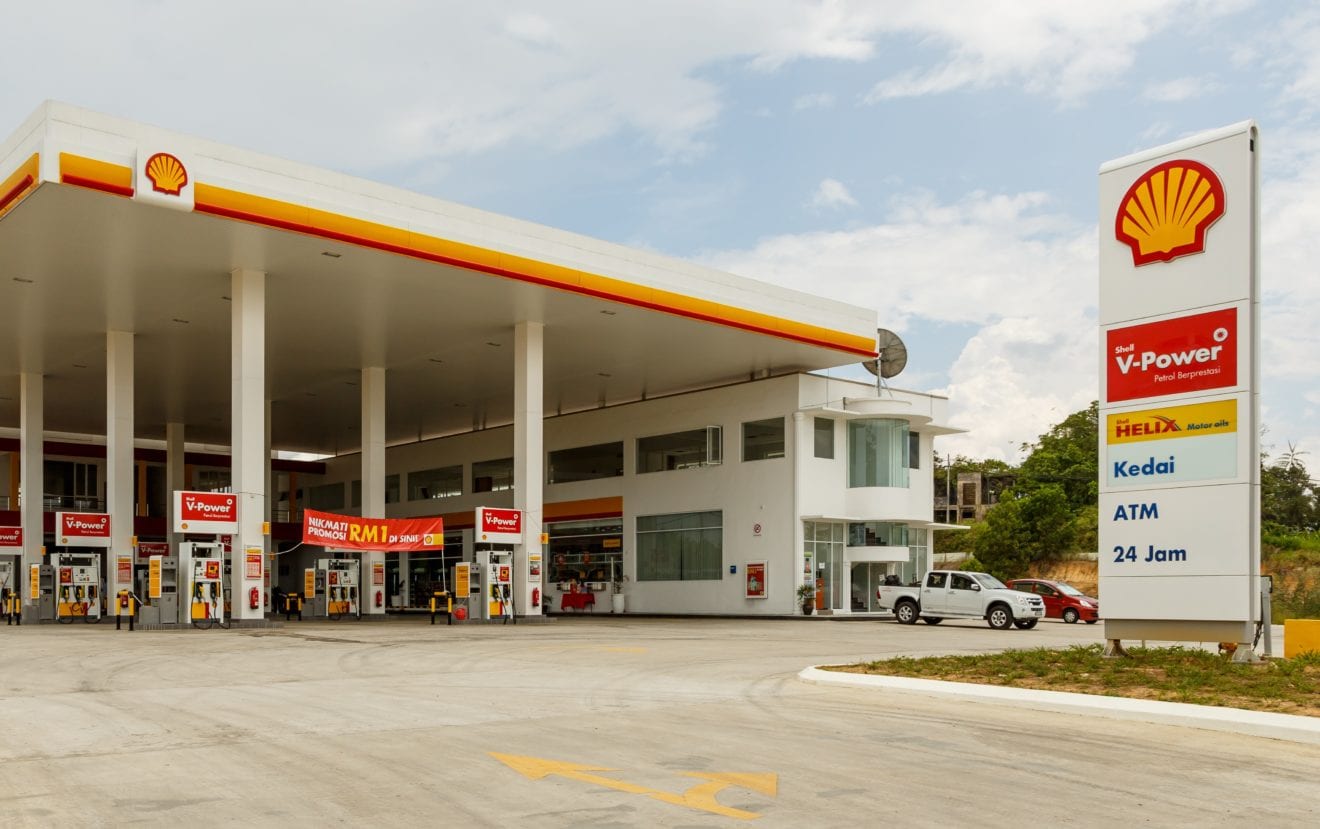
    Under the bidding proposal, Pertamina and MPPE would establish a joint venture to sell co-branded oil fuels.

    Pertamina would operate 18 fuel depots and 12 fuel stations across the Mekong country through the joint venture, Ahmad said.

    “We would invest $33 million for the project,” he said, adding that the deal would also open an opportunity for Pertamina to sell fuel to other independent fuel stations across Myanmar.

    Pertamina is also considering an offer from a Cambodia firm to sell fuel in the country. In Cambodia, Pertamina could sell its fuel under Pertamina brands and operate its own fuel station, but it could not have a fuel depot, Ahmad said.

    The state energy company have been trying to expand its downstream business abroad, in particular in the Southeast Asian countries.

    “Our targets is the developing countries because it’s easier to secure permits there compared to the more developed countries,” Ahmad said.

    Rini Soemarno, the State-Owned Enterprise Minister, said earlier that she targeted Pertamina to branch out to at least one of the Mekong countries by 2018.

    Pertamina has Pertamina International Timor, a joint venture with 4-Consortio Timor Progresso, to sell oil fuel, lubricants and liquefied petroleum gas in Timor Leste.

    The state energy company virtually controls Indonesia’s retail oil fuel market, thanks to its vast distribution network across the archipelago. That despite the government has opened the sector to foreign firms like Dutch’s Shell, Malaysia’s Petronas and French’s Total for more than a decade.

  • Airport Authority Hong Kong opens Midfield Concourse retail outlets

    Airport Authority Hong Kong opens Midfield Concourse retail outlets

    Airport Authority Hong Kong (AAHK) has welcomed nine newly-opened retail shops and a café to the recently-inaugurated Midfield Concourse at Hong Kong International airport. In addition to the new shops outposts there are also outposts and a money-exchange kiosk.

    Positioned as a one-stop shopping destination, the Midfield Concourse offers a range of products and services catering to travellers’ needs. Travellers can find liquor and tobacco; beauty products; fashion and fashion accessories; audio-visual and electronics; packaged food; gifts, souvenirs and toys; and pharmaceutical and personal care items in the 105,000 sq m concourse.

    Soon to be opened are eight retail and three catering outlets. DFS Group will introduce a new multi-category store concept. These new DFS outlets at the Midfield Concourse will offer an abundance of brands for better shopping convenience, according to AAHK. The catering outlets will offer café and casual-dining options to departing passengers who have limited time before boarding. The Midfield Concourse also marks fast-food company MX’s first entry to HKIA.

    “The Midfield Concourse will be able to serve an additional 10 million annual passengers in order to meet the increasing passenger volume at HKIA,” said Airport Authority Hong Kong executive commercial director Cissy Chan. “We are proud to offer extended retail and catering options throughout the concourse, which will let the passengers have a pleasant and enjoyable last-minute shopping and dining experience.”

    Photo of

  • Vietnam’s retail sector to see M&A frenzy riding on free trade pacts

    Vietnam’s retail sector to see M&A frenzy riding on free trade pacts

    The sector has turned attractive due to the free trade pacts the country has reached, as part of WTO, according to a government report.

    When Vietnam negotiated to join the WTO, it committed to let investors establish 100 per cent foreign-owned retail businesses from January 2015. In addition, the report attributed the increasing number of retail M&A deals to deeper integration of the country through the Trans-Pacific Partnership (TPP) and the ASEAN Economic Community (AEC), which will see tax exemption for thousands of commodities delivered into each member state.

    “Systematic retail chains account for only 25 per cent of the total market share, while it is 33 per cent in the Philippines, 34 per cent in Thailand, 51 per cent in China, 60 per cent in Malaysia and as much as 90 per cent in Singapore,” the report cited.

    The government expects that with the free flow of goods, human and capital resources within the region, Vietnam’s retail market will become more competitive.

    It projects that the market share will touch 45 per cent by 2020, proving Vietnam to be fertile ground for retail investment.

    Thai retailers are probably the most aggressive in building their presence in Vietnam. Central Group made a debut in 2015 with the acquisition of a 49 per cent stake in electronics stores Nguyen Kim, then later in the year, Berli Jucker, whose parent TCC Holding paid for Metro Cash&Carry in Vietnam, announced its keenness to acquire Big C supermarket operations of French player Groupe Casino. Other interested bidders are Singapore’s Dairy Farm and South Korea’s Lotte Shopping.

    “Both of the two new potential investors are financially strong,” said the report, “Dairy Farm is the second largest retailer in Singapore and Hong Kong, owning popular brands of Cold Storage, Guardian, Wellcome Giant and Hero.” Its revenue hit $13 billion in 2014.

    Meanwhile, Lotte Shopping is South Korea’s biggest retailer with $23 billion turnover in the same year.

    According to the report, Japanese retailing firm AEON, which acquired local peers Fivimart and Citimart last year, is also keen on the deal.

    This year might also be strategic for Japan’s 7-Eleven, as the chain is planning to open its first stores in Vietnam in April 2017.

    “Not only foreign retail giants use M&A deals to enter the market, Vingroup has also, through the M&A route, forayed into the retail industry,” the report said.

    The country’s largest homegrown retailer, Vingroup took over Vinatexmart and Maximark in 2015.