Category: General

Retail News Asia is committed to providing both local and global retailers with the latest General Retail news throughout the Asian market. This on a daily base.

  • Neteven to help Europeans sell on Tmal

    Neteven to help Europeans sell on Tmal

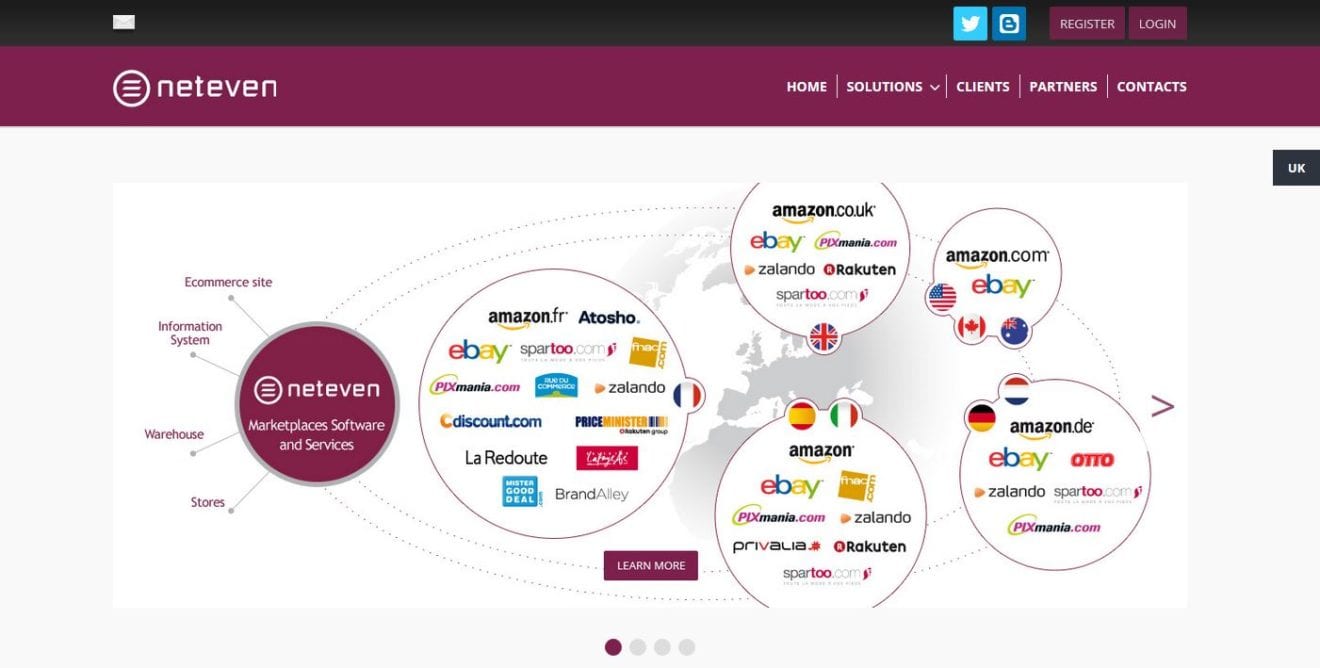
    Online marketplaces management solution provider Neteven has partnered with China’s Tmall Global to help European brands sell to Chinese consumers online.

    The partnership with Alibaba Group’s Tmall Global marketplace will allow European brands to launch their business across China’s vast consumer market.

    It opens the way for brands and retailers in fashion, home and garden, kids, accessories and many more categories to sell their products to the Chinese market and drive incremental revenues.

    Neteven says its has worked closely with Tmall Global in order to launch “a fully managed solution” which includes the technical integration of the Tmall Global marketplace within Neteven’s platform and the adapted services for brands.

    Launched in April 2008, Tmall provides a premium shopping experience for Chinese consumers seeking quality branded merchandise. Tmall Global allows international brands and retailers to sell on China’s largest third-party platform, with very few localisation constraints. For example, overseas companies without Chinese business licenses are eligible to apply to sell on Tmall Global. Orders can be fulfilled and shipped from outside of China, and customer payments are settled in the preferred origin currency such as US Dollars, Euros, etc.

    For the past 10 years, Neteven has collaborated with leading brands and marketplaces to provide its clients with a comprehensive offering. Thanks to the API integration of Tmall Global within Neteven’s software, European brands and retailers have now access to the most effective entry point for China e-commerce market.

    Greg Zemor, Neteven CEO, says more than half of Neteven’s clients are based outside of France.

    “All our European clients use our solution to trade locally, in Europe or in the US. The logical next step was to open their distribution to the largest and fastest growing e-commerce market in the world – China. Beyond technology, we needed to offer the market a good value proposition.”

    Shaoming Yang, head of Tmall Global Europe said Europe is a key strategic focus for Tmall Global. “Our aim is to help brands and retailers reach Chinese consumers that are eager for their products. To extend our reach we work with trusted and respected organisations such as Neteven to build an ecommerce ecosystem that works for both consumers and brands.”
     

  • China retail sales ‘sluggish’

    China’s retail sector is continuing to expand faster than in any other major market in the world – but the growth rate continues to slow.

    The National Bureau of Statistics said on Wednesday that China retail sales grew 10.7 per cent year on year to 4.8 trillion yuan (US$779 billion) in the first two months of 2015.

    That’s a full 1.3 percentage points slower than the annual growth rate for 2014.

    According to the bureau, the restaurant and catering sector achieved an 11.2 per cent year-on-year sales rise in revenue and sales of ‘other consumer products’ increased by 10.7 per cent.

    Online retail sales soared 44.6 per cent year on year to 475.1 billion yuan.

    Analysts attributed the slowing growth rate to sluggish property sales (reducing demand for housewares and furniture, etc) and the ongoing government clampdown on corruption and gift-giving, as well as general economic malaise.

    The growth rate was lower than the 11.7 per cent consensus of analysts prior to the bureau’s announcement.

  • Profit surge for 7-Eleven Philippines

    Profit surge for 7-Eleven Philippines

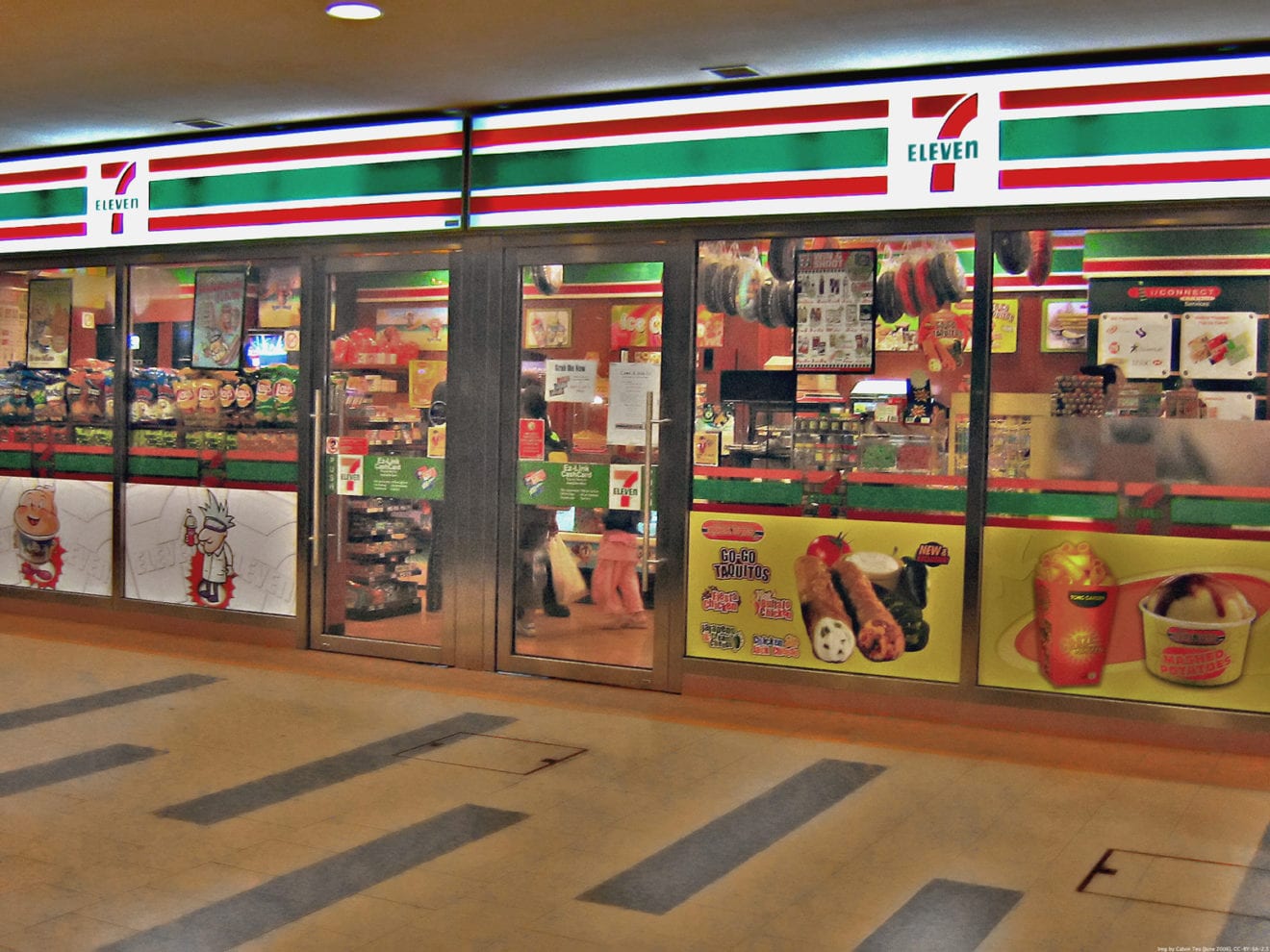
    Philippine Seven Corp, which operates the 7-Eleven Philippines network, has reported a 27.9 per cent jump in income for 2014.

    Its income rose from P682.6 million in 2013 to P873.3 million (US$19.7 million) last year, according to a statement filed with the stock exchange today.

    The result was powered by an aggressive store network expansion program, with a net 273 new stores opened last calendar year – a 27 per cent increase – and higher operating margin.

    In 2015 PSC expects to add as many as 350 more, expanding its network to more than 1600. It will make its first foray into the southern province of Mindanao, in the cities of Cagayan de Oro and Davao.

    About two-thirds of the company’s stores are franchised.

    Network wide store sales rose 19.3 per cent from P17.2 billion to P20.6 billion

    “PSC has taken steps to protect and expand its leadership in light of increased competition, recognising that rewards for market share are especially strong in the convenience store sector,” said PSC president and CEO Jose Victor Paterno.

    “This involves not only an increased pace of expansion in areas contested by competition, but strategic entry into new territories. The latter may be unprofitable for the first few years due to the high fixed costs of logistics, but we believe will later be rewarded with strong first mover advantages.”

    Paterno said the long-term growth prospects for convenience store retailing in the nation are favourable.

    Philippine Seven Corporation operates the largest convenience store network in the country. It acquired the licence for 7-Eleven in the Philippines from Southland Corporation (now Seven Eleven Inc.) of Dallas, Texas in December 1982.

  • Le Saunda sales strengthen

    Le Saunda sales strengthen

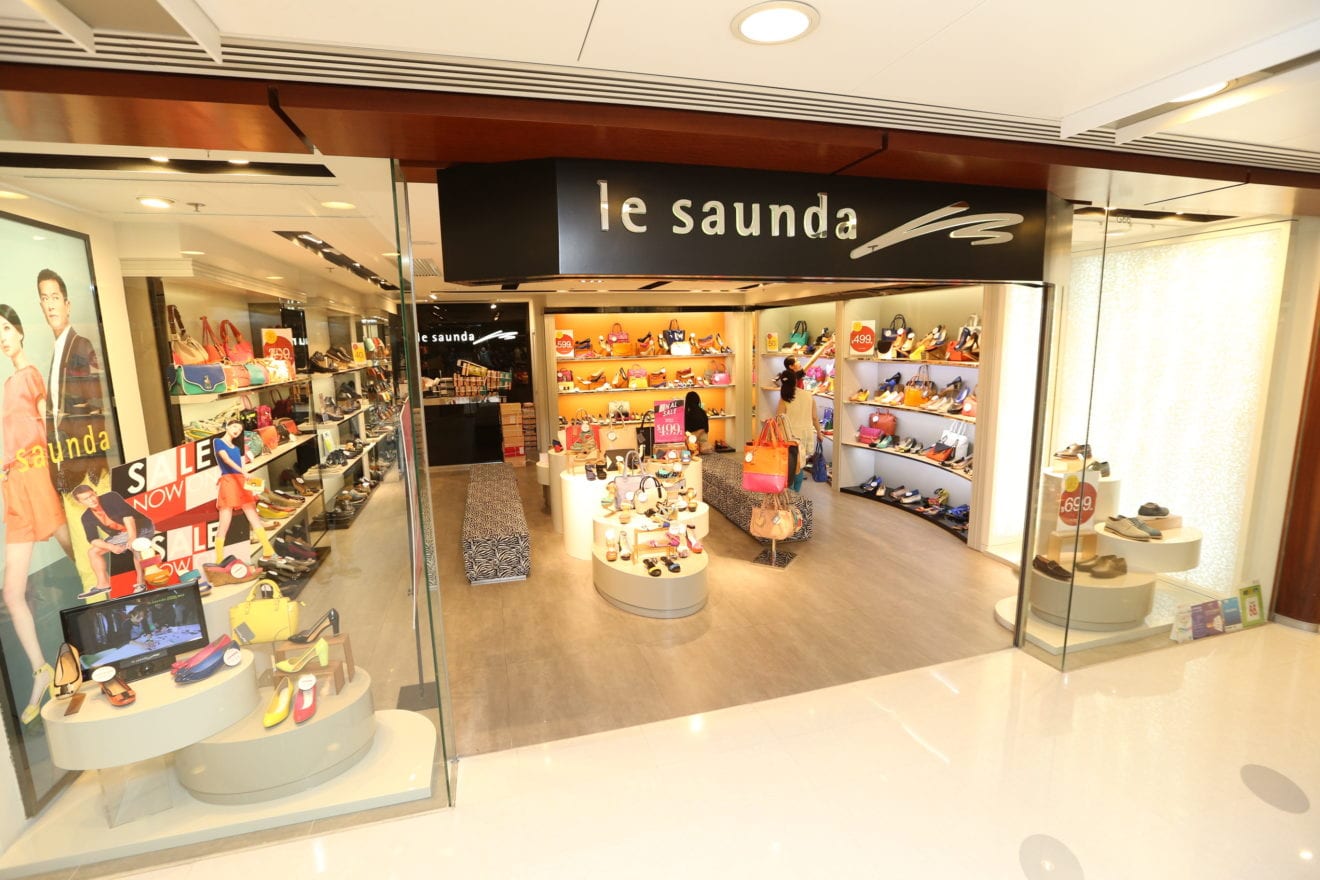
    Listed Hong Kong shoe and handbag retailer Le Saunda says same store sales rose in the last quarter.

    In the final three months of Le Saunda’s financial year, which ended on February 28, the group achieved a 3.9 per cent same store sales growth in its self-owned retail business, and a 1.1 per cent rise overall.

    In the preceding quarter, same store sales rose 1.9 per cent.

    Le Saunda operates 904 stores in mainland China, Hong Kong and Macau, 24 fewer than at the same time last year. Of the total, 770 are self owned and 134 franchised, all of the latter in mainland China.

    Le Saunda Hong Kong 315In its half year report last year, Le Saunda said it expected the ratio of sales between mainland China and Hong Kong-Macau would continue to trend towards the mainland in coming quarters.

    In the first half, Hong Kong and Macau store sales slid 9.9 per cent to HK$95.7 million.

    The company has not yet released financial data for the full year.

  • Gap, H&M and Levi’s among the most ethical brands

    Gap, H&M and Levi’s among the most ethical brands

    Gap, H&M and Levi’s are the three fashion brands that have been named on the Ethisphere Institute’s ninth annual list of the World’s Most Ethical Companies. The New York-based research firm listed 132 groups and companies that it believes foster a culture of ethics and transparency at every level from 21 countries, representing over 50 industries.

    Gap is one of only fifteen to have been honoured every year since the list’s inception. It received qualifying scores across five categories including ethics and compliance; corporate citizenship and responsibility; culture of ethics, governance, and leadership; innovation; and reputation. French cosmetic giant L’Oreal, Brazil’s Natura Cosméticos and Japanese brand Shiseido are also honoured in the list at the Health and Beauty category. Marks & Spencer and US pet food retailer Petco Animal Supplies are featured in the list at the retail category.

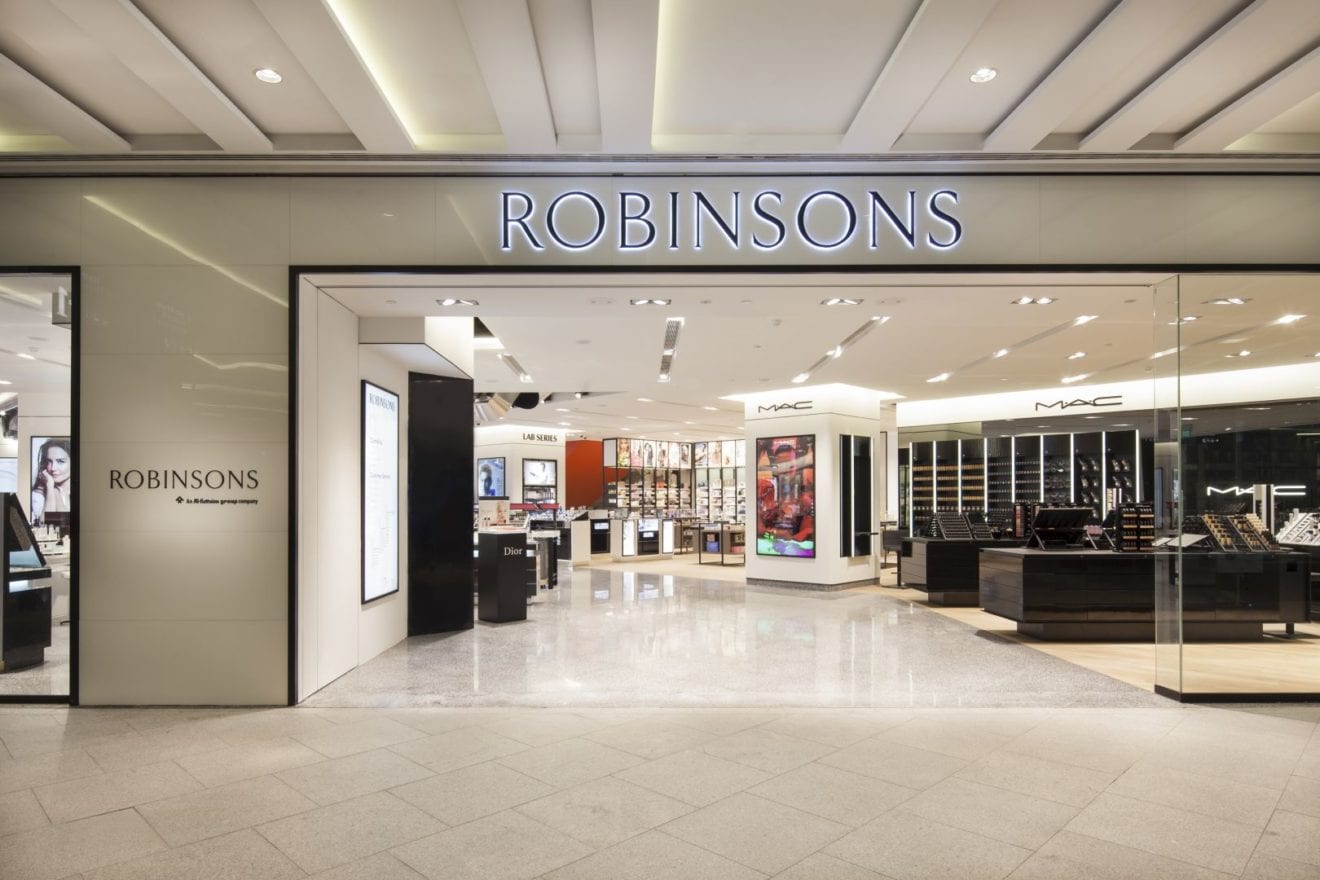
  • Revamp plan for Robinsons Singapore

    Revamp plan for Robinsons Singapore

    Store closures lie ahead as the parent of Robinsons Singapore and the local M&S franchise refocuses on its key flagships.

    Dubai-based Al-Futtaim Group will close several stores in the city state and revamp others.

    The Marks & Spencer store at Centrepoint will close on March 29 to allow resources to be focused on the Wheelock Place flagship.

    The John Little store at Marina Square will close on April 26 and the Tiong Bahru Plaza store will close in the last quarter of this year. The closures would allow the company to “focus manpower and resources on enhancing the Plaza Singapura and Jurong Point stores”.

    In a statement, Kesri Kapur, head of business in Asia, said the moves were intended as a response to the fast evolving retail scene.

    “This consolidation move is part of our group’s ongoing business strategy to ensure the long-term sustainability of our businesses.”

    A “major upgrade” will be undertaken of the Robinsons and Marks & Spencer stores at Raffles City and the Paragon store, the group said, with work commencing early next year.

    A Marks & Spencer’s food hall will be added to the Robinsons The Heeren store towards the end of this year.

  • Online shopping on the rise in Vietnam

    Online shopping on the rise in Vietnam

    Online shopping in Vietnam was continuing to increase and was well-positioned to hold the key to success for e-commerce in Vietnam, according to the MasterCard Survey on Online Shopping 2014.

    The MasterCard Survey is commissioned annually and was conducted online from October to December last year in 14 Asia-Pacific countries and 11 Middle Eastern and African countries with a minimum of 500 respondents per country.

    The number of Vietnamese people who shopped online in the last three months increased from 68.4 to 80.2 percent, recording the second highest growth rate (11.8 percent) in the Asia-Pacific region, the survey revealed.


  • Samsung to freeze salaries in South Korea

    Samsung to freeze salaries in South Korea

    Samsung Electronics will freeze wages in 2015 for employees in South Korea for the first time in six years, after the world’s biggest smartphone maker saw profits fall in the face of rising competition.

    The cost-cutting move is the latest by Samsung Electronics, which in January reported its first annual profit decline since 2011, as it lost market share to Apple Inc’s new iPhones and cheaper Chinese rivals like Xiaomi Inc.

    The wage freeze also comes as the electronics giant is widely expected to unveil its next Galaxy S smartphone at a March 1 event, hoping to revive sales growth momentum.

  • Lego sales boosted by blockbuster movie

    Lego sales boosted by blockbuster movie

    Lego A/S, the world’s second-largest toy maker, said on Wednesday that annual revenue rose by 13 percent, boosted by its blockbuster movie and toys from its Star Wars and Friends ranges.

    Chief executive Joergen Vig Knudstorp danced on stage and sang the theme song from last year’s The Lego Movie, called “Everything is awesome” as he announced the rise in turnover to DKK28.6 billion (USD4.35b).

    The result narrows the gap to American rival and Barbie maker Mattel Inc, which posted a 7 percent drop in annual revenue to USD6.0b.

  • Consumption in Thailand fall “surprising”

    Consumption in Thailand fall “surprising”

    With tumbling oil prices expected to bolster private consumption, last month’s contraction in consumption came as a surprise, says a senior Bank of Thailand official.

    The high level of household debt and falling farm prices were to blame, said Roong Mallikamas, senior director for macroeconomic and monetary policy. She said the fall in private consumption was unexpected and signified the slow pace of consumption recovery.

    The private consumption index declined by 1.5 percent year-on-year last month, worse than December’s contraction of 0.8 percent.

  • New scanners for retailers minimise checkout time

    New scanners for retailers minimise checkout time

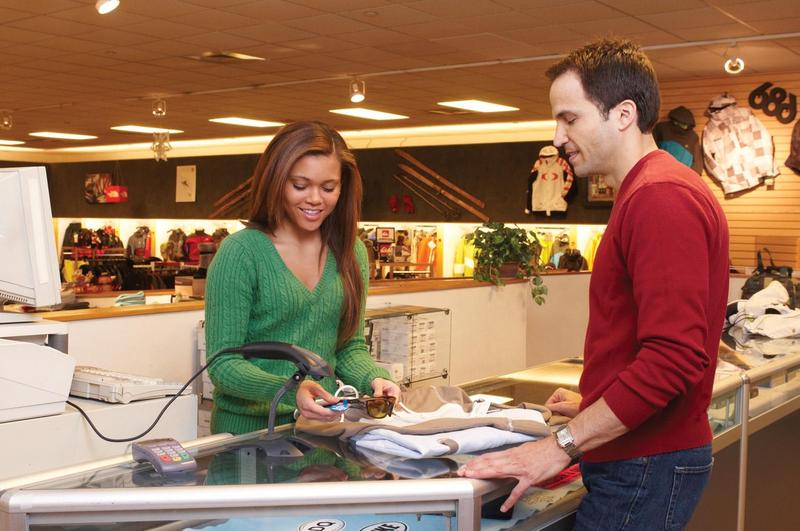
    Honeywell launched on Tuesday a suite of new scanners designed to allow retailers connect with customers and minimise checkout time.

    The new Voyager scanners can also speed up loyalty program enrollment and age verification.

    Lynn Huang Freeman, head of marketing and strategy, Honeywell Scanning & Mobility Asia-Pacific, said as mobile commerce continues to shape the retail industry and consumer shopping experience from on-line to off-line drives retailers’ transformation, they need the right tools to enable innovative marketing programs.

    The new Voyager 1202G provides the same aggressive linear barcode scanning performance as a wired scanner but without the long recharge time, maintenance, or environmental disposal issues associated with traditional batteries.

    Meanwhile, the Voyager 1602g pocket 2D Bluetooth scanner packs high performance area-imaging technology into a compact form factor, making it the perfect scanning companion to tablet- based retail POS systems.

    For retailers that anticipate the need for area imaging in the future, such as scanning coupons off customers’ smartphone screens, the Voyager 1450g tethered scanner and Voyager 1452g wireless scanner deliver linear barcode scanning out of the box.

    Both scanners are available for upgrade at a competitive price to enable PDF and 2D barcode reading at the initial time of purchase or at any point in the future.

  • Woolworths sells The Warehouse stake, abandons NZ expansion plans

    Woolworths sells The Warehouse stake, abandons NZ expansion plans

    Woolworths has abandoned plans to enter the discount department store sector in New Zealand and has sold its 8.8 percent stake in New Zealand retailer The Warehouse Group for NZD86.9 million (USD65.5m), less than half the price it paid eight years ago.

    Woolworths said on Tuesday it had sold 30.5 million shares in The Warehouse Group for NZD2.85 a share – a slight premium to the market price of NZD2.72 – to one of New Zealand’s largest retailers, the privately held James Pascoe Group.

    Woolworths said The Warehouse investment was no longer required as part of its New Zealand strategy and confirmed that it had given up on its original plan to use the stake as a platform to enter the discount department store sector and replicate its BIG W business.


  • Airweave heads to bed in the US

    Airweave heads to bed in the US

    Airweave, Japan’s top selling brand of premium bedding toppers and pillows, has opened its first store in the US.

    The flagship officially opens its doors today, February 27, at 498 Broome St in the trendy SoHo district of Manhattan, New York City. Airweave says the store will introduce US consumers to the brand’s “luxury, innovative, high performance bedding toppers” designed from ongoing research into sleeping comfort.

    Created with Japanese technology, airweave products are made of three-dimensional, entwined resin fibers, allowing air to occupy more than 90 per cent of the material. Airweave says its products offer comfortable support and improves sleep quality through ergonomic, breathable design and highly resilient materials which allow users to roll over easily and maintain a deep and restorative sleep.

    The new, two-story airweave SoHo store features about 2400 sqft of space and will offer guests an intimate introduction to Airweave’s collection of bedding toppers.

    The store employs three “sleep counselors” who will serve as brand ambassadors, along with sales associates trained to educate customers on the products’ features.

    “The store’s simple, clean and contemporary design will work in tandem with the brand’s mission to redefine and refine quality of sleep, so the customer sleeps deeper and awakens invigorated,” the company said in a statement.

    The store will also feature a private room for select customers to undergo sleep assessments and offer a personal shopping experience with airweave.

    President and CEO of Airweave, Motokuni Takaoka, said the company wants to personally connect with Airweave customers and introduce them to the brand’s innovative construction.

    The company also sells its products online in the US, with prices ranging from $190 to $1570. Airweave was founded in 2004 by Takaoka. Its products have been endorsed by a raft of sports and entertainment personalities, are used on Japan Airlines international flights in First and Business classes and found in hotels including the Four Seasons Hotel, Tokyo, the Ritz Carlton Shanghai Pudong and the Park Hyatt Shanghai.

  • Japan retail sales slide

    Japan retail sales slide

    Japan retail sales slid two per cent in January according to government data.

    Japan’s Ministry of Economy, Trade and Industry surveys department stores, chain stores, supermarkets and other large-scale stores and convenience stores to compile a monthly trend index.

    Last month’s year-on-year decline was the first in seven months, with commentators citing bad weather and continuing decline in take-home incomes for the downturn.

    However the trend may have been exaggerated due to consumers spending more than usual in the first three months of 2014 to beat an increase in sales tax which took effect in April

    December’s retail sales were up 0.2 per cent year-on-year.

    Charts with full data are available at the Ministry’s website.

  • Indonesia to regulate e-commerce

    Indonesia to regulate e-commerce

    The Indonesian government has begun laying the groundwork to regulate e-commerce activities in the country amid breakneck growth in online transactions, particularly among the country’s young and affluent middle class.

    Chief economics minister Sofyan Djalil called for a series of discussions between officials from the trade, finance and communications ministries, among others, to discuss a new government regulation on electronic-based commerce a week ago, according to Rudiantara, the communications minister.

    He said the various ministries had their own issues to address in terms of regulating e-commerce.