Category: General

Retail News Asia is committed to providing both local and global retailers with the latest General Retail news throughout the Asian market. This on a daily base.

  • Vincom Retail profits nearly triple in Q1

    Vincom Retail profits nearly triple in Q1

    Mall operator Vincom Retail has reported after-tax profits of VND1.02 trillion (US$43.4 million) for the first quarter, a 2.7-fold rise year-on-year, amid a recovery in consumption.

    It was 23% up quarter-on-quarter, the company’s consolidated financial statements showed.

    Vincom Retail reported revenues of VND1.94 trillion in the first quarter, an increase of 42%, with its mall business accounting for VND1.9 trillion.

    The company targets profits of VND4.68 trillion on revenues of VND10.35 trillion for this year, up 69% and 41% from 2022.

    Vincom Retail, a subsidiary of conglomerate Vingroup, plans to open a mall each in Ho Chi Minh City and the northern province of Ha Giang, increasing its total number to 85 in 45 cities and provinces.

  • WhatsApp is rolling out the ability to save disappearing messages with the sender’s permission

    WhatsApp is rolling out the ability to save disappearing messages with the sender’s permission

    WhatsApp has announced via a blog post a new feature that allows users to save disappearing messages before they vanish. The feature will give users a chance to keep important messages that they may want to refer back to later.

    Disappearing messages is a feature that WhatsApp introduced back in 2020, which allows users to set their messages to automatically delete after a specified amount of time, ranging from 24 hours to 7 days. While this feature was meant to help users keep their chats private and reduce clutter, it was difficult for users to hold onto messages that they wanted to keep.

    With the new feature, called “Keep In Chat,” users can now select messages in a chat and save them by tapping on the bookmark icon. Once a message has been saved, it will no longer disappear after seven days. Users can also un-save messages by tapping on the bookmark icon again.

    Sender notification and consent will be required before proceeding, and without their permission, the message will automatically delete itself after the allotted time has passed. Both the sender and the receiver will be able to see the bookmark icon next to any messages that can be stored in the WhatsApp conversation and the saved messages will be conveniently stored in a designated “Kept Messages” folder.

    In this approach, WhatsApp’s implementation of its Keep In Chat function does not undermine the security and privacy afforded by disappearing messages and the decision to store a message ultimately rests with the sender. The new feature is currently rolling out to both individual and group chats. However, users can only save messages that have not already disappeared. Once a message has disappeared, it cannot be saved.

    This update comes after WhatsApp’s recent controversy over its privacy policy changes, which led many users to switch to other messaging apps such as Signal and Telegram. The addition of the save disappearing messages feature may help to win back some users who were concerned about the privacy and security of their conversations on the platform.

  • Airport operator targets record revenue

    Airport operator targets record revenue

    The Airports Corporation of Vietnam (ACV) has set a revenue target of VND19.36 trillion ($823.92 million) this year, exceeding pre-pandemic levels and the highest since its establishment.

    ACV, which operates 22 airports in Vietnam, expects the aviation industry to see a strong recovery in both domestic and international flights.

    The company plans to serve 118 million passengers this year, up 20% on 2022.

    The number of takeoffs and landings are expected to hit 777,000, up 17%.

    These figures are set to bring the company a revenue of VND19.36 trillion, an increase of nearly 40%.

    This is VND1 trillion higher than in 2019, before the pandemic affected the industry.

    ACV, however, set a modest profit target of VND8.49 trillion, down 3% from 2022 and 16.5% from 2019.

    This is due to high input costs and overloaded airports, which are set to put pressure on operations.

  • Global minimum tax will hurt Vietnam investment

    Global minimum tax will hurt Vietnam investment

    The proposed global minimum tax would weaken the international business environment in Vietnam by eliminating preferential tax policies for foreign direct investment (FDI), said Samsung Vietnam CEO Choi Joo Ho.

    The global minimum corporate tax rate of 15% on profits would remove exemptions and reductions that much of Vietnam’s FDI relies on, Ho told a conference Tuesday.

    The new tax is slated for 2024 but has not yet been approved in Vietnam. It is still under consideration in the country.

    However, the regime was approved by 136 countries in 2021.

    It is considered the deepest overhaul of cross-border tax rules in decades. The overhaul aims to ensure that tech giants such as Apple and Google will not have an unfair advantage by booking their profits in low-tax countries such as Ireland.

    The tax would apply to multinationals with total revenues of at least EUR750 million ($819 million) in two of the preceding four years.

    This means that such a company investing in a foreign country would have to be taxed by that country by at least 15%.

    The U.K., Japan, Korea, and the E.U. will impose the tax next year.

    Vietnam is considering the policy and Deputy Prime Minister Le Minh Khai has asked the Ministry of Finance to evaluate the situation and decide if Vietnam should collect the tax.

    Samsung CEO Choi said the new tax would force foreign companies currently enjoying tax incentives in Vietnam to pay the global minimum tax rate of 15% in the country where the parent company exists.

    Thus such profits obtained in Vietnam would be collected by the tax authorities of another country (not Vietnam) through the exercise of the right to tax the profits, he said.

    This additional payment of tax would create a financial burden for businesses, affecting financial planning and business strategies, and directly reducing the competitiveness of products made in Vietnam, he said.

    “The Vietnamese government needs to make assertive decisions in the process of responding to the global minimum tax,” he said.

    Attending the conference, Minister of Finance Ho Duc Phoc acknowledged that tax incentives would no longer have much effect on FDI revenue in Vietnam if the global minimum tax were applied.

    According to data from his ministry more than 70 businesses in Vietnam are likely to be negatively affected by the tax if it is applied in 2024.

    Dang Ngoc Minh, Deputy Director of the General Department of Taxation, said that in Vietnam, about 335 projects with registered capital of over US$100 million in manufacturing and processing industries are enjoying corporate income tax incentives with rates of lower than 15%.

    On the list are Samsung, Intel, LG, Bosch, Sharp, Panasonic, Foxconn, and Pegatron, with registered capital accounting for nearly 30% of total FDI in Vietnam, or about US$131.3 billion.

    All the above major companies are likely to be negatively affected by the global minimum tax, said Minh.

    What to do?

    Samsung CEO Ho said that in order to maintain FDI Vietnam needs to develop monetary support mechanisms to supplement incentives for businesses that will lose preferential policies if the new tax rate is applied.

    Tang Pham, Deputy General Director of Tax Consulting at EY Vietnam, said many countries such as India and Thailand have directly supported businesses with cash.

    “The trend of shifting incentives is being considered by many countries,” she said.

    She said that cash support or direct offset against tax obligations that meet Organization for Economic Co-operation and Development (OECD) standards could encourage businesses to increase investment. Such measures could help to maintain investment efficiency when imposing a new tax.

  • New Google Meet feature prevents distractions and can reduce data usage

    New Google Meet feature prevents distractions and can reduce data usage

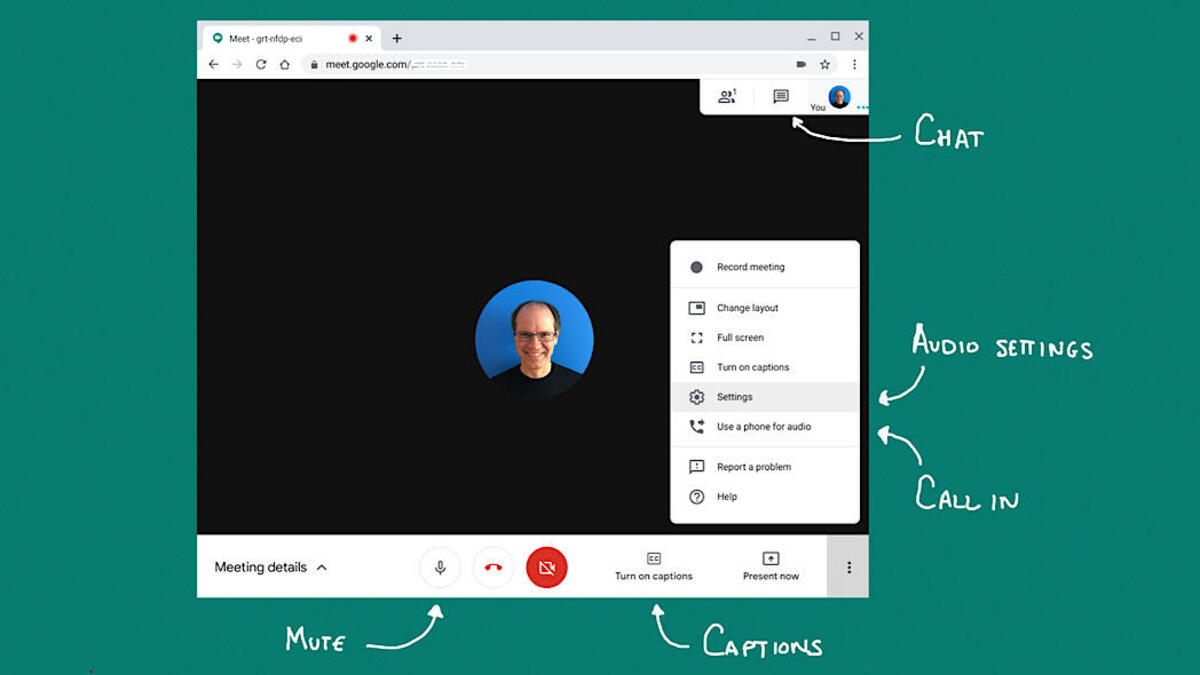
    Recently Google wrapped up its plan to merge the consumer-oriented Google Duo app with the enterprise-focused Google Meet app to create a single app for all of your video needs called (drum roll, please) Google Meet. Just the other day we told you that Google is requesting that users delete the Meet (original) app from their Android and iOS devices. Google has now announced that it allows Meet users in a video conference to turn off the video feed from other participants during a meeting.
    Now why would someone want to do that? Well, perhaps you want to focus on certain participants in the video conference that you’re a part of. Maybe you want to listen to the guy (or gal) who is presenting the meeting, or another participant is distracting you from giving your full attention to what is being said and shown. Or maybe you are on a monthly data plan and you want to reduce the amount of data being consumed by a Google Meet video conference.
    You can shut down the video feeds from certain participants and the best thing is that they will never know (unless you tell them). This feature will be available on the desktop and mobile devices.
    If you’re joining a Google Meet meeting via a mobile device, by selecting “Audio only” all video feeds will be turned off except for those presenting content. On the desktop, you can select whose video feeds you want to turn off by following the following directions: In a Google Meet conference (again, on the desktop), open the People panel. Tap the three-dot menu next to a particular participant, and select “Don’t watch.” To turn the video back on, from the three-dot menu and select “Start Watching.”
    The new feature started rolling out yesterday and it is expected to take 15 days to complete.
  • Facebook might owe you a slice of its $725 million class-action settlement

    Facebook might owe you a slice of its $725 million class-action settlement

    Back in 2018, it was revealed that 87 million Facebook subscribers had their personal data used without permission by now-defunct political consultancy firm Cambridge Analytica. Over 70 million of those subscribers were Americans and late last year a federal judge ordered Facebook parent Meta to pay $725 million to settle a class action lawsuit related to the use of this personal data. So now, those who used Facebook between May 24th, 2007, and December 22nd, 2022, and lived in the U.S. during that time, can submit a claim for a share of this money.
    Don’t start buying a new car or call real estate brokers to find a ritzy new place. This is not the same as signing a contract in the NBA. Typically the lawyers make out great while members of the class get a few coins taped to a postcard. Still, it doesn’t hurt to submit a claim if eligible and if enough people can’t be bothered to do so, the larger the payouts will be. You have until August 25th to submit your claim and this is how you do it.
    First, visit the Facebook, Inc., Consumer Privacy User Profile Litigation page by directing your browser to facebookuserprivacysettlement.com or by tapping on this link. There are some important dates listed on the page. For example, you can wait until July 26th to decide if you want to withdraw from the settlement and bring your own lawsuit. For the majority of those eligible to submit a claim, filing a lawsuit is not a financially feasible plan.
    So let’s assume that you are going to submit a claim. The first box under the heading of “Summary of your legal rights and options in this settlement” is titled “Submit a claim.” Tap on the link that says “Submit your claim form online” and you’ll be whisked away to the proper page. Now it’s hard not to get excited when the very first request on the page asks you to decide which platform you want to be paid on. You can choose a prepaid Mastercard, or get paid via Venmo, Zeille, or directly to your bank account.
    Fill out all of the information requested and if you still have your Facebook account up and running, you will not have to remember exactly when you started using the platform. The whole process will probably take up to 10 minutes of your time. Individual payments will be based on the number of Facebook users that submit a claim and how long each person has been a Facebook subscriber.
    The final approval hearing is scheduled for September 7th at 1 pm PDT. Hmm. That might come just in time to order a new iPhone 15 model.


  • Airasia SuperApp denies Batik Air’s claims of ‘unauthorised’ ticket sales

    Airasia SuperApp denies Batik Air’s claims of ‘unauthorised’ ticket sales

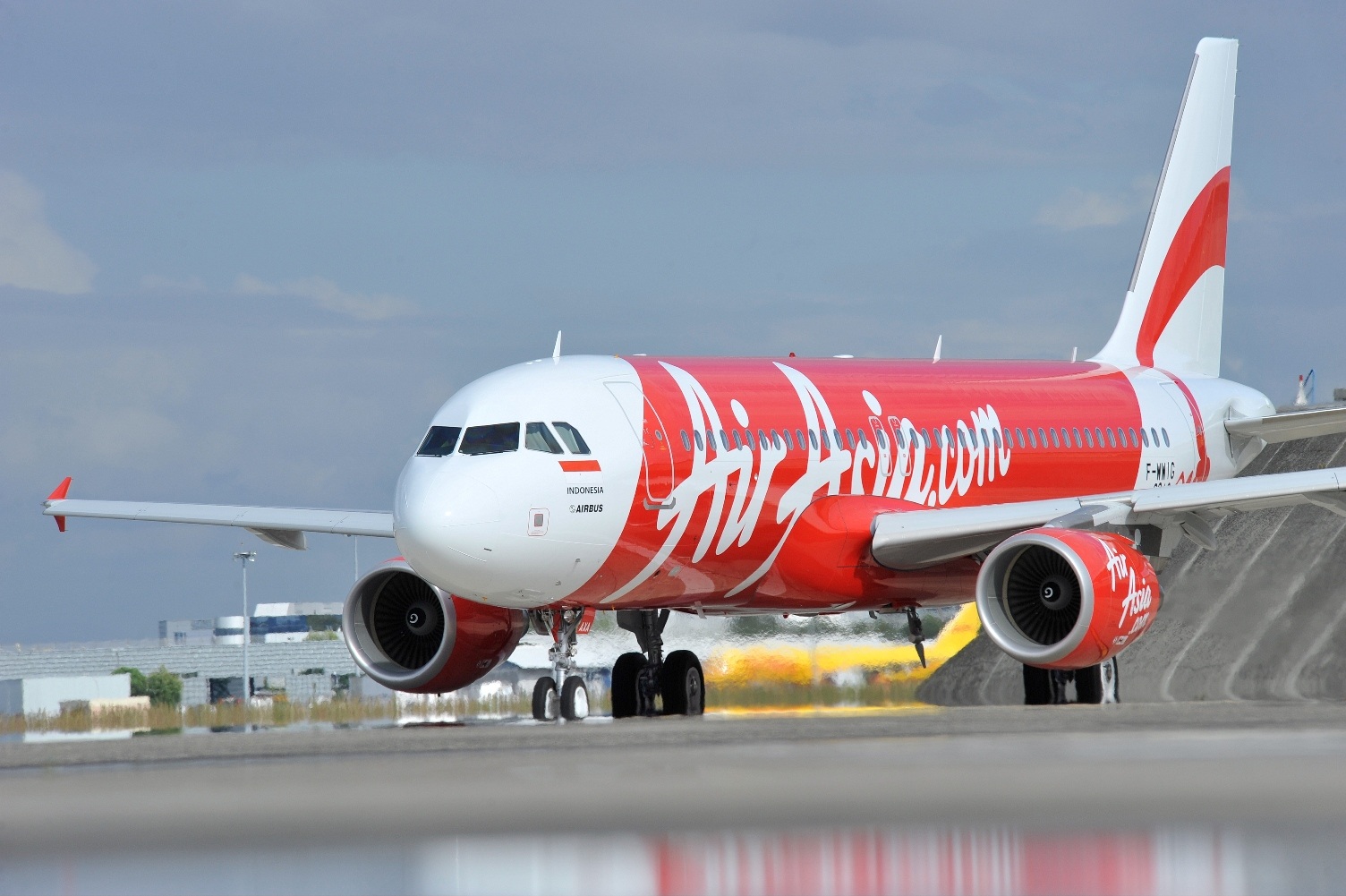
    Airasia SuperApp has denied a claim by Batik Air that it has acted in an “unauthorised manner” by selling the airline’s and Super Air Jet’s flights on its online travel agency (OTA) platform.

    In a statement, airasia SuperApp said its OTA platform holds a travel agent licence and is also accredited by the International Air Transport Association (IATA) as an authorised agent to sell flights from any airline on its app and website.

    The app said that as an accredited OTA, its flight inventories come from established partner aggregators and direct airline partners, a common OTA industry practice.

    “As any accredited OTA in the market, we will continue to sell flights from any airline, including those we do not have direct relationships with, through our established partner aggregators and consolidators,” said acting CEO of airasia SuperApp Hafidz Fadzil.

    Yesterday, the Edge reported that Batik Air demanded airasia SuperApp to immediately remove and delete all the airline’s products and services on the platform, saying it has never consented to place them on the app.

    The airline claimed that the app had acted in an “unauthorised manner” by selling the airline’s and Super Air Jet’s flights on its platform.

    “We wish to notify the public that Batik Air Malaysia, and all the airlines within the Lion Air Group, namely Lion Air, Batik Air Indonesia, Wing’s Air, and Super Air Jet, have not given any consent for airasia SuperApp to include their services on its OTA platform,” it was quoted as saying.

    Batik Air also threatened “legal redress” if airasia SuperApp failed to comply.

    Malaysia Aviation Group Bhd managing director Izham Ismail said it had filed an injunction to stop the low-cost carrier from selling Malaysia Airlines tickets on the app.

    Izham said the group had not reached a commercial agreement before this, yet airasia SuperApp “continued to sell our inventory”.

    In response, Hafidz today said the Malaysia Airlines flight tickets displayed on the app were taken from inventories supplied by their established partner aggregators.

    “The flight fares and fare class (economy or business) information is supplied directly by our partner aggregators without any intervention from airasia SuperApp. The same fare information was also displayed on other OTA platforms,” he said.

    He added that the legal action Malaysia Airlines has taken against them is premised on allegations of potential trademark infringement and passing off, and unrelated to the supply of inventory.

    Airasia SuperApp said it continues to call on Malaysia Airlines and other airlines to partner directly with it for better efficiency and performance, towards offering Malaysians the best value for travel.

  • WinMart’s loss triples in 2022

    WinMart’s loss triples in 2022

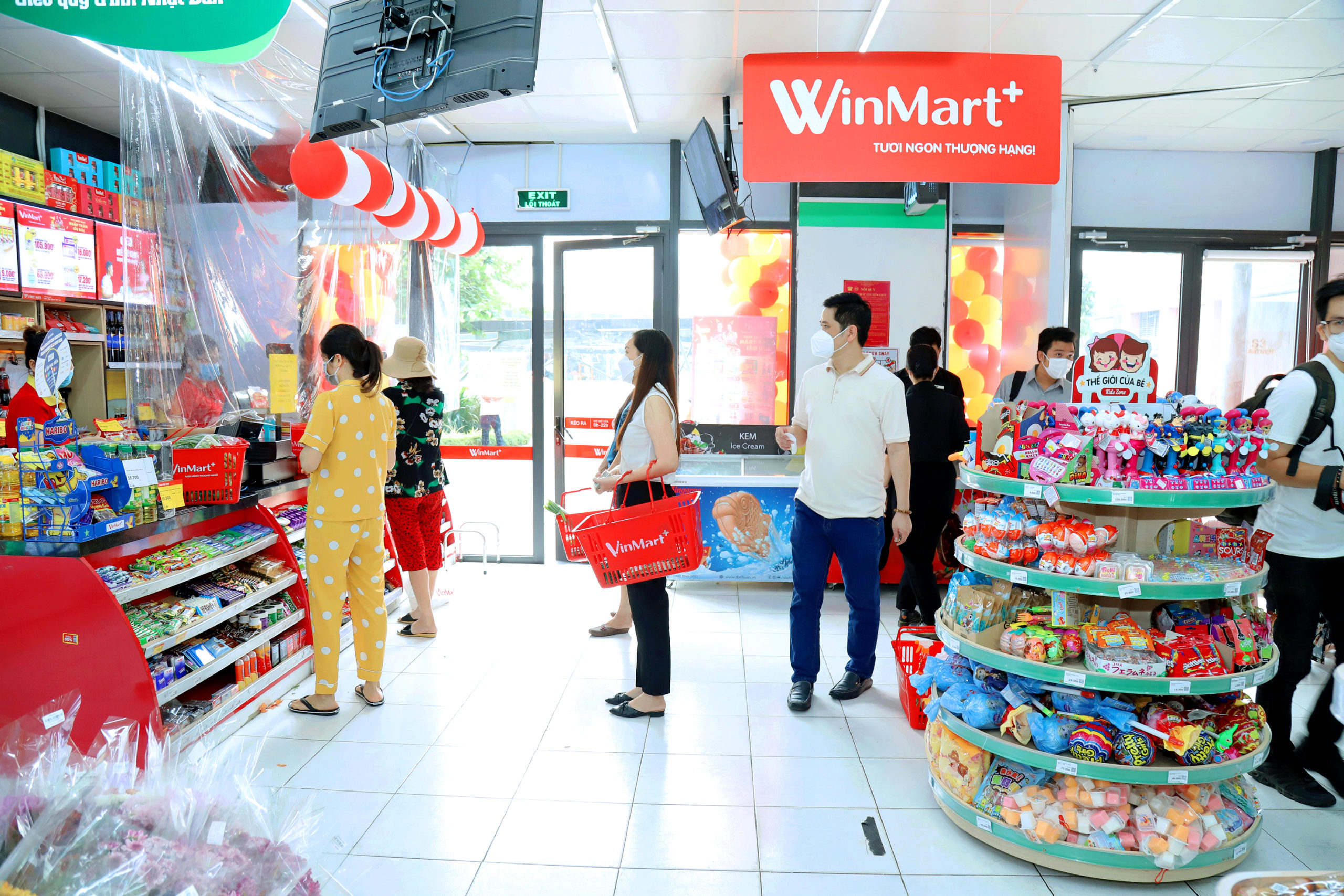
    WinCommerce, the operator of WinMart retail chain, saw its loss tripling from 2021 to VND445 billion ($18.97 million) last year.

    Since being acquired by Masan Group from Vingroup in 2019, WinCommerce has not been able to turn a profit.

    Its revenues declined 5% to VND29.37 trillion last year. Its equity rose marginally to VND3.98 trillion, and debts were at VND14.32 trillion.

    WinCommerce is Vietnam’s biggest retailer in terms of number of outlets. It had 3,268 WinMart+ stores and 130 WinMart supermarkets by the end of December.

  • Coles, Uber Eats launch on-demand delivery partnership

    Coles, Uber Eats launch on-demand delivery partnership

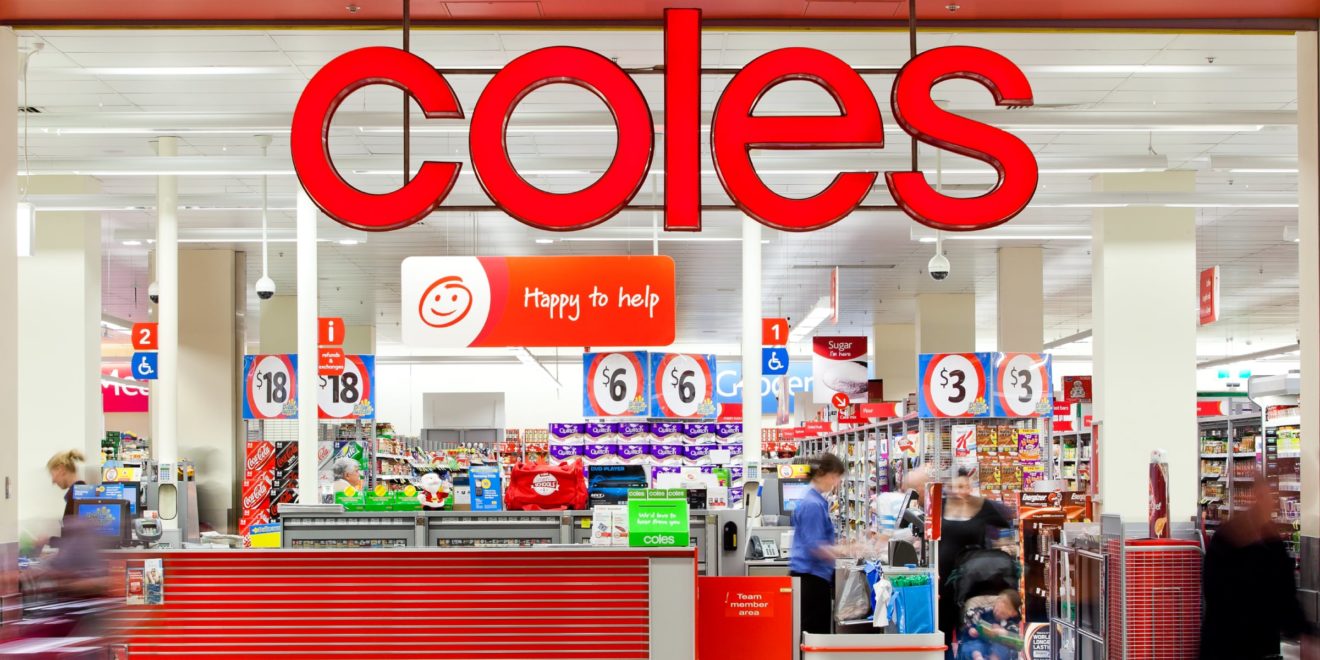
    An expanded partnership between Coles and Uber Eats promises to make on-demand grocery delivery services available across Australia. The supermarket giant pledges to add 500 brick-and-mortar stores to the app.

    It marks a statement of intent from the incumbent grocery and rideshare players, given the recent collapse of independent competitor Milkrun and the extreme difficulty of operating an ‘instant’ delivery startup in Australia without major corporate backing.

    Coles and Uber Eats revealed the expanded partnership Thursday afternoon, declaring that products from 40 Coles stores across Melbourne are now available through the delivery app.

    The companies said hundreds of other stores would join the Uber Eats network in the coming months.

    Customers can select fresh food, pantry staples, and other household items through the app, collected from Coles stores and delivered by Uber Eats workers.

    Mirroring the US-based Instacart, shoppers can communicate with the Uber Eats worker assigned to pick and pack their orders while they are in-store, allowing them to substitute out-of-stock products.

    Coles general manager of digital Operations and ventures, Claire Pallot, said the service will provide a “fast, reliable, and affordable” alternative to in-store shopping and Coles Online deliveries, which are usually delivered the next day.

    “Customers can continue to enjoy great value and quality products they find at Coles, but with the convenience of on-demand delivery through Uber Eats,” she said.

    Lucas Groeneveld, Uber Eats’ general manager of retail for the ANZ region, said the expanded partnership aims to “meet customers’ growing desire to get (almost) anything they need delivered on-demand, and this expansion will supercharge the wide variety of groceries available on the app.”

    Coles and Uber Eats publicly revealed the partnership just two days after Milkrun, the last independent player from Australia’s instant delivery boom, declared it will cease trading due to brutal economic and capital market conditions.

    Milkrun, which launched in early 2022 with $75 million in venture capital backing, operated differently from the Coles and Uber Eats model.

    Instead of tasking gig workers with picking and packing goods from a regular retailer, Milkrun owned and operated neighborhood ‘hubs’ that served as grocery warehouses and dispatch centres.

    It also employed riders as staff, unlike the independent contractor model adopted by Uber Eats.

    Ultimately, the cost of those hubs, employee wages, and surging wholesale costs collided with the normalization of shopping habits in a post-lockdown environment and a reticence among investors to pump more funding into a business with an unclear path to profitability.

    Jackie Vullinghs, a partner at VC fund and early Milkrun investor AirTree Ventures, said Milkrun had executed an “ambitious vision” that “forced incumbents to invest in improving their offerings.”

    Coles and Uber Eats proclaiming their updated “offerings” so soon after Milkrun’s demise suggests the incumbents did indeed pay attention to on-demand delivery ventures like Milkrun, and competitors Send, Quicko, and Voly, all of which promised unprecedented convenience but struggled to find a sustainable foothold in the Australian market.

    While the partnership operates vastly differently from those startups, and the success of Instacart abroad shows the viability of some on-demand grocery services, the same cultural and economic factors contributing to Milkrun’s closure may still be felt at Coles.

    In the six months ended January 1, 2023, Coles recorded e-commerce sales of $1.4 billion, a 6.6% drop from the prior corresponding period.

    Coles attributed that drop to Australia’s shopping habits, saying the value of online orders declined “as COVID-19 behaviors normalised and some customers returned to shopping in-store.”

    As more Australians return to the workplace, or integrate out-of-home work back into their routines, the convenience of on-demand delivery will compete against the old-school utility of visiting the supermarket on the way home.

    The partnership caught the attention of the influential Transport Workers Union (TWU), representing workers across the delivery sector and gig economy.

    After declaring Milkrun failed because its employee-rider model could not compete against competitors using cheaper independent contractors, the TWU gave its conditional approval to the Coles-Uber Eats partnership.

    That is because both Coles and Uber, Uber Eats’ parent company, have signed agreements with the TWU vowing to support the rights of workers in the gig sector.

    “For the last decade we have seen major corporates and multi-nationals abuse their position at the top of the supply chain to exert downward pressure on conditions and income, with the gig economy providing one of the major channels for exploitation,” TWU national secretary Michael Kaine said Thursday.

    “For the first time, there is now a genuine, constructive opportunity to turn that around and build better working conditions.”

    Coles in 2019 signed an agreement asserting the “right to annual leave, fair rates, superannuation, safe working conditions and union representation” for workers in the on-demand economy.

    A broader charter arrived in 2020, with Coles CEO Matt Swindells declaring the business and the union have shared priorities.

    “We have a common goal of improving safety through the transport supply chain, and by taking a collaborative approach, we will be even more effective in achieving safer outcomes that benefit everyone,” Swindells said.

    Separately, a 2022 deal struck between Uber and the TWU affirmed their joint support for an independent body capable of setting minimum earnings, benefits, and conditions for platform workers.

    Given those agreements, Kaine described the Coles-Uber Eats partnership as “a potential breakthrough for embedding decency at the heart of on-demand work.

    “A major company like Coles would only take this step because it was confident that core industry standards will be upheld.”

    Even so, the union says it will keep close tabs on what promises to be the most significant expansion of Australian on-demand delivery services to date.

    “We will monitor this hawkishly to make sure it lives up to its potential,” Kaine said.

  • Vietnam Railways eyes profit in 2023

    Vietnam Railways eyes profit in 2023

    Train operator Vietnam Railways expects to earn a profit this year after posting losses in three previous years due to the impact of Covid-19.

    The company predicts a post-tax profit of VND3 billion ($127,960) and a revenue of over VND6.5 trillion.

    In the first quarter this year subsidiary Hanoi Railways served over 800,000 passengers and recorded VND300 billion in revenues. Both figures went up 200% year-on-year.

    Its other major subsidiary, Saigon Railways, also saw revenues rise 147% to VND360 billion and passenger numbers grow 136% to 660,000.

    Vietnam Railways attributed the rise to increasing demand and discounts of 50%-65% during days with low bookings. Other types of discounts for groups of four and large tourist groups also contributed to higher ticket sales.

    Vietnam Railways started to see signs of recovery last year after two years of difficulties due to Covid-19. It saw revenue rising 14% to VND7.7 trillion, and saw losses dwindling from VND1.33 trillion in 2020 to VND130 billion last year.

  • WhatsApp rolls out new security features

    WhatsApp rolls out new security features

    Great news for WhatsApp users, as the company has just announced it has kicked off the rollout of some important security features meant to protect accounts. The new features will provide WhatsApp users with extra layers of privacy, as well as more control over their personal messages.

    First off, the latest update introduces a new security measure when a WhatsApp user wants to switch their account to a new device. Starting today, WhatsApp may ask users on their old devices to verify that they really want to take this step as an extra security check. It’s an important feature that will help alert users in case of an unauthorized attempt to move their account to another device.

    Another essential addition to WhatsApp is device verification. To prevent mobile device malware from taking advantage of their people’s phones without their permission and use their WhatsApp to send unwanted messages, the app has added special security checks.

    These checks will help authenticate an account (with no action needed from the user) and, hopefully, better protect the user if their device has been compromised. You can check out Meta’s post for more details on how this works under the hood.

    Last but not least, WhatsApp’s automatic security codes feature has just received an upgrade. The upgrade consists of a new security feature based on a process called “Key Transparency,” which should allow WhatsApp users to automatically verify their secure connection.

    Starting today, users can immediately tap on the encryption tab to verify that their conversation is secured. More details about the new security feature are available on Meta’s Engineering website.

    Although the new security features will automatically be added to each user’s device, two features must actually be turned on: two-step verification and use of end-to-end encrypted backups. Don’t forget to switch these on if you want an extra layer of security.

  • Co-Working Spaces vs Serviced Offices in Hong Kong: Which is Right for Your Business?

    Co-Working Spaces vs Serviced Offices in Hong Kong: Which is Right for Your Business?

    As the business landscape in Hong Kong continues to evolve, the demand for flexible and cost-effective office solutions has increased, leading to the rise of co-working spaces and serviced offices. While both options offer several benefits, it is important to understand the differences between them to determine which one is best suited for your business needs. In this article, we will compare and contrast co-working spaces and serviced offices in Hong Kong to help you make an informed decision.

    What’s the difference between a co-working space and a serviced office?

    A co-working space is a shared workspace popular among freelancers and entrepreneurs looking for an affordable workspace used by individuals who work independently but in the same space. Co-working spaces feature modern, plug-and-play collaborative amenities, including communal areas, breakout spaces, meeting rooms, internet access and other essential support. Co-working offices are often in central locations, making them ideal for networking and convenient access to transportation services.

    A serviced office is a more traditional, fully furnished, managed space available for short-term rent, yet flexible. It is ideal for businesses that need a dedicated workspace with the convenience of having all their needs taken care of in one place. The provider typically offers various services, including reception, mail handling, cleaning, telephone answering, and other essential administrative services. They are a popular choice for small and medium-sized businesses that need the flexibility to scale up or down as their business changes.

    Discover Bela Offices Flexible Serviced Offices

    Bela Offices is one of the leading providers of serviced offices in prime business locations in Hong Kong. Established in 2021, The Bela portfolio of offices was designed with your efficiency and productivity in mind, with a range of services and features affording you the best possible working environment. The state-of-the-art contemporary offices have various amenities, including administrative support, high-speed internet, meeting rooms and networking facilities. Whether you seek a hot desk or a larger private office, Bela Offices has a solution, with uniquely designed workspaces, a first-class lounge, and a talented, dedicated barista.

    Bela Offices offers tailored workspace, access to meeting rooms, secretarial services and networking facilities. You can customise your office space with your own brand identity. With flexible sizes, you can accommodate a sole entrepreneur or an entire team. The inspiring environments allow your teams to work more productively with no hidden costs, no long-term commitments, and no need to worry about maintenance or repairs.

    Bela Offices proposes flexible contracts, so you have peace of mind that you can scale up or down during the contract period and grow flexibly at your own pace allowing you to manage your overhead costs, maximise your budgets and elevate your productivity. Each office boasts electronic sit-to-stand desks and ergonomic office chairs for comfort.

    Bela Offices offers an excellent solution for businesses seeking flexible, serviced office solutions. You can enjoy a comfortable and professional working environment tailored to your needs with bespoke designs, support services and amenities.

    Contact Bela Offices: https://www.belaoffices.com/contact


    https://www.pexels.com/photo/man-with-headphones-facing-computer-monitor-845451/

  • Google TV has just added 800 free channels to its offering

    Google TV has just added 800 free channels to its offering

    Google TV is trying to catch up with the competition and has just announced a massive expansion of its offering. Starting today, no less than 800 free channels will be available via the Google TV streaming service.

    The new offering comes with a new live TV experience allowing users to browse the new TV channels across multiple providers, organized in an easy-to-use guide in the Live tab. If you haven’t tried Google TV yet, you might want to know that starting today the streaming service includes access to free channels from Tubi, Plex, and Haystack News directly into the Live tab.

    In addition, Google TV has launched free built-in channels from the streaming service that can be watched without the need to download or boot up an app. Among the 800 free channels added today, Google TV offers access to news channels from NBC, ABC, CBS and FOX. Also, channels worldwide are available too, with programming in more than 10 languages, including Spanish, Hindi and Japanese.

    Long-time users will find that the new TV guide allows them to save their Favorites to the top for quick and easy access at their leisure. Although these are free channels, those with a premium live TV subscription from YouTube TV or Sling TV, or access to over-the-air channels, can now use the Live tab to watch their favorite content.

    Regarding availability, the Mountain View company announced that the new live TV experience will be released on all Google TV devices in the US, including Chromecast with Google TV and TVs with Google TV built-in from Sony, TCL, Hisense and Philips.

    Last but not least, Google TV confirmed plans to bring the new TV guide and free channels to eligible Android TV devices later this year.

  • Google Maps adds four new features aimed at national park explorers

    Google Maps adds four new features aimed at national park explorers

    Google is trying to make it easier for Maps users who love to visit national parks to find and reach their favorite landscapes with ease. To help with that, Google announced four new features will make it to Maps in April, all four meant to make it easier for users to find the information they need when they are going to a national park.

    One of the most important new features coming to Google Maps this month will allow its users to identify the most popular places in a park, including attractions, campgrounds, visitor centers, and trailheads. To receive all this information, you can search for the park you’re interested in, and then tap on any of the photos you got as results for more details. These details oftentimes consist of videos and reviews from people who have already visited the location.

    Another major upcoming feature enables Maps users to see popular trails from start to finish. The app will now highlight a trail’s entire route on the map instead of just showing a pin. In addition, Maps will also provide more details on a trail from the community, such as what type of trail it is, its difficulty, and if it’s suitable for running, walking, or cycling.

    The following new feature coming later this month is meant to provide more detailed directions in US national parks. Park entrances will be highlighted on the map, so you can request walking or cycling directions to a trail and Maps should pinpoint you in the right direction.

    Last but not least, another useful feature coming to Maps in April allows users to bring Maps offline and still be able to check the app. A new way to download an offline map for a park will become available once the app gets updated. Simply tap the “download” button on the park’s Google Maps listing to download it for offline use.

    According to Google, the four new features will be coming to all US national parks in April and will be rolled out to parks around the world in the coming months. Naturally, the features will be available on iOS and Android devices.

  • President calls for sustainable Vietnamese business in Laos

    President calls for sustainable Vietnamese business in Laos

    President Vo Van Thuong has asked the Vietnamese community in Laos to set its sights on long-term sustainable business growth even though weathering current short-term difficulties will be complicated.

    During Tuesday’s meeting with the Vietnamese community in Laos, Thuong praised the patriotism and contributions made by Vietnamese people and enterprises in Laos.

    For their part, Vietnamese enterprises in Laos proposed that more measures should be taken to support investment, especially capital, to improve competitiveness and expand operations.

    The President said he had asked relevant agencies to provide appropriate solutions.

    About 100,000 Vietnamese live, work, or study in Laos, with nearly 40,000 located in the capital of Vientiane, according to Vietnamese Ambassador to Laos Nguyen Ba Hung.

    After his meetings in Vientiane, Thuong wrapped up his two-day visit to Laos and returned home from his first foreign trip since taking office last month.

    Vietnam and Laos established diplomatic relations in September 1962, and raised the label of their “traditional friendship” to “great friendship” in February 2019.

    Vietnam has currently invested some $4.7 billion in 219 projects in Laos, making it Laos’ third largest foreign investor after China and Thailand.

    Bilateral trade last year increased 25% to around $1.7 billion.