Category: Living

Retail News Asia is committed to providing both local and global retailers with the latest Living news throughout the Asian market. This on a daily base.

  • Vietnam Airlines eyes stock market listing in 2019

    Vietnam Airlines eyes stock market listing in 2019

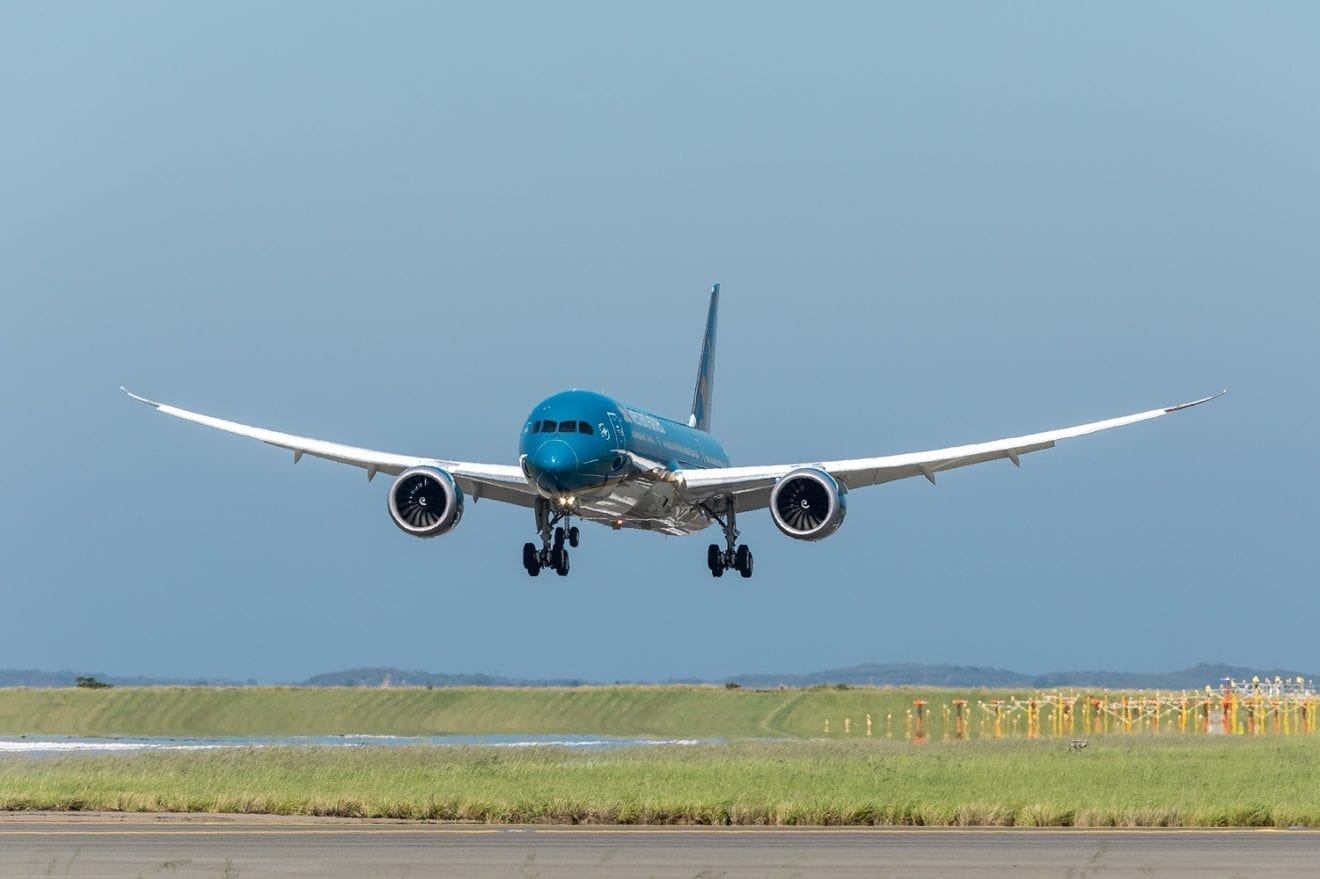
    Vietnam Airlines plans to list its shares on the Ho Chi Minh City Stock Exchange next year amidst rising competition of low-cost carriers. “Vietnam Airlines will go public in the first quarter of next year,” its chief executive, Duong Tri Thanh said. “We are making our target the first quarter of next year, and I think it is feasible.”

    But he admitted the final decision rests with the government.

    The carrier’s shares are traded on Hanoi’s Unlisted Public Company Market (UPCoM) and it has a market capitalization of more than $2 billion.

    The government currently owns around 86 percent of Vietnam Airlines, but has said it wants to reduce this to 51 percent by 2020.

    The country’s largest airline by passengers carried now faces rising competition from budget carrier VietJet Aviation and others. Last month Vietjet became the second most valuable airline in Southeast Asia by market cap behind only Singapore Airlines.

    With the domestic market showing signs of saturation, Vietnam Airlines seeks to expand overseas. In October it started a daily service from central Da Nang City to Osaka City to add to the 70 weekly flights from Vietnam to Japan. In 2020 it plans to begin a direct service to the U.S.

    Vietjet launched a daily service from Hanoi to Osaka last month to take its total number of international routes to 64 in 11 countries. It plans to add two more routes to Japan by next month.

    Other airlines are also jostling for market share. Bamboo Airways, Vietnam’s newest airline, received a license last month and is set to make its maiden flight on December 29.

    Experts said the listing of Vietnam Airlines would allow it to compete with other carriers by attracting more investors.

    “This would be a major Vietnamese company joining the stock exchange, which would interest international investors and potentially enable Vietnam Airlines to raise funds more easily to compete with the likes of VietJet and Bamboo,” the Financial Times quoted Tony Foster, a partner at Hanoi law firm Freshfields, as saying.

    Vietnam’s international aviation market, driven by the rapid growth in tourism, has been expanding at more than 30 percent a year, according to the CAPA Centre for Aviation, an Australian consultancy.

    Vietnam welcomed 14.1 million international tourists from January to November, up 21.3 percent year-on-year, according to the General Statistics Office. As many as 11.4 million of them came by plane, up 15.3 percent, it added.

    Vietnamese carriers transported 45.1 million passengers between January and November, up 11.9 percent year-on-year, and 369.2 million tons of goods, up 18.6 percent, according to the General Statistics Office.

    There are five carriers in Vietnam: Vietnam Airlines, Vietjet Air, Bamboo Airways, Jetstar Pacific and VASCO. Vietnam Airlines owns VASCO and has a 70 percent stake in Jetstar Pacific.
  • Iconic Toy Store FAO Schwarz to Open in Beijing

    Iconic Toy Store FAO Schwarz to Open in Beijing

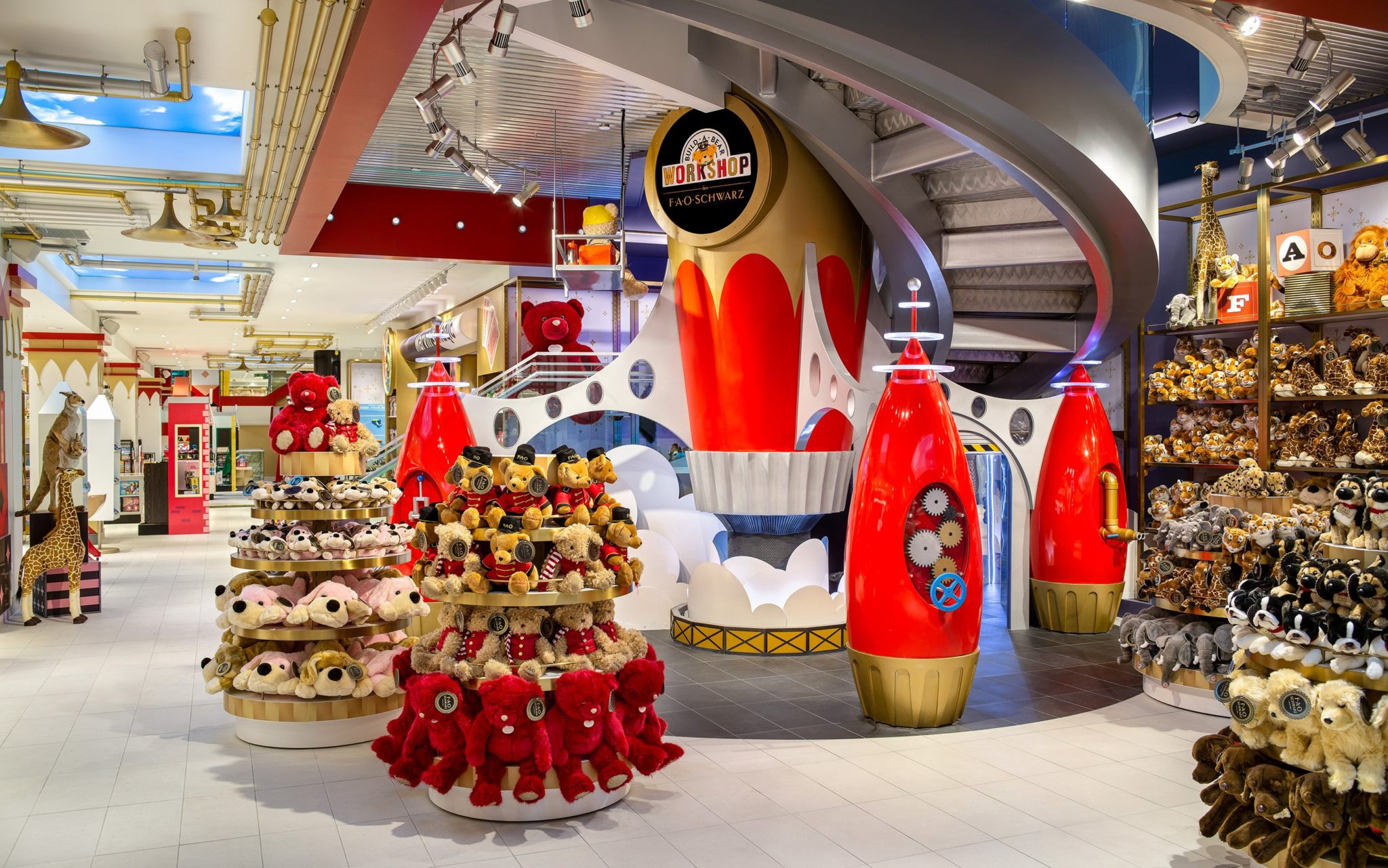
    Heritage toy store brand FAO Schwarz is headed for Beijing after relaunching in New York City. The original store, which featured in Hollywood movies such as Tom Hanks hit “Big”, closed its flagship near Central Park, unable to meet rising rental costs. Its current smaller location under new owners ThreeSixty stands to benefit from significant nostalgia for the old store amongst New Yorkers.

    Beyond plans for China, ThreeSixty intends to open pop-ups in department stores both in the US and abroad.

    It faces the same competition from e-commerce and discount chains like Walmart and Target that toppled toy empire Toys R Us earlier this year.

    Chief merchandising officer David Niggli said the key to the new stores is experience.

    Attractions include magic tricks, certificates to “adopt” a doll and a Build-a-Bear Workshop.

  • FTC Korea approves convenience stores’ voluntary rules to curb competition

    FTC Korea approves convenience stores’ voluntary rules to curb competition

    South Korean convenience store operators have agreed not to engage in cut-throat competition in the latest move to better protect struggling franchisees. A key centerpiece of the voluntary deal calls for CU, GS25 and 7-Eleven and three other convenience store brands to decide “carefully” over whether to open a new convenience store near an area where a rival convenience store is already located.

    The deal said that convenience stores of rival brands should be at least 50 metres away from each other. Currently, convenience stores of the same brand should be located at least 250 metres away from each other to make sure that they do not compete against each other.

    The latest move came as South Korea has been struggling to protect franchisees in a country where chaebol, or family-controlled conglomerates, have dominated the economy for decades.

    “The voluntary regulation, if implemented in good faith, could help ease saturation and improve management conditions of franchisees of convenience stores,” Kim Sang-jo, chairman of the Fair Trade Commission, said in a signing ceremony of the voluntary deal in Seoul today.

    Last week, President Moon Jae-in instructed the antitrust chief to support a voluntary deal among South Korean convenience store operators so as to address the saturation of the market.

    Convenience stores have sprung up in commercial areas in Seoul and other major cities in recent years, driven by growth of single-member households.

    Last year, the number of convenience stores surpassed 40,000, a dramatic increase from 1989 when the first convenience store opened in eastern Seoul.

    Kim said the voluntary deal could prevent convenience store operators from recklessly opening new outlets in areas where there are already many convenience stores.

  • Hamleys Japan in talk for theme park JV

    Hamleys Japan in talk for theme park JV

    Chinese-owned, British headquartered toy store chain Hamleys has entered the Japanese retail market, opening two theme-park styled outlets. Hamleys Japan is targeting 4 million visitors to each store within the first year, with a view to opening 30 stores in the territory over the next five years.

    The new stores have opened in Yokohama (at 32,300sqft) and Fukuoka (at 58,100sqft) in partnership with local video games firm Bandai Namco in a £300 million (US$381.7 million) venture. Each store features around 6000 products on sale and entertainment facilities such as merry-go-rounds, games corners and infant play spaces.

    Hamleys CEO Ralph Cunningham said Japan represents “an exciting and important market” and is key to Hamleys’ continued international growth strategy.

    “We look forward to bringing smiles to the faces of children and families all over Japan and delivering the unique Hamleys in-store experience to this fantastic market.”

  • Vietnam to experience power cuts early 2019

    Vietnam to experience power cuts early 2019

    The ongoing coal shortage could lead to power cuts in Vietnam early next year, Vietnam Electricity (EVN) has warned. The national power utility said in a recent report to Deputy Prime Minister Trinh Dinh Dung that the country will need over 54 million tons of coal for electricity production next year, of which 43.4 million tons will come from domestic production and 10.68 million tons will be imported.

    But the country’s only two suppliers, Vietnam National Coal-Mineral Industries Corporation (Vinacomin) and the North-Eastern Company (NECO) under the Ministry of Defense, will only be able to produce 37.21 million tons of coal next year, 6.19 million tons lower than estimated demand, EVN said.

    “The lack of coal will lead to a shutdown of thermal power plants, seriously affecting the national power grid and EVN might have to cut electricity in the first months of 2019,” it added.

    EVN estimated that power generation will be reduced by 2,300 MW, which is the average electricity consumption of 13 central provinces.

    EVN said that Vinacomin and NECO had promised to provide enough coal for plants this year, but the amount provided by Vinacomin until this month was 690,000 tons lower than contracted.

    The power utility estimates that the country will need 2.55 million tons of coal of electricity in December, but the two coal producers plan to deliver only 2.05 million tons, which is 500,000 tons short.

    Due to the coal shortage, the Quang Ninh Thermal Power Company has shut down two out of four turbines since November 17.

    The Hai Phong Thermal Power Company shut down one turbine on November 22, and the Nghi Son Thermal Power Plant  reduced its two turbines to minimum operation the same day. The Ninh Binh Thermal Power Company is running low on inventory.

    Vietnam currently relies largely on hydropower and thermal power plants for its electricity needs. However, its hydropower potential is almost fully exploited and its oil and gas reserves are running low. Thermal energy is expected to account for over 48 percent of the country’s power production next year.

    Vietnam, one of Asia’s fastest-growing economies, has been struggling to develop its energy industry.

    World Bank country director for Vietnam Ousmane Dione said at a forum Monday that Vietnam will need to raise up $150 billion by 2030 to develop its energy sector.

    Dione added that electricity demand in the country will grow by about 8 percent a year for the next decade, as reported.

  • Malaysia Airlines’s progress in line with recovery plan

    Malaysia Airlines’s progress in line with recovery plan

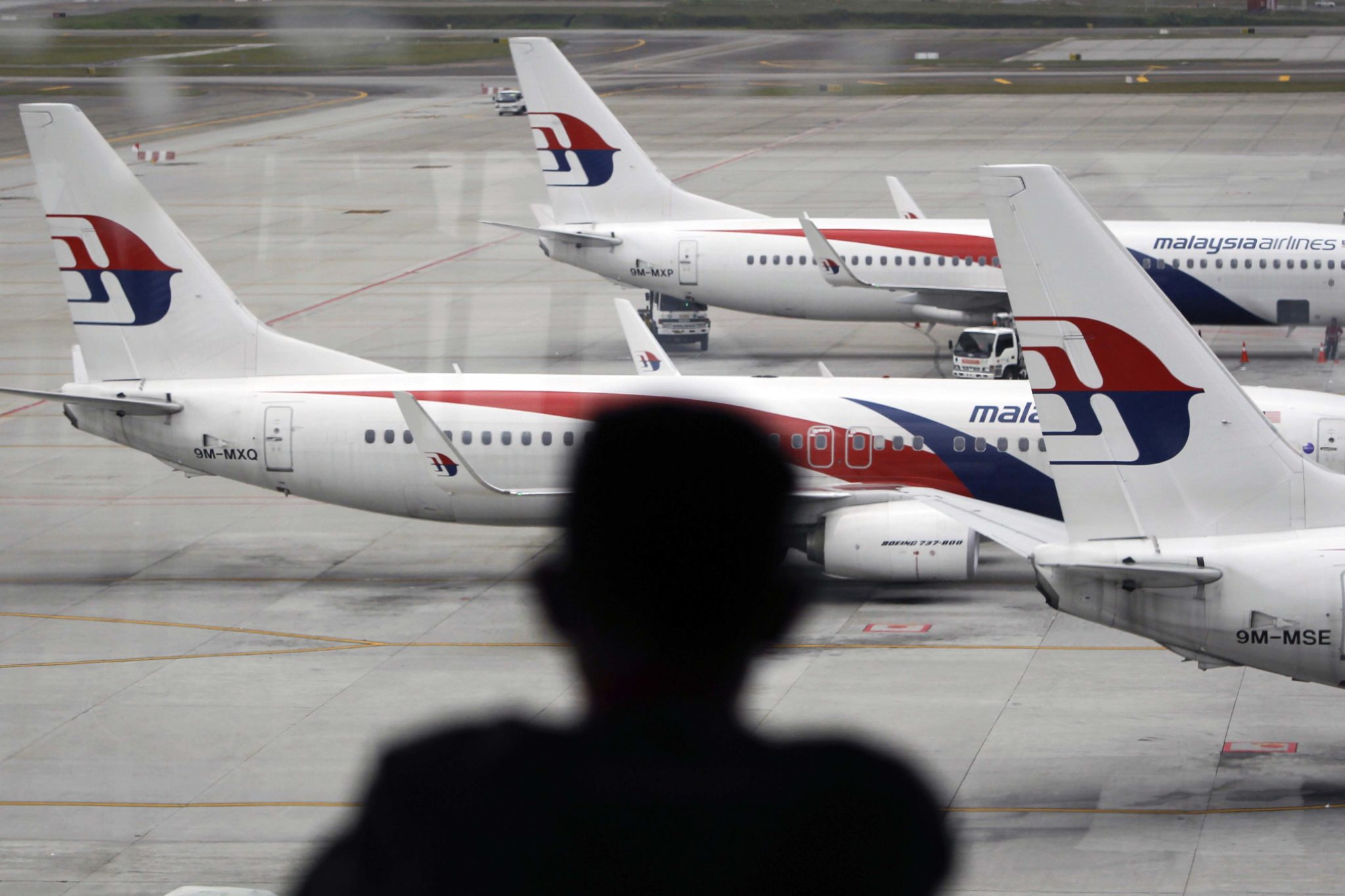
    Although relatively little is being said and publicised about Malaysia Airlines Bhd’s (MAB) recovery plan, a substantial amount of progress has actually been achieved in its business operations in line with the plan, which aims to revive the country’s national carrier and sustain its profitability.

    Group CEO Captain Izham Ismail said improvements in terms of cost base, productivity, information technology (IT) systems and customer experience were among the achievements chalked up by the company, thanks to the five-year Malaysia Airlines Recovery Plan.

    In an interview with Bernama, he said plans had been put in place to address the airline’s performance going forward and this had yielded improved performance for the first half of this year.

    The airline performed stronger in the first six months of this year than in the same period of 2017, adding that the key focus for the airline in financial year 2018 included driving revenue.

    “This will be underpinned by continuous improvement in customer experience, product quality and operational excellence while maintaining a productive and competitive cost base,” he said.

    According to Izham, MAB’s cost base has been significantly changed to bring it in line with its peer network airlines.

    As of today, the group has one of the lowest cost bases among its peer network airlines on a cost per available seat kilometre basis.

    The company has also seen material gains in productivity with a more competitively sized workforce, which is further complemented by a commitment towards continuous talent development.

    “A stronger local talent pool has now been established,” he said.

    On the group’s IT system, which is an integral part of overall airline operations, Izham said the complete overhaul had now been completed.

    He said the new Passenger Service System and migration to a cloud-based data centre had improved reliability and cyber security, as well as enhanced agility and better time-to-market.

    He said customer experience had also improved with market-driven metrics based on the company’s customer survey and net promoter measures showing significant positive gains over the last two financial years.

    On the operational front, Izham said the supply chain in engineering had been significantly tightened, which had helped the airline’s on-time performance, although it was still impacted by external factors beyond its control.

    “Since the set up of NewCo (MAB, which took over the operations, assets and liabilities of Malaysian Airline System Bhd or MAS) in 2015, we are showing progress and have recorded a double-digit compound annual growth rate growth (of 21%) over the last three years.

    “That is improvement straight to the bottomline,” he explained.

    MAB managed to record “steady year-on-year (y-o-y) performance” in the second quarter of 2018, with a marginal yield improvement, while revenue per available seat kilometre remained steady with a growth of 2% y-o-y.

    Going forward, Izham said MAB would continue to focus on the customer while making sure to deliver a strong schedule and great service for its customers.

    The airline also aimed to build a diverse Asia-Pacific network with a simplified fleet structure and operations to ensure consistency, and removing complexity in service delivery as well as pursuing a gradual and progressive growth strategy across markets, he said.

    Commenting on Khazanah Nasional Bhd’s plan to relist the national carrier as part of the recovery plan sometime from now until 2020, he said “the plan has always been to re-list Malaysia Airlines”.

    “We are working hard to stabilise the company and return it to profitability before any initial public offering plans can be considered,” he added. Khazanah owns 100% equity interest in MAB.

    In 2014, the sovereign wealth fund had injected investments amounting to RM6 billion to support the airline’s five-year turnaround plan with the aim of returning MAB to profitability by late 2017 and to relist the company by 2018 or 2019.

    Khazanah de-listed MAS from Bursa Malaysia on Dec 31, 2014.

  • Asiana Korea upgrades the system that monitors flight safety

    Asiana Korea upgrades the system that monitors flight safety

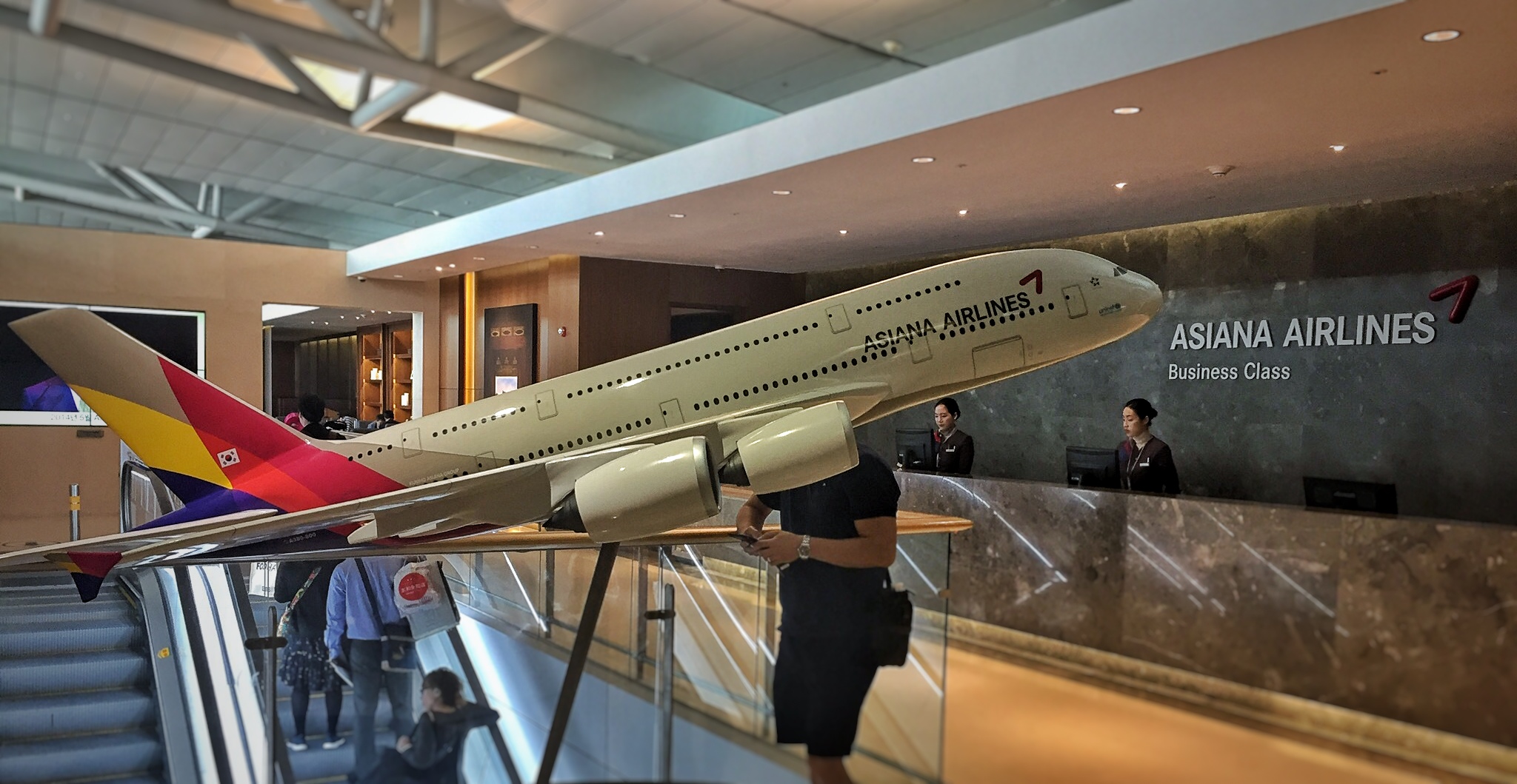
    Asiana Airlines completed an upgrade of its flight operational quality assurance system on Friday. The system analyzes data related to flight operations including piloting decisions during unexpected weather conditions and plane speeds or flying altitudes on certain flight routes.

    It was first implemented in 1995 to ensure safety in flight operations and, since 2015, a committee consisting of eight representatives from both the corporate and labor union has been holding monthly meetings to find potential risks in flight operations based on the data.

    Asiana said the upgrade enables the company to collect and analyze all data on flight operations while the previous system only allowed the company to analyze unusual sets of data. This way, the airline can monitor each pilot’s operational habits and provide more detailed feedback to them.

    The airline is also preparing to launch a so-called Asiana Flight Review Assistance System by 2019 in partnership with its IT service affiliate Asiana IDT to further enhance safety in flight operations. This system will help the company manage all analysis on flight operations using big data technology.

  • Halt to Hong Kong and Macau one-day trips

    Halt to Hong Kong and Macau one-day trips

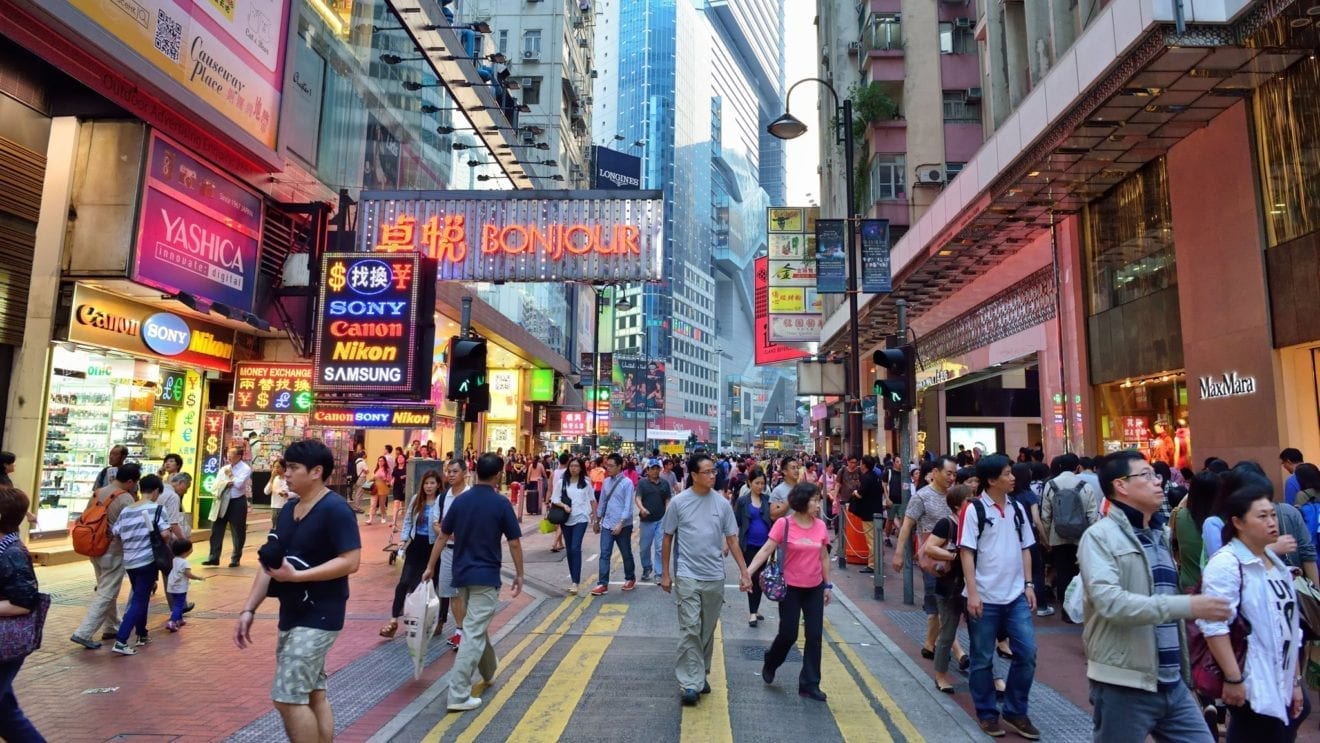
    Travel agencies across Guangdong have been ordered to halt all one-day trips to Hong Kong and Macau on weekends via the cross-border bridge to reduce the nuisance suffered by the cities’ residents. The move comes about a week after Guangzhou tourism authorities issued an urgent notice asking travel agencies in the provincial capital to avoid taking groups of visitors across the Hong Kong-Zhuhai-Macau Bridge at weekends.

    Since the crossing opened to traffic on October 24, large numbers of mainland visitors have descended on the usually quiet neighbourhood of Tung Chung, on Lantau Island, crowding bus stops and emptying shop shelves.

    Between October 17 and November 1, more than 1.78 million visas to Hong Kong and Macau were issued to applicants across Guangdong – mostly retirees – making for a year-on-year increase of 26.6 per cent, according to the province’s public security department.

    Aside from Tung Chung residents and activists being upset by the large crowds, there have also been allegations that illegal tour operators were flouting employment laws that prevent mainlanders from working in Hong Kong.

    The Guangdong Provincial Culture and Tourism Department said that it had taken three measures to “further reduce the pressure on the ports and the surrounding areas”.

    In halting short weekend trips to Hong Kong and Macau via the bridge, it had encouraged travel agencies to arrange “quality trips that last two days or more”.

    The other two measures were to get tourism authorities at municipal and lower levels to monitor the agencies closely, and control passenger flow through an online ticketing system for cross-border buses.

    “After our department and other related authorities carried out the control measures, traffic on roads to the bridge’s port in Zhuhai has become smooth, and the number of passengers heading to Hong Kong from Zhuhai has been effectively contained,” the department said.

    According to the Travel Industry Council in Hong Kong, the number of registered tour groups coming over the bridge fell to 340 last weekend from 430 the weekend before.

    Hong Kong’s Immigration Department reported that last weekend, 76,473 passengers entered Hong Kong via the bridge, down from 102,749 the weekend before, a 26 per cent drop.

    The marketing representatives of two major travel agencies in Guangzhou, Guangzhilv and Nanhu, claimed they were not aware of the latest orders.

    On Nanhu’s website, 13 one-day trips to Hong Kong and Macau via the bridge were still available as of Wednesday evening, including weekend trips.

    Guangzhilv’s four one-day trips to Hong Kong all depart on weekdays.

    Alice Chan Cheung Lok-yee, executive director of Hong Kong’s Travel Industry Council, welcomed the new measures by Guangdong, and said it would make further cuts to the number of one-day tours.

    Chan said there was no need to ban all one-day trips if the mainland visitors arrived in properly managed groups led by local tour agents.

    She said the council would monitor the situation and stay in touch with the Guangdong authorities.

    Tourism sector lawmaker Yiu Si-wing expected Guangdong travel agencies to comply with the orders of their provincial authorities and organise more two-day tours.

    This would help relieve pressure on the port-to-port shuttle bus services at the bridge, the border clearance facilities and the local districts that visitors go to, he added.

  • Korea’s Air Pohang to suspend flights while it replaces all of its jets

    Korea’s Air Pohang to suspend flights while it replaces all of its jets

    On last Thursday, regional Korean airline Air Pohang said that it will temporarily suspend flight services next month while it replaces all of its existing passenger jets. In February, Air Pohang began services with two Bombardier 50-seater CRJ-200 aircrafts – one each on the Pohang-Gimpo and the Pohang-Jeju Island routes.

    The company said that it will replace the two CRJ-200s with three Airbus A319 aircrafts by the end of March.

    As the CRJ-200 model has not been in production since 2007, the company said it has experienced difficulties in securing parts for the planes when repairs have had to be made.

    Air Pohang is based in the industrial city of Pohang, about 370 kilometers (230 miles) southeast of Seoul.

    Asia’s fourth largest economy has two full-service carriers: Korean Air and Asiana Airlines. It also has six low-cost airlines: Jin Air, Jeju Air, Air Busan, Air Seoul, Eastar Jet and T’way Air.

  • Ashley furniture now available in Thailand

    Ashley furniture now available in Thailand

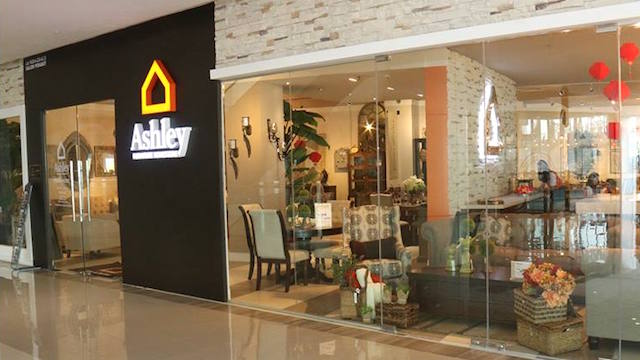
    US furniture retailer Ashley has launched in Thailand, partnering with local home furnishing and decor chain Chic Republic. The move is expected to help the brand capitalise on growing market demand and consumer purchasing power in the territory. Ashley president and CEO Todd Wanek said Thailand is a critical and potentially huge market for Ashley, due to its fast-growing middle-class affluence and population of 70 million.

    “There is huge demand for American contemporary and transitional looks in Thailand. This is why Ashley took the time to find the right partner, test the market thoroughly and made this decision after more than three years of finding the right fit.”

    Chic Republic’s strategy for expansion aims to target mid- to high-income consumers.

    It aims to sell Ashley’s products online via www.chicrepublicthai.com, and at four retail stores in Bang Na, Pradit Manutham, Ratchaphruek and Pattaya.

    Chic Republic CEO Kijja Pattamasattayasonthi said the outlook for furniture and home decor sales for the remainder of this year and into next is positive, due to demand from middle- to high-income customers, whose spending confidence has increased, as well as support from the increasing numbers of low-rise and high-rise high-end property projects.”

    Ashley has operated globally for more than 70 years, and has worked in the Asia-Pacific region for five years. It has more than 850 branches in 150 countries and brought in global sales of more than US$6 billion last year, accounting for 5 per cent of the brand’s total sales.

  • First Sony Lounge opens in Malaysia

    First Sony Lounge opens in Malaysia

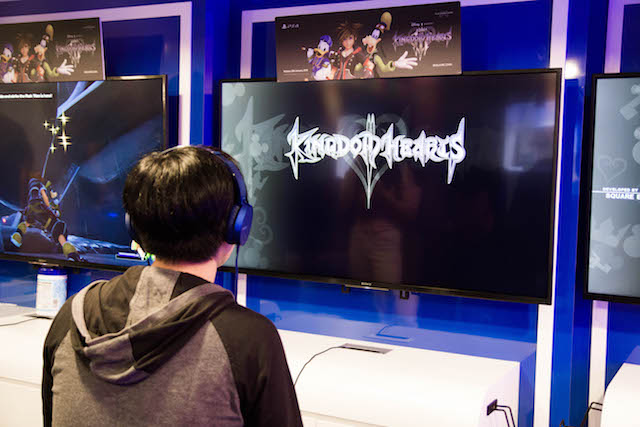
    Sony has opened its first Play Everything Lounge by PlayStation in Southeast Asia at Sunway Pyramid. The lounge, operated by Sony Interactive Entertainment’s local office, will be open until February 17. Sunway Malls and Theme Parks CEO HC Chan said he was honoured the mall has remained a mall-of-choice for experiences. “The partnership with Sony Interactive Entertainment signifies a true collaborative curation by two of the leading names of the industry. It is our privilege to work with a world-renowned gaming giant to bring another dimension of experiences for our shoppers. It is important for malls to go beyond conventions to stay relevant.”

    Sony’s regional head Hidetoshi Takigawa noted the strong performance of the PlayStation business in Malaysia, and said the Sunway Pyramid store is a means for the brand to engage with its local fans.

    Southeast Asia’s first PlayStation Experience was held in Kuala Lumpur last year.

    Gaming tournaments, community engagement activities and unreleased game trials are expected to be held in the space. A virtual reality area allows visitors to try Sony’s PlayStation VR gaming system for PlayStation 4.

    View the image of the lounge below (6 pictures) :

  • Murphy Oil said to be in talks to sell Malaysian oil & gas assets

    Murphy Oil said to be in talks to sell Malaysian oil & gas assets

    Murphy Oil Corporation is in talks to sell its Malaysian oil and gas assets after an unsolicited bid that could fetch between US$2 billion to US$3 billion (RM8.4 billion to RM12.6 billion), people familiar with the matter said, in the latest energy merger and acquisition deal in the Southeast Asian nation.

    The independent US oil and gas exploration and production company has tapped banks for the potential sale of its majority interests in eight separate offshore production sharing contracts in Malaysia, said the people, who declined to be identified because the matter is confidential.

    “Murphy wasn’t considering a sale but was approached by a party that put forward a very compelling bid. They are in negotiations,” said one of the people.

    Murphy, which has been in Malaysia since 1999, could agree on a deal in a couple of weeks, the person said. Others familiar with the matter suggested Spanish oil major Repsol, whose presence in Malaysia is focused on its upstream business, or other global majors could be potential buyers for Murphy’s assets.

    The possible transaction comes as M&A activity is heating up in Malaysia’s oil and gas sector, where international companies pursuing expansion plans are spotting opportunities.

    Repsol and Murphy declined to comment on any potential transaction or talks. There was no response to a query to Malaysian state-owned Petroliam Nasional Bhd (Petronas), which partners Murphy in Malaysia.

    “This is a good, balanced portfolio and offers a smart way for someone looking to grow quickly in the region. Otherwise, it’ll take a decade to start from scratch,” said Alex Siow, upstream oil and gas analyst at energy research firm Wood Mackenzie.

    “The buyer will be buying into an operatorship position with Murphy’s stake, therefore having the know-how and will to be an operator is important,” he said.

    Murphy produced nearly 46,700 barrels of oil equivalent a day in the quarter ended Sept 30 in Malaysia, the company said in response to the query.

  • Higher revenue lifts Petronas’ Q3 net profit to RM14.3 billion

    Higher revenue lifts Petronas’ Q3 net profit to RM14.3 billion

    Petroliam Nasional Bhd’s (Petronas) net profit for the third quarter ended Sept 30, 2018 rose 43% to RM14.3 billion from RM10 billion a year ago due to higher revenue. The group said in a statement today that the higher revenue was partially offset by higher product costs in tandem with higher prices, coupled with increased depreciation and amortisation.

    Earnings before interest, taxation, depreciation and amortisation (ebitda) rose 25% to RM26.9 billion from RM21.5 billion a year ago.

    The state-owned oil company attributed the higher earnings to its continuous execution of business improvement activities, focused on increased operational excellence and supported by higher commodity prices.

    Revenue for the quarter rose 19% year-on-year to RM63.9 billion, mainly driven by higher average realised prices for key products coupled with increased efficiency throughout the group.

    Higher sales were partially offset by the strengthening ringgit and lower sales volume, mainly for liquefied natural gas (LNG). Capital investments for the quarter stood at RM6.7 billion, mainly attributed to upstream projects.

    For the nine months ended Sept 30, 2018, Petronas’ net profit rose 50% year on year to RM41 billion, due mainly to higher revenue, lower net impairment on assets as well as other expenses. These were partially offset by higher product costs in tandem with higher prices coupled with increased depreciation and amortisation as well as tax expenses.

    Revenue for the period rose 12% year-on-year to RM181.1 billion mainly due to the impact of higher average realised prices for key products as well as increased efficiency efforts, largely offset by the effect of the ringgit strengthening against the US dollar.

    Capital investments for the period stood at RM26.5 billion mainly attributed to upstream projects while total assets rose to RM623.1 billion as at end-September, compared with RM599.8 billion as at end-December 2017.

    Shareholders’ equity rose to RM402.1 billion as at end-September from RM389.8 billion as at end-December 2017. The gearing ratio remained at 16.1% while return on average capital employed rose to 12.6% from 9.8% during the same period.

    The Pengerang Integrated Complex achieved 95% progress as at end-September and successfully received its first crude oil cargo at the Pengerang Deepwater Terminal 2. The project is on track to be ready for startup in 2019.

    President and group CEO Tan Sri Wan Zulkiflee Wan Ariffin said Petronas is on track to deliver a strong year-end performance by maintaining focus on driving efficiency efforts across its operations.

    “The recent drop in oil prices demonstrate the volatile and cyclical nature of the industry and we will continue to maintain our prudent outlook amidst this landscape while remaining steadfast in pursuing our growth strategies to ensure the long-term sustainability and progress of the company,” he said.

  • DFS Group Kicks Off Its Seasonal Gifting Campaign

    DFS Group Kicks Off Its Seasonal Gifting Campaign

    DFS Group has kicked off its annual gifting campaign at T Galleria by DFS in Okinawa. The “Give Joy”-themed campaign opened on November 24, showcasing DFS’s first ever “Personalisation Gift Shop” concept, where an assortment of specially curated luxury gifts can be personalised, along with services. The concept will now be rolled out in T Galleria by DFS stores in Hong Kong’s Canton Road and Macau’s City of Dreams, along with stores in Singapore, Angkor (Cambodia), Saipan, Bali, Guam, Okinawa, Hawaii and Sydney.

    The store was transformed into a “gifting wonderland” at the launch as guests were invited to try the personalisation services – monogramming leather goods, and adorning t-shirts and tote bags with Foxy’s six DFS exclusive emoji iron-on patches.

    DFS Group executive VP merchandising Ariel Gentzbourger said: “Thanks to our unique approach to gifting, and our understanding of what our customers are seeking, we have created a shopping experience that is a joy in itself.”

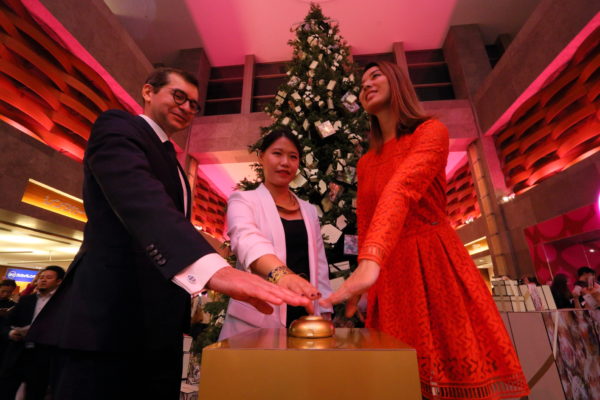
    Gifting-themed entertainment at the event included a life-size advent calendar overflowing with holiday treasures, a special visit from Santa Claus and a “candygram” corner for guests to pick and mix sweet treats.

    View the gallery below for the report of the event (11 images) :

  • Genting sues The Walt Disney Co for cancelled theme park contract

    Genting sues The Walt Disney Co for cancelled theme park contract

    Genting Malaysia Bhd’s share price fell as much as 18.6% today on news that it is suing Twenty-First Century Fox Inc and The Walt Disney Co for more than US$1 billion (RM4.19 billion) for terminating their contract to develop a Fox-branded theme park at Resorts World Genting in Malaysia. The Fox theme park is a key selling point of the Malaysian casino resort group’s multi-billion ringgit Genting Integrated Tourism Plan.

    Genting Malaysia told Bursa Malaysia today it is suing Fox Entertainment Group, LLC, Twentieth-Century Fox Film Corp, FoxNext, LLC (collectively known as FOX), Twenty-First Century Fox, Inc (21CF) and The Walt Disney Co for the termination of a memorandum of agreement (MoA) relating to the theme park project.

    The Walt Disney Co is in the process of acquring Twenty-First Century Fox.

    Genting Malaysia was the most actively traded counter on the local stock market today, closing 16.7% lower at RM3.00 with some 276.3 million shares traded. It opened lower at RM3 and fell as much as 67 sen from its last adjusted closing price of RM3.60, to trade at a low of RM2.93.

    In a filing with Bursa Malaysia, Genting Malaysia said it has filed legal proceedings in the US against FOX, 21CF and Walt Disney, in response to a notice issued by FOX in which it terminated the MoA and claimed about US$46.2 million (about RM193.6 million) in accelerated payments.

    “Genting Malaysia denies that FOX had grounds to terminate the MoA, denies any liability resulting therefrom, and has pursued cause of action against FOX for breach of contract, and breach of the implied covenant of good faith and fair dealing, among others,” it said.

    The group has also pursued cause of action against Disney and 21CF for inducing breach of contract and for interference with contract.

    The group said it intends to fully enforce its rights under the MoA, claim for the cost of its investments and consequential and punitive damages that in total will exceed US$1 billion, and such other reliefs to be determined by the court.

    Genting Malaysia said the litigation is not expected to impact its current business operations. It said the validity of the causes of action as well as the availability and extent of Genting Malaysia’s damages cannot be ascertained at this juncture.

    To recap, Genting Malaysia entered into the MoA dated June 1, 2013 with Twentieth-Century Fox Licensing & Merchandising, a division of Fox Entertainment Group, Inc. Genting Malaysia was granted a licence to use certain intellectual property rights associated with Fox theatrical motion pictures in connection with the design, development, construction and operation of what was to be called the Twentieth-Century Fox World Theme Park. The MoA was subsequently amended on June 10, 2014 and June 9, 2017.