Category: Living

Retail News Asia is committed to providing both local and global retailers with the latest Living news throughout the Asian market. This on a daily base.

  • All Starbucks in Korea to get paper straws from yesterday

    All Starbucks in Korea to get paper straws from yesterday

    Starbucks Korea is stocking all 1,225 of its stores nationwide with paper straws in a bid to cut down on its plastic usage. Starting last Monday, Starbucks began stocking all of its stores with white paper straws, which it found during trials to be more popular than green ones. The paper straws will also be coated with soy oil both inside and outside in response to customer complaints that its original trial straws were too flimsy.

    Starbucks trialed paper straws at 100 stores in Seoul, Busan and Jeju Island over the last two months.

    Though all stores now have paper straws, some branches will continue to offer customers plastic ones until they deplete existing stocks.

    Additionally, on Monday Starbucks began stocking all of its stores with plastic cup lids that don’t require straws. These special lids, which resemble those used with hot drinks that come in paper cups, will be provided for take-out orders of regular cold drinks. Paper straws and regular lids will be provided for specialty cold drinks like Frappuccinos and drinks topped with whipped cream that are difficult to drink without straws.

    “We developed the plastic cup lids to minimize disposable waste consumption and also offer an alternative to customers who prefer drinking without straws,” said a Starbucks spokesman.

    Starbucks will also remove the straws and stirring sticks it previously left out for customers and instead place them behind counters and only provide them on request. It will replace all plastic stirring sticks with wooden ones as well.

    Last year, Starbucks Korea used 180 million plastic straws, nearly enough to circumnavigate the earth if laid end-to-end.

    “With the adoption of paper straws we will be able to prevent consumption of at least 180 million plastic straws from next year,” said a Starbucks spokesperson.

  • The Walt Disney Company appoints new Head of Consumer Products Commercialization

    The Walt Disney Company appoints new Head of Consumer Products Commercialization

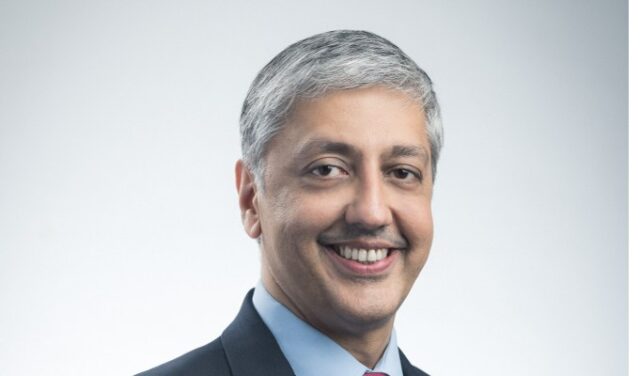
    The Walt Disney Company has announced the appointment of Mahesh Samat, Executive Vice President, Disney Consumer Products Commercialization for the Asia Pacific region. Reporting into Ken Potrock, President, Disney Consumer Products Commercialization, he takes on responsibility for the commercialization of Disney franchises across merchandise, publishing and licensed games throughout India, Southeast Asia, Greater China, Korea, Japan, Australia and New Zealand.

    Samat rejoined The Walt Disney Company in India in November 2016 and went on to integrate the Southeast Asia and India businesses to form The Walt Disney Company’s South Asia regional hub in September 2017. He led most of Disney’s integrated business units driving new strategies that are providing tremendous growth for global franchises and unilaterally creating new business opportunities for all Disney businesses. He previously led The Walt Disney Company’s India operations from 2008-2012.

    “The Asia Pacific region continues to provide immense opportunity for Disney products and experiences,” said Potrock. “I am confident that Mahesh’s proven leadership and steadfast focus on innovation and entrepreneurship will deliver dynamic growth across our brands and product categories.”

    “Disney products and experiences bring our stories and characters closer to fans every day. I am pleased to have the opportunity to lead this exceptional team to delight kids and families across these high growth Asian markets,” said Samat.

    With more than twenty-five years of experience in FMCG, Media and Healthcare across India, Asia-Pacific and Europe, Samat previously worked with Johnson & Johnson, Kellogg’s, Warner-Lambert/Parke-Davis and Boots India Limited. Between 2012 and 2016, he established the Epic Television Networks and its popular Hindi-language, The Epic Channel in India.

  • Mumuso to open 300 stores in India by 2022

    Mumuso to open 300 stores in India by 2022

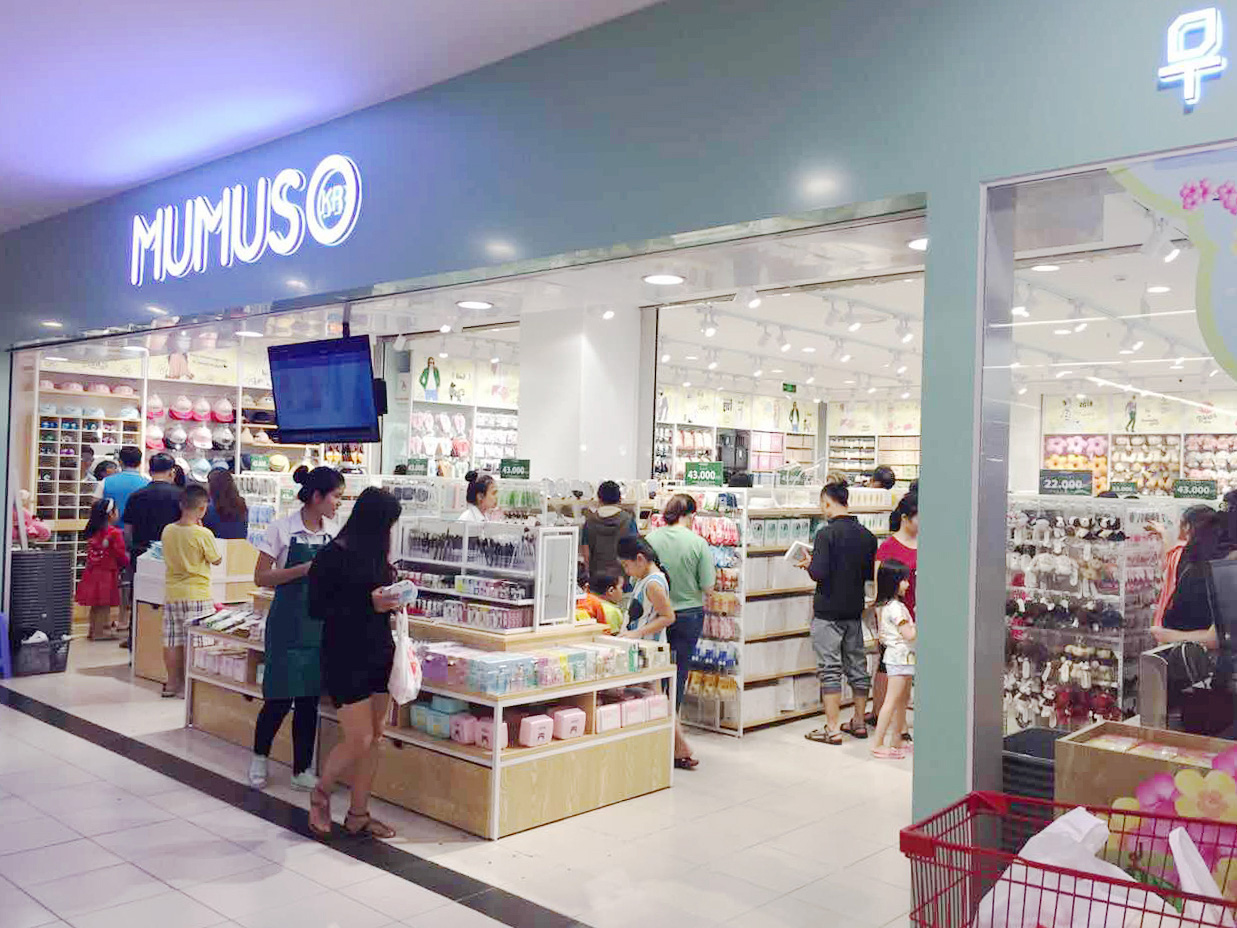
    Korean lifestyle brand Mumuso has announced its plan to open 300 stores across India by 2022. The lifestyle brand, currently present in 30 countries, entered the Indian market in September with a flagship store in Kolkata’s Park Street. “Mumuso is eyeing the Indian market aggressively with new stores in different parts of the country” said Raunak Agarwal, Managing Director of Mumuso India.

    “Mumuso is eyeing the Indian market aggressively with new stores in different parts of the country” said Raunak Agarwal, Managing Director of Mumuso India.

    “India has seen a sharp rise in the demand for lifestyle products in the recent years”, he added.

    Mr. Agarwal said each Mumuso store will offer 1200 unique items across eight categories and there will be an investment of Rs 80 lakh to Rs 1.2 crore in opening the stores.

    The next stores to open will reportedly be in Hyderabad, Siliguri, Bangalore, Delhi, Mumbai, Surat, Durgapur and Chenna.

    Out of the 300 stores planned, 10 are said to be launched in the current calendar year.

    Mr. Agarwal added the company would take the franchisee route to achieve its target of 300 stores, but the tier 1 and tier 2 cities will have at least one flagship Mumuso store.

    Company officials said the brand was expected to grow at a 12 to 13% rate in eastern India in the next four years.

    Mumuso currently has only one warehouse of 50,000 square feet on the Bombay Road in West Bengal but it plans on having more warehouses with future expansions.

  • Long Thanh Airport could host long haul or beyond-ASEAN flights

    Long Thanh Airport could host long haul or beyond-ASEAN flights

    Several options, including exclusive servicing of long-haul flights, have been proposed for the Long Thanh Airport planned in southern Vietnam. The Civil Aviation Authority of Vietnam (CAAV) has recommended two broad options for dividing traffic between the existing Tan Son Nhat International Airport in Ho Chi Minh City and the Long Thanh Airport that will built in the neighboring province of Dong Nai.

    The first option that it has suggested to the Transport Ministry is that Long Thanh will handle all international flights of more than 1,000 km, with the rest flying into Tan Son Nhat.

    For domestic flights, carriers can choose where they want to be based.

    The second option is to allocate all flights from outside Southeast Asia to Long Thanh.

    The allocation criteria can be reconsidered after five years of actual operation, the CAAV proposed.

    Carriers Jetstar Pacific and Vietjet have supported the second option.

    Vietnam Airlines wants to use Long Thanh for all international flights and certain domestic flights and Tan Son Nhat only for domestic flights.

    The preliminary feasibility report on the Long Thanh airport by a joint venture between firms from Japan, France and Vietnam had suggested that all budget carriers could fly into Tan Son Nhat, and all full-service airlines use Long Thanh.

    But CAAV executives said the law does not distinguish between full-service and low-cost airlines, making the suggestion impractical.

    In the communication it sent recently to the Transport Ministry, the CAAV suggested operating international and domestic flights from both airports, ensuring their equal and non-discriminatory use.

    An aviation specialist who did not want to be named pointed out that airlines would prefer to operate from Tan Son Nhat because of its high capacity and proximity to downtown Ho Chi Minh City.

    The ministry needs to allocate flights in such a way as to ensure both airports benefit equally and the load on Tan Son Nhat eases. The allocation of domestic flights to Tan Son Nhat and international flights to Long Thanh is not feasible since airlines fly the same aircraft on both international and domestic routes, meaning they would often have to fly empty between the two airports, the specialist noted.

    He said the distribution of routes should also depend on the growth of the aviation market.

    Situated 40 kilometers east of Ho Chi Minh City, the Long Thanh airport is expected to take up the overflow from the largest existing airport in the country, the Tan Son Nhat International Airport.

    The Tan Son Nhat International Airport now receives 32 million passengers a year, far beyond its designed capacity of 25 million.

    Long Thanh, to be built in three phases over three decades, was recently listed as one of the world’s 16 most exciting airport projects.

    The first phase is scheduled for completion in 2025 when it will be able to handle 25 million passengers a year. The next two phases will be built in 2030-2035 and 2040-2050.

    It will have a capacity of 100 million passengers and five million tons of cargo when completed.

    The Airports Corporation of Vietnam said airports had handled 87 million passengers in the first 10 months of this year, up 12 percent year-on-year.

    The number of international passengers rose by 23 percent and domestic passengers by 7 percent.

  • Vingroup to open casino in Pho Quoc Island

    Vingroup to open casino in Pho Quoc Island

    A Vingroup-invested firm has been allowed to include a casino in a hotel-amusement complex on Vietnam’s largest island Phu Quoc. The People’s Committee of Kien Giang Province announced that the Prime Minister has approved in principle the casino’s inclusion in a hotel-amusement being built on the southern province’s island. With the casino business, total investment in the complex will increase to VND50 trillion ($2.14 billion).

    The complex, which is under construction, is scheduled to start operating in 2021. Its main investor is the Phu Quoc Tourism Investment and Development Jsc, a company in which Vingroup, Vietnam’s largest private conglomerate, holds a 50 percent stake.

    The casino project is part of a pilot program that would allow Vietnamese citizens to gamble in casinos in the country for the first time.

    For decades, Vietnam has banned gambling as a social evil. Vietnamese were also prohibited from gambling in the few casinos that have been built in the country.

    Shifting its stance, the government has allowed citizens over 21 years old with a monthly income of at least VND10 million ($445) to gamble in local casinos from last March under a three-year pilot program. However, the casinos have to obtain approval from the government on a case-by-case basis to allow Vietnamese citizens to use their services.

    Vietnam’s average annual income was around $2,200 last year.

    There are fewer than 10 casinos in Vietnam, mostly smaller ones outside major cities. Their services are reserved exclusively for foreign passport holders.

  • Lotte gears up for winter promotion at downtown and airport stores

    Lotte gears up for winter promotion at downtown and airport stores

    The winter promotion for Lotte Duty Free will kick off on 23 November and run until 2 January 2019. The large-scale event will see more than 50 overseas brands, including  MaxMara, Ferragamo and Vivienne Westwood, offered at a discount of 20-80%.

    During the six-week promotion, any customers spending more than $1 at the retailer’s Myeongdong head office, World Tower, Coex, Incheon Airport, Gimpo Airport, Busan or Jeju stores will be given the chance to enter a lottery. 10 winners from the lottery will be presented with a ₩3m ($2,658) travel voucher.

    Customers spending a certain amount instore will be entitled to giveaways and gifts with purchase. Those that more than $800 in Lotte’s World Tower or Coex downtown stores will receive tickets for the Picasso and Cubism Art Exhibition; those spending more than $300 at World Tower, Coex, Busan or Jeju from 28 November will receive a Lotte calendar, while those spending more than $300 at Incheon, Gimpo or Gimhae airports after 1 December will receive a free microfiber knee blanket; and those that spend more than $100 at the retailer’s Coex store will be awarded a scratch coupon.

  • AirAsia X falls on the back of Q3 losses

    AirAsia X falls on the back of Q3 losses

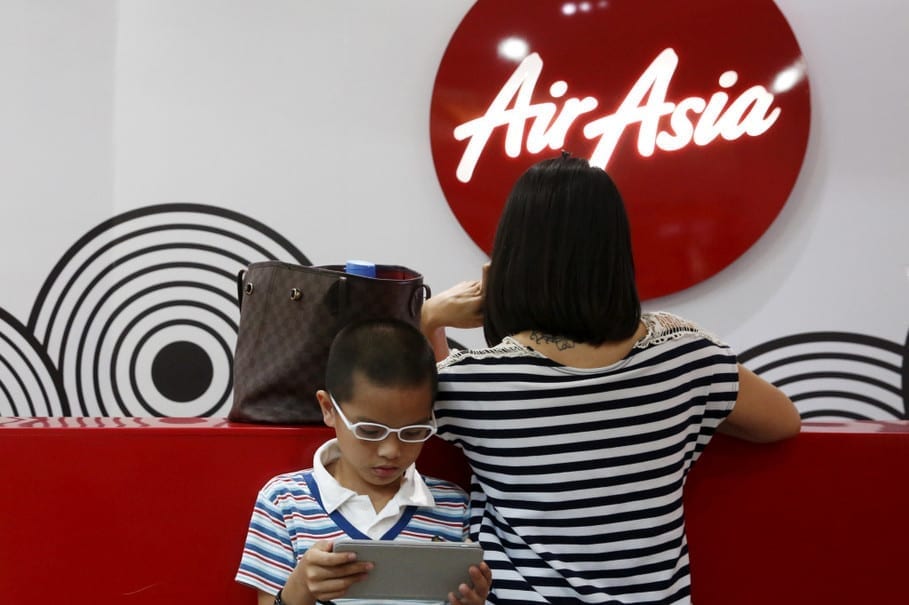
    AirAsia’s share price slid in yesterday’s early morning trade as the airline recorded widening losses. At 9.45am, the counter was down 1.5 sen or 6.25% to 22.5 sen a share on turnover of 2.8 million shares. An increase in average fuel price and a RM138.2mil impairment made on an amount due from a joint venture resulting in AirAsia X’s net losses jumping almost five times to RM197.47mil from RM43.3mil in the year-ago quarter.

    The carrier said the average fuel price in 3Q18 had increased to US$91 per barrel compared with US$65 in 3Q17.

    Meanwhile, the impairment made in the third quarter was related to a lease rental and maintenance reserve due from a JV through a third-party leasing intermediary.

  • Indonesia AirAsia X to cease scheduled operations in January

    Indonesia AirAsia X to cease scheduled operations in January

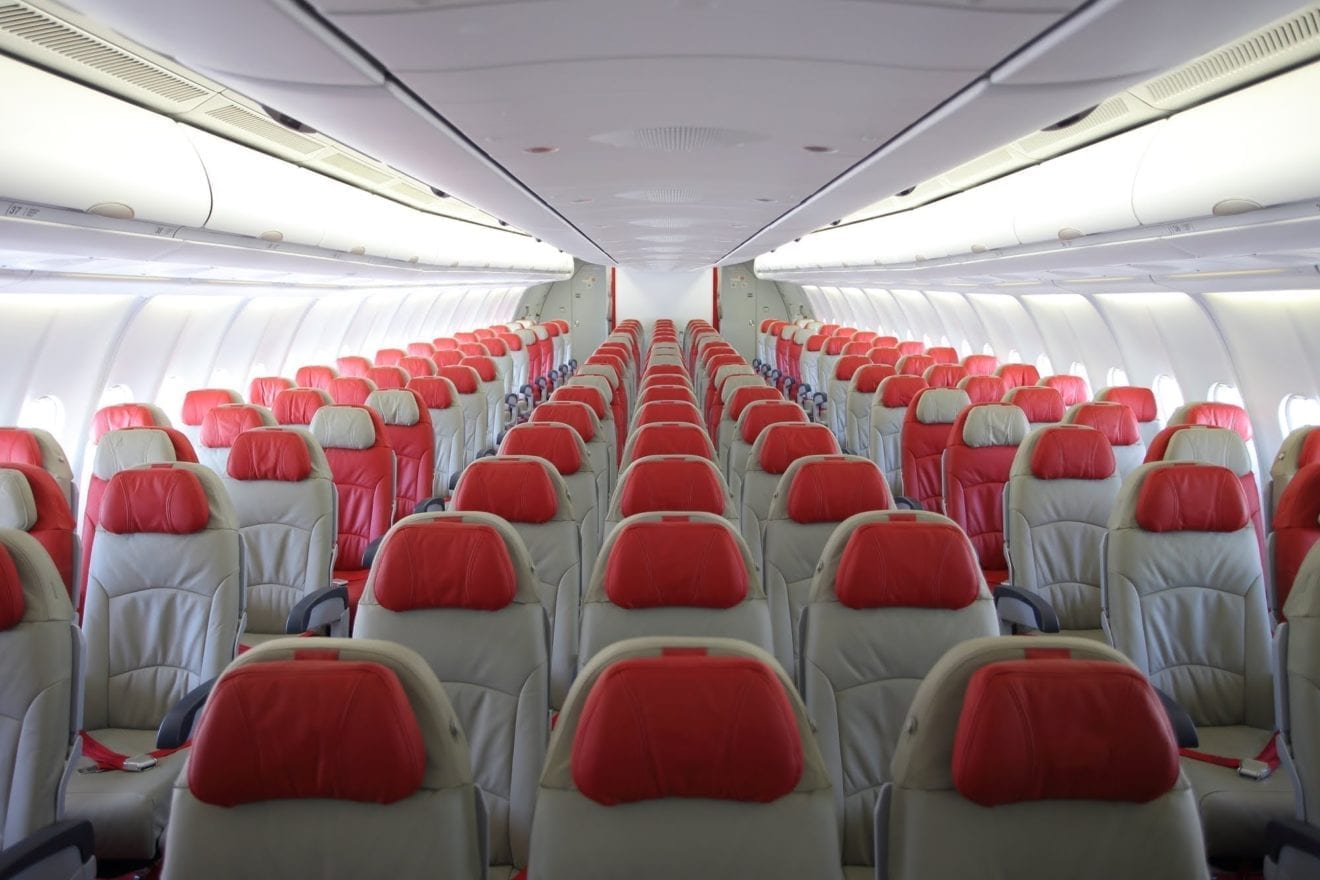
    Indonesia AirAsia X< will cease scheduled operations in January 2019 and operate as a non-scheduled commercial airline thereafter. The carrier’s only scheduled operation – a seven-times weekly service between Denpasar and Tokyo Narita using an A330 – will be suspended in January, the AirAsia X Group disclosed in its third quarter results.

    “With the challenging operational environment in Indonesia, primarily due to the series of natural disasters that occurred in proximity to Bali, the company is underway to evaluate the available options for our Indonesian associate to ensure sustainability of the company with the last schedule flight from Bali to Narita will end in January 2019,” says AirAsia X group CEO Nadda Buranasiri.

    AirAsia X Indonesia will operate on a non-scheduled commercial airline basis.” IAAX posted a net loss of $1.53 million in the third quarter of the year, compared to a profit of $2.15 million a year ago. It attributed the poor performance to a 34% jump in costs, driven by the rise in fuel prices.

    During the period, it saw a 32% drop in the number of passengers carried, while load factor held steady at 80%. Average base fare climbed 21% to $146.The airline, which has struggled for some time now, also disclosed that it terminated its Jakarta-Tokyo Narita service in October. Last month, sister carrier Indonesia AirAsia said it will take over the routes and slots that IAAX had been using to operate a trio of Airbus A320s. IAAX was operating short-haul services to Denpasar, Jakarta and Surabaya.

    IAAX with two A330-300s. 2005-built PK-XRA is owned and managed by Aviator Capital, while PK-XRC, also built in 2005, is owned by KDAC 2017-1 ABS Portfolio and managed by Deucalion Aviation Funds.

  • Online hiring in Malaysia fell 8% in Q3

    Online hiring in Malaysia fell 8% in Q3

    Online hiring activity in Malaysia fell by 8% in the third quarter, falling behind the performance from one year ago by 14%, according to the third quarterly Monster Employment Index (MEI) report. It said online recruitment in the country could not sustain the strong performance of the previous quarter, continuing a negative trajectory.

    The report highlighted that Malaysia has still not recovered its economic position, despite a stronger performance in the previous quarter.

    This Southeast Asia Q3 Online Recruitment Trends Report by Monster.com examines the hiring trends and performance of online recruitment, and offers a comprehensive overview of major industries across Malaysia, Singapore, the Philippines.

    It said top three job roles among occupations hiring freelancers online in Malaysia are sales & business development (16%), marketing & communications (8%), software, hardware, telcom (5%).

    Among occupations, hospitality and travel recorded the strongest quarterly growth with 2%, while engineering and real estate soared 13% in a quarterly comparison.

    The IT, telecom/internet service provider (ISP) and business process outsourcing (BPO)/IT enabled services (ITES) sector exhibited the strongest performance among industries throughout July, August and September in a year-on-year comparison, while the logistics and BFSI industries registered the weakest performance for the same period.

    While general online hiring has been slowing in Malaysia in the third quarter, the IT, telecom/ISP and BPO/ITES sector recorded a 5% growth in the three-month period.

    With Penang becoming an increasingly attractive hub for tech companies in Malaysia, the IT, telecom/ISP and BPO/ITES sector resumes the path that was set in the second quarter. In a year-on-year comparison, the sector even registered double-digit growth with 11%, 11% and 12% respectively – indicating a resilient industry despite political concerns.

    This edition of the quarterly MEI took a closer look at the freelance economy and its online hiring demand across industries in Southeast Asia. With job scopes continuing to shift due to technological innovations, it is up to human resources leaders to define the way freelancers, part-timers and full- time staff collaborate and share their workload.

  • Vietnam leads Southeast Asia in digital economy development

    Vietnam leads Southeast Asia in digital economy development

    Vietnam’s internet economy is the largest relative to GDP in terms of gross merchandise volume in Southeast Asia this year. A study by Google and Temasek, a Singaporean holding company owned by the Government of Singapore, said gross merchandise volume (GMV) traded over the Internet in Vietnam was 4 percent of GDP. The study encompasses ride-hailing, e-commerce, online travel and online media.

    In second place was Singapore with 3.2 percent, according to the study which covered Indonesia, Malaysia, the Philippines, Singapore, Thailand, and Vietnam. Indonesia’s digital economy had the fastest absolute growth and looks set to reach $100 billion in 2025.

    In the last few years online businesses have been booming in Vietnam, with last year the digital economy growing by more than 25 percent, a rate that can be sustained for the next two or three years, according to the Vietnam E-Commerce Association.

    It said online sales are set to hit $10 billion by 2020, accounting for 5 percent of total retail sales.

    A Financial Times report last April cited Bain, a U.S.-based global management consulting firm, as estimating that Southeast Asia had 200 million digital consumers, or people who bought goods or services online, out of an adult population of 405 million. Vietnam, with a population of 93.7 million, accounted for 35 million.

    Vietnam’s youthful population is among the keenest users of mobile devices in the region, while the country’s consumers spend more time online than most of their neighbors, several studies have found.

    Research firm Nikkei estimated Vietnamese spend nearly 25 hours online per week, on a par with or just behind Singapore and the Philippines.

    In the ride-hailing sector, many players are expanding investments. Vietnam recently saw new entrants such as local firm FastGo, GoViet, a subsidiary of Indonesia’s Go-Jek, and Aber.

    Current market leader Grab has expanded to offer GrabFood and GrabCar Business, the latter targeting the corporate sector.

    But experts say Vietnam and many other countries in the world face a slew of challenges in the digital economy such as upgrading the skills of the workforce and adapting to rapidly changing technologies.

  • IKEA announces new retail direction globally; to hire aggressively in India

    IKEA announces new retail direction globally; to hire aggressively in India

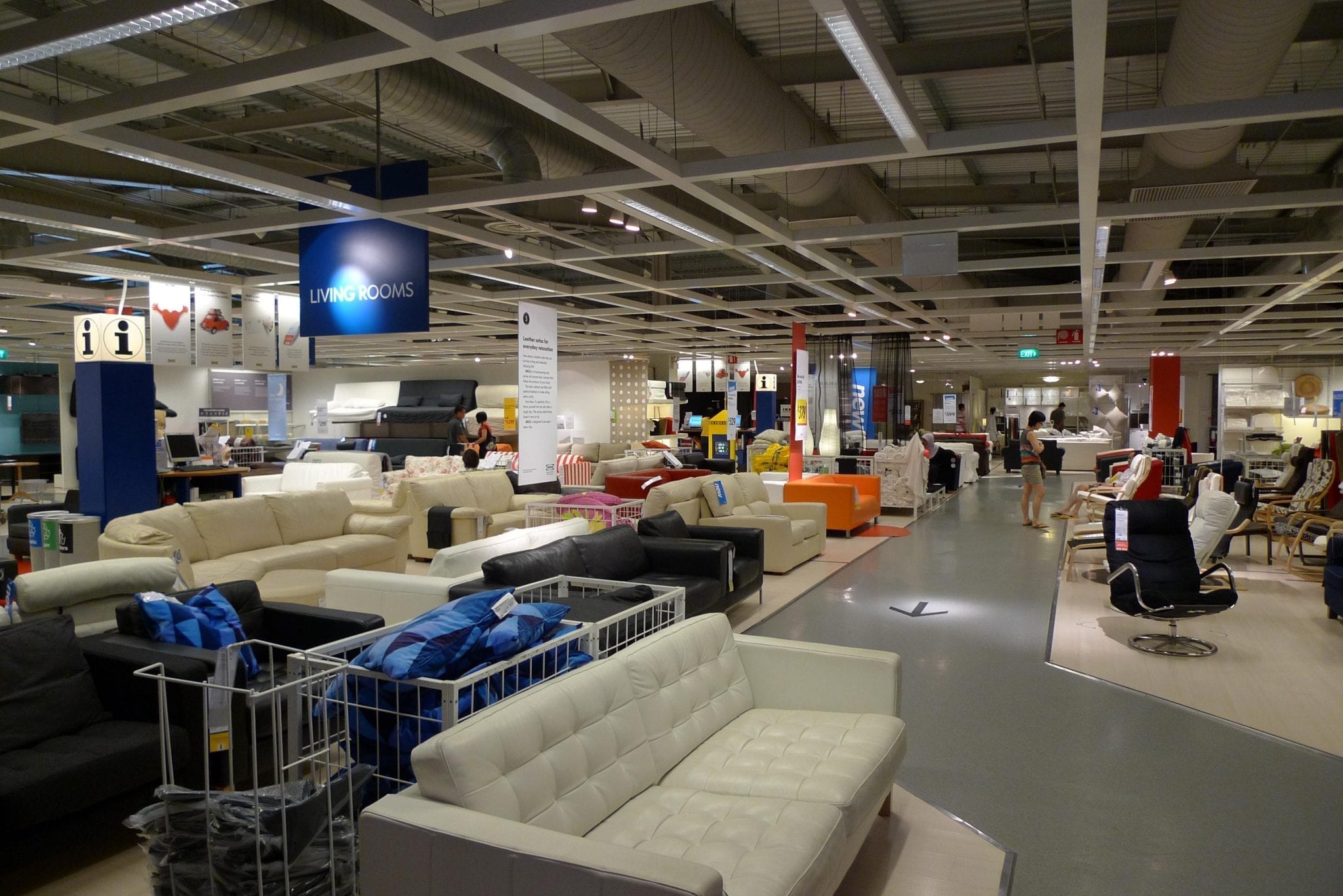
    Ingka Group (Ingka Holding B.V and its controlled entities) is accelerating its transformation, stepping up investments in new and existing IKEA stores and fulfilment centres, developing city centre formats and focusing on its e-commerce platform, to better meet the needs of its customers and be more convenient and affordable to many more people.

    Building on many years of solid growth and as part of a transformation, Ingka Group is assessing all parts of the organisation and is simplifying to enable a greater focus on adding value to its customers. As a result, in the coming 2 years 11,500 new jobs will be created globally, through opening around 30 new IKEA touchpoints, investments in its fulfilment network and in digital capabilities. At the same time 7,500 jobs may become redundant globally, out of the current 160,000 jobs, mainly focusing on global functions and offices in 30 markets.

    Jesper Brodin, Chief Executive Officer, Ingka Group says: “We continue to grow and perform strongly. At the same time, we recognise that the retail landscape is transforming at a scale and pace we’ve never seen before. As customer behaviours change rapidly, we are investing and developing our business to meet their needs in better and newer ways. We will put greater emphasis on making our existing stores even better and taking the opportunity to renew and reinvent our business in a way that is inspired by our history, culture and values. Together these elements guide our work and build our inclusive, open and honest culture, and we’re going to support our co-workers in the best possible way throughout this change.”

    To support the biggest transformation in the history of the Ingka Group, IKEA India has already adopted its expansion approach. Through its expansion in India, it will create many more direct and indirect jobs. The number of co-workers is expected to grow from the current strength of 1,500 co-workers to over 15,000 co-workers in the future, out of which 50 percent will be women. Besides jobs in the stores and new city centres, the company will also create a lot of new roles in areas such as digital, data analytics, diversified fulfilment networks and personalisation. Certain existing roles will change and the company confirmed that all its co-workers will get to explore new opportunities in the new organisation. 3,000 new jobs are expected to be created in the next two years in line with its growth plans and transformation.

    Peter Betzel, Chief Executive Officer, IKEA India says, “We are in an exciting time at IKEA India. We have recently embarked on our retail journey here and have the unique opportunity to implement our new retail direction from the beginning itself. The India organisation will align with the new global structure and competencies to build a future ready organisation in terms of skill sets. IKEA India will hire many more people, both in terms of direct and indirect employment, and as we start our digitisation journey, we will add many more co-workers with different skill sets, while also creating avenues for our existing co-workers to grow in many new roles.”

    IKEA India, part of the Ingka group and one of its most recent retail markets is as one of its most important long term markets. It is on track to invest Euros 1.5 billion and aims to be present in many Indian cities in the coming years. Mumbai will be the first megacity in India to offer the full in India including city centre formats, large stores and a strong digital offering next year. IKEA intends to reach 200 million Indians in the coming three years through different channels. Globally in Ingka’s top 30 mega city strategies, three Indian cities – Mumbai, Bangalore and Delhi are included which reinforces IKEA’s belief in the potential of India.

    In August 2018, it opened its first India store in Hyderabad and will enter Mumbai next with online and stores.

    IKEA has been present in India with IKEA Purchasing and IKEA Foundation businesses. The purchasing organisation has been sourcing from India for close to 35 years for its global stores. Currently it has 55+ suppliers with 45,000 direct employees and 400,000 people in the extended supply chain. The long term goal is to maximise local sourcing to increase affordability and also tap into the many sustainable raw material India has to offer to create more sustainable products in its range. It also works with 1500 women artisans through two social entrepreneurs, one of who is based in Karnataka.

    IKEA Foundation, its philanthropic arm has been working with the communities for 18 years. It has partnered with public and private organisations for the DISHA skill development program to empower one million marginalised Indian women to join the retail workforce. The IKEA Hyderabad store that recently opened has employed around 100 women from this program.


  • AlipayHK Appointed QR Code Payment Solution Vendor of MTR

    AlipayHK Appointed QR Code Payment Solution Vendor of MTR

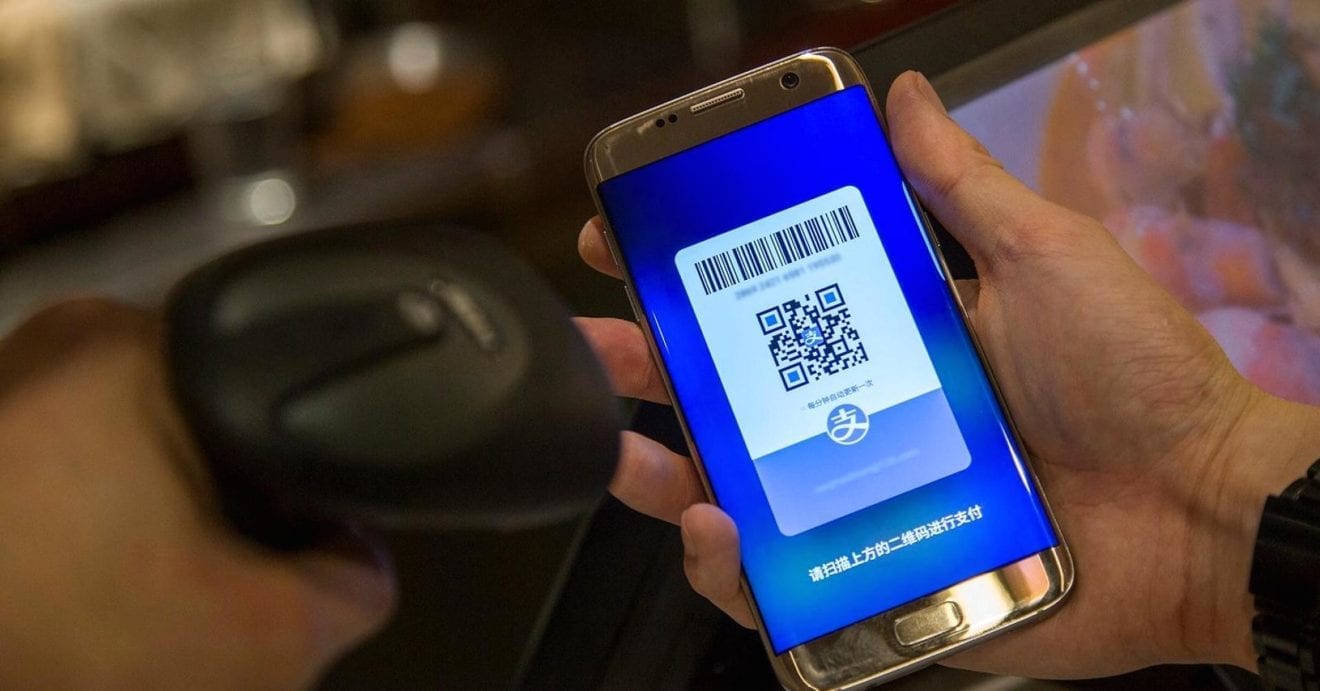
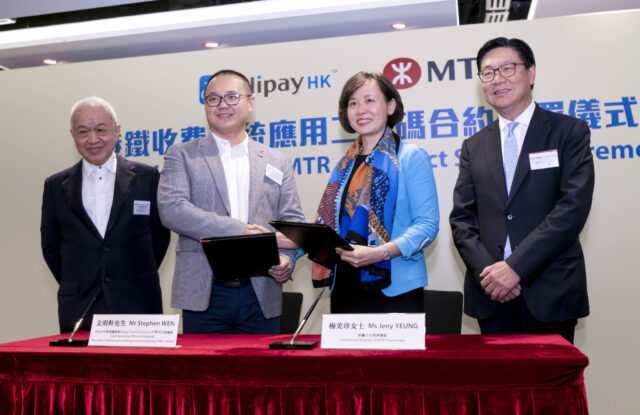
    AlipayHK users will be able to take the MTR by simply tapping their mobile phones at ticket gates at MTR stations starting from mid 2020 as the mobile payment service provider stood out from the many bidding participants and was appointed the QR Code payment solution vendor of MTR on Thursday last week.

    The QR Code solution provided by AlipayHK allows passengers to scan a code in under 0.4 seconds at ticket gates. Furthermore, the QR Code solution will support dual offline solution, so even if internet service is poor or lacking, transactions can be completed to ensure smooth journeys. The plan is to launch the QR Code payment system across  91 MTR stations in 2020. Citizens throughout Hong Kong will be able to enjoy Smart Mobility when commuting on MTR.

    AlipayHK focuses on fulfilling Hong Kong citizens’ needs in shopping, dining, living, and commuting. After its launch into the taxi industry and of the EasyGo technology,, it makes history by hitting another milestone. As Hong Kong people’s number one choice of transport, MTR caters roughly 5.8 million passengers trips every work day. In light of the high volume of passengers, MTR will introduce QR Code as an additional method of payment for passengers.

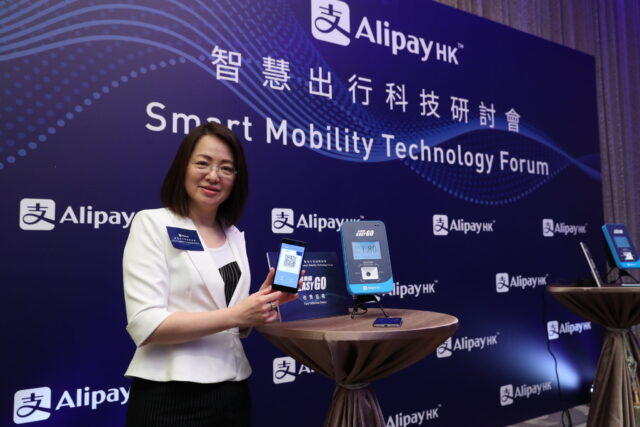
    Jennifer Tan, CEO of Alipay Payment Service (HK) Limited (APSHK) expressed: “After our collaboration with minibus operators, AlipayHK is thrilled to have won the bid in being MTR’s QR Code payment system provider. Not only is this a recognition in AlipayHK’s technological stability, we feel confident QR Code transit technology will be successfully expanded into more aspects. Commuting via QR Code is the trend for the future. Aside from gradually merging with Hong Kong’s public transports, we will also be exploring smart mobility in outbound travels by entering the most popular travel destinations of Hong Kong people, driving smart mobility across Hong Kong.”

  • Deliveroo Unveils New Tools to Help Restaurants Grow

    Deliveroo Unveils New Tools to Help Restaurants Grow

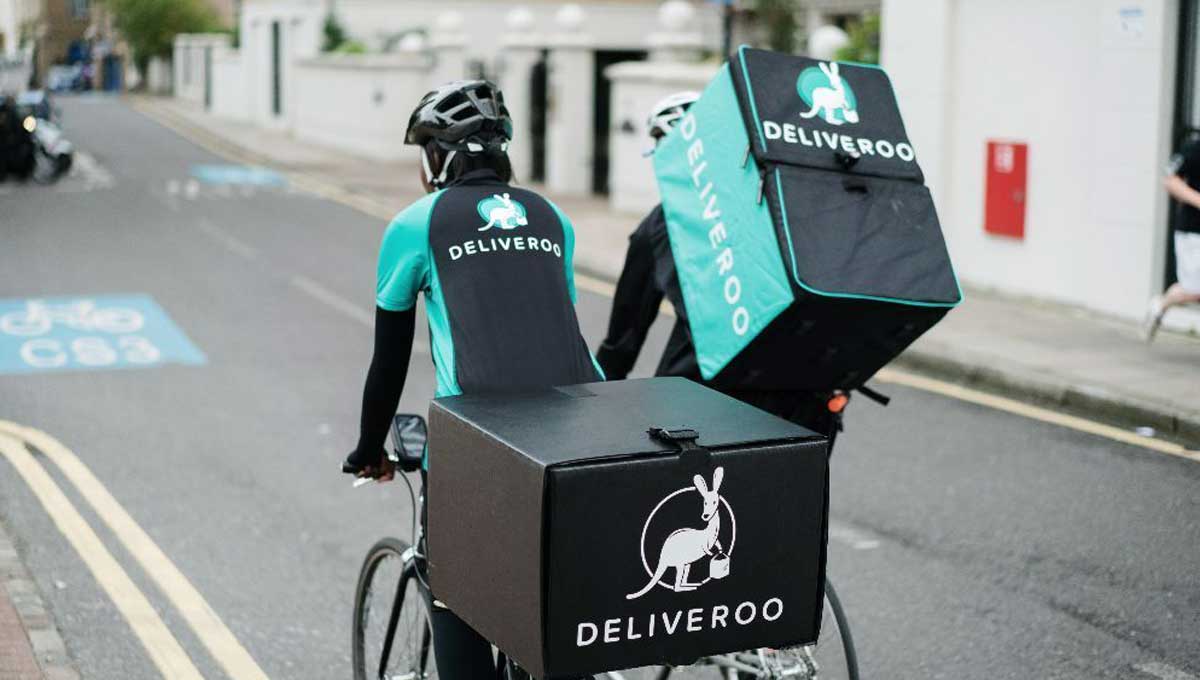
    Deliveroo today announced the Hong Kong launch of two new tools for its restaurant partners – Restaurant Home, an online portal which will provide data and insights on how restaurants’ delivery services perform, and Marketer, a key part of Restaurant Home, which will enable restaurants to upload and tailor promotions.

    Restaurants that partner with Deliveroo on average see their revenue increase by up to 30% and the company anticipates that the newly launched tools will see these figures increase even further.

    Brian Lo, General Manager of Deliveroo Hong Kong, said, “Innovation is in our blood and we are always on the lookout for new ways to support our riders, our partner restaurants, and the hungry people who depend on Deliveroo for a great meal delivered fast. The new tools now available in the Deliveroo arsenal will help our restaurant partners to improve their offerings and drive new efficiencies and profits, in turn benefitting our riders and end customers.”

    Restaurant Home

    Through Restaurant Home, Deliveroo will offer the following data insights:

    Delivered orders, to increase delivered orders

    • Shows the total number of delivered orders and the percentage change over a time period

    Prep time, to speed up delivery times

    • Shows the average time between order acceptance and rider pickup
    • Shows the percentage change in prep time over a time period as well as competitors’ average prep time in a local area

    Order ratings, to improve overall service

    • Shows a line graph of the average customer order rating per day over a time period, as well as how this compares to competitors in a local area

    Nick Lo, owner of Hong Kong restaurant So Far So Good (蘇花餐室), said, “Restaurant Home is another example of Deliveroo’s constant innovation. I’m excited to engage with this tool more, using the data analytics and insights provided to optimise my menu and my business.”

    Marketer

    Part of Restaurant Home, this function allows restaurants to set up their own marketing offers to consumers on the Deliveroo app. Restaurants are asking for more control of their businesses and Deliveroo has listened to this, offering insights gleaned from Restaurant Home to help restaurants tailor different promotions to customers.

    Ms Thi Hang, owner of Bun Cha Vietnamese, said, “The new Restaurant Home tool from Deliveroo gives me real time updates on key business metrics – I’m always logged in. I’m now also able to put up my own discounts, so I have more control over my ability to attract new customers and my visibility on the app.”

    Wider support to restaurants

    Restaurant Home and Marketer are the latest in a long line of measures Deliveroo offers restaurants to support their businesses. Working with 3,500 restaurants in Hong Kong via a team of more than 2,000 riders, Deliveroo is now serving delicious and convenient meals to people in 16 out of 18 of the city’s districts. In the past 6 months, Deliveroo has a 20% growth in riders and an 18% growth in the business as a whole.

    • Deliveroo helps restaurants create ‘Virtual Brands’ to diversify their offerings. Creating virtual restaurants allows existing restaurants to increase revenue by offering new or complementary cuisines from their current kitchen, but under new branding. A virtual brand appears as a separate restaurant with a new identity on Deliveroo.
    • Deliveroo offers ‘Editions’ delivery-only kitchens. Restaurants are able to expand without needing a physical presence in the area, enabling them to reach new customers. Deliveroo provides unique data and insights that allow them to tailor concepts and menu items to the area’s needs and preferences, leading to increases in sales of up to 400% in some cases.
    • Deliveroo stays on top of the trends so that restaurants understand where consumer demands are and where they’re headed next. For example, Deliveroo recently found that the most popular cuisine categories in Hong Kong are local Hong Kong food, Shanghainese, Vietnamese and Italian.
    • Wider support: Deliveroo is available to support restaurants with insights and direction on marketing and social media; menu design; photography; tailored customer acquisition and retention strategies.
    • Partnership opportunities, for example Deliveroo for Business offers a hotel room service so that hospitality groups can provide even more comfort and convenience to their guests.
  • Visa and GARMIN launch GARMIN Pay in Thailand

    Visa and GARMIN launch GARMIN Pay in Thailand

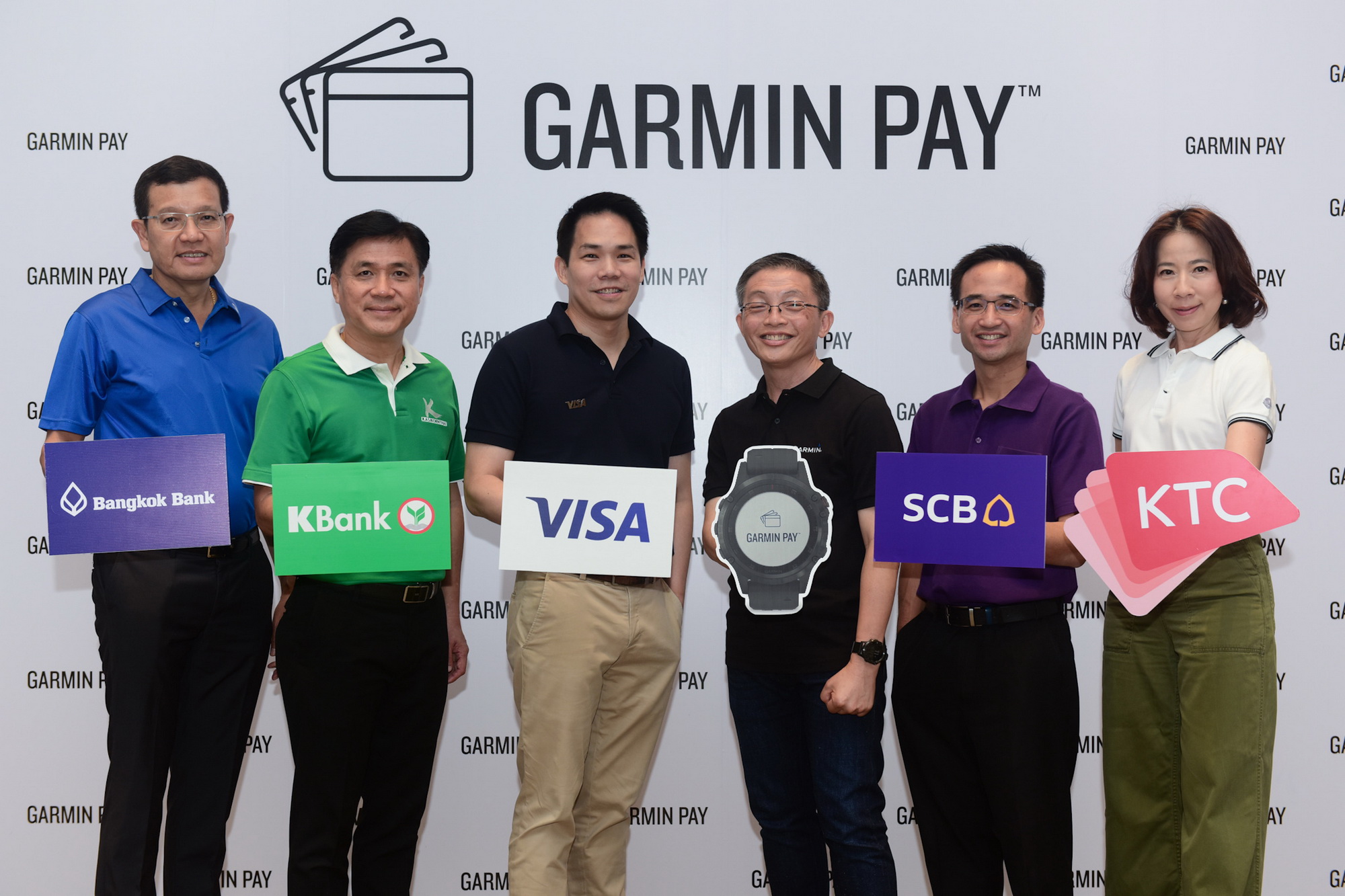
    Visa, the world’s leader in digital payments and GARMIN, in partnership with leading financial institutions, announced the launch of GARMIN Pay, a new contactless payment feature on GARMIN smartwatches. Starting 15 November, customers of Kasikornbank, Krungthai Card and Siam Commercial Bank can add their Visa credit or debit card to their GARMIN smartwatches, while Bangkok Bank is in line to launch by first quarter 2019.  The feature offers a new cashless experience, where purchases can be made seamlessly at growing contactless-accepted merchant locations. The emergence of payment innovation and technology mark yet another milestone helping to transform Thailand into a less-cash society.

    Mr. Suripong Tantiyanon, Visa Country Manager for Thailand said: “Visa is pleased to support the launch of Garmin Pay, bringing Visa contactless payments to Garmin smartwatches in Thailand.  Visa believes payments wearables are the future of fast, simple and secure payments, for people who lead an active lifestyle. According to Visa’s “sweaty money” survey, 57 percent of people who bring cash or a payment.

    card along on their workouts are stashing it somewhere uncomfortable and inconvenient. Garmin Pay will be a welcome solution for anyone looking for an effortless way to pay while on the go.  This launch is another milestone in Visa’s commitment to continue providing payment innovations and experiences across a wide range of form factors to consumers in Thailand.”

    Mr. Krairop Luang U-Thai, General Manager of GIS, the authorized distributor of GARMIN products in Thailand said: “GARMIN Pay is the latest feature on the GARMIN smartwatch.  Select the credit card you want to connect to the watch and create the GARMIN Pay Wallet by filling in the card information on the GARMIN Connect application along with your passcode. All customers then have to do is place their wrist near a card reader that supports contactless payments to purchase goods and services.  GARMIN Pay uses tokenization offered by the global payment networks to secure users’ information. The tokenized data is saved in an isolated safety chip which is in device, so to keep sensitive data from malware or virus. In addition to Thailand, GARMIN Pay is also currently available in 22 countries around the world.”.

    GARMIN Pay is available on vivoactive 3 series, forerunner 645 series, fenix 5 plus series. Check back for future additions and more information about GARMIN Pay, visit Garmin.co.th/Garmin-Pay


  • Vietnam’s new oil refineries to quadruple capacity by 2023

    Vietnam’s new oil refineries to quadruple capacity by 2023

    Vietnam’s total oil refining capacity will nearly quadruple by 2023 as two new refineries go on stream, market data provider Fitch Solutions reports. The Dung Quat refinery in the central province of Quang Ngai operated by the state-owned PetroVietnam’s subsidiary Binh Son Refinery Limited (BSR) remains the sole facility now, with a crude oil processing capacity of 148,000 barrels per day (b/d).

    Dung Quat will soon be joined by Nghi Son refinery in the central Thanh Hoa Province. Nghi Son is currently testing at full capacity and is scheduled to start commercial operations this month.

    The $9 billion Nghi Son project is owned by the Nghi Son Refinery and Petrochemical LLC (NSRP), a joint venture between PetroVietnam, Kuwait Petroleum, Japan’s Idemitsu Kosan and Mitsui Chemical. It will have a designed capacity of 200,000 b/d of crude oil.

    Meanwhile, the long-delayed construction of the Long Son refining and petrochemical complex in the southern province of Ba Ria-Vung Tau resumed in February this year, putting it on track to go on stream by the first half of 2023.

    Licensed in 2008 and initially slated to begin operations in 2014, Long Son hit a roadblock due to site clearance issues and disagreements over the development strategy between the project partners.

    This caused Qatar Petroleum to withdraw from the project in 2015. Thailand’s Siam Cement Group (SCG) increased its stake to 71 percent after it bought the 25 percent stake owned by Qatar Petroleum, while PetroVietnam held the remaining 29 percent.

    In May this year SCG agreed to acquire PetroVietnam’s 29 percent. The refinery is expected to cost $5-6 billion. Once completed it will be able to process 200,000 b/d of crude oil and produce 1.6 million tons of olefins annually.

    “The two new refineries would increase competition in the domestic fuel market, which could require refiners to upgrade, cut costs and move up the value chain to win market share,” Fitch Solutions said in a report released Monday.

    This also spells an end to Dung Quat’s status as the country’s sole refiner, which it has enjoyed since 2010.

    New oil refineries to quadruple Vietnam capacity 2023

    Competition from Nghi Son will be stiff as the government has granted a host of incentives to successfully commission its second standalone refinery, including tax concessions, tariff exemption on crude imports from primary feedstock provider Kuwait and an offtake guarantee from PetroVietnam for the first 15 years of operation.

    The Quang Ngai provincial government in early November sought the same incentives for the Dung Quat refinery to ensure “fair competition”.

    BSR is also planning to invest $1.8 billion over the next three years to expand Dung Quat’s capacity by 23,000 b/d and upgrade the quality of its fuels to Euro 5 from the current Euro 2.

    Fitch Solutions said the upgrade would enable Dung Quat to process higher-sulphur crudes, helping reduce its dependence on Vietnamese light, sweet crudes, mostly from the Bach Ho field, which is depleting and thus becoming more expensive.

    Besides the competition between themselves, the refineries also face significant pressure from imports, mostly from South Korea and Southeast Asian countries, which are of higher quality and priced competitively due to free trade agreements, the report noted.

    “Competition is likely to peak in 2024, when tariffs on fuel imports from ASEAN and South Korea are scheduled to be cut to zero. Concerns about mounting competition have also led both Dung Quat and Nghi Son to consider exports to countries like Laos, Cambodia and Indonesia.

    “Vietnam’s improving self-sufficiency in refined fuels would reduce its need for imports, reorienting trade flows from some of its major fuel suppliers to alternative markets.”

    While insufficient to entirely meet domestic demand, this nevertheless would weigh on the market positions of Singapore, Malaysia, South Korea, Thailand and China, which account for nearly 95 percent of Vietnam’s fuel imports, according to Fitch Solutions.

    Malaysia and Thailand have the highest exposure to Vietnam’s fuel market — 11 percent and 16 percent of imports.

    Major international fuel suppliers are also likely to find room for growth in the Vietnamese market increasingly hard to come by as their quality advantage over locally produced fuels dissipates with the ongoing upgrades, the firm added.