Category: Living

Retail News Asia is committed to providing both local and global retailers with the latest Living news throughout the Asian market. This on a daily base.

  • Vaping Maker Juul Sounds Out Asia for Expansion

    Vaping Maker Juul Sounds Out Asia for Expansion

    United States-based Juul Labs is exploring selling its compact vaping devices in Asia and has sounded out government officials in Indonesia, one of the world’s most smoker-friendly countries, although gaining approval there could face significant hurdles.

    Expansion into Asia would provide the fast-growing firm with new markets at a time when it faces increased regulatory scrutiny in the United States and Israel over the potential health risks of its products’ high nicotine content.

    Juul representatives held discussions with the Indonesian government last month about introducing its vaping devices, finance ministry officials said.

    Indonesia has one of the world’s highest rates of smoking among adults and teenage boys and imposes no penalties for selling cigarettes to minors. Its population of 260 million also makes it a highly attractive market for tobacco and vaping firms.

    A person familiar with Juul’s plans said executives for the San Francisco-based company are concerned authorities may be reluctant to grant approval due to likely opposition from the traditional tobacco industry, which provides much of the country’s tax revenue.

    Tobacco taxes accounted for nearly Rp 150 trillion ($10.2 billion) or about 11 percent of national tax revenue in 2017, government data showed. Each province also imposes taxes on cigarettes.

    Juul also worries its argument that vaping is healthier than smoking will not hold much sway in Indonesia, which is not as concerned as other countries about health issues, said the person, who declined to be identified as the discussions were not public.

    Juul representatives reached out to the Ministry of Finance to discuss how it would be taxed on any sales of devices there, the officials said.

    The government needs to examine the domestic e-cigarette market to determine how a foreign player such as Juul could hurt local small and labor-intensive e-cigarette firms, said Sunaryo, a senior official at the Directorate General of Customs and Excise.

    “We will need it to study it,” he said, adding that he was not sure Juul would comply with a regulation that requires e-cigarette devices and liquids to be sold separately.

    Juul also would need approval from the Food and Drug Monitoring Agency (BPOM). Officials at the agency said Juul had yet to be in touch.

    Other Asian countries the three-year-old firm is actively considering for expansion include India, South Korea and the Philippines, the person familiar with Juul’s plans said.

    In addition to Indonesia, Juul filed trademark applications for those countries between April and October this year, as well as in Malaysia and Singapore, according to a review. It opened its first Asia office in Singapore in July.

    So far Juul, currently valued at $16 billion, is available only in the United States, Canada, Britain and Israel. It has plans to enter Russia later this year.

    Juul said in that it is “proactively learning more” and engaging with local officials in Asia “to understand and hear their views.” It does not have immediate plans to launch in any Asian country, it said. Juul spokeswoman Victoria Davis declined to elaborate.

    A Taxing Question 

    Indonesia is one of only a handful of United Nations member states that has not signed on to the World Health Organization’s global treaty that sets standards for tobacco control.Roughly two-thirds of Indonesian men smoke tobacco daily, and more than 21 percent of boys aged 13-15 smoked cigarettes regularly, according to a WHO report last year.

    E-cigarettes, available in Indonesia since at least 2013, is a small but growing market. The customs office estimates that there are about 300 unsupervised liquid makers, known as brewers in Indonesia, producing various liquid products to more than 4,000 vape stores and 900,000 smokers.

    Philip Morris International, maker of Marlboro cigarettes, which now controls about a third of Indonesia’s market through its stake in Sampoerna, does not offer any of its noncombustible cigarette products in Indonesia.

    That includes its IQOS device, a heat-not-burn tobacco product, according to a company spokesman, who declined to comment on why it has not introduced the product.

    In October, the government imposed a 57 percent tax on e-cigarette liquids, on par with taxes on traditional cigarettes. But tax collection, particularly from smaller companies, is difficult in Indonesia and new rules are often ignored.

    Juul now commands a nearly 75 percent share of the US e-cigarette market, up from 13.6 percent in early 2017, according to a Wells Fargo analysis of Nielsen retail data.

    Its products, like most electronic cigarettes, vaporize a liquid containing nicotine. One Juul pod contains as much nicotine as a traditional pack of 20 cigarettes, according to the company’s US marketing.

    Juul liquid in the United States has a nicotine concentration of 59 milligrams per milliliter, much higher than the liquids typically sold in earlier versions of e-cigarettes and nearly three times the allowable limit in the European Union.

    In August, Israel banned Juul devices with nicotine concentration of more than 20 mg/mL, citing “a grave risk to public health.” Juul is appealing that decision and currently offers a lower nicotine-strength electronic cigarette in Israel.

    In September, the US Food and Drug Administration opened an investigation into Juul and other electronic cigarette companies, citing the rising number of teens who appear to be using Juul and other vaping devices. This week it is expected to issue a ban on fruit and candy-flavored e-cigarettes sold in convenience stores and gas stations.

    In its statement, Juul said its products are intended for adult use only, and that it aims to “improve the lives of the world’s one billion adult smokers” by providing an alternative to cigarettes.

  • Korea’s gas prices fall quickly thanks to fuel tax cuts

    Korea’s gas prices fall quickly thanks to fuel tax cuts

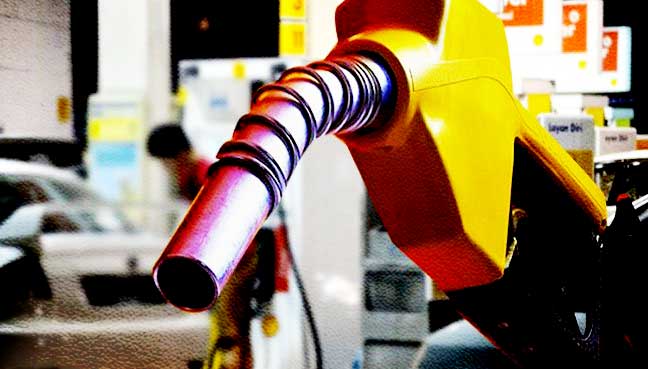
    The government fuel tax cut, which was implemented to ease the burden on rising crude oil prices, has turned out to be more effective than initially expected. According to the Ministry of Trade, Industry and Energy on Sunday, the average price of gasoline at gas stations nationwide was 1,575.2 won ($1.40) per liter during the second week of November. This is an 85.2 won, or 5 percent, drop, from the 1,660.4 won average just a week earlier.

    Diesel prices have also dropped to an average 1,419.2 won per liter, down 56.2 won, or 3.8 percent, from the first week of this month, when it was an average 1,475.4 won for the same amount.

    On Saturday, the ministry said the average price of gasoline had further fallen to 1,556.8 won per liter – 133.5 won less than the 1,690.3 won it sold for on Nov. 5, the night before the government’s fuel tax cut went into effect.

    On average, the government cut 15 percent off of all fuel taxes including gasoline and diesel in the hopes of easing the burden created by rising international crude prices. It was the first fuel tax cut adopted in a decade.

    “As the situation [of low-income households and small and medium-sized enterprises] becomes more difficult with rising international crude prices, we have decided to aim for a psychological effect that will help the economy by increasing disposable incomes,” Ko Hyoung-kwon, deputy finance minister said in late October.

    Among gas stations, the government-supported Altteul Gas Station saw the biggest drop in prices – its gasoline costs 135.5 won less than it did on Nov. 5.

    Other major brands including SK, GS, S-Oil and Hyundai Oilbank have cut gasoline prices by 133.3 won.

    By region, Jeju lowered its gasoline prices the most. The island has seen a 169.4 won drop in average price compared to Nov. 5. Daejeon followed, as prices have fallen an average of 149.6 won, while Incheon came in third after seeing a 142 won drop.

    Seoul gas stations on average lowered their prices by 134.9 won while Gyeonggi gas prices fell by 137.2 won per liter.

    Seoul and Gyeonggi account for 39 percent of all fuel sold in the country.

    However, as of Saturday, 173 gas stations around the country – 1.5 percent of the nation’s gas stations – have not taken part in lowering fuel prices. The ministry said that these gas stations failed to deplete all of the gas that they had stockpiled before the Nov. 6 fuel tax cut was implemented.

    The fuel tax cut will be applied for six months.

  • Bamboo Airways plans a year-end take off

    Bamboo Airways plans a year-end take off

    Bamboo Airways, Vietnam’s newest airline, is expected to make its maiden flight on Dec. 29, its founder said Friday. The first routes of the country’s fifth carrier would connect Hanoi and HCMC, and from Hanoi and HCMC to central Quy Nhon City, said Trinh Van Quyet, chairman of Vietnamese private firm FLC, the airline’s founder.

    Dang Tat Thang, Bamboo Airways general director, said the carrier has basically got itself ready for the first flight, and aircraft that it is hiring is due to arrive in Vietnam on Dec. 12.

    “It is possible that flight tickets will be on sale a month before the initial takeoff,” he said.

    Bamboo Airways finally got its long-awaited aviation license early this week.

    It is allowed to operate 10 aircraft on both domestic and international routes and to carry passengers and cargo.

    The airline plans to fly on 100 routes, connecting Vietnam’s major cities with popular domestic and international tourist destinations.

    After licensing, it needs to obtain an aircraft operator certificate and obtain permission for parking and selling tickets, which are expected to take 30-45 days from the date of license issuance.

    Bamboo Airways was founded in mid-2017 with a charter capital of VND700 billion ($30 million), which it increased to VND1.3 trillion ($55.68 million) recently.

    The airline has signed deals to buy 24 Airbus A320neo and 20 Boeing B787-9 Dreamliner aircraft worth a total of about $8.6 billion.

    The other four carriers in Vietnam currently are Vietnam Airlines, Vietjet Air, Jetstar Pacific and VASCO.

  • WHSmith ventures into Hong Kong with new franchise

    WHSmith ventures into Hong Kong with new franchise

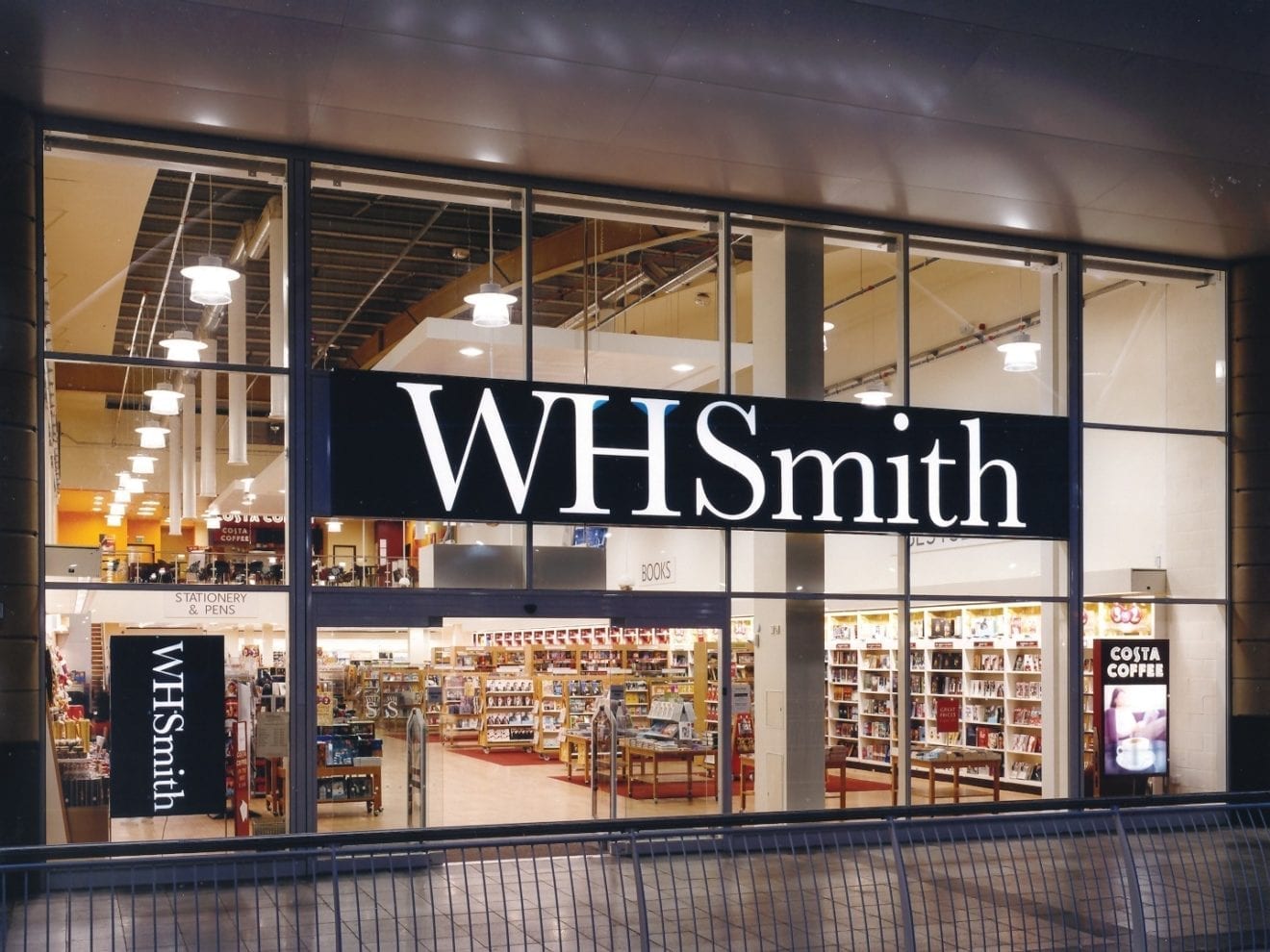
    UK bookchain WH Smith is to open stores in Hong Kong after securing a franchise agreement with King Power Group (Hong Kong). The WH Smith Hong Kong outlets will open in travel retail locations such as railway stations – there is no mention in the announcement of the airport.

    “We are currently present in six countries in the region: Singapore, Malaysia, Indonesia, Philippines, India and China, with excellent business partners and we are delighted to welcome King Power Group as a new franchise partner,” WH Smith chairman Louis de Bourgoing said.

    “We very much look forward to working together to grow our presence across Asia and bring the WH Smith offer to travelling customers in Hong Kong.”

    King Power Group operates more than 1000 stores in Asia-Pacific, Europe, the Middle East, North America and India. King Power Group travel retail MD Sunil Tuli described WH Smith as “an esteemed and leading news, books and convenience brand and operator globally.”

    “We have seen their international travel retail businesses grow over the past years and we trust that our collaboration will see good successes in Hong Kong.”

    WH Smith’s travel retail stores combine its core books and stationery offer, with convenience foods and travel accessories.

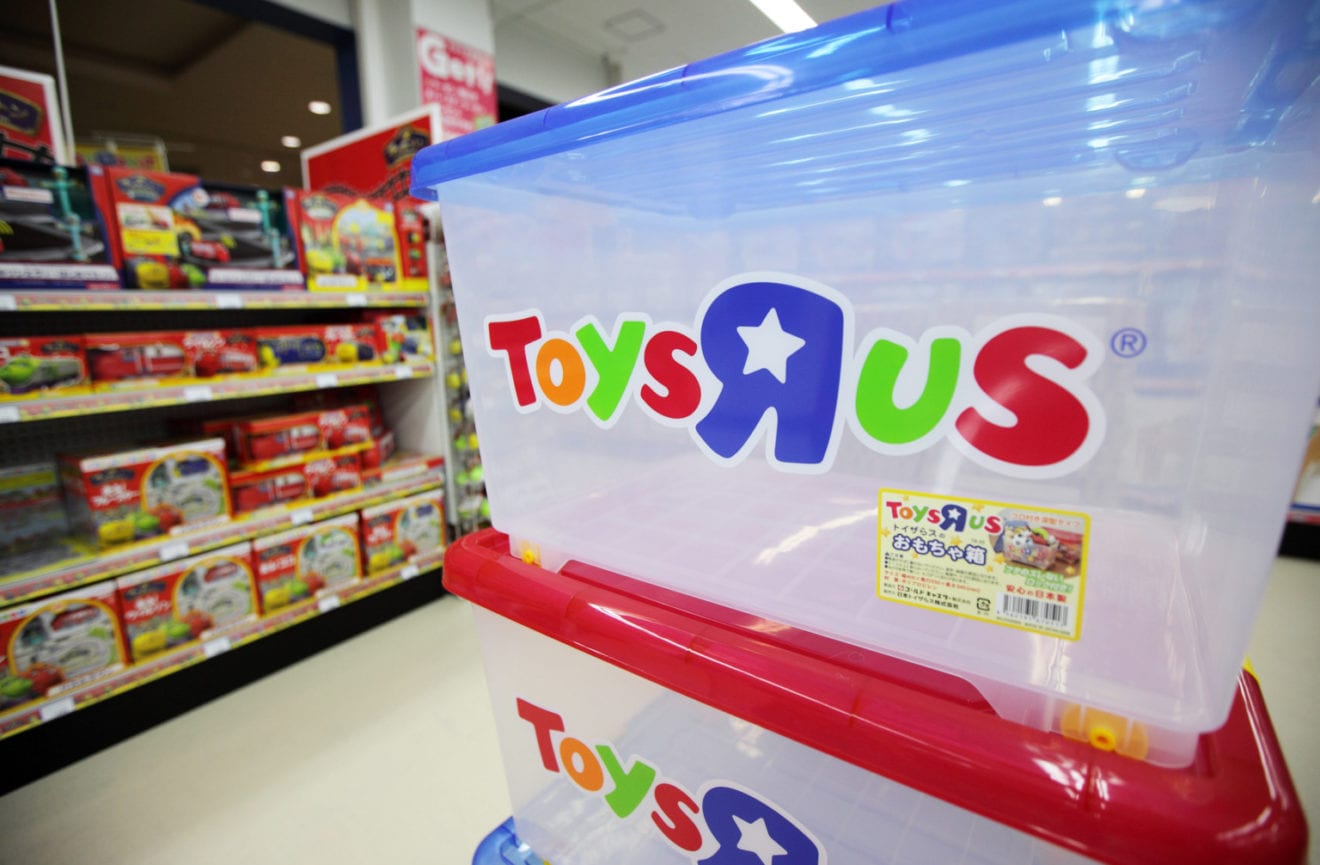
  • Fung Retailing boosts stake in reborn Toys R Us Asia

    Fung Retailing boosts stake in reborn Toys R Us Asia

    Fung Retailing has finally secured a deal to continue to operate the profitable Toys R Us Asia business. The privately owned Hong Kong business, which is separate to the listed Li & Fung, will boost its stake in Toys R Us Asia from 15 per cent to about 21 per cent, making it the retailer’s largest shareholder.

    The balance will be owned by Taj Noteholders representing a mixture of investment funds and financial institutions who have a stake in the collapsed parent company Toys R Us US.

    Toys R Us Asia has never been affected by the liquidation of the US business – it has been trading profitably under Fung Retailing direction and has even been expanding its store network while shops bearing the iconic banner have been closing in post part of the world. Last week it relaunched its store in Brunei.

    The new partnership between Fung Retailing and Taj Noteholders values the company at US$900 million.

    “This transaction is a significant step in separating the valuable and growing Toys “R” Us Asia operation from the rest of the business,” said an unidentified spokesman for Taj Noteholders in a statement.

    “The company’s growth prospects in Greater China, Japan and Southeast Asia are bright and we are excited about investing in and owning the company in partnership with Fung Retailing”.

    Pieter Schats, executive director of Fung Retailing, said that since introducing Toys R Us to Hong Kong in 1986, Fung Retailing has played an integral role in the successful growth and development of the business across Asia.

    “As a sign of the confidence we have in the management team and future success of Toys R Us in the region, we are pleased to increase our shareholding in the company, reflecting our commitment to support Toys R Us Asia in reaching new heights.”

    The company will continue to be led by its current president & CEO Andre Javes and his management team.

    Technology boost

    The new owners of Toys R Us Asia plan a “significant investment in technology” to boost the company’s infrastructure.

    “We are committed to remaining the leading specialty retailer of toy, education and baby products in Asia by driving innovation and quality through our products and services,” said Javes. “The conclusion of the sale process brings clarity to the company’s ownership and we look forward to strengthening and leveraging our partnerships with our vendors and commercial stakeholders. Our shareholders’ investment is a huge vote of confidence in our vision, our team and our winning model.”

    Toys R Us Asia operates more than 450 stores in Japan, Greater China and Southeast Asia, including Brunei, China, Hong Kong, Malaysia, Singapore, Taiwan and Thailand. It also licenses more than 85 stores in the Philippines and Macau.

  • Foreign names dominate Vietnam’s high-end home interiors market

    Foreign names dominate Vietnam’s high-end home interiors market

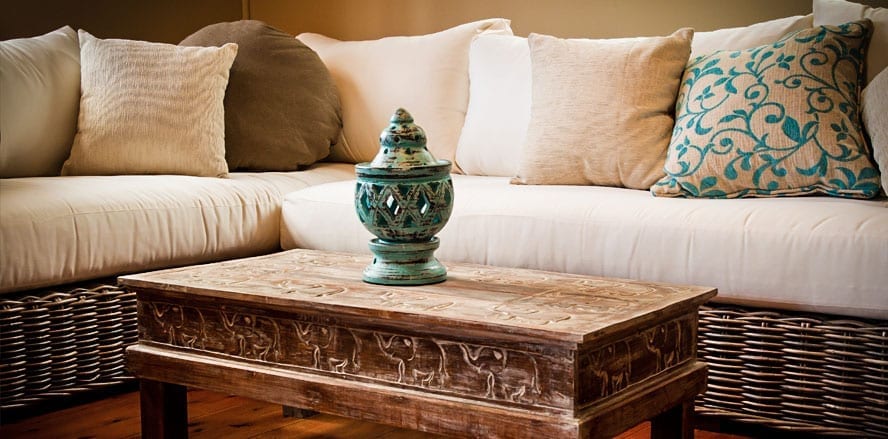
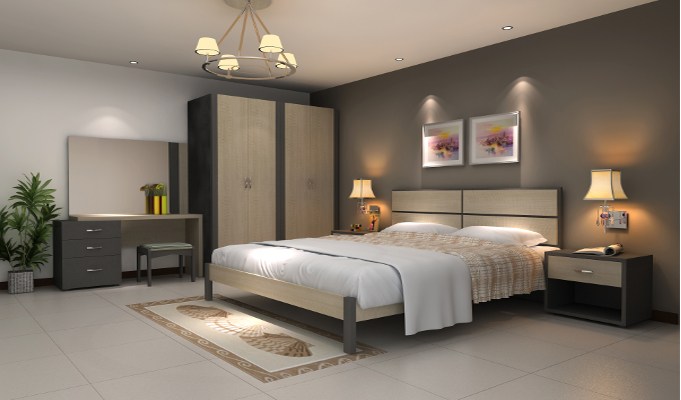
    Foreign home interior brands and designers are present in force and dominating the increasingly affluent Vietnamese market. Brands like Cassina, Badari Lighting, Cantori, Diemme Cucine, Formitalia, and Versace Home have entered the high-end interior market in recent years.

    According to the Vietnam Chamber of Commerce and Industry (VCCI), some 80 percent of luxury woodwork and interior decoration items is imported from Europe, with local players making up the small remaining portion. The market is valued at $2.5 billion.

    Ly Qui Trung, general director of AKA Furniture Group, said the expansion of the “middle and affluent class” has boosted demand for luxury interior items.

    “It is no wonder that many high-end international interior brands have started rushing into the Vietnamese market.”

    The middle and affluent class, categorized as those earning $714 a month or more, would double to 33 million, about a third of the population, between 2014 and 2020, the Nikkei Asian Review reported recently citing a study by the Boston Consulting Group.

    Market research firm Nielsen estimates the number of middle and affluent class Vietnamese to reach 44 million by 2020 and 95 million by 2030.

    Paolo Lemma, Italian trade commissioner to Vietnam, believes there will be higher demand for interior design items in future due to the booming real estate market.

    According to the HCMC Handicraft and Wood Industry Association (HAWA), woodwork furniture consumption last year was estimated at over $3.2 billion and that number is expected to reach $4 billion this year.

    Huynh Van Hanh, vice chairman of HAWA, said the industry’s average growth rate has been 8 percent in the last seven years, and his association encouraged domestic manufactures to enter this growing market.

    Trung said his company would seek to tap the growing high-end segment in future, and expected fierce competition between domestic and foreign brands.

    Last year Vietnam exported $8 billion worth of wood and forestry products and has a target of $9 billion this year.

  • Dubai’s Danube Home makes debut in India

    Dubai’s Danube Home makes debut in India

    Danube Home, part of Dubai-based diversified business conglomerate Danube Group, has forayed into India by opening its first store in Hyderabad in October 2018. The brand has high hopes for the Indian market. In an exclusive interview with IMAGES Retail, Shubhojit Mahalanobis, General Manager, Danube Home says, “We see India as a country with huge potential, offering an incredible opportunity for growth. The real estate sector is at its peak in India with numerous properties, towers, communities and complexes coming up for both residential and commercial purposes. This directly contributes to a rise in demand for home furnishing products and solutions. Moreover, demonetization and GST has made operating in India much easier for international brands.”

    “Reports say India is expected to see a faster expansion of urban population consisting of aspirational millennials and middle class families with spending power that will trigger the growth in demand for affordable home furnishing products and solutions. For a brand like Danube Home that offers home furnishing products and solutions, this is a very promising time to enter the country,” he adds.

    Danube Home, which will be sourcing 30 percent from India to complement the government’s initiatives, has done an extensive study on Indian consumers, their buying behaviours, color and lifestyle patterns. Based on the research, the store that spans across 60,000 sq. ft offers more than 20,000 products under one roof targeting the middle and upper-middle segment of pyramid.

    The USP

    The Danube Home store in Hyderabad has all the key features and benefits that global consumers are experiencing across the Middle East. However, its India product portfolio will be a lot different from the Middle Eastern market.

    “We have handpicked collections to cater to the well-travelled modern Indian consumer with products from various parts of the world such as US, Netherlands, Spain, Italy, Russia, Malaysia, Turkey, Egypt, UK and China, to name a few, giving customers a great opportunity to shop the best quality products at value for money price,” states Mahalanobis.

    “In addition to this, customers will enjoy free interior designing services and seamless payment solutions with consumer financing options,” he states. These key features ensures 90 percent of repeat customers.

    Danube Home, which starts as an online player and plans to go Omnichannel eventually as traction picks up, aims to offer complete home solutions, for instance other brands who sell sofa or beds do not sell wall paper or customized curtains, but Danube offers end-to-end solutions that include everything from outdoor furniture to sanitary ware.

    “We focus a lot on our customer service standards and ensure both pre and post sales is a memorable experience which is why we have been awarded the No. 1 furniture retailer by the Dubai Government. We have a dedicated post sales team that makes direct calls to ensure everything goes smoothly post sales. This is an important step of the whole brand experience,” explains Mahalanobis.

    Their customers also experience Augmented Reality, Virtual Reality, Online Seamless Shopping and many new technologies that Danube offers in its markets abroad. Customers will also be able to walk through their dream home in Virtual Reality.

    “Danube Home offers global quality products at local price. We source our products from across the world and design our collections looking at customers behaviour and needs. Gradually, the Indian consumers shall experience various innovative and engaging little touches which we hope will be unique to us. That is what the brand is all about,” he adds.

    Marketing Plans

    As far as marketing plans of the brand is concerned, Danube Home has mixed conventional and unconventional mediums to connect with the brand’s ethnicity. The brand has taken the ATL, BTL, social and guerrilla marketing routes.

    “We have added fun, interactive elements and image build up activities. We are targeting middle class and upper middle class millennials, double income no kids section and nuclear families. Our key focus remains with builders, architects and the designers’ segment, who shall be amazed to see our collection and price offerings for their projects,” says Mahalanobis.

    The brand will be using all the mediums – print, TV and online – to advertise itself in India to get the maximum ROI.
     
    Human Resources

    Besides, the entry of the brand in the Indian market will not only create 1,500 direct jobs, but also support local industries that will benefit from the supply chain as it will deepen, sourcing products from every nook and corner of India.

    “This will also help us to create a greater demand for Indian designed home décor and home furnishing products and export them to other markets – such as the GCC – where we have a strong presence,” states Mahalanobis.

    Each store of the brand will employ around 85-100 direct employees and 50 indirect employees, logistics department will have 50-75 employees during the initial days and gradually with the increase in strength of stores, the count will also increase.

    “We hire the best from the industry, train them rigorously sharpen their skills aggressively and keep them motivated for a long period of time to deliver great results. The India team will also experience our team bonding and training methods, and hopefully, they will also deliver miraculous results,” he says.

    The brand believes in flexible work culture driven only by performance based rewarding, empowering the team and giving them enough freedom to bring success.

    Apart from this, Danube Home has a plethora of employee engagement activities like multiple outbound training programs at various levels, product launches at off-sites involving the power sellers, runs reward programs and engage in healthy competition atmosphere within each peer group.

    Future Plans
     
    Danube Home plans to set up 10 large format showrooms, a large logistics hub, transport network and associated facilities in the next 5 years.

    “We have identified potential locations across the North and South Indian States. Once the properties are signed, the plan would be disclosed,” says Mahalanobis.

    The average store size in India will be between 40,000 – 50,000 sq. ft depending upon the space and layout of the store. Depending upon the size of each store, average investment per store will be Rs 40 crore. The brand is already in talks with few big mall developers and hopes to partner with them for aggressive pan India expansion.

    “We target to grow 15 percent like-for-like each year for the initial 5 years. We don’t want to be bullish about the growth unless we settle down and understand the market deeply,” he concludes.

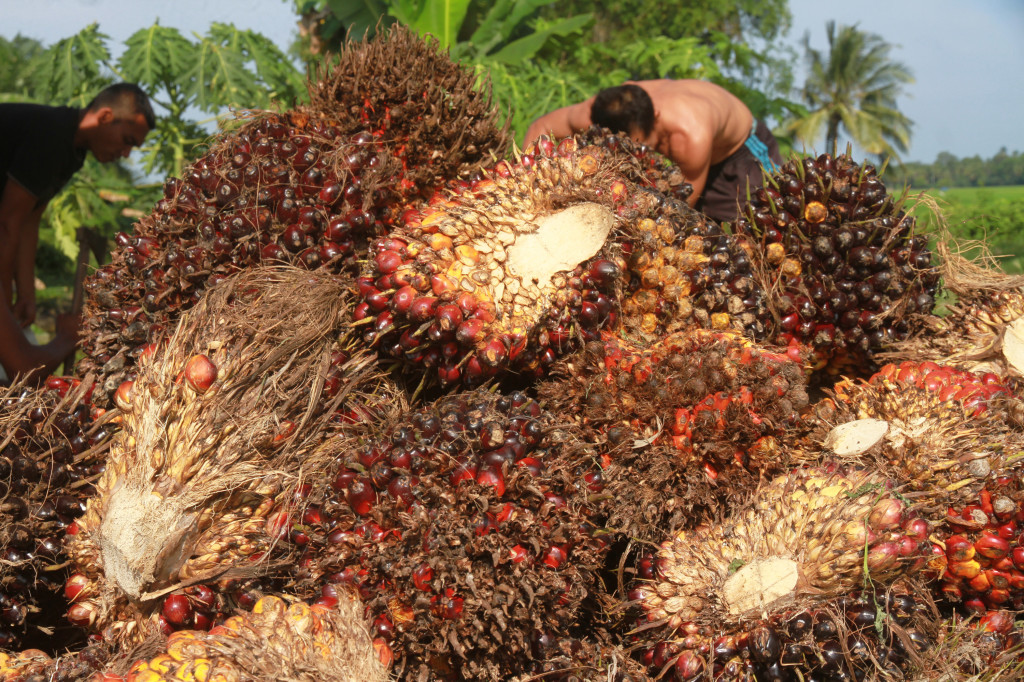
  • Sabah to produce more sustainable palm oil

    Sabah to produce more sustainable palm oil

    Deputy Chief Minister of Sabah Datuk Seri Wilfred Madius Tangau said during his closing address at the 16th Annual Roundtable of Sustainable Palm Oil Conference today, the state is committed to having more palm oil produce to achieve both the Roundtable of the Sustainable Palm Oil (RSPO) and the local Malaysian Sustainable Palm Oil (MSPO), concurrently.

    In 2017, Sabah produced more than 5.2 million metric tons (MT) of crude palm oil (CPO) accounting for more than 30% of total Malaysian palm oil produced.

    Between January and October this year, Sabah produced some 1.55 million MT of CPO of which 28% were certified.

    About 400,000ha of plantations are RSPO certified, of which 3,960ha belonged to smallholders. Sabah has some 623 small players.

    “Therefore Sabah can play an important role in the sustainable palm oil industry. Sabah is one of the largest producer of RSPO certified palm oil,” said Tangau.

    On assisting smallholders in the state, he said while incentives such as grants for planting comes from the federal government, land titles fall under the state government’s purview.

    On the government’s move to make MSPO certification mandatory by end of 2019, Tangau welcomed the move.

    “We will assist in whatever (way) we can. I’m happy the federal government is spending money to do that, but whether we achieve that target, is another story,” he added.

    Sabah saw an economic growth of 8% last year and palm oil has played a part in it. Tangau said one of the biggest challenge in this country is the high dependence on foreign labour as it is difficult to get locals to work in plantations.

    The state government is also looking towards stepping up downstream activities instead of just being active exporters of CPO.

    On another note, RSPO co-chairman Datuk Carl Bek-Nielsen said the challenge lies on bridging the gap between supply and demand of sustainable palm oil as the uptake for certified palm oil globally stood only at 65%.

    “This is as disappointing as wet gunpowder and it sends a discouraging, hypocritical message of “do as I say but not as I do. And I will be clear, the growers expect action and whilst the grower fraternity has just shown a willingness to change, to innovate, to now halt deforestation, to now stop any new plantings on peat soils, they also expect that the NGOs, CGM, retailers alike, including the Secretariat of RSPO now direct just as much attention and energy towards improving uptake and not just pursuing higher standards for the growers,” he said in his closing remark.

  • Muji reopen largest store outside Asia

    Muji reopen largest store outside Asia

    Muji Canada is reopening its original Toronto location next week as its first flagship store in the country’s east. The Muji Atrium opened four years ago as the company’s first location in Canada. While the previous store occupied 5658sqft of retail space, the new flagship store will reach 19,110sqft spread over two floors, becoming the largest Muji store outside of Asia.

    “During the four years since we expanded to Canada, we opened seven additional stores and gradually increased our range of products and services,” said Muji Canada president Toru Akita.

    “By allowing us to reach out to more people and to further convey our philosophy, the Atrium flagship store will open a new chapter for Muji in Canada.

    “Through interactive events, innovative projects, and new partnerships, we wish to connect and evolve together with local communities and contribute to the creation of a better quality of life.”

    The location will carry Muji Canada’s full range of merchandise of more than 4000 items – including household goods, apparel, and food – and offer many products and services only available in select Muji flagship stores around the world, such as a coffee counter serving ethically sourced coffee and an aroma bar that will allow customers to create customised fragrances from more than 40 essential oils.

    Muji Atrium will feature two new customisation services for customers to personalise their products for the first time outside of Japan, including a digital fabric printing service and laser engraving service

    Muji Atrium will be the only location in Eastern Canada to carry books, made-to-order curtains and rugs, the Muji Labo collection, maternity wear, a brand new activewear collection and more.

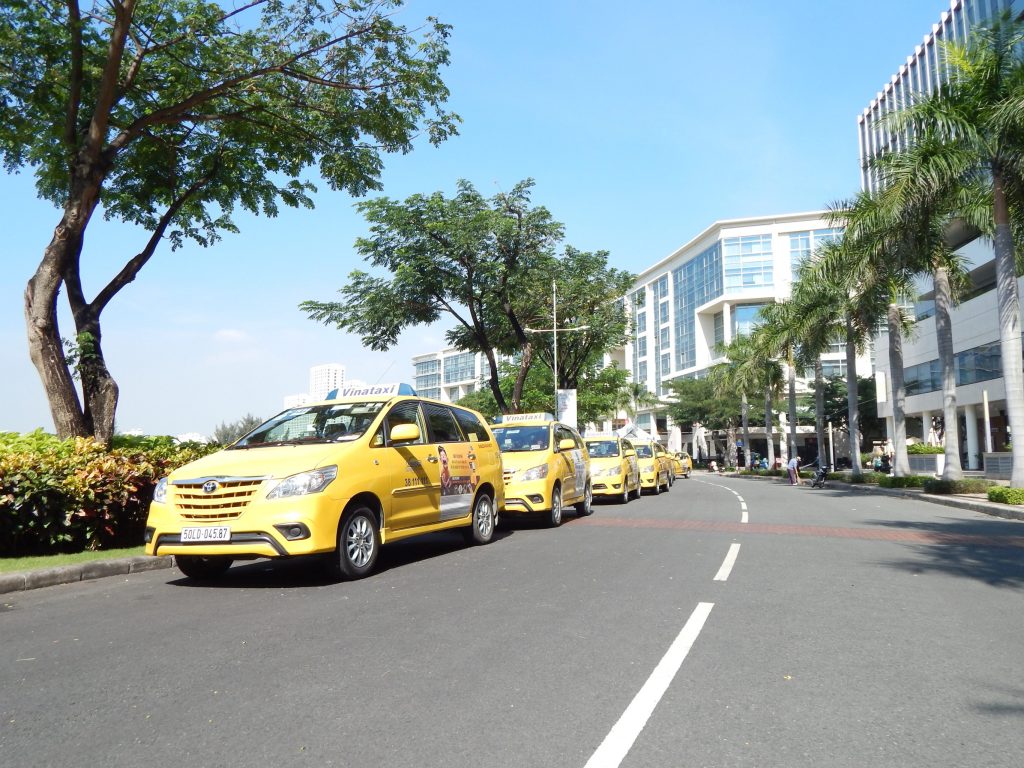
  • Transport giant to withdraw capital from leading HCMC taxi firm

    Transport giant to withdraw capital from leading HCMC taxi firm

    In an apparent u-turn, transport giant Tracodi has approved divestment of its 30 percent stake in Vinataxi. Just months after saying it intends to increase its stake in Vinataxi, renew its fleet and install driver software, the Transport and Industry Development Investment Corporation (Tracodi) has decided to pull out.

    Tracodi has authorized Nguyen Thanh Hung, its general director and vice chairman, to seek investors and negotiate a transfer price not lower than the net present value of Vinataxi shares calculated according to book value.

    Vinataxi is a joint venture between Tracodi and electronic component distributor Tecobest Hong Kong, established in 1992. In 2003, Tecobest transferred capital management rights to ComfortDelGro, the leading public passenger transport operator in Singapore.

    According to the consolidated financial statement of the third quarter, Vinataxi occupied the third largest market share in Ho Chi Minh City with a chartered capital of VND113 billion ($4.84 million). Tracodi’s initial investment value was approximately VND34 billion ($1.46 million) in the joint venture.

    Tracodi’s capital withdrawal is in stark contrast to the plan announced by its board at its annual general meeting mid-June. Then, the corporation announced it wanted to negotiate raising its ownership ratio in Vinataxi to 49 percent, and coordinate with ComfortDelgro Savico Taxi, a joint venture between ComfortDelgro and Saigon General Service Corporation, to renew their fleets and install driver software.

    Tracodi’s management board estimates the firm will reap net profit of VND8 billion ($342,916) from its taxi business line this year with its combined fleet of over 300 cars.

    In 2017, revenues and after tax profit of Vinataxi reached over VND47 billion ($2.01 million) and VND1.2 billion ($51,431) respectively.

  • Toys R Us reopened in Brunei

    Toys R Us reopened in Brunei

    Toys R Us Brunei has relaunched its Mabohai Shopping Complex store. The reopening, after extensive redesign and renovation works, attracted long queues of shoppers hoping to pick up special deals promoting the event. Along with the reopening, the store has expanded its product range by 70 per cent.

    Toys R Us (Singapore) group country director Raymond Burt reassured customers the brand is “here to stay”.

    “We have been in Brunei for around six years and we have re-signed our lease here at Mabohai Shopping Complex. We have also reinvested in the store and spent quite a bit of money to bring the latest design of the market to the store. We have renovated the store with a layout that is segmented by age for children, to make it easier for customers to shop.

    “We have updated the design and signage as well as added elements of interactive play that we didn’t have before.”

    Toys R Us operates 67 stores in Asia and has 18 new stores planned for launch by the end of the year, the majority in China. It is part-owned by Fung Retailing and not affected – as yet – by the collapse of the company in the US.

  • With China business back, Korean Air’s net triples in Q3

    With China business back, Korean Air’s net triples in Q3

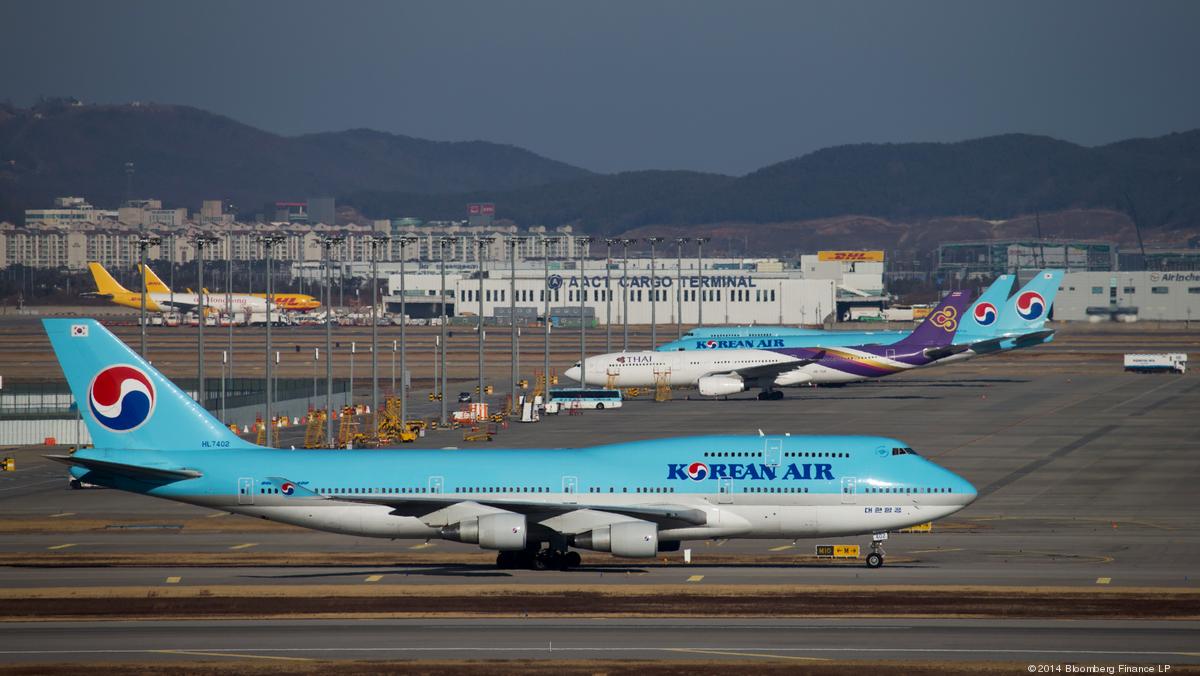
    Korean Air’s net profit in the third quarter more than tripled in comparison to last year largely due to increased sales of long-haul flight tickets and a business recovery in China, the company said in an earnings report on Tuesday. The company posted 267.8 billion won ($236 million) in net profit for the quarter that ended in September, more than three times the 75.7 billion won it earned last year when the airline suffered from China’s economic retaliation for the deployment of a U.S. anti-missile system in Korea.

    The airline posted a record 3.4 trillion won in revenue for the quarter, up 9.1 percent year on year. For operating profit, the company posted 392.8 billion won, up 3.7 percent year on year.

    Despite a rise in international oil prices and a deterioration in foreign exchange rates, the company said joint venture operations with Delta Air Lines launched in May contributed to an increase in transfer passengers. General increase in demand for travel in Korea also pulled up sales.

  • Courts Asia shows negative number after Malaysian woes

    Courts Asia shows negative number after Malaysian woes

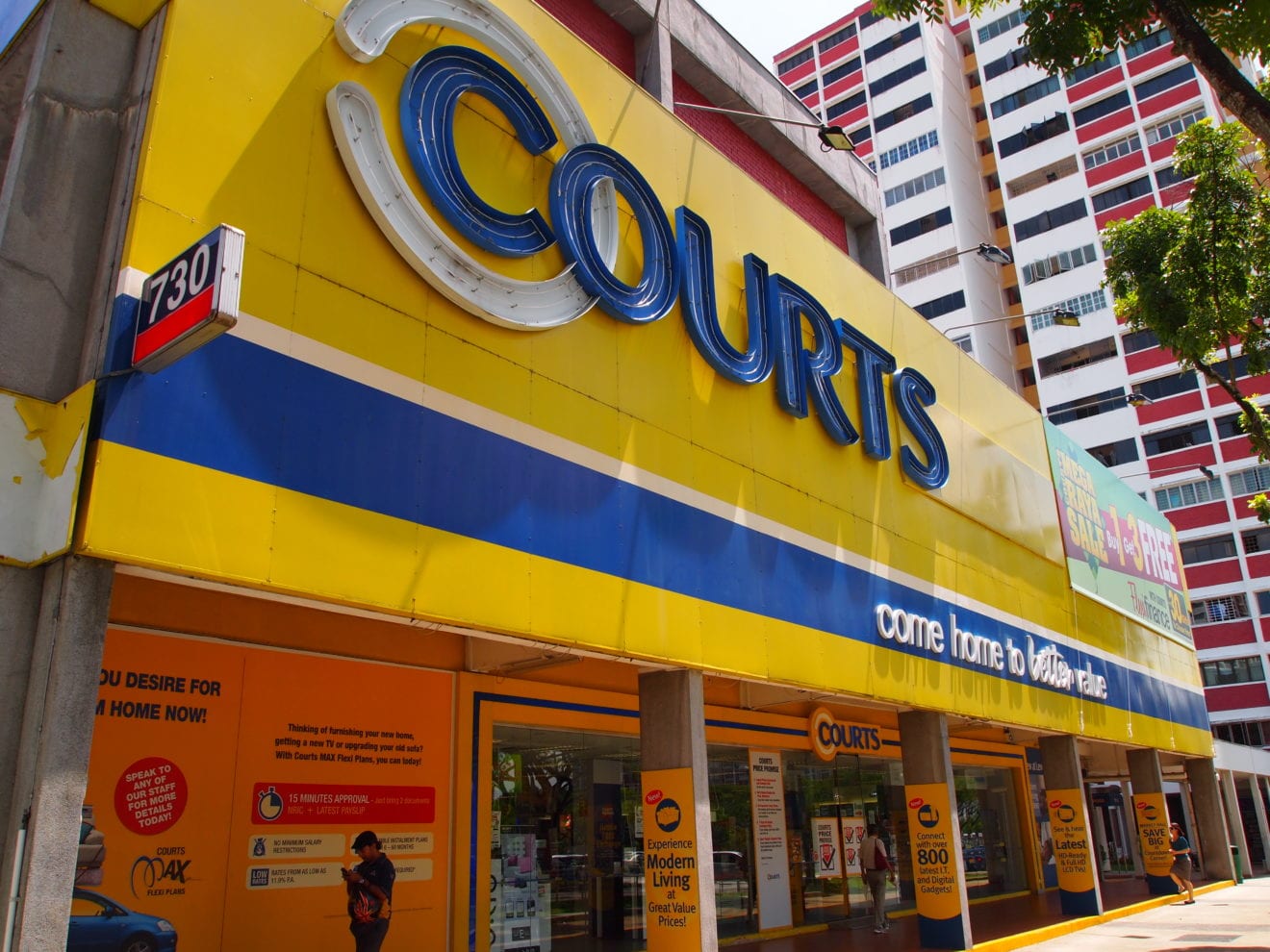
    Singaporean electronics and furniture retailer Courts Asia has posted a net loss of SG$3.1 million (US$2.25 million) in its second quarter.

    The result is a reversal of a net profit of $1.5 million (US$1.09 million) during the same period last year.

    Courts Asia said in a statement that Malaysia revenue came under pressure after the introduction of the Consumer Protection (Credit Sale) Regulations 2017 which saw consumer interest rates capped at 15 per cent per annum from January. However, ongoing transformation work with a persistent focus on cost and productivity efficiencies in Malaysia reaped results, with Malaysia’s PBT crossing into positive terrain after two consecutive quarters of loss.”

    Group CEO Terence Donald O’Connor said: “We are encouraged by the early signs of stabilisation in the Malaysia business. We have closed 10 underperforming stores since the start of our financial year in April and continue to review our store network performance. Impairment loss on trade receivables charged to the profit and loss statement has also been on a declining trend from the fourth quarter ended March.”

    The Singapore firm recorded $3.4 million profit before tax after starting out on its store transformation process, up from $3 million last year. It renovated its Ang Mo Kio outlet last month.

  • Bamboo Airways gets license, to start flying before year end

    Bamboo Airways gets license, to start flying before year end

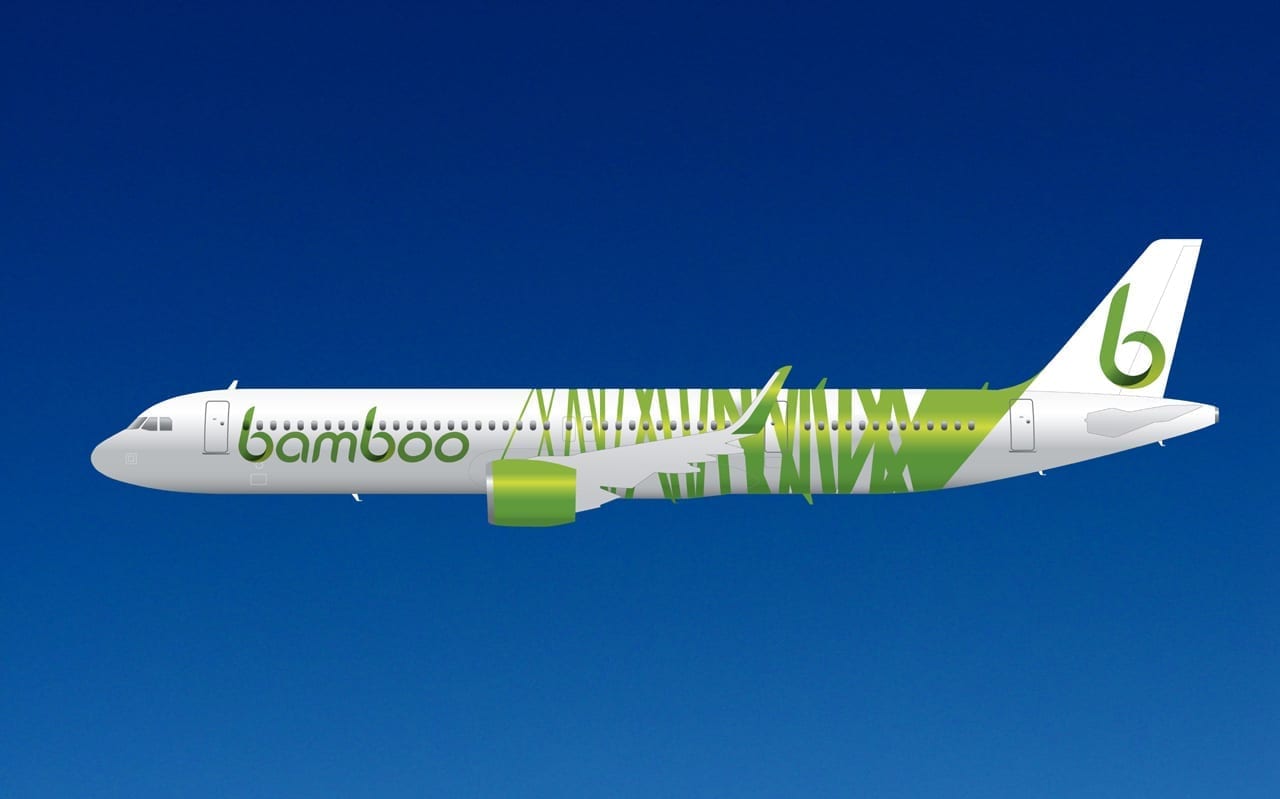
    Vietnam’s newest airline, Bamboo Airways, has received its long-awaited aviation license and plans to launch its first flight within the next 45 days. The carrier, the country’s fifth, is allowed to operate 10 aircraft on both domestic and international routes and to carry passengers and cargo on its flights.

    It plans to fly on 100 routes, connecting Vietnam’s major cities with popular domestic and international tourist destinations.

    But initially it is likely to only operate on certain sectors like Hanoi-Quy Nhon and Ho Chi Minh City-Quy Nhon. Quy Nhon is a city on the central coast.

    According to Bamboo Airways general director Dang Tat Thang, most of the preparatory works have been completed for the maiden flight to take off before the end of the year.

    It needs to obtain an aircraft operator certificate and obtain permission for parking and selling tickets, which are expected to take 30-45 days from the date of license issuance.

    Bamboo Airways was founded by Vietnamese private firm FLC in mid-2017 with a charter capital of VND700 billion ($30 million), which it increased to VND1.3 trillion ($55.68 million) recently.

    The airline has signed deals to buy 24 Airbus A320neo and 20 Boeing B787-9 Dreamliner aircraft worth a total of about $8.6 billion.

  • LG Chem picks first CEO from outside group

    LG Chem picks first CEO from outside group

    LG Chem said Friday it nominated Shin Hak-cheol, vice chair and executive vice president of 3M, as its new head. It is the first time the chemical company hired a chief executive from outside the company since its foundation in 1947. Current LG Chem CEO Park Jin-su climbed the ladder during his 42-year career at the company.

    LG Chem said it has been looking for a person who can systemize global business operations as overseas production and marketing of lithium-ion batteries has increased along with demand for electric cars.

    “Shin has gained global perspective and experience in operating a global materials and components business,” LG Chem said in statement. “He is the right person capable of responding to a rapidly changing business environment and bringing change in corporate culture and structure.”

    Shin started at 3M Korea in 1984 as a technical supervisor and then joined 3M Philippines in 1995 as its managing director. In 2011, he was named executive vice president of 3M International Operations, becoming the first Korean to lead 3M’s overseas businesses, LG Chem said.

    His most recent role at 3M was leading global teams, including the research and development, strategy and business development and business transformation teams, as vice chair and executive vice president at the 3M headquarters in Saint Paul, Minnesota.

    Shin will begin commute to work and be officially inaugurated as the chief executive during the shareholders meeting in March.

    Park will retire as Shin is inaugurated, but the exact date has not been announced yet. The company grew into a 28 trillion won ($24.8 billion) company under Park. In 2011, it posted around 22.6 trillion won in sales.

    Industry analysts say this may be the beginning of a major transformation at LG under the leadership of 40-year-old Chairman Koo Kwang-mo.