Category: Living

Retail News Asia is committed to providing both local and global retailers with the latest Living news throughout the Asian market. This on a daily base.

  • Vietnam’s Vietjet valued second in Southeast Asia

    Vietnam’s Vietjet valued second in Southeast Asia

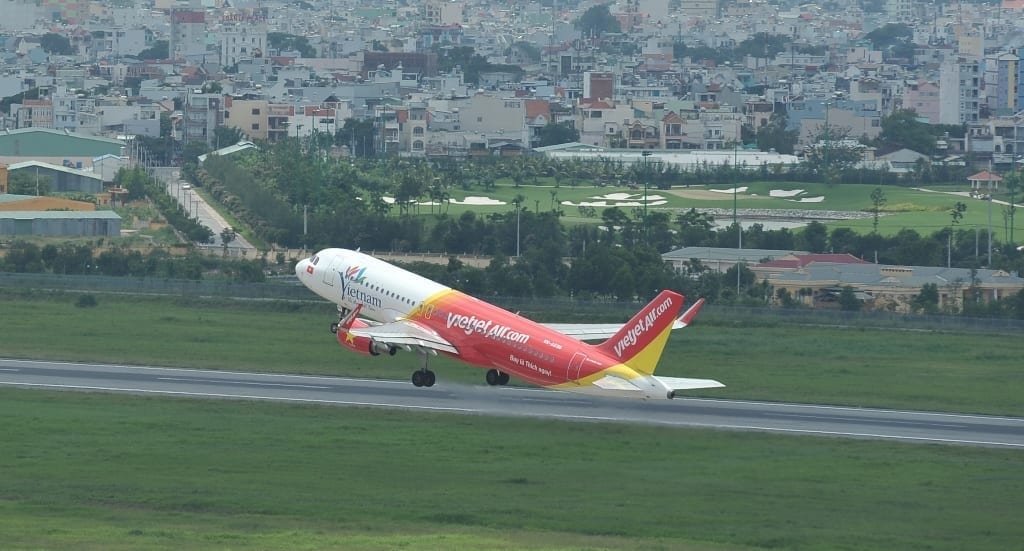
    Vietnam’s largest private airline, Vietjet Aviation, is the second most valuable airline in Southeast Asia by market capitalization. Vietjet’s value is only behind Singapore Airlines, as reported last Thursday. Last Friday, the airline was valued at $3.02 billion while Singapore Airlines topped the region at $8.29 billion.

    On Thursday, Vietjet Air launched a new international route between Hanoi and Japan’s Osaka. It plans to open two more routes to Japan in December and January.

    Earlier this month, Vietjet signed a $6.5 billion agreement to buy 50 Airbus A321neo jets.

    The airline said that the order was in line with its growth strategies and will enhance its operational efficiency and capacity, especially on international routes.

    In Vietnam, Vietjet only has to contend with two domestic rivals: the state-run Vietnam Airlines and its low-cost arm, Jetstar Pacific Airlines.

    “There are only three airlines in Vietnam, and that arrangement facilitates profit generation domestically,” a representative at an international brokerage told the Nikkei Asia Review.

    In March last year, Vietjet’s market capitalization surpassed that of state-owned Vietnam Airlines only a week after it was listed.

    Vietjet currently operates 60 Airbus jets with more than 385 flights daily within Vietnam and to countries and territories such as mainland China, Hong Kong, Japan, Malaysia, Myanmar, South Korea, Singapore, Taiwan and Thailand.

  • Indonesia to Sell $4b in Bonds to Fund Freeport Purchase

    Indonesia to Sell $4b in Bonds to Fund Freeport Purchase

    State-owned mining holding company Indonesia Asahan Aluminium, better known as Inalum, sold bonds worth $4 billion in its first-ever US dollar bond deal on Thursday to fund the acquisition of a majority stake in the Grasberg copper mine in Papua.

    The deal came amid choppy global markets, rocked by trade concerns and slowing economic growth in Asia – including Indonesia – that have made it hard for emerging market borrowers to attract investor interest.

    The coupon on the bonds was lower than the initial guidance.

    Inalum sold a tranche of three-year bonds at a yield of 5.230 percent, five-year bonds at 5.710 percent, 10-year bonds at 6.530 percent and 30-year bonds at 6.757 percent, according to a copy of the term sheet for the sale.

    That compared with initial guidance ranging from 5.875 percent to 8 percent.

    Inalum sold $1 billion in three-year and 10-year bonds each, $1.25 billion in the five-year bonds and $750 million in the 30-year paper, according to the term sheet.

    The bonds were sold slightly below face value.

    Inalum will use the funds to buy shares in US mining giant Freeport-McMoRan’s Indonesian unit, which owns the mine.

    Freeport agreed in July to sell its stake to the government for $3.85 billion, ending a long-running dispute with Indonesia, which is seeking to gain greater control over its mineral wealth.

    The sale occurs during a period of market turmoil which has seen Asian issuers hit particularly hard as rising US interest rates have pushed up borrowing costs.

    The sale drew over $20 billion in investor orders, most of them from the United States.

    Asset managers and fund managers represented the bulk of investors, making up 78 percent to 86 percent of buyers.

    The bonds are expected to be rated BAA2 by Moody’s and BBB- by Fitch.

    There is some uncertainty around the Grasberg deal as the government said it is binding while Freeport and Rio Tinto said it is non-binding.

    The bond deal includes a clause that says the bonds will be redeemed at 101 percent of face value if the acquisition is not completed by June 30 next year.

    BNP Paribas, Citigroup and Mitsubishi UFJ Financial Group were the joint global coordinators for the deal.

  • Hyundai, Kia invest big in Grab

    Hyundai, Kia invest big in Grab

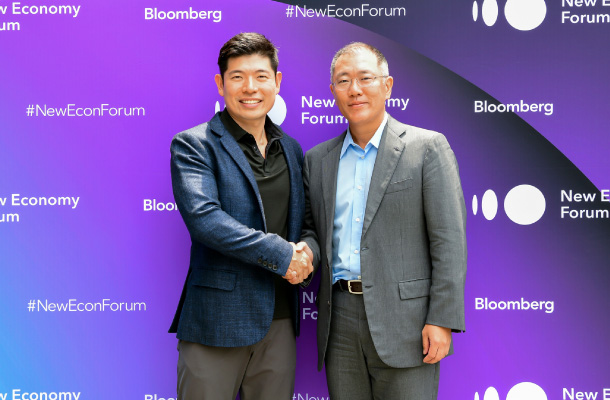
    Hyundai Motor and Kia Motors will jointly invest $250 million into the world’s third-largest ride-hailing operator Grab, eyeing shared mobility services as a way to overcome faltering car sales, the companies said Wednesday.  Hyundai has already injected $25 million into Grab in January, so total investment on the Singapore-based company adds up to $275 million. This is the largest investment made in a single company by the two sister automakers under Hyundai Motor Group, the group said.

    Grab, which has operations in 235 cities in eight countries in Southeast Asia, is the largest ride-hailing service provider in the region, though it is smaller than China’s Didi Chuxing and U.S. company Uber, which have larger operations elsewhere.

    The big bet in Grab comes as the largest auto group in Korea seeks fresh business models for growth. The group said it will make the two carmakers core players in an era where shared mobility is becoming ever more important.

    The three companies will start their collaboration by deploying Hyundai and Kia-made electric cars in Grab’s Singapore business. Hyundai will first supply 200 electric vehicles to the ride-hailing company by early next year. Kia is mulling whether to follow suit soon after.

    The vehicles will be rented out to Grab drivers. This way, Hyundai can introduce its electric cars to Singapore and other Southeast Asian markets once the pilot test in Singapore proves successful.

    “Targeting emerging markets based on strong partnerships with local companies like Grab could be a sustainable way of making profits,” Hyundai said in statement.

    If more people use ride-sharing services and other apps rather than driving their own cars, these large mobility service companies could become the major customers for carmakers in the future, and automakers are already aware of this.

    The three companies will also work on developing car maintenance and repair services as well as car financing services specialized for Grab drivers using the electric cars.

    Going further, they plan to launch electric car models customized for ride-hailing services.

    “Grab is the best partner there is to expand [our] electric car supplies in the Southeast Asian market,” said Chi Young-cho, chief innovation officer at Hyundai Motor Group.

    The latest investment is in line with Hyundai’s aggressive preparation to enter the shared mobility business. It is a relatively late mover into the future mobility business compared to competitors like Germany’s Daimler, which launched its own car-sharing brand Car2Go in 2008.

    The automaker landed a partnership with Sydney-based car sharing start-up Car Next Door with the aim of launching a new app-based mobility service in Australia by 2020. It also holds partnerships with India-based car-sharing company Revv, U.S. mobility service company Migo as well as local last-mile delivery service provider Mesh Korea. In Netherlands, it started its own car-sharing business with 100 Ioniq EVs last month.

  • Korean Air shifting most of its data to Amazon’s AWS

    Korean Air shifting most of its data to Amazon’s AWS

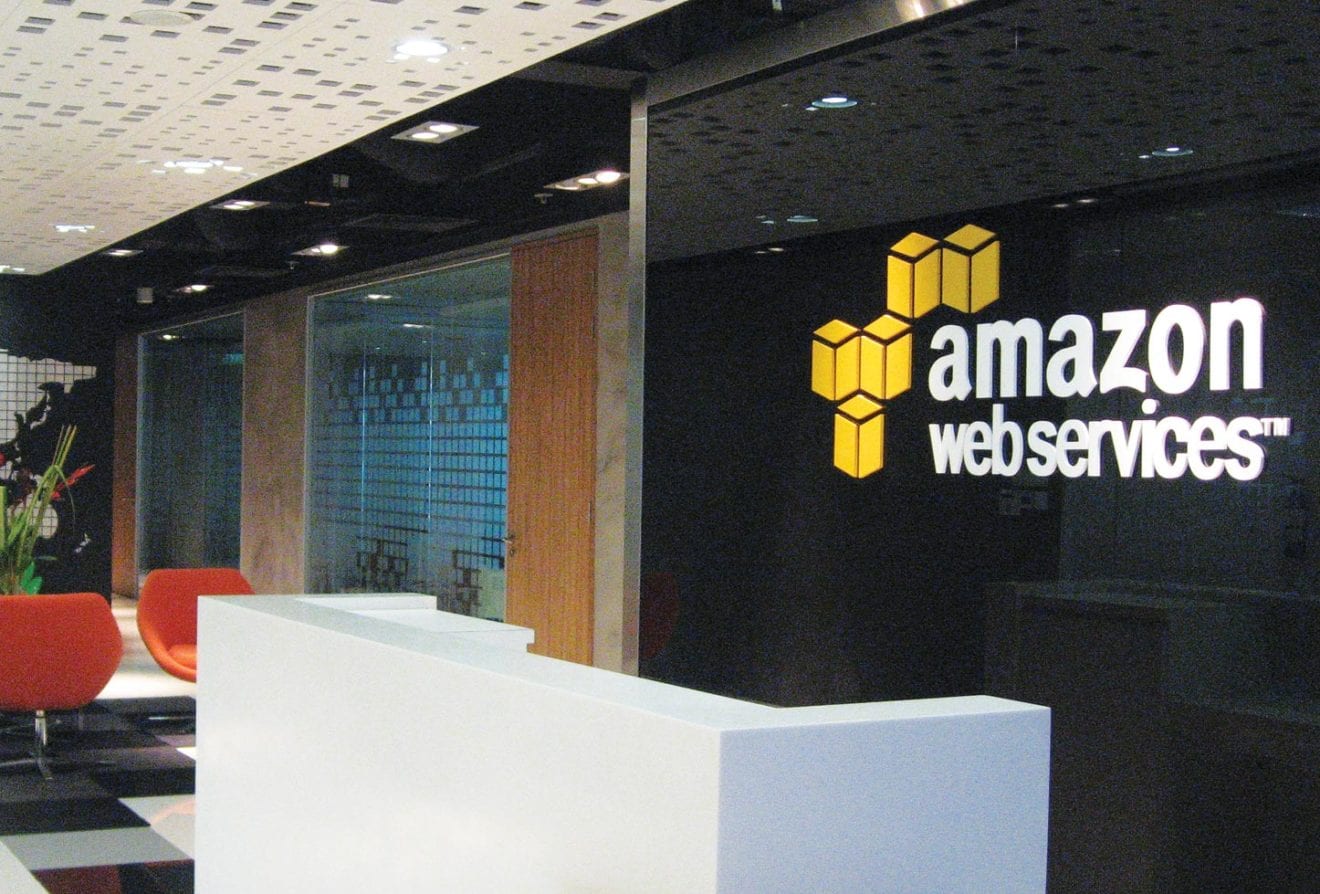
    Korean Air Lines said Tuesday it will transfer most of its data and applications to Amazon’s cloud computing platform as it overhauls its IT infrastructure over the next three years. The planned data migration to Amazon Web Services (AWS) is part of Korean Air’s broader plan to invest 200 billion won ($178 million) over the next 10 years to accelerate the company’s digital innovation and transformation, Korean Air said in a statement.

    “Leveraging cloud technologies means we will be able to provide faster and more efficient services that are tailored to the needs of our customers,” Korean Air President Walter Cho said in the statement.

    Cho, AWS Managing Director Ed Lenta and LG CNS Chief Executive Kim Young-seob signed a data center outsourcing agreement. LG CNS, one of Korea’s leading IT outsourcing providers, will help Korean Air move its data to the AWS system.

  • Moody’s downgrades Petronas LNG’s ratings outlook to negative

    Moody’s downgrades Petronas LNG’s ratings outlook to negative

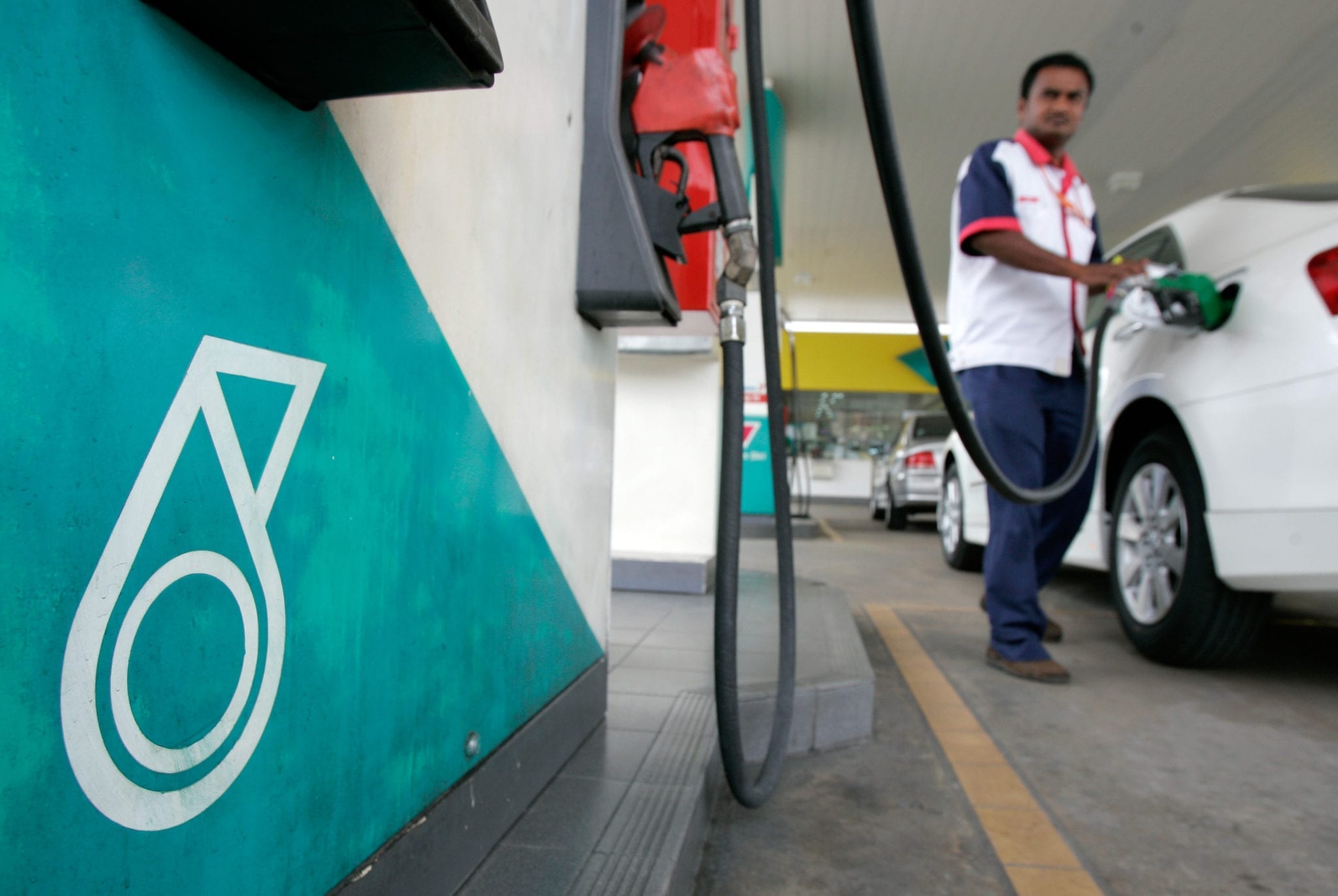
    Moody’s Investors Service has downgraded Petronas LNG Ltd’s (PLL) ratings outlook to “negative” from “stable”, following the same outlook revision for its parent company Petroliam Nasional Bhd’s (Petronas) yesterday. At the same time, the rating agency has affirmed PLL’s A3 foreign and local currency issuer ratings.

    Moody’s said the changes reflects its negative outlook on Petronas’ ratings and its expectation of PLL’s continued strong support from and linkages with its ultimate parent.

    PLL is 100%-owned by Petronas, which is in turn wholly-owned by the government.

    Moody’s said given the negative ratings outlook, a ratings upgrade is unlikely and it will revise PLL’s ratings outlook to stable from negative only if Petronas’ ratings outlook is stabilised.

    It said that PLL’s ratings will be downgraded if: Petronas’ rating is downgraded; there is a decrease in Petronas’ ownership of PLL; there is a reduction in Petronas’ supervision of and operational and financial support to PLL; or there is a material increase in PLL’s risk appetite.

    PLL’s ratings were assigned using a top down approach by evaluating the company’s full ownership by Petronas, its strong operational and financial integration with Petronas, and the willingness and ability of Petronas to extend support to PLL in an event of distress.

    Meanwhile, Moody’s assistant vice president and analyst Rachel Chua said PLL’s A3 ratings are positioned two notches below the A1 ratings of its ultimate parent.

    She noted that PLL enjoys ongoing liquidity support from Petronas and it can draw from Petronas’ umbrella credit facility for liquidity management, adding Petronas has continued to support PLL financially through cash injections of almost $400 million over the past three years.

    “Petronas’ support for PLL extends beyond financial assistance. Petronas also provides PLL with significant management support and oversight, including monthly reporting on risk and governance to a committee chaired by Petronas.

    “PLL also has an integrated treasury function with Petronas, where its cash is held centrally by Petronas and cash flow requirements are shared with its parent,” she added.

  • Unmanned medical clinic opened in China

    Unmanned medical clinic opened in China

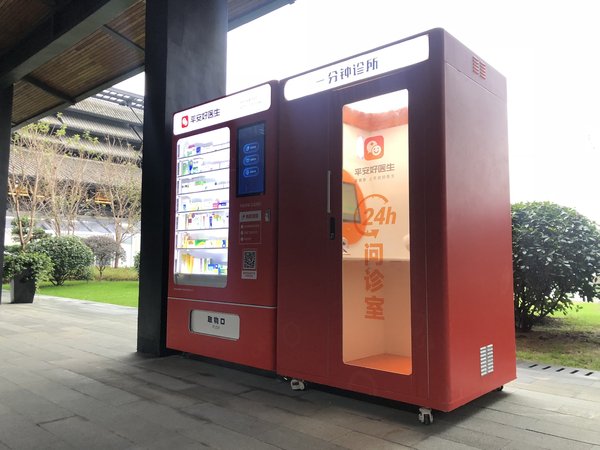
    Chinese one-stop healthcare platform Ping An Good Doctor has announced the world’s first commercially operational unmanned medical clinic. The firm’s “One-minute Clinic” has been formally unveiled in a scenic area in Wuzhen. It will provide a high-speed, convenient, one-stop-shop for medical and healthcare services for nearby residents, visitors to the scenic area and guests of the 2018 World Internet Conference.

    The clinic includes two major functional modules, an “Independent Advisory Room” and a “Smart Medicine Cabinet.” Patients consult with a cloud computing doctor in the advisory room to receive a preliminary diagnostic suggestion, and may purchase prescribed medicine from the medicine cabinet afterwards. The clinic stocks more than 100 common drugs. Unavailable medicines may be purchased online using the Ping An Good Doctor smartphone application, receiving the drug from nearby pharmacies with a one hour delivery service.

    During a one week trial, the daily average advisory volume approached 100 visitors.

    The firm plans to popularise the clinics in public areas such as pharmacies, communities, enterprises, schools, scenic areas, markets, highway service stations, and so on. Combined with Ping An Good Doctor’s offline network of 3100 new hospitals and more than 60,000 neighbourhood clinics, the clinic is expected to quickly meet real-time medical and healthcare needs of city residents.

    Ping An plans to expand to 1000 units across China by the end of the year.

    A spokesperson for Ping An Good Doctor revealed that the clinic’s AI doctor was researched and developed by a team formed from over 200 world-class artificial intelligence experts, trained using data from over 300 million visits and consultations. More than 2000 common diseases are covered by the AI’s data set.

    A back office staffed by expert physicians are engaged to verify the diagnosis and advice of the AI doctor.

    Overcrowded hospitals are part of the cause behind the present difficulty in obtaining quality healthcare in China.

    Information from a third-party research institute shows that, in 2016, including transport and waiting-in-line times, Chinese patients consume an average of three hours per medical visit, although the actual time for diagnoses averages only eight minutes per visit.

  • Vietnam 19th best country in the world for expats: HSBC survey

    Vietnam 19th best country in the world for expats: HSBC survey

    Vietnam has climbed four places to 19th in the list of best countries for expats to work and live, an HSBC survey found. With an average annual income of $90,408, nine out of 10 expats said in Vietnam they are as happy as or happier than at home, according to the 11th annual Expat Explorer issued by HSBC on Wednesday.

    Foreigners enjoy working in Vietnam for many benefits: 55 percent of respondents said they take more holidays, 41 percent live in a better home and 39 percent have more household staff compared to their home country.

    Fifty-seven percent said their employment contracts include an annual allowance to fly home or to another place, higher than the global average of 17 percent.

    Forty-two percent get an accommodation allowance while the global average is 18 percent, and 73 percent receive health and medical allowances compared to 43 percent elsewhere.

    Vietnam ranks first in the world with 72 percent saying moving to Vietnam helps them save more and 72 percent also saying they have more disposable income than they did in their home country.

    Both are higher than the global average: 52 percent for savings and 56 percent for disposable income.

    There are also some downsides for foreigners living in the country, respondents said. While more than half of expats across the world said they enjoy the better overall quality of life, only four out of ten foreigners in Vietnam said so.

    Organizing finances is difficult for expats, with only 27 percent of foreigners saying it is easy to open a bank account, buy insurance or pay taxes, while the global average is 43 percent.

    Just more than a third had no difficulty in experiencing healthcare services, but this figure is 46 percent globally.

    Raising a child in Vietnam poses challenges, with just 18 percent saying the quality of child care is better than in their home country, compared to the global average of 38 percent.

    Forty-seven said Vietnam is a good place for expats who want to progress their career, while the global average is 56 percent.

    There are financial issues that concern expats in Vietnam, with 37 percent being worried about restrictions on moving money out of the country and 22 percent each concerned about less favorable exchange rates and job security.

    Sabbir Ahmed, head of retail banking and wealth management at HSBC Vietnam, said: “The survey shows Vietnam is a promising host country for expats who are seeking both opportunities and challenges to boost and develop their careers.

    “We expect Vietnam to improve several areas to enhance the experience of expats and their families by developing further the environment, educational programs and financial services.”

    The ranking listed Singapore as the best place in the world for expats for the fourth year in a row, followed by New Zealand, Germany, Canada, and Bahrain.

    The survey polled 22,318 people from 163 countries and territories through an online questionnaire.

  • Jeju Air net profit falls 3.7% due to the high cost of oil

    Jeju Air net profit falls 3.7% due to the high cost of oil

    Jeju Air, Korea’s biggest low-cost carrier by sales, said Tuesday its third-quarter net profit fell 3.7 percent from a year earlier due to high oil prices. Net profit for the three-month period that ended on Sept. 30 reached 31 billion won ($27.6 million), compared with 32.3 billion won ($28.7 million) a year earlier, the company said in a regulatory filing.

    The budget airline said high oil prices are to blame for the decline in net profit.

    Jet fuel prices came to $87.3 per barrel in the third quarter, up 45 percent from a year earlier.

    Operating profit fell 6.5 percent to 37.7 billion won ($33.5 million) in the July-September period from 40.3 billion won ($35.8 million) a year ago. Sales were up 31.3 percent to 350 billion won ($311 million) from 266.5 billion won ($236.8 million) during the same period last year, it said.

  • IKEA to create 10,000 jobs in Maharashtra India over next 3 years

    IKEA to create 10,000 jobs in Maharashtra India over next 3 years

    Swedish furniture giant IKEA is planning to hire 10,000, both direct and indirect, in Maharashtra over the next two to three years, a senior company executive has said. According to a report: The company opened its first store in Hyderabad in August this year and the Navi Mumbai will be the second store in the country.

    “Next year, we are opening the Navi Mumbai store, for which we are planning to recruit 5,000 directly and an equal number will be hired indirectly over the two to three years,” Anna-Carin Mansson, People and Culture Manager, IKEA India said.

    This will include directly hiring 1,000 by mid-next year and 1,500 indirectly for services, including assembly among others, she said adding as per the IKEA policy, 50 percent of this recruitment will be of women at all levels.

    “We believe in equality and providing a balanced, safe and secure work environment for all employees. We are also open for recruiting from the lesbian, gay, bisexual and trans (LGBT) communities,” she further said.

    The world’s largest furniture chain is looking to hire people in e-commerce, sales, logistics, digital and Human Resource’s and mostly they hire locals, she said.

    “With our employee friendly policies, we are expecting to keep the attrition levels very low. We believe in value- based recruitment, where the core values of an individual is considered and not what is said in the CV. We provide equal opportunities to all our co-workers, help them grow and enable them to follow their passion,” she said.

    IKEA has several employee friendly policies, such as day care facilities, parental leave policy, transport policy, competence development, mentoring, pension plan among others.

    “Maharashtra is an important market for us. We have been sourcing from the state for many decades and now we are ready to enter the market in 2019 with our full offer to be able to serve all the customers,” Per Hornell, Market Manager for Maharashtra, IKEA India said.

    IKEA opened its first store in the country in Hyderabad in August, where it employs 1,000 people.

    The company is the first major single brand retailer to get FDI approval and plans to open several stores and multiple touch points across the main cities over the next 10 years .

    IKEA has four land sites in Telangana, Maharashtra, Karnataka and Delhi/NCR, and continues to look for more in other major cities.

    IKEA operates 423 IKEA stores in 50 countries with a sales volume of 38.3 billion euros.

  • Genting Malaysia will act to mitigate impact of higher casino licence fee, duties

    Genting Malaysia will act to mitigate impact of higher casino licence fee, duties

    Genting Malaysia Bhd is assessing the full implications of additional taxes announced in Budget 2019 and will take appropriate action to mitigate their impact. The action includes a review of its marketing expenditure as well as cost structure, it told the stock exchange.

    Genting Malaysia said it has been advised by the Finance Ministry that the annual casino licence fee will be revised from RM120 million to RM150 million and casino duties will be revised to up to 35% of gross collection.

    “The increase in casino duties represents a 10 percentage point increase over existing duty rates. The amendments will take effect from Jan 1, 2019,” it added.

    On Bursa Malaysia today, Genting Malaysia closed 3 sen or 0.83% higher at RM3.64 after hitting limit down on Monday.

  • Asiana Airlines net profit jumps up 181% in Q3

    Asiana Airlines net profit jumps up 181% in Q3

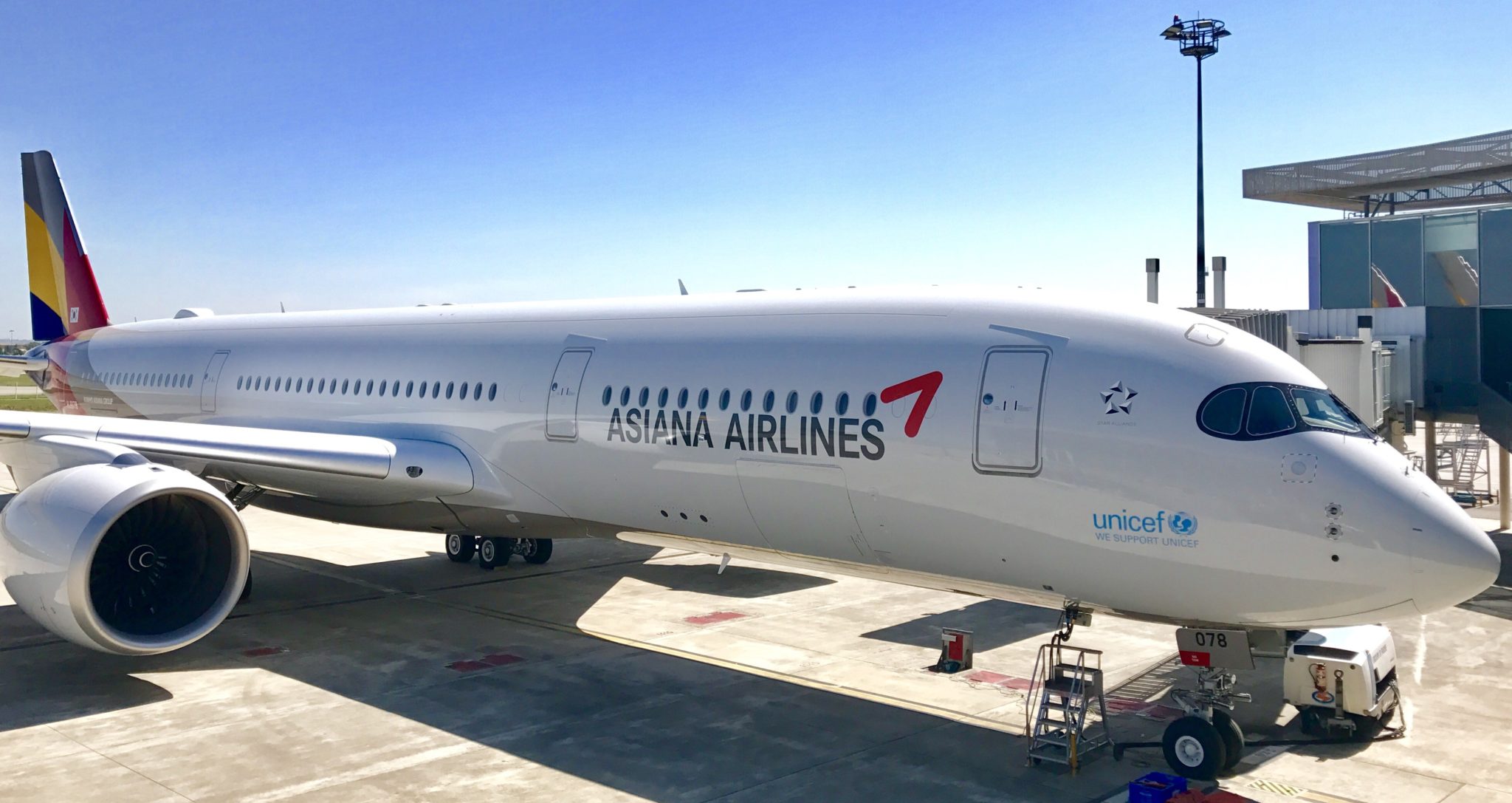
    Asiana Airlines, Korea’s second-largest airline by sales, said on Tuesday that its third-quarter net profit skyrocketed 181 percent on improved financial status. Net profit in the July-September period came to 47.8 billion won ($42.5 million), up from 17 billion ($15 million) won a year earlier on a consolidated basis, the company said in a statement.

    Operating profit fell 15 percent to 101 billion won ($89.7 million), while sales increased 14 percent to 1.85 trillion won ($1.64 billion) over the cited period.

    The company attributed the rise in net profit to an improvement in its financial structure.

    Asiana said its debt reduced from 4.06 trillion won ($3.6 billion) by the end of last year to 3.14 trillion won ($2.68 billion) by the end of September.

    Profit from the summer peak season and sales of its group office building in downtown Seoul were reflected in the latest earnings, according to the company.

    Meanwhile, Asiana cited rising oil prices as the cause of the drop in operating profit.

    Shares of the flag carrier closed at 3,920 won ($3.48) on the Seoul bourse, up 1.16 percent from the previous session’s close.

  • Vietnam’s gaming firm profits fall 52 pct in 9 months

    Vietnam’s gaming firm profits fall 52 pct in 9 months

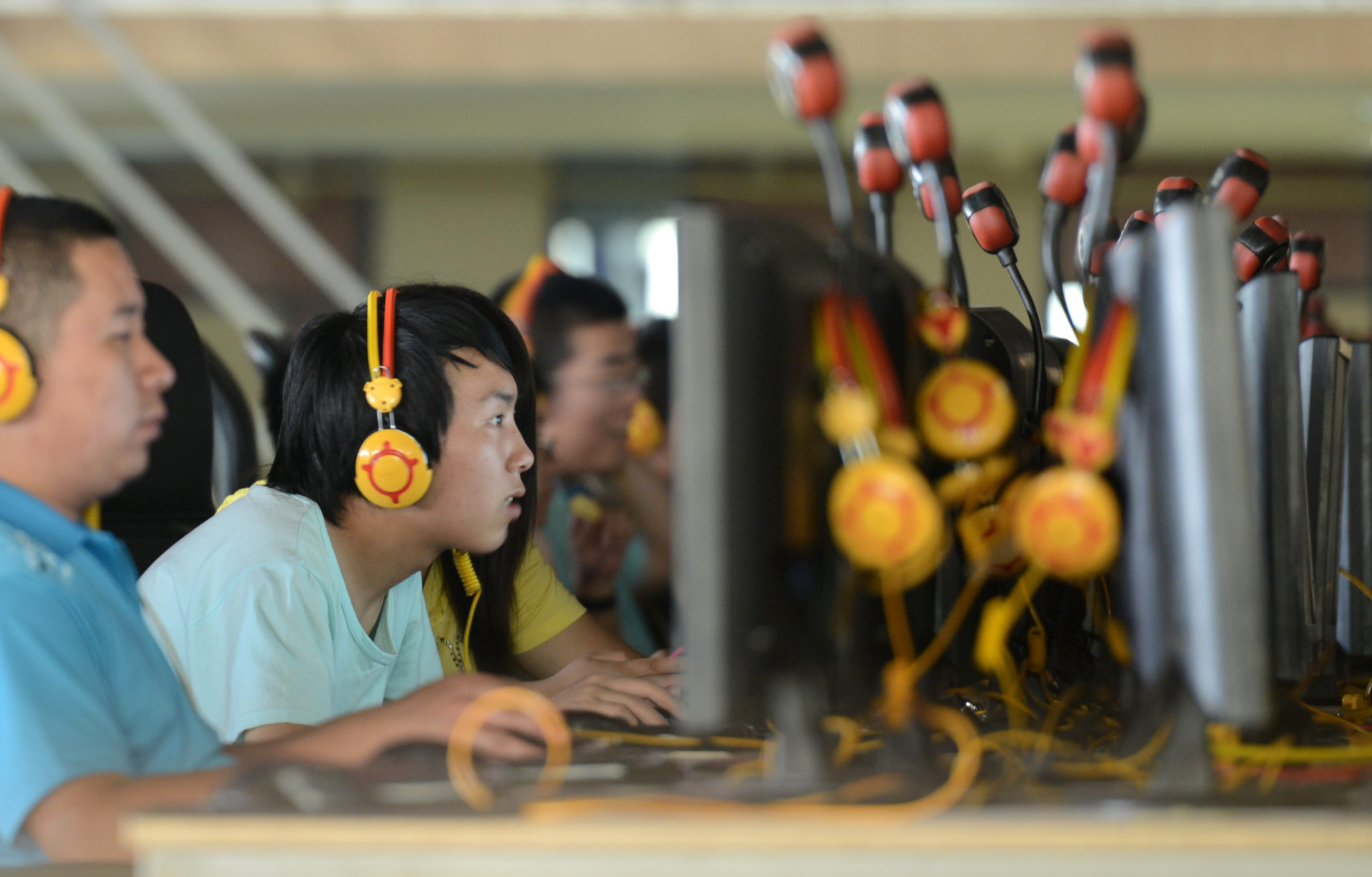
    Vietnamese online gaming giant VNG has reported Jan-Sept 2018 profits of VND152 billion ($6.5 million), a 52 percent year-on-year slump. The company has said in its third-quarter financial statement that higher expenditures have eaten into its profits.

    Selling and administrative expenses of VND853 billion ($36.7 million) and VND382 billion ($16.44 million) respectively in the nine-month period marked a 72 percent and 27 percent year-on-year surge.

    At its recent annual meeting, the company’s management board had predicted a sharp drop in profits compared to previous year as the company wanted to focus resources on investment in strategic products and diversify operations.

    The company focuses in four main areas: e-wallet, mobile product development, ecosystem building, and e-commerce.

    VNG has set a revenue target of over VND5 trillion (more than $215 million) for this year, 17 percent higher than in 2017.

    However, after-tax profit is expected to only reach VND549 billion ($23.62 million) compared to VND938 billion ($40.36 million) in 2017.

    VNG, which used to be known as VinaGame, also owns major news site Zing, popular music site Zing MP3, instant messaging app Zalo, and e-commerce site Tiki.

    Tiki, VNG’s largest investment in e-commerce, continues to suffer increasing losses. In the first half of this year, Tiki’s losses of VND102 billion (nearly $4.39 million) were more than double the same period last year.

    The cumulative loss of this e-commerce site has reached nearly VND600 billion (about $25.82 million) after seven years of operation, beginning in 2010.

  • Vietjet Air targets young aircraft fleet to keep costs low

    Vietjet Air targets young aircraft fleet to keep costs low

    Budget carrier Vietjet Air plans a fleet age average of three years to keep fuel and maintenance costs low. Vietjet Air is in negotiations to firm up the deal after ordering 100 Boeing 737 MAX aircraft and 50 Airbus A321neo aircraft at the Farnborough International Airshow in the U.K. in July.

    The planes are expected to be delivered between 2020 and 2025, Vietjet CEO Nguyen Thi Phuong Thao said recently.

    But some analysts have questioned whether Vietjet is equipping itself with way too much aircraft, given that it already owns 62 Airbus narrow body jets.

    The carrier, which leads the domestic market with a 45 percent share, expects to receive 30 new aircraft and “retire” 10 each year between 2020 and 2025 to keep its fleet young, Thao said.

    “The average age of Vietjet aircraft is three years now and we want to keep it that way,” she said on the sidelines of a CEO conference in Bangkok.

    The average age of Vietjet’s planes is half that of other low-cost and fast-growing carriers in Asia like Malaysia’s AirAsia, Indonesia’s Lion Air and India’s IndiGo, according to Airfleets.net.

    “The main reason for the young fleet is to keep the maintenance and fuel costs low and to ensure a good service for passengers on fresh, convenient planes,” said Thao.

    Deliveries of those planes are expected to happen from now until early next year.Last month, Vietjet inked a deal to buy 10 Airbus aircraft worth $1.24 billion from Japanese and French companies.

    Thai Vietjet, which operates under a franchise contract in Thailand, is flying with seven jets and expected to add ten more jets each year, the carrier had said this month.

    Vietjet runs 385 flights daily within Vietnam and to Japan, Hong Kong, South Korea, Taiwan, Singapore, mainland China, Thailand, Myanmar and Malaysia.

  • Korea’s Yuhan licenses lung cancer drug

    Korea’s Yuhan licenses lung cancer drug

    Yuhan Corporation announced on Monday that it has entered into a licensing agreement with Janssen Biotech, a subsidiary of Johnson & Johnson, to develop Lazertinib, a treatment for non-small cell lung cancer (Nsclc) that is undergoing clinical trials in Korea.

    Under the agreement, Yuhan will receive an upfront payment of $50 million and is eligible for double-digit royalties on future sales.

    It is also eligible for up to $1.255 billion in payments according to development phases.

    Going forward, Janssen will be responsible for developing the drug, manufacturing and commercialization with exclusive worldwide rights to Lazertinib excluding Korea, where the rights belong to Yuhan.

    The companies will work together on global clinical trials evaluating Lazertinib.

    Trials are expected to begin in 2019.

    “We are excited to start this collaboration and dive into advancing this treatment regimen with a focus on improving the lives of people who suffer from lung cancer,” said Lee Jung-hee, president and CEO of Yuhan, in a statement.

    The combined $1.255 billion Yuhan is set to receive from Janssen is the second-largest export contract for a single pharmaceutical product from Korea, according to people in the industry.

    Lazertinib is a potent, mutant-selective, irreversible, brain-penetrant and orally-active third-generation inhibitor for Nsclc, with the potential to be a first-line therapy.

    The compound is in a Phase 1/2 clinical trial in Korea. Interim results showed that Lazertinib inhibited robust disease activity in patients with Nsclc.

    Established in 1926, Yuhan is one of the top pharmaceutical companies in Korea in terms of market capitalization and revenue.

    Its core business consists of primary and specialty care, dietary supplements, household and animal care, and contract manufacturing of active pharmaceutical ingredients.

    On the news of the agreement with Janssen Biotech, shares of Yuhan spiked 29.78 percent to close at 231,000 won ($205) Monday.

  • Twenty4 opens cash-free retailer in Ipoh Malaysia

    Twenty4 opens cash-free retailer in Ipoh Malaysia

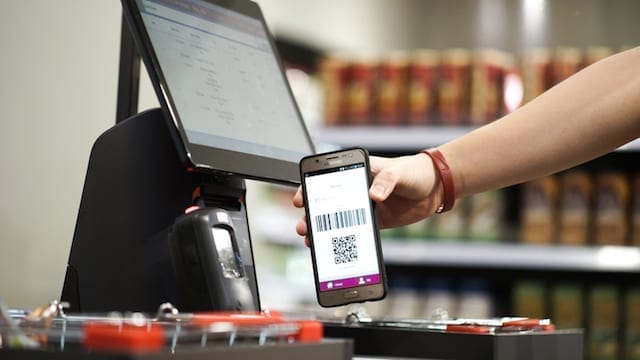
    Malaysian convenience store Twenty4 has opened in Ipoh as the region’s first cash-free retailer of its kind. The “smart” convenience store accepts only cashless transactions, earning it a spot in the Malaysia Book of Records. The brand’s CEO Kenny Ng said: “The shop is open round-the-clock and customers can purchase a variety of items, including food and personal care items, through cashless transactions.

    Customers can buy products at the store using debit cards, credit cards, Paywaves, Samsung Pay, Apple Pay or use other E-Wallet payments. We hope the concept will set the pace … be a pioneer in Malaysia, where people buy items without using cash.”

    Twenty4 sells various local and international products via self-service machines.