Category: Living

Retail News Asia is committed to providing both local and global retailers with the latest Living news throughout the Asian market. This on a daily base.

  • Taxi or not? Vietnam debate rages over Grab status

    Taxi or not? Vietnam debate rages over Grab status

    Transport authorities and taxi associations have reiterated that ride-hailing firm Grab should be treated as a taxi service, but experts disagree. Nguyen Cong Hung, vice chairman of the Vietnam Automobile Transportation Association (VATA), said at a recent meeting that it was incorrect to identify Grab as an electronic contract service firm.

    Hung said that legal experts have affirmed that Grab and other ride-hailing services are taxi services, and ordering a car service via a phone call or a phone app are only superficially different modalities.

    While some people believe that calling Grab a taxi service will hinder the development of technology, Hung disagreed.

    “Identifying a car service as traditional taxi or technology taxi will guarantee authorities management power and fairness in terms of their responsibilities. Whichever service applies technology will have higher profits,” he added.

    Echoing Hung, chairman of the Ho Chi Minh City Taxi Association, Ta Long Hy, said that any service which sets transport fees collects money and spends a large amount of money on discounts is a transportation service, and not merely a software company.

    Hy said that all car services that are 9-seaters or lower are taxi services in nature. “The Ministry of Transport should not create an exclusive playing field for a service that is basically a taxi service.”

    He proposed that 9-seater or lower car services, whether Grab or traditional taxis, be identified by a mark on their license plates or a larger registration label on the car’s windshield.

    Earlier this month, the Transport Ministry released the latest draft of a transportation management decree under which under 9-seater car services be registered as taxi firms before they can apply ride-hailing technologies.

    This means that Grab and other ride-hailing firms would have to register their services again as a taxi business and comply with corresponding legal responsibilities regarding their operating licenses, drivers’ profiles and tax duties.

    Should the decree be passed, Grab and other ride-hailing cars will have to put a sticker labeled “taxi” on their windshields and carry a taxi legend on the top.

    The draft goes against many experts’ requests to treat ride-healing services as a new business model that is different from traditional taxi service.

    Nguyen Dinh Cung, director of the Central Institute of Economic Management (CIEM), had said earlier that firms that primarily used software cannot be called a transportation business.

    Cung said that the government should encourage new investment forms or business models with an open and fair environment in keeping with Industry 4.0 trends.

    Lawyer Truong Thanh Duc said that the Ministry of Transport has been making changes with recent drafts without having a consistent viewpoint.

    The fact the ministry wants to identify ride-hailing services as taxi firms is against the government’s policy of prioritizing technology development in the Fourth Industrial Revolution, he said.

    Marketing expert Do Hoa said that Grab and other ride-hailing services should be managed under a new law specifically written for technological services.

    Traditional regulations related to taxi firms are not appropriate for Grab, as it is not a transport company, he said.

    The heated debates and struggles between ride-hailing cars and traditional taxis have not cooled after the exit of Uber from the Southeast Asian market in March. Taxi firms have continued to complain about the unfair competition they are facing.

    They have also joined hands to fight the market onslaught of ride-hailing firms.

    Grab has consistently been denying that it is a taxi firm, saying it only provides technological solutions to transport services.

    The debate over Grab’s status as transport company is hardly new in Vietnam. Vietnam’s top taxi company Vinasun sued Grab for $1.84 million in losses, citing “unhealthy competition”.

    In Vietnam, local cab firms like Mai Linh and Vinasun have to pay value added tax (VAT) of 10 percent and corporate income tax of 20 percent, while Grab only have to pay some 3 percent.

    The ride-hailing market in Vietnam has seen new entrants after Uber’s departure, including Fastgo and GoViet, which is an affiliate of Indonesia’s Gojek.

    Current market dominator Grab has expanded its services to include GrabFood, a food delivery service, and GrabCar Business, targeting the corporate sector.

    These moves pose further challenges for long-standing taxi firms like Mai Linh, Taxi Group and Vinasun.

  • Philip Morris International Launches Healthier Alternatives for Smokers

    Philip Morris International Launches Healthier Alternatives for Smokers

    In its passion and drive to provide better choices to people who smoke, Philip Morris International Inc. (“PMI”), the global leader in smoke-free innovation and science, has launched the next generation of IQOS. The new IQOS 3 and IQOS 3 MULTI integrate extensive consumer insights and feedback to improve design and user experience while maintaining signature taste, sensory attributes and ritual—all underpinned by strong scientific substantiation. The new versions aim to further encourage a growing number of smokers to switch, to the benefit of their health, public health and, ultimately, society.

    The new iterations were launched in Tokyo, Japan—the country considered the birthplace of IQOS. The iconic brand offers the best in taste and satisfaction in the category, and almost 6 million adult smokers have already quit cigarettes—with more than half of those in Japan.

    “Our dream was to create a better alternative for smokers, and IQOS has made this dream a reality; it’s a revolution for the 1.1 billion people who smoke,” said André Calantzopoulos, PMI’s chief executive officer. “IQOS 3 and IQOS 3 MULTI deliver significant improvement and innovation and mark another step toward convincing all men and women who would otherwise continue to smoke to switch to smoke-free alternatives. IQOS consumers know that this product changes many things in their lives—we thank them, and we thank Japan for leading this positive change.

    Behind every development at PMI is robust science. Its scientific assessment program is based on longstanding practices of the pharmaceutical industry and is in line with U.S. Food and Drug Administration (FDA) guidance. IQOS produces an aerosol that contains on average 90 percent lower levels of harmful chemicals than cigarette smoke. The totality of PMI’s preclinical and clinical evidence indicates that switching completely to IQOS presents less risk of harm than continued smoking. Evidence also shows that IQOS does not negatively affect indoor air quality. On average, 70 to 80 percent of IQOS users have quit cigarettes, which makes IQOS the most compelling smoke-free alternative today.

    PMI has filed a Modified Risk Tobacco Product Application (MRTPA) for IQOS with the U.S. FDA, but the U.S. FDA has not yet completed its review of our data. IQOS is not for sale in the United States.

  • Lego Mosaic Maker opened first store in Yokohama

    Lego Mosaic Maker opened first store in Yokohama

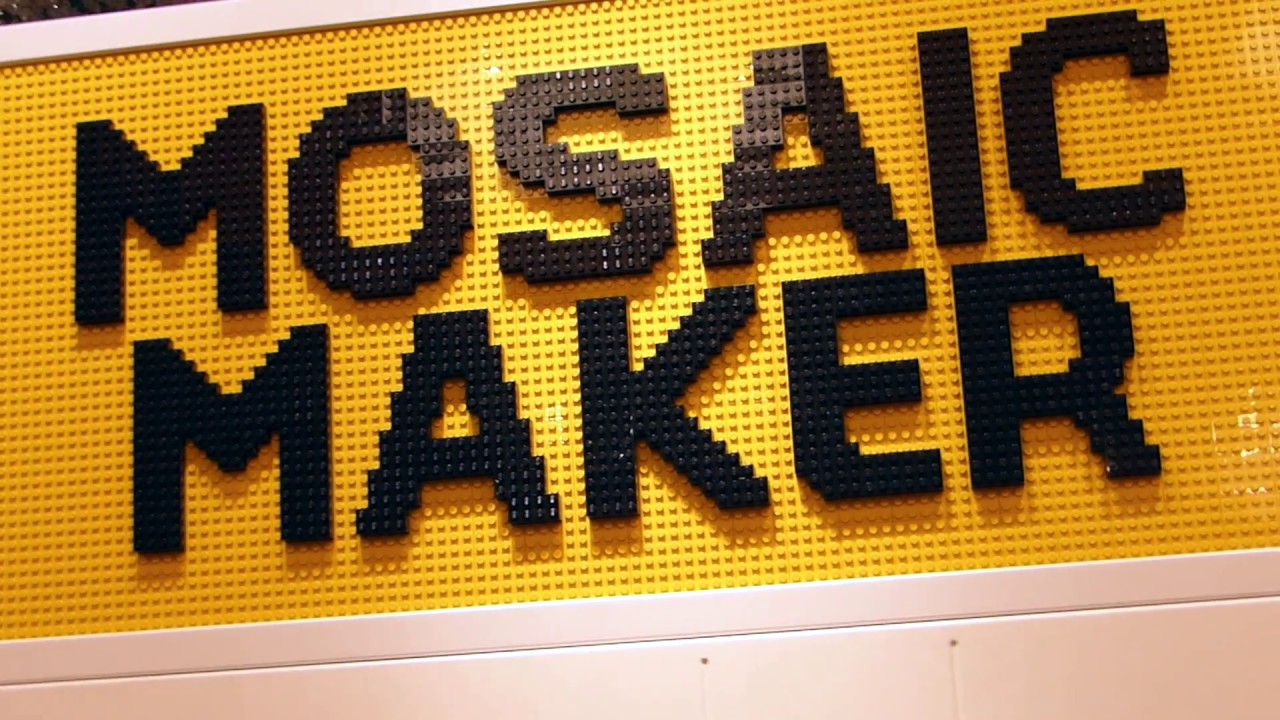
    Danish toy producer Lego has opened a store in Yokohama Landmark Plaza this week, introducing “Lego Mosaic Maker” to Japan. One of only five in the world, the Lego Mosaic Maker is a machine that can reproduce your face in mosaic feature with Lego blocks.

    Visitors enter a booth and take a photo of their face, creating a kit that can make the mosaic in around 10 minutes and which can be offered as a gift for family or friends.

    Use of the mosaic maker is by advance reservation only for a fee of ¥10,455 (US$93). Other special promotions are available in-store.

  • Vietnam urged to cut dependence on crude oil

    Vietnam urged to cut dependence on crude oil

    A prime ministerial advisory body has said the state budget is overly dependent on crude oil, an unsustainable income source. The National Financial Supervisory Commission (NFSC) recently said crude oil is not a sustainable income source, both in the short and long term.

    In the short term, crude oil revenue can be affected by global oil prices and mining output; and the state budget has been significantly impacted by such fluctuations over the years, the NFSC noted.

    In the long run, this source of income is also unsustainable as national reserves are limited, it added.

    Earlier, Deputy Prime Minister Vuong Dinh Hue had said at a meeting of the legislative National Assembly that Vietnam needs to stop relying on crude oil and focus on tourism to ensure its economic growth.

    “It is better to welcome one million tourists than trying to find one million tons of crude oil because tourism is more eco-friendly and safe for the economy,” he’d said.

    Vietnam’s September crude oil exports totaled 375,000 tons, down 21.1 percent year-on-year, according to the General Statistics Office. This brought crude oil exports in the first nine months of this year to 2.97 million tons, down 45.2 percent from a year earlier.

    From early this year to September 15, accumulated budget revenue is estimated to be at VND898.3 trillion ($39.06 billion), of which VND43.5 trillion ($1.89 billion) or about 5 percent comes from crude oil, according to the General Statistics Office.

    Vietnam’s domestic crude oil production reached its peak in 2004 with an output of more than 20 million tons, but has declined to an estimated 14.2 million tons in 2017.

    It is forecast that around 11 million tons will be produced in 2018. Crude oil exports have contributed 0.25 percent to the country’s GDP in recent years.

  • Specialized Bicycle opened first store in Philippines

    Specialized Bicycle opened first store in Philippines

    Bicycle brand Specialized has opened the first of three stores planned for the Philippines. The first Specialized Manila store is trading now at SM by the Bay at the Mall of Asia in Pasay City.  More are planned for Quezon City and Pasig by the end of this year. More will follow in other cities from next year.

    Billed as “a bicycle brand made for riders by riders”, the 44-year-old company describes the stores as “a cyclist’s haven”.

    “We want to serve the riders where they are, and at the same time make it convenient for them to get that one-stop bike shop experience,” said Ritchie Santayana, customer development director of Gruppo Innovare Corp, the local distributor of the brand.

    Specialized makes bicycles for triathletes and sports people as well as enthusiasts of cycling as a means of maintaining fitness

    The Specialized Manila stores will stock technically advanced models including the trail bike Stumpjumper, e-mountain bikes Turbo Levo and Kenevo, the fast road bike the Venge; and the lightweight Tarmac racing bike.

  • Mr DIY ready for massive growth by 2020

    Mr DIY ready for massive growth by 2020

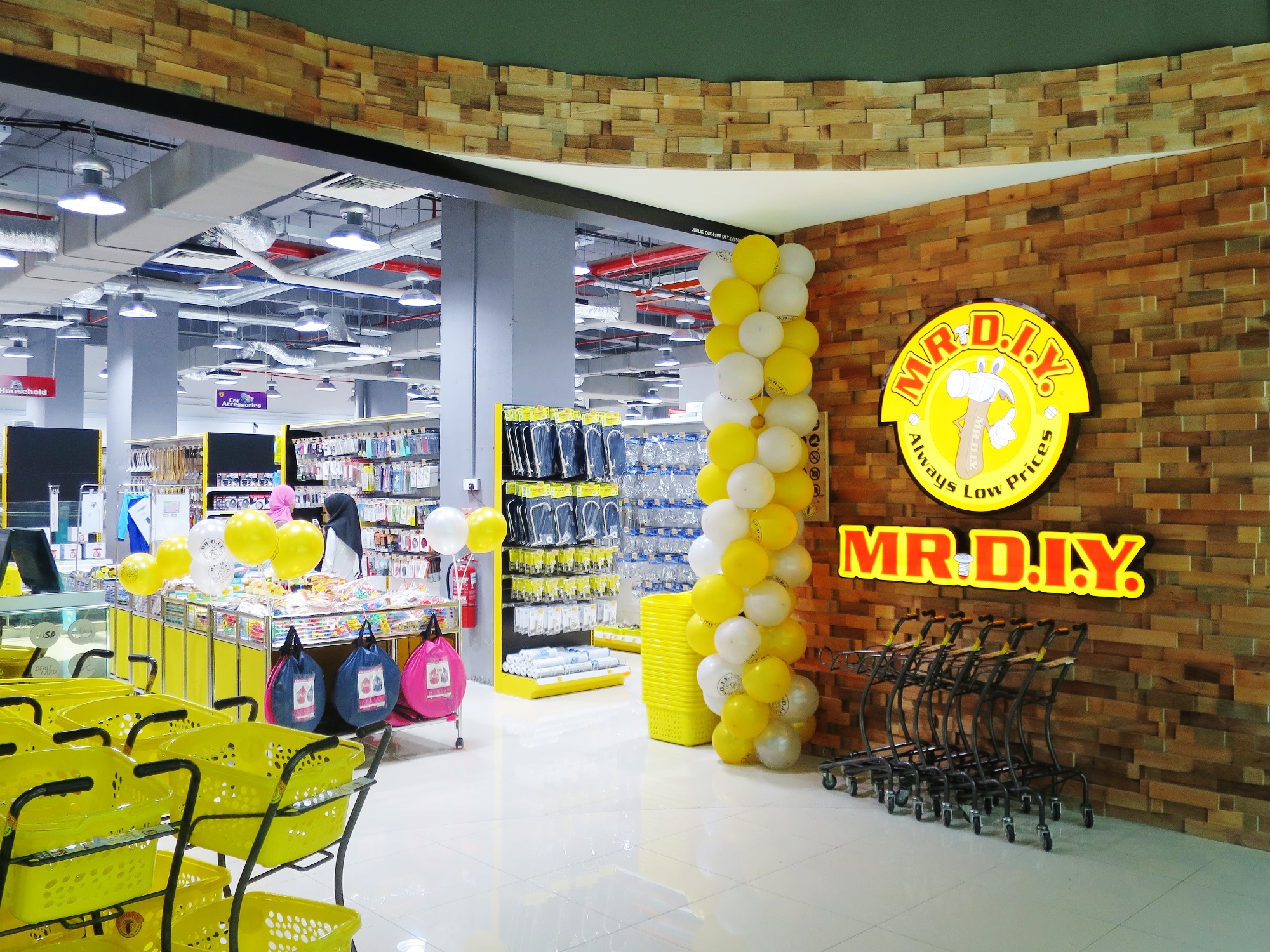
    Malaysian home improvement retailer Mr DIY has announced plans to open at least 1000 branches by 2020. The announcement was made at the opening of its latest outlet at Paradigm Mall, its 440th local branch and 600th global branch. The brand currently operates 120 stores in Thailand, 40 in Indonesia, four in Brunei, and one each in Singapore and the Philippines.

    Mr DIY head of marketing Andy Chin said: “We feel that our home improvement retail business model, offering a variety of goods at affordable prices, is suitable for better business growth in the country as well as the Asean market. At the end of this year, we target 700 global branches, and the number may reach 1000 or more by 2020. These will be based on an organic growth.”

    He added that the company’s prospect of Asean-level expansion will be focused on Indonesia, Thailand and the Philippines,” said Chin.

    Mr DIY is the largest home appliance retailer in Malaysia with more than 20,000 SKUs.

  • Eslite to open in Japan with partner

    Eslite to open in Japan with partner

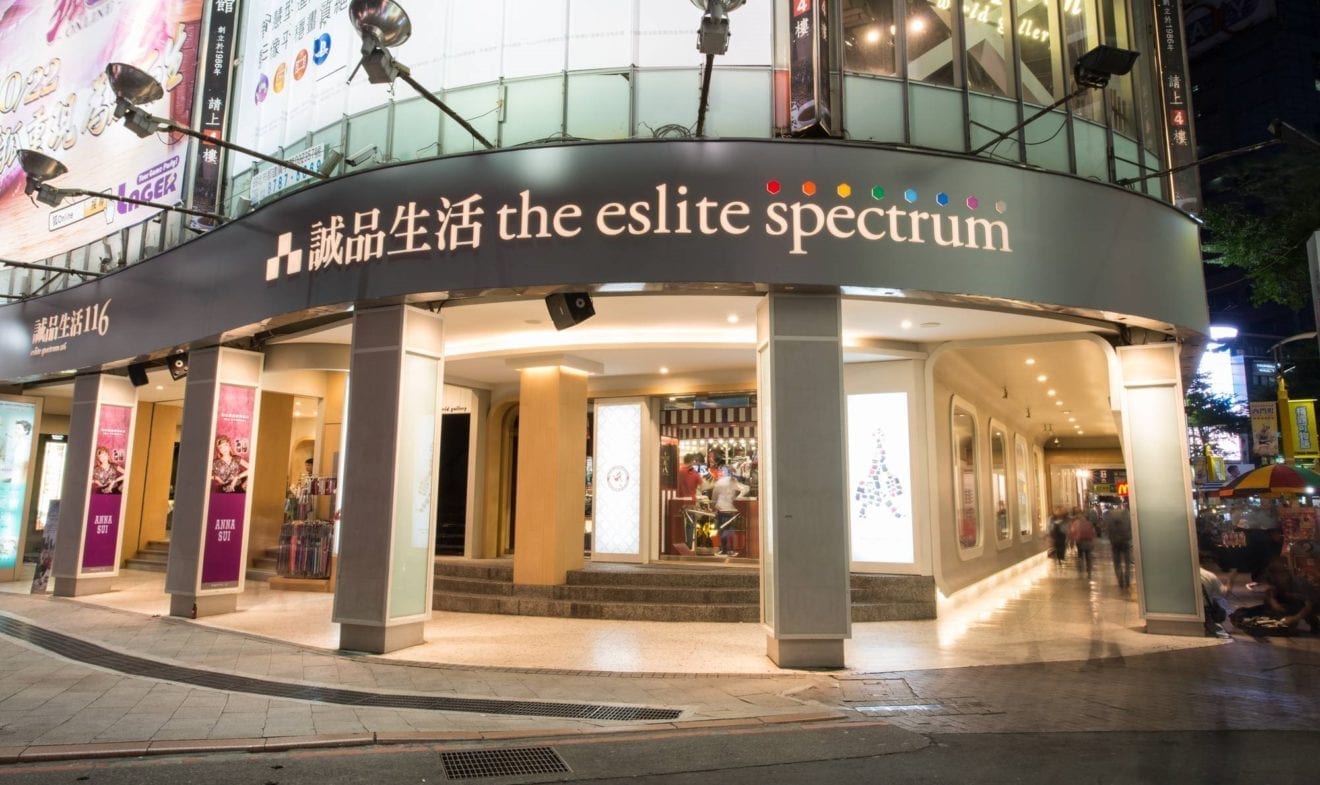
    Taiwanese bookstore chain Eslite is planning to expand into Japan. The prominent bookstore business is using the move to build its international profile, and has announced its plans as amounting to a “new starting point for cross-culture ventures”. Eslite’s Japanese partner has yet to be named.

    The firm’s long-term plan is to expand into Southeast Asia, and it has been contacted by multiple potential partners, according to chairperson Mercy Wu. It is currently considering potential different modes of partnership.

    Eslite is a prominent name in the books industry in Taiwan, with 42 stores nationwide, as well as an additional three in Hong Kong and one in Suzhou.

  • WaBi Partners with the HiNounou Connected Health Platform to Empower Millions of Chinese Seniors

    WaBi Partners with the HiNounou Connected Health Platform to Empower Millions of Chinese Seniors

    Walimai, the safe-product retail channel that utilizes the WaBi token, has announced its strategic partnership and ecosystem integration with HiNounou, a connected healthcare and intelligent data platform. The partnership is set to provide millions of Chinese senior citizens with access to safe, trusted goods and services, including insurance and health products.

    The partnership merges the respective ecosystems of both parties, allowing participants of either service to use their loyalty tokens on both platforms. It also allows for Walimai cross-promotion on the HiNounou service, which targets one of Walimai’s key demographics — senior citizens. Powered by AI, IoT, blockchain, and genomics, HiNounou’s platform and ecosystem features leading insurers AXA and Ping An, who are offering their first dedicated ‘insurance as a service’ products for Chinese senior citizens.

    Current data indicates China has 1.3 billion citizens over 60, equal to 17 percent of the world’s total population. According to state projections by China’s Office of the National Working Commission on Aging, more than 25 percent of the population will be over 60 by 2030. China faces an enormous challenge in sustaining the provision of healthcare, pensions, and viable insurance, against the background of national productivity concerns and a variety of social and welfare-related issues.

    The Walimai-HiNounou alliance creates a unique, safe, and trusted environment, which gives seniors the opportunity to access a rich ecosystem of trusted services tailored to them, ensuring a healthier and more active daily life.

    “Our Walimai partnership is another important step in creating an integrated ecosystem of products and services focused on the well-being of seniors at home to live longer, healthier, and happier,” said  Charles Bark, CEO, HiNounou. “The partnership creates cross-ecosystem interactivity for the WaBi and HiNounou tokens, enabling seniors to seamlessly transact across an extensive range of trusted products and services.”

    “By linking WaBi in the HiNounou ecosystem, we can provide our selection of verifiably authentic imported goods to one of our main target consumer groups, and help improve their health,” said Alexander Busarov, CEO, Walimai and WaBi. “This is hugely empowering for the elderly. We provide easy access to products and services, stimulating both the mind and body, across a variety of activities and interests, allowing seniors to stay engaged in society and lead more rewarding lives.”

    The WaBi token can be used to acquire products and services on the HiNounou platform, customized to the needs of seniors, such as insurance, supplements, nutritious foods, wellness classes, and more. HiNounou users will also be able to use the HiNounou token to make purchases through the Walimai safe product retail channel.

    Walimai’s anti-counterfeiting technology and blockchain-based data platform ensure goods are safe and authentic, while customer data is kept secure, which helps limit fraudulent activity and reduce seniors’ exposure to unwanted risks. HiNounou leverages high-tech robotics and healthcare applications to improve the quality of life for seniors, potentially extending the working life of many elderly citizens.

    HiNounou has risen to be one of the most promising companies in the healthcare industry. Recognized for its innovation by major names such as Bayer and Intel, HiNounou technology has been showcased at events worldwide (including CES ASIA 2018 and European Economic Congress), had its CEO and founder Charles Bark named one of France’s top 3 AI entrepreneurs in China by President Emmanuel Macron, and struck partnerships with major industry names such as ZTE, AXA, and Ping An.

  • Qualtrics Expands XM Solutions Capabilities To Help Organisations Close Experience Gaps Faster

    Qualtrics Expands XM Solutions Capabilities To Help Organisations Close Experience Gaps Faster

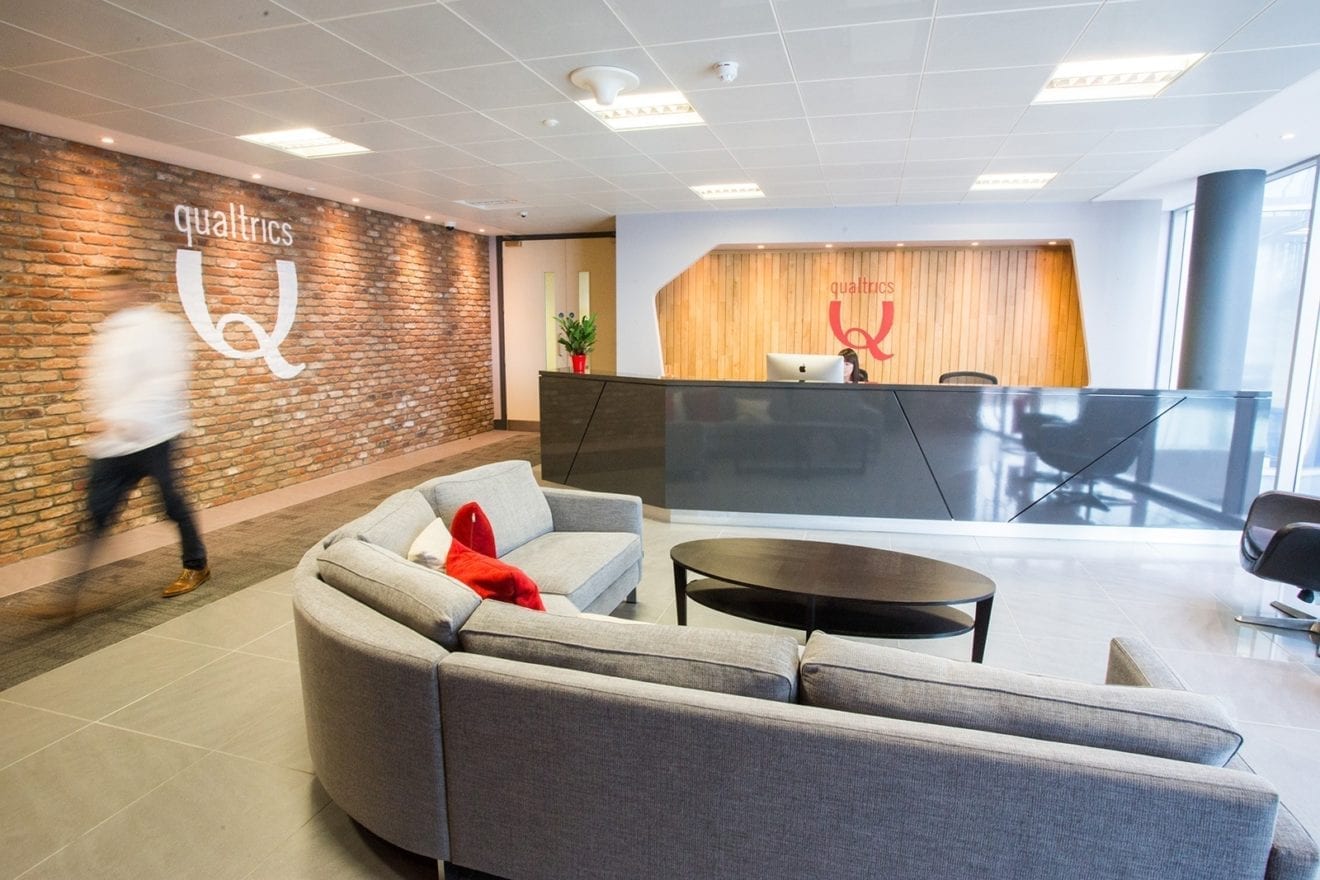
    Qualtrics, the leader in experience management, announced the expansion of XM Solutions to help customers close experience gaps and harness the power of the world’s leading Experience Management (XM) Platform™. There are now over 45 expert-built solutions spanning automated projects, guided programmes and full-service research, designed by industry and research experts to accelerate customer experience, employee experience, and market research.

    For years, organisations have struggled to quickly set up experience management and market research programmes, while ensuring programmes were best-in-class. With XM Solutions, Qualtrics’ team of PhDs and industry experts have created solutions to help customers quickly and confidently launch their programmes and drive business outcomes. Solutions include both guided programmes – designed to accelerate customer experience and employee experience programmes with pre-configured surveys, expert-validated methods, and dashboards tailored to your business – as well as automated projects for quick-turn research projects that yield near-immediate results.

    “XM Solutions will improve the speed and accuracy with which organisations can launch their experience management programmes,” said Ryan Smith, co-founder and CEO of Qualtrics. “Our team of experts have designed packaged solutions that leverage the learnings from thousands of customer experience, employee engagement and research programmes running on the Qualtrics platform. This will help any organization–large or small–jumpstart its experience management and research programmes, and make it easy to scale those programmes to fit the organisation’s needs.”

    Leveraging XM Solutions, customers can more quickly and confidently conduct comprehensive customer, employee, product and brand research in a fraction of the time. From pricing, to customer NPS, to brand awareness studies, XM solutions delivers fast results with automated setup, streamlined distribution, and smart analysis for research of all sizes.

    “XM Solutions have made it possible to simultaneously enhance our suite of research capabilities and reduce costs,” said Andrew Mun, Consumer Intelligence Manager at Kia Motors America. “These out-of-the-box solutions have changed the way Kia conducts research and improved our speed to insights. In a highly competitive industry, that means the difference between success and failure.”

  • Siam Paragon celebrating the school break with “Kids Carnival: Little Nemo in Slumberland”

    Siam Paragon celebrating the school break with “Kids Carnival: Little Nemo in Slumberland”

    Siam Paragon celebrating the school break organizes “Kids Carnival: Little Nemo in Slumberland”, the spectacular Balloon Festival imported directly from France to be held in the South East Asia for the first time during 17-21 October at Parc Paragon, Siam Paragon

    Siam Paragon together with Siam Commercial Credit Card and Origin Property organize “Kids Carnival: Little Nemo in Slumberland”, fantastic balloon carnival imported directly from France. Opening the world of imagination with over 20 inflatable characters, the carnival will debut for the first time in South East Asia from 17-21 October at Parc Paragon, Siam Paragon.

    On the opening day (17 October 2018), Mayuree Chaipromprasith, Executive of Siam Paragon, Pochana Ittisukanant from SCB, Aphisit Soonthronchukiet from Origin Property, and many celebrities such as MR Chantaraladda Yugala Ubondejpracharak, Pol.Lt.Col.Nopparat-Pornpat Boontanom, Wantita Lewchalermwong, Visarat Chunhavat, Sopitnapa Chumpanee, Parinya Roonpraphan, and their children also joined the event.

    Mayuree Chaipromprasith, Senior Executive Vice President – Marketing at Siam Paragon, said “As one of the world’s shopping destinations, Siam Paragon always keep customer satisfaction as top priority and always provide new experience to our customer. In the upcoming school break, Siam Paragon joins hands with Plasticiens Volants from France come up with a unique and fascinating balloon show entitled “Little Nemo in Slumberland”. Performed by world-renowned French street theater, Plasticiens Volants, the show presents a spectacular giant inflated puppets fly over Parc Paragon combining with stunning light, music, and special technique. The five-day event will bring the New York Herald Tribune’s legendary cartoon to life. We guarantee to bring an exclusive experience to our local and international customers, while will definitely create a wonderful moment for the family”

    Little Nemo in Slumberland is about a character named Nemo, who has a fantastic dream but awoke in bed in the final part. His adventure will be told through over 20 colorful floating inflatables where Parc Paragon will turn to be a fantasy dreamland in Slumberland and surrounded by imaginary light, sound and music. Audiences will be thrilled with Nemo’s adventurous dream from a flying magical bed, which its legs can enlarge to nine meters height. While also enjoy with a journey through a dreamlike floating castle, fanciful wild lives and gigantic raspberry fields. Much more characters will also entertain audiences during the carnival.

    Created by American cartoonist  Winsor McCay, Nemo is a fictional character originally the comic strip published in New York Herald Tribune from 1905-1914. The fantasy adventure story plus a wonderful performance of Plasticiens Volants has brought joyful and incredible experience to children and every people around the global

    View the gallery of the event below (8 images) :

  • Malaysia, Japan in talks on Asian aircraft project

    Malaysia, Japan in talks on Asian aircraft project

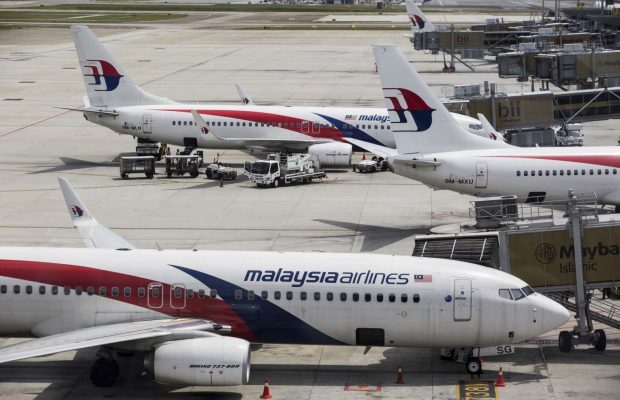
    Malaysia is in discussions with the Japanese government for an Asian aircraft project, which is still at the ideation stage, with Malaysia looking at possibly supplying components. Entrepreneur Development Minister Datuk Seri Mohd Redzuan Yusof said the idea, envisioned to be like Airbus, for an Asian aircraft came from the Japanese government.

    “They (Japanese government) invited us to consider participating in the Asian aircraft project in view that we have the base here in relation to what we do to support the global aircraft industry, namely CTRM (Composites Technology Research Malaysia Sdn Bhd) is supplying tier 2 (aerospace parts) to Airbus. That will become our base to open up more if the ideation from Japan do materialise in the near future,” he told a press conference at the Malaysian Economic Summit 2018 today.

    He said it has not prepared the framework of its understanding between the various countries in Asia for the project, given that there is only an ideation coined.

    Adding that it has yet to have the first meeting, he hopes the next engagement will be held in late November in Japan.

    “I interacted with the Japanese counterpart. They coined the idea of having an Asian aircraft using the entrepreneurship kind of approach to develop this vendor (system), which is already in the industry, expand their capacity and capability, reaching certain level then combining our resources and technology to realise (this project).”

    Meanwhile, he said the Ministry of Entrepreneur Development (MED) is reviewing all the policies and initiatives regarding the development of entrepreneurs and SMEs with the intent to make it more holistic, integrated and targeted.

    Mohd Redzuan said it is the ministry’s mission to widen and coordinate entrepreneurial activities to be more targeted, inclusive, encompassing all segments of society including the B40s and M40s.

    “MED will focus among others on providing proper training and facilitation for entrepreneurs based on industry needs such as business advisory, loans and funding to stimulate the interest of potential and new entrepreneurs to establish their own startups. At the same time, assistance will be extended to them to ensure growth and sustainability of their businesses,” he said.

    He said it is the mandate of MED to provide support and facilitation to local entrepreneurs so that they may move forward and withstand the competition and challenges of the global market.

  • Malaysia to focus more on pollution charge on single-use plastics by 2021

    Malaysia to focus more on pollution charge on single-use plastics by 2021

    The government is working towards implementing a pollution charge for single-use plastics which will be imposed on fixed premises at a rate of 20 sen or higher, to be determined by state governments through local councils. They include premises such as hypermarkets, supermarkets, department stores, convenience stores, fast food restaurants, petrol station convenience store, chain stores and pharmacies.

    Minister of Energy, Science, Technology and Climate Change Yeo Bee Yin said the federal government is giving state governments the liberty to determine the rate, and to decide the implementation time frame between 2019 until 2021, marking the first phase of the Roadmap Towards Zero Single-Use Plastics 2018-2030, which was launched in conjunction with the Greentech & Eco Products Exhibition & Conference Malaysia (IGEM 2018) today.

    “We have already engaged with the ruling government states as well as the opposition states. Everyone has already agreed to the plan and said they want to do this as well together,” she said at the event.

    Yeo said the goal is to address the lack of uniformity in the use of single-use plastics with such initiatives already being in effect in some states and result in the improvement and increase in the production and use of bio-degradable bags.
    She believes the charges will not be passed on consumers but instead encourage a change in behaviour and lead to people eventually using shopping bags.

    Yeo said the money collected from the levy will be ploughed back for green initiatives, creating awareness and reusable shopping bags.

    Phase two of the roadmap which will go on between 2022 and 2025 may see the levy being extended to manufacturers and non-fixed premises.

    Meanwhile, the government has cancelled 155.7256 megawatts (MW) of renewable energy feed-in tariff (FiT) projects due to unfavourable response in September 2018 and instead opened up 114.5682 MW FiT projects for qualified applicants.

    Additionally, the Sustainable Energy Development Authority of Malaysia rolled out the country’s first solar photovoltaic (PV) monitoring system, which is a database connected to grid’s nationwide meant to monitor the performance of solar PVs on a real-time basis.

    Keeping up with that, the country’s first insurance plan for solar PVs was launched this week.

    The initiative is under Seda in collaboration with Allianz Malaysia Bhd and the Malaysian Photovoltaic Industry Association. This scheme is aimed at protecting residential solar PV users.

    On another note, the government will introduce Building Energy Intensity labelling as part of its efforts to promote voluntary adoption of energy efficiency in the building sector. This is along with a renewed push for the adoption of energy performance contracting for government buildings next year.

    Yeo said capital for the retrofitting projects will be derived from the private sector, with any cost savings derived to be shared between both parties.
    She said there can be savings if the government is able to save some 20% of its annual electricity costs. This in turn will translate into a return of investment and profit for investors.

  • Bank proposals value Uber at US$120b in possible IPO: Report

    Bank proposals value Uber at US$120b in possible IPO: Report

    Uber Technologies Inc could be valued at US$120 billion (RM498 billion) when it finally goes public next year according to recent proposals made by US banks, citing people familiar with the matter. The ride-hailing company’s most recent valuation was pegged at US$76 billion, following a US$500 million investment from Toyota Motor Corp in August.

    As reported in late September that Goldman Sachs and Morgan Stanley were in pole position to secure top roles in Uber IPO.

    Goldman Sachs and Morgan Stanley last month delivered the valuation proposals to Uber, the report said.

    Uber and smaller rival Lyft have been actively preparing to go public next year. While Lyft has hired IPO advisory firm Class V Group LLC, Uber is behind in its preparations.

    Uber hired Nelson Chai as its chief financial officer in August, filling a long-standing vacancy and clearing the way for its much-anticipated IPO.

  • Uny to make discount operator Don Quijote its affiliate

    Uny to make discount operator Don Quijote its affiliate

    Japanese discount store operator Don Quijote is approaching an agreement to take over 100 per cent of the Uny general merchandise store business, making it the country’s fourth-largest retailer. The firm already controls 40 per cent of the Uny business, and the acquisition of the remaining 60 per cent would add 190 locations to its network, most likely converting the existing stores into discount outlets.

    Don Quijote took sales revenue of ¥941.5 billion (US$8.35 billion) in the last financial year. Uny’s sales reached ¥712.8 billion ($6.35 billion).

  • Alibaba Cloud to Work with Kenyan Ministry to Protect Wildlife

    Alibaba Cloud to Work with Kenyan Ministry to Protect Wildlife

    Alibaba Cloud, the cloud-computing arm of Alibaba Group, and the Ministry of Tourism and Wildlife of the Republic of Kenya today agreed to explore a strategic collaboration to deploy Alibaba Cloud’s technology to support the Kenya Wildlife Protection Project. The first project under the collaboration in discussion will take place at a designated area inside the Tsavo East and West National Parks, one of Kenya’s oldest and largest protected area with over 13,500 square kilometres.

    Leveraging Alibaba Cloud’s powerful computing, artificial intelligence (AI) and Internet of Things (IoT) capabilities; the project will work to protect the park’s endangered elephants, rhinoceroses and lions. “It is our great honour to support the Kenyan government and make a contribution to the country’s wildlife conservation efforts. The collaboration underscores the positive impact that technology, including cloud computing, AI and IoT, can have on the planet and on wildlife protection.” said Simon Hu, Senior Vice President of Alibaba Group and President of Alibaba Cloud. “We look forward to joining our global partners and stakeholders in improving the protection of Kenya’s wildlife and vital ecosystems through technology innovation.” “Wildlife is the main attraction to tourists visiting Kenya. Among the key species attractions are the elephant, rhino, giraffe, and buffalo among others.

    Currently, Kenya has a population of about 35,000 elephants, and about 42% of this population (12,843) elephants occur in the Tsavo ecosystem. In addition, the ecosystem also provide critical habitat for rhinos, giraffe and lions among other species. It is therefore important for the Government of Kenya to use technology to protect wildlife and their habitats in the Tsavo ecosystem”.

    As a country, we are indeed happy to embrace such technology from Alibaba Group to enhance our wildlife security and protection, said Dr. Margaret Mwakima, Principal Secretary from the Kenya’s Ministry of Tourism and Wildlife. Both parties will explore using a wide range of features connected to Alibaba Cloud’s IoT platform for the project. Animal tracking sensors, infra-red trap cameras, smart weather stations, ranger devices and wide-area drones are among the technologies that will be considered to be installed to collect real-time data of the movements and general health of the animals.

    The platform would then analyse the data and predict their behaviour and travel routes, alerting the command center about potential risks or dangers, such as illegal poaching and human-animal conflicts. This could help direct the deployment of ground teams to act more quickly and better manage the park. In addition, both parties will explore ways to combine the local operator’s GSM telecommunications network with government-licensed satellites to build the infrastructure, which could make data transmission more intelligent and less costly, achieving near real-time updates. Advanced hardware would be used as well, such as light-weight solar-powered trackers that are easier for the animals to wear.

    The project in Tsavo is only the first step in exploring the partnership between Alibaba Cloud and the Kenyan Government. The parties have agreed to explore the potential to expand the protection project to more parks across Kenya, and, ultimately, build a nationwide, digital ecological protection platform. Both parties will also explore cooperation in staff training and the development of educational-tourism opportunities in Kenya. This latest initiative follows the visit of Jack Ma to Africa earlier in 2018, as well as the company’s support of a fund to support entrepreneurs in the region.