Category: Living

Retail News Asia is committed to providing both local and global retailers with the latest Living news throughout the Asian market. This on a daily base.

  • Marriott International Wins AON Best Employer in APAC

    Marriott International Wins AON Best Employer in APAC

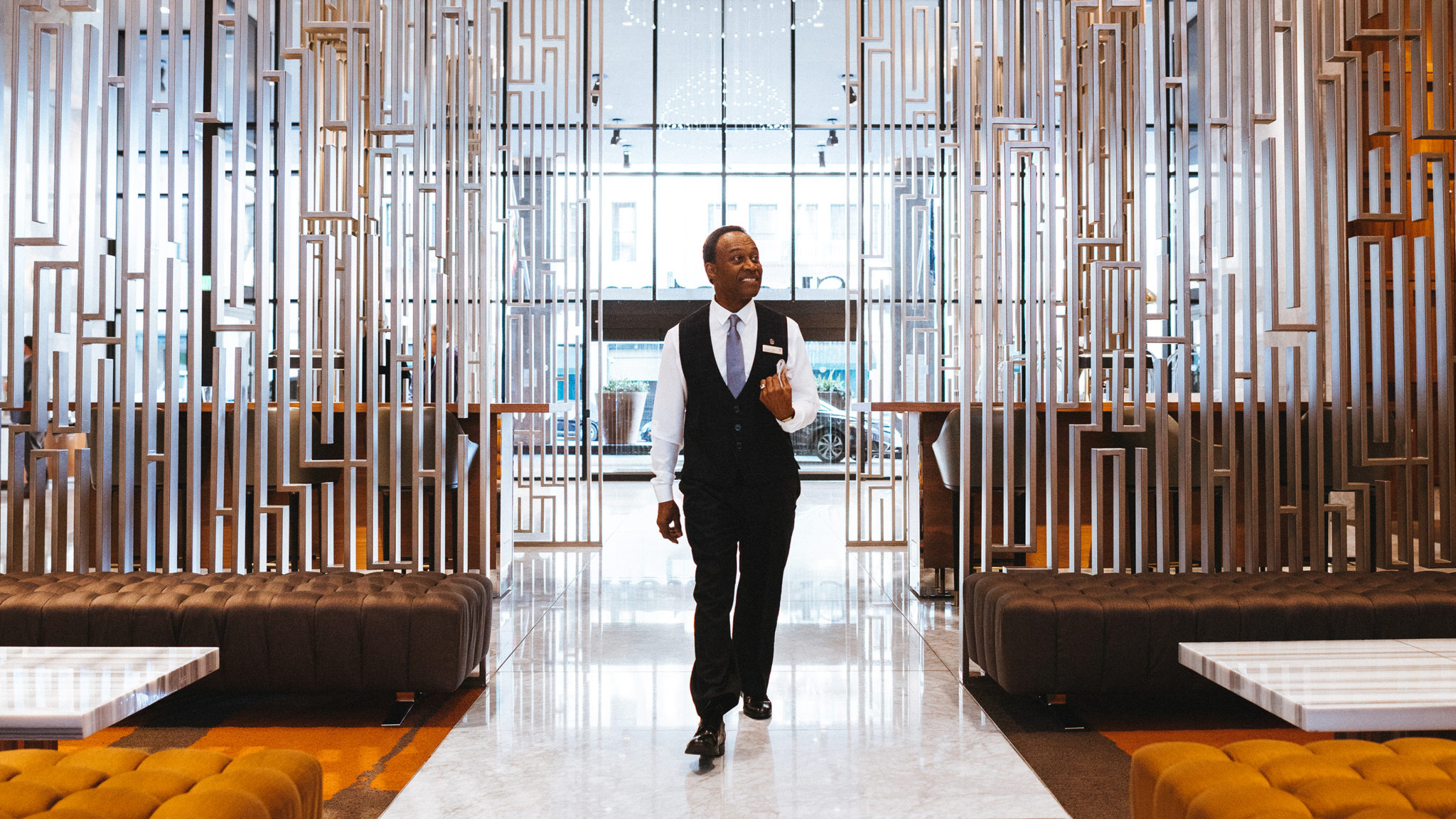
    Marriott International has once again been crowned Best Employer Asia Pacific by Aon plc (NYSE: AON). The company was also recognized as Aon Best Employer in 17 markets across APAC – an increase in four markets from last year. The accolades are testament to Marriott International’s commitment to its people and its active encouragement for them to be their best in both their professional and personal lives.

    Craig S. Smith, Marriott International’s President and Managing Director for Asia Pacific, said, “At Marriott International we put people first and take care of our associates so that they, in turn, take care of our guests. We are thrilled that this commitment to our people, which has been embedded in the company’s DNA from the outset, has been recognized yet again by Aon. We focus on training, developing and retaining our associates, creating a loyal and passionate workforce that is committed to offering the best service and experiences to our guests.”

    With over 680 properties across 23 brands in more than 20 markets and a further 530 plus properties in the pipeline, Asia Pacific is Marriott International’s second fastest-growing region. The organization’s approach to developing talent is central to this growth as increased opportunities in the company enable associates to progress their careers from within, retaining not only talent but also the legacy of service values and commitment to excellence throughout the entire operation.

    “We implement a systematic and purposeful approach to enable associates to realize their full potential through a structured human capital planning process,” said Regan Taikitsadaporn, Chief Human Resources Officer for Asia Pacific at Marriott International. “We see it as important to nurture and groom our talent with comprehensive training and leadership development programs to enable career growth and facilitate internal promotions that will empower the growth of our company. These initiatives help us attract best-in-class talent as well as create a positive and nurturing environment for all associates.”

    Marriott International also offers professional development programs for associates at every stage of their career, from the Global Voyage Leadership Development Program for recent university graduates to the Marriott Development Academy, which helps prepare aspiring and new managers for the leadership role of general managers. As part of its commitment to diversity and inclusion, Marriott also focuses on promoting and developing women leaders. In 2018 alone, the Asia Pacific region saw a 12 percent increase in the number of women general managers across Asia Pacific.

    Marriott International is the only company to receive global recognition consecutively since Aon began the program in 2014 – a testament to the group’s commitment to putting its people at the core of its business. In 2018, Marriott also achieved certification as Best Employer globally.

    With more than 15 years of experience in best employer studies across the world, backed by more than 20 years of experience in employee research, the Aon Best Employer program recognizes the achievements of organizations that demonstrate excellence in the workplace.

    The company’s research proves that Aon Best Employers drive a committed workforce and performance through a compelling employer brand, effective leadership, and a high performance culture and level of employee engagement.

    • Engagement: Employees speak positively about their employer, intend to stay, and are motivated to exert extra effort at work.
    • Leadership: Leaders treat employees as valued assets, engage employees in the vision, and lead the organization to success.
    • Performance Culture: Employees are aligned to organizational goals and are rewarded and recognized for their contribution.
    • Employer Brand: Employees are proud of being part of their organization and can clearly explain what makes their employer different from others.
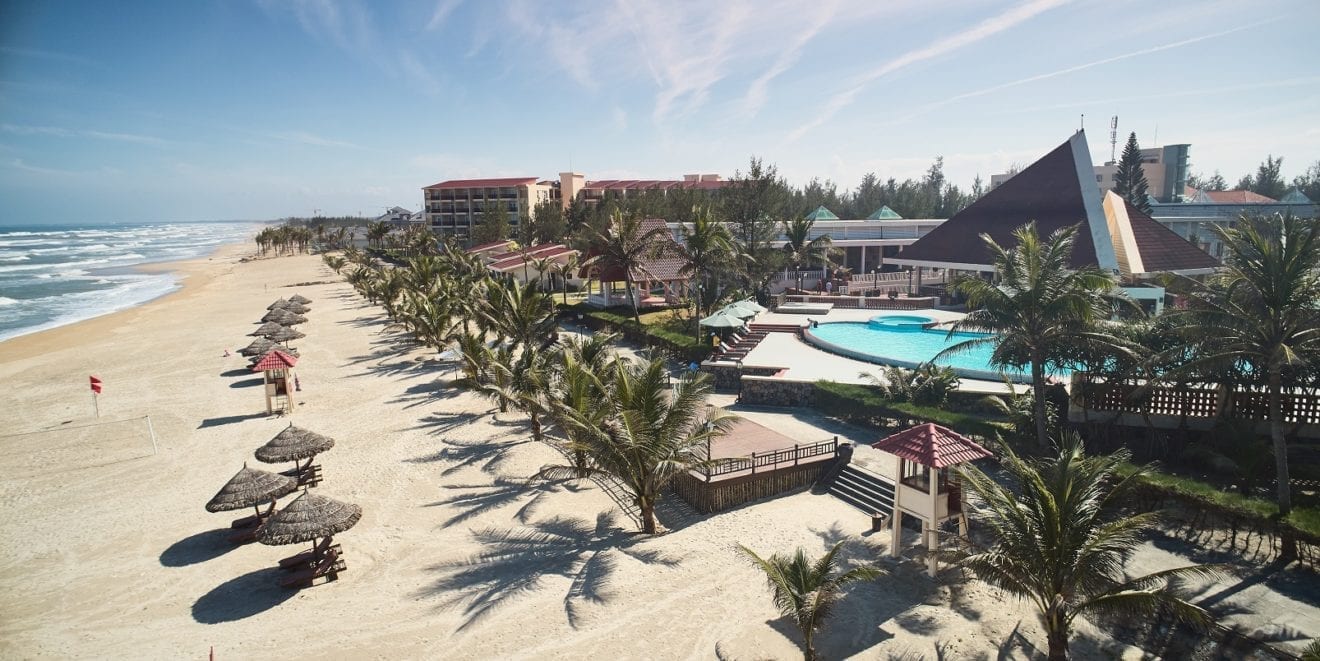
  • Centara listed in Thailand Sustainability Investment (THSI) 2018 for Sustainability Performance Excellence

    Centara listed in Thailand Sustainability Investment (THSI) 2018 for Sustainability Performance Excellence

    Centara Hotels & Resorts (CENTEL), Thailand’s leading hotel operator, was categorised a “Thailand Sustainability Investment (THSI)”, an annual recognition for listed companies that operate with responsibility for Environmental, Social and Governance (ESG) aspects. The THSI list aims to recognise and motivate companies for their efforts towards sustainability, while offering investors an alternative investment in high-performance ESG stocks.

    Centara Hotels & Resorts aims to balance its operations to attain financial goals and practice good governance, while creating positive social impact, reducing its environmental footprint, and encouraging innovation to sustain the organisation’s competitiveness. The company has formally developed environmental, social, and innovation initiatives since 2008, including energy, water, waste and safety management. Centara also engages management, staff, suppliers, guests and communities, for both the long-term growth of its business and vitality of the destinations where it operates. One testament to this commitment is that 15 of Centara’s properties have already achieved Gold and Silver Certifications by EarthCheck, the world’s leading scientific benchmarking and impact assessment body for sustainable travel and tourism.

    “Centara intends to operate ethically and sustainably across our entire portfolio. We are committed to sustainable practices throughout our hotel operations, whilst delivering an exceptional level of Thai hospitality for our guests,” said Thirayuth Chirathivat, Chief Executive Officer. “Companies that respond effectively to the challenges of sustainability can gain a competitive advantage and increase share value. We strive to develop sustainable hospitality strategies and encourage sustainability wherever we operate.”

    Thailand Sustainability Investment (THSI) was first created in 2015 to recognise companies that adopt ESG principles into responsible and sustainable business management to create a positive impact on the Kingdom. This year, the Stock Exchange of Thailand (SET) selected Centara as one of 79 listed companies that incorporate a high level of ESG practices to support sustainability. This effort is in line with SET’s vision “To Make the Capital Market Work for Everyone”, supporting a vision of capitalism that benefits all stakeholders.

  • Vietjet to finalize $6.5 billion Airbus order: sources

    Vietjet to finalize $6.5 billion Airbus order: sources

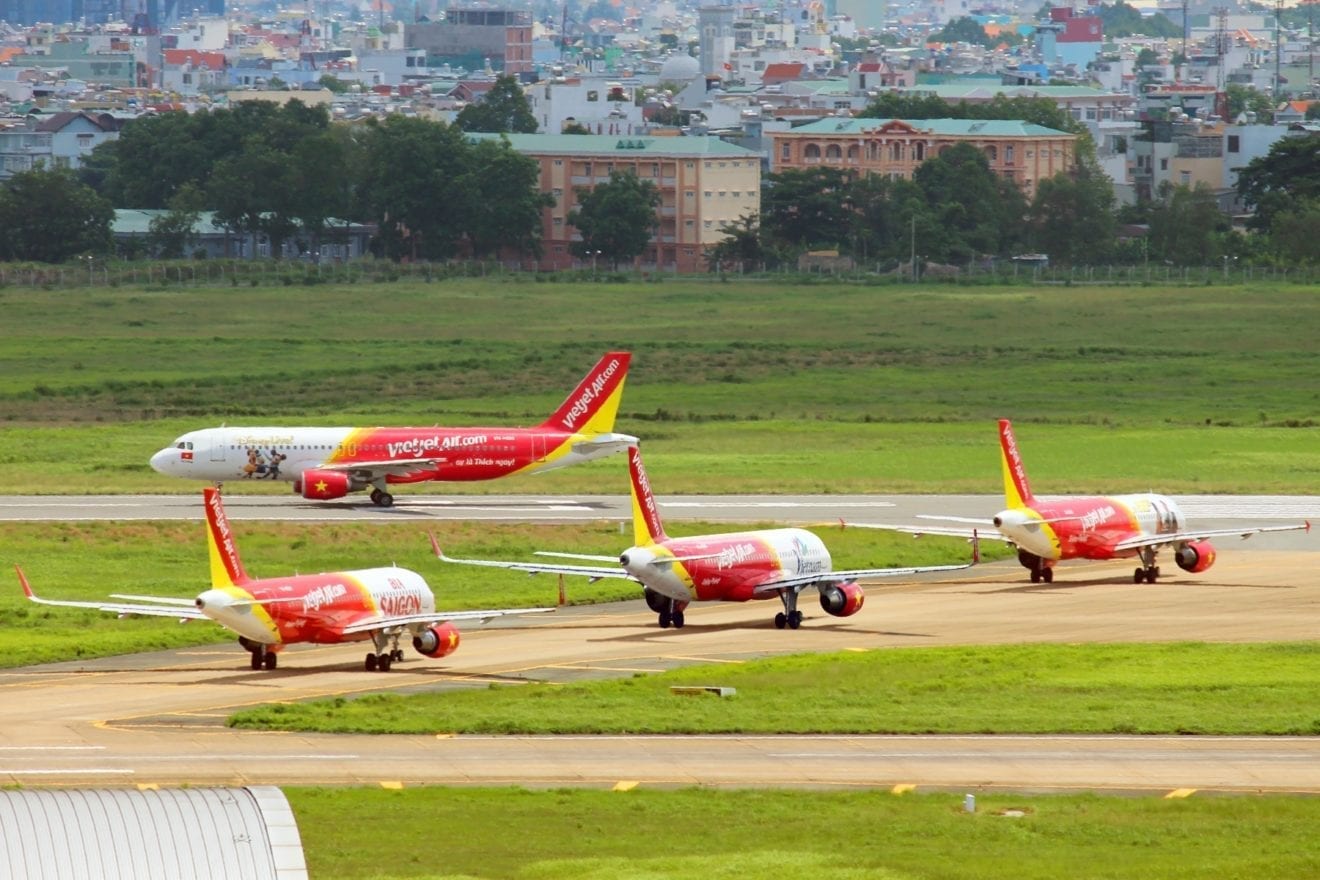
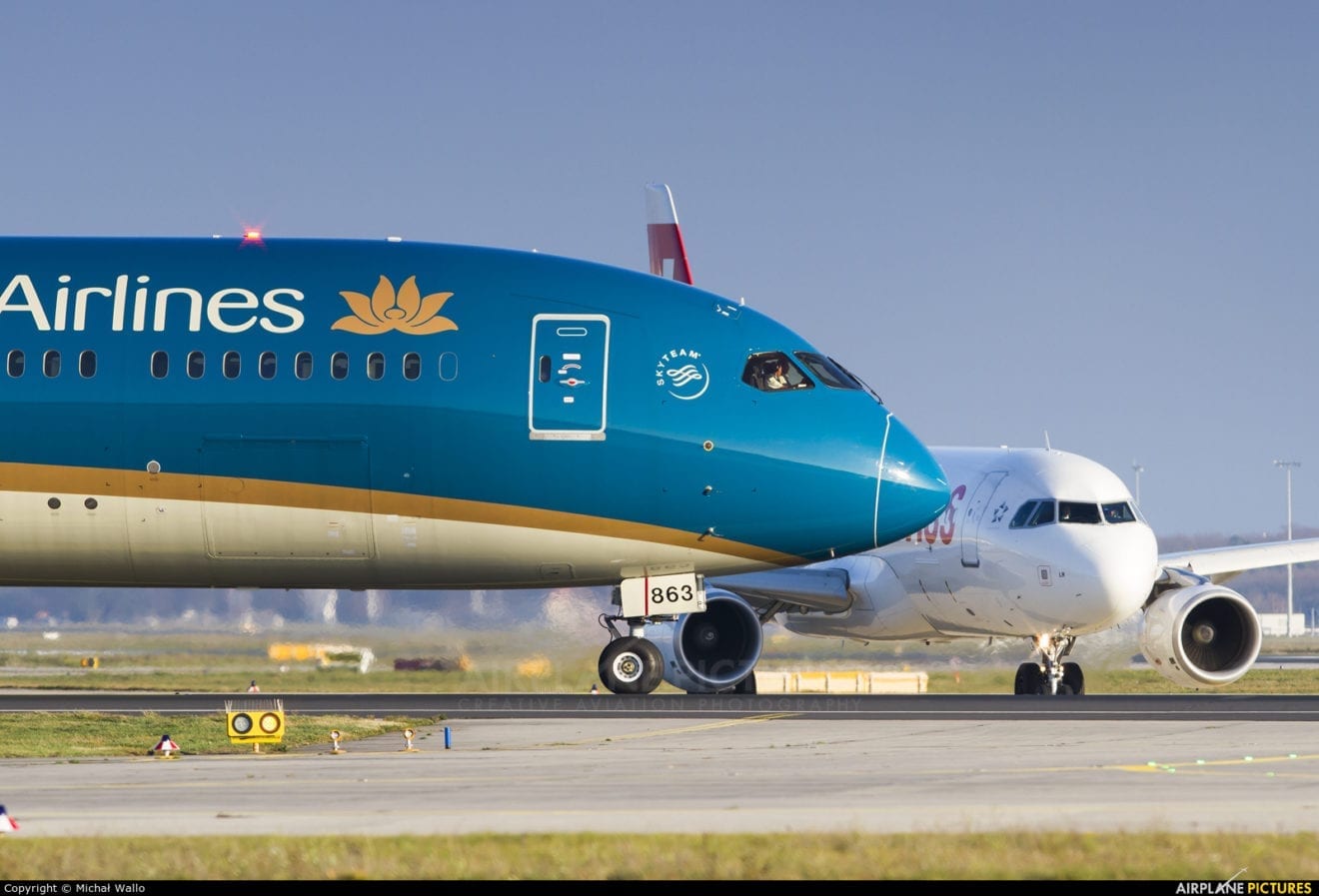
    Vietjet is set to finalize a $6.5 billion jet order with Airbus ​during a visit to Hanoi by French PM Edouard Philippe on Friday. The order for 50 A321neo jets is part of an aggressive investment in the Vietnamese fast-growing budget carrier Vietjet’s fleet that has provided lucrative business for both Europe’s Airbus and its U.S. rival Boeing.

    It is also a boost for Airbus as it seeks to turn a raft of provisional orders put together at July’s Farnborough Airshow into hard revenues, narrowing a gap against Boeing this year.

    The deal is the biggest economic component of an official visit to Vietnam by Philippe from Nov. 2-4, during which he will oversee deals with French firms and hold talks with Vietnamese counterpart Nguyen Xuan Phuc, people familiar with the matter said.

    Airbus and Vietjet both declined to comment.

    Vietnam and France also signed an agreement in September to expand defense collaboration, although details are scant.

    VietJet CEO Nguyen Thi Phuong Thao said this week that Vietjet plans to maintain an average fleet age of just three years to keep fuel and maintenance costs low.

    It placed provisional orders for the A321neo jets and 100 Boeing 737 MAX jets in Farnborough and has been negotiating to firm them up, with deliveries expected between 2020 and 2025.

    The formal signing, to take place on Friday, will help to dispel doubts over the substance of deals announced in Farnborough, which was marked by a rash of vague or incomplete order announcements.

    Finalizing such deals can involve tough negotiations as airlines try to squeeze out last-minute concessions.

    However, finance industry sources have expressed concerns about a glut of orders in Southeast Asia from airlines like Vietjet, Malaysia’s AirAsia and Lion Air of Indonesia and question whether all of the several hundreds of planes on order from the Asian low-cost carriers will actually be delivered.

    Vietjet told the Airline Economics conference in Hong Kong this week that low-cost airlines have a relatively low market position in Vietnam, and that those most successful in driving down unit costs would ride out any downturn in the market.

    Vietnam’s expansion has also been peppered with trade sensitivities as Vietjet – which says it enjoys government support – juggled Airbus and Boeing procurements: a strategy also designed to win bigger discounts.

    Two years ago, Boeing upstaged Airbus by clinching an order for 100 737s during a visit by then-U.S. President Barack Obama.

    Until then, VietJet had only bought from Airbus, including an order for 92 jets in 2013.

    Philippe’s visit is the latest example of Western leaders beating a path to Asia’s low-cost carriers, whose orders have secured thousands of manufacturing jobs, trade experts said.

  • CGV to boost its presence in Vietnamese cinema market

    CGV to boost its presence in Vietnamese cinema market

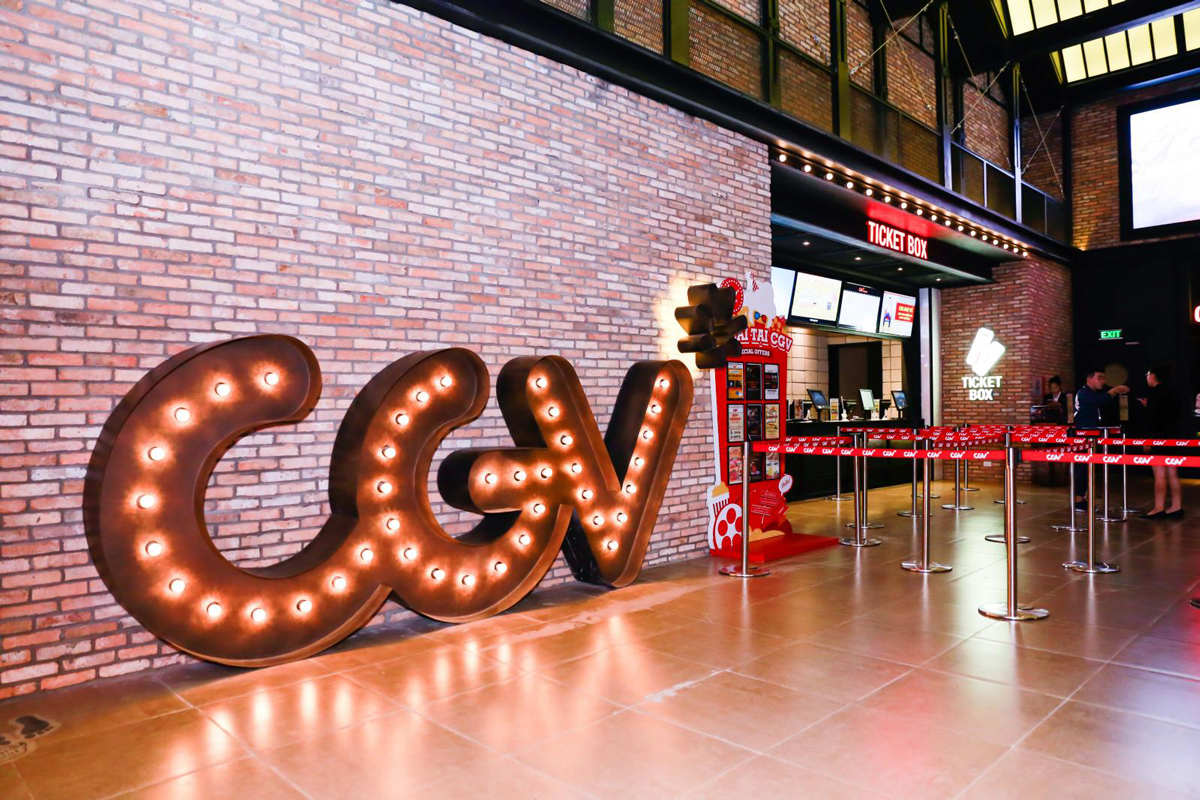
    CJ CGV Vietnam Holdings said Friday it will further expand its presence in Vietnam by maximizing funds from its planned listing in Korea this month. The cinema chain based in Vietnam is scheduled to go public on Seoul’s main Kospi bourse on Nov. 16. It plans to issue 5.71 million shares, with the share price to be set between 18,900 won ($16.80) and 23,100 won, according to the firm and the bourse operator, Korea Exchange.

    “We find great potential in the Vietnamese market, as its population is approaching 100 million and its income and domestic demand have been on a rise, but the entertainment market has not been developed,” chief Shim Jun-beom told reporters.

    Wholly owned by CJ CGV, Korea’s largest multiplex cinema chain, CJ CGV Vietnam Holdings has operated the Vietnamese chain through its subsidiary CJ CGV Vietnam since 2011.

    It now leads the market there with 347 screens at 57 cinemas. In terms of film distribution and advertisement, CJ CGV also occupies the top spot.

    “We expect our market share to grow from the current level of 41 percent to around 60 percent in five years,” he added.

    Last year, sales of the holding firm came to 128.3 billion won, up 22.6 percent from the previous year, and its operating profit rose 4.8 percent on-year to 11.4 billion won.

    It has selected Hanwha Investment & Securities and Shinhan Investment Corporation as its lead managers for the IPO.

    In July, CJ CGV CEO Seo Jung said that the company aims to increase the number of its screens around the world to 10,000 in 11 countries by 2020.

    Currently, the multiplex chain, owned by the food and entertainment conglomerate CJ, is the world’s fifth-largest cinema chain with 3,459 screens around the world.

  • First duty-free space in Hyundai Department Store

    First duty-free space in Hyundai Department Store

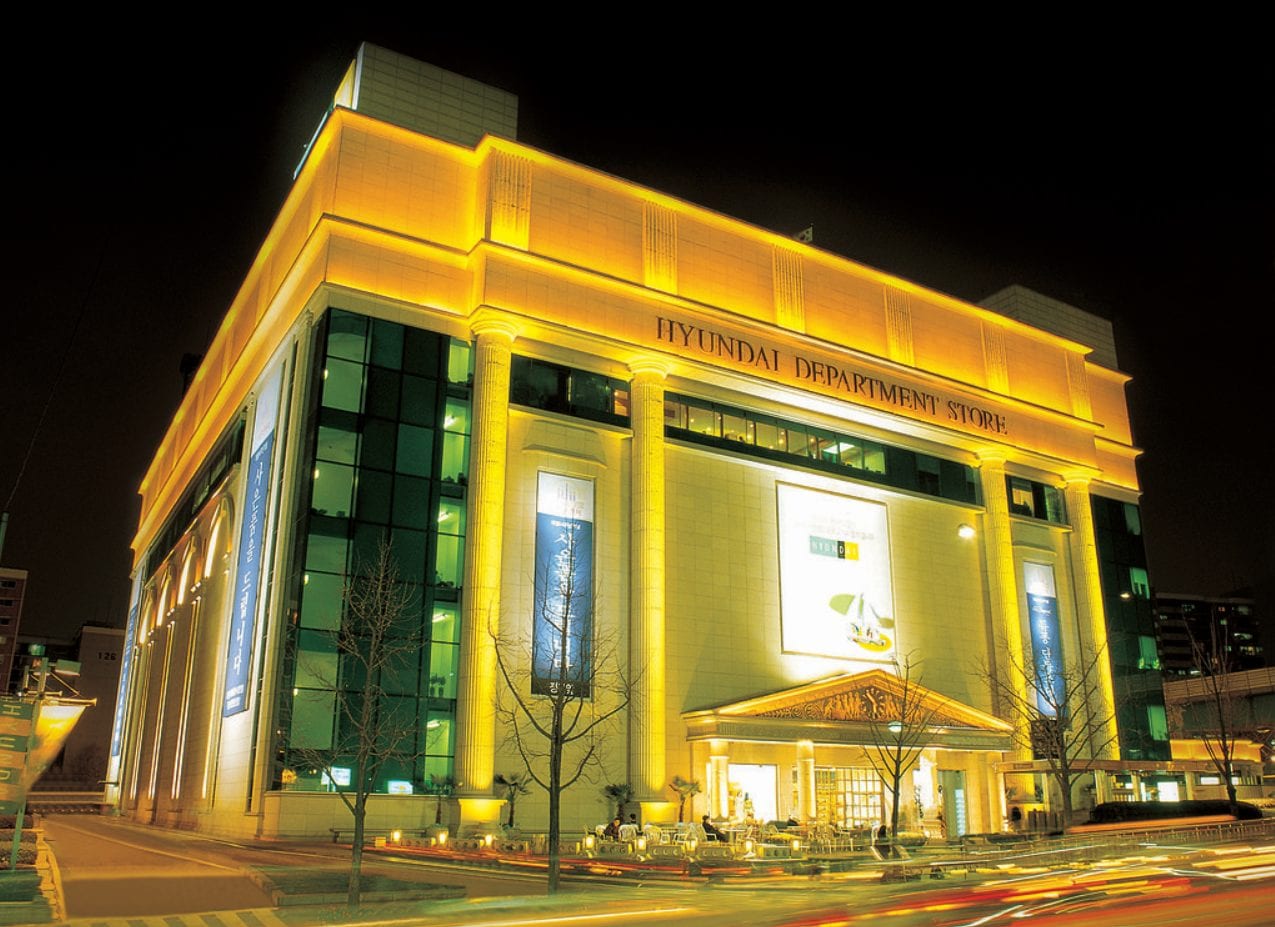
    South Korea’s retail conglomerate Hyundai Department Store Group opens its first duty-free store at its branch in Samseong-dong, southern Seoul, on November 1 as a newcomer into the lucrative duty-free race dominated by two other retail names, Lotte and Shinsegae.

    The new 14,250-square-meter duty-free store will open inside Hyundai Department Store’s Trade Center branch in Samseong-dong, an affluent business district in southern Seoul.

    It will take up three floors at the branch and offer 420 domestic and foreign brands.

    The outlet will be the first to have an official Alexander McQueen store. It will also have a separate foreign fashion zone offering Max Mara and Versace brands.

    Luxury brands will be based on the eight floor, while the ninth floor is reserved for beauty products and fashion stores.

    The 10th floor will have a more various selection of products from character goods to food like red ginseng and dried seaweed that is popular with foreign duty-free shoppers.

    The project is a huge one for Hyundai Department Store, which has been relatively conservative in the last decade regarding business expansions.

    Other department store rivals Lotte and Shinsegae have already established a stable foothold in the duty-free industry.

    In a press conference held at the new store on October 31, Hwang Hae-yeon, president of Hyundai Department Store Duty Free Co., said that it will provide high-quality life-style duty-free store service to consumers by escaping existing business practices and introducing new perspective.

    Hwang said the new store is expected to raise 670 billion won (US$588.2 million) in sales next year and over 1 trillion won in 2020.

    Hyundai Department Store Group will also create a digital-exclusive space to provide differentiated customer experience.

    It will invest 10 billion won to install the country’s largest 37-meter-wide and 36-meter-high light-emitting diode digital signage on the exterior wall of Hyundai Department Store’s Trade Center branch in December.

    The retailer also plans to promote diverse marketing by linking other businesses in retail, fashion, and travel, with its duty-free store to solidify its presence as a comprehensive retailer.

    The new addition will be the fourth duty-free store in the Gangnam area, along with Lotte Duty Free stores in the Lotte World Tower in Songpa District and in COEX and the Shinsegae Duty Free near the Express Bus Terminal.

    Being closer to other duty-free stores has tended to work as an advantage in the past, as tourists, especially those in large groups, can visit all of the different venues in one outing.

    In the past, duty-free stores inside Seoul were mainly clustered the North of the river, but the recent shift toward the Gangnam area suggests that a new duty-free destination could develop in the south of the city.

    Hwang also expressed confidence in the Gangnam location beside COEX as the operation’s “main differentiation point.”

    The venue is located near three high-end hotels, an underground mall, a casino and a convention center that regularly hosts international fairs. SM Town, a well-known destination among K-pop fans that also sells SM Entertainment products, is also nearby.

    The launch of Hyundai’s duty-free store comes at a complicated time: Chinese group tours to Korea – which once accounted for 70 percent of local duty free revenue – haven’t fully recovered after the U.S.-led antimissile system Thaad deployment last year.

    There are mounting concerns that duty-free stores are in fierce competition for commission fees in order to attract Chinese resellers that purchase in bundles.

    “There’s excessive competition in the market now – I want it to normalize and we’re going to try to stay away from [contributing to] it,” said Hwang.

    “There are many challenges, including regulations in China, but things are getting better. Chinese resellers can’t be ignored at the moment but in the long run, our plan is to focus on attracting ordinary tourists.”

  • Renewable project facing criticism in Korea

    Renewable project facing criticism in Korea

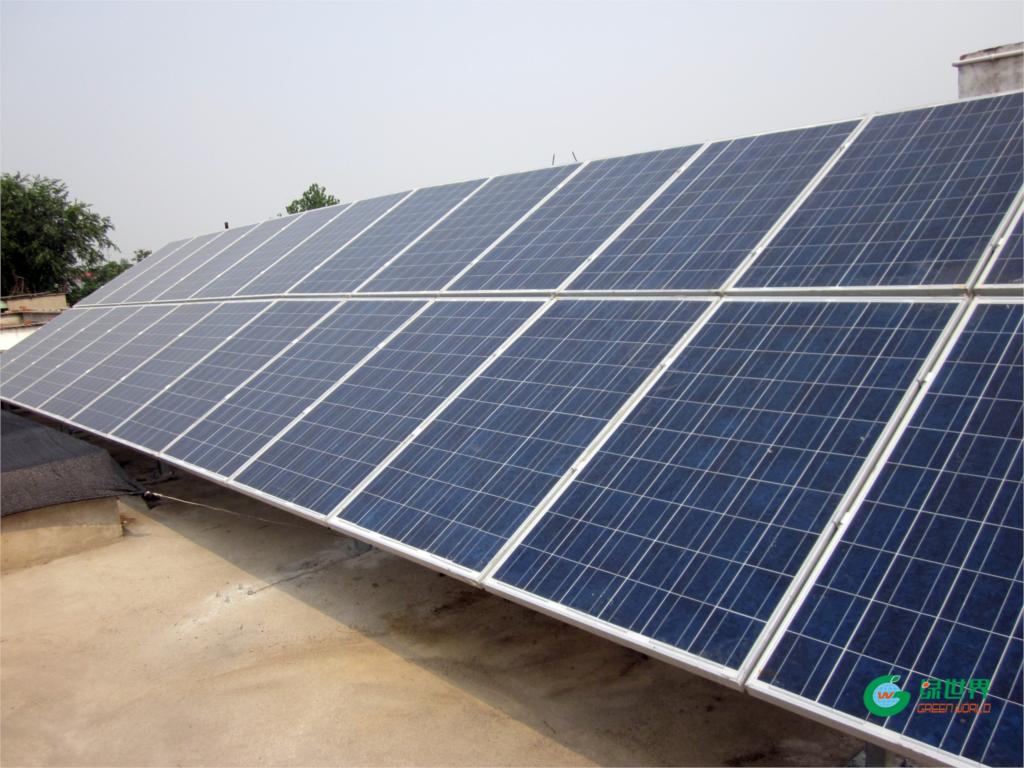
    The government’s plan to build a renewable energy complex at Saemangeum, North Jeolla, is generating controversy as it deviates from plans to develop the reclaimed tidal flat into a regional economic hub and is being pursued without public approval.

    The controversy flared up as President Moon Jae-in announced Tuesday that the government will construct a solar and wind energy complex at Saemangeum.

    The government argues that around 10 trillion won ($8.7 billion) in private investment will flow into the project and that two million workers will be employed annually in the building of the facility.

    Despite the optimistic forecasts, the move is being criticized as an abrupt policy shift.

    When President Moon Jae-in visited Saemangeum last year, he mentioned developing the area into an economic hub for the Yellow Sea region but said nothing of solar or wind power. Opposition lawmakers have raised concerns about the projects.

    “The government’s plan to make Saemangeum, previously touted to be developed into an economic center for the Yellow Sea, into a mecca of renewable energy means a policy change,” said Chung Dong-young, a lawmaker for the Jeolla-based Party for Democracy and Peace. “This is the same as abandoning plans to expedite the development of Saemangeum.”

    The Party for Democracy and Peace, with 14 lawmakers from the Honam region, is especially angry about being bypassed.

    In light of such concerns, the government has explained that plans for Saemangeum’s renewable energy complex, which will cover an area comparable to the size of four nuclear power plants, will not interfere with existing initiatives.

    “The government’s determination to develop Saemangeum into an economic hub of the Yellow Sea area remains unchanged,” Minister of Land, Infrastructure and Transport Kim Hyun-mee said during the annual audit by lawmakers on Monday.

    A spokesman for the state-run Saemangeum Development and Investment Agency explained that it was not the right time for consultations with local residents and the general public.

    “Taking comments from local residents is done during the construction approval process. We are not yet at the development stage, so we haven’t asked for [comments], but we are obviously planning to do so,” he said.

    Opposition lawmakers and energy experts are suspicious that the plans for Saemangeum were changed to accommodate the Moon administration’s pledge to reduce nuclear power dependency.

    The new Saemangeum initiative is part of the government’s 3020 renewable energy plan, which established a renewable target of 20 percent by 2030. With current renewable energy output at just 8 percent of the total, the government is in need of more solar and wind power plants.

    “[The government] seems to be developing Saemangeum as there aren’t vast plots of land in the country suitable for solar or wind power complexes,” said a professor of nuclear energy who requested anonymity.

    Questions regarding the feasibility of the energy project have also been raised.

    “The electrical output produced by the energy complex will be little, at around 60 percent of a nuclear power plant,” said Kim Sam-hwa, a lawmaker for minor opposition Bareunmirae Party. “If it means building six-tenths of a nuclear power plant by spending 10 trillion won, wouldn’t it just be better to continue operating the Wolsong 1 plant?”

    Wolsong 1 is a nuclear plant set to be decommissioned.

    At the moment, renewable energy is less economical when compared with nuclear energy, explained Roh Dong-seok, a senior researcher at the Korea Energy Economics Institute. As the efficiency rate for solar power is about 15 percent, the actual production output of solar power plants is much lower than their rated capacity.

    The government’s promise to return the plots of land to their original state after operating solar and wind power plants at the location for 20 years is in doubt as the energy produced will have to be replaced.

    Local residents remain divided over the new project.

    “Even if it’s a government project, I can’t accept something that is pushed without prior notice,” said Ko Yoon-seok, a local leader of a town adjacent to the tidal flat. “There isn’t enough information to determine whether it’s right or wrong, but it’s difficult to say that everyone is against it.”

  • Vietnam’s Ha Long casino continues to lose staff on poor business performance

    Vietnam’s Ha Long casino continues to lose staff on poor business performance

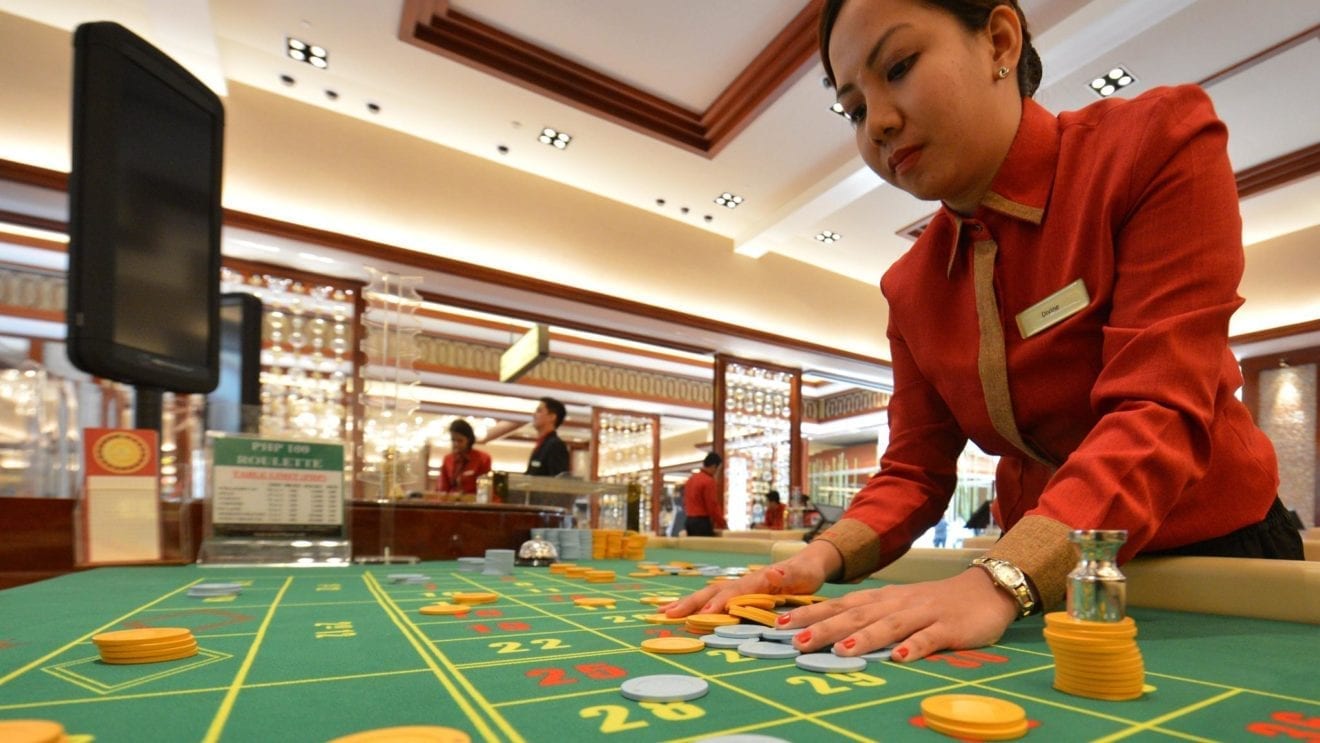
    Ha Long’s only casino continues to lose employees due to a number of reasons, including its persistent losses. Hoang Gia Joint Stock Corporation (RIC) in Ha Long, Vietnam’s resort city, which runs the Casino Gaming Club, said the number of employees has fallen by 275 now compared to the beginning of the year.

    It has less than 1,200 employees remaining. Last year 514 had quit.

    The main reasons, the company admitted, are the casino’s poor business and competitors’ talent attraction policies.

    Revenues increased by 23 percent in the first nine months of this year to VND187 billion ($8 million), but it lost VND14 billion ($597,555).

    Another problem for the casino is the sluggish progress of transport infrastructure works in the region, such as Van Don airport and the Ha Noi – Ha Long Highway, which prevents more foreign tourists, mainly from China, Japan and South Korea, from coming here.

    The company targets revenue and profit after tax this year of $15.9 million and $1.5 million. Casino operations are expected to account for around 63 percent of the revenue with the rest generated by hotels and villas the company owns.

    The owner of the company is Khai Tiep International Investment Limited, registered in the Cayman Islands.

  • Media Prima to provide content for Europe’s Dailymotion video streaming service

    Media Prima to provide content for Europe’s Dailymotion video streaming service

    Media Prima Bhd has inked a memorandum understanding (MoU) with Dailymotion, which will see the media group’s video content being made available on the platform.

    Dailymotion currently has 300 million monthly unique users and three billion monthly video views. More than 50% of its users are from the Asia Pacific region. Other notable partners of Dailymotion includes BBC News, Vice Media, Bloomberg Media and CBS Sports.

    When asked if there are concerns over piracy and copyright, Media Prima Television Networks CEO Johan Ishak said that the group currently works with authorities such as the Home Ministry and the Communications and Multimedia Ministry to tackle the issue.

    Additionally, it also has an internal unit to look after the media group’s Intellectual Property (IP) content.

    “Whenever we find any incidences of piracy… we will get authorities to help us shut it down,” he added.

    According to Dailymotion’s vice-president Content (Asia Pacific) Antoine Nazaret, the necessary tools and technology are in place to ensure that media content uploaded to its platform are protected.

    He said the platform started as a user generated platform (UGC) 15 years ago and has shifted its focus to becoming a premium platform in the last two to three years.

    “We started 15 years ago as a UGC platform and it was a little bit of everything and anything. We took a really strong position 2-3 years ago (that) we don’t want to just be a UGC platform … we wanted to be a premium platform, meaning we want to care and be relevant for very premium content providers and guarantee them that their IP and content are perfectly well protected on the platform,” he added.

    Nazaret said in order for Dailymotion to guarantee its position on being premium, it has to demonstrate that it can safely protect the value content on the platform.

    The platform is owned by Paris based multinational company, Vivendi.

    No specific timeframe has been laid out as for the duration of the collaboration, with both parties saying that it will continue as long as it is required.

    Dailymotion will also be powering Media Prima’s Tonton over-the-top (OTT) service platform.

    As for Tonton, which ceased video-on-demand subscription on Aug 31, Johan said the group may relook at the possibility of re-implementing subscription services in the future when there is enough demand for paid content.

    Johan said the focus is on digital advertising through advertising video-on-demand.

    As for the first half of the financial year ended June 30, the group reported RM44.8 million as digital revenue compared to RM14.9 million in the comparative period driven by higher digital advertising revenue across all platforms.

  • AirAsia X load factor, passengers up in Q3

    AirAsia X load factor, passengers up in Q3

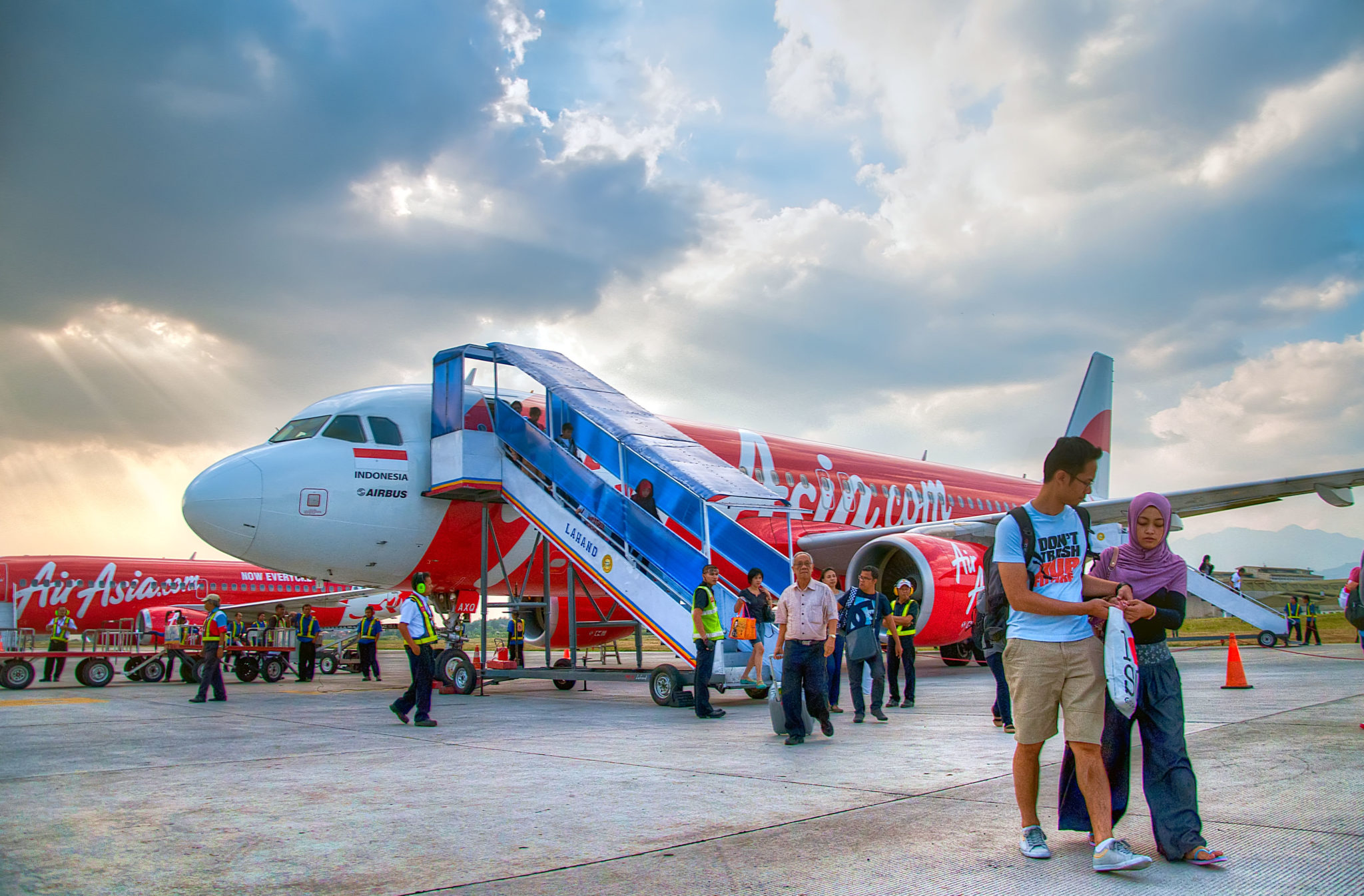
    AirAsia X Bhd reported a 1% growth in the number of passengers carried to 1.51 million for the third quarter of 2018 against 1.50 million in the same period last year.

    Its load factor was also 1 percentage point higher at 80% from 79%, according to the long-haul low-cost carrier’s statement.

    However, AirAsia X Malaysia’s available seat kilometres (ASK) capacity fell 4% to 8.81 billion due to redeployment of capacity to the North Asia region following capacity management in Australia in February 2018 and termination of services to Teheran.

    The fleet size of AirAsia X Malaysia remains at 22 Airbus A330s as at end-September 2018.

    AirAsia X said during the quarter under review, there was a seasonal increase in frequency to selected destinations in Australia (Melbourne, Perth and Sydney) in July, due to term holidays there, while frequency to Honolulu, Hawaii, was ramped up to daily flights due to stronger demand.

    In August, AirAsia X Malaysia commenced flights to Amritsar, its third city in India, and, in September, terminated flights to Maldives and transferred Kaohsiung to AirAsia Malaysia.

    Of the associates, AirAsia X Thailand registered a load factor of 87% and carried a total of 492,205 passengers in Q3, which was a substantial increase of 36% from the previous corresponding period.

    Meanwhile, AirAsia X Indonesia’s load factor stood at 80% with 108,700 passengers being carried in Q3.


  • LG Chem to build China facility

    LG Chem to build China facility

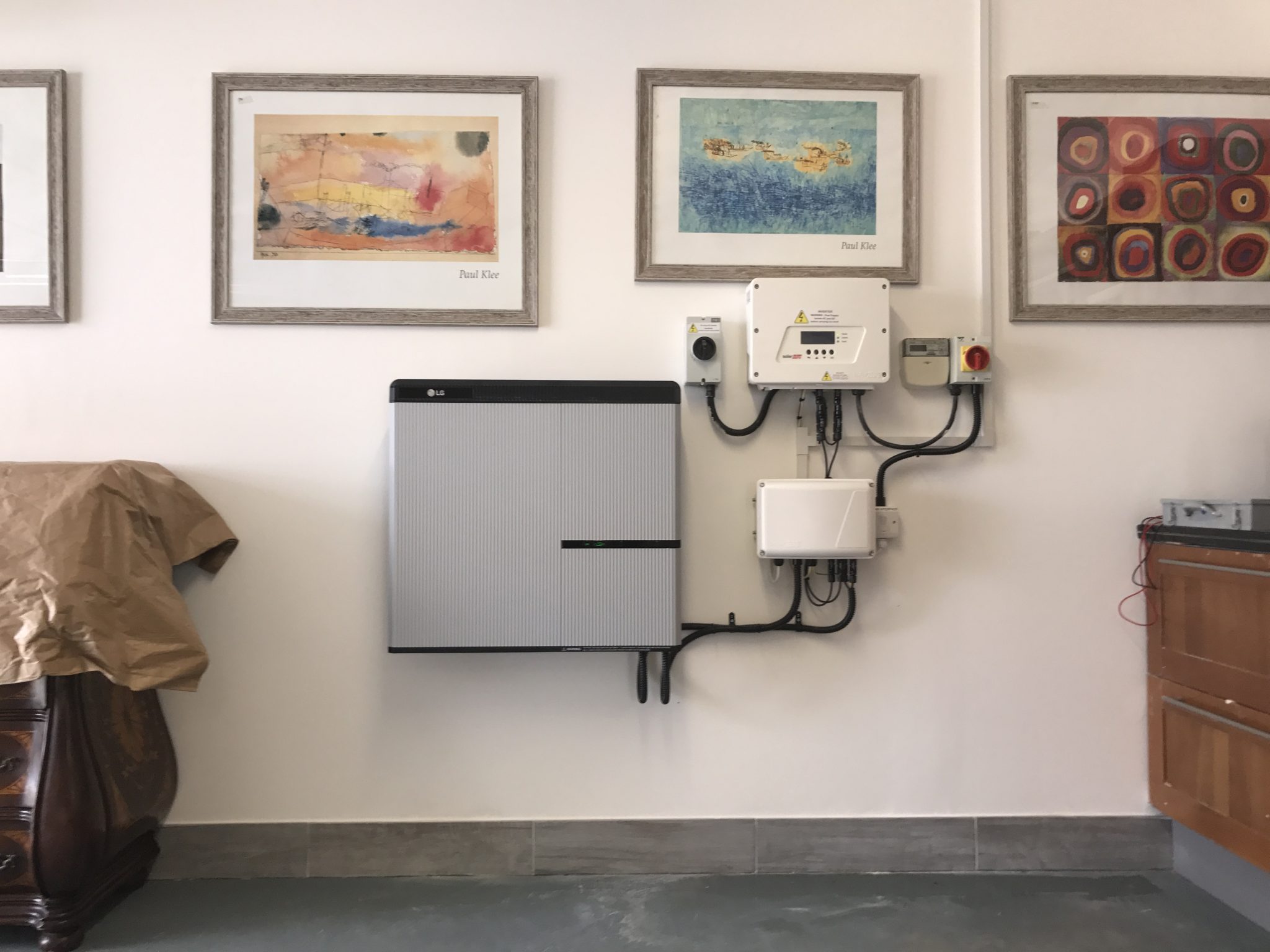
    LG Chem said Tuesday that it will invest 2.1 trillion won ($1.8 billion) by 2023 to build electric vehicle batteries in China in the latest move to meet growing demand for batteries for zero-emissions cars. Korea’s top chemical company said it has broken ground on a three-story plant on the 198,300-square-meter (49 acre) site in Nanjing in southeastern China.

    The plant is set to roll out electric vehicle batteries that can power more than 500,000 electric vehicles. The first phase of production is set to begin late next year.

    An electric vehicle equipped with LG Chem batteries can travel about 320 kilometers (198 miles) on a single charge, according to LG Chem.

    LG Chem Vice Chairman and CEO Park Jin-soo said the second plant in China will allow the company to better meet rapidly growing global demand.

    LG Chem has another electric vehicle battery plant in Nanjing. It also operates electric vehicle battery plants in Korea, the United States and Poland.

    The electric vehicle battery market has been on the rise as automakers around the world race to go electric due to tightened regulations on greenhouse gas emissions, which scientists say are to blame for global warming.

    Currently, LG Chem is a key supplier of batteries to U.S. auto giant General Motors, Volvo and Renault, as well as Korea’s largest carmaker, Hyundai Motor, and its smaller affiliate, Kia Motors.

  • Vietnam retains current price ceilings on domestic flights

    Vietnam retains current price ceilings on domestic flights

    While several carriers want the price ceilings for domestic flights raised, inflation concerns have prevailed, for now. The current price ceiling, fixed by the Transport Ministry in August 2015, is set to remain unchanged for the time being as a new draft circular on air transportation rates.

    Under the draft circular on air transportation prices, prices for five different classifications range from VND1.6 million ($68) to VND3.75 million ($160) per one-way ticket.

    The lowest ceiling applies to flights for distances of 500 kilometers and less to remote rural areas, islands and mountainous areas that require a socioeconomic development boost.

    The highest price ceiling of VND3.75 million ($160) applies for flights of more than 1,280 kilometers.

    The maximum service charges listed above are for economy seats, not including value added tax and other charges like baggage, service and security fees.

    In July, several carriers had suggested that the price ceilings be raised since fuel prices were higher than when the current ceilings were introduced in 2015.

    But the Civil Aviation Administration of Vietnam (CAAV) advised that current price levels be maintained to follow the government’s directive on curbing inflation.

    As of now, the ticket prices listed by carriers are 76-79 percent of the ceiling.

    The CAAV acknowledged that the ceiling prices need to be adjusted, especially for long flights, adding that it will re-assess the situation next year and propose new price brackets if needed.

    Vietnam’s aviation industry has been booming in recent years. The country served more than 94 million air passengers in 2017, up 16 percent from the previous year, including 13 million foreigners.

  • Hamleys no longer under ownership of China’s C.banner

    Hamleys no longer under ownership of China’s C.banner

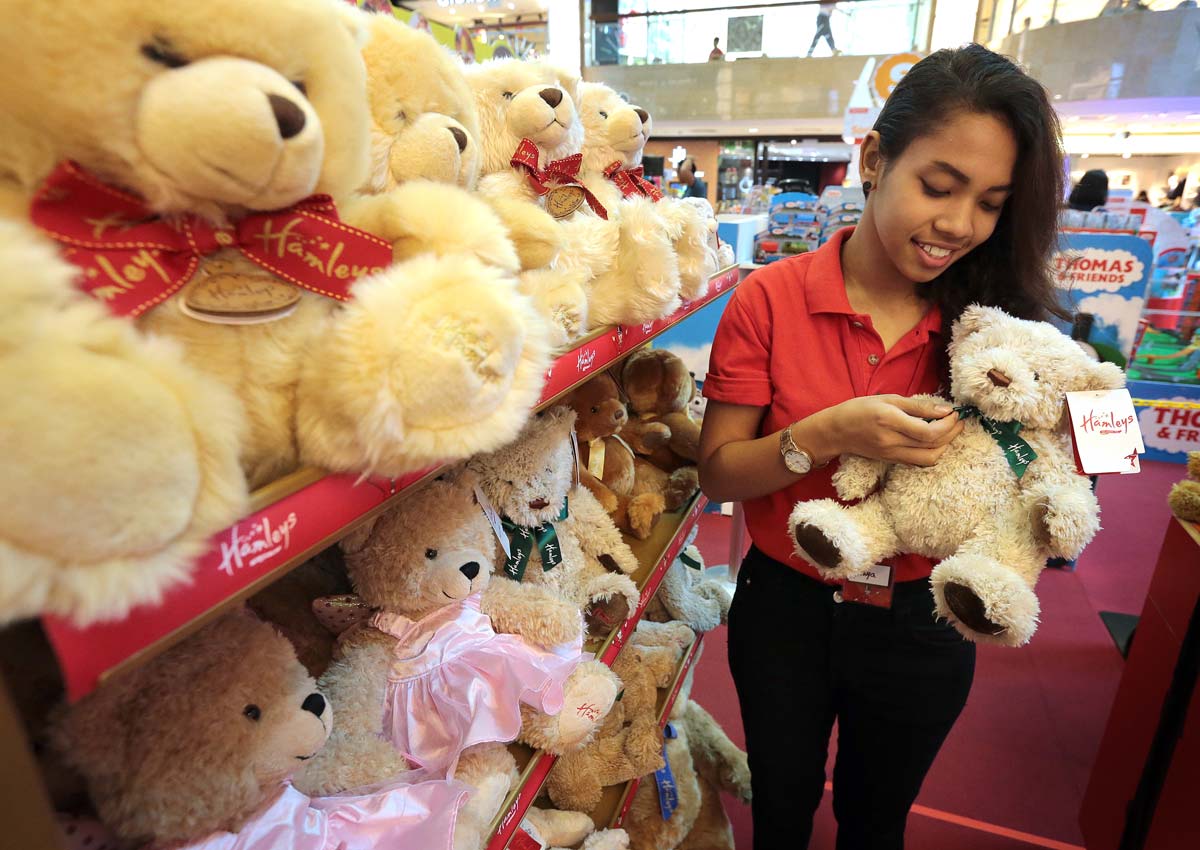
    Toy retailer Hamleys looks likely to be sold by Chinese owner C.banner International. The company has launched a strategic review of options for Hamleys’ future after receiving several expressions of interest from would-be buyers. C.banner International has owned Hamley’s for just three years, but the Chinese company has suffered a massive decline in its share price leading to an aborted bid for UK department store House of Fraser.

    At the time the Hong Kong-listed company planned a share issue to raise funds to acquire House of Fraser, it expected to receive between HK$2.40 and $3 per share. In August, when it dropped the plan, its shares were trading at 71 cents and today they are trading at just 56 cents each.

    The prospective bidders have not been named and talks are at a preliminary stage. C.banner has appointed Vermillion Partners to oversee discussions.

    In the year to December 31, Hamley’s recorded a loss of £12 million, a heavy reversal from a profit the previous year of £2.6 million. Sales fell 2.5 per cent to £66.3 million.

    But the company said it was on track to return to profitability and during the first eight months of this year it achieved 2.7 per cent like-for-like sales growth.

  • PetroVietnam says Tokyo Gas may help with power plant project in Vietnam

    PetroVietnam says Tokyo Gas may help with power plant project in Vietnam

    Tokyo Gas is interested in cooperating with Vietnam’s PetroVietnam Power Corp (PV Power) to develop a natural gas-fired power project in the Southeast Asian country. On Friday, PV Power’s parent said that Tokyo Gas wants to help secure long-term liquefied natural gas supplies and funds for the construction of the Nhon Trach 3 & 4 power plants in the southern province of Dong Nai, state-run Vietnam Oil and Gas Group said in a statement on its website.

    Tokyo Gas did not immediately respond to a request for comment made via its website.

    The statement follows a meeting between senior executives from PV Power and Tokyo Gas in Hanoi this week, PV Power said.

    The two plants, with a combined capacity of 1,500 megawatts, would be operational from 2020, according to PV Power.

  • Vietjet and Japan Airlines to Commence Code share Ticket Sales

    Vietjet and Japan Airlines to Commence Code share Ticket Sales

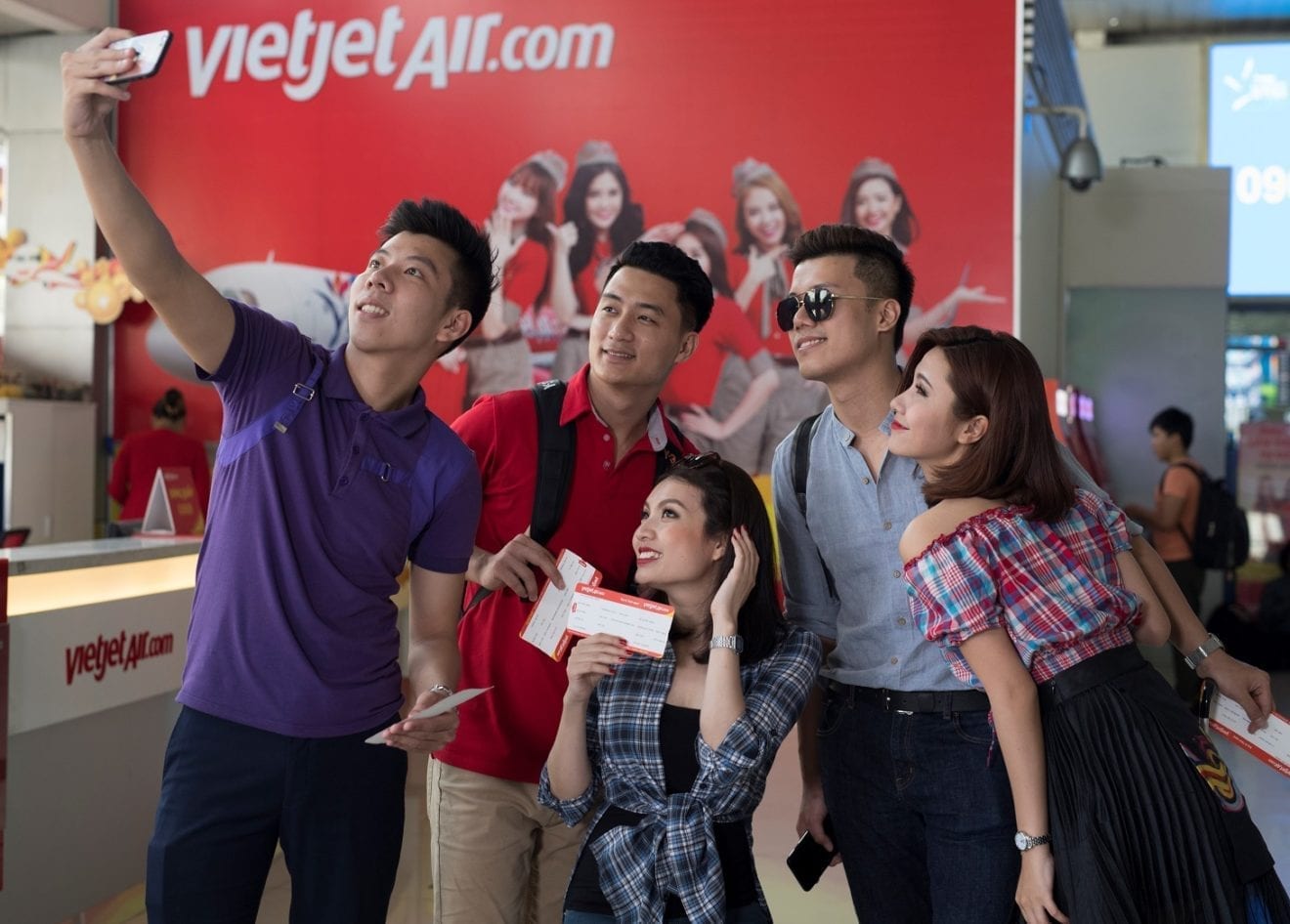
    New-age airline Vietjet and Japan Airlines (JAL) has announced that both carriers` will begin sales of their codeshare flights starting Tuesday, 23 October 2018.

    This follows a formal partnership agreement between both parties in 2017, in which Vietjet and JAL signed a Memorandum of Understanding for commercial cooperation. The two airlines now offer codeshare flights on domestic destinations in Vietnam and on international flights between Vietnam and Japan.

    Applicable routes operated by Vietjet include domestic flights connecting Ho Chi Minh City and Hanoi; Ho Chi Minh City and Da Nang; Hanoi and Da Nang; and international flights linking Kansai with Hanoi. The codeshare flights will be available for travel from 28 October 2018, while the Kansai to Hanoi route specifically commences operation on 8 November 2018.

    According to the agreement, Vietjet and JAL aims to continue expanding their codeshare routes in the near future, including other flight services between Japan and Vietnam as well as JAL’s domestic flights, and Vietjet’s domestic flights.

    Vietjet, the largest domestic airline in Vietnam, started its flight services in 2011 and now operates an expanding network all over Vietnam and Asia. Offering convenient and friendly services with reasonable fares and many other attractive add-on services, Vietjet has succeeded in creating new demands in Vietnam. As a new-age carrier, it also offers top-class service called “SkyBoss”, which has been very well received among passengers expecting quality service.