Category: Living

Retail News Asia is committed to providing both local and global retailers with the latest Living news throughout the Asian market. This on a daily base.

  • Ikea to open world’s largest store in the Philippines

    Ikea to open world’s largest store in the Philippines

    Ikea Philippines says its first store will take up an enormous 65,000sqm space, making it the world’s largest. The current largest Ikea store globally opened in Seoul in December 2014 and takes up 59,000sqm. Local franchisor Inter Ikea Systems, which operates the homewares and furniture retailer in Malaysia, Singapore and Thailand, chose to partner with SM Malls for its Philippine launch. The store will become an anchor of the giant Pasay mall, and its largest tenant when it opens in 2020.

    The size of the store reflects the huge consumer catchment: more than 5 million households within 60 minutes drive.

    Inter Ikea says the store will stock 9000 products and host a warehouse to fulfil online orders and an integrated call centre. A Philippine-specific website will launch prior to the store opening to help build brand awareness and offer design inspiration.

    “The Ikea vision is to create a better everyday life for the many people, so we are excited to be bringing our offer to a country where millions of people share our passion for home,” said Ikea Southeast Asia MD Christian Rojkjaer.

  • Naver Labs, Qualcomm to team up on future tech

    Naver Labs, Qualcomm to team up on future tech

    Naver Labs and Qualcomm will work together on future technology like robotics and self-driving vehicles, the local IT company said on Tuesday. The two companies signed an agreement on Monday to combine their knowledge and expertise.

    U.S.-based Qualcomm is a well-known manufacturer of semiconductors and telecommunications solutions. Naver Labs is an affiliate of Korea’s largest portal site and is currently working on a wide array of location-based technology solutions like autonomous driving, mapping and navigation using augmented reality.

    Naver Labs said it hopes to apply Qualcomm’s latest chips and solutions to its high-tech products. The first products developed by the two companies will be unveiled at next year’s Consumer Electronics Show in Las Vegas in January.

    “We plan to offer full technology support for the successful development of Naver Labs’ products and services,” said Jim Cathey, Qualcomm’s president for the Asia Pacific and India regions.

  • Tiens Group reveals global expansion plan

    Tiens Group reveals global expansion plan

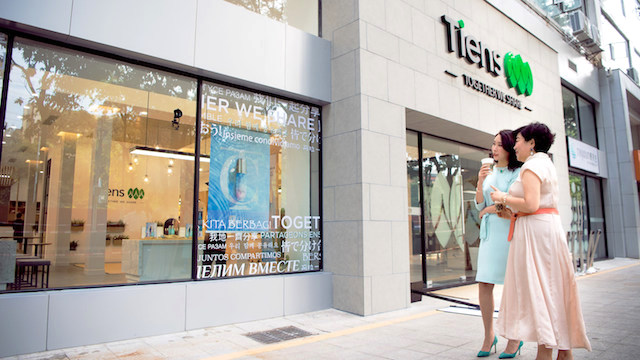
    Chinese healthcare company Tiens Group is eyeing global expansion following the success of its high-tech Shenzhen flagship store which opened in August. According to the firm, the launch was made as a step towards global expansion, featuring a combination of technology-enhanced online and offline consumer experiences such as touch-screen computers and live product demonstrations.

    The brand now plans to establish 110 branches worldwide as part of its broader strategy to create a healthcare system integrating physical retail, e-commerce, Traditional Chinese Medicine and medical facilities, as well as educational, tourism, accommodation and lifestyle experiences.

    Board member and e-commerce GM Chelsea Li said experience marketing is at the cutting edge of business development trends. “We aim to bring our customers an intuitive experience of meticulous care, attentiveness, and beauty.”

    Tiens’ new e-wallet app PointsWin is positioned to play a core role in the firm’s strategy, connecting the business’s blockchain-based customer network. Consumers can currently use the app to make purchases and earn rewards at any business bearing the Tiens banner.

    Tiens Group chairman Li Jinyuan said: “We have always approached development by considering the world from a global perspective. These [target locations] are especially the regions involved in China’s One Belt One Road initiative.”

    The flagship is located in the Tiens International Health Industrial Park in Luohu, Shenzhen.

  • Unilever Vietnam owes over $25mln in back taxes: state audit

    Unilever Vietnam owes over $25mln in back taxes: state audit

    The state auditing agency says Unilever Vietnam should pay over $25 million in back taxes for the 2009- 2013 period. Speaking at a National Assembly session on the draft bill on Tax Administration, State Auditor General Ho Duc Phoc pointed to the Holland-backed personal care products maker Unilever Vietnam as an example of taxes overlooked by the authorities.

    Phoc submitted an audit report that says Unilever Vietnam had under-declared its tax dues. The company took the case to the Prime Minister and the National Assembly’s Budget and Finance Committee. After re-examination, the State Audit concluded that the company had under-declared its tax dues by VND584 billion ($25 million).

    The auditor general said the company had accepted this figure, but requested that it is not charged for late payment.

    “Whether the company is fined will be decided by the General Department of Taxation, not us,” Phoc said.

    However, tax department officials as well as Unilever Vietnam representatives said that the company had not accepted the above figure despite the parties having discussed the issue many times.

    “The determination of the amount of tax arrears arising from errors in calculating the preferential tax rate that applies to Unilever Vietnam for its expansion activities in 2009-2013 is not related to transfer pricing,” said a representative of the General Department of Taxation.

    Representatives of the HCMC Taxation Department also confirmed that the decision to collect this sum from Unilever Vietnam has been made, but has not been accepted by the company.

    Unilever Vietnam denies having under-declared any tax obligation. Tran Vu Hoai, the company’s vice president of Sustainable Development and Public Relations, said the outstanding tax issue in question is “due to the differences in the stipulations of the Investment Tax Law and the Corporate Income Tax Law for the period before 2014.”

    “Such differences in the stipulations of the relevant laws have led to different interpretations, causing difficulties for businesses and relevant agencies in the implementation of the laws,” Hoai said.

    The crux of this issue lies in the differences that existed in terms of investment incentives between “new projects” and “expanded investment projects” between 2009 and 2013.

    Then, “expanded investment projects” were only entitled to a three-year corporate income tax (CIT) exemption, and a 50 percent CIT reduction in the five following years. Meanwhile, “new projects” could enjoy a preferential CIT rate of 15 percent for 12 years, three-year tax exemption, and a 50 percent reduction over the next seven years.

    Tax men and companies are divided over the definition of “new project” and “expanded investment project” as they apply to tax incentives.

    Unilever Vietnam has petitioned the Government, the Ministry of Finance and State Audit to find a satisfactory solution in compliance with Vietnamese laws and international regulations.

    Unilever Vietnam is not the only company that’s faced this problem. Suntory Pepsico Vietnam Beverage, GE, Piaggio Vietnam and Yamaha Motors have reportedly fought similar battles.

    Hoai said the matter is being handled by the Ministry of Planning and Investment, in collaboration with the Ministry of Finance and other agencies.

    In September, Prime Minister Nguyen Xuan Phuc assigned the Ministry of Planning and Investment the task of coordinating and working with the Ministry of Finance to resolve such issues for enterprises, in the spirit of ensuring non-retroactivity of the law.

  • Jeju Air inks $4.4 billion deal to purchase 40 new planes

    Jeju Air inks $4.4 billion deal to purchase 40 new planes

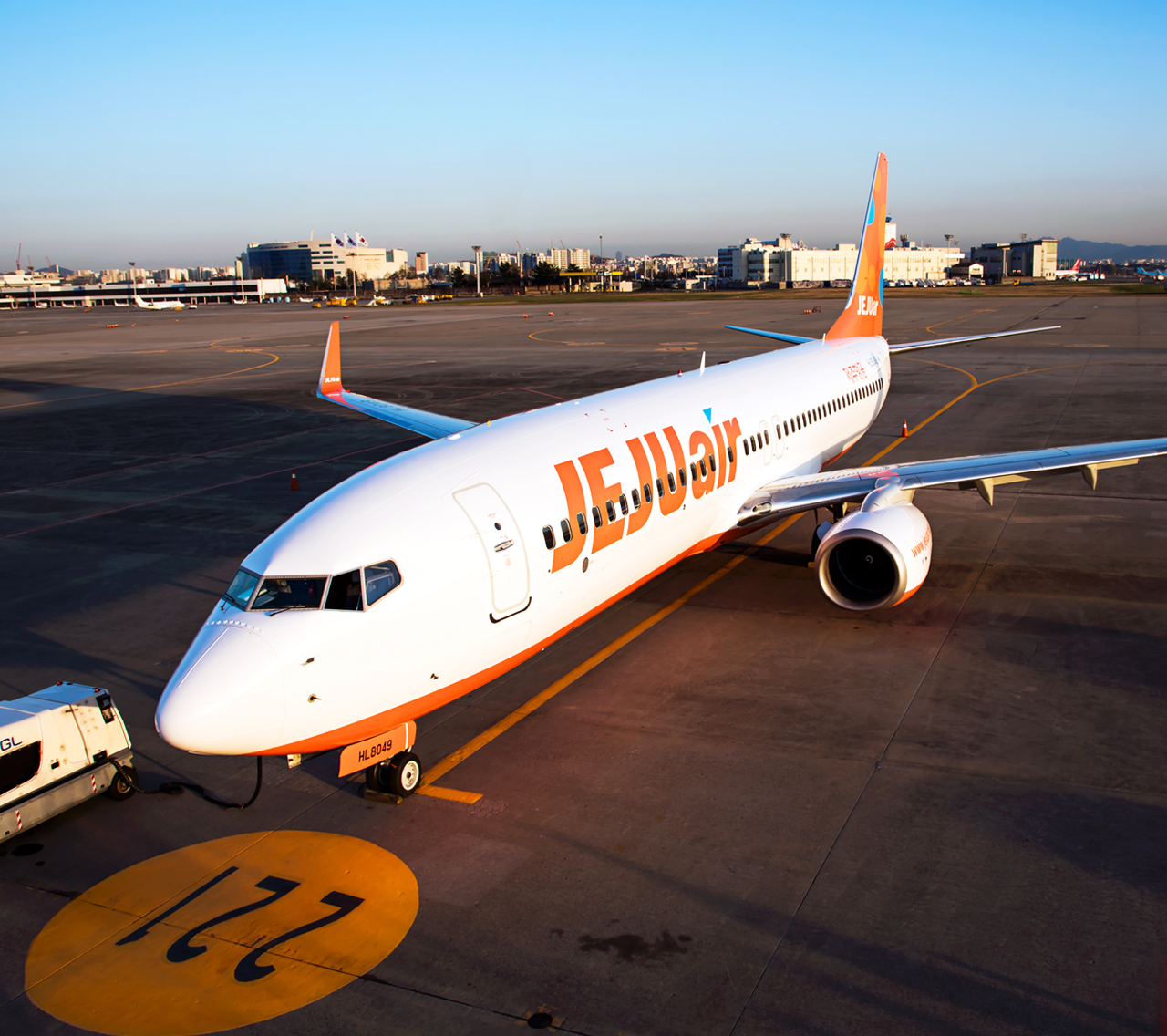
    Jeju Air, Korea’s biggest budget carrier by sales, said, on Tuesday, that it inked a $4.4 billion deal for 40 new planes, with the delivery set to begin in 2022. Jeju Air has decided to buy Boeing’s new B737 MAX passenger jets to strengthen its fleet, the company said in a statement.

    The low-cost carrier plans to assign the 189-seat B737 MAX on its mid and long-haul routes as they are more fuel efficient than the planes it currently operates, a company spokeswoman said over the phone.

    The new jets have a range of some 6,500 kilometers, 1,000 km more than the B737-800NG that the company currently operates.

    In the January-September period, net profit jumped 31 percent to 84.86 billion won ($75 million) from 64.61 billion won a year earlier. Operating profit climbed 14 percent to 95.82 billion won from 83.79 billion won during same period. Sales were up 28 percent to 941.93 billion won from 734.78 billion won.

    Jeju Air said it is on track to achieve sales of over 1 trillion won this year on the back of a strengthened fleet and profitable routes.

  • Korean lifestyle brand Mumuso enters Indian market

    Korean lifestyle brand Mumuso enters Indian market

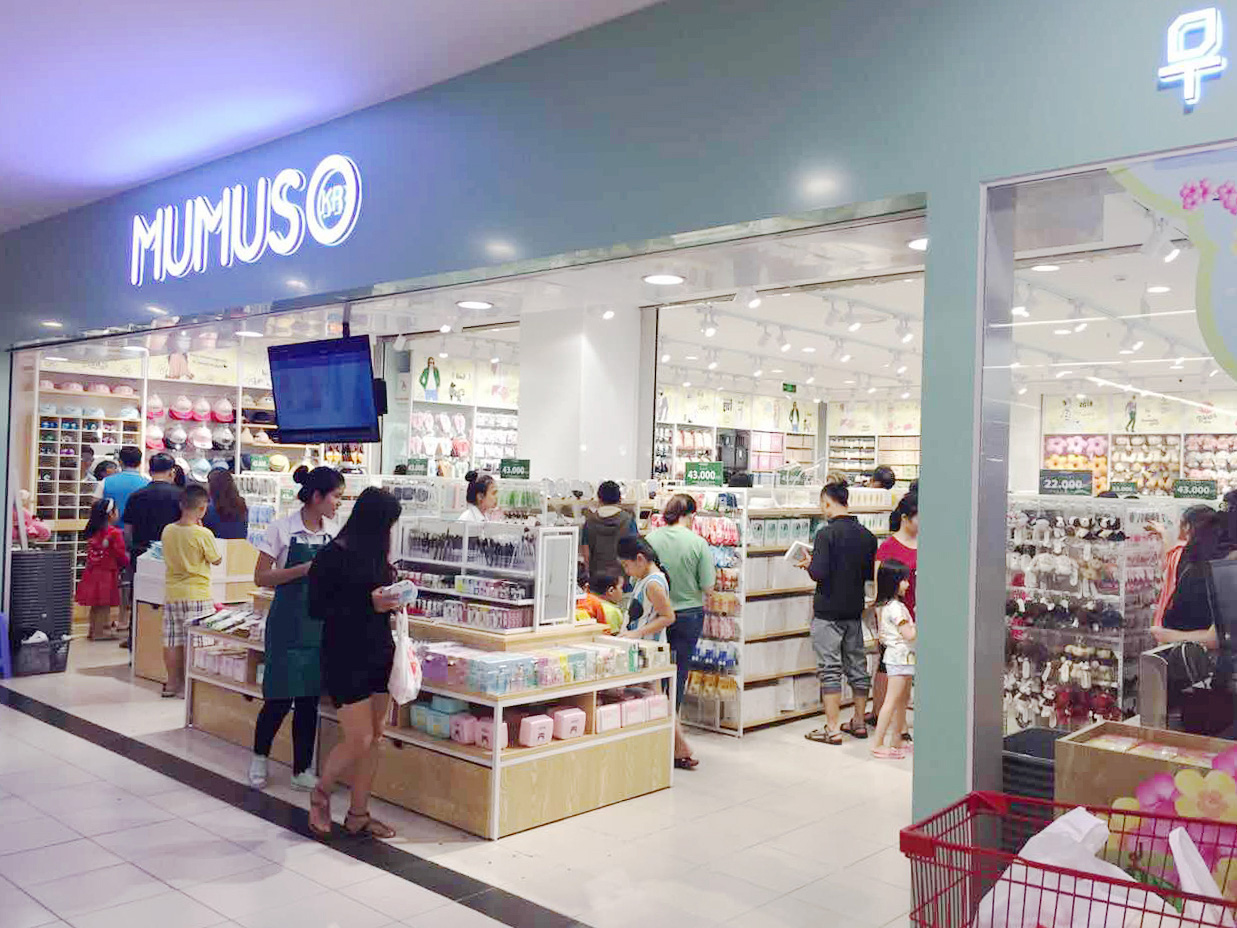
    East Asia’s affordable lifestyle brand Mumuso has announced its expansion plans in Kolkata while opening its first store. Mumuso is eyeing the Indian market aggressively with new stores in different parts of the country, a senior executive said.

    With a strong presence in over 30 countries across the world, the Korean lifestyle brand Mumuso has entered into the Indian Market and plans to open around 300+ stores by 2022 with an average investment of Rs 80 lakh to Rs 1.2 crore which will be spent towards setting up these company-owned and franchise stores. The brand is planning to open outlets pan India with its market reach in cities likes Kolkata, Hyderabad, Siliguri, Bangalore, Delhi, Mumbai, Surat, Durgapur, Chennai and so on.

    Mumuso India — the Indian entity of Mumuso —whose offerings include accessories, stationery, small electronics and lifestyle items, sources these mostly from South Asian nations such as Malaysia, Singapore, China, Indonesia and Korea.

    India has seen a sharp rise in the demand for lifestyle products in the recent years. Mumuso has product categories from Health and Beauty, Fashion Home Accessories to Apparel, Accessories, Digital Products and more. The products offered by the brand are not only beautiful, functional, high-quality and affordable but also provides relaxing and pleasant shopping experience to the customer.

    Speaking on the occasion, Raunak Agarwal, Managing Director, Mumuso India said, “Our expansion strategy is to set up 300+ outlets all over India along with entering the e-commerce market as online shopping has seen a big boost in India in recent years. We are also looking to source from Indian companies specially apparels and small leather products. The company will look to have 300-odd stores by mid-2022. India, being a fast emerging market for retail industry, we are expecting an escalated growth in a short span of time. Indian market has a big potential, where we believe our creative range of products will enhance the rich experience of customers since it’s an international brand with high quality and valued pricing.”

    He added, “There has been a high demand for the trendy and affordable products as far as lifestyle is concerned. People not only look forward to quality and style but also affordability. With Mumuso coming into the picture, people won’t have to travel to different stores for their needs, but just walk into our showroom and get their products. Mumuso brand always adheres to the principle of selling products with reliable quality and affordable price, strictly observes to the borderline of high quality, strives to improve the upper limit of taste and price ratio and provides well-designed products, continuously optimizes the supply chain service system to reduce the cost, creating relaxing and light-hearted shopping experiences for consumers.”

  • Thailand: fourth-most-profitable global tourism destination

    Thailand: fourth-most-profitable global tourism destination

    According to the UN World Tourism Organization, Thailand outranks every other nation in Asia when it comes to tourism spend. Last year, it collected $57 billion in international tourism receipts, nearly doubling Macao ($36 billion), Japan ($34 billion), Hong Kong ($33 billion), and China ($33 billion).

    Globally, the only countries that out-earn Thailand in terms of tourism dollars are France ($61 billion), Spain ($68 billion), and the United States—which handily takes the gold medal, at $211 billion.

    It all comes down to volume. Foreign arrivals could hit 40 million next year, which is more than half the country’s population.

    “In Thailand, you’ve got something for everybody,” says Rebecca Mazzaro, a specialist for bespoke outfitter ATJ. “From the private island with the private villa to amazing street food meals that only cost a couple bucks, it has a diversity and variety that exists in few other markets. It’s no surprise lots of people are going—and spending,” she says.

    A Coming Luxury Boom

    Though gaps in the WTO’s data make it difficult to ascertain the per-visitor spend in each of these countries, given recent and forthcoming developments, that number is likely to be rising.

    “There’s no question that historically Bangkok—and Thailand in general—has always been perceived as a value destination,” says John Blanco, general manager of the forthcoming five-star Capella Bangkok. “But there has been a real effort to shift that perception.”

    Mastercard’s annual Global Destination Cities Index recently ranked Bangkok as the most-visited city in 2017 for the third year in a row.

    The study, based on undisclosed public data sources, rather than cardholder transactions, indicates that travelers shell out $173 for a day in the Thai capital, compared to $537 in Dubai or $286 in Singapore.

    This year, it forecasts travelers will spend an additional 14 percent more.

    By next year, the city will have gained even more opportunities to spend, such as superlative new resorts from Four Seasons, Rosewood, Mandarin Oriental, and Waldorf Astoria, plus a $1.6 billion Bal Harbour-esque mixed-use retail development called Icon Siam.

    “There’s a lot more meat on the bone now,” Blanco says of luxury offerings in the capital.

    Dino Michael, global head of Waldorf Astoria Hotels and Resorts, agrees. “We’ve been noticing the upscaling of Bangkok for a few years,” he tells Bloomberg. “The consumer has become more sophisticated; the dining scene has become more sophisticated.”

    Among Bangkok’s selling points, he says, are strong infrastructure and airlift, a “depth and breadth of tourists,” and an ingrained culture of hospitality. For tourists and brands thinking about charting the region, Michael adds, “It’s world renown—and an obvious starting point.”

    The Pitfalls of Popularity

    There may be a price to pay for popularity, particularly on Thailand’s beaches and islands.

    Already, throngs of partygoers on commercial yachts have done so much damage to the pristine marine ecosystem of Maya Bay—the picturesque backdrop to Leonardo DiCaprio’s 2000 film The Beach—that the area closed for four months earlier this year to recover.

    Unable to bounce back fast enough, it’s now being closed indefinitely. That follows similar measures in nearby Koh Khai and Koh Tachai islands, where coral was being destroyed at devastating rates.

    In Phuket, Mastercard’s 12th-most-visited destination in the world, there’s been a sharp decline in the local turtle population, correlated with the rise in beachside pollution. It’s led 70 hoteliers to band together to promote sustainability and encourage better etiquette among travelers.

    And in Thailand’s north, the dramatic growth of tourism has led to a sobering spike in unethical wildlife tourism, often centering around elephants and tigers.

    The capital, meanwhile, has stayed largely out of the way of these visitor-related troubles—perhaps because it’s hard(er) to justify bad behavior in a city with 40,000 Buddhist temples.

    “Of course, red light tourism is alive and well—like it or not,” says Catherine Heald, founder and chief executive of Asia outfitter Remote Lands. “But ultimately, tourism has really lifted the local economy.”

    At $57 billion a year, there’s no denying that.

  • Vietnam’s first private airport set for Christmas launch

    Vietnam’s first private airport set for Christmas launch

    Vietnam’s first private airport near the world-renowned Ha Long Bay is getting finishing touches for a Christmas day opening. The 325-hectare (803 acres) airport at Van Don District, northern Quang Ninh Province cost VND7.7 trillion (more than $330 million) and can handle 2.5 million passengers a year and 1,250 per hour.

    It is expected to focus on services to Northeast Asian destinations such as South Korea, Japan, Taiwan, and China and also Southeast Asian ones like Thailand, Malaysia, Singapore and Cambodia.

    Domestically, flights will mostly be to southern and central regions.

    Dinh Viet Thang, head of the Civil Aviation Authority of Vietnam (CAAV), said the airport could handle the largest of aircraft.

    Construction had begun in 2015.

    Real estate conglomerate Sun Group, who owns it, is completing licensing procedures now so that the first flight can land on December 25.

    It now has gates for four aircraft and the number will be increased to seven by 2030.

    According to the CAAV, the private airport will have to follow all regulations in terms of aviation safety and security like all other airports in the country.

    Airlines served almost 80 million passengers in the country in the first nine months of this year, up 12.1 percent from a year ago.

    The number is expected to cross 100 million for the very first time this year.

  • Reliance to open Pottery Barn in India

    Reliance to open Pottery Barn in India

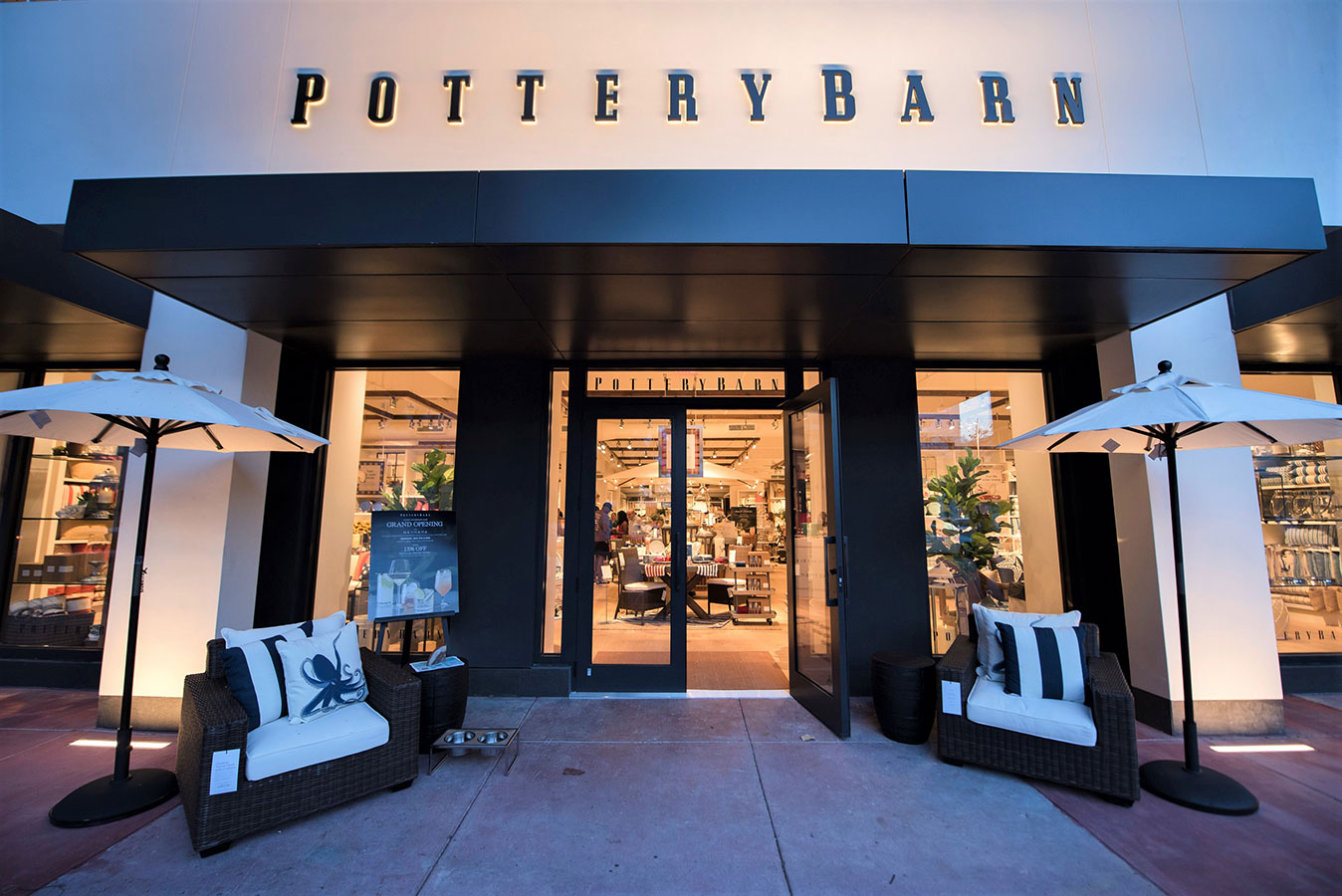
    Williams-Sonoma and Reliance Brands plan to launch Pottery Barn and West Elm in India through a franchise agreement. The opening of the brands’ first stores will be in Mumbai in early 2020, along with the launch of e-commerce websites.

    President and CEO of Williams-Sonoma Laura Alber said the partnership with Reliance marks part of the company’s continued global expansion. “We are looking forward to opening our first stores in Mumbai and introducing our distinctive brands, excellent customer service, and exceptional products to customers in India.”

    Executive VP, Global of Williams–Sonoma Ronald Young said the company currently operates its own and franchised stores across the world with company-owned stores in the US, Canada, Australia and the UK.

    “Our franchise network includes countries throughout the Middle East, South Korea, the Philippines and Mexico. Adding Reliance to our franchisee network is a significant step in our continuing global expansion.”

    President & CEO of Reliance Brands Darshan Mehta said the company is confident of the  success of Pottery Barn and West Elm in India, believing the brands’ heritage and designs will resonate with Indian consumers.

  • Indonesia’s Garuda Shares Soar on News of Sriwijaya Deal

    Indonesia’s Garuda Shares Soar on News of Sriwijaya Deal

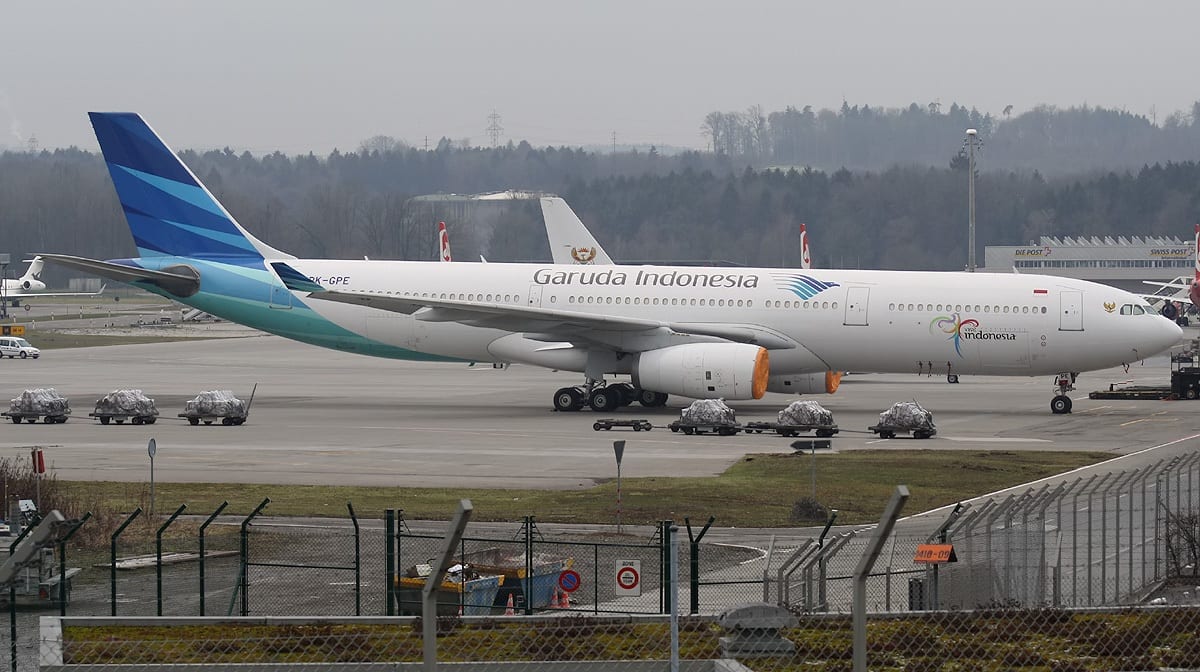
    National flag carrier Garuda Indonesia’s share price surged 19 percent on Thursday after the airline said it had taken over operational control of low-cost rival Sriwijaya Air. The move is seen as an effort to help Sriwijaya improve its financial performance, while potentially expanding Garuda’s market share to challenge Indonesia’s largest airline company, the Lion Air Group.

    Garuda announced the joint operation through its subsidiary, Citilink Indonesia, on Wednesday after signing an agreement with Sriwijaya Air and NAM Air – both under the Sriwijaya Air Group – on Nov. 9. The partnership could also be escalated to share ownership in the Sriwijaya Group, Garuda said in the statement.

    The joint operation will give the flag carrier a combined 46 percent share of the country’s domestic aviation market, while the country’s largest budget carrier, Lion Air, controls 51 percent, according to the Sydney-based CAPA Centre for Aviation.

    The remainder of the market is shared by the local unit of Malaysia-based AirAsia, charter service Susi Air and Jakarta-based Trigana Air Service.

    “The joint operation is intended to help the Sriwijaya Air Group improve its operational and financial performance to help Sriwijaya fulfill its commitments to third parties, including those within the Garuda Indonesia Group,” Garuda managing director Askhara “Ari” Dhanadiputra said in a statement.

    Sriwijaya Air planned to undertake an initial public offering last year, but its weak financial performance put a stop to that.

    The carrier suffered a loss last year due to rising fuel costs and the weaker rupiah after three profitable years. Most of Sriwjaya’s revenue is in rupiah, while the carrier’s expenses are mainly in US dollar, including fuel, aircraft maintenance and debt.

    According to Garuda’s financial report, Sriwijaya owed the flag carrier around $9.33 million as of Sept. 30 this year for the overhaul of 10 CFM56 turbofan aircraft engines.

    “We hope the partnership will help restore the financial performance of the Sriwijaya Air Group amid increasing competition in the domestic aviation industry. We believe the Garuda Indonesia Group has an excellent ability to manage the airline business,” Sriwijaya Air managing director Chandra Lie said.

    Price War

    Domestic air traffic in Indonesia more than tripled over the past decade as rising prosperity and lower fares made flying affordable for more people.With 129 million passengers in 2017, Indonesia is the world’s 10th-largest aviation market and it is projected to continue growing.

    Transportation Minister Budi Karya Sumadi expressed hope that the consolidation between Citilink, Sriwjaya Air and NAM Air would also help end a ticket price war among local airlines.

    “We hope this would end the price war and establish a new price equilibrium that covers the costs and margins to allow every airline to grow,” Budi said on Thursday.

    His ministry has long held the view that airlines’ race to the bottom in their price offerings would put pressure on their finances, which could make them more likely to neglect safety precautions.

    Budi said the joint operations between Citilink and Sriwijaya could also help to reduce redundancy on some of the country’s busiest routes and divert resources to other destinations.

    “There are many airports in eastern Indonesia that want to be served,” he said.

  • Malaysia Aviation appoints Philip See as Firefly CEO, as Ong out

    Malaysia Aviation appoints Philip See as Firefly CEO, as Ong out

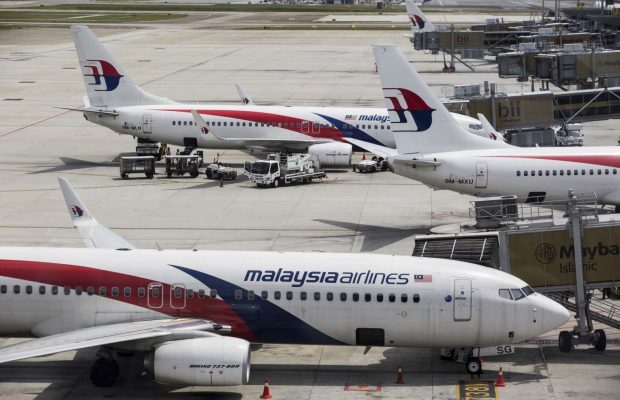
    Malaysia Aviation Group (MAG) has appointed Philip See as the new CEO of Firefly, effective Jan 1, 2019. Philip will replace Ignatius Ong who joined Malaysia Airlines as group chief revenue officer in June 2018. Ignatius has been double-hatting as CEO of Firefly and group chief revenue officer.

    Philip, whose appointment was announced internally earlier, is currently the Head of Strategy and Network for Malaysia Airlines, reporting directly to the group CEO. He joined the airline in 2015 from consulting firm McKinsey & Company, where he was an associate.

    He is however, no stranger to the group having previously served in the Turnaround Management Office (TMO) in Malaysia Airlines, back in 2004. Under the TMO he was responsible for implementing the Business Turnaround Plan and consequently the Business Transformation Plan. Philip left the airline in 2010 and rejoined Malaysia Airlines in 2015 as a Network Planner.

    In his role as group chief revenue officer, Ignatius oversees Sales and Revenue Management for the entire group. Ignatius has almost 15 years of professional experience in the aviation industry and is no stranger to revenue management having previously covered route and revenue under the then Turnaround Management Office. He has also headed the whole portfolio of Sales, Distribution and Marketing under the Project Management Department of Malaysia Airlines.

    Other changes in the management also include Ibrahim Mohamed Salleh as CEO of MABKargo effective Sept 1, 2018 and Hazman Hilmi Sallahuddin as CEO of Project Amal effective Oct 1, 2018.

    Ibrahim has over 20 years of experience in various fields within Cargo Handling with the company. Prior to his appointment as CEO MABKargo, he was COO of PT Jasa Angkasa Semesta (a subsidiary of SATS Limited, Singapore).

    Hazman was with Khazanah Nasional Bhd where he served in various roles across the organisation. This included Senior Vice President of Khazanah Europe Investment Limited based in London.

    Malaysia Aviation Group CEO Izham Ismail said, ”I am confident that the new leadership will bring new energy and purpose to the business. The diversity of our new leaders, their backgrounds and experience will help us reach our goals as a group.”

  • Ikea to open first Japanese Tokyo store in 2020

    Ikea to open first Japanese Tokyo store in 2020

    Ikea Japan is preparing to open its first central Tokyo location. The 2500sqm store is planned for the fashionable Harajuku district, a central focus point for young local shoppers and tourists.

    Threatened by the rise of raw materials costs, Ikea is expected to struggle to maintain its low price points against strong online competitors such as Amazon. The brand’s parent recently registered a significant drop in annual profits as a consequence of the price increases in wood and metals.

    The new store is scheduled to open in the spring of 2020.

  • LG U+ IPTVs get Netflix in Korea

    LG U+ IPTVs get Netflix in Korea

    Netflix content will be available on LG U+ internet protocol TVs (IPTV) today. Under an exclusive IPTV deal inked with LG U+, Netflix content, including Netflix Originals, will be aired through LG’s platform, the carrier said Wednesday.

    LG subscribers won’t have to replace their existing set-top boxes as they will be automatically upgraded, though services will be first offered to the 1.07 million users of LG’s latest set-top box, dubbed UHD2, and gradually rolled out to other set-top boxes.

    Considering Netflix offers over 22,000 movies and television shows, including its big-name original content like “House of Cards,” “Stranger Things” and “Orange Is the New Black,” this is a good chance for the smallest carrier in Korea to steal some subscribers.

    By next month, the carrier will also reform the user interface of its IPTV so users have easier access to Netflix content as well as its own kids’ content platform, dubbed “Kid’s World,” that is gaining popularity among customers in their 30s and 40s with children. LG is banking on both services for the further growth of its IPTV business, according to Song Gu-young, senior vice president and head of home and media business at LG U+.

    The revamped interface could look similar to the Netflix app. When a user selects a video, an image related to the video will fill up the whole screen and a preview will run automatically, which is similar to how video previews are played on the Netflix app.

    The partnership between LG U+ and Netflix is no surprise as the market has long been expecting the announcement, but what’s still not clear is whether the carrier will offer a phone plan centered on Netflix. Without a useful plan, existing users of Netflix might not feel the urge to migrate to LG just for the IPTV service because it would only mean they get better access to Netflix content on the LG platform, but for the same monthly fee.

    LG is reportedly planning to roll out phone plans with a Netflix discount, according to an industry source, but it might take some time as new plans need government approval.

    For the time being, LG U+ is giving out free three-month Netflix trials to new subscribers of its IPTV plans worth at least 15,400 won ($13.50) per month until the end of this year.

    Korea’s mobile carriers have shifted their focus to the IPTV business as sales from traditional mobile phone subscriptions faltered after the government pressured them to make monthly phone bills cheaper last year.

  • Hanoi revives $500 million horse racing, entertainment complex

    Hanoi revives $500 million horse racing, entertainment complex

    A $500 million complex including horse racing in Soc Son District is off the shelf after 10 years. Hanoi authorities have approved the addition of the long-delayed Soc Son multi-purpose entertainment complex and horse racecourse project to the city’s master plan on socio-economic development to 2020 with orientation until 2030.

    The total investment for this project is currently estimated at about $500 million. The project is expected to go into operation after 2021.

    The planned site is mostly agricultural land. Once put into operation, the project will employ an estimated 5,000 direct laborers and 20,000-25,000 indirect laborers, generating a relatively large, regular revenue for the city’ budget.

    The project, which will be built in a planned tourist area about 40 kilometers north of Hanoi, will add a high-quality tourism product to Soc Son District in particular and the capital in general, the city stated.

    According to Hanoi authorities’ data, the capital has received over 26 million visitors this year, including 5.7 million foreign visitors, which are a 9 percent and 16 percent increase compared to last year respectively.

    The project to build a horse racecourse in Hanoi was first researched in 1999, with the racecourse’s proposed location in the southern districts of Hoang Mai and Thanh Tri.

    However, as Vietnam’s legal framework for sports betting and horse racing was incomplete at the time, the city’s foreign partner eventually withdrew from the project.

    The project was then revived in 2007 when the travel company Hanoi Tourist and South Korea’s Global Consultant Network asked for the city’s permission to research it, and was told by the government that it would be approved once the legal framework for sports betting is completed.

    Vietnam’s legislative body, the National Assembly, approved a bill legalizing sports betting last year and the government earlier this year promulgated a decree regulating the sports-betting business, throwing open opportunities for foreign investors to build racecourses in the country.

    In addition to the racecourse in Hanoi, foreign firms are also said to be pursuing plans to build horse racecourses in the northern provinces of Bac Ninh, Vinh Phuc and in Ho Chi Minh City.

  • Number of Cinema Screens in Indonesia Expected to Double Over Next 3 Years

    Number of Cinema Screens in Indonesia Expected to Double Over Next 3 Years

    The head of the Creative Economy Agency, or Bekraf, said he expects the number of cinema screens in Indonesia to double over the next few years, amid growing interest in the national film industry.

    “We expect to see at least 3,000 screens – twice what we have today. This is because local films thrive in small towns, but that’s also where we face a lack of theaters,” Bekraf chairman Triawan Munaf said on the sidelines of the World Conference on Creative Economy in Nusa Dua, Bali, last week.

    According to the agency’s 2019 Creative Economy Outlook, there are currently nearly 1,700 screens across the country. Triawan expressed hope that this could be nearly doubled over the next three years.

    The report further states that film is currently the fastest-growing subsector of Indonesia’s creative economy.

    However, as imported films still drive demand among moviegoers, the industry must figure out how to get local films to compete with those from abroad in terms of screening and scheduling.

    Triawan said the national film industry is growing rapidly, as illustrated by the fact that 40 percent of films screened in the country are local.

    This year, teen drama “Dilan 1990” attracted more than 6.3 million viewers nationwide, making it the second best-selling Indonesian film of all time after the 2016 reboot of the popular 1980s comedy franchise, “Warkop DKI Reborn: Jangkrik Boss! Part 1,” which boasted more than 6.8 million viewers.

    The number of moviegoers in the country has meanwhile also increased to more than 42 million by 2017 from around 16 million in 2015.

    More screens in other parts of the country can therefore facilitate this growth, as 183 of Indonesia’s 488 theater complexes are located on Java Island, Bekraf said.

    Cineplex 21, CGV Cinemas and Cinemaxx currently dominate the movie theater industry in Indonesia with 1,003, 275 and 203 screens, respectively.

    In her speech at last week’s conference in Bali, Finance Minister Sri Mulyani Indrawati also highlighted the importance of more vocational training to support the creative economy, of which the film industry is part.

    Despite the large number of moviegoers, many of them are less enthusiastic about local films because there are limited choices in terms of storyline and variety, which shows that there is a need for more quality screenwriters.

    “Indonesia has huge potential when it comes to writers and screenwriters, and this is an area we must explore further,” the minister said.

    Sri Mulyani also said that she was keen to learn more about the creative economy and how she could assist in its development.