Category: Living

Retail News Asia is committed to providing both local and global retailers with the latest Living news throughout the Asian market. This on a daily base.

  • Indonesia Imposes Three-Year Moratorium on New Palm Oil Plantation Licenses

    Indonesia Imposes Three-Year Moratorium on New Palm Oil Plantation Licenses

    President Joko “Jokowi” Widodo signed a moratorium on new oil palm plantation permits on Wednesday (19/09) and ordered a review of existing permits amid growing concern over deforestation in the country.

    The instruction, which is set to remain in place for three years, applies to new and submitted requests, as well as those approved but do not yet include set boundaries and those inside natural forests.

    Jokowi initially promised to issue the moratorium on April 2016, after months of forest fires and haze, which affected Indonesia and neighboring Malaysia and Singapore.

    He ordered ministers and regional governments to improve the management and productivity of sustainable oil palm plantations as part of efforts to preserve the environment, as laid out in a 2018 presidential instruction on license suspension and evaluation of oil palm plantations.

    In a report published earlier this week, Greenpeace International said 25 palm oil producers supplying some of the world’s largest brands, including Unilever, Mondelez and L’Oréal, have destroyed more than 130,000 hectares of natural forest in Indonesia since 2015.

    The Indonesian Forum for the Environment (Walhi) welcomed the long-awaited signing of the document and pointed to several issues the government still has to watch out for, including law enforcement against companies violating existing regulations.

    Walhi, the oldest environmental advocacy group in Indonesia, added that the wellbeing of oil palm farmers must also be considered as part of efforts to boost productivity of plantations.

    “In the long-term, this moratorium should ideally be in place for 25 years … because in our view, environmental recovery takes a long time,” the group said in a statement.

    It added that the license evaluation process must form an inseparable part of the president’s flagship land reform program.

    Meanwhile, the Indonesian Palm Oil Association (Gapki) said it supports government efforts to make palm oil sustainable and improve productivity in the sector.

    “However, because the presidential instruction was just issued recently, Gapki needs to study the document and coordinate with relevant ministries to avoid multiple interpretations and disincentives in the palm oil industry,” Gapki spokesman Tofan Mahdi said.

    Indonesia is the world’s largest palm oil producer. The country exports of the commodity reached its highest ever value last year at $23 billion, which was a 26 percent increase from 2016.
  • Vietnam to increase environment tax on fuel

    Vietnam to increase environment tax on fuel

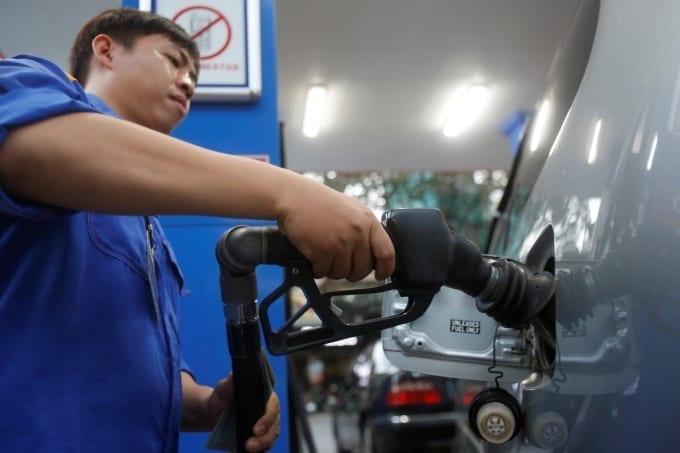
    The National Assembly’s Standing Committee decided at a meeting Thursday to hike the environment tax on fuel from next year.

    Starting January 1 the tax on petrol will increase from VND3,000 (13 cents) per liter to VND4,000 (17 cents), and on diesel from VND1,500 to VND2,000.

    The tax on kerosene will go up from VND300 to VND1,000, and on fuel oil and lubricants from VND900 (3.9 cents) to VND2,000 (8.6 cents).

    The hike is scheduled for next year so that the government’s goal to keep inflation under 4 percent will be guaranteed.

    Speaking at the meeting, Chairman of the NA Committee on Foreign Affairs Nguyen Van Giau expressed concern that the tax hike would have an inflationary effect.

    But Nguyen Van Hai, Chairman of the NA Budget Finance Committee, said the new rate is still only 39 percent on fuel base price, which is lower than the rate in neighboring countries such as Cambodia where it is 49 percent, China (52 percent) and Laos (56.5 percent).

    The new tax would only increase transport cost by 0.83 percent in the first three months, while power prices would basically be unaffected, he said.

    NA Vice Chairman Phung Quoc Hien said the hike would bring VND15.7 trillion ($676.8 million) each year to the government’s coffers, and this would be used to deal with environmental issues.

    House Chairwoman Nguyen Thi Kim Ngan said that the money must be used to protect the environment.

    “That way, people will see that the money is not spent for other purposes.”

    Fuel prices in Vietnam are still lower than in 120 other economies in the world, according to the Ministry of Finance.

    As Southeast Asia’s fastest-growing economy, Vietnam is facing an air pollution problem. The capital Hanoi enjoyed little more than one month of clean air last year, according to a January report by the Green Innovation and Development Center.

    Fuel is a major source of revenue for Vietnam. Import tariffs from fuel, which are paid by local businesses, now account for around 7 percent of the state’s income, according to the petroleum association.

    Vietnam gained VND42.4 trillion ($1.84 billion) in revenue from environmental protection taxes in 2016, jumping nearly 57 percent from 2015.

    During the same period, spending on environmental protection reached just VND12.3 trillion, accounting for 29 percent of the tax revenue.

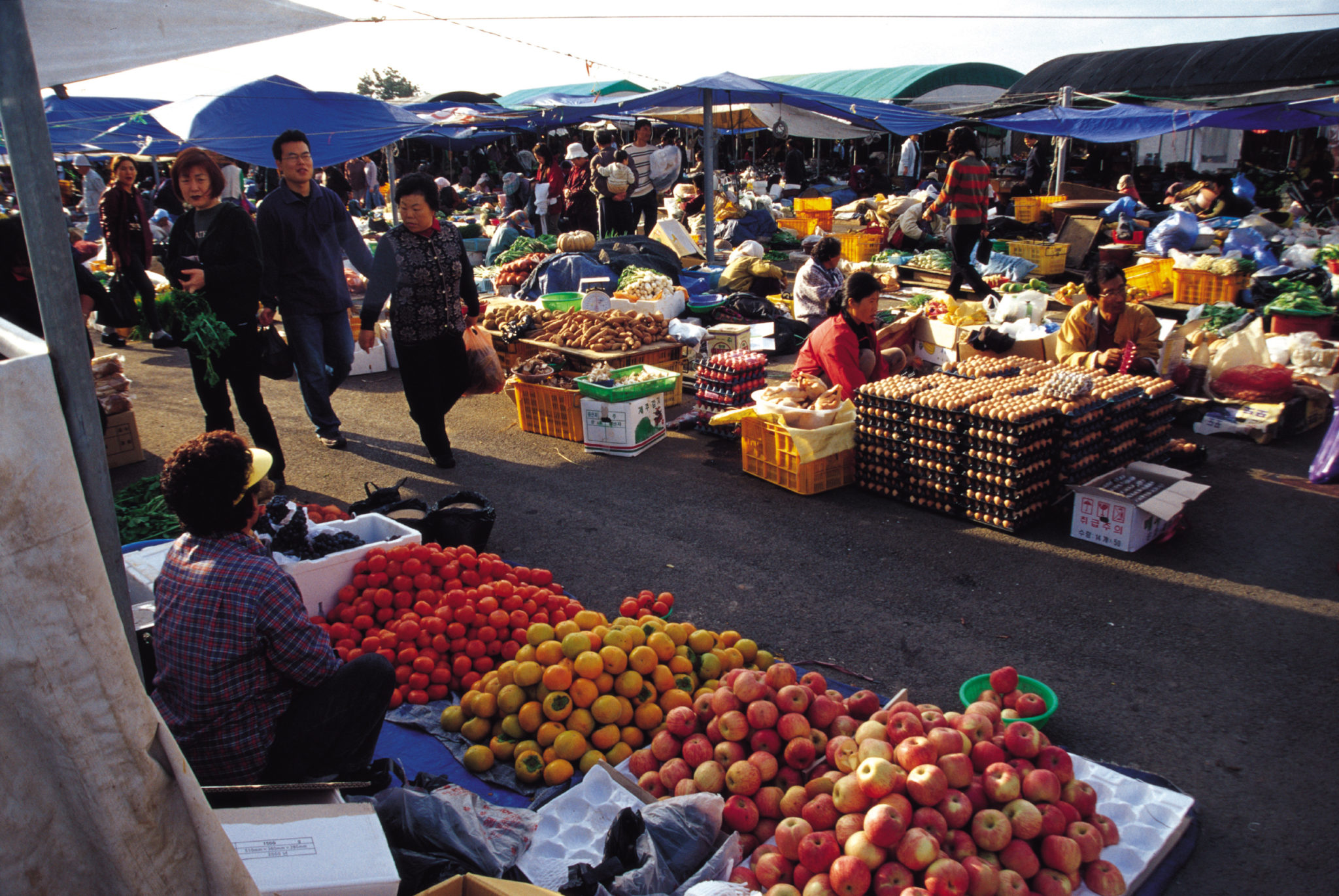
  • Map apps offer tips to beat the Chuseok traffic

    Map apps offer tips to beat the Chuseok traffic

    Korea’s top navigation apps have released their projections on the best and worst times to travel from Seoul to the provinces for the Chuseok harvest holiday.

    The three-day Chuseok holiday starts on Sunday, but the government granted a substitute holiday on Wednesday, as Sunday is already a day off. The Chuseok holiday season is considered to run from Friday night until Wednesday.

    SK Telecom, which operates the country’s largest mobile navigation app, T Map, advised drivers headed for Busan or Gwangju to leave Seoul before 10 a.m. on Friday or after 3 p.m. on Saturday or Sunday based on its analysis of traffic data accumulated over the last five years.

    The worst traveling hour for people heading to Busan from Seoul will be around 11 a.m. on Monday. The mobile carrier said it would take more than eight hours to travel from Seoul to the coastal city then. If there’s no traffic, Seoul residents can reach Busan in a little over four hours.

    As for travelers to Gwangju, SK Telecom said the worst time to leave Seoul would be 4 p.m. on Friday.

    For those traveling back to Seoul from Busan or Gwangju, the mobile carrier suggested leaving before 8 a.m. on Monday or after 8 p.m. on Tuesday.

    The KakaoNavi app, operated by Kakao Mobility, also disclosed its own projections based on data it accumulated since 2011.

    Kakao advised drivers to leave Seoul between 6 and 8 p.m. on Sunday if they are headed to Busan. The company said the trip would only take about 4 hours and 30 minutes at that time.

    Kakao also gave exact times for travelers leaving Seoul for Gwangju, Daejeon, Daegu and Ulsan as well. It said the best time to leave for Gwangju will be 6:40 p.m. on Sunday. For Daejeon it will be 7:40 p.m. and for Daegu and Ulsan it will be 7 p.m.

    For those traveling back to Seoul from different destinations, the company suggested that drivers leave after 8 p.m. on Monday. Both companies, however, said that traffic will generally move at a crawl on highways on Monday until late at night.

    As drivers tend to be increasingly dependent on navigation apps during the holiday period to find less congested routes, SK Telecom spokesperson said it has secured extra server capacity for T Map. Last year, some navigation apps, including OneNavi, malfunctioned during the holiday due to traffic overloads.

    It is also gearing up to secure stable network connectivity during the holiday season, as failed data connections on roads could cause chaos even if the apps work well.

    According to SK Telecom, T Map usage increases by 51.5 percent and LTE data usage increases by 11.3 percent during the Chuseok season. To provide stable telecommunications networks, the mobile carrier added data capacity at existing base stations and extra WiFi equipment near dense traffic areas like highways, large discount stores and airports.

    It will operate an emergency response team consisting of roughly 2,200 staff members to manage network quality from Friday through Wednesday.

    Other carriers are also beefing up their networks. KT designated 700 places, including bus terminals, airports and department stores as areas that will be reinforced. The carrier said it plans to use 590 staff members to monitor LTE base stations in these areas around the clock. LG U+ said it will also operate an emergency response team to monitor its telecommunications network from Saturday through Wednesday.

  • InterContinental Danang wins top World Travel Awards

    InterContinental Danang wins top World Travel Awards

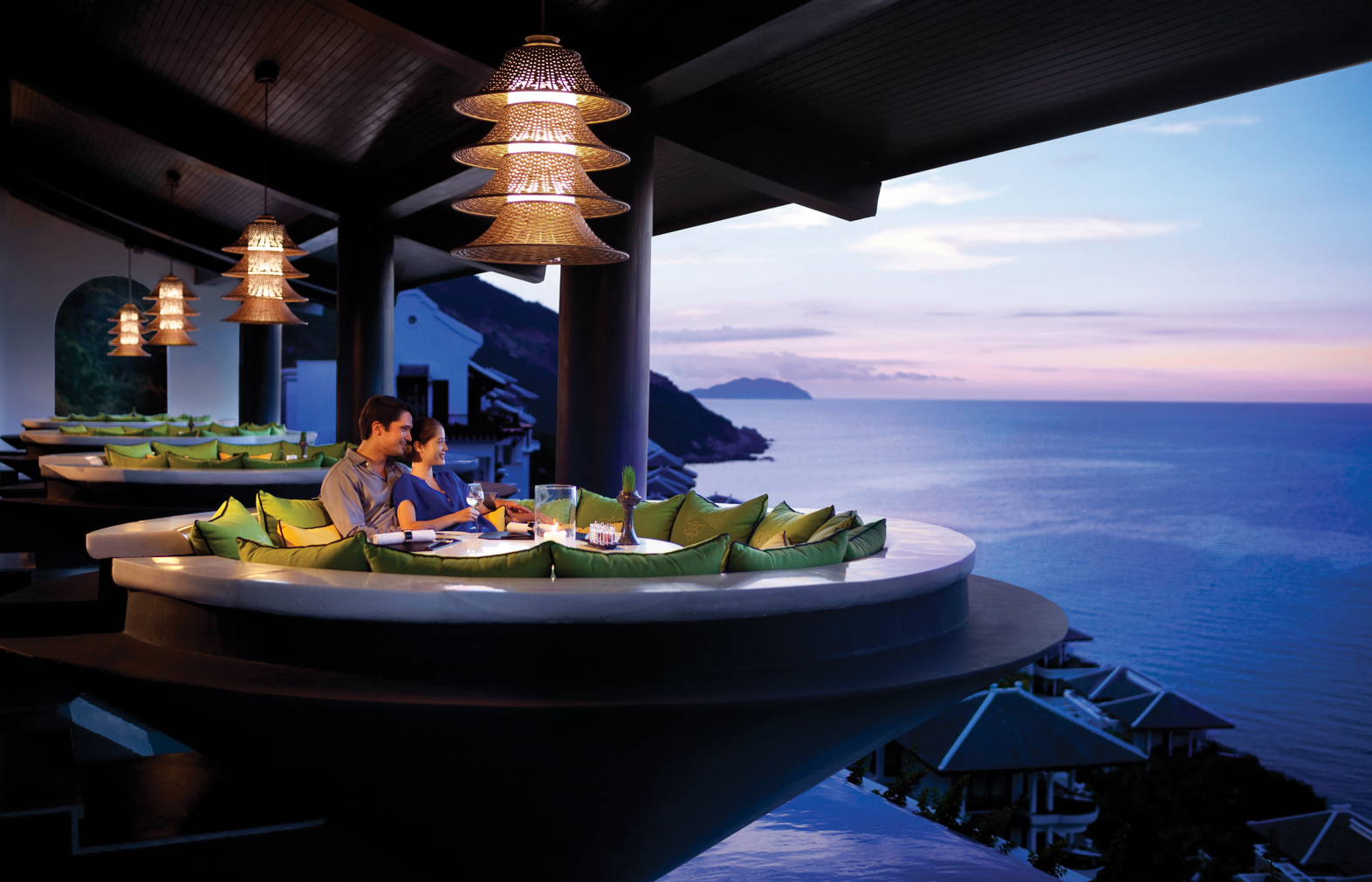
    InterContinental Danang Sun Peninsula Resort has reaped a bumper harvest of prestigious awards at the World Travel Awards 2018.

    The resort, developed by the Sun Group, won Asia’s Leading Green Resort, Asia’s Leading Luxury Hotel Villa, Asia’s Leading Luxury Resort, Asia’s Leading Luxury Wedding Resort and Vietnam’s Leading Luxury Resort awards for this year.

    It also surpassed numerous other heavyweight competitors to retain the Asia’s Leading Luxury Resort title for the fifth consecutive year since 2014.The high-end property beat the winner of the previous four consecutive years, Mission Hills Shenzhen (China) and seven other competitors to become Asia’s Leading Green Resort 2018.

    In the framework of the event, the Bai Bac Bay Villa, the latest addition to the resort’s luxury collection of penthouses and villas designed by famed architect Bill Bensley, received the Asia’s Leading Luxury Hotel Villa Award for the first time.

    Combining the beauty of tropical landscapes, unique architectural space and international-standard service, InterContinental Danang Sun Peninsula Resort has been one of the ideal choices for couples to host breathtakingly luxurious weddings.Speaking at the awards ceremony held in Hong Kong earlier this month, Juan Losada, general manager of the resort, said: “Being named as Asia’s Leading Green Resort 2018 is a recognition of our efforts to maintain the sustainable development of the resort and protect the ecosystem of Son Tra Peninsula. This year’s award is a result of the world-class service and great experiences we deliver to our guests every day,” he said.

    This is a one-of-a-kind resort that redefines luxury by combining Vietnamese aesthetics with international standards. Set on 37 hectares of stepped gardens leading down to a private beach, each of the 200 rooms and villas guarantees a magnificent view of the crystal clear water of the East Sea.

    It has welcomed a veritable host of high-profile guests, including politicians and celebrities throughout the years. In October, 2017, it was selected to host the APEC Economic Leaders’ Week held in Danang.Decorated with wooden furniture and handmade silk and craft art pieces procured from many Vietnamese localities, this luxury resort was designed by star architect Bill Bensley.

    The World Travel Awards was launched in 1993 to acknowledge excellence in the travel and tourism industry and is now in its 24th year. Heralded as the “travel industry’s equivalent to the Oscar’s” by The Wall Street Journal, the awards are handed out based on votes by the public and travel professionals across the globe.

  • Vietnam sees high-speed train finally coming

    Vietnam sees high-speed train finally coming

    The trans-Vietnam high-speed rail is back on the agenda, with officials saying it can compete with aeroplanes for business.

    Government officials are also confident that the current pace of economic development will make it practical to source funding for the multi-billion dollar project in phases.

    The Ministry of Transport is working on a feasibility study for the high-speed railway project what would span 1,545 kilometers (960 miles) to connect Hanoi and Ho Chi Minh City.

    The project is estimated to cost more than $58 billion, which was the reason lawmakers had shot it down several years ago, saying the nation could not afford it then.

    It is currently envisaged that two sections of the route – from Hanoi to the north-central city of Vinh and from the south-central city of Nha Trang to HCMC – will be built first in 2020-2030 at a cost of $24 billion, and commercial operations are likely to begin in 2032.

    Questions have been asked about the advisability of pursuing the high-speed rail project in the context of Vietnam still needing a lot of capital for infrastructure projects like expressways, the Long Thanh International Airport, which is set to become the country’s largest, as also expansion of the Tan Son Nhat Airport in HCMC.

    This is countered with the argument that the high-speed railway has great advantages in a country with narrow and long terrain like Vietnam.

    Nguyen Van Thanh, chairman of Vietnam Automobile Transportation Association (VATA), said that in the next 10-15 years when Vietnam’s population rises to more than 100 million, the demand for travel would be huge.

    By then, the country will need more means of transportation, Thanh said, adding that he guessed many people would prefer the rail rather than roads on safety considerations.

    Going further, Thanh compared the high-speed rail with flying.

    “Many will choose the high-speed rail because the time for traveling would be almost the same, but unlike airports that mostly lie in suburban areas, rail stations are in the inner city, which makes it more convenient for passengers. Moreover, the procedures for flying are much more complicated.”

    Transport expert Than Van Thanh had similar thoughts.

    “Railways have been left behind for 70 years in Vietnam and the country has paid a lot of attention to developing roads; but it’s not safe to let bus drivers drive for more than 300 kilometers at a time.

    “Road transport has high logistical costs and frequent accidents. A high-speed rail will ease the overload on the roads and thus reduce traffic accidents and environmental pollution. If we let too many long distance buses operate on the road, like we are doing now, we are going in the opposite direction from the world,” he said.

    Tran Dinh Thien, a member of the Prime Minister’s advisory group, said the National Assembly used to turn down proposals on the high-speed rail because the investment was too high, but with the current speed of economic development, it was possible to raise fund for each phase of the project.

    “The demand for travel between Hanoi and Vinh is high and with a designed traveling time of 1.5 hours, high-speed trains can compete with buses and airlines. It is not right to give priority to any specific sector,” he said.

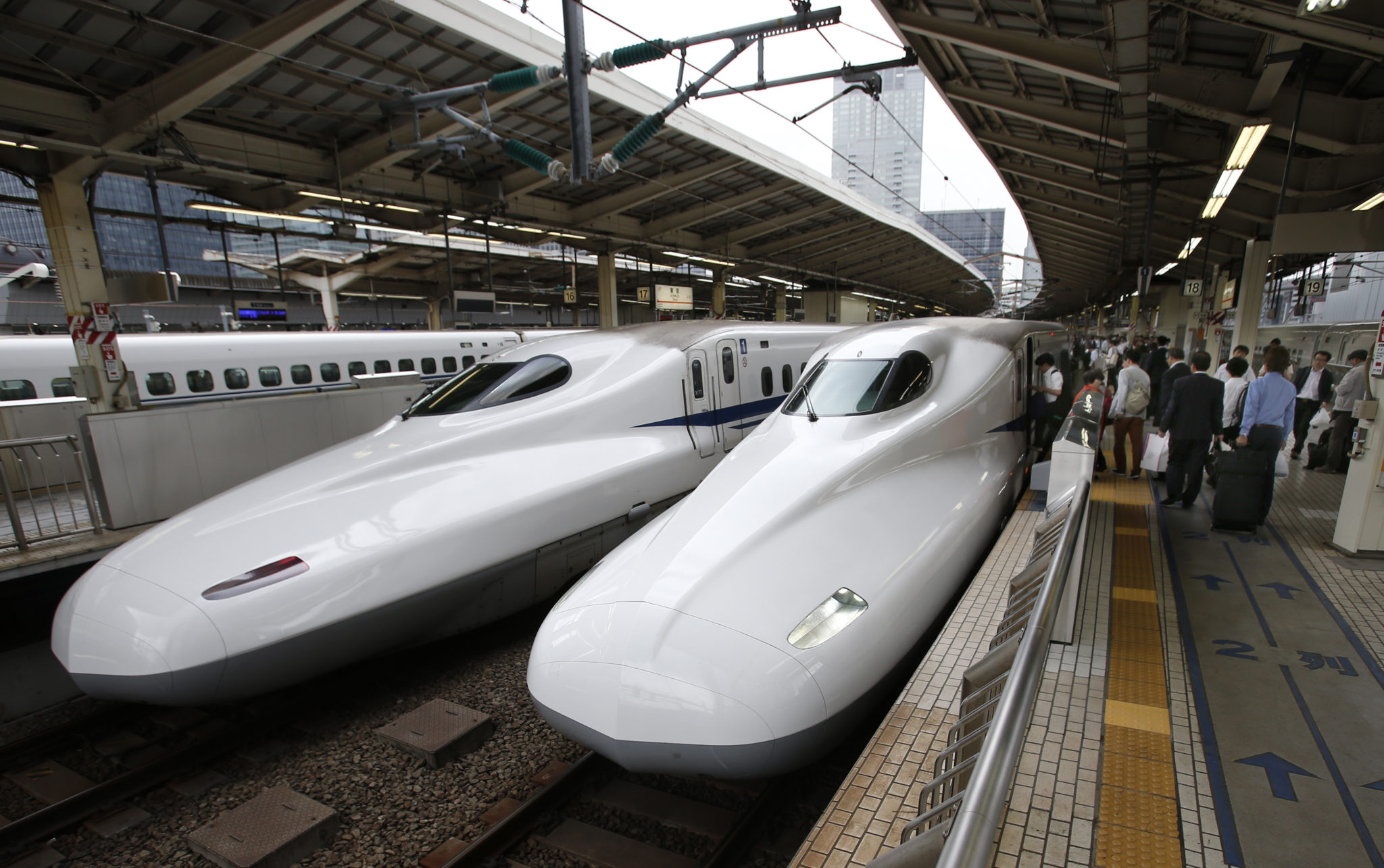
    According to a consultancy consortium comprising Vietnamese firms Transport Engineering Design Inc (TEDI), Transport Investment and Construction Consultant Joint Stock Company (TRICC) and Transport Engineering Design Incorporation in the South (TEDIS) that is hired by the government to do the feasibility study, the trans-Vietnam high-speed rail would adopt the distributed traction technology used by Japanese high-speed trains.

    Sixty percent of the tracks will be on viaducts, 10 percent underground and 30 percent on the surface, completely protected by fencing and without a single crossing.

    The entire project could be completed and operational by 2040-2045. The train ride from Hanoi to HCMC then would take eight hours, while the current one takes 24 hours.

    Vietnam’s existing 3,000-kilometer railroad network has not received any major investment since it was built 140 years ago, and does not have the capacity for high speeds.

    Investment in the railways currently accounts for just one percent of the transportation sector’s total budget.

  • Half of Vietnamese youths think technology will create more jobs: survey

    Half of Vietnamese youths think technology will create more jobs: survey

    A majority of Vietnamese youths believe that technology will increase the number of jobs in future, a survey by the World Economic Forum has found.

    The “ASEAN Youth and the Future of Work” survey done by the WEF together with internet company Sea recently released said while 51.5 percent said technology would increase the number of jobs, 35.3 percent said it would decrease the number.

    These figures vary significantly in the six countries surveyed, the survey said.

    Vietnamamese youths perception of technology impact on jobsin percentageJobs will increaseJobs will decreaseNo impactWEF (2018)

    Singapore and Thailand are the most pessimistic with 53 percent in the former country and 43.6 percent in the latter saying technology would take away jobs.

    But on average, 52 percent of Southeast Asian youths were optimistic.

    Justin Wood, head of Asia Pacific, and member of the executive committee of the WEF, said: “Globally there is concern that technological change may bring rising inequality and joblessness. But in ASEAN, the sentiment seems to be much more positive.”

    The survey also showed that Vietnamese youths are most confident about the impact of technology on their future income, with 72.8 percent saying technology would increase their income, the highest of the countries surveyed.

    In terms of preference for work, the survey found that 26.5 percent of ASEAN youths are currently working for themselves.

    Most countries surveyed have a rising interest in self-employment. In Vietnam, this figure is currently 19.3 percent, but 24.8 percent want to be self-employed in future.

    Over 10 percent of ASEAN youths work for a multinational company and 17 percent would like to work for one in the future, the survey said.

    Though 16.5 percent work for a small and medium-sized enterprise (SME), only 7.4 percent want to continue their career at these companies.

    “The findings suggest that small and medium-sized enterprises (SMEs) may struggle for talent in future,” Sea Group chief economist Santitarn Sathirathai said, adding it is important to continue to enhance adoption of digital technologies by SMEs to ensure young entrepreneurs have the resources they need to succeed.

    The survey also found that Vietnamese youths spend the least time on the internet — five hours and 10 minutes a day. In Thailand, this figure is more than seven hours.

    The survey polled 64,000 respondents aged 35 or less from Vietnam, Thailand, Malaysia, Indonesia, Singapore, and the Philippines.

  • AirAsia incorporate’s new subsidiary in Thailand

    AirAsia incorporate’s new subsidiary in Thailand

    AirAsia Group Bhd has incorporated a subsidiary in Thailand named AirAsia Group (AAGIHQ) Ltd which will be providing consultation and services to the company’s subsidiaries and associate companies.

    The group told the stock exchange that AAGIHQ was incorporated with a total issued share capital of THB20.0 million (approximately RM2.5 million).

    AirAsia holds 199,997 ordinary shares out of the 200,000 issued share capital of AAGIHQ while three other individuals hold one ordinary share each.

    The stock gained 0.97% to close at RM3.13 with 6.48million shares done

  • Lego’s big prospects in China

    Lego’s big prospects in China

    Danish toymaker Lego Group said it plans to ramp up its China retail rollout, with two new flagship stores poised for Shanghai and Beijing by mid-2019.

    The Copenhagen-based Lego, which recorded double-digit revenue growth in China in the first half of the year, said a new store is slated for Shanghai as soon as this month, in the city’s downtown district, while the Beijing boutique is planned for early 2019.

    For the first six months of the current fiscal year, Lego’s total sales hit 14.3 billion Danish kroner ($2.2 billion), a 5% drop from last year’s performance. Operating profit declined 4% to 4.2 billion Danish kroner, while net profit dropped 10% to 3 billion Danish kroner.

    But China, which recorded double-digit growth for the brand, was a bright spot.

    Jacob Kragh, senior vice-president at Lego, told China Daily that China has much room to grow, especially through the learning through way toy category, as parents focus on construction-based toys.

    In May, Lego inked a video channel deal with Tencent Holding’s to appear on the media giant’s streaming platform.

    Moving forward, Lego plans to invest more in innovative products and enhance its digital, alongside its physical presence in China.

    Lego first entered mainland China two years ago, with a flagship store opening at Shanghai Disney Resort in 2016.

    Most recently, in August, Lego opened four certified Lego stores in Wuhan alone, via retail partnerships in China, taking its total to 36 partnership stores.

    By year-end, Lego is planning to have up to 60 stores across 15 Chinese cities, with the new stores mostly located in second and third-tier cities.

    Lego also recently joined forces with IKEA to encourage more play. The collaboration aims to increase the opportunity for more play, and the first step is to try to make the home a better functioning and more fun place as IKEA believes play to be an ‘essential part of a better everyday life’.

  • Toys R Us battle heads to court

    Toys R Us battle heads to court

    Fung Retailing’s battle with the administrators of bankrupt Toys R Us has ramped up, with the latter company filing an injunction request in US courts this week.

    The Hong Kong company is working to protect its first-right-of-refusal clause on acquiring shares in the Toys R Us Asia business, beyond its existing 15 per cent cornerstone holding. That was a condition of its investment.

    But Toys R Us, well aware that the toy retailer’s strongest and most valuable business unit is the Asian company, want to maximise the gain from its sale through an open auction process, in order to have as much cash as possible to pay creditors.

    Various international media outlets have reported an 85 per cent stake in the Toys R Us Asia business could be worth more than US$1 billion and there have been unconfirmed reports Fung Retailing wants to purchase the entire business, most likely with a private equity partner.

    Toys R Us’ application for an injunction seeks to block Fung Retailing’s attempts to open arbitration over the sale. Toys R Us claims Fung is trying to derail the reorganisation process and Bloomberg has previously reported the US company wants to void the first-right-of-refusal clause.

    Bloomberg observed: “This uncertainty will drive down bids – benefiting Fung (which can then either exercise its right of first refusal … or bid for the asset at a depressed price), but harming the debtors and their creditors (whose primary basis for recoveries will be the value achieved from the Asia JV sale).”

    Toys R Us Asia has more than 220 stores in Mainland China, Hong Kong, Singapore, Thailand, Malaysia, Brunei and Taiwan.

  • Lego China plans major expansion

    Lego China plans major expansion

    Lego China to accelerate its expansion following double-digit revenue growth in the first half of this year.

    The toy maker and retailer will open two new flagships in Beijing and Shanghai respectively within the next few months. Lego’s first mainland flagship launched at the Shanghai Disney Resort two years ago, and the company hopes to have 60 locations running before next year.

    Lego’s senior VP Jacob Kragh expressed significant optimism for the company’s potential in China, stating that there was “no limit” in what Chinese parents might be prepared to pay for educational toys.

    The move comes in the wake of Lego’s new video channel partnership with tech giant Tencent Holdings, which will release a game later in the year.

    Lego China’s growth has already exceeded that in both Europe and the US and is accordingly the focus for Lego’s immediate expansion.

  • AirAsia Malaysia completes IATA operational safety audit

    AirAsia Malaysia completes IATA operational safety audit

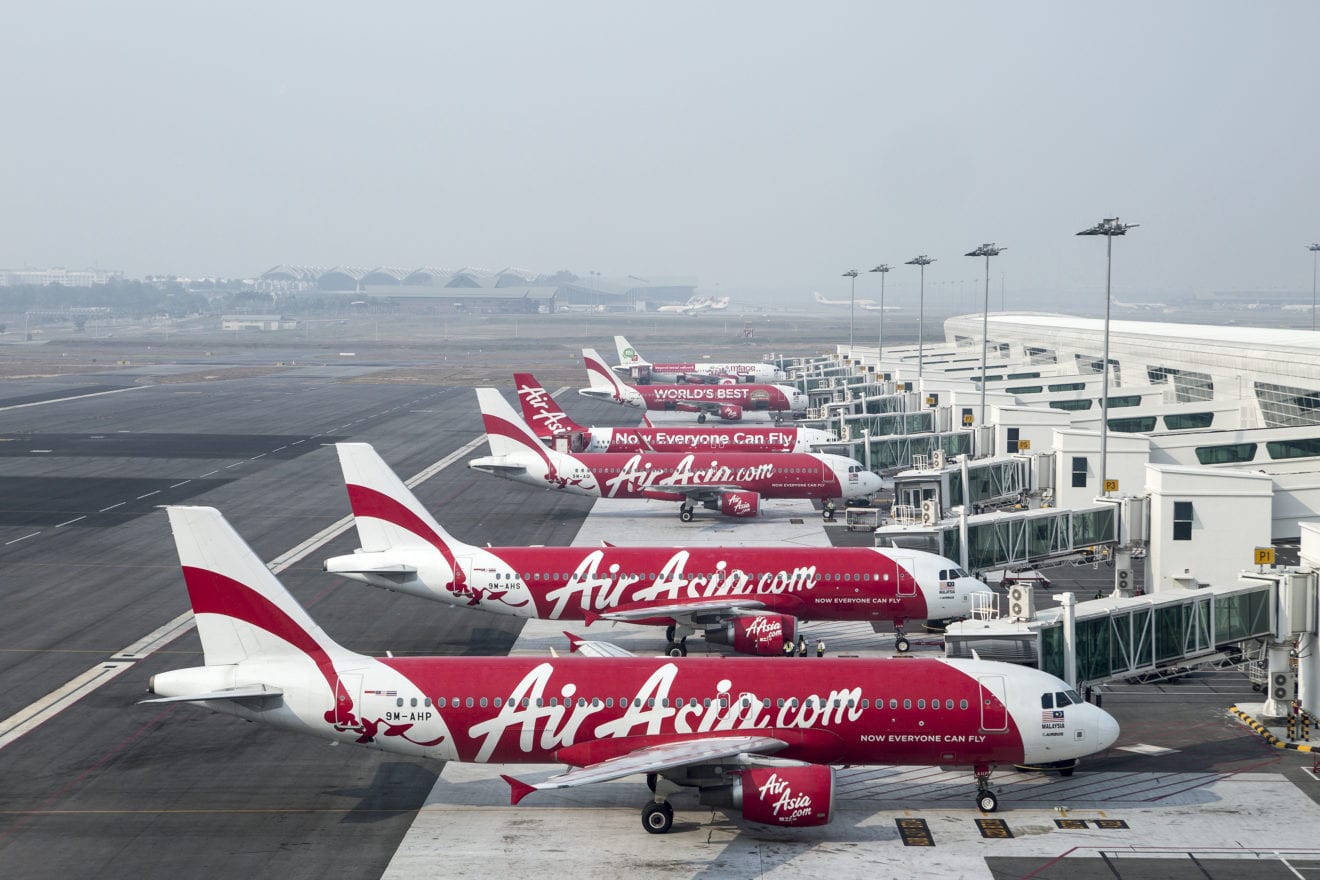
    AirAsia Malaysia has been officially recognised as an International Air Transport Association (IATA) Operational Safety Audit (IOSA) registered operator, following the completion of the IOSA audit.

    AirAsia Malaysia is the third airline within AirAsia Group to achieve IOSA accreditation, after AirAsia X Malaysia in 2014 and AirAsia Indonesia last month, it said in a statement today.

    AirAsia Malaysia CEO Riad Asmat said this accreditation by a globally recognised safety benchmark demonstrates the airline commitment to safe and secure operations.

    “Safety is our top priority, and we will continue working hard to ensure we maintain the highest levels of operational integrity,” Riad added.

    Meanwhile, AirAsia Group head of safety Capt Ling Liong Tien said the group is targeting to have its remaining Asean short-haul airlines in the group undergo the IOSA audit by early next year.

    IOSA is an internationally recognised and accepted evaluation system designed to assess an airline’s operational management and control systems and is regarded by the industry as the global benchmark for safety management.

    The audit, conducted bienially, covers eight functional and operational areas: organisation and management system, flight operations, operational control and flight dispatch, aircraft engineering and maintenance, cabin operations, ground handling operations, cargo operations and security management.

  • Grab partners with Vietnamese firm for payment service

    Grab partners with Vietnamese firm for payment service

    Grab announced on Tuesday its partnership with Vietnam’s MOCA Technology and Service company (Moca) for a mobile payment service in Vietnam.

    The ride-hailing firm pushes to cement its position in the Southeast Asian country. Grab has made digital payments and financial services a significant part of its growth strategy in the region, where a chunk of the population remains unbanked, fuelling expectations of a boom in demand for such businesses.

    “This is a great step forward. I think the Moca team is great, their technology and solutions are great, and together with the combined expertise of our Grab team we can truly move Vietnam toward a cashless economy, ” Grab co-founder Tan Hooi Ling said on Tuesday.

    Grab, which counts Chinese ride-hailing firm Didi Chuxing and Japan’s SoftBank Group Corp among its backers, is the most prominent player in Vietnam after it pushed out Uber in a deal that saw the latter exiting Southeast Asia.

    “This strategic collaboration with Moca marks an important milestone for Grab in Vietnam as we seek to accelerate our growth in one of the fastest growing economies in Southeast Asia, ” said Nguyen Tuan Anh, head of Grab Financial Group Vietnam.

    The companies did not give further details of the partnership, but said they expect to launch their joint service in October.

    Moca was granted a license for payment services by the State Bank of Vietnam in 2016 and has a network of 11 local banks as partners for their service, said Tran Thanh Nam, co-founder and chief executive of Moca.

    Grab said it has 175, 000 drivers and bikers across the country. Rival Indonesia’s GoJek entered Vietnam last month in a bid to grasp a share of Vietnam’s fast-growing market, which also has several other local players.

  • Ikea eyes new stores in Tokyo, Osaka

    Ikea eyes new stores in Tokyo, Osaka

    Ikea Japan says it plans to expand its store network into city centres after the success of its  large-format stores in outskirt locations.

    Ikea Japan K.K. president Helene von Reis said in an interview that the company will open “many shops in Tokyo” given the city’s size.

    “Then we will move into Osaka. We have to start first and understand how this works in Tokyo.”

    She had earlier said during a press briefing that Ikea Japan was working hard to find the right sites in Tokyo. “Hopefully I will be able to give you some good news before this year is over.”

    Ikea Japan’s strategy to head downtown is a contrast to its European experience where it has decided to close smaller city stores after an unsuccessful trial.

    Von Reis said the company recognised customer preferences are changing.

    “Consumers are demanding accessibility and the value of time. It is also a fact that young people don’t have cars. That’s also a global [phenomenon].”

    She said the company believes there is a lot of growth potential for the home furnishings market in Japan.

  • Decathlon moves ahead with its US market return, plans first ‘full-scale’ store

    Decathlon moves ahead with its US market return, plans first ‘full-scale’ store

    Sports retailer Decathlon will open its first full-scale store in the US in the second quarter of next year, located in a former Toys R Us space.

    The 47,000sqft store will be located in Emeryville, in the San Francisco Bay area, California.

    In April, Decathlon opened a ‘lab store’ in Market Street, downtown San Francisco as a test platform. That store was just one-sixth the size of the new superstore and features 50 sports.

    “We strategically chose to open a smaller-scale store in the city before expanding to this larger retail center in order to better understand the needs of local sports enthusiasts and develop our interconnected retail and online experience,” said Decathlon US CEO Michel d’Humieres.

    “Our future store in Emeryville will feature more than 100 different sports and allow our customers to find everything they need to ‘get in the game’ in one stop, with plenty of opportunities to discover and try out new sports,” said d’Humieres. “Through this fun, interactive retail center, we are working to build a community around Decathlon in the Bay Area similar to what we’ve accomplished abroad.

    “Since our launch, we’ve had an enthusiastic response to our store and have developed a thriving relationship with the community, and we’ve decided it’s time to introduce the US to our first full-service Decathlon store environment.”

    In August, Decathlon launched an e-commerce platform for US customers and reportedly plans to open more full-range stores in other states.

    French-headquartered Decathlon operates more than 1400 stores in 42 international markets.

  • Ganko oyaji furniture maker to open first store in Hong Kong

    Ganko oyaji furniture maker to open first store in Hong Kong

    Japanese handmade furniture brand Gankooyaji has opened a store in Kowloon, Hong Kong.

    Gankooyaji was founded in 1971 by Yasuhiro Ohara. The name translates to “a stubborn father”, which offers a hint to the brand’s mission of using only old-growth wood from century-old trees and making furniture by hand.

    The new Hong Kong store, located on the 8th floor of the Kam Hon Industrial Building, on Wang Chiu Road, is divided into eight themed zones displaying furniture sorted according to the use of materials and production techniques.

    Ohara believes that in a modern city like Hong Kong, with an emphasis on mechanisation and quick results, the quality of life and the beauty of tradition are easily sacrificed in a fast-paced lifestyle.

    “Extraordinary traditional craftsmanship of furniture making will eventually phase out due to mechanisation,” he says.

    “The traditional skills of woodworking is at risk of dying out despite its high value of preservation. My mission is to safeguard the heritage of woodworking and create high-quality furniture that last for generations, and at the same time introduce the beauty of Japanese traditional craftsmanship to Hong Kong people.”

    Ohara worked in a chain department store for mass-produced furniture before he started his own business.

    Gankooyaji insists on following the spirit of traditional Japanese craftsmanship, from the selection and processing of wood, to the connection techniques and paint lacquer. Ohara travelled all over Japan searching for talented traditional craftsmen, inviting them to produce high-quality furniture for the brand.

    Gankooyaji has branches in Mito City and Tsukuba City of Ibaraki Prefecture, Japan. It is also sold in Singapore.