Category: Living

Retail News Asia is committed to providing both local and global retailers with the latest Living news throughout the Asian market. This on a daily base.

  • Reversal of deferred tax pushes AirAsia’s profit higher in Q2

    Reversal of deferred tax pushes AirAsia’s profit higher in Q2

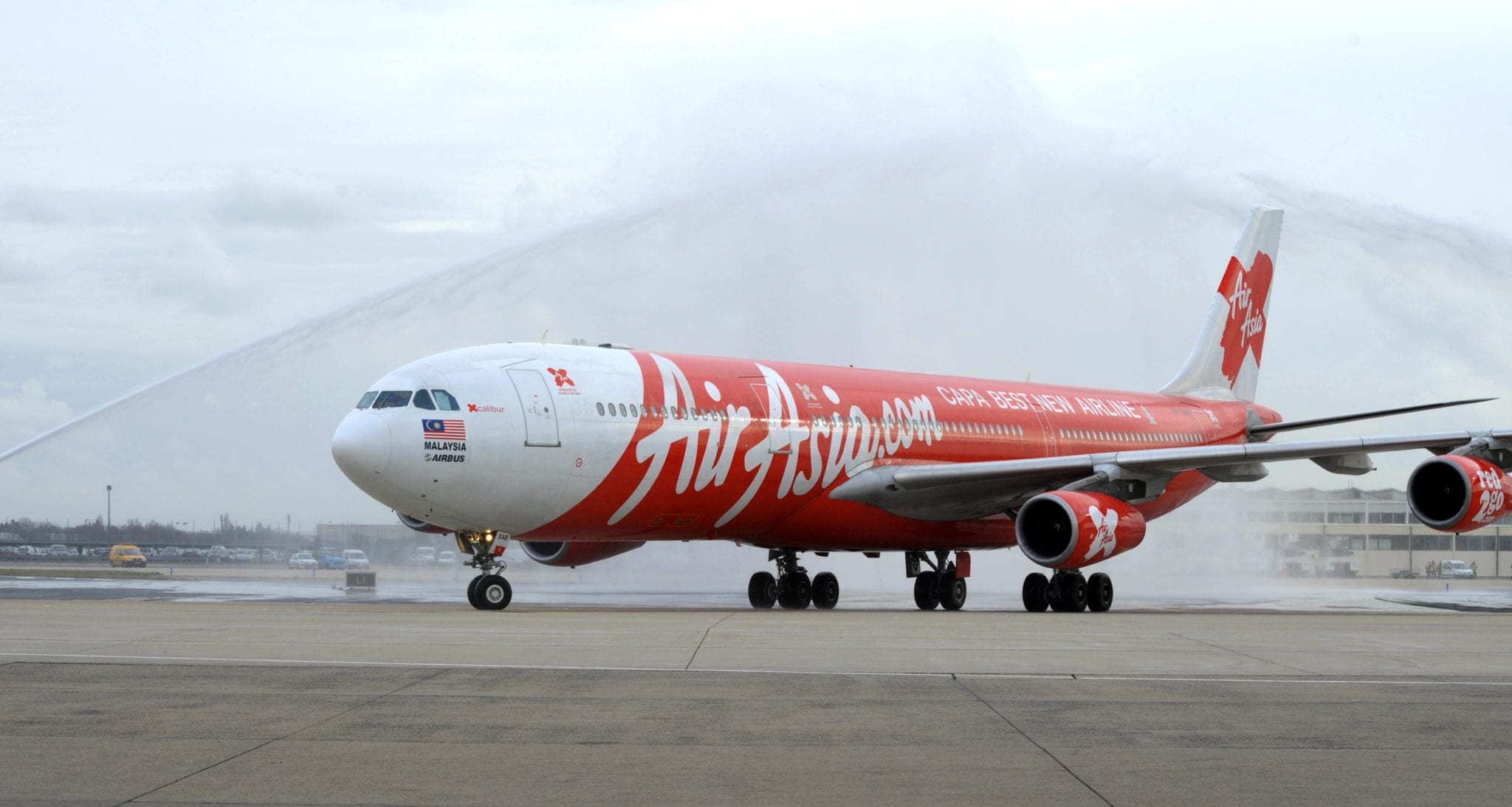
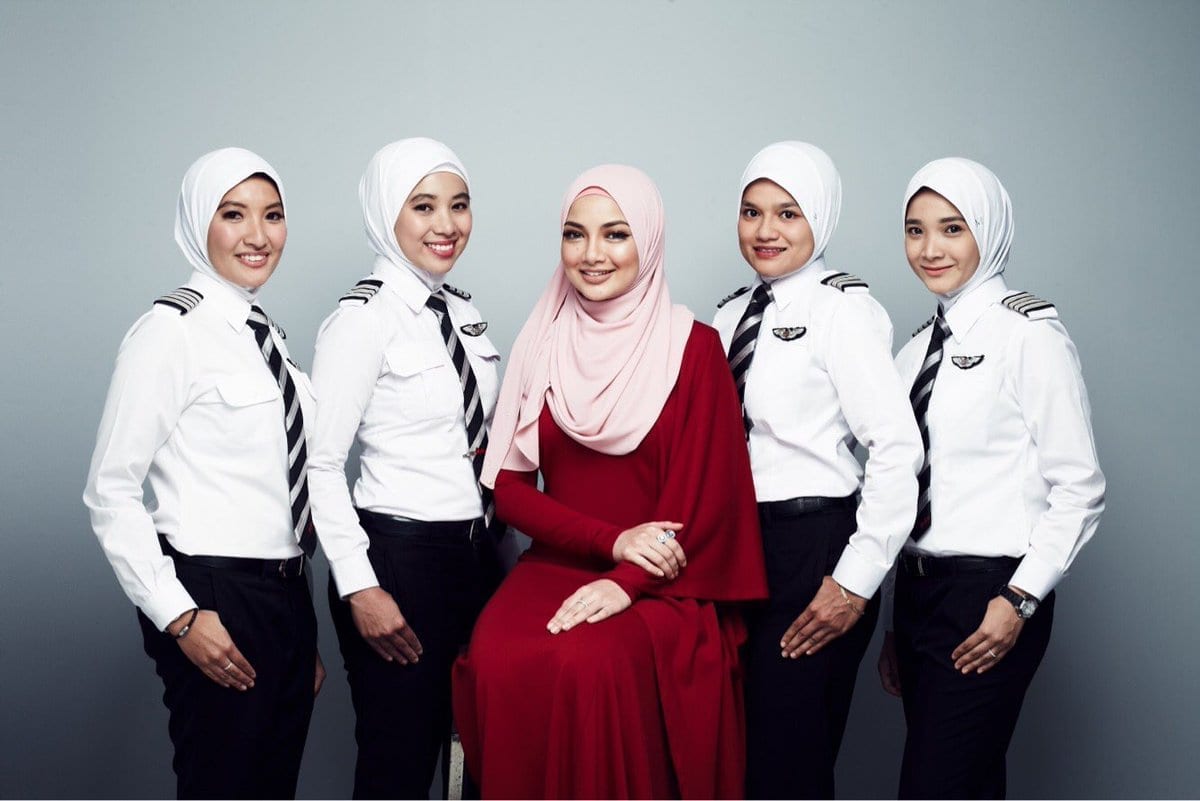
    AirAsia Group Bhd’s net profit more than doubled to RM361.81 million in the second quarter (Q2) ended June 30, 2018 versus RM146.52 million in the previous corresponding period, thanks to the reversal of deferred tax on the sale of aircraft.

    Its revenue for the quarter under review was up 10.3% to RM2.62 billion from RM2.38 billion.

    The low-cost carrier said in a filing with the stock exchange that load factor was lower at 86% in Q218 compared with 89% in Q217 due to a 17% increase in capacity. Average fare reduced 3% year-on-year, while the overall revenue per available seat kilometre (RASK) decreased 3% to 14.83 sen in Q218 from 15.35 sen in Q217.

    Looking ahead, the group is projected to achieve an average load factor of 83% in the third quarter of 2018 based on the existing forward booking trend.

    Despite strong demand and healthy load factor, AirAsia said it continues to face high fuel costs and weakening regional currencies. In addressing that, the group will drive revenue and sale of ancillary services and focus on reducing costs.

    “Our Malaysian operations remain strong with Indonesian operations slowly recovering. We face challenges in Thailand following the ferry incident in Phuket which has dampened demand from China. Third quarter is usually the peak quarter for travel to Boracay but unfortunately the government of Philippines has restricted travel to the island.”

    Barring any unforeseen circumstances, the board remains positive that the overall results in 2018 will be favourable.

    AirAsia’s first-half net profit nearly doubled to RM1.5 billion from RM762.4 million, with revenue rising 12.5% to RM5.18 billion from RM4.6 billion.

    Its shares dipped 5 sen or 1.4% to close at RM3.44 on 5.73 million shares done.

  • CAE to train 400 pilots for AirAsia

    CAE to train 400 pilots for AirAsia

    Group Bhd wants CAE to train about 400 cadet pilots to support its growth in the various markets it operates over the next five years.

    The first batch of cadet pilots will begin training in the second half of the year for a 18-month competency-based Multi-Crew Pilot Licence (MPL) programme.

    The airline signed a new agreement with CAE for the training of 400 cadet pilots in Singapore on Tuesday.

    The training will be held at CAE Kuala Lumpur, CAE Melbourne and CAE Phoenix. After the 18-month training programme, the next generation of pilots will become AirAsia’s first officers.

    Apart from Malaysia, AirAsia has operations in Thailand, Indonesia, the Philippines and Japan. It is also looking at setting up operations in Vietnam and China in the medium to long term.

    The entire training cycle involves the rigorous cadet selection process, integrated English language training, a blended training methodology with emphasis on crew resource management and threat/error management.

    CAE said the training cycle followed the airline’s standard operating procedures.

    It said the comprehensive programme also followed the highest industry pilot training standards in the world.

    “CAE has been a tremendous partner since we first started the MPL programme together eight years ago, not only launching an innovative programme that sparked conversations in the industry but continuously refining and adapting the training programme,” AirAsia group chief operations officer Adrian Jenkins said.

    CAE group president, civil aviation training solutions, Nick Leontidis adds that this “new agreement highlights our dedication to effectively train and prepare this next cadre of cadets as they begin their careers as professional pilots.”

    CAE introduced the MPL training programme with AirAsia as a launch customer in 2010, complementing the offering in training paths and programmes for cadets.

    CAE said that since 2010, about 85 AirAsia cadets have been trained through the MPL programme. Since 2017, the first nine AirAsia-sponsored CAE MPL cadets have been flying as captains.


  • Aeon to shut down Index Living Mall Malaysia stores

    Aeon to shut down Index Living Mall Malaysia stores

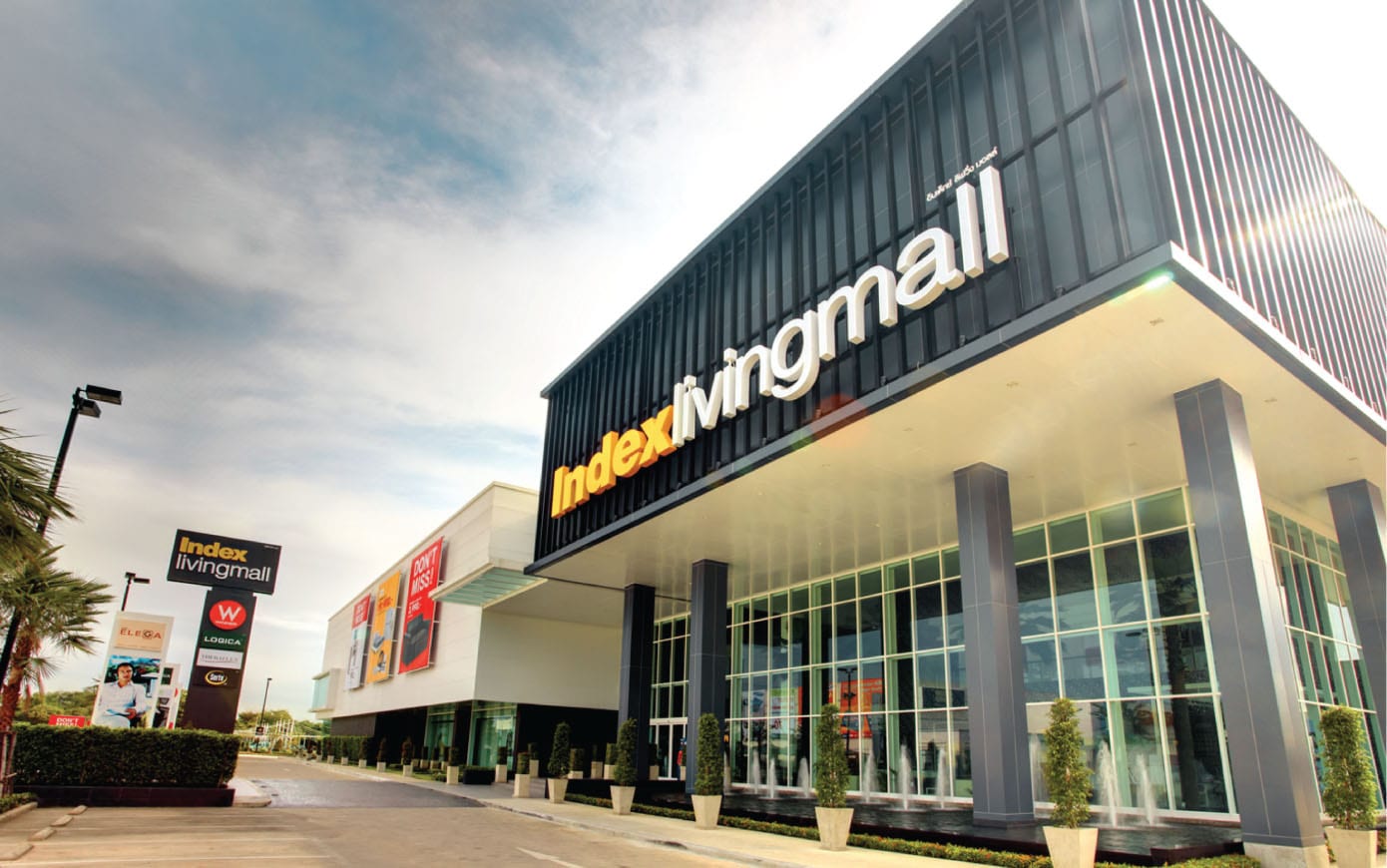
    Aeon Co (M) Bhd’s net profit plunged 64.5% to RM9.79 million for the second quarter ended June 30 compared with RM27.55 million in the previous corresponding period, due to the recognition of impairment loss on investment in its associate company Index Living Mall Malaysia Sdn Bhd (ILMM).

    Its revenue however, rose 5.4% to RM1.06 billion from RM1.01 billion.

    Aeon said in a filing with the stock exchange that ILMM will be closing down the remaining of its furniture outlets in Malaysia by the third quarter of 2018. The outlets are located at Aeon Shah Alam and Kota Baru, IOI City Mall, Putrajaya as well as Aeon Mall Tebrau City, according to its website.

    “As such, for the second quarter result, the company has recognised the impairment loss on its investment in the associate company which amounted to RM8.01 million and also share of its year-to-date operating loss which amounted to RM13.7 million.”

    ILMM is a 49:51 joint venture company between Aeon and Index Living Mall Company Ltd which was incorporated in Thailand.

    Aeon said the outlet closures are expected to reduce its earnings per share and net assets per share by about 2 sen for the financial year ending Dec 31.

    For the first six months of the year, the group’s net profit contracted 29.8% to RM37.73 million from RM53.75 million on the back of a 4.4% rise in revenue to RM2.18 billion from RM2.09 billion.

    Looking ahead, Aeon said the sales and services tax implementation will have an impact on consumer spending and product pricing.

    “With such outlook, the board expects the performance for the current year to remain challenging.”

    For the retail business, the group said it will continue to refurbish its selected stores and employ appropriate marketing and pricing strategies.

    Meanwhile, Aeon foresees the occupancy and rental rates for the property management services to remain stable and sustainable.

    Aeon’s share price closed unchanged at RM2.10 on 590,400 shares done.

  • Grab to invest US$250m in Indonesian startups over next three years

    Grab to invest US$250m in Indonesian startups over next three years

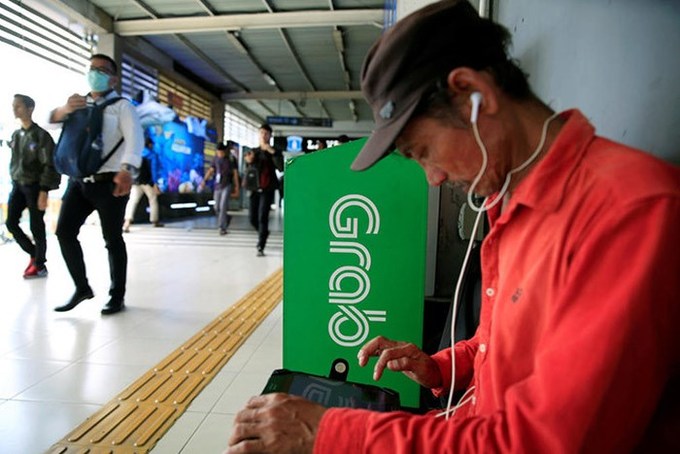
    Grab will invest US$250 million (RM1.025 billion) in Indonesian startups over the next three years through its newly launched innovation arm, as the ride-hailing firm aggressively pushes to cement its position in the Southeast Asia’s largest economy.

    The Singapore-based firm has raised US$2 billion in funding in recent months and also launched the Grab Ventures arm to develop technology start-ups in sectors beyond ride-hailing as it locks horns with Indonesia’s Go-Jek for regional dominance.

    “We are looking at startups in both series A and B, which we could integrate into our ecosystem,” Ridzki Kramadibrata, managing director for Indonesia said.

    The company, which counts Chinese ride-hailing firm Didi Chuxing and Japan’s SoftBank Group Corp among its backers, has already starting looking at startups and will start funding rounds later this year, he added.

    Grab is interested in healthcare and food-and-grocery delivery startups as well as those that facilitate digital payments and automated processes, he added.

    Grab’s rival Go-Jek has already evolved from a ride-hailing service to a one-stop app allowing Indonesian clients to make online payments and order everything from food, groceries to massages. It is now looking to expand in Southeast Asia, to Vietnam, Thailand, the Philippines and Singapore.

    Kramadibrata said Grab is currently the top ride-hailing player in Indonesia and that he was confident the firm would be able to maintain the lead. The firm is valued at around US$11 billion, according to sources.

    “We hold 65% of (Indonesia’s) ride-hailing market, as based on total rides and transactions,” said Kramadibrata. “And it won’t stop there, our market share is increasing.”

    He reckons Grab holds majority market share in 137 cities in Indonesia, compared with Go-Jek’s roughly 50. Kramadibrata said he based his estimates on internal and third-party data that he declined to reveal.

    Its CEO, Nadiem Makarim, said that this month that the company’s app was a market leader in Indonesia, processing more than 100 million transactions for 20-25 million monthly users.

    He did not specify how many of those transactions were only for ride hailing.

    Ride hailing services in Southeast Asia are expected to
    surge to US$20.1 billion in gross merchandise value by 2025 from US$5.1 billion in 2017, according to a Google-Temasek report.

  • Top Uber exec makes amends to Korea

    Top Uber exec makes amends to Korea

    Uber’s chief operating officer, Barney Harford, vowed to take Korean regulations more seriously during his visit to Seoul on Wednesday.

    The ride-hailing company is working to revitalize its local business and focus on its taxi and food delivery services, he said.

    “If we look back, we haven’t always behaved in the right way, and that is the case in Korea as well,” Harford said at a discussion attended by members of the American Chamber of Commerce in Korea. “As a company, we want to apologize for that.”

    Following his apology, Harford said that Uber would strive to become a better partner for cities and countries that host its services, hinting that the company wants to start fresh.

    “I want to be clear that going forward, we will not launch products or services that do not comply with regulatory frameworks in Korea,” he said.

    Uber has been plagued for more than a year by a series of high-profile scandals involving its unrestrained office culture and lawsuits that led to a company-wide reshuffle, including the replacement of its CEO and COO. Harford, who has an MBA from Insead, served as Asia-Pacific president at Expedia from 2004 to 2006 and took the CEO post at Orbitz in 2009.

    Orbitz was then sold to Expedia in 2015, and Uber’s new CEO, Dara Khosrowshahi, the former CEO of Expedia, asked Harford to join the company as his right-hand man.

    Harford took over the job last December. His visit to Seoul on Wednesday was his first since he joined Uber.

    Uber first came to Korea in 2013. Its most popular ride-hailing service, UberX, was banned in 2015 after the company’s peer-to-peer ride-hailing model was declared illegal by Korean transportation authorities. The service also faced intense protests from taxi drivers who were afraid of losing their income to Uber.

    Uber has since remained low-profile here, merely operating Uber Black, a premium cab-hailing service; Seoul Taxi, which works in the same way as Kakao Taxi; and car rental services such as Uber Trip and Uber Assist.

    In the meantime, Kakao Taxi, modeled after Uber and run by Kakao, operator of the country’s most popular chat app, has captured more than 90 percent of Korea’s taxi-hailing market. In August last year, Uber introduced its food delivery service UberEats, but it is only available in limited areas within Seoul.

    Harford said he still believes there are ways to use Uber to enhance existing taxi operations. He gave the example of UberFlash in Singapore, which Uber launched earlier this year in partnership with the country’s largest taxi company. The service, before it was sold, allowed customers to get a ride from either a taxi or an Uber depending on which was closer.

    Although the service is no longer available, since Uber sold its Southeast Asian operation to rival Grab, Harford said the partnership was “totally focused on increasing earning opportunities for the taxi drivers in Singapore.”

    Regardless of its minor presence in Korea, Uber has been expanding its Korean workforce in the past several years in hopes of grabbing more of the Korean market. The Uber COO called Korea “an incredibly important market” for the company because of its economy’s size and high level of technology.

    Harford said Uber is currently looking for partnerships and new opportunities in Korea.

    The COO arrived in Seoul on Tuesday night and had a meeting early Wednesday morning with several executives from unnamed Korean technology companies to search for potential “partnership opportunities.”

    “I think there is potential for us to work closely with some of the greatest technology companies in Korea,” Harford said. “The partnership will help us take Korean technologies and integrate them into some of the work that we are doing.”

    Uber recently announced it would diversify into electric bike and scooter services for short trips as a way to ramp up its global business. The company added electric bikes to its app in some cities in the United States.

    Earlier this year, it acquired bike-sharing company Jump and also invested in Lime, an electric scooter firm. However, Harford did not offer a specific timeline for rolling out new services in Korea.

    In a sign of the company’s ambitions, Harford said Uber isn’t just about cars, just as Amazon isn’t just about books.

    “It’s what got us started, but we see ourselves as a company that is about the transportation of people and of things,” Harford said. “There are many ways we are pushing forward in terms of urban transportation.”

  • Lego Hong Kong embraces its 60th anniversary with positive energy

    Lego Hong Kong embraces its 60th anniversary with positive energy

    Lego Hong Kong operations continue to expand as the iconic toy brand marks its 60th anniversary.

    In an interview, the brand’s regional GM Troy Taylor explained how in such a well-established market as Hong Kong (as opposed to neighbouring regions where the brand’s reputation is still emerging) the company’s strategy is focused on retaining the attention of children and fans.

    “We make sure everything we do benefits children, and they see value playing with our products,” said Taylor. “And I think the educational purpose becomes so much more important now than ever before, because parents are looking for something to get their children away from the screen. We offer something that can help break that, and help children learn, but they are learning through play, so they don’t actually realise they are learning… that’s the value of our brand.”

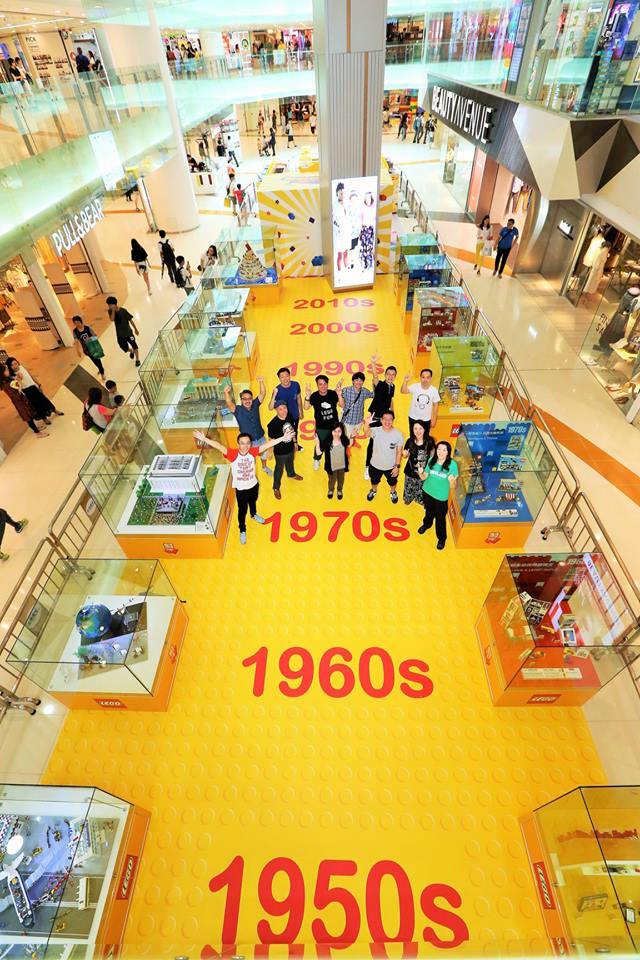
    Anniversary celebrations for Lego Hong Kong were marked with the opening of the Tsuen Wan Plaza X Lego Our Playground.

    The local growth comes in the wake of a decade-long sales boom that came to an end for the Danish toymaker last year. At the time, the company warned it may not achieve growth again for up to two years. The unexpected sales decline followed a slump in growth from 25 per cent in 2015 to just six per cent the following year, and coincided with the dismissal of both its CEO and eight per cent of its workforce.

    Part of the blame for the decline was placed on the unsustainably strong demand for its Star Wars merchandise following the 2015 movie, at a time when the proliferation of smartphones within developed markets was adding a lot of competition for the attention of children.

    Hong Kong is traditionally a particularly strong market for Lego. Three years ago, the local Lego Certified Store reported pulling in the highest spending per square foot of any branch worldwide, according to sole distributor Kidsland International Holdings’ VC Dr William Lo. The store distinguished itself by marketing to adult fans – Hong Kong’s community of adult fans is the most engaged in the world, with the highest number of active fans per capita.

    This year, Lego has focused on grassroots marketing strategies. “We have support from our shopping mall partners,” said Taylor. “Not only do events boost the numbers in the malls, they also allow customer to have ‘brick-in-the-hands’ moments with Lego. It gives family reason to get out of the house, and bond the family.”

    The brand has also embraced technological marketing strategies, including augmented reality, creation-sharing and remote control apps, as well as a Lego Facebook filter.

    “Lego bricks will always be the core of everything we do, but we realised the environment changes, and we adapted,” said Taylor. “We are still true to ourselves, we are still true to who we are as a company. But we have to evolve with the changing ways that people consume.”

  • Indonesia tour prices rise as Vietnam enters Asiad semis

    Indonesia tour prices rise as Vietnam enters Asiad semis

    As soon as the final whistle blew in Vietnam’s victorious Asian Games quarterfinal game, Indonesia tour prices rose.

    Vietnam’s first ever semifinal game in the Asian Games will be played against defending champions South Korea on Wednesday, August 29, at the Pakansari Stadium in Cibinong, Indonesia.

    The match will begin at 4 p.m. local time.

    The unexpected progress made by the national team in football crazy Vietnam has seen demand for Indonesia tours soar, accompanied by a rise in prices.

    A representative of HanoiRedtours said airline and entrance ticket prices have gone up, forcing the tour operator to increase its tour prices from Monday night, right after Vietnam beat Syria by a goal in the 108th minute.

    HanoiRedtours said that the price for a one-day tour to Indonesia to watch Vietnam’s semifinal match went up $43 to $683 per person, while those for the final match on September 1 have to pay $812, up $86 against the earlier listed price.

    “We are offering tours to Indonesia for football fans costing VND15.9 million for those departing from Hanoi and VND12.9 million from Ho Chi Minh City,” a Viettravel representative said.

    Such prices are common at most local tour companies, he added.

    Nguyen Tien Dat, deputy director of Transviet Tourism Company, said it has reserved around 150 seats for Vietnamese supporters to Indonesia to cheer Vietnamese men’s football team for the semifinal match.

    For the final match, customers only need to pay VND2 million in advance. In the event of the Vietnamese not making it to the final, customers will be refunded, Dat said.

    In response to higher demand, airlines have also increased the number of flights to Indonesia.

    On Monday night, Vietnam Airlines announced it would add three direct flights to Jakarta from Hanoi, Saigon and Da Nang to serve Vietnamese football fans.

  • Air Asia India offering cheap flight tickets starting at Rs 1,199

    Air Asia India offering cheap flight tickets starting at Rs 1,199

    AirAsia has started its ‘Trust your Wanderlust’ promotional sale under which it will be selling flight tickets starting from Rs 1, 199.

    The promotional sale includes domestic destinations such as Kolkata, Hyderabad, Chennai, New Delhi, Kochi, Goa, Guwahati, Jaipur, Chandigarh, Pune, Ranchi, Bagdogra, Bhubaneshwar, Indore and other places.

    The offer could be availed on tickets booked till 2 September 2018, and discounts applicable on travel period up to 17 February 2019.

    The sale offers the cheapest ticket of Rs 1, 199 for travel between 27 August 2018 and 17 February 2019, from Bengaluru to Hyderabad; and Rs 3,499 for travel from Amritsar to Bengaluru.

    The sale, however, does have its own terms and conditions that include a non-refundable processing fee for payments made via credit cards, debit cards or charge cards.

    The fare includes airport taxes (this is not applicable for selected airports where taxes are collected at departure entry point), and all taxes should be paid during purchasing of the tickets.

    The offer would be valid for new purchases only as seats would be limited. Bookings to avail the offer could be done on the company’s official website. The sale does not offer any refunds once the payment has been made.

    The company has further stated that it reserves the right to change its terms and conditions of the offer without a prior notice and has the right to deny any passenger from boarding without proper documentation.

    The offer would be subjected to availability and flight and date changes are subject to a change in fees.

  • Gov’t Raids Miner Suspected of Destroying Orangutan Habitat in West Kalimantan

    Gov’t Raids Miner Suspected of Destroying Orangutan Habitat in West Kalimantan

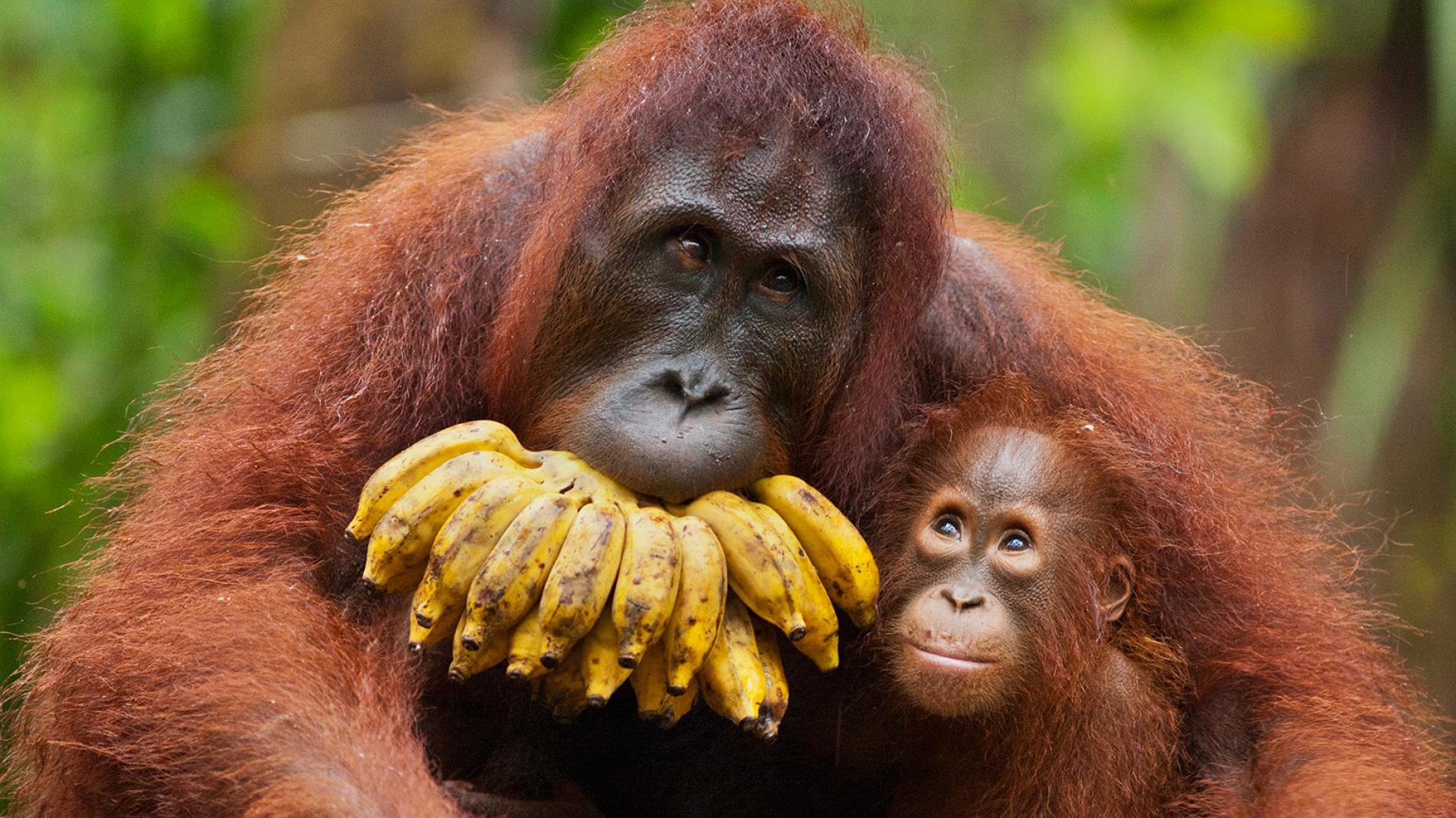
    Nickel miner Laman Mining is suspected of illegal bauxite mining operations, disrupting orangutan habitat in West Kalimantan’s Tulak River forest.

    The Ministry of Environment and Forestry raided the company’s sites in Puring and Kempapakon on Aug. 20, finding seven heavy-duty vehicles for excavation.

    Laman Mining claimed the areas were included in its mining business permit (IUP). According to forest maps, however, Puring and Kempapak belong to the Tulak River convertible production forest area, to which Laman has no rights. Convertible production forests are forested areas that the government can designate for a limited use such as farming.

    The Tulak River forest area is also Palung Mountain National Park’s buffer zone as well as orangutan habitat, neither of which should be disrupted.

    “This is an extraordinary evil,” Rasio Ridho Sani, the ministry’s director of law enforcement, said in a statement on Sunday.

    The ministry is questioning Laman’s directors and commissioners.

    “We are also investigating the possibility that money laundering was involved in this illegal mining operation,” Rasio said.

    Under a 2013 law on prevention of forest destruction, the company’s officials may face between eight and 20 years in prison, if convicted, while the company may face a fine of Rp 20 billion ($1.37 million) to Rp 50 billion.

  • Indonesians Show Enthusiasm for 2018 Asian Games

    Indonesians Show Enthusiasm for 2018 Asian Games

    The 2018 Asian Games captured the attention of many Indonesians, who are currently glued to their television screens to watch matches, or flock to sports venues to catch a glimpse of their heroes.

    The live television broadcast of the opening ceremony in Jakarta on Aug. 18 was watched by 14 percent of the country’s total viewership, according to Nielsen Indonesia.

    The extravagant show, broadcast between 7 p.m. and 9:30 p.m., was watched by 57 percent of all viewers – mostly middle-aged women – who had their televisions on at that time.

    Broadcasts of Asian Games matches, particularly those involving Indonesian athletes, also consistently score high ratings.

    The football match between Indonesia and Laos at Patriot Chandrabhaga Stadium in Bekasi, West Java, on Aug. 17, was watched by 9.1 percent of Indonesia’s total viewership, or 37 percent or viewers who were watching television at the time, Nielsen said.

    In comparison, Indonesian soap operas, or sinetron, which usually dominate television ratings, only attract between 4 percent and 5 percent of the total viewership.

    Matches in the badminton mean’s team final between Indonesia and China last week drew 7.9 percent of the total viewership, Nielsen said.

    “The national pride of the Indonesian audience is also reflected in their enthusiasm to watch every sports match at the Asian Games,” Nielsen Indonesia marketing communication director Miladine Lubis said in a statement on Thursday (24/08).

    Nielsen conducted the survey using data collected by its Peoplemeter devices, installed in more than 2,200 households in 11 cities, that automatically record what programs people watch.

    Indonesians’ enthusiasm for the event can also be seen at the various sports venues in the host cities, Jakarta and Palembang, South Sumatra.

    This enthusiasm can is also reflected in long queues at the official 2018 Asian Games merchandise store at Gelora Bung Karno Stadium in Jakarta. The store sells copies of the Asian Games mascots, known as Kaka, Bhin-Bhin and Atung, for between Rp 70,000 and Rp 5 million ($4.80-$340), in addition to commemorative coins and replica medals.

    Tickets for Asian Games events are regularly completely sold out, with some enthusiasts often queuing for more than eight hours to purchase tickets for matches in some of the more popular sports in Indonesia, such as badminton, football and volleyball.

    Heavy traffic congestion was also reported on the Jakarta-Cikampek Toll Road ahead of Friday’s quarterfinal football match between Indonesia and Wibawa Mukti Stadium in East Cikarang, Bekasi, due to residents flocking to the area to show their support for the national team.

  • Singapore tourist spends less

    Singapore tourist spends less

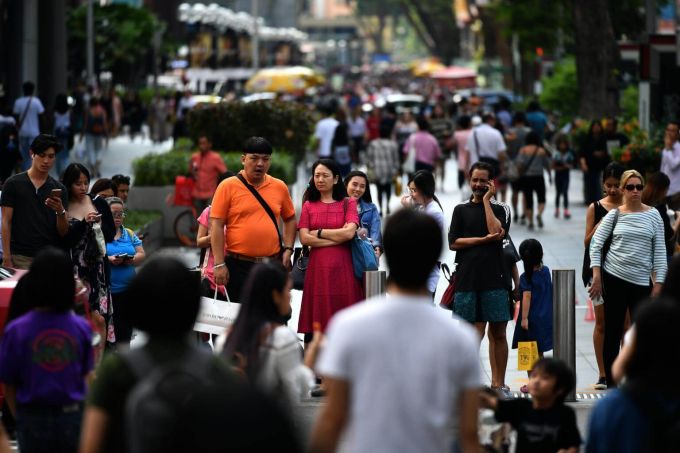
    Singapore tourist spending has dipped by half a percent, despite a 7.3 per cent boost in arrivals.

    According to the Singapore Tourism Board, about 4.6 million visitors arrived in the city state in the first quarter of this year – but they spent less on shopping and accommodation. Their total collective spend was about S$6.7 billion.

    According to the government data, tourist spending on shopping declined 9 per cent, with accommodation spending down 13 per cent and food and beverage down by 16 per cent.

    Instead of spending in shops, hotels and eateries, tourists splurged on sightseeing, gambling and entertainment, collectively up by 6 per cent.

    China, Indonesia and India were Singapore’s largest source of visitors and spending during the quarter.

  • Lotte Duty Free takes over Australia and NZ stores ownership

    Lotte Duty Free takes over Australia and NZ stores ownership

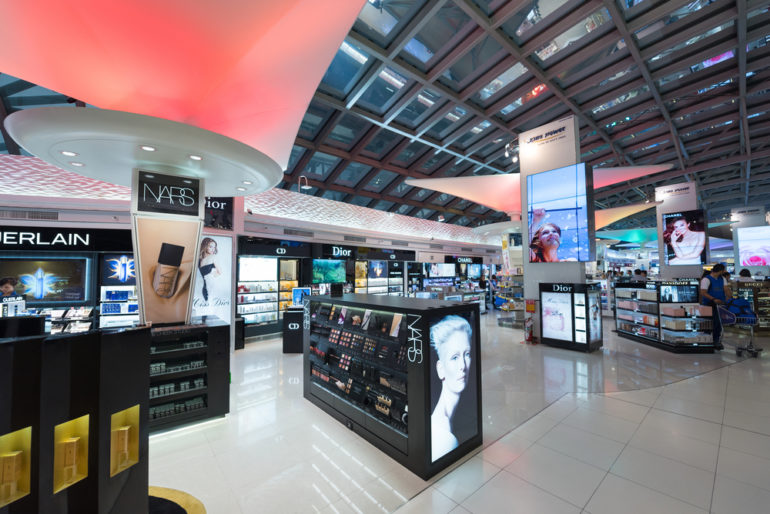
    Lotte Duty Free has bought a change of outlets in Australia and New Zealand from local operator JR Duty Free.

    The four Australian stories are in airports in Brisbane, Darwin and Canberra and in downtown Melbourne, while the New Zealand store is at Wellington airport.

    JR Duty Free reportedly operates seven stores in Oceania and five shops in Israel. Its revenue last year was US$617 million.

    Financial details of the deal were not revealed.

    Lotte Duty Free believes growing numbers of Chinese tourists into Oceania offer an opportunity to grow its business in the two markets.

    The South Korean company has been steadily enlarging its global footprint since 2012, expanding into Vietnam, Japan, Thailand, Indonesia and the US.

  • Laura Ashley sales and profit decline, announces sale of Singapore

    Laura Ashley sales and profit decline, announces sale of Singapore

    Malaysian-headquartered apparel and homewares retailer Laura Ashley is selling its commercial property in Singapore against declining sales – but it remains positive about its regional prospects.

    The firm’s full year results announced a fall in profits from £8.4 million (US$10.8 million) last year to £5.6 million ($7.2 million) this year. Total sales for the group also declined to £257.2 million ($332 million) compared to £277 million ($357 million) in 2017. Conversely, online sales increased to make up 25 per cent of total retail revenue.

    Company chairman Tan Sri Dr Khoo Kay Peng said: “As set out at the time of the interim results, the trading environment for the first half of the year was challenging and the board expected these difficult trading conditions to continue into the second half of the year. This proved to be the case and, given the softer trading environment for the year ended June 30, 2018, we are disappointed to report a fall in profits.”

    The company’s Singapore properties will be purchased by SB Investment for a cash consideration of SGD54.5 million (US$39 million), conditional on shareholder approval.

    Peng commented: “Although the proposed sale has led to an impairment charge for the group, on completion of the disposal, group net debt will be significantly reduced and cash flow will be strengthened.”

    Despite the sale, expansion into the Asian market continues to be Laura Ashley’s strategy for the region.

  • Uber hires CFO on the road to IPO

    Uber hires CFO on the road to IPO

    Uber on Tuesday named a news chief financial officer as the smartphone-summoned ride service remained on the road to a stock market debut next year.

    Nelson Chai came on board from Chicago-based insurance firm Warranty Group, where he was chief executive, according to Uber.

    “I’m incredibly excited to bring on someone as experienced and thoughtful as Nelson,” Uber chief executive Dara Khosrowshahi said in a release.

    “He will be a great partner for me and the entire management team as we move towards becoming a public company.”

    Uber, which operates in 65 countries and has disrupted local transport in many locations despite regulatory hurdles and resistance from taxi operators, has expressed plans for an initial public offering of shares late next year.

    Chai has more than a decade of experience at firms including CIT Group financial holding company and Merrill Lynch & Co, according to Uber.

    “I look forward to working closely with Dara and team as we build on the company’s strong growth and forward momentum,” Chai said in the release.

    Uber last week disclosed that its second-quarter loss jumped despite taking in more money, as it invested in scooters and other “big bets.”

    The San Francisco-based smartphone ride star reported it lost US$891 million on net revenue of US$2.8 billion, while overall bookings rose to US$12 billion.

    He added that Uber is investing in “big bets” including restaurant take-away delivery service Uber Eats and “environmentally friendly modes of transport” including e-bikes and scooters.

    The company, with a valuation by investors of more than US$60 billion, is also devoting resources to what it sees as high-potential markets in India and the Middle East, according to Khosrowshahi.

  • Korea’s Income gap widened again in 2nd quarter

    Korea’s Income gap widened again in 2nd quarter

    The income gap in Korea widened again in the second quarter, a serious blow to the so-called income-led growth policy of the Moon Jae-in government, which vowed to narrow the inequality in earnings between the rich and poor.

    According to data released by Statistics Korea on Thursday, earnings for households in the first quintile of income brackets, the bottom 20 percent of the population, retreated 7.6 percent in the second quarter compared to a year earlier.

    Households in the second and third quintile also saw their incomes fall by 2.1 and 0.1 percent – whereas the rich folk kept getting richer.

    The average income for people in the fourth quintile went up by 4.9 percent and for the fifth quintile by 10.3 percent.

    A similar trend was spotted from January to March this year, when people in the first and second quintile experienced 8.0 and 4.0 percent drops in their incomes while people in the fourth and fifth quintiles saw gains of 3.9 and 9.3 percent compared to the previous year.

    The total distribution ratio for disposable income – a barometer of earnings equality – was 5.23, which means the earnings of those in the fifth quintile were 5.23 times higher than those in the first quintile.

    That figure indicates that the Korean economy is facing the worst level of income inequality since 2008 when the ratio for the period of April to June came to 5.24.

    Officials from the Finance Ministry blamed the aging of Korea’s society and other long-term problems such as ongoing slumps in certain sectors like shipbuilding.

    “The Korean economy is suffering from a lack of domestic demand [for goods and services], a result of massive restructuring we have seen in the manufacturing sector since 2015,” said Park Sang-young, a director at Statistics Korea. “It seems like this situation is taking a toll on those in the first quintile of the income group.” Statistics Korea is run by the Finance Ministry.

    The statistics agency explained that the number of employed in households in the first quintile has shrunk from 0.83 per household last year to 0.68 per household this year, an 18 percent fall.

    For households in the fifth quintile, on the other hand, the number of workers rose from 1.99 per household last year to 2.09 this year, a five percent increase.

    But the data released on Thursday coupled with a jobs report from last week – which showed only 5,000 jobs being added to the economy in July – has deeply troubled some analysts.

    Some economists are blaming the Moon administration’s relentless push to raise the minimum wage for the worsening situation.

    For the Moon government, the minimum wage hike is a key pillar of its “income-led growth” policy.

    Its logic is that by pushing up the minimum wage, workers in the first and second quintiles would see their income go up, which was supposed to make workers wealthier, willing to spend more and meant to translate into greater hiring by businesses.

    But the effect has been much less hiring of workers than in the past, particularly in minimum wage jobs, and a measurable widening of the income gap.

    “The drastic hike in the minimum wage has little impact on those in the upper group of the income bracket,” said Yun Chang-hyun, a professor of business at the University of Seoul. “But for those in a more vulnerable position, it robs them of their jobs.”

    Despite such concerns by some analysts, the Korean government is adamant about its policies.

    Kim Dong-yeon, Korea’s finance minister and deputy prime minister for the economy, said on Thursday during a budget meeting at the National Assembly that the government will propose a budget plan next year that contains “the biggest budget allocated for jobs in history.”