Category: Living

Retail News Asia is committed to providing both local and global retailers with the latest Living news throughout the Asian market. This on a daily base.

  • MINISO completes one year in India; achieves Rs 700 crore revenue

    MINISO completes one year in India; achieves Rs 700 crore revenue

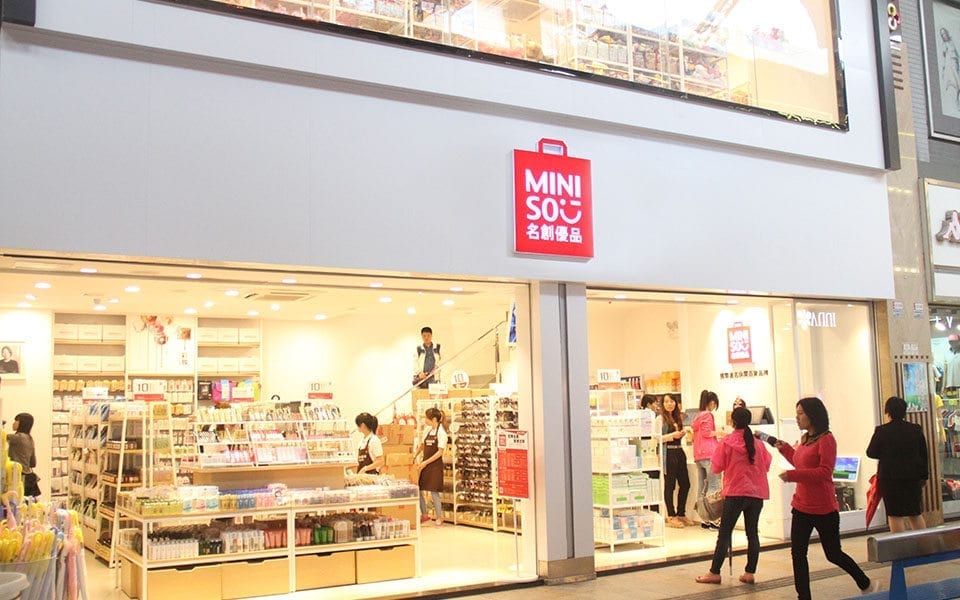
    Japanese retail brand MINISO has completed one year of operation in India and achieved its annual target of Rs 700 crore revenue for 2017-18.

    The brand, which was launched in August 2017, at present operates 26 stores in India – 21 in Delhi/NCR, three in Mumbai, one in Bengaluru and two in Lucknow.

    It plans to take its store count to 800 by 2019 by increasing its spread in existing cities and entering new cities across the country.

    MINISO India plans to expand its business by increasing its footprint across the country. The company aims to open 200 stores by this year end and hopes to increase it to 800 by the year 2019, the company said in a statement.

    “India is one of the top five markets in terms of revenue for MINISO. To expand our presence in India, we have initiated our franchise model and have already started five franchise stores in India,” Miyake Junya, Global Chief Designer and Co–Founder, MINISO said.

    “MINISO India has extensive plans to start operations in Chennai, Kolkata, Hyderabad and Jaipur while tapping into Tier II and III markets. This rapid expansion will be done through company-owned model and through franchise partners as well,” the company added.

  • Behind dispute between traditional taxi and ride-hailing company in Hanoi

    Behind dispute between traditional taxi and ride-hailing company in Hanoi

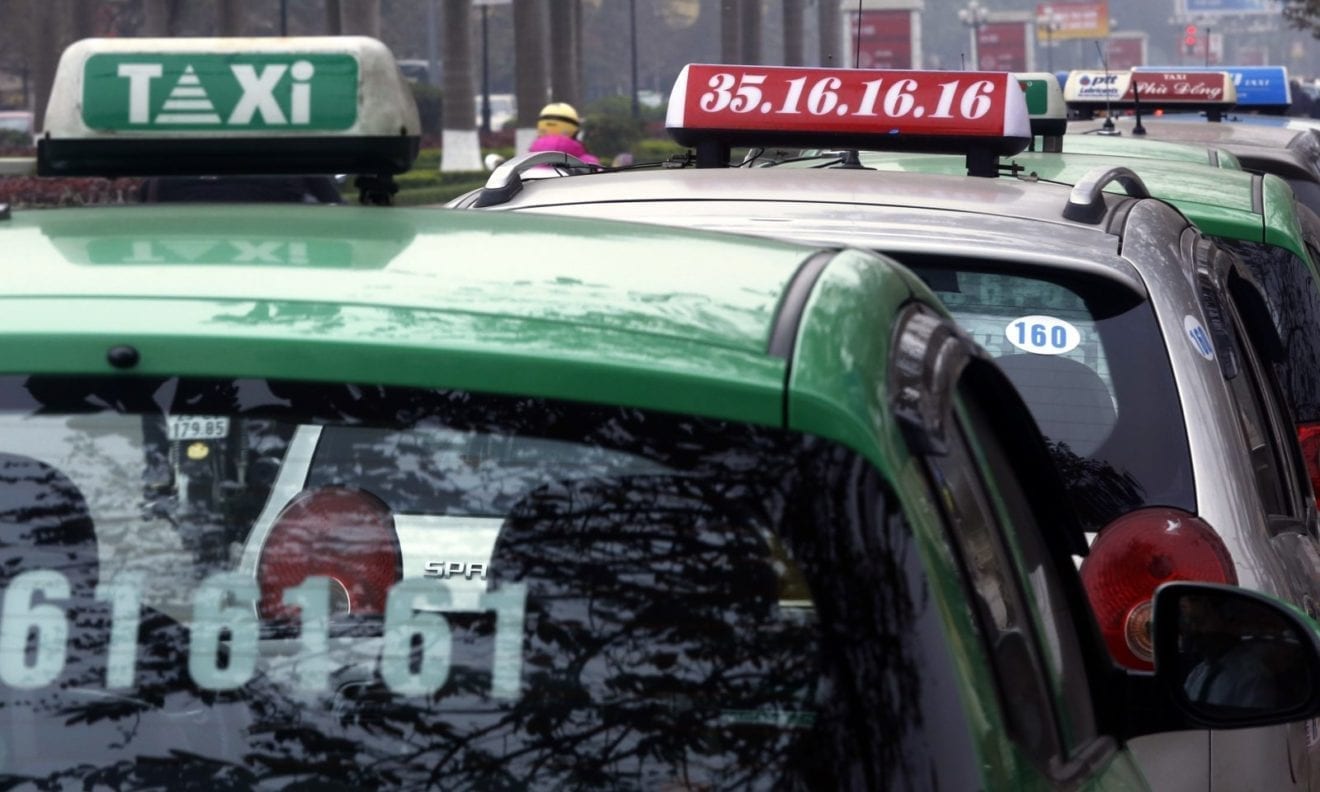
    Three major taxi firms in Hanoi have recently joined forces to have their 3,000 vehicles operating under a single brand starting in October.

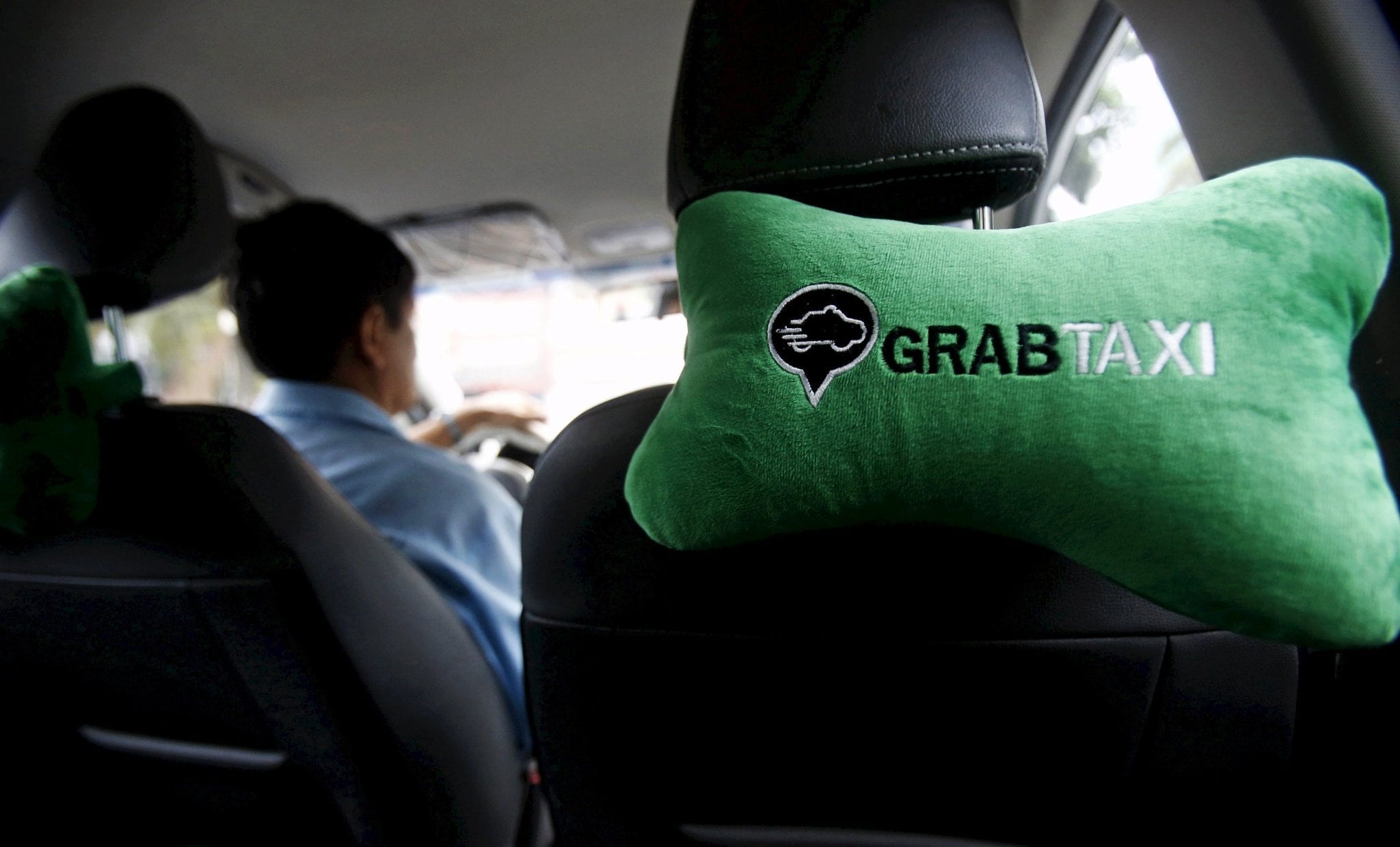
    Thanh Cong, Ba Sao and Sao Ha Noi are set to become G7 Taxi in a bid to take on ride-hailing behemoth Grab.

    In April representatives of top traditional taxi firms had sat down to discuss the idea of building one common ride-hailing app for all of them.

    Nguyen Cong Hung, chairman of the Hanoi Taxi Association, said: “Traditional taxis, each with their own app, are now trying to compete with Grab. But we are divided, therefore we need to unite.”

    The meeting came after logistics firm Phuong Trang announced it had invested $100 million in ride-hailing app Vato and leading taxi firm Mai Linh started offering benefits to attract drivers.

    In March southern taxi firms ComfortDelgro Savico and Vinataxi had merged to take on Grab.

    Vinataxi, the third largest taxi firm in HCMC, was confident the merger would increase its growth sixfold this year.

    But Grab is also busy.

    While the acquisition of Uber’s Southeast Asian business last March has allowed Grab to become the dominant player in the ride-hailing business in Vietnam, it is working to improve its strategies to compete with local taxi firms.

    The company introduced Grab for Business in Vietnam earlier this month, a service that helps a company track the trips its employees make to limit unnecessary trips and control expenses.

    Following the recent entry of Indonesia’s Go-Jek as Go-Viet, Grab is deploying various strategies to attract drivers by offering bonuses and opening stops with free wifi and coffee.

    ‘Huge unfairness’

    The Hanoi Taxi Association earlier this month wrote to Prime Minister Nguyen Xuan Phuc saying Grab’s operation has created a “huge unfairness in terms of business conditions which demolish traditional taxi businesses and cause instability in society.”

    It wanted GrabCar to be considered “electronic” to guarantee fairness and all GrabCar vehicles to carry the label “electronic taxi.”

    The Ministry of Transport has labeled GrabCar as “electronic taxi” in then newest version of its bill on transport regulations, but does not require its vehicles to carry the legend.

    In a report related to the bill, which is expected to be discussed at the next session of the National Assembly in October, the Central Institute for Economic Management says lawmakers should not use old standards to new business models.

    “It is a grave mistake to force Grab to operate as a traditional taxi,” Nguyen Dinh Cung, chairman of the institute said.

  • Don’t treat ride-hailing firms as taxis, Vietnam government advised

    Don’t treat ride-hailing firms as taxis, Vietnam government advised

    Forcing ride-hailing cars to work like traditional taxis is a serious mistake revealing a non-innovative mindset, a leading economist says.

    Nguyen Dinh Cung, director of the Central Institute of Economic Management (CIEM), criticized state agencies for a “managing mindset” that “is not yet innovated”.

    Cung was referring to the latest draft decree on transportation management, which asks ride-hailing firms like Grab, Fastgo and Vietgo to comply with many conditions that are applied to normal transportation businesses like taxi companies.

    He said firms that primarily used software cannot be called a transportation business and said the new move was not consistent with the country’s stated aim of removing at least 50 percent of current business conditions.

    Cung told VnExpress that the state managers must also think in terms of the market from the perspective of facilitating new technologies and business models instead of using administrative procedures to intervene in their business.

    While the latest draft has cut many conditions for the ride-hailing business, such as logos, paint colors, board signs, an operating center, communication equipment and uniforms for drivers, Cung said there were still several negative conditions.

    For instance, the draft decree requires ride-hailing firms to send their transport contract information to the Transport Department before providing their service.

    It also requires that ride-hailing firms have a team to manage and monitor traffic safety issues.

    Cung said such conditions were meant to give authorities more room to intervene in the operations of the ride-hailing firms.

    He has recommended to the Government Office that the draft is not approved and instead, the state tries to encourage new investment forms or business models with an open and fair environment in keeping with Industry 4.0 trends.

    Even if they don’t want to encourage the new technology-based business yet, the laws should not do away with such business models with irrelevant, old conditions, he told VnExpress.

    Prepared by the Ministry of Transport to replace the Decree 86/2014 on managing automobile transportation businesses, the fifth edition of the draft has been released for public feedback.

    The tussle between ride-hailing cars and traditional taxis has not cooled after the exit of Uber from the Southeast Asian market in March. Taxi firms have continued to complain about the unfair competition they are facing.

    They have also joined hands to fight the market onslaught of ride-hailing firms.

    The ride-hailing market has seen new entrants after Uber’s departure, including Aber, Fastgo and GoViet, which is an affiliate of Indonesia’s Gojek.

    Current market dominator Grab has expanded its service to include GrabFood and GrabCar Business, the latter targeting the corporate sector. These moves pose further challenges for long-standing taxi firms like Mai Linh, Taxi Group and Vinasun.

  • Uber withdraws lawsuit against HCMC tax man

    Uber withdraws lawsuit against HCMC tax man

    Ride-hailing firm Uber has withdrawn its lawsuit over HCMC’s demand for $2.3 million in back taxes and fines.

    A tax department official said Friday that the HCMC People’s Court has suspended the case in which the Netherlands-based Uber B.V. had sued the department over its demand that the firm pays over VND53 billion ($2.3 million) in back taxes and fines.

    The official, who did not want to be named said that the suspension, which followed Uber withdrawing its lawsuit, was a positive development.

    He expressed hope that this would allow the department and Uber to sit down and resolve the issue of back taxes and fines. In case this does not happen, the department would resume efforts to force Ube to pay its dues, the official added.

    The department had previously attempted to collect the back taxes and fines by sending documents to local banks and asking them to deduct the dues from funds transferred to Uber’s bank account as a form of tax enforcement.

    This attempt failed because the firm had not opened any account in the country.

    In September last year, the Ho Chi Minh City Tax Department asked the Vietnamese branch of Uber International to pay VND66.68 billion ($2.91 million) in back taxes and fines for violating tax laws.

    However, the company appealed the decision, telling the General Department of Taxation as well as the Ministry of Finance that it was not subject to pay taxes under Vietnam’s double taxation avoidance agreement with the Netherlands, where it is based.

    Ride-hailing firm Uber Technologies Inc announced it had agreed to sell its Southeast Asian business to bigger regional rival Grab in March. The app company officially left Vietnam on April 8.

  • PE takes stake in China’s Leyou

    PE takes stake in China’s Leyou

    US private equity firm Warburg Pincus has signed on to buy a majority stake in Beijing baby products retailer Leyou, according to a report.

    Warburg’s acquisition – valued at between US$200-400 million, is a brand with a 580-store strong network of self-operated and franchised outlets operating in 150 cities. The deal was handled by investment bank BDA Partners.

    The revoking of China’s One Child Policy has prompted many investors to expect a Chinese baby boomer market on the way. Warburg has invested in a number of similar industries in the PRC.

    BDA Partners MD Anthony Siu said: “With the relaxation of the one-child policy, there is potential for an uptick in mother-and-baby retail sales… for retailers that have well-established brands, we expect to see more majority buyout transactions. The market is maturing.”

    Previous investors into Leyou have included Goldman Sachs, WI Harper, Deutsche Bank, AsiaVest Partners, and the Carlyle Group. Carlyle remains an investor in Leyou.

  • Here, the Portuguese brand who caught the eye of millennials

    Here, the Portuguese brand who caught the eye of millennials

    The world of the 19th-century Portuguese ceramics company Bordallo Pinheiro is whimsical, colourful and eccentric, and its surreal creations are taking over tables and Instagram feeds around the world. How has this 134-year-old brand – stocked in Liberty, SCP, Amara, Couverture and Arket – become a must-have for millennials?

    With the current vogue for macramé wall hangings and velvet sofas and hanging baskets, it seems we are turning to our grandmothers’ homes for inspiration.

    Elsewhere, bold colour fills the high street, from Frida Kahlo to tropical Havana brights. In the age of Brexit and Trump, Scandi-style neutrals don’t cut it; there’s an appetite for something stronger.

    The company’s founder, Raphael Bordallo Pinheiro, was a visionary – a subversive socialist who liked to poke fun at late-19th-century Portuguese society. He was a caricaturist, interior designer, sculptor and publisher of satirical newspapers, with an artist’s disregard for convention. His dream was to elevate everyday tableware to the design standards of porcelain pieces – the preserve of the upper classes.

    His designs are strongly rooted in Portuguese culture, its culinary heritage and natural environment. Raphael wanted vegetables, flowers, insects, fish and animals at the table. He also had a passion for science – “a technical sensibility”, says Elsa Rebelo, Bordallo Pinheiro’s artistic director.

    “He experimented to achieve natural colours and detailed features, such as feathers and leaves. His goal was to create objects that look as real as possible.” The company is opening its first shops outside Portugal this year, in Paris and Madrid. Half the one million pieces it sold last year went to buyers outside Portugal.

    Rebelo works with in-house sculptors to create new moulds from original pieces. “In our archive, we have hundreds that were designed by Raphael and his son Manuel between 1884 and 1910,” she says. “When we’re choosing which to release, we look at the sculptural aspect of a design and also try to reflect the aesthetic tastes of the moment.”

    The company’s way of working hasn’t changed much in the intervening decades. Its factory is on a pine-lined side street on the outskirts of Caldas da Rainha, a city 75km north of Lisbon. The single-storey building feels more like a large artist’s studio than a commercial factory, and products are almost entirely hand made by a 250-strong workforce. Outside the mould-making workshop, racks of animal designs sit on long shelves like a watchful zoo.

    For the vast majority of pieces, workers hand fill the moulds with liquid clay, tipping them gently from side to side, to fill each nook and remove air bubbles. When dry, another team puts the pieces together, delicately fixing a tail to a hissing cat, a claw to a lobster, six slender legs to a wasp: some designs are made up of as many as 25 moulds.

    After a first firing, the pieces are hand glazed or painted by a team of more than 20 artists. A second firing completes the process. For fans of the brand there’s no danger of running out of designs. “We have enough [in the archives] to release new products for another 100 years or more,” Rebelo says.

  • Go-Jek Close to Profit in All Segments, Except Transportation

    Go-Jek Close to Profit in All Segments, Except Transportation

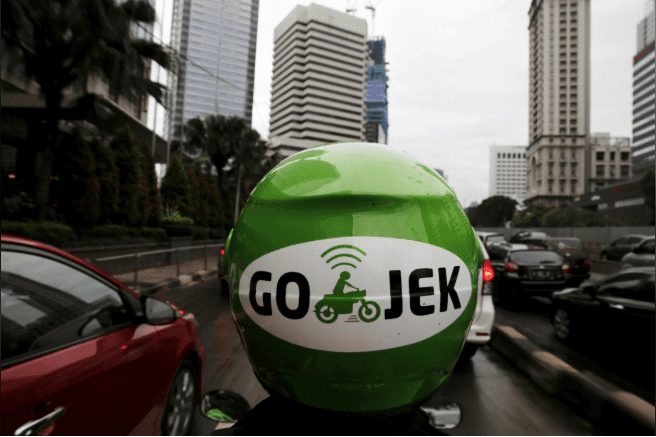
    Go-Jek, Indonesia’s first billion-dollar startup, is “extremely close” to achieving profitability in all its segments, except transportation, its founder and chief executive, Nadiem Makarim said.

    Launched in Jakarta in 2011, Go-Jek – a play on the local word for motorbike taxis – has evolved from a ride-hailing service to a one-stop app allowing clients in Southeast Asia’s largest economy to make online payments and order everything from food, groceries to massages.

    “We’re seeing enormous online-to-offline traction for all of our businesses and are close to being profitable, outside of transportation,” the 34-year old chief executive said.

    The startup is expected to be fully profitable “probably” within the next few years, Nadiem added.

    Already a market leader in Indonesia, where it processes more than 100 million transactions for its 20-25 million monthly users, Go-Jek is now looking to expand in Southeast Asia.

    Ride-hailing services in Southeast Asia are expected to surge to $20.1 billion in gross merchandise value by 2025 from $5.1 billion in 2017, according to a Google-Temasek report.

    Go-Jek said in May that it would invest $500 million to enter Vietnam, Singapore, Thailand and the Philippines after Uber struck a deal to sell its Southeast Asian operations to Grab – the bigger player in the region.

    Go-Jek is seeing strong funding interest from its backers as it targets an aggressive expansion, Nadiem said.

    “Since its Aug. 1 launch, the app has already grabbed 15 percent of market share in Ho Chi Minh,” Nadiem said. The firm this week opened recruitment for motorcycle drivers in Thailand.

    The startup expects anti-monopoly concerns swirling around the Grab-Uber deal, which Singapore said had substantially hurt competition, to help clear a path for its expansion.

    “We’re bringing back choice. The Singapore government is particularly eager to bring back competition,” Nadiem said, adding that the order of overseas rollouts had not been set.

    Overseas Push

    Go-Jek’s offshore push comes at a time when Singapore-based Grab is stepping up funding to expand in Indonesia and transform itself into a consumer technology company, starting with a partnership with online grocer HappyFresh.

    “Mimicking Go-Jek’s strategy is the highest form of flattery,” Nadiem laughed.

    “The super app strategy has been around for a while now and no Southeast Asian player can claim to have pioneered it,” Grab said in a statement. The company also said Grab has not lost market share in Ho Chi Minh City since August, but declined to provide market share data.

    Nadiem believes Go-Jek’s understanding of food merchants will give it an edge over Grab, which counts investors such as Chinese ride-hailing firm Didi Chuxing and Japan’s SoftBank Group among its backers.

    Nadiem, who sees food delivery as Go-Jek’s core business, said he was not concerned about funding, without giving details.

    Go-Jek was reported in June as being in talks to raise $1.5 billion in a new funding round and was valued at about $5 billion in a prior fundraising, sources said. The firm had said in March it was considering a domestic initial public offering.

    Nadiem noted Go-Jek’s backers were sharing both capital and expertise. The company is collaborating with Google on platform mobility, Tencent on payments strategy, JD.com on logistics operations and Meituan Dianping on merchant transactions and deliveries.

    Go-Jek has set up a venture capital arm, Go-Ventures, to invest in startups in Southeast Asia “with strategic importance to our business,” the chief executive said.

  • Lotte duty free profit soars

    Lotte duty free profit soars

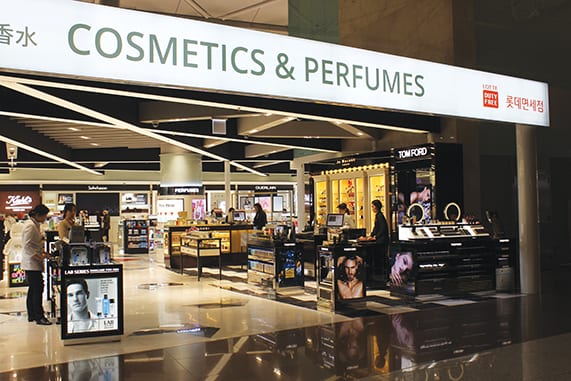
    South Korean duty-free operator Lotte has reported soaring profit following its decision to partially withdraw from Incheon airport.

    In the company’s first half report, it indicated solid worldwide sales accounted for the profit increase, which came to KRW155 billion (US$137 million) – up a staggering 1995 per cent.

    Total global sales hit KRW2.7 trillion (US$2.4 billion), almost all of which came from domestic sales.

    Three out of four concessions at Incheon were shuttered by the firm following long-running losses. The closures have saved the firm considerable expenditure on rent.

    The positive results have encouraged Lotte to expect overseas sales in excess of KRW200 billion (US$177.7 million) this year, following the launch of additional stores in Vietnam and elsewhere.

  • Don Quijote hopes for Seiyu plot

    Don Quijote hopes for Seiyu plot

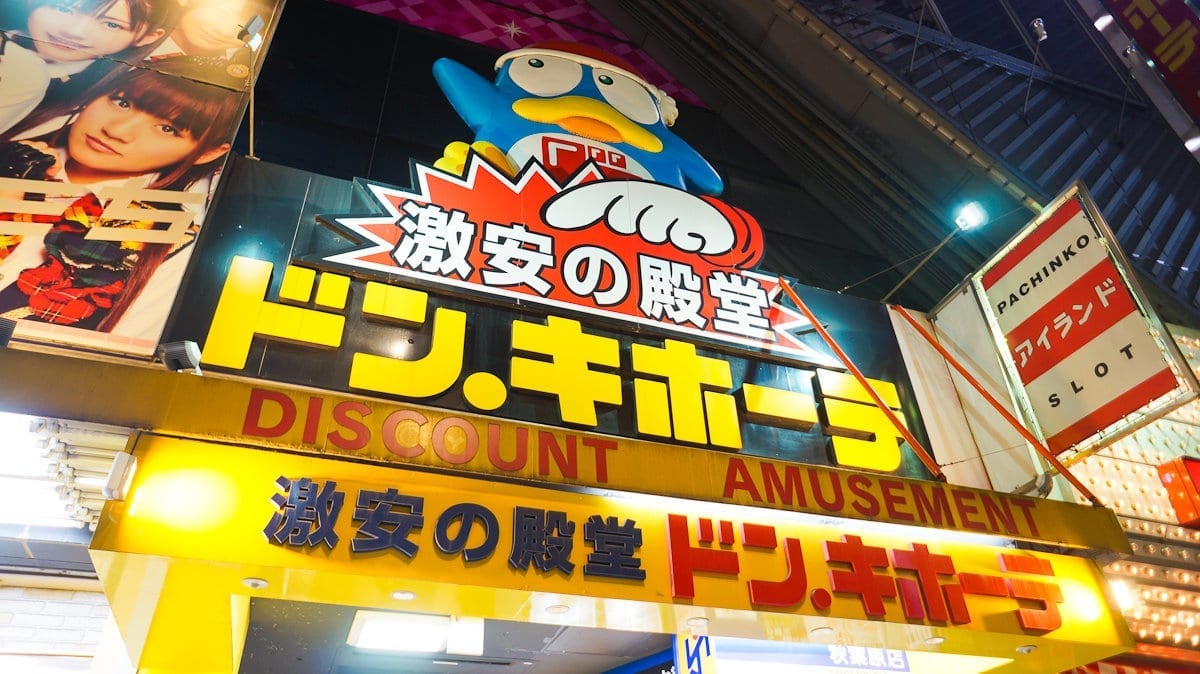
    Japanese discount retailer Don Quijote says it wants to buy Walmart’s Seiyu department store business in Japan.

    But Walmart still claims it is not for sale.

    Despite widely published reports, that Walmart was approaching potential buyers for the unit, the US company denies it is selling up and moving out of Japan.

    A Walmart spokesperson said that the company is not in talks with prospective buyers and is continuing to develop the business.

    Don Quijote CEO Koji Ohara told a press conference this week that if Seiyu came up for sale “we would be interested and it is attractive”.

    “If you don’t have real estate you can’t do retailing. In addition to its human resources, Seiyu has many locations that you cannot get your hands on,” he said.

    The original Nikkei report said Walmart could fetch 300 – 500 billion yen (US$2.7 – $4.5 billion) for the business if it sold. The move was perceived as a potential outright withdrawal from Japan and a chance for the firm to refocus on higher potential markets in China and India.

    Don Quijote, which has recently expanded into Singapore, last week reported its 29th consecutive year of sales and profit growth. The chain aims to have 500 stores in Japan by 2020, 80 more than it has now. But it is struggling to find locations.

  • Courts faces some challenges in Malaysia market

    Courts faces some challenges in Malaysia market

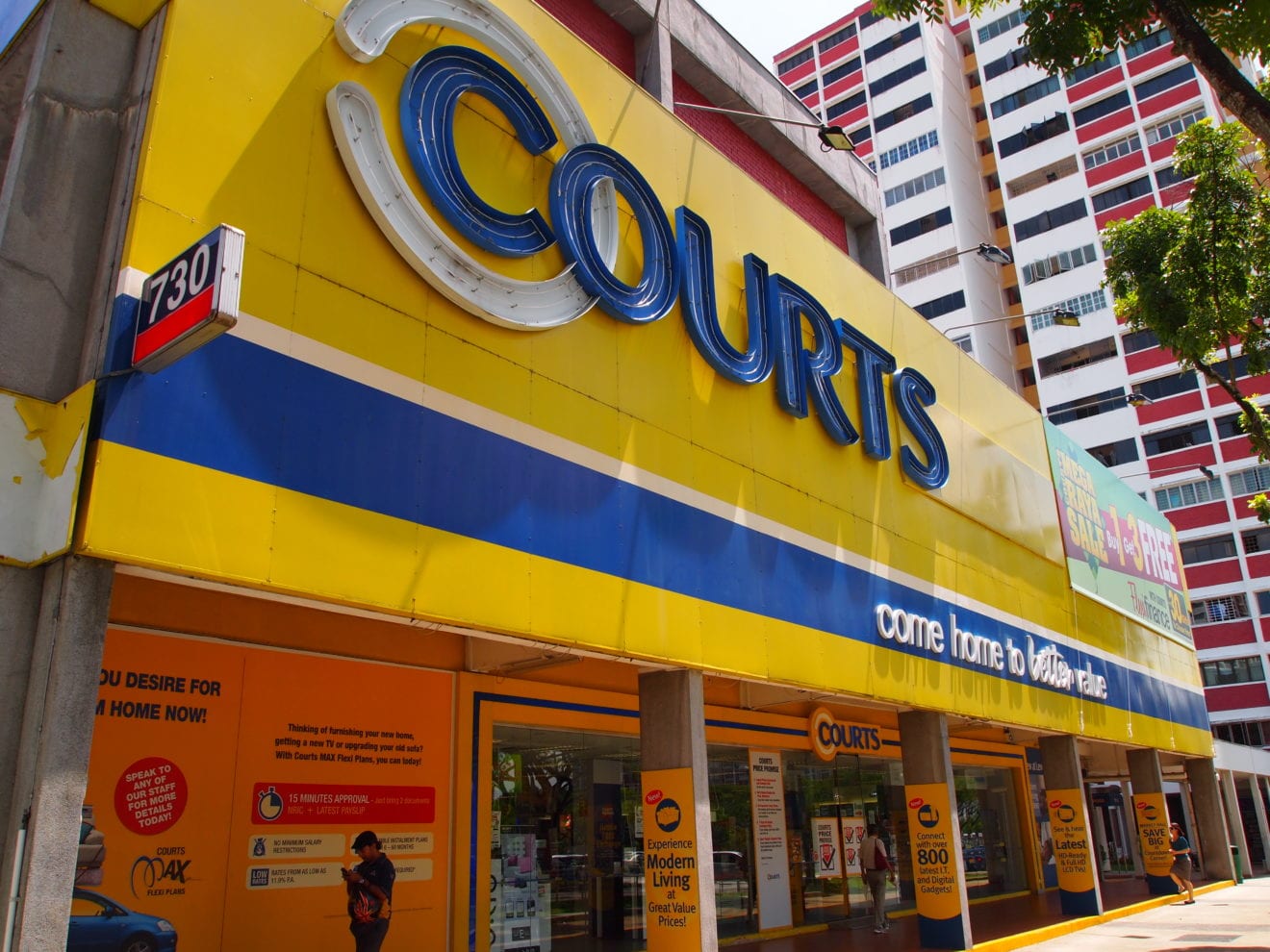
    Electrical, IT and furniture retailer Courts Asia has narrowed a quarter-on-quarter loss following transformation work in its Malaysia operations.

    In its first quarter results, the company said its business in Malaysia had been hit hard by regulatory changes in the territory. The group’s profitability was impacted by the introduction of the Consumer Protection (Credit Sale) Regulations 2017 (“CPAA”), which came into operation on January 1.

    Courts reported a 3.6 per cent year-on-year dip in revenue to S$179.8 million (US$130.86 million) for the period, mainly attributable to Malaysian revenue decline. Correspondingly, a first-quarter net loss of S$2.2 million (US$1.6 million) was reported.

    Courts Asia’s executive director and CEO Dr Terence O’Connor said the group’s business performance continues to be impacted by the interest rate cap imposed by CPAA in Malaysia.

    “However, there are early indicators to suggest that the business transformation work in Malaysia is delivering green shoots. Revenue in Malaysia improved by 16.8 per cent and loss before tax reduced by 36.5 per cent, to S$6.1m from S$9.6 million in the first quarter, compared to the preceding quarter.”

    As part of the group’s ongoing store-optimisation efforts in a post-CPAA environment, five underperforming outlets have been closed, leaving 58 in Malaysia. The group is redefining its store strategy there and will be downsizing its Megastore at Sri Damansara to make way for an incoming tenant. Marketing spend has also been reduced in alignment with a smaller store footprint.

    O’Connor added: “The team recognises the urgency and is in overdrive mode to deliver the transformation work in Malaysia. It is a significant undertaking that will take time to execute and finetune. That said, we have reason to believe that the results are trending in the right direction.”

  • Petronas Gas shares fall further despite higher Q2 earnings

    Petronas Gas shares fall further despite higher Q2 earnings

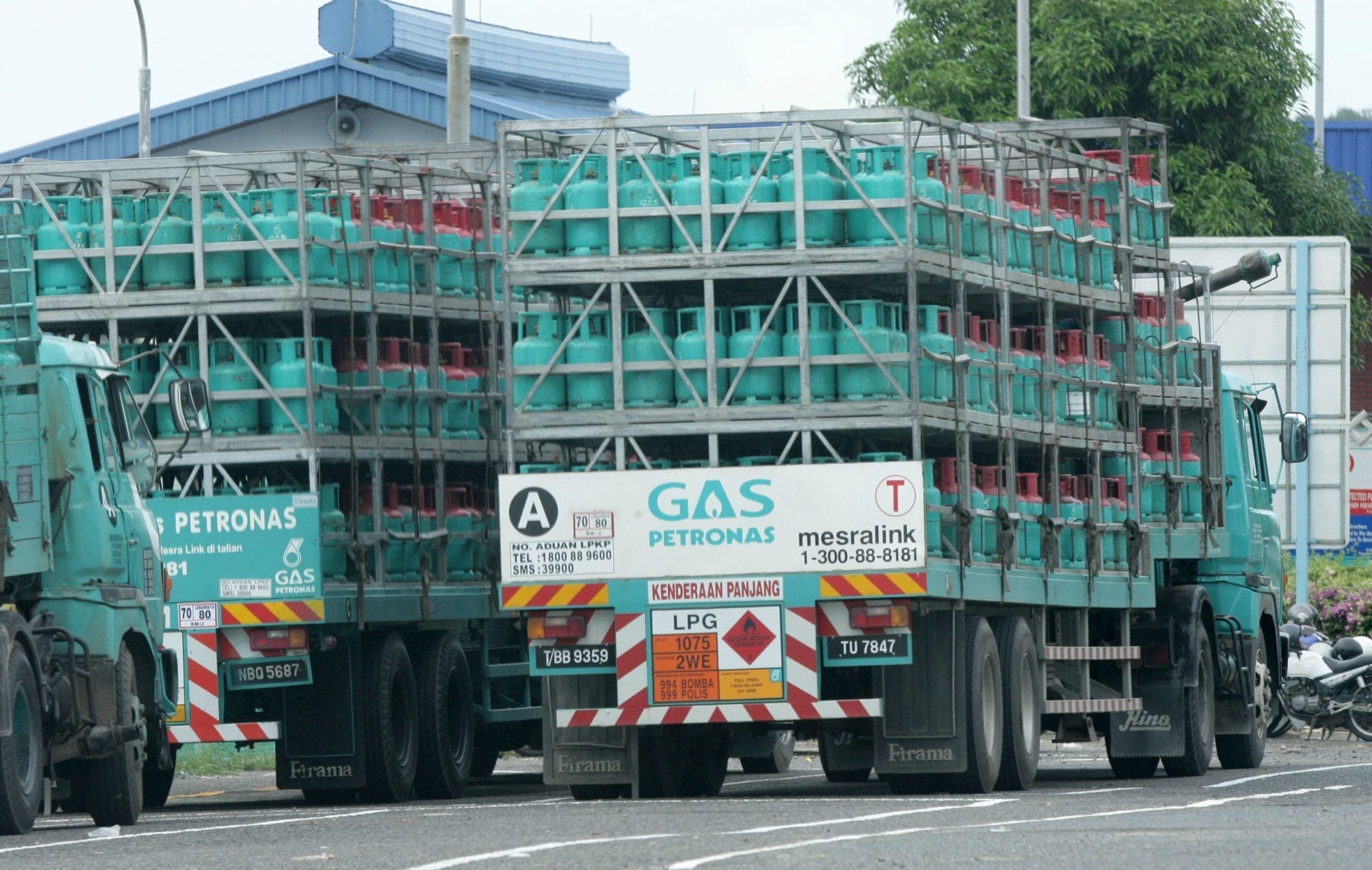
    Petronas Gas Bhd’s share price continued to fall by 14 sen or 0.75% this morning despite reporting a 19.7% jump in its net profit to RM509.3 million in the second quarter (Q2) ended June 30 from RM425.3 million previously.

    At 11.08 am, the stock stood at RM18.52 with 62,900 shares changing hands.

    The group told the stock exchange that the higher profit was in tandem with improved in revenue during the quarter.

    Revenue for the quarter grew 15.7% to RM1.36 billion, compared with RM1.17 billion in the same period last year, mainly contributed by the group’s new LNG regasification terminal in Pengerang, Johor which commenced commercial operations in November 2017.

    “This was further supported by higher revenue from all segments,” it added.

  • IKEA India eyes 15 pc growth year-on-year on same store basis

    IKEA India eyes 15 pc growth year-on-year on same store basis

    IKEA, the furniture retailer which bets big on sustainability, has opened its first store in Hyderabad on August 09. The Swedish home furnishing major has been sourcing from India for its global stores for more than 30 years. Its plan to open retail stores in 40+ cities across the country, reinforces its long-term commitment and deep connection with India.

    Patrik Antoni, Deputy Country Manager, IKEA India says, “We see that Indian market holds a lot of potential for brand IKEA. We do not see India as a country, but we see it as a continent with a lot of people and lot of needs. We see a lot of micro-terms that will support us along with other retailers. It is a growing economy, maybe we might be a little bit bumpy initially but over the coming years India will grow from strength to strength as an economy.”

    He further adds, “We see it as a young country with almost 500 million people below 25 and they will need new homes, we also have a strong observation that people who will shift cities will also need new homes. Then we are very excited about India in the sense that people love homes and it is not the same in the other Asian countries where people many times celebrate outside the home. While in India, it is family, friends, festivals and all over the food, so the four F’s drives life at home and there cannot be a better place for a home furnishing company to be.”

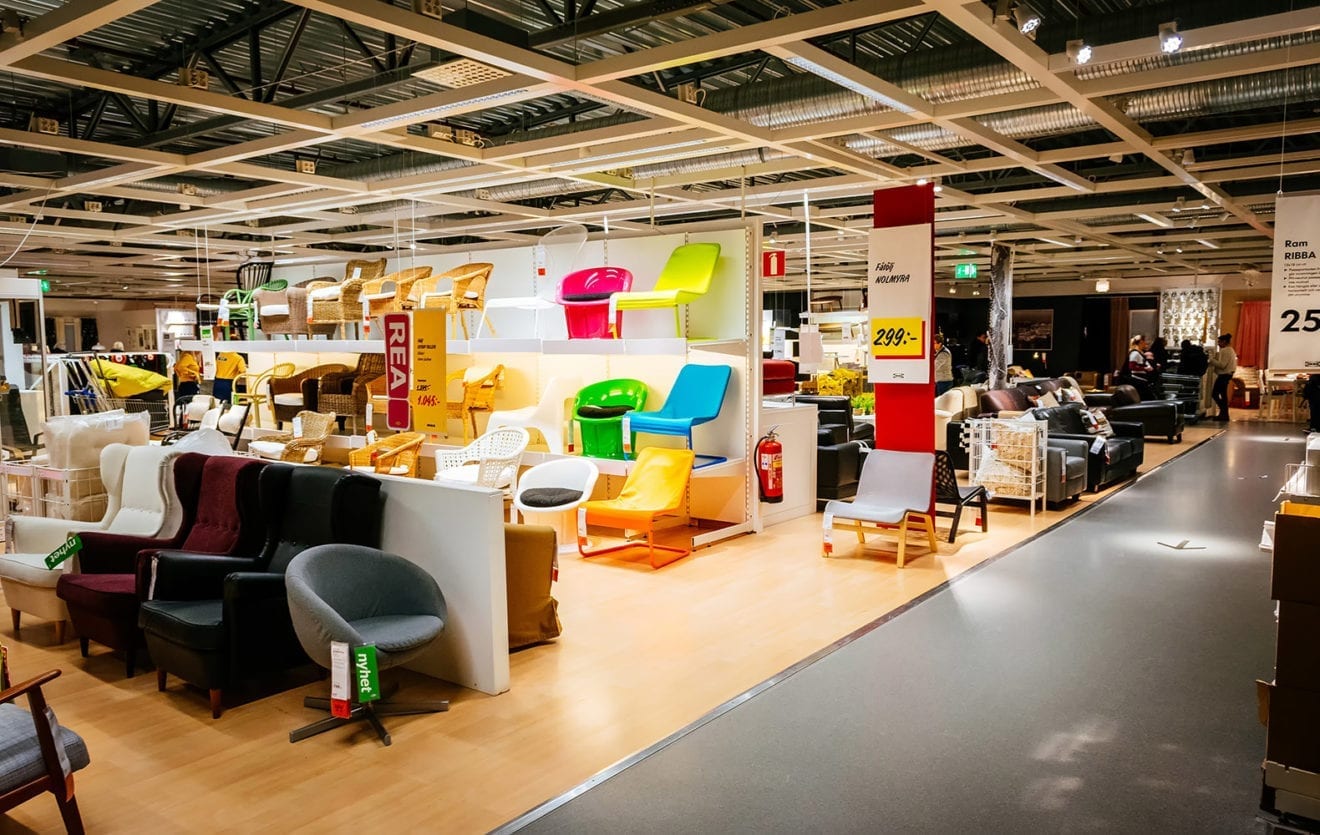
    The IKEA store in Hyderabad offers ideas, inspiration and solutions. It exhibits two full homes that reflect ‘Life at Home’ in Hyderabad, besides different room sets based on different parts of the home like bedroom, kitchen, children’s room and living room. It will also have a market hall where you will find home kitchen utensils and accessories, textiles, rugs, lighting, decoration, stationary and even live plants.

    According to Antoni, “The strength of IKEA Hyderabad is that we have brought all the global IKEA concepts here. We have not compromised on anything. We have got the great experience that we are known all across the world – the inspiration, the customer service, the range – all this has come with us.”

    “What we have done special is that how we have composed the products in the room settings. What we are trying to do is to be relevant for the local market. We have done around 1,000 home visits and research was based on how people live and how they want to live and then we are putting our products in a unique way that represents the Indian needs. If you compare the rooms in IKEA Hyderabad to IKEA Sweden, the main difference is how the rooms are composed and products are composed. On above that, we have 1,000 products that are locally done for India which comes a lot around the food range like frying pans, idli makers etc and coloured bedsheets that we normally do not carry. So we have customised quite a bit,” adds Antoni.

    The 400,000 sq. ft debut outlet in India, features 7,500 furniture and home furnishing products and a 1,000-seater restaurant – which is IKEA’s largest in over 400 stores it has globally.

    “Even IKEA restaurant, which is largest in the IKEA world, is also connected to India’s love for food. We really believe that restaurant will be a huge pull and bring in a lot of people here and we believe that their interaction with IKEA will be over a meal. They will get to know about us through quality of food with low prices and they will realise that the range that we sell is in the same direction,” asserts Antoni.

    Antoni says IKEA would have both large and small stores and more touch points. The e-commerce platform would be launched next year.

    “IKEA Hyderabad is a large store as comapred to many of our other stores across the world. When we enter Mumbai, we want to enter as a multi-channel retailer. Going ahead, we are looking at a store giving a same brand experience, a number of smaller format stores, which will still be big stores, where we can get closer to the customers in the city centres and then an online experience also that gives customers an opportunity to meet IKEA whenever, wherever and however they want,” reveals Antoni.

    Highlighting the USP of the brand, Antoni says, “We are building our customer experience on knowledge. So we do not just produce furniture but we are a Life at Home company. We have been in this business from more than 60 years, and we have a learnt a lot about Life at Home and we combine and build our range based on this knowledge. We do not have a chair that just looks good but it has a function, style and sustainability. Then we have 7,500 products that are built together.”

    The brand is counting on 15 percent growth year-on-year easily on same store basis because the interest in Life at Home will grow.

    According to Antoni,”More the interest in Life at Home will grow in India, more players players will enter India and then the market will grow. This is just a beginning of a new era.”

    In the next phase of expansion, IKEA will be present in other cities like Ahmedabad, Surat, Pune, Chennai and Kolkata with a multi-channel approach. By 2025, the brand is looking at opening more than 25 touchpoints across various cities.

  • Indian, Swedish food to boost IKEA shoppers’ energy

    Indian, Swedish food to boost IKEA shoppers’ energy

    Walking through the sprawling, newly-opened IKEA store here needs energy and the company is making sure that customers get to recharge at its trademark restaurant. The 1,000-seater restaurant is the biggest among the Swedish home furnishings retailer’s global network in 50 countries.

    The thousands of customers who flocked IKEA’s first India store that opened on August 9 had a massive range of 7,500 world-class products to choose from. With 1,000 products priced below Rs 200, the affordability and the quality of the international brand was the talk of the town.

    So also was the restaurant, with half its menu offering Indian and the other half Swedish food — in line with the company’s global practice.

    “We cater to the local taste wherever we have our operations and half of our food here is Swedish,” Henrik Osterstrom, Country Food Manager, IKEA Food, told IANS at the restaurant, teeming with hundreds of customers.

    At the India store, chicken meat balls have replaced beef meat balls, a popular dish on IKEA’s menu globally. It has also dropped pork from the menu for India.

    “Since many people in India don’t eat beef, we are not selling it. As there are many Muslims, we are respecting their sentiments as well by not selling pork,” Osterstrom said.

    The menu includes vegetable biryani, salmon fillet, dal makhni, cakes, green salad, fruit salad, cinnamon buns and and variety of beverages.

    Osterstrom is happy with the customers’ response so far. “It’s fantastic to see so many people coming here. We are selling a lot of biryani, chicken meat balls, veggie balls and dal makhani as well,” he said.

    Like its home furnishing products, IKEA is also offering a menu to suit all sizes of wallets. Vegetable biryani is priced at Rs 99, chicken meat balls at Rs 149 and veggie balls at Rs 129.

    “We have ensured that the food is affordable, of high quality and of good taste. We call it Swedish-feel Indian-appeal,” said Osterstrom.

    The Swedish dishes include chicken meat balls, salmon fillet, lingonberry juice and cinnamon buns.

    Customers have to serve themselves — right from picking up trays and trolleys to collecting food and later leaving the trays and trolleys at designated points. The service is quick as customers collect their orders in a couple of minutes while moving in the queue along the food counters and the billing is done while heading towards their tables.

    Why choose India for the company’s biggest restaurant globally? “It became like that. I think food is starting point in India. We have large restaurants in other countries, especially in Asia, where food is vital. We wanted to give a nice atmosphere and make sure that it is not crowded,” he said.

    Globally, restaurants contribute 10 percent of IKEA’s sales but Osterstrom hopes it will be higher in India as big footfalls are expected. “People in India llove food. It’s just the beginning and we will see more customers.”

    Over 40,000 customers visited IKEA store on the first day. The company expects at least 60 lakh footfalls annually at the store, which has come up with an investment of Rs 1,000 crore in the heart of HITEC City, the information technology hub.

    IKEA plans to open 25 stores across India by 2025. The next store will open in Mumbai next year followed by Bengaluru and Delhi.

    The concept of a store is integral to IKEA, founded by Ingvar Kamprad in 1943.

    “Our founder, from day one, had this idea. As our showrooms are huge and it takes time for customers to go around the entire store, they feel hungry. We also have a play area for kids. It should be fun day for the whole family,” Osterstrom explained.

    The restaurant is located such that if customers feel hungry, after walking through one home furnishings section of the store, they should get new energy to enter the next phase of shopping, that is, the market hall.

    And, after another long walk through the market hall and checkout, customers find in front of them a cafe for refreshments. Here they get a wide range of cookies, chocolates and other delicacies. A samosa costs just Rs 10 while frozen yogurt, which tastes like soft serve ice cream, is also available at the same price.
  • AirAsia share price up marginally after selling stake in Expedia JV

    AirAsia share price up marginally after selling stake in Expedia JV

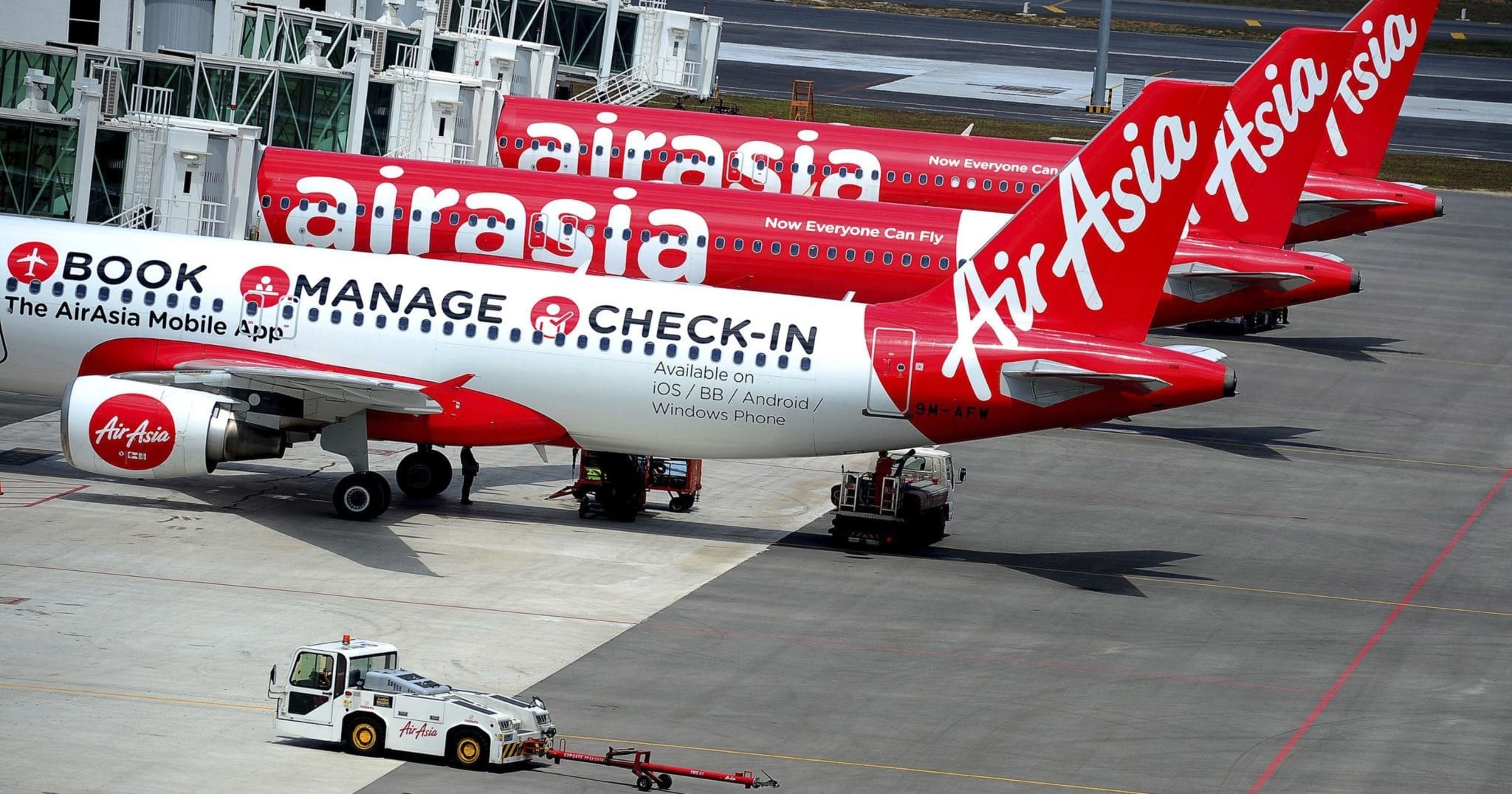
    AirAsia Group Bhd’s (AAG) share price rose 0.90% this morning after it divested its remaining 25% stake in its joint venture (JV) company, AAE Travel Pte Ltd for US$60 million (RM240 million).

    The airline sold its remaining stake to the 75% stakeholder in the company Expedia Inc’s Expedia Southeast Asia Pte Ltd — in a bid to monetise its investment and utilise the proceeds as working capital.

    At 10.41am, AAG was trading at RM3.38 with 2.18 million shares changing hands.

    AirAsia divested the other 25% interest it had in March 10, 2015.

    The group announced in a bourse filing yesterday that it has executed a share purchase agreement for the disposal and the cash purchase consideration is net of AirAsia’s concurrent purchase of AirAsiaGo.com domain names and related assets from AAE Travel Pte Ltd by Travel 360 Sdn Bhd.

    AirAsiaGo.com, which offers a full suite of travel products including AirAsia flight and hotel packages featuring Expedia Group lodging content, will continue to be powered by Expedia Group.

  • Go-Viet perks up competition in Vietnam’s ride-sharing market

    Go-Viet perks up competition in Vietnam’s ride-sharing market

    Go-Viet’s attractive perks for drivers are motivating many to shift from Grab, and the market leader is responding.

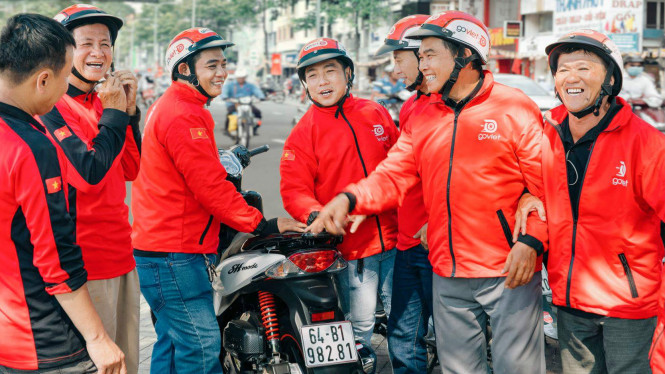
    He’s one of the first drivers to sign up with ride-sharing service Go-Viet, but Thanh Hung is still wearing the well-recognized green GrabBike uniform.

    “Too many drivers have just signed up for Go-Viet so there are not enough jackets,” Hung said.

    The 40-year-old motorbike driver said he was able to make VND800,000 ($34) in a day and a half since he began driving for Go-Viet, much higher than the VND500,000 ($21) he would get from GrabBike for the same work duration.

    Hung said he is also attracted by the tax exemption Go-Viet promises for the first six months and the bonus he’ll get if he finishes nine trips a day.

    Go-Viet, a Vietnamese version of Indonesian service Go-Jek, entered the Vietnamese market early this month, seeking its slice of the market pie that Grab has been dominating after the departure of Uber.

    Aiming to tailor its service to Vietnam with a different name and local teams, one of the first goals of Go-Jek in the country is to recruit drivers.

    “The company hopes to bring a stable income to tens of thousands of drivers through technology,” Nguyen Vu Duc, CEO of Go-Viet said in June.

    The company had contacted potential drivers months before the launch, either by meeting face to face or talking to them online, its communication representative Huong Cung said.

    Grab did not comment on the ploys Go-Viet is using to attract drivers, but it’s also deploying its own strategies.

    The company has just launched a campaign to reward drivers with five percent of the total revenue they make in a week, said Nguyen Thu An, communication director of Grab Vietnam.

    In early June, Grab also announced a plan to have over 100 stops for Grab drivers with free wifi, coffee and even vehicle washing service in Ho Chi Minh City and Hanoi.

    “There is a large number of drivers who don’t like Grab and want to work for Go-Viet,” said Vu Hoang Tam, a mobile app expert and one of the founding members of GrabBike in Vietnam.

    This creates a good supply of drivers for Go-Viet, which has learned a lot from the “previous battle,” Tam said, referring to the competition between Grab and Uber earlier this year.