Category: Living

Retail News Asia is committed to providing both local and global retailers with the latest Living news throughout the Asian market. This on a daily base.

  • Yoyoso plans its entrance to India

    Yoyoso plans its entrance to India

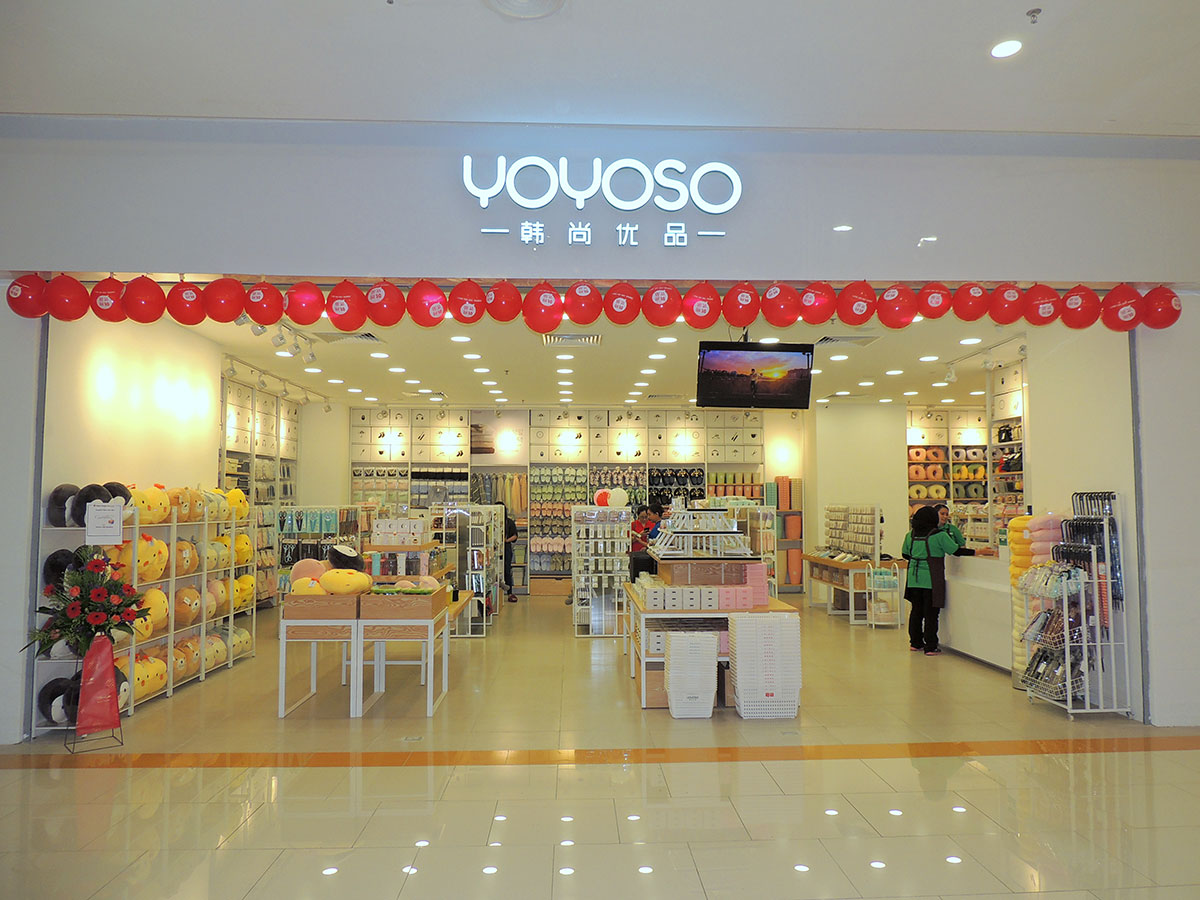
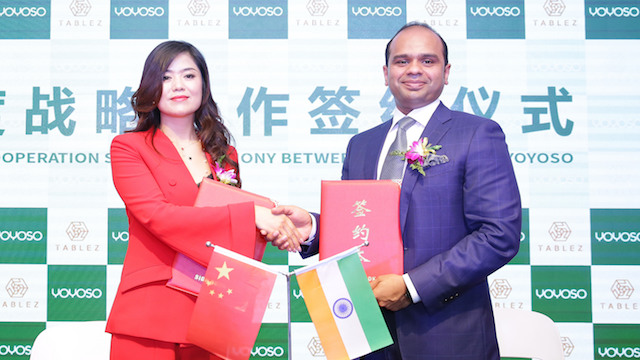
    Chinese lifestyle brand Yoyoso has partnered with Indian retail operation Tablez to bring its outlets to India.

    Ma Huan, president of Yoyoso, said Indian is one of the most important parts of the global market for the business.

    “It’s a great opportunity for both Yoyoso and Tablez.”

    Tablez’ parent company LuLu Group also has plans to open hypermarkets in Yoyoso’s base city of Yiwu, as well as other Chinese cities.

    Tablez MD Adeeb Ahamed said: “Through mutual cooperation, we are confident that Yoyoso will bring plenty of surprises and happiness to a new generation in India.”

    Yoyoso is a discount store, similar in nature to Miniso and Mumuso.

  • Lotte Tour to hold investor sessions for Jeju resort

    Lotte Tour to hold investor sessions for Jeju resort

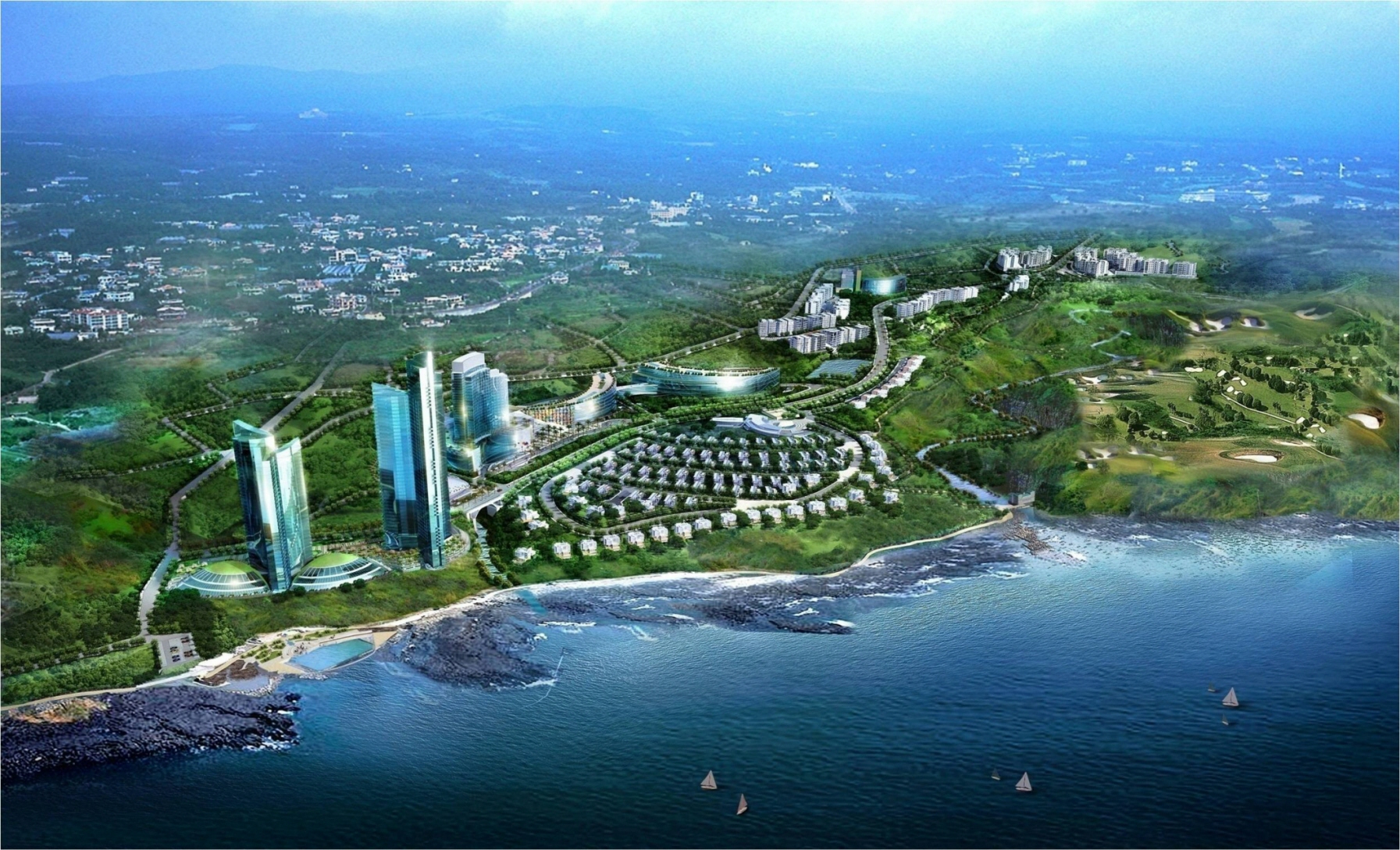
    Lotte Tour Development said Thursday it will hold a series of investor relations sessions next week in a bid to attract more investment to its resort construction project in the southern island of Jeju.

    Lotte officials will meet with institutional investors in Hong Kong and Singapore from Monday to Friday to explain its recent earnings results and take questions on its key businesses, according to its regulatory filing.

    Last week, Lotte Tour announced its plan to raise 240 billion won ($215 million) for the construction of Jeju Dream Tower on the island.

    The construction of the resort, which is being co-developed by Lotte and China’s real estate developer Greenland Group, is expected to be completed by October next year.

  • Google tracks locations even when told not to

    Google tracks locations even when told not to

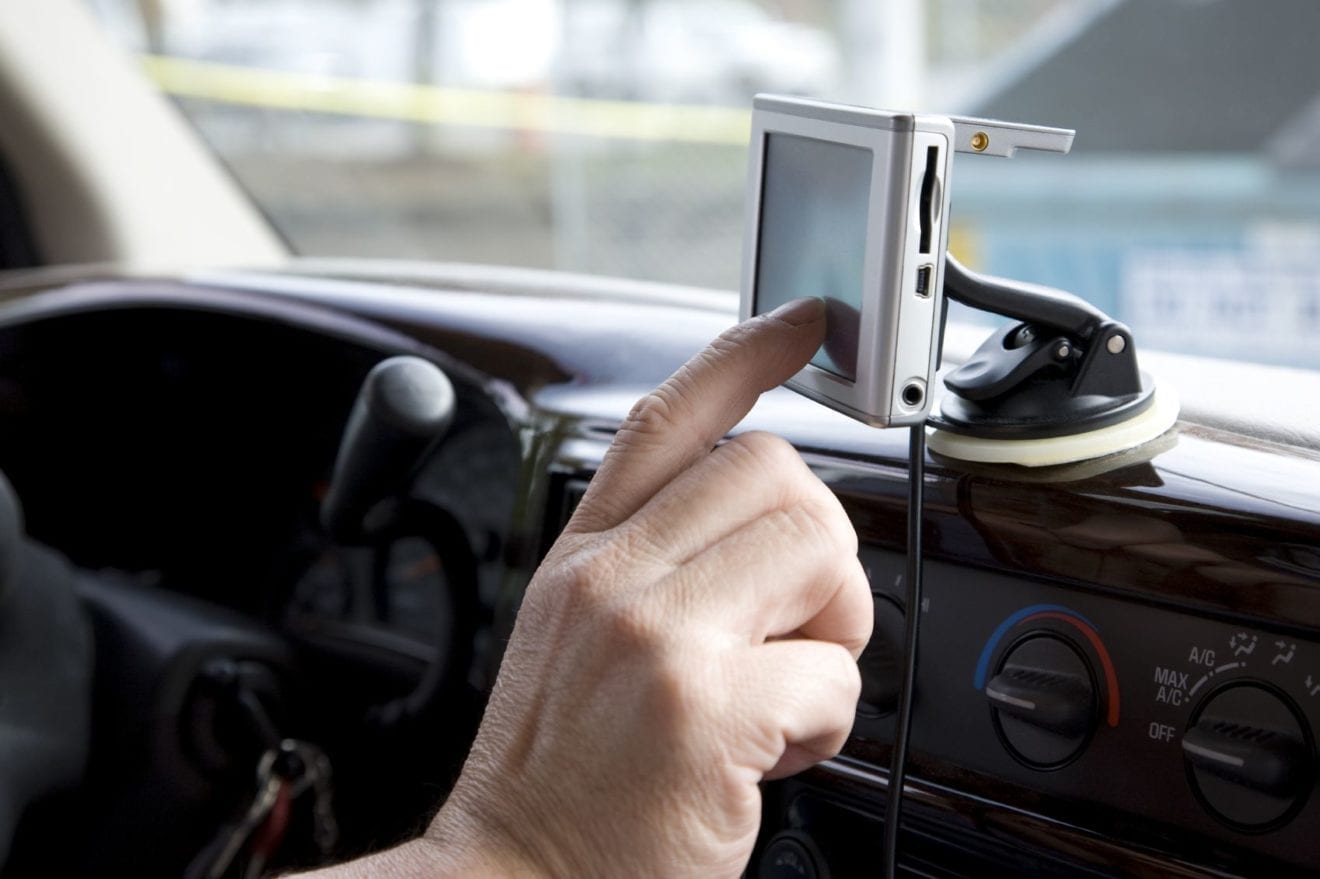
    Google wants to know where you go so badly that it records your movements even when you explicitly tell it not to.

    An Associated Press (AP) investigation found that many Google services on Android devices and iPhones store your location data, even if you’ve used privacy settings that say they will prevent it from doing so.

    Computer-science researchers at Princeton confirmed these findings at the AP’s request.

    For the most part, Google is upfront about asking permission to use your location information. An app like Google Maps will remind you to allow access to location if you use it for navigating. If you agree to let it record your location over time, Google Maps will display that history for you in a “timeline” that maps out your daily movements.

    Storing your minute-by-minute travels carries privacy risks and has been used by police to determine the location of suspects – such as a warrant that police in Raleigh, North Carolina, served on Google last year to find devices near a murder scene. So the company will let you “pause” a setting called Location History.

    Google says that will prevent the company from remembering where you’ve been. Google’s support page on the subject states: “You can turn off Location History at any time. With Location History off, the places you go are no longer stored.”

    That isn’t true. Even with Location History paused, some Google apps automatically store time-stamped location data without asking.

    For example, Google stores a snapshot of where you are when you merely open its Maps app. Automatic daily weather updates on Android phones pinpoint roughly where you are. And some searches that have nothing to do with location, like “chocolate chip cookies,” or “kids science kits,” pinpoint your precise latitude and longitude – accurate to the square foot – and save it to your Google account.

    The privacy issue affects some two billion users of devices that run Google’s Android operating software and hundreds of millions of worldwide iPhone users who rely on Google for maps or search.

    Storing location data in violation of a user’s preferences is wrong, said Jonathan Mayer, a Princeton computer scientist and former chief technologist for the Federal Communications Commission’s enforcement bureau. A researcher from Mayer’s lab confirmed the AP’s findings on multiple Android devices; the AP conducted its own tests on several iPhones that found the same behavior.’

    “If you’re going to allow users to turn off something called ‘Location History,’ then all the places where you maintain location history should be turned off,” Mayer said. “That seems like a pretty straightforward position to have.”

    Google says it is being perfectly clear.

    “There are a number of different ways that Google may use location to improve people’s experience, including: Location History, Web and App Activity, and through device-level Location Services,” a Google spokesperson said in a statement to the AP. “We provide clear descriptions of these tools, and robust controls so people can turn them on or off, and delete their histories at any time.”

    To stop Google from saving these location markers, the company says, users can turn off another setting, one that does not specifically reference location information. Called “Web and App Activity” and enabled by default, that setting stores a variety of information from Google apps and websites to your Google account.

    When paused, it will prevent activity on any device from being saved to your account. But leaving “Web & App Activity” on and turning “Location History” off only prevents Google from adding your movements to the “timeline,” its visualization of your daily travels. It does not stop Google’s collection of other location markers.

    You can delete these location markers by hand, but it’s a painstaking process since you have to select them individually, unless you want to delete all of your stored activity.

    You can see the stored location markers on a page in your Google account at myactivity.google.com, although they’re typically scattered under several different headers, many of which are unrelated to location.

    To demonstrate how powerful these other markers can be, the AP created a visual map of the movements of Princeton postdoctoral researcher Gunes Acar, who carried an Android phone with Location history off, and shared a record of his Google account.

    The map includes Acar’s train commute on two trips to New York and visits to The High Line park, Chelsea Market, Hell’s Kitchen, Central Park and Harlem.

    To protect his privacy, The AP didn’t plot the most telling and frequent marker – his home address.

    Huge tech companies are under increasing scrutiny over their data practices, following a series of privacy scandals at Facebook and new data-privacy rules recently adopted by the European Union.

    Last year, the business news site Quartz found that Google was tracking Android users by collecting the addresses of nearby cell phone towers even if all location services were off.
  • Jin Air’s second-quarter profit falls 88 percent

    Jin Air’s second-quarter profit falls 88 percent

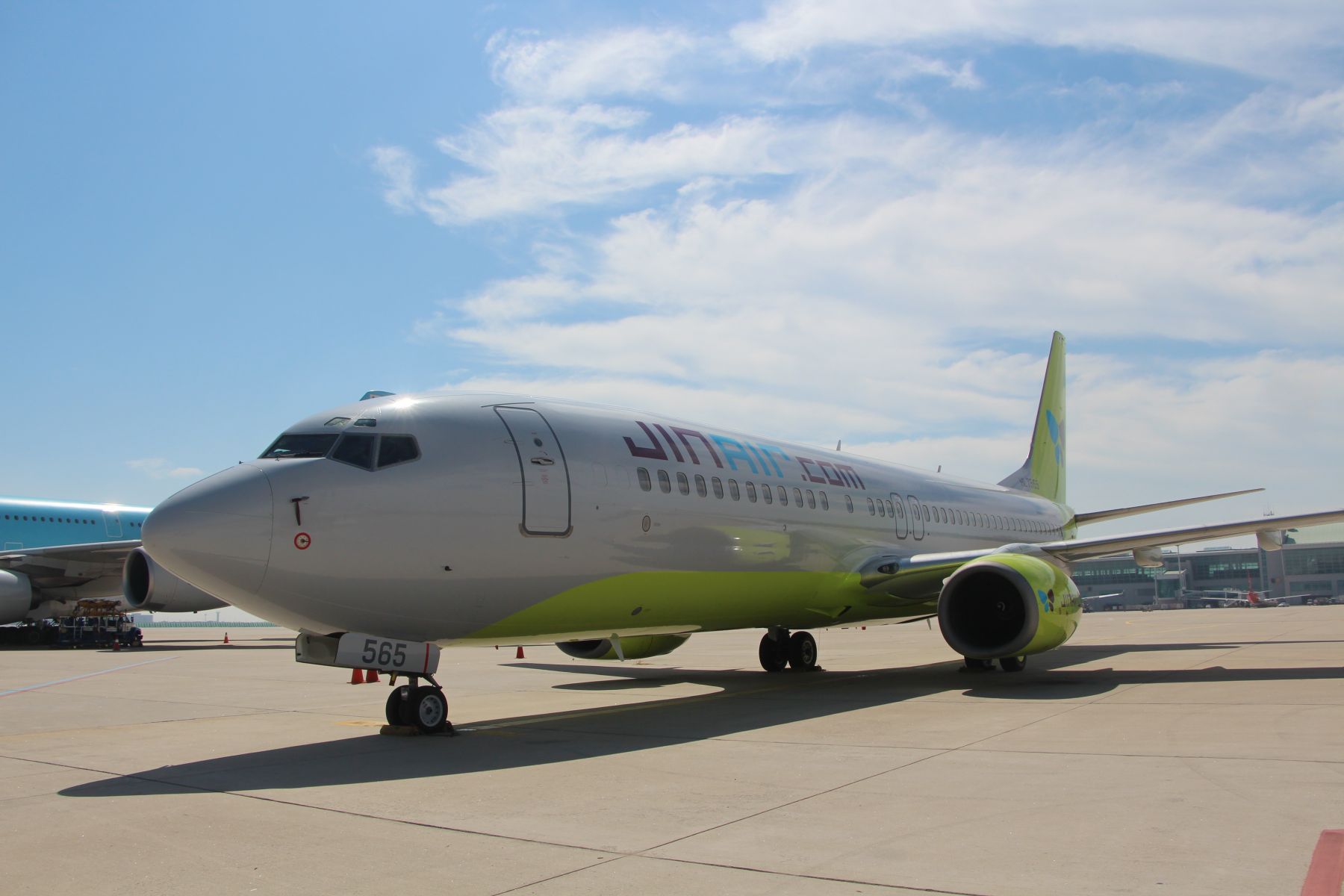
    Jin Air, the budget affiliate of Korean Air, said Friday that its second-quarter net profit fell 88 percent from a year earlier on increased fuel costs and a decline in travel demand.

    Net profit for the three months that ended on June 30 came to 1 billion won ($886,000), down from 8.1 billion won a year earlier, the company said in a regulatory filing.

    Operating profit dropped 50 percent to 6.2 billion won in the second quarter from 12.5 billion won a year ago. Meanwhile, sales rose 18 percent on-year to 226.5 billion won.

    The earnings results came as the South Korean government has been mulling whether to cancel the airline’s license over its illegal appointment of a foreign national to its board of directors.

    Under Korean aviation law, only Koreans can be registered as the directors of an airline.

    Jin Air named Cho Hyun-min – the younger daughter of Korean Air Chairman Cho Yang-ho – as its director between 2010 and 2016, even though she is legally an American citizen.

  • Vietnam eyes power imports from China, Laos

    Vietnam eyes power imports from China, Laos

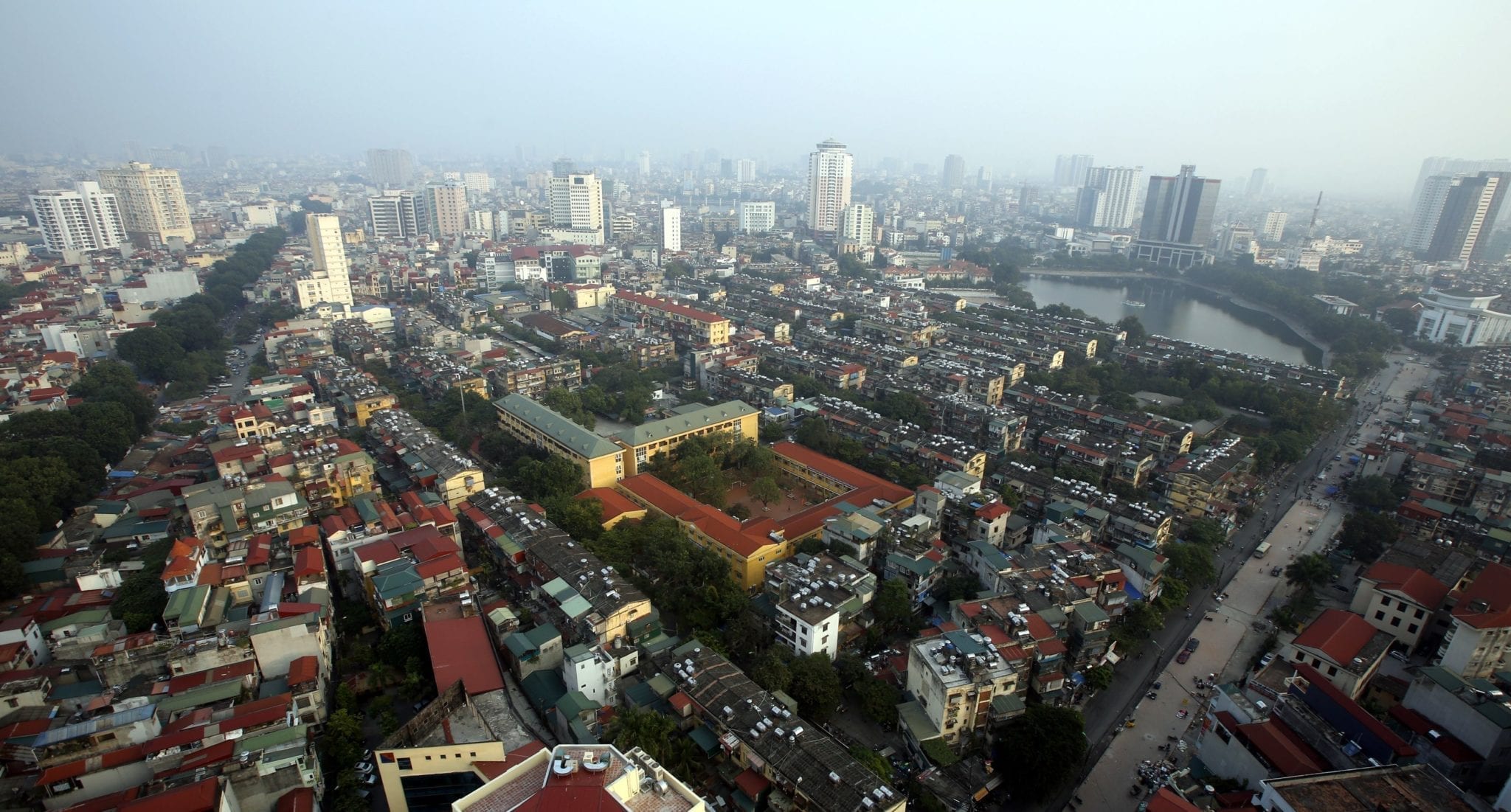
    Vietnam might have to import power from China and Laos after 2020, says a senior official.

    “There is a real risk of power shortages in 2021-2023, and the risk will get higher if consumption surpasses forecasts in the coming years,” Hoang Quoc Vuong, Deputy Minister of Industry and Trade, told the Vietnam Energy Forum in Hanoi on Thursday.

    Although the sole power distributor Vietnam Electricity (EVN) is currently able to meet the country’s demand, there is a strong likelihood that the increasing needs of a 95-million population outstrip the capacity.

    This can happen as early as 2020 if the generators don’t operate well or there is not enough coal and liquefied natural gas (LNG) to produce power, EVN Deputy Director Ngo Son Hai said at the forum.

    While more coal power projects are being built in the south, shortages can happen if these constructions run behind schedule, he noted.

    Power shortage will increase by 7.2-7.5 billion kilowatts hours a year in the southern region for each delayed project, Hai said, adding that there were seven underway at present.

    Southern provinces need more coal power projects be built to provide over 18,000 megawatts needed in the next five years, but none of them have opened yet, he said.

    Power production plans in southern Vietnam in megawattsby 2022Projects under constructionProjects yet to be builtEVN

    Deputy Minister Vuong proposed that Vietnam starts importing electricity from Laos and China, to meet rising demand in the country.

    Vietnam should also create favorable conditions for renewable power projects, like solar and wind power, be developed near high consumption areas, he said.

    Vuong noted encouraging the installation of rooftop solar power systems could be one solution to address the looming power shortage.

    To meet the high demand for power, Vietnam needs to produce 278 billion kilowatt hours in 2020, and this number needs to double by 2030, according to EVN.

    The country’s installed power capacity is estimated to reach 47,800 megawatts by the end of 2018, 5.4 times that of 2003, making the country second in ASEAN and 25th in the world, EVN said.

  • Shinsegae DF partners with China’s Ctrip

    Shinsegae DF partners with China’s Ctrip

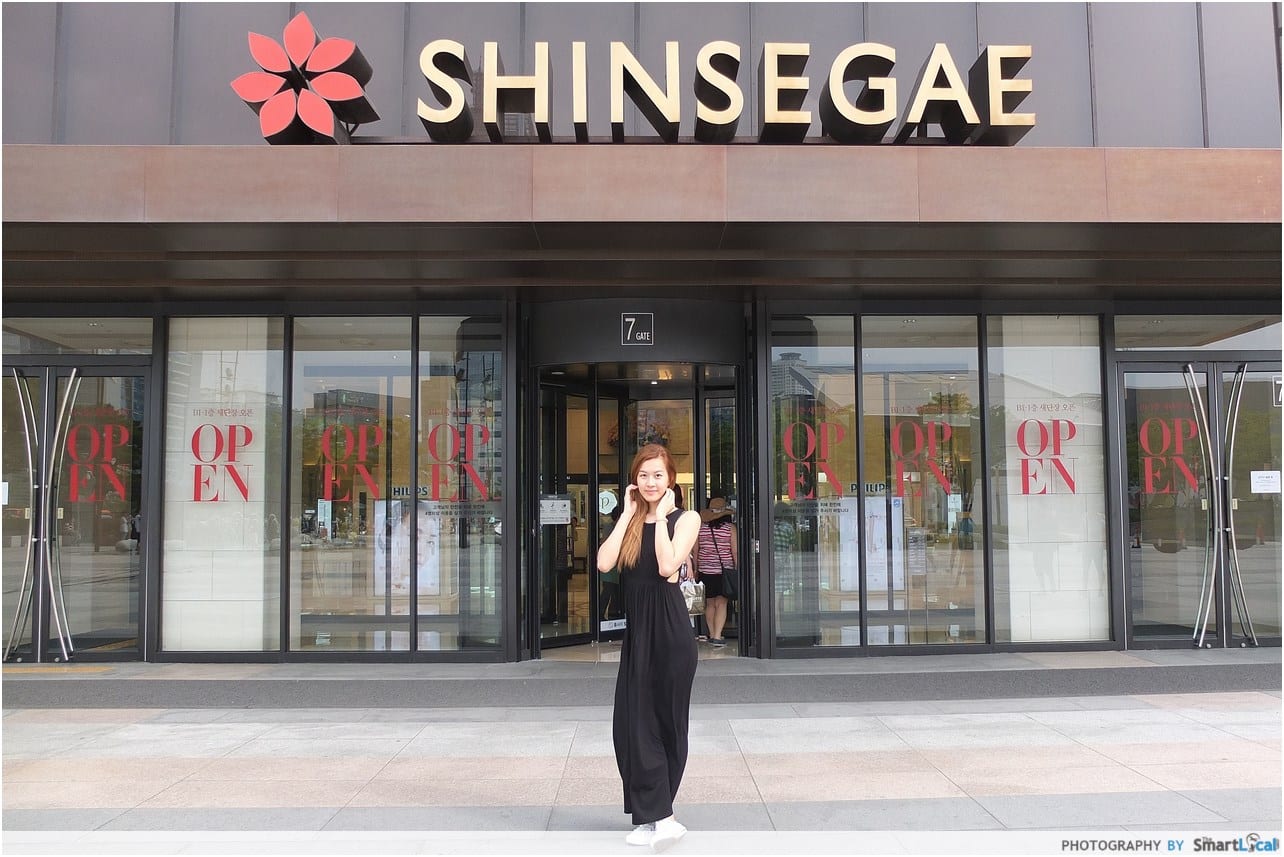
    Shinsegae DF Inc., duty-free store operating unit of South Korea’s retail conglomerate Shinsegae Group, has joined hands with China’s largest online travel agency Ctrip to offer membership service with hopes to woo more Chinese consumers.

    Shinsegae DF said on 3 August that it will offer consumers membership subscription service via Ctrip website, becoming the world’s first duty-free store operator to partner with Ctrip, an online platform in China with over 300 million users offering travel-related services such as accommodation, flight reservation, and tour packages.

    Under the partnership, Shinsegae DF will introduce its brand on the travel agency’s website under Global Shopping section and offer membership subscription service.

    Consumers will be given silver memberships that grant them a 10 percent discount at all times.

    The latest partnership with Chinese e-commerce site comes at a time when Shinsegae DF is going all-out to attract Chinese travelers to boost sales.

    In November, the Korean duty-free store operator joined hands with China’s leading messaging and social media app WeChat with 1 billion monthly users to expand membership. Shinsegae DF has seen a 150 percent average daily surge in the number of foreign memberships since the service launch.

    Average daily sales of Shinsegae DF’s store in Myeong-dong, central Seoul, have also jumped from the 4 billion won (US$3.5 million) range in October last year to more than 5 billion won this year, the company said.

    An unnamed official from Shinsegae DF said that the company will put out efforts to attract Chinese travelers by expanding membership subscription partnership with Alipay in addition to Ctrip and WeChat.

    Shinsegae said the daily average number of foreigners who sign up for its memberships grew over 150 percent following the launch of the service with WeChat.

    “We are putting our utmost efforts in establishing platforms and communities to better communicate with consumers from Greater China,” a company official said. “In addition to Ctrip and WeChat, we plan to expand collaboration with Alipay.”

  • Lotte near university to get big VR ‘theme park’

    Lotte near university to get big VR ‘theme park’

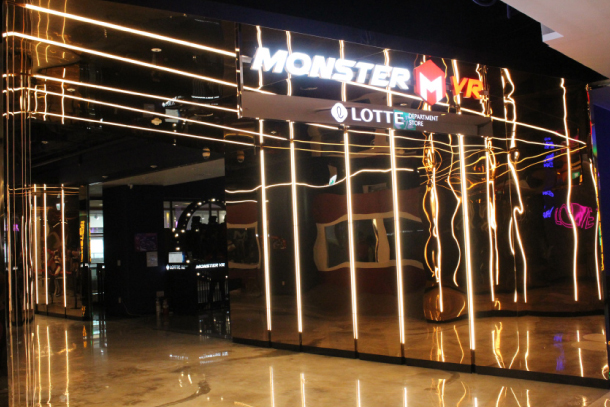
    Lotte Department Store will open a big virtual reality (VR) theme park on the 10th floor of its branch near Konkuk University, eastern Seoul, on Friday.

    The operation, named Lotte Monster VR, will offer more than 60 VR attractions or rides. Previously, the 10th floor of that store had restaurants and a culture center.

    The project was developed over a year with local company GPM, which runs a chain of VR theme parks or arcades.

    Lotte’s VR rides will mimic the experience of rafting, bungee jumping and riding a roller coaster. On a lower grade of the thrill scale, it will offer a virtual balloon ride. Lotte also will have a small VR film theater with 14 seats called the Monster Cinema, continuing the monster theme.

    Monster Cubes is an enclosed attraction with a huge screen in which a small group of people can play around 50 VR games and videos. One corner of the 10th floor with have a nearly 150-square-meter (1,614-square-feet) cafe.

    The retail giant said in a statement that it was trying to reverse the trend of young customers “turning away from brick-and-mortar stores in favor of ecommerce.”

    Because Lotte’s store is near Konkuk University, 35 percent of its sales come from customers in their 20s and 30s – a much higher figure than at other branches.

    The company said it first realized the potential of VR attractions when it operated a small VR arcade in el CUBE’s Hongdae branch, western Seoul, from September 2017 to last March.

    The arcade was only 148 square meters, but there were queues of people waiting for as long as one hour to get in on weekends, the company said. It was particularly a success among customers in their teens and 20s.

    “A VR theme park is a new kind of attraction for a local department store,” said Yoo Hyeong-ju, who heads Lotte Department Store’s development team. “We’re expecting the arcade to extend the amount of time people will spend in the store, particularly customers in their 20s and 30s, as well as families.”

  • Harvey Norman open door in Johor Malaysia

    Harvey Norman open door in Johor Malaysia

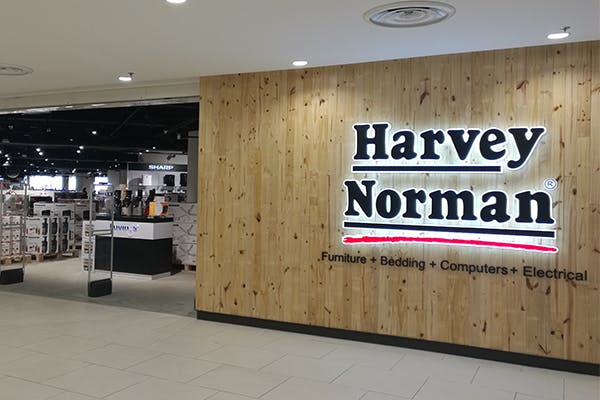
    Australian furniture retailer Harvey Norman Malaysia has opened its first store in Johor, at Paradigm Mall.

    Harvey Norman Asia MD Kenneth Aruldoss said the opening was timely as Johor has an impressive market thanks to rapid economic growth.

    The store also offers the retailer’s “Shop with Confidence” campaign which offers price guarantee.

    “This means that when customers buy a product from Harvey Norman and later find the same item at a lower price at another store, we will match the lower price and top up 10 per cent of the price difference within 10 days,” Aruldoss said.

    Another Johor store will be opened in SouthKey Mid Valley Megamall within the next three months while the third store is expected to open its doors in Tebrau, site of the Ikea-anchored Toppen shopping centre, early next year.

    Harvey Norman Malaysia has opened 17 stores so far, and plans to increase the network to 43 within 10 years.

  • Indonesia Gov’t to Offer Microloans to Tourism Sector SMEs

    Indonesia Gov’t to Offer Microloans to Tourism Sector SMEs

    The government will start disbursing subsidized loans to micro, small and medium enterprises by end of this month to increase revenue from the sector and boost the country’s foreign exchange reserves.

    The government previously only allocated such loans towards migrant workers and SMEs in the trade, agricultural, service, manufacturing and fisheries sectors. It has earmarked Rp 120 trillion ($8.3 billion) for SMEs this year, or 12 percent more than last year.

    “We expect SMEs in tourism to encourage optimization of the development of the sector, especially in the 10 priority tourist destinations and 88 national tourism strategic areas,” Iskandar Simorangkir, deputy for macro-economic coordination and finance at the Coordinating Ministry for Economic Affairs, said at a press conference in Jakarta on Wednesday (08/08).

    Tourism contributed around $16.8 billion to Indonesia’s foreign exchange last year, second only to the palm oil sector. The government seeks to increase this by 20 percent to around $20 billion this year.

    President Joko “Jokowi” Widodo’s administration has been promoting new tourist destinations in Indonesia, known as the “Ten New Balis.” These include Borobudur Temple in Central Java; Jakarta’s Thousand Islands; Lake Toba in North Sumatra; Tanjung Kelayang in Bangka Belitung; Tanjung Lesung in Banten; Mandalika in West Nusa Tenggara; Bromo-Tengger-Semeru National Park in East Java; Labuan Bajo in East Nusa Tenggara; Wakatobi in Southeast Sulawesi; and Morotai in North Maluku.

    The loans will be disbursed by 41 banks and nonbanking institutions and carry an interest rate of 7 percent. In comparison, state-controlled lender Bank Rakyat Indonesia charges 17.5 percent interest on unsubsidized microloans, while its peer, Bank Mandiri, charges 18.75 percent.

    Businesses such as travel agencies, art studios, souvenir centers, tour guides, tourism transportation services, food and beverage providers, accommodation establishments and handicraft industries can apply for loans of up to Rp 500 million under the program.

    The Ministry of Tourism is optimistic that it will meet its target of attracting 17 million foreign visitors to Indonesia this year, especially with international events such as the 2018 Asian Games and the annual meetings of the World Bank and International Monetary Fund.

    Jokowi asked ministers last month to seek ways to develop the tourism sector across the archipelago as part of efforts to narrow the country’s current-account deficit and bolster the rupiah.

    The currency has lost 6.21 percent of its value against the greenback since the beginning of the year as investors leave emerging markets due to higher US interest rates and a looming trade war between the United States and China.

    Bank Indonesia has spent approximately $13.6 billion of its foreign exchange reserves between February and June to defend the currency. Its foreign exchange reserves stood at $118.3 billion in July.

  • Asiana Airlines mired in the red for first half of 2018

    Asiana Airlines mired in the red for first half of 2018

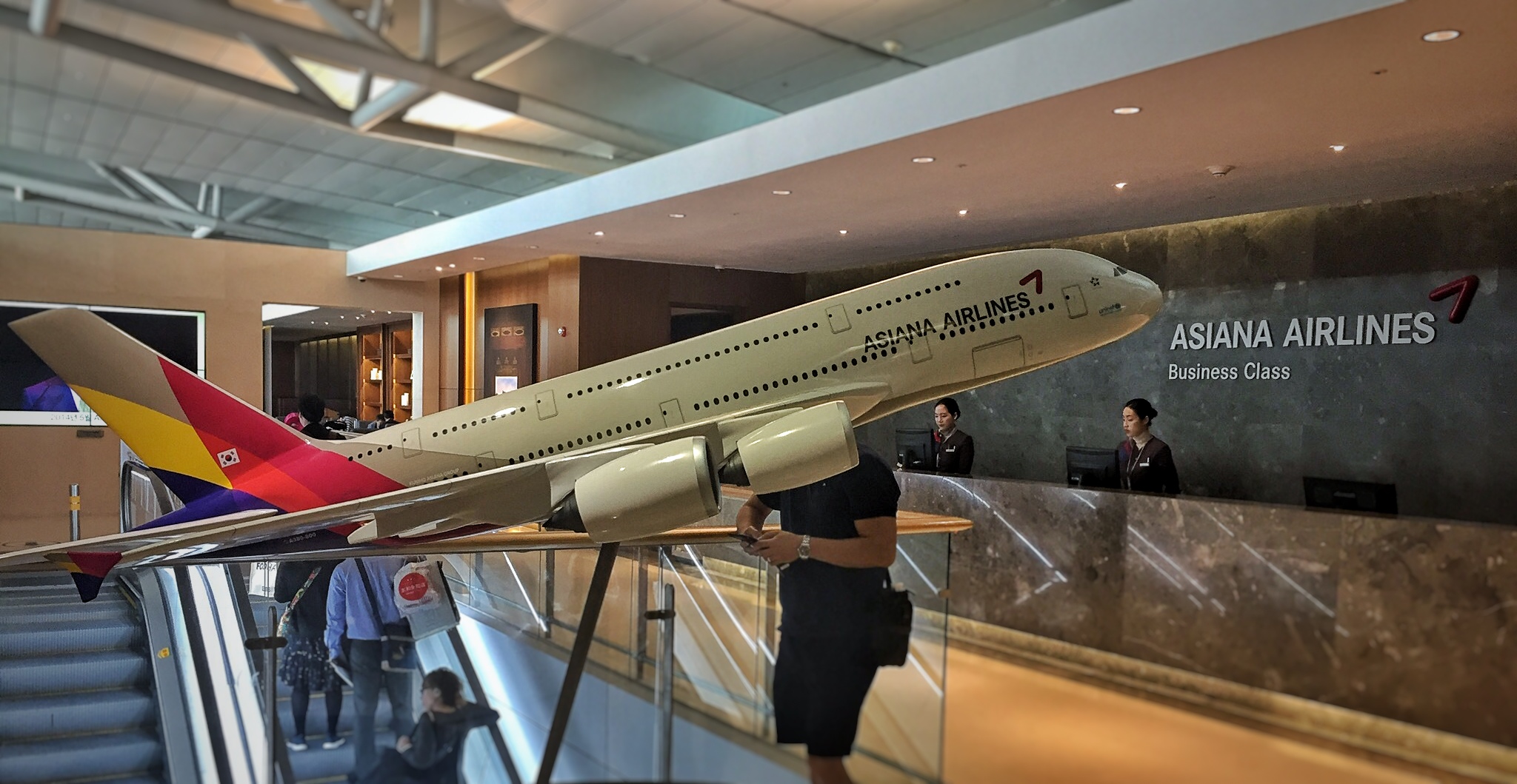
    Asiana Airlines, Korea’s second-biggest airline by sales, said Wednesday it swung to a net loss in the first half as a strong won drove up currency losses and fuel costs.

    Asiana Airlines reported it was in the red by 54.8 billion won for the January-June period, shifting from a net profit of 21.3 billion won a year earlier, the company said in a statement.

    “The airline suffered 72.6 billion won in foreign exchange losses during the first six months due to the won’s strength against the dollar, swinging from foreign exchange gains worth 63.7 billion won a year ago,” an Asiana spokesman said.

    Higher jet fuel prices also weighed on first-half results, he said.

  • How Ikea makes local shoppers feel at home in its stores across the world

    How Ikea makes local shoppers feel at home in its stores across the world

    Ikea’s blue-and-yellow stores are instantly recognizable: iconic, monolithic and now, as India’s first store throws open its doors to the masses, operating in more than 400 stores in some 50 countries.

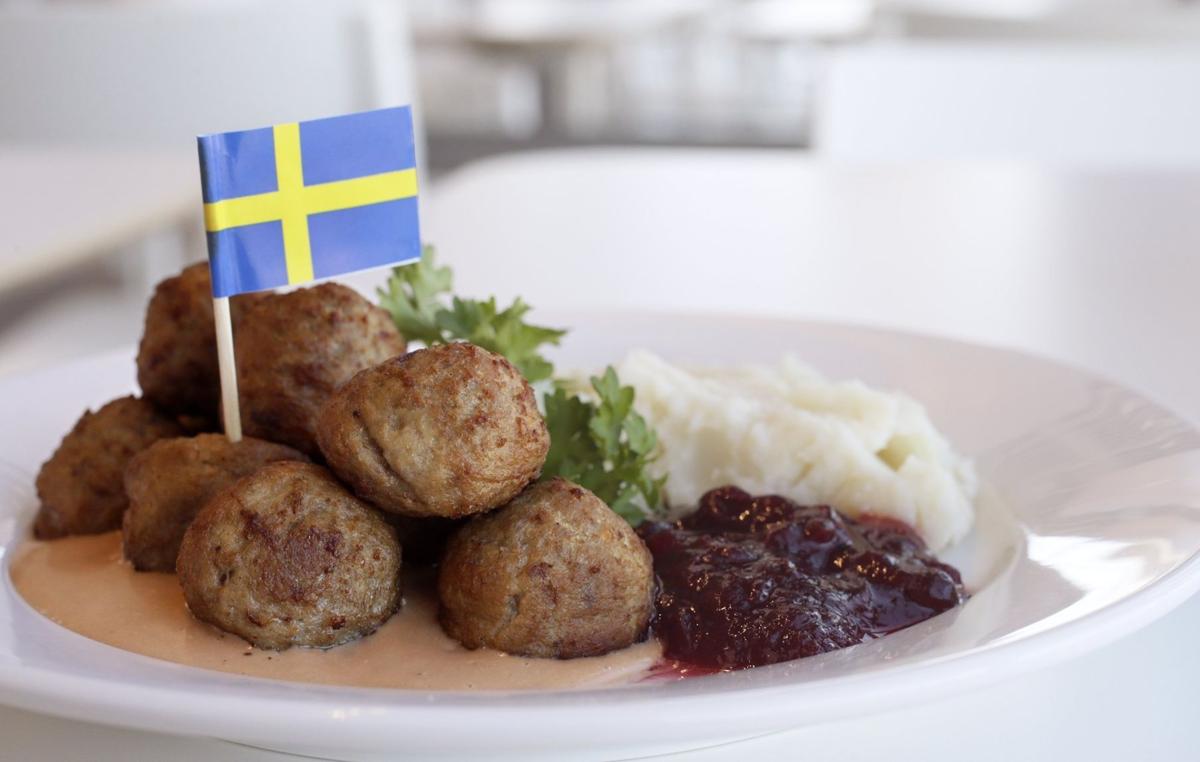
    But while every branch of the world’s largest furniture retailer has that most unmistakable whiff of flat-pack conformity, regional differences do exist — not least where their famed Swedish meatballs are concerned. In many countries, the Ikea business model has been subtly tweaked to fit local preferences and customs. Opening hours are altered, menu options are adjusted and very occasionally, women are airbrushed out of catalogues.

    Here’s how a multinational company built on the principles of mass production caters to national tastes.

    The Restaurant

    The cafeteria in Ikea’s new Hyderabad store will have 1,000 seats; what it won’t have is Swedish meatballs. Out of respect for Hindu beliefs, the pork-and-beef dish will be dropped from the menu in favour of chicken meatballs, biryani, samosas and vegetarian hotdogs.

    It’s not the first time the retail giant’s best-known meal has got mixed up in religion. In 2013, traces of horsemeat were discovered in batches from a Swedish supplier, forcing Ikea to release statements in Malaysia and the United Arab Emirates reassuring customers that the pork-free “Swedish” meatballs in those countries were halal certified (and not, in fact, produced in Sweden).

    Most often, menus are tweaked simply to appeal to regional tastes: Crayfish in Japan, fish and chips in the UK, shawarma in Dubai. In a daring move that would pit popularity against convenience, Ikea’s menu may yet become available without a diner having to go anywhere near a stick of furniture: the company is reportedly considering opening standalone restaurants in the US, although “no decisions have been made,” according to a spokesperson.

    The Catalog

    Unsurprisingly, the product lines in the catalog vary somewhat from country to country: the kitchenware section in India will feature spice boxes and idli (rice cake) makers, according to the AFP, while its Chinese cousin goes heavy on woks, cleavers and steamers.

    The catalog itself has been more controversial. A woman-free catalog was produced last year for Israel’s ultra-Orthodox community by the company’s local franchisee, featuring photographs of men and boys only. Ikea later apologized, but the furore can’t have come as a surprise: in 2012 a Saudi catalog appeared with some photos of women airbrushed out, sparking a similar response.

    The Floor Space

    In densely-populated Hong Kong, where flats are typically small and the streets are crowded, Ikea is a place to relax as well as shop. The soft-furnishing section is often crowded with locals taking an air-conditioned break from the city, lounging around on the sofas. Meanwhile, in mainland China, shoppers make themselves even more comfortable: it’s common to find people sleeping in the display beds and armchairs, a habit that isn’t tolerated so readily in other parts of the world.

    Limited space is an issue for the company itself in crowded European capitals like London, Stockholm and Madrid, where it’s opened small-scale stores of less than 1,000 square meters. That’s good news for the maze haters who can’t stand following the arrows around a typical big-box Ikea, which typically sprawls across 25,000 square meters.

    Home Sweet Home

    The local touches aren’t just in-store — they follow you home. Hong Kong deliveries are priced depending on the number of steps up to your apartment (perhaps not unreasonable in such a high-rise city). In the US and UK, you can have your self-assembly furniture built for you using TaskRabbit, an online service that matches freelance labour to one-off jobs, which was acquired by Ikea in 2017. In London, having your kitchen assembled could set you back anywhere between about £13 and £52 ($17 to $67) an hour. Meanwhile, in Dubai, the local assembly service will charge you about 300 dirhams ($82) for the entire job.

    Does the thought of all this global mega-retail have you itching for a long evening browsing the modular storage systems? Head to Hyderabad. In a part of the world where many people’s day starts and ends late, Ikea’s newest branch will be open to 11 pm — a full three hours later than branches in the chain’s home country.

    If, however, you’ve suddenly gone right off the idea of leaving your tastefully furnished house, don’t worry, you can now shop online for your stainless steel shelving, your printed cotton pillowcases — and sometimes even your meatballs — in all but a handful of Ikea’s markets.

  • Fung Retailing likely to sell Toys R Us stake

    Fung Retailing likely to sell Toys R Us stake

    Lenders owed funds from the collapsed Toys R Us North American business are trying to have a US court force Hong Kong’s Fung Group to sell its stake in the profitable Asian subsidiary.

    According to a report by Bloomberg, for which Fung Retailing did not respond to a request for comment, senior lenders have made an opening bid of US$760 million for Toys R Us Asia, of which Fung Retailing holds 15 per cent. That’s well below the $1 billion the company said in April it was likely to receive for the business several months ago, citing “multiple bids”. But now the company says it has been unable to get any of those bidders to commit, alleging “interference” by Fung.

    The lenders, which include York Capital Management Global Advisors, Barclays Bank and Cerberus Capital Management, plan to essentially swap debt for equity in the Toys R Us Asia business in what is termed a “credit bid”.

    The business goes to auction in a US bankruptcy court next month.

    However, according to Bloomberg, Toys R Us has asked a federal judge to invalidate Fung Retailing’s option giving it first right of refusal to purchase additional shares – and to force the Hong Kong company to sell its stake.

    Toys R Us Asia has repeatedly stressed its business was robust and profitable during the collapse of the US and then UK operations.

    The US toy retailer was unable to restructure its debt after filing for bankruptcy last year and has since progressively closed its operations in North America, the UK and Australia.

    Bloomberg says the liquidation sales may not bring in enough money to cover the cost of the bankruptcy, with suppliers, lawyers and former employees all seeking payment for services they provided after Toys R Us entered Chapter 11 last September.

  • Indonesia’s Pertamina to Invest $237m in Sanga Sanga Oil Block

    Indonesia’s Pertamina to Invest $237m in Sanga Sanga Oil Block

    State-owned energy company Pertamina plans to invest $237 million over the course of three years to develop the Sanga Sanga oil block in East Kalimantan, it announced on Wednesday (08/08).

    Pertamina has just acquired the block from US-based Virginia Indonesia Company (VICO), which was operating it for four decades.

    According to upstream oil and gas regulator SKK Migas, the Sanga Sanga oil block currently produces 10,753 barrels oil equivalent per day (boepd). The block, located in Kutai Kertanegara district, also produces 80.7 million metric standard cubic feet per day (mmscfd) of gas. It has an estimated cumulative production of 258 million barrels of oil equivalent (mmboe).

    A senior Pertamina executive said the company will use this investment to increase production in the block by drilling 29 new wells next year.

    Meidawati, upstream strategic planning, portfolio and evaluation senior vice president at Pertamina, said the block offers a great potential as Pertamina will maintain its production and also will search for new reserves.

    “The Sanga Sanga block will be later integrated with the company’s other blocks such as Pertamina EP and Mahakam, so in the end it would become cost effective for the company,” Meidawati  said in a statement on Wednesday (08/08).

    Sanga Sanga will be operated by Pertamina’s subsidiary, Pertamina Hulu Sanga Sanga.

    “As representatives of the government, we appreciate VICO Indonesia’s contribution and hard work as Sanga Sanga oil block’s operator. Pertamina is now preparing for the transfer and will continue its operations,”  SKK Migas head Amien Sunaryadi said.

  • IKEA India opens one more store with a ‘low price’ strategy

    IKEA India opens one more store with a ‘low price’ strategy

    IKEA, the world’s leading Swedish home furnishing retailer will open the doors of its Hyderabad store, its first in India to customers at 10:00 a.m. today.

    This is a landmark moment for IKEA after it got FDI approval in 2013 that allowed 100 percent FDI for single brand retailers in India. IKEA has been sourcing from India for its global stores for more than 30 years. Its plan to open retail stores in 40+ cities across the country, reinforces its long-term commitment and deep connection with India. IKEA has set out to become a truly unique, meaningful and trusted brand in India, making everyday brighter and better for the many people and this dream seems closer to reality today as we wait to see what the Hyderabad store will offer.

    On the occasion, Jesper Brodin, CEO, IKEA Group said, “Today is a proud moment as it marks a major milestone in a journey that started more than 30 years ago when IKEA partnered up with local manufactures in India. We have a long-term commitment to India, which is an important market for us. We bring an inspiring, affordable and convenient home furnishing offer and awe are more than ready to meet and understand the needs, frustrations and drams in the everyday lives of our customers in India.”

    The store is 4,00,000 sq. ft. large and is spread over 13 acres in the heart of Hyderabad’s tech hub HITEC City and promises to be a ‘fun day out’ for the family. It will offer 7,500 affordable, good quality, value for money home furnishing products, all under one roof. The store will remain open 365 days from between 10.00 a.m. – 11:00 p.m.

    The IKEA store in Hyderabad will offer ideas, inspiration and solutions. It will exhibit two full homes that reflect ‘Life at Home’ in Hyderabad, besides different room sets based on different parts of the home like bedroom, kitchen, children’s room and living room. It will also have a market hall where you will find home kitchen utensils and accessories, textiles, rugs, lighting, decoration, stationary and even live plants.

    The store will house a 1,000-seater restaurant, IKEA’s largest and possibly India’s largest restaurant, a cafe which will offer coffee, bakes, frozen yogurt and many more for purchase, a kids’ paly area named Smaland where customers can leave their children safely.

    The IKEA restaurant will offer 50 percent Swedish specialities like salmon and chicken and vegetarian meatballs and 50 percent local delicacies like biryani, samosas, dal makhni in the case of Hyderabad. The food will be very affordable, for example a plate of samosas will cost Rs 10.

    IKEA’S business idea is based on ambition of reaching the many people with thin wallets. As it sets a goal to reach 200 million people in the next three years , the foundation for a strong and relevant offer is affordability and accessibility. IKEA will attract the many different segments in society and not just the few. Everyone is welcome to shop at IKEA. 1,000 products will be priced below Rs 200.

    Peter Betzel, CEO, IKEA India said, “At IKEA the people, the community and our contribution to safeguarding the health of the planet is the biggest priority. Over the last five years Juvencio Maeztu and the team here have laid a very strong foundation and a solid base for IKEA to be successful. I thank all our friends in India including the government and officials for all the support and partnership to make this dream a reality.”

    In terms of the products, the company will be bringing its classic IKEA range along with a small percentage of locally relevant products for the Indian market like masala boxes, pressure cookers, tawas, idli makers, colourful sheets and mattresses made with coconut fibre centre. Customers will also be able to buy global classics like the BILLY bookcase, KLIPPAN sofa, LACK table and POaNG armchair among others.

    Welcoming the people of Hyderabad, Johan Achillea, IKEA Hyderabad Store Manager said, “I am excited to thrwo open the doors of the first IKEA India store to the many people of Hyderabad and its neighbouring community. Telangana has given us a lot of love over the last few years and now we hope to witness the people of Hyderabad truly enjoying our store that has been built with love. I thank the local officials who have made this day possible. The biggest value we bring its to the many people who have big aspirations for their homes and thin wallets. Our promise is one of value, of quality and of making the everyday life better at home for all of the many people in the state and beyond.”

    The IKEA store employs 950 co-workers in Hyderabad directly and 1500 indirectly in services and expects to host close to 7 million visitors each year.

    IKEA has a non-negotiable commitment to hire 50% women co-workers at all levels in India including forklift drives and assembling co-workers. It will also come with a strong and affordable service offer including delivery and assembly to help customers who are not familiar with the DIY (Do it yourself) concept just yet.

  • Line Friends opens pop-up character store in Hollywood

    Line Friends opens pop-up character store in Hollywood

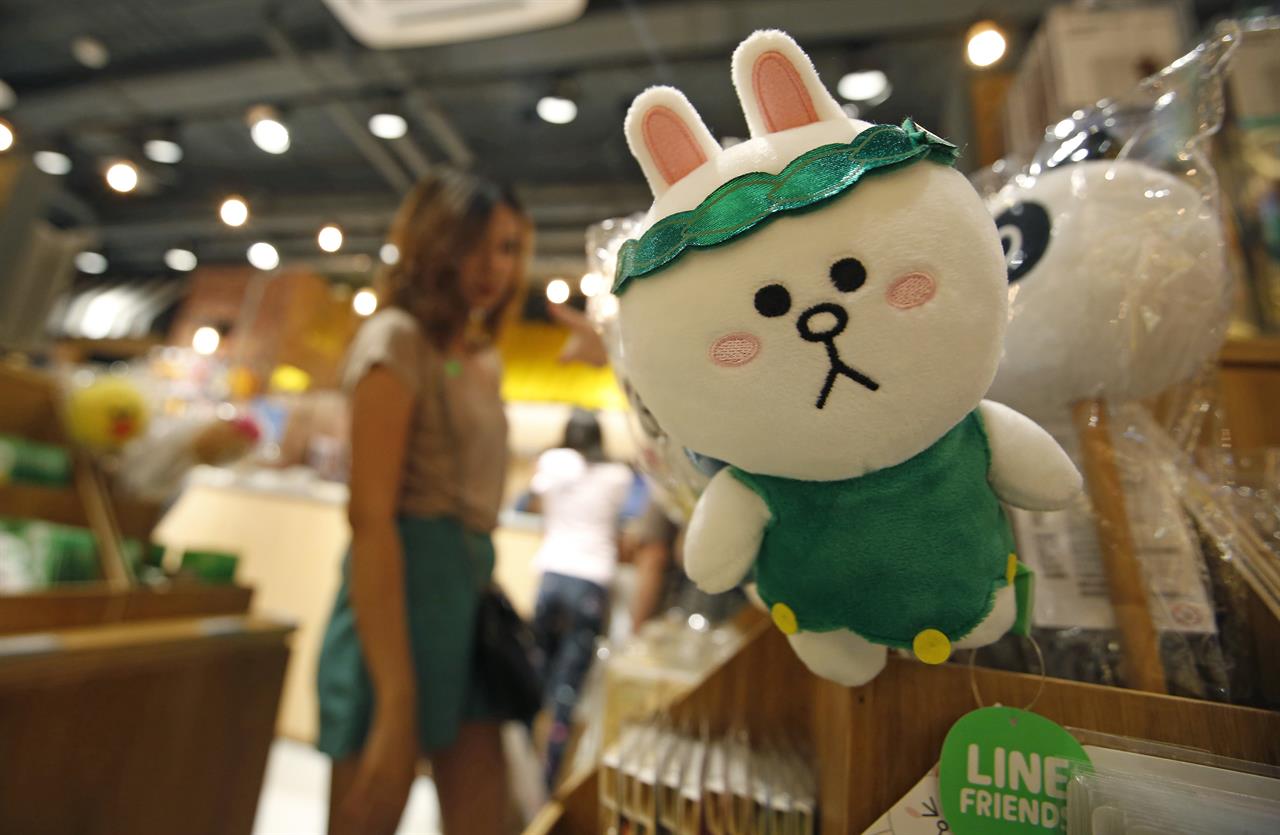
    Line Friends, the character merchandising unit of Japan-based mobile messenger Line, announced that it has opened its first pop-up store in Hollywood, Los Angeles.

    Over 1,500 people lined up outside the new Line Friends’ pop-up store in Hollywood, Los Angeles, on the morning of 27 July, waiting for the doors to open for the first time.

    The pop-up store, which will be open until late October, saw over 15,000 visitors within the first two days of its launch.

    Line Friends, a range of characters based on Naver’s messaging app, Line, has gained popularity in global markets as part of a growing trend for “K-characters.” Armed with cute animal characters with names like “Brown” and “Sally,” the brand reached the United States after its explosive success in Southeast Asia.

    Line Friends has been expanding its customer base, starting with its release of the character line “BT21” in collaboration with boy band BTS last year in an effort to draw in BTS fans from around the world.

    The brand has been more popular in foreign countries than in Korea. A Line Friends pop-up store opened in New York last August, but became a permanent location after its huge popularity.

    “Judging by the success of the Hollywood pop-up store and the popularity of the New York location, we expect that we’ll be able to expand to a full-scale intellectual property business with Line Friends in North America,” the company said.

    Line Friends operates 112 stores in Japan, the United States, China and Taiwan. Korean character and animation industries are the main pillars of the K-content industry along with mobile and PC games. The industry’s growth potential is practically unlimited as the language and cultural barriers are low and it is easy for brands to collaborate with other businesses for things like household items, games and film.

    According to this year’s content industry outlook report released by the Korea Creative Content Agency in March, the character industry accounted for 9.5 percent of content exports, the second highest following the game industry. Kakao Friends is also planning to expand to Japan, the United States and Europe, starting with its recent name change to Kakao IX.