Category: Living

Retail News Asia is committed to providing both local and global retailers with the latest Living news throughout the Asian market. This on a daily base.

  • IKEA to open third outlet in Korea

    IKEA to open third outlet in Korea

    Swedish furniture giant IKEA will open its third store in South Korea in Giheung-gu, Yongin to make its products more accessible to customers in the Southern metropolitan area.

    IKEA Korea held the groundbreaking ceremony for the new outlet on 25 July in Giheung-gu, Yongin, 34 kilometers Southeast of Seoul. The retail space  of 91,000 square meters includes parking space, with different floors. It is expected to be completed in late 2019.

    IKEA opened its first Korean store in Gwangmyeong, Gyeonggi Province in 2014 and its second store in Goyang three years later. The Gwangmyeong branch is situated west of Seoul while the Goyang branch is located in the north.

    “We are looking forward to meeting customers in the Southern area through our Giheung branch,” said an official from IKEA Korea. “As a multi-channel retailer, we will continue to expand our reach and improve the shopping experience for our customers so that more people can furnish their homes with IKEA products.”

    IKEA Korea employed 700 new staff last year and was named one of the top hiring companies in 2018 by the Ministry of Employment and Labor.

    In the fiscal year ended August 2017, the retailer raked in sales of 365 billion won (US$326.1 million), up 6 percent from a year earlier, and drew more than 6.5 million visitors. When including the sales of its second store which opened last October, its sales and visitor tally are expected to double in 2018.

    The Swedish furniture giant runs 355 stores in 29 countries. Its total sales last year in the global market rose 3.5 percent from the previous year to 34.1 billion euros.

  • Indonesia Commits to Developing Low-Cost Airport Terminals

    Indonesia Commits to Developing Low-Cost Airport Terminals

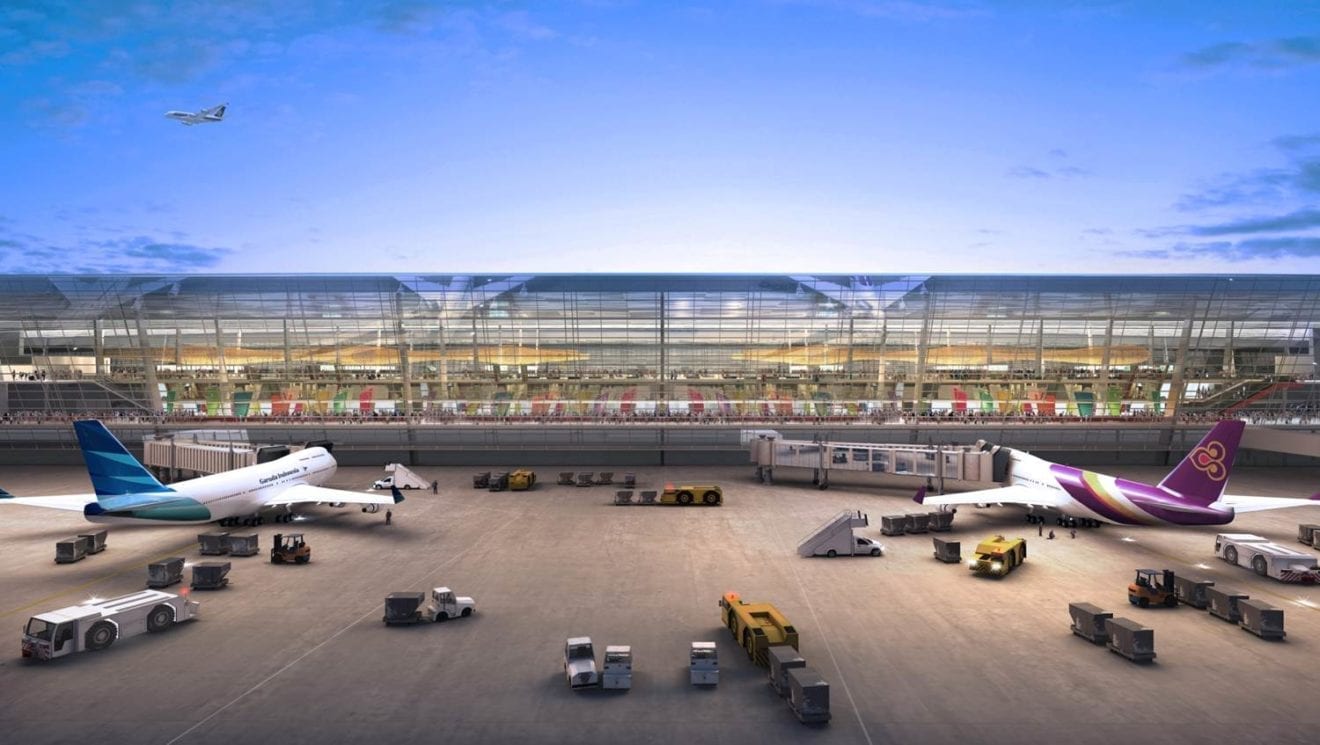
    The Ministry of Transportation has given its support for the development of airport terminals specifically catering to low-cost carriers, as part of Indonesia’s efforts to lower travel costs and boost tourism.

    “Be it specialized terminals or airports for low-cost carriers, we will certainly explore the matter further,” the ministry’s civil aviation director general, Agus Santoso, said on Tuesday (24/07), as quoted by Antara.

    Agus said President Joko “Jokowi” Widodo issued a directive for the establishment of more welcoming transportation infrastructure to attract more foreign tourists to Indonesia.

    Indonesia took a cue from Malaysia and Singapore, which have been operating low-cost terminals over the past several years. The two neighboring countries last year attracted 26 million and 17 million foreign tourist arrivals, respectively. Indonesia only managed to attract 14 million.

    Low-cost terminals, which provide only basic amnesties, could allow airlines make significant cost savings. This may allow them to offer cheaper tickets and in turn, attract more travelers, Agus said.

    “The low costs are derived from minimal services, but we will nonetheless always uphold safety, whether it be for low-cost airlines, terminals, or even airports,” he said.

    The country’s largest airport operator, Angkasa Pura II, earlier announced a plan to transform Terminal 1 and Terminal 2 at Soekarno-Hatta International Airport outside Jakarta into Indonesia’s first low-cost terminals.

    The terminals are undergoing a massive revamp to update and expand facilities dating back to their opening in 1985 and 1992, respectively. Angkasa Pura II president director Muhammad Awaluddin said the company will use the opportunity to transform them into low-cost terminals.

    “We saw that it is possible to synchronize this program with the revitalization effort,” he said.

    Awalludin said he will reduce human involvement in low-cost terminal services, which would further trim costs. Terminal 4 of Singapore’s Changi Airport has managed to achieve that by implementing automated machines from the check-in counters, through baggage storage to immigration counters.

    “Is Changi low in quality? No. Did Changi abolish many of its functions? No. So we will match that standard,” he said.

    Awaluddin said Soekarno-Hatta Airport’s low-cost terminals would further benefit budget airlines currently operating from there, including the country’s largest, Lion Air and Citilink.

  • PM Vietnam warns against allowing in global waste

    PM Vietnam warns against allowing in global waste

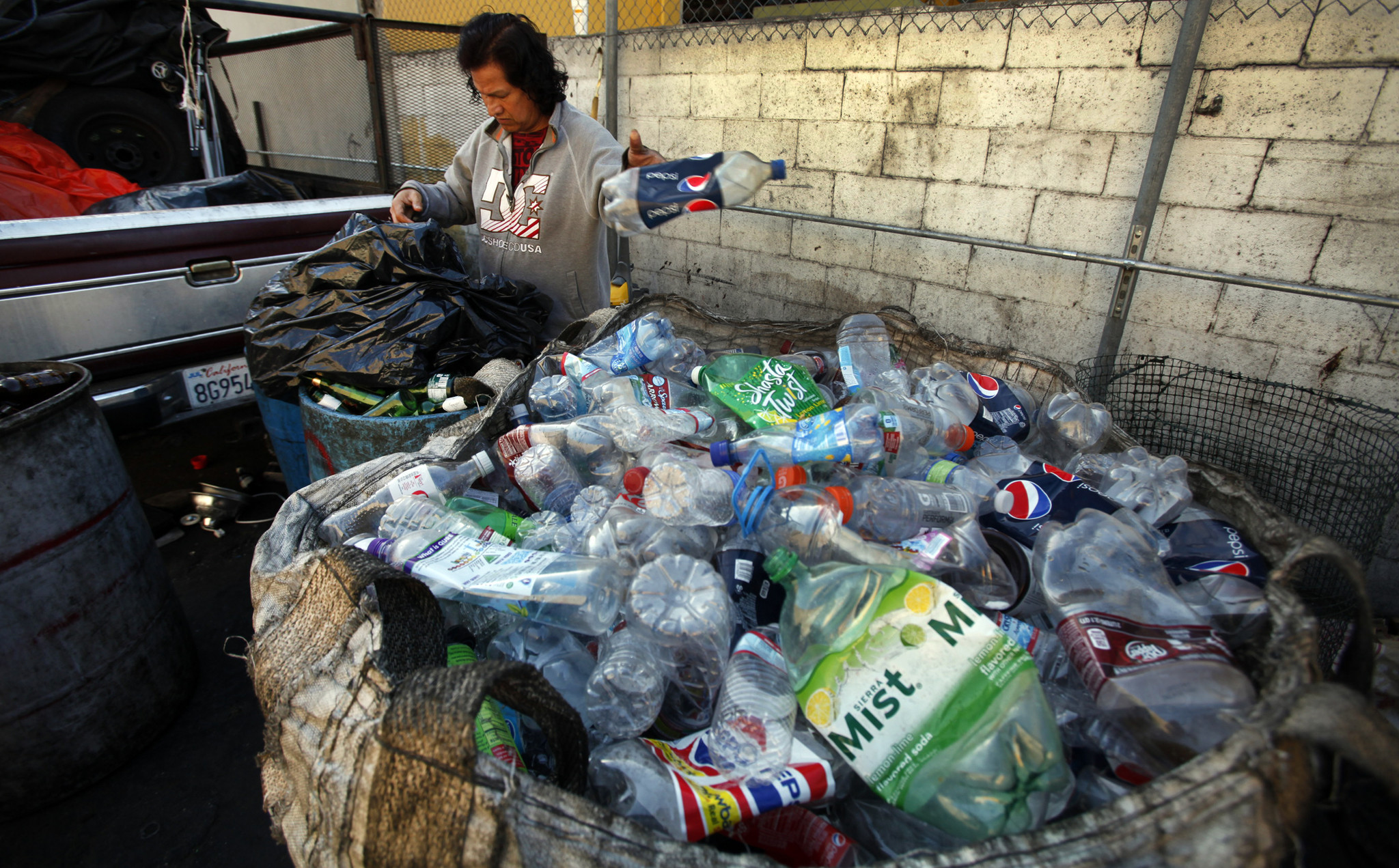
    “Authorities need to work in co-ordination to stop scrap from entering Vietnam and affecting the environment and people’s lives,” he said at a meeting of the government’s standing committee on importing scrap Wednesday.

    They need to investigate the scrap containers that have entered the country without anyone accepting delivery so far and occupying huge space at ports, he said.

    They need to take legal action against violations of environmental laws and illegal imports of scrap, he said.

    They should not permit businesses to import scrap, he warned further.

    The Prime Minister approved a proposal to issue a directive on controlling scrap imports, which will be an important legal basis for the Ministry of Natural Resources and Environment to stop their imports.

    Since China announced last year it would stop allowing imports of waste as part of its “war on pollution” Vietnamese experts and officials have been concerned this country could become the next dumping ground for the world’s scrap.

    Over 900 Vietnamese firms import paper, plastic and metal scrap for use in manufacturing, according to Vietnam Customs.

    In the first six months 8,000 containers of scrap arrived at Cat Lai port in Ho Chi Minh City, said its operator, Saigon Newport Corporation.

    A third have remained at the port for over 90 days without anyone carrying out clearance procedures for them, it added.

    This year Vietnam had imported 2.28 million tons of metal scrap for over $816 million as of June 15, an increase of 55 percent year-on-year, according to customs.

  • Vietnam labor unions, businesses remain locked in minimum wage dispute

    Vietnam labor unions, businesses remain locked in minimum wage dispute

    The National Salary Board met for the second time this month to discuss whether or not to raise the minimum wage of Vietnamese workers next year.

    The previous meeting had failed to reach an agreement.

    On Thursday, the Vietnam General Confederation of Labor (VGCL), which represents the laborers, repeat its demand for an eight percent increase in minimum wage, or by VND220,000-330,000 ($9.4-14.6) per month, depending on the area.

    This increase will meet 95 percent of laborers’ living costs, it said.

    However, the Vietnam Chamber of Commerce and Industry (VCCI), which represents businesses, disagreed, saying there should be no increase in minimum wage next year.

    Most business associations in the country don’t agree with the proposal to increase minimum wages next year, said Hoang Quang Phong, vice chairman of the VCCI.

    One of the reasons the two organizations have not been able to come up to an agreement is that they have different methods of determining minimum living costs, said Ngo Duy Hieu, head of the Department of Labor Relations under the VGCL.

    In order that Vietnamese laborers get a minimum wage that completely covers their minimum living costs, there should be an increase in their remuneration over the next two years that is suitable for businesses but also matches the contribution of laborers, he said.

    VGCL recently published a study on minimum wage and cost of living after surveying over 3,000 laborers in 150 different businesses in the country.

    26.5 percent said they were “barely getting by,” while 12.5 percent said their incomes were not enough to support their families, and have to work overtime or extra jobs to make ends meet.

    The study found that an average worker’s minimum spending is VND6.5 million ($290) each month, while the average base salary is just VND4.6 million.

    Thus laborers need to work on average an extra 28 hours a month just to make ends meet, the study found.

  • Malaysia Airlines to capture 50% moslem market share in Malaysia, Indonesia

    Malaysia Airlines to capture 50% moslem market share in Malaysia, Indonesia

    Malaysia Airlines Bhd (MAB) aims to tap into 50% of the umrah pilgrimage market in Malaysia and Indonesia with 270,000-290,000 umrah pilgrims projected to make their pilgrimage to the holy land in the upcoming pilgrimage season.

    The national carrier entered into a charter service deal with a coalition of four umrah tour operators comprising KRS Travel Sdn Bhd, ATS Global Travel & Charter, Ecoriths Leisure Travel &Tour and Rayhar Travels Sdn Bhd to provide air charter services during the umrah season beginning October 2018 until June 2019.

    MAB group CEO Captain Izham Ismail said all the 149 flights will be operated via its Airbus A380-800 aircraft. The agreement will see the carrier transporting 70,000 pilgrims from Malaysia and neighbouring countries such as Indonesia.

    The direct flight are from Kuala Lumpur to Jeddah and Madinah in Saudi Arabia.

  • New Biodiesel Recipe Can Cut Indonesia’s Fuel Imports

    New Biodiesel Recipe Can Cut Indonesia’s Fuel Imports

    Indonesia, the world’s biggest palm oil producer, is offering incentives to developers of a new 100 percent palm oil-based “green diesel,” which the net oil importer hopes can replace costly fuel imports within three years, Industry Minister Airlangga Hartarto said.

    Biodiesel for land transportation in Indonesia currently consists of a 20 percent bio component that is mixed with petroleum diesel. That component is expected to be raised to 30 percent in 2020.

    In Indonesia, the bio portion of biodiesel is made with fatty acid methyl esters (FAME) from palm oil, but efforts to increase FAME concentrations in biodiesel have faced resistance from regulators as well as the automotive and oil industries.

    While biodiesel can cut fuel costs and reduce emissions, higher blends of FAME require special handling and equipment as the fuel has a solvent effect that can corrode engine seals and gasket materials, and it can solidify at cold temperatures.

    But according to Airlangga, Indonesia has found a new way to produce biodiesel that is not based on FAME that can avoid these problems.

    “We already have a prototype and in three years we will be ready to produce it,” he said last week.

    “Green diesel” made completely from palm oil has “the same specifications as petrol” and is compliant with the Euro IV emissions standard, said Airlangga, who chairs Indonesia’s second-biggest political party, Golkar.

    A biorefinery owned by Elevance Renewable Sciences and Wilmar International is currently producing “green diesel” in a pilot project, and has been given a corporate tax discount to develop full-scale output, Airlangga said.

    Modifications to engines and machinery “wouldn’t be needed because its specifications are the same as [B20] biodiesel,” he added. “It’s actually better than conventional fuel.”

    According to Lila Harsyah Bakhtiar, an official at the Industry Ministry, green diesel is made using hydrotreated vegetable oil, a technology that is expensive to develop but which could avoid disruptions to automakers who were “angry” over repeated changes to the FAME-based biodiesel mix.

    Elevance and Wilmar did not reply to requests for comments.

    According to its website, Elevance uses a patented process at its refinery in Gresik, East Java, to produce 180,000 metric tons of modified triglyceride, unsaturated methyl esters and olefins per year.

    Indonesia’s biodiesel program was already reducing Indonesia’s fuel import demand by $21 million per day, Airlangga said, adding that green diesel can “help [improve] our trade balance, and strengthen the rupiah while creating jobs.”

    Southeast Asia’s largest economy is among the region’s most vulnerable to external factors due to its sizeable current account deficit and its large fuel imports.

    Because of that, the rupiah has been among the hardest hit this year as investors have sold emerging market assets.

    Indonesia has been pushing increases in domestic palm oil consumption to cushion a possible slowdown in export demand. The European Union last month agreed to phase out the use of palm oil in transport fuels from 2030 because of deforestation concerns.

    The Indonesian Automotive Industry Association (Gaikindo) has previously said increasing biodiesel blends can increase fuel consumption and may lead to engines overheating.

    The minister asserted that green diesel generated 90 percent fewer emissions than conventional fossil fuels.

    However, a 2015 study funded by the European Commission found that among vegetable oils, palm and soybean oils generated the highest indirect greenhouse gas emissions because of deforestation and the drainage of peatlands associated with their cultivation.

    Indonesia is expected to consume between 3.2 million and 3.3 million kiloliters of FAME this year, below an earlier target of 3.5 million kiloliters, according to the Indonesia Estate Crop Fund.

    The Indonesia Biofuel Producers Association (Aprobi) expects unblended biodiesel exports to reach 800,000 kiloliters this year.

  • 2,000 planes flew over Korea per day in first half of 2018

    2,000 planes flew over Korea per day in first half of 2018

    About 2,000 planes flew over Korea per day on average during the first half of this year, according to the Ministry of Land, Infrastructure and Transport.

    The transport ministry’s data, released on Monday, showed that a total of 394,000 planes travelled over the country, including those that landed on Korean soil and those that were just passing by, up 5.4 percent compared to a year ago.

    Monthly traffic for the first half reached its peak in May, when 68,000 planes flew over Korea.

    The transport ministry’s data also showed that a total of 27,100 airplanes flew in and out of Korea during that period, up 8.6 percent from the same period last year. On a daily basis, 1,499 planes flew in and out of the country.

    An official from the transport ministry said that international airplane traffic is likely to increase in the second half and is expected to reach a historic high.

  • Mothercare Vietnam opens second store

    Mothercare Vietnam opens second store

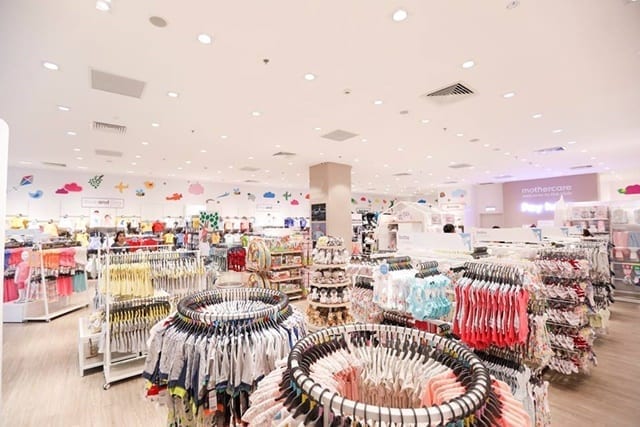
    UK-based baby-goods retailer Mothercare Vietnam is opening its second store, inside the newly-opened Vincom Landmark 81 in Ho Chi Minh City.

    Opened three months after the first store at Crescent Mall, the new 286sqm shop offers a full range of products for mothers, and for kids under five years old.

    The brand plans to open a third store by the end of this year at another, as yet unidentified, shopping mall.

    The baby goods retailer was brought to Vietnam under franchise agreement between Mothercare UK and IPP Group’s subsidiary ACFC, which also manages Gap, Nike, Old Navy, and Tommy Hilfiger.

    While expanding in international markets, the UK brand has shuttered stores in an effort to survive in its home market.

  • Cabin crew for Jeju Air can ditch the high heels

    Cabin crew for Jeju Air can ditch the high heels

    Korea’s largest budget airline, Jeju Air, will now allow female flight attendants to wear shoes with lower heels when in uniform, the company announced on Thursday.

    Female attendants had to wear shoes with five to seven centimeter (1.9 to 2.7 inch) heels when they were working in uniform outside of planes.

    Once they boarded a plane, attendants wore shoes with low, three-centimeter heels for safety reasons.

    Jeju Air has now decided to let attendants choose between shoes with high heels or lower heels when wearing their uniforms outside of planes.

    The airline has been changing its service guidelines from earlier this year to reduce stress on flight attendants.

    From April, the airline has let flight attendants wear glasses and have painted nails while serving on board.

    While Jeju Air didn’t have official guidelines that prohibited attendants from wearing glasses, the industry norm was to wear contact lenses, so the airline decided to officially allow glasses.

    The airline previously only allowed nails to be painted with one color, but now flight attendants can decorate their nails with a variety of colors. However, additional textured nail decorations are still prohibited as they could scratch customers, the airline said.

    The uniform guidelines for flight attendants in Korea became a hot topic after employees of Korean Air’s budget airline Jin Air complained about their skinny jeans-based uniform.

    The idea of wearing jeans as uniform was reportedly introduced by Korean Air heiress Cho Hyun-min, who stepped down from all her positions at both Korean Air and Jin Air after throwing drinks at employees out of anger earlier this year. Jin Air is currently redesigning its uniforms.

  • Vietnam job seekers switch to foreign companies

    Vietnam job seekers switch to foreign companies

    The increase was recently announced by the executive search company Jobstreet.com.

    Le Thi Huyen Anh, key account sales manager at Jobstreet.com, attributed this to the appealing working environment, remuneration and bonus and other rewards at foreign firms.

    Speaking about the dramatic changes in the area of human resources, she said the element of technology is creating new job prospects, job titles and responsibilities and demanding specific skill sets and multitasking capabilities in new candidates as well as existing employees.

    But the ratio of Vietnamese employees who can meet the multitasking requirements in technology-based working environments remains modest, she said.

    According to Jobstreet’s bliss index of employees, a candidate’s final call on whether to select or prove their loyalty to a certain workplace depends not just on the income and job title. There are also other determinants such as position, reputation, corporate values, working culture and the community of fellow staff members, it said.

    Certain job titles like “officers” and “specialists” are offered higher wage increases and bonuses than others. Half of businesses recently surveyed by Jobstreet.com are committed to expanding recruitment while 10 percent plan to keep the recruitment ratio unaltered next year.

    Nguyen Thi Thu Trang, general manager of JobStreet.com, said the top three recruitment categories this year are wholesale-retail, communication-marketing and information technology.

    Vietnam received an estimated $16.2 billion in foreign direct investment (FDI) in the first half of this year, down 4.4 percent from the same period last year, according to the General Statistics Office.

  • Nike to rise salary of its employees

    Nike to rise salary of its employees

    After an internal review of the company’s pay structure, Nike has decided to increase the salaries of about 7,400 employees globally. 

    Ten per cent of the company’s workforce, across all job levels, will have their pay adjusted starting next month said Nike spokeswoman Illana Finlay in a statement on Monday. These changes are aimed to keep Nike salaries competitive within their industry, and “support a culture in which employees feel included and empowered.”

    The review comes at a time in which Nike’s HR policy is in the spotlight with several executive-level resignations, including president Trevor Edwards, in which Nike flagged “conduct inconsistent with Nike’s core values and against our code of conduct,” though there were no direct allegations of misconduct against Edwards.

    At the time, Nike’s human resources chief Monique Matheson noted the company had “failed” in promoting and hiring women and other senior-level positions.

    “While we’ve spoken about this many times, and tried different ways to achieve change, we have failed to gain traction,” said Matheson.

    “Our hiring and promotion decisions are not changing senior-level representation as quickly as we have wanted.”

    Deloitte LLP managing principal and vice chairman Cathleen Benko was recently appointed to the company’s board of directors, bringing experience leading an award-winning women’s initiative and broader inclusion focus at Deloitte.

  • Palm Oil From Indonesia’s Shrinking Forests Taints Global Brands

    Palm Oil From Indonesia’s Shrinking Forests Taints Global Brands

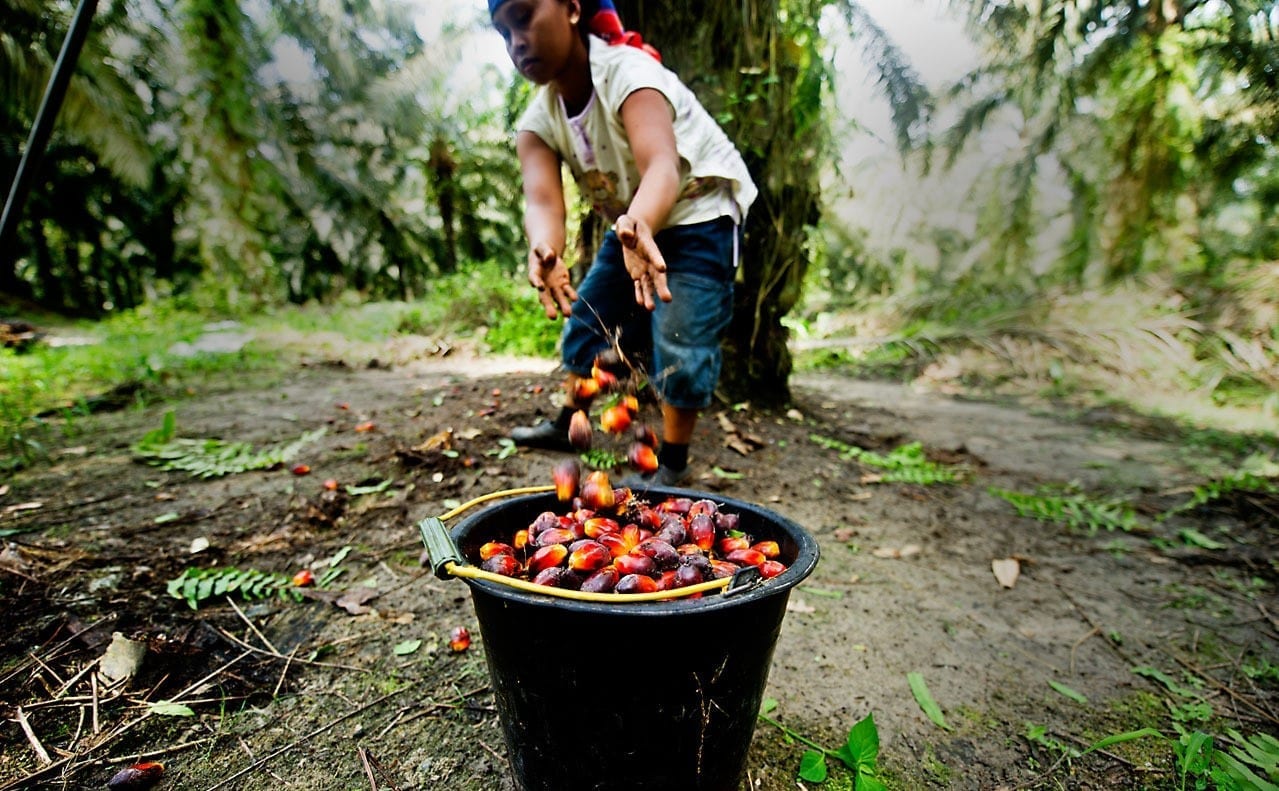
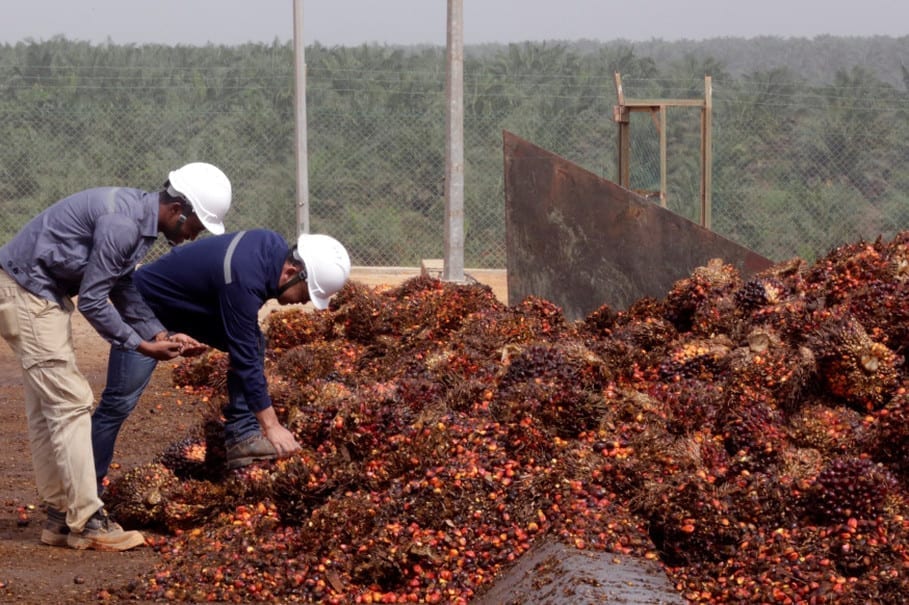
    Palm oil sourced from illegally cleared rainforest areas in Indonesia has flowed through traders to major consumer goods brands despite widespread commitments to cease purchases of non-sustainable oil, a new report says.

    Palm oil companies Royal Golden Eagle (RGE), Wilmar, Musim Mas Group and Golden Agri Resources sold oil from 21 “tainted” mills to more than a dozen global brands including Nestlé and Unilever, according to the report by Eyes on the Forest (EoF), a coalition of environmental nongovernmental organizations, including WWF Indonesia.

    In spot checks since 2011, EoF used GPS tracking to follow trucks carrying palm oil fruit, known as fresh fruit bunches, to mills from plantations within Tesso Nilo National Park and the Bukit Tigapuluh protected forest areas in central Sumatra.

    “All companies bought directly or indirectly from at least some of the 21 implicated mills,” according to the report, which calls for traceability on palm oil to be improved and to be extended to plantations that supply mills.

    Forest cover on Sumatra Island, home to endangered tigers, orangutans and elephants, had declined by more than half to 11 million hectares in 2016 from the 25 million hectares it had in 1985, as palm oil and other plantations have expanded and encroached on protected areas.

    Nestlé said in an emailed response it was “committed to tackling” deforestation. A company spokeswoman said the firm was working with partners to transform the palm oil industry “further down the supply chain.”

    Unilever said by email it publicly disclosed suppliers and mill details and was committed to increasing traceability in the palm oil supply chain “and to working with our suppliers and partners to resolve issues.”

    Unilever also said it was examining “details behind the investigation to determine the right approach and next steps.”

    Environment Ministry spokesman Djati Witjaksono Hadi said smallholders, “not companies,” owned plantations in national parks.

    Hadi referred further questions on the mills to the ministries of agriculture and industry, which did not immediately respond to requests for comment.

    Similar issues were highlighted in earlier EoF reports including in 2016, but a lack of strict supervision by traders has led to more forest clearing and illegally grown palm oil entering global supply chains despite their commitments to improve traceability and stop deforestation, the report said.

    Traceability

    “We acknowledge that it’s really challenging to get traceability beyond the mill and going right down to the plantation source,” Elizabeth Clarke, WWF global palm oil lead said. “But it’s absolutely paramount that they do this.”

    Among those mentioned in the report, Wilmar International was accused of buying palm oil from Citra Riau Sarana (CRS) whose three mills were found to have bought fresh fruit bunches from Tesso Nilo in 2011, 2012, 2015 and 2017, even though Wilmar sold its 95 percent stake in CRS in 2014.

    “Whatever action they’ve been taking, it hasn’t fixed that particular mill, and this is what we’re asking these particular individuals to do,” the WWF’s Clarke said.

    Responding to the report, Wilmar said it had “continued to engage with CRS and to monitor their traceability system” from 2014. “While there was progress made on traceability, we have stopped purchasing from them since June 2018 for other reasons,” Wilmar said in an emailed statement.

    But Wilmar said it had not received “a clear confirmation from the authorities which companies are illegal in the landscape” despite making a request to the Environment Ministry.

    CRS could not immediately be reached by phone for comment.

    Sime Darby Plantation, also named in the report, said it had 94 percent visibility of its supply chain “which provides key customers access to traceability information that can help them make informed choices about the palm oil products that they purchase.”

    It also said it was working with nongovernmental organizations to eradicate deforestation for the remaining 6 percent.

    Daniel A. Prakarsa, head of downstream sustainability at Sinar Mas Agribusiness and Food, a subsidiary of Golden Agri, said the company considered 39 percent of its output to be fully traceable, and was targeting full traceability from the 427 mills of its suppliers by 2020.

    “Our policy is to help suppliers to comply. Not just [saying] ‘this is our standard, you must comply, otherwise we stop [buying],’” he said.

    Musim Mas Group did not immediately respond to a written request for comment. On its website, the group says it is working with smallholders and other stakeholders along the supply chain to achieve sustainable palm oil production.

    Clarke from the WWF said trading firms “need to make it very clear to the mills that they won’t buy from them until they can provide assurance that it is 100 percent legal.”

  • Gov’t Eyes $200m in Additional Revenue Next Year From Excise on Vaping Liquid

    Gov’t Eyes $200m in Additional Revenue Next Year From Excise on Vaping Liquid

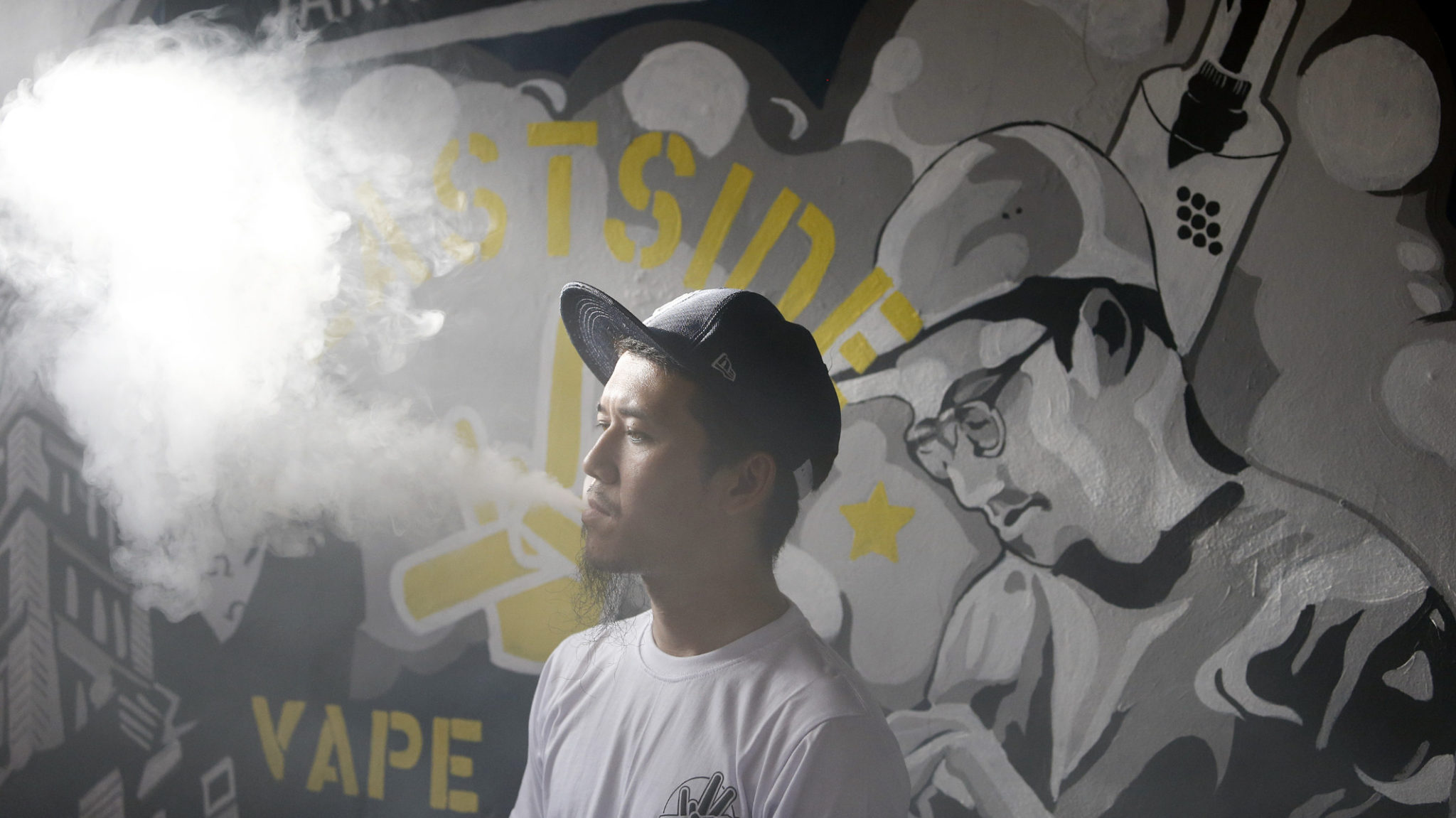
    The Ministry of Finance estimates that the government may collect up to Rp 3 trillion ($207 million) in additional revenue next year from a new excise on tobacco extract, or vaping liquid, commonly used in electronic cigarettes.

    While Indonesians have been puffing on e-cigarettes since 2013, the government only imposed an excise on vaping liquid on July 1. Under a new regulation, the liquid is subject to a 57 percent excise tax, more than four times the maximum excise on regular cigarettes.

    The government requires up to 200 domestic producers to start attaching excise ribbons to the product containers and pay excise on it by Oct. 31. Only vaping liquids containing tobacco extract or nicotine are subject to the excise.

    “If there are any businesses not using the ribbon after the transition deadline, we will seize it,” said Heru Pambudi, director general of customs and excise at the Ministry of Finance.

    According to Noegroho Wahyu, acting director of excise, only three producers are currently registered but the government expects the remaining producers to do so before the deadline.

    The government will likely only collect between Rp 50 billion and Rp 70 billion in additional revenue from the new excise this year, but it eyes potential revenue of around Rp 3 trillion per year once all manufacturers are registered, Noegroho said.

    Vaping liquid is the latest commodity to attract excise as part of government efforts to curb people’s consumption of harmful substances. Indonesia is also considering to tax on plastic bags and soft drinks, but the government has yet to make a decision on the matter.

    Indonesia collected Rp 151 trillion in excise – mainly from cigarettes – last year, accounting for 9.1 percent of total state revenue.

    The government considers several aspects, including public health, impact on the industry and tobacco and clove farmers, in determining excise tariffs on tobacco products, Noegroho said.

    With vaping liquid subject to the maximum rate for tobacco-related products, there may not be any further increases in the future.

    Aryo Andrianto, chairman of the Indonesian Personal Vaporizer Association (APVI), said the excise rule means the government has officially acknowledged and provided the industry with legal certainty.

    Vaping liquid producers meanwhile plan to only increase their prices by a maximum of 20 percent to soften the blow on consumers, Aryo said.

    “They don’t mind [the increase],” he said.

    APVI members also hope the government may be more willing to support the industry’s export efforts.

    Deni Syarifa, chairman of the E-Liquid Micro-Entrepreneurs Association (APeM), estimates that manufacturers can export up to 2 million bottles of vaping liquid per month.

    “There is currently demand for around 5,000 to 10,000 bottles per month from just one country,” Deni said, adding that producers plan to ship the liquid to countries in Asia, Central America and Europe.

  • AirAsia X rises 5.33% on Airbus purchase

    AirAsia X rises 5.33% on Airbus purchase

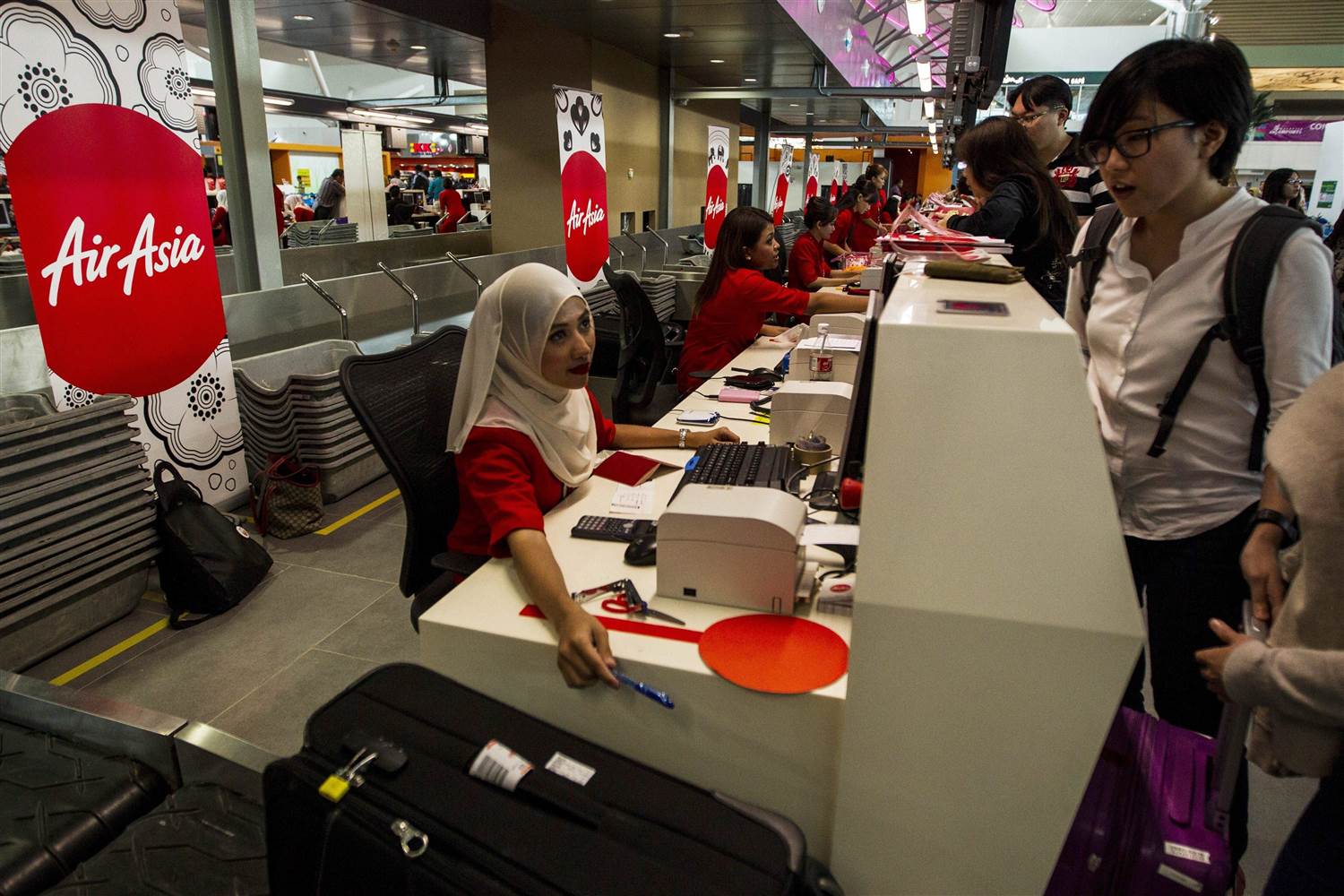
    AirAsia X Bhd’s share price rose as much as 5.33% to 37.5 sen on early trade after the airline confirmed its order of 100 Airbus A330neo widebody aircraft.

    At 12.01 pm, the stock was trading at 37.5 sen with 31.62 million shares done.

    Yesterday, AirAsia Group CEO and AirAsia X co-group CEO Tan Sri Tony Fernandes said that the group was in discussions with Airbus for two years and was looking to cancel the order before reaffirming and increasing the order, after reviewing AirAsia X’s model over the last one year.

    “We got close with Boeing, they ran a good campaign. It was a close fight. Until a week ago, I didn’t really know which way we were swinging … but I’m confident we chose the right plane for us,” he said.

    The order for the 100 aircraft is worth US$30 billion (RM121.8 billion) at list prices.

    Fernandes said funding sources for the order include sale and leaseback, leasing capital and debt capital but he declined to reveal the contract value of the order.

  • AirAsia X inks conditional amendment agreement with Airbus for additional 34 aircraft

    AirAsia X inks conditional amendment agreement with Airbus for additional 34 aircraft

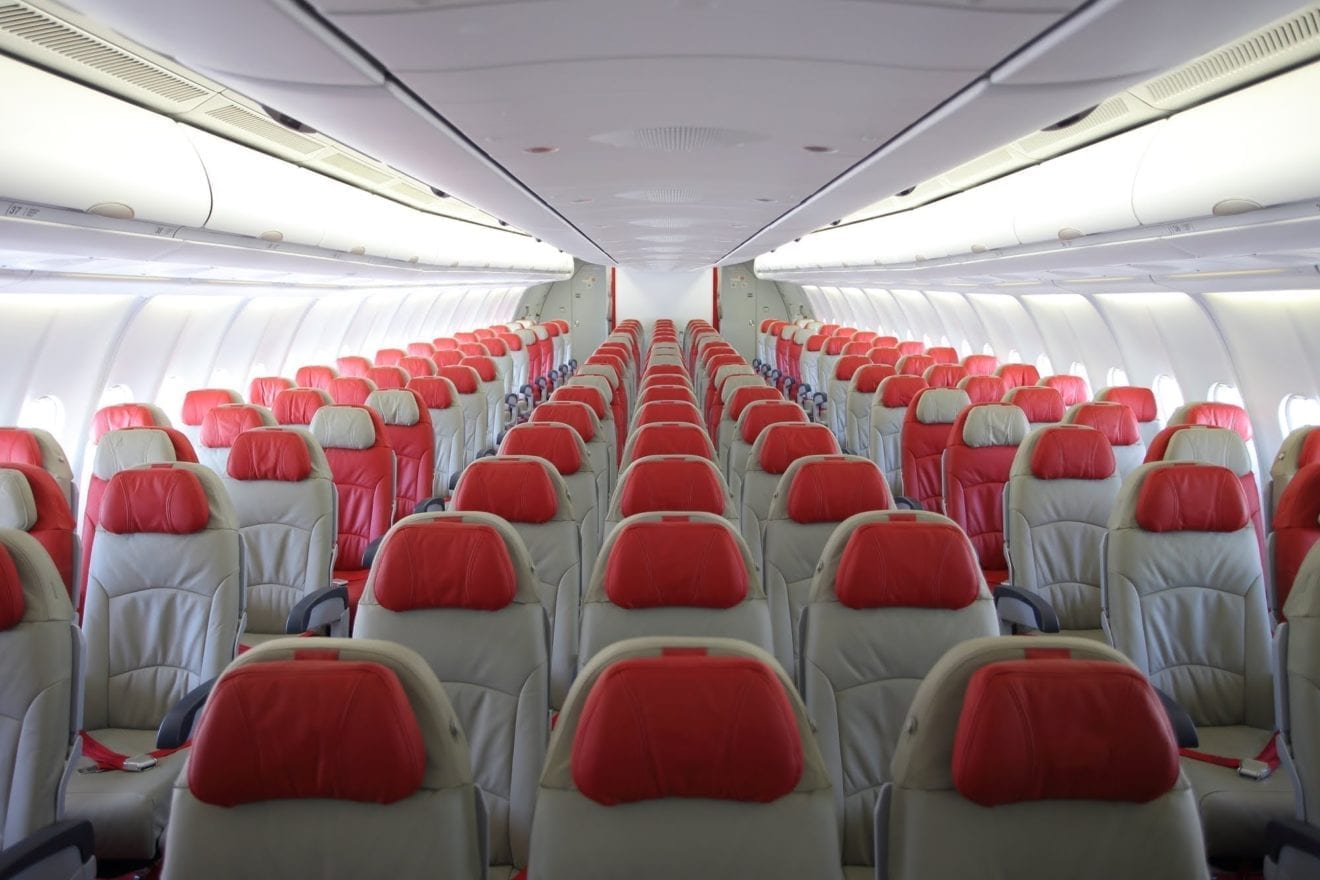
    AirAsia X Bhd has entered into a conditional amendment agreement with Airbus S.A.S for the purchase and delivery of an additional 34 A330-900neo aircraft pursuant to the A330-300 purchase agreement dated June 14, 2007.

    This comes after the low-cost long-haul carrier announced yesterday that it had placed an order of 100 Airbus A330neo widebody aircraft.

    AirAsia X said that the aircraft will be delivered between October 2019 and the second half of year 2028.

    The aircraft will each be fitted with a set of two Rolls-Royce Trent 7000-72 engines.

    The group said the rationale for entering into the conditional agreement is to seek additional aircraft for its operational growth and also for aircraft replacement in respect of current aircraft on lease, which will be returned to the respective lessors within the next 10 years.

    “The new generation aircraft provide many benefits including greater fuel efficiencies, lower operating costs, enhanced customer comfort and importantly, greater range capability enabling non-stop services to new international markets, namely Europe and the US.”

    It added that the additional delivery of the aircraft also provide opportunities for the group to operate from other hubs in Malaysia such as Penang and Kota Kinabalu.