Category: Living

Retail News Asia is committed to providing both local and global retailers with the latest Living news throughout the Asian market. This on a daily base.

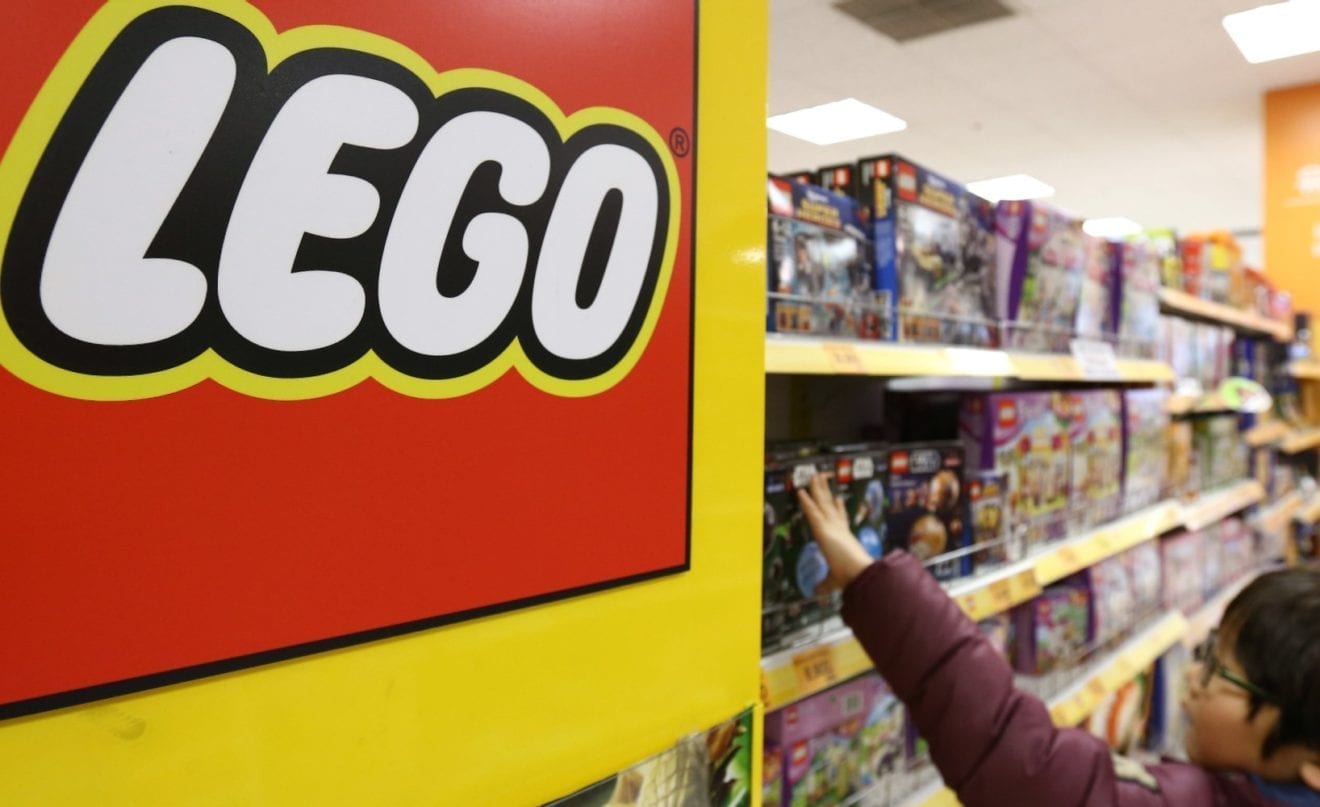
  • LEGO sheds premium tag to become a mass player in India

    LEGO sheds premium tag to become a mass player in India

    Danish toy brand Lego is shedding its premium strategy to position itself as a mass-market brand in India.

    Following an increased focus on Asia during the past two years, Lego is seeking to expand its consumer base in India by bringing products in the price band of INR500 to 5000 (US$7.30 to $73) to the emerging market. It could also bring the Lego Certified Store format into the country by 2022.

    Lego’s senior regional sales manager for South Asia Amit Kararia said: “In India, Lego was perceived to be a premium brand. But since the past two years, we have been working on going mass and expanding our consumer base.

    “E-commerce has also emerged as an important sales channel for us with nearly 25 per cent of our sales coming from this channel. It also helps us reach out to consumers where we are not present through physical stores,” Kararia added.

    With the expansion of toy-specialist stores and department stores in India, the company is hoping to expand its presence in major and second tier cities, expanding from 40 to 60 cities in the foreseeable future. It is also hoping to see double-digit growth in the market, which has the largest number of children aged under 13 years.

  • Nova Wellness to benefit from R&D centre

    Nova Wellness to benefit from R&D centre

    Nova Wellness Group Bhd’s growth plans via its in-house research and development (R&D) centre and capacity expansion plans are viewed positively with the initial public offering (IPO) given a fair value of 61 sen a share by Inter-Pacific Research Sdn Bhd.

    The research firm noted its valuation — a 10.9% premium to the company’s IPO offer price of 55 sen — is based on financial year 2019 (FY19) forecast earnings per share of 4.7 sen pegged to 13 times priceearnings ratio.

    “The nutraceutical industry in Malaysia is forecast to grow with the backing of the increase in awareness and demand for preventive healthcare,” Inter-Pacific noted in a report.

    “In addition, Nova Wellness is also looking to expand its presence in the skincare products segment.”

    Nova Wellness, which is scheduled to be listed on July 20 on the ACE Market, is a nutraceutical and skincare goods developer and retailer who is also engaged as an original equipment manufacturer service provider for dietary supplements and functional food products.

    Inter-Pacific stated Nova Wellness’ in-house R&D facility in Sepang provides the group with the platform to expand its product range and improve on its existing products to meet market demand and customer requirements.

    “The group’s own production facility enables it to produce a range of nutraceutical products under their own house-brands and conform to the standards required by relevant authorities,” it said.

    This includes Good Manufacturing Practice (GMP)-compliance and halal certification, while the in-house production facility allows the group to control the entire production process to minimise unplanned interruptions.

    Nova Wellness plans to increase its production capacity for functional food and skincare products by acquiring new machinery with the IPO proceeds.

    The company intends to raise RM44.91 million from the issuance of 81.66 million new IPO shares, with 36.7% from the proceeds earmarked for the construction of the new GMP-compliant production facility and 25.8% allocated for R&D activities.

    To date, Nova Wellness has developed 49 dietary supplements, 11 functional food products and 28 skincare products for both domestic and international markets.

    Inter-Pacific said the company’s wide distribution network across Malaysia for house-brand products bodes well for the group’s competitiveness.

    “The group will thus be able to keep its competitiveness — especially vis-à-vis larger competitors who have a presence in the international market,” it said.

    There are reportedly 227 independent retail pharmacies in Malaysia that sells Nova Wellness’ house-brand products, of which 105 are Nova Wellness Partnership Programme (NWPP) partners.

    Nova Wellness’ proposed 30% dividend payout policy of annual audited profit, coupled with an experienced management team, is a further upside, according to Inter-Pacific.

    The investment risks faced by the company include dependency on major customers and NWPP partners, as well as risks stemming from unsuccessful pre-clinical and clinical trials.

    Its top three major customers contributed 10% of the group’s FY17 revenue, while NWPP partners made up 60.4% of group revenue that same year.

    On another note, unsuccessful trials of products will negatively affect the group’s competitiveness.

  • Grab launches grocery delivery service

    Grab launches grocery delivery service

    It will kick off in Indonesia in July, followed by Thailand and Malaysia by late 2018.

    Grab teamed up with Indonesian start up HappyFresh to launch its grocery delivery services, an announcement revealed. The move is part of Grab’s open platform strategy as it eyes to become Southeast Asia’s first everyday superapp.

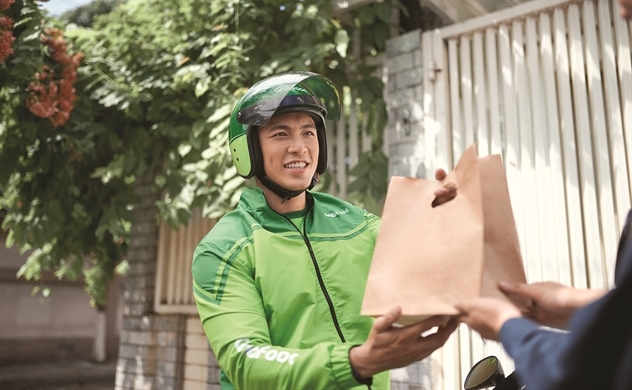
    Through GrabFresh, consumers can pick grocery products which will be delivered by GrabExpress drivers and other delivery partners within an hour or at a pre-arranged time.

    “We’ve gone from offering our tech as a booking platform for taxi operators, to providing a fleet of delivery drivers for e-commerce companies,” Grab CEO and co-founder Anthony Tan said.

    Available through the main Grab app, the on-demand grocery delivery platform will kick off as a beta service in Jakarta from July. Thailand and Malaysia can access it by late 2018.

    “Grocery delivery is a huge opportunity in Southeast Asia,” HappyFresh CEO Guillem Segarra said. “From our research, 70% of grocery delivery app users shop at least once per week, and they like to shop from the stores that they are familiar with.”

    The platform includes a selection of about 100,000 grocery products from over 50 large supermarket chains and specialty grocery chains as well as trained personal shoppers who could help pick items for customers.

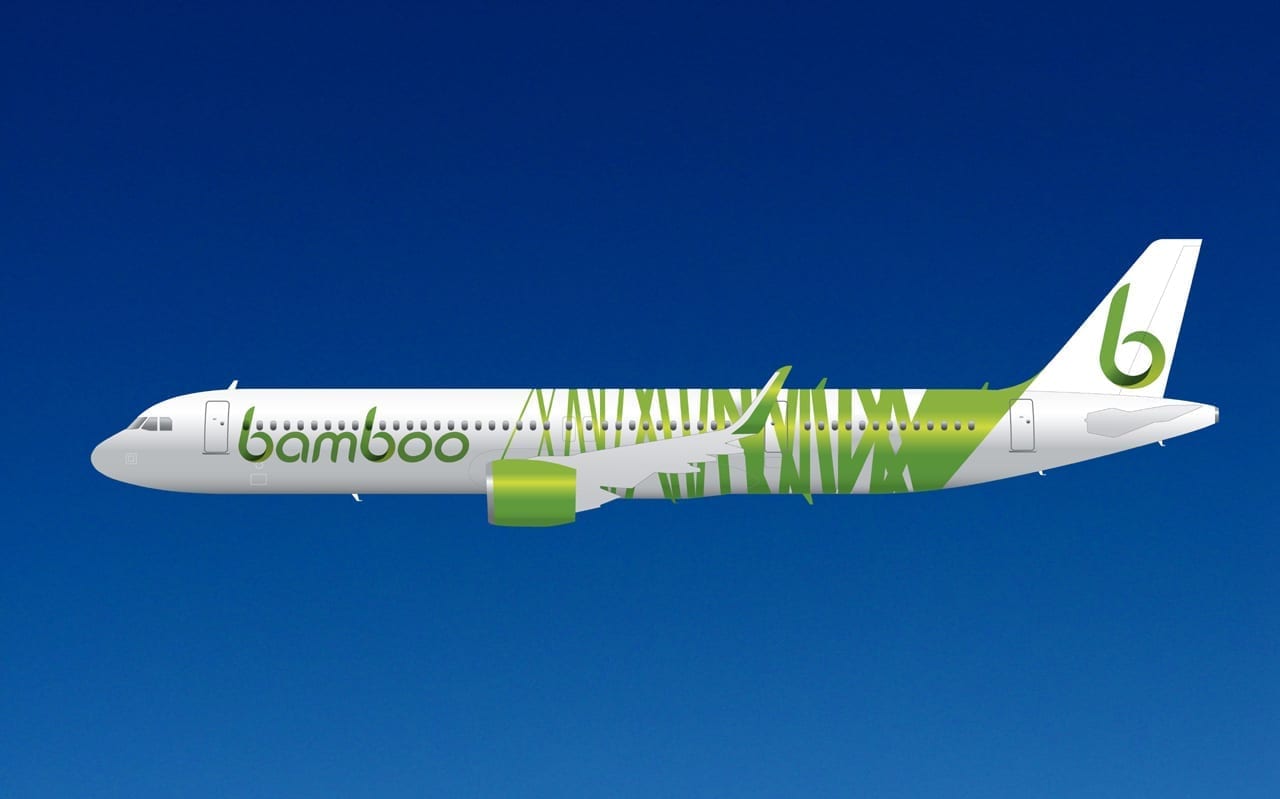
  • Vietnam’s Bamboo Airways moves a step closer to starting operations

    Vietnam’s Bamboo Airways moves a step closer to starting operations

    Privately owned FLC Group last month agreed a $5.6 billion deal to buy 20 Boeing Co planes at current list prices and in March signed a memorandum of understanding with Airbus for up to 24 planes.

    The government said on Tuesday that Bamboo Airways will invest 700 billion dong ($30 million) during 2019-2023 on 10 Airbus or Boeing planes, but it was unclear whether it would rent or buy planes initially.

    It will become Vietnam’s fifth airline. It has yet to receive an aviation licence but the government said in a statement on Tuesday that it had authorised “The Ministry of Transportation to evaluate and issue an air transport business license in accordance with the law.”

    FLC has said it expects the airline to begin operations in 2019 and launch direct flights to the United States and Europe and position itself as a hybrid airline, combining traditional and low–cost models, the company said in a statement on Tuesday.

    Vietnam’s four airlines are flag carrier Vietnam Airlines; budget operator Jetstar Pacific Airlines which is partly owned by Vietnam Airlines; budget carrier Vietjet Aviation and Vietnam Air Services Co.

    The country’s airport capacity has been reaching its limits as fast economic growth means more people in the nation of 90 million are taking flights.

    Hanoi-based FLC, whose main businesses are housing, resorts and golfing, had said it planned to operate international flights through Bamboo Airways to tourist spots in Vietnam including where FLC has properties and also plans domestic flights.

  • US hits Chinese firm Sinovel with US$1.5m fine for stealing technology

    US hits Chinese firm Sinovel with US$1.5m fine for stealing technology

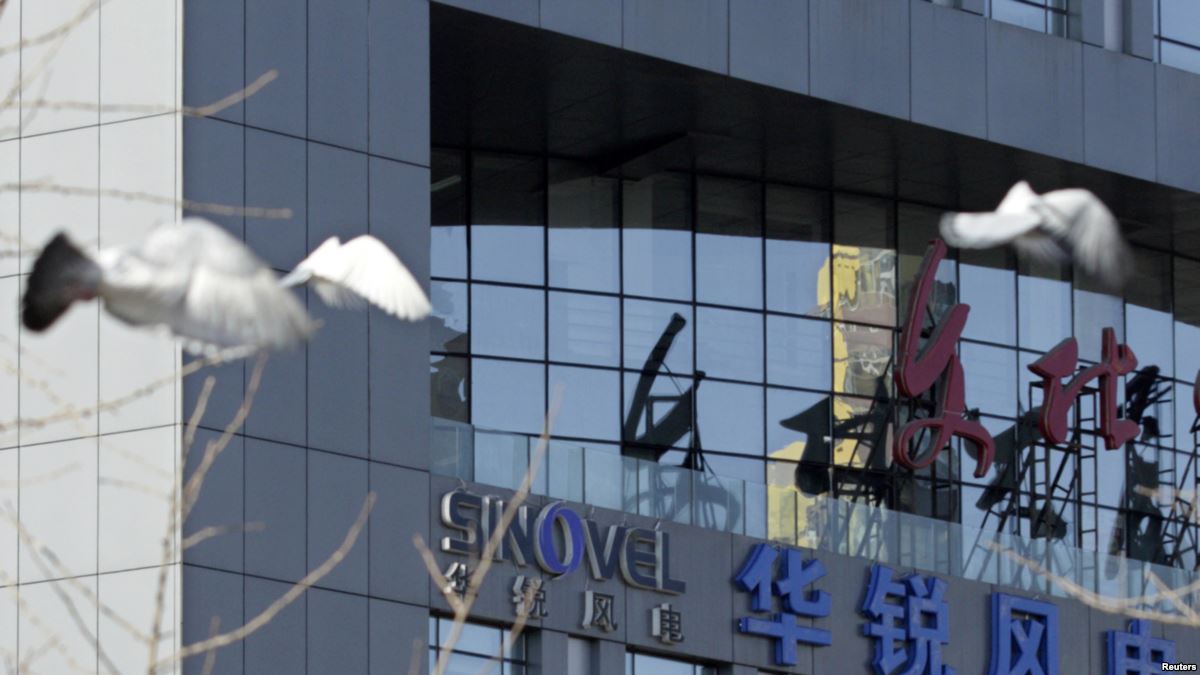
    A US court on Friday imposed the maximum fine of US$1.5 million (RM6.06 million) of Chinese firm Sinovel for stealing trade secrets from an American company producing wind turbines, the Justice Department said.

    The decision comes on the day Washington unleashed 25% import tariffs on US$34 billion (RM137.36 billion) in Chinese products to punish the country for what President Donald Trump has said is the rampant theft of American technology.

    After being charged in 2013, Sinovel was convicted in January by a US court of stealing the trade secrets of AMSC, a US-based company formerly known as American Superconductor, which lost US$550 million and 700 jobs — more than half its global workforce — as a result, the Justice Department said in a statement.

    The two companies this week reached a settlement and Sinovel has one year to pay US$25 million to AMSC, after paying US$32.5 million this week. The Chinese firm also will repay US$850,000 to other victims.

    “Rather than pay AMSC for more than US$800 million in products and services it had agreed to purchase, Sinovel instead hatched a scheme to brazenly steal AMSC’s proprietary wind turbine technology, causing the loss of almost 700 jobs and more than US$1 billion in shareholder equity at AMSC,” acting Assistant Attorney General John Cronan said in statement.

    “As demonstrated by this prosecution, intellectual property theft poses a serious threat to American companies.”

    Sinovel used the stolen technology, including software, to regulate the flow of power from turbines to electrical grids, to produce its own wind turbines and retrofit existing turbines, prosecutors said.

    The company also hired away an AMSC engineer to help steal source code for the key software in 2011, the statement said.

  • Vietnam government urged to limit petrol imports

    Vietnam government urged to limit petrol imports

    The Nghi Son Refinery, which is now in its trial phase, is burdened by unsold inventories, Chairman of Thanh Hoa Provincial People’s Committee Nguyen Dinh Xung said at a recent government meeting.

    The unsold inventories signal challenges in product sale when the oil refinery commercially operates this August/September. If the current situation continues, it will cause difficulties for enterprises and negatively affect the province’s budget, says Xung.

    Thanh Hoa’s authorities suggested that the Government and the Ministry of Industry and Trade set up a mechanism to consume all products from the refinery.

    “We suggest that the government issues policies to limit petrol imports and prioritize products from Nghi Son refinery,” Xung said.

    A month ago, the $9 billion refinery produced its first commercial gasoline product – more than 5,000 cubic meters of RON92 gasoline.

    According to Thanh Hoa authorities, during the trial period, Nghi Son oil refinery has produced 14 percent of the province’s total industrial production value. With a planned production of 4-4.3 million tons of gasoline when commercial operations officially begin in August or September 2018, the plant is expected to contribute more than 15 percent to the province’s growth.

    The Nghi Son Refinery, located in the Nghi Son Open Economic zone in Thanh Hoa province, will have a capacity of 200,000 barrels of crude oil per day in the first operational phase, equaling 10 million tons of crude oil per year. This is almost double that of the Dung Quat oil refinery in Quang Ngai Province.

    This project has been invested in by 4 domestic and international investors: Vietnam National Oil and Gas Group (PetroVietnam), Kuwait Petroleum International (Kuwait), Idemitsu Kosan and Mitsui Chemicals (Japan). Total investment for the project is $9 billion.

    It is expected that the Nghi Son and Dung Quat refineries will together meet 80 percent of Vietnam’s fuel demand.

  • Capillus Announces Grand Opening of the First Capillus Store in Hong Kong

    Capillus Announces Grand Opening of the First Capillus Store in Hong Kong

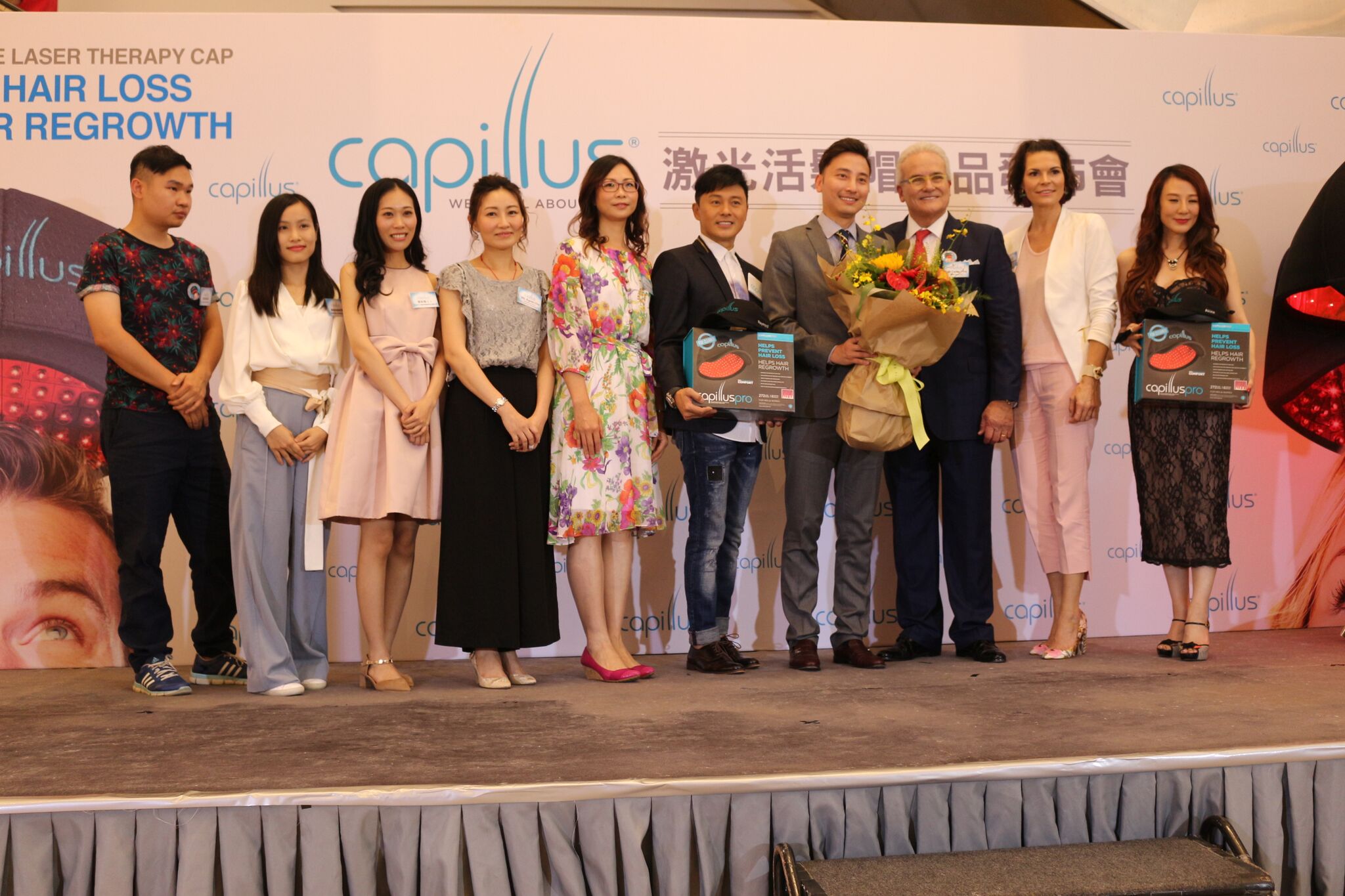
    Medical device manufacturer Capillus has opened its first store in Hong Kong.

    The firm, which specialises in treatments for hair loss, opened the Capillus store at Mira Place Mall in Tsim Sha Tsui, through its partnership with Yaniv Healthcare – which became the exclusive Capillus Hong Kong distributor last year. The company has traded in China since 2013.

    Capillus CEO Carlos Piña said “I believe our target customers are universal. Whether in Hong Kong or in the US… hair loss can be devastating psychologically. Our goal is to reach those for whom hair loss is a concern before it becomes an irreversible condition.

    “We are very proud of our commercial venture with Yaniv Healthcare and are looking forward to further expansion into the Chinese market through our partnership”, he said.

  • Link Net and Japan’s Softbank Join Hands to Launch IoT in Indonesia

    Link Net and Japan’s Softbank Join Hands to Launch IoT in Indonesia

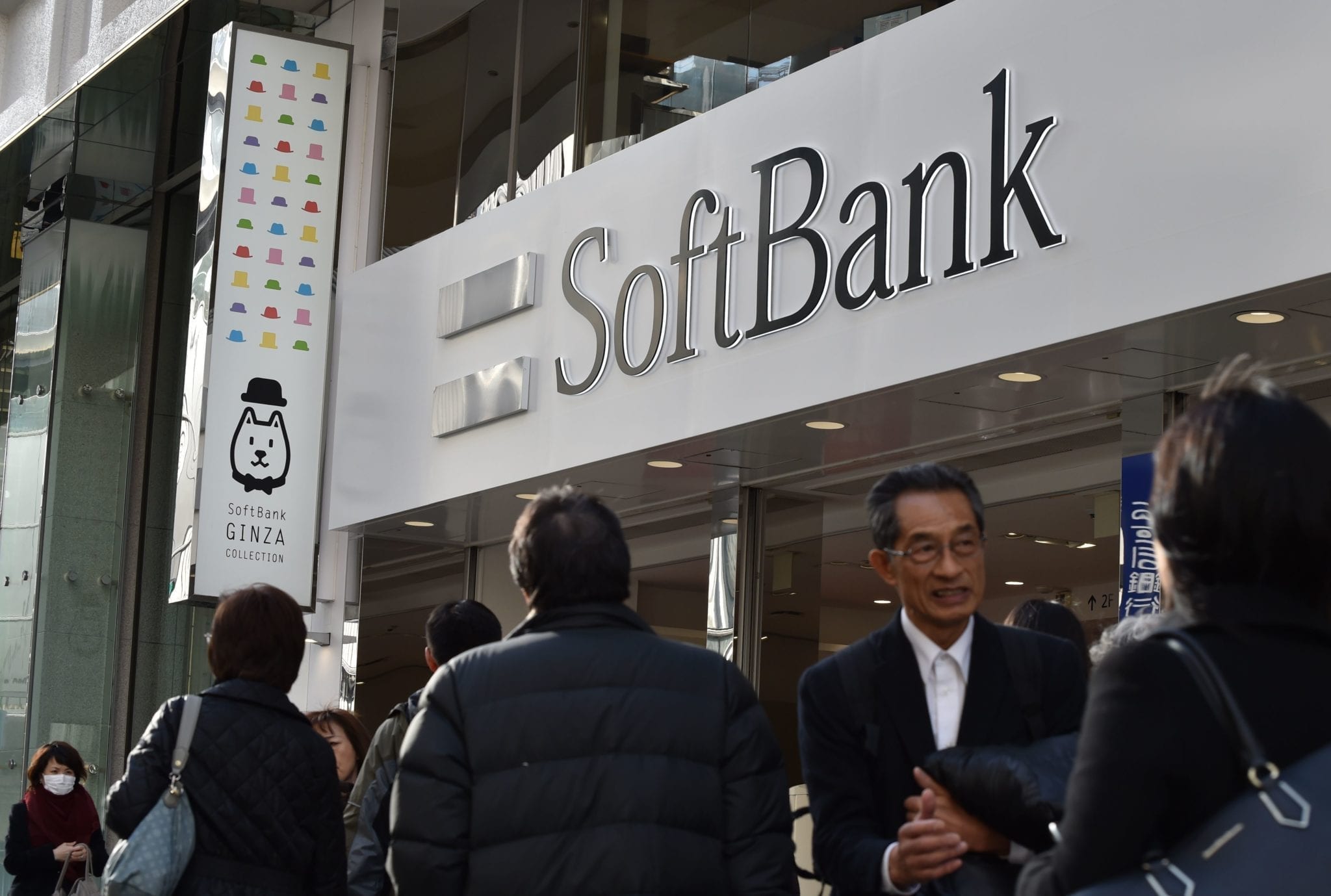
    Link Net, an internet service provider operating under Lippo Group subsidiary First Media, and Japanese telecommunications provider SoftBank Corp have signed a partnership agreement to develop and deploy the internet of things, or IoT, in Link Net’s businesses in real estate, health care and mobile ecosystems in Indonesia.

    Link Net chief executive Marlo Budiman and Hidebumi Kitahara, vice president for global business strategy at SoftBank, signed the agreement during a ceremony at Aryaduta Hotel in Central Jakarta on June 29.

    “We are pleased to collaborate with SoftBank in the initial phase of the initiative involving the deployment of IoT devices, along with video analytics for homes, commercial buildings, malls, offices, streets and other areas at our various property developments,” Marlo said in a statement on Thursday (05/07).

    The collaboration will see the deployment of an IoT system in the Lippo Group’s shopping malls and Siloam hospitals, as well as at Meikarta, the company’s $21 billion megaproject in Cikarang, West Java.

    Lippo has billed Meikarta as the Shenzhen of Indonesia, a tech and manufacturing city located in the southern part of mainland China, near Hong Kong.

    Marlo said the development of IoT in Indonesia is in line with the country’s vision of becoming the largest digital economy in Southeast Asia.

    “The global mobile industry is now entering the era of 5G, with IoT becoming the central focal point of innovation. This partnership with Link Net shows our strong commitment to further boost technological innovation in the global market and further advance the development of information and communications technology in Indonesia,” Kitahara said.

    The partnership was initiated during a meeting between Lippo Group deputy chairman James Riady, Lippo Group director John Riady and directors of the SoftBank Group in Tokyo during May this year.

    SoftBank is a subsidiary of the SoftBank Group, a multinational Japanese conglomerate that focuses on information technology, which includes investments in numerous startups and tech conglomerates, such as China’s Alibaba and Malaysian ride-hailing service Grab.

    In addition to internet connectivity and fixed-line communication services, SoftBank is also expanding its business into robotics, financial technology and cloud security systems.

  • Indonesian Conglomerates-Backed Tech Fund to Be Launched in 6 Months

    Indonesian Conglomerates-Backed Tech Fund to Be Launched in 6 Months

    An Indonesian tech venture capital fund backed by the country’s largest conglomerates will be launched within the next six months, Communications Minister Rudiantara said.

    “We, Indonesian investors, must immediately enter the tech market,” the minister said on Thursday (05/07).

    He said the fund, which would be pooled from Indonesian conglomerates, was supported by his ministry, with its structure being discussed with the Financial Services Authority (OJK).

    The size of the fund has not been disclosed.

    Rudiantara said he held discussions with local conglomerates on how they should unite and support “series A, B and C” as well as “unicorns,” a term used for startups worth at least $1 billion.

    The Sinar Mas Group, one of Indonesia’s largest conglomerates, previously said that it would invest in a pooled venture fund supported by the government.

    The country’s startup sector has witnessed a boom as investors are lured by the youthful demographic in the nation of more than 250 million people, who resort to online shopping for everything from tickets to electronic gadgets.

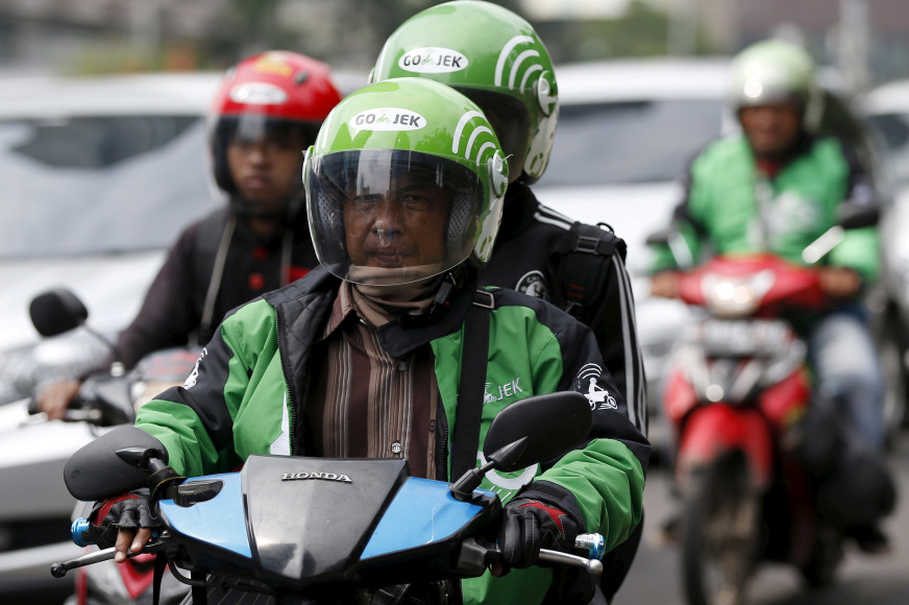
    “While two national conglomerates such as Djarum and Astra became investors in a ‘unicorn’ such as Go-Jek, it is not enough,” the minister said.

    The country has four “unicorns,” including ride-hailing service Go-Jek, travel site Traveloka and market places Bukalapak and Tokopedia.


  • Walgreens investment in GuoDa is finally happening

    Walgreens investment in GuoDa is finally happening

    Walgreens Boots Alliance has finally achieved regulatory approvals for its Chinese pharmacy acquisition – more than six months after announcing the deal.

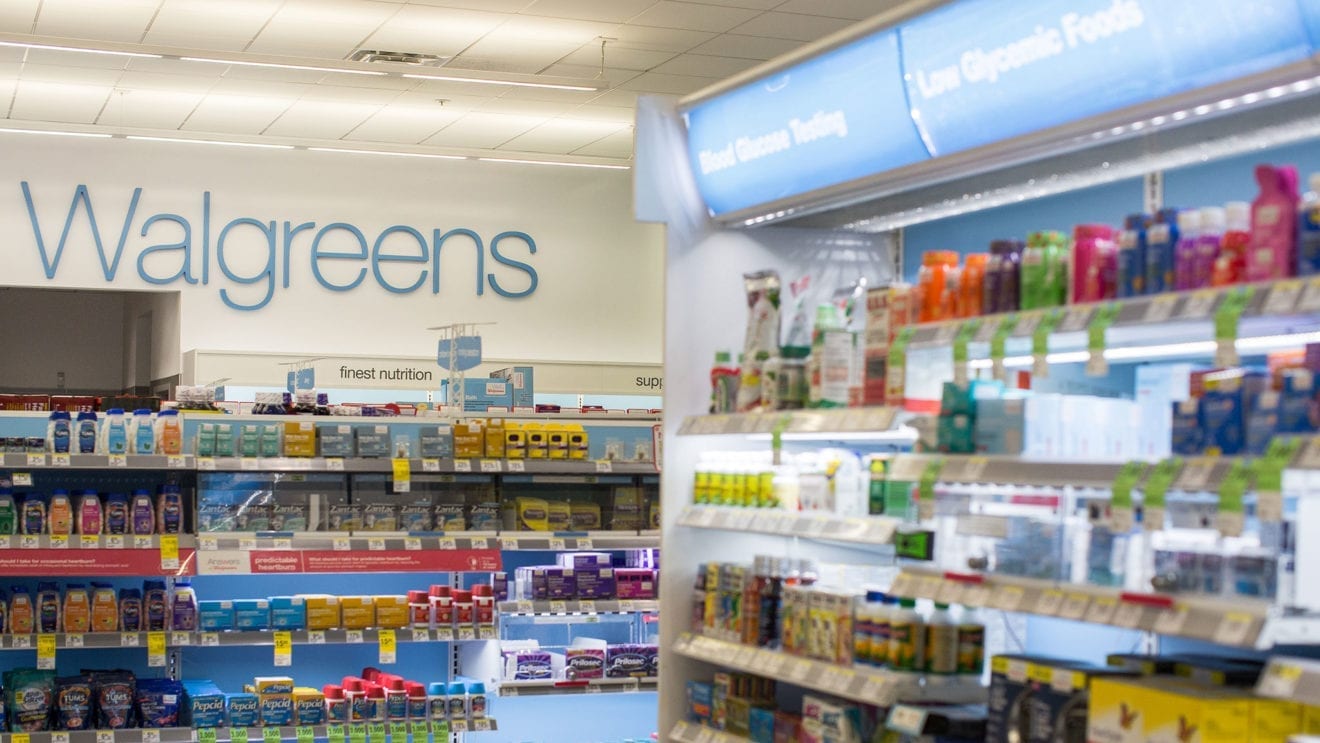
    The US-headquartered drugstore giant has bought a 40 per cent stake in Sinopharm Holding GuoDa Drugstores Co, better known as simply GuoDa, which it describes as a leading retail pharmacy chain in China. It will invest about US$416 million in capital to acquire the stake.

    “We believe GuoDa holds a strong position in the sector, and as a global pharmacy-led health and beauty enterprise, we are well positioned to support its further growth ambition,” said Walgreen Boots executive vice chairman and CEO Stefano Pessina.

    “We are delighted that we have received regulatory approvals and our investment agreement has now been completed.”

    Walgreen Boots believes it can build the GuoDa business by sharing its international best practices and pharmacy expertise.

    “We believe there is great potential in working together to play a transforming role in the evolving Chinese retail pharmacy market.”

    Founded in 2004 and headquartered in Shanghai, GuoDa operates more than 3800 retail pharmacies across around 70 cities, and employs close to 20,000 people.

    Both Walgreen Boots and GuoDa believe recent healthcare reform undertaken by the Chinese government present “unprecedented opportunities” to expand the business nationwide.

    Last December, at the time he announced the planned investment, Pessina said after a 10-year presence of Walgreen Boots in China, it was an exciting opportunity to invest in the nation’s retail pharmacy sector.

  • Walgreens to invest $416 million in Chinese pharmacy chain

    Walgreens to invest $416 million in Chinese pharmacy chain

    Walgreens, the biggest U.S. drugstore chain, said it will buy the minority stake from China National Accord Medicines Corp. for about $416 million.

    The Deerfield-based company said it will expand its global retail pharmacy operations by taking a 40 percent stake in Sinopharm Holding Guoda Drugstores Co. Ltd., a subsidiary of Chinae National Accord Medicines Corp.

    Sinopharm GuoDa “operates and franchises retail pharmacies across China,” a market that Walgreens CEO Stefano Pessina has said he wants to tap as the companies looks to faster growing and emerging markets to extend its reach.

    “It is China’s leading pharmacy chain,” Walgreens Pessina said in a statement.

    The deal comes when the Chinese government has been encouraging private investments and equity from abroad in its health care industry.

    Healthcare expenditure in China is expected to reach $1.1 trillion by 2020, according to the U.S. Department of Commerce.

    GuoDa, which operates and franchises 3,800 retail pharmacies across 70 cities in China, said the Walgreens investment would help its nationwide expansion plans. The company employs close to 20,000 people.

    “We are delighted that we have received regulatory approvals and our investment agreement has now been completed,” Pessina said. “We believe GuoDa holds a strong position in the sector, and as a global pharmacy-led health and beauty enterprise, we are well positioned to support its further growth ambition. We are looking forward to sharing our international best practices and pharmacy expertise. We believe there is great potential in working together to play a transforming role in the evolving Chinese retail pharmacy market.”

  • Mr DIY plans exapansion after e-commerce blast

    Mr DIY plans exapansion after e-commerce blast

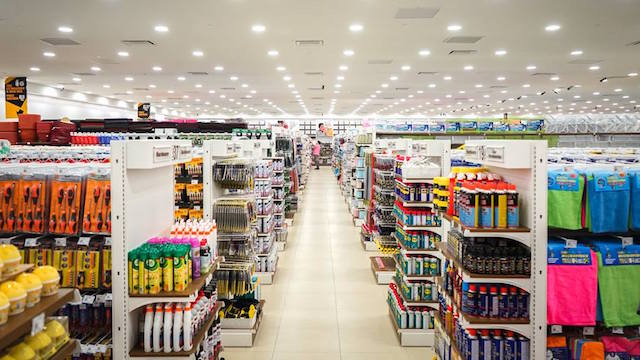
    Home improvement retailer Mr DIY is planning to open 135 new stores in Malaysia this year.

    The move, which will take the total number of Mr DIY trading locations to 500, comes on the heels of the launch of the brand’s new e-commerce platform. The site targets technically competent users who are too busy to visit the store in person or those seeking to buy bulk quantities.

    The brand says it is nonetheless committed to heavy expansion of its brick-and-mortar store network, planning to roll out 300 new stores across Asia Pacific this year, including those in Malaysia, and expanding into Singapore and the Philippines. The firm already has outlets in Thailand, Indonesia, and Brunei.

    Mr DIY recorded more than RM1 billion (US$247.1 million) in sales last year and is forecasting a 40 per cent increase in revenue this year.

  • Osram to embark on high-end LED technology in Malaysia

    Osram to embark on high-end LED technology in Malaysia

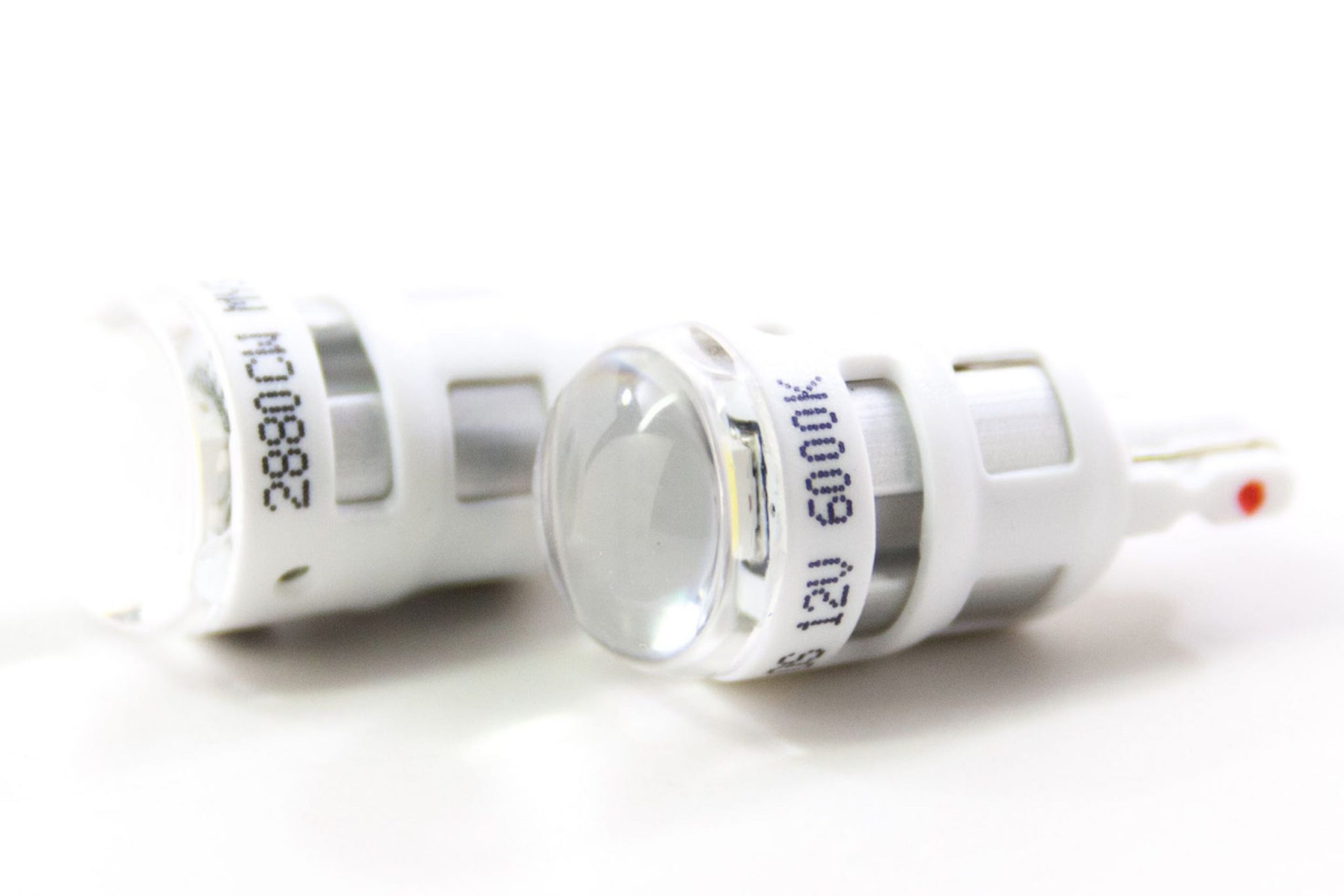
    Light-emitting diode (LED) chip company Osram Opto Semiconductors (M) Sdn Bhd is looking to embark on advanced lighting technology in Malaysia, particularly for automotive applications as it sees huge growth potential in the market.

    “There is more and more of real high-end (lighting) applications needed (in Malaysia) such as pixel headlights in cars for instance and we see that as a huge opportunity for us,” its CEO Dr Ronald Mueller said at the handover ceremony of equipment worth RM2.4 million by Osram to four public universities today.

    Additionally, Mueller said the German-based company is also bullish in the application of micro-pixelated LED for display devices, which he believes will revolutionise the quality of visualisation and improve the illumination quality.

    “We are very confident in micro-pixelized displays, where in five years you might have a 10 sq m of a highly dense pixelized LED displays that is totally different compared with what we have today.

    “These are the areas that we think as hugely interesting and will grow. It’s just a question of when it will takes off. It maybe will take a couple of years but we will go into that direction ,” he added.

    Primarily focused on semiconductor-based technologies, Osram’s products are used in highly diverse applications ranging from virtual reality to autonomous driving and from smartphones to smart and connected lighting solutions in buildings and cities.

    Meanwhile, Malaysian Investment Development Authority (Mida) deputy CEO Arham Abdul Rahman, who officiated the handover ceremony, said as of May this year, Osram’s accumulated investment in the country amounted to RM4.6 billion, with a local spending of RM500 million, supporting close to 600 local vendors.

    “Today’s event is an example of a foreign investment that has contributed much to Malaysia. Mida would like to encourage other global companies to emulate these practices and bring the electrical and electronic industry to the next level of technology sophistication and competitiveness,” Arham said.

    Osram’s donation of the latest semiconductor and photonic equipment involved Universiti Malaya, Universiti Sains Malaysia, Universiti Malaysia Perlis and National University of Malaysia.

    The equipment will be used to provide hands-on educational experience for high-tech industry’s students.

    “By donating our manufacturing equipment for use in universities, we are helping to train the next generation of engineers,” Mueller added.

  • Muji parent posts new profit record

    Muji parent posts new profit record

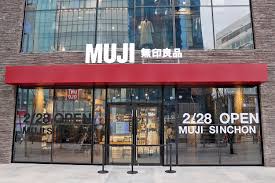
    Muji parent Ryohin Keikaku has revealed another record quarter in both sales and operating profit.

    In the three months to May, Muji achieved group-wide sales of 106.5 billion yen (US$963.5 million), up 9.7 per cent year on year. Its net profit reached 9.5 billion yen, its best quarterly result ever.

    Citing strong sales in its Japan home market, and the broader Asia-Pacific region, Muji’s president Satoru Matsuzaki said the company expects even better results to come from overseas markets in the future.

    With profit in Japan, where the population is declining, up a modest 1 per cent, its East Asian surplus soared 36 per cent during the quarter.

    Looking forward, Muji expects strong growth in China. Sales there accounted for 17 per cent of the group’s sales during the quarter, making it the second-largest market for the brand behind Japan, with 65 per cent.

    Muji will start designing products in China for Chinese, after some previous missteps with items created in Japan. Matsuzaki cited water bottles as an example, which Chinese consumers shunned because they were too small.

    “We want to sell appropriate products to match China,” he said.

    Muji this week revealed plans to open an office in Switzerland which will become the headquarters for its struggling European business. Despite a loss of 273 million yen in Europe and North America during the quarter, the company is confident it can turn the business around and is planning more stores in both regions.

  • Vietnam fuel tax set to rise to highest level

    Vietnam fuel tax set to rise to highest level

    Prime Minister Nguyen Xuan Phuc will persist with a controversial plan to increase environmental tax on fuel to the highest level permitted, a source said.

    A Finance Ministry official who did not want to be named said the plan will be discussed at the meeting of the Standing Committee of the National Assembly, Vietnam’s parliament, which is scheduled on July 11-13.

    Should it pass, the new tax will take effect starting this October, three months later than the original schedule.

    The reason for the delay, the official said, was that the Finance Ministry did not want to impose the tax in September, as a majority of students would be starting a new school year then.

    The ensuing surge in transportation could affect the consumer price index, the source explained.

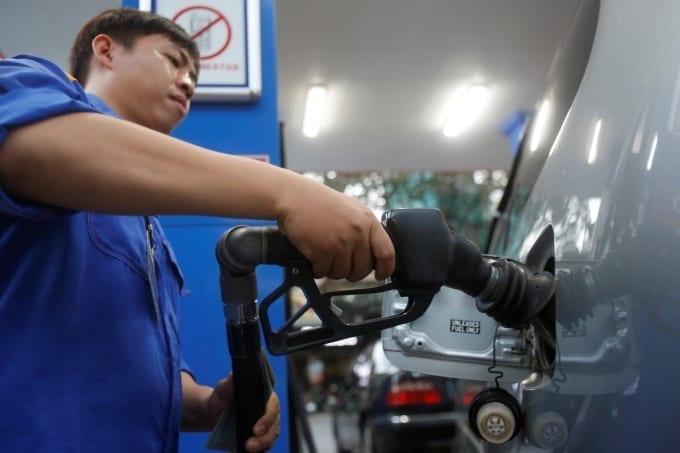
    Under the proposal, the environmental tax on petrol and diesel will increase by 33 percent, or VND4,000 (17 cents) per liter and VND2,000 per liter respectively.