Category: Living

Retail News Asia is committed to providing both local and global retailers with the latest Living news throughout the Asian market. This on a daily base.

  • Wealthy Vietnamese foot big bills for high-end furniture

    Wealthy Vietnamese foot big bills for high-end furniture

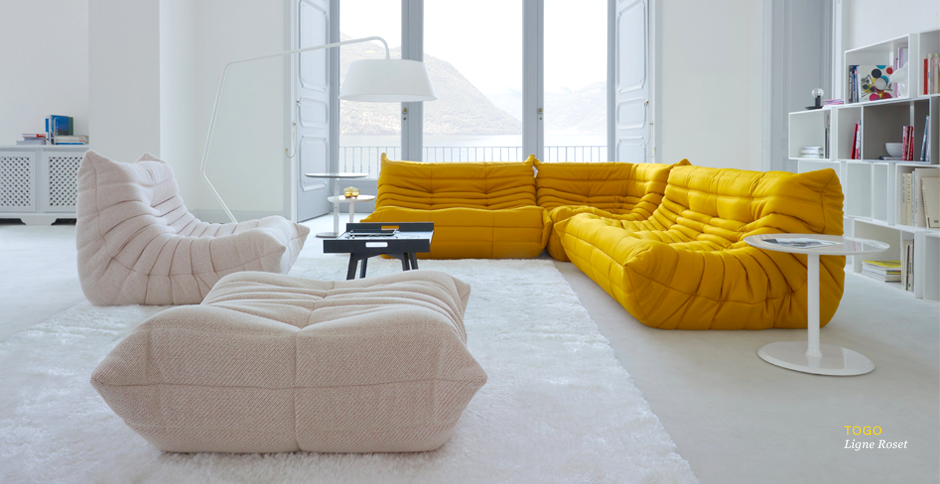
    Affluent Vietnamese have become big spenders on interior goods and Italian furniture is particularly favoured, industry insiders say.

    Research and consulting firm Concetti says Vietnamese consumers spent $15.6 million on luxury furniture from Italy in 2017.

    “With enhanced living conditions and developed taste, many wealthy Vietnamese are buying high-end, imported furniture from European countries,” said Pham Tu, Vice President of HCMC Architecture Federation.

    He was backed by Paolo Lemma, Italian Trade Commissioner to Vietnam, who said: “Over the last three years, import of furniture to Vietnam grew at an average rate of 33 percent. Italy ranks first among European countries exporting to Vietnam and the third worldwide, covering seven percent of Vietnamese market.

    Italian interiors are also popular among the well-heeled, and price is not a major factor when they make purchasing decisions.

    “Our prices range from $1,500 to $23,000 and can go even higher for customized products. We mainly focus on rich and upper class customers in Vietnam,” said Leonardo Cangioli, representative of an Italian lamp-making company.

    “We know the prices are not low, but we are confident that our products are going to sell well in Vietnam, because the number of moneyed and affluent people here is on the rise, as is the demand for imported goods,” Cangioli said.

    Below the top rung of luxury interiors, China remains the leading exporter of furniture to Vietnam, because its products are more diverse and cheaper.

    The “middle and affluent class” in Vietnam, categorized as those earning $714 a month or more, will double to 33 million people, about a third of the population, between 2014 and 2020, citing the Boston Consulting Group.

    Meanwhile, market research firm Nielsen estimates that the number of middle and affluent class Vietnamese citizens will reach 44 million by 2020 and 95 million by 2030.
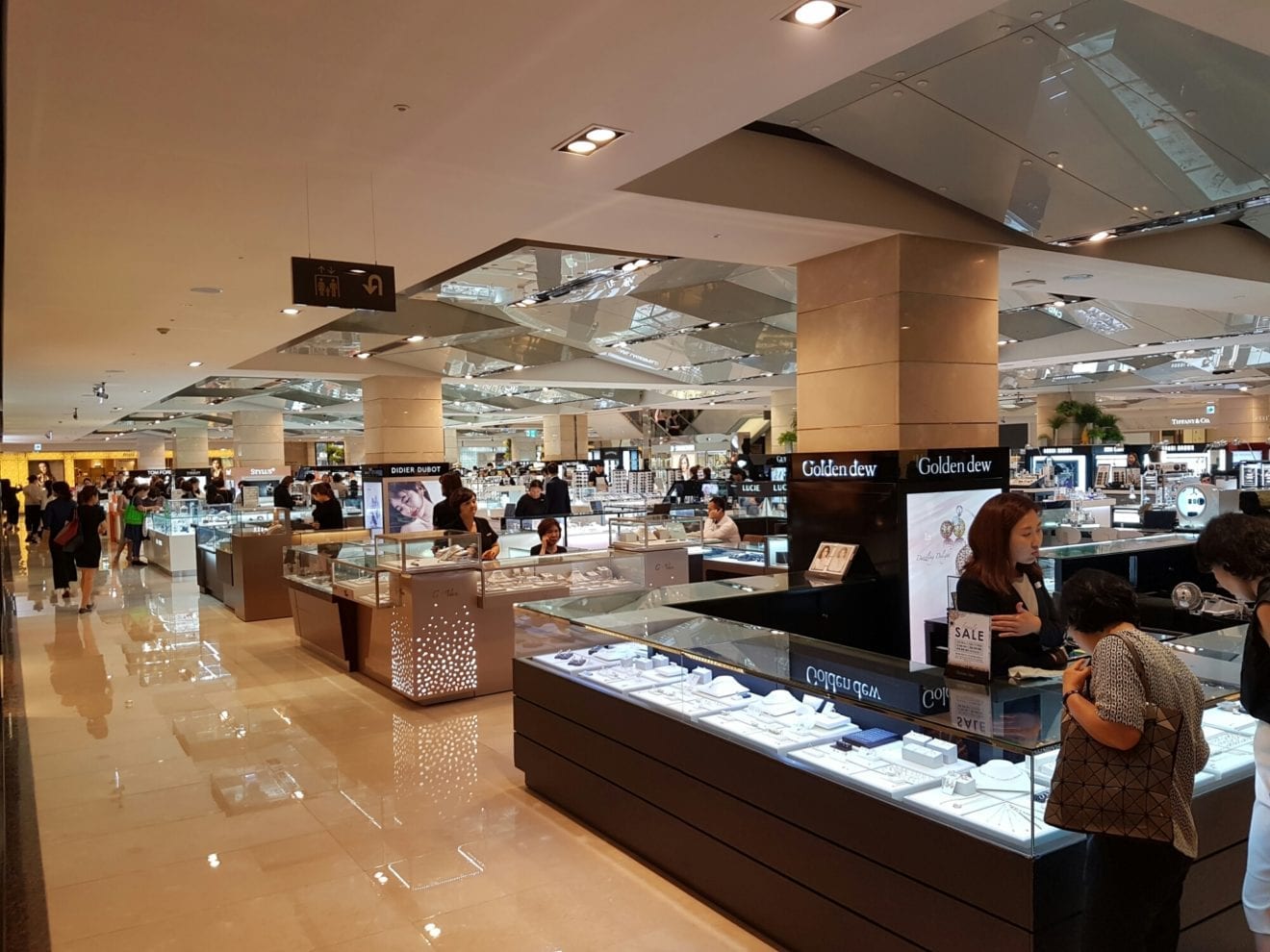
  • Duty-free market still dominated by South Korea

    Duty-free market still dominated by South Korea

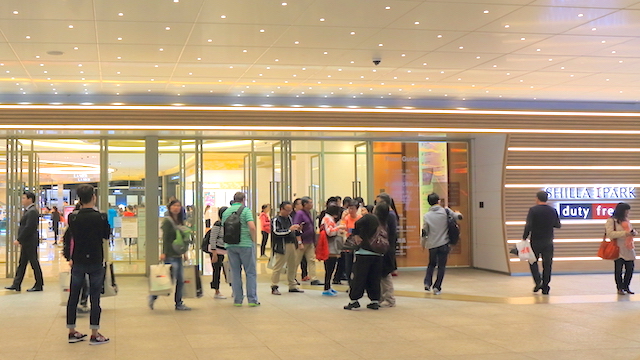
    South Korea has maintained a dominant share of the global duty-free market, despite its recent political turmoil.

    According to a GlobalData report, with a 22 per cent share of sales, South Korea is the world’s largest duty-free market, which reached a sales high of US$11.7 billion last year. The past two years have seen sales growth of 23.1 per cent annually in the sector.

    These sales figures were achieved against the context of the Terminal High Area Defense (THAAD) missile row between South Korea and China that halved the numbers of Chinese tourists visiting the country.

    Maureen Hinton, retail research director at the data and analytics company, said: “The deployment of the THAAD missile system in South Korea and the consequent ban on Chinese travelers visiting the country was potentially very significant. As the Chinese are the big spenders and a key driver of the market, a decline in sales should have been the outcome.”

    Despite this, Chinese shuttle traders, who on-sell high quantities of Korean duty-free products back in China, combined with international attention on the Seoul Winter Olympics, have been major factors in the country’s dominance of the market sector.

    Hinton added: “GlobalData forecasts that by 2022, South Korea will account for nearly a quarter of all duty free spending at 24.1 per cent of the global market. However, optimism about a new settled relationship with North Korea could drive its sales even higher if the border opens.”

  • Chinese and Russian business key to Lotte Duty Free’s success

    Surging Chinese and Russian visitor numbers suggest a strong future for Korean travel retail giant Lotte Duty Free’s new store at Cam Ranh International Airport in Nha Trang, opened on 30 June.

    As reported, Lotte Duty Free has been awarded an exclusive ten-year duty free concession. The contract to operate some 1,680sq m of departures and arrivals space runs until mid-2028.

    Lotte Duty Free CEO Jang Sun-wook opened the store in the airport’s new terminal on 30 June.

    The store sells a wide range of traditional duty free items, including cosmetics, fragrances, watches, fashion, liquor and tobacco. The departures shop, sited directly in front of the main gates, covers 1,507sq m and the arrivals store 173sq m. Key Korean brands include The History of Whoo and Sulwhasoo, while blockbuster international names include Saint Laurent, Dior and Jo Malone.

    It is Lotte Duty Free’s second operation in Vietnam after the retailer’s opening at Danang Airport on 1 November last year. The company expects to generate sales of around 700 billion won (US$625.3 million at current exchange rates).

    Cam Ranh International’s new two-storey terminal covers 50,000sq m. It is expected to handle up to 8 million outbound travellers by 2030.

    Nha Trang is the most popular tourist destination in central Vietnam. Some 2 million foreign tourists visited the area in 2017, a number set to rise by some 20 percent this year. Critically from a retail perspective, Chinese nationals comprise the largest visitor group with 58.9 percent of arrivals, ahead of Russians (27.4 percent). Koreans only make up around 2 percent of arrivals, but that number is expected to climb rapidly in the future as Jeju Air has added a new service to the city.

    Several mid-to-long-term infrastructure development projects are set to increase tourism. A new terminal is being built at the airport and more 4-5 star hotels are being added locally. Six shopping malls are in development while plans are well advanced for the area to develop an eco-tourism programme, including spa and craft village facilities, plus an international-class marina and resort.

    Lotte Duty Free said that corporate social responsibility will be key to its approach. For example, the company is cooperating with local authorities to help children receive surgery and other treatment at medical facilities in Danang. In October 2017, the company funded surgery for six Vietnamese children, and plans to continue the programme this year.

    During July, Vietnamese women from multicultural families are planning a one-off event to invite about 100 parents to the women’s homeland in Vietnam. Lotte Duty Free will help fund the programme.

    With plans to open further stores (including downtown) in Hanoi, Ho Chi Minh City and Danang, Lotte said it hopes to become Vietnam’s largest duty free brand within the next three years.

    Jang said the company aims to post a profitable return in year one. “We are especially focused on making a strong local social contribution,” he said. “I will do my best to create a strong brand.”

  • KitchenAid opens its first experiential flagship store in HK

    KitchenAid opens its first experiential flagship store in HK

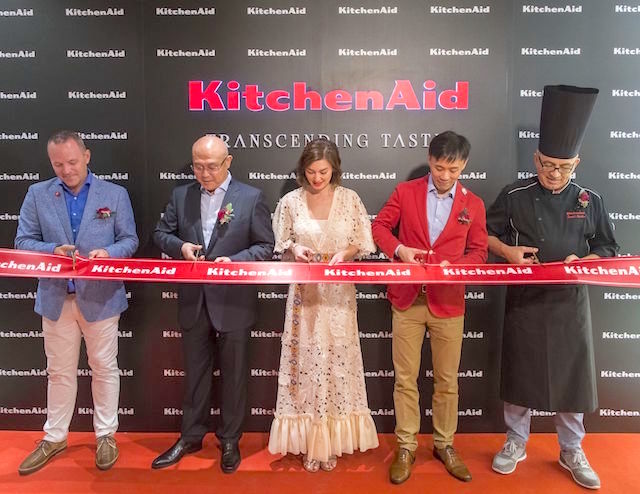
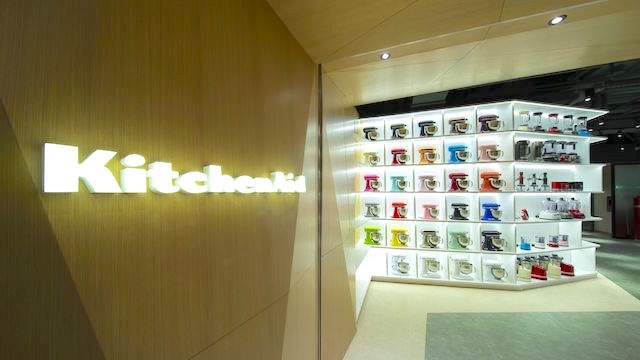
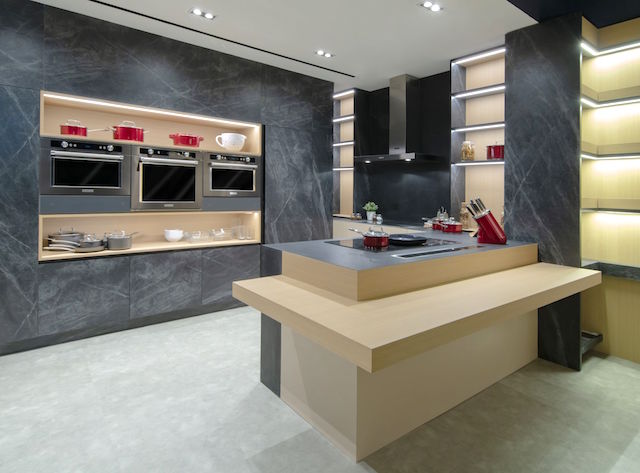
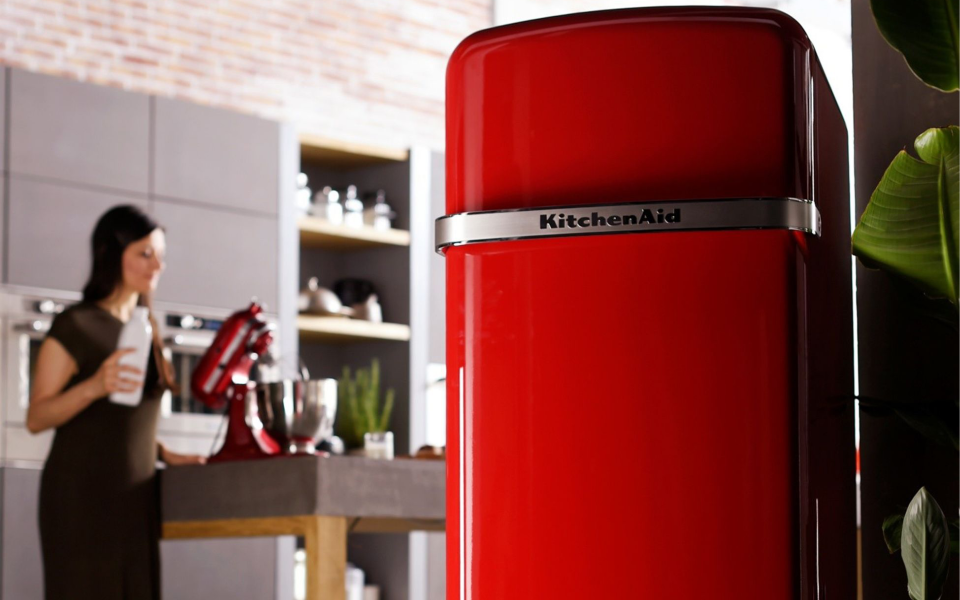
    Located at Lee Garden Three in Causeway Bay, the 2,000 square feet experience store does showcases KitchenAid’s bestselling small appliances and the recently launched range of major household appliances.

    To celebrate the store’s grand opening, a feast for the senses was hosted by Italian chef Daniele Paralovo alongside model and culinary goddess, Danielle Peita Graham.

    The highlights of the event included a live cooking demonstration and food-themed hair accessories by stylist Alistair Rae. The larger than life KitchenAid Artisan stand mixer on display at the store was also the centre of attention.

    Founded in 1919, KitchenAid’s story begins in 1908 when engineer Herbert Johnson came up with the idea of a stand mixer after observing a baker mixing dough and thought there should be a better way of doing the task.

    Almost a decade after the initial introduction of KitchenAid’s iconic stand mixer, the appliance brand has presence in 92 countries all over the world, in which Hong Kong is the second flagship experience store after Korea in Asia.

    As a favourite of tastemakers and creative cooks such as French chef Oliver Baiard and American cooking guru Julia Child, KitchenAid is known for its bold yet sleek design and professional performance.

    Some of the most loved KitchenAid designer appliances include their iconic fridge and stainless-steel kitchen appliances that are as sophisticated as fine art.

  • Asia Pacific leads world tourism growth together with Europe

    Asia Pacific leads world tourism growth together with Europe

    Tourist arrivals worldwide climbed by +6% in the first four months of 2018, compared to the same period last year, according to new figures from the UN World Tourism Organisation (UNWTO).

    This not only continued the strong 2017 trend, but exceeded UNWTO’s early forecast for 2018.

    Growth was led by Asia and the Pacific (+8%) and Europe (+7%). Africa (+6%), the Middle East (+4%) and the Americas (+3%) also recorded sound results. Earlier this year, UNWTO’s forecast for 2018 was for a growth rate between +4-5%.

    “International tourism continues to show significant growth worldwide, and this translates into job creation in many economies,” said UNWTO Secretary-General Zurab Pololikashvili. “This growth reminds us of the need to increase our capacity to develop and manage tourism in a sustainable way, building smart destinations and making the most of technology and innovation.”

    From January to April 2018, international arrivals increased in all regions, led by Asia and the Pacific (+8%), with sub-regions South-East Asia (+10%) and South Asia (+9%) driving results.

    The world’s largest tourism region, Europe, also performed strongly during the four-month period (+7%), led by the destinations of Southern and Mediterranean Europe, and Western Europe (both +8%).

    Growth in the Americas is estimated at +3%, with strongest results in South America (+8%). The Caribbean (-9%) is the only sub-region to experience a decrease in arrivals during this period, weighed down by some destinations still struggling with the aftermath of the hurricanes of August and September 2017.

    The limited information coming from Africa and the Middle East points to +6% and +4% growth, respectively, confirming the rebound of Middle East destinations and the consolidation of the growth in Africa.

  • The Marvel Experience Thailand opens in Bangkok

    The Marvel Experience Thailand opens in Bangkok

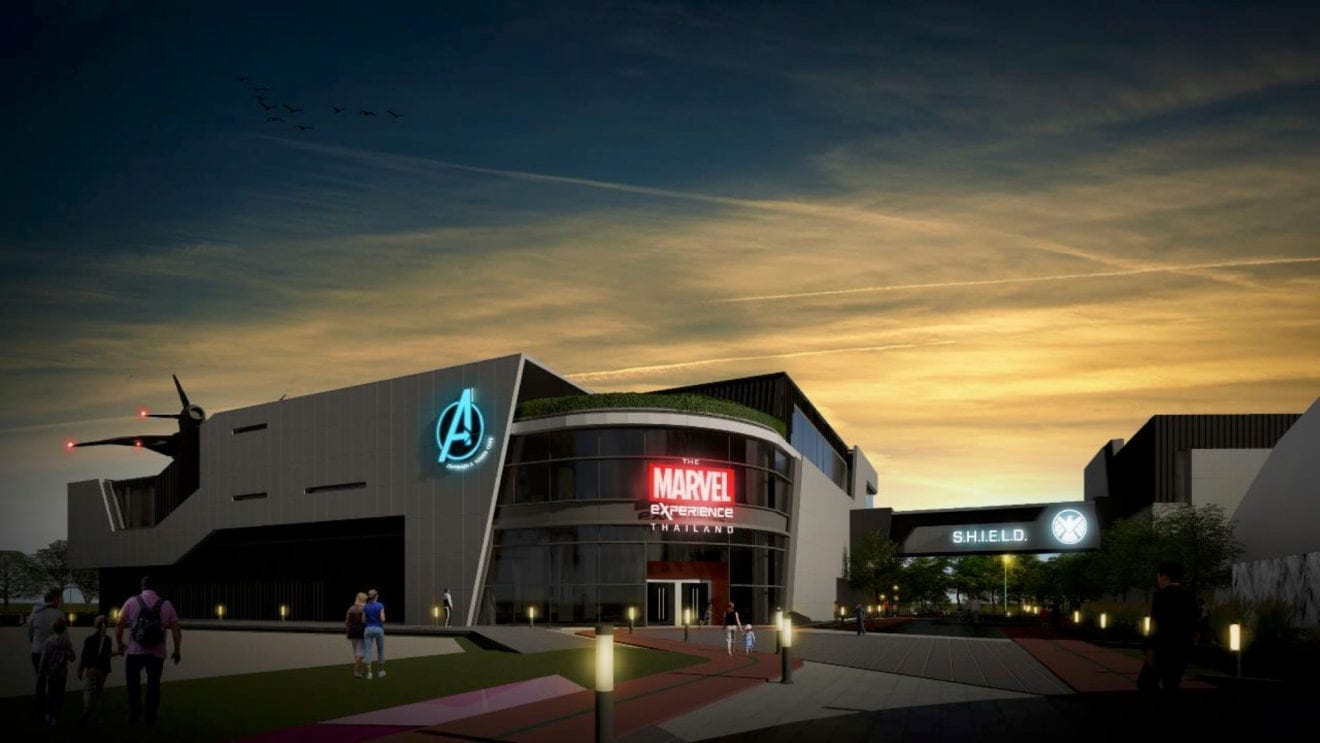
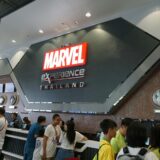
    The Marvel Experience Thailand opens in Bangkok.  South East Asia’s first Marvel Experience-branded attraction has launched at Bangkok’s Mega Bangna mall.

    The Marvel Experience Thailand stretches over two hectares. It’s sited at the Mega Bangna (Bang Phli) mall, halfway between Suvarnabhumi International Airport and the centre of Bangkok.

    “From our success with the launch of The Marvel Experience (TMX) in the United States of America and elsewhere, a number of countries have reached out and invited us to bring TMX to them,” said Rick Licht, CEO of Hero Ventures. “As Thailand is a major fan base for Marvel, we believe that Thailand is the perfect country to which we should bring this adventure.”

    The new attraction has two major zones – a reception building and the Attraction Zone. As visitors enter they will find themselves at the ticket office. F&B options The Avengers Café and the Super Hero Snack Bar are on hand. The Marvel Adventure Zone offers play for smaller children. Guests can also browse the Marvel Experience Super Store, with a wide range of Marvel licensed products. The Marvel Experience Thailand merchandise is exclusive to the venue.

    Guests then enter the Holding Zone Beta, a prepping area before guests move into the main Attraction Zone. Once inside the Attraction Zone, guests are invited to become S.H.I.E.L.D agents. They then join Spiderman, Captain America, Iron Man, Thor, Hulk, Black Widow, Black Panther and other Marvel heroes in a two-hour campaign. The immersive battle offers a compelling combination of hyper reality, interactive and multimedia technology games. It also includes AR and VR simulations.

    The Marvel Experience also offers a 4D motion ride and a 360-degree 4D stereoscopic projection dome. Guests also have the opportunity for meet and greets with Marvel heroes.

    TMX is collaborating with their local partner Hero Experience to manage the attraction. Surakiat Thienthong, co-CEO of Hero Experience, says he hopes the new attraction will become a key tourist focus in Bangkok, helping to boost overall numbers of tourists for Thailand.

    “We plan to communicate with both Thai people and international tourists,” says Thienthong. “For Thailand, our strategy is to integrate marketing communication across all media channels: TV, radio, online, out-of-home media, including marketing activities every month.”

    He adds that, for the international market they will “promote through media and key influencers in each country as well as find the right travel agent partners to broaden our target groups.”

    The addition of branded retailtainment is in line with current trends in retail.

    It seems the world can never get enough of Marvel. Earlier this year Blooloop reported on the opening of a £1million Marvel Super Heroes attraction at Madame Tussauds Blackpool.  Meanwhile the Marvel Summer of Super Heroes is in full swing at Disneyland Paris.

    View gallery below for more pictures of the venue (7 images) :

  • New VR amusement park for Korea

    New VR amusement park for Korea

    As virtual reality becomes recognized as a viable film technology internationally, the Korean film industry is not hesitating to join the trend: film tech labs and visual effects houses are producing VR content more aggressively than ever, while major exhibitors are developing new technologies to screen this material.

    Until quite recently, VR content was rarely available in cinemas as most VR productions have been designed for theme parks and experiential games. But now South Korea is catching up the global trend – a movement in which VR animation such as Eugene Chung’s “Arden’s Wake” draw wide attention and leading film festivals launch competition sections specifically for VR films.

    South Korea has showcased quite a few notable VR film projects: in 2017, Gina Kim’s VR documentary “Bloodless” competed in the Venice film festival’s VR competition and won the best VR Story Award. Based on a true event in 1992, the film is about the murder of a Korean sex worker by an American soldier.

    More recently, VR romance drama “Stay With Me” opened in the immersive 4DX format at the CJ-CGV cinema chain. Directed by Bryan Ku, “Stay” revolves around the relationship between a boy who dreams of becoming a musician but is too afraid to go on stage, and a girl who aspires to become an actress.

    “When you think about VR, most of the time it would be either adventure, action or horror films,” Ku said at a press event for “Stay.” “I believe the greatest quality of VR lies in its capacity to let the audiences relate to the film emotionally, and romance drama is the genre that corresponds the most to this quality,” he continued.

    The world’s first film production that was both shot in VR and screened in 4DX format, “Stay” was specifically designed for 4DX screening from the beginning and was shot in 360 degrees, for which CGV’s 4DX effect team joined the project from the development stage.

    “4DX effects for VR should be different from those for other movies,” says Yoo Young-gun of CGV. “Visual elements are not enough to accomplish what VR is up to, which is to expand to a form of storytelling with its immersive characteristics maximized. With 4DX technology, the audiences can touch, smell and feel the films, meaning that virtual reality in its literal sense can be achieved.”

    CJ CGV is aiming to globally introduce 4DX VR by applying VR technology to its 500 4DX theaters across the world.

    “We are planning a VR add-on package, which allows exhibitors to show VR films, and are offering it to the 500 4DX theaters across the globe,” says Yoo.

    On the other hand, Lotte Cinema, South Korea’s second-largest exhibition chain, arranged a special program dedicated to VR content earlier this year. The program’s selection included Patrick Kwon’s “Nine Days,” South Korea’s first VR movie designed for theatrical release.

    “For this event we collaborated with Samsung and could use its HMDs and smartphones, but if we start regular VR screenings, it will be a lot costlier,” says Lotte’s Kang Seung-hyuk. “We will need to determine whether there’s enough content in VR that can cover these costs.”

    Since VR is still at an early stage and barely has a stable market, most VR productions rely on support funds. The Ministry of Culture, Sport and Tourism and institutes such as Korea Creative Content Agency and National IT Industry Promotion Industry are funding VR projects. Also, the Korean Academy of Film Arts launched a special course for VR production.

    At the same time, companies in the private sector are also making investments. Leading visual-effects house Dexter Studios is running a digital human virtual reality research lab and is working on a string of VR films that are set for theatrical releases at CGV within this year. The studio’s lineup includes sci-fi animation “From the Earth” and live-action horror picture “Trapped.”

  • IKEA India to use electric vehicles for home deliveries

    IKEA India to use electric vehicles for home deliveries

    Swedish furniture maker IKEA is planning to use electric vehicles for home deliveries across the country, said a senior official of the company.

    IKEA initially aims at using electric vehicles, upto 20 percent of its total customer delivery fleet and subsequently increase them up 60 percent over three years.

    Deputy Country Manager of IKEA India, Patrik Antoni said the company will be installing charging pods at its store in Hyderabad to encourage both employees and customers to switch to electric vehicles.

    “To meet the Indian customers’ service expectations home delivery will be an important component of our offer. As a company, we have ambitious plans to adopt electric vehicles across our operations and in our first year in India, around 20 percent of our customer delivery fleet will comprise electric vehicles.

    That number is planned to increase to 40 percent in the second year and 60 percent in the third year of IKEA’s operations,” the Ikea official said.

    “We will be installing charging pods at our IKEA store in Hyderabad to encourage both our employees and customers to switch to electric vehicles.

    The initiative concerns our own vehicles at our stores and offices, but also includes our partners who take care of our home deliveries,” he further said.

    Meanwhile IKEA said it has chosen Gati-KWE, an express distribution services firmas logistic partner for its upcoming store here.

    The store is expected to be open next month here.

    The press release issued by Gati,the partnership will enable Ikea to efficiently manage home deliveries of its products (Do-It-Yourself) sold from its first ever India store to customer homes across Telangana.

    The overall scope of partnership is a combination of contract logistics, last-mile distribution and reverse logistics, it said.

  • AEON and Thai Airways brings you to experience  “Wonderful Autumn in Japan”

    AEON and Thai Airways brings you to experience “Wonderful Autumn in Japan”

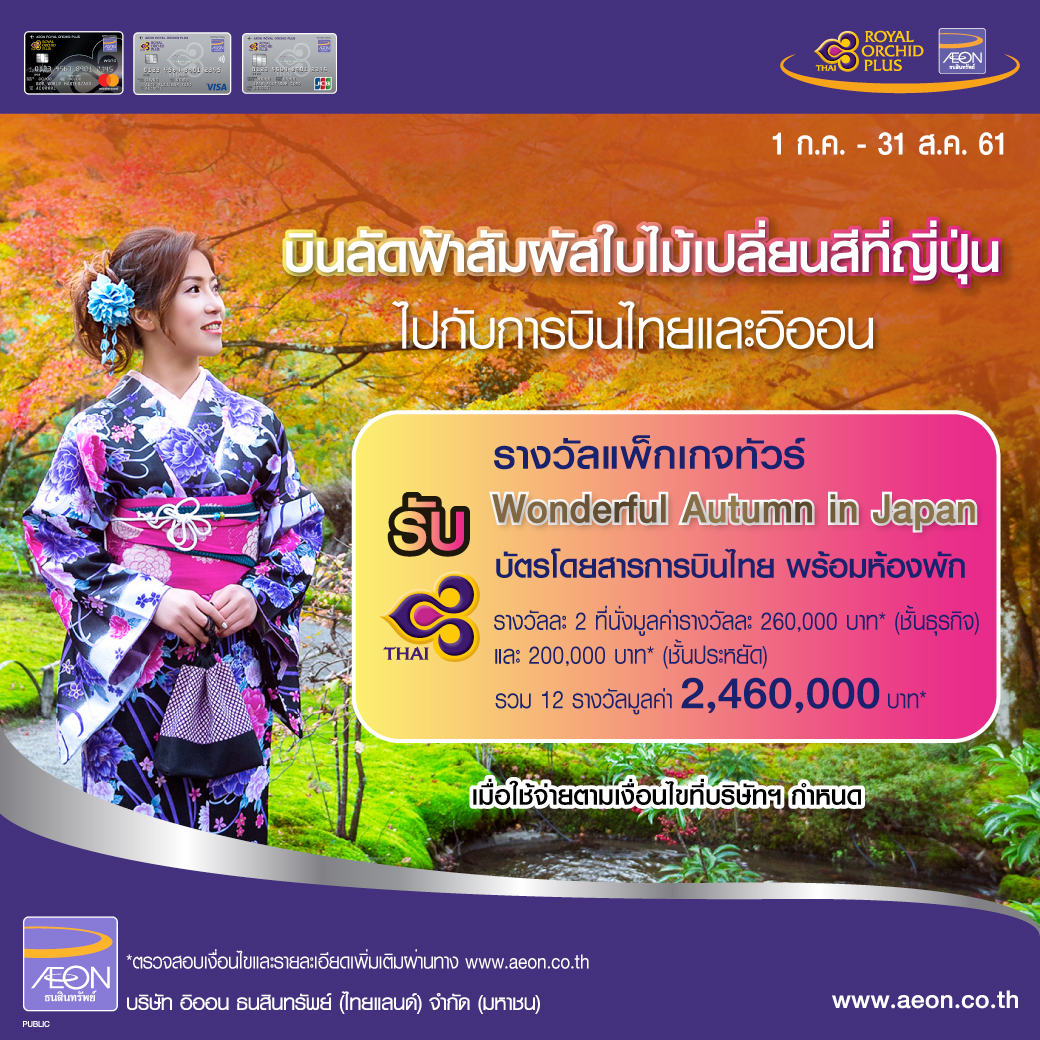
    AEON Thana Sinsap (Thailand) Public Company Limited together with Thai Airways International Public Company Limited launched the “Wonderful Autumn in Japan” campaign to offer privileges for AEON Royal Orchid Plus World Mastercard and AEON Royal Orchid Plus Platinum cardholders, 10 prizes of Japan tour package with 2 seats of Thai Airways tickets worth over 2 million Baht. Get a chance to experience a miracle nature of colorful Fall and Autumn in Japan when spending every 1,000 Baht with AEON credit card and receive 10 chances for every 1,000 points redeemed into mileage points, or by spending 1,000 Baht per sales slip at Thai Airways Sales Office

    Additional special promotion for AEON credit card top spenders at Thai Airways Sales Office or online will get a chance to win a premium Japan tour package, 2 business class tickets from Thai Airways. This promo will be active until 31 August 2018.

  • Purecare Announces International Partnership With Index Living Mall

    Purecare Announces International Partnership With Index Living Mall

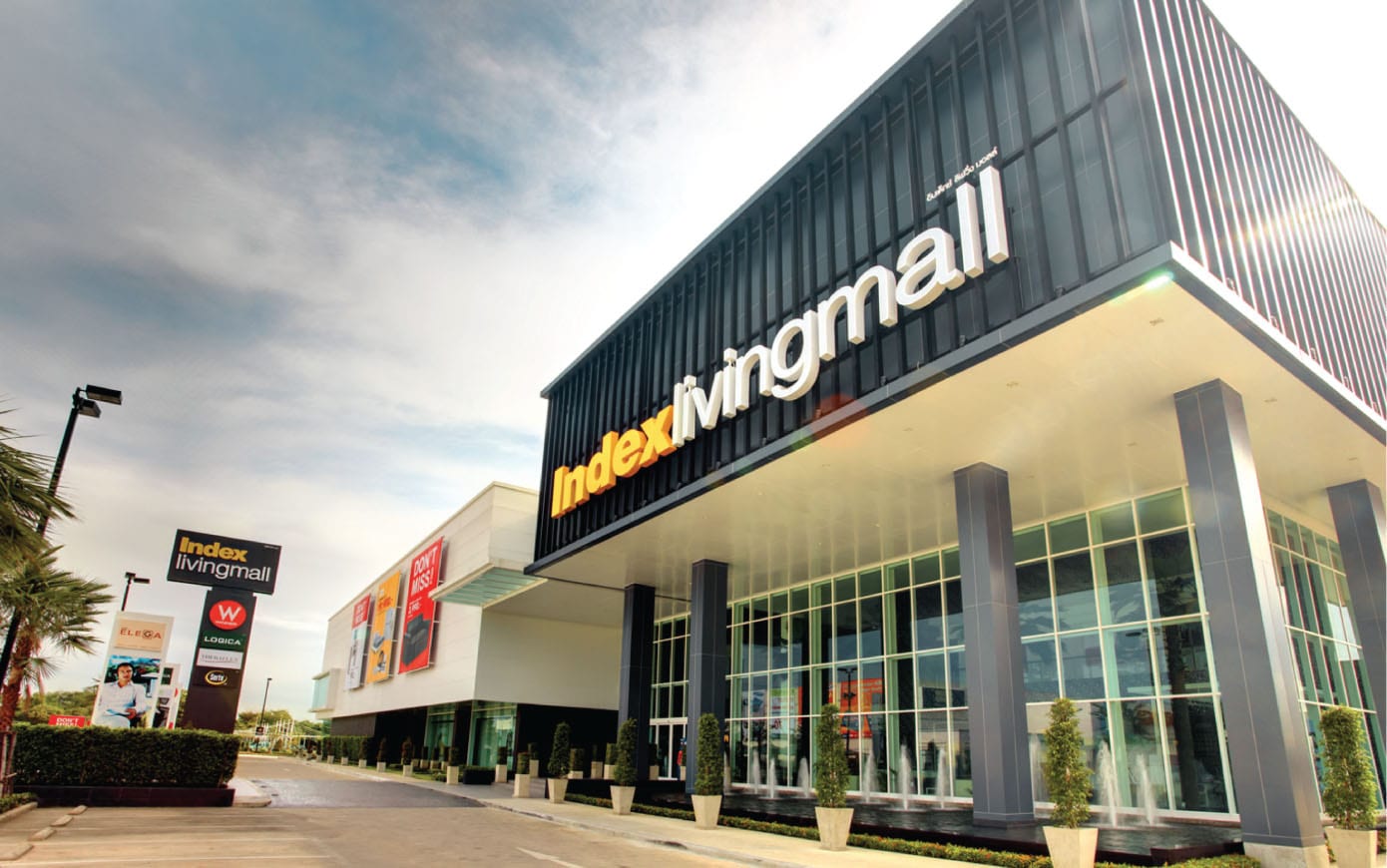
    North American bedding retailer PureCare has announced a partnership with home furnishings retail chain store Index Living Mall.

    Index Living operates 28 locations in Thailand out of 114 stores throughout the Southeast Asia region. It is the largest network of home goods retail stores in Thailand. It will carry a curated collection of PureCare’s bed linens, mattress protectors and pillows from this summer through to autumn this year.

    Ralph Rosen, PureCare’s VP of business development, said: “Both of our companies are committed to offering the very best quality and value to today’s health-conscious consumers and allergy sufferers.

    Our international product and sales team worked closely with their merchandising team of professionals to come up with a specific selection of products that augmented and enhanced Index Living Mall’s current retail offering.”

    President and COO of PureCare Jeff Bergman said that by partnering with PureCare, Index Living Mall has embraced what it envisions as a growing global movement of health and wellness in the ‘top of bed’ category.

    Index Mall’s VP product development Pichapim Patamasatayasonthi added: “This year Index Living Mall aims to become the total “sleep solution center” for our customers. We offer ‘PureCare’ one of the leading innovative brands in the world from the USA now to the Thailand market.”

    PureCare has previously expanded into Canada, Russia, Australia, New Zealand, the UAE, Central America and the Caribbean.

  • Chevron Renewal of Indonesia’s Rokan Block Not Assured

    Chevron Renewal of Indonesia’s Rokan Block Not Assured

    United States energy giant Chevron must compete if it wants to continue operating Indonesia’s Rokan block, the country’s biggest source of crude oil, after its contract expires in 2021, Energy and Mineral Resources Minister Ignasius Jonan said on Wednesday (27/06).

    Chevron asked the Indonesian government earlier this year to extend its operating contract for Rokan beyond 2021 and since then has been in discussions with government officials on the issue.

    “I just talked to Chevron’s new chief executive and told him that it is up to him. If they propose to continue to operate the Rokan block the economics have to be justifiable,” Jonan said in the sidelines of the World Gas Conference in Washington.

    “And they may face some competition as well, from foreign operators and from Pertamina,” he said, referring to Indonesia’s state-owned energy company.

    Michael Wirth, who has been with Chevron since 1982, became chief executive in February.

    A Chevron spokesman did not immediately respond to a request for comment.

    Indonesia has earned a reputation for favoring Pertamina to take over expiring oil and gas contracts in the past, stoking concern among foreign energy investors about the security of their projects.

    Jonan, who said he is eager to earn the trust of investors to boost development of Indonesia’s natural resources, said the days of playing favorites were “in the past.”

    “The only maxim we stick to is the economics. There is no favoritism about the origin of the company, there is no political play. The answer is no and no. It is the economics. That applies to everyone, foreign companies, local companies, and government companies,” he said.

    Jonan said Indonesia was also in discussions with Chevron about another project it is operating, Indonesia Deepwater Development, a natural gas production effort in East Kalimantan, after Chevron cut $6 billion in spending plans there.

    “We both agreed to go and find the best way to work on this block for both sides,” he said, adding tat the negotiations now “will go down to the technical level.”

    Jonan said he had not yet used his authority to adjust fiscal terms for oil and gas blocks to encourage investment, but was ready to do so in any cases where investment returns were projected to be below 15 percent.

    Jonan said he is “seriously considering offering fiscal adjustments to a number of smaller blocks” in Indonesia, but he did not name the blocks or the companies involved.

    Gold, Copper, Coal

    Jonan also said he met this week with Freeport McMoRan chief executive Richard Adkerson to discuss the company’s Grasberg gold and copper mine in Papua. The Phoenix-based company has been in tricky negotiations with Indonesia to secure long-term operating rights at the mine after the government introduced rules last year forcing it to divest its controlling interest.

    Jonan said the two agreed that Freeport needs freedom to operate the mine in the way it sees fit in the near term, but that the government insists on having a voice.

    “We agreed that, operations-wise, Freeport has to be in charge at the moment. Honestly, we don’t have the expertise,” he said. “But if you talk about control, it is a very delicate word in terms of management. I would like to say we both control.”

    Jonan added that Indonesia, which produces and exports large amounts of coal, currently viewed the fuel as critical to keeping electricity costs down for its population.

    “We have a serious concern about global warming and are trying to reduce the use of coal as the primary energy for our power plants,” he said. “But we go with the affordability for the public.”

    He said Indonesia would find it difficult to reach its target of generating 23 percent of its power from renewable sources by 2025 – as pledged under the 2015 Paris agreement on climate change – but remained hopeful it could reach somewhere above 20 percent by that time.

  • Hyundai Department Store slashes workdays for sales staff

    Hyundai Department Store slashes workdays for sales staff

    Hyundai Department Store is introducing last-minute measures to comply with the new 52-hour workweek, which goes into effect next week.

    Korea’s third-largest department store chain is reducing the working hours of its sales staff by one hour, the company said on Thursday.

    “It’s a measure that will catch up with today’s social atmosphere that emphasizes work-life balance,” said the company in a statement.

    Fifteen department stores and four discount outlets nationwide will be affected by the measure. Sales workers who used to come to work at 10 a.m. and left at 8 p.m. will go home at 7 p.m. starting July 1.

    The stores’ operating hours, however, will remain 10:30 a.m. to 8 p.m. The one-hour vacuum left by the change will be filled in by the heads of each sales department and other workers taking turns in groups of 10.

    “We also took into account concerns among our business partners that their revenues will be hit hard when the operating hours shrink, as the economic slowdown is already continuing,” said a Hyundai spokesman.

    The company launched a pilot program that let sales employees leave work 30 minutes early in April, and the experiment was a success.

    Hyundai’s department store rivals – Lotte and Shinsegae – were quicker to slash either their working hours or operating hours, as they started to do so late in May. Hyundai is noted for its conservative work system, but it had to yield to the industry-wide trend, according to an insider.

    Shinsegae Department Store announced earlier this week that it would delay its opening time by one hour to 11 a.m. starting on July 2, with the exception of its main store in central Seoul and branches in Gangnam and South Chungcheong. Its closing hours will be the same as before, at 8 p.m. on weekdays and 8:30 p.m. on weekends. Lotte has yet to adjust the operating hours for its department stores.

    Lotte Confectionary, Lotte Chilsung, Lotte Liquor and Lotte Food also announced on Thursday that they hired 200 more manufacturing workers to cope with the new workweek. The additional workers make up more than 10 percent of the entire existing production work force.

    The four affiliates have also vowed to introduce a flexible working hour system based on a three-month basis, given that seasonal demand in the food business fluctuates heavily.

    Lotte, the fifth-largest conglomerate in Korea, has been particularly proactive about the government’s move to improve the country’s working environment.

    Thirty of its subsidiaries have designated hours that employee computers must be shut off to make sure employees cannot work before 9:30 a.m. or after 6:30 p.m.

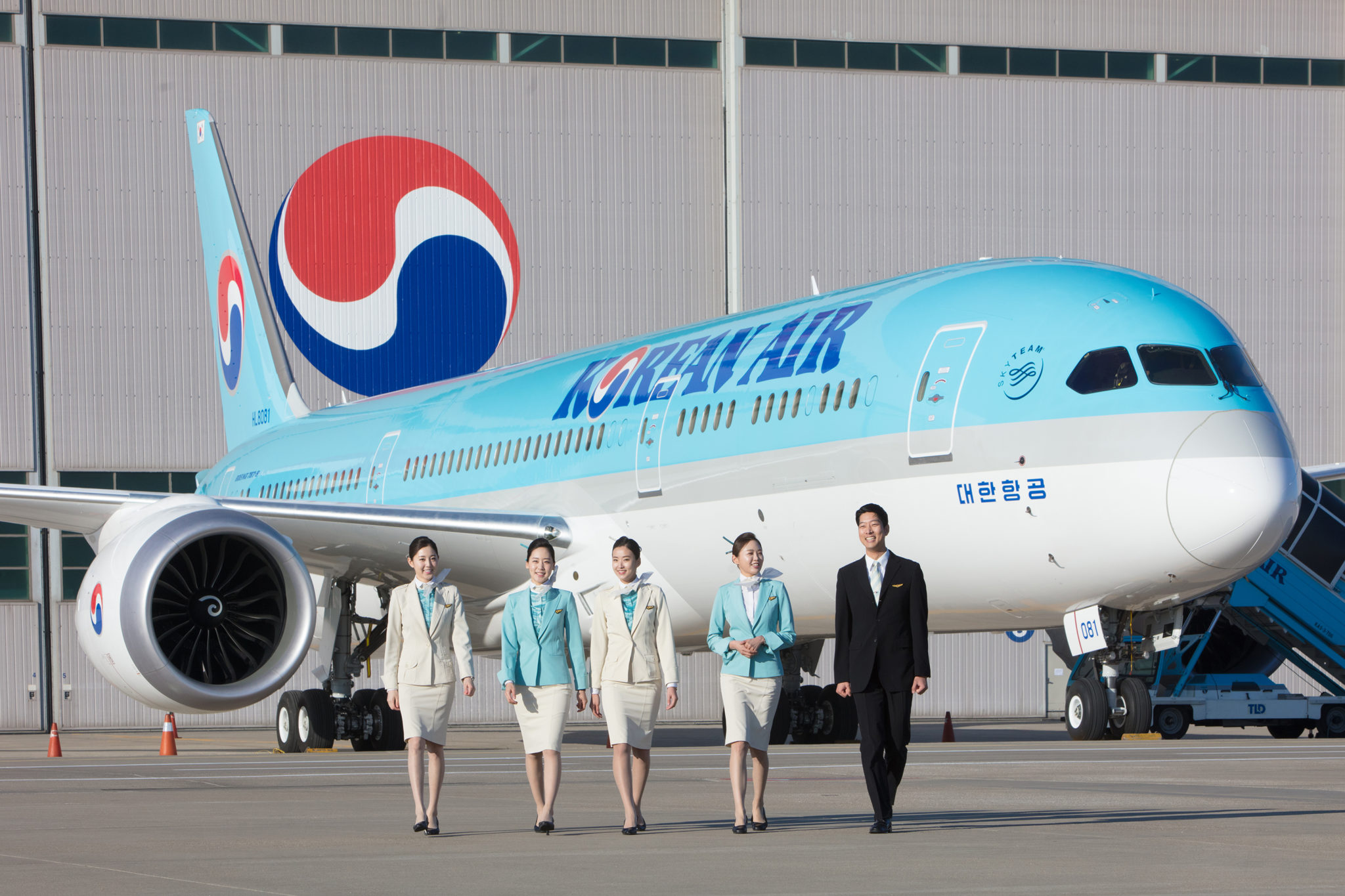
  • Korean Air brand value plummets following scandal

    Korean Air brand value plummets following scandal

    The brand value of Korean Air fell sharply in the second quarter over a series of allegations involving the family that owns it, an appraisal website showed Sunday.

    The flag carrier’s brand value ranked 36th in the April-June period, down from 11th a quarter earlier, according to Brandstock, a South Korean market research firm that determines the rankings of local brands.

    The decline reflects the intense public criticism directed at Korean Air Chairman Cho Yang-ho’s family over a series of allegations of physical and verbal abuse, as well as smuggling and tax evasion.

    Korean Air’s brand value dropped 39 notches in the quarter following the incident.

    Brandstock said Korean Air’s smaller local rival, Asiana Airlines, saw its brand rank rise to 25th place in the second quarter from 35th place three months earlier.

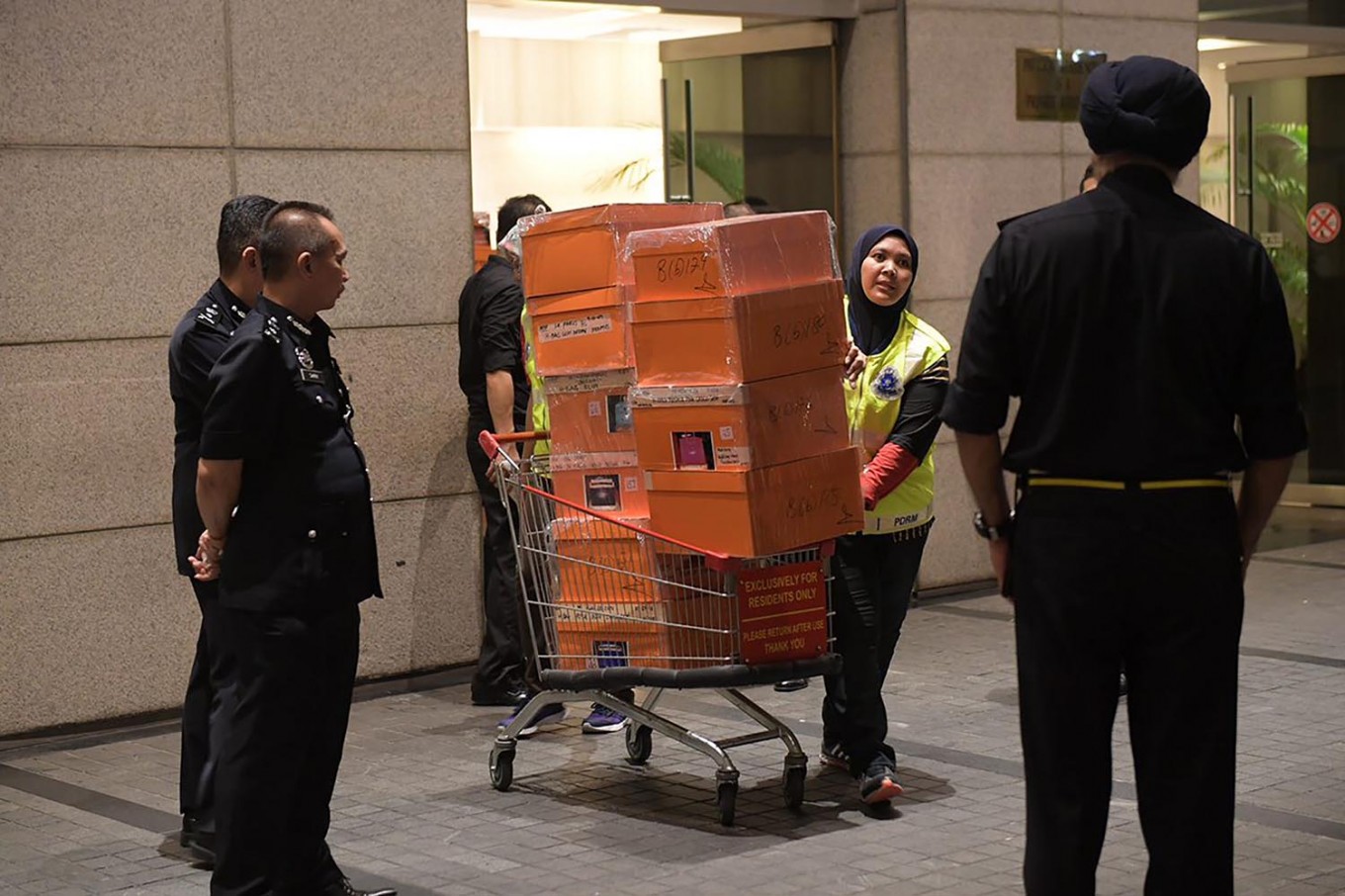
  • Items worth $273m seized from premises linked to Malaysia ex-PM

    Items worth $273m seized from premises linked to Malaysia ex-PM

    Items seized from six premises linked to ousted Malaysian leader Najib Razak, including cash, a vast stash of jewelry and luxury handbags, are worth up to $273 million, police said Wednesday.

    “The total cost of all the items, the retail price, will be touching 910 (million) to 1.1 billion ringgit,” Amar Singh, the police’s head of commercial crime said. That is equivalent to $225 million to $273 million.

    The items included 116 million ringgit ($28.8 million) in cash in 26 different currencies, about 12,000 pieces of jewellery and hundreds of handbags as well as a large number of watches.

    Allegations of massive corruption were a major factor behind the shock election loss of ex-premier Najib’s long-ruling coalition in elections last month to a reformist alliance headed by Mahathir Mohamad.

    Najib and his cronies were accused of plundering billions of dollars from sovereign wealth fund 1MDB and using it to buy everything from US real estate to artworks. Najib and the fund deny any wrongdoing.

    His luxury-loving wife Rosmah Mansor became a lighting rod for public anger due to her vast collection of handbags and jewels, and her reported love of overseas shopping trips.

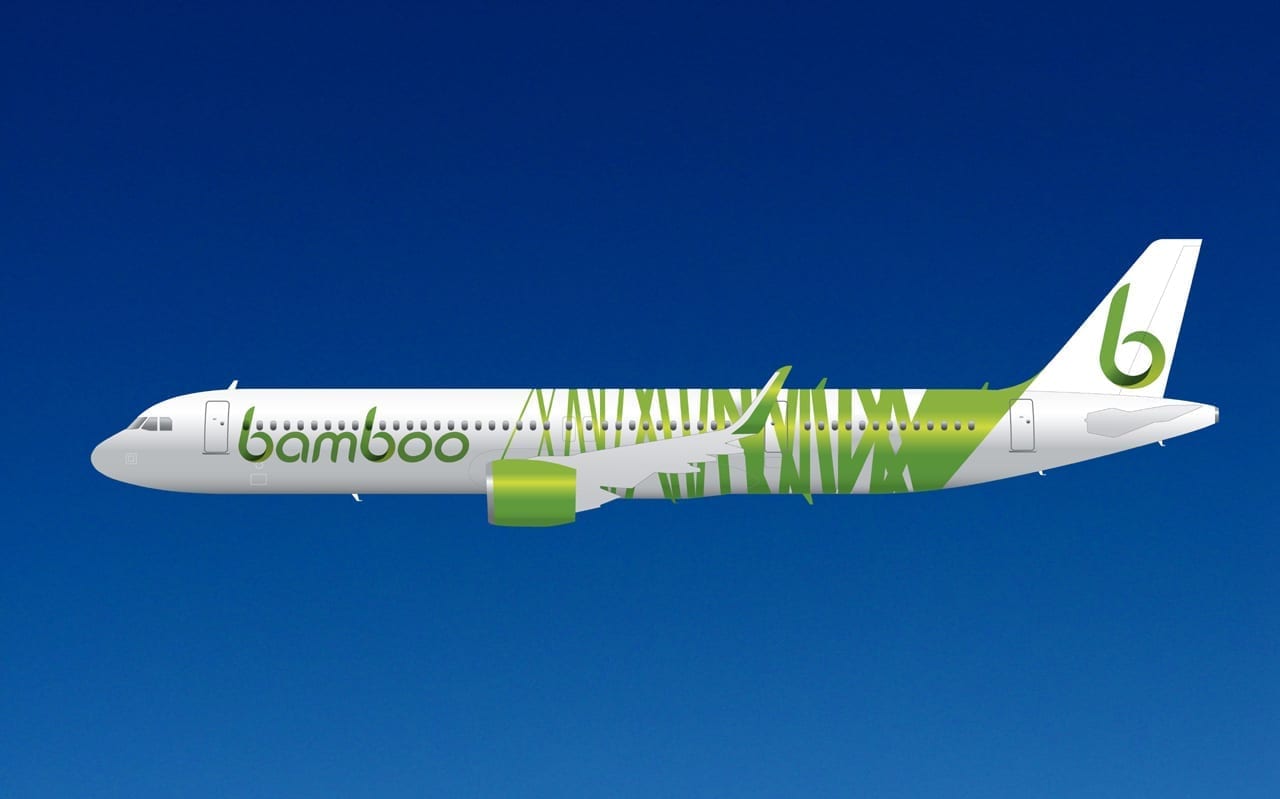
  • Vietnam’s Bamboo Airways commits to 20 Boeing aircraft

    Vietnam’s Bamboo Airways commits to 20 Boeing aircraft

    Boeing Co (BA.N) said on Monday entered into an agreement to sell 20 of its widebody long-haul aircraft to Vietnamese startup Bamboo Airways in a $5.6 billion deal at current list prices.

    As part of the deal, which is yet to be finalized, FLC Group-owned FLC.HM Bamboo Airways has made a deposit in mid-June to reserve the 787-9 Dreamliners, whose delivery is likely to begin from April 2020, through 2021, Boeing said.

    Bamboo Airways plans to begin commercial operations next year out of Hanoi.

    FLC Group has also signed an initial agreement with Airbus SE (AIR.PA) in March for up to 24 A321neo aircraft.