Category: Living

Retail News Asia is committed to providing both local and global retailers with the latest Living news throughout the Asian market. This on a daily base.

  • Vietnam poised to build on IT outsourcing gains

    Vietnam poised to build on IT outsourcing gains

    Apart from skills and adaptability, low staff turnover in the sector makes the country more attractive to tech giants.

    Vietnam continues to be a favored outsourcing destination for multinational companies even as the current leader, India, experiences some hiccups.

    A recent article in the Forbes magazine said in its title that Vietnam was a “small but mighty powerhouse” for IT outsourcing.

    It said giant technology companies like Intel, IBM, Samsung Display, Nokia, and Microsoft continue to invest in Vietnam’s growing tech workforce.

    The author of the article, Anna Frazzetto, Chief Digital Officer and Senior Vice President at Harvey Nash, which has a decade plus of outsourcing experience in Vietnam, said, “technology specialists in Vietnam are comfortable with quickly becoming a natural extension of global clients, ready to challenge norms and bring innovative ideas to the table.”

    Another major factor that makes Vietnam attractive is the tendency of people to stay on in the country, unlike IT professionals in India, Malaysia and other countries who are ready to move to other countries for jobs that pay well.

    While the relative lack of fluency in English is a growth constraining factor, Vietnam’s investment in education, and the extra attention it pays to nurturing knowledge and talent in science and math is a positive aspect that will help Vietnam build on its outsourcing potential, she said.

    These positive factors have meant that business process outsourcing (BPO) is growing fast in Vietnam. In 2017, consulting firm PricewaterhouseCoopers (PwC)’s “Spotlight on Vietnam” report also indicated that BPO was among the country’s most five promising sectors to invest in.

    Also last year, the Vietnam Software and IT Services Association (VINASA) said the country’s BPO industry has grown 20 to 35 percent annually over a decade.

    A Global Services Location Index report in 2017 by A.T Kearney consulting firm said Vietnam has jumped five places to sixth for countries with great financial attractiveness, availability of highly skilled people and good business environment. The five countries above Vietnam were India, China, Malaysia, Indonesia and Brazil.

    Dinh Thi Quynh Van, general director of PwC Vietnam, said in a Voice of Vietnam report earlier this year that Vietnam’s BPO was following a similar growth trajectory to that of India and the Philippines.

    But she said Vietnam’s BPO workforce should stay innovative to meet ever-increasing demand in the market.

  • Toyota Pumps $1b in Grab in Auto Industry’s Biggest Ride-Hailing Bet

    Toyota Pumps $1b in Grab in Auto Industry’s Biggest Ride-Hailing Bet

    Toyota Motor has agreed to buy a $1 billion stake in Grab in the biggest investment by a carmaker into a ride-hailing firm, at a time when traditional automakers are racing to team up with disruptive tech companies.

    The value of six-year-old Grab will be just over $10 billion after the investment, said a person familiar with the matter.

    The deal comes as the auto industry faces a spike in the need for technological prowess with the advent of features such as autonomous driving, while app makers offer passengers the option to forgo car purchases by connecting them with drivers.

    Some automakers have responded by partnering with makers of ride-hailing apps, which dominate the fast-growing field of mobility services, in anticipation of a future of reduced car ownership.

    General Motors has invested in US ride services firm Lyft, whose rival Uber Technologies is also backed by Toyota. Meanwhile Japan’s SoftBank Group – also an investor in Grab and Uber – last month said it would invest $2.25 billion in GM’s autonomous vehicle unit Cruise.

    Toyota’s trading arm invested an undisclosed sum in Grab last year. This time, the automaker is lead investor in a financing round launched after Grab acquired Uber’s operations in Southeast Asia, a region of 640 million people.

    Grab called it the largest-ever investment globally by an automotive manufacturer in the ride-hailing sector.

    The Singapore-headquartered firm did not disclose how much fresh capital it aims to raise. It raised $2.5 billion in its last round in July, resulting in a reported value of $6 billion.

    Grab said it logs six million rides a day via apps downloaded onto over 100 million mobile devices. The firm also offers online to offline services, such as food delivery and digital payments, which it aims to expand deeper into the region using funds from its latest financing round.

    “We will work with partners like Toyota to continue to transform transportation in Southeast Asia,” Grab said in an email. “We want to be the one-stop mobility platform for users.”

    It also said Toyota will appoint an executive to Grab’s board of directors while a dedicated Toyota team member will be seconded to Grab as an executive officer.

    Toyota said it aimed to offer financing, insurance and maintenance services to drivers based on data collected through recorder devices already installed in some Grab vehicles.

    “Going forward, together with Grab, we will develop services that are more attractive, safe and secure for our customers in Southeast Asia,” Toyota executive Shigeki Tomoyama said in a statement.

    The data could also help Toyota develop its own next-generation mobility services, including a self-driving electric vehicle aimed at companies for use in tasks such as ride hailing, package delivery and mobile shops.

    Other Grab investors include Japan’s Honda Motor, South Korea’s Hyundai Motor and Chinese ride-hailing firm Didi Chuxing. Uber acquired 27.5 percent of Grab in exchange for the US firm’s Southeast Asian business earlier this year.

    Grab’s main rival is now Indonesia’s Go-Jek, which last month said it would invest $500 million to begin expanding abroad.

  • Korean Air hiring flight attendants

    Korean Air hiring flight attendants

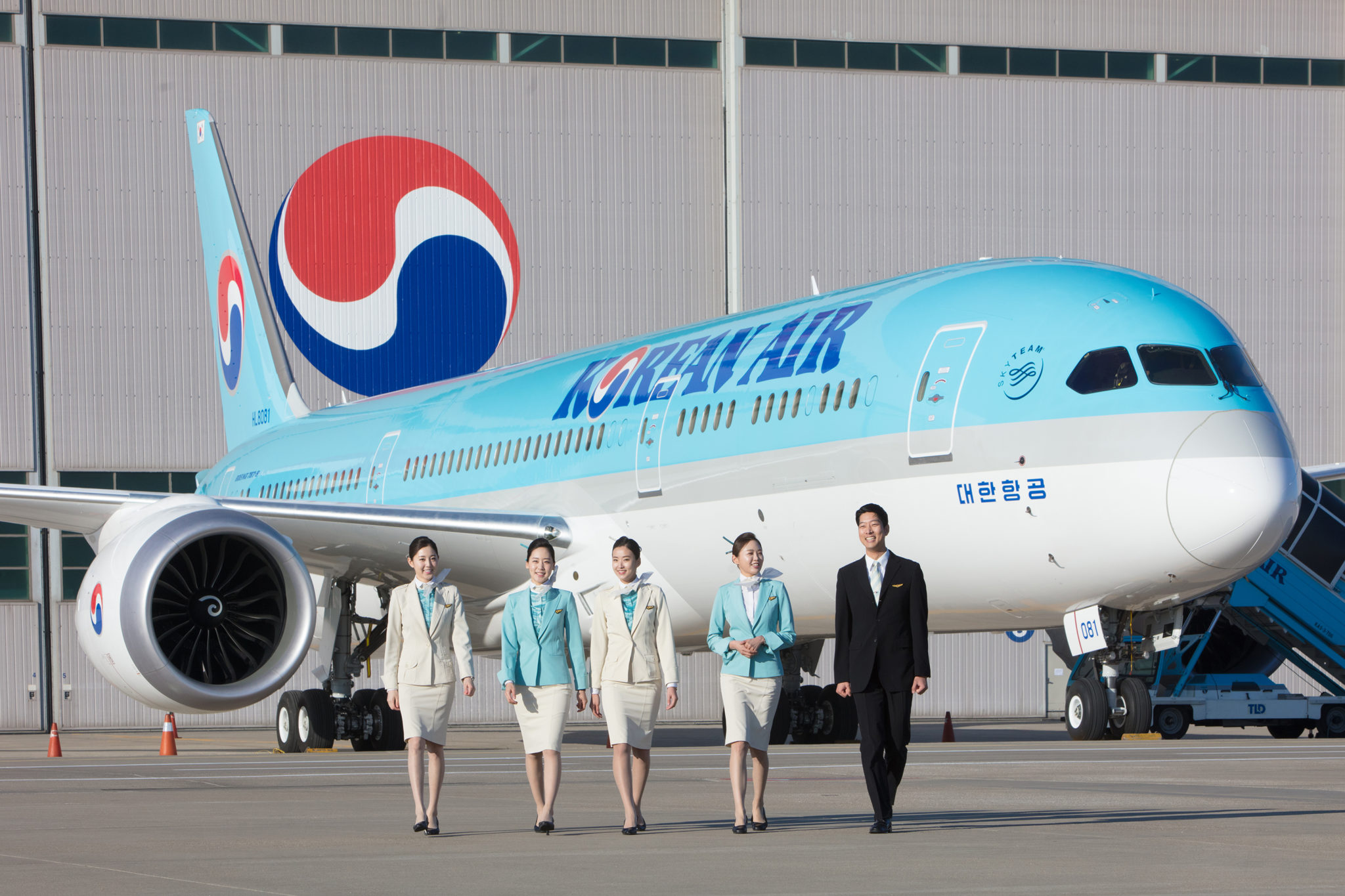
    Korean Air’s reputation may be in the gutter due to ongoing investigations into its owner family, but it’s hiring.

    Korea’s largest airline is looking to take on 600 new flight attendants this year, the company said on Tuesday.

    Korean Air began recruiting 200 new flight attendants on Tuesday. The company already hired 200 attendants in the early half of the year, and is currently in the middle of hiring 100 experienced flight attendants.

    Korean Air usually takes on about 500 new flight attendants every year, so this year’s hiring represents a bit of a bump. A company spokesperson said that it increased its hiring to keep up with its expanding flight routes.

    Last year, the company hired only 180 new flight attendants, so it decided to hire more this year.

    Most of the company’s statements in recent months have been in response to allegations against the Cho family, which owns Korean Air.

    A series of investigations into the family began in April, when Korean Air Chairman Cho Yang-ho’s youngest daughter Cho Hyun-min was caught throwing a drink at an advertising executive during a meeting in March. Since then, the airline has been busy responding to complaints rather than promoting its business.

    Korean Air is expecting steep growth in its business this year. It moved to Incheon International Airport’s second terminal, which opened in January, and started a joint venture partnership with U.S. airline Delta in May.

    However, the scandalous stories of the Cho family have dominated coverage of the company. Various family members are under investigation for different charges and allegations including smuggling, tax evasion and unfair trading through affiliates.

    Most recently, Lee Myung-hee, the wife of the company’s chairman, was summoned by the Korea Immigration Service on Monday for about 13 hours of questioning into whether she illegally hired Filipino housekeepers.

    While only ethnic Koreans or immigrants married to Koreans can work as housekeepers in Korea, Lee is accused of making the airline’s branch in the Philippines recruit around 10 housekeepers and dispatch them to Korea, supposedly as Korean Air trainees. According to reports, Lee acknowledged that she hired Filipino housekeepers, but denied that she was involved in their hiring process.

  • CGF issues call to action on forced labour

    CGF issues call to action on forced labour

    Retailers and manufacturers from around the world meeting in Singapore this week have pledged to end worker fees within 10 years and to end forced labour in the supply chain.

    At the Global Forum on Responsible Recruitment and Employment, today, which precedes the Consumer Goods Forum (CGF) Global Summit at Marina Bay Sands, has issued a call to action aligned with the International Labour Organization (ILO), the International Organization for Migration (IOM) and with the support of the Institute for Human Rights and Business (IHRB).

    Business leaders have the opportunity to eradicate forced labour through the global mainstreaming of the CGF’s Priority Industry Principles on Forced Labour, which state:

    • Every worker should have freedom of movement;
    • No worker should pay for a job; and
    • No worker should be indebted or coerced to work.

    Businesses can also work toward the eradication of worker fees in the next 10 years by implementing the Employer Pays Principle championed by the IHRB-led Leadership Group for Responsible Recruitment.

    “Forced labour is a complex issue that cannot be solved without cross-sectoral collaboration,” said Olaf Koch, chairman of hypermarket operato Metro AG and co-chair of CGF Board.

    “At Metro AG, we encourage you to rise to the challenge, and stand united with us in the global fight against forced labour. We thank the leaders from our industry and global partners, ILO and IOM, for joining us on this collective journey.”

    Grant Reid, CEO of Mars Incorporated, said two years have passed since the Consumer Goods Forum issued its global resolution to fight forced labour.

    “We remain steadfast in this commitment, and this is a call to action to accelerate the tangible steps we are taking as an industry, matching our commitment with concrete results and improvements in the lives of vulnerable people. We need to increase the pace of change on this critical issue.”

    Stand together

    The CGF says collaboration is crucial to accelerating action and driving positive change on the issue.

    “The CGF calls upon businesses to stand together in their commitment to combat the exploitation of human beings for the purposes of compulsory labour through the use of force or other forms of coercion, fraud or deception,” the organisation said in a statement released after the meeting.

    “Committing to work together with industry peers, and welcoming the efforts of institutions, organisations, and coalitions engaged in the fight against forced labour is vital. Businesses are asked to join forces with the ILO, IOM and IHRB, experts in the field of modern slavery, to put an end to these abhorrent crimes once and for all.”

  • Lotte Mart begins selling menstrual cups today

    Lotte Mart begins selling menstrual cups today

    Lotte Mart began selling menstrual cups at its online and brick-and-mortar stores today.

    The discount chain will sell two variations of “WithCup” in two different sizes, both priced at 39,000 won ($36.21). WithCup was the first menstrual cup made in Korea to receive safety approval from the Ministry of Food and Drug Safety last month. It is cheaper than the foreign products that consumers previously had to buy online.

    The launch makes Lotte Mart the first discount chain to sell menstrual cups. Menstrual cups rose as an alternative to sanitary pads last year when the safety of several sanitary products fell into question. But most of them had to be purchased through foreign shopping websites as menstrual cups were only approved to be officially imported into Korea in December.

  • Gold price swings take shine off Malaysia’s Poh Kong Q3

    Gold price swings take shine off Malaysia’s Poh Kong Q3

    Poh Kong Holdings Bhd’s net profit for the third quarter ended April 30, 2018 fell 41.8% to RM4.31 million from RM7.4 million a year ago, as the fluctuation of gold prices affected the group’s operating profits.

    Revenue, however, increased 17.2% to RM240.44 million compared with RM205.23 million in the previous year’s corresponding quarter due to the increase in demand for gold jewellery and investment products, and additional revenue contribution from new outlets in the current quarter under review.

    For the nine-month period, Poh Kong’s net profit dropped 5% to RM14.48 million from RM15.24 million a year ago, while revenue jumped 18.5% to RM731.35 million compared with RM617.01 million in the corresponding period last year.

    The group is optimistic in maintaining its growth and leading position in Malaysia despite more challenging and competitive conditions in the domestic jewellery market.

    “Notwithstanding uncertainties in the global and regional economies, fundamentals in Malaysia remain resilient, which have enabled corporate and industry players to meet their challenges and business performance.”

    Barring unforeseen circumstances, Poh Kong is confident of its resilience to weather the challenges ahead for financial year ending July 31.

  • Youku Provides “Around-the-clock” Experience for 2018 FIFA World Cup

    Youku Provides “Around-the-clock” Experience for 2018 FIFA World Cup

    Youku, the Alibaba Group-owned online video hub, is set to provide China’s most-comprehensive coverage of the FIFA 2018 World Cup with live streaming of all 64 games together with a number of programs produced exclusively to celebrate one the world’s most-watched sporting events. In addition, Youku will join hands with leading brands and business units from the Alibaba ecosystem including Taobao, Alipay, Hema, UC Web, Tudou, Xiami Music and Damai, to provide viewers an “around-the-clock” integrated experience that will bring the enjoyment of the famous sports spectacle to the next level.

    “Given its level of popularity, sports content in China is an effective tool in implementing Alibaba Group’s ‘Double H’ strategy, which aims to promote ‘Health’ and ‘Happiness’,” said Weidong Yang, CEO of AliMusic and President of Alibaba Digital Media & Entertainment Group and Youku. “Not only are we streaming soccer matches, but we’re also leveraging this leading sports event to showcase the power of the Alibaba ecosystem and how Youku can lead the industry and capture opportunities in the China sports market by building relevant content and excitement.”

    Tailored Programs and Contents to Celebrate the Soccer Spectacle

    Youku is partnering with China Central Television (CCTV) to stream all 64 games, along with on-demand videos and post-game highlights*, marking the first time that the Chinese audience will be able to enjoy live broadcasts of the entire World Cup tournament on their mobile phones. As the official new media partner of CCTV in this event, Youku and CCTV will co-produce a talk show called “Qi Tan Shi Yi Ren” 《奇谭十一人》, featuring celebrity guests and soccer fans. “This is World Ball” 《这就是世界波》, a sports program under Youku’s successful “This is” 《这就是》 franchise and hosted by well-known commentators in China, will go live from June 14. Tailoring to the needs of younger audiences, Youku will produce a specialized soccer education program “Play football with Peppa Pig” 《佩奇给你讲足球》. In addition, Youku has acquired distribution rights for more than 20 online World Cup programs to enrich its lineup this summer.

    Apart from Youku, UC Web, Tudou, Xiami Music and Damai, the business units from Alibaba’s Digital Media and Entertainment Group, will work together to create an omni-media matrix covering various types of content, including short videos, music, as well as text and graphics.

    Synergy with the Alibaba Ecosystem

    Following the success of “Street Dance of China”《这就是街舞》and “This is Fighting Robots” 《这就是铁甲》, Youku and a number of leading brands and businesses from the Alibaba ecosystem are joining hands to provide a wide range of promotions and specials that cover ecommerce, restaurant and takeaway food orders, travel and entertainment content consumption.

    On Youku, audiences in China can not only watch the exciting soccer matches, but also enjoy innovative interactions and games. Red envelopes of coupons worth over RMB200 million will be set aside as prizes for an online campaign, where customers collect the cards of soccer stars. Youku, Taobao, Alipay and UC Web are sponsoring the campaign. Red envelops will also appear during the live streaming of every match. They can be redeemed for purchases on Taobao.

    Also, Tmall Genie, the AI-powered smart speaker will continue the prediction game that was traditionally started by Paul the Octopus, but this time, it will compete with a Boston lobster from Hema. All predictions and results will be announced in the “This is World Ball” 《这就是 世界波》program.

    “The extensive offerings from Youku around the 2018 FIFA World Cup reaffirm our commitment to bring the world’s best sports events to Chinese audiences. The widespread support from the Alibaba ecosystem also empowers Youku to deliver a superb experience for users to enjoy the popular month-long tournament in many new and innovative ways,” added Yang.

    *CCTV has exclusive streaming rights in China.

  • French farmers block access to 13 refineries in palm oil biofuels protest

    French farmers block access to 13 refineries in palm oil biofuels protest

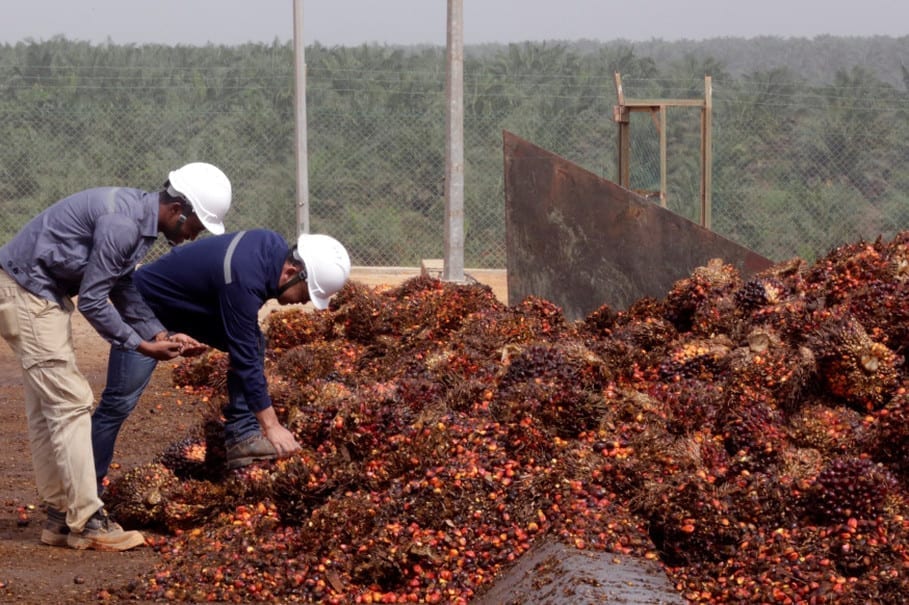
    Dozens of French farmers blocked access to 13 refineries across the country today to protest against plans to import palm oil for use in biofuels, a move they denounce as unfair competition which jeopardises their livelihood.

    Energy giant Total wants to import up to 300,000 tons a year of palm oil, which environmental advocates say has caused massive deforestation chiefly in Southeast Asia.

    French rapeseed and sunflower growers, who say they will lose out due to Total’s imports, accuse foreign palm oil producers of failing to respect the regulatory requirements European producers must follow.

    Farmers parked tractors in front of refinery gates while dumping piles of haystacks, dirt, manure and potatoes.

    “France imports several products that don’t respect the rules applied to French farmers. It concerns South American meat and Spanish wine as well as palm oil,” said Damien Greffon, who leads the FRSEA farmers’ union in the Paris region.

    The protests are a sign of growing anger in France’s farming communities which have so far not mobilised in large numbers against the government of President Emmanuel Macron since his election.

    Public sector workers and railway staff have held regular demonstrations and strikes against the pro-business reforms introduced by the new centrist government since May 2017.

    The farmers’ protests began late Sunday and have been called for three days because “dialogue has broken down” with the government, Greffon said.

    Agriculture Minister Stephane Travert said today that the government would not back down, adding that he would meet soon with unions as well as biofuels producers to discuss supplies and pricing.

  • Vietjet Partners with Shinhan Bankto Offer Cashback deals

    Vietjet Partners with Shinhan Bankto Offer Cashback deals

    Get ready to be infected by the travel bug as summer is soon to kick in full swing! For all you globetrotters out there, now’s your chance to make the most of your travel plans as Vietnamese carrier – Vietjet is offering irresistable cashback deals in celebration of the summer.

    Starting 8 June to 5 July 2018, Vietjet is partnering with Shinhan Bank to offer an amazing VND500,000 cashback for the first 400 card holders when a minimum of VND5,000,000 is spent on Vietjet tickets via Shinhan/ANZ credit cards.

    The promotion will be spread across four phases namely, 8 to 14 June; 15 to 21 June; 22 to 28 June and 29 June to 5 July 2018, with cashbacks offered to the first 100 early-bird customers who meet the promotion requirements. The cashback will be credited to the card holders’ payment accounts before 26 July 2018.

    An award-winning and pioneering airline, Vietjet is much loved by travelers for its exciting promotional and entertainment programs, especially during festive seasons. With high-quality services, diverse travel categories and special low-fare tickets, the airline offers its passengers memorable flying experiences on new aircrafts with comfy seats, delicious hot meals served by beautiful and friendly cabin crew, and many other interesting added-on services.

  • Malaysia Airlines Q1 revenue up 2%, rising fuel prices a concern

    Malaysia Airlines Q1 revenue up 2%, rising fuel prices a concern

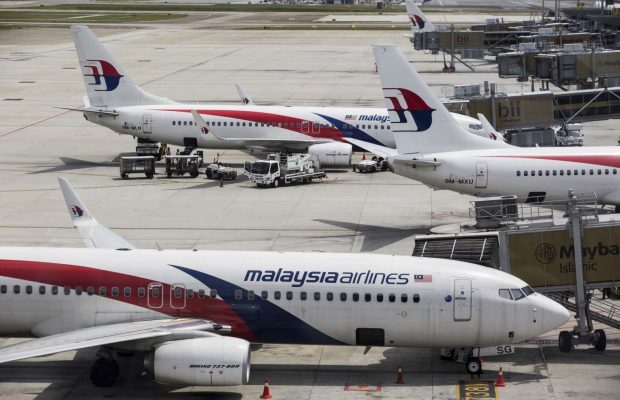
    Malaysia Airlines Berhad (MAB) reported a 2% year-on-year growth in revenue for the first quarter (Q1) ended March 31, 2018 with 6.6% yield improvement despite the significant competition in both international and domestic sectors.

    Despite improvements in the quarter, Malaysia Airlines Group CEO Izham Ismail said the airline is preparing itself for a tough year ahead with competition and exchange rate volatility.

    “Escalating fuel prices remain a particular concern, up almost 100% from early 2016.”

    Its revenue per available seat kilometre (RASK) also grew 3.5%, but load factor declined to 75.4% from 79.4% in the same quarter a year ago on the back of a moderation in domestic load factor due to its focus on higher yield passengers.

    A total of 3.2 million passengers were carried in Q1 2018, 11.1% lower than the 3.6 million achieved in Q1 2017.

    Izham said MAB continues to see better yield and RASK after a challenging 2017, which saw the adverse exchange rate swing.

    “Nevertheless, taken on aggregate, the company has made progress on the execution of the Malaysian Airlines Recovery Plan (MRP). This includes an improved cost base for the airline, bringing it in line with its peer network airlines.”

    Moving forward, he said the group will continue to drive yield by focusing on the premium segment to cushion the airline from rising costs.

    “Overall, we expect to see improvements in our performance in the later part of this year and against this backdrop, we are working hard to deliver sustained profitability in 2019.”

  • Vietnam a dream destination for expats

    Vietnam a dream destination for expats

    Getting a job is easy, cost of living is low, and quality of life is high.

    It sounded too good to be true, but Samantha Beukes decided to check the place out. Friends had been raving on Facebook about living the good life in Vietnam. It was true.

    When she first came to Vietnam from South Africa, Beukes spent a month traveling around the most famous destinations in the country.

    And then, almost effortlessly, the 25-year-old found a job that she was very happy with. Opportunities to work in Vietnam, she realized, were more easily available here than in her own country.

    The abundance of job opportunities in several fields that Vietnam needs to tap international expertise in has been attracting many expats from all over the world. Between 2004 and 2015, the number of foreigners working in the country surged by more than six times, according to the Ministry of Labor, Invalids and Social Affairs.

    Vietnam has been named among the top 10 destinations for expats in the world in the 2018 Expat Insider survey of InterNations, a global expat network with 3.1 million members.

    An overwhelming majority – 81 percent – of surveyed expats described the Vietnamese people as welcoming, and 73 percent said it was easy to settle down in the country.

    Official data shows that there are now 83,500 expats working in the country, a number that has been increasing steadily since Vietnam launched its Doi Moi or renovation policy in 1986, firmly putting behind the long years of war and its aftermath.

    While many expats come here because finding jobs is very difficult for them back home, many are also drawn by the vibrant life they can enjoy even as they earn and save.

    High demand

    Vietnam’s rapid growth after years of relative isolation has also led to high demand for expertise in various areas, and this is most visible in the need for English teachers from kindergarten to university level.

    “Expats are just a quick Facebook search away from finding many high paid jobs, including teaching,” Samantha said. Currently, Samantha teaches at an international school, and four out of five foreigners she knows in the country are doing the same job.

    While English teaching jobs are most sought after by expats without much experience or advanced education, Vietnam also offers jobs aplenty in other sectors.

    Manufacturing, banking and retails are sectors that have a high demand for expats in the country, according to Ngo Thi Ngoc Lan, regional director of Navigos Search, which provides executive search services in Vietnam.

    In a survey by Navigos Group in 2017, 50 percent of business respondents in the retail sector said they had a policy to recruit foreigners. Among them, 56 percent of employers preferred candidates from Southeast Asia, and 22 percent from Europe, the survey found.

    Apart from the availability of jobs, high pay is another factor that lures many foreigners to the country. Expats in Vietnam made around $88,000 a year on average in 2017, according to the Expat Explorer survey done by London-based lender HSBC. Some 72 percent of expat respondents said they were able to save more money in Vietnam compared to other countries.

    “An expat is paid 30 to 50 percent more than a Vietnamese national,” Lan from Navigos said. In the areas of education and manufacturing, an expat can be paid two or three times higher than a Vietnamese employee to match the wages they would receive in their home country, she said.

    For high-ranking positions, businesses need to provide their expat workers with other perks like tuition fees for their children, rent, private driver and airfare travel for the whole family, Lan said.

    Comfortable lifestyle

    Given the low cost of living in Vietnam, the salary expats receive allow them to have a very comfortable life in the country.

    Having worked in Vietnam for over two years, Frenchman Benjamin Durand is very satisfied with the $2,500 paycheck he gets each month as a software engineer in Hanoi.

    This salary, which is roughly what an average Vietnamese makes a year, allows him to spend generously. In the weekends, Durand often goes climbing in the mountains around Hanoi or dancing in pubs where many foreigners gather to have fun. “Living in Vietnam is a great experience,” he said.

    ‘Live like a king’

    As of June 2018, the cost of living in two biggest cities in Vietnam are among the cheapest in the world, according to Numbeo, a collaborative online database which enables users to submit and compare living costs between cities.

    Hanoi ranks 7th and Ho Chi Minh City 9th in the index, with lower costs of living than Philippines’ Manila, Malaysia’s Kuala Lumpur and Thailand’s Bangkok.

    Megan, an English tutor in Hanoi who asked that her last name is not used, spends only half what she used to in the United States. Furthermore, she is able to save much more in Vietnam than in South Korea, where she lived for a year before coming to Hanoi.

    “You can really live like a king or queen in Vietnam if you want to,” she said.

    In areas of expertise where expats are in high demand, local businesses compete to give them attractive benefits that most locals don’t get. Apollo English, one of the most popular English teaching brands in Vietnam with 30 facilities in the country, provides incentives like airfare to the country, free accommodation for the first week and assistance in getting visas and work permits.

    Cleverlearn, another English teaching center, offers its foreign teachers salaries of up to $2,000 a month. The center also promises to provide assistance to expat teachers in finding housing and other needs when they first come to Vietnam.

    Visible privilege

    While many businesses hire foreigners to meet actual demand for human resource, there are those which employ them for the mere purpose of marketing, taking advantage of Vietnamese people’s preference for all things foreign.

    Advertisement agencies often employ expats to promote a product as they believe the appearance of a foreigner, especially a Western one, will attract more customers.

    This preference might not be well placed, sociologists say. “Many Vietnamese think that foreigners are wealthy and skilled in their profession, but that’s not always true,” said Dr Trinh Hoa Binh, deputy secretary of the Vietnam Academy of Social Sciences.

    The phenomenon reflects a lack of confidence of Vietnamese people in their own distinct culture, Binh said. He added that when Vietnamese people are more educated, they will start to see the true value of foreign labor in the country.

    But for now, such perceptions don’t bother expats happily enjoying their lives and privilege in Vietnam.

    Samantha, the English teacher from South Africa, says Vietnam will continue to be her second home in the foreseeable future as she has a very satisfying income in a culture where people are friendly and work opportunities are abundant.

    “I know of people back in my country who want to come over for work too”, Samantha said.
  • Hong Kong Airport invites bids for two retail contracts

    Hong Kong Airport invites bids for two retail contracts

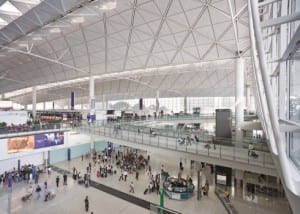
    The international transport hub – which serves over 100 airlines and 72.9m passengers a year (2017) – is looking for a company to operate its 27sq m toys concession on Level 7, Departures Check-in Hall, Terminal 1 (non-restricted area). This tender will close on 5 July.

    The airport is also looking to award a contract for the operation of an athleisure/sportswear concession on Level 6, Departures, West Hall, Terminal 1 (restricted area) and will close this tender on 13 July.

    This store is expected to have a footprint of around 164sq m.

    Companies interested in either opportunity are asked to send a cashier’s order of HK$500 (non-refundable) made payable to “Airport Authority”, along with a written request in person to: Ms. Carrie Choy, Assistant General Manager, Retail & Advertising, Airport Authority Hong Kong, 5/F, HKIA Tower, 1 Sky Plaza Road, Hong Kong International Airport, Lantau, Hong Kong

  • Indonesia Gov’t to Foot Rising Fuel and Electricity Subsidy Bills

    Indonesia Gov’t to Foot Rising Fuel and Electricity Subsidy Bills

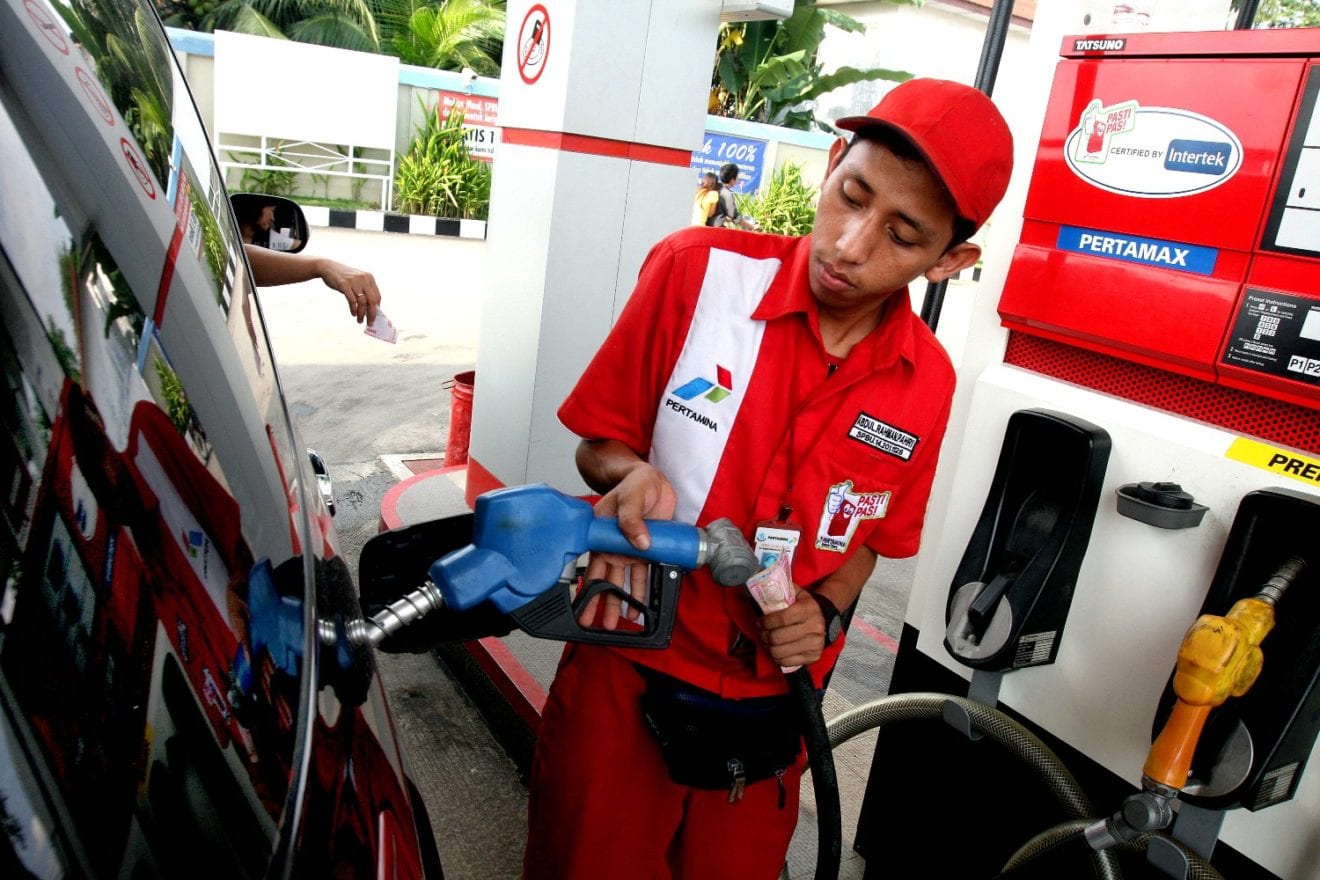
    The government has reiterated its commitment to keep fuel and electricity prices steady this year, amid rising global oil prices and the recent strengthening of the US dollar.

    State Enterprises Minister Rini Soemarno said the government will continue to subsidize diesel fuel at the current rate, which is four times higher than planned in the state budget. The government will also increase its subsidies for electricity.

    “Diesel was subsidized Rp 500 [a liter] by the government. Now it is Rp 1,500 and it will be Rp 2,000. It is covered from the current state budget,” the minister said over the weekend.

    According to her deputy, Harry Fajar Sampurno, the government’s diesel fuel quota is 16.23 million kiloliters for this year, which means the subsidies will cost Rp 32 trillion ($2.3 billion).

    The government will discuss the increase with House of Representatives Commission VII, which oversees the energy sector.

    It was previously planned to keep fuel and electricity prices stable until the end of 2019, but pressure is mounting to increase them, as crude oil prices are now nearly 50 percent higher than the government’s initial forecast of $48 a barrel.

    President Joko “Jokowi” Widodo, who is preparing to run for a second term next year, went as far as to support consumer purchasing power by raising energy subsidies to $588 million to keep fuel and electricity cheap until the end of 2019.

    Household consumption, which accounts for half of Indonesia’s economy, has been subdued over the past few years as Jokowi opted to divert money previously used for energy subsidies toward infrastructure development.

    The government spent Rp 98 trillion on energy subsidies last year, compared with Rp 342 trillion in 2014. State spending on infrastructure has meanwhile increased by more than 80 percent to Rp 376 trillion in the same period.

    Last month, oil prices spiked after the United States announced plans to impose new sanctions on Iran, a major exporter. The announcement resulted in oil prices hitting their highest levels since November 2014, with Brent crude futures at $77.90 and US West Texas Intermediate at $71.80 a barrel.

    Meanwhile, the rupiah traded at an average rate of 13,713 versus the dollar, compared with the initial forecast of 13,400, according to central bank data. Bank Indonesia governor Perry Warjiyo said the central bank expects a rupiah exchange rate of between 13,800 and 14,100 to the dollar for the remainder of this year and next year.

    Although higher oil prices and the weaker exchange rate will likely boost state revenue from oil and gas, they will also increase energy subsidies, especially for electricity and liquefied petroleum gas.

    The decision to maintain fuel and electricity prices is also intended to avoid undue pressure on the 2018 state budget, while at the same time limiting the budget deficit to 2.19 percent of gross domestic product.

    The government aims to keep the budget deficit at Rp 325.9 trillion, or 2.19 percent of GDP for the full year, compared with last year’s Rp 336.4 trillion, which amounted to 2.48 percent of GDP.

  • World’s first LINE digital theme park to open in Bangkok on Friday

    World’s first LINE digital theme park to open in Bangkok on Friday

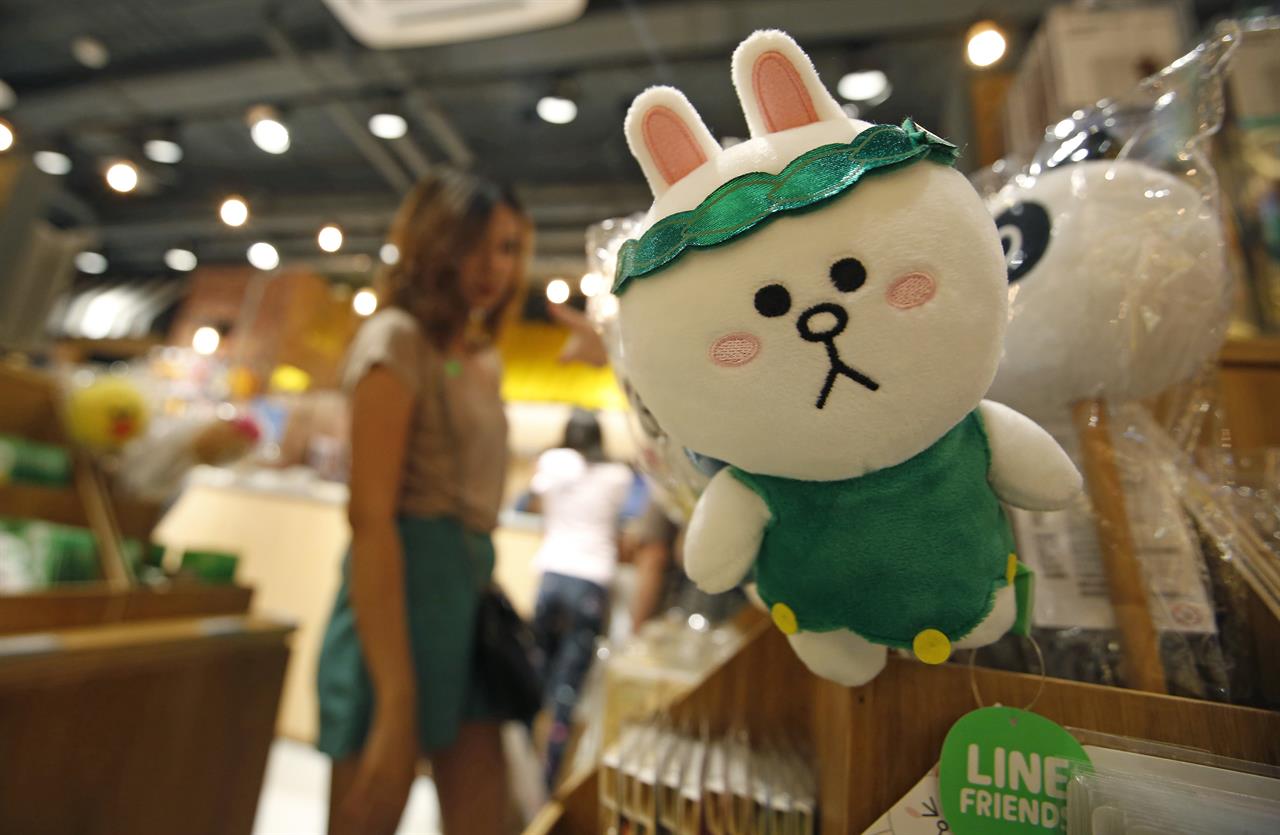
    Line Thailand, a Japanese company that started off as messaging app and has since expanded its services across food delivery to finance, will open its first digital indoor theme park in Bangkok’s Siam Square One on Friday.

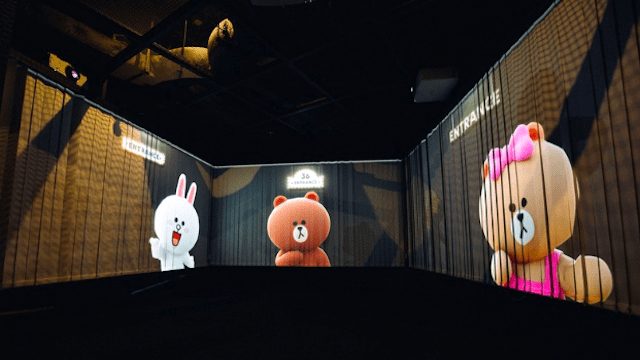
    Line Village Bangkok: The Digital Adventure will cover 1300sqm across three floors of the mall. The visitor experience will begin with a mystery: finding a key to get in to Line Village. From there, guests proceed one stage at a time from a space tunnel to a library, then to a kitchen, theatre and rooftop, where the games and Line characters await.

    One of the highlights is for fans to see the world of their favourite chat stickers via a VR headset, and the attraction also includes a merchandise store and a themed restaurant.

    While several Asian cities already have Line stores, Bangkok will be the first to have a permanent indoor park.

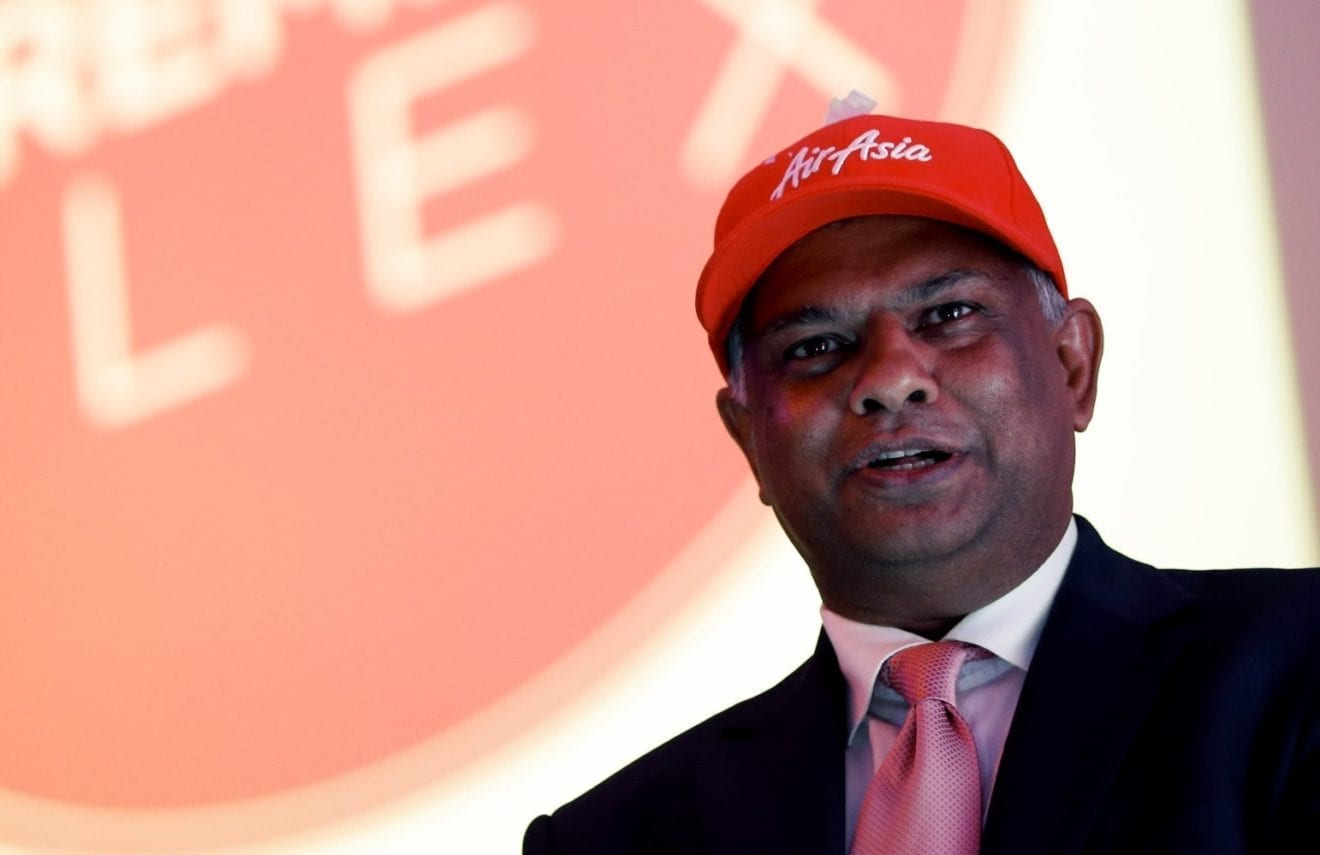
  • AirAsia: Neither we nor CEO has received any notice from India’s CBI

    AirAsia: Neither we nor CEO has received any notice from India’s CBI

    Airasia Group Bhd and its CEO Tan Sri Tony Fernandes have not received any notices from the India’s Central Bureau of Investigation (CBI) contrary to reports which stated that Fernandes has been summoned for questioning on June 6.

    “We wish to state categorically that neither AirAsia Group nor Tan Sri Tony Fernandes, in his personal capacity, has received any such notice as of today,” the group said in a statement.

    If and when any such notice is received through formal and official channels, then in accordance with the sovereign laws of Malaysia we will abide by the due process of the letter of the law,” it added.

    AirAsia said both the group and Tony will fully cooperate with the respective authorities in India in the investigations.

    The group was referring to news reports quoting sources in which it was reported that AirAsia’s Indian unit allegedly broke rules while obtaining rights for international flights out of the country.

    CBI reportedly named Fernandes, the airline and others in a complaint, alleging they lobbied government officials “to secure mandatory approvals, some of them through non-transparent means”.

    Reuters quoted a CBI source on Friday as saying that Tony had been called for questioning in the case on June 6, adding that others would also be called as part of the investigation.

    In 2014 the low-cost carrier launched its domestic flight operations in India with local joint venture partner Tata Sons.

    At market close, Airasia’s share price rose 4.19% to close at RM3.23 with some 10.5million shares done.