Category: Living

Retail News Asia is committed to providing both local and global retailers with the latest Living news throughout the Asian market. This on a daily base.

  • Budget airlines fly high with huge first quarter

    Budget airlines fly high with huge first quarter

    Budget airlines flew high in the first quarter, with combined operating profits soaring to more than double the figure inked in the same quarter last year.

    Combined operating profits from Korea’s six low-cost carriers (LCC) – Jeju Air, Jin Air, T’way Air, Eastar Jet, Air Busan and Air Seoul – jumped by roughly 131 percent year-on-year to 186.1 billion won ($171.96 million) in the first quarter according to tentative performance reports from each company on Wednesday. Revenue grew by 34.2 percent to 1.18 trillion won.

    LCCs typically release a tentative earnings report before releasing their fixed figure as they do not vary much.

    The largest growth booster was the rapidly increasing demand for both international and domestic travel.

    According to data from the Ministry of Land, Infrastructure and Transport released last month, the number of passengers that traveled through Korean airports reached 9.58 million in March, increasing by 12.6 percent year-on-year. While March is not traditionally a high-season for international travel, the number of overseas travelers increased by 17 percent to 7.1 million in the same month, showing traveling is becoming a year-round event.

    The budget airlines’ efforts to diversify flight services to Japan and Southeast Asian destinations also paid off. After tension with China over the deployment of the U.S.-led terminal high-altitude area defense antimissile system stopped Chinese tourists from visiting Korea, LCCs specializing in short-haul overseas travel quickly sought out alternative destinations.

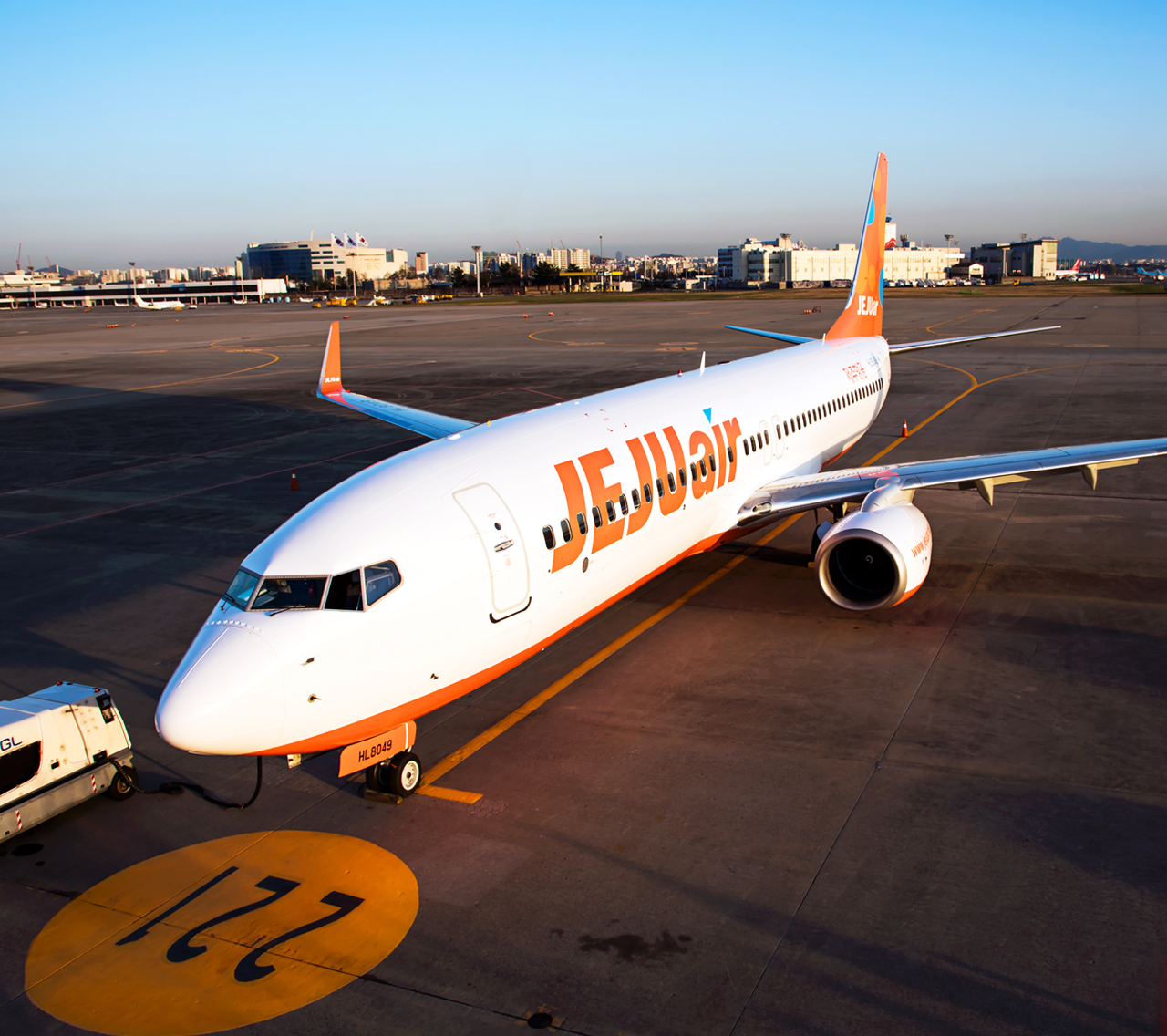
    Korea’s largest LCC Jeju Air said its focus on Japan and Southeast Asian destinations, favored by Korean travelers, was a big driver for growth. Jin Air also credited its growth to flight service diversification.

    Airlines are still in the process of expanding their travel routes. Eastar Jet will introduce a service to Da Nang, Vietnam, in June and Sapporo, Japan, in July. By the second half of the year, it will also start services to Kyushu and Nagoya in Japan.

    T’way Air diversified its routes by creating flight services that depart from various regional airports in Korea including Daegu, Busan and Jeju.

    “Airlines posted positive first quarter earnings despite soaring oil prices largely thanks to strong demand for overseas travel,” said Choi Go-woon, an analyst from Korea Investment & Securities. “Budget airlines, which had struggled in business in traditional low seasons, will see continuous performance growth now that people enjoy traveling abroad, especially to Japan and Southeast Asia, regardless of the season.”

    During the same period, the combined operating profits of full service carriers Korean Air and Asiana Airlines grew 14.2 percent to 241.1 billion won. Asiana’s operating profit soared 144 percent to 64.3 billion won in the last quarter, the highest quarterly profit in three years, however Korean Air posted negative 4.3 percent growth and posted 176.8 billion won in operating profit.

    Korea’s largest airline said one-time incentive payouts to employees, of about 53.4 billion won, and losses from unfavorable currency rates ate up its operating profit. Though the owner family scandal has tainted the airline’s brand image, it wasn’t until April that the “water rage” scandal involving Korean Air heiress Cho Hyun-min broke. Any effect from resultant boycotts will show in second quarter reports.

    Revenue growth of the two full service carriers was limited to 8.3 percent. The total earnings of 4.62 trillion won, however, remains an unbeatable sum for the six budget airlines combined.

    Full service carriers are trying to survive through a fierce battle in the aviation market by bolstering their long-haul flight services. According to a spokesperson from Asiana Airlines, it will make 60 percent of its services long-haul flights by 2022.

  • Air France launches more flights to Incheon

    Air France launches more flights to Incheon

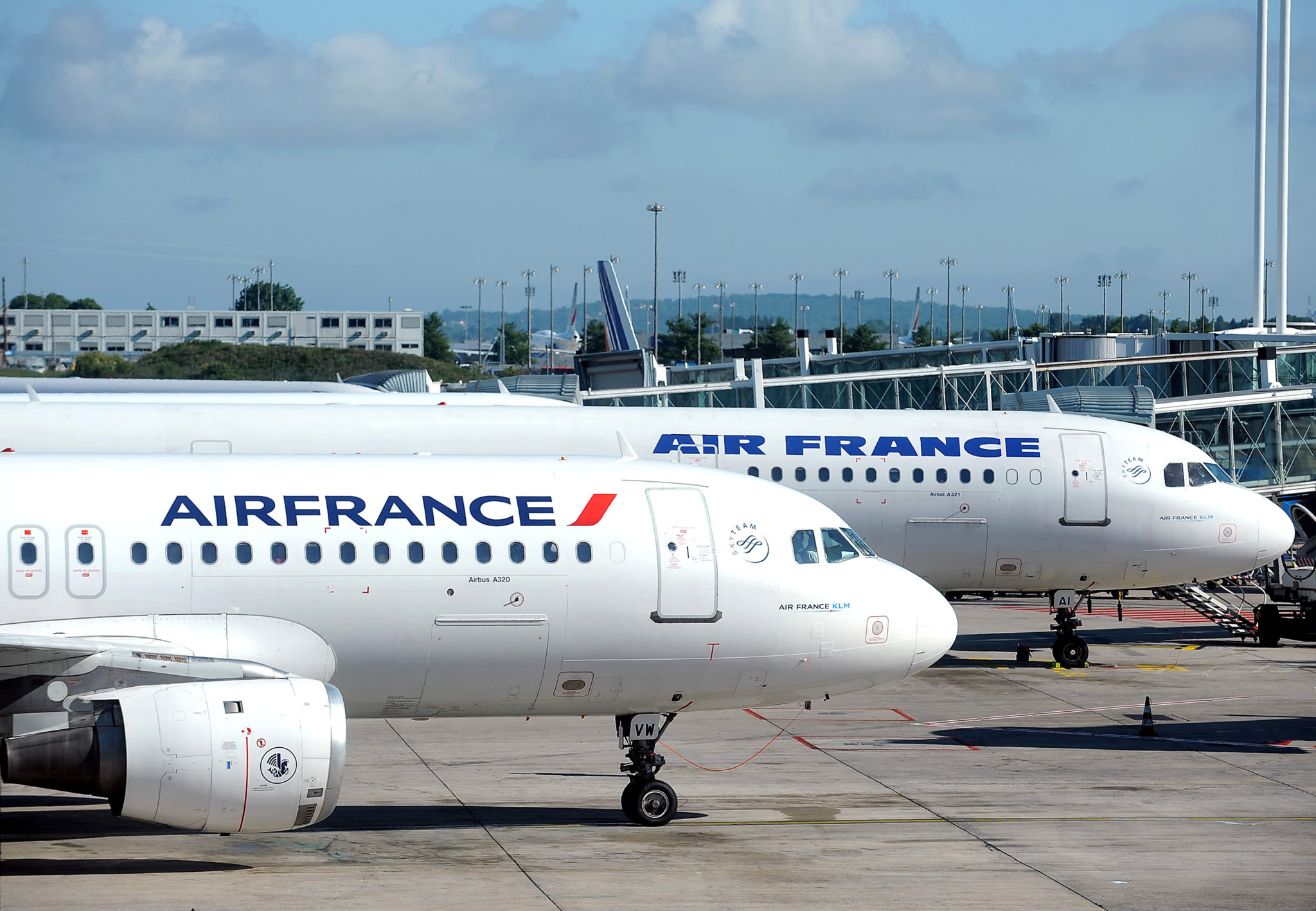
    France’s flagship carrier Air France increased the number of direct flights between Incheon and Paris earlier this month to meet growing demand from Koreans interested in visiting France’s capital.

    This year, Air France is celebrating the 35th anniversary of its first flight from Europe to Seoul in 1983.

    From the beginning of this month until Oct. 27, an additional flight will leave for Paris from Incheon International Airport on Monday, Wednesday and Saturday. Additional flights returning from Paris are available on Tuesday, Friday and Sunday.

    Currently, two flights traveling either from Incheon to Paris and from Paris to Incheon depart every day. The 1:20 p.m. flight is shared with Korean Air.

    The additional three flights a week increases Air France’s flights between the cities from 14 a week to 17, and will increase weekly available seats by 28 percent.

    “In 2015 and 2016, the number of Asian passengers flying to Europe stabilized and even decreased a bit because the situation in Europe wasn’t so good in terms of politics and security,” said Antoine Pussiau, senior vice president of Air France’s Asia Pacific division. “But now we are seeing Asian passengers coming back to Europe, not only to France but other major countries like Italy, the Netherlands and Great Britain.”

    According to the European Travel Commission’s tourism report released in February, travelers to Europe in 2017 rose a record 8 percent last year to 671 million, much better than the 2 percent increase seen in 2016.

    The report noted that stronger growth last year was due to improved economic growth in source countries as well as easing security concerns in Belgium, France and Turkey.

    The Paris Region Tourist Board estimated that last year, the number of international visitors to hotels in Paris surged 13.7 percent year-on-year. Chinese and Japanese clients increased by double digits, though it didn’t have a figure for Koreans.

    According to one study, Koreans’ favorite travel destination is Paris.

    According to a study released in April by the Korean office of U.K.-based travel website Skyscanner, Koreans searched for European destinations 141 percent more last year than in 2016.

    Paris was the top-ranked European tourist destination, followed by Rome, London, Prague, Barcelona, Frankfurt, Madrid, Zurich and Milan.

    While the Korean government tracks the number of Korean leaving the country, it does not note their travel destination.

    Although Paris is still on top, it has been facing stiff competition from other European cities such as Warsaw, Lisbon and Barcelona.

    Warsaw, Poland, saw the sharpest increase in searches from Koreans. Interest surged by 257 percent, while searches for Budapest increased by 236 percent and Lisbon and Barcelona jumped by 193 percent and 174 percent.

    Air France said it has one distinctive advantage against the competition, though — Charles de Gaulle Airport, which serves as the airline’s principle hub.

    Only the best

    Charles de Gaulle Airport is Europe’s second-largest hub.

    The airport received over 63 million passengers last year. Roughly 24 percent transferred to other flights, with some traveling as far as South America.

    “When you arrive in Charles de Gaulle Airport, you can connect to everywhere,” said Pussiau. “We fly to 134 countries from North and South America to Africa. Some of the competition only flies to one point or another, like only arriving in Barcelona and nowhere else.”

    Air France and the airport have been working together for over two decades to attract more passengers to transfer flights. In order for the airport to be considered a “hub,” more than 20 percent of all passengers arriving at the airport must be transferring to other flights.

    As a result, Air France and the airport have been focusing on increasing convenience for customers.

    This includes a separate passageway for people transferring to another Schengen area, which refers to the 26 countries in Europe that do not required border checks.

    But what Air France boasts about most is the service at its premium first- and business-class lounges.

    The airline has a single first-class lounge near the entrance to Charles de Gaulle and seven business lounges spread across the airport.

    The first-class lounge provides one-stop services, from ticketing to luggage loading. It will even send a driver to deliver passengers to the front door of their flight in a luxury vehicle.

    Air France has revamped its business lounge, also referred to as the Salon Lounge, in recent years.

    “Our business lounge contributes to Air France’s excellence strategy,” said Laurence Garnier-Plat, Air France’s business and first-class lounge product manager. “For some years, Air France has continued to develop and upscale the lounges.”

    Among the seven lounges, the one at Hall L is the largest as it covers an area of 3,200 square meters (34,444 square feet). Air France opened up a newly-furbished 2,180 square meter area in January, and it plans to reopen the remaining area in July this year.

    One of the lounge’s distinctive features is its open kitchen, which allows the customers to see their dish being cooked by chefs.

    The lounge has an “instant relaxation” area with more comfortable sofas that allow the customers waiting for a long period to take naps or work in quiet. It also offers a 15-miniute free facial treatment in partnership with cosmetics company Clarins.

    The lounge in Hall M, which opened in June 2012, was designed by famous French designer Noe Duchaufour-Lawrance. The lounge’s wooden interior provides a soothing atmosphere.

    Garnier-Plat, the lounge’s product manager, said that the experience that customers get before boarding the plane is just as important as the flight itself.

    “[We] are very focused on customer experience and attention to detail,” said Garnier-Plat.

    She said one of the key experiences of the lounge is offering customers a firsthand take on the French way of life through food and drink.

    “Everything that’s to relax, that’s the way of [French] life,” the lounge product manager said.

    Even for non-business passengers, Air France is providing special events. On May 5, which is celebrated as Children’s Day in Korea, Air France provided gifts to children flying back to Incheon. One Japanese girl didn’t understand why she received a gift. She muttered to herself, “why?” in Japanese as she opened the package with delight.

  • Vietjet offers 1 million tickets for summer celebrations in Vietnam

    Vietjet offers 1 million tickets for summer celebrations in Vietnam

    Continuing the biggest promotion of the year “Free up your summer with Vietjet”, Vietjet offers a three-day series from today to May 25, 2018 with 1,000,000 tickets priced only from HKD0 during the golden hours of 13:00 to 15:00 (GMT+8) on its website. The promotional tickets are applied on all Vietjet domestic routes in Vietnam with the flight period from August 20 to December 31, 2018.

    The tickets are available on all channels during the golden hours of the “12pm, It’s time to Vietjet!” promotion program on the website www.vietjetair.com, or www.facebook.com/VietjetHongKong; payment can be easily made with debit and credit cards of Visa/ MasterCard/ AMEX/ JCB/ KCP.

    Aiming to be a “Consumer Airline”, Vietjet is continually opening new routes, adding more aircraft, investing in modern technology and offering more added-on products and services to serve all demands of customers. Vietjet is a pioneering airline that is loved by many for its exciting promotional and entertainment programs, especially during the festive season. With high-quality services, diverse ticket classes and special low-fare tickets, Vietjet offers its passengers flying experience on new aircraft with comfy seats, delicious hot meals, beautiful and friendly cabin crew, and other interesting added-on services.

  • AirAsia X net profit up fourfold in first quarter

    AirAsia X net profit up fourfold in first quarter

    Low-cost, long-haul carrier AirAsia X Bhd saw a more than fourfold jump in net profit in the first quarter ended March 31, 2018 to RM41.5 million from RM10.34 million in the same quarter a year ago.

    Revenue for the period under review rose 7.2% to RM1.27 billion from RM1.18 billion on the back of a 13% increase in passenger volume.

    Despite a slight reduction in the average fare of 3% compared with the same quarter last year, the airline maintained its load factor at 84% in addition to delivering an additional 231,855-seat capacity, representing a year-on-year increase of 14%.

    “The company recognises the challenges posed by the recent hike in fuel prices, and best mitigative efforts are being put forth through the boost in ancillary and capacity numbers. The company is confident of presenting the results from these measure during the third and fourth quarters of the financial year,” AirAsia X said on its prospects.

    It noted that based on the current forward booking trend, forward loads are trending better than in the previous year.

    “Barring any unforeseen circumstances, including but not limited to terrorist attacks, natural disasters, epidemics, economic downturn, fuel price hike and fluctuation in foreign currencies against the ringgit, the company expects its prospects to remain positive,” it added.

    On Bursa Malaysia yesterday, AirAsia gained 1.33% to 38 sen on volume of 10.76 million shares.

  • Grab Malaysia partners Maybank for mobile wallet launch

    Grab Malaysia partners Maybank for mobile wallet launch

    Grab announced a strategic partnership with Maybank to drive the acceptance and usage of Grab’s new cashless payment method, the GrabPay mobile wallet.

    The announcement comes as Grab, which received its e-money license from Bank Negara Malaysia in December 2017, is set to launch its GrabPay mobile wallet in beta in the coming weeks.

    With the partnership and support of Maybank, Grab consumers will not only be able to use GrabPay mobile wallet at GrabPay merchants, but will also be able to eventually use their mobile wallet at Maybank’s key merchants thereby making GrabPay accepted at a wider network of merchants.

    Similarly, Maybank customers will also eventually have the option of paying via Maybank QRPay at GrabPay merchants.

    Through the partnership, consumers will soon also have the added convenience of directly topping-up cash to their mobile wallet via Maybank2U.

    Maybank group president and CEO Datuk Abdul Farid Alias said that the collaboration with Grab is part of Maybank’s ongoing efforts to provide customers with even more digital conveniences that would not only enrich their online experience but also enhance their lifestyles.

  • Vietnam starts antitrust investigation into Uber-Grab deal

    Vietnam starts antitrust investigation into Uber-Grab deal

    Vietnamese authorities have launched an investigation into Grab’s acquisition of Uber’s Southeast Asia operations, which has shown signs of breaching local antitrust laws.

    The investigation is estimated to take 180 days, starting Friday and can be extended by another 120 days, Vietnam Competition Authority under the Ministry of Industry and Trade said in a statement.

    Earlier the same week, the competition authority’s investigation found that Grab’s market share in Vietnam has gone up to above 50 percent since its ride-hailing rival Uber left the Southeast Asian market last month.

    Vietnam’s Competition Law from 2004 requires that all mergers and acquisitions (M&As) that result in a company gaining over 30 percent of market share must be reported to competition authorities. M&As that result in a company gaining over 50 percent of market share are restricted and can only be completed with permission from authorities.

    Previously, Grab claimed that its combined market share with Uber in Vietnam is less than 30 percent, so it doesn’t have to “inform to the competition authority before proceeding and completing this transaction in the country.”

    However, the ride-hailing app company was unable to submit evidence to prove that it did not violate the law.

    In late March, Grab announced its acquisition of Uber in Southeast Asia, which saw Uber taking a 27.5 percent stake in Singapore-based Grab, and Uber CEO Dara Khosrowshahi joining Grab’s board.

    Grab was last valued in July last year at an estimated $6 billion.

  • AEON and Thai Airways launches “AEON Royal Orchid Plus World Mastercard” Offering Exclusive World Class Travel Experiences

    AEON and Thai Airways launches “AEON Royal Orchid Plus World Mastercard” Offering Exclusive World Class Travel Experiences

    Recently, Mr.Kiyoyasu Asanuma (Middle), Managing Director of AEON Thana Sinsap (Thailand) Public Company Limited and Mrs.Priyasiri Juathes (2nd from left), Vice President of Product and Guest Experience Department of Thai Airways International Public Company Limited together with Mr.Donald Ong (2nd from right), Country Manager Thailand and Myanmar, Mastercard launched, “AEON Royal Orchid Plus World Mastercard” with the concept of ‘Enjoy the Traveling Freedom’ offering the ultimate travel experiences and superior benefits for both business people and jetsetters. For every 15 baht spend in foreign currency, card member will earn 1 AEON Royal Orchid Plus Reward Point. Card member will also earn cash back for up to 36,000 baht per year from spending in both Thailand and oversea. Moreover, they will get 50% cash back when purchasing a second Thai Airways Business Class Air ticket by using AEON Royal Orchid World Mastercard.

  • Netflix partners with Indonesian carriers

    Netflix partners with Indonesian carriers

    Netflix has arranged to participate in the video data plans offered by Indonesian operators XL Axiata, Hutchison 3 Indonesia and Bolt.

    The new plans offer customers either an unlimited or designated amount of streaming of content over Netflix and other participating OTT video providers without incurring additional charges or counting against the plan’s data quota.

    Eligible plans include Bolt’s Ultra Streaming packages, XL Axiata’s Xtra Kuota 30GB plan and Hutchison 3’s Get More plan.

    “We’re thrilled to make Netflix more accessible to consumers in Indonesia through working with Bolt, XL Axiata, and Hutchison 3,” Netflix VP of business development Tony Zameckowski said.

    “Ultimately, Netflix is all about giving consumers the control to watch their favorite shows and movies at home and on-the-go, and expanding these partnerships in Indonesia will delight consumers with the diversity of global content that Netflix has to offer.”

    “With Netflix’s extensive content library of TV series and films, we are offering more mobile video streaming options for consumers through our 4G LTE and 3G networks, as part of our commitment to continuously improve and provide a better experience for our customers,” added XL Axiata CMO David Arcelus Oses.

  • Overseas spending by Korean travellers sets new record in Q1

    Overseas spending by Korean travellers sets new record in Q1

    South Korean travelers’ spending overseas hit a record high in the first quarter this year as people went on trips during winter school breaks and extended holidays, statistics from the central bank showed on 6 May.

    Some 7.43 million South Koreans went abroad in the first three months, up 14.1 percent from the same period last year, setting a new record, according to the Bank of Korea. The period coincided with winter vacation and the extra-long lunar New Year holiday that combined with two weekends and a bridge off-day.

    The travelers spent US$8.5 billion, US$1.12 billion more than in the first quarter of last year. The latest number beats the previous record of US$8.21 billion in the fourth quarter last year. A monthly record was set in January with US$3.24 billion in spending.

    A strong local currency apparently encouraged overseas trips, especially to relatively close destinations such as Japan, Taiwan and Vietnam.

    The travel sector deficit in the first quarter increased from US$1.13 billion in the same quarter last year to US$4.87 billion this year. The level or deficit this year, however, is US$50 million less than the previous quarter, marking the first contraction in five quarters.

    Spending by foreign visitors to Korea contributed to the contraction. They spent US$3.63 billion while in the country in the first quarter this year, an increase of US$340 million from the previous quarter. In March, the incoming visitors spent US$1.4 billion, the biggest amount since December 2016.

    A total of 3.36 million foreigners came to Korea in the first three months, down 9.1 percent from the same period the previous year. The number of Chinese travelers dropped 30.5 percent, but people from Japan increased 2.5 percent.

  • Watsons Thailand embraces both online and offline approach

    Watsons Thailand embraces both online and offline approach

    Health and beauty retailer Watsons Thailand has announced it will have an “O and O” (“online+offline”) focus for its growth this year.

    AS Watsons regional MD Rod Routley says a strong store network, digital capabilities and growing e-commerce platform position the company well to meet evolving customer expectations.

  • Convenience stores in Vietnam quadruple in six years

    Convenience stores in Vietnam quadruple in six years

    The number of convenience stores in Vietnam has quadrupled over the last six years, according to global data analytics firm Nielsen released at a press conference on Thursday.

    “Convenience stores in Vietnam have become popular destinations for young consumers to shop and hang out, as the stores provide them with an air-conditioned environment, well-organized shelves and seating areas, high quality products and, in some stores, free Wi-Fi. It is also easier to get licenses for stores under 500 square meters, which is why retailers have been expanding to gain market share,” said Nick Miles, head of Asia-Pacific at international grocery research organization IGD last month.

    “Thanks to the rapid increase in the number of stores, modern trade has a much higher growth rate than traditional trade in Vietnam,” said Nielsen’s executive director Nguyen Anh Dung, as heard in the press release.

    The number of modern urban trade stores in Vietnam increased by 10.7 percent on-year during Q1 2018, compared to a decrease of 2.6 percent for traditional stores, according to Nielsen’s Market Pulse report, which looked at 31 fast-moving consumer goods categories in Vietnam.

    Dung also said that the number of stores which focus on beauty and health products has doubled over the last two years in Vietnam.

    “We also expect the number of small-scale supermarkets in Vietnam to significantly grow in the future,” said Dung.

    As of the end of March, Ho Chi Minh City has over 1,800 convenience stores and small-scale supermarkets, an increase of 5.1 percent compared to last year, said a Q1 report on Vietnam’s property market by Chicago-based real-estate firm Jones Lang LaSalle.

    Vietnam is forecast to be the fastest-growing convenience store market in Asia by 2021 with a growth rate of 37.4 percent, according to IGD, followed by the Philippines and Indonesia.

  • Samsonite doubles growth

    Samsonite doubles growth

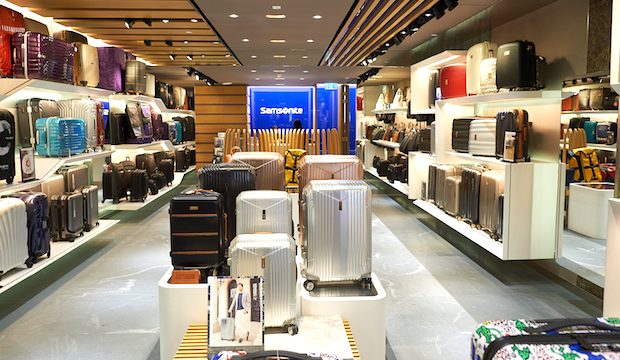
    Double-digit growth in all regions was recorded for its first quarter by travel luggage company Samsonite International.

    Ffor the three months to the end of March, net sales in Asia increased by 13.4 per cent to US$324.8 million in constant currency. Net sales for the Tumi brand jumped 50.3 per cent, driven in part by the impact of the group assuming direct control of the distribution of the brand in Hong Kong, Macau and China on April 1 last year, and in Indonesia and Thailand on May 1.

    Net sales in Japan grew 17.2 per cent during the quarter, while China’s net sales grew 14.3 per cent, again boosted by the group taking control of distribution for the Tumi brand.

    There was a 30.8 per cent jump in Hong Kong/Macau net sales, again attributed to direct control being assumed of the Tumi brand.

    India’s net sales grew by 4.9 per cent while for South Korea the increase was 1.5 per cent.

    Net sales in the direct-to-consumer channel increased by 33.7 per cent, while there was a 128.2 per cent jump in net sales in the direct-to-consumer e-commerce channel.

    Gross profit grew by 23.7 per cent year-on-year to $501.6 million, while gross profit margin rose to 56.5 per cent from 55.3 per cent.

    Operating profit was up 18.8 per cent to $86.5 million, adjusted net income increased by 15.6 per cent to $50.1 million, while adjusted EBITDA increased by 11.4 per cent to $122.9 The group’s net sales grew by 15.5 per cent on a constant currency basis, while net sales increased by 21.1 per cent to $888.2 million.

    CEO Ramesh Tainwala says the company’s strong performance was driven in part by the acquisition of eBags.

  • Koda’s Profit Skyrockets

    Koda’s Profit Skyrockets

    Furniture specialist Koda has reported a near fourfold rise in net profit for its third quarter thanks to growing exports, and increased sales of its Commune brand.

    Revenue for the period grew 22.5 per cent to US$13.4 million, while net profit was $1.2 million.

    Earnings for the first nine months soared 60.4 per cent to $3.6 million, closing in on net profit of 4.05 million for the entire year to the end of June.

    Barring unforeseen circumstances, the group expects its performance to improve.

    “Our third-quarter net profit jumped by more than 260 per cent,” says Koda MD James Koh. “Our China expansion plans have also exceeded my expectations.”

    Commune CEO Joshua Koh says its plan to have 100 stores in China by 2020 is well on track. We are thankful to Enterprise Singapore and the Info-communications Media Development Authority for supporting our growth strategies.”

    Commune has 45 stores in China as well as outlets in Singapore, Malaysia and Australia.

  • Smart toys market tipped for massive growth

    Smart toys market tipped for massive growth

    Smart toys will represent a US$18 billion hardware and software market by 2023, up from an estimated $6 billion this year.

    According to a new report from Juniper Research, this increase will primarily be driven by the growing popularity of smartphone-connected toys and related in-app purchases, which are projected to grow by 69 per cent annually over the next five years.

    The new report, Smart Toys: Hardware, Technology & Leading Vendors 2018-2023, found that in-app purchases will become the main driver for growth, with content revenues reaching 25 per cent of the total industry by 2023.

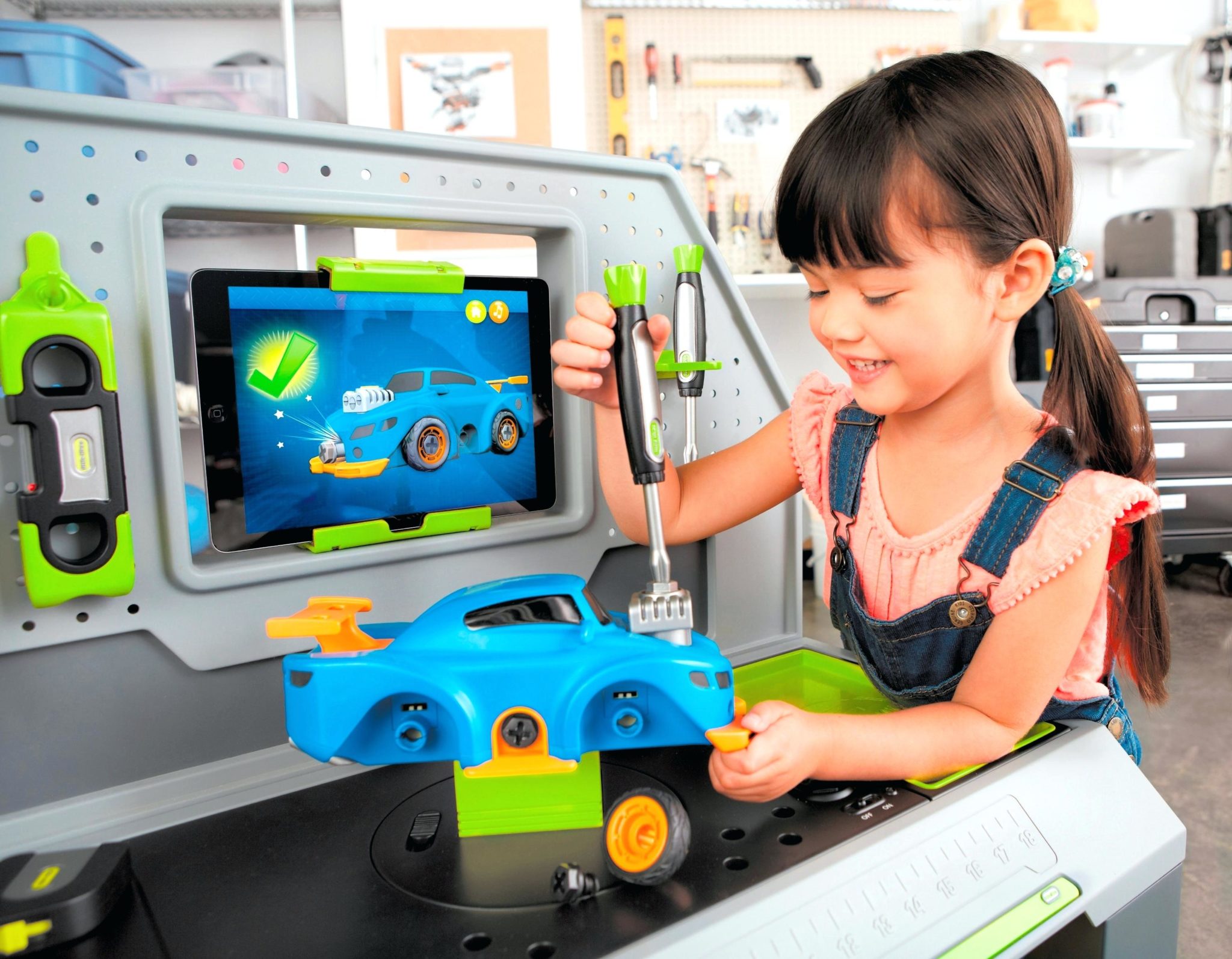
    One example, Merge’s Augmented Reality Cube toy, pictured above, highlights the potential of the smartphone working alongside an established platform for successful content distribution and monetisation.

    Juniper says this growth coincides with the stagnation of the console based ‘Toys to Life’ sector. The report recommended that vendors incorporate smartphones into their proposition to drive new innovative games.

    Privacy and security issues

    Privacy issues continue to hamper overall growth, according to Juniper. It cites the recent prosecution for VTech’s breach of data security as a watershed moment, and a warning to all vendors of the Federal Trade Commission’s increasing focus on data protection violation.

    In addition, the new GDPR (General Data Protection Regulation) rules from Europe will increase the risk of fines for vendors.

    However, Juniper cites the increased focus on security as an opportunity. A ‘safe’ reputation is a unique selling point for a vendor, in an industry blighted with security issues.

    Meanwhile, the research found that as connected toys become more affordable, educational toys will find a place in the school curriculum in developed markets. Osmo, for example, has been a leader in this area, with more than 25,000 schools embracing its learning kits. Juniper forecasts the educational toys market will be worth more than US$1.5 billion by 2023.

  • Vietnamese labor productivity among lowest in Asia

    Vietnamese labor productivity among lowest in Asia

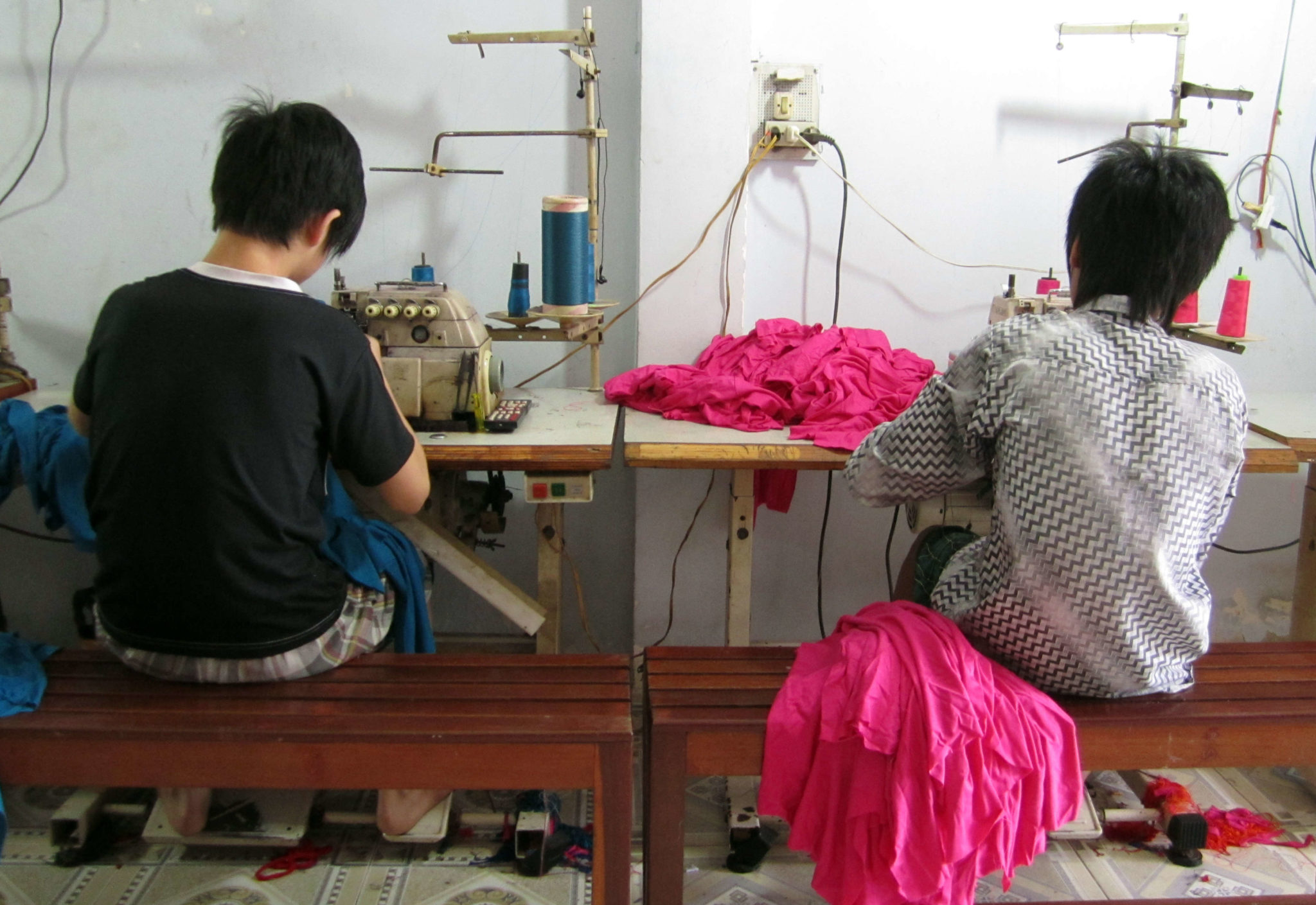
    Productivity is rising, but not as fast as wages, creating the risk of an economic imbalance. Vietnam’s labor productivity last year was among the lowest in Asia despite showing growth, according to a report published on Tuesday.

    Average productivity in Vietnam increased by 36 percent from VND38.64 million per worker in 2006 to VND60.73 million ($1,660 to $2,600) in 2017, according to the Vietnam Annual Economic Report 2018.

    However, the level is still below Japan, South Korea, China, Singapore, Thailand, Malaysia, the Philippines, Indonesia and Cambodia, according to researchers from the Vietnam Institute for Economic and Policy.

    Vietnam’s labor productivity was lower than Cambodia’s in the manufacturing, construction and transportation-storage-communications sectors. The country’s productivity ranked second lowest of the countries reviewed, and was only higher than Cambodia in agriculture, electricity-water-gas and wholesale-retail-repair, the report said.The General Statistics Office says that Vietnam’s labor productivity is only 1/18th of Singapore, 1/16th of Malaysia and 1/3 of Thailand and China.

    In order for Vietnam to surpass neighboring countries such as Cambodia in terms of productivity and economic growth, the country needs stronger reforms, researchers said.

    The link between labor productivity and wage growth was also mentioned in the report. Vietnam’s current minimum wage is set from VND2.76 to 3.98 million ($121-175) per month, depending on each region.

    Vietnam’s wage growth of 6.7 percent exceeded labor productivity growth of 5 percent between 2004 and 2015, and researchers are concerned it could create an imbalance if the pattern persists.

    The study also outlined issues with the country’s young workforce, as 60 percent of young laborers with lower and upper secondary education are working in the informal sector (for example, a family business), which are generally considered areas of low productivity, precarious employment and unstable incomes.

    Nearly a half of young workers have a qualification mismatch, and 33 percent are not qualified for what they do, the report said. Around 70 percent of young workers do not have social insurance, but wages continue to  increase rapidly, it added.

    Vietnam is currently riding on a wave of high growth, and some researchers forecast that GDP growth will reach 6.83 percent this year, exceeding the National Assembly’s target of 6.7 percent. However, there is the possible risk of inflation exceeding 4 percent due to pressure from price adjustments for public services and petroleum, they added.