Category: Living

Retail News Asia is committed to providing both local and global retailers with the latest Living news throughout the Asian market. This on a daily base.

  • New Singapore jobs portal to better match jobseekers and employers

    New Singapore jobs portal to better match jobseekers and employers

    A High-tech national jobs portal was launched on Tuesday to better match local jobseekers with employers. It can prioritize search results according to the relevance of the jobseeker’s skills, and filter results to show those under government schemes to support training, among other key features.

    The new portal, called MyCareersFuture.sg, was developed by Workforce Singapore (WSG) and the Government Technology Agency (GovTech).

    It replaces the interface of the existing Jobs Bank for users, and WSG said it aims to roll out the function for employers to post jobs by the end of this year.

    For now, employers are still to post jobs on the Jobs Bank, and the posts will be shown on MyCareerFuture.sg.

    A pilot run of the new portal was conducted with 100 users in the last three months of 2017, and the site went live in January this year. It has received 280,000 visitors as of the first week of April.

    To calculate the relevancy of jobseekers’ skills, which is displayed as a percentage from zero to 100, the system uses machine learning to analyse job descriptions and identify the skills needed.

    It then compares these with skills that the jobseeker has indicated.

    For example, after searching for “communications manager” jobs, a user will be prompted to select the skills he has, such as public relations, social media, marketing, or strategic communications.

    The job results will then be listed according to how closely his skills match what is required for those positions. Clicking on a job post will also show other relevant skills that the jobseeker lacks.

    WSG group director for Careers Connect Lynn Ng said this feature is to encourage jobseekers to reflect on the skills and experience they have.

    “It’s better than just submitting applications based on the job title, salary or company name,” she added.

    Search results also display upfront the number of applications for the position and when it was posted. On the Jobs Bank portal, jobseekers had to log in using their SingPass in order to view this information.

    The Jobs Bank was launched in July 2014 as part of the Fair Consideration Framework to boost employment prospects for Singaporean professionals, managers, executives and technicians (PMETs). Companies have to post job ads on the portal for at least 2 weeks before they can apply for an Employment Pass for the role.

    From July 1 this year, this rule will be extended to cover firms with at least 10 workers and for jobs paying under S$15,000 a month. Currently, it applies only to firms with at least 26 workers and for jobs paying under S$12,000 a month.

    So far, more than 300,000 jobseekers and about 30,000 employers have registered on the Jobs Bank. WSG said at a media briefing it does not have statistics on the number or share of successful matches, as not all employers update the status of job applications in the portal.

    It said the new portal is meant to complement the MySkillsFuture.sg portal, which was rolled out last year and caters to the wider population besides jobseekers. It provides information on career pathways and training available.

    WSG will roll out more features for the new portal later this year, such as recommending suitable candidates for employers based on applicants’ CVs, and giving jobseekers tips on how to improve their CV for each job application.

  • Ikea Southeast Asia talks about copycats, culture and the new competition

    Ikea Southeast Asia talks about copycats, culture and the new competition

    Swedish furniture and homewares retailer Ikea faces some unique challenges – and opportunities – as it expands its footprint across Southeast Asia.

    Copycats in Vietnam; cultural differences between Asians and Europeans; competition from other Ikea franchises are all part of the puzzle for Ikea Southeast Asia (Ikano) as it makes its mark in Asia.

    Ikano is one of 10 Ikea franchises worldwide, but it is different in that it is owned by members of the retailer’s founding Kamprad family. But that family link does not mean it has any special perks.

    “We had to apply for the Philippines,” says Christian Rojkjaer, MD of Ikea Southeast Asia. “We also applied for Indonesia, but it was given to Jardine.”

    So Jardine, through its retail subsidiary Dairy Farm International, runs Ikea in Hong Kong, Indonesia and Taiwan. Ikano has the stores in Thailand Malaysia, Singapore and – coming soon – the Philippines.

    “I think is super healthy that the founding family still has some retail interest, hopefully to show the way and show how it should be done,” says Rojkjaer. “That being said, are we better than the other guys out there? We love to beat them, but they are very, very good as well.

    “We learn from each other, share our experiences … and we compete a bit to be the best, the most successful in terms of visitation and in lowest pricing reality – their study to have the best prices per category, the lowest prices. Ingrad Kamperft set this up in the 1980s in order to keep we retailers on our toes.”

    ‘Quite challenging’

    Asia is one of the few places in the world where Ikea is launching in developing markets, where incomes are lower than in more established regions like Europe, the US and Australia. Rojkjaer admits it has been “quite challenging”.

    “We want to be for the many in a country, but when we go into the Philippines, for a while it will be for a lot, but not for everybody. Then we will grow our presence and become more for the many, as we say. But, of course, not everybody in the Philippines can afford us today. But we will work on that and adapt our range and become better and better to become something for many more people.

    “That will certainly be the same in Vietnam, Myanmar, Laos, Cambodia. It is a challenge to be something for everybody. However, our range will fit a lot of people in all those countries from day one.”

    While integrating shopping malls with Ikea stores has proven successful in Europe, Ikano is the first franchise to try this in Asia-Pacific. Rojkjaer is sure it has not only been successful so far, but has actually been easier than developing malls in Europe.

    “In Asia we love the day out, we love the family time when the outing in itself is less practical. In Europe, you go out to buy something specific, whereas in Asia you go out to have a good time, have a cup of coffee, some food, and maybe you buy a little at the same time, but you go more often.”

    That is the philosophy behind the company’s newest, boldest mall development yet: the 1.1 million sqft Toppen centre being built in Tebrau, in the south Malaysian border city of Johor Bahru.

    Bigger and brighter

    After Mega Bangna in Bangkok and MyTown in Kuala Lumpur, Toppen promises to be bigger and brighter, with four floors of retail and an indoor/outdoor rooftop experience zone with cinemas, food and recreational space.

    “This destination … is not just about shopping, it’s about having a great time. We have air-conditioned walks, and maybe if you even just look the first four or five times you visit, on the sixth time you buy something. So we are not so hard on selling, selling, selling. We are much more focused on what it takes to have a great visit.

    “This means that maybe the tenant mix is a bit different from Europe: more food and beverage, more leisure and more education and tuition, that sort of stuff. If you visit Mega Bangna you’ll see we have come quite far on that offer. For instance, the children’s education is growing out of the shopping centre.”

    An extra building is under construction, connected to Mega Bangna purely to house education offerings such as music lessons, ceramics and art classes, language centres and the like.”

    Rojkjaer is targeting 6.5 million visitors to Toppen in its first full year of trading. Ikea Damansara in Kuala Lumpur achieves 6 million a year, ranking it among the 10 most-visited Ikea stores in the world. Little more than four months after opening in Johor Bahru, Ikea.

    Within reason

    Tebrau had surpassed 2.5 million shoppers, so given the store will have been trading about two years by the time Toppen is complete late next year, the target is well within reason.

    “We use Ikea to warm up the place, then we open up the centre,” one Ikea executive joked at a retailer event launching the leasing program in Johor Bahru last month.

    “Toppen is unique,” says Rojkjaer. “Nobody will ever, ever have an Ikea-anchored shopping centre in Johor Bahru, I can promise you. It’s not going to happen, because we are the owners of the Ikea brand.”

    And therein lies a key advantage for retailers considering taking space in the mall, Rojkjaer explained at the launch. “We are retailers just like you, which means we have more opportunities to understand you better than most, and we are doing our best to do so. And one way of doing that is that we are incredibly stubborn, not in terms of negotiations but in terms of making our destinations a success. They will be a success. They must be a success, because we don’t do that many of them.”

    Ikano plans to build only five or six – “seven at the absolute maximum” – Ikea-anchored shopping centres in Malaysia. Toppen will be the third and another is possible in Penang, in East Malaysia.

    Given the massive migration of shoppers from physical stores to online in most Asian markets, is building a mall on this scale a risk? Not at all, says Rojkjaer.

    “We are still human beings – a day out, a destination, is what shopping is all about. For years and year to come we will still go out to the cinema. For years and years to come, we will still go out to eat something together, because it is our human nature to do so. So this destination is much more than a shopping centre, it is a destination in itself.”

    And as a colleague commented during the launch event: “You can’t buy an ice cream after you’ve bought a sofa online.”

    Scouting exercise

    After establishing beacheads in Singapore, Malaysia and Thailand, the Philippines and Vietnam are the next markets on Ikea’s radar in Southeast Asia. Ikano already has the Philippines rights sewn up and will open its first store there next to Mall of Asia in Manila in 2020. Further stores will open in other parts of the country either attached to Ikano’s own centres or, where there are synergies, existing centres.

    Vietnam is at a much earlier stage of planning, with Ikea head-office executives heading to the country this month on a further scouting exercise before recommending locations and a timeline to head office in Sweden.

    “We are very cautious not to commit too much on time, but we are looking into the country,” says Rojkjaer. “How many Ikea stores can we have? Where should they be? Where could we create some great destinations for Ikea? And there must be a possibility for Ikea together with our shopping centre concept to go in there.

    “I think there is enough space for us without creating crazy competition with other mall players in the market. I think we could co-exist there. We don’t have to go in alone, solo, but it is more tempting to do so in Vietnam.”

    Singapore-based Rojkjaer says he “loves” Vietnam and is a frequent visitor with his family for holidays. His belief in the nation as a future market for Ikea has been fuelled by the Starbucks’ experience. “It seems like half of Ho Chi Minh City is drinking super-expensive coffee. The same with the gyms. They consume way more than their disposable income would suggest.

    “Our vision is to create a better everyday life for the many, and that’s why we have to argue the investment case to the Ikea family. They are saying, ‘But we are there for the many’.

    Copycats and potential customers

    While Ikea may not be there for the many upon launch there, to be there ‘for a lot’ we have to be there for some years.

    Many people will be potential Ikea customers, he believes. “We need to get in there and get going.”

    Ikea already sources products from Vietnam, its largest manufacturing source after China, with Thailand in third.

    Rojkjaer is aware of unauthorised vendors of Ikea products in Vietnam, but says they are not harming the brand for now.

    “I am actually not sure where they buy the products … not from us. Maybe they buy them from China. We have chosen not to pursue them, but when we start they will not exist any more. I mean, they can’t. We will set the pricing and we will beat them on pricing. We’ll be cheaper, more available, more accessible, much better than them.”

    As it expands across Asia, Ikea is working in markets with quite different levels of GDP and disposable incomes. So how does it create a pricing strategy to cover such diverse markets?

    “We price to market,” says Rojkjaer.

    “Of course, we know as any retailer that we must also be profitable, but we are okay to be priced to market with extremely low margins to get in. But loss-making companies middle and long term won’t work, so there is a limit to how long and how low we can go. But so far we have priced to market and been very successful.”

    Annual check

    With the giant Ikea store trading just across the bridge from Singapore, one might expect a lot of Singaporeans to take a trip across the border and avail themselves of cheaper prices for many goods. Rojkjaer says Ikea Tebrau is not trying to attract Singaporeans and he is unconcerned about any cannibalisation effect of the Singapore store. They have checked number plates in the carpark and found fewer than 5 per cent of shoppers are driving cars registered across the water.

    Prices do differ between the two cities, but not in the way one may think.

    “They are market based. Some will be more expensive, some will be cheaper. Some are based on higher import duties in Malaysia. Some are based on higher labour costs in Singapore. But most important of all, it’s bargain-basement prices. We must do this always. We must offer the lowest price we can.”

    Ikea Sweden executives travel to all franchised stores annually to check they have the lowest prices. And if Ikea Southeast Asia does not, “we have to show them an action plan of how to get there,” says Rojkjaer.

    “So, we have the cheapest table and we also have the more expensive, high-end products. We compete relatively high up as well. But we are probably not for the millionaires.”

  • Reel Cinemas launches dine-in movie theatres

    Reel Cinemas launches dine-in movie theatres

    Dubai-headquartered Reel Cinemas has launched dine-in movie theatres in the UAE, with one planned for The Dubai Mall.

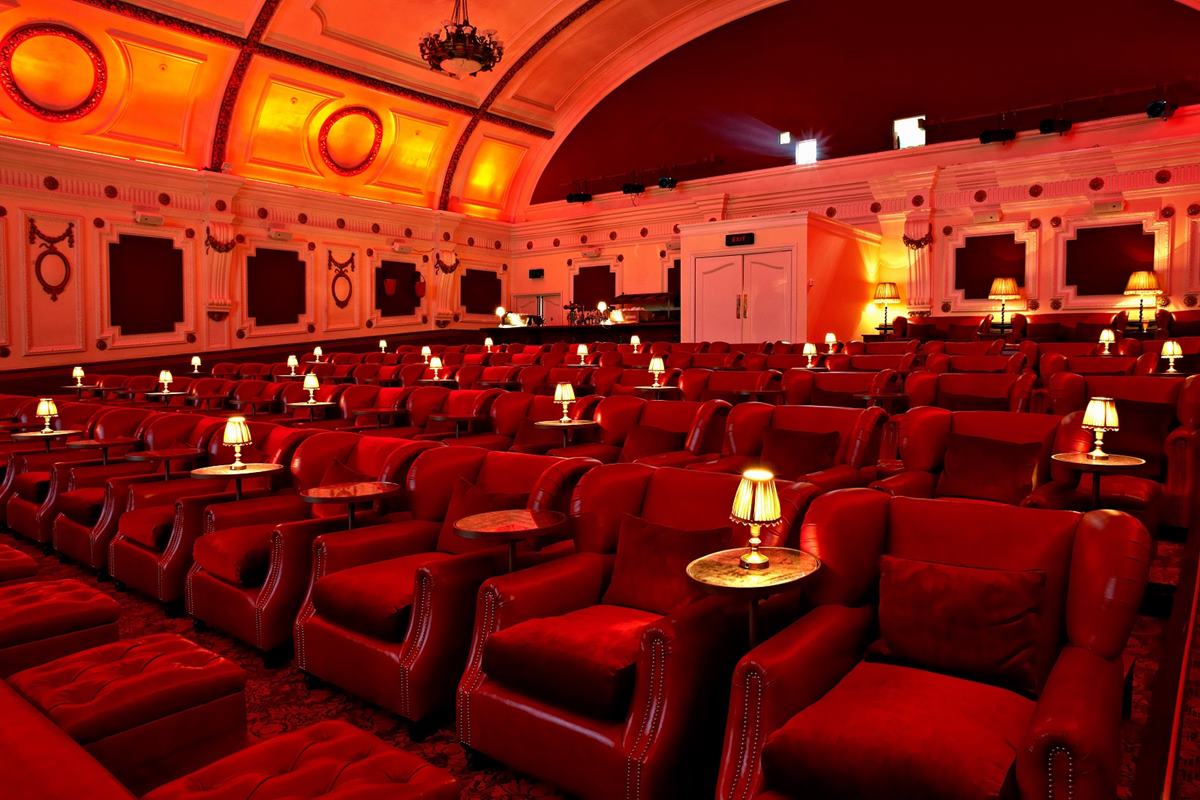
    The theatres – designed with comfortable seats and tables to eat while watching a movie – will feature meals created by chef Guy Fieri. The first has opened at the Jebel Ali Recreation Club, with the third location to be The Pointe in The Palm Jumeirah.

    Combined, the theaters will have 14 dine-in screens, with session tickets covering not just the film but also a meal comprising an appetiser and main course from Fieri’s American Kitchen concept. And none of the Dine-In Cinemas will serve popcorn!

    “Reel Cinemas is setting new benchmarks in providing moviegoers with unprecedented entertainment experiences,” explains Damien Latham, CEO of Emaar Entertainment, the operator of Reel Cinemas.

    “Guy Fieri represents the latest in strategic partnerships that underlines our commitment to pioneering innovative trends for the cinema industry in the Arab world.”

    Restaurant-prepared meals from Guy Fieri’s American Kitchen are delivered to the table of movie-goers, as they enjoy blockbusters with Dolby Atmos and Barco Flagship Laser projection.

    The menu takes inspiration from Fieri’s best-known dishes, such as his signature Mac & Cheese Burger, Trash Can Nachos and New York marbled Cheesecake.

    Fieri, an Emmy Award-winning chef, restaurateur, TV personality and author, has 45 restaurants located across the US and Mexico and will soon be launching in South Africa. This is his first venture into the Middle East.

    “The concepts we are building are truly a first of their kind venture for both of us,” says Fieri. “I know how to give guests a real-deal food experience and I know that Reel Cinemas has the expertise to apply it to the theatre space – so it’s a great partnership.”

  • Ikea Plans Mini Stores for Southeast Asia

    Ikea Plans Mini Stores for Southeast Asia

    Ikea mini-stores are planned by the Swedish furniture giant to boost its presence in Southeast Asia.

    It regards showrooms in smaller cities as a low-cost way to reach the growing middle class. Research firm Nielsen Holdings has estimated the population in Southeast Asia’s regional cities will have grown 18 per cent by 2025 since 2015.

    Ikea is starting its Southeast Asia roll-out in Thailand, with plans for compact stores in Chiang Mai, Pattaya, Udon Thani and other Thai cities during the next three years. These mini-stores will not keep large furnishings in stock, with items being delivered as needed from larger stores in major cities.

    Ikea already has a small store prototype in Phuket. The 2600sqm shop cost the retailer THB175 million (US$5.6 million) to build – a 30th the cost of Ikea’s full-scale store on the outskirts of Bangkok.

    Computers in the store centre can be used by customers to order furniture and accessories online they have inspected in store. Their purchases arrive from the Bangkok store two to three days later, ready for pickup. For an extra fee, customers can have their orders delivered to their homes.

    When it opened in 2015, the pioneering store struggled, but last year turned a profit for the first time.

    Meanwhile, Luxembourg-based Ikano, which runs Ikea’s Southeast Asian stores, aims to have a location in Manila by 2020 and hopes to expand to Vietnam’s Ho Chi Minh City by 2022.

    While Ikea has compact stores internationally, the idea failed to catch on in Japan, with a 1500sqm location in Kumamoto set to close at the end of July.

    Ikea has more than 400 stores worldwide. Global sales topped €38.3 billion (US$46.8 billion) for the year to the ended of August 2017. Yet the company has just nine stores so far in Southeast Asia.

  • Daigou retailer to expand into over 150 pharmacies

    Daigou retailer to expand into over 150 pharmacies

    Daigou retailer AuMake has inked a deal with pharmacy network Chemsave which will see its own branded products distributed through a network of 150 pharmacies across the country.

    The announcement, which follows the listed retailer declaring a trading halt earlier this week, will see Aumake’s own-branded health supplement and honey products distributed initially, prior to further expansion.

    Cross promotional marketing will accompany the products, with AuMake’s recently launched live streaming functionality to move into some Chemsave pharmacies.

    The listed retailer hopes that the partnership will bolster its credibility of its private label range, while Chemsave is looking to increase its exposure to the Chinese market.

    “Aumake is thrilled to have formed this strategic partnership with Chemsave, which is a significant milestone,” Aumake executive chairman Keong Chan said of the deal.

    “This partnership with Chemsave allows us to significantly expand the reach of our products across Australia … this is not simply a distribution agreement but a long-term mutually beneficial strategic alliance.”

    Chemsave CEO Michael Dixon concurred, saying that the Chinese market represents a lucrative opportunity for its network.

    “Over the last year we have had the opportunity otm eet with a number of groups with a view to forming a partnership that will allow us to grow our members’ businesses and increase our presence with the important and influential Chinese consumer,” he said.

    The initial terms of the contract are set out across two years, with an option for a further two-year extension if mutually agreed.

    Aumake shares rose 10 per cent to 27 cents in early Wednesday trading.

  • REITs China has been moving forward, to seek further opportunity

    REITs China has been moving forward, to seek further opportunity

    Since the origination of REITs in the United States, in the 50 years of its development, REITs in the United States, Singapore, Japan has been running on a rather perfect system, with legal policies and tax system. REITs was able to help the countries in growth, sustainable decisions, and the industry coordination. China had the first REITs in 2005. Since then, REITs in China have been moving forward, to seek further opportunity.

    The new age of investment has come. PE is the most anticipated type of investment that most of the investors that are eyeing for. According to Asset Management Association of China, by the end of Februrary 2018, PE Fund pool have reached monthly growth of 250 billion Yuan, totaling 12 trillion Yuan. It has its competition to Public Placement.

    With the development of Real Estate Equity Fund and REITs, an increase in the amount of firms are interested to be a part of it. As the fundamental, Finfo Global along with CaishiV is going to host the 2nd Real Estate Equity Investment & REITs in Shanghai on May 17. The event have gathered worldwide trust firms, insurance company, law firms, securities, asset managements and banks. The event is excepting more than 300 managerial positioned attendees.

    At the event, Weida Kuang from China Remin University, National Development and Strategy Institution, City and Real Estate Institution with be introducing his ideas over the macro economy and the effect of the industry of real estates. Also, there are newly added topics such as low-cost rental housing, public rental housing, rental housing REITs, investment opportunities in second and third tier cities, offshore real estate PE Fund and its structuring,

  • Pocket Greens introduces a brand new travelling farm

    Pocket Greens introduces a brand new travelling farm

    Pocket Greens has introduced Singapore’s first-ever travelling farm, stopping at three locations for three months each – Bougainvillea Park, Raffles Place Park and Dhoby Ghaut Green.

    The urban farming consultancy says people do not need to own a plot of land to have a garden. Its “express gardening” concept enables people to grow microgreens and other green vegetables, even in HDB homes.

    The Travelling Farm (TTF) is housed in a yellow 20-foot container fitted out as a shop for plants and gardening equipment. It also provides craft activities and mini gardening lessons that can also be accessed online.

    Visitors can also sample drinks and snacks made from the farm’s produce, such as a salad of microgreens like sunflower and cranberry hibiscus shoots.

    Founder Eng Ting Ting says the aim is to reach out to different groups of people. The farm adapts to its locale. While it stocks more flora-like air-purifying plants for CBD office workers, it has more herbs and plants like chilli while in the residential area of Bougainvillea Park.

    The TTF’s roving set-up is made possible by a Ministry of Trade and Industry scheme, which has granted it use of park space for 36 months.

  • Amazon mulls taking over Toys R Us

    Amazon mulls taking over Toys R Us

    Bloomberg reports the bankrupt toy retailer is in talks with the e-commerce giant over the future of an unspecified number of stores which could be converted to Amazon’s growing portfolio of offline retail spaces. The company recently acquired grocery chain Whole Foods, which has 450 sites, and has been opening physical book stores in selected US markets.

    Toys R Us US is closing down more than 700 stores, many of which have moderate- to large-sized footprints suited to bulky goods or grocery retailing.

    Bloomberg’s sources said Amazon is not interested in the Toys R Us brand but sees opportunities to use physical stores to deliver online purchases faster. It may possibly use the sites to demonstrate its Alexa voice-activated technology.

    Amazon has previously negotiated taking over Radio Shack stores after that chain collapse, but no deal was reached.

  • Kokuyo plans stores for employees working from home

    Kokuyo plans stores for employees working from home

    Japanese office furniture maker Kokuyo is to open retail shops in Thailand targeting the growing ranks of people who work from home.

    Kokuyo Thailand is a joint venture between the Japanese parent (which holds 49 per cent) Central Group and local furniture maker Practicable.

    The company has opened a 250sqm showroom for walk-in customers on the ninth floor of Bangkok’s CentralWorld on Rama 1.

    “We are studying a dealer system as well as opening sales corners or shops in department stores in the next stage,” CEO Tarida Klaipracha told The Nation newspaper.

    A larger, 400sqm showroom is being planned for another shopping mall in 2020.

    Klaipracha said that when the company launched in Thailand in 2004, it focused on supplying office furniture to Japanese companies operating in the kingdom, broadening the target to Thai companies as it gained critical mass.

    “We achieved THB460 million (US$14.7 million) in total sales last year, up from THB430 million in 2016. Japanese clients accounted for 70 per cent of our sales with the balance to non-Japanese firms,” she said.

    “We aim to achieve Bt600 million in sales in 2020, with Japanese companies accounting for half of the total. About 5 per cent of sales is expected to non-Japanese clients who will be end-consumers.”

    MD Sachio Kobayashi said Kokuyo saw huge opportunity in the Thai office furniture market because there is no real major player in the category.

    The Thai office also oversees the Myanmar and Cambodia markets, while its Malaysian subsidiary looks after the Philippines and Vietnam.

  • Ikea Philippines launches at the Mall of Asia

    Ikea Philippines launches at the Mall of Asia

    Ikea Philippines will open its first store next to Mall of Asia in Manila in 2020.

    Inter Ikea Systems announced in February it had appointed Ikea Southeast Asia (Ikano) as Philippine franchisee, the same company that holds the rights to Singapore, Thailand and Malaysia.

    In an exclusive interview with Inside Retail Asia, Ikea Southeast Asia MD Christian Rojkjaer says Ikea chose to open its first Philippine store at SM’s Mall of Asia as it is such an impressive, established centre. “It’s already there and we have no chance to beat it.”

    However, future stores might be integrated with Ikano’s own shopping-centre developments, similar to Bangkok’s Mega Bangna, Kuala Lumpur’s MyTown and the Toppen Tebrau under construction in Johor Bahru, Malaysia.

    “What happens in Malaysia and the Philippines is that we go in and… we must create the best shopping destinations in that country either alone or with somebody else. So we do it shopping centre by shopping centre with the customer in mind. We are not like, ‘It has to be ours’. It has to be the best position for our customers. So let’s see what is going to happen [in the Philippines], but the first one will be with SM.”

    Ikano is one of 10 Ikea franchisees worldwide and the only one owned by members of the founding Kamprad family. It had to pitch for the Philippines franchise, as it did for the Indonesian one (which it lost to Jardine Group’s Dairy Farm International in Hong Kong).

    Southeast Asia is one of the few growth regions in the world for Ikea, where many local markets have developing economies so its customers have lower average incomes than in more developed markets.

    “That has been quite challenging,” Rojkjaer tells Inside Retail Asia. “We want to be for the many in a country, but when we go into the Philippines, for a while it will be for a lot, but not for everybody. Then we will grow our presence and become more for the many, as we say. Of course, not everybody in the Philippines can afford us today, but we will work on that and adapt our range and become better and better to become something for many more people.

    “That will certainly be the same in Vietnam, Myanmar, Laos and Cambodia, too. That said, our range will fit a lot of people in all those countries from day one.”

  • Luxury retailers ‘missing out on customer engagement’

    Luxury retailers ‘missing out on customer engagement’

    No one can accuse luxury retailers of cutting corners where advertising spend is concerned. On average, they divert 8 per cent of their turnover into funding advertising initiatives. In the US for example, luxury brands invested more than $5 billion in advertising last year, accounting for a significant portion of overall marketing expenditure.

    Love it or hate it, advertising is a principal ingredient of business success. How else would you make customers be aware of your brand and build an inspirational image? Advertising is also essential for increasing brand equity and driving traffic to point of sales, which is how you boost your revenues.

     The twist 

    So, assuming we can agree that advertising remains important, let’s explore the issue through some numbers to see whether luxury brands are extracting maximum value from their advertising investments.

    Here’s one number: the average conversion rate in retail is about 10 per cent, which is to say that merely one out of every 10 customers entering a store will buy something. The best-in-class brands can boast a 20 per cent conversion rate, but that still leaves anywhere between 80 per cent and 90 per cent of store visitors exiting without a purchase.

    On the bright side, these numbers are not necessarily a harbinger of doom because nowadays a store has become more of a touchpoint along the customer journey. A transaction may occur on the premises during the visit, but it may also take place at a later time in another brand store (think airport outlets, for instance) or online. Therefore, a visit without a purchase is not really the issue.

    But we truly have a problem when non-buying customers go away without leaving their personal information. This should be ringing all sorts of alarm bells because it means the brand cannot continue its conversation with these customers. Our research shows that in 2017, an average of 65 per cent of non-buying customers were not invited to leave their personal information. In other words, this is nearly 60 per cent of store visitors who cannot be engaged in further conversation.

    Advertising is only one of many budgetary considerations for luxury brands when it comes to attracting customers to a store as it also entails expenditure on rent, fittings, and staff salaries, among other things.

    When you add it all up, you start questioning the rationale behind these investments. Not because they no longer matter in the grand scheme of things, but because the current retail landscape has rendered existing advertising budget allocation practices inefficient.

    When you think back to the nearly 60 per cent of clients not engaged at all during a store visit, it becomes painful to think of the revenue opportunities missed, not to mention the “waste” of money spent to get those customers cross the store threshold in the first place.

    Luxury brands now operate in a world where consumers are starting to sidestep advertising and increasingly count on referrals and recommendations to choose a product or a service. Think of it in this way: marketing is no longer about what you say to customers but how you influence what they say to each other. 

    The fix

    With that in mind, it seems clear to us that luxury brands should spend more on creating unique and memorable customer experiences (both in-store and post-purchase) for buyers and non-buyers alike.

    Front-line team members should be considered an additional marketing channel, or at least an extension of one. While brands make substantial investments in PR and special events, they need to spend more to make a positive, lasting impression on the customers who come into the store instead of striving to draw even more customers inside.

    Part of the advertising budget should go into delivering customer experiences and providing value to store visitors, surprising and delighting them at the same time. You can guess what will follow, can’t you? Conversations sparked by viral tweets, social media shares, and likes, which is as good as advertising gets for luxury brands.   

    The help

     The gist so far is that luxury brands need to pivot from a push to a pull strategy. Carving out a larger portion of the advertising budget to invest in customer experiences is the way forward, but multiple factors need to interact for effective execution and tangible results.

    For one thing, brands need to put the right people on the shop floor. This may require investment in proper training and ongoing support. Other necessary ingredients are decent pay plus the right KPIs and incentives.

    Last but not least, luxury brands should empower their teams to do whatever is required to deliver a high-quality customer experience – one that will be remembered, shared, and seen by many. When the social media and word-of-mouth mills start churning, luxury brands will have all the vindication they need for having aligned their advertising budgets with the new realities of retail.

  • Massive loss for Indonesia’s Matahari Putra Prima Mall Group

    Massive loss for Indonesia’s Matahari Putra Prima Mall Group

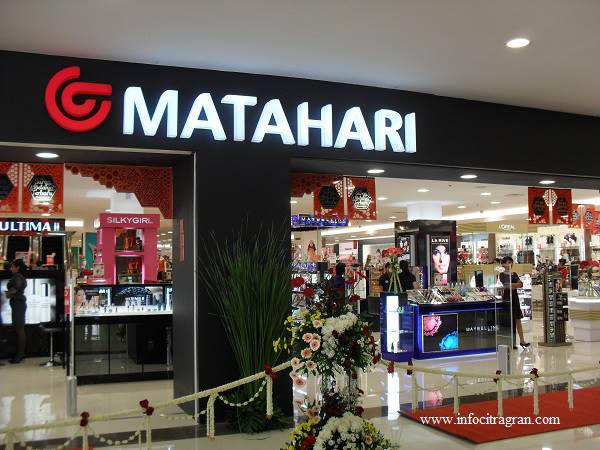
    Indonesian hypermarket chain Matahari Putra Prima was apparently so ashamed of its financial performance last year it issued a press release about its results without a single financial detail included.

    A little sleuthing online reveals the struggling giant – whose interests also include fashion stores – reported a loss of 1.24 trillion rupiah last year (US$86.8 million), compared to a net profit of 38.48 billion rupiah last year ($2.7 million).

    In its media statement, MPP described last year as a “challenging yet successful” period of consolidation for the company, amidst what continues to be a challenging macroeconomic and competitive landscape.

    “This consolidation and cost restructuring is a part of the company’s efforts to transform its business and will position itself strongly for the year to come. The macroeconomic condition in 2017 continued to be challenging, especially for the retail sector.”

    MPPA blamed its misfortunes on factors including the removal of electricity subsidies from 19 million Indonesian households and relatively low inflation-adjusted minimum wage increase which adversely affected Indonesian consumers’ spending power.

    “Furthermore, the company experienced increasing competition from local supermarkets across Indonesia.”

    In response, the company launched “a bold pricing strategy” and re-examined its cost structure to support a lower merchandise-margin environment by looking at a number of operational efficiencies.

    “These include headcounts, assortment reviews with a goal to focusing on fast moving and productive SKUs, a review of operational costs including a shift of marketing spend from expensive nationwide media advertising to more cost-effective community based marketing and the development of a low-cost store format.”

    Without stating figures, the company said those initiatives placed considerable pressure on its performance in 2017 with some once-off costs being accounted for in that period.

    “The company expresses optimism for 2018. The new strategy along with all actions taken in 2017 should begin to pay off, allowing the company to strengthen its market leadership in food retailing business in Indonesia. The company has built a reputation for entrepreneurship and leadership, and is obsessed with customer satisfaction, innovation and excellence in operations.”

  • Natuzzi Trading subsidiary to become Joint Venture

    Natuzzi Trading subsidiary to become Joint Venture

    Italian furniture brand Natuzzi and China’s Kuka furniture company have agreed to make the company’s wholly owned Chinese subsidiary Natuzzi Trading (Shanghai) a joint venture.

    The JV agreement is aimed at expanding the company’s retail network in Mainland China, Hong Kong and Macau. The company, the JV and Kuka have also entered into an agreement for the sale and purchase and subscription of shares In Natuzzi Trading (Shanghai).

    The agreements follow the execution of a preliminary agreement last month. Under the agreements, Natuzzi and Kuka will own, respectively, a 49 and a 51 per cent stake in the JV, which will distribute Natuzzi Italia and Natuzzi Editions branded products through a network of single-brand directly run stores and franchised stores in China, Hong Kong and Macau, as well as through online stores.

    Kuka will invest a total of €65 million (US$80 million), of which €35 million will be contributed to the JV for the subscription of a capital increase of US$567,869, and €30 million will be paid to the company as consideration for the transfer of US$486,744 of registered capital interest from the company to Kuka.

    The JV will be granted the perpetual and exclusive distribution licence for the Natuzzi Italia, Natuzzi Editions and other relevant trademarks for a consideration of €15 million.

    The transaction is subject to applicable authorisations, regulatory filings and approvals. Assuming these conditions are met, it is expected the closing will occur by August 22.

  • Ikea Southeast Asia’s Toppen mall to be ‘heart and hub’ of JB

    Ikea Southeast Asia’s Toppen mall to be ‘heart and hub’ of JB

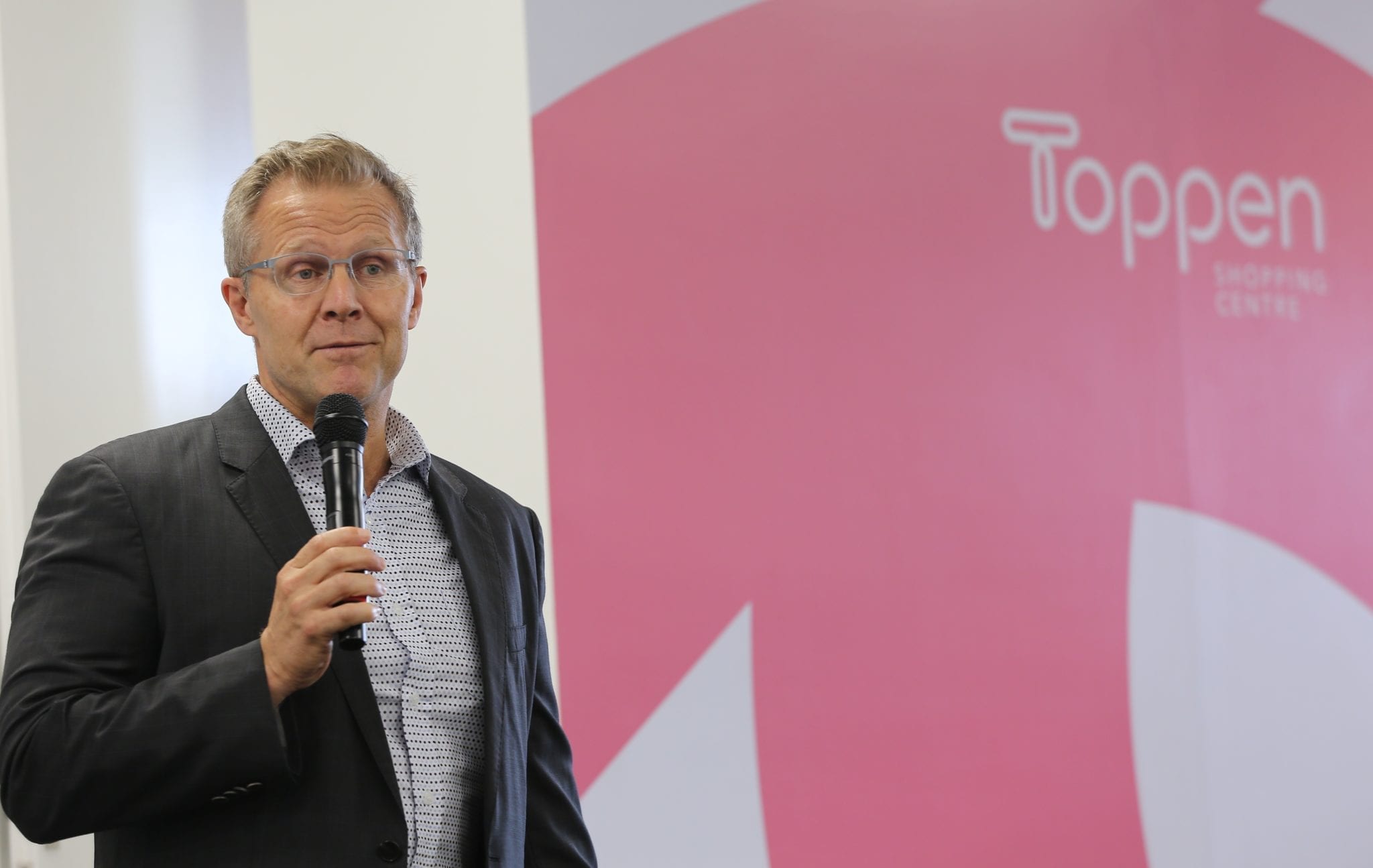
    Ikea Southeast Asia’s new Toppen Shopping Centre in Tebrau, a suburb of Malaysia’s Johor Bahru, is already more than 60 per cent tenanted as construction continues on what will become the new “heart and hub” of the border town.

    Granted, that figure includes the giant Ikea store which has already been trading for several months, drawing customers from all over southern Malaysia and across the border from Singapore.

    Tenants of the 1.1 million sqft complex already signed up include Australian furniture and electronics retailer Harvey Norman, cinema chain TGV and B.I.G (Big Independent Grocer), a gourmet supermarket which already anchors Ikea Southeast Asia’s IPC shopping centre, integrated with its Ikea Damansara store in Kuala Lumpur.

    The Toppen Shopping Centre is on schedule to open by the third quarter of next year. It is next to Aeon Tebrau mall, described by Ikea Southeast Asia MD Christian Rojkjaer as a “friendly competitor” and home to Thai furniture and homewares rival Index Living Mall.

    “Johor is home to 3.6 million potential consumers with fast-growing retail sales,” Rojkjaer told a media briefing at the site. “Johor’s economy is booming – growing faster than the rest of the nation. The mature community gives us the opportunity to create significant partnerships with both the community and business owners.”

    The new centre will feature four floors of retailing, with a multi-purpose piazza-style rooftop including community garden, play areas, sports offerings, a cinema and al fresco eateries. It will be home to 300 tenants across all categories, including international brands and local specialty stores.

    Ikea Southeast Asia owns and runs the brand’s stores in Singapore, Malaysia, Thailand and, from 2020, the Philippines. It is the only Ikea franchisee globally to be owned by the Kamprad family, which founded Ikea in Sweden.

    As such, it is also the only Ikea business in Asia to own and run shopping malls, a formula that works in Europe where the company has about 50 centres anchored by giant Ikea stores. Its malls include Bangkok’s Mega Bangna and Kuala Lumpur’s MyTown and IPC Shopping Centre, which has just had a major refurbishment.

    “Through our rich experience and deep understanding of market trends, Ikea’s presence normally contributes to an additional 20 per cent of footfall to our shopping centres,” says Ikea Southeast Asia shopping centre and mixed-use director Christian Olofsson.

    “Toppen is not just another shopping centre – it is a space for the community to come together, a platform for business owners to grow, and a positive driver for Johor’s economic growth through the creation of job opportunities (an estimated 5000) and increased tourism.”

    Rojkjaer expects that about 5 per cent of the Ikea Tebrau store’s sales will to be Singaporeans, who can take a short drive across the bridge border from their city state, where prices for many products are higher. But he is not concerned about prospective cannibalisation of the Singapore business’ sales. As if to underscore that point, last Easter holiday weekend the number of people heading to Malaysia by road caused traffic jams on the Singapore side of the border. Instead of the usual quick crossing, travellers were caught in queues for several hours.

    Such is Johor Bahru’s rapid growth that even without cross-border traffic, both Ikea executives are bullish about the Malaysian city’s future.

    “Every time we come here we see how things are developing,” said Rojkjaer. “Tebrau is going to be a major destination for years to come.”

    Rojkjaer expects the centre to attract 15 million visitors in 2020, its first full year of trading.

  • Goodbaby is opening Japan store

    Goodbaby is opening Japan store

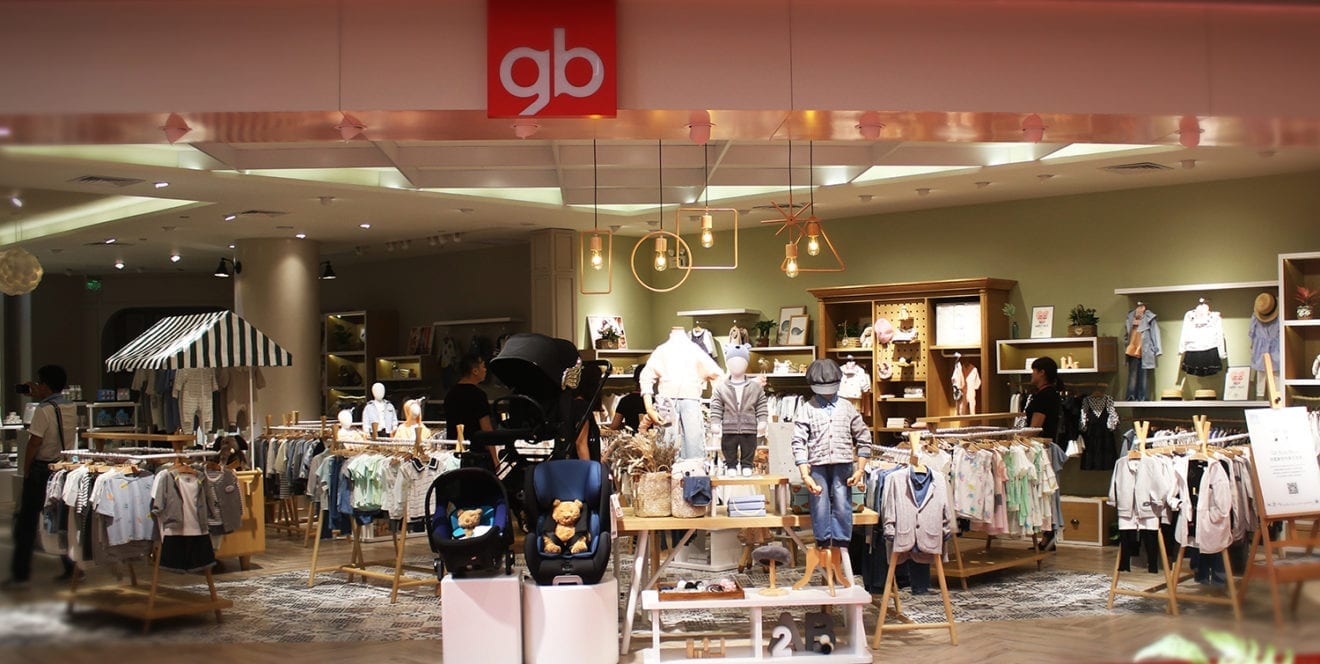
    Goodbaby International has established its own direct-distribution platform in Japan as it tries to replicate its success in China in other parts of Asia.

    The parenting-products company, which has seven research and development centres in the US, Europe and Asia, operates 1000 self-managed offline retail stores in China alongside an omnichannel retail platform.

    A new subsidiary company in Japan, in partnership with a minority local investor, will primarily retail its Cybex and GB-branded juvenile products throughout Japan.

    Johannes Schlamminger, CEO of Cybex and GB, said the company has recorded “very good progress” developing a profile in Japan, and now it was time to expand.

    “Our intent is to rapidly expand the Cybex and GB business by designing, developing, marketing and distributing products specifically for Japanese consumers. We will also provide the necessary customer services and consumer engagement activities to firmly establish Cybex and GB as leading juvenile brands in Japan.”

    CEO of Goodbaby International Martin Pos, said Japan is the company’s second largest strategic market in Asia.

    “Formation of our own direct-distribution platform is a strategic step for the group to grow its business in Japan market to capture its great potential.”

    Goodbaby International designs, researches, develops, manufactures and markets products including children’s car safety seats, strollers, apparel, home textile goods, feeding, nursing and personal care products, cribs, bicycles and tricycles.