Category: Living

Retail News Asia is committed to providing both local and global retailers with the latest Living news throughout the Asian market. This on a daily base.

  • DFPC opening two stores

    DFPC opening two stores

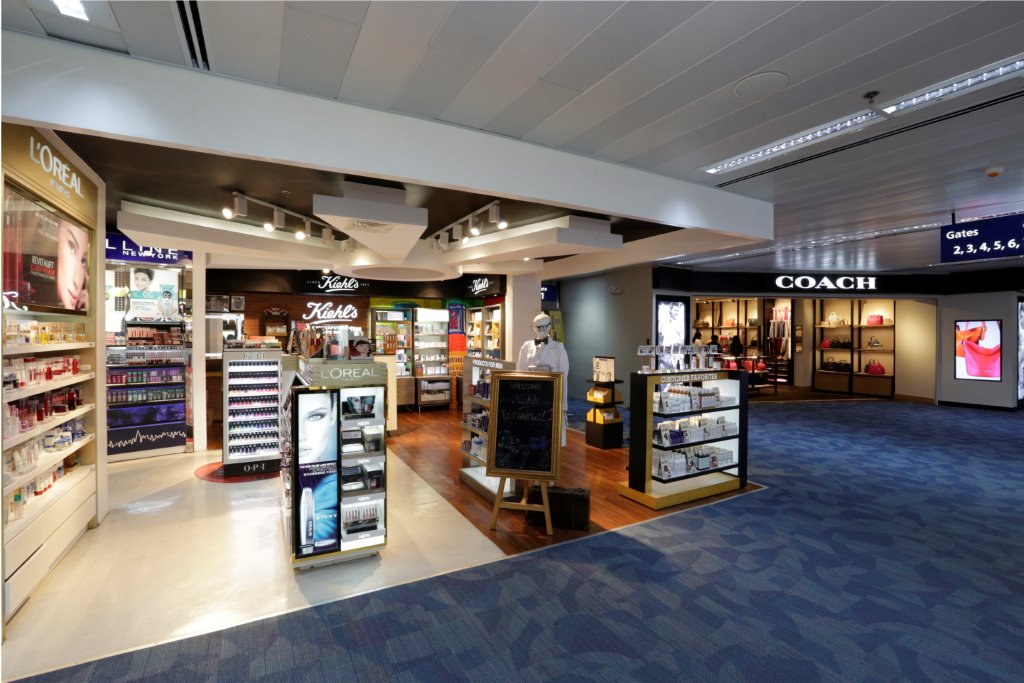
    uty Free Philippines Corporation (DFPC) plans to open a luxury store at the SM Mall of Asia complex in Pasay City next month, plus an outlet at Ninoy Aquino International Airport in Manila.

    DFP Luxe Store at SM and Landslide Store at the airport’s Terminal 3 will be the government corporation’s largest shopping outlets.

    DFPC COO Vico Angala says the 4200sqm Luxe Store “will set a standard for the affluent market, especially in Southeast Asian countries”.

    The multilevel outlet will include boutiques and shops offering high-end imported goods and a retail mix including labels such as Bally, Coach, Ferragamo and Michael Kors.

    Meanwhile, in the airport’s arrival lobby, the Landslide Store will offer chocolates, perfumes, liquor, tobacco and grocery items.

  • Vietnamese concerned as biofuel proposed to replace regular fuel

    Vietnamese concerned as biofuel proposed to replace regular fuel

    People fear that they are being forced to buy a product they are not interested in. A new proposal to replace the most popular gasoline in Vietnam with biofuel is raising concerns among experts and consumers who said it will force them to buy a lesser product.

    The idea of replacing the current 95-octane gasoline A95 with E5 biofuel was proposed by Tran Minh Ha, deputy director of Saigon Petro at a meeting between fuel companies and the Ministry of Industry and Trade on Wednesday.

    E5 is a locally-produced biofuel that the government has been trying to promote for years. Starting from January 1, the government has officially replaced the 92-octane A92 with the ethanol-blended E5, which is a mixture of 95 percent of A92 and 5 percent of ethanol.

    With prospects of A95 being wiped off the market, drivers feel they are being forced to switch to the E5 biofuel, which they don’t want.

    Although studies conducted by Hanoi University of Technology have found that the E5 mixture is good for engines while producing fewer emissions, Vietnamese drivers are still hesitant because they fear that it can cause fire or damage their vehicles’ engine and parts.

    “No policy should compel people to purchase a product. Authorities need to make careful calculations with the public’s preference taken into consideration,” said Ngo Tri Long, former director of Market Research Institute under the Ministry of Finance.

    Although E5 is reportedly used by 42 percent of drivers, the quality of this mixture has not convinced the public, Long said.

    As there is currently only one company producing E100 alcohol in Vietnam, an ingredient of the E5 mixture, there won’t be enough supply to produce biofuel should A95 be taken off the market, he added.

    Local fuel businesses have been trying to promote ethanol fuel by lowering its price. However, the price difference between E5 biofuel and the popular A95 is not substantial enough to attract drivers, according to Tran Ngoc Nam, deputy general director of Vietnam Petroleum Group (Petrolimex).

    In a VnExpress survey of over 13,000 readers, 88 percent said they do not want the familiar A95 to be withdrawn from the market.

    The Ministry of Industry and Trade said on Thursday that they will take the matter into consideration and ask for directions from the government.

    Most countries in the world still offer consumers a choice between ethanol and gasoline. The United States, Brazil and European Union are leading the change in biofuel usage, producing and consuming about 80 percent of the world’s total, according to Bioenergy Australia. Thailand plans to increase its biofuel consumption from 7 percent of total fuel energy use to 25 percent by 2036.

  • Rituals brand expands in Middle East and Asia with DFS

    Rituals brand expands in Middle East and Asia with DFS

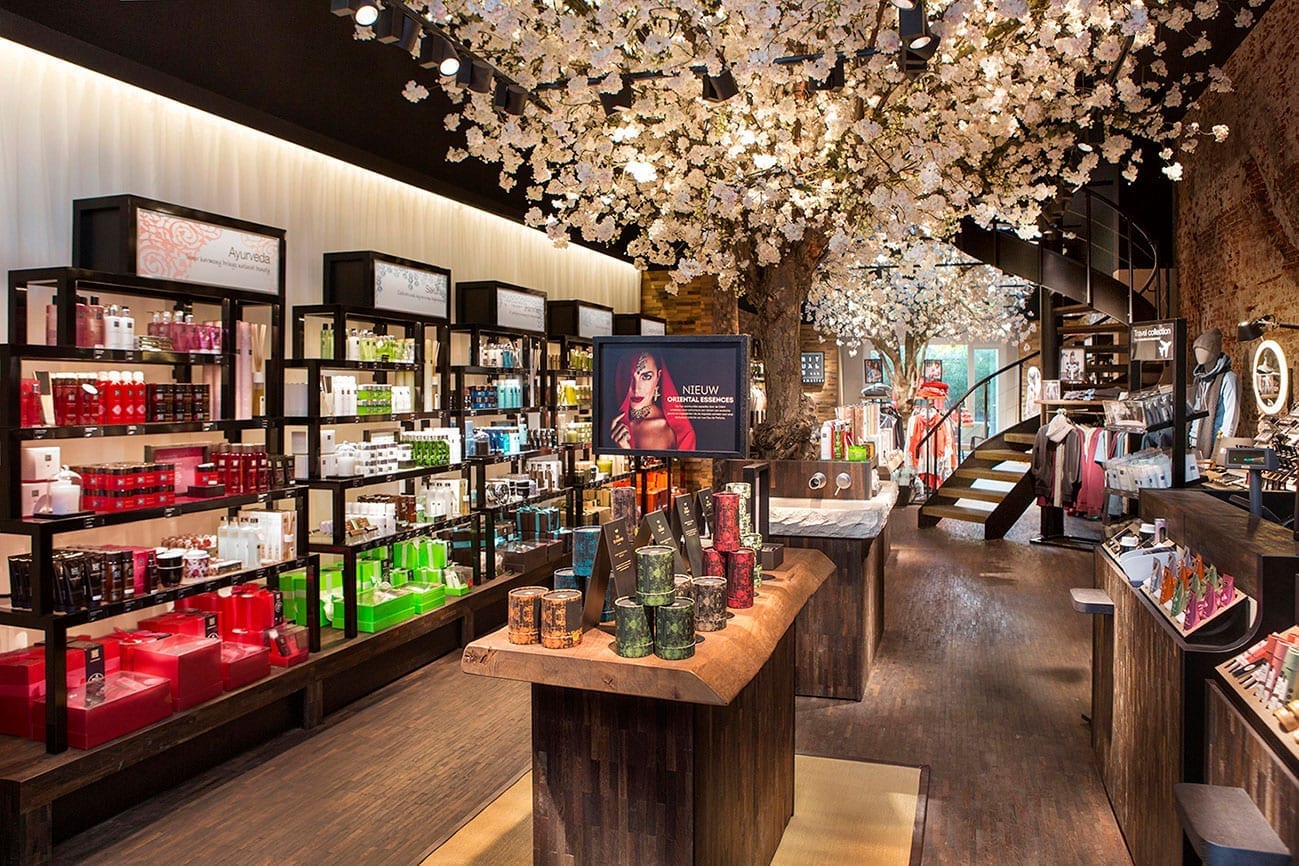
    Rituals, the British body and home products brand, has expanded its travel retail presence in the Middle East and entered the Asian market for the first time.

    The brand has opened a shop-in-shop at the DFS store in Abu Dhabi International Airport and commenced trading from a pop-up store at T Galleria by DFS, in Hong Kong’s Causeway Bay.

    The Abu Dhabi International Airport is Rituals’ seventh in the region

    The activation at Abu Dhabi is Rituals’ seventh in the Middle East territory, with stores in other countries including Oman, Dubai and Qatar.

    Rituals also revealed that the new Causeway Bay store in Hong Kong will be added to this year with the scheduled June opening of another pop-up in the country, also with DFS, at Sun Plaza in Canton Road.

    The new store in DFS’ Hong Kong, Canton Road T Galleria represents a major breakthrough in Asia Pacific for the brand

    The Rituals product line-up includes body and home products from its collections The Ritual of Sakura, The Ritual of Dao, The Ritual of Ayurveda and The Ritual of Happy Buddha. The brand also offers a range of travel exclusives and gift sets.

    Rituals Cosmetics Global Travel Retail Director Neil Ebbutt said: “Our presence in Dubai International airport with Dubai Duty Free and our shop-in-shop at DFS, Abu Dhabi International Airport are significant moves into the Middle East’s airport travel retail channel. And now our pop-up store at T Galleria by DFS in Hong Kong represents a major breakthrough for us in travel retail in Asia.”

    Rituals’ products are now available in travel-retail in almost 400 locations across 39 countries, including 10 standalone stores at airports around Europe.

  • Tumi Opens a New Travel and Lifestyle Shop

    Tumi Opens a New Travel and Lifestyle Shop

    TUMI, purveyors of premium luggage and travel, business and lifestyle essentials, has opened its third London boutique

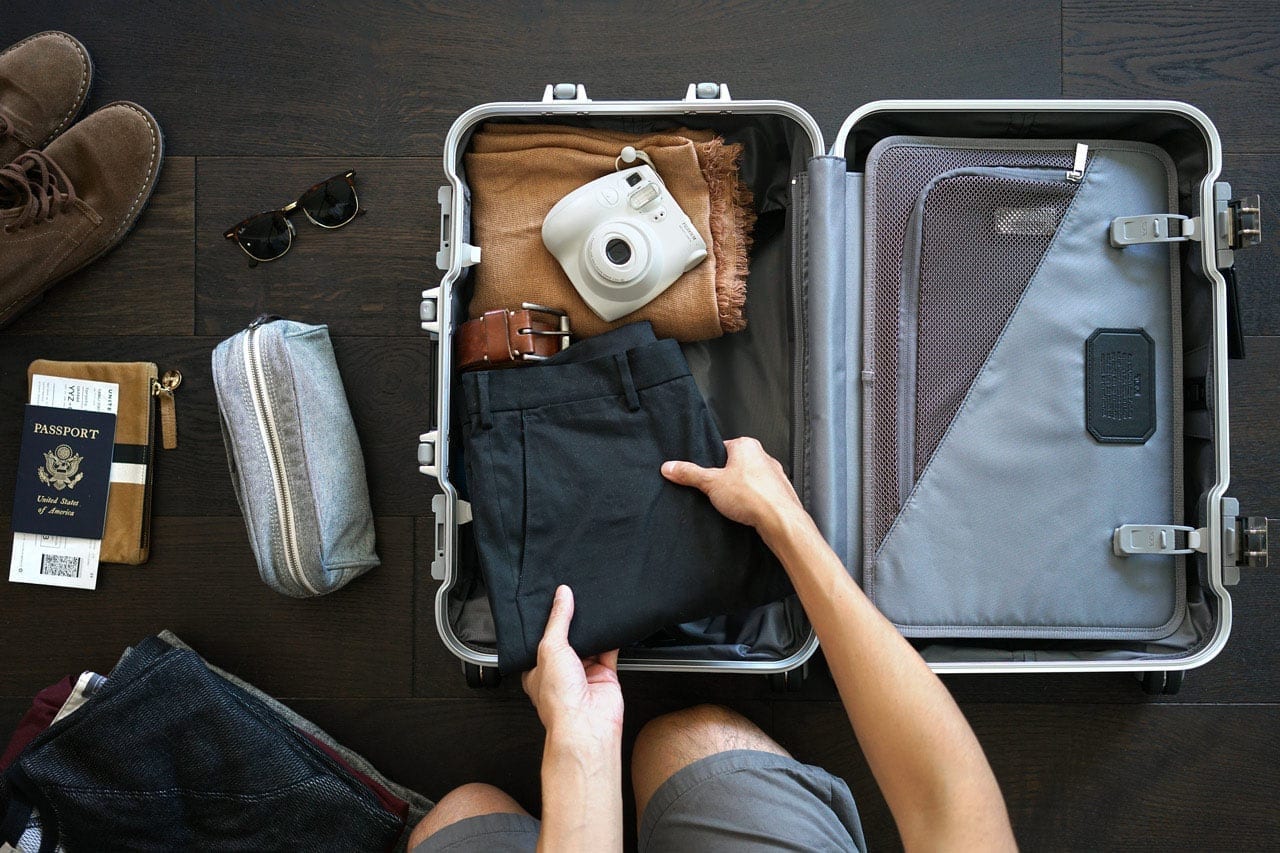
    Calling all fans of luxury travel, TUMI has opened a new boutique in London’s Covent Garden. Visit the store to browse the range of high-end bags, luggage, travel, business and lifestyle essentials.

    The stylish, 103sqm store showcases the latest TUMI products, including the new Latitude range of premium luggage.

    The design of the premier retail space is line with the chic aesthetic that TUMI is famous for.

    Sophie Ellis Bexter performed in-store at an event to celebrate TUMI’s third London opening – and fourth standalone store in the UK.

    Damien Mignot, TUMI’s General Manager Europe, hosted the party, during which guests enjoyed a menu inspired by first-class travel.

    Guests on the night included Lorraine Pascale, Pietro Boselli, Oliver Proudlock, AJ Pritchard, Neil Jones and Annaliese Dayes.

  • Baby food company Bubs Australia wins big Chinese contract

    Baby food company Bubs Australia wins big Chinese contract

    Baby food manufacturer Bubs Australia will soon see its products in up to 80,000 outlets across China, under an agreement with the country’s largest distributor of infant nutrition products.

    Bubs announced today that it had signed a distribution deal with QianJiaWanPu Co, to supply up to 80,000 Mother & Baby stores in China with organic baby food pouches, cereals and snacks.

    The company said an initial order to the value of $1.1 million would be supplied between June and December.

    QianJiaWanPu founder Zhou Dongming said the addition of Bubs products was an important extension to its international product portfolio.

    “In time, we look forward to deepening our association with Bubs once its goat milk infant formula products are approved for import,” Mr Zhou said.

    “Premium organic baby food and goat milk based formulas are two segments of the category experiencing rapid growth in China, and I’m confident my retail customers and Chinese mothers will find Bubs’ Australian brand story and premium quality attributes a winning combination.

    “No other infant formula brand in the world uses Australian goat milk, so this point of differentiation will be highly sought-after.”

    Bubs Australia managing director Kristy Carr said the deal was an important step in the execution of the company’s China strategy.

    “The importance of the partnership cannot be underestimated, given that Mother & Baby stores account for over half of all infant formula products sold in China, and is the prime source for new parents and parents-to-be seeking advice about babies’ development and infant nutrition products,” Mrs Carr said.

    “This is why physical representation in the sector is critical to our long-term success in the market, notwithstanding the importance of cross-border e-commerce and daigou shoppers as our existing primary routes to market.”

    Bubs’ stock gained 1.5 cents on the ASX following the announcement, to close trade at 81 cents.

    The deal is the latest in a series of recent tie-ups between Australian infant formula manufacturers and Chinese groups in 2018.

    Earlier in April Wattle Health Australia inked a deal with China’s International Supplies and Distribution Company, to distribute its products across more than 2,000 retail stores.

    That was followed up by Golden Koala milk, infant formula and milk powders being approved to be sold on JD.com’s JD.hk cross-border platform.

  • Asian buyers unimpressed by gold price dip

    Asian buyers unimpressed by gold price dip

    Physical gold demand lacked vigour in most Asian hubs this week amid a slight dip in prices, while the yellow metal switched to a premium in India for the first time in over 1-1/2 months due to a correction in local rates.

    In India, dealers were charging a premium of up to $1 an ounce over official domestic prices. This compared to a discount of $1 last week as the country celebrated the annual Akshaya Tritiya festival, when buying gold is considered auspicious.

    However, retail demand in India, the second-biggest gold consumer after China, remained subdued.

    “Many retail consumers made purchases last week during the Akshaya Tritiya festival. Now retail buying is weak,” said Daman Prakash Rathod, a director at MNC Bullion, a wholesaler in Chennai.

    In the local market, gold futures were trading at around 31,186 rupees per 10 grams, after rising to 31,620 last week, their highest since August 2016.

    “Jewellers were waiting for a price correction. As prices are falling, they could start replenishing inventory in coming weeks,” said a Mumbai-based dealer with a private bullion-importing bank.

    Meanwhile, physical gold markets remained quiet in most other Asian regions, except for Singapore, which saw a slight pick-up in buying.

    Benchmark spot gold prices were on course for an over 1 percent decline this week, pressured by a thaw in tensions on the Korean peninsula and a stronger dollar as investors looked to riskier assets such as equities.

    In China, premiums ranged between $8 and $9 an ounce over the benchmark, versus $5 to $7 previously.

    “Demand in China is slow, not too much activity,” said Ronald Leung, chief dealer at Lee Cheong Gold Dealers in Hong Kong.

  • Hotels share golden sparkle with Airbnb

    Hotels share golden sparkle with Airbnb

    Room rates in hotels and guest houses during the Labour Day “mini Golden Week” are not as expensive in comparison to past figures due to competition from Airbnb listings.

    Hong Kong had a busy weekend ahead of tomorrow’s Labour Day and saw a 9 percent rise in the number of mainland visitors on Saturday compared to last year.

    Tourist Guest Houses Federation of Hong Kong chairman Sam Lau Kung-shing said rooms in guest houses were fully booked at the weekend. But they did not increase rates due to keen competition from Airbnb listings.

    “Rooms were fully booked for April 28 to May 1, but booking rates will drop to 60 to 70 percent on May 2 as people leave and go back to work on May 3,” Lau said

    Although occupancy rates remain high, Lau said Airbnb listings have taken business away from the guest-house industry, especially when it comes to foreign visitors.

    He said room rates in guest houses were priced between HK$300 and HK$700, similar to last year.

    “If there is no Airbnb, rooms can be charged at a higher price as the supply falls short of demand,” he said.

    “But now people can book their rooms at any time, which means prices cannot be set too high. It is more competitive and since people now have more choices, they don’t have to rush to book a room.”

    A search on the Airbnb website showed that most rooms in urban areas from yesterday to Labour Day were booked.

    Only a few rooms with higher rates – above HK$1,400 – remained available. Among the listings was a seaview room near Causeway Bay at HK$1,997 a night.

    Michael Li Hon-shing, executive director of the Federation of Hong Kong Hotel Owners, said rates in a low-end hotel can be as cheap as HK$400 on May 1, while a room in a four-star hotel can be priced at HK$600.

    He said mainlanders visited Hong Kong from Friday and many left yesterday. He expects the occupancy rate on Labour Day to be about 80 percent.

    But hotels still had a busy weekend with room occupancy rates hitting 90 percent, similar to last year. Room rates were about HK$1,300 to HK$1,400 a night in a three-star or four-star hotel.

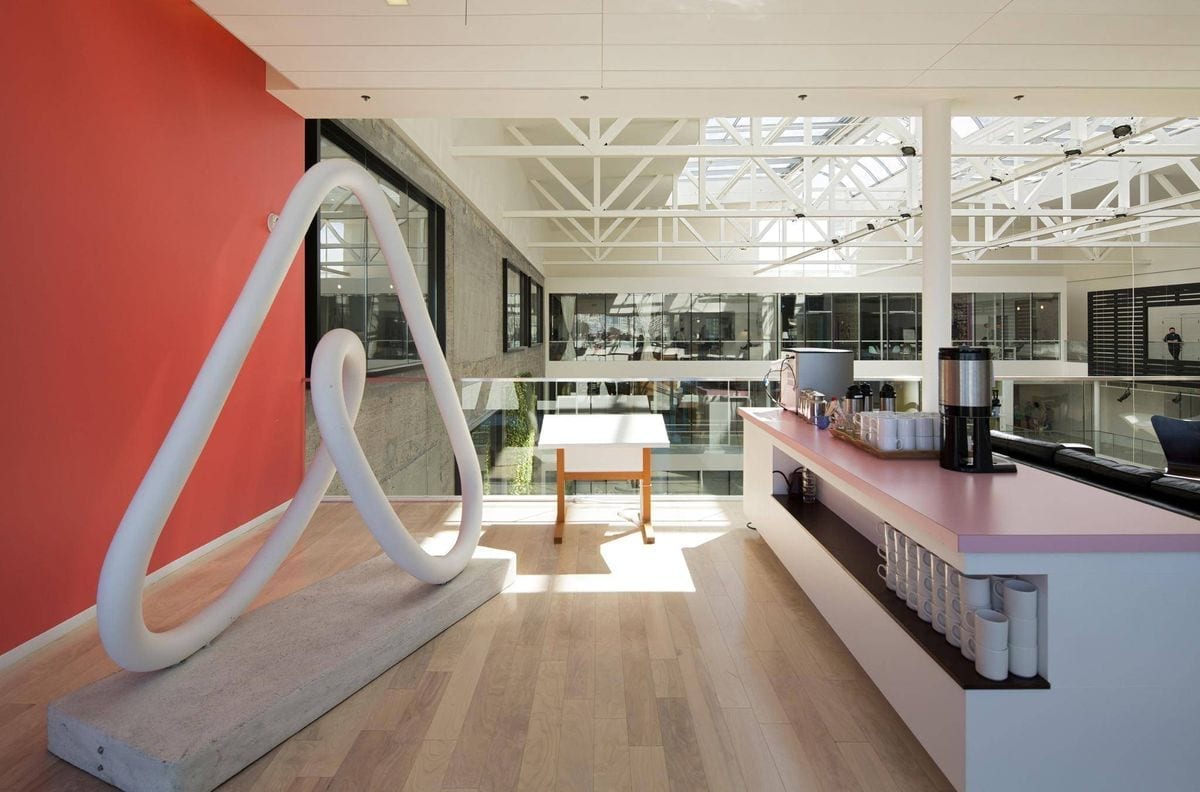
    Li said Airbnb has had an impact as its website says it has 5,000 listings.

    He said Airbnb has been operating illegally and urged the government to take action.

    The holiday started yesterday and runs until tomorrow, but travelers came across the border a day earlier on Saturday.

    Travel Industry Council executive director Alice Chan Cheung Lok-yee said an average of 180 to 200 mainland tours a day are expected to come to Hong Kong during the three-day Labour Day holiday period, slightly up from nearly 180 tours a day last year. Tourism sector lawmaker Yiu Si-wing also believes that the number of individual travelers from the mainland will increase by some eight to 10 percent in comparison to last year’s Labour Day holiday.

    He said a three-day holiday is not long enough for visitors, so many of them will opt to travel to other cities in the mainland, or to Hong Kong or Macau.

    Yiu also said a strong yuan has encouraged mainland tourists to shop in Hong Kong and retail sales have improved over the past 10 months.

    He believes businesses specializing in luxury goods, medicine, cosmetic products and other necessities will see a rise in sales.

    “Mainland tourists have faith in these goods and some of them are imported goods, so they will buy in bulk,” Yiu said.

  • Go Travel to showcase new Memory Dreamer pillow

    Go Travel to showcase new Memory Dreamer pillow

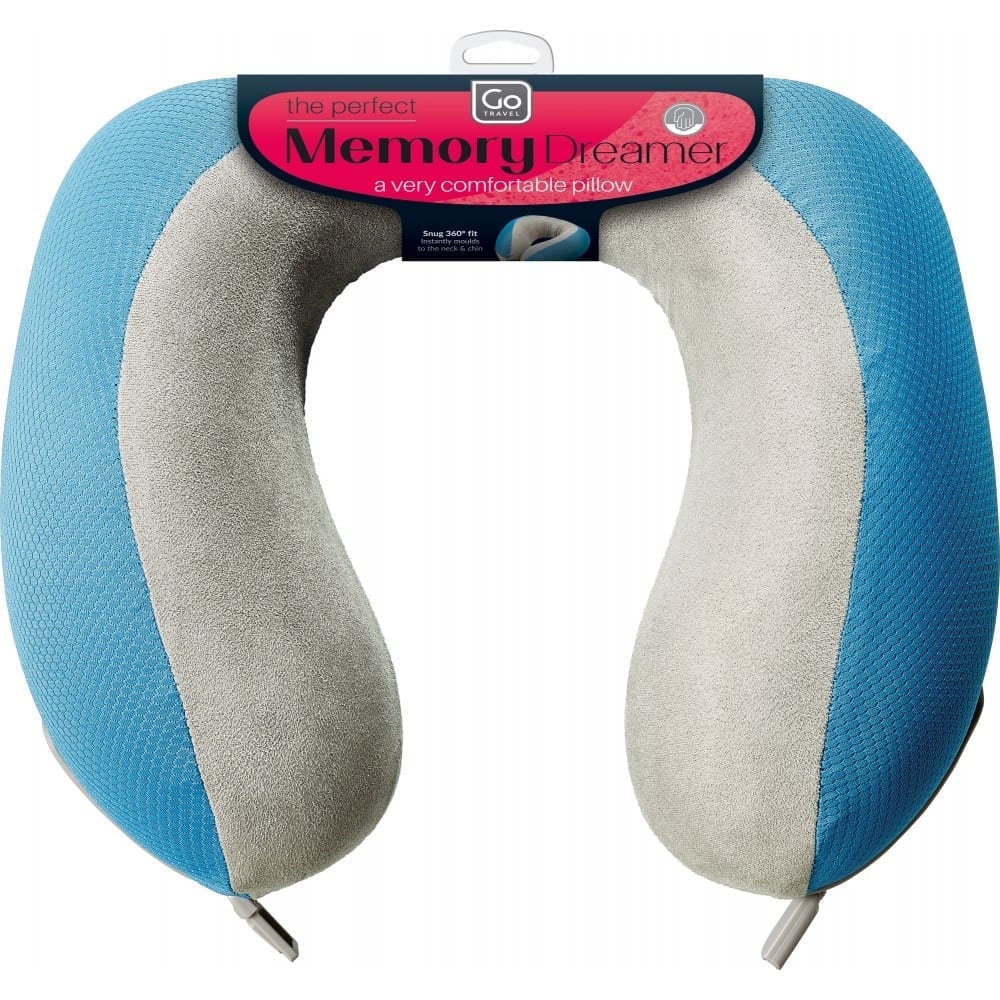
    Go Travel is to showcase its new Memory Dreamer travel pillow at the upcoming TFWA Singapore show. The new pillow combines deluxe memory foam with an elasticated front closure for an individual fit.

    Its design is gradually tapered at the rear allowing the head to slope gently backwards.

    In addition to the three standard colours (blue, navy and grey) in the international range, the new design will be launched in eight additional colours in Singapore. These range from neon coral to citrus hues of orange, lemon and lime, jewel tones of ruby red, turquoise and purple.

    DELUXE MEMORY FOAM

    Designed with a deluxe memory foam which has increased sensitivity to respond instantly to the head’s weight and warmth, the Memory Dreamer moulds to the contours of the neck and chin for fully-structured, 360-degree support.

    According to Go Travel, which exhibited in Singapore for the first time last year, the pillow is perfect for long-haul travel and always returns to its original shape after use.

    The company said: “Following feedback from Go Travel’s debut at the show, the team identified the desire for more vibrant colour-ways and has responded with the introduction of eight additional colour options on this model.”

  • YAANA Corporate Challenge Announced for September in Thailand

    YAANA Corporate Challenge Announced for September in Thailand

    Companies across Asia are being invited to join the 2nd YAANA Corporate Challenge, which will take place in Chiang Mai, Thailand, 21-23 September 2018.

    The 2-day/3-night corporate networking event has been designed for business people interested in environmental best practice. By day, the participants ride bicycles to see the best of northern Thailand scenery. Participation in the bike rides raises funds for Operation Smile Thailand. The charity pays for operations for Thai children to fix debilitating deformities such as cleft lip.

    Evenings in Chiang Mai will feature relaxed activities such as a cocktail reception and dinner to replenish calories burnt by day. The Friday evening dinner will feature a guest speaker. The closing dinner on Sunday night will take place at an iconic location in Chiang Mai city.

    The annual cycle ride was conceived by responsible tourism investor, YAANA Ventures. Khiri Travel and cycle trip specialists, Grasshopper Adventures, will handle logistics. YAANA is leading the sign-up and fundraising component.

    “It is not a cycle race,” says Mark Remijan, CFO of YAANA Ventures. “Far from it. Our priority is corporate networking and fundraising based on sustainability and conservation themes. It’s also about health, enjoying amazing scenery, and raising funds that will enhance young people’s lives.”

    Only a moderate amount of fitness is required. The bike ride element will offer two options: 140kms or 100kms over two days. This comes with full back up support van and plenty of good food and refreshments along the way.

    Last year the male and female riders in the YAANA Corporate Challenge raised US$25,000 for Operation Smile. They are targeting around US$40,000 this year.

    The funds will be used to pay for operations, after care and speech therapy for Thai children born with facial deformities. Kind-hearted companies can sign up teams of one to three riders depending on their sponsorship package: platinum (three riders for THB175,000/US$5,600), gold (two riders for THB125,000/US$4,000), or silver (a single rider at THB75,000/US$2,400).

    Packages include bikes with full technical support, accommodation, corporate branding, apparel, meals, souvenirs, publicity for participating brands, and more.

    The inaugural YAANA Corporate Challenge bike ride took place in coastal central Vietnam in September 2017. Companies interested in participating this year can view the Vietnam clip as a guide to what to expect in Chiang Mai.

    The YAANA Corporate Challenge is open to business leaders from any sector, says Willem Niemeijer, CEO of YAANA Ventures.

    “Participants from any industry can join,” says Niemeijer. “They should be passionate about people and planet as well as profits – and ready to get in the saddle to enjoy great scenery by day, and the exchange of ideas in the evening.”

  • Utilities Providers Select SAP Software to Drive Convenience and Personalization for Customers

    Utilities Providers Select SAP Software to Drive Convenience and Personalization for Customers

    SAP today announced that more providers are choosing SAP Hybris solutions for utilities to stay ahead of the industry, support generation of new revenue and increase profits. Integration of the SAP Hybris solution into SAP S/4HANA, utilities billing capabilities and industry-specific capabilities of the SAP Customer Relationship Management application are helping providers deliver expert advice and bundled services with relevant offers.

    SAP Hybris Customers Reimagine Engagement Opportunities

    The utilities industry is experiencing a period of rapid transformation, with competition on the rise and reregulation, decarbonization and decentralization transforming expectations. As a result, utilities need to offer more than their core energy service. According to a recent IDC survey (“Energy End Consumer Survey”), engagement within the utilities industry remains a challenge. The survey found that:

    • 52 percent of consumers contact their energy supplier less than once a year
    • 51 percent note that self-service engagement channels “never” work properly
    • 52 percent of utility consumers do not understand what they are paying for

    With SAP Hybris solutions, utility providers are able to analyze data quickly and create a 360-degree view of their customers so that they can sell innovative, turnkey solutions and services in real time to increase their revenue stream.

    Companies who have recently selected SAP software include the following:

    EneRa in Germany is at the helm of digital transformation, combining new technology with business trends such as the sharing economy. Subsidized by the government as a research project, EneRa implemented the SAP Hybris Revenue Cloud solution and SAP Cloud Platform with machine learning capabilities to build a solution for collecting its customers’ compute power to use in times of overproduction by renewable energy to transform electric power into actual results of machine learning algorithms. Universities and companies can access these CO2-neutral distributed data centers for machine learning, which are similar to supercomputers.

    “With SAP Hybris solutions for utilities we have been able to take advantage of next-generation technology to reduce waste through renewable resources,” said Christian Arnold, managing director, EneRa, EWE. “With machine learning capabilities, we have been able to harness excess energy to deliver an entirely new product and deliver added value through our CO2-neutral data centers.”

    REWAG needed a simple-to-implement, user-friendly solution to structure its customer and sales information in one place. Its sales teams required mobile online and offline access so they could access and enter data on the go at customer sites. After implementing the SAP Hybris Cloud for Customer solution in only 50 days, REWAG was able to get a clearer, more utility-focused view of customers, speeding sales and helping REWAG serve its customers through tight integration with its SAP-based utilities capabilities.

    Jemena owns and operates a diverse portfolio of energy and water transportation assets in Australia supplying millions of households and businesses with essential services every day. Jemena has deployed SAP Hybris Cloud for Customer in just eight weeks to deliver a single customer view to staff in the office and the field.

    TXU Energy is the largest electricity provider in Texas with 1.7 million customers. After introducing new products such as Web-controlled thermostats and home and HVAC system service warranties, TXU integrated SAP Hybris Billing into its existing solution to consolidate billing for all energy- and non-energy-related services.

    Dynamic Offerings to Build New Revenue Streams

    “SAP Hybris solutions are providing a foundation for utilities companies to look at their business through a new lens,” said Matthias Goehler, senior vice president, head of SAP Hybris industries. “By eliminating the guess work from customer data, supporting dynamic pricing models and facilitating omnichannel engagement, we’ve helped companies push the boundaries of what’s possible within the utilities space by building new revenue streams and opening the door to a more competitive marketplace.”

    SAP has been recognized for its industry-leading solution for 12 consecutive years in the Gartner Magic Quadrant for Utilities Customer Information Systems. Additionally, SAP is a Leader in the IDC MarketScape: Worldwide Subscription Relationship Management 2017 Vendor Assessment.

  • Aguilas ink pact with Cebu Pacific

    Aguilas ink pact with Cebu Pacific

    THE Davao FC Aguilas travel a lot. With the 2018 season of the Philippine Football League already under way, the Aguilas having a national carrier as one of their sponsors is a blessing indeed.

    General Manager Michael Shaw said the team is very grateful after Cebu Pacific came forward to help as their main sponsor in their coming home-and-away games.

    “In terms of the PFL format, the matches are home and away and definitely signing a sponsorship agreement with Cebu Pacific helps,” said Shaw after a signing an agreement with Candice Iyog, Vice President for Marketing and Distribution at the Cebu Pacific’s head office (8007 Domestic Rd in Pasay City).

    The Aguilas currently have a 2-2-2 win-draw-loss record and they are close to making it to the AFC Cup Group Stage.

    They have games set in Bacolod, Tagum City, Cebu City, Marikina City, Iloilo City and Binan City.

    “It’s a privilege to partner with a team that represents Davao. We’ve always been associated with Cebu. And it’s important that we spread our wings and sponsor teams that are from other parts of the country,” said Iyog.

    The team’s players include Phil and James Younghusband, goalie Nick O’Donnell, Ronilo Bayan Jr., Matthew Hartmann, Simone Rota, Brad McDonaldo and Jason de Jong.

    They also have James Younghusband, Angel Guirado.Harry Sawyer, Phil Youghusband, Takashi Odawara, Jorrel Aristorenas, Josh Grommen, Omar Khan and James Hall, among others.

    Ceres of Cebu currently leads the standings with three straight wins.

  • India generated the highest growth rate in Asia-Pacific

    India generated the highest growth rate in Asia-Pacific

    In January, passenger traffic across Asia-Pacific recorded a +4.4% increase whereas the Middle East reported a small reduction of -0.4% compared to the same period last year. This month’s traffic was largely distorted by the later timing of Chinese New Year (CNY) compared to last year, resulting in slower growth in many countries for the month.

    India generated the highest growth rate in the Asia-Pacific region at approximately +15% in January, backed by robust domestic demand. India’s domestic sector has experienced a period of high growth since 2015 and continued to have strong momentum. Among the top 10 airports driving domestic passenger traffic volume in January seven came from India. Led by: Delhi (DEL) +12.6%, Bangalore (BLR) +19.8% and Hyderabad (HYD) +24.8%.

    The shifting timing of CNY has resulted in China’s growth slowed to approximately +2% in January. The busiest airports in the country all reported small decline or marginal increase for the month: Beijing (PEK) -0.4%, Shanghai Pudong (PVG) +0.3%, Guangzhou (CAN) +0.7%.  Passenger traffic is expected to rebound significantly for China in February 2018.

    Elsewhere in the region, vibrant international passenger travels benefited a number of markets in driving volume increase for the month. Top runners were: Seoul Incheon (ICN) +8.2%, Kuala Lumpur (KUL) +4.9%, and Bangkok Don Mueang (DMK) +7.4%.

  • International Digital Music Distribution Company – ABC DIGITAL – to start operations in India

    International Digital Music Distribution Company – ABC DIGITAL – to start operations in India

    ABC Digital, an international music distributor with HQ in London, UK is now entering the Indian market, to promote & distribute music.

    Established in 1965 in the UK, ‘ABC’ is a pioneering brand associated to the South Asian Music Industry. ‘ABC Music Shop’ was well known as the UK’s first Indian Record store based in Southall, London, and was appointed as official distributor for Indian record labels such as Saregama, T-Series & Venus. In 2006, the store was selected as an expert curator for Nokia’s Music Recommender Service, which sparked ABC’s interest in the digital space & in 2008, ABC Digital was formed. The new branch licensed content from over 60 British-Asian Record Labels within 6 months directly to Apple iTunes.

    ABC Digital aggregates & distributes content from areas of India, UK, Pakistan, USA & Canada and is currently distributing music on all major web & mobile stores like Apple Music, Google, Amazon, YouTube, Spotify, Saavn & Gaana to name a few.

    The beginning of their operations in India will see big partnerships happening with mobile operators for distribution of full length tracks, CRBTs and other mobile entertainment related products.

    “ABC Digital’s content library boasts having over 50k songs, which over the past 10 years have consistently featured in the top 10 World Genre charts on platforms like iTunes, Spotify & Saavn. We are also consistently increasing our content portfolio and expanding our services to include publishing & marketing initiatives as well as expanding distribution reach to all leading digital services” says Gautam Puri, CEO & Founder of ABC Digital.

    Artists in their portfolio include the likes of Diljit Dosanjh, Panjabi MC, Imr

  • Ikea open new store in Hyderabad, mid July

    Ikea open new store in Hyderabad, mid July

    Ikea India says it will launch its first store in Hyderabad in July.

    This follows the Swedish furniture maker opening a “Hej Home” experience centre in the city in November to familiarize locals with brand.

    Covering 400,000sqft in Hi-tech City, the debut store will have more than 7000 products on display, says Ikea Hyderabad store manager John Achillea.

    It is six years since the company was given permission for single-brand retail, and a month ago it announced the appointment of Peter Betzel as its CEO for India. Betzel came in from Germany, its largest market, to look after what the company describes as “one of its most important growth markets”.

    Previously Ikea has announced plans to open 25 stores by 2025. It has also bought land parcels in Bengaluru, Mumbai and New Delhi to build stores, with more land to be acquired in cities such as Ahmedabad, Chennai, Kolkata, Pune and Surat.

  • Razer aims to take over MOL

    Razer aims to take over MOL

    Gaming company Razer aims to take over Southeast Asian virtual gaming credits and e-payment platform MOL Global at a valuation of US$100 million.

    Razer already holds a nearly 35 per cent stake in the platform.

    Razer co-founder/chief Tan Min-Liang says the acquisition will enable Razer to take over one of Southeast Asia’s largest e-payment networks, deepen its presence in the “under-served” region, and create one of the world’s largest virtual-credit platforms for gamers.

    In August, Tan took up Singapore Prime Minister Lee Hsien Loong’s Twitter challenge for an e-payment proposal to turn the state into a cashless society. The following month, Razer proposed to develop and deploy an e-payment system, RazerPay, for which it would commit S$10 million in seed funding.

    Tan this week said the system would also enable cashless capabilities in Southeast Asia as well. It would be complementary and accretive to Razer’s gaming business.

    Razer, which is dual-headquartered in Singapore and San Francisco and listed on the Hong Kong Stock Exchange, says it will pay about US$61 million to acquire 65.1 per cent of MOL’s issued share capital.

    The acquisition will be by way of a statutory merger, upon which MOL will become a wholly owned subsidiary of Razer.