Category: Living

Retail News Asia is committed to providing both local and global retailers with the latest Living news throughout the Asian market. This on a daily base.

  • Indonesia’s Go-Jek Poised for Imminent Southeast Asia Expansion

    Indonesia’s Go-Jek Poised for Imminent Southeast Asia Expansion

    Indonesian ride-hailing and online payment company Go-Jek is set to announce its first expansion to another country in Southeast Asia in the “next few weeks,”.

    Go-Jek also plans to expand to three other Southeast Asian countries by the middle of this year, the email quoting Go-Jek chief executive Nadiem Makarim said.

    News of the plans come after Uber Technologies agreed this week to sell its Southeast Asian business to regional rival Grab.

    The industry’s first big consolidation in Southeast Asia, home to about 640 million people, could put pressure on Go-Jek, which is backed by Alphabet’s Google and China’s Tencent Holdings.

    Nadiem described that Uber deal as a “great opportunity” because “fewer players means a smoother path to continued and deepened market leadership” for Go-Jek in Indonesia.

    Ride-hailing companies throughout Asia have relied heavily on discounts and promotions, driving down profit margins and increasing pressure for sector consolidation.

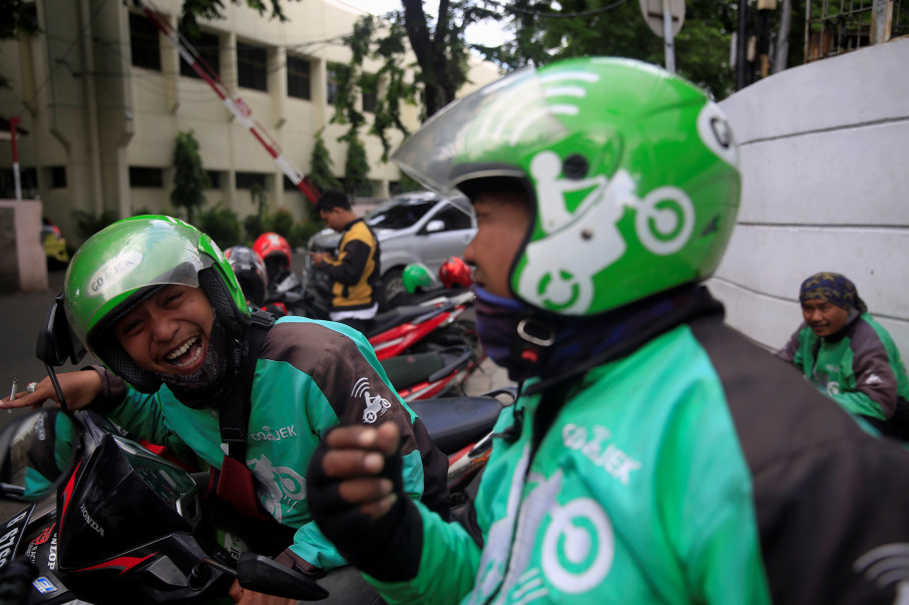
    Go-Jek, a play on the local word for motorbike taxis, has grown rapidly since the startup launched eight years ago in Indonesia, a county with a population of more than 250 million people.

    Customers can get drivers to deliver everything from meals and to cleaners and hairdressers, via a smartphone app – helping it become a crucial workaround in cities such as Jakarta with some of the worst traffic in the world.

    Nadiem did not name the countries targeted for expansion in the email, but Go-Jek’s chief technology officer has previously said it aimed to set up operations in the Philippines this year.

    “Preparations are well under way and within the next few weeks our first new country launch will be announced,” the email quoted Nadiem as saying.

    “This will be followed by three other countries in Southeast Asia by the middle of the year.”

    Citing the financial and strategic backing of its local and global partners, he added: “We are confident that we have more than enough support to take one of the most amazing growth stories in the world from being an Indonesian phenomenon to a global one.”

    Google, Singapore investor Temasek and China’s Meituan-Dianping are among investors in Go-Jek as part of a major fund-raising round.

    Makarim said that a “significant portion” of capital raised has been set aside for international expansion.

  • Grab agrees to increase drivers’ income

    Grab agrees to increase drivers’ income

    Grab Indonesia, a ride-hailing application provider, plans to take measures to increase the income of its drivers in response to their protest earlier this week.

    “We will study this. We all agree to make a joint effort to increase the income [of the drivers],” said Grab Indonesia managing director Ridzki Kramadibrata in Jakarta on Wednesday.

    Ridzki and a representative of Go-Jek, another ride-hailing application provider, were at the palace on the invitation of Presidential Chief of Staff (KSP) Moeldoko to discuss the issue, following the meeting between President Joko “Jokowi” Widodo and representatives of the protesting drivers on Tuesday.

    Jokowi received the drivers’ representatives after thousands of drivers hit the street on Tuesday morning to demand the tariff increase, which was Rp 1,600 (12 US cents) per kilometer.

    During the meeting, Jokowi promised mediation between the drivers and the ride-hailing application providers.

    Riszki said he would soon announce the results of the study and get ready to talk to government officials.

    “The government has shown goodwill by asking us to negotiate [with the drivers]. We have already understood the problem. It is about income. But the drivers have to understand that tariffs are not the only factor in increasing their incomes,” he said.

    Meanwhile, Moeldoko said the drivers demanded the tariff increase to Rp 4,000 per km from Rp 1,600.

    He said the Transportation Ministry had also made calculations about the new tariffs that would be proposed in the mediation meeting.

  • Bedgear and Dunlopillo to partner in Thailand market

    Bedgear and Dunlopillo to partner in Thailand market

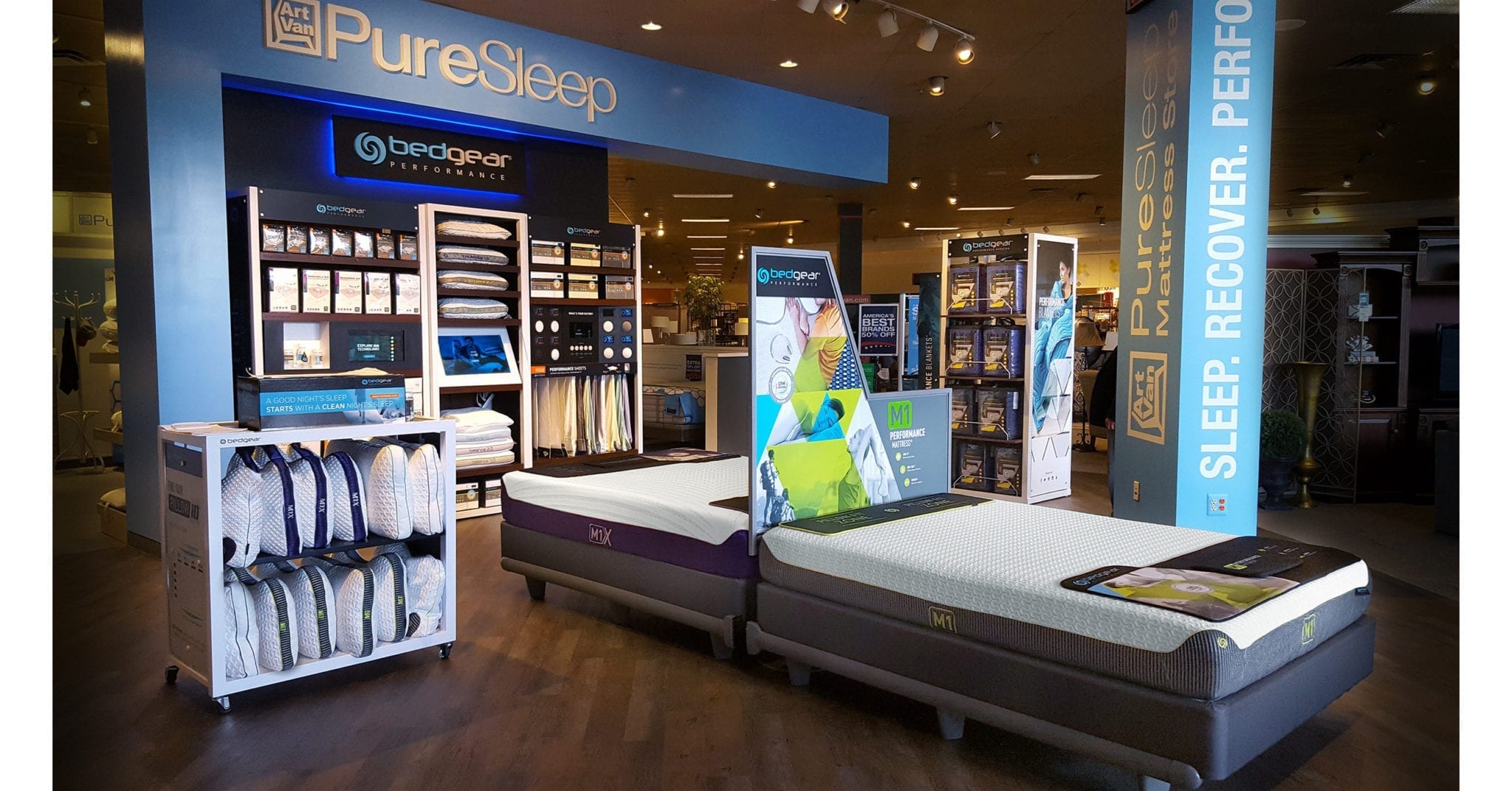
    Bedgear Thailand has launched Bedgear Performance Sleep Shops in Thailand.

    The American company has international outlets in more than 10 countries, including China.

    “The interest we saw for Bedgear Performance Sleep Shops over eight years in the US has been surpassed by international demand in just 18 months,” says Bedgear CEO Eugene Alletto.

    In partnership with Thailand distributor Dunlopillo, Bedgear has opened shops with retail partners Chic Republic, Mattress City and SB Furniture, with plans in place for expansion.

    “It is refreshing to partner with a company that understands the benefits of sleep transcend the time spent in bed,” says Dunlopillo Thailand MD Pisit Ongsritragul.

  • Jakarta hosts Southeast Asia pharmaceutical ingredients exhibition

    Lawmakers, professional associations and pharmaceutical industry players came together in Jakarta at the Convention on Pharmaceutical Ingredients Southeast Asia (CPhI SEA) 2018 from March 27 to 29.

    They are expected to get together; interact and exchange ideas on improving the pharmaceutical industry, said exhibition organizing agency PT UBM Pameran Niaga Indonesia president director Christopher Eve in Jakarta on Tuesday.

    He said the organizers expect 5,000 visitors to attend the event.

    “Through this event, pharmaceutical industry players can showcase their technological innovations, trade ideas and collaborate with each other,” Eve said.

    Meanwhile, Health Ministry pharmaceutical and health equipment director general Maura Linda Sitanggang expressed hope that the event would boost investment in the pharmaceutical industry.

    “Since this event allows people to interact with each other, I think it is possible for people to trade ideas and information regarding resources and technology,” she said at the opening ceremony of the event.

    The three-day event was held at the Jakarta International Expo Kemayoran and attended by 260 participants from Romania, Kuwait, Saudi Arabia, Cyprus, the Czech Republic, Austria and Ireland.

    The event features a conference, start-up forum, innovation gallery, technology updates and business matching program.

  • Uber Users Need to Transfer to Grab Platform Soon

    Uber Users Need to Transfer to Grab Platform Soon

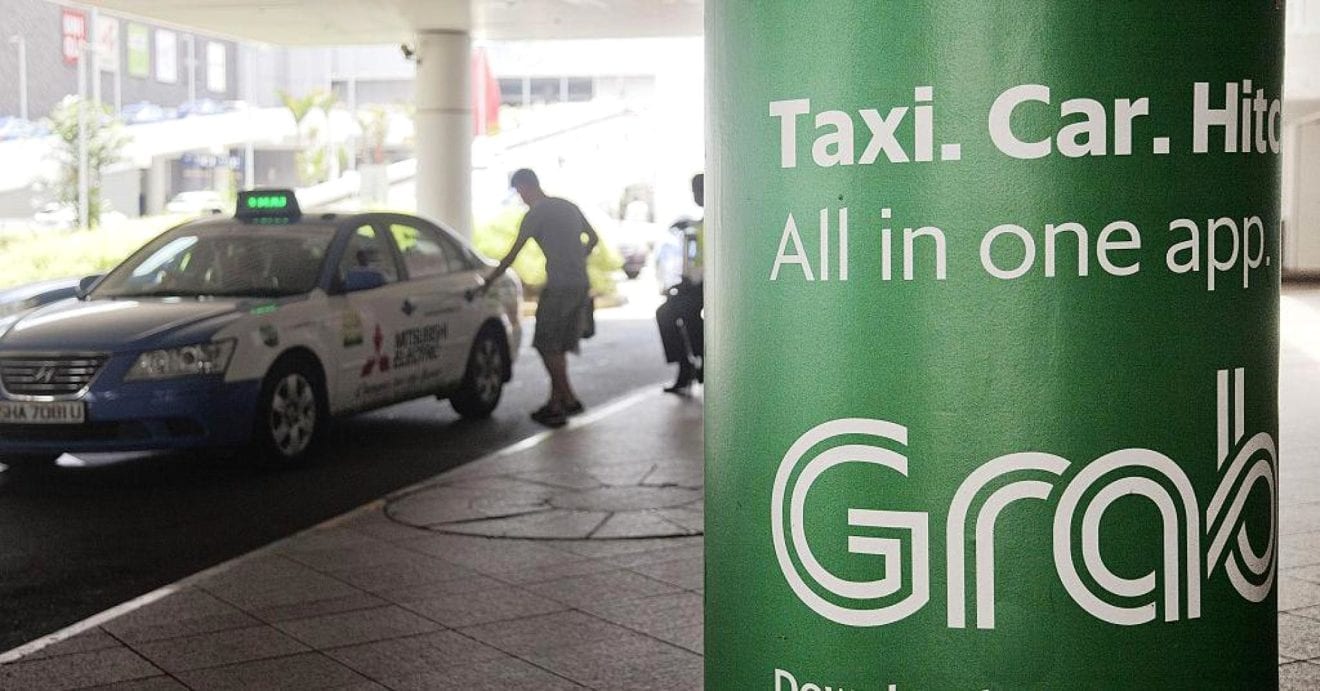
    Uber ride sharing drivers and customers in Jakarta and other 50 Southeast Asian cities have until April 8 to transfer their accounts to Grab, following an announcement on Monday (26/03) that Uber will sell its business in the region to the Singapore-based Grab.

    Under the deal, Uber will hand over its operations and assets in Southeast Asia in exchange for a 27.5 percent stake in Grab — which according to latest valuation round put its value at $6 billion. Grab will also let Uber chief executive Dara Khosrowshahi join its board of directors.

    “Uber will be combining our operations with Grab to lead you in the next chapter of ridesharing in Indonesia and across Southeast Asia,” the company said in a statement to customers on Monday.

    “What this means for you: we will be transitioning our services over to the Grab platform by April 8, 2018, so all requests after that date should be made from the Grab app. However, you can still use the Uber app in more than 80 countries around the world,” the company said.

    Grab’s acquisition of Uber will challenge its main competitors, including Indonesia’s homegrown Go-Jek. Go-Jek is backed by Chinese technology giants Tencent Holdings.

    Grab said it will further develop an online-to-offline platform by creating GrabCycle, an offline marketplace for shared bicycle rent services, and GrabShuttle Plus, an in-demand platform to provide bus services for certain routes.

    As part of the acquisition plan, the GrabFoods service will further expand in Singapore and Malaysia. The food service integration is slated to finalize in the first half this year.

    Aside from food and online-to-offline services, Grab will also expand its payment services as it plans to offer micro-financing, insurance service deals and other financial services.

    “Together with Uber, we are now in an even better position to fulfill our promise to outserve our customers. Their trust in us as a transport brand allows us to look towards the next step as a company: improving people’s lives through food, payments and financial services,” said Anthony Tan, Grab Group chief executive and co-founder.

    The acquisition of Uber, which has forfeited its operations in eight countries in the region, is similar to the deal China’s Didi Chuxing made in 2016 that bought out Uber’s business and operations in the country for $35 billion, and its third retreat after selling its operations in Russia to local company Yandex in 2017.

    “It [the deal] will help us double down on our plans for growth as we invest heavily in our products and technology to create the best customer experience on the planet,” Khosrowshahi said.

  • Vietnam’s tourism needs urgent reform to take off

    Vietnam’s tourism needs urgent reform to take off

    Vietnam’s tourism industry is booming and is fast becoming the driving force behind economic growth – but it also faces calls for reform to keep up with high standards.

    The “smoke-free” industry has witnessed spectacular success in the past few years with higher growth rate every year.

    Last year, nearly 13 million foreign visitors came to our shores, earning the country more than VNĐ500 trillion (US$22 billion). That’s up 30 per cent and 20 per cent year-on-year, respectively.

    Over the decade, the number of international visitors to Việt Nam has tripled while revenue has increased by nine times.

    Việt Nam’s tourism ranked sixth in the top 10 fastest growing tourism destinations globally and was crowned the best performer in Asia in 2017. The industry last year contributed 7.5 per cent to the nation’s GDP.

    With such impressive achievements, tourism has been identified a key economic sector by 2020. It can help boost the development of other sectors including construction, real estate, retail, education and job opportunities

    A Politburo resolution on developing tourism and seeing it evolve into a major player in Việt Nam’s economy was introduced last year.

    The nation hopes to welcome 17-20 million foreign arrivals and 82 million domestic tourists by 2020. Tourism revenue is expected to reach $35 billion, contributing 10 per cent to the country’s GDP by then, and the industry may create four million jobs, including 1.6 million direct jobs.

    Bottlenecks

    Tourism is forecast to maintain strong development in the next few years thanks to the Government’s support policies, determination of provincial authorities and dynamic development of both businesses and communities.

    However, such rapid expansion is exposing many challenges and if the industry cannot be restructured to break bottlenecks it could be beaten by overdevelopment.

    “Rapid increase in the number of visitors to Việt Nam in the short term is putting the industry under great pressure of transport infrastructure, human resource and destination management capacity,” said Nguyễn Quý Phương, director of Travel Management Department under the Việt Nam National Administration of Tourism.

    Phương said infrastructure deficiencies, particularly overloaded airports, will likely make tourists worn out due to long waiting while the lack of adequate human resource and public management capacity in destinations will affect service quality.

    In reality, airports in major cities such as Hà Nội, HCM City, Huế and Đà Nẵng, are facing the overload trouble.

    Half of the people who visited from overseas last year flew into Tân Sơn Nhất International Airport in HCM City. It was built to accommodate 25 million passengers per  year, but in 2016, 32 million came through its doors.

    According to Travel and Tourism Competitiveness Index 2017 of the World Economic Forum, Việt Nam’s tourist service infrastructure ranked 113th out of 136 economies, airport infrastructure 61st, ground traffic 71st, IT platform 80th, clean and safe environment 82nd and international openness (mainly visas) 73rd.

    “Urgent attention should be paid to upgrade of transport infrastructure, including seaports in the context of increasing demand for cruise tourism, as well as improvements in visa and immigration procedures,” Phương said.

    Vũ Thế Bình, deputy chairman of Việt Nam Tourism Association, also stressed the need to create a greater experience for visitors, highlighting the problems with visas.

    Việt Nam has granted visa waivers for visitors from 24 countries while applying electronic visa to citizens of 46 countries. However, according to Bình, these numbers are still feeble compared with Thailand which awards free-visa for tourists of 67 countries and Indonesia which waives visa for citizens of 169 countries and territories.

    “Not only that, also procedure of visa exemption applied for foreigners is quite complicated, creating inconvenience and displeasure for both foreign visitors and travel companies,” Bình was quoted as saying on the Thời báo kinh tế Việt Nam.

    Collective economic sector

    For a long time, Việt Nam’s tourism has been developed in a spontaneous manner.

    Individuality is key, and many regions hope to promote their own unique brands to showcase to the world but they mostly do so in keeping with the national strategy.

    Important things to consider include tourists’ needs, promotional campaigns, infrastructure, human resources and management.

    According to Trịnh Thị Mỹ Nghệ, vice chairman of Hà Nội City Tourism Association, tourism is not a  single industry but a collective one relating to other sectors and subjects.

    “Good infrastructure, management, safety, hygiene and friendly citizens are all surface factors to attract visitors,” Nghệ said.

    “Travel companies design and sell products to tourists and the local authorities are responsible for organisation and management of destinations.

    “Apart from visiting beautiful landscape, foreign tourists coming to Việt Nam want to learn more about Vietnamese culture, meet and experience the local living,” she said, adding that responsibility of businesses and community is to study customer demand to design attractive products.

    Tourism development also requires inter-regional coordination. Việt Nam has developed several successful regional tourism brands such as the connection of the eight Northwestern provinces and cluster of the three central provinces (Thừa Thiên-Huế, Đà Nẵng and Quảng Nam).

    The Government is also urged to improve the business environment to ensure the deep participation of private businesses and community in the national tourism development strategy.

    Việt Nam hopes for around 16 million foreign visitors, 80 million domestic arrivals and VNĐ620 trillion in total tourism revenue in 2018. These are considered achievable goals but collective efforts among management agencies, businesses, communities and professional organisations are needed to ensure sustainable development in the future.

    But as the country evolves, one thing that each and everyone can do, is welcome our visitors with the traditionally Vietnamese smile.

     

  • Popular American furniture store Ashley Furniture HomeStore opens in Singapore

    Popular American furniture store Ashley Furniture HomeStore opens in Singapore

    US retailer Ashley Furniture HomeStore has opened its first Singapore outlet, in Kallang Way.

    On the ground floor, the 7000sqft store offers items for the living room, dining room, bedroom, family spaces and home office. These include beds, clocks, sofas and vases from five lifestyle collections: Contemporary Living, New Traditions, Family Spaces, Vintage Casual and Urbanology.

    The showroom offers the entire range of King Koil mattresses, as well as made-to-order sofas and sofa beds exclusive to Singapore. It also sell three types of the Sleepace sleep-tracking device. All products are also available online.

    A second Ashley Furniture HomeStore will open in Sungei Kadut Drive next month.

    Over the next three months, Ashley will set up augmented and virtual-reality headsets to help customers better visualise how various items of furniture might fit into their homes.

    Founded in 1945 in Wisconsin, Ashley Furniture has more than 800 stores in 45 countries, including China, Indonesia and Vietnam.

  • WeChat has now 1 billion monthly active users

    WeChat has now 1 billion monthly active users

    China’s popular messaging app WeChat now counts 1 billion monthly active users (MAU) worldwide, up 12% from 889 million MAU in Q4 2016, according to Tencent CEO Pony Ma.

    Ma said the platform reached the record figure during last month’s Lunar New Year Festival. However, it’s important to note that Tencent refers to MAU as user accounts, rather than individuals.

    WeChat users can create multiple accounts, and it’s common for a user to create both a personal account and a business account. For WeChat users, the app acts as a central hub of the digital world — consumers use it to perform tasks ranging from texting and calling friends, to paying bills for goods and services, to booking doctor appointments.

    WeChat’s recent user growth is likely driven by international users. Most of the recent user growth likely came from Southeast Asia, Europe, and the US, according to founder of WeChat-focused consultancy ChinaChannel Matthew Brennan.

    With WeChat nearing saturation within its domestic market, the Tencent-owned company is banking on international expansion to drive growth. Roughly 83% of all smartphone users in China use WeChat. WeChat’s penetration of smartphone users jumps up to 93% in China’s Tier 1 cities. As of August 2017, there were around 100 million international WeChat users.

    However, WeChat may hit a speed bump as it looks to expand further internationally. Although chat apps are rapidly spreading globally, many countries and regions already have one app or another that dominates. For example, WhatsApp and Facebook are the preferred chat apps for a majority of smartphone users globally, especially Android users, with a few exceptions including China, Japan, and South Korea. WeChat will face some difficulty swaying users already signed up to these apps.

  • Blockchain might beat crooked contractors

    Blockchain might beat crooked contractors

    Brothers Frideric and Alexandre Prandecki’s journey to success in the home repair business started with a simple problem – their air conditioner broke in the Las Vegas heat.

    Rather than scan the local yellow pages, the brothers called in a repairman with a five-star rating through the Google for Work platform.

    “A guy comes in, big company, with his gadget and says, ‘Your AC unit is down, shot broken, you can’t even fix it, don’t repair it,” Frideric Prandecki said in an interview in Seoul. “I can give you a call, it’s $5,500 for a small unit.”

    The evaluation sounded fishy to Prandecki. He called another independent repairman named Nicu, who had a license but wasn’t well-known on the contractor listing sites. But Nicu turned out to be just the guy for the job.

    “He came to the house, he checked this, checked that and looked at the air filter, which is stupid by the way, and our air filter was dirty,” Prandecki said. “He changed the air filter and cold air started blowing.”

    The brothers realized that they had stumbled upon a business opportunity – connecting honest repairmen to customers.

    The Prandeckis’ business, Bob’s Repair, which introduces honest, skilled contractors with affordable rates to customers, grew steadily since they founded it.

    Since then, Bob’s Repair has handled over $1 million in transactions and facilitated more than 50,000 service calls.

    One of the barriers to solving the problem of overcharging customers is the nature of popular contracting platforms such as Angie’s List, Home Advisor or Google for Work. Because contractors are the main fee-paying customers of those sites, reviews posted on those platforms often can’t be trusted.

    “Home Advisor or Angie’s List will take down bad reviews if there’s a big complaint,” Prandecki said. “The only contractor that’s good is the person that pays [the most].”

    The company is adopting blockchain technology to further improve transparency for customers, who are often taken advantage of by unscrupulous contractors.

    “There’s a big issue where there’s a lot of fraud,” Prandecki said. “They’re overpaying for a simple repair or a toilet installment or an AC unit.”

    Prandecki believes the solution to this problem is blockchain. In a blockchain-based system, once a transaction is made and the review for the service is posted, the review will remain visible and can’t be removed or altered.

    “Someone said my business plan would never work because contractors won’t want anyone to know how much they’re charging,” Prandecki said. “That’s a lie.”

    Prandecki believes that successful blockchain services will combine blockchain with traditional businesses. That way, customers can directly experience the advantages of blockchain in their daily life – like when they need to call a handyman.

  • Savico Vietnam shuts down taxi company

    Savico Vietnam shuts down taxi company

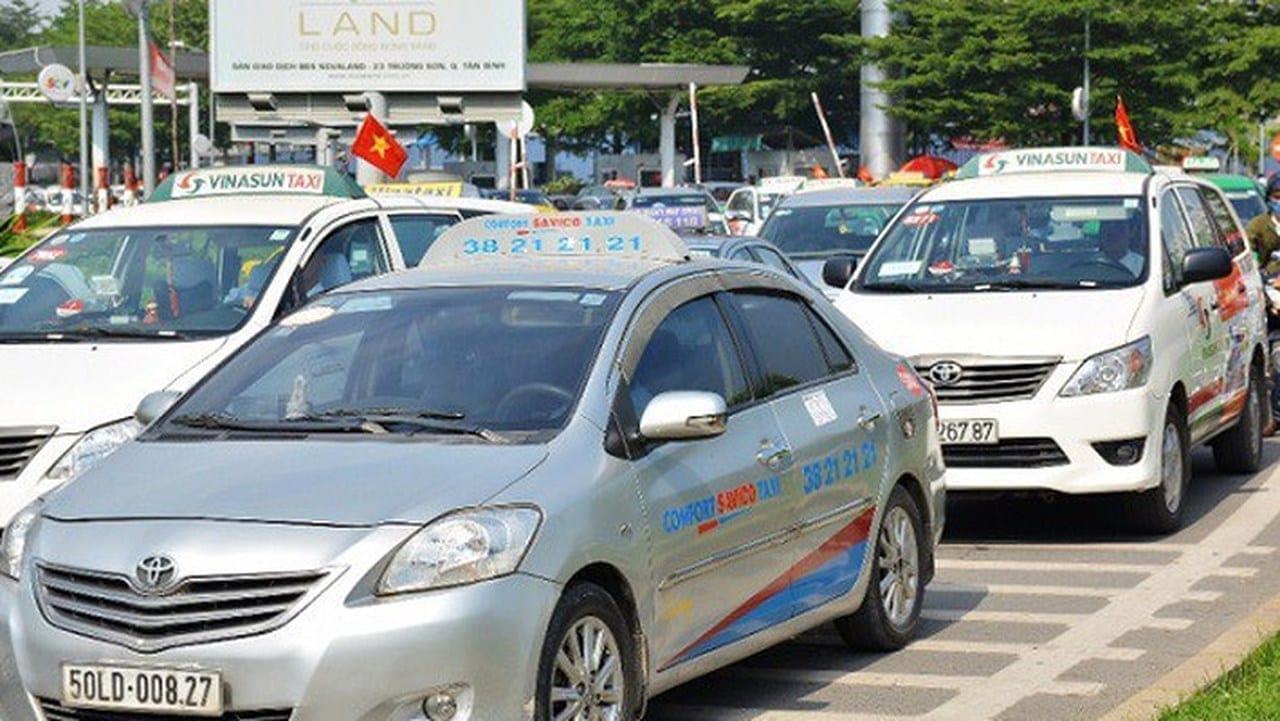
    Saigon General Service Corporation (Savico) announced to the State Security Commission of Việt Nam and HCM City Stock Exchange that its taxi brand – ComfortDelgro Savico Taxi – has been closed to preserve funds and reengineer its taxi-related business plans.

    ComfortDelgro Savico Taxi was opened in 2005 as a joint venture between Savico and ComfortDelGro Corporation Limited, a Singaporean multinational land transport company.

    Even though ComfortDelgro Savico Taxi has operated in HCM City for a long time, its market share has always been relatively modest, with a fleet of only around 400 cars, compared to Vinasun Taxi’s fleet of more than 6,000 cars.

    For the past few years the taxi company has incurred high costs due to constant improvement of its cars and service quality. However, tough competition from Grab and Uber has caused the company to struggle to make much profit from the investment.

    According to Savico’s 2017 report, ComfortDelgro Savico Taxi only made around VNĐ235 million (US$10,300) of profit, down from around VNĐ3.3 billion (US$145,000) in 2016 and nearly VNĐ7 billion (US$307,000) in 2015.

    On March 16, ComfortDelGro said that ComfortDelgro Savico Taxi has merged with Vinataxi (70 per cent of whose shares are owned by ComfortDelGro).

    According to statistics from the city’s Department of Transport, as of 2017, there were around 35,000 taxis in HCM City, including around 24,000 Grab and Uber taxis.

    Many of Việt Nam’s traditional taxi companies are struggling to compete with Grab and Uber.


  • Indonesia’s Citilink to start up to 3 new international routes in 2018

    Indonesia’s Citilink to start up to 3 new international routes in 2018

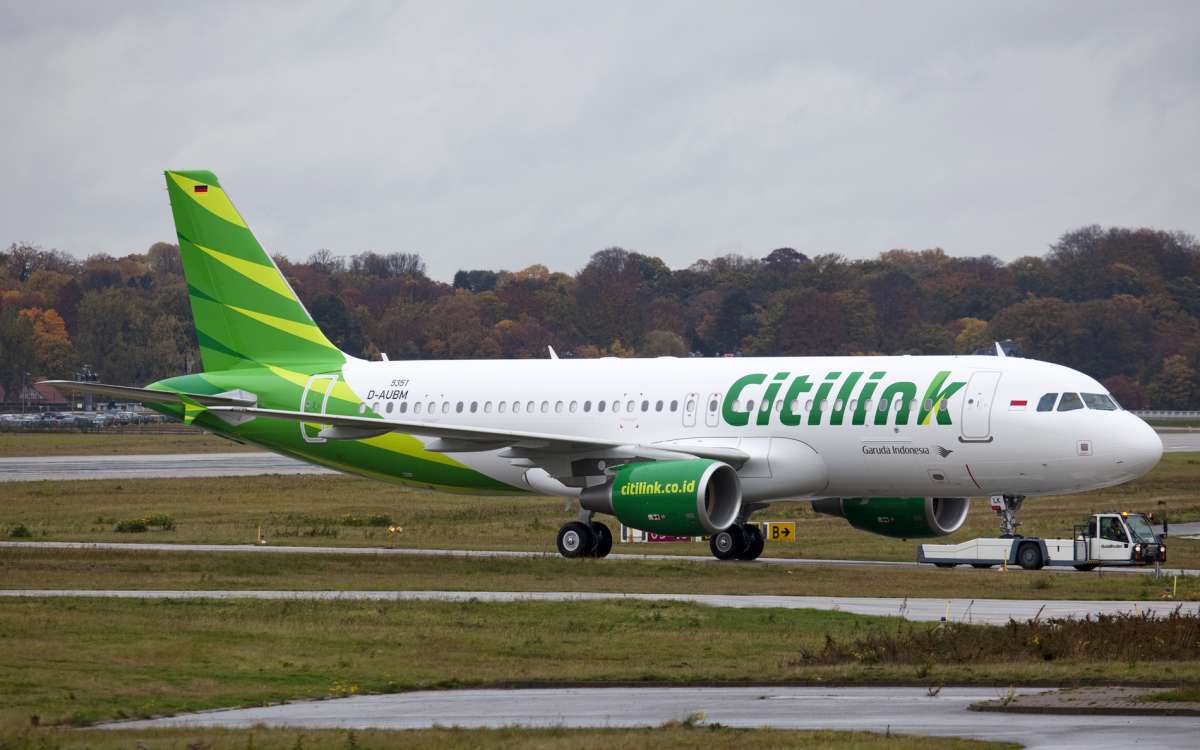
    Low-cost airline Citilink Indonesia has announced plans to serve two or three more international routes this year in addition to the Jakarta-Penang route that started operation on Sunday and the Jakarta-Dili route that has been in operation since May, last year.

    The company said it took into consideration several aspects before opening new routes, including the destination city’s gross domestic product (GDP), to assess the business prospects.

    “These [new routes] will benefit Citilink, because we can optimize the utilization of our fleet,” Citilink finance director Fransetya Hutabarat said on the Citilink flight to Penang on Sunday.

    Meanwhile, Andy Adrian Febryanto, Citilink Indonesia’s chief commercial officer, said the new routes would be within a range of four to five flying hours, a distance coverable by Airbus A320 planes.

    “We plan to expand our [route network] to a number of cities, but I cannot disclose the routes yet,” he said.

    Citilink’s inaugural flight to Penang recorded a seat occupancy rate of 97 percent, with 176 of the 180 available seats filled.

    Penang is considered an attractive destination for airlines, as it is a modern international island city that offers tourists attractions such as heritage buildings in George Town, the Gurney Drive tourist belt, Penang Hill and others.

    Planes on the route take off from Jakarta at 9:55 a.m. and from Penang at 2:50 p.m. local time. Fransetya said the firm might increase the flight frequency in the future if demand was high.

    AirAsia has served the same route for a longer time.

  • Uber agrees to sell Southeast Asia business to Grab after costly battle

    Uber agrees to sell Southeast Asia business to Grab after costly battle

    Ride-hailing firm Uber Technologies Inc has agreed to sell its Southeast Asian business to bigger regional rival Grab, the firms said in a statement on Monday, marking the U.S. company’s second retreat from an Asian market.

    The deal marks the industry’s first big consolidation in Southeast Asia, home to about 640 million people, and puts pressure on Indonesia’s Go-Jek, which is backed by Alphabet Inc’s Google and China’s Tencent Holdings Ltd.

    As part of the transaction, Uber will take a 27.5% stake in the Southeast Asian company and Uber CEO Dara Khosrowshahi will join Grab’s board.

    Expectations of consolidation in Asia’s fiercely competitive ride-hailing industry were stoked earlier this year when Japan’sSoftBank Group Corp made a multi-billion dollar investment in Uber.

    SoftBank is also one of the main investors in several other big ride-hailing firms including Grab, China’s Didi Chuxing, andIndia’s Ola.

    Ride-hailing companies throughout Asia have relied heavily on discounts and promotions, driving down profit margins.

    Uber, which is preparing for a potential initial public offering in 2019, lost US$4.5 billion last year and is facing fierce competition at home and in Asia, as well as a regulatory crackdown in Europe.

    “It will help us double down on our plans for growth as we invest heavily in our products and technology,” Khosrowshahi said in a statement.

    Grab said it will take over Uber’s operations and assets in eight countries in the region, and will expand its food delivery services.

  • Bratz Dolls maker bids to rescue Toys “R” Us

    Bratz Dolls maker bids to rescue Toys “R” Us

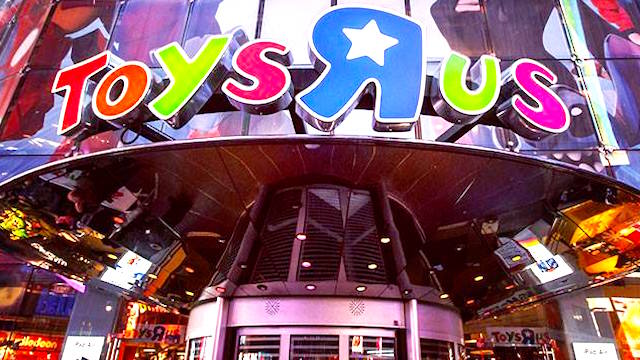
    Toy company executive Isaac Larian says he and other investors have pledged $200 million in financing and hope to raise four times that amount in crowdfunding in order to bid for up to 400 of the Toys “R” Us stores being liquidated in bankruptcy.

    The unsolicited bid still faces many hurdles, including finding other deep-pocked investors and getting a bankruptcy judge to agree to it. But this is the first public plan to keep the cherished toy brand in existence in the United States.

    Such a long-shot move would also greatly benefit Larian’s primary business. He’s CEO of Bratz Dolls maker MGA Entertainment, which relies on Toys “R” Us for nearly one in every five sales.

    Larian says he and the other investors, which he declined to name, believe salvaging part of the Toys “R” Us business will be good for the toy industry, customers and workers. They’re interested in more than half the 735 U.S. stores Toys “R” Us plans to liquidate and want to be able to use the valuable brand name.

    And they’re hoping the outpouring of affectionate nostalgia when Toys “R” Us announced its plans — #SaveToysRUs has been a trend on social media — translates into pledges toward their $1 billion goal.

    Toys “R” Us sought court approval last week to liquidate its remaining U.S. stores, threatening the jobs of some 30,000 employees and spelling the end for a chain known to generations of children and parents for its sprawling stores, sing-along jingle and Geoffrey the giraffe mascot.
    The store has an iconic place in American culture, said Larian. “We can’t just sit back and just let it disappear.” Larian, who is a billionaire, is using his own money, not MGA funds, for the bid.

    Why might Larian be successful with a retail chain struggling to stay relevant in the age of Amazon? For one thing, Larian wouldn’t have the massive $5 billion in debt that hampered the current owner of Toys “R” Us. He also says the toy industry needs a big chain like Toys “R” Us, where children can touch the toys and toy makers can test new products.

    The chain’s liquidation will have a “devastating effect” on the toy industry, said Larian, who estimates that 130,000 jobs in the U.S. could be lost when you include layoffs at suppliers and logistic operations. He said a total Toys “R” Us liquidation could mean MGA would have to lay off workers at an Ohio plant that makes the Little Tikes toy vehicles. That brand accounts for 25 percent of MGA total sales, and Larian says only Toys “R” Us really had enough room to display the cars. It’s harder to ship such bulky items on Amazon.

    The Toys “R” Us troubles have hurt big toy makers like Mattel and Hasbro, which have been key suppliers to the chain. MGA, based in Van Nuys, California, is the world’s largest privately held toy company. The planned liquidation would have a bigger impact on smaller toy makers that rely more on the chain for sales.

    “People do not realize the hole that can’t be filled by other retailers,” said Larian, noting that Toys “R” Us accounts for 18 to 19 percent of MGA’s worldwide sales. “The pipeline is too big.”

    Larian claims that if 400 U.S. Toys “R” Us stores are salvaged, he could save one-third of the 130,000 jobs.

    The planned closure of the U.S. Toys “R” Us stores over the coming months will finalize the downfall of the chain that succumbed to heavy debt and relentless trends that undercut its business, from online shopping to mobile games.

    When the chain filed for Chapter 11 bankruptcy protection last fall, it pledged to stay open. But after what CEO David Brandon called a “devastating” holiday shopping season, Toys “R” Us announced in January it would close 182 stores, and then last week that it would liquidate.

    The company said last week it’s trying to bundle its Canadian business with about 200 U.S. stores and find a buyer. Larian has personally aligned with another investor in a separate bid for those operations, though he declined to specify the value of it.

    Toys “R” Us is also likely to liquidate its businesses in Australia, France, Poland, Portugal and Spain. It’s already shuttering its business in the United Kingdom. That would leave it with the stores in Canada, as well as in central Europe and Asia. It operates more than 700 stores outside the United States.

  • Natuzzi S.p.A. Signs a Joint Venture Agreement

    Natuzzi S.p.A. Signs a Joint Venture Agreement

    Italian furniture brand Natuzzi and China’s Kuka furniture company have agreed to make the company’s wholly owned Chinese subsidiary Natuzzi Trading (Shanghai) a joint venture.

    The JV agreement is aimed at expanding the company’s retail network in Mainland China, Hong Kong and Macau. The company, the JV and Kuka have also entered into an agreement for the sale and purchase and subscription of shares In Natuzzi Trading (Shanghai).

    The agreements follow the execution of a preliminary agreement last month. Under the agreements, Natuzzi and Kuka will own, respectively, a 49 and a 51 per cent stake in the JV, which will distribute Natuzzi Italia and Natuzzi Editions branded products through a network of single-brand directly run stores and franchised stores in China, Hong Kong and Macau, as well as through online stores.

    Kuka will invest a total of €65 million (US$80 million), of which €35 million will be contributed to the JV for the subscription of a capital increase of US$567,869, and €30 million will be paid to the company as consideration for the transfer of US$486,744 of registered capital interest from the company to Kuka.

    The JV will be granted the perpetual and exclusive distribution licence for the Natuzzi Italia, Natuzzi Editions and other relevant trademarks for a consideration of €15 million.

    The transaction is subject to applicable authorisations, regulatory filings and approvals. Assuming these conditions are met, it is expected the closing will occur by August 22.

  • Toys R Us founder dies days after chain’s announced shutdown

    Toys R Us founder dies days after chain’s announced shutdown

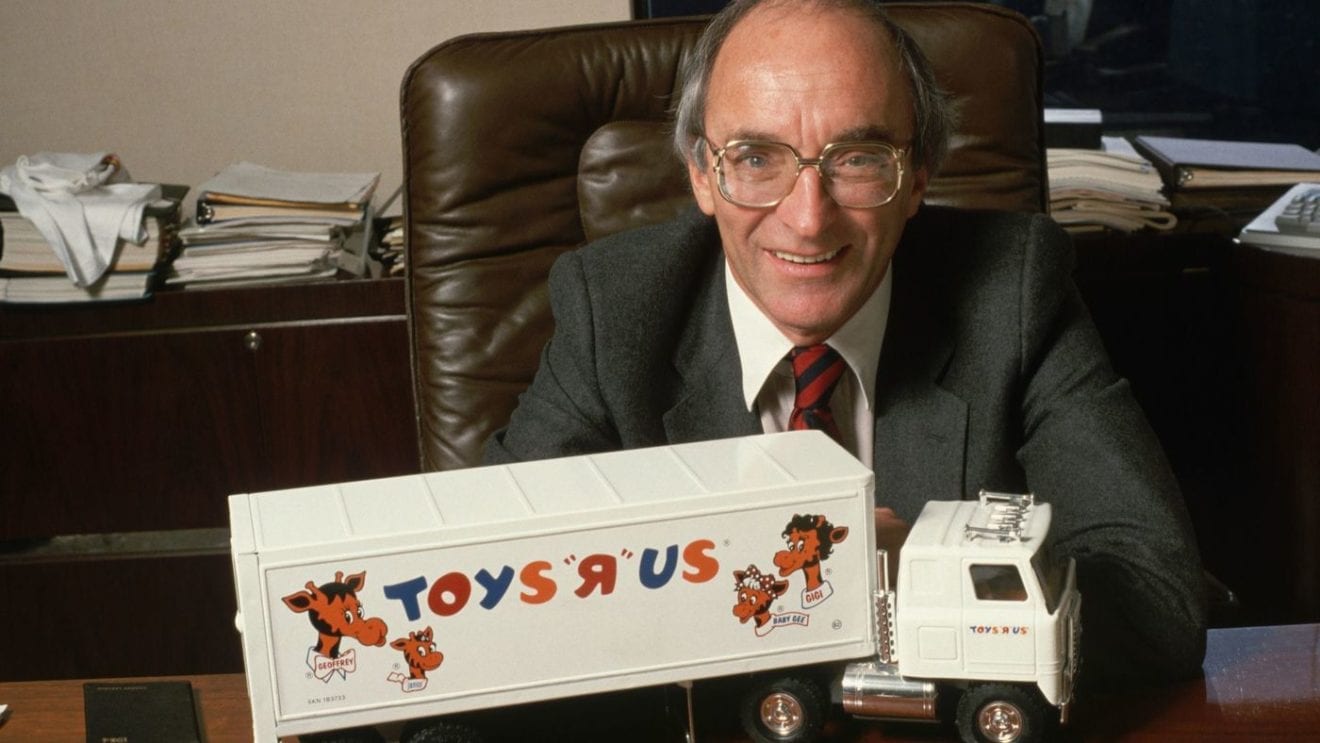
    There is sad synchronicity in the timing of the death of Toys R Us founder Charles Lazarus,  which comes as the retailer is preparing to shut up shop.

    News of the passing of Lazarus, 94, was tweeted by Toys R Us overnight. He founded the company in 1957 after returning from military service.

    The current woes of the toy giant do nothing to detract from the passion, skill, and enthusiasm that Lazarus brought to the business.

    The Toys R Us he created was an innovative and pioneering retailer that, in an era before online selling, used scale and volume to create a mecca to which generations of children were drawn.

    Unfortunately, many of the attributes that once made Toys R Us successful eventually became burdens that prevented the firm from competing in a digital era.

    Lazarus was not the author of those failures. Indeed, when he exited the firm in 1994, he left a sound business that had pride and purpose. Sadly, many – though not all – of his successors lacked his commercial intellect. Where he made sound decisions; they stumbled and made choices that would ultimately lead to the firm’s demise.

    The cold treatment of Toys R Us by private equity players during its latter days was in sharp contrast to the warmth and joy Lazarus had for – and brought to – the business at its start. Ultimately, his vision and approach were right. Retail in general and toy retail, in particular, is a business that needs emotion and enthusiasm. Once those things disappear, it is not long until decline sets in.

    The passing of Charles Lazarus is an ideal time to remember that retail is not just about numbers, metrics, and financials. It’s about passion, purpose, and strategy. Proper merchants, like Lazarus, knew this – which is one of the very many reasons he will be missed.

    Announcing Lazarus’ passing, Toys R Us commented: “There have been many sad moments for Toys R Us in recent weeks, and none more heartbreaking than today’s news about the passing of our beloved founder, Charles Lazarus, after a period of declining health. He visited us in New Jersey just last year and we will forever be grateful for his positive energy, passion for the customer and love for children everywhere. Our thoughts and prayers are with Charles’ family and loved ones.”