Category: Living

Retail News Asia is committed to providing both local and global retailers with the latest Living news throughout the Asian market. This on a daily base.

  • Electricity consumption up 7.85 percent: PLN

    Electricity consumption up 7.85 percent: PLN

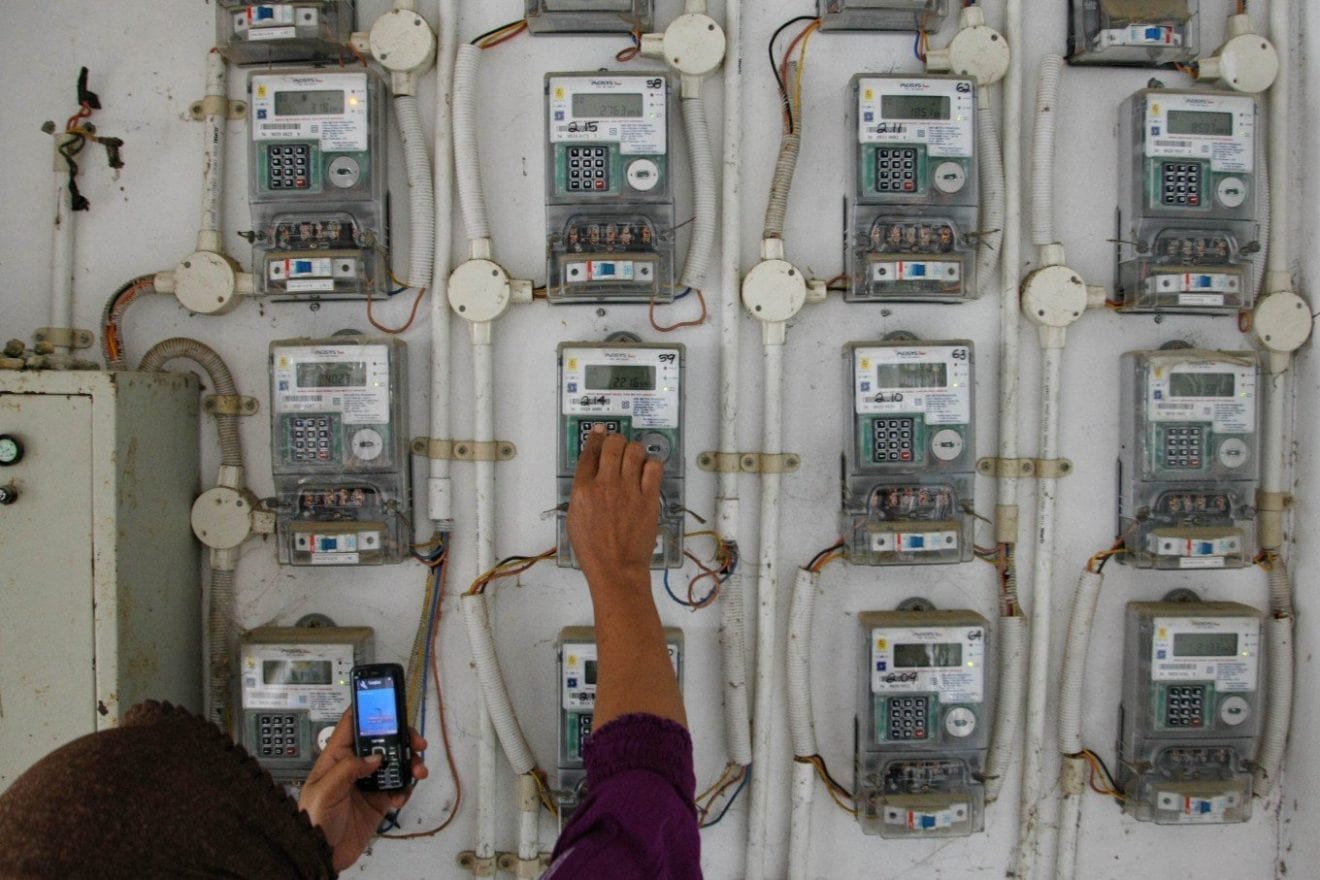
    The countries electricity consumption in the first half of 2016 reached 107.2 Terra What hour (TWh), up 7.85 percent from 99.4 TWh in the same period in 2015, state-owned electricity company PLN said.

    Senior Public Relations Manager of PLN Agung Murdifi said in a release here on Sunday that the consumption growth raised electricity sales revenue during the six months of 2016 by Rp3.2 trillion, or 3.15 percent, to Rp104,7 trillion over the same period in 2015 which amounted to Rp101,5 trillion.

    “The Increased consumption is in line with the increase in the number of subscribers to 62.6 million in June 2016 or additional 1.4 million customers from 61.2 million subscribers at the end of 2015,” he said.

    The Increase in the number of customers, he added, also raised the national electrification ratio of 88.3 percent in December 2015 to 89.5 percent in June 2016.

    Agung said operating expenses rose by Rp1.9 trillion (1.66 percent) to Rp119,7 trillion over the same period in 2015 which amounted to Rp117.8 trillion.

    Meanwhile, fuel expenses (BBM) fell by Rp8.4 trillion to Rp10.4 trillion, due to the decline of fuel consumption by 0.6 million kiloliters to 2.2 million kiloliters until June 2016.

    Realization of electricity subsidies in the first half of 2016 reached Rp26.6 trillion, down by Rp891 billion compared to the same period in 2015 amounting to Rp27.5 trillion.

    Agung added that in the first half of 2016 the EBITDA (earnings before interest, taxes, depreciation and amortization) was recorded at Rp30,2 trillion, up 3.3 trillion compared to the same period in 2015 which amounted to Rp26.9 trillion.

    “Net profit in the first half of this year reached Rp7,9 trillion,” he said.

    However, public accounting firm Tanudiredja, Wibisana, Rintis & Partners still awarded the PLN the qualified opinion rating for its June 2016 financial report.

  • Eisai Provisions “EMILY” Smartphone App to Support Living with Epilepsy in Japan

    Eisai Provisions “EMILY” Smartphone App to Support Living with Epilepsy in Japan

    Eisai Co., Ltd. announced today that it has commenced provision of the “EMILY” smartphone app in Japan to enable people with epilepsy and their families to enjoy greater peace of mind. EMILY is the first epilepsy support app which features localized SOS notification for emergencies such as the occurrence of seizures and communication functionality. The app is available to download for free (in Japanese only). By encouraging the use of the app among a wide range of people and not just people with epilepsy and their families, the app aims to build communities that support epilepsy.

    Epilepsy affects approximately 1 million people in Japan. Treatment mainly consists of reducing the frequency of seizures and symptoms with drug therapy, which requires the administration of medicine on a regular basis. It is reported that approximately 70% of people with epilepsy are able to control their seizures with suitable antiepileptic drugs (AEDs).(1) However, people with epilepsy live in a state of tension and fear as they never know when they may experience a seizure.

    According to the results an internet survey conducted by Eisai on people with epilepsy or their families (932 respondents), when asked what was important for their daily lives, the most popular response was to be able to commute to school or be able to work with peace of mind.

    The EMILY app features an SOS function for times of emergency such as the onset of a seizure. By simply pressing a button displayed on the smartphone screen, a SOS will be sent to all supporters with the app installed in a 500 meter radius in addition to previously registered family members and friends. If a supporter who receives the SOS notification responds, they will be shown the current location of the sender on their smartphone and will be able to quickly come to their aid. Information on how to respond to a seizure will also be provided through the app. In addition, the EMILY app can be used to generate a report on seizures and treatment administration recorded daily, which is useful for accurately relaying this information to attending physicians. In order to help prevent users from forgetting to take medicine, the app also enables users to share alerts with family and friends as well as communicate with registered family members and friends via stamps (character images) and text. Furthermore, users can receive various kinds of epilepsy related information through the app including comments from other people with epilepsy.

    Dr. Masako Watanabe, head of the Shinjuku Neuro Clinic and supervisor of the EMILY app, commented that, “For patients with epilepsy, forgetting to take medicine leads to serious seizures. The burden of having to take medicine every day is actually quite heavy, and receiving contact and encouragement from family and friends really helps motivate patients to take medicine.

    In addition, the SOS function leads to reduced risk in the event of a seizure, and I hope that the app will become widely adopted by the general public.”

    Together with worldwide provision of its AED Fycompa which has a novel mechanism of action, Eisai is striving to continuously create new medicines for the field of epilepsy. In addition to Fycompa, Eisai provides the AEDs Inovelon and Fostoin as part of an extensive epilepsy product portfolio in Japan, and through the EMILY app as well as providing information via the Epi Support website, Eisai seeks to make continued contributions to address the diverse needs of, as well as increasing the benefits provided to, patients with epilepsy and their families, aiming to build communities that support living with epilepsy.

    1. Key Features of the EMILY App The name EMILY comes from a combination of the underlined letters of EPILEPSY and SMILE. The app includes various functions enabling users to record the administration of medicine and seizures, communicate using stamps and other media, send out an SOS and receive information.

    1) Logging of medicine administration and seizures, report generation

    Epileptic seizures are diverse, and with regular administration of medicine being important for treatment, it is critical to make a record of seizures and medicine administration and accurately relay this to attending physicians. With the EMILY app, users can easily record their administration of registered medicines. Also, the app can generate a report of medicine administration and seizures over a month, which is useful for accurately relaying symptoms to attending physicians. In addition to logging daily condition and occurrence of seizures, the app can also be used to record videos of seizures. Featuring an alarm function, users can be alerted when it is time to take medicine to prevent forgetting administration. Furthermore, it is possible to have an alert sent to family and friends so that they can send the user a reminder.

    2) Communication functionality using stamps (character images) and text

    The app enables messaging with registered family members and friends to confirm their treatment administration and wellbeing as well as send encouragement via stamps (character images) and text. Family and friends can easily communicate with stamps that represent lines such as “have you taken your medicine yet?”, “Yes, I did” and “good job”. By making it easy to communicate with family and friends, the app encourages regular administration of medicine.

    3) SOS function

    When people with epilepsy feel the need for emergency support such as the onset of a seizure, by simply pressing a button displayed on the smartphone screen, a SOS will be sent to all supporters with the app installed in a 500 meter radius in addition to previously registered family members and friends. If a supporter who receives the SOS notification responds, they will be shown the current location of the sender on their smartphone and will be able to quickly come to their aid. Upon arrival, information relating to how to respond to seizures will also be provided through the app.

    4) Distribution of knowledge and information useful to people living with epilepsy

    Through the app, users can check for various kinds of epilepsy related information such as comments and messages from other people with epilepsy as well as specialists. This information is not only useful for users and their families, it will also help deepen understanding of epilepsy among supporters who have installed the app on their devices.

    – The app can be downloaded for free (in Japanese only) via the App Store (iOS) or Google Play (Android) Information on how to use the app is available through the Epi Support website (Japanese only).

    – Epi Support, a website for living with epilepsy: With an accurate understanding of epilepsy and some minor adjustments, it is possible to live a fulfilling life. Epi Support provides advice to enable people with epilepsy and their families to live with piece of mind. https://epilepsy-support.net/ (available in Japanese only)

    (1) “The Epilepsies and Seizures: Hope Through Research. What are the epilepsies?” National Institute of Neurological Disorders and Stroke, accessed September 9, 2016,

    https://www.ninds.nih.gov/disorders/epilepsy/detail_epilepsy.htm#230253109

  • Government raises excise taxes on tobacco

    Government raises excise taxes on tobacco

    The government of Indonesia has raised the excise tax tariffs on tobacco. The Finance Ministers Regulation, No.147/PMK.010/2016, was issued in this respect.

    In the new policy, the highest tobacco excise duty hike of 13.46 percent was for machine-made white cigarettes (SPM) and 0 percent for category IIIB hand-rolled clove flavored cigarettes (SKT). The average increase was 10.54 percent.

    Besides raising the excise tax rates on tobacco, the government also increased the retail prices of cigarettes by about 12.26 percent.

    The tobacco tariff rates have been raised to control production, regulate manpower, end sale of illegal cigarettes and enhance revenue in the excise sector.

    “The government realizes that cigarette is a commodity harmful to health. Therefore, consumption needs to be limited. The increase in the tobacco tariff is aimed to control cigarette consumption and circulation,” Finance Minister Sri Mulyani told a press conference at the Directorate General of Customs and Excise Office here on Friday.

    The minister hoped that the increase in the tobacco customs tax tariff would contribute positively to the governments revenues in the customs sector.

    In 2017, the government set a revenue target from the customs sector at Rp149.8 trillion, which is about 10 percent of the total tax revenues.

    “Though it has slightly declined, it still contributes significantly. The government and the people should back the policy because if it misses its target, it will affect the state budget, which, in the end, will affect the national development programs,” Minister Sri Mulyani added.

    Sri Mulyani stated that the policy was discussed with various stakeholders, including those concerned with health and employment, tobacco farmers, tobacco companies and associations.

    Meetings were also held with local governments, foundations and universities to discuss the matter.

    Following the meetings and discussions, it was concluded that the excise duty needs to be increased in order to control consumption and production.

    However, such an increase must be balanced so that it does not affect job opportunities and survival of small industries.

    In the meantime, a youth community group, Smoke Free Agent (SFA), has backed the governments move to raise cigarette prices, arguing that the number of young smokers in Indonesia has been rising at an alarming rate.

    “In addition to reducing the number of adult smokers, cigarette price hikes may also discourage new smokers, who are mostly children and adolescents,” Ricki Cahyana of the Anti-Smoking Indonesia Community stated in a press release issued by the SFA on Wednesday.

    Ricki noted that on an average, adults started smoking by the age of 16, and 30 percent of Indonesian children began smoking before the age of 10.

    Hasna Pradityas, one of the initiators of the SFA, remarked that the tobacco industry is currently aggressively targeting children as potential consumers to replace adult smokers in the future.

    “Without young smokers and children, the tobacco industry would become bankrupt when adult smokers no longer exist,” he pointed out.

    If the government really raises the price of cigarettes, then it will be like a breath of fresh air for Indonesia.

    Prospective new smokers, mostly children, will no longer find it easy to buy high-priced cigarettes.

    In the long run, it will help reduce the number of child smokers and make the next generation of Indonesians a golden one, capable of competing at the global level.

    “We hope the government will really go ahead with its plan to hike the price of cigarettes, thus reflecting its serious commitment to protecting the health of young people and creating a golden future generation,” Yosef Rabindanata, an SFA activist, observed.

  • Foreign guests of star rated hotels in Manado stay longer

    Foreign guests of star rated hotels in Manado stay longer

    Foreign guests of star-rated hotels stayed longer in Manado, North Sulawesi, the provincial office of the Central Bureau of Statistics (BPS) said on Friday.

    In July, 2016, the length of stay of foreign guests of star rated hotels averaged 3.81 days , up from 3.25 days in the previous month, head of the provincial BPS Moh Edy Mahmud said here.

    Edy said the steady increase in the length of stay from month to month indicated growing number of foreign visitors to the province.

    “The more foreign visitors to the province the better for us,” he said, adding, the trend is expected to continue as the impact would be positive for the economy of the province.

    Spokeswoman of the Sintesa Peninsula Hotel Julita Wowor said the number of foreign visitors to Manado was growing especially from China.

    The number of foreign guests in the city center in Manado remained low but the length of stay is higher, she said.

    Most visitors chose to stay in suburban areas where they enjoy the natural beauty, she added.

  • Arrivals of European tourists in Bali up 59.4%

    Arrivals of European tourists in Bali up 59.4%

    The number of European tourists arriving in Bali in this summer season increased 59.4 percent from 76,822 in June to 122,455 in July 2016.

    “The increase of European tourist arrivals is the fruit of the efforts made by the government and tourism industries in promoting Indonesia, especially Bali, in Europe and Asia,” tourism observer Dewa Nyoman Putra said here on Tuesday.

    Besides the impact of the intensive promotions and expanded security, the increase in European tourist arrivals is also triggered by the visa-free facility the Indonesian government provides for a number of countries.

    The tourism service of Bali recorded the average European tourist arrivals in Bali at some 76,000 per month.

    However, it rose to 122,455 in July, so that in the January-July 2016 period, the number of foreign tourist arrivals from Europe reached 583,463.

    Thus, European tourist arrivals in Bali account for 21.17 percent of the total foreign tourists arriving in Bali in the same period, in which 2.7 million foreign tourists visited Bali.

  • Fitness, driver of consumer market

    Fitness, driver of consumer market

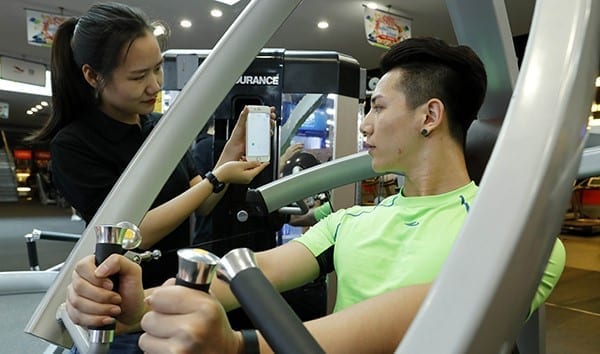
    Saturday mornings appear to be ideal for fitness-crazy Shanghai groups to have fun in the form of dance-like workouts outdoors.

    Some 500 lined up last Saturday to join a one-hour event. The venue was disco-like. Les Mills, one of the world’s largest developers of group workouts, kicked off its global tour for 2016 beside the shimmering Huangpu.

    On the dais, five coaches gave instructions to the fitness fanatics, who pushed up weight-laden barbells in sync with the beats of rock-and-roll music.

    “It feels more like a party than an early morning workout,” said Zhang Qiong, 26, who woke up at 6 am to attend the morning’s first class.

    Phillip Mills, CEO of Les Mills, said it is not surprising Chinese people are passionate about group workouts, given the proliferating gyms and fitness programs.

    Les Mills’ programs are provided to 8 million people by 90,000 teachers in more than 17,000 clubs around the world every week.

    The firm is eyeing fast growth in China. “Workouts have become a lifestyle. People believe they are good for work-life balance. As far as I know, China has more than 18,000 brands of gyms and workout programs. Les Mills has been popular around the world. Now, it’s getting increasingly welcomed across the nation,” said Phillip Mills.

    “China’s fitness market, including gyms and program developers, needs consolidation after the fast growth. In the long run, we’re confident the market size is really going to expand to a significant size.”

    According to a research note from Euromonitor International, demand for fitness in China has become one of the top ten drivers of the consumer market. Other drivers include clothing, leisure, entertainment, food and beverages.

    Joey Chio, senior associate director of Savills China Retail Tenant Representation, said that athletics-related leisure, also called “athleisure” by fitness fans, has been gaining market share in clothing in recent years. Brands such as Lululemon and Under Amour have become trendy in the retail landscape.

    Its spillover effect has been that opportunities arose for players in other sectors, like mobile application developers. Keep, a smartphone app which teaches workout tips and training programs through video clips, now boasts 50 million users. It received C round investments from, among others, technology giant Tencent Holding Ltd. This, just two years after launch.

    “Fitness has become popular due to many factors. There is government policy to develop the sports sector. Lifestyles are changing with more focus on health. There is a cultural trend toward sexy six-pack figures. There is middle-class anxiety about the costs of ill health and peer pressure to look better. You want to prove you can afford to hit a gym to stay active,” said Julian Chow, an analyst with Shanghai-based Tang Yue Culture and Communication.

    Fitness market insiders said China’s health clubs and gyms still face some challenges, and measures are needed to make the market more transparent and fair.

    “Piracy of choreography, unsafe exercise instructions given by untrained coaches, and poorly regulated membership pricing are hindering the development of the fitness market. As the market gets more mature and competition fiercer, consumers will have more options, which should improve standards,” said Michael Yip, a coach with Tera Wellness Club.

  • Half Of Rolling Stone Sold To Singapore Music Company

    Half Of Rolling Stone Sold To Singapore Music Company

    Rolling Stone is teaming up with the son of an Asian business giant.

    Wenner Media, which owns the nearly 50-year-old music magazine, will sell a 49% stake in the publication to Singapore-based social music company BandLab Technologies.

    BandLab was created by Meng Ru Kuok, the son of the billionaire founder of the world’s biggest palm oil company.

    Though BandLab’s signature product is its eponymous music making and sharing app, the business also has ties to retail. It recently bought MONO, a music instrument accessories company. Gus Wenner, head of digital at Wenner Media, said the company sees “enormous opportunity” for Rolling Stone to enter “new areas of business.” Wenner’s father, Jann Wenner, is the magazine’s co-founder.

    The deal is being positioned as a chance for Rolling Stone to move into digital and retail, and to expand its influence in Asia.

    In its announcement Sunday, Rolling Stone said an international subsidiary will be created and headquartered in Singapore.

    The magazine has been embroiled in controversy recently.

    The magazine retracted a 2014 piece called “A Rape On Campus,” about an alleged frat house gang rape at the University of Virginia, after doubts surfaced about the veracity of the primary source’s claims.

    An administrator at the university is suing the magazine for defamation, seeking millions in damages. A separate lawsuit brought by members of the fraternity was dismissed.


  • Indonesia’s health care industry is on the rise

    Indonesia’s health care industry is on the rise

    Data from WHO Global Health Expenditure Database has revealed that, in 2014, Indonesia’s spending on health care totaled only 2.8 percent of GDP. Compared to the global average of 9.9 percent, it goes without saying that our nation’s total expenditure for health is among the lowest in the world.

    Full implementation of National Health Insurance (JKN) is targeted for 2019 and was initially been seen as the main catalyst to the country’s growth in the health care industry.

    Nevertheless, the initiative saw a challenging launch and, thanks to regulation disparities, poor infrastructure, inadequate medical staff and ultimately funding shortfalls, many analysts maintain their doubts that the program can achieve its main objective, covering 260 million Indonesians by 2019.

    While the pain experienced by the majority of Indonesians dealing with Indonesia’s health care may continue to grow for some time, this is a necessary journey toward success and all the bumps can be read as signposts on the road that the nation must travel to higher-income status.

    The government has maintained the JKN program as a top priority; hence, the challenges will eventually be overcome.

    Moreover, the spark generated by the government’s boost to the health care sector is creating abundant opportunities for all to prosper.

    Substandard health care service in Indonesia represent investment opportunities and records have shown surging demand for health and medical services since the JKN program rolled out.

    In recent years, Indonesia’s conglomerates have started consolidating and investing heavily in the hospital business.

    The likes of Siloam (backed by Lippo Group) and Mitra Keluarga (affiliated with Kalbe Farma) are leading players in Indonesia’s hospital industry. Both have aggressive growth strategies.

    According to a report by the Oxford Business Group, Siloam plans to reach total capacity of 10,000 beds with 22 new hospitals coming online by 2017, while Mitra Keluarga has raised US$372 million through one of the largest initial public offerings (IPO) in recent years, the funds will be used to expand its hospital network to 18 by 2020.

    Foreign players also find Indonesia’s market very captivating. Foreign investment limits in the hospital business have recently been revised to a level of 67 to 70 percent, so more international hospital groups can be expected to leave their footprint in Indonesia soon.

    The limits in the pharmaceutical industry are even higher: 85 percent, and given the estimation that 20 percent of total health expenditure will be allocated to pharmacy products, it was not an exaggeration when in 2015 Frost and Sullivan named Indonesia as “the most promising emerging market for pharma”.

    Another area that represents an exciting prospect for investment is stem cell therapy, already an important health commodity in countries like Russia, China and India.

    While this is certainly a new area for most investors, the potential revenue is huge, surpassing $18 billion according to a study by the Prodia Group.

    Along with economic incentives, this area will promote greater international collaboration that will be useful in the advancement of medical technology in Indonesia.

    Perhaps the talk of positioning Indonesia as one of the world’s leading destinations for medical tourism is not a wild dream anymore.

    Indonesia may be playing catch up for now to the likes of Singapore and Malaysia in ASEAN, nonetheless, it is not too late to start gaining credibility in international markets like Australia, where higher medical costs may force patients to search for more affordable, but still reliable, treatment overseas.

    Indonesia’s health care providers, hence, must prepare themselves to conform to international standards in order to win the hearts of potential foreign patients.

    Indonesia’s health care industry is expected to be worth more than $50 billion by 2020. With the influx of foreign players and the race of local players to shift gear in preparation for faster growth, the government must take an active role to ensure the upgrades to the nation’s health care are beneficial for all people of all statuses.

    Various investments in the industry must make health care more affordable and accessible, especially for those in less developed parts of Indonesia.

    In addition to the primary benefit of delivering adequate health care to the people, the government must also ensure the “side effects” that could potentially also have a larger impact on society in the long run.

    Multinational medical companies operating in the domestic market should be persuaded to develop in-country research and development centers and collaborate with local universities to train capable future human resources.

    Even the tech and startup industry can make the most of this bloom by exploring various value-added services that offer faster information access, easier interaction, better and strong enough to disrupt the industry.

    This wave has already started with the creation of medical portals, real-time health trackers and even the utilization of artificial intelligence that can help medical practitioners diagnose patient health.

  • Aceh wins three prizes in halal tourism category

    Aceh wins three prizes in halal tourism category

    Aceh Province has won three prizes in the National Halal Tourism Competition (KPHN) 2016, an official said.

    The three awards were in the categories of Muslim Friendly Airport–given to Sultan Iskandar Muda International Airport in Banda Aceh, as well as best Muslim friendly cultural destination, and best tourist attraction for Baiturrahman Grand Mosque, said Reza Fahlevi, head of the Aceh cultural and tourism office, on Thursday.

    He expressed his gratitude to the people of Aceh for helping develop halal tourism in the province, and to the Central Government for supporting Aceh in its participating in the World Halal Travel Awards 2016 in Abu Dhabi, the United Arab Emirates.

    “Alhamdulillah (Thank God), Aceh won prizes for three categories in competition with 117 nominees in 15 categories,” he remarked.

    The results of the competition were announced in Jakarta on Wednesday.

    The Aceh provincial administration seeks to improve its tourism industry to meet its 3As – Amenity, Accessibility, and Attraction– in order to transform the province into a world-class tourism destination.

  • Ikea introduces line of kitchenware in Korea

    Ikea introduces line of kitchenware in Korea

    Swedish home furnishing company Ikea is launching kitchen products for the first time in Korea.

    “We have 700 articles in the cooking and eating area, completely new for the Korean market,” Andre Schmidtgall, country retail manager at Ikea Korea, said Thursday during a press briefing at the Times Square shopping mall in Yeongdeungpo District, southwestern Seoul.

    Although Ikea entered the Korean market in 2014, sales of kitchenware such as dishes and cups from the Swedish home decor maker were not permitted due to legal restrictions related to product labeling. After the Korea Food and Drug Administration eased up on the restrictions this year, the company was able to bring in the full set of its items to Korea.

    Ikea’s store in Gwangmyeong, Gyeonggi, includes a 1,000-square-meter (10, 764 square foot) space devoted to kitchen products and began sales on Sept. 9. The new promotional campaign for the product line begins next Tuesday and runs through Nov. 12 at Times Square. The mall will include a venue set up with an Ikea kitchen and allow visitors to cook food there.

    Even as the company rolls out its new products here, Ikea is still working on cleaning up its stained image in Korea after delaying a recall of drawer chests that killed several children after tipping over.

    “We have tested drawer chest products and suspended another 15 models a day before yesterday,” Schmidtgall said.

    The company already halted sales of 15 drawers including the MALM drawer on Sept. 9, following recall orders from the Korean Agency for Technology and Standards under the Ministry of Trade, Industry and Energy.

    “We put safety and security as the utmost priority,” Schmidtgall said. “Tipping risk is an industry-wide problem.”

    According to Ikea, particular models of its drawer chests are banned from sale only in three countries – the United States, Canada and Korea – and in other markets, the article is sold with recommendations that the drawer be anchored to the wall for safety.

    Ikea Korea in the latest financial year from Sept. 2015 to Aug. 2016 recorded 345 billion won ($309.4 million) in revenue. From January to August 2016 compared to the same period last year, revenue rose 17 percent.

    The company is working on a second Korea branch in Goyang, Gyeonggi, set to open by the latter half of next year. It plans to build up to six stores in Korea by 2020. Likely locations include the Seoul metropolitan area, Daejeon and Chungcheong in the country’s central region, and Busan in the southern region.

  • UFC Gym plans 30 outlets for Philippines

    UFC Gym plans 30 outlets for Philippines

    UFC Gym plans to open the first of 30 MMA-inspired gyms in the Philippines early next year.

    Under a new 10-year partnership with the Fitspiration Philippines Corporation, the first signature branch will be at Glorietta mall in Makati.

    “Filipino fight fans understand our brand, and partnering with Fitspiration PH is a perfect fit to help Manila’s fitness enthusiasts ‘train different’ while working to achieve their individual fitness goals,” says UFC Gym CEO Brent Leffel.
    “In almost two decades of bringing major players in the fitness industry to the country, I know a winner when I see it – and make no mistake, UFC Gym is a winner,” says Fitspiration PH president Mark Dayrit.

    “Asia is one of the UFC’s fastest-growing markets, and fight fans in the Philippines are some of the most passionate around the world,” says UFC Asia executive VP/GM Kenneth Berger. “We are excited to be leading the way, making MMA [mixed martial arts] more accessible for Filipino fans to train and increase their fitness through the sport.”

    Since its debut in 2009, UFC Gym franchise has opened more than 135 locations throughout the US, Australia, Canada, South America and the UAE. Offering a range of fitness classes, group and private MMA training, group fitness, personal and group dynamic performance-based training, plus MMA youth programming, UFC Gym has programs to suit all ages and fitness levels.

    Membership includes unlimited access to UFC’s Octagon and signature classes such as Daily Ultimate Training, Muay Thai, Brazilian jiu-jitsu, kickboxing, boxing and women’s self-defence.

  • Ericsson, Google partner on pay TV

    Ericsson, Google partner on pay TV

    Ericsson and Google are partnering to extend the reach of the Ericsson cloud-based MediaFirst TV Platform into the Android TV ecosystem, Google’s operating system for the set-top-box.

    Ericsson MediaFirst is a software-defined, media-optimized end-to-end portfolio suite for the creation, preparation, management and delivery of next generation pay-TV to any screen with an immersive TV viewing experience.

    The integration of Ericsson MediaFirst TV Platform with Android TV will provide an additional pathway to extend MediaFirst cloud-based TV services, including 4K-UHD live TV channels, video-on-demand, catch-up TV and cloud DVR to an even wider subscriber base.

    According to Ericsson, the partnership with Google will give operators the opportunity to benefit from Android TV’s growing presence on connected TV operating systems, without the need for additional hardware costs.

    Operators will be able to partner with manufacturers of Android TV devices to deliver new hardware-based functionality as well as niche over-the-top programming, or deploy additional applications within the Android operating system.

    Additionally, the collaboration will enable Ericsson to deliver multiple, flexible, pre-integrated set-top box solutions that support hybrid configurations for satellite, cable, terrestrial, and fixed and mobile broadband TV.

    “By expanding our range of set-top box options, we are giving Ericsson MediaFirst TV customers the opportunity to deliver cutting-edge, large scale video services and respond to the surge in adoption of smart devices, broadband connectivity and cloud-based delivery,” said Shiva Patibanda, head of business line TV platforms at Ericsson.

  • Ikea Asia banks on China and India

    Ikea Asia banks on China and India

    Ikea Asia is banking on a rapid store rollout in India and ongoing China expansion to sustain its global growth.

    The Swedish homewares and furniture specialist will open its first store in India next year and plans to have 25 stores trading there by 2025.

    And in China, where it has 21 stores currently, it will speed up its rollout from the current three to four or five every year.

    In an interview with Bloomberg, Ikea CEO Peter Agnefjaell, the two markets are core pillars of  a plan to boost total group sales by up to 50 per cent by 2020, to 50 billion euros (US$56 billion). In the year to August the company’s sales were 34.2 billion euros.

    “India is one of the biggest growth markets we see going forward,” Agnefjaell told Bloomberg. “But it of course hinges on a continued good economic development.”

    The first Ikea India store is under construction in Hyderabad. The company has already invested in a site in Mumbai and plans stores for Bangalore and Delhi.

    Ikea’s global same-store sales rose 4.8 per cent in the last financial year. Total sales rose 7.9 per cent, excluding exchange rate impact.

  • Rich Indonesians snapping up Singapore luxury homes as taxman calls

    Rich Indonesians snapping up Singapore luxury homes as taxman calls

    Never mind that Singapore is experiencing one of the worst property slumps in its history, demand for luxury housing is suddenly coming from an unexpected group: wealthy Indonesians.

    This year’s purchases by Indonesian nationals of homes valued at S$5 million or more have already nearly quadrupled from last year’s total.

    The stepped-up buying coincides with the passage of a law in Jakarta aimed at getting Indonesians to repatriate or pay taxes on an estimated US$300 billion that had fled to Singapore during previous periods of unrest, lest those who took their money out be found out for tax evasion – a reason cited by three property agents as a primary reason behind the purchases.

    Indonesians were the top foreign buyers at the luxury OUE Twin Peaks tower, which went on sale in July.

    “We’re seeing a big increase in Indonesians buying the most expensive property,” said Ang Kok Leong, a senior agent at SLP Realty Pte, who cited Indonesians’ concerns about Singapore’s upcoming move to share financial information as the single biggest motivation for his Indonesian clients. “These people are generally in tune with this kind of situation back home, so if I’m not about to let the Indonesians know what I have, I will buy in Singapore.”

    Indonesia, Singapore and other countries are adopting global tax reporting requirements to tell each other about nationals holding assets abroad. Indonesians moving money into property are counting on only assets held in banks, not in real estate, being shared, agents and brokers say.

    While the numbers in the official data are small, they show surging demand that likely understates the real total. Indonesians bought 30 Singapore properties valued at S$5 million or more between the start of the year and Aug 17, compared with only eight such deals for all of 2015, according to the Urban Redevelopment Authority. Disclosure of nationality is voluntary.

    During the first half of this year, Indonesians bought 189 properties of all values in Singapore, 23 per cent more than in the same period last year, data from Cushman & Wakefield Inc show. While purchases from Chinese and Malaysians declined during the second quarter, transactions by Indonesians rose 19 per cent.

    Not all Indonesians buying real estate are seeking to avoid taxes, of course, and some may see value in a market that bottomed out in prime areas at the end of 2015. Indonesians are drawn to property in Singapore’s center, especially the Orchard Road area where the OUE Twin Peaks towers are located. Apartment prices there have risen 0.6 per cent since their low at the end of 2015, according to Cushman & Wakefield.

    At the OUE Twin Peaks development, where luxury condos in the second tower of the 36-story high rises went on sale in July, the developer sold almost half the first batch of 86 units with price tags of as much as S$4 million, with Indonesians the top foreign buyers, according to Propnex Realty Pte, a company handling sales for the project.

    A Propnex agent who asked not to be identified said the strong demand from Indonesians came as a surprise. It’s a marked change from past sales of downtown luxury homes, such as the Marina One Residences last year, when Indonesian buyers accounted for just three of about 200 units sold, Cushman & Wakefield data show.

    Indonesian President Joko Widodo’s ambitious tax amnesty plan, under discussion since earlier this year and ultimately passed in June, is aimed at repatriating Indonesian cash stashed overseas while giving evaders a way to come clean.

    Under the amnesty, Indonesians are to pay a tax rate starting at 4 per cent on declared property or funds left overseas. It increases in stages to 10 per cent as the amnesty period draws to a close in March. Those who send their money home and keep it in Indonesia for at least three years pay 2 per cent and are offered a wide range of possible investments. Those who don’t declare and are found out face paying 200 percent of the tax owed.

    The tax amnesty deal may attract S$5 billion to S$9 billion of Indonesian funds deposited in Singapore, Sanford C Bernstein & Co analysts Kevin Kwek and Norbert Topouzoglou wrote in a July 21 report. Most of the assets are probably invested in properties, securities or businesses, and are thus less likely to be repatriated quickly, they said.

    Wealthy clients typically allocate about 20 per cent of their assets to property, according to Evrard Bordier, Singapore-based managing partner of Swiss private bank Bordier & Cie. That percentage might increase because of the new tax transparency standards from the Organization for Economic Cooperation and Development that both Singapore and Indonesia have agreed to, he said. They currently don’t include reporting on real estate holdings.

    “This global shift into increased transparency will no doubt result in subtle yet important changes in the portfolio allocation of a typical high-net-worth individual,” said Bordier, noting that the global trend toward sharing information across jurisdictions eventually will make hiding money in property difficult.

    In response to a request for comment, the Monetary Authority of Singapore and the country’s Ministry of Finance said Singapore is ready to help in “any case of suspected cross-border tax evasion.”

    Singapore and Indonesia have yet to agree to the mechanisms needed for the automatic exchanges of information under OECD tax standards, due to come into effect by 2018. Until then, information transfers including information on property ownership take place upon request between the two tax authorities.

    “Expectations of motivating substantial repatriation whilst there are still doubts/lack of clarity may be overly optimistic,” Vishnu Varathan, an economist with Mizuho Bank Ltd., said by e-mail. “Declaring taxable monies to be repatriated could subject their accounts/finances to more scrutiny.”

    Singapore is currently mired in its most prolonged housing slump on record. Home prices in the city-state fell for the 11th straight quarter in the three months ending June 30, posting the longest losing streak since records started in 1975.

    Singapore’s government is holding steadfast on cooling measures it has rolled out since 2009, for fear of inflating a property bubble. The measures, including a stamp duty on foreign buyers, limit the investment appeal of what is still a key high-end housing market in Asia. Wealth advisers and property agents say property is often seen as a conservative investment option and a way to store wealth at a time of economic uncertainty and mediocre returns in financial markets.

    “Indonesians see Singapore as a politically stable safe haven,” said Jasslyn Yeo, Singapore-based global market strategist for JPMorgan Chase & Co’s asset management unit. “This is an important factor, especially at this time when you see so much instability in the region.”

    Indonesian wealth fled the country as far back as the 1960s when violence against ethnic Chinese was part of a campaign by President Sukarno to stamp out Communism. Other periods of instability include 1998, when anti-Chinese riots coincided with the ouster of President Suharto, and thousands of ethnic Chinese took refuge in Singapore and elsewhere.

    Many Indonesians travel to Singapore for medical checkups and procedures, so locations near hospitals are at a premium, agents say. Indonesian citizens bought 42 of 211 apartments in the range of S$1 million to S$4 million earlier this year in the Cairnhill Nine condo development, within walking distance of two hospitals, Cushman & Wakefield data show. The second-largest group of foreign buyers was Malaysians, with 16 units.

    Unlike Singaporeans, who mostly buy to reside in properties and take time to decide, Indonesians often close deals in a matter of days and aren’t picky about details, the agents say. They typically look for amenities such as hot tubs and swimming pools, as well as private elevator entrances, a feature that has become popular in recent years.

    “This kind of buyer, sometimes they will come wearing big sunglasses if they’re famous, so you don’t recognize them, and often they come with their own family agent,” said Kent Tan, an agent with realtor Home Guru Pte, who has seen a recent uptick in the number of queries by Indonesians. “These buyers know Singapore’s market very well and have known it for many years.”
  • Metro China launches chain’s first green store

    Metro China launches chain’s first green store

    German retail and trading giant Metro China has launched its first global green store in the Pearl River delta city of Dongguan.

    It aims to upgrade its sustainable development in the Chinese market, where it had double-digit growth in its latest fiscal year.

    Metro China president Jeroen de Groot says the green renovation of its Dongguan Wanjiang store is estimated to help it cut its annual energy consumption by as much as 50 per cent. It makes full use of clean energy, namely solar and wind power.

    The renovation cost more than 5 million yuan (US$75,700), and Metro plans to convert all its mainland stores to become green.

    “Innovation and change have always been the driving forces for sustainable growth at Metro, and the green renovation of the Dongguan Wanjiang store is our new endeavour in the field of energy conservation and environment protection, aiming to promote long-term social sustainability,” says de Groot.

    Metro opened its first mainland store in Shanghai in 1996 and now has 84 stores employing more than 11,000 people in 58 Chinese cities. Its annual sales volume reached €2.66 billion (US$3 billion) during the fiscal year to September 30 last year, up 17.4 per cent.