Category: Living

Retail News Asia is committed to providing both local and global retailers with the latest Living news throughout the Asian market. This on a daily base.

  • Kingsdown Adds Three Branded Mattress Stores in China

    Kingsdown Adds Three Branded Mattress Stores in China

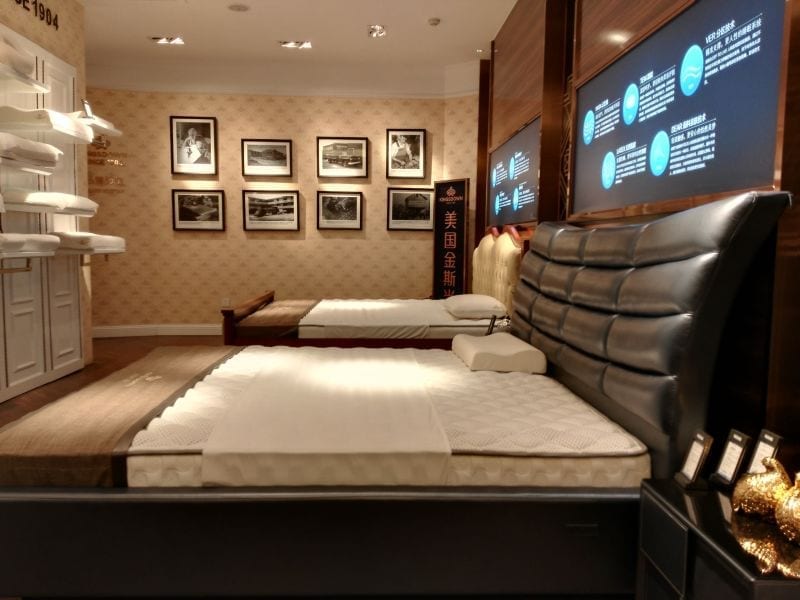
    Mattress supplier Kingsdown, Inc. has opened three additional stores in China, boosting its footprint in the country to 39 stores in 31 cities.

    The latest openings include two additional stores in Beijing, taking the city’s total to three, and its first location in Shanghai.

    The company said it expects to have 75 stores in 65 cities by the end of the year through its licensing agreement with Chinese bedding producer and retailer Roth Bedding Technology International Ltd.

    The two companies joined forces last year, and since then, the partnership has continued to flourish. The latest move solidifies the companies’ growth strategy to have 500 branded stores open throughout China by 2020, Kingsdown officials said.

    Building on its partnership with Roth, Kingsdown is growing its branded store network to strengthen its presence in China, taking advantage of the demand for an American brand with a history of luxurious style and hand craftsmanship. The Kingsdown branded stores sell the company’s popular collections along with products designed and developed specifically for the Chinese marketplace, a growing market for mattresses with an annual growth rate of more than 25% in the last five years.

    “The reception to the Kingsdown brand in Asia has been incredible with the region’s consumers,” said Frank Hood, President and CEO of Kingsdown. “Our partnership with Roth has been incredible in allowing us to capture China’s luxury mattress consumer. The strategic plan we have in place will solidify Kingsdown as the leading luxury brand in this growing consumer market.

    “The future is bright for Kingsdown in China,” added Jie Du, Roth bedding general manager. “Kingsdown’s focus on styling, quality and industry leading sleep research are key characteristics for the discriminating consumer here in China who shows a strong penchant for American-made, high-end products.”

    In addition to its growing presence in China, Kingsdown has branded retail showrooms in Vietnam.

    Roth Bedding Technology International Ltd. is based in Hong Kong. The company is a leader in distribution platforms and retail, providing both their partners and Chinese consumers a full-service company that offers quality products.

  • Airport Authority Hong Kong creates new tender structure for anchor concessions

    Airport Authority Hong Kong creates new tender structure for anchor concessions

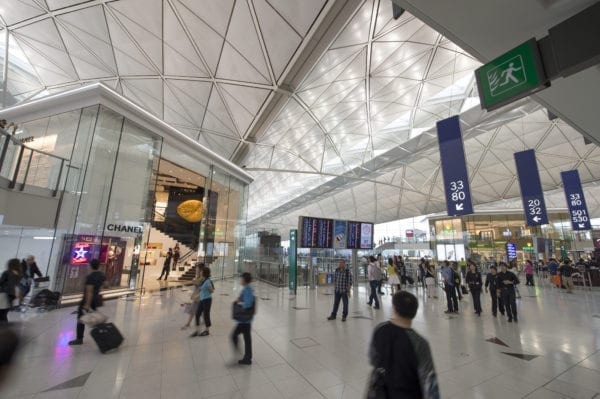
    Airport Authority Hong Kong (AAHK) will restructure its core category airside retail concessions in advance of a series of major tenders beginning late October or early November, The Moodie Davitt Report can reveal.

    There are currently three anchor concessions – liquor & tobacco, airside general merchandise, and perfumes & cosmetics, all held by DFS.

    As detailed by The Moodie Davitt Report in July, AAHK pledged earlier this year to refine the category and contract mix, promising “significant changes” to the concession structure to drive spending and improve the consumer experience at Hong Kong International Airport (HKIA).

    Since July, AAHK has been talking to potential retailers and conducting intensive consumer research with its passengers regarding the anchor licences. As a result, it has fine-tuned the contract packages.

    LIQUOR & TOBACCO AND PERFUMES & COSMETICS EXTENDED – BUT NO AIRSIDE GENERAL MERCHANDISE CONCESSION

    The core liquor & tobacco and perfumes & cosmetics concessions will be continued – but with important refinements. To spice up the traditional liquor & tobacco offering, AAHK plans to allow the new concessionaire flexibility to include other products. These include liquor & tobacco-related accessories, such as wineglasses and decanters, as well as upmarket gourmet items, for example fine teas and coffees. That concept proved highly popular with passengers during AAHK’s qualitative surveys.

    HKIA L and T

    The liquor & tobacco concession will be increased substantially both in terms of space and range, with the addition of liquor-related accessories and gourmet items

    To make the perfumes & cosmetics offer more attractive, AAHK plans to create a beauty and accessories “one-stop shopping destination”. That will involve combining perfumes & cosmetics with fashion accessories – the latter including sunglasses, fashion watches, small leathergoods, handbags and others. Those categories are currently sold through the airside general merchandise concession.

    HK P & C

    The perfumes & cosmetics concession will be extended to become a “beauty and accessories one-stop shopping destination”

    AAHK believes that the high penetration rate driven by beauty products can enhance the cross-selling potential of the two categories combined. Consumer feedback also strongly suggested that the categories are complementary.

    Critically, AAHK has decided to discontinue the airside general merchandise concession. The authority believes that given the airport’s extremely strong line-up of speciality stores and mono-brand boutiques, there is no need for the airside general merchandise concession. Instead it will allocate the best-selling general merchandise categories to the other packages.

    DEDICATED CONFECTIONERY CONCESSION

    In another key change, AAHK has opted to create a dedicated confectionery licence. Confectionery is a high-demand item at HKIA and the authority believes this justifies a separate concession covering multiple units across the terminal.

    hkia conf

    Confectionery, a big in-demand category, will enjoy its own dedicated concession

    The distribution and location of the stores will also see some important changes. For example, AAHK plans to remove the current small gate store units near the boarding gates. Because of the size constraints, the liquor & tobacco and perfumes & cosmetics assortments in them is limited. The units will be turned over to other retail purposes, deemed as better serving passengers’ needs.

    Simultaneously AAHK will increase the retail space in the East Hall – the shopping epicentre of the airport. Liquor & tobacco space there will increase by around +40%, while the addition of the fashion accessory categories will result in a huge +70% increase in the area dedicated to the extended beauty concession. More importantly, AAHK hopes that the additional floor space will allow the chosen retailers to introduce a wider product assortment.

    MORE DIVERSITY OF PRODUCTS; GREATER CONSUMER ENGAGEMENT

    In its consumer surveys, AAHK was told by many passengers that besides the big, upmarket European and US beauty brands they also wanted to see more variety – including the upcoming Korean and Japanese skincare names, most of them mid-price to premium price-points. In liquor & tobacco, consumers told AAHK they wanted to see more new and rare products.

    With the enhanced store sizes, AAHK will be asking its retailers to create greater customer engagement (for example, more wine tastings), which it deems as increasingly important to bricks and mortar stores. The enhanced space will also encourage greater flexibility, experimentation, rarity and excitement, it believes.

    TIME-LINE COUNTDOWN

    AAHK will begin the tender process with the liquor & tobacco and perfumes & cosmetics bids in late October or early November, with results being announced in March or April next year. Confectionery will be tendered in late 2016 or early 2017.

    The targeted changeover of concessions is set for the fourth quarter of 2017.

    NOTE TO AIRPORT OPERATORS: The Moodie Davitt Report is the industry’s most popular channel for launching commercial proposals and for publishing the results. If you wish to promote an Expression of Interest, Request for Proposals or full tender process for any sector of airport revenues, simply e-mail Martin Moodie at Martin@MoodieDavittReport.com.

    We have a variety of options that will ensure you reach the widest, most high-quality concessionaire/retailer/operator base in the industry – globally and immediately.

    Similarly The Moodie Davitt Report is the only international business intelligence service and industry media to cover all airport consumer services, revenue generating and otherwise. We embrace all airport non-aeronautical revenues, including property, passenger lounges, car parking, hotels, hospital and other medical facilities, the Internet, advertising and related revenue streams.
  • Maker of Po Chai Pills kicks off HK$750 million IPO to fund expansion plans in Asia

    Maker of Po Chai Pills kicks off HK$750 million IPO to fund expansion plans in Asia

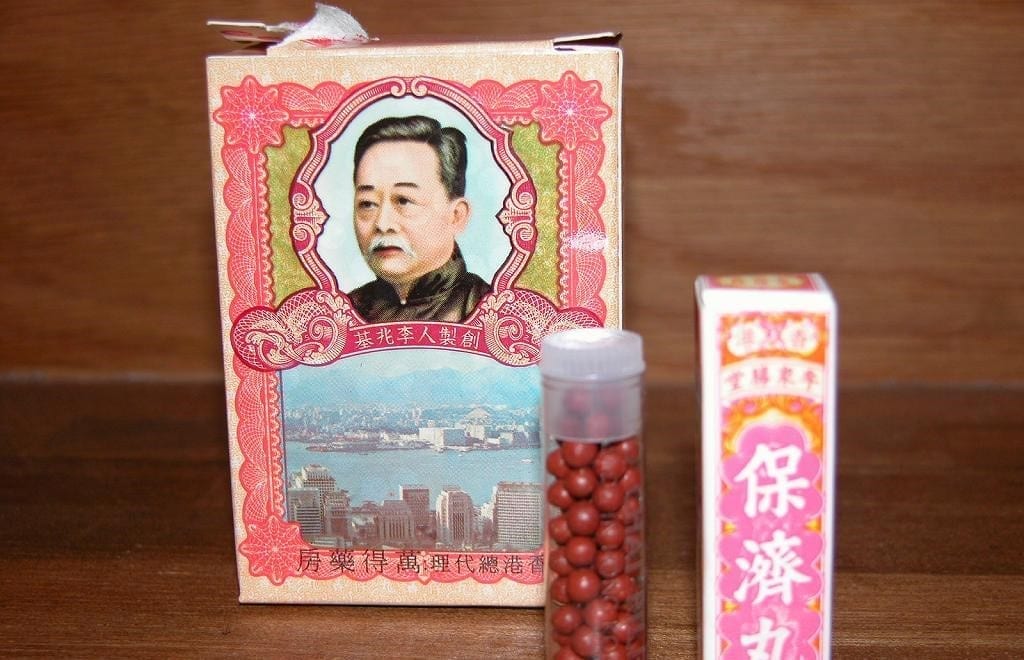
    Jacobson Pharma Corp, Hong Kong’s largest generic drug firm and maker of the Po Chai Pills used by generations of the city’s residents, is seeking to raise HK$750 million in an initial public offer.

    The company will sell 437.5 million shares at a price range of between HK$1.28 to HK$1.72 per share, 10 per cent of which are reserved for retail investors.

    The company opens its book for retail investors on Thursday, requiring a minimum subscription of HK$3,475 for 2,000 shares. A separate tranche reserved for institutional investors had already been fully subscribed, according to people familiar with the plans.

    The stock is scheduled to begin trading in Hong Kong on September 21.

    Hong Kong residents are familiar with Jacobsen’s Po Chai Pills, tiny pellets made from a herbal remedy that’s used for relieving indigestion and hangovers.

    The company, which relies on Hong Kong for 90 per cent of its revenue, also makes the Flying Eagle Woodlok Oil and Tong Tai Chung Woodlok Oil.

    Jacobson plans to use 45 per cent of the proceeds from its IPO for acquisitions, including the setting up of ventures, according to its prospectus.

    The company plans to expand in Macau, Taiwan, Vietnam, and Southeast Asia, said Jacobson;s chairman and chief executive Derek Sum. The company also plans to expand to several provinces in southern China, where there is a familiarity with its brand.

    “We expect to become a leading brand in Asian Pacific region,” Sum said.

    Net profit rose 34 per cent to HK$152.7 million in the year ended March 31, while total sales increased 14 per cent to HK$1.08 billion, according to Jacobson’s prospectus.

    Generic drug sales made up 87.2 per cent of the company’s revenue for the year, while proprietary herbal medicines such as Po Chai Pills, made up only 12.8 per cent of total revenue.

    China’s drug regulator in May approved over the counter sales of Po Chai Pills, allowing them for marketing and sales on the mainland without a doctor’s prescription.

    Hong Kong Wing Wah Medicines Group, which has over 30 drug stores in the city, was a cornerstone investor that subscribed HK$80 million of its new shares. Sum expects to see more business synergy with Wing Wah.

  • Sony Pictures acquires Zee’s Ten Sports

    Sony Pictures acquires Zee’s Ten Sports

    Sony Pictures Networks India (SPN) and its affiliates have entered into definitive agreements to acquire TEN Sports Network from Zee Entertainment Enterprises and its subsidiaries for $385 million.

    The TEN Sports channels being acquired include TEN 1, TEN 1 HD, TEN 2, TEN 3, TEN Golf HD, TEN Cricket, TEN Sports that operate in several countries including the Indian sub-continent, Maldives, Singapore, Hong Kong, Middle East, Caribbean.

    TEN Sports holds broadcast rights to major cricket boards (South Africa, Pakistan, Sri Lanka, West Indies and Zimbabwe). In addition, Ten Sports holds rights to wrestling (WWE), football (UEFA Champions League, UEFA Europa League, French League, English Football League Cup), tennis (WTA Events, ATP events), golf (European Tour, Asian Tour, Ryder Cup, US PGA Championship, LPGA Tour, Professional Golf Tour of India and Golf Channel Block), athletics (Asian Games, Commonwealth Games), motor sports (Moto GP) and cycling (Tour de France) events.

    “The acquisition of TEN Sports Network will strengthen SPN’s offering for viewers of cricket, football and fight sports, complementing our existing portfolio of international and domestic sporting properties,” said NP Singh, CEO, Sony Pictures Networks India.

    “It also aptly demonstrates SPN’s commitment to providing a broad range of sporting entertainment to fans across India and the sub-continent,” said Singh.

  • Millennials to Decide Future of TV in Indonesia

    Millennials to Decide Future of TV in Indonesia

    As of 2016, according to the Central Statistics Agency’s estimations, Indonesian millennials — born between the 1980s and early 2000s — make up about 41 percent of the 258.8 million population.

    “The future will be in OTT and many want to capture this market. The number of millennials is going to be big in Indonesia and infrastructure is now being prepared. The government has rolled out 4G and smartphone prices are getting lower each year,” Greeny said.

    Genflix offers its customers thousands of videos, Japanese cartoons and other exclusive content. Genflix currently has three million subscribers, 60 percent of whom are paying customers. Most of them access the service via their smartphones.

    The catch

    Hendy Lim from the Redemption Entertainment said this is the moment for the local talents and content creators as the content-hungry OTT services will keep on coming to tap into the growing Indonesian middle-class. But there is a catch.

    Hendy, who has just left his position as the vice president of the media company MNC Group, said the OTT services need to compete with the deep-pocketed free-to-air televisions.

    “These free-to-airs can pay up to $30,000 per episode. I can’t tell the exact number, but I think [the OTT] can pay only 5 percent of it,” he said, adding that free-to-air revenues are high because many people still watch television.

    The on-demand services will also have to face uncertain regulations with regard to corporate establishment, taxes and censorship.

    Communications and Information Technology Minister Rudiantara promised that this year the government will produce a regulation governing the OTT services. The regulation will take into account the international tax treaty and censorship measures similar to those applied for televisions.

    Desmond Poon, chief technology officer of the listed internet service provider Link Net, said during the summit that censorship as such is against the idea of the internet.

    Despite the challenges posed by censorship and the not yet fully available broadband connectivity, especially in the easternmost part of the country, Poon remains optimistic the OTT business will continue to grow.

  • July Sees Record-high Tourist Arrivals to Indonesia

    July Sees Record-high Tourist Arrivals to Indonesia

    The Central Statistics Agency (BPS) recorded 1.03 million foreign tourist arrivals to Indonesia in July 2016. The number represents a 17.67-percent year-on-year increase from July 2015.

    Compared to June 2016, the increase is 20.42 percent.

    “This is a new record, with the number foreigners entering Indonesia reaching more than a million in one month,” BPS deputy for Statistic and Distribution Sasmito Hadi Wibowo said in Jakarta Thursday, September 1.

    The achievement, he said, is largely thanks to the Tourism Ministry’s intensive campaigns in many parts of the world and the many promotional events held in domestic travel destinations.

    Sasmito said the biggest number of tourists came from China, Saudi Arabia, and Australia.

  • Jakarta’s tax amnesty gets a rich boost

    Jakarta’s tax amnesty gets a rich boost

    Two of Indonesia’s wealthiest men say they will participate in a government-led tax amnesty to clear their past omissions, boosting the scheme’s credibility.

    Mr James Riady, the son of Lippo Group’s founder, went to the Jakarta tax office yesterday to take part, said his spokesman Danang Kemayan Jati. Mr Tahir, founder of Bank Mayapada, who goes by one name, said by phone that his family would submit documents this month to support the plan.

    “If a big fish like Riady joins the programme in a public way, that lessens the restraint for everybody else to follow suit,” said OCBC Bank economist Wellian Wiranto in Singapore, according to Bloomberg.

    “We have seen the momentum start to build, so things are starting to look up for the tax amnesty.”

    President Joko Widodo has staked his credibility on a programme that the government estimates will generate 165 trillion rupiah (S$17 billion) in revenue.

    He ordered his Cabinet to summon the largest taxpayers, especially those with assets overseas, to ensure they take part. Since the amnesty began in July, the finance ministry has seen 4 trillion rupiah in penalty fees, or 2.4 per cent of the target.

    Tax rates under the amnesty will range from 2 per cent to 10 per cent over three stages, depending on how soon individuals declare their previously untaxed assets and whether the funds are repatriated.

    Indonesia has a population of 250 million, but only 27 million are registered taxpayers. Of these, just a million file tax returns regularly each year – one of the lowest figures among countries in the region.

    Newly minted Finance Minister Sri Mulyani Indrawati has said she is putting trust-building at the top of her agenda as she tries to get more Indonesians to pay taxes, to raise funds for a massive infrastructure plan aimed at stimulating growth in South-east Asia’s largest economy.

    “It’s not acceptable for a country like Indonesia to have a tax ratio that is very low,” she told Bloomberg in an interview last month. “This is… because both sides, the taxpayers as well as the government, have not been able to establish a good relationship based on trust, confidence and credibility.”

    She also pledged to address Indonesia’s complicated procedures and high tax rates compared with neighbouring countries.

    Individuals who sign up for the plan will be allowed to invest in assets such as gold, property and infrastructure projects, according to the finance ministry. Participants can also move funds between approved assets before a three-year holding period ends, the ministry said.

    The scheme has got off to a slow start, but could pick up pace with big businesses getting on board.

    Lippo Group, founded by Mr Mochtiar Riady in the 1950s, has stakes in property developer Lippo Karawaci, healthcare firm Siloam International Hospitals and retailer Matahari Department Store. It also has stakes in Singapore-based First Real Estate Investment Trust and Lippo Malls Indonesia Retail Trust.

  • Blackmores, Kalbe join forces in new Indonesian venture

    Blackmores, Kalbe join forces in new Indonesian venture

    Australian Ambassador to Indonesia Paul Grigson has welcomed the new partnership between Australian company Blackmores and Indonesias Kalbe that will allow new vitamin products to enter the local market.

    Blackmores will initially supply eight products in Indonesia through the joint venture, the Australian Embassy here said on its official website on Saturday (Sept. 3).

    Ambassador Grigson said while the two companies shared many values, it was the small differences between them that had generated the creativity needed for such a partnership.

    “Blackmores experience shows the importance of Australian companies choosing the right local partner to do business in Indonesia,” Ambassador Grigson added.

    The Blackmores – Kalbe partnership was sealed during Indonesia Australia Business Week in November 2015, when 360 Australian businesses travelled to Indonesia to build collaborative partnerships with Indonesian companies and explore investment opportunities.

    Blackmores CEO Christine Holgate has thanked the Indonesian Government and Australian Embassy for their support in finalizing the partnership.

    “We will be launching with eight products and will have 25 products by the end of the year,” Holgate informed.

    She explained that Blackmores had chosen to partner with Kalbe as it was a major supplier of pharmaceutical products and has an institute to train people in natural health care products.

    She hoped that Blackmores would be able to leverage Kalbes training processes and its strong representation in shopping centers throughout Indonesia where it has health centers giving advice on natural health products.

  • Iflix wants to become a social media platform for TV

    Iflix wants to become a social media platform for TV

    Emerging subscription-based streaming video service iflix intends to set itself apart from Netflix by becoming a social media platform for television, according to company executive.

    “Netflix is very much into an original production base… they are really focusing their investment on content and user experience and interface,” Cam Walker, chief executive of iflix Indonesia, told telecomasia.net at the sidelines of Communic Indonesia and Broadcast Indonesia 2016, which kicked off Wednesday at the Jakarta International Expo in Kemayoran, Central Jakarta.

    “We have just most recently decided to venture beyond entertainment into becoming a truly social platform for television.”

    To do that, Walker said the company is planning to introduce more social media components and interactive features to the service. For instance, the company will offer a social feature later this year where users can chat with others or interact with local celebrities who have drawn up movie playlists for them.

    Iflix launched its service in Indonesia in mid-June this year and garnered 250,000 activations in about two-and-a-half months.

    Walker said the Indonesian market is relatively new from an OTT perspective and doesn’t see other streaming services as competitive, as they are all heading in different paths.

    “We’re the new kid on the block. We started a couple of years as a cool internet TV concept, with a vision to provide a better service to piracy and a viable alternative at an affordable price point,” he said.

    iflix is now offering 2,000 seasons of 900 programs, 5,000 episodes of 200 kids programs and local content acquired from partners for its Indonesian viewers.

    Walker said iflix will soon produce its first local Indonesian content that will open more opportunities for local actors, producers, directors, scriptwriters and “the new breed of Indonesian talents.”

    “We’re going to be investing heavily in local productions and local acquisitions as well, which I think will differentiate us from the major international players,” he said.

  • C. Banner details plans to open first flagship Hamleys store in Nanjing, China

    C. Banner details plans to open first flagship Hamleys store in Nanjing, China

    C. Banner International has detailed its plans to open its first Hamleys flagship store in Nanjing, China this October.

    The announcement follows the retail group’s latest 2016 interim results in which it saw revenue and gross profit increase 6.1 per cent and 2.2 per cent respectively.

    C. Banner acquired the iconic toy brand Hamleys last year in a bid to maintain its lead of competitors to become the leading international integrated retailer and the second largest retailer in the world.

    The firm believes that the expansion plans for Hamleys will help the retailer enhance its overall brand value, image and exposure.

    Chen Yixi, chairman of C. Banner, said: “Although the global economy and retail industry remained weak in the first half of 2016, china still recorded a GDP growth of 6.7 per cent.

    “To gain a head start over competitors, we had acquired the Hamleys brand last year, which is one of the most famous toy brands in the world.

    “We are planning to open its first Hamleys flagship store in Nanjing this October and expect the addition of Hamleys brand will provide a great boost to enhance the company’s overall brand value, image and exposure.”

  • Blackmores spreads wings in Indonesia

    Blackmores spreads wings in Indonesia

    Blackmores chief executive Christine Holgate is in Jakarta today to launch the company’s expansion into the Indonesian market.

    The Sydney-based vitamin and supplements company has been operating in China, Singapore, Malaysia and Thailand for some years but has held back from the Indonesian market as it searched for the right partner.

    It has now partnered in a joint venture with Indonesia’s Kalbe Farma, one of the largest health care companies in South East Asia.

    “We will be launching with eight products and have 25 products by the end of the year,” Ms Holgate said yesterday.

    “It is quite a complex registration process in Indonesia compared with Australia. But we are used to the different Asian markets where it can take six months to a year to get registered.”

    She said Blackmores had chosen to partner with Kalbe as it was a major supplier of the nutritional supplements market in Indonesia.

    “It’s a market worth around $2 billion in Indonesia and it’s growing really fast,” she said.

    “The country has one of the fastest growing middle classes in the world and it’s predicted to be the third biggest economy in the world by 2030,” she said.

    She said Indonesians were increasingly interested in more Western versions of natural health products. She said Kalbe had a strong “common shared sense of purpose” with Blackmores including having an institute to train people in natural health care products.

    She said Blackmores would be able to leverage Kalbe’s training processes and its strong representation in shopping centres throughout Indonesia where it has health centres giving advice on natural health products.

    Ms Holgate has been in Indonesia for the past week at the Australian-Indonesian dialogue which is aimed at boosting trade between Australia and Indonesia. Federal Trade Minister Steve Ciobo has been negotiating a free trade agreement with Indonesia, reviving a process which stalled in 2013.

    Ms Holgate said only 2 per cent of Australia’s trade was done with Indonesia and added there were business opportunities in areas such as health, education and financial services. She said Australian companies needed to negotiate partnerships with Indonesian companies to expand into the market.

    Blackmores’ business in Indonesia was “not going to be a huge overnight.”“But you need to plant seeds to grow trees and this is an important next step in our history of growing in Asia.”

  • Singapore students win FedEx challenge

    Singapore students win FedEx challenge

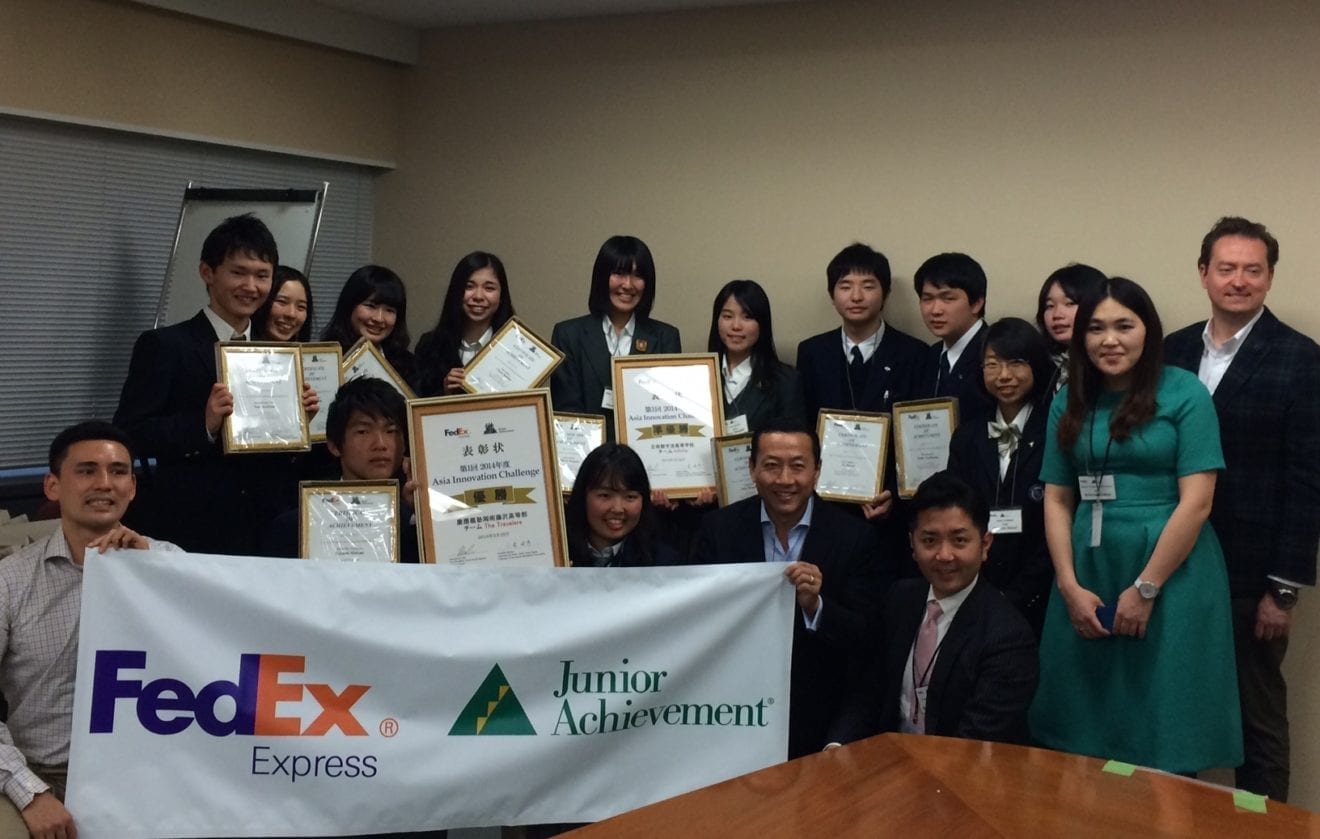
    A team of student entrepreneurs from Singapore have been crowned winners of the FedEx Express/Junior Achievement International Trade Challenge (FedEx/JA ITC) Asia Pacific Finals in Hong Kong.

    Challenged to come up with an idea for a travel security product or service for the U.K., team Kung Fu Pandas – made up of Colin Chee and Tan Jie Ying – impressed the judges with their product “RobStop”, a convertible bag with slash-proof body panels made of stainless steel mesh that can help to thwart pickpockets and protect all important personal belongings while travelling.

    In total, 48 students from eight Asia-Pacific markets (Hong Kong, Japan, Korea, Malaysia, the Philippines, Singapore, Thailand and Vietnam) took part in this year’s contest.

    “We came up with an idea that we thought would work and that we believed in, but some of the other team’s proposals were really outstanding, so we didn’t expect to be the winners,” said Colin Chee and Tan Jie Ying of Kung Fu Pandas.

    “Taking part in the contest has been a really eye-opening experience, and it’s made us realize that, with some planning, research and a good idea, it’s surprisingly easy to set up a business in real life.”

    Evelyn Tsui and Tanya Tam of team DOTS from Hong Kong took second place in the contest with their idea of “Secure Egg”, a compact portable device that helps elderly travelers in emergency situations by enabling them to connect to their families or even the police at the push of a button.

    Team LOHAS, also from Hong Kong, came third. Team members Michelle Ng and Vanessa Kwang devised “KidSafe”, a children’s backpack that tracks children’s whereabouts. Once the backpack leaves the “safety zone” set by parents, the parents receive an automatic alert.

    “Modern technology makes international markets more accessible to even the smallest business than ever before,” said Karen Reddington, president, FedEx Express Asia Pacific.

    “I’m delighted that, by supporting FedEx Express/Junior Achievement International Trade Challenge, we are helping to develop and inspire the next generation of entrepreneurs to recognize the opportunities for themselves. The program has grown considerably in both size and stature over the last 10 years, which is a testament of a huge success that FedEx is proud to be associated with.”

    “It is remarkable that FedEx/JA ITC has now been running for 10 years and we are very proud that it has not only endured, but actually grown considerably,” said Vivian Lau, president, JA Asia Pacific.

    “Our goal for the program was always to inspire young people to think big in what they can achieve in the world of business, and to enable them by equipping them with the necessary knowledge and skills through challenges that were as close to real life as possible. The feedback of previous years tells us that participants really benefited from the program, and we will work to ensure it remains equally valuable in the years to come.”

  • Indonesia, Norway to expand energy cooperation

    Indonesia, Norway to expand energy cooperation

    Indonesia and Norway have agreed to expand energy cooperation and business-to-business contacts in various sectors of energy development.

    The agreement was reached during an Indonesia-Norway bilateral energy meeting in Stavanger recently, according to Hartyo Harkomoyo, spokesman of the Indonesian Embassy in Oslo.

    Harkomoyo quoted Norwegian Oil and Energy Deputy Minister Ingvil Smines Tybring-Gjedde as saying at the meeting that the country was keen to share its expertise and experiences with Indonesia for the development of the energy sector.

    In response to the statement of the Norwegian oil and energy deputy minister, Energy and Natural Resources Ministrys director for oil and gas development program Agus Cahyono Adi, who led the Indonesian delegation at the meeting, noted that Indonesia was ready to host the Indonesia-Norway energy dialog in March 2017.

    Adi remarked that during the energy dialog, the two countries will discuss governance and regulation in oil and gas exploration, the use of Carbon Capture Storage technology and enhanced oil recovery to revive old wells, and the development of new and renewable energy, among others.

    In the meantime, Indonesian Ambassador to Norway Yuwono A. Putranto said energy is one of the key areas of cooperation in the partnership between Indonesia and Norway.

    In order to focus on the partnership, Indonesia and Norway have agreed on the mechanism to hold regular meetings through dialog in the energy sector every two years.

  • Thousands of foreign tourists come to Enliven Togean Festival

    Thousands of foreign tourists come to Enliven Togean Festival

    Thousands of tourists from Italy, France, Germany, Australia, and South Korea, among other things, were present to enliven the Togean Festival, opened by Central Sulawesi Vice Governor Soedarto in Tojo Unouno district on Saturday.

    Held from Augut 27 to 31, 2016, the Togean Marine Festival aims to promote the natural beauty and unique underwater paradise in Tojo Unouno district, according to Central Sulawesi Culture and Tourism Office Chief Siti Norma Mardjanu.

    “Yes, more than one thousand tourists from various countries are now in Tojo Unauna to enliven the marine festival of Togean Islands charm,” Mardjanu affirmed here on Sunday.

    According to her, all cottages accommodations in Tojo Unauna are fully booked by the foreign tourists, and many of them have to stay at the homes of local government officials.

    To enliven the Togean Marine Festival, the foreign tourists also participates in road race hosted by Tojo Unauna District Head Mohammad Lahay, underwater photo contest, boat race, the tug of war on the boats, cultural attraction, traditional martial arts, swimming and fishing contest.

    Increased tourism promotion in Togean, according to her, will continue to be made through the festival by involving the Ministry of Tourism to maximize the dissemination of information about the charm of the area nationally and internationally.

    “Central Sulawesi provincial government took the central government to participate in promoting the Tojo Unouno tourism through the Togean Marine Festival,” Mardjanu explained.

    Togean Marine Festival is being held to promote the regional tourism in the country and abroad in a bid to boost tourist visits to Togean Islands.

    Indonesia is home to some of the worlds most beautiful aquatic areas including the Togian Islands, where diving is one of the best things the visitors can do.

    “Tropical coral reefs filled with an abundance of marine life can be found in many areas around the island,” she said.

  • Electricity Prices May Decline

    Electricity Prices May Decline

    The National Energy Board (DEN) is asking state power company PLN to review its suggestion to formulate a new formula for the basic prices of electricity. The DEN believes a new price formula will bring benefits to the public.

    “Concept-wise, it is good. But PLN must first hold a price simulation to figure out how positive a new price scheme would be for the public. The tariffs could be a lot cheaper,” DEN member Abadi Purnomo told.

    He said the opportunity to lower electricity prices arrives from the abundant power supply generated by coal-fueled power plans, which accounted for 52.8 percent of the national energy mix last year. The second largest portion is gas energy use with 24.2 percent.

    PLN suggested a new price formula that will include energy mix component in the calculaton. Today’s tariffs calculations only refer to the Indonesian Crude Price (ICP), whereas the use of oil fuel for power-generation has declined from 11.7 percent in 2015 to just 6.7 percent this year.

    Another DEN member Sonny Keraf also supports PLN’s proposal. He asks the government to evaluate the current electricity price formula as a way to develop new renewable energy sources.

    A new, cheaper price electricity scheme will trigger industry growth, Sonny said. Industry players have always complained about Indonesia’s pricy electricity rates that prevent them from competing with other nations.

    PLN’s planning director Nicke Widyawati promised to bring their proposal to the DPR.

    Meanwhile, Acting Energy Minister Luhut Binsar Pandjaitan said his ministry is reviewing the suggestion.