Category: Living

Retail News Asia is committed to providing both local and global retailers with the latest Living news throughout the Asian market. This on a daily base.

  • Singaporean Enterprises Pave the Way for Renewable Energy Revolution Across APAC

    Singaporean Enterprises Pave the Way for Renewable Energy Revolution Across APAC

    Singapore is making significant strides in the renewable energy landscape, surpassing its regional counterparts regarding the integration of low-carbon energy sources. A recent survey by ABB’s Energy Industries division indicates that 30% of companies in Singapore source more than half of their energy from renewables, a figure that surpasses the 25% average for the Asia Pacific region.

    Looking to the future, a strong majority—82% of Singaporean firms—anticipate boosting their renewable energy consumption by more than 20% within the next five years, compared to 77% regionally. This commitment underscores a robust demand pipeline that aligns with Singapore’s decarbonisation ambitions, as noted by ABB.

    Capital Investments Fueling Energy Transition

    In a striking display of commitment, 68% of Singaporean companies plan to allocate over 10% of their capital expenditures to energy transition initiatives over the next five years. Notably, 26% of businesses expect to ramp up their investments in these efforts by more than 50% in the upcoming year, outpacing the 19% anticipated across the broader region.

    AI: The Unsung Hero of Renewable Energy

    The survey highlights artificial intelligence as a pivotal component in this energy transition, with 78% of respondents expressing confidence in its role. Companies are looking to harness AI for data-driven energy management, expedite investments in smart grid technologies, and enhance interoperability across systems.

    Leading the Charge with Solar Energy

    Importantly, solar energy is emerging as the front-runner in Singapore’s renewable push. A staggering 75% of respondents already rely on solar as a primary energy source, exceeding the 73% seen in the wider Asia Pacific region. When asked about the future, companies identified solar (60%), green hydrogen (46%), and wind (42%) as the top three game-changers for renewable energy in the next five years, showcasing a burgeoning optimism for innovative low-carbon technologies.

    As the world fixes its gaze on decarbonisation, Singapore is not just aiming for a greener future but also taking bold steps to lead the charge. It seems the city-state is not only investing in the earth but perhaps has also found a way to put the “green” back in “greenbacks.”

    Questions & Answers

    How does Singapore’s renewable energy sourcing compare to the broader Asia Pacific region?
    Singapore leads the charge with 30% of companies sourcing over half their energy from low-carbon sources, exceeding the 25% average for the Asia Pacific region.

    What percentage of companies in Singapore plan to increase their renewable energy use significantly?
    A remarkable 82% of companies in Singapore expect to boost their renewable energy consumption by more than 20% in the next five years, higher than the regional figure of 77%.

    Which renewable technologies do companies in Singapore view as the most promising for the future?
    Respondents identified solar (60%), green hydrogen (46%), and wind (42%) as the leading technologies likely to transform the renewable landscape in the next five years.

  • L Catterton targets Japan’s furniture sector with stake in Seki Furniture

    L Catterton targets Japan’s furniture sector with stake in Seki Furniture

    L Catterton, an investment firm supported by luxury goods group LVMH, has entered into a strategic partnership with Seki Furniture, a prominent furniture producer and retailer in Japan.

    Established in Okawa in 1968, Seki Furniture originated as a wholesaling business and has since evolved into a leading omnichannel company. Currently, it operates 26 retail outlets, incorporating its Crash Gate brand, and maintains a formidable online presence.

    Seki controls the majority of Japan’s wholesale residential furniture market and is broadening its reach into sectors such as offices, hotels, restaurants, and hospitals.

    The company is backed by an expert in-house design team and an extensive supplier network. Its brands, notably Relaxform, garner recognition for their design, quality, and affordable pricing.

    CEO Hideki Haruta stated, “Moving ahead, we aim to collaborate with L Catterton to achieve additional medium- to long-term growth and augment our corporate value. We remain committed to providing our customers with services and products that offer enduring value.”

    This investment follows L Catterton’s previous investments in home furnishing businesses, including Restoration Hardware and Boll & Branch.

    Earlier this year, L Catterton entered into a strategic agreement with Megabass, a high-end Japanese fishing gear manufacturer, to assist in the company’s expansion.

    Questions & Answers

    What is Seki Furniture’s current market position in Japan?
    Seki Furniture holds the largest share of Japan’s wholesale residential furniture market and is expanding into sectors such as offices, hotels, restaurants, and hospitals.

    What kind of brands does Seki Furniture have?
    Seki Furniture has several brands under its umbrella, notably Relaxform, which is well-recognised for its design, quality, and pricing.

    Who has L Catterton previously invested in within the home furnishing sector?
    L Catterton has previously invested in home furnishing companies such as Restoration Hardware and Boll & Branch.

  • Wanderlust Unveils Biohack: A New Wellness Range Promising Enhanced Mental And Physical Performance

    Wanderlust Unveils Biohack: A New Wellness Range Promising Enhanced Mental And Physical Performance

    Australian health and wellness brand, Wanderlust, has unveiled a new product range, BioHack by Wanderlust. This supplement collection aims to enhance both mental and physical performance, promoting vitality, focus, resilience, and energy.

    The product line, which will be accessible online and in Chemist Warehouse locations, consists of a diverse selection of 23 formulations. Each is specifically designed with the goal of supporting various aspects of human wellness, ranging from vitality and focus to resilience and energy.

    One notable product in this collection is the NAD+ Boost. This unique supplement features the NAD+ precursor ingredient, known for its beneficial role in energy metabolism and cellular vitality.

    Wanderlust Chairman, Radek Sali, expressed the company’s philosophy and goal behind the new product line. “We believe that age is a privilege and our mission is to assist individuals in embracing their current stage of life,” he said. “This way, they can optimise their journey moving forward. BioHack by Wanderlust is not a fringe experiment in biohacking. Instead, it represents intelligent, science-supported decisions that empower individuals to take control of their evolution.”

    Questions & Answers

    What is the goal of Wanderlust’s new product line, BioHack?
    BioHack by Wanderlust is designed to enhance mental and physical performance. The products aim to promote vitality, focus, resilience, and energy.

    Where can consumers access the BioHack by Wanderlust collection?
    The BioHack by Wanderlust collection is available online and at Chemist Warehouse locations.

    What is the function of the NAD+ precursor ingredient in the NAD+ Boost supplement?
    The NAD+ precursor ingredient helps to boost energy metabolism and cellular vitality.

  • Bubs Australia Announces Board Reshuffle: Paul Jensen Steps In As Independent Chair

    Bubs Australia Announces Board Reshuffle: Paul Jensen Steps In As Independent Chair

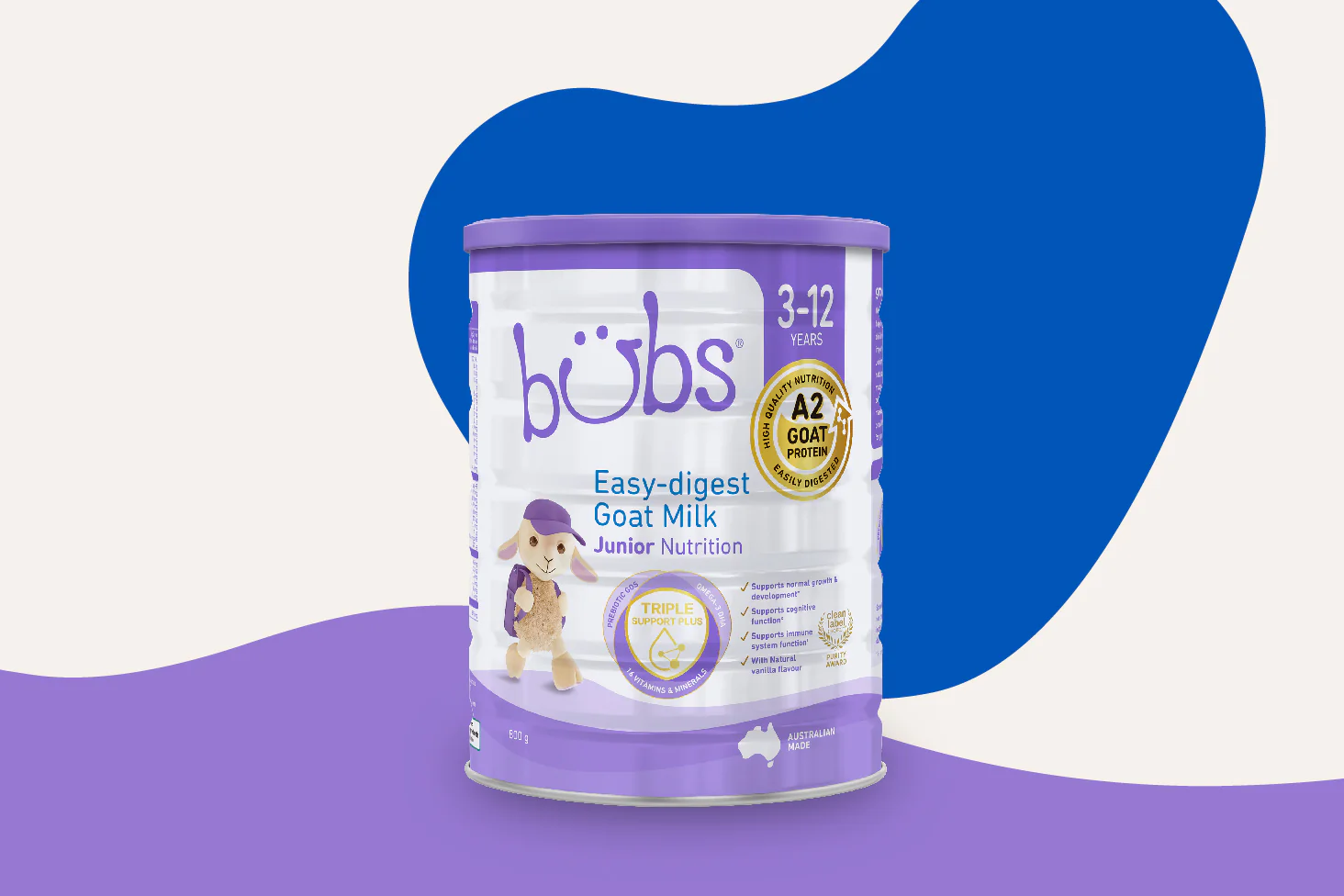
    Bubs Australia, a prominent infant nutrition company, has recently undergone changes in its executive board. Paul Jensen, one of the non-executive directors, has been appointed as the independent chair. This announcement was made following the exit of the previous chair, Katrina Rathie.

    New Appointments

    Paul Jensen, who has been an integral part of the board since 2023, has now taken on the role of independent chair. Throughout his tenure, Jensen has not only led the company’s audit and risk committee but has also brought to the table more than twenty years of experience. His expertise spans across various industries and includes both ASX-listed and unlisted boards.

    Additionally, Joe Coote, who assumed the position of CEO earlier this year, has been appointed to the board as Managing Director (MD). Coote has a deep-seated background in leadership roles, with over two decades of global experience in consumer products, dairy, and infant formula industries.

    Stronger Outlook

    Expressing his enthusiasm about the future of Bubs and his new role, Jensen said, “I am excited about the future of Bubs and the opportunity to serve as chair and welcome Joe to the board as MD.”

    Jensen further highlighted their commitment to advance board evolution throughout the current financial year. This strategic move aims to make certain that the right blend of skills and experience are on board to oversee their corporate strategy, and to align with corporate governance standards.

    Questions & Answers

    Who has been appointed as the new independent chair of Bubs Australia?
    Paul Jensen, a non-executive director of Bubs Australia, has been appointed as the new independent chair.

    Who has joined the board as the managing director?
    Joe Coote, CEO of Bubs Australia, has joined the board as the managing director.

    What is the main aim of the board evolution at Bubs Australia?
    The main aim of the board evolution at Bubs Australia is to ensure a balanced mix of skills and experience to oversee the corporate strategy and comply with corporate governance standards.

  • Disney’s Inaugural Asia Cruise from Singapore Postponed by Three Months: What to Know!

    Disney’s Inaugural Asia Cruise from Singapore Postponed by Three Months: What to Know!

    In a significant adjustment for eager travelers, Disney has relocated the inaugural sailing of its new cruise ship, the Disney Adventure, from December 15 to March 10 of next year. The shift comes in light of unexpected delays in the shipbuilding process, a decision Disney Signature Experiences President Joe Schott addressed during inquiries from Mothership. “To ensure the experience we deliver reflects our commitment to excellence, we’ve made the decision to adjust our timeline,” he stated, acknowledging the potential disappointment for guests.

    For those affected by the change, Disney is actively providing flexible rebooking options to maintain consumer trust. Guests originally booked for the December voyage will automatically be transferred to the new March sailing, and in a move that mirrors the magic of Disney, they will also receive a 50% refund for the inconvenience, as reported by The Straits Times.

    A Dedicated Home Port in Singapore

    The majestic Disney Adventure, which recently began sea trials to test its systems, will be stationed in Singapore for a minimum of five years. Those unable to join the March 10 voyage can opt for a full refund or rebook any future sailing at half price, available for cruises departing on or before March 31, 2027.

    A Floating Theme Park Awaits

    Originally marketed as a floating theme park for travelers from Southeast Asia and India, the Disney Adventure promises seven themed zones, including the standout feature—a 250-meter Iron Man rollercoaster on the upper deck. This thrilling ride is branded as the longest rollercoaster at sea and the first of its kind on a Disney cruise, guaranteeing a memorable adventure for all guests.

    Impact on Bookings and Capacity

    While the exact number of affected guests remains undisclosed, industry analysts from Bloomberg report that around 25 sailings will experience this rescheduling. With a capacity for up to 6,700 passengers, the Disney Adventure generated considerable buzz when tickets for its maiden voyage sold out on the first day of general sales last December. Pricing for three- and four-night cruises in 2026 starts at $1,060 and $1,412 per person, respectively, according to the cruise’s booking website.

    Delays in maiden voyages are not an uncommon occurrence within the cruise industry. The launch of Disney’s Florida-based ship, Disney Wish, faced similar challenges in 2022, while competitors like Princess Cruises and Royal Caribbean International have also postponed inaugural sailings due to ship completion issues. Notably, the Disney Adventure stands apart from the rest of Disney’s lineup, having been acquired partially built from Genting Hong Kong in 2022.

    Strategic Growth Plans

    Looking ahead, Disney has laid out an ambitious strategy, announcing plans to double its investment in the cruise and parks business to $60 billion by 2033. Alongside this financial commitment, Disney aims to expand its fleet from the current six ships to a total of 13 by 2031, fueling excitement for the future of its cruise offerings.

    Questions & Answers

    How has Disney addressed the change in the Disney Adventure’s maiden voyage schedule?
    Disney has automatically transferred guests to the new March 10 sailing and is offering a 50% refund to those impacted by the delay.

    What unique features will the Disney Adventure offer its guests?
    The ship will showcase seven themed zones, including the first-ever Iron Man rollercoaster at sea, the longest rollercoaster on a Disney cruise, making it a standout in the experience it offers.

    What are Disney’s future plans for its cruise business?
    Disney aims to double its investment in cruise and parks to $60 billion by 2033 and to expand its fleet from six to 13 ships by 2031, indicating significant growth in its cruise operations.

  • Gasoline Prices See End to Nine-Week Rally: What It Means for Consumers

    Gasoline Prices See End to Nine-Week Rally: What It Means for Consumers

    Gasoline prices in Vietnam took a notable dip on Thursday afternoon, marking the end of a nine-week upward trajectory.

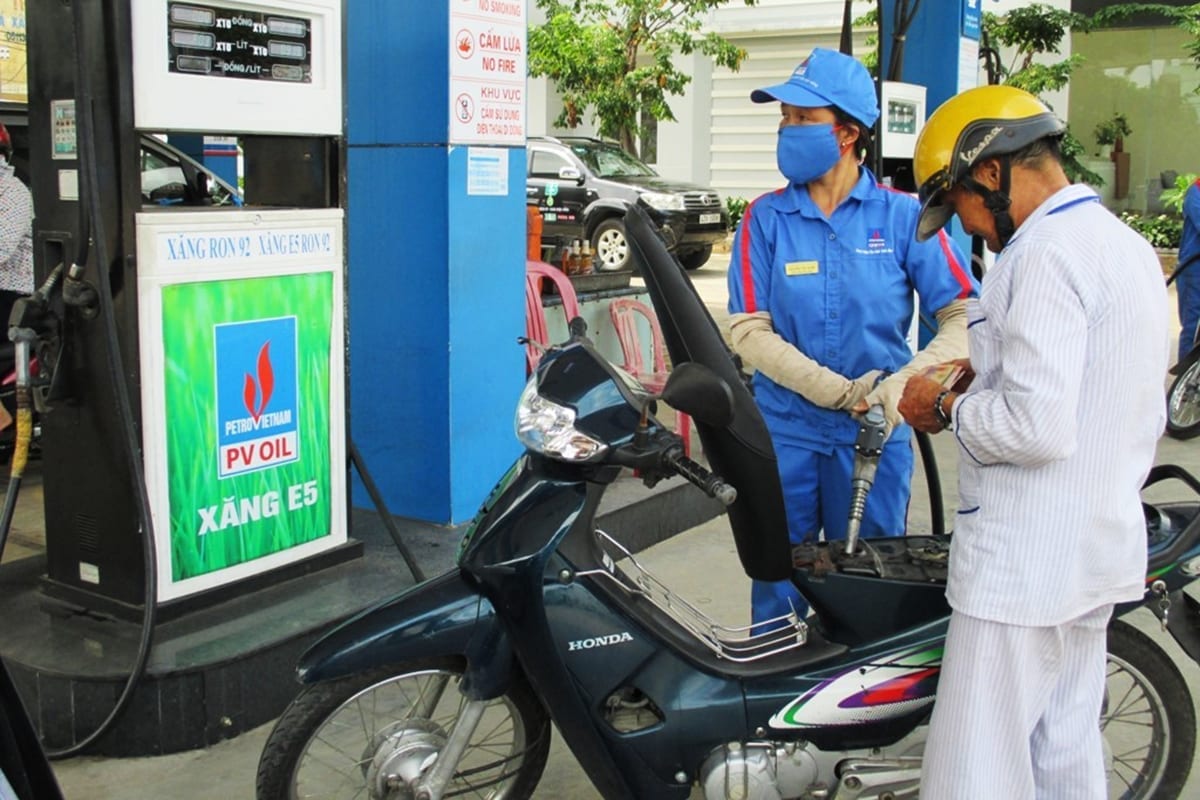
    The widely used fuel RON95 saw a slight decrease of 0.15%, settling at VND20,400 (approximately US$0.77) per liter. Similarly, biofuel E5 RON92 experienced a bigger drop of 0.50%, now priced at VND19,750. While diesel fueled a higher climb, rising by 0.92% to VND18,640.

    This adjustment reflects the recent volatility in the global oil market, influenced by a mix of geopolitical events and economic shifts. Notably, tensions escalated in the Middle East following Israel’s actions targeting Hamas leadership on Qatari territory. At the same time, OPEC+ has ramped up oil production for October, and fluctuations in the value of the US dollar have further complicated the landscape, as highlighted by the Ministry of Industry and Trade.

    In terms of global benchmarks, RON95 dropped by 0.2% to $81.5 per barrel, while diesel ticked up by 1.14%, now valued at $87.64. It’s a bit like watching a tightrope walker; one misstep can send prices plummeting or soaring.

    Questions & Answers

    What trends influenced the recent decline in gasoline prices in Vietnam?
    The decline was largely shaped by geopolitical tensions in the Middle East, OPEC+ increasing oil production, and fluctuations in the value of the US dollar.

    How much did RON95 and biofuel E5 RON92 prices change?
    RON95 fell by 0.15% to VND20,400, while E5 RON92 dropped by 0.50% to VND19,750.

    What impact do global oil prices have on local markets?
    Global oil prices significantly impact local markets, as fluctuations can directly translate into changes in consumer fuel prices, shaping both economic conditions and consumer behavior in the region.

  • Bemoody: Revolutionizing PMS Care With Holistic, Science-backed Solutions

    Bemoody: Revolutionizing PMS Care With Holistic, Science-backed Solutions

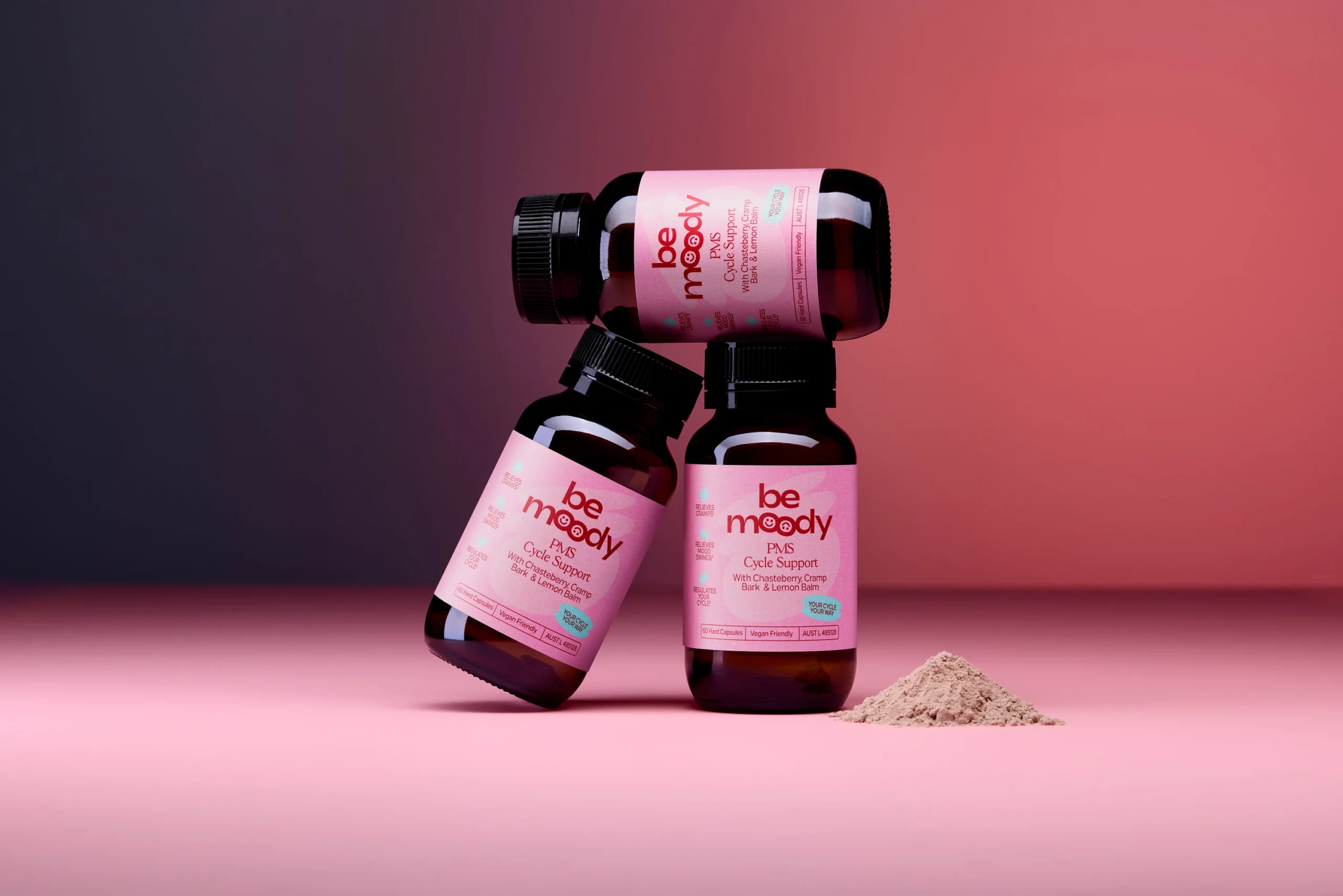
    Founded by Stefanie Mitrevski, the 28-year-old pharmacist, Australian premenstrual syndrome (PMS) support brand Bemoody started its operations in July this year with its flagship product, a PMS Support Cycle supplement. Mitrevski is determined to transform a market sector currently dominated by quick-fix solutions, indifferent counsel, and femininely packaged remedies.

    A Neglected Health Issue

    Bemoody reports that while PMS affects between 70% and 90% of menstruating individuals, it is often disregarded in healthcare discussions. According to Mitrevski, this issue isn’t niche or insignificant. On the contrary, it affects half the population for a significant portion of their lives. She pointed out that many individuals feel underserved and unheard or are unaware that they don’t have to simply endure their symptoms.

    Bemoody’s goal is to revolutionize the industry by appealing directly to Generation Z and Millennial consumers, thereby addressing a significant health issue that has been largely overlooked up to this point.

    An Overcrowded Market

    Mitrevski’s professional experience in hospitals was the catalyst for her initiative. She noticed the tendency to dismiss or downplay individuals’ menstrual symptoms, offering them only superficial remedies. In Mitrevski’s view, the lack of effort devoted to innovating in women’s health is due to a reliance on painkillers, which are easier to market, fall within well-established pharmaceutical categories, and have proven revenue models.

    However, she believes that there is a growing demand for science-backed holistic supplements, as evidenced in the US market. Mitrevski recognized that American consumers are more receptive to direct consumer innovation with supplements, creating a larger, more open market for the products.

    Science-Backed Products

    Mitrevski also mentioned two successful direct-to-consumer supplement brands, O Positiv and Lemmy, as examples of effective marketing and targeted messaging. She noted that Australian consumers, similar to their American counterparts, are incredibly health-conscious and appreciate clean, scientifically supported products.

    This preference among consumers presents an opportunity for Bemoody to succeed in Australia, mirroring the success of major femtech startups in the US. Notably, Bemoody has achieved its current position without any financial backing, entirely bootstrapped by Mitrevski.

    A New Approach to PMS

    The development and preparation of Bemoody’s PMS Support Cycle supplement was a two-year process. Mitrevski was deeply concerned about the lack of effective PMS support and saw the impact on her close friends, her sisters, and others in her community.

    She was determined to create a brand that accurately reflected the realities of people’s menstrual cycles, focusing on the aspects that are often dismissed by conventional brands. In addition to developing a clinically backed formula and collaborating with Australian manufacturers, naturopaths, and the Therapeutic Goods Administration (TGA), Mitrevski aimed to create a brand that stood for something significant.

    Mitrevski emphasizes that Bemoody is not only about product and branding; it’s equally about education. The company uses its e-commerce and social media platforms to educate customers, adopting a stigma-breaking approach in how it communicates. Mitrevski believes this educational component is as important as having a viable product.

    With the successful launch of Bemoody, plans to expand its range of supplements and strategies to break into major retail markets are already in progress.

    Questions & Answers

    How does Bemoody differentiate from other brands in the market?
    Bemoody is unique in its focus on education and breaking stigmas around PMS, using its platforms to inform customers about these often overlooked aspects of health.

    What inspired the creation of Bemoody?
    Stefanie Mitrevski, the founder of Bemoody, was inspired to create the brand after witnessing the dismissive treatment and superficial solutions offered to individuals experiencing menstrual symptoms during her professional experience in hospitals.

    What are the future plans for Bemoody?
    Bemoody plans to expand its range of supplements and has a strategy in place to enter major retail markets.

  • Earth Rescue Launches Plastic-free, Biodegradable Cleaning Products In Sustainable Shift

    Earth Rescue Launches Plastic-free, Biodegradable Cleaning Products In Sustainable Shift

    Earth Rescue, a brand known for its sustainable cleaning products, has introduced a new line of plastic-free scent-boosters, as well as laundry and dishwashing sheets in an effort to contribute to a reduction in plastic waste.

    Eco-Friendly Product Range

    Earth Rescue’s latest products are not just devoid of plastic, but they are also lightweight and pre-measured to ensure zero wastage. These products are packed in compostable cardboard packaging, further reinforcing the brand’s commitment to sustainability.

    The new line includes plant-based biodegradable sheets that are cruelty-free and devoid of parabens and harsh additives. With ultra-concentrated formulas, these sheets are designed to effectively eliminate stains, grease, and odours.

    Addressing Consumer Concerns

    According to Pete Camilleri, Senior VP of Earth Rescue, the launch of these products comes in response to Australians’ growing dissatisfaction with bulky bottles, unnecessary packaging, and ineffective eco products.

    Camilleri explains that Earth Rescue’s goal was to offer consumers a choice that is not only convenient and effective but also affordable and truly beneficial for the environment. He emphasized that the brand aims to make sustainable options the most accessible ones for consumers.

    Availability

    Earth Rescue’s range of detergent sheets for laundry and dishwashing, as well as the in-wash scent boosters, are now available for purchase in Woolworths stores across the country.

    Questions & Answers

    What is unique about Earth Rescue’s new product line?

    The new line is completely plastic-free and designed to minimize waste. The products are lightweight, pre-measured, packaged in compostable cardboard, and made with plant-based, biodegradable ingredients.

    What was the motivation behind the launch of these products?

    Earth Rescue identified a growing concern among Australians regarding bulky and wasteful packaging and ineffective eco products. The brand sought to address these concerns by offering a sustainable, effective, and convenient alternative.

    Where can consumers purchase these new products?

    The new line of products from Earth Rescue is available in Woolworths stores across Australia.

  • IKEA Announces Exciting Launch of Its First Store in New Zealand!

    IKEA Announces Exciting Launch of Its First Store in New Zealand!

    IKEA is set to make a splash in New Zealand with its inaugural store opening at Sylvia Park, Auckland, on December 4. Spanning an impressive 34,000 square meters, this expansive outlet will showcase a staggering array of over 7,500 products, which local customers can explore both in-store and online—talk about a retail playground!

    New Offerings Fit for Every Kiwi Home

    In a first for the retailer in a new market, IKEA will roll out 29 nationwide Pick-Up Points and launch home delivery services, ensuring that Kiwis from all corners have convenient access to their flat-pack treasures. Adding a twist to the traditional retail experience, a Buy Back service will enable customers to return pre-loved furniture, whether it be from IKEA or other brands, making sustainability a key component of their new footprint.

    A Loyalty Programme to Cherish

    In celebration of this upcoming launch, IKEA is unveiling its free IKEA Family loyalty program, designed to give members exclusive benefits and priority access to the store. New Zealanders can get in on the action by registering now at IKEA’s website, ensuring they are among the first to experience the brand’s unique offerings when the doors swing open.

    Part of a Larger Global Vision

    This launch marks a significant milestone as New Zealand is the first new market for Ingka Group, IKEA’s largest retail arm, since 2021. The opening in Auckland is part of a broader ambitious €5 billion global expansion strategy slated to unfold through fiscal year 2027, signalling IKEA’s unwavering commitment to grow its presence in retail overseas.

    As the countdown to December 4 begins, one thing is clear: IKEA’s arrival in New Zealand will undoubtedly change the local retail landscape. Who knew that assembling a bookshelf could also symbolize a nation’s evolving consumer culture?

    Questions & Answers

    What unique services will IKEA offer in New Zealand?
    IKEA will introduce 29 nationwide Pick-Up Points alongside home delivery services, enhancing accessibility for customers across the country.

    What sustainability initiative is IKEA implementing with its new store?
    The company will offer a Buy Back service for customers to return pre-loved furniture, promoting sustainability and responsible consumption.

    When is the grand opening of IKEA’s first New Zealand store?
    The much-anticipated opening is scheduled for December 4, 2023, at the Sylvia Park location in Auckland.

  • Manila’s Hotel Scene Set to Expand with 3,000 New Rooms Coming in Late 2025

    Manila’s Hotel Scene Set to Expand with 3,000 New Rooms Coming in Late 2025

    The hospitality landscape in Metro Manila is brimming with potential as the market anticipates the addition of approximately 3,000 new hotel rooms by the end of 2025. According to a recent report from JLL, hotel occupancy rates are currently strong, yet this incoming wave of accommodations may briefly impact occupancy levels.

    Sturdy Foundations in Metro Manila’s Hotel Sector

    Despite the expected influx of new inventory, Metro Manila’s hotel market shows remarkable resilience, with RevPAR reflecting a positive year-over-year trend. This statistic is a clear signal of robust demand and an upsurge in traveler confidence, suggesting that visitors are keen on experiencing the vibrant hospitality options the area offers.

    In the second quarter of 2025, hotel occupancy hit 78.3%, marking an impressive year-over-year increase of 143.4 basis points. The luxury and upscale segments are leading the charge, demonstrating their enduring allure. What’s more, average room rates have edged up just slightly, from PHP 7,916 in Q2 2024 to PHP 7,917 in Q2 2025—a testament to the market’s stability amid expansion.

    Preparing for Growth Amid New Challenges

    As the holiday season draws near, optimism fills the air in the Philippine tourism sector. The VAT refund program is gaining traction, and combined with strategic tourism marketing efforts, authorities are aiming to reach an annual target of 7.7 million visitors. Even with the new hotel openings, which may disrupt occupancy rates in the short term, the solid fundamentals of tourism and increasing international interest are expected to bolster demand for hotel stays.

    With Manila positioning itself as a compelling destination, it seems the real excitement lies not just in the influx of these new hotel rooms—but also in how they will redefine the competitive landscape for hospitality in the region. After all, having options is never a bad thing, right?

    Questions & Answers

    What is the expected impact of the new hotel inventory on occupancy rates?
    While the addition of approximately 3,000 new hotel rooms could create temporary pressure on occupancy rates, the stable demand driven by tourism fundamentals and market interest is expected to alleviate this shortly.

    How is the hotel market currently performing in Metro Manila?
    The hotel market is performing well, with an occupancy rate of 78.3% in Q2 2025, reflecting a significant year-over-year growth and positive trends in RevPAR, indicating strong demand and visitor confidence.

    What initiatives are anticipated to support tourism growth in Metro Manila?
    Key initiatives include the VAT refund program and targeted tourism marketing efforts, which aim to boost visitor arrivals and help meet the annual target of 7.7 million tourists.

  • Revolution In Audio Broadcasting: Expanding Auracast’s Compatibility And Real-world Applications

    Revolution In Audio Broadcasting: Expanding Auracast’s Compatibility And Real-world Applications

    In March, we introduced our readers to a Bluetooth technology known as Auracast. This innovative feature, designed for Bluetooth Low Energy (LE), empowers a singular audio source, such as a phone, to transmit a high-quality audio stream to a limitless number of Bluetooth receivers in proximity. Instead of the traditional one-to-one Bluetooth connection (e.g., your smartphone to a pair of Bluetooth earbuds), Auracast transforms your device into a broadcasting station capable of delivering a one-to-many signal.

    Auracast Support for Hearing Aids

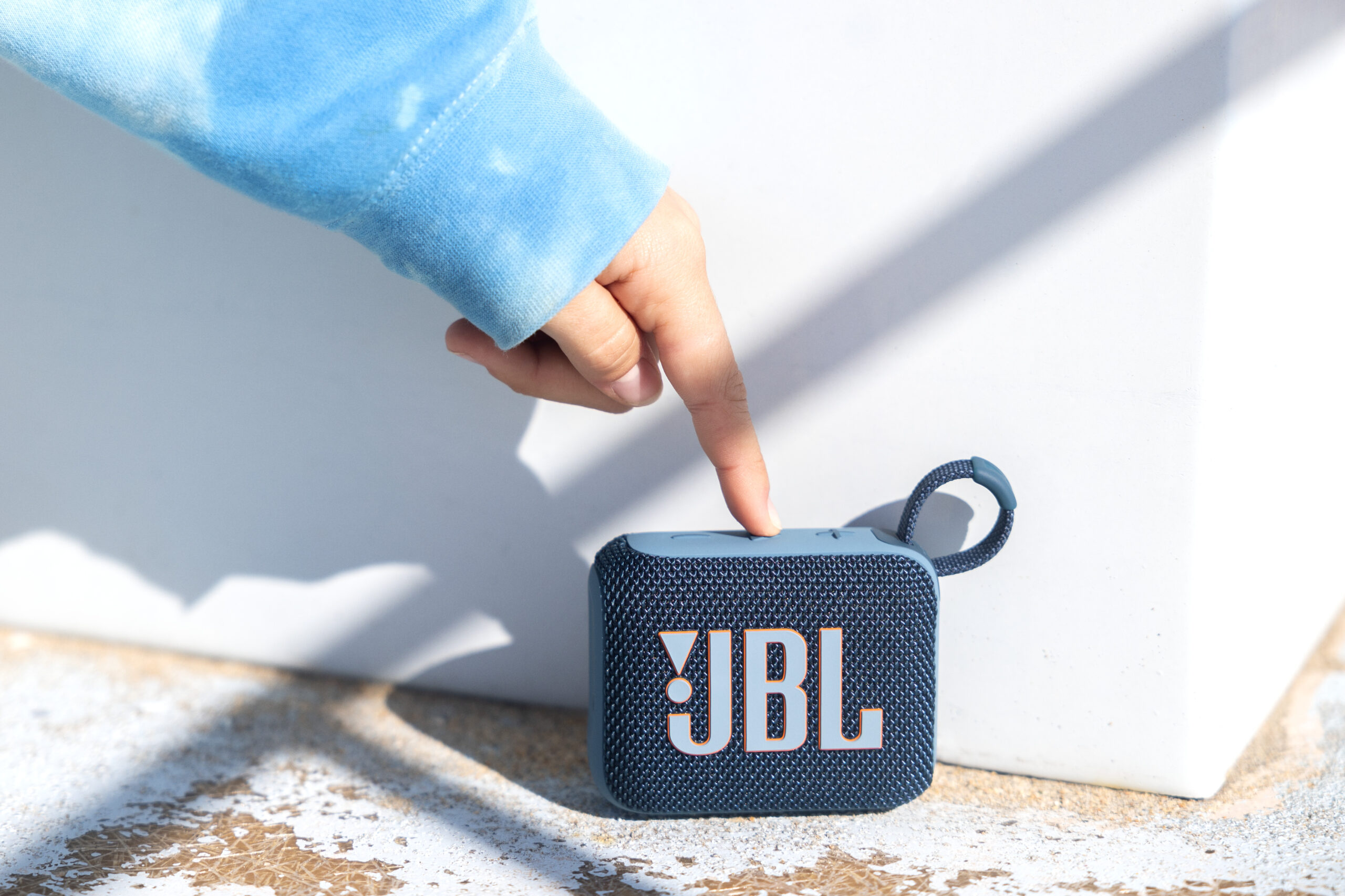
    Six months ago, Google initiated support for hearing aids using Auracast with the release of the Pixel 9 series. This support featured several preset settings tailored to assist those who have hearing problems. Recently, Google expanded this list to include Sony headphones among the hearing aids and earbuds compatible with Auracast. Other notable inclusions in this list are the JBL Tour One M3, the Samsung Galaxy Buds 3 Pro, and the Sennheiser Accentum True Wireless.

    Phones with Auracast Capability

    Among the smartphones equipped with the ability to utilise Auracast for audio broadcasting are the Google Pixel 8 and later models, the Samsung Galaxy S23, S24, and S25 series, and the Galaxy Z Fold 5, Z Fold 6, and Z Fold 7. Certain Xiaomi and Poco phones unavailable via U.S. carriers are also outfitted with Auracast support.

    Practical Applications of Auracast

    Auracast proves to be particularly useful in public places, such as airports and train stations, where public announcements are common. It also offers a solution for shared listening experiences, like when you want a nearby friend to hear a song you’re enjoying. Instead of sharing an earbud, a practice some might find unsanitary, Auracast lets you transmit the song directly to your friend’s headphones, earbuds, or even a compatible hearing aid.

    Users can also share their audio with members of a nearby group equipped with compatible Bluetooth devices. Simply scanning a QR code or tapping their phone using Google’s Fast Pair allows these group members to tune into the broadcast.

    At present, this feature is available only on certain phone models and Bluetooth-enabled audio devices.

    Questions & Answers

    What is Auracast?
    Auracast is a feature for Bluetooth Low Energy (LE) that allows a single audio source to broadcast a high-quality audio stream to an unlimited number of Bluetooth receivers nearby.

    Which phones are compatible with Auracast?
    Phones that are compatible with Auracast include the Google Pixel 8 and later models, the Samsung Galaxy S23, S24, and S25 series, and the Galaxy Z Fold 5, Z Fold 6, and Z Fold 7. Certain Xiaomi and Poco phones also support Auracast.

    Where could Auracast be useful?
    Auracast could be particularly useful in public places like airports and train stations, where public announcements are common. It’s also handy for shared listening experiences, allowing you to broadcast a song you’re listening to a friend’s headphones, earbuds, or even a compatible hearing aid.

  • Moments Health Brand Makes Retail Debut In New Zealand’s Chemist Warehouse Stores

    Moments Health Brand Makes Retail Debut In New Zealand’s Chemist Warehouse Stores

    The health and wellness brand, Moments, has marked its debut in the physical retail market of New Zealand. The brand’s wide-ranging products, including adult toys, condoms, and lubricants, are now available in Chemist Warehouse stores across the country and online.

    Moments’ Debut in Physical Stores

    Nikhil Daftary, the MD and founder of Moments, shared that although the brand has been accessible in New Zealand since 2019, its products were previously exclusively sold online. The brand’s foray into a physical retail environment represents a new chapter in its growth. “New Zealand represents an exciting market for us due to its progressive and open-minded attitude towards sexual health,” said Daftary.

    By bringing Moments’ products to Chemist Warehouse outlets, the company aims to engage with more women, empowering them to purchase sexual health and wellness products with confidence.

    Range of Products

    The range of products that Moments offers at Chemist Warehouse includes five variants of condoms – the Mega Thin 0.03 and dual-lubricated types among them. The product line also includes two kinds of lubricants, one of which is bubble gum-flavored, and a complete range of pleasure toys such as Mood, CEO, Baddie, and Vibin’.

    Beyond its retail operations, Moments also supplies between eight and ten million condoms annually to the New Zealand government via its Pharmac contract.

    Brand’s History

    Since its inception in 2017, Moments has distributed over 60 million products across Australia and New Zealand. The brand has also donated in excess of 5 million condoms to charities that focus on women’s and sexual health.

    Questions & Answers

    What types of products does Moments offer at Chemist Warehouse stores?
    Moments offers a range of products including five condom variants, two kinds of lubricants, and a full line-up of pleasure toys.

    When did Moments first become available in New Zealand?
    Moments has been available in New Zealand since 2019, although initially, it was only available online.

    How many condoms does Moments supply to the New Zealand government each year?
    Moments supplies between eight and ten million condoms annually to the New Zealand government.

  • Perfumer H Marks Global Expansion With Inaugural Store Launch In South Korea’s Apgujeong-dong District

    Perfumer H Marks Global Expansion With Inaugural Store Launch In South Korea’s Apgujeong-dong District

    Perfumer H, a prominent fragrance brand originating from the UK and established by Lyn Harris, has recently launched its inaugural store in South Korea, marking a crucial milestone in the brand’s ongoing international expansion efforts.

    A Strategic Location

    The newly-opened flagship outlet is situated within the high-end Apgujeong-dong district in Seoul. This strategic location was chosen in collaboration with the local architecture firm, Chak Chak.

    The store, a standalone two-storey structure, showcases a minimalist design aesthetic which mirrors the brand’s principal focus on aroma, craftsmanship, and building a community.

    Continued Growth in Asia

    The introduction of the Perfumer H store in Seoul signifies the brand’s consistent expansion within the Asian market. It complements the brand’s existing presence in other prominent markets like Taiwan, China, and Japan.

    Since its inception in 2015, Perfumer H has received high praise for its sophisticated, personality-filled fragrances which are artfully crafted to complement an array of individual styles.

    Questions & Answers

    What is Perfumer H?
    Perfumer H is a British fragrance brand that was established by Lyn Harris in 2015. It’s known for creating elegant, character-rich fragrances.

    Where has Perfumer H opened its first South Korean store?
    Perfumer H has opened its first South Korean store in the upscale Apgujeong-dong district of Seoul.

    What is the significance of the new Perfumer H store in Seoul?
    The new store in Seoul signifies Perfumer H’s continued growth in the Asian market, adding to its presence in other markets such as Taiwan, China, and Japan.

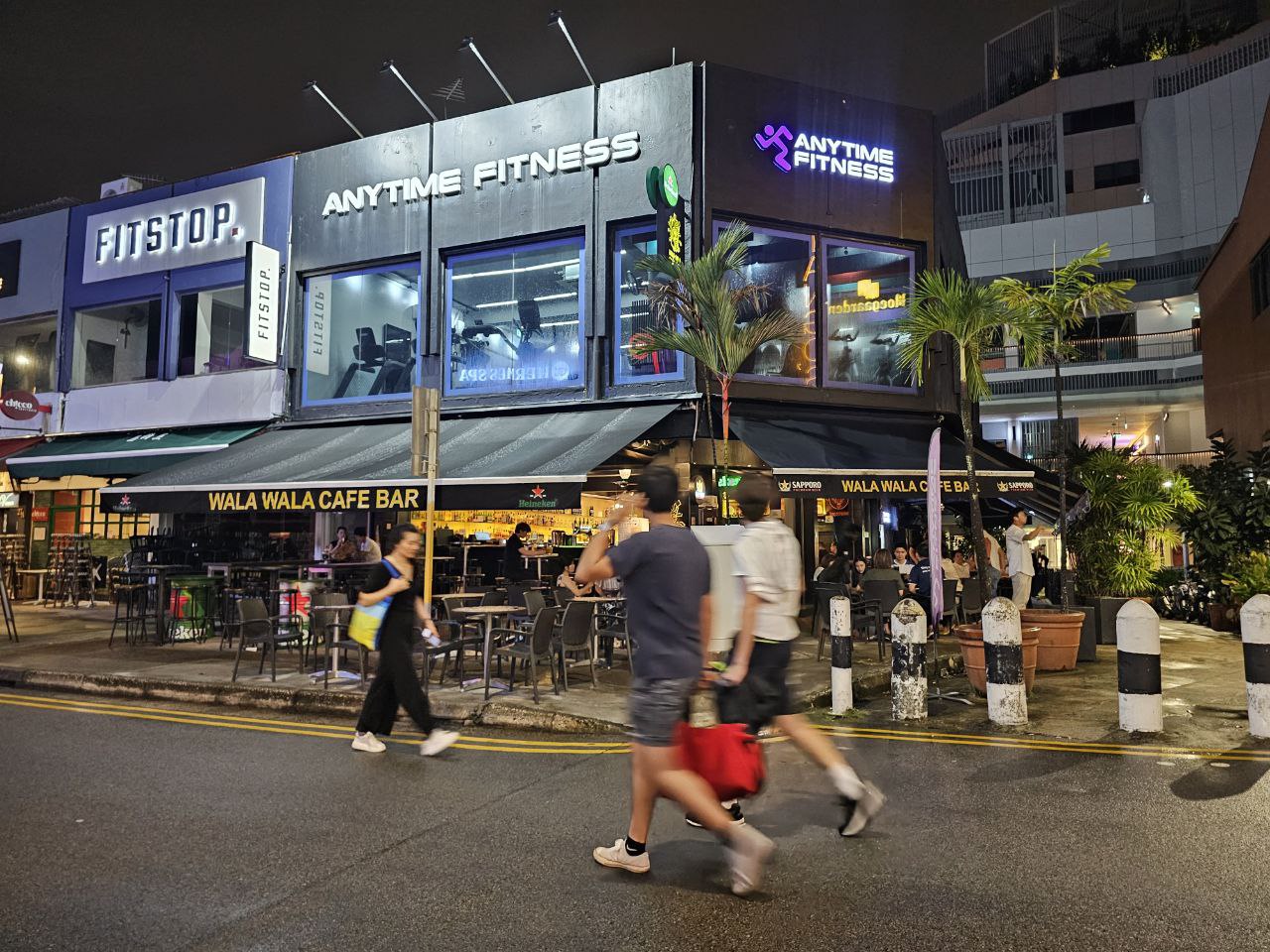
  • Wala Wala Cafe Bar in Singapore Abandons Closure Plans Thanks to Incredible Community Support!

    Wala Wala Cafe Bar in Singapore Abandons Closure Plans Thanks to Incredible Community Support!

    Stanley Yeo, the owner of Wala Wala Cafe Bar, recently shared that he was contemplating calling it quits due to declining visitor numbers, a challenging labor market, and soaring operational costs that have pushed rent for the venue’s 1,700-square-foot ground floor up by 9% over the past two years to S$28,000 (US$21,700) per month. However, the tide turned as the community rallied in support of the beloved establishment.

    By July, the bar saw a “significant increase” in foot traffic, reviving its fortunes. A heartwarming Instagram post last Tuesday revealed that Wala Wala’s landlord had “kindly offered revised terms that make it feasible” for the cafe bar to continue operating in Holland Village.

    “We have been deeply moved by the overwhelming support from our community — customers, friends, suppliers, and neighbors alike,” the post announced. “Today, we are heartened to share that Wala Wala Cafe Bar will remain in Holland Village.”

    Established in 1993, Wala Wala has been a cherished local gem, known for its hearty fare, draft beers, and lively weekend atmosphere. Once famous for hosting live music on its second floor — now closed since 2021 — the venue has since refocused on its food and beverage offerings, as noted by Bandwagon Asia.

    The decision to keep Wala Wala open is a sigh of relief for Holland Village, an increasingly popular dining and shopping hotspot currently facing a wave of closures. In recent months, local businesses such as Thambi Magazine Store, Lim’s Holland Village furniture shop, party store Khiam Teck, and soft-serve ice cream haven Sunday Folks have all shut their doors, as outlined by Channel News Asia.

    These closures highlight a troubling trend in Singapore’s food and beverage scene, where several beloved establishments are now bidding farewell. Two Michelin-starred restaurants — Euphoria and Alma by Juan Amador — closed this month, while well-known dessert spots Flourish Bakehouse and Fluff Bakery announced similar plans for September. Additionally, heritage eatery Ka-soh, noted for its Cantonese-style fish soup, will shut its last location later this month.

    Questions & Answers

    What factors led Stanley Yeo to consider closing Wala Wala Cafe Bar?
    Yeo cited falling visitor numbers, a tough labor market, and a significant rise in operating costs as the primary reasons behind his contemplation of closure.

    How has the local community reacted to Wala Wala’s potential closure?
    The community showed overwhelming support, resulting in a notable increase in foot traffic, which ultimately encouraged the landlord to offer revised terms that allowed the cafe bar to continue operations.

    What recent closures in Holland Village reflect a broader trend in Singapore’s F&B sector?
    Recent closures include popular local spots like Thambi Magazine Store and Lim’s Holland Village, mirroring a concerning trend where several well-known dining establishments, including Michelin-starred restaurants, have also announced their shutdowns.

  • Sigma Healthcare Resets Merger Synergy Target With Chemist Warehouse Amidst Significant Revenue Surge

    Sigma Healthcare Resets Merger Synergy Target With Chemist Warehouse Amidst Significant Revenue Surge

    Sigma Healthcare has revised its merger synergy target with Chemist Warehouse, following a significant increase in both its top and bottom line results last year.

    New Merger Synergy Targets

    Sigma Healthcare has now set its synergy target for the merger at $100 million per annum, a substantial increase from the previous target of $60 million. The company aims to attain this goal within a span of four years.

    The last fiscal year ending June 30 saw an 82.2 per cent surge in revenue to $6 billion. Chemist Warehouse reported a 14 per cent increase in retail network sales, and a notable 11.3 per cent rise in like-for-like sales across the Australian network.

    Brand Expansion and Financial Performance

    Over the past year, Sigma increased its portfolio of proprietary and exclusive brand products, with a notable release of 269 products in the Wagner generics range last November. The sales of proprietary and exclusive label products saw an increase of over 20 per cent.

    When it comes to the bottom line, statutory earnings before interest, taxes, depreciation, and amortization (EBITDA) increased by 33.6 per cent to $824 million, while the net profit after tax (NPAT) reported a slight decline of 2.1 per cent to $530 million. However, normalized EBITDA saw a rise of 41.4 per cent to $884 million, and NPAT also increased by 40.1 per cent to $579 million.

    By June 30, the net debt stood at $752 million, significantly lower than the initial net debt range of $1 billion to $1.3 billion as indicated in the merger prospectus.

    Anticipated Growth and Future Plans

    Sigma CEO and MD, Vikesh Ramsunder, stated that the merger with Chemist Warehouse has resulted in a more robust, integrated healthcare business with enhanced scale, capability, and market reach. He emphasized that the FY25 results highlight the group’s momentum and potential for sustained growth.

    As part of its plan for the new fiscal year, Sigma intends to continue the expansion of Chemist Warehouse stores both domestically and internationally at a steady pace. It also plans to introduce new proprietary and exclusive label products to enhance margins.

    Sigma also announced the closure of distribution centres in South Guildford, WA, and Port Adelaide, SA, with services being moved to existing centres in Canning Vale and Pooraka. The company also plans to gradually close brick-and-mortar Chemist Warehouse stores in China over the next few years, focusing on achieving profitable growth, with the Chinese market being serviced through online channels thereafter.

    Questions & Answers

    What is the new merger synergy target set by Sigma Healthcare?
    The new merger synergy target set by Sigma Healthcare is $100 million per annum, up from the previous target of $60 million.

    What are Sigma Healthcare’s plans for the new fiscal year?
    Sigma plans to expand Chemist Warehouse stores in Australia and internationally, launch new proprietary and exclusive label products, and shift services from closing distribution centres to existing ones.

    What is Sigma Healthcare’s strategy for the Chinese market?
    Sigma Healthcare plans to gradually close Chemist Warehouse physical stores in China over the next few years, focusing on servicing the Chinese market through online channels.