Category: Living

Retail News Asia is committed to providing both local and global retailers with the latest Living news throughout the Asian market. This on a daily base.

  • Singapore to Eliminate Online Listings of Cost-of-Living Vouchers, Shaping Retail Strategies Ahead!

    Singapore to Eliminate Online Listings of Cost-of-Living Vouchers, Shaping Retail Strategies Ahead!

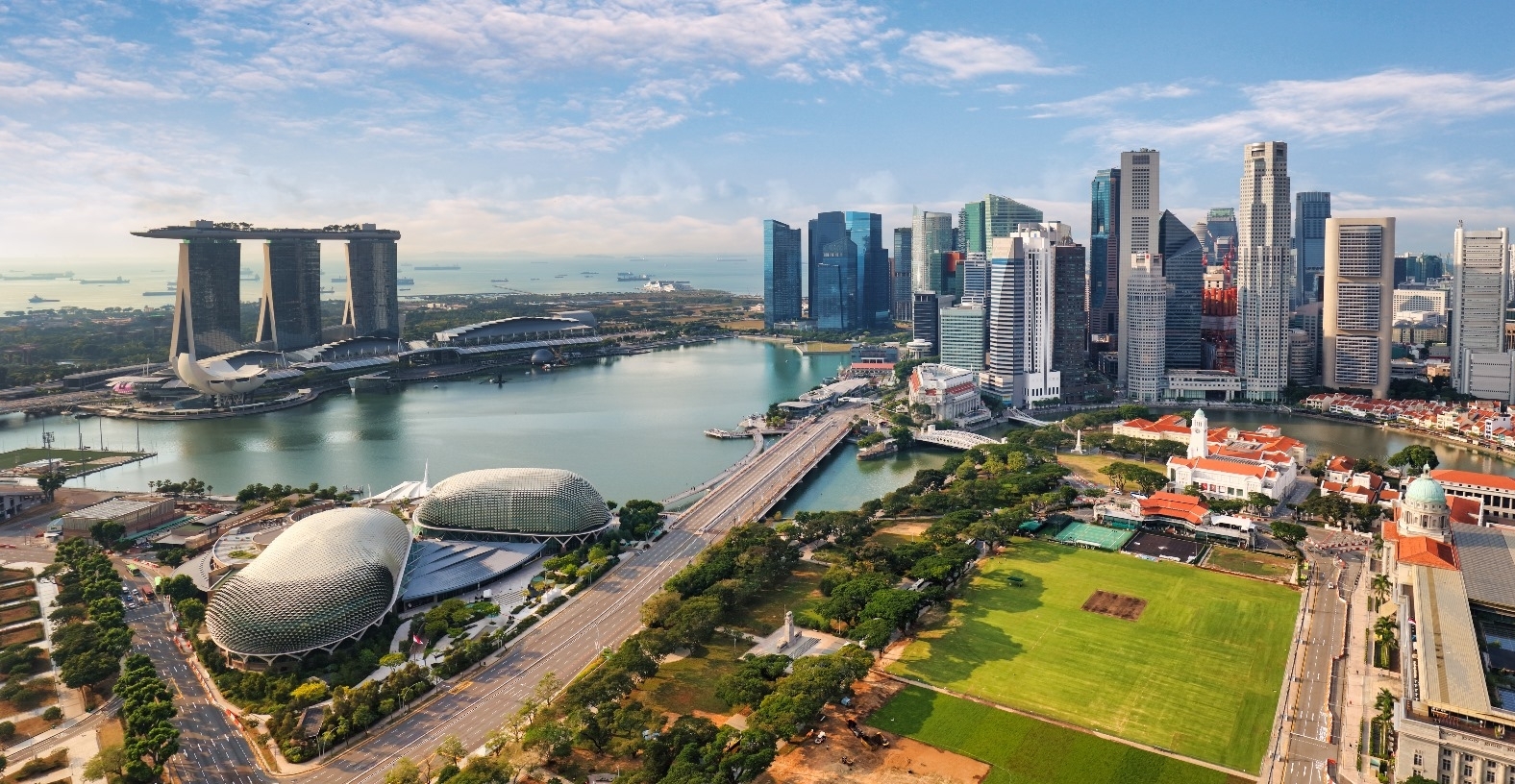
    Singapore’s community development councils (CDCs) are making moves to eliminate online listings of vouchers designed to alleviate rising cost-of-living concerns among residents. Recent reports indicate that the CDCs aim to collaborate with e-commerce platforms to remove listings associated with the CDC vouchers, which are not intended for resale and cannot be exchanged for cash. “The vouchers are not for resale and are not exchangeable for cash,” a CDC spokesperson emphasized.

    The CDC voucher initiative was launched in 2020 as a response to households struggling with living expenses during the Covid-19 pandemic while supporting local merchants. The latest distribution, which offered S$500 worth of vouchers, commenced in May and is valid until December 31, 2025. The official scheme’s website highlights that sales of these vouchers are strictly prohibited.

    Celebrating Independence with SG60 Vouchers

    Additionally, SG60 vouchers were released last month as part of Singapore’s 60th independence anniversary celebrations, valid until December 31, 2026. Citizens aged 21 to 59 receive S$600, while those aged 60 and above are given S$800. These vouchers can be used at eight supermarket chains with 400 outlets across the island and at over 23,000 participating hawker stalls and small businesses. It’s a way to give back to the community—who wouldn’t want a slice of a $600 deal?

    Shortly after their release on July 1, listings for SG60 vouchers began surfacing on the Carousell marketplace, often bundled with CDC vouchers in enticing “package deals.” Sellers cleverly labeled them as “CD Vouchers” to evade the site’s moderation, with many offerings priced below their actual value — the highest listing reached $600 for vouchers worth $800.

    A representative from Carousell informed that the website takes illegal transactions seriously and utilizes artificial intelligence to monitor new listings for rule violations. Users are also encouraged to report suspicious advertisements, enhancing the function of community vigilance in maintaining fair practices.

    Questions & Answers

    What prompted the removal of voucher listings on e-commerce sites in Singapore?
    The decision was driven by the need to prevent the resale of CDC vouchers intended to assist residents with their cost of living, ensuring they remain accessible for their intended purpose.

    When were the SG60 vouchers issued, and who is eligible to receive them?
    The SG60 vouchers were distributed starting in July 2023, with citizens aged 21 to 59 receiving S$600, while those aged 60 and above were given S$800.

    How does Carousell handle illegal voucher listings on its platform?
    Carousell employs artificial intelligence to monitor new listings and takes a proactive approach by encouraging users to report suspicious activities, maintaining a fair environment for all users.
  • Hong Kong’s Counterfeit Crackdown Seizes $5.6M in Fake Rolex, Hermès, and Louis Vuitton Merchandise

    Hong Kong’s Counterfeit Crackdown Seizes $5.6M in Fake Rolex, Hermès, and Louis Vuitton Merchandise

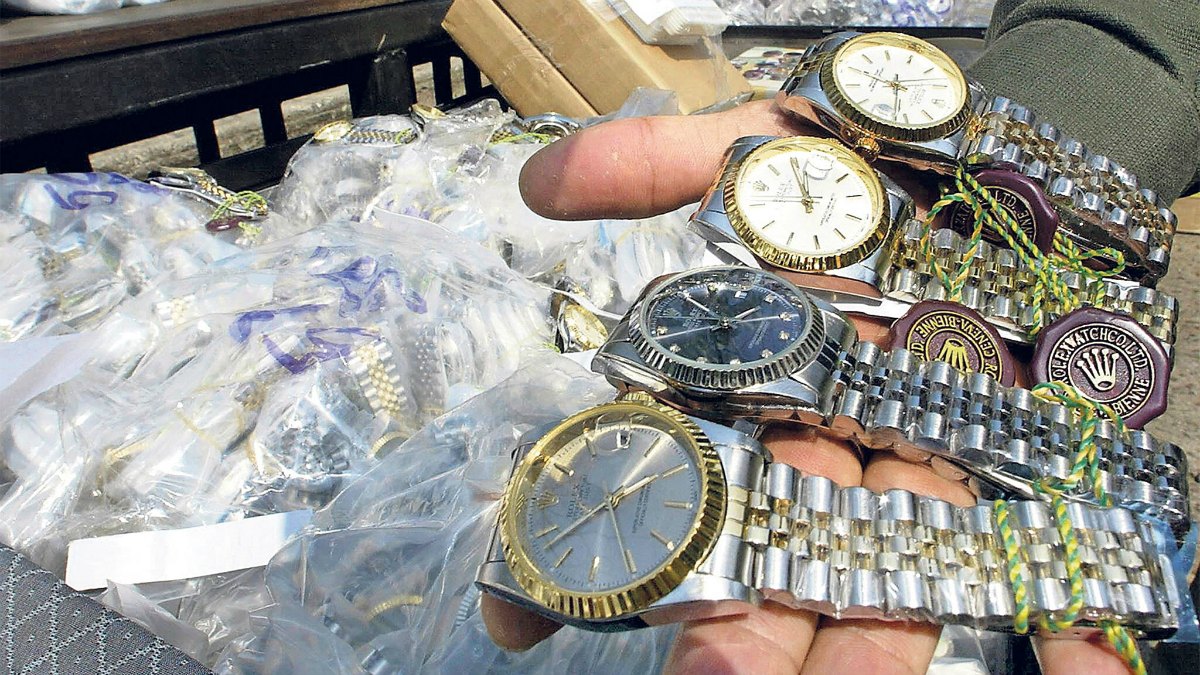
    In a remarkable crackdown, Hong Kong authorities recently seized 67,000 counterfeit items, valued at HK$44 million (approximately US$5.6 million), including luxury brands such as Hermes, Louis Vuitton, and Rolex.

    The confiscated goods ranged from handbags and shoes to watches, with notable brands like Chanel, Gucci, and Patek Philippe also making the list, as reported by the South China Morning Post. The Hong Kong Customs and Excise Department revealed the details of the operation on Thursday.

    The operation, conducted between July 18 and 31, was a coordinated effort with authorities in mainland China and Macao aimed at addressing the growing issue of cross-boundary counterfeit trafficking. This initiative specifically targeted smuggling networks responsible for moving fake products not just within Asia but also towards markets in the U.S. and Europe.

    In Hong Kong, the penalties for importing or exporting goods with forged trademarks are severe. Offending parties can face up to five years in prison and fines reaching HK$500,000. It’s a stark reminder that the city is serious about maintaining its reputation as a hub of authenticity.

    This operation aligns with China’s larger strategy to combat counterfeiting. In related news, authorities seized over 40,000 fake items last month, including products featuring “Labubu,” a beloved character from toymaker Pop Mart. Such efforts underscore a significant shift in China’s approach to intellectual property protection at its borders, as articulated by Zhang Yi, CEO of iiMedia Research Institute.

    Questions & Answers

    What types of counterfeit items were seized in Hong Kong’s recent operation?
    The seized items included luxury handbags, shoes, watches, and goods from brands such as Hermes, Louis Vuitton, Chanel, Gucci, and Patek Philippe.

    How did the operation address cross-border counterfeit trafficking?
    The operation, which spanned Hong Kong, mainland China, and Macao, targeted smuggling networks moving counterfeit goods to various global markets, including the U.S. and Europe.

    What are the legal consequences of importing or exporting counterfeit goods in Hong Kong?
    Violators in Hong Kong face severe penalties, including potential imprisonment for up to five years and fines up to HK$500,000.

  • Hanoi Metro Reports Impressive Threefold Profit Surge in First Half of Year

    Hanoi Metro Reports Impressive Threefold Profit Surge in First Half of Year

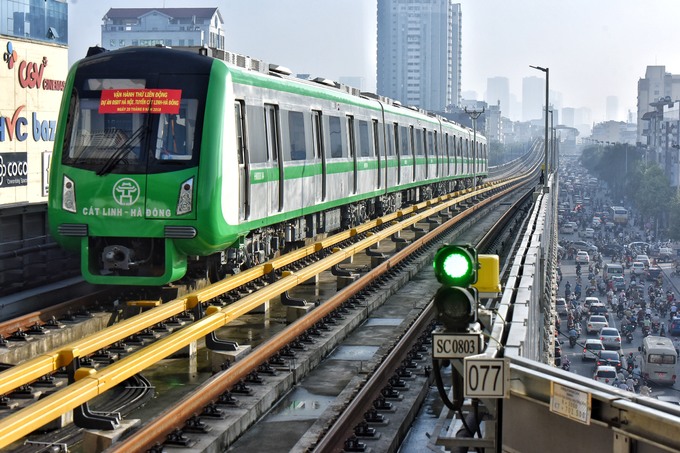
    Hanoi Metro’s post-tax profits surged to VND10 billion (approximately US$381,400) in the first half of 2025, a remarkable threefold increase compared to the same period last year.

    With revenues climbing by 50% to VND393 billion, the state-owned company operates two key metro lines: Cat Linh – Ha Dong and Nhon – Hanoi Railway Station. This impressive growth reflects a strong rebound in urban transport, and even the typically stately metro system seems to have caught a case of ‘fast lane fever’.

    This year, Hanoi Metro aims to carry 19.3 million passengers while targeting profits exceeding VND20.7 billion on revenues of VND878.4 billion. In the first half, the company achieved 48% of its profit goal and 45% of its revenue target, signaling a solid trajectory toward meeting its year-end aspirations.

    Strategies for Growth

    To further enhance passenger convenience and revenue generation, the company is actively seeking innovative initiatives that will lessen its reliance on government subsidies. The vision for the future is bold; by 2030, Hanoi plans to expand its metro network to 10 routes covering an impressive 417 kilometers. However, construction of the remaining eight lines remains in the planning stage, prompting the city’s People’s Committee to recently instruct relevant agencies to expedite the commencement of work on two of these lines by the end of this year.

    Metro lines in the fast lane

    As Hanoi strives to modernize its public transport, the success of Hanoi Metro shines a light on the potential of urban transit systems across Asia. With the city moving forward, the next few years will be critical in determining whether these ambitious plans can be transformed from blueprints into reality.

    Questions & Answers

    How much did Hanoi Metro profit in the first half of 2025?
    Hanoi Metro reported a post-tax profit of VND10 billion (around US$381,400), tripling its earnings from the same period the previous year.

    What are the revenue goals for Hanoi Metro in 2025?
    The company targets revenues of VND878.4 billion this year, aiming to achieve over VND20.7 billion in profits.

    What are the future plans for Hanoi’s metro system?
    By 2030, Hanoi hopes to expand its metro network to 10 routes covering 417 kilometers. However, the construction of many planned lines has yet to begin.

  • IKEA Unveils Official Flagship Store on JD.com: Shop the Latest Designs Online!

    IKEA Unveils Official Flagship Store on JD.com: Shop the Latest Designs Online!

    IKEA has marked a significant milestone by launching its flagship store on JD.com, opening the floodgates to its extensive collection of home furnishings for millions of online shoppers across China. This vibrant new outlet boasts an impressive 6,500 products spanning 168 categories, including the much-anticipated debut of the BÄSTBOLL gaming chair and MÅLOMRÅDE gaming desk. As consumer interest surges, IKEA is set to continually expand its offerings, ensuring that even the most niche home décor enthusiasts find what they’re looking for.

    This exciting partnership melds IKEA’s renowned design expertise with JD.com’s robust logistics and digital infrastructure. By leveraging JD Logistics, IKEA can fulfill orders swiftly, reaching even the most remote areas without physical stores. Remarkably, JD.com boasts a track record of delivering 95% of orders within a mere 24 hours, a feat that promises to delight time-strapped shoppers.

    Tech Meets Home Decor

    That’s not all—JD’s innovative “Mini Liying” Naked-Eye 3D Solution will take the shopping experience up a notch, allowing customers to explore 3D models of select IKEA products directly on their smartphones. Gone are the days when you had to squint at photos; now you can examine every angle and detail—who knew online shopping could come with such a techy twist?

    The launch is a key component of IKEA’s broader omnichannel strategy in China, a deliberate move to cater to the increasing demand for diverse and convenient home shopping experiences from younger consumers. JD.com is not merely a platform; it’s transforming into a haven for global home brands. With IKEA joining esteemed names like MUJI, Natuzzi Italia, HAY, Georg Jensen, and LE CREUSET, the array of choices continues to grow.

    In the first half of 2025, participation from international brands on JD Home skyrocketed by over 130% year-on-year, underscoring JD.com’s commitment to enhancing its supply chain and service offerings in China. The collaboration with IKEA is just the latest chapter in this expansive narrative, promising to redefine home shopping across the Asia-Pacific region.

    Questions & Answers

    What products does the new IKEA flagship store on JD.com offer?
    The store offers 6,500 products across 168 categories, including exclusive items like the BÄSTBOLL gaming chair and MÅLOMRÅDE gaming desk.

    How does JD Logistics enhance the shopping experience for IKEA customers?
    JD Logistics enables swift order fulfillment, with 95% of orders delivered within 24 hours, even in areas without physical IKEA locations.

    What innovative technology is featured in the shopping experience?
    The store employs JD’s “Mini Liying” Naked-Eye 3D Solution, allowing customers to visualize 3D models of select IKEA products on their smartphones without the need for additional devices.

  • Toyota Group Unit Targets Africa’s Gen Z with Innovative Drugstore Partnership

    Toyota Group Unit Targets Africa’s Gen Z with Innovative Drugstore Partnership

    In a bold step toward enhancing its footprint in the African retail landscape, Toyota Tsusho, the trading arm of the Japanese automotive giant, announced its acquisition of Goodlife Pharmacy, East Africa’s largest drugstore chain.

    The move presents Toyota Tsusho with a strategic opportunity to tap directly into the growing middle-class market in Kenya. Operating 150 stores across the country, Goodlife Pharmacy is more than just a retail chain; it is an essential part of daily life for many Kenyans and a gateway for Toyota Tsusho to diversify its portfolio beyond automotive offerings.

    With the demand for pharmaceuticals and health products on the rise, especially among younger, health-conscious consumers, this acquisition could not have come at a better time. As families increasingly seek convenient access to health essentials, Goodlife Pharmacy stands poised to serve this evolving marketplace with its well-established brand.

    In a region where the middle class is rapidly expanding, Toyota Tsusho sees a treasure trove of possibilities. “This investment is about connecting with communities and providing essential products. We believe in the potential of Africa’s consumer market,” a spokesperson for Toyota Tsusho remarked, hinting that, though the company is best known for its automotive business, it has its eyes set on a much broader goal. And who knew that a trading firm would become a pharmacy aficionado?

    The acquisition underscores a broader trend where companies are diversifying their investments to stay relevant in an increasingly competitive global market. As international players scout for opportunities in Africa, Toyota Tsusho’s strategic alignment with Goodlife Pharmacy may serve as a blueprint for future expansions into diverse retail sectors across the continent.

    Questions & Answers

    What prompted Toyota Tsusho to acquire Goodlife Pharmacy?
    Toyota Tsusho is looking to deepen its connection with Africa’s growing middle class, and the acquisition of Goodlife Pharmacy allows it to tap directly into the expanding demand for health products and pharmaceuticals.

    How many stores does Goodlife Pharmacy operate in Kenya?
    Goodlife Pharmacy operates 150 stores across Kenya, making it a significant player in the country’s retail landscape.

    What is the strategic significance of this acquisition for Toyota Tsusho?
    This acquisition not only broadens Toyota Tsusho’s portfolio beyond automotive products but also positions the company to connect with essential consumer needs in a rapidly changing market, highlighting emerging trends toward health and wellness.

  • South Korea’s Nuclear Power Output Set to Hit 222.7 TWh by 2035: A Bright Energy Future Ahead!

    South Korea’s Nuclear Power Output Set to Hit 222.7 TWh by 2035: A Bright Energy Future Ahead!

    South Korea is gearing up for a significant boost in its nuclear power generation, with projections indicating an increase to 222.7 terawatt-hours by 2035. This growth reflects a compound annual growth rate (CAGR) of 2.4% from 2024 to 2035, according to insights from GlobalData.

    Rising Nuclear Capacity Amid Energy Demands

    The recent report titled “South Korea Power Market Outlook to 2035, Update 2025 – Market Trends, Regulations, and Competitive Landscape” reveals that the nation’s nuclear power capacity rose to 24.4 gigawatts (GW) in 2024, up from 23.2 GW in 2020. This capacity is expected to expand further to 29.8 GW by 2035, marking a steady growth of 1.8% over the same period.

    Nuclear Power: A Key Player in Electricity Consumption

    Nuclear energy plays a crucial role in fueling nearly one-third of South Korea’s electricity needs. Currently, the country operates 25 reactors, with four more under construction to help meet the escalating energy demands. Attaurrahman Ojindaram Saibasan, a senior power analyst at GlobalData, highlighted South Korea as a major energy consumer and one of the world’s top greenhouse gas emitters.

    Transitioning from Fossil Fuels

    Saibasan pointed out that while the nation depends heavily on both thermal and nuclear power to meet its electricity requirements, this approach contributes to rising emissions. The country’s reliance on fossil fuels for thermal power—compounded by limited natural resources—forces South Korea to import coal and gas, which can be a costly endeavor. It seems some compromises will have to be made on the path to cleaner energy.

    Aiming for Nuclear Leadership

    In line with its ambitious energy strategy, the South Korean government plans to enhance the share of nuclear power in its electricity generation to 35.2% by 2038. This target will be supported by the construction of three additional reactors along with a small modular reactor, contributing an extra 4.4 GW to the grid. Notably, South Korea is not just looking inward; the country aims to become a global leader in nuclear energy, aspiring to secure contracts for the construction of ten nuclear reactors overseas by 2030.

    Questions & Answers

    What is the projected nuclear power generation for South Korea by 2035?
    South Korea is expected to increase its nuclear power generation to 222.7 terawatt-hours by 2035.

    How much does nuclear energy currently contribute to South Korea’s electricity needs?
    Nuclear energy accounts for nearly one-third of South Korea’s electricity consumption.

    What are South Korea’s plans for nuclear energy exports by 2030?
    The country aims to become a leading exporter of nuclear energy, targeting contracts for the construction of ten nuclear reactors overseas by 2030.

  • Punkverse To Launch Revolutionary Flagship Store In Vietnam, Eyes Global Expansion

    Punkverse To Launch Revolutionary Flagship Store In Vietnam, Eyes Global Expansion

    Punkverse, a retail arm of the China-based collectible toy company PunkCode, is primed to launch its first international flagship store in Ho Chi Minh City, Vietnam. The specifics of the location, however, remain unknown as of now.

    Revolutionizing Retail

    The forthcoming Vietnam outlet is set to revolutionize the retail market with a unique combination of original intellectual property (IP), extended reality (XR) experiences, and a groundbreaking participatory retail model. This new approach to retail will empower consumers to become part-owners in the store, sharing in its profits.

    PunkCode has earned a reputation for its intriguing characters, namely Space Ape and Punk Ape. The company has also forged partnerships with highly esteemed artists from China like Zhang Daqian and Guan Shanyue.

    The Strategic Role of Punkverse

    Punkverse plays a vital role in PunkCode’s international strategy, intertwining toy manufacturing, artist collaborations, immersive technologies, and worldwide distribution. The company sees itself as a pioneering entity in the realms of the “Art Toy Culture Stock” and “XR Technology Stock.”

    According to PunkCode, Vietnam was selected as the location for their flagship store because of its young, technologically-adept population, a burgeoning middle class, substantial acceptance of mobile payments, and an expanding market for collectibles. The company has bold plans to inaugurate flagship stores in Singapore, Thailand, South Korea, and Dubai by the coming year, as part of their ambitious “1000 Store Plan”.

    Public Listing

    In addition to its retail expansion, PunkCode has also solidified its Nasdaq listing structure under the ticker symbol “PKCD”, with intentions to become a publicly-traded company by the following year.

    Questions & Answers

    What is the unique approach to retail proposed by PunkCode’s Punkverse?
    Punkverse is set to introduce a retail model combining original IP, extended reality experiences, and a participatory retail model that allows customers to share in store ownership and profits.

    Why was Vietnam chosen as the location for PunkCode’s first international flagship store?
    Vietnam was selected due to its young, tech-savvy population, a burgeoning middle class, high adoption of mobile payments, and a growing collectibles market.

    What are PunkCode’s future plans?
    PunkCode aims to open flagship stores in Singapore, Thailand, South Korea, and Dubai as part of its ambitious “1000 Store Plan”. The company also plans to go public next year under the ticker symbol “PKCD”.

  • China’s Ambitious Hydropower Project: A Key Step Toward Decarbonisation with Significant Risks Ahead

    China’s Ambitious Hydropower Project: A Key Step Toward Decarbonisation with Significant Risks Ahead

    China’s new hydropower project will be the world’s biggest and crucial for energy decarbonisation, but this will be expensive and challenging, S&P Global Ratings said.

    “The project will also be very risky. The geographic challenges will be unprecedented: it will be built in remote Tibet, with little existing infrastructure to move or shelter workers and equipment,” said S&P Global Ratings credit analyst Miranda Wang.

    The project will be completed in 10-15 years and will boost China’s hydropower capacity by 16% and generation by 22% with its 60 gigawatt capacity. It will have almost three times the capacity of the Three Gorges Dam, which generates 15% of Europe’s hydropower output.

    S&P Global Ratings noted that the central government is designating a new state-owned enterprise, China Yajiang Group Co. Ltd., to undertake all risks from this project.

    “We believe the establishment of the new entity isolates all execution risks from the existing rated power producers, which have limited financial headroom,” it said.

    The project will use novel engineering that will channel a river into a tunnel blasted through a mountain, thus spinning turbines and generating electricity. The government estimates construction costs at about $167b.

  • South Korean Retailers Combat Rising Food Prices With Ultra-affordable Products

    South Korean Retailers Combat Rising Food Prices With Ultra-affordable Products

    In South Korea, the rise in food prices has led to an increase in demand for ultra-low-cost products, specifically those priced under 1000 won. This surge in demand has prompted convenience stores to grow their range of super-value items.

    7-Eleven’s Affordable Coffee Selection

    On the 30th of July, the famous convenience store chain, 7-Eleven, introduced two new coffee products to its line: “Seven Select Black Coffee” and “Seven Select Cafe Latte.” Retailing at only 900 won each, these offerings are approximately 36% cheaper than the average market price of 1400 won for similar items. The black coffee offers a clean, Americano-style flavor, while the cafe latte provides a lightly sweet taste and aroma that appeals to a wide range of customers.

    This addition to 7-Eleven’s product line follows the mid-July release of “Seven Select Venti Coffee” in 600ml PET bottles. Available in black and hazelnut varieties, these beverages retail at 1800 won, making them 33% less expensive than typical 500ml bottled coffees. These products experienced a 70% increase in sales from July 18 to 25, compared to the preceding month, indicating robust consumer interest in large volume, low-cost options.

    According to 7-Eleven, reflecting the wider economic pressures, sales of all differentiated products priced under 1000 won increased by 30% from July 1 to 25 compared to the same period the previous month.

    CU Embraces the Ultra-Value Trend

    CU, another popular convenience store chain, has also responded to the ultra-value trend. In preparation for Korea’s traditional midsummer days, CU introduced two affordable traditional chicken dishes to its private-label “Duktem” series. These are the “Samgyetang Chicken Breast,” priced at 1900 won, and the “Samgyetang Whole Chicken Leg,” available for 3500 won.

    Easily prepared in a microwave in under two minutes, these dishes offer a cost-effective alternative to Samgyetang. This traditional Korean chicken soup, generally considered a restorative dish, has become increasingly expensive. Data from Korea Price Information shows the cost of making Samgyetang at home has risen to 9000 won per serving, while dining out costs an average of 17,654 won, a 4.6% increase from the previous year.

    Other Retailers Join the Trend

    Large retailers, such as Emart, Homeplus, and Lotte Mart, have also recognized this trend and begun offering aggressive promotions on fresh poultry and ready-to-eat health foods. For instance, Emart offered two antibiotic-free young chickens for 3580 won with a member card, while Homeplus sold first-grade whole chickens for 3650 won each with bulk purchases.

    As consumer spending power declines and economic uncertainty persists, ultra-affordable, high-value products are fast becoming a key strategy for retailers. The aim is to attract cost-conscious shoppers looking for reasonably priced alternatives to expensive meals and beverages.

    Questions & Answers

    What effect is the rise in food prices having in South Korea?
    South Koreans are increasingly seeking ultra-low-cost products. This demand has prompted convenience stores to expand their range of super-value items.

    How have 7-Eleven and CU responded to this demand?
    7-Eleven has introduced affordable coffee products, while CU has released cost-effective traditional chicken dishes to cater to this growing demand.

    What is the overall retail strategy in response to these economic pressures?
    Retailers, recognizing the need for affordable options amid declining consumer spending power and economic uncertainty, are focusing on providing ultra-affordable, high-value products to attract cost-conscious shoppers.

  • Small Sellers Struggle to Keep Up Amid E-Commerce Surge: Challenges and Opportunities Ahead

    Small Sellers Struggle to Keep Up Amid E-Commerce Surge: Challenges and Opportunities Ahead

    Tuan Anh, a seller operating his online printed T-shirt shop in Ho Chi Minh City, has made the difficult decision to close his business after struggling to make sales. Despite his hopes of earning some extra money on the side, Tuan Anh found the competitive landscape daunting. “There are too many competitors on e-commerce platforms”. “The only way to sell is by running ads, which is not feasible for small vendors like me who lack funds.”

    This sentiment is echoed across the industry. According to recent data from Metric, the first half of the year saw a staggering decline of 80,000 in the number of e-commerce vendors securing at least one order, reflecting the increasing challenges faced by small sellers. “The market is increasingly favoring larger sellers capable of maintaining stable order volumes,” noted a representative from Metric.

    Market Gains, but Not for Everyone

    While the e-commerce sector appears to be thriving, particularly for larger players, smaller sellers are struggling to keep pace. Consultancy firm YouNET ECI reported that the gross merchandise value generated by the four largest multi-category retail platforms—Shopee, TikTok Shop, Lazada, and Tiki—reached an impressive VND222.1 trillion (approximately US$8.8 billion) during the first half of the year, marking a 23% increase year-on-year. Yet, in stark contrast, the number of active sellers on these platforms dipped by 1.3% to 578,700.

    Nguyen Phuong Lam, director of market analysis at YouNet ECI, emphasized that while official brand stores enjoyed significant revenue growth of 34%, smaller vendors continue to falter. Data from Metric reveals that shop malls, although representing only 3.4% of the total shops, accounted for a robust 28.7% of sales. This trend highlights consumers’ increasing preference for trust and reliability when shopping amidst an influx of low-quality goods.

    Marketing Woes for Small Sellers

    The hurdles for small sellers don’t stop at competition; limited marketing resources significantly hinder their visibility. Nguyen Khac Tu, founder and CEO of Bigshop, an established electronics and household appliance retailer, pointed out, “If vendors on Shopee do not run ads, they get very few orders. Similarly, TikTok Shop livestreams without advertising attract hardly any viewers.” Coupled with rising platform fees, the environment has become stifling for many small, under-resourced sellers.

    YouNet ECI’s Lam reiterated the detrimental impact of escalating fees. “With mounting pressure from rising platform costs, many small, unprofessional, or under-invested sellers feel compelled to exit the market,” he commented. Adding to these challenges, the days of quick profits from low-quality goods seem to be fading fast, as stricter regulations targeting product quality and a crackdown on counterfeit items push some sellers out.

    Future Prospects Amidst Challenges

    Despite these obstacles, the e-commerce market continues to expand at a rapid pace. Metric forecasts a notable 21.6% sales increase in the third quarter of 2025, predicting that the gross merchandise value for the four dominant platforms will hit VND122.8 trillion. Long-term projections from the e-Conomy report by Google, Temasek, and Bain & Company envision Vietnam’s online market soaring to $63 billion by the decade’s end—nearly triple the anticipated figure for 2024.

    However, the road to success is becoming increasingly exclusive to professional shops equipped with the necessary financial backing. Lam further stressed that today’s consumers expect quality and cannot tolerate platforms being mere dumping grounds for surplus inventory. “Serious investment in branding, service quality, and robust financial preparation is vital for survival,” he emphasized. “Vietnam’s e-commerce market no longer has room for short-term thinking.”

    In light of the current challenges, a proposed E-commerce Law aims to enhance market quality and transparency. This legislative initiative seeks to impose stricter accountability on platforms, mandating the removal of any violating products within 24 hours of detection, and requires sellers to verify their identities for traceability. Nguyen Huu Tuan, director of the E-commerce and Digital Technology Development Center, expressed that sellers will face tighter regulations regarding product ownership and labeling, with comprehensive details mandatory for all listings. “The days of posting products with arbitrary information are over,” he declared. And it appears, in the evolving e-commerce landscape, the only thing more certain than growth is the push for professionalism.

    Questions & Answers

    What challenges are small online sellers facing in Vietnam’s e-commerce market?
    Small sellers are encountering intense competition and limited marketing resources, making it difficult for them to gain visibility and secure orders. Rising platform fees further exacerbate these challenges, forcing many to exit the market.

    How are larger platforms performing compared to smaller sellers?
    Larger platforms like Shopee and TikTok Shop are thriving, with significant increases in gross merchandise value, while the number of active small sellers is declining as they struggle to compete.

    What legislative changes are being proposed to improve the e-commerce landscape?
    A proposed E-commerce Law aims to enhance market transparency and accountability, requiring platforms to promptly remove violating products and enforce stricter identity verification for sellers.

  • Issa Rae Pens Anthem For Beyond Yoga’s New Retail Brand Launch: Seek Beyond

    Issa Rae Pens Anthem For Beyond Yoga’s New Retail Brand Launch: Seek Beyond

    Beyond Yoga has introduced a fresh retail brand, Seek Beyond, unveiled in conjunction with a marketing campaign that includes an original anthem penned and sung by Issa Rae. The initiative runs parallel to the launch of Beyond Yoga’s latest Outdoor collection and will be amplified through digital media and various community engagements.

    Issa Rae shared that the collaboration with Beyond Yoga feels instinctive. She believes that the Seek Beyond ethos mirrors her approach to life, which is a preference for progress over flawlessness, executed with purpose, delight, and humor. The anthem she wrote is her expression of this sentiment.

    Nancy Green, Beyond Yoga’s CEO, expressed that the new platform embodies the company’s fundamental principles. According to her, it mirrors the manner their community participates – with receptivity, empathy, and a strong conviction that the act of moving is not merely physical but is also a method of personal growth.

    Beyond Yoga was established in Los Angeles in the year 2005. The brand provides a variety of lifestyle necessities such as outerwear, fleece, and performance trousers.

    Currently, the brand manages over 1200 wholesale accounts throughout the United States and international markets. Levi Strauss & Co acquired it in September 2021.

    Questions & Answers

    What is Beyond Yoga’s new retail brand?
    Beyond Yoga’s new retail brand is called Seek Beyond.

    Who wrote and performed the anthem for the Seek Beyond campaign?
    The anthem for the Seek Beyond campaign was written and performed by Issa Rae.

    When and where was the Beyond Yoga established?
    Beyond Yoga was established in Los Angeles, in the year 2005.

  • Decathlon Aims To Double Indian Procurement, Boosting Local Manufacturing

    Decathlon Aims To Double Indian Procurement, Boosting Local Manufacturing

    Decathlon, the renowned French sports goods company, has disclosed its ambitious plans to double its procurement of goods from India, aiming to reach a monetary value of $3 billion in the next five years. This strategic move will enhance India’s contribution to the company’s global sourcing to 15 per cent by 2030.

    Driving Expansion with High-Potential Categories

    The intended increase in sourcing from India is set to be propelled by categories of high potential, such as fitness equipment, footwear, and clothing. As of now, India accounts for 8 per cent of Decathlon’s global sourcing volumes.

    Decathlon boasts a long-standing sourcing relationship with India, spanning over 25 years. The company predicts that by 2030, locally sourced products will constitute 90 per cent of its sales in the Indian market, marking a significant rise from the current rate of over 70 per cent.

    Strong Support from Domestic Operations

    Decathlon’s operations within India are robust, supported by 113 manufacturing sites, 83 suppliers, and seven production offices. The company also showcases solo categories like yoga and cricket, which are designed and manufactured domestically.

    Frederic Merlevede, the head of Decathlon production, expressed confidence in the company’s strategic investment in India. He said, “Our long-term investment in India reflects the profound trust we have established with our partners.” Merlevede also stated their clear ambition to position India as one of Decathlon’s leading global manufacturing hubs as the company continues to grow.

    At present, Decathlon runs 132 retail stores across 55 cities in India.

    Questions & Answers

    What are Decathlon’s expansion plans in India?
    Decathlon plans to double its sourcing of goods from India, aiming for a monetary value of $3 billion over the next five years.

    Which categories are expected to drive this expansion?
    The expansion is expected to be driven by high-potential categories such as fitness equipment, footwear, and clothing.

    What is Decathlon’s future vision for its operations in India?
    Decathlon aims to increase the representation of domestic products in its sales to 90% by 2030. Furthermore, the company aims to make India one of its main global manufacturing hubs.

  • Hanoi: The Rising Star of Dental Tourism in Southeast Asia

    Hanoi: The Rising Star of Dental Tourism in Southeast Asia

    Hanoi is not just the heart of Vietnam; it’s rapidly becoming a beacon for dental tourism in Asia. In recent years, the sector has exploded, drawing in over 100,000 foreign patients annually, with revenue soaring past US$150 million, according to Global Newswire. Patients from Australia, New Zealand, North America, and Europe are flocking to Hanoi for a range of dental procedures, including implants, crowns, and full-mouth restorations. This revival in international interest is especially pronounced since the easing of pandemic-related travel restrictions, marking a notable comeback for the city.

    Cutting-Edge Clinics at Competitive Prices

    Investment in Hanoi’s dental sector is evident, with new clinics rolling out state-of-the-art technology, including advanced 3D imaging and high-end dental laboratory equipment. These facilities adhere strictly to international sterilization standards and utilize materials from reputable global brands. The expertise of local dentists has also grown; many have honed their skills internationally, bringing back a level of care that rivals the best in the world. Their commitment to quality is just as impressive as the hospitality extended to overseas patients, with English-speaking staff and dedicated patient coordinators simplifying the treatment journey. Some clinics are so welcoming that an industry expert likens them to “healing hotels,” offering everything from airport transfers to city tours.

    Smart Savings Without Sacrificing Quality

    One of the most compelling reasons patients are choosing Hanoi is the cost. Dental procedures here are significantly cheaper, often 70% to 90% less than in Western nations. For example, a dental implant in Hanoi costs around $1,000, while similar treatments can run $1,500 in Bangkok and $850 in Bali. Crowns, which start at $250 in Thailand, are generally priced between $150 and $200 in Vietnam. These savings not only ease the financial burden on patients but ensure that they do not compromise on quality, as Hanoi’s clinics adhere to rigorous standards and often provide warranties and aftercare services, instilling further confidence in international patients.

    Hanoi: Where Dental Care Meets Adventure

    What sets Hanoi apart in the realm of dental tourism is its ability to blend quality healthcare with rich cultural experiences. With its international airport providing convenient access from various global locations, visitors often find it easy to extend their trip, mixing dental appointments with explorations of famous sites like Ha Long Bay. The city has also become a hub for significant dental events, such as the 2023 ASEAN Dental Congress and the upcoming 2025 Osstem World Meeting, showcasing its rising prominence in the dental field.

    Forging a Competitive Edge

    As it carves its niche in the dental tourism landscape, Hanoi presents a formidable alternative to established players like Bangkok and Bali. While Thailand welcomes over a million dental tourists yearly, Hanoi is narrowing that gap with more competitive pricing and a reputation for exceptional care. Plus, the patient experience here is enriched by the city’s vibrant culture, world-class cuisine, and historical charm, leading many Australians to view their dental trips as dual investments in health and leisure.

    In its quest for global recognition, Hanoi’s dental industry is pursuing international certifications, establishing partnerships with foreign insurance providers, and actively participating in global tourism events. Satisfaction levels among international patients consistently reveal a high degree of professionalism and personalized care. A representative from one prominent clinic noted, “We have dentists and nurses fluent in English, Chinese, Russian, and Korean, making our patients feel right at home.” Facilities like Dental 365 are key players in reinforcing Hanoi’s international dental reputation.

    Looking Ahead

    Support from the Vietnamese government has further bolstered the country’s medical tourism landscape, with initiatives aimed at promoting healthcare services overseas and streamlining visa processes for medical visitors. Analysts forecast steady growth in dental tourism in Vietnam, predicting an annual increase of over 4% through 2030. As international patient numbers rebound to pre-pandemic levels and with continued investments in healthcare infrastructure, Hanoi is poised to ascend as a premier dental tourism hub in the region.

    Offering a trifecta of affordability, quality care, and an enticing tourism experience, Hanoi is shaping up to be a hot destination for dental tourism everywhere. It’s not just about a brighter smile; it’s about turning medical needs into memorable adventures. And as more patients rave about their experiences, the city’s reputation is set to flourish, potentially rivaling or even outshining established giants like Bangkok and Bali in the near future.

    Questions & Answers

    How has the COVID-19 pandemic impacted dental tourism in Hanoi?
    Since the lifting of pandemic-related travel restrictions, Hanoi has seen a surge in international patients seeking dental care, marking a significant recovery for the sector.

    What are some unique features of Hanoi’s dental clinics?
    Hanoi’s clinics are noted for their cutting-edge technology, adherence to international sterilization standards, and a strong emphasis on hospitality, including airport transfers and city tours for international visitors.

    What advantages does Hanoi offer compared to traditional dental tourism hotspots?
    Hanoi combines lower costs for dental procedures with high-quality care and a rich cultural experience, making it an attractive alternative to established destinations like Bangkok and Bali.

  • Tourist Tax-Free Spending Plummets, Raising Concerns for Japan’s Retail Future

    Tourist Tax-Free Spending Plummets, Raising Concerns for Japan’s Retail Future

    The vibrant world of Japanese department stores is currently facing a challenging downturn, with recent reports indicating a slowdown in consumer spending among a wealthy demographic. This shift appears to be part of a broader trend influenced by international economic factors, including U.S. President Donald Trump’s aggressive tariff policies, which have begun to bite.

    The Numbers Tell a Story

    Statistics from June reveal a sobering 7.8% decline in department store sales compared to the previous year, landing at 461.5 billion yen (approximately $3.1 billion). A significant contributor to this downturn is the staggering 40.6% drop in tax-free shopping by foreign tourists, which plummeted to just 39.2 billion yen, as reported by the Japan Department Stores Association on Friday.

    The Impact of Shifting Consumer Habits

    This slowdown in retail activity can be attributed to several factors, including changing consumer preferences and market volatility. The once-gilded shopping spree that characterized luxury spending appears to be giving way to a more cautious approach, raising eyebrows in the industry. As one analyst whimsically noted, “Even the most extravagant spenders can feel the pinch when the global economy plays hardball.”

    Looking Forward

    As Japanese retailers navigate this challenging landscape, the focus will inevitably shift to strategies that can rekindle consumer enthusiasm and entice foreign visitors back into their stores. Flexibility and innovation may be key players in this ongoing narrative as the industry adapts to the evolving economic tides.

    Questions & Answers

    What is contributing to the slowdown in Japanese department store sales?
    The slowdown is primarily attributed to a decrease in spending among wealthy consumers, influenced by external economic pressures, particularly U.S. tariff policies, along with a significant drop in tax-free shopping by foreign tourists.

    How much did department store sales decline in June?
    In June, department store sales in Japan fell by 7.8% year-on-year, amounting to 461.5 billion yen (about $3.1 billion).

    What specific segment of shopping saw the most significant decline?
    Tax-free shopping by foreign visitors saw a dramatic 40.6% decline, falling to 39.2 billion yen, highlighting the challenges in attracting international consumers.

  • Thailand’s Tourism Decline Casts Shadow on Struggling Stock Market

    Thailand’s Tourism Decline Casts Shadow on Struggling Stock Market

    Thailand’s tourism sector, a critical pillar of its economy, is facing significant turbulence, largely due to a steep decline in foreign visitor numbers. This downturn is sending ripples through tourism-related stocks, impacting everyone from airlines to hoteliers and retailers. As a result, the Thai equity market is struggling to keep pace with its regional counterparts.

    Recent weeks have seen a modest rise in share prices, buoyed by the initiation of a new government travel subsidy scheme. However, analysts are quick to temper any enthusiasm with caution. They point to two major factors constraining growth: the waning influx of Chinese tourists, who previously played a pivotal role in the industry, and a noticeable dip in consumer spending among locals. Additionally, the simmering border conflict between Thailand and Cambodia is casting a shadow of uncertainty over the sector, heightening concerns about both travel safety and economic stability.

    Optimism may be a tough sell these days, but many in the industry are finding creative ways to draw in visitors. After all, in tourism, as they say, sometimes it takes a little bit of magic to make customers forget their worries.

    Questions & Answers

    What factors are contributing to the decline in Thailand’s tourism sector?
    The decline is primarily driven by a drop in the number of foreign visitors, particularly from China, along with decreased spending among Thai consumers and regional tensions, such as the conflict with Cambodia.

    How has the Thai government responded to these challenges?
    The Thai government has launched a travel subsidy program aimed at boosting tourism and encouraging domestic travel, which has led to a slight increase in share prices recently.

    What is the outlook for tourism-related stocks in Thailand?
    While there has been a recent uptick in share prices due to government initiatives, analysts remain cautious, highlighting ongoing challenges that could affect future performance.