Category: Living

Retail News Asia is committed to providing both local and global retailers with the latest Living news throughout the Asian market. This on a daily base.

  • Lojel Opens Innovative Concept Store At K11 Musea; Unveils Exclusive Journey Patch Collection

    Lojel Opens Innovative Concept Store At K11 Musea; Unveils Exclusive Journey Patch Collection

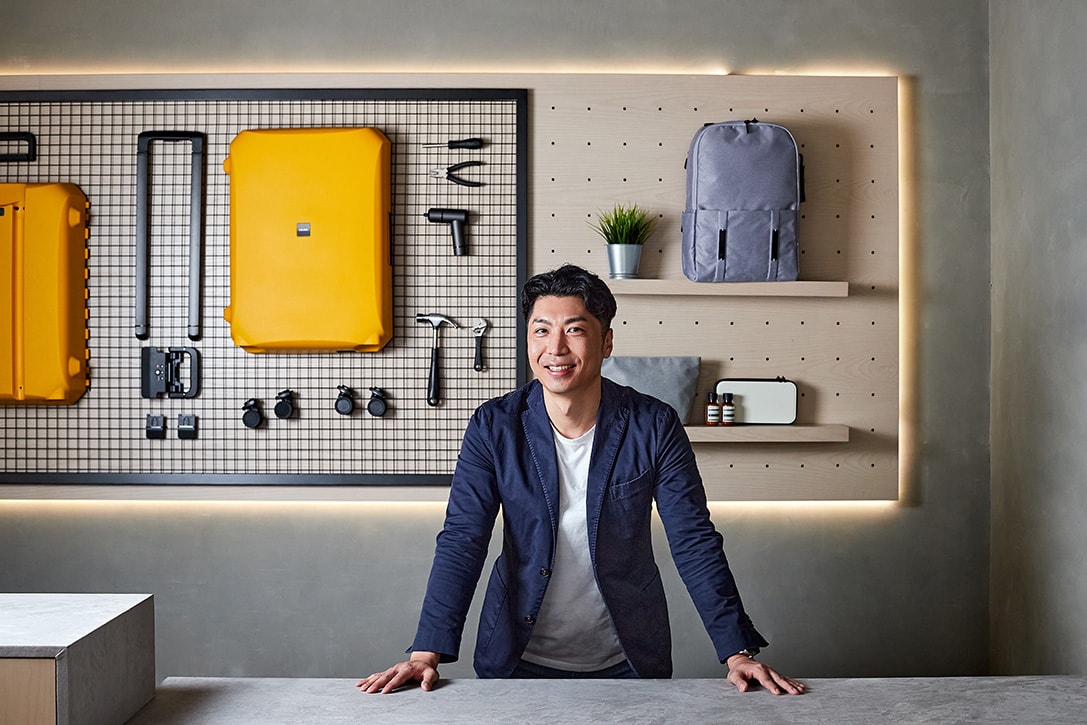
    Lojel, a Japanese luggage manufacturer, has recently opened the doors to its latest concept store at K11 Musea. This new venture marks the seventh store that Lojel operates in Hong Kong.

    Embracing Local Artistry

    The K11 Musea outlet is unique due to its partnership with acclaimed local artist Zoie Lam. Her artwork graces the central pillar of the store, vividly depicting the Tsim Sha Tsui district of Hong Kong. This display is a testament to the store’s architectural feature, the canvas, which serves as a visual interpretation of Lojel’s “art meets retail” narrative.

    Opening A New Chapter

    According to Tee Teng Li, General Manager of Lojel, the K11 Musea store represents a new beginning for the brand. “This store marks a new chapter for Lojel – a place where movement, creativity, and community come together,” he said. Li further explained that the concept store is a prototype for future outlets, intending to enhance the customer connection and provide a genuinely immersive experience.

    Journey Patch Collection

    The grand opening of the store came with the unveiling of the exclusive Journey Patch collection. This collection is the result of a collaboration with Danish artist Julie Solvstrom and is entirely made from post-consumer recycled polyester yarn. Lojel also joined forces with UNHCR, the UN refugee agency, and Made51 to initiate a handcrafted bracelet campaign.

    Lojel initially made its mark in Hong Kong last year, with the launch of its first flagship store.

    Questions & Answers

    What is unique about the new Lojel store at K11 Musea?
    The store is unique because it embraces local artistry. It houses artwork by local artist Zoie Lam, who has depicted the Tsim Sha Tsui district of Hong Kong on the store’s central pillar.

    What does the K11 Musea store represent for Lojel?
    According to Tee Teng Li, Lojel’s General Manager, the store signifies a new chapter for the brand. It represents a place where movement, creativity, and community converge.

    What was unveiled at the grand opening of the store?
    Lojel unveiled the exclusive Journey Patch collection at the grand opening. The collection, created in collaboration with Danish artist Julie Solvstrom, is entirely made from post-consumer recycled polyester yarn.

  • Exclusive Singapore Club 1880 Set to Reopen Next Month After Brief Closure

    Exclusive Singapore Club 1880 Set to Reopen Next Month After Brief Closure

    Singapore’s exclusive members’ club 1880 is gearing up for a surprising comeback this August, just weeks after announcing its sudden closure. Nestled along the scenic Robertson Quay, a bustling destination along the Singapore River, 1880 will reestablish its presence at the same locale, as confirmed by a spokesperson. This unexpected turnaround brings a glimmer of hope to fans who thought they had seen the last of the club, which had a reputation for hosting prominent events and guest speakers.

    In a reassuring sign of continuity, over 90% of the staff from the previous iteration of 1880 are expected to return to their roles. However, fans will notice a significant absence: the three original co-founders—Marc Nicholson, Jean Low, and Luke Jones—will not be involved in the new venture.

    The shuttering of 1880 in mid-June ended nearly eight years of operations. “The club and all its operations will cease immediately. Please do not come to the premises as the doors will be locked,” Nicholson informed staff at that time, as reported by The Straits Times. The abrupt closure stemmed from declining member spending and failed efforts to attract new investors or buyers.

    With dwindling funds to cover employee and supplier payments, the club had no choice but to call it quits. Notably, 1880 had previously hosted illustrious figures, including former Foreign Affairs Minister George Yeo and Netflix’s Mind Your Manners host Sara Jane Ho. Sadly, the club’s closure echoes a broader trend, as its Hong Kong branch similarly folded shortly after opening, facing debts estimated at HKD20 million (US$2.5 million) due to unpaid rents and salaries for its 100 employees, according to the South China Morning Post.

    Questions & Answers

    What prompted the original closure of 1880?
    The closure was primarily due to a decline in member spending and unsuccessful attempts to find investors or buyers, leading to insufficient funds to cover operational costs.

    Will the founding team be involved in the new iteration of 1880?
    No, the original co-founders—Marc Nicholson, Jean Low, and Luke Jones—are not part of the reopening venture.

    What significant events did the original 1880 host?
    Throughout its operation, the club hosted notable speakers, including former Foreign Affairs Minister George Yeo and Sara Jane Ho, the host of Netflix’s Mind Your Manners, showcasing its prominence in social and cultural conversations in Singapore.

  • Eg Group Eyes Billion-dollar Divestment Of Australian Service Station Network

    Eg Group Eyes Billion-dollar Divestment Of Australian Service Station Network

    EG Group Plans to Divest Australian Service Station Network

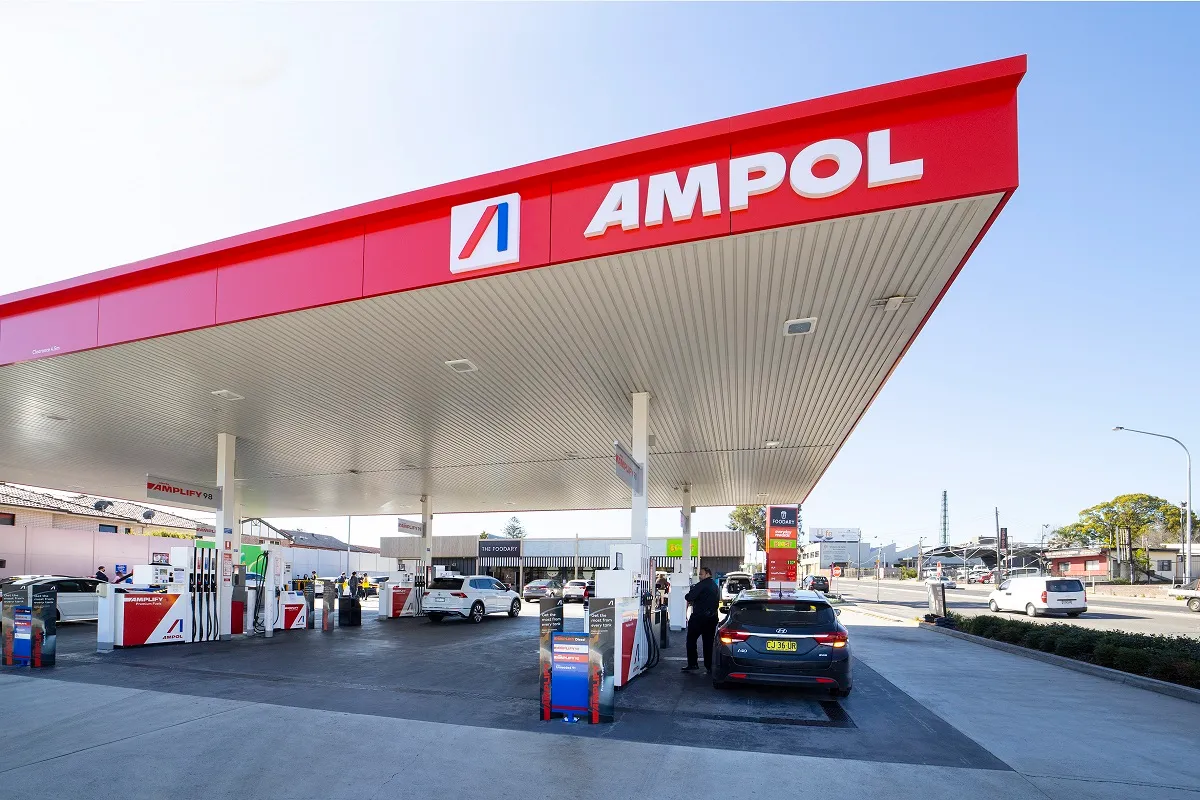
    UK-based EG Group is planning to divest its EG Ampol service station network in Australia. Ampol, EG Group’s wholesale supplier, is considered the most likely purchaser.

    EG Group acquired 540 fuel convenience sites from Woolworths in April 2019 for $1.73 billion. The company is now reportedly looking to sell its Australian division to mitigate losses and withdraw from the marketplace.

    Insiders report that EG Group and its advisors are in confidential discussions with prospective buyers regarding a sale valued at over $1 billion.

    Ampol as the Probable Buyer

    Ampol, EG Group’s wholesale supplier, has surfaced as the possible buyer, given that the service station chain bears its name. Ampol has been delivering fuel to the business under a long-standing commercial agreement dating back to the time when Woolworths was the proprietor.

    Over the years, Ampol has made several acquisitions, including Milemaker in Melbourne, Gull NZ, SeaOil and Z-Energy in New Zealand.

    EG Ampol’s Performance

    As of the end of the previous year, EG Ampol had 517 locations. Its annual sales had fallen 6.4% to $4.24 billion.

    EG Group has shut down marginally profitable or loss-making sites. The retail fuel volumes industry-wide have also witnessed a decline as more drivers shift towards hybrid or electric vehicles.

    Another significant player in the sector is Viva Energy, which acquired fuel and convenience store chain operator OTR Group for $1.22 billion last year.

    Questions & Answers

    What is EG Group planning for its EG Ampol service station network?
    EG Group is reported to be planning to sell its EG Ampol service station network in Australia.

    Who is the most likely purchaser of this network?
    Ampol, EG Group’s wholesale supplier, is considered the most likely purchaser of the network.

    What has been the impact on the retail fuel volumes industry-wide?
    The retail fuel volumes have declined across the industry as more motorists shift towards hybrid or electric vehicles.

  • Couple Struggles with Mental Health, Loses $480K in High-Stakes Gamble at Hanoi’s Luxury Pullman Casino

    Couple Struggles with Mental Health, Loses $480K in High-Stakes Gamble at Hanoi’s Luxury Pullman Casino

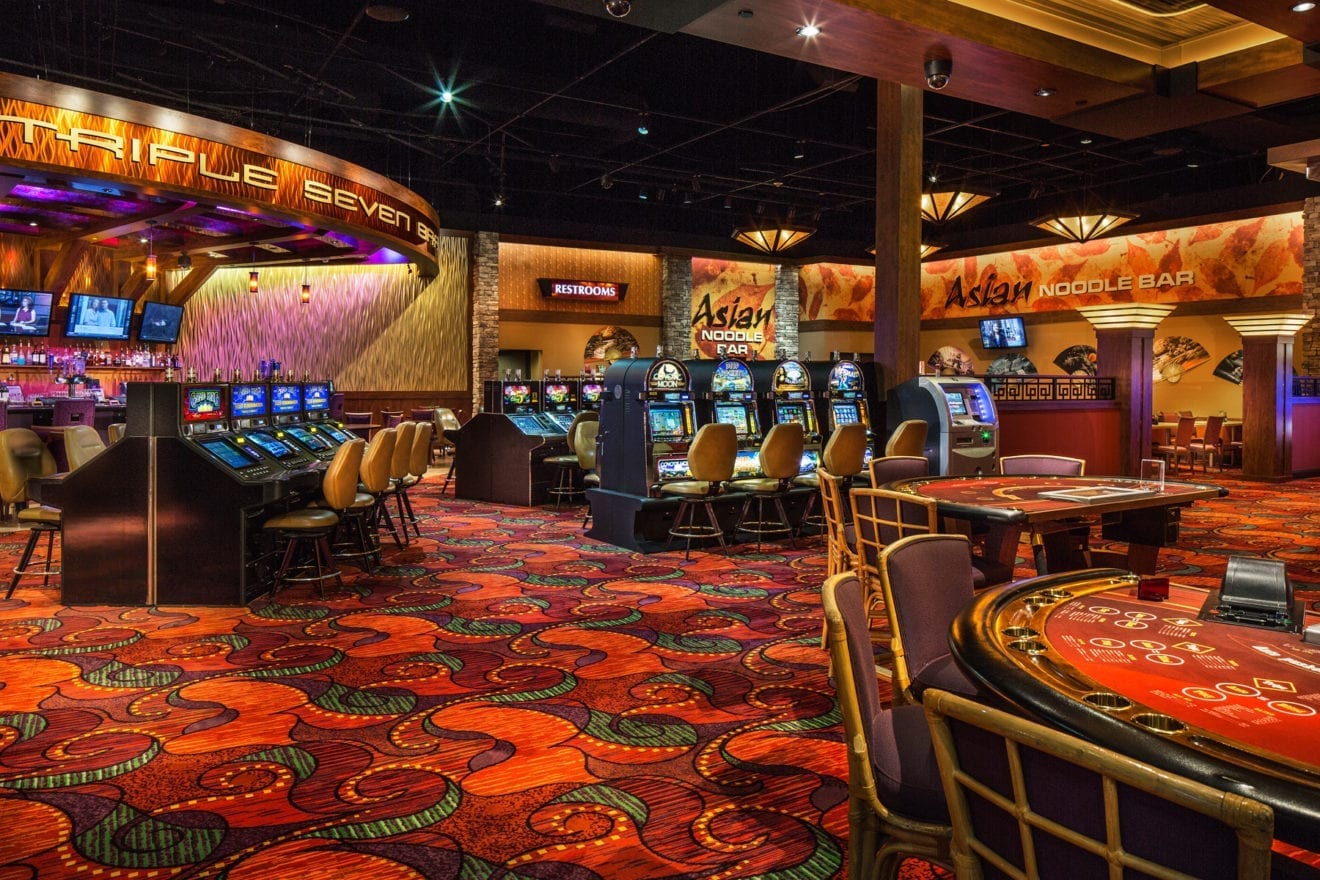
    In a sensational case that highlights the complex interplay between gambling and mental health in Vietnam, a couple is at the center of a scandal involving massive losses and alleged corruption. Nguyen Mai Anh and Le Van Dong are part of a group of 145 Vietnamese nationals—including officials, business figures, and even entertainers—who reportedly gambled a staggering US$106 million at a casino.

    Gambling Gone Awry: The Couple’s Journey

    Vietnamese law restricts gambling to select casinos under a pilot program, yet Anh and Dong, both 47, found themselves deeply enmeshed in the gambling culture. Prosecutors have noted that both individuals exhibit “signs of mental illness.” Under the alias “MRS ROSE,” Anh participated in 67 gambling sessions at the King Club between February and June last year, racking up an almost $395,000 loss. Meanwhile, her husband, playing as “MR BANK,” wagered 33 times, losing roughly $85,100.

    Investigating Mental Health Claims

    The couple is now receiving mandatory mental health treatment at the Central Forensic Psychiatry Institute in Hanoi. Police sought an evaluation of their cognitive and behavioral control as they navigated their gambling activities. With evaluation results still pending, their gambling actions have been separated for further examination.

    Corruption Behind Closed Doors

    However, the plot thickens. The couple faces separate allegations of manipulating the psychiatry institute to procure false mental health evaluations. Reports suggest they bribed officials to gain private accommodations and the freedom to leave the facility at will. Their room was reportedly outfitted with air conditioning and sound systems, enabling parties and drug use—far from the sterile environment one would expect from a mental health institution.

    During their “treatment,” Anh and Dong frequently escaped the confines of the institute, even vacationing with staff members. They adeptly brokered deals with leaders of the institute, offering hefty payments in exchange for favorable evaluations for other individuals seeking to evade criminal responsibility. In fact, they allegedly received “billions of Vietnamese dong” in return for these services, with “hundreds of millions” reportedly funneled to institute director Tran Van Truong as kickbacks.

    A Ripple Effect on Mental Health Evaluations

    The fallout from this scandal has been extensive. The Hanoi police have moved to prosecute 36 leaders and staff members from the Central Forensic Psychiatry Institute, including Truong, as the ramifications of fake mental health evaluations extend throughout the community, allowing many without genuine mental health concerns to escape accountability.

    As this complex case unfolds, it raises pressing questions about the integrity of mental health institutions and the lengths some will go to game the system. In the world of gambling, where fortunes can turn swiftly, it seems that not all bets pay off—especially when intertwined with corruption.

    Questions & Answers

    What are the implications of this case for gambling regulations in Vietnam?
    The case could prompt a reevaluation of the existing gambling laws in Vietnam, especially regarding mental health assessments, and reinforce the need for stricter oversight in casinos.

    How has the public reacted to the couple’s alleged actions?
    The public response has been one of shock and outrage, as the intertwining of gambling, mental health treatment, and corruption raises serious ethical questions about the integrity of those involved.

    What could be the long-term consequences for the individuals implicated in this scandal?
    The long-term consequences could include criminal penalties for those involved in bribery and corruption, while also putting a spotlight on the greater systemic issues within mental health and gambling sectors in Vietnam.

  • Makara Capital Sets Ambitious Goal to Mobilize $7B for Strategic Investments in Vietnam

    Makara Capital Sets Ambitious Goal to Mobilize $7B for Strategic Investments in Vietnam

    In a significant meeting held in Hanoi on Wednesday, Ali Ijaz Ahmad, chairman and CEO of Makara Capital Partners, expressed strong interest in expanding the firm’s footprint in Vietnam. Joined by other company executives, Ahmad highlighted the group’s substantial presence in Singapore in areas such as fund and asset management, financial structuring, and advisory services.

    Vietnam: A Promising Investment Landscape

    Demonstrating due diligence, the leaders outlined their comprehensive analysis of the Vietnamese market, underscoring their confidence in the country’s strategic development trajectory and long-term growth ambitions. Their enthusiasm mirrors Vietnam’s reputation as a burgeoning hub for investment in Southeast Asia.

    Strategic Projects in the Pipeline

    Makara Capital Partners is currently championing an investment initiative to establish a biopharmaceutical industrial park in the northern province of Hung Yen. Moreover, the company is engaging with Vietnamese authorities to explore collaborations in energy, infrastructure, and banking restructuring, as well as contributing to the development of a global financial center in the country.

    Such ambitious ventures could potentially mobilize between US$5 and $7 billion in investments, showcasing the firm’s commitment to driving economic growth in Vietnam.

    A Call to Action

    Prime Minister Pham Minh Chinh encouraged Makara Capital Partners to expedite its investment decisions and scale up operations within Vietnam’s priority sectors. He emphasized the philosophy of “working together, benefiting together, winning together, and sharing joy and happiness.”

    Reiterating the Vietnamese government’s commitment to facilitating successful investments, Chinh assured that the country will protect the legitimate rights and interests of investors, grounded in principles such as regulatory transparency, market alignment, and international standards.

    Aligning Interests for Sustainable Development

    Chinh warmly welcomed Makara Capital’s ambitions in biopharmaceuticals and finance, aligning them with Vietnam’s goals for rapid, green, and sustainable development. He provided insights into the nation’s socio-economic strategies and highlighted ongoing efforts in institutional reform, infrastructure expansion, and human resource enhancement.

    Vietnam is embarking on a transformative journey, restructuring its administrative framework and implementing key resolutions aimed at fostering swift and sustainable growth. The nation has set its sights on achieving a GDP growth of at least 8% this year, with aspirations for double-digit growth in the years to follow, all while aiming to transform into a high-income developed country by 2045. A tall order? Perhaps. But in Vietnam, the potential often exceeds the challenge.

    Questions & Answers

    What investment projects is Makara Capital Partners pursuing in Vietnam?
    Makara Capital is focused on developing a biopharmaceutical industrial park in Hung Yen, while also exploring opportunities in energy, infrastructure, and banking restructuring.

    What is the expected investment range from Makara Capital in Vietnam?
    The initiatives being discussed could mobilize between US$5 and $7 billion in total investments.

    What are Vietnam’s economic growth targets for the coming years?
    Vietnam aims for a GDP growth of at least 8% this year, with a vision for double-digit expansion in subsequent years, striving to become a high-income developed nation by 2045.

  • Police Crack Down on Alleged Prostitution at Luxury Quinter Central Nha Trang Hotel

    Police Crack Down on Alleged Prostitution at Luxury Quinter Central Nha Trang Hotel

    Authorities have launched an investigation into the five-star Quinter Central Nha Trang Hotel, located in the resort commune of Nha Trang, following reports that its massage services may be linked to prostitution.

    Police Crack Down on Suspected Illegal Activity

    In a significant move, local authorities initiated a probe into the Quinter Central Nha Trang Hotel on Thursday afternoon, acting on allegations that the establishment’s massage services were involved in illicit activities. The Ministry of Public Security sent a task force to the luxury hotel around 4 p.m., according to the Khanh Hoa provincial police.

    Witnesses reported a coordinated arrival of numerous police vehicles at the hotel, with officers conducting inspections that lasted for several hours. “The hotel offers massage services that show signs of prostitution. The investigation is ongoing,” one officer revealed, though specific details remain tightly under wraps.

    Business as Usual Amidst Investigation

    Despite the police presence, hotel operations continued unabated. Tour buses were seen dropping off guests, and services inside the venue remained uninterrupted. One might wonder how a hotel could maintain its facade of normalcy while under such scrutiny – perhaps it’s the power of luxury!

    A Closer Look at Quinter Central Nha Trang Hotel

    Since opening its doors in 2018, the Quinter Central Nha Trang Hotel has positioned itself as a premier destination for travelers seeking luxury and relaxation. With over 150 well-appointed rooms, the hotel boasts two expansive venues suited for weddings and conferences, an infinity pool, and an array of wellness options including 50 herbal bath rooms and more than 20 karaoke suites. A spa and dedicated massage center further enhance its appeal to guests, effectively blending opulence with relaxation.

    Questions & Answers

    What led to the police investigation at Quinter Central Nha Trang Hotel?
    The investigation was initiated based on reports that the hotel’s massage services might be linked to prostitution, prompting authorities to take action.

    Did the police raid affect the hotel’s operations?
    Surprisingly, the hotel continued its regular operations during the investigation, with guests arriving and services running as planned.

    What amenities does Quinter Central Nha Trang Hotel offer?
    The hotel features over 150 upscale rooms, two large event venues, an infinity pool, spa facilities, and a range of recreational options, making it a prime destination for luxury accommodation.

  • Unilever’s Omo Introduces ‘Wonder Wash’: Revolutionary 15-minute Cold Wash Detergent

    Unilever’s Omo Introduces ‘Wonder Wash’: Revolutionary 15-minute Cold Wash Detergent

    Omo, a renowned brand from Unilever, has introduced Wonder Wash, a novel liquid detergent series specifically formulated for quick, cold wash cycles. This product is designed to provide a comprehensive clean in an exceptionally short time—just 15 minutes—even at a low temperature of 20°C.

    The innovative design of Wonder Wash makes use of a unique “Pro-S Technology”. This proprietary technology brings together cleaning agents with odour eliminators and fragrance enhancers for a superior laundry experience.

    Wonder Wash offers two distinct variants catered to different laundry needs: Speed Clean, which is perfect for day-to-day wear, and Odour Refresh, designed specifically for sports and active wear.

    Commenting on the launch, Kate Westgate, the Head of Marketing – Homecare at Unilever Australia, said, “With the introduction of Wonder Wash, we aim to provide a detergent that aligns with the swift pace of contemporary laundry routines.”

    The marketing strategy for Wonder Wash includes a national campaign featuring brand ambassador Usain Bolt. This campaign spans across television, digital platforms, social media, and outdoor channels to reach a wider audience.

    Wonder Wash is now available for purchase at a recommended retail price of $21 for a 1.18-litre bottle and $32 for a 1.94-litre bottle. Consumers can find this product at Woolworths, Coles, and independent retailers across the country.

    Questions & Answers

    What is Wonder Wash?
    Wonder Wash is a new liquid detergent range from Omo, a brand by Unilever. It is designed to provide a thorough clean in as little as 15 minutes, even at temperatures as low as 20°C.

    What are the different variants in the Wonder Wash range?
    Wonder Wash offers two distinct variants: Speed Clean for everyday wear and Odour Refresh for sports and active wear.

    Where can customers purchase Wonder Wash?
    Wonder Wash is available at Woolworths, Coles, and independent retailers nationwide.

  • Edgewell Faces Legal Action Over Alleged ‘greenwashing’ Of Sunscreen Products

    Edgewell Faces Legal Action Over Alleged ‘greenwashing’ Of Sunscreen Products

    Edgewell Personal Care Australia, the firm behind the well-known Banana Boat and Hawaiian Tropic sunscreens, is embroiled in a legal dispute with the Australian Competition and Consumer Commission (ACCC). The ACCC claims that the company misled consumers by inaccurately promoting their products as “reef-friendly.”

    Legal Action Initiated

    The ACCC has initiated a court case in the Federal Court against Edgewell Personal Care Australia and its American parent company, Edgewell PCC. The consumer protection organization alleges that more than 90 of Edgewell’s sunscreen products were falsely marketed as reef safe from August 2020 through December 2024. The promotion was done through various channels, including websites, social media, retail catalogs, and product packaging. Some of the promotional materials even featured images of coral reefs alongside the claims.

    Misleading Claims

    Despite the fact that the products do not contain oxybenzone and octinoxate, two chemicals banned in areas like Hawaii due to their proven toxicity to coral reefs, they contain other ingredients. These include octocrylene, homosalate, 4-MBC, and avobenzene, which are either known or suspected to be harmful to marine ecosystems.

    According to the ACCC, Edgewell was aware of scientific research indicating these potential environmental hazards but did not conduct independent testing to verify these findings. Even though “reef-friendly” labels were removed from the company’s US product line around 2020, the misleading claim continued in the Australian market until late 2024.

    “Greenwashing” Accusations

    ACCC Deputy Chair, Catriona Lowe, referred to Edgewell’s actions as “greenwashing,” suggesting that the company’s misleading marketing could have influenced consumer purchasing decisions.

    “The company’s behavior has potentially misled a significant number of consumers,” Lowe said. “The sunscreen products were distributed across Australia over a four-year period, available in large stores and online platforms.”

    Lowe added that companies should not hesitate to promote their product’s environmental credentials but they must ensure they can back up such claims with reputable third-party certification or reliable scientific evidence.

    The ACCC now seeks penalties, declarations, injunctions, and legal fees in its court case against Edgewell.

    Questions & Answers

    What are the ACCC’s allegations against Edgewell Personal Care Australia?

    The Australian Competition and Consumer Commission alleges that Edgewell falsely marketed its sunscreen products as “reef-friendly” when they contain ingredients that are potentially harmful to marine life.

    What chemicals are in question in Edgewell’s sunscreen products?

    The chemicals that are known or suspected to be harmful to marine life in Edgewell’s sunscreen products include octocrylene, homosalate, 4-MBC, and avobenzene.

    What action is the ACCC seeking against Edgewell?

    The ACCC is seeking penalties, declarations, injunctions, and legal costs from Edgewell in their case against the company.

  • Royaloak Furniture Expands Horizons: Launches Three Exciting Stores in the UAE Market!

    Royaloak Furniture Expands Horizons: Launches Three Exciting Stores in the UAE Market!

    As retail dynamics continue to evolve across Asia, innovation and adaptability remain at the forefront of success. In a recent development, a wave of retail businesses is harnessing the power of artificial intelligence (AI) to enhance customer experience and streamline operations. The retail landscape is not just about selling products anymore; it’s about creating memorable experiences that keep consumers returning for more.

    AI Reshaping Customer Engagement

    Artificial intelligence is being integrated into a variety of retail functions, from personalized shopping recommendations to chatbots that provide instant customer service. Leading brands are now leveraging machine learning algorithms to analyze consumer behavior, enabling them to tailor promotions and product placements to individual preferences. This impressive shift raises the question: when did shopping become so personalized that it feels like each customer has their own personal shopper?

    Streamlining Operations

    Moreover, AI is revolutionizing back-end operations, optimizing inventory management, and enhancing supply chain efficiency. Retailers are using predictive analytics to foresee demand trends, ensuring that shelves are stocked with the right products at the right time. This not only minimizes waste but also maximizes profitability.

    Success Stories Across Asia

    In Japan, convenience store chain Seven & I Holdings has implemented AI-driven systems to manage inventory more effectively, while Chinese e-commerce giant Alibaba employs sophisticated algorithms to refine its marketing strategies. Such initiatives are setting benchmarks for other retail businesses, showcasing the tangible benefits of embracing technology in an ever-competitive market.

    The Human Touch

    While technology takes center stage, the importance of human interaction shouldn’t be overshadowed. Retailers are finding the delicate balance between cutting-edge tech and personal touches that make shopping enjoyable and engaging. As the saying goes, “You can’t spell ‘retail’ without ‘tail’,” and those savvy enough to blend both elements stand to thrive.

    Looking Ahead

    As we venture further into the digital age, the relationship between AI and retail will only deepen. The future may see even more creative applications of technology, from augmented reality shopping experiences to AI-driven fashion design. The possibilities are as vast as the Asian markets themselves, tantalizing both retailers and consumers alike.

    Questions & Answers

    How is AI impacting customer engagement in retail?
    AI enhances customer engagement by providing personalized shopping experiences through recommendations and real-time assistance, making consumers feel valued.

    What operational benefits does AI offer to retailers?
    Retailers benefit from AI through better inventory management and supply chain optimization, allowing for more accurate demand forecasting and resource allocation.

    Can human interaction still play a significant role in retail despite the rise of technology?
    Yes, a human touch remains essential; blending technology with personal interactions creates a more enjoyable shopping experience, fostering customer loyalty.

  • Singapore Hits Record High in Renewable Energy Consumption

    Singapore Hits Record High in Renewable Energy Consumption

    In May, Singapore saw an unprecedented increase in the proportion of renewable energy in its power generation mix, according to recent market data analysis. This considerable achievement is attributed to the country’s efforts to scale up solar power production and import more renewable electricity.

    The National Electricity Market’s data indicated a significant upward trend in Singapore’s domestic solar generation, recording its fastest growth since March of the previous year. The rise in imported renewable energy for the third month in a row, reaching its highest level in over two years, also played a crucial role. These factors led to a record-breaking 2.58% of Singapore’s power mix being from renewable sources.

    Reducing reliance on fossil fuels in the region has become achievable through cross-border electricity trading, particularly as the demand for electricity from data centers continues to rise. Despite its limited potential for renewable energy due to its size and geography, Singapore has set ambitious aims. By 2035, the country hopes to source about one-third of its power needs, or 6GW, from clean electricity imports. Currently, natural gas-fired power plants make up approximately 95% of the nation’s generation capacity.

    From January to May, Singapore imported a substantial 122.7 million kWh of clean electricity, accounting for 0.52% of total power generation. This contrasts with the same period in the previous year, during which Singapore did not import electricity and only began small-scale imports in the last quarter.

    In May, the rising importation of electricity continued to replace some fossil fuel-based power generation, marking the third straight month of growth in import share. The overall electricity output in Singapore rose by 0.4% in the first five months of the year.

    Currently, Singapore is involved in two cross-border power purchase agreements, namely the 200MW Laos-Thailand-Malaysia-Singapore (LTMS) project and a 50MW pilot Energy Exchange Malaysia project with the Malaysian state utility company, Tenaga Nasional.

    Singapore’s Energy Market Authority (EMA) Chief Executive, Puah Kok Keong, noted in October that the extension terms for the LTMS project were still in negotiation as Singapore awaited Thailand’s finalization of transmission fee details under the agreement.

    Questions & Answers

    What has led to the rise in the share of renewable energy in Singapore’s power mix?
    The significant increase in the share of renewable energy in Singapore’s power mix is due to the country’s efforts to scale up solar power production and import more renewable electricity.

    What is Singapore’s aim for clean electricity imports by 2035?
    By 2035, Singapore aims to source about one-third of its power needs, equivalent to 6GW, from clean electricity imports.

    How are imports affecting Singapore’s reliance on fossil fuel-based power generation?
    The country has seen a continuing trend of replacing some fossil fuel-based power generation with imported electricity, leading to an increased share of renewable energy in their power generation mix.

  • Fuel Prices Drop as Value-Added Tax Reduction Sparks Savings for Consumers!

    Fuel Prices Drop as Value-Added Tax Reduction Sparks Savings for Consumers!

    Retail fuel prices have seen a reduction as a result of a newly implemented National Assembly resolution on value-added tax.

    Starting Tuesday, the maximum retail price of biofuel E5 RON92 is now set at VND20,530 (approximately US$0.79) per liter, marking a 1.82% decrease from the previous day. It’s a welcome change for consumers now primarily relying on their fuel budgets for summer road trips.

    The price of RON95 fuel has also been adjusted, now capped at VND21,116, reflecting the same reduction of 1.82%. Meanwhile, diesel will be selling for no more than VND19,349 per liter, down 1.95%. The price of mazut has been decreased by 1.82%, bringing it to VND16,955 per kilogram.

    Questions & Answers

    What prompted the recent reduction in fuel prices?
    The reduction is a direct result of a newly enacted National Assembly resolution that lowered value-added tax.

    How much have prices decreased for different types of fuel?
    The maximum retail price for E5 RON92 biofuel dropped by 1.82%, while RON95 remained at the same percentage decrease. Diesel saw a 1.95% reduction, and mazut also decreased by 1.82%.

    When did the new fuel prices take effect?
    The new retail fuel prices took effect on Tuesday following the announcement from the National Assembly.

  • IKEA Unveils Global Price Reductions on Restaurant Menus for Savvy Shoppers Everywhere!

    IKEA Unveils Global Price Reductions on Restaurant Menus for Savvy Shoppers Everywhere!

    In a striking move that underlines its ambition to reshape the retail landscape in Asia, IKEA has announced plans to establish a significant new presence in South Korea. Following the successful unveiling of its first store in 2004, the Swedish furniture giant is set to expand its footprint with an innovative concept store slated to open in Seoul’s bustling Yeongdeungpo district by the end of next year. This development highlights IKEA’s commitment to adapting its offerings to align closely with local consumer preferences while maintaining its core brand ethos.

    A Shift Towards Urban Convenience

    The new store will feature an extensive range of IKEA’s popular product lines, as well as access to online shopping services. Set to occupy a prominent space, this store will focus on urban convenience, catering to the growing demand for home goods among city dwellers who favor accessibility and efficiency in shopping. Not just a shopping destination, this outlet aims to serve as a community hub, hosting workshops and events that engage local customers and bolster brand loyalty.

    Creating a Local Touch

    IKEA has been keen on incorporating local elements into its designs and product offerings. This latest venture will showcase products that resonate with South Korean tastes, ensuring that the store feels tailor-made for its environment. The emphasis will be on creating functional, stylish living spaces that reflect the unique aesthetics of the region. Perhaps we can expect a few surprises that may even spark fresh trends in home décor, but time will tell!

    Expanding Horizons amid a Competitive Market

    The announcement comes amidst a highly competitive retail climate in South Korea, where local and international brands vie for consumer attention. With online shopping gaining traction, IKEA’s approach to hybrid shopping—melding physical and digital experiences—could attract a diverse range of customers, from tech-savvy millennials to time-starved parents. As the famed brand leverages its years of experience in creating iconic and sustainable home furnishings, the spotlight is on whether this new venture can capture the imagination of a discerning South Korean market.

    Looking Ahead

    The potential for growth in South Korea is evidenced not only by IKEA’s ambitions but by the broader global expansion strategy of major retailers that seek to tap into emerging market trends. Analysts suggest that this strategic move might not only solidify IKEA’s foothold in Asia but also enhance its reputation as a versatile and customer-centric brand. As South Koreans increasingly prioritize home aesthetics, this store could create a significant shift in how they approach home furnishings.

    Questions & Answers

    What is the primary focus of IKEA’s new store in South Korea?
    The store aims to provide urban convenience, emphasizing a blend of online shopping options and engaging community activities that resonate with local consumers.

    How will IKEA tailor its offerings for the South Korean market?
    IKEA plans to incorporate local elements into its product lines, ensuring that the store’s offerings align with the unique tastes and preferences of South Korean customers.

    What can customers expect from the new store’s design and experience?
    Customers can look forward to a space designed to reflect stylish and functional living, incorporating interactive elements like workshops and events to enhance the shopping experience.

  • Lawmakers Approve $61B High-Speed Rail Boosted by Private Investment Opportunities

    Lawmakers Approve $61B High-Speed Rail Boosted by Private Investment Opportunities

    In a significant move for infrastructure development, the National Assembly of Vietnam has paved the way for private investment in the ambitious North-South high-speed rail project by approving two new development models: public-private partnerships and fully private funding. This decision, reached during a vote on Friday, grants the government the mandate to select both the investment model and the investors for this extensive initiative.

    Initially framed as a public sector endeavor, the project garnered renewed interest from the private sector following a recent resolution from the Politburo which emphasized the importance of advancing private enterprise in national development. This shift not only signals a move towards more flexible funding options but also invites major players to join in one of Vietnam’s largest infrastructure projects to date.

    Two prominent domestic conglomerates have stepped forward with proposals to construct the railway. VinSpeed, led by Vietnam’s wealthiest entrepreneur Pham Nhat Vuong, has committed to covering 20% of the estimated US$61 billion project cost while seeking to borrow the remaining $49 billion from the government. On the other hand, Thaco Group has put forth a similar proposal but intends to secure its financing through loans from both domestic and international financial institutions, with the government serving to guarantee these loans.

    What’s particularly intriguing is Thaco’s approach to maintaining local control; they plan to create a dedicated subsidiary to oversee the project, ensuring that a significant portion of the funding and management remains within Vietnam.

    The rail line, stretching an impressive 1,541 kilometers from Hanoi to Ho Chi Minh City and traversing 20 provinces and cities, is designed to facilitate speeds of up to 350 kilometers per hour. It will feature 23 passenger stations and five dedicated freight terminals, transforming travel and cargo transport across the region.

    The feasibility study for this landmark project is set to commence this year, with ambitious plans for completion by 2035, a timeline that keeps an eye firmly on future connectivity and economic growth.

    Questions & Answers

    What new investment models have been approved for the North-South high-speed rail project?
    The National Assembly has approved public-private partnerships and fully private investment options for the project.

    Who are the major domestic companies proposing to fund the railway?
    VinSpeed, owned by Pham Nhat Vuong, and Thaco Group are the two major conglomerates vying to invest in the railway project.

    What are the key features of the planned high-speed rail line?
    The rail line will span 1,541 kilometers, connect 20 provinces and cities, and operate at speeds of up to 350 kilometers per hour, with numerous passenger and freight stations along the route.

  • Huawei Unveils Revolutionary AI Home Solutions at MWC Shanghai 2025: A New Era of Smart Living!

    Huawei Unveils Revolutionary AI Home Solutions at MWC Shanghai 2025: A New Era of Smart Living!

    At the recent MWC Shanghai 2025, Huawei unveiled its latest innovations in artificial intelligence (AI) for home systems, capturing the attention of industry leaders and tech enthusiasts alike. In a world increasingly shaped by digital interactions, Huawei emphasized the critical role of cloud and network collaboration, now elevated to include AI as an integral component in their deployment strategies.

    Redefining User Interaction with AI

    Huawei’s approach to AI-equipped home systems goes beyond mere interpretation; it centers on cultivating a nuanced understanding of individual users. The company aims to craft distinctive profiles that cater to the preferences of each household member. By recognizing vocal tones and tracking habits, Huawei’s AI systems can seamlessly integrate into daily lifestyles—a book lover doesn’t seek out the same recommendations as a movie buff, after all.

    While many operators endeavor to build proprietary cloud platforms, Huawei argues that true progress lies in collaboration with third-party cloud operating systems and external applications. Such cooperation is vital to ensure that AI home assistants are not just standalone entities but can interact with various external agents to provide optimal convenience.

    The ambition is to develop sophisticated level-three and level-four applications that enable cross-application collaboration. Huawei is leading this charge with the AI Home Hub, where an integrated AI agent operates directly on the device. A recent example of this is the Unibox TongTong from China Unicom, which utilizes in-app collaboration to streamline ride-hailing through AI Home Apps.

    Seamless Connectivity for Smart Homes

    In the quest for smarter living, fiber-to-the-room (FTTR) technology stands as a cornerstone for connecting diverse IoT devices—ranging from cameras to fridges—within homes, all while avoiding the chaos of multiple applications. Huawei’s AI Home Hub acts as a unifying system designed with user experience in mind.

    To accommodate the vast amount of data generated by these devices—terabytes containing movies, applications, and personal records—homes will require significant storage capability. This demands a massive volume of data points to train AI assistants effectively. Major telecom operators in China are stepping up, establishing AI-centric data centers equipped to handle this surge in demand.

    As internet speed plays a pivotal role in this evolution, broadband packages now typically provide speeds between 100 Mbps to 1,000 Mbps (or 1 Gbps), with entry-level options starting around 300 Mbps. Nonetheless, to power the next wave of interactive, AI-driven applications, networks must scale up to thousands of Mbps. Huawei suggests using shallow compression to enhance service quality, balancing bandwidth needs against latency concerns without introducing pricey hardware solutions.

    This remarkable connectivity wouldn’t flourish without support from China’s leading telecom giants—China Telecom, China Unicom, and China Mobile—whose extensive integration of fixed and mobile networks is reshaping user expectations.

    With multiplying use cases, including 2D/3D entertainment and versatile video streaming options, retaining subscribers hinges on developing an “open Harmony ecosystem” for diverse IoT appliances. HarmonyOS, Huawei’s next-generation platform, promises an improved connection across a myriad of smart devices, enhancing inter-device collaboration.

    Smart Living Made Easy

    Huawei’s AI Home system is more than just tech; it’s a glimpse into a smarter future. Take Sarah, the virtual personal assistant, who can intelligently schedule tasks and suggest meals based on a user’s fridge content. If the whole house isn’t interconnected, how effective can such innovations be?

    China Unicom’s AI assistant, designed for home use, dons a versatile skill set with 16 functions, including home security and exercise tracking—all controllable through voice commands. Even children can request suitable movie options, while the system taps into third-party content to streamline user experiences, proving that tech is truly for everyone.

    Moreover, built-in AI trainers can assess performance during workouts or yoga sessions and even serve as a personal tutor, enhancing educational journeys tailored to individual learning styles. The innovative 3D-Optical Sensing solution can also keep an eye on the elderly, achieving a remarkable recognition rate of 90% for monitoring movement.

    For telecom operators, the future here is lucrative as monetization extends beyond mere connectivity to encompass encompassing AI solutions. Huawei’s framework—integrating cloud, AI, network, and device capabilities—provides operators with the tools to deploy their own AI agents, reinforcing the necessity for complete connectivity in today’s ever-evolving scenarios. Together, they are shaping a smooth, intelligent “smart life” for consumers in Asia and beyond.

    Questions & Answers

    How does Huawei’s AI Home system enhance user experience?
    The AI Home system creates tailored user profiles through voice recognition and habit tracking, providing personalized recommendations and seamless integration across different household needs.

    What role does speed play in the effectiveness of smart home applications?
    As the complexity of smart applications increases, higher broadband speeds (up to 5,000 Mbps) become essential to minimize latency and support real-time, interactive functions.

    How are telecom operators adapting to the rise of AI-driven home solutions?
    Operators are establishing AI-focused data centers and adopting advanced connectivity solutions to enable large-scale deployment of AI technologies, enhancing user engagement and satisfaction.
  • Siemens Plans Ambitious High-Speed Rail Project to Transform Vietnam’s Transportation Landscape

    Siemens Plans Ambitious High-Speed Rail Project to Transform Vietnam’s Transportation Landscape

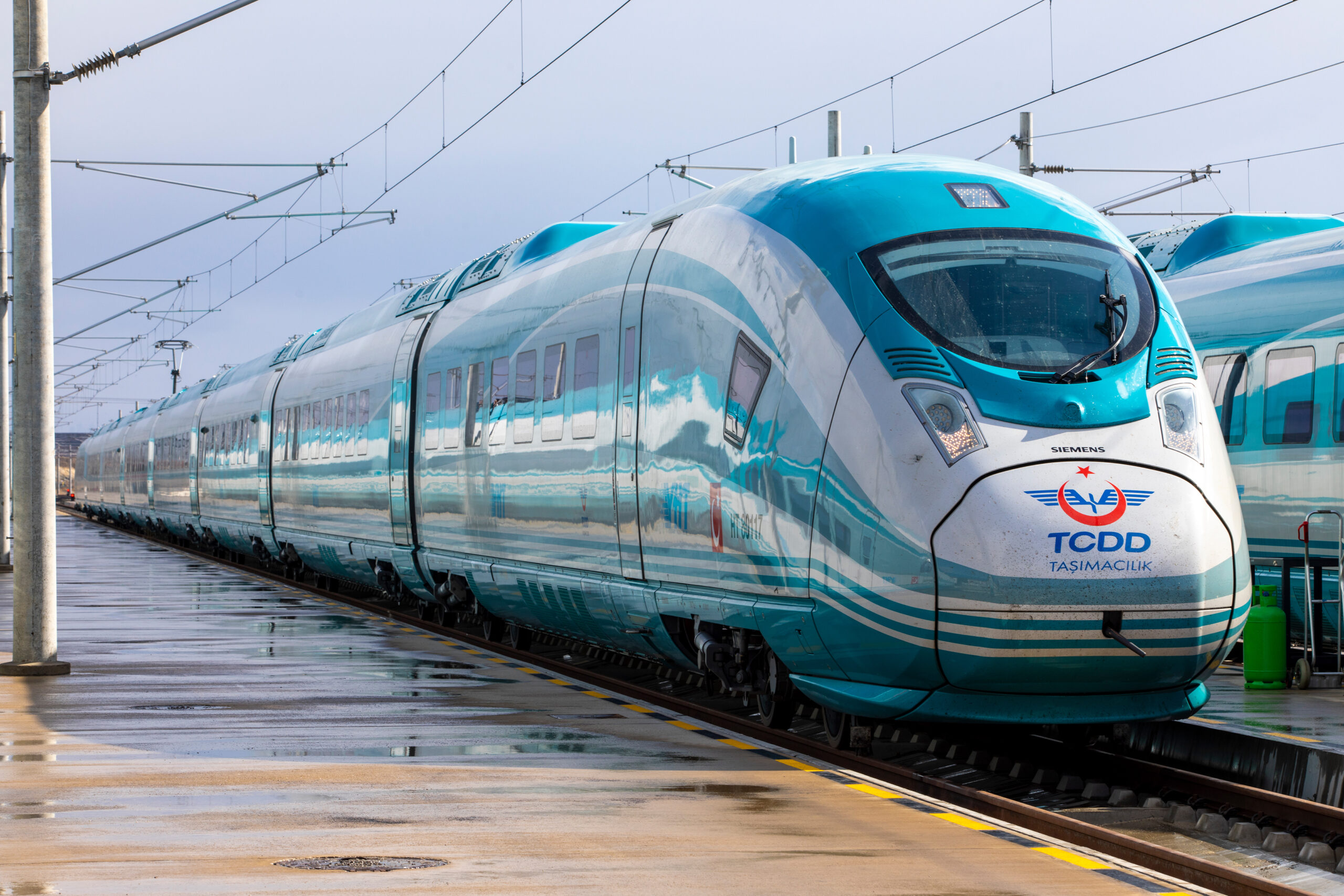
    In a compelling dialogue at the 16th Annual Meeting of the New Champions, held by the World Economic Forum in Tianjin, China, Siemens’ Chief Technology Officer and Chief Strategy Officer, Peter Keotre, presented an ambitious invitation to Vietnam’s Prime Minister Pham Minh Chinh. The offer reflects Siemens’ ongoing commitment to strengthening its presence in the region.

    Siemens, which operates across sectors including industry, infrastructure, transportation, and healthcare, has distinguished itself in the arena of industrial AI. Last year, the company reported impressive revenues of EUR 75.9 billion (US$ 89 billion). Since establishing a foothold in Vietnam in 1993, Siemens has operated offices in Hanoi, Da Nang, and Ho Chi Minh City, alongside a manufacturing facility located in Binh Duong Province.

    Prime Minister Chinh lauded Siemens for its substantial global operations and meaningful contributions to Vietnam, expressing enthusiasm for the company’s intentions to escalate investments, particularly in critical infrastructure projects like the North-South high-speed rail. This project, which received National Assembly approval in November 2024, carries a hefty price tag of VND 1.7 quadrillion (US$ 67 billion) and will stretch 1,541 kilometers, linking Hanoi to Ho Chi Minh City through 20 provinces and cities.

    The North-South rail initiative isn’t drawing interest solely from Siemens; various foreign firms have also shown eagerness to participate. On the domestic front, major players like VinFast, backed by Vietnam’s wealthiest individual Pham Nhat Vuong, and automaker Thaco are also vying to invest.

    In addition to the high-speed rail, Vietnam is eyeing enhanced rail connections with China to streamline routes extending to Central Asia and Europe. Chinh has encouraged Siemens to collaborate with relevant ministries, agencies, and the Vietnam Railways Corporation to explore potential involvement in these transformative projects.

    Infrastructure development is a focal point for the Vietnamese government, viewed as a vital catalyst for economic growth. Chinh shared that public-private partnership models are being considered to attract investments in essential national initiatives encompassing transportation, energy, and digital infrastructure.

    His remarks underscored recent institutional reforms aimed at creating more open mechanisms and policies, expanding investment opportunities for businesses eager to be part of Vietnam’s progressive development narrative. With plans covering roads, railways, air transport, and maritime infrastructure, the government is laying the groundwork for a robust economic future, where even trains can hit the high speeds of innovation.

    Questions & Answers

    How is Siemens planning to deepen its investments in Vietnam?
    Siemens aims to enhance its investments primarily in infrastructure projects, with a keen focus on the North-South high-speed rail initiative that promises to revolutionize the country’s transportation landscape.

    What are the key features of the North-South high-speed rail project?
    The rail project, approved by the National Assembly in November 2024, will span 1,541 kilometers, connecting Hanoi to Ho Chi Minh City and traversing 20 provinces and cities, with a projected cost of VND 1.7 quadrillion (US$ 67 billion).

    How does Vietnam view infrastructure development?
    Vietnam considers infrastructure development as a crucial driver for economic growth and is exploring public-private partnerships as a means to attract investments into vital national projects, particularly in transportation and digital infrastructure.