Category: Living

Retail News Asia is committed to providing both local and global retailers with the latest Living news throughout the Asian market. This on a daily base.

  • Dietary Supplements Surge: Market Expected to Hit $351.8 Billion by 2032!

    Dietary Supplements Surge: Market Expected to Hit $351.8 Billion by 2032!

    The global dietary supplements market is on a significant upswing, projected to soar from a valuation of $185.5 billion in 2024 to an impressive $351.8 billion by 2032. This climb represents a robust compound annual growth rate (CAGR) of 8.5% between 2025 and 2032, as revealed in a recent report by SkyQuest Technology Consulting.

    Navigating Health Trends and Consumer Demand

    Much of this growth stems from an increasing emphasis on health awareness, where preventive healthcare has become a focal point for consumers. There is an escalating demand for supplements that support nutrition, bolster immunity, manage weight, and promote healthy aging. As chronic diseases such as obesity, diabetes, and cardiovascular issues rise in prevalence, there is a corresponding surge in the consumption of vitamins, minerals, proteins, omega-3 fatty acids, and herbal supplements.

    Younger generations are particularly energizing the market with their growing interest in fitness trends and personalized nutrition, pushing demand for sports and functional supplements to new heights. This demographic shift also corresponds with a preference for plant-based and clean-label products that highlight natural ingredients. The proliferation of e-commerce platforms and mobile health apps has further facilitated easy access to these products, making supplement shopping as effortless as a few taps on a smartphone. Who knew enhancing your health could be quite so click-friendly?

    Tackling Industry Challenges

    Despite this optimistic trajectory, the industry faces notable challenges. One pressing issue is the absence of standardized global regulations, which has led to inconsistencies in product quality, labeling discrepancies, and safety concerns. In various regions, lax enforcement has allowed counterfeit and substandard products to flood the market, undermining consumer trust.

    Additionally, misleading health claims and a lack of scientific backing for certain supplements have gnawed at the credibility of some offerings, creating skepticism among healthcare professionals and consumers alike. Compounding these issues are supply chain disruptions, particularly the sourcing of natural and organic ingredients, which are impacting product availability and pricing.

    Emerging Opportunities in Asia-Pacific

    The Asia-Pacific region is emerging as the fastest-growing segment of the dietary supplements market, driven by rapid urbanization, increasing disposable income, and the growth of the middle class in countries like China, India, Japan, and South Korea. There is a discernible shift towards healthier lifestyles, coupled with a rise in lifestyle-related diseases, which — along with a heightened demand for traditional and herbal supplements — is fueling robust regional growth.

    While the global dietary supplements market rallies forward with notable momentum, addressing regulatory gaps and supply chain challenges will be crucial for ensuring sustainable growth in the years to come.

    Questions & Answers

    How fast is the dietary supplements market expected to grow?
    The global dietary supplements market is projected to increase from $185.5 billion in 2024 to $351.8 billion by 2032, achieving a CAGR of 8.5% during that period.

    What factors are driving the demand for dietary supplements?
    The demand is largely driven by a growing awareness of health, an emphasis on preventive healthcare, and increased consumption of supplements that aid nutrition, immunity support, weight management, and healthy aging.

    What challenges does the dietary supplements industry face?
    Key challenges include a lack of standardized global regulations leading to product quality issues, the risk of counterfeit products, misleading health claims, and supply chain disruptions affecting the availability of ingredients.

  • Old Spice Unveils Limited-edition Superman Collection In Collaboration With Dc

    Old Spice Unveils Limited-edition Superman Collection In Collaboration With Dc

    Old Spice, the renowned personal care brand, continues to expand its character-themed product line with the introduction of a limited-edition Superman collection. This new venture, developed in collaboration with DC, is a unique blend of pop culture and personal grooming products.

    Superman Collection: A New Scent for Heroes

    The Old Spice x Superman Collection features a brand new signature scent, Bright Citrus & Cosmos. This refreshing aroma is infused into a variety of products, including an aluminium-free deodorant stick, antiperspirant, body spray, and a two-in-one body and face wash to cater to all personal hygiene needs. There’s also a specially formulated shampoo, offering a complete set of Superman-themed grooming essentials.

    Continuing Collaboration with DC

    This latest product release signifies the ongoing partnership between Old Spice and DC. Prior to the Superman collection, Old Spice had already launched character-inspired personal care products based on Aquaman, with a signature scent of Fresh Ocean & Seastorm, and Batman, characterized by the scent of Black Cherry & Nightfall. This continuous collaboration demonstrates Old Spice’s innovative approach to creating themed personal care products that resonate with fans of these beloved characters.

    Availability and Pricing

    The Superman x Old Spice Collection is currently accessible to customers across major retailers in the US. The pricing for these superhero-inspired items starts at US$7.97, with prices varying depending on the retailer.

    Questions & Answers

    What is the signature scent of the Old Spice x Superman Collection?
    The signature scent of the Old Spice x Superman Collection is Bright Citrus & Cosmos.

    What products are included in the Old Spice x Superman Collection?
    The collection includes an aluminium-free deodorant stick, antiperspirant, body spray, body and face wash, and shampoo.

    What other character-themed personal care products has Old Spice released in collaboration with DC?
    Prior to the Superman collection, Old Spice and DC have jointly released character-inspired products based on Aquaman and Batman.

  • King Power To Close Key Branches In Cost-cutting Strategy Amid Pandemic Downturn

    King Power To Close Key Branches In Cost-cutting Strategy Amid Pandemic Downturn

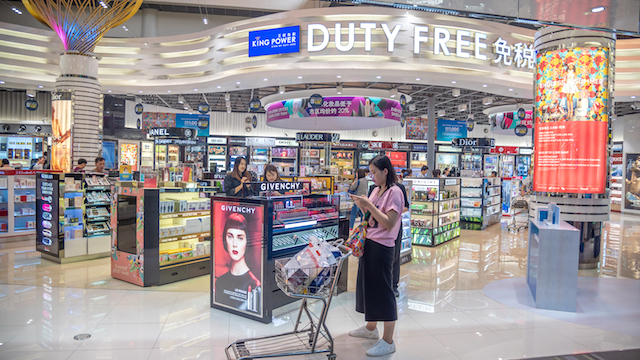
    King Power, a leading duty-free company in Thailand, has made the announcement that it will be closing its branches in Srivaree, Pattaya, and Mahanakhon by September. This move forms part of a broader cost-cutting strategy that involves a voluntary redundancy program for employees across all branches.

    The Reason for the Closure

    Initially, the three stores slated for closure played a significant role in the company’s earnings, catering largely to tour groups. However, the business model has since been deemed unsustainable, according to CEO Nitinai Sirismatthakarn. He highlights the unfavorable business structure of these branches and the need to streamline the company’s workforce to maintain a competitive edge in a shifting market.

    The COVID-19 pandemic has also had a notable impact on sales. While airport duty-free stores have been less severely affected, sales at the downtown outlets have dipped considerably.

    Employee Compensation and Store Operations

    King Power’s staff, who choose to take part in the redundancy program, will receive compensation in line with labor law. Additional payments will be made based on the length of service. Employees will also have the option to transfer to other branches.

    After the closure of the three branches, the company will continue its operations at three other downtown locations – Rangnam, One Bangkok, and Phuket.

    Renegotiations and Downturns

    Simultaneously, King Power is renegotiating its concession contracts with Airports of Thailand (AOT) for five airports. Despite earlier intentions to terminate these contracts, revised payment terms have now been agreed upon. This is happening against the backdrop of a wider downturn in Thailand’s tourism sector, with a significant decrease in visitor numbers this year.

    Investor concerns have been raised due to a 35.6% fall in AOT shares since the beginning of the year, which could indicate potential revenue losses for King Power. To review the concession agreements, two state universities have been commissioned by the airports. Sirismatthakarn supports this as a “check and balance” mechanism.

    Questions & Answers

    What is the reason for King Power’s closure of three branches?
    King Power will be closing three of its branches as part of a cost-cutting initiative. The business model of these branches is no longer sustainable due to their unviable business structure and the need to streamline operations in response to a changing market landscape.

    What will happen to the employees affected by the closures?
    Employees who opt for the voluntary redundancy program will receive compensation as per labor law, with additional payments based on their length of service. They also have the option to transfer to other branches.

    What is the current state of King Power’s concession contracts with Airports of Thailand (AOT)?
    King Power is presently renegotiating its concession contracts with AOT for five airports. While initial plans were to terminate these contracts, revised payment terms have now been reached.

  • E10 Biofuel Launches in Three Major Cities Starting August 1: A Sustainable Shift in Retail Energy!

    E10 Biofuel Launches in Three Major Cities Starting August 1: A Sustainable Shift in Retail Energy!

    Hanoi, Ho Chi Minh City, and Hai Phong are set to usher in a new era of green fuel with the launch of E10 biofuel, a blend consisting of 10% ethanol and 90% traditional gasoline, on August 1. This initiative marks Vietnam’s inaugural step toward a nationwide transition to eco-friendly fuels, which is slated to gain momentum by 2026.

    Green Revolution in Fuel

    E10 is not just a nod toward reducing CO₂ emissions; it’s an ambitious project aimed at bolstering domestic ethanol production and diversifying energy sources. The plan is to gradually phase out conventional gasoline in favor of this greener alternative.

    Leading the charge are Vietnam’s two largest fuel distributors, Petrolimex and PVOIL, both of which are gearing up to implement E10 on a larger scale by August 2025. Petrolimex has been busy upgrading storage tanks and refining mixing technology in Ho Chi Minh City, ensuring a consistent supply aligns with its rollout strategy. Meanwhile, PVOIL is focusing its efforts on establishing a solid presence in Hanoi and Hai Phong.

    Familiarizing Consumers with Change

    According to PVOIL chairman Cao Hoai Duong, the August 1 launch serves to introduce consumers to the novel fuel. To further ensure that E10 reaches all corners of the market, the company plans to provide blending services to other distributors, ensuring a stable product supply.

    Petrolimex is optimistic that E10’s cost-effectiveness and environmental advantages, compared to traditional RON95 gasoline, will win over consumers. “What’s not to love about saving money while saving the planet?” they might just say.

    Bracing for a New Era of Ethanol

    As the countdown to launch begins, Vietnam is evaluating its ethanol supply to prepare for the upcoming rollout and its future expansion. Presently, the country boasts six ethanol plants, with two operational facilities producing approximately 100,000 cubic meters annually. At full throttle, Vietnam could generate up to 500,000 cubic meters per year, theoretically meeting the E10 blending demands.

    During the initial phases, the supply chain may lean on imported ethanol. However, the long-term vision is clear: Vietnam aims to rely predominantly on domestic production, establishing a robust agricultural-energy value chain. This transition could create stable demand for feedstock like cassava and corn, whose prices have a habit of performing acrobatics.

    In the backdrop of these advancements, Vietnam has committed to achieving carbon neutrality by 2050, making the emergence of E10 a critical component in its green energy puzzle.

    Questions & Answers

    How will E10 biofuel benefit consumers in Vietnam?
    E10 is expected to offer lower costs and greater environmental benefits compared to traditional gasoline, making it an attractive option for consumers.

    What is the production capacity of Vietnam’s ethanol plants?
    Currently, Vietnam has six ethanol facilities, with two in operation that can produce around 100,000 cubic meters annually, and a potential full capacity of 500,000 cubic meters per year.

    What are the long-term goals for Vietnam’s biofuel sector?
    Vietnam aims to establish a self-sufficient agricultural-energy value chain and ultimately achieve carbon neutrality by 2050, relying predominantly on domestic ethanol production.

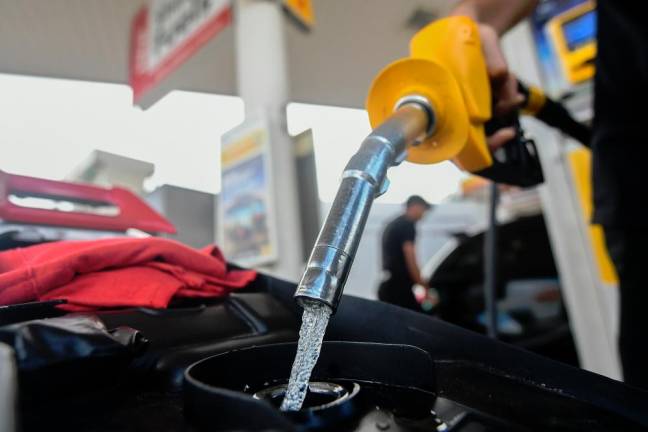
  • Malaysia Cuts RON95 Fuel Price to 47 Cents Per Liter—A Boost for Cost of Living Relief!

    Malaysia Cuts RON95 Fuel Price to 47 Cents Per Liter—A Boost for Cost of Living Relief!

    In a significant announcement, Prime Minister Anwar Ibrahim revealed that the rationalization of the RON95 fuel subsidy will lead to lower fuel prices for Malaysians. This change, which has been eagerly anticipated, is set to roll out by the end of September, according to reports from the New Straits Times.

    As both Prime Minister and Finance Minister, Anwar confirmed that the subsidy will not extend to foreigners, who will instead pay market rates. The initiative is designed to aid approximately 18 million motorists across the nation, including young drivers starting at age 16 and those navigating the gig economy.

    Currently, Malaysian drivers benefit from a fixed rate of RM2.05 per liter for RON95, a cost kept low through government subsidies aimed at supporting lower-income households. Anwar emphasized the financial weight of these subsidies, stating, “In 2023 and 2024 alone, subsidies for RON95 were estimated to cost nearly RM20 billion annually.” He contrasted the situation, noting that even amid a decline in global oil prices, the unsubsidized price sits around RM2.50 per liter — a stark increase from what locals currently pay.

    The upcoming price adjustment is part of a broader strategy to mitigate the cost-of-living challenges faced by many. This initiative coincides with an expanded sales and service tax implemented on July 1, as highlighted by Bloomberg. A key feature of this package is a one-off cash handout of RM100, which is expected to begin distribution on August 31.

    There has been concern surrounding the subsidy plan, initially slated for mid-2025, particularly regarding its potential to spark inflation alongside the recent tax changes. However, Anwar sought to quell these worries on Wednesday, reassuring the public that the plan is tailored to assist average Malaysians while curbing potential misuse of the subsidies by wealthier individuals.

    “What’s certain is that just like the approach of targeted electricity subsidies, the government gives its assurance that ordinary citizens won’t be affected,” he maintained, as reported by The Star. This assurance should come as a breath of fresh air — like finding a cold drink on a hot day — to those concerned about rising living costs.

    Questions & Answers

    What prompted the fuel subsidy changes in Malaysia?
    The changes are part of a broader strategy to alleviate cost-of-living pressures for Malaysians while eliminating subsidies for wealthier individuals.

    How many people will benefit from the RON95 subsidy?
    Approximately 18 million Malaysians, including young drivers and gig economy workers, will benefit from the revised subsidy structure.

    When will the changes to fuel prices take effect?
    The rationalization of the subsidy is expected to take effect by the end of September, with further details to be announced soon.

  • US-based Rover Group Acquires Mad Paws For $62m, Excludes Associated Brands

    US-based Rover Group Acquires Mad Paws For $62m, Excludes Associated Brands

    Mad Paws, a pet services provider, has agreed to a takeover by US-based Rover Group in a deal valued at around $62 million. The planned acquisition will see Rover obtain complete ownership of Mad Paws through a scheme of arrangement, with each Mad Paws shareholder receiving $0.14 per share in cash. This offer reflects an 87% premium on the closing price of Mad Paws shares as of Monday. The deal puts the transaction equity value at $62 million.

    Deal Specifics

    Rover Group’s interest lies solely in the online marketplace business of Mad Paws, and does not include its associated brands, namely the online pet pharmacy Pet Chemist, pet treat enterprise Waggly, and e-commerce brand Sash. Consequently, Mad Paws has agreed to sell its Pet Chemist division to VetPartners Australia for approximately $13 million and terminate the operations of Sash and Waggly. Upon finalization of the Pet Chemist sale, Howard Humphreys will step down from his role as an executive director of Mad Paws.

    Looking Ahead

    The CEO, executive director, and co-founder of Mad Paws Group, Justus Hammer, expressed his enthusiasm for the impending partnership with Rover. He stated that the company takes pride in the community of pet enthusiasts it has built over the last decade, and looks forward to leveraging Rover’s expertise to continue advancing towards their shared objective.

    Mad Paws, which was established in 2014, operates a pet care marketplace that enables users to find and offer pet sitting, hosting, walking, training, and grooming services. Even after the acquisition, the company plans to continue to function independently, retaining its own brand identity and Sydney-based operations under Hammer’s leadership.

    The completion of the deal is subject to various customary conditions, including approval from shareholders, the court, and the Foreign Investment Review Board (FIRB).

    Rover, founded in 2011 and stationed in Seattle, runs an online marketplace for pet care, with a presence in 16 countries across North America and Europe.

    Questions & Answers

    What is the valuation of the Mad Paws acquisition by Rover Group?
    The deal is valued at approximately $62 million.

    What happens to Mad Paws’ associated brands after the acquisition?
    Mad Paws’ Pet Chemist division will be sold to VetPartners Australia and the operations of Sash and Waggly will be terminated.

    What is the future of Mad Paws following the acquisition?
    Post-acquisition, Mad Paws plans to continue operating independently, maintaining its brand identity and base in Sydney under the leadership of Justus Hammer.

  • Real Pet Food Pledges $1.3m For Safety Upgrades After Epa Directive Following Acid Spill Incident

    Real Pet Food Pledges $1.3m For Safety Upgrades After Epa Directive Following Acid Spill Incident

    Real Pet Food, also recognised as Australian Pet Brands, is set to expend over $1.3 million on safety improvements and equipment upgrades. This decision comes following a directive from the NSW Environment Protection Authority (EPA) after a phosphoric acid leakage incident at the company’s Dubbo location.

    Details of the Incident

    A defective valve is reportedly to blame for the spillage of around 300 litres of phosphoric acid within the production tower of the facility. The acid, a chemical agent used to extend the shelf-life of pet food, spread across several levels of the building. Emergency Hazmat crews were deployed to manage the clean-up operation.

    Company’s Response and Legal Obligations

    In response to the incident, the EPA accepted a legally binding Enforceable Undertaking (EU) from the company. As per this agreement, Real Pet Food is required to disburse over $1.38 million to implement preventive measures against such incidents in the future. Jason Gordon, EPA’s executive director of regulatory operations, emphasised the gravity of the incident, stating that while no environmental harm transpired, the risk potential was significant.

    Enforced Changes

    The impending changes, according to Gordon, will not only enhance safety for the site’s workers but also augment environmental protection by improving how chemicals are stored, monitored, and managed. The company is expected to move its acid dosing system from the top to the ground floor and automate previously manual systems, such as dosing products’ valve controls and holding tanks. Furthermore, it is required to bolster spill containment measures and enhance its training and inspection procedures.

    In addition, as part of its agreement with the EPA, the company will donate $75,000 to the Wambangalang Environmental Education Centre. The funds will be used to carry out repairs and improvements to the centre’s model wetland teaching space.

    Questions & Answers

    What are the changes that Real Pet Food needs to implement as per the agreement?
    The company is required to relocate its acid dosing system from the top to the ground floor, automate manual systems, strengthen spill containment measures and improve training and inspection procedures.

    What was the reason behind the phosphoric acid spill at the facility?
    A faulty valve was identified as the cause of the leakage of approximately 300 litres of phosphoric acid within the facility’s production tower.

    What will be the use of the $75,000 that the company will pay to the Wambangalang Environmental Education Centre?
    The funds will be utilised for repairs and enhancements to the centre’s model wetland teaching space.

  • Fixx Nutrition Penetrates Us Market With Exclusive Distribution Deal With The Feed

    Fixx Nutrition Penetrates Us Market With Exclusive Distribution Deal With The Feed

    Australian sports nutrition brand, Fixx Nutrition, has recently entered into an exclusive distribution agreement with the US-based e-commerce platform, The Feed. This partnership marks a significant stride in Fixx Nutrition’s global expansion strategy.

    Accessing a New Market

    Under this partnership, Fixx Nutrition will be able to tap into a vast endurance nutrition market. Its range of all-natural performance products will be made available to a broader audience of American athletes.

    Co-founder of Fixx Nutrition, Jan Buchegger, expressed his excitement about the partnership, stating it as one of the most important milestones for the company since its inception. The sole reason being it opens up access to the world’s single largest marketplace for endurance athletes, namely, the United States.

    Buchegger also anticipates a surge in Fixx Nutrition’s growth and sales figures due to this agreement. The brand expects to cater to a new wave of demand originating from the US market.

    About Fixx Nutrition

    Established in 2017 by Jan and Michelle Buchegger, Fixx Nutrition has gained considerable recognition for its standout product, CrampFix. This product offers swift and natural relief from muscle cramps. Fixx Nutrition’s product range is favored by many high-profile teams and athletes worldwide, including the New Zealand and England cricket teams, the Wallabies, the Springboks, and athletes participating in triathlon, cycling, AFL, and running disciplines.

    In the previous year, the company extended its Fuel X range by introducing three summer-inspired flavors: Raspberry, Wild Berry, and Orange.

    Questions & Answers

    What does the partnership between Fixx Nutrition and The Feed entail?
    The partnership allows Fixx Nutrition access to The Feed’s extensive US-based market, which is one of the largest endurance nutrition markets globally.

    What impact will this partnership have on Fixx Nutrition’s brand growth?
    This partnership is anticipated to significantly increase Fixx Nutrition’s growth and sales as it enables the brand to tap into new demand from the US market.

    What is Fixx Nutrition’s signature product?
    Fixx Nutrition’s flagship product is CrampFix, which offers quick and natural relief from muscle cramps.

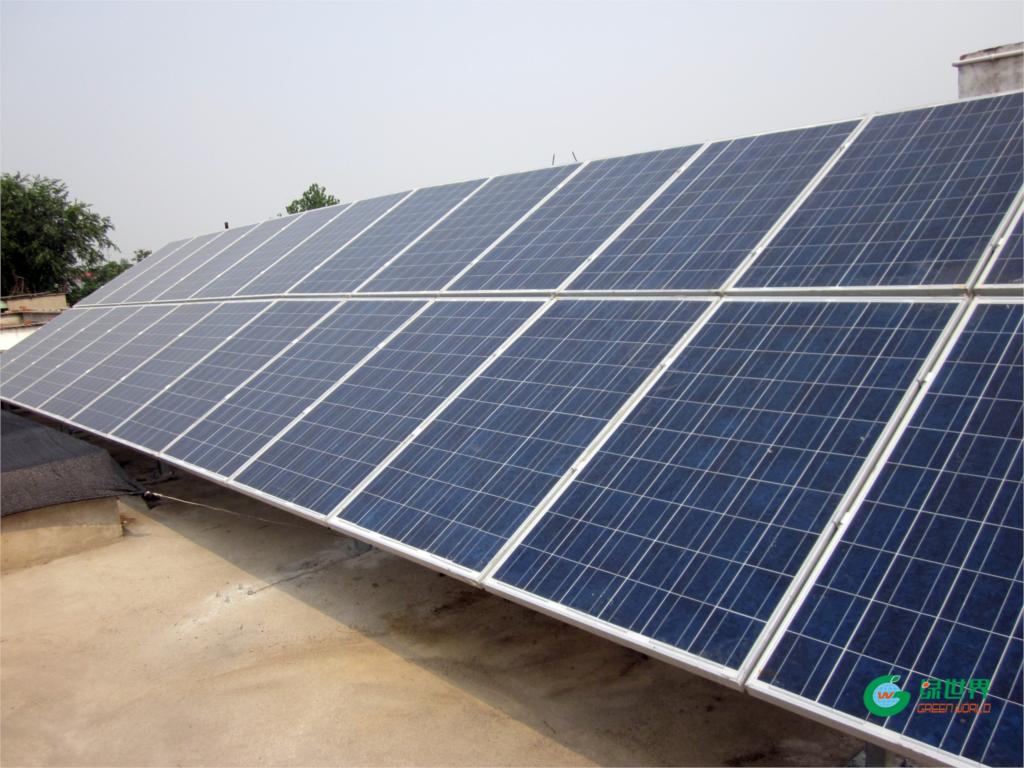
  • India Boosts Renewable Energy with 22 GW Capacity Surge in First Half of 2023

    India Boosts Renewable Energy with 22 GW Capacity Surge in First Half of 2023

    India has achieved a remarkable milestone, adding 22 gigawatts (GW) to its renewable energy capacity in the first half of 2025—its highest six-month boost to date. According to an analysis by Rystad Energy, this represents a staggering 57% increase from the 14.2 GW installed during the same period last year. The latest expansion includes 18.4 GW of solar energy, 3.5 GW from wind, and 250 megawatts (MW) of bioenergy.

    Government Policies Drive Renewable Momentum

    The surge in renewable capacity is largely attributed to developers racing to capitalize on the government’s Interstate Transmission System (ISTS) charge waiver. This incentive starts with a 25% discount that will increase annually, fully implemented by June 2028, effectively slashing project costs and spurring immediate action among developers, according to Rystad.

    A Step Closer to Clean Energy Goals

    This rapid expansion brings India closer to its ambitious target of sourcing 50% of its installed power capacity from clean energy sources, now reaching a total of 234 GW. Nuclear power is also gaining traction, highlighted by the commissioning of Unit 7 at the Rajasthan Atomic Power Project and the recent approval for the country’s first small modular reactor, set to rise in Bihar. However, the journey forward isn’t all smooth sailing; reliance on coal remains a significant hurdle, and the safety, cost, and waste management debates surrounding nuclear energy persist.

    Battery Energy Storage: An Integral Component

    In another notable advance, India has allocated 5.4 GW of collocated solar-battery energy storage systems (BESS) and 2.2 GW of standalone BESS to developers, marking its highest capacity allocation to date. Major players like Jindal Group secured 990 MW of collocated solar and BESS capacity, while NTPC and ReNew both captured 900 MW in the same area. In the standalone BESS sector, JSW Energy was granted 625 MW, and Reliance Power achieved 525 MW of collocated capacity.

    The Leaders of Renewable Capacity in India

    Geographically, India’s western states are leading the renewable energy charge, with Rajasthan topping the list at 37.4 GW of installed capacity, closely followed by Gujarat at 35.5 GW, and Tamil Nadu with over 20 GW. As India gears up to transform its energy landscape, it appears that the sun is shining ever brighter on its renewable aspirations.

    Questions & Answers

    What has driven India’s recent surge in renewable energy capacity?
    The surge is primarily due to developers moving quickly to take advantage of the government’s Interstate Transmission System (ISTS) charge waiver, which significantly reduces project costs and incentivizes timely action.

    How much renewable energy capacity has India installed recently?
    In the first half of 2025, India added 22 GW of renewable energy, marking a 57% increase from the previous year, with a strong emphasis on solar energy.

    What role does nuclear power play in India’s energy strategy?
    Nuclear power is increasingly being integrated into India’s energy mix, highlighted by the commissioning of new facilities; however, it faces ongoing debates about cost, safety, and waste management.

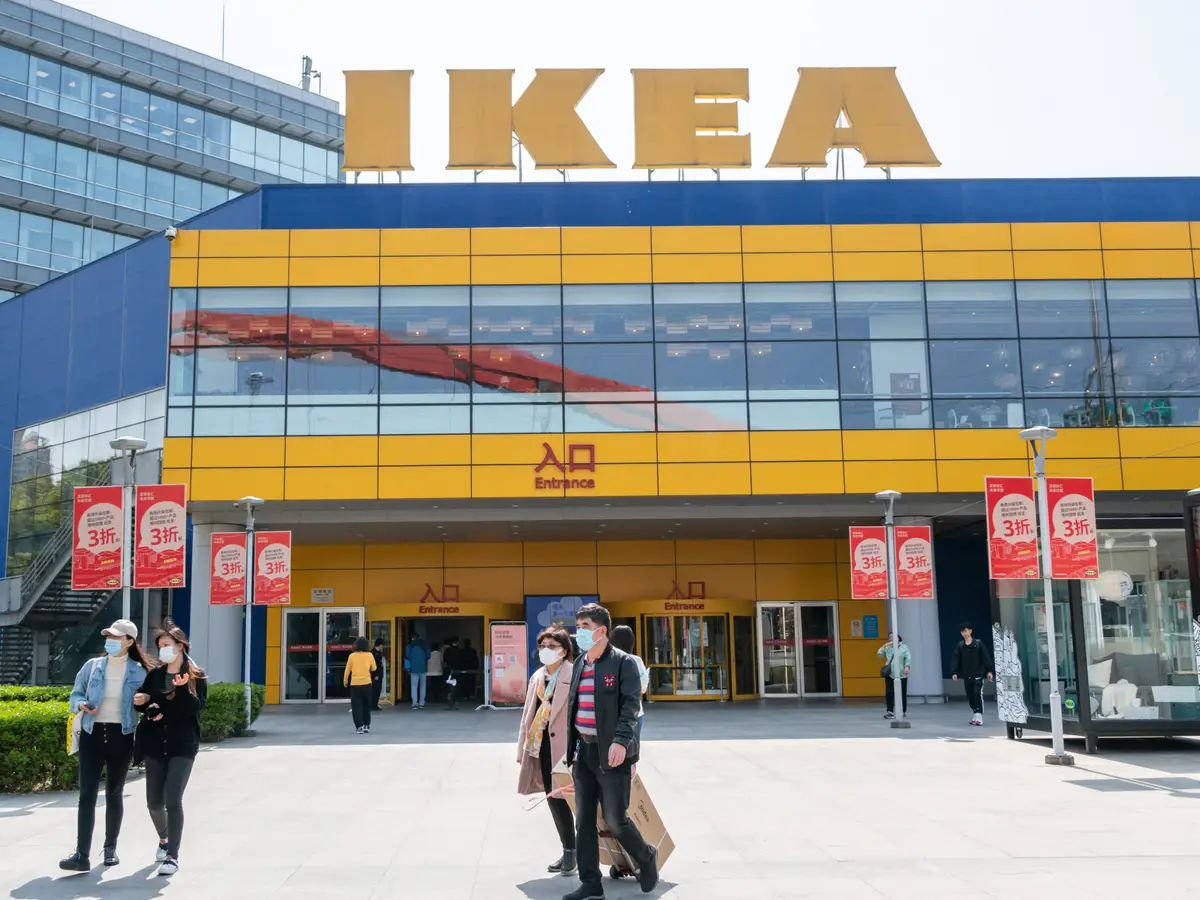
  • Ikea Sparks Green Revolution With Sustainable Retail Space In Shanghai

    Ikea Sparks Green Revolution With Sustainable Retail Space In Shanghai

    Retail giant IKEA is intensifying its commitment to sustainability by launching a dedicated retail space in China that prioritizes environmental responsibility. The new venture, a part of their larger strategy to embrace sustainable practices, features a remarkable assortment of eco-friendly home goods designed to appeal to the Chinese consumer who is increasingly conscious of their environmental footprint. This innovative store isn’t just a shopping destination; it’s a step towards reshaping consumer habits in one of the world’s most populous countries.

    A Green Revolution at IKEA

    The heart of this initiative lies in the selection of products that incorporate sustainable materials and offer solutions to reduce energy consumption at home. IKEA aims to inspire its customers by showcasing not only products but also ideas on how to lead a more sustainable lifestyle. “We want to help our customers make conscious choices in their homes, and that begins with the products we offer,” announced IKEA’s regional director in a recent press conference, emphasizing the brand’s environmentally friendly ethos.

    Location and Features

    Situated in the bustling metropolis of Shanghai, the new store will spotlight a range of innovative designs, from energy-efficient appliances to furniture made from recycled materials. This flagship location is designed to encourage sustainable living, featuring interactive exhibits that demonstrate how everyday choices can lead to a smaller carbon footprint. Notably, the showroom will even include a live demonstration of how to create a rooftop garden, which is bound to intrigue urban dwellers looking to bring a piece of nature into their lives.

    Consumer Response and Future Plans

    Early feedback indicates that shoppers are excited about this fresh approach. One enthusiastic customer, who refers to IKEA as their “second home,” expressed delight at the potential for their favorite retailer to lead the charge on sustainability. As digital engagement continues to grow, IKEA’s push towards a greener retail model could set a precedent across Asia, enticing consumers to reconsider their purchasing decisions. Beyond this Shanghai location, the brand is planning additional eco-focused stores throughout China as part of a larger expansion strategy, aiming to make sustainability mainstream.

    The Bottom Line: An Enhanced Brand Experience

    With this bold step, IKEA is not just selling products but weaving a narrative about responsible consumption and eco-conscious living. It’s a delicate balancing act, transforming retail into a platform for change while continuing to engage with customers on a personal level. As consumers increasingly seek brands that reflect their values, IKEA’s new sustainable focus could very well ignite a green revolution in retail, giving shoppers a reason to rethink the way they furnish their homes – and maybe even their lives. Who knew that shopping at IKEA could take on a mission to save the planet?

    Questions & Answers

    What sustainability initiatives is IKEA implementing in their new Shanghai store?
    IKEA’s Shanghai store will feature a selection of eco-friendly home goods, including products made from sustainable materials, and will emphasize energy efficiency through innovative designs.

    How does IKEA plan to engage consumers with sustainability?
    The store will showcase interactive exhibits and demonstrations, such as creating rooftop gardens, encouraging consumers to adopt a more sustainable lifestyle through practical ideas and inspirations.

    What are IKEA’s future plans for sustainable retail in China?
    Following the launch in Shanghai, IKEA aims to expand its sustainable retail model by opening additional eco-focused stores throughout China, making sustainability a core part of their brand experience.

  • The Ordinary Debuts Flagship Store On Alibaba’s Tmall, Leveraging Ai For Personalized Skincare Experience

    The Ordinary Debuts Flagship Store On Alibaba’s Tmall, Leveraging Ai For Personalized Skincare Experience

    Canadian skincare label, The Ordinary, has recently announced the launch of its inaugural flagship store on Tmall, Alibaba’s e-commerce platform. This comes not long after it first ventured into the Chinese market in February of this year.

    Embracing Science-Led, Ingredient-Driven Formulations

    The Ordinary has built its reputation on its commitment to science-based, ingredient-focused products at affordable prices. With this new online store, the company hopes to extend its reach to a wider customer base in China.

    The digital shop also incorporates AI-driven technology, with the aim of helping shoppers identify the skincare products that will suit their specific needs.

    Co-founder of The Ordinary, Nicola Kilner, expressed her excitement about this new venture, highlighting its significance in the brand’s mission to make quality skincare more available to Chinese consumers. Kilner further iterated the brand’s intent to strengthen its ties with the Chinese market by embracing innovative practices and imparting vital skincare knowledge.

    Event Celebrating the Launch

    In celebration of the store’s launch, The Ordinary organized a gathering in Shanghai last month. The event saw the attendance of Kilner, Lulu Chang from Estée Lauder China, and high-level personnel from Tmall. The primary focus of this event was to discuss the pivotal role of technology and transparency in shaping the future of skincare.

    The Ordinary’s Growth and Expansion

    The skincare brand’s expansion comes on the heels of Estée Lauder Companies’ successful acquisition of Deciem, the parent company of The Ordinary, in the previous year. The transaction, worth US$1.7 billion, has given Estée Lauder full ownership of Deciem Beauty Group, a Canadian firm.

    Questions & Answers

    What is The Ordinary’s approach to skincare?
    The Ordinary is known for its science-led, ingredient-driven formulations. Their products are designed to address specific skincare needs at accessible price points.

    What is the purpose of the AI-powered tools on The Ordinary’s online store?
    The AI-powered tools are designed to help consumers identify the right skincare products for their specific needs.

    What was the primary focus of the event held by The Ordinary in Shanghai?
    The event centered around discussions on the role of technology and transparency in shaping the future of the skincare industry.

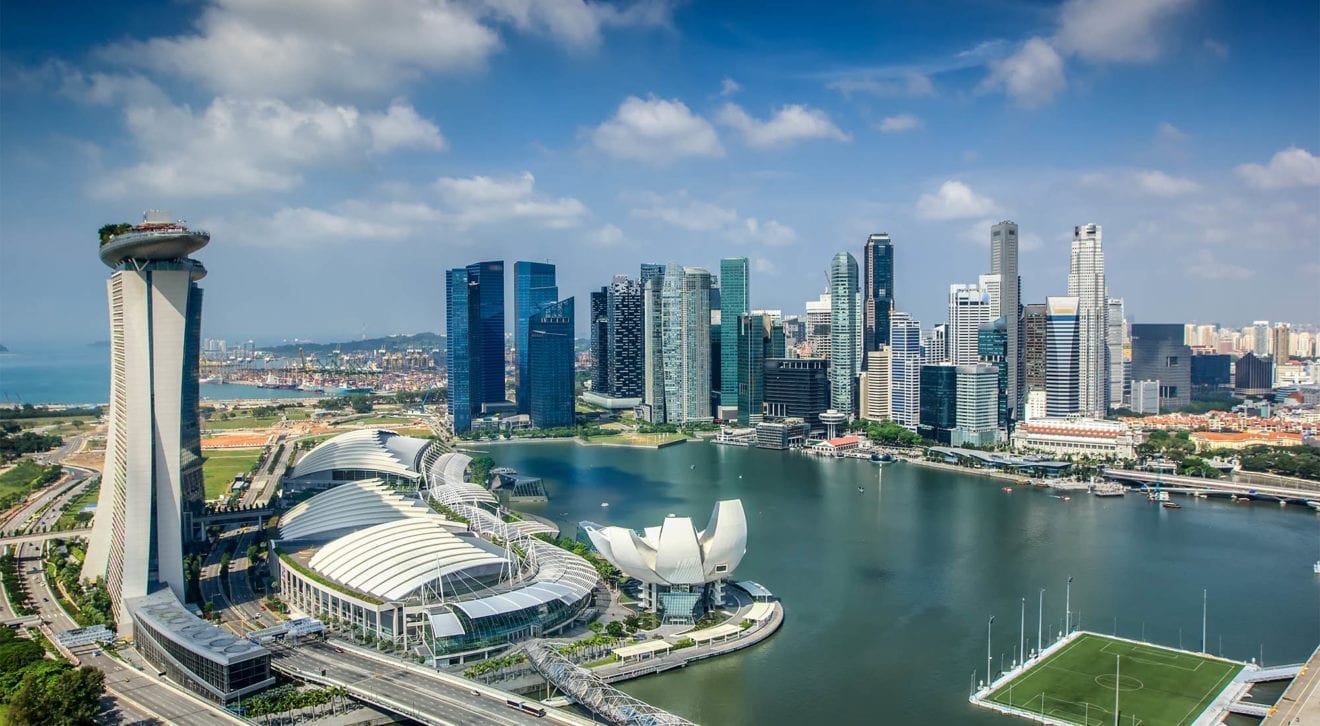
  • Singapore Surpasses Hong Kong and London as the Globe’s Most Expensive City for the Affluent

    Singapore Surpasses Hong Kong and London as the Globe’s Most Expensive City for the Affluent

    Singapore is making waves in the luxury market, clinching the top spot for the highest prices in cars and women’s handbags, along with strong performances in women’s shoes and property costs, according to the Global Wealth and Lifestyle Report 2025 released by Swiss bank Julius Baer last Thursday. The city-state ranked second for women’s shoes and third for residential property and healthcare costs.

    The report highlighted significant price hikes in business-class airfares, which soared by 17% year-on-year. Additionally, the costs of bicycles and private school fees rose by 15.6% and 12.1%, respectively, as reported by the South China Morning Post. Despite these increases, Singapore remains an attractive destination for global businesses and high-net-worth individuals (HNWIs), defined as those with bankable household assets of at least US$1 million.

    “Given the unpredictable nature of the world today, Singapore is valued for its stability, security, and connectivity to Asia and beyond,” the report noted, showcasing why the city continues to draw interest from affluent expatriates and investors alike.

    To compile its rankings, Julius Baer examined a selection of 20 luxury goods and services across 25 cities globally, with an eye on the discretionary spending habits of HNWIs. These items include the likes of cars, watches, and handbags, along with essential services such as healthcare and private education, according to Bloomberg.

    A survey conducted among HNWIs between February and March 2025 further enriched the findings, shedding light on their spending habits and lifestyle preferences.

    Following Singapore, London secured the second position, while Hong Kong slipped to third, trading places from last year’s report. Hong Kong reported the highest legal fees among those considered, while London emerged as the priciest city for LASIK eye surgery, private schooling, and MBA programs.

    On a global scale, the luxury living index experienced a 2% decline over the last year in U.S. dollar terms, marking a shift from a 4% increase in 2024 and a 6% spike in 2023. This notable downturn can be attributed to a waning demand for luxury goods as consumers pivot their spending from material possessions to experiential pursuits, the report explained. In a world where the unexpected can make or break your financial plans, it seems luxury shoppers are deciding that a trip to Bali might be more worthwhile than that diamond-encrusted watch after all.

    In the Asia-Pacific region, HNWIs encountered more pronounced hikes in lifestyle expenses compared to their global counterparts. The region set the pace for price increases in women’s luxury apparel, upscale hotels, and gourmet dining options, as reported by the Business Times. Business-class airfares and luxury watches saw some of the steepest rises, increasing by 12.6% and 9% respectively.

    Questions & Answers

    What factors contribute to Singapore’s ranking in luxury prices?
    Singapore tops the list for the prices of cars and handbags, while also performing well in residential property and healthcare costs, driven by its appeal to high-net-worth individuals looking for stability and security.

    How do luxury living costs in Singapore compare to trends globally?
    While luxury living costs globally dipped by 2% over the past year, Singapore experienced significant price increases, indicating a divergence in consumer behavior and market dynamics in the region.

    What insights were gained from the survey of high-net-worth individuals?
    The survey provided valuable insights into HNWIs’ shifting spending habits, revealing a trend toward prioritizing experiences over material luxury items as personal financial circumstances evolve.

  • Singapore Emerges as Asia’s Most Accessible Housing Market, New Report Reveals

    Singapore Emerges as Asia’s Most Accessible Housing Market, New Report Reveals

    Last year, the median price of apartments in Singapore stood at a formidable 4.3 times the median annual household income, according to the recently published 2025 Asia Pacific Home Attainability Index from the Urban Land Institute (ULI), a distinguished global non-profit research and education organization. This statistic paints a vivid picture of the ongoing housing challenges faced by residents in urban areas across Asia.

    The report emphasizes that throughout the years of the Home Attainability Index, Housing Development Board (HDB) apartments have emerged as the most feasible pathway to homeownership in major Asian cities. This study evaluated 51 market segments across 41 cities in the Asia-Pacific region, defining “attainable” housing as those with a price-to-income ratio below five.

    While urban housing costs continue to escalate across the region, resale prices for HDB flats in Singapore have remained within reach for median-income earners, a stark contrast to the skyrocketing costs in other major cities such as Hong Kong, Tokyo, and Sydney.

    With a median price of US$439,348 (or $4,609 per square meter), HDB apartments are relatively accessible, especially when considering Singapore’s median annual household income of $101,666—the highest among the cities analyzed. Notably, about 80% of Singapore’s residents live in HDB units, reflecting their pivotal role in the city-state’s housing landscape.

    Apart from Singapore, only Kuala Lumpur in Malaysia and Melbourne in Australia reported segments with a price-to-income ratio of five or lower in 2024. Notably, Perth, Australia, led the pack with the lowest price-to-income ratio at 4.1, revealing intriguing variations in housing affordability across the region.

    In stark contrast, private homes in Singapore top the charts in terms of average price per property, with costs soaring to $1.7 million and a price-to-income ratio of 16.9. However, if one dives deep into price-per-square-meter costs, Hong Kong claims the crown for the most expensive city for private homes, averaging a staggering $16,915 per square meter and sporting a price-to-income ratio of 23.4. It seems that luxury can really add up—who knew living in Hong Kong could cost as much as a small yacht?

    Questions & Answers

    How does Singapore’s housing market compare to other major cities in the Asia-Pacific region?
    Singapore’s housing market, particularly HDB apartments, is more attainable for median-income earners compared to cities like Hong Kong, Tokyo, and Sydney, where housing prices have soared beyond reach.

    What percentage of Singapore’s population lives in HDB units?
    About 80% of Singapore’s population resides in HDB units, highlighting their significance in the city’s housing framework.

    Which city has the highest per-square-meter cost for private homes in the region?
    Hong Kong ranks as the most expensive city for private homes by average cost per square meter, reaching an astonishing $16,915, with a price-to-income ratio of 23.4.

  • Asia-Pacific Aviation Insurance Set to Soar with Projected 8.7% Growth by 2032

    Asia-Pacific Aviation Insurance Set to Soar with Projected 8.7% Growth by 2032

    In the rapidly evolving landscape of the aviation insurance market, the Asia-Pacific region is set to take flight with remarkable momentum. The market is projected to expand at an impressive compound annual growth rate (CAGR) of 8.7% from 2022 to 2032, spurred by robust industrial growth and increasing aviation activities in powerhouse nations such as China and India. Such figures are a clear signal of the sector’s dynamic potential as it approaches a valuation of $7.1 billion globally by 2032, up from $4.1 billion in 2022.

    Passenger Liability Insurance: A Market Leader

    In 2022, passenger liability insurance took the lead, generating over one-third of the total revenue in the aviation insurance landscape. This surge is largely driven by regulatory mandates that necessitate coverage for damages related to passengers. When you think about it, it’s as if aviation laws are playing a critical role in ensuring that safety always comes first — because no one wants to be left high and dry!

    Rising In-flight Insurance Demand

    The in-flight insurance segment is emerging as a significant player, expected to witness the highest CAGR of 8.6% through 2032. This growth is influenced by a rising tide of accident risks linked to factors like unpredictable weather and mechanical failures, compelling airlines to fortify their insurance frameworks.

    Airlines Segment Dominates But Aerospace Is Soaring

    Breaking down the market by product type, the airlines segment held a commanding share in 2022, as demand grows for insurance solutions that are custom-made to address airline-specific risks. However, the aerospace segment is poised for the most rapid advancement, enjoying a projected CAGR of 9.0%. Insurers are increasingly adopting advanced technologies to evaluate and price the more intricate risks associated with aerospace, setting the stage for a transformation in how these complexities are managed.

    Commercial Aviation: Still the Heavyweight Champion

    On the application front, commercial aviation insurance remains the heavyweight champion, accounting for over half of the market in 2022 due to the substantial values and liability limits involved. Yet, the general and business aviation segment is not to be overlooked; it is anticipated to experience the fastest growth at 8.0%, spurred by heightened travel demand and increased activities such as skydiving.

    Questions & Answers

    What factors are driving the growth of the aviation insurance market in the Asia-Pacific region?
    The growth is primarily driven by industrial expansion and an uptick in aviation activities, particularly in China and India.

    Which segment of aviation insurance generated the most revenue in 2022?
    Passenger liability insurance led the market, accounting for over one-third of the total revenue, largely due to regulatory requirements for coverage.

    What technologies are influencing the aerospace insurance segment?
    Insurers are leveraging advanced technologies to better assess and price the complex risks associated with aerospace, leading to accelerated growth in this segment.

  • Singapore and Malaysia Casinos Set to Flourish Amid Rising Wave of Chinese Gamblers

    Singapore and Malaysia Casinos Set to Flourish Amid Rising Wave of Chinese Gamblers

    Gross gaming revenue in Singapore, Malaysia, and the Philippines is on track to match or even surpass pre-pandemic levels, thanks to a surge in visitation and a thriving domestic market, as revealed in a recent report by S&P Global. The research underscores the enduring resilience of the gaming sector in these Southeast Asian nations, with a special nod to the influence of returning Chinese tourists.

    The influx of visitors, particularly from China, has been a game-changer for the region, with arrivals in both Malaysia and Singapore rebounding to pre-pandemic levels. Analyst Ong Hwee Yee from S&P Global emphasizes the importance of the premium mass gaming sector as a key revenue driver. “Affluent players are generally less affected by economic downturns compared to lower-income groups,” she noted, reflecting an optimistic outlook for engagement in this segment.

    A noteworthy shift occurred when Singapore lifted visa restrictions for Chinese travelers in February 2024, which led to a remarkable 50% increase in gaming revenue year-on-year during the first quarter. Not wanting to miss out, Malaysia introduced a similar visa policy only ten months later as it seeks to capitalize on the renewed interest.

    Genting Bhd, one of the region’s titans in hospitality and gaming, is also making headlines with its ambitious venture to establish a casino in New York City. Analysts at S&P Global have flagged this as a potential “event risk,” suggesting that success in securing a full casino license could solidify Genting’s standing in the competitive U.S. market, especially by leveraging the existing Resorts World New York City infrastructure. However, not obtaining this license could dampen its New York prospects significantly.

    Elsewhere in the Asia-Pacific, the casino landscape is facing challenges. While Singapore and Malaysia thrive, S&P Global warns that Cambodia’s gaming industry will see a slow recovery, largely due to a crackdown by China on junket operators involved in money laundering and corruption. These operators accounted for about 70% of Cambodia’s gross gaming revenue as of 2019, a stark reminder of how external factors can ripple through local economies.

    The legalization of casinos in Thailand has hit a roadblock as the government recently withdrew a flagship proposal put forth by suspended Prime Minister Paetongtarn Shinawatra. With betting remaining largely illegal, some lawmakers continue to advocate for legal casinos as a potential lifeline for the struggling tourism sector. Ong describes Thailand’s casino market as “massive” in potential, yet she cautions that such a development might impact neighboring markets.

    In the digital sphere, online gambling in the Asia-Pacific region is projected to soar to US$20.9 billion this year, representing a growth of 12.8% from the previous year. Factors such as technological advancements and changing consumer preferences are propelling this growth, while the region’s considerable population, rising smartphone penetration, and increasing disposable incomes signal a robust compound annual growth rate of 12.77% anticipated between 2025 and 2033.

    Questions & Answers

    What key factors are driving the recovery of gaming revenue in Southeast Asia?
    The recovery is largely attributed to increased visitation from Chinese tourists and a robust domestic market, along with the premium mass gaming sector, which remains a strong revenue driver.

    How is Genting Bhd positioning itself in the U.S. market?
    Genting Bhd is exploring the establishment of a casino in New York City, which could enhance its competitiveness in the U.S. if it successfully secures a full casino license, leveraging its existing Resorts World New York City infrastructure.

    What challenges do Cambodia’s casinos currently face?
    Cambodia’s casinos are grappling with a slow revenue recovery, particularly due to China’s crackdown on junket operators tied to money laundering, which had previously accounted for a significant portion of their gross gaming revenue.