Retail News CRM

Category: Living

Retail News Asia is committed to providing both local and global retailers with the latest Living news throughout the Asian market. This on a daily base.

  • PetO to cease live animal sales across its network

    PetO to cease live animal sales across its network

    PetO, a renowned family-owned pet retail company, has made the substantial decision to halt the sale of live animals throughout its 58 nationwide stores. The decision has been driven by mounting concerns about animal welfare and the notable absence of industry regulation.

    The Impetus Behind the Decision

    The decision from PetO comes at a time when the live animal sales sector is under increased scrutiny, particularly in an industry dominated by sizeable chains and multinational corporations. With over two-thirds of Australian households currently owning a pet, PetO posits that current industry practices are falling short of societal expectations.

    PetO’s spokesperson voiced concerns over the handling and sale of pets in pet shops, which presents ethical challenges and potentially leads to issues surrounding animal welfare and irresponsible pet ownership.

    Industry Influence

    In addition to implementing these changes within its own operations, PetO is encouraging other retailers to follow suit, particularly those who hold substantial influence on a national scale. The goal is to elevate the ethical standards across the industry.

    Expansion and Forecasted Growth

    In its recent expansion, PetO absorbed 41 retail stores and 25 veterinary clinics formerly under the ownership of Petstock and Woolworths, raising its total number of stores from 17 to 58. Although this transition may cause short-term commercial effects, the company views it as a strategic move aligned with its long-term growth vision. PetO aims to attain an annual revenue of $250 million by the year 2028.

    Questions & Answers

    Why has PetO chosen to cease the sale of live animals in its stores?
    In response to the growing concerns over animal welfare and the lack of industry regulation, PetO has decided to stop live animal sales in its stores.

    How is PetO encouraging other retailers to change their practices?
    PetO is publicly calling on other retailers, especially those with significant national reach, to follow its example and cease live animal sales, thereby raising the ethical standards of the industry.

    How does PetO’s recent acquisition of 41 retail stores and 25 veterinary clinics align with its long-term business strategy?
    While the acquisition may have some short-term commercial impacts, PetO sees this expansion as part of its long-term plan to achieve an annual revenue of $250 million by 2028.
  • Big Corporations Set Sights on HCMC’s Ambitious Metro Line Projects

    Big Corporations Set Sights on HCMC’s Ambitious Metro Line Projects

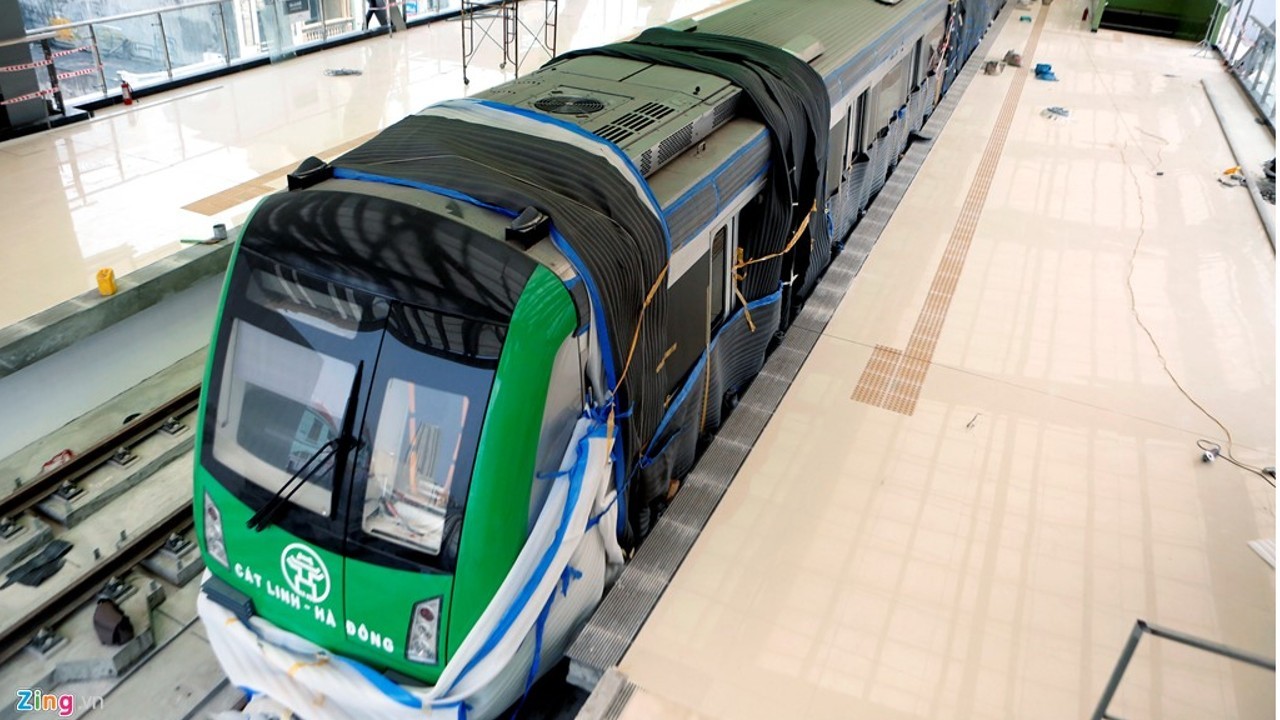
    The Dai Dung Corporation, Construction Corporation No. 1 Joint Stock Company (CC1), and Hoa Phat Group have joined forces to form a partnership known as DCH, seeking the approval of the HCM City People’s Committee to participate in local urban railway projects as the general contractor for engineering, procurement, and construction (EPC).

    Three Railway Lines on the Horizon

    DCH aims to invest in three significant railway lines: Metro Line No. 2 (Ben Thanh – Tham Luong), the Thu Thiem – Long Thanh railway line, and the Binh Duong New City – Suoi Tien line. This ambitious initiative is poised to transform the landscape of urban transportation in Ho Chi Minh City.

    Vingroup’s Bold Proposal

    In a parallel move, Vingroup has set the stage for innovation by proposing a metro line that would connect the city center to Can Gio island district. This ambitious project, estimated at VND102.37 trillion (around US$4.09 billion), boasts a staggering 48.5 km route designed for speeds reaching 250 km/h—twice the speed of current undertakings—and aims for completion in just two years!

    Fast-Tracking Urban Railways

    The city’s Department of Construction reports that Vingroup’s investment model is a public-private partnership (PPP). After gaining municipal approval, the company is hastening the completion of investment documentation and conducting a pre-feasibility study. If everything aligns perfectly, construction could kick off in early 2026, making way for the first urban railway line fully funded by a private entity by 2028.

    More Players Enter the Game

    Chairman of the municipal People’s Committee, Nguyen Van Duoc, has disclosed that besides Vingroup, Gamuda Group and Vietjet are also eager to jump into the urban rail market, with plans for additional routes connecting the city center to the airport and other key locations.

    Metro Ambitions for the Future

    According to HCM City’s master plan for the period of 2021–2030, with eyes set on 2050, the metropolis is looking to develop 12 metro lines stretching over 600 km, linking Tan Son Nhat airport to urban areas and neighboring provinces. By 2035, the goal is to have seven lines operational, covering approximately 355 km with an estimated investment of US$40.2 billion.

    Private Interest on the Rise

    Prof. Dr. Vo Xuan Vinh, Director of the Institute of Business Research at the University of Economics Ho Chi Minh City, notes that following the issuance of Resolution 68 by the Politburo, private enterprises are becoming increasingly engaged in large-scale projects, ready to embrace the associated risks. This shift promises to revolutionize the pace of urban railway development in both HCM City and Hanoi, traditionally reliant on official development assistance (ODA).

    New Mechanisms for Investment

    Dr. Nguyen Quoc Hien, deputy head of the HCMC Management Authority for Urban Railways, emphasized the importance of developing specific legal frameworks to facilitate private investment in urban rail projects. He observed that successful PPP projects in places like Hong Kong, China, and South Korea often follow investment forms like Build-Transfer-Operate (BTO), Build-Transfer-Lease (BTL), or Build-Lease-Transfer (BLT). The absence of these models in existing resolutions suggests a need for innovative thinking in legal frameworks if we want to see a rapid transformation in the urban rail sector in Vietnam.

    Questions & Answers

    What is the purpose of the partnership between Dai Dung Corporation and others?
    The partnership aims to work on urban railway projects in Ho Chi Minh City as the EPC general contractor.

    What is Vingroup’s proposed metro line’s key feature?
    Vingroup’s proposed line will connect the city center to Can Gio island with a remarkable speed of 250 km/h, expected to be completed in two years.

    How many metro lines does HCM City plan to build by 2030?
    The city plans to establish 12 metro lines, covering over 600 km, with seven lines targeted for completion by 2035.

  • Passenger Ejected from Bangkok Taxi Over $6 Flat Fare Dispute: What Happened Next?

    Passenger Ejected from Bangkok Taxi Over $6 Flat Fare Dispute: What Happened Next?

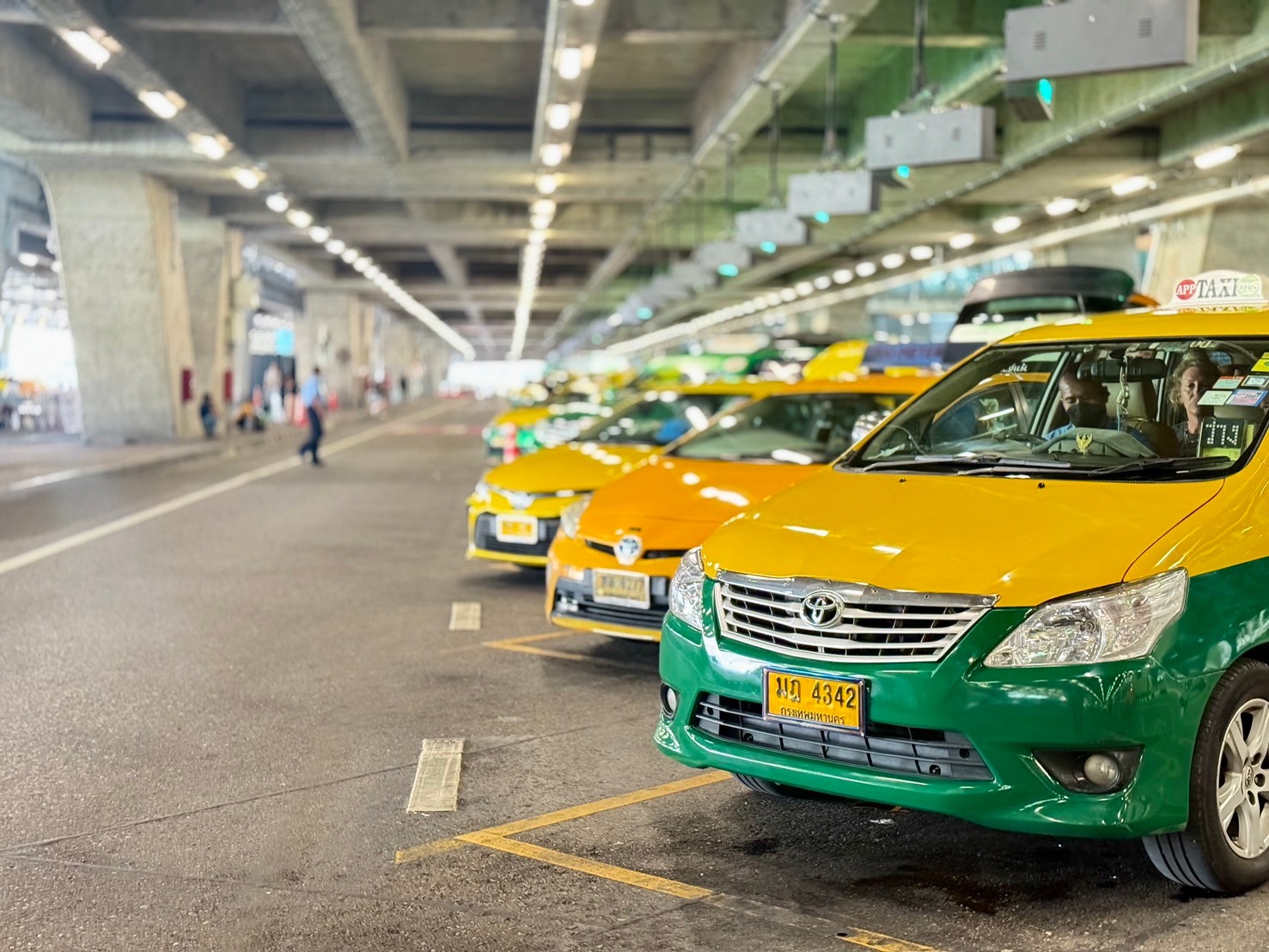
    In the bustling streets of Bangkok, a typical taxi ride turned into a drama that has now gone viral. A passenger found himself on the wrong side of a fare dispute when a taxi driver demanded a flat rate of BHT200 (approximately US$6.08), bypassing the meter altogether. This unusual encounter escalated quickly, prompting the passenger to call the police after he was unceremoniously kicked out of the vehicle.

    Posting the shocking incident on TikTok under the username @auppatam1 on May 29, the passenger recounted how the ride began with the meter running, but things took a turn when he refused to pay the inflated flat fare. When he asked to see the driver’s license or public transport ID, the driver denied having any such documentation, revealing instead that the vehicle’s registration had expired. The situation intensified as the passenger took a picture of the taxi’s license plate for evidence, which sparked an aggressive response from the driver. Ultimately, feeling unsafe, the passenger reached out to the police for assistance.

    The video quickly garnered attention and criticism on social media, with many users expressing their frustration over the lack of enforcement against fare violations. This incident has only amplified the concerns of locals and visitors alike, further solidifying a growing trend of avoidance when it comes to hailing taxis in Bangkok, a city where navigating transport can sometimes feel more taxing than the fares themselves.

    This saga raises questions about ride-hailing norms in the city and whether authorities will take action. After all, it’s hard to ignore that one bad ride can leave a lasting impression, much like a rogue tourist in a crowded market!

    Questions & Answers

    What triggered the police involvement in this taxi dispute?
    The passenger called the police after the driver demanded a flat fare instead of using the meter and forcibly removed him from the taxi.

    How did the situation escalate after the passenger exited the taxi?
    After photographing the taxi’s license plate, the passenger faced aggressive behavior from the driver, prompting him to seek police intervention.

    What has been the public reaction to this incident?
    The video of the dispute has sparked widespread criticism on social media, as many users expressed frustration over frequent fare issues, which deter them from using taxis in Bangkok.

  • Bangkok named world’s best city for working remotely

    Bangkok named world’s best city for working remotely

    Bangkok, the capital city of Thailand, has been recognized as the best location globally for remote work. This ranking comes from a recent study conducted by QR Code Generator, an organization specializing in QR technology solutions. The study assessed various cities worldwide using criteria including internet speed, access to remote work visas, and overall cost of living. Each city was rated on a scale of 0 to 100.

    Bangkok led the pack with a score of 69.98. The city was lauded for its high-speed mobile internet, affordable living costs, and rich cultural offerings.

    The city’s unique blend of modern and traditional attractions, coupled with its lively street life, makes it an attractive destination for digital nomads. Not to mention, the city’s delicious food and beautiful temples add to its allure.

    Coming in second place was Bucharest, Romania, with a score of 65.62. Bucharest was praised for its easy access to remote work visas, abundant green spaces perfect for outdoor activities, and a rich arts and architecture scene.

    Rio de Janeiro, Brazil, earned the third spot with a score of 62.35. The city’s strong local purchasing power played a significant role in its high ranking.

    Buenos Aires, Argentina, secured the fourth position, being recognized as one of the most affordable cities globally when it comes to groceries and dining.

    Rounding out the top five was Beijing, China, which was appreciated for its high-speed broadband and mobile networks, ensuring reliable global connectivity for remote workers.

    Reacting to these rankings, a spokesperson from the Thai government, Sasikarn Watthanachan, shared that a new Destination Thailand Visa has been introduced. This visa aims to attract foreign nationals who wish to combine travel with remote work or participate in cultural and medical activities.

    In addition, the spokesperson highlighted that the Thai government is also making efforts to boost tourism by extending its visa-free scheme to 93 countries and territories, allowing stays of up to 60 days.

    Questions & Answers

    What criteria were used to rank the cities in the study?
    The criteria included internet speed, access to remote work visas, and overall cost of living.

    Which city topped the rankings?
    Bangkok, Thailand, topped the rankings.

    What measures is the Thai government taking to attract remote workers?
    The Thai government has introduced a new Destination Thailand Visa to attract foreigners looking to combine travel with remote work. They are also expanding a visa-free scheme to 93 countries and territories, allowing stays of up to 60 days.

  • English center in Vietnam forced to shut down for operating without license

    English center in Vietnam forced to shut down for operating without license

    The local authorities of Ho Chi Minh City recently suspended an English language center, Than Dong 8 branch, which was found to be operating without the necessary licenses. This action was taken after the center, situated in Go Vap District, was subjected to an impromptu inspection by the city’s Department of Education and Training.

    Inspection and Findings

    Officials, who conducted the inspection on Tuesday, reported that the center lacked a valid license to carry out educational activities. The facility also had no officially recognized director and failed to produce documents pertaining to its teaching personnel or tax obligations.

    Established in 2020, the center was already conducting four English classes for children at the time of the inspection. Following the findings, a directive has been issued to immediately cease all operations and to issue full tuition refunds to all the impacted families. The exact number of students affected and the total amount to be refunded, however, have not been revealed.

    The Than Dong English Center Network

    Than Dong 8 is a part of a larger network, the Than Dong English Center, which purports to operate 33 branches spread across Ho Chi Minh City and neighboring Dong Nai Province. The brand specializes in English language programs aimed at children aged between 3 and 14 years, including courses intended to prepare students for Cambridge English certifications.

    Other Similar Instances

    Enforcement against unlicensed and poorly managed education providers in Vietnam has seen a recent upswing. Just a few weeks prior to this, the Australia International English School (AIES) unpredictably closed several branches in Thu Duc City, leaving parents and staff in the lurch with no warning or explanation.

    This incident led to a surge in complaints and legal proceedings. Initial probes into the matter revealed that close to 200 families might have lost prepaid tuition fees amounting to over VND6.58 billion (US$258,000). Authorities are still gathering evidence as part of their ongoing investigation into this matter.

    Questions & Answers

    What was the outcome of the inspection at the Than Dong 8 branch?
    The inspection revealed that the center was operating without a valid license, didn’t have an officially recognized director, and couldn’t produce any documents about its teaching staff or tax obligations. As a result, it has been ordered to cease all operations and refund the tuition fees to all impacted families.

    How many branches does the Than Dong English Center network claim to operate?
    The Than Dong English Center network claims to operate 33 branches across Ho Chi Minh City and neighboring Dong Nai Province.

    What was the incident involving the Australia International English School (AIES)?
    The Australia International English School (AIES) had abruptly closed several of its branches in Thu Duc City, leaving parents and staff without any warning or explanation. The incident led to a spate of complaints and lawsuits, with preliminary investigations revealing that around 200 families could have lost their prepaid tuition fees.

  • Pet care booms in Korea as seniors spend on furry friends

    Pet care booms in Korea as seniors spend on furry friends

    In the past three years, South Korea has seen a significant 30% increase in expenditures on pet care services and products. The most noteworthy growth is seen amongst consumers who are 60 years of age or older, a new report reveals.

    Analysis of Pet Spending Trends

    The report is based on an analysis of 24.85 million card transactions made by 3.54 million customers from 2021 to 2024. It shows a 39% increase in the number of consumers spending on pet-related goods and services, such as veterinary clinics and specialty pet stores, during this period.

    Veterinary services accounted for the lion’s share of the spending, comprising 75% of total pet-related expenditures. Comparatively, pet supply retailers accounted for 25% of the spending.

    Spending by Age Group

    The largest spending group was individuals in their 30s, accounting for 23% of pet-related spending. They were closely followed by those in their 20s and 40s who each accounted for 22% of the spending. Individuals in their 50s and those aged 60 and above represented 20% and 13% of the spending respectively.

    However, it’s noteworthy that the 60+ age group saw the highest increase in spending, going up by 60% from 2021. This includes a 77% increase in pet supply purchases and a 57% increase in veterinary costs.

    Online Shopping and Veterinary Services

    Online purchases also saw a significant boost, with 64% of pet products bought online in 2024, marking a 53% increase from three years earlier. Cat-related products experienced a notable 81% surge in online sales, surpassing the 49% increase in dog-related items.

    Veterinary clinics also increased in number, rising 24% from about 14,000 in 2021 to 17,000 in 2024. Spending was heavily concentrated among the larger providers, with the top 10% of clinics making up 68% of total revenue, up from 62% in 2021.

    “These figures underscore considerable shifts in consumer behavior, especially among older adults, and emphasize the growing dominance of online channels in the pet care market,” a spokesperson commented.

    Questions & Answers

    What accounted for the majority of pet-related expenditures in South Korea?
    In South Korea, the majority of pet-related expenditures were for veterinary services, which made up 75% of the total.

    Which age group had the highest growth in pet-related spending?
    The age group of 60 years and older saw the highest growth in pet-related spending, increasing by 60% since 2021.

    What rise did online purchases of pet products see between 2021 and 2024?
    Online purchases of pet products saw a significant rise between 2021 and 2024, with 64% of pet products being bought online in 2024, a 53% increase from three years earlier.

  • Japanese pharmacy Ain to acquire rival for $690 million

    Japanese pharmacy Ain to acquire rival for $690 million

    Japanese pharmaceutical retailer, Ain, has unveiled plans to acquire its competitor, Kraft, which operates the Sakura pharmacy chain. The proposed transaction is estimated to be worth over 100 billion yen (approximately US$690 million).

    Ain’s intention is to purchase the entirety of Kraft’s shares from investment firm Nippon Sangyo Suishin Kiko. The deal, which includes assuming all the company’s debts, is estimated to cost Ain nearly 60 billion yen. If all goes to plan, the transaction is expected to be finalized in August.

    In the business year ending April 2024, Ain’s dispensing pharmacy business reported strong sales figures of 357.5 billion yen. On the other hand, Kraft’s sales for the business year ending March 2024 were reported at 153.7 billion yen.

    By acquiring Kraft, Ain aims to cement its leading position over its competitor Nihon Chouzai. The latter posted impressive sales of 321.9 billion yen in the last fiscal year.

    Questions & Answers

    What is the estimated value of the acquisition deal between Ain and Kraft?
    The proposed acquisition deal is estimated to be worth over 100 billion yen (approximately US$690 million).

    What is the expected completion date for the transaction?
    The acquisition transaction is expected to be finalized in August.

    What were the sales figures for Ain and Kraft in the last business year?
    Ain’s dispensing pharmacy business reported sales figures of 357.5 billion yen in the business year ending April 2024, while Kraft posted sales of 153.7 billion yen for the same period.

  • China’s Wanda to sell 48 malls in US$6.9 billion deal

    China’s Wanda to sell 48 malls in US$6.9 billion deal

    In a bid to aid its liquidity amidst a challenging real estate market, the China-based real estate tycoon, Dalian Wanda Group, is strategizing to liquidate 48 of its shopping complexes.

    Details of the Deal

    In this context, a joint venture steered by Hong Kong’s PAG investment firm will procure shares in 48 regional firms that undergird Wanda Plaza malls throughout the country. The venture includes other prominent players such as Tencent Holdings, Sunshine Life Insurance, Taikang Life, and a subsidiary of the e-commerce behemoth JD.

    Dalian Wanda Group anticipates a hefty return of 50 billion yuan (equivalent to US$6.94 billion) from this transaction, which is slated to be finalized in the second half of the current year.

    About Dalian Wanda Group

    Dating back to its establishment in 1988, and headquartered in Beijing, Dalian Wanda Group has emerged as one of China’s leading real estate developers. The diversified business operations of the group also span across a film company, a sports entity, and a children’s entertainment venture.

    Questions & Answers

    What is the purpose behind Dalian Wanda Group’s sale of its 48 shopping malls?
    The sale is primarily aimed at raising funds amidst a challenging real estate market.

    Who are the prospective buyers of these shopping malls?
    A joint venture led by Hong Kong-based investment firm PAG, involving Tencent Holdings, Sunshine Life Insurance, Taikang Life, and a division of JD, is set to acquire shares in the 48 regional entities backing Wanda Plaza malls across China.

    What is the expected monetary gain from this transaction for Dalian Wanda Group?
    The group anticipates to receive 50 billion yuan, equivalent to US$6.94 billion, from this deal.

  • Vietnamese Expat Faces Challenges Securing $700,000 Home in Ho Chi Minh City After Canada Return

    Vietnamese Expat Faces Challenges Securing $700,000 Home in Ho Chi Minh City After Canada Return

    After nearly four decades in Canada, my uncle has returned to Vietnam to settle down in his homeland, following the passing of his wife. With his daughter married and living in France and his son residing in the U.S., he thought finding a cozy home in Ho Chi Minh City (HCMC) with a budget of VND18 billion (US$700,000) would be a breeze. However, he was in for a surprise as he soon found tube houses tucked away in narrow alleys commanding prices upwards of VND10 billion — and some even flirting with VND20 billion.

    Despite the current market being described as “frozen,” these diminutive central properties, often measuring barely a few dozen square meters with outdated designs, continue to carry lofty price tags. This perplexing phenomenon is likely mirrored in Hanoi as well.

    Rather than navigating the steep staircases of these narrow homes, my uncle mused about investing in land in a nearby province and building a house with a small yard. Initially, he favored city living for its conveniences and access to medical care, but after weighing the options, he cautiously decided to “leave the decision for next time.”

    Once a practical solution to rapid urban growth during chaotic city planning, tube houses have now morphed into overpriced assets. Prices no longer reflect comfort or practicality, often inflated by rampant speculation, land hoarding, and the prevailing notion that “downtown real estate will always appreciate.”

    While homes in city centers undeniably boast location advantages and resale potential, the reality of treating cramped 4-5 meter wide houses as premium properties exposes a market distortion that prioritizes financial gain over genuine living needs. Instead of enjoying the luxury of space and greenery, many find themselves squeezed into small dwellings simply because they boast billion-dollar valuations on paper.

    The path forward for housing development must embrace a holistic urban strategy that enhances suburban infrastructure, relieves the pressure on city centers, promotes affordable housing, and edges the market away from treating homes as mere investment vehicles.

    If you were in my uncle’s shoes, would you opt for a cramped tube house in a bustling alley, or carve out your dream home on a spacious plot of land in a nearby province?

    Questions & Answers

    What led my uncle to return to Vietnam?
    He returned after living in Canada for nearly 40 years, following the death of his wife, with both his children living abroad.

    What challenges did he face while house hunting in HCMC?
    Despite a solid budget, he found that even small, narrow tube houses were priced way above expectations, with many costing over VND10 billion.

    How can the housing market in Vietnam improve?
    A comprehensive urban strategy is needed that emphasizes suburban development, affordable housing, and a balanced approach to property ownership without excessive speculation.

  • Retailers Like Ikea Revamp Store Designs to Adapt to Digital Shopping Trends

    Retailers Like Ikea Revamp Store Designs to Adapt to Digital Shopping Trends

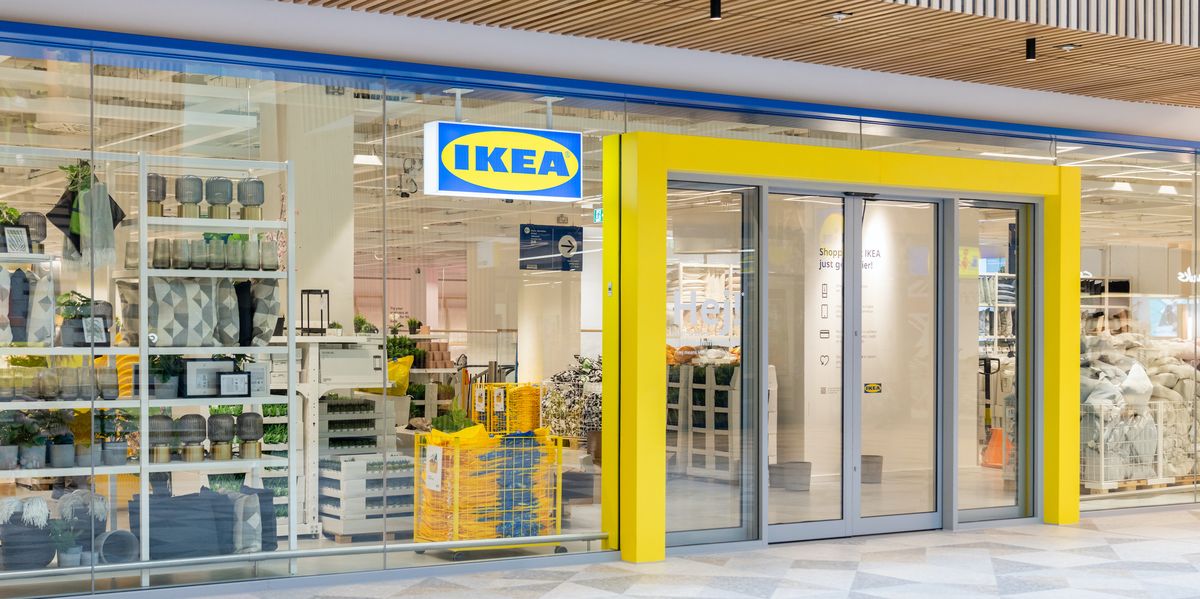
    IKEA is making waves in the retail world by swapping its iconic maze-like store design for a more straightforward, linear layout. This bold move reflects a larger transformation in the industry, one that champions efficiency, flexibility, and clear brand identity.

    A Retail Renaissance

    Rufus Turnbull, Founder and Creative Director at Studio X, notes, “We’re witnessing a shift towards smaller format stores that can offer a more agile shopping experience for consumers. Coupled with the rise of AI, there will be an even sharper focus on hyper-localization—tailoring product ranges to fit the specific needs of customers in their respective regions.” This redesign is part of IKEA’s global strategy to enhance in-store navigation and cut down on shopping time, responding to the increasing consumer demand for quicker and more efficient retail experiences—especially as online shopping sets higher expectations for physical stores.

    Rethinking Retail Inspiration

    Mike Lim, Director at DP Design, emphasizes that traditional, inspiration-driven retail models, like IKEA’s former printed catalog, are losing their relevance. “Today, consumers primarily turn to the internet for information,” he highlights, arguing for a re-evaluation of whether the classic show-and-tell shopfront really meets the needs of modern shoppers.

    Balancing Efficiency with Experience

    However, this shift does come with its own set of challenges. Turnbull warns against viewing the move to more efficient formats as an “all or nothing switch.” He suggests that large-format stores will continue to be crucial, while newly introduced smaller formats can facilitate product pickups and enhance customer service and returns.

    Lim also cautions against an overemphasis on speed and efficiency: “We must avoid the ‘efficient trap’—oversimplifying the shopping experience consumers crave,” he advises. Instead, he advocates for a “retail plus experience” model and “placemaking” that fosters emotional connections with shoppers. After all, who doesn’t want an enjoyable shopping adventure?

    Defining Brand Identity in Transition

    Maintaining a strong brand identity while adapting store functions remains a pressing concern. “A retail concept with a clear purpose is more likely to succeed,” Turnbull explains. He adds that the most sustainable environments are those that respond to market demands and endure over time, rather than simply showcasing trendy green features.

    Lim insists that a brand’s identity must be “singular and laser-focused,” with store design clearly reflecting that mission through layout, packaging, and customer service.

    As IKEA ventures into this new chapter, we can’t help but wonder what other surprises lie around the corner in the ever-evolving retail landscape!

    Questions & Answers

    What is the reason behind IKEA’s change in store layout? The shift to a simpler, straight-line design aims to enhance efficiency, streamline navigation, and respond to consumer demand for faster shopping experiences.

    How are smaller store formats expected to perform? Smaller stores will serve as agile hubs for customer service, product pickup, and returns while still complementing larger locations.

    What role does brand identity play in this transition? A strong, purposeful brand identity is essential; it should be reflected throughout the store’s design and operations to foster long-term success.

  • Trip.com Sets Sights on Expanding Its Horizons in Vibrant Vietnam Travel Market

    Trip.com Sets Sights on Expanding Its Horizons in Vibrant Vietnam Travel Market

    In a bold push toward expansion, Trip.com Group has set its sights on Vietnam, Indonesia, and the Philippines, said Boon Sian Chai, managing director and vice president of international markets, during a recent event. This ambitious growth phase emphasizes enhancing services and ramping up their workforce in Vietnam.

    New Offices in Vietnam

    “We’ve opened an office in Hanoi in the past year and are looking into establishing another one in Da Nang, if feasible,” Chai revealed. Trip.com has been steadily enhancing its offerings in Vietnam, which include hotel bookings, flight tickets, and tours, since before the pandemic.

    Impressive Market Position

    With a market cap surpassing US$43 billion, Trip.com ranks third after Booking Holdings and Airbnb. The company’s presence in Vietnam has notably intensified in 2024 through strategic investments and partnerships, including a recent $10 million stake in M Village, a hotel chain founded by former Coffee House CEO Nguyen Hai Ninh. “This is currently the most efficient hotel chain on our platform,” Chai noted.

    Strategic Partnerships and Growth Opportunities

    In addition to its investment in M Village, the company forged alliances with Vietjet and established a strategic partnership with Vinpearl. During a meeting with Vietnamese Prime Minister Pham Minh Chinh at the World Economic Forum in Davos, Switzerland, Trip.com CEO Jane Sun expressed a keen interest in exploring more investment opportunities within Vietnam’s thriving tourism landscape.

    The Booming Tourism Sector

    The motivation behind this focus lies in the flourishing tourism sector. In the first four months of 2025, Vietnam welcomed 7.67 million foreign visitors, marking a 23.8% increase compared to the same period last year, according to the General Statistics Office. Notably, China topped the list of source markets with 1.95 million visitors, accounting for 25.4% of total arrivals.

    “Demand for travel to Vietnam has surged by nearly triple digits in our observation,” Chai asserted, adding that key markets contributing to this growth include South Korea, Russia, Taiwan, and China. Customers have expressed high satisfaction with the services available in Vietnam.

    Future Projections

    As per Google, Temasek, and Bain & Company, Vietnam’s online travel market is experiencing double-digit growth, expected to rise from US$4 billion in 2023 to US$5 billion in 2024. Indian market researcher Mordor Intelligence highlights Vietnam’s position among the top five in the Asia-Pacific travel market, with potential to reach an estimated US$10 billion by the end of the decade. Yet, Chai cautioned that Vietnam poses unique challenges, particularly concerning language and payment systems.

    “Nonetheless, we are committed to investing in this market to foster growth, attract international tourists to Vietnam, bolster domestic tourism, and facilitate outbound travel,” he concluded. With a footprint in 39 markets, Trip.com reported revenues of CNY53.29 billion (US$7.5 billion) in 2024, showcasing a robust 19.7% increase from the previous year.

    As travelers dig through Vietnam’s rich culture and stunning landscapes, Trip.com is poised to make quite an impression—will they start offering guided tours by elephants next?

    Questions & Answers

    What is Trip.com Group’s growth strategy in Vietnam?
    Trip.com aims to expand its services and workforce in Vietnam, including the establishment of new offices in major cities.

    How significant is Trip.com’s market position?
    With a market cap of over US$43 billion, Trip.com is the third-largest player in the online travel market, following Booking Holdings and Airbnb.

    What challenges does Trip.com face in Vietnam?
    The company faces unique challenges, particularly related to language barriers and payment methods, but remains committed to investing in the Vietnamese market.

  • Vietnam’s Top Students Pursue High-Value Scholarships at International University, Skipping Study Abroad

    Vietnam’s Top Students Pursue High-Value Scholarships at International University, Skipping Study Abroad

    In a dazzling display of academic excellence, British University Vietnam (BUV) recently celebrated the achievements of 150 exceptional students during its Scholarship Award Ceremony, distributing scholarships worth tens of billions of dongs—approximately VND10 billion equals US$385,170.

    Many of the scholarship recipients hail from revered institutions across Vietnam, including HUS High School for Gifted Students, HNUE High School for Gifted Students, Chu Van An High School, and Kim Lien High School, among others.

    A representative from BUV emphasized that the recipients not only showcased stellar academic records but also exhibited qualities such as dynamism, leadership, and the capacity to inspire their peers.

    Spotlight on Inspiring Students

    Kieu Le Khanh An, a talented student from Phan Boi Chau Specialized High School in Nghe An, earned BUV’s prestigious “The Founders” scholarship with an impressive IELTS score of 8.0 and accolades in English competitions at both provincial and national levels. Opting to study finance at BUV rather than abroad, An highlighted her desire to stay close to family while gaining insights into Vietnam’s financial landscape. “I believe BUV’s enriching environment will prepare me to become a successful risk manager who contributes to Vietnam’s sustainable economic growth,” she shared. Adding a personal touch, she expressed her dream of founding a nonprofit to support premature infants: “Being a premature baby myself, I hope to give back to a cause close to my heart.”

    Nguyen Khoa Dang, another standout from Bac Ninh Specialized High School, received “The British Ambassador” scholarship. He sees BUV as the perfect launchpad for his international academic aspirations. “BUV encourages dynamism and creativity, and its curriculum aligns perfectly with U.K. standards,” he said, reveling in the opportunity to experience an international education without leaving his home country.

    Aiming High in Technology

    Nguyen Khanh Linh, who was awarded BUV’s “Tech Queens” scholarship for women in technology, voiced her long-standing ambition to study in an international environment to access cutting-edge knowledge in her field. She feels that being at a modern university in Vietnam, close to her family, perfectly aligns with her dreams. Her mother, Thuy Linh, initially envisioned studying abroad for her daughter but shifted her perspective upon discovering BUV. “I was especially impressed by BUV’s scholarship program supporting women in tech. I believe my daughter will flourish in this innovative atmosphere,” Thuy Linh commented, radiating pride and hope.

    A Noteworthy Shift in Education Choices

    The growing enthusiasm among top students opting for BUV scholarships signifies an increasing trust in the university’s international-quality education. It reflects a cultural evolution as more families recognize that an international learning experience does not always require traveling abroad. Many are now choosing high-quality educational environments within Vietnam, which offer diverse advantages that cater to financial, cultural, psychological, and long-term aspirations.

    Renowned as Vietnam’s first QS 5-star university and the first in Vietnam and ASEAN to receive accreditation from QAA, the U.K.’s leading higher education quality assurance agency, BUV is dedicated to staying ahead of industry trends. With a curriculum that marries theory and practice, BUV proudly boasts 100% graduate employability or opportunities for further study within three months of graduation.

    Questions & Answers

    What is the total value of scholarships awarded by BUV? The total value reaches tens of billions of dongs, with VND10 billion equating to around US$385,170.

    Which schools did the scholarship recipients come from? The recipients came from prestigious institutions including HUS High School for Gifted Students, HNUE High School for Gifted Students, and Chu Van An High School, among others.

    What unique advantages does BUV provide its students? BUV offers an academic environment that aligns with U.K. standards, modern facilities, and a curriculum designed to ensure 100% employability or further study within three months after graduation.

  • Indonesia Introduces $9 Wage Subsidy Aiming to Support Low-Income Workers

    Indonesia Introduces $9 Wage Subsidy Aiming to Support Low-Income Workers

    The Indonesian Government is on the brink of launching an ambitious wage subsidy program aimed at supporting low-income workers. Set to provide IDR150,000 (approximately US$9.23) monthly, this initiative targets those earning less than IDR3.5 million. It’s an essential step amidst the ongoing global economic challenges.

    A Stimulus for Economic Resilience

    This new subsidy is slated for rollout as part of a broader economic stimulus package in the second quarter of 2025. Chief Economic Affairs Minister Airlangga Hartarto revealed on May 26 that discussions are ongoing with relevant ministries, with the program expected to kick off on June 5.

    The timing of the subsidy couldn’t be more crucial, aiming to bolster public purchasing power just as households are gearing up for increased spending during the school holidays.

    A Multifaceted Approach

    This wage support forms part of an expansive stimulus plan dubbed the Incentive Package, which also includes discounts on electricity tariffs, food aid, subsidies for airline tickets, and various social protection measures. In conjunction with the wage subsidy, the government will reintroduce electricity bill discounts for low-power households starting the same day.

    For the earlier part of this year, a substantial IDR13.6 trillion has been allocated to provide a 50% discount on electricity bills for customers using between 450 volt-amperes (VA) and 2,200 VA, benefiting around 81.4 million households. This multifaceted approach illustrates the government’s commitment to cushioning citizens from economic shocks.

    In a world where financial surprises lurk around every corner, it’s a relief to know that support is on the way—let’s hope it arrives faster than the average delivery pizza!

    Questions & Answers

    What is the purpose of the wage subsidy program?
    The program aims to support low-income workers by providing financial assistance to help sustain their purchasing power amid global economic challenges.

    When will the wage subsidy take effect?
    The wage subsidy program is scheduled to launch on June 5, 2025.

    What additional measures are included in the Incentive Package?
    The Incentive Package includes electricity tariff discounts, food aid, airline ticket subsidies, and other social protection programs designed to support various segments of society.

  • Vietnam Seeks 4,000 Workers to Power Two Upcoming Nuclear Plants

    Vietnam Seeks 4,000 Workers to Power Two Upcoming Nuclear Plants

    Nearly 4,000 employees will be needed to operate Vietnam’s two proposed nuclear power plants, set to rise in the central province of Ninh Thuan by 2030. This ambitious initiative aims to bolster the nation’s energy landscape, but it also raises a significant demand for qualified personnel.

    Specialized Training Abroad

    Among the workforce needed, 670 individuals will undergo specialized training overseas to ensure they are well-prepared for the complexities of nuclear energy. The workforce will predominantly consist of engineers and holders of bachelor’s degrees, while the remainder will be equipped with two-year college qualifications. Those chosen for international training will primarily be graduates in relevant disciplines, committed to serving at the plants upon their return.

    Interestingly, the training program is broadening its net by considering first- and second-year university students eager to join post-training. This opens avenues for a fresh wave of talent ready to dive into the world of nuclear energy.

    Collaboration for Expertise

    To cultivate expertise in nuclear plant management and operations, civil servants, experts, and staff from various ministries will provide short-term training and internships. Moreover, around 120 lecturers are anticipated to be enlisted to teach nuclear science to aspiring master’s and doctoral students at local universities.

    In a strategic move, the Vietnamese government has revived plans for the Ninh Thuan nuclear power plants, with the National Assembly giving its enthusiastic endorsement in November. The first of these plants is earmarked to begin generating electricity by 2030, marking a pivotal moment in Vietnam’s energy journey.

    As the nation gears up for this nuclear adventure, it’s not just about numbers; it’s about preparing a workforce that can harness the power of the atom responsibly and effectively. Let’s hope they’re ready for the nuclear future—and maybe even a little fun along the way!

    Questions & Answers

    What is the timeline for the completion of the nuclear plants in Vietnam?
    The first nuclear plant is scheduled to begin generating electricity by 2030.

    How many workers will be needed for the nuclear power plants?
    Vietnam will require nearly 4,000 employees to operate the two planned nuclear facilities.

    What types of degrees will the workforce possess?
    The workforce will include a majority of engineers and individuals with bachelor’s degrees, alongside those with two-year college diplomas.

  • Ho Chi Minh City Plans to Transition 80% of Ride-Hailing Motorbikes to Electric in Two Years

    Ho Chi Minh City Plans to Transition 80% of Ride-Hailing Motorbikes to Electric in Two Years

    The ambitious goal of introducing 400,000 electric ride-hailing motorbikes in Ho Chi Minh City (HCMC) is within reach, provided there are financial incentives, tax exemptions, and the establishment of sufficient charging stations. This optimistic outlook comes from Le Thanh Hai, director of the Institute for Development Studies, who underscores the transition’s potential to cut costs for drivers and enhance environmental conditions in the city.

    Recent research by the institute reveals a striking difference in daily expenses for fuel between traditional fuel and electric motorbike drivers. Grab and Be ride-hailing drivers currently fork out VND70,000–100,000 (approximately $3 to $4) each day on gasoline, based on survey feedback from 400 participants. In stark contrast, drivers of Xanh SM electric motorbikes pay only VND20,000 for charging.

    When considering battery degradation, wait times, and charging expenses, electric motorbike riders can pocket between VND40,000 and VND60,000 more each day—translating to a monthly income boost of about VND1 million—in comparison to their gasoline-powered peers. These savings could enable them to pay off their vehicle loans in just two to 2.5 years.

    Yet, the journey towards electric rides isn’t without its bumps. Charging infrastructure poses a significant challenge. Electric bikes from brands like VinFast, Selex Motors, DatBike, and Honda typically need 4-10 hours to charge and offer a range of 100-200 kilometers—meaning drivers must charge daily, incurring a loss of income during that time.

    Nguyen Huu Phuoc Nguyen, CEO of electric scooter startup Selex Motors, believes that energy infrastructure will cease to be an obstacle as soon as charging speeds catch up with refueling gasoline. Selex Motors is pioneering a quick two-minute battery-swapping service compatible with various brands, currently operating 50 stations in HCMC, with plans to expand to 200 next year.

    However, Nguyen points out that the absence of standardized charging infrastructure remains a critical issue, as companies often function independently. He urges local authorities to motivate businesses to expand shared charging and battery-swapping networks, promoting a collaborative growth atmosphere.

    Financial considerations also play a crucial role in this transition, particularly for technology drivers who often experience low and unstable incomes. The Institute for Development Studies has teamed up with banks to craft specialized credit products and has secured promising commitments from electric motorbike manufacturers and distributors.

    Moreover, the city has proposed appealing to the central government for the elimination of registration fees and value-added taxes on new electric vehicles and technology drivers for the initial two years. Currently, Vietnam’s transportation sector emits 32.9 million tons of CO2 equivalents annually, with HCMC responsible for about 13 million tons. To actively support green transportation, the city aims to convert all buses to electric or green-energy vehicles by 2030, alongside a comprehensive Vehicle Emissions Control Plan that encourages incentive creation and transition roadmaps for taxis, tech vehicles, passenger cars, and vehicles utilized by public agencies and businesses.

    The road to an electric future may be paved with challenges, but an electric motorbike revolution along the bustling streets of HCMC promises a more sustainable urban environment for everyone— and perhaps even a newfound love for battery-powered journeys!

    Questions & Answers

    What financial support is being proposed for the transition to electric vehicles in HCMC?
    The city recommends that the central government waive registration fees and value-added taxes for new electric vehicles and technology drivers during their first two years.

    How much can electric motorbike drivers potentially save compared to gasoline-powered counterparts?
    Electric motorbike drivers can save between VND40,000 and VND60,000 each day compared to traditional gasoline users, leading to an additional VND1 million in monthly earnings.

    What plans does HCMC have for public transportation concerning green energy?
    HCMC plans to convert all buses to electric or green-energy vehicles by 2030, supporting a broader goal of reducing emissions in the city’s transportation sector.