Category: Living

Retail News Asia is committed to providing both local and global retailers with the latest Living news throughout the Asian market. This on a daily base.

  • Trent and Sonae take Sport Zone to India

    Trent and Sonae take Sport Zone to India

    Sport Zone, Portugal’s leading sports retail chain, will launch in India through stores managed by Trent.

    Part of the Tata group, Trent is one of India’s largest and fastest growing retail chains.

    Sport Zone, headquartered in Iberia and owned by Sonae, is the largest chain of sports shops in Portugal. The innovative products and equipment developed and marketed by Sport Zone will be available to Indian customers in franchised stores and shop-in-shops in department stores managed by Trent.

    The first such store is the newly launched Commercial St store of Landmark.

    The partnership plans to open the first five Sport Zone stores in India by end of 2016.

    Miguel Mota Freitas, CEO of Sonae SR, said Sonae wants to capitalise on the distinctive factors of its brands worldwide, exploiting their competitive advantages, based on the design and quality of their products.

    “The group’s entry into the Indian market is another important step in this strategy, as it enables us to strengthen our presence in Asia and allows us to have Trent as a benchmark partner in the second most populous country in the world.”

    Established in 1997, Sport Zone offers a wide range of sports goods and equipment of leading international brands as well as exclusive brands and has over 100 stores across the world. Sport Zone also markets its brands and innovations worldwide since its exclusive brands are available through wholesale channels in 22 countries.

    Sonae is one of the largest retail groups in Portugal with two major partnerships in Shopping Centers (Sonae Sierra) and Telecommunications (Sonaecom) businesses. At the end of 2014, Sonae achieved turnover of around 5 billion euros.

  • Ikea Singapore in row over bigot’s drama

    Ikea Singapore in row over bigot’s drama

    Ikea Singapore has found itself at the centre of a social media protest over supporting a drama run by a local religious extremist.

    Ikea is giving members of its loyalty program discounted rates for a show called Vision, which features a homophobic religious zealot renowned for his anti-gay views.

    But Ikea says it stands by its decision to sponsor the show, a move which is outraging Singapore’s gay community who have taken to social media to express their disgust.

    In a statement to the Straits Times newspaper Ikea management said they had undertaken “a thorough review” of the decision to support the show and would stick with its original decision.  “We have spoken directly with the organisers, reviewed the content and confirmed that the Vision show offers high family entertainment value and, on that basis, we are continuing our promotional collaboration.”

    Vision is a magic show performed by pastor Lawrence Khong of Faith Community Baptist Church along with his daughter Priscilla. It will be held at the Esplanade in July.

    Last year Khong organised an anti-gay protest, urging Singaporeans to “wear white” in protest against the holding of the Pink Dot LGBT picnic.

    Khong is a self-appointed pastor of the church he founded and claims to have a congregation of 9000. He is on record saying he makes movies and performs shows in order to spread his evangelical Christian beliefs and to “reclaim the media for God’s Kingdom”.

    Khong considers homosexuals have “a shorter lifespan, more sexually transmitted infections and more health problems than the general population” and he actively fought against the decriminalisation of homosexuality in Singapore, describing it as “a looming threat to this basic (nation) building block by homosexual activists”.

    Lawrence Khong Facebook image

    • Lawrence Khong’s Facebook profile image.

    Ikea appears unconcerned about supporting Khong’s ministry. In its statement the retailer said it respects the diversity and equality of all people in the community

    “We also respect that all individuals have a right to their opinions and personal choices, including the freedom to choose their preferred entertainment,” it said.

    Ikea Singapore’s Facebook page is full of comments about the issue, with an overwhelming percentage in support of the company’s stand. However closer analysis reveals a distinct similarity amongst the supportive posts, the church undoubtedly having rallied its congregation to show support online.

    “Thank you Ikea for making the right move and supporting family!” was one of many similar supportive comments.

    However contrary views were typified by Zulkarnain Sadali:So disappointing. Do you even see it’s not about entertainment? Out of all the companies in Singapore, this move was never expected of you. I wonder what Sweden HQ thinks of this.”

    Robert Vrolijk observed:The very vocal Christian minority has again used their organised high volume attack to pressure their opinion. Everyone knows Vision is not just family entertainment. There is no such thing as family entertainment when led by a pastor. And Ikea by supporting this event you support his views. People have a right to choose but you don’t have to promote hate speech hidden as freedom of speech.”

    Perhaps the most ironic post was from Steven Cheong who wrote, apparently unaware of the irony: “Ikea – it is good that you didn’t bow to militant activists!”

  • NTUC FairPrice saves 9 million bags

    NTUC FairPrice saves 9 million bags

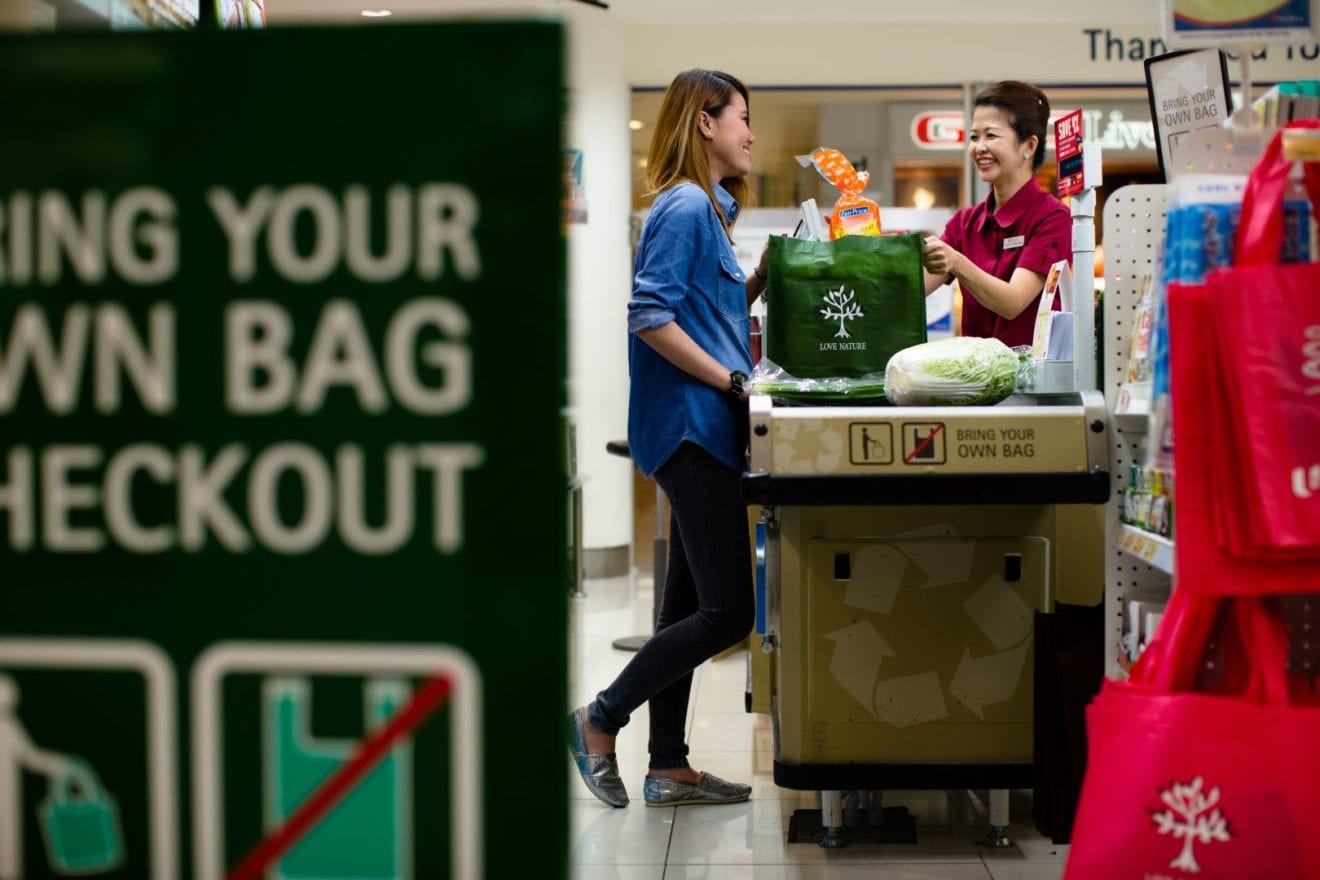
    Singapore supermarket chain NTUC FairPrice says customers saved more than 9 million plastic bags last year as the company pursued its green strategy.

    FairPrice said it gave out more than S$450,000 in rebates under its FairPrice Green Rewards Scheme last year.

    Koh Kok Sin, chairperson of the FairPrice green committee, said securing a sustainable future for Earth is the responsibility of everyone in this generation.

    “We continue to upgrade and make our stores as eco-friendly as possible, find ways to raise environmental consciousness among shoppers, and encourage them to Think Green and Shop Green. We are encouraged that our customers recognise the call to care for the Earth, and share our commitment to save plastic bags and take on other sustainable initiatives. We will continue to work together with our stakeholders to build a green and eco-friendly Singapore.”

    FairPrice first launched the FairPrice Green Rewards Scheme in 2007 to urge shoppers to use fewer plastic bags. Since then, FairPrice has given out more than $2.3 million in rebates which has resulted in an estimated 46.5 million plastic bags saved. In the same period, FairPrice has seen an increase in plastic bags saved at its stores by about 10 per cent year-on-year; and recorded the highest number of plastic bags saved last year.

    FairPrice also supported Earth Hour on March 28 by switching off all non-essential lights at its stores, offices and warehouses, in addition to donating $12,500 to WWF. This is the seventh year that FairPrice has supported WWF’s global Earth Hour initiative.

    To conserve energy and to reduce its carbon footprint, FairPrice continues to install eco-friendly features in its stores, as well as switching to energy-saving equipment and lighting in the existing stores.  Currently, 60 stores have already been installed with these green features. Several FairPrice stores have been awarded with BCA Green Mark awards, including FairPrice Finest@ZhongShan Park and FairPrice Xtra@Kallang Wave Mall that have both been awarded with the BCA Green Mark (Platinum) awards. FairPrice’s headquarters located in Benoi, FairPrice Hub, also received the BCA Green Mark (Platinum) award for incorporating extensive green architecture features which promote sustainability and conservation of resources.

  • Mongkok raid after Snake powder poisoning

    Mongkok raid after Snake powder poisoning

    Hong Kong’s Department of Health has urged the public not to buy or use a product, branded Snake Powder Capsules, as it was found to contain undeclared controlled drug ingredients.

    The warning follows the admission to hospital of a 58 year old male, poisoned by the tablets, and a subsequent raid of a retail store in Mong Kok, and the arrest of its two staff.

    The man was admitted to hospital with chest pain and swelling. He had a history of consuming Snake Powder Capsules, purchased locally. Preliminary test results from the HA’s laboratory revealed that the product may contain undeclared Part I poisons and antibiotics. The DH conducted investigation immediately.

    A Chinese medicine centre in Mong Kok was subsequently raided in a joint operation by the DH and the Police. During the operation, a woman aged 50 and a man aged 29 were arrested for suspected illegal sale and possession of Part I poisons, an unregistered pharmaceutical product and antibiotics. Snake Powder Capsules were found and seized for analysis. The Government Laboratory has now confirmed that the product contains dexamethasone, ibuprofen, chlorpheniramine, tetracycline and chloramphenicol.

    According to the Pharmacy and Poisons Ordinance, all pharmaceutical products must be registered with the Pharmacy and Poisons Board of Hong Kong before they can be sold legally in the market. Illegal sale or possession of unregistered pharmaceutical products and Part I poisons are criminal offences. The maximum penalty for each offence is a fine of $100,000 and two years’ imprisonment. In addition, the Antibiotics Ordinance prohibits illegal sale and possession of antibiotics. Offenders are liable to a maximum penalty of a $30,000 fine and one year’s imprisonment for each offence.

    A DH spokesperson strongly urged members of the public not to buy or use products of doubtful composition or from unknown sources. All registered pharmaceutical products should carry a Hong Kong registration number on the package in the format of “HK-XXXXX”. Safety, quality and efficacy of unregistered pharmaceutical products are not guaranteed.

  • Royal Selangor to open in Chelsea, London

    Royal Selangor to open in Chelsea, London

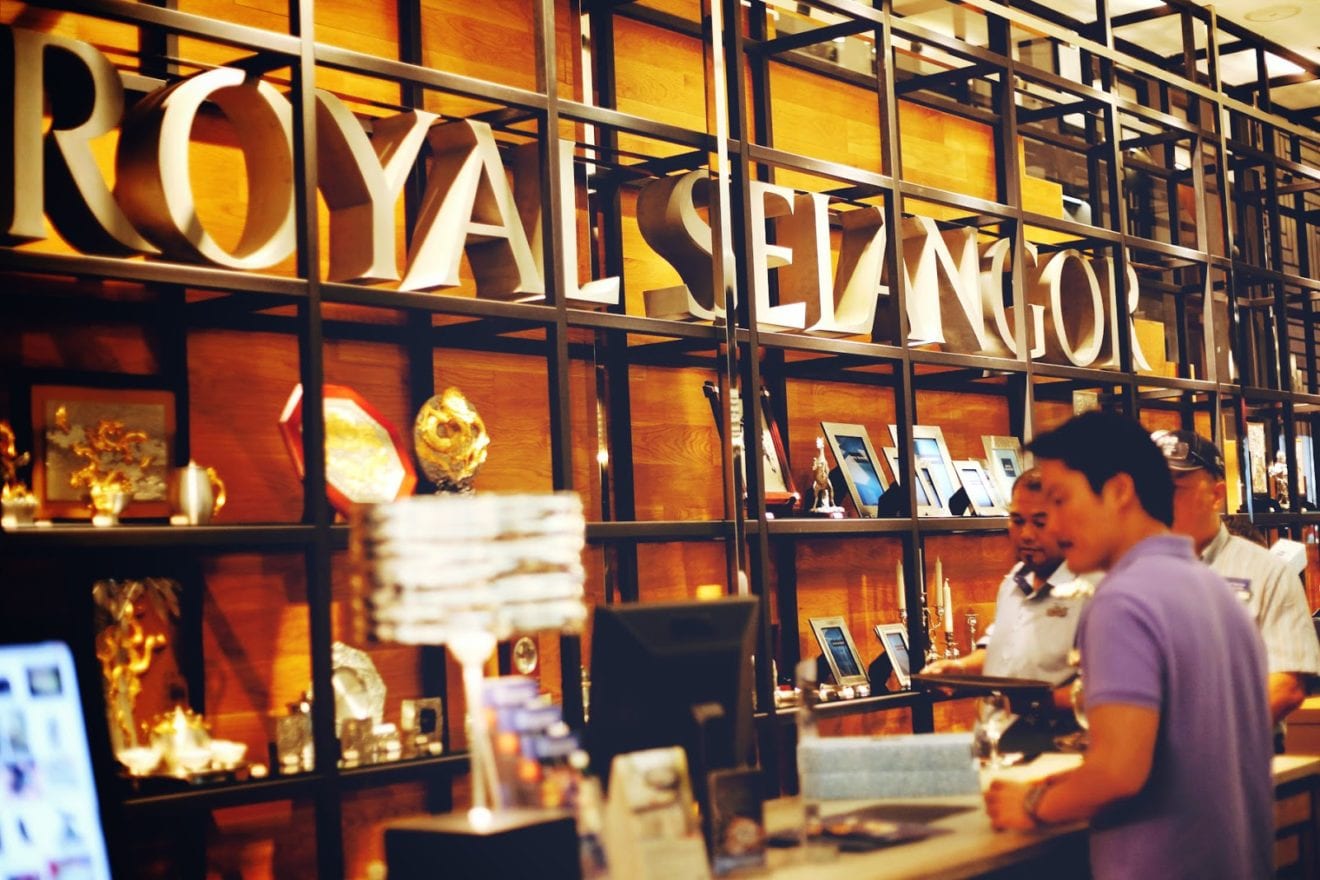
    Malaysia-based pewter brand Royal Selangor is to open its first standalone store in the UK.

    It chose the upmarket London suburb of Chelsea for its debut, a site adjacent to the Designer’s Guild at 261 Kings Rd.

    The 1317 sqft store is due to open as early as June.

    Established in Malaysia in 1885, Royal Selangor is now a global family business with stores in more than 20 countries.  Its UK flagship on King’s Rd will stock customised and designer homewares, as well as ornaments and personalised gifts, all made from pewter. In addition, Royal Selangor’s two complementary brands Selberan jewellery and the 350-year-old sterling silver brand Comyns will both be available in store.

    Royal Selangor is famous for its exclusive collaborations with international designers including Denmark’s Erik Magnussen, Freeman Lau from Hong Kong, and champagne houses Veuve Clicquot Ponsardin, Dom Perignon and Krug. Royal Selangor has also created trophies for numerous Formula One races, the Shanghai ATP 1000 Masters, as well as the Sime Darby LPGA Malaysia Golf Tournaments.

    Peter Coleman, MD of Royal Selangor UK, said the company wanted to launch its first store in a destination that reflects its quality and heritage.

    “The King’s Rd met our requirements perfectly due to the great mix of brands that share a similar ethos to our own and the cachet it holds as one of London’s most significant retail addresses.”

    Richard Everett, estate manager at Sloane Stanley, who brokered the lease deal, said the company is committed to creating a unique mix of retailers with a certain style on the King’s Rd, and the arrival of Royal Selangor is consistent with this strategy.

    “They will appeal to residents and visitors alike, reaffirming the King’s Rd’s position as one of the most important retail streets in London.”

  • FitFlop unflappable about Thailand investment scheme

    FitFlop unflappable about Thailand investment scheme

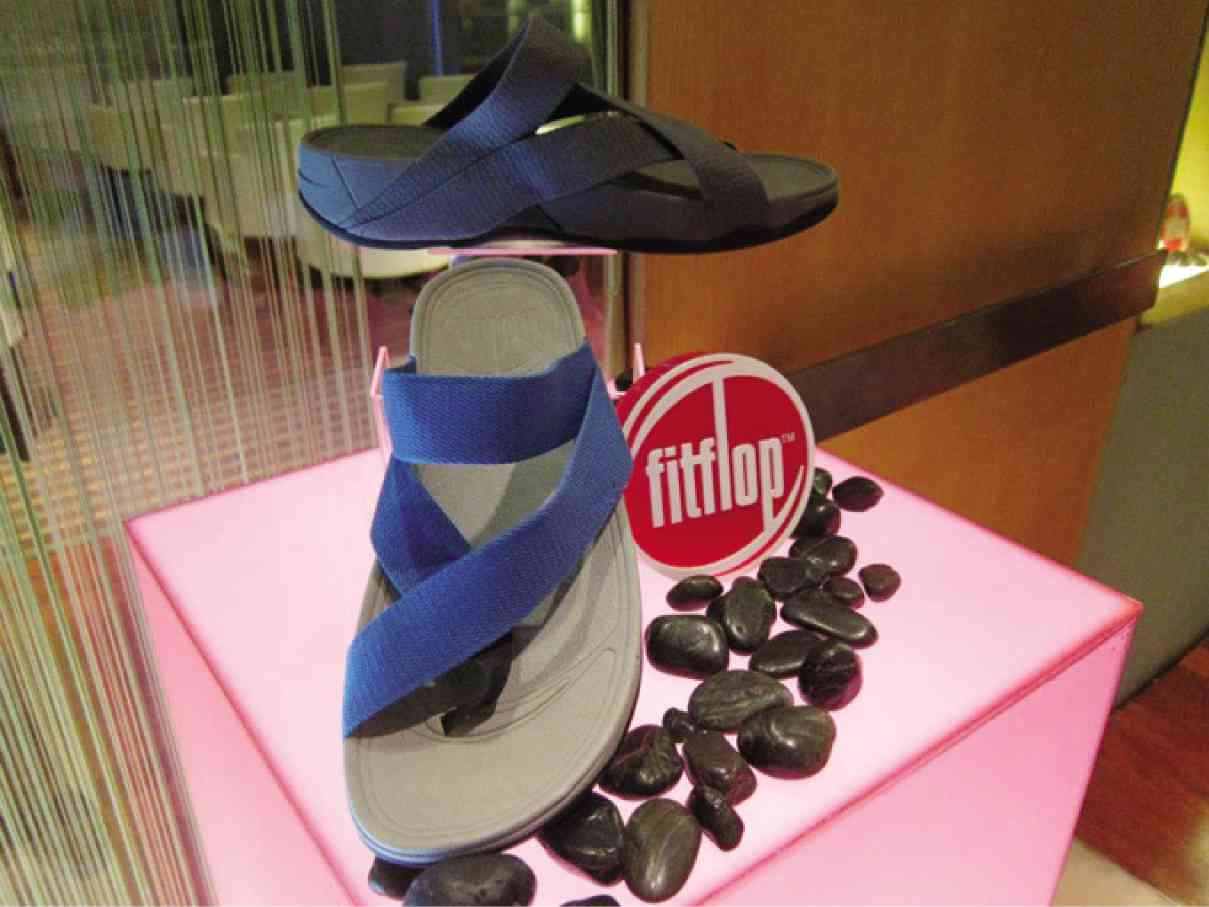
    The Primer Group of Companies, a Philippines lifestyle fashion company, believes sales of FitFlop shoes in Asia-Pacific this year will outpace last year’s with Thailand driving growth.

    Camille Karaan, deputy director and vice-president of Primer International Management Ltd, the operator of FitFlop shops in Asia-Pacific, said despite the Thai economy slowing it would maintain its investment in the Thai market, particularly for exclusive product designs.

    The company started producing exclusive shoe designs for Thailand three years ago, which received a warm response from ASEAN customers, particularly the Shasha collection. About 150,000 pairs of Shasha sandals were sold in Asia-Pacific last year, compared with a record high of 100,000 pairs for its regular collections.

  • New rich drive Vietnam luxury boom

    New rich drive Vietnam luxury boom

    The rapidly rising ranks of Vietnam’s uber-rich are fueling growing demand for luxury goods in the fast-growing economy.

    The number of ultra high net worth individuals (UHNWI) in Vietnam is predicted to double to 300 by 2024, according to the Knight Frank Wealth Report 2015.

    The increase of 159 per cent makes Vietnam the country with the fastest growing population of persons with a net worth of more than US$30 million, followed by another ASEAN member state, Indonesia (132 per cent). Ultra-rich individuals in Asia hold net assets of US$5.9 trillion, now even surpassing North America’s US$5.5 trillion. Furthermore, the report predicts that cities across Asia will see an increase of 91 per cent of UHNWIs in the next decade.

    But not only the uber-rich are on the rise: according to Euromonitor International more than 100,000 Vietnamese in 2013 had a disposable income of more than US$75,000 per year. As in China, the highly affluent in Vietnam are constantly looking for opportunities not only for investing their money, but also to spend it.

    A survey conducted by Nielsen concluded that Vietnam ranks third in the world in terms of fondness for branded goods, only surpassed by China and India. Moreover, 56 per cent of the participants responded that they are willing to pay more for designer products than for less known brands despite same functionality.

    Another study by the Japanese advertising agency Hakuhodo found that female consumers in Ho Chi Minh City are the only customers in Southeast-Asia that preferred design over functionality.

    All that is driving a Vietnam luxury boom, with growth especially prevalent in jewellery, fashion, cars and wine…

    Gold and Jewellery

    Although demand in gold and coins in Q4 of 2014 has dropped 15 per cent to 13.3 tones (amounting for US$514 million) compared to the same period in 2013, Vietnam remains the world’s seventh largest gold consumer. Bullion, historically one of the most inflation-resistant investments allowed people to save and pass these savings on to children and their family. Gold also has a cultural significance in Vietnam: The fifth day of the first month of the lunar year, the so called God of Wealth day traditionally pushes gold prices up in Vietnam and customers queue up in front of stores for hours to have a chance to buy the desired metal, hoping for good fortune all year.

    Recently, the government changed its policy regarding the hoarding of gold bars, issuing a ban on interests on gold deposits when stored in financial institutes and releasing regulations to turn the central bank into the sole importer of gold bars.

    Formerly, many real estate purchases were conducted using gold as a payment method. Listing housing prices in gold was common practice in Vietnam, until in 2011 the State Bank issued a decree imposing fines on advertising goods, services and property in foreign currency or gold.

    Being a country rich in gemstones, especially jade, sapphires and topaz, jewelry is especially popular in Vietnam. In 2014, jewellery worth US$519 million was traded, a decline of eight per cent from 2013, though demand was still higher than in other Asian countries with higher GDP per capita including Thailand and South Korea (US$250 and 382 million, respectively). At this time, licensing restrictions limit joint ventures to manufacture jewellery for export only. The popularity and demand of jewellery, combined with the fact that it has to be imported, is a unique opportunity for foreign investors.

    Fashion

    The market for apparel in Vietnam is predicted to reach US$4.2 billion by 2017, according to Euromonitor International’s forecasts. Among the first high-end fashion brands in Vietnam was the French company Louis Vuitton, and since 1997 many followed: Dior, Burberry, Ermenegildo Zegna, Bulgari, and Hermes, only to name a few. It was a profitable decision: the Hermes boutique in Hanoi, opened in 2008, increased its profits gradually by 20 to 30 per cent each year.

    Salvatore Ferragamo opened up it’s fifth store in Vietnam two years ago. Other luxury brands are operated under a franchise system, such as Loewe, Marc Jacobs, Givenchy and Balenciaga, which monobrand stores are operated by a single partner. There are of course risks involved; the official partner of Gucci was investigated for tax evasion in 2010.

    Cars

    Several luxury car brands have established themselves within Vietnam in the recent years, including Lamborghini, Jaguar, Bentley and Rolls-Royce. Customers benefit from these permanent establishments within the country, since previously they had no other chance than importing them at a costly price through dealers and were forced to pay exorbitant maintenance fees because of the lack of licensed service providers.

    Other manufacturers, who are not new players to the Vietnamese market are reporting positive figures. Mercedes Benz entered the country’s market 20 years ago, and sold 1106 units in the first six months of 2014, marking a 70 per cent increase over the same period in 2013. Earlier this month, Mercedes-Maybach, the relaunched luxury brand from Daimler reported 10 orders for its S600 model, which costs VND9.6 billion (US$451,850). Notably, only 50 units of that model will be produced worldwide in 2015.

    Most affluent customers own more than one car, and due to Vietnam’s heavy traffic and shortage of car parks a lot of them rely on a driver. Customers may care as much about the amenities in the back seats, than technical gadgets on the dashboard.

    Automobile manufacturers will have to face a challenge when inner-ASEAN import tariffs will be cut to zero per cent in 2018. Imported, completely built units from Thailand and Indonesia, where a lot of companies already have established factories will be cheaper than cars partly assembled in Vietnam.

    Wine

    While young Vietnamese obtain more purchasing power, consumption of wine is rising. As of 2012, France held the lion’s share of the Vietnamese wine market at 35 per cent, with it’s biggest contender being Chile, accounting for 20 per cent, followed by Australia, the US and Italy.

    However, Chilean market share is expected to grow over the next years due to the Chile-Vietnam free trade agreement (FTA), that took effect in January 2014. Import tax on Chilean wine has dropped from 56 per cent to 20 per cent and until 2030 will approach zero, similar to the abolition of tariffs on Chilean wine imported to China, earlier this year. The Chile-Vietnam FTA marks the first agreement of its kind for Vietnam with a Latin-American country.

    When importing to Vietnam from a country or territory without an FTA in place, import duty applied to wine with alcoholic strength not exceeding 15 per cent is 50 per cent, and is further taxed with a 10 per cent VAT. Only licensed importers are permitted to import wines into Vietnam. Apart from a few multinationals, most bottles are imported by small businesses, either directly, if licensed, or via regular importing companies on a fee-based basis, usually 2-3 per cent over the total contract value.

    Vietnam leads in Southeast Asian alcohol consumption with around US$3 billion spent on alcohol every year, and the industry still has a lot of room for growth.
  • Korean cosmetics exports boom

    Korean cosmetics exports boom

    Riding “Hallyu”, or the Korean Wave, cosmetics products have developed into strong moneymaking export items as they set records for exports and trade surplus last month.

    According to the Korea Customs Service, the value of Korean cosmetics exports in March was US$277.5 million, the largest amount since the office began tracking monthly statistics by product in January 2000.

    Imports of cosmetics products were US$158.9 million in March, resulting in a US$126.5 million trade surplus – also the largest in history.

    The trade balance for cosmetics products moved into the black last May for the first time and has maintained a surplus for 11 consecutive months.

    Exports of cosmetics products are skyrocketing thanks to Hallyu, with China and Southeast Asian countries increasing their imports of Korean cosmetics.

    By country, Korea sold US$119 million worth of cosmetics products to China, followed by Hong Kong (US$66 million), the US (US$20 million), Taiwan (US$12 million), Japan (US$15.6 million) and Thailand (US$8.4 million).

    If sales to foreign tourists in Korea are included, exports of cosmetics would be much larger than the customs office statistics.

    An industry official said: “As Korean dramas and K-pop gain popularity, Korea’s status is rising and Korean products are popular among foreign customers. Of particular note, Korean cosmetics sales in China are increasing up to 30 per cent annually.”

  • Sa Sa wins investor honours

    Sa Sa wins investor honours

    Beauty products retailer Sa Sa International Holdings has been named “Best Investor Relations Company (Hong Kong)” for the fourth consecutive year by Corporate Governance Asia Magazine at the 5th Asian Excellence Awards.

    And CFO and executive director Dr Guy Look was named “Asia’s Best CFO (IR)”.

    Sa Sa says the awards testify to the recognition from the investment and finance community on the group’s operational strategies, financial performance, investor relations, corporate governance and ethics, as well as corporate social responsibility.

    Look said the company was “deeply honored” to win the dual awards.

    “Sa Sa has always strived to be accountable to our stakeholders and in particular the investment community. We uphold strong corporate governance and incorporate it into our corporate culture and operations. These two awards are definitely a great encouragement to our team.

    “We will continue to make ongoing efforts to improve our investor relations work, and thrive to attain the highest standards in the industry.”

    The IR honour reflects Sa Sa’s “transparent and effective communication with stakeholders through detailed, timely and fair disclosures” while the CFO accolade is given to CFOs in recognition of their ability to lead a team with vision and experience to maintain outstanding financial performances and operational strategies regardless of economic conditions.

  • Thailand’s Mandom seeks 15pc yearly sales growth

    Thailand’s Mandom seeks 15pc yearly sales growth

    Despite the economic slowdown, Mandom Corporation (Thailand), the distributor of Gatsby and Bifesta personal care products from Japan, is set to expand aggressively here in a bid to increase annual sales by 15 percent over the next five years.

    President Tetsuaki Matsuda said Mandom will focus on expanding its Bifesta make-up remover business to serve rising demand this year as Thai women become more conscious of good skincare regimes.

    The make-up remover market was valued at THB501 million in 2013 and increased by 44 percent to THB720 million (USD22m) in 2014. The market value is expected to hit THB1 billion by the end of this year.

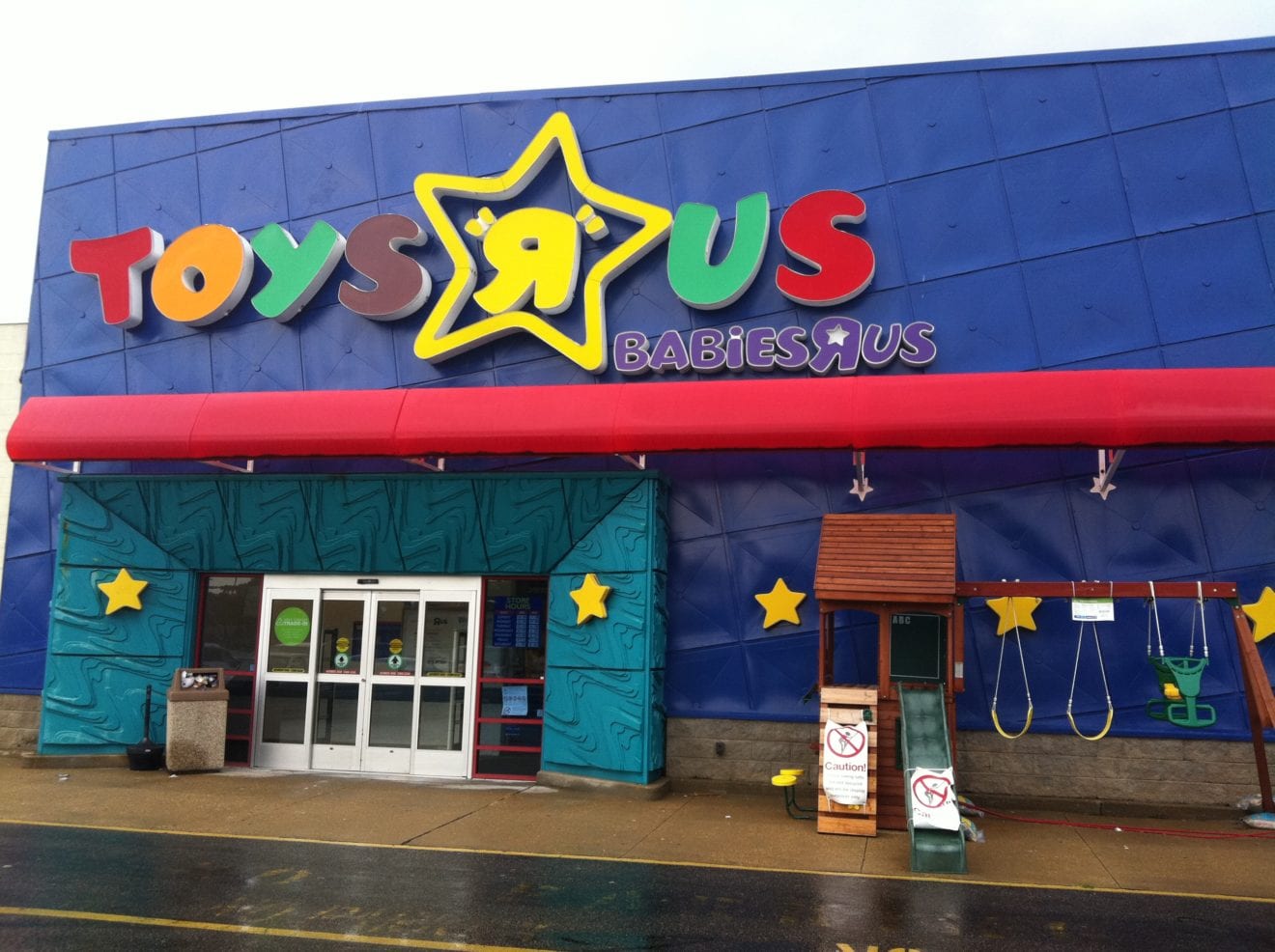
  • Toys “R” Us Australia accumulates USD344m in losses

    Toys “R” Us Australia accumulates USD344m in losses

    Toys “R” Us, the self-described “world’s first toy supermarket”, has racked up accumulated losses of almost AUD450 million (USD343.9m) since arriving in Australia.

    The US-based toy and baby products retailer has operated in Australia for more than two decades. It has more than 30 stores, 11 Babies “R” Us Superstores, online operations and about 1600 employees.

    Researchers IBISWorld said it had lost market power over the past five years, but was the second-biggest player in the AUD850 million toy and game retailing industry.

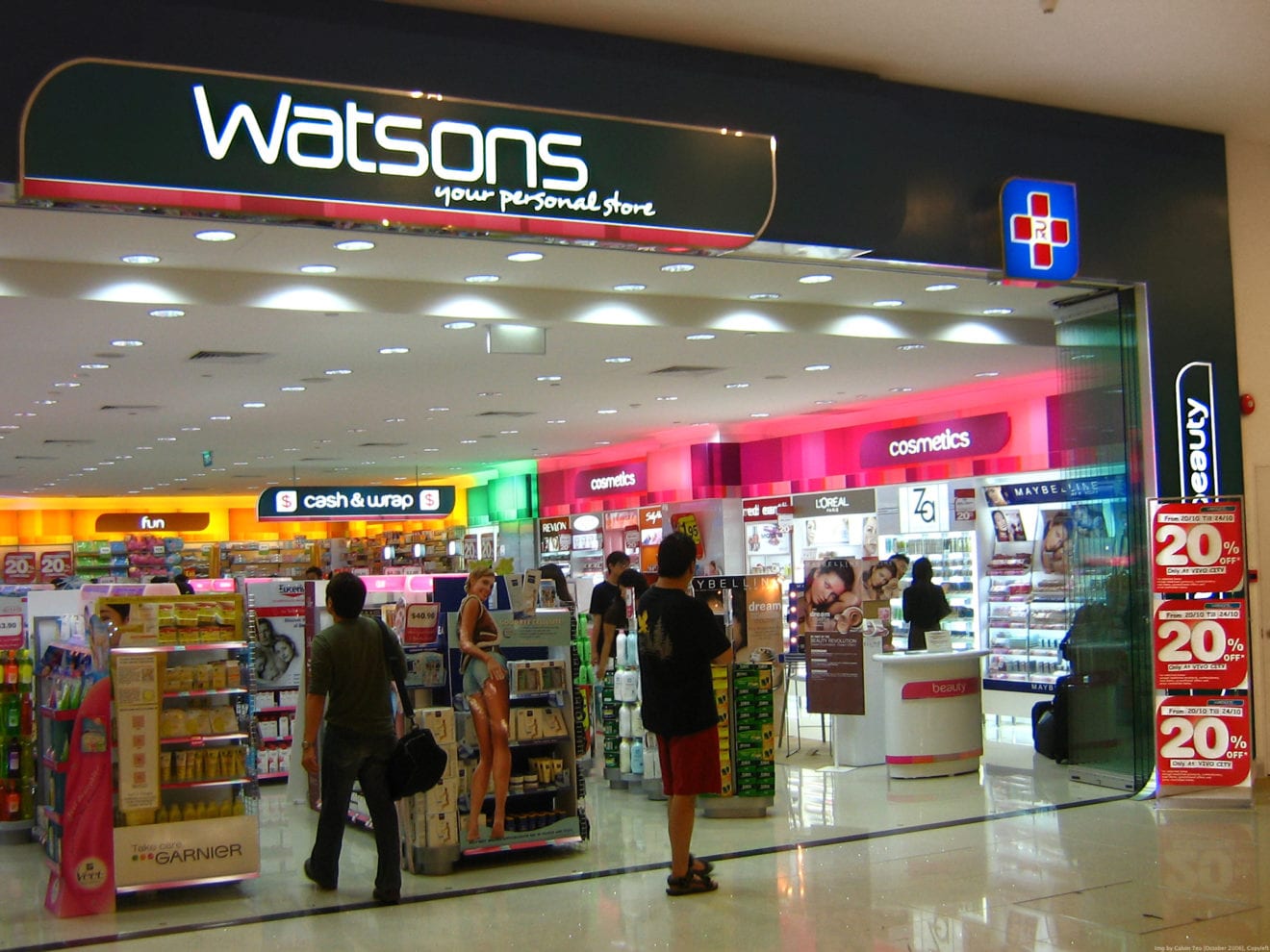
  • AS Watson creates international role

    AS Watson creates international role

    AS Watson has created a new position to build its global health credibility.

    The Hong Kong-headquartered health and beauty retailer has appointed Steve Gray to the new role of international healthcare director with effect from January next year.

    Gray is currently healthcare director of AS Watson Health & Beauty (UK) chain Superdrug. COO Malina Ngai says the appointment reflects “the growing importance of health to AS Watson’s future strategy”.

    “In the past decade when we have aggressively expanded our network from just over 7000 to 11,500 stores today, we have put a lot of focus in building our beauty authority. We are pleased to have established defined strengths in the beauty category across majority of our businesses.

    “As a leading international health and beauty retailer, we see increasing opportunities in health and wellbeing hence decided to step up our focus on health in the total offering to our customers.”

    In his new role, Gray will work closely with Ngai to further build the company’s health strategy and strengthen implementation in its operations, with the objective of accelerating the increase of healthcare sales and margin participation across the group.

    Gray joined Superdrug in 2012 and during the past two years has grown its health business by over 20 per cent, built an online health offer via Online Doctor and led the development of Superdrug’s Wellbeing concept store.

    Before joining AS Watson, Gray was COO at Lloyds Pharmacy’s parent company Celesio.

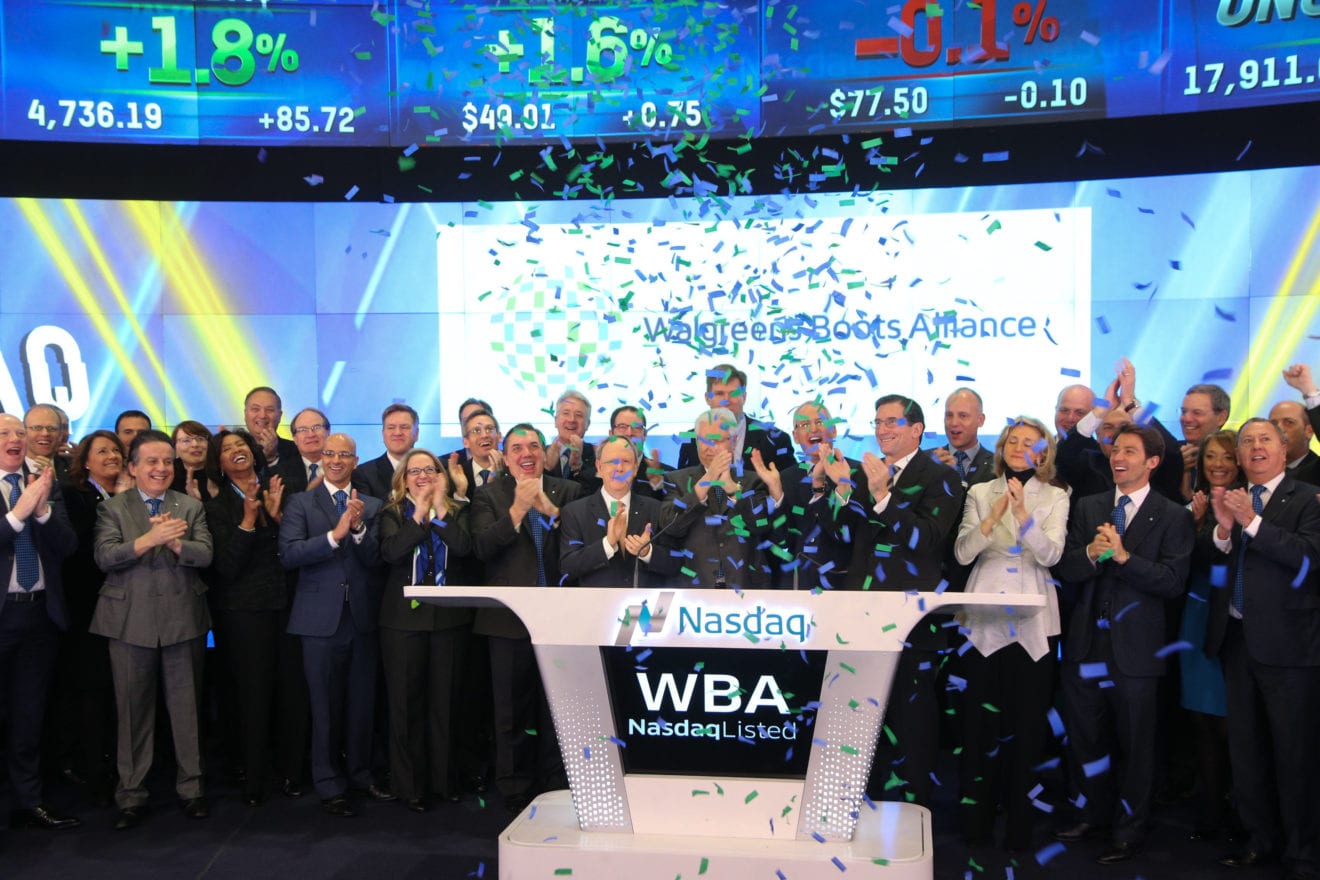
  • Walgreens Boots to close 200 stores

    Walgreens Boots to close 200 stores

    Drugstore giant Walgreens Boots Alliance says it plans to close 200 US Walgreens stores during the next 30 months as it reduces overheads.

    But the 8232-strong network in the US and territories will not be shrinking – the company has promised the same number of new locations will be opened during the same time as it plugs obvious gaps in its network footprint.

    The Chicago Tribune newspaper reports that the locations of the stores facing closure has yet to be confirmed and the company declined any further comment.

    After Boots and Walgreens merged, the new company last August  announced a program to cut US$1 billion in costs. This week it has expanded that target to $1.5 billion by the end of 2017, with plans to streamline its IT functions and reorganise corporate operations.

    Alex Gourlay, executive vice president of Walgreens Boots and president of Walgreen, told an analysts conference call that the store closure and opening plan is about “getting the right stores in the right places”.

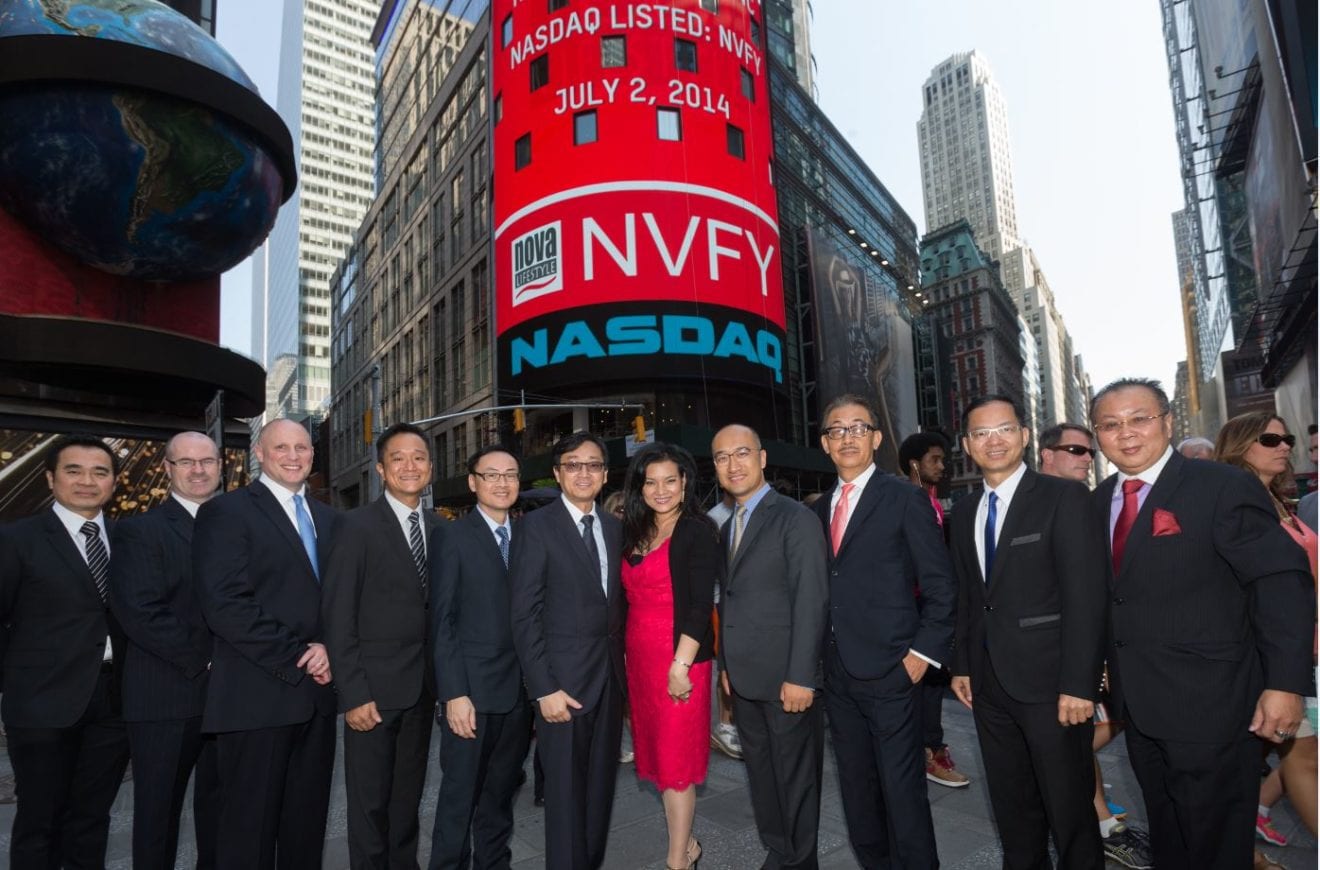
  • Nova LifeStyle boosts China focus

    Nova LifeStyle boosts China focus

    US furniture designer, manufacturer and distributor Nova LifeStyle sees China as a key growth market as it feels a pinch in Europe.

    The company finished 2014 recording a 26 per cent year-on-year increase in net sales to US$98.7 million, with growth was primarily driven by a 46 per cent increase in sales in North America and 14 per cent in Asia Pacific, partially offset by a 20 per cent decline in Europe.

    Its gross profit was $19.4 million, also an increase of 26 per cent. Net income for the California-based, Nasdaq-listed company was $8.6 million.

    In China, overall sales increased by six per cent to $17 million, largely due to the opening of seven new franchised stores in the nation.

    “Throughout 2014, Nova LifeStyle implemented strategic initiatives to expand sales and distribution in China, a key growth market,” the company said in its earnings statement.

    Nova LifeStyle boosted sales on Alibaba’s B2C sites, TMall and JD.com and signed a franchise partnership with the Ablejoy Company of China, to provide Nova products to its 200-strong retail store network.

    Nova LifeStyle initiated shipping to Ablejoy in the third quarter of 2014 and will continue to supply current and future franchise stores. The company also successfully began manufacturing and shipping to Ikea China.

    Sales in other parts of Asia Pacific, including Hong Kong, Australia, and other countries, increased 46 per cent to $5.89 million in 2014.

    The company said it expects the China and US markets to contribute to top-line growth in the year ahead.

    “Sales in Asia increased significantly and we view the supply agreement with Ikea China as a testament to the quality of our products and manufacturing capabilities,” said CEO Jeffrey Wong.

    “We are witnessing the expansion of the retail furniture market in China as the growing middle class, increasing urbanisation and increased consumer spending fuel higher demand for household goods and furniture.

    “Due to our efforts in 2014, we believe that Nova LifeStyle is well positioned to take full advantage of any upturns in the global economy, both in Asia and in the domestic market,” concluded Wong.

    Nova’s products are made in the US, Europe, and Asia and include LifeStyle brands such as Diamond Sofa, Colorful World, Giorgio Mobili, Nova QwiK, and Bright Swallow International.

  • Ikea Korea boosts furniture sector

    Ikea Korea boosts furniture sector

    Before the opening of the first Ikea store in Korea last year, Korean furniture companies were worried about the threat posed by the Swedish behemoth.

    Many industry observers said the impact of Ikea in Korea would be felt across the industry.

    Without a doubt, Ikea has been big hit in Korea over its first 100 days trading According to Ikea Korea, it welcomed 2.2 million customers as of March 18, and local shoppers had signed up for 300,000 “Ikea Family” memberships. Visitors praised the reasonable price tags and practical designs, and most said that they planned to revisit the store.

    However, 100 days after Ikea Korea’s debut, the real winners are Korea’s major furniture makers, who are laughing all the way to the bank thanks to the “Ikea effect”, which has helped them attract more customers.

    Sales at Hanssem, the largest furniture maker in Korea, reached 1.32 trillion won last year, a 31.5 per cent increase over the previous year. Similarly, Hyundai Livart’s revenue increased 15.92 per cent to 643 billion won last year.

    Ironically, their shops near Ikea’s Gwangmyeong store saw increases in customer visits in January and February this year. During this period, the revenue of Livart’s Gwangmyeong branch increased 27 per cent, while Hanssem’s Gwangmyeong store saw a 10 per cent increase in sales over the same period of the previous year.

    An official at Hanssem said: “The sales increase at the store was thanks to Ikea. Seventy per cent of customers visiting our Gwangmyeong branch came from Ikea. Those who could not find what they wanted at Ikea visited our store looking for alternatives. It’s the ‘Ikea attraction.’”

    To cope with the Swedish giant’s low-prices and do-it-yourself marketing power, local furniture makers armed themselves with “high quality and service” as their core competitiveness. Hanssem tried to reduce its production costs through automation and standardisation of parts. In addition, it opened its sixth flagship store, and focused on improving its customer service.

    Livart, Korea’s second largest furniture company, implemented an aggressive marketing strategy aimed at younger generation buyers looking for mid- and low-priced products. It strengthened its online sales channel, broadening its offerings to include kitchen and office furniture.

    At the center of their efforts to increase revenue against the threat of Ikea are free delivery and assembly services.

    Ikea visitors calculate the price of the products, delivery charge and unseen cost of DIY together. For example, Ikea’s Brimnes triple dresser (78cm x 95cm) costs 99,000 won, but a similar sized Hanssem triple dresser (80cm x 73cm) sells for 109,000 won. One can save 10,000 won when buying the Ikea product. However, Ikea customers also need to pay 29,900 won for delivery and 40,000 won for assembly, if they require those services.

    Choi Yang-ha, CEO and vice chairman of Hanssem, said: “Ikea is famous for its reasonable pricing and wide variety of products. However, if customers use its delivery and assembly services, its price competitiveness falls behind Korean competitors. We have our own strategy, offering free delivery and assembly services, and providing products through various distribution channels.”

    However, smaller furniture makers have been left in the cold, as they do not produce products of interest to typical Ikea visitors. As a result, small furniture shop owners have seen their revenue fall 71.8 per cent since Ikea’s Gwangmyeong store opened.

    To support small sized furniture manufacturers, Gyeonggi Province plans to invest a total of 87.5 billion won to raise its competitiveness and to revitalize the furniture industry in the province.