Category: Living

Retail News Asia is committed to providing both local and global retailers with the latest Living news throughout the Asian market. This on a daily base.

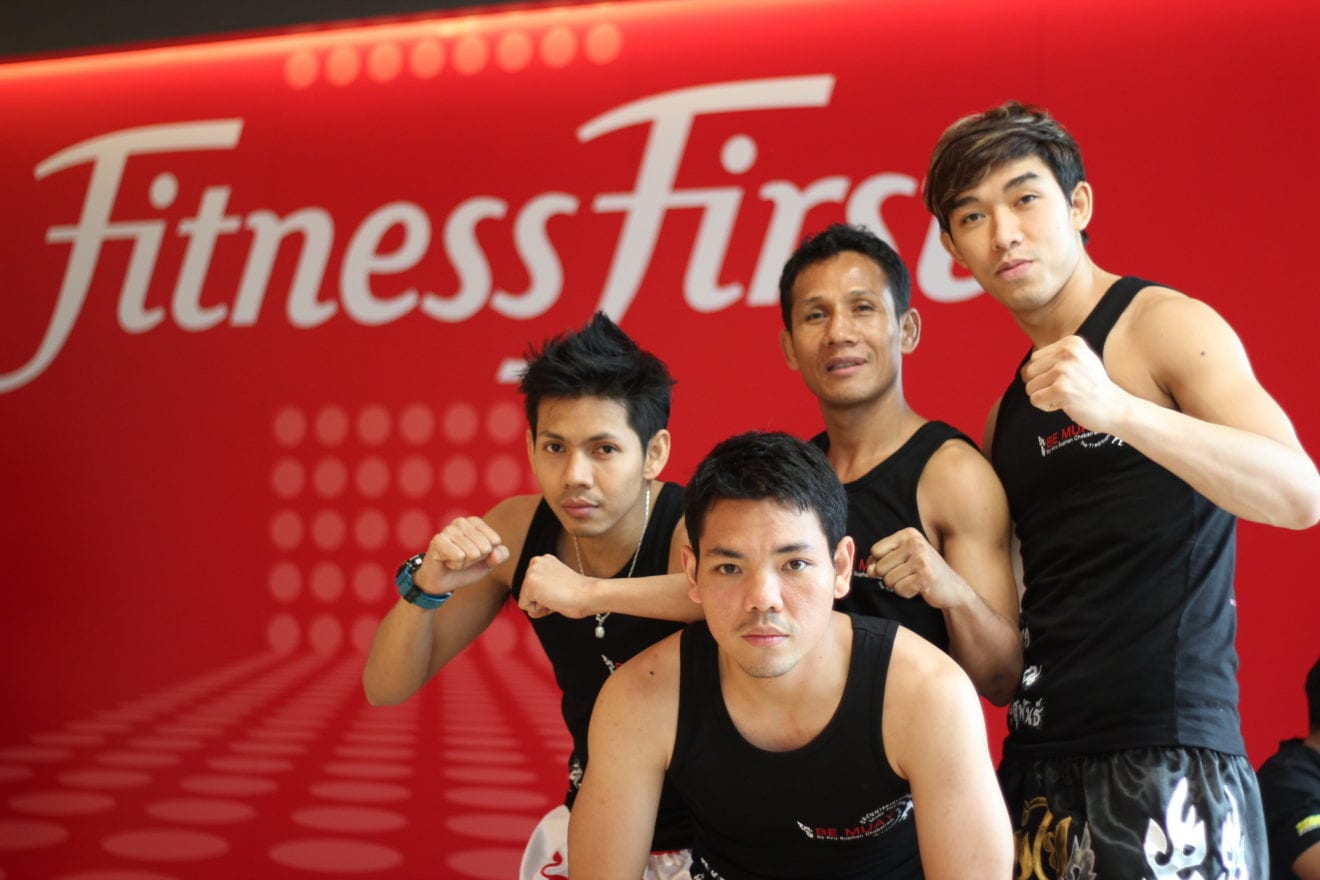
  • Fitness First Thailand to expand

    Fitness First Thailand to expand

    The UK-based chain operates 27 gyms, or ‘fitness clubs’ in Thailand already, part of a broad international network.

    The new gyms will be opened in at Crystal SB mall on Ratchaphruek Rd, AIA Capital Center, CentralPlaza Rama 2 and Crystal Park.

    In an interview with the Bangkok Post newspaper, Fitness First Thailand MD Mark Buchanan said the company would invest 1 billion baht (US$30.8 million) in opening the new stores and in developing a new digital communication tool to improve engagement with its membership base.

    He said the fitness industry was showing positive signs of growth in a subdued Thai economy.

    “Health-related businesses still have huge room to grow, because Thais are more health-conscious,” he said.

    Fitness First Thailand’s turnover grew by about 10 per cent in 2014 and it now has 66,000 members across Thailand.

    The Bangkok Post reports the the Thai fitness industry is worth US$155 million annually, with 200,000 people belonging to 480 gym operators across the nation.

  • Tesco Lotus slashes prices

    Tesco Lotus slashes prices

    The Thai operator of Tesco Lotus hypermarket chain is cutting the prices of essential fresh foods by 10-50 percent for six weeks to revive consumer spending.

    Prices of more than 100 fresh food items including meat, seafood, vegetables, fruit and eggs are being reduced by up to half to help consumers during the difficult economic situation.

    The campaign began on Thursday at Tesco Lotus hypermarkets nationwide and will run for six weeks.

  • First Lush Spa to open in Hong Kong in 4Q15

    First Lush Spa to open in Hong Kong in 4Q15

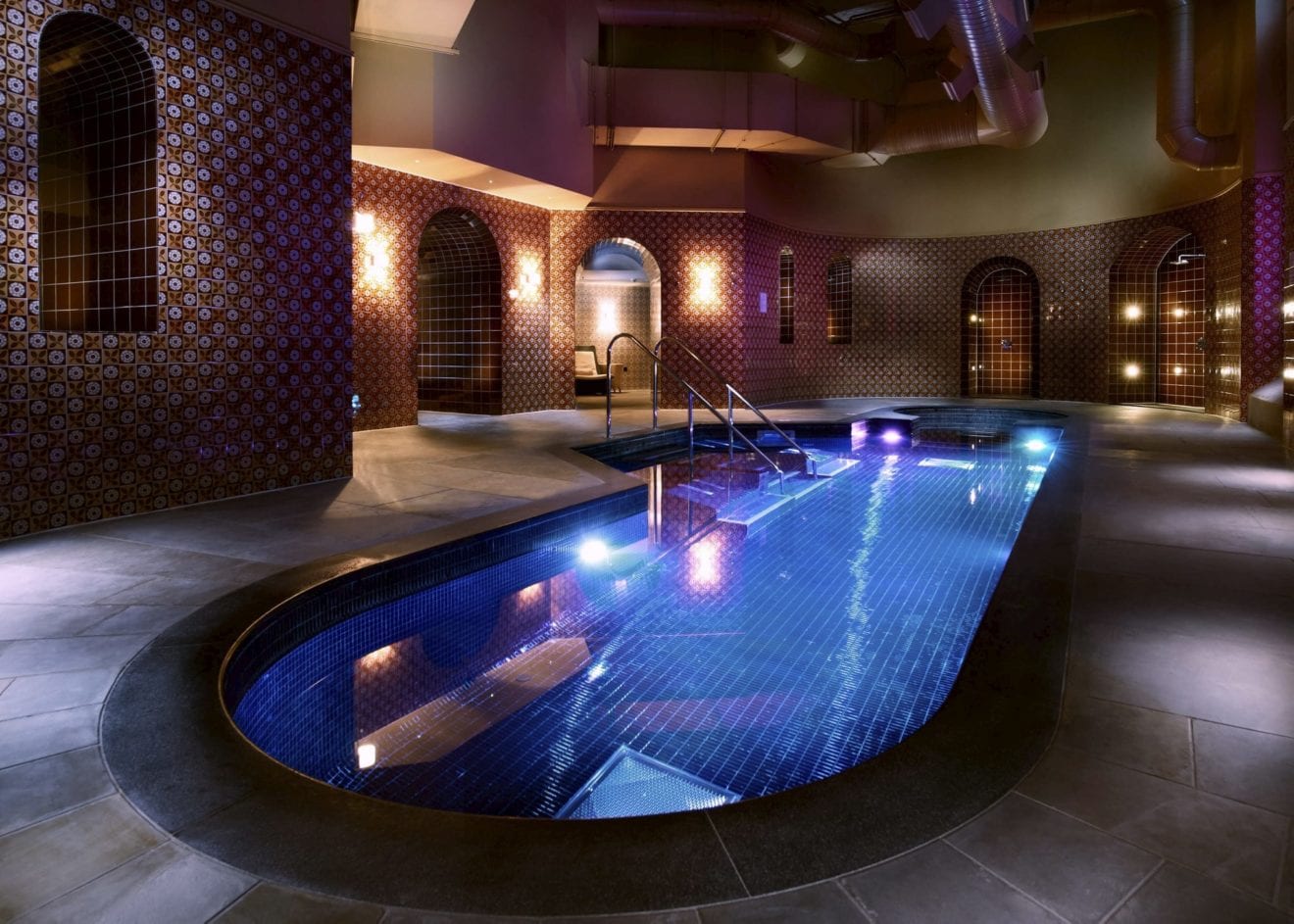
    UK eco-friendly cosmetics company Lush is going to open the first Lush Spa in Hong Kong in the fourth quarter of 2015, the beauty retailer said yesterday.

    Located at Lyndhurst Terrace of Soho Square in Central, the five-storey Lush spa will have a total space of 6,909 square feet, with retail area on the ground floor and the treatment area on the second floor to fourth floor.

    “Hong Kong is a very exciting market for us, one which we have seen rapid growth and year to date LFL of 89 percent. Launching the spa starts another exciting new chapter for us here and offers our customers a unique and luxurious experience,” said Annabelle Baker, Director of Lush Asia Limited.

    Founded in 1995, the UK health and beauty brand places great emphasis on using fresh ingredients to produce handmade beauty products. Lush is the pioneer in advocating environmental protection and operating strict policies against animal testing in the cosmetics industry.

    Hong Kong & Macau have been wholly owned by Lush since the end of 2012. The company currently have seven shops in the two cities. It’s also opening a 10,000 sqf shop on Europe’s busiest shopping area – London’s Oxford Street.

    The company has launched Lush Spa in in the UK, Japan, France, Korea, Brazil and US. Hong Kong will be the third Asian market to have Lush Spa.

  • Shilla Duty Free buys DFASS stake

    Shilla Duty Free buys DFASS stake

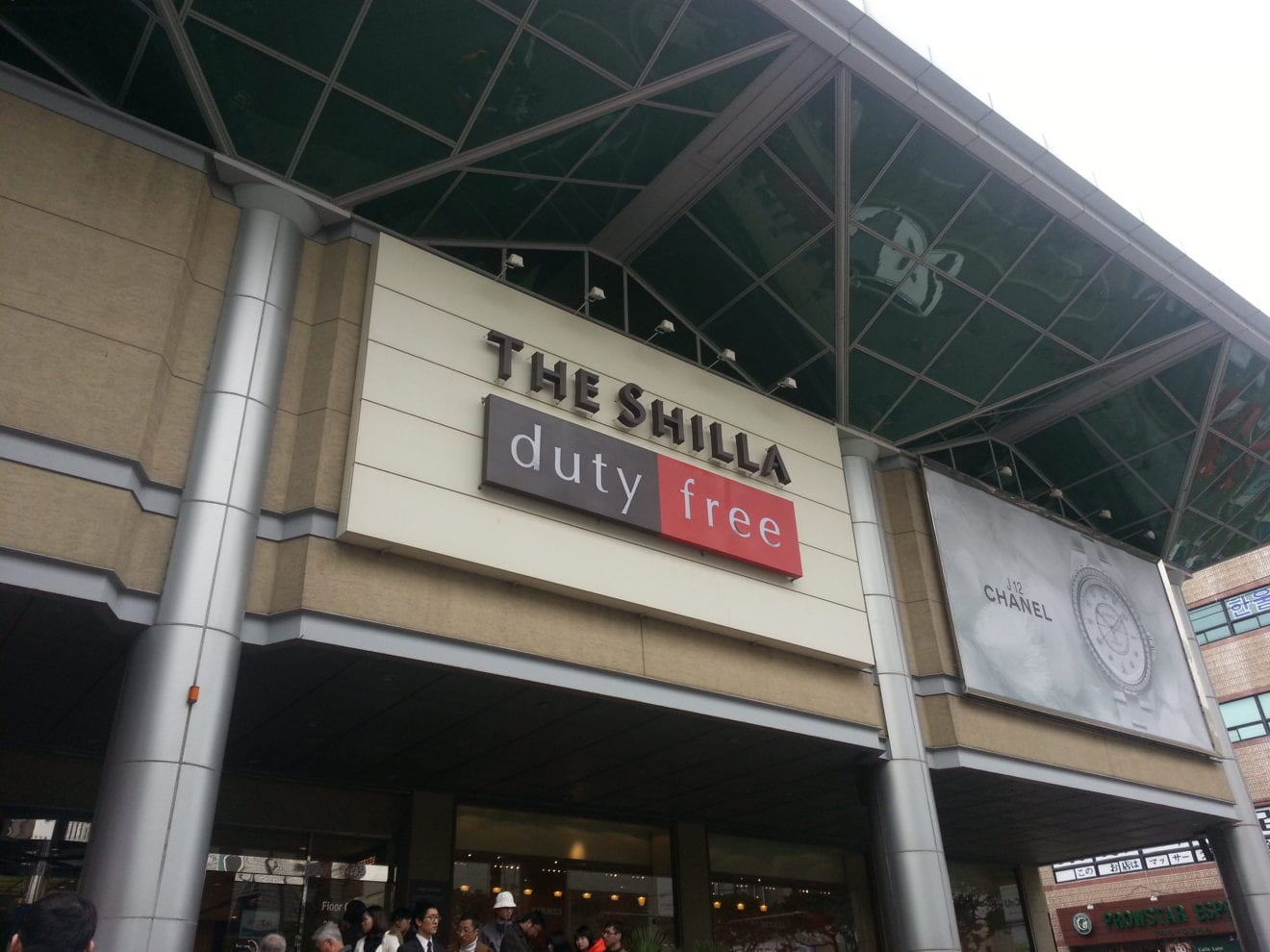
    The Shilla Duty Free will acquire a 44 per cent stake in inflight duty free specialist The DFASS Group for US$105 million.

    And it will hold an option to purchase a further 36 per cent of the equity in five years.

    The Shilla Duty Free, owned by Hotel Shilla, in a turn a subsidiary of Samsung Group, has spent months negotiating terms for an equity stake in the business.

    The Shilla Duty Free is the world’s eighth largest duty free retail group, according to data from The Moodie Report, while DFASS is ranked 20th and supplies some 30 airlines with onboard duty free stocks and 35 retail stores.

    In a statement the two companies said they had agreed to “enter into a broad strategic partnership to become a global leader in travel retail”.

    “Shilla will acquire a 44 per cent stake in DFASS and collaborate to develop new and existing duty free concessions, expand inflight concession services and strengthen distribution agreements with brand owners.

    “The acquisition allows Shilla to significantly expand its global footprint and capabilities in the United States, Latin America, the Caribbean, Africa, the Middle East and Southeast Asia, as well as diversifying its business to include master distributor agreements.”

    They believe the partnership will offer a strong platform to jointly develop new concessions and to expand existing ones. Key functions across those concessions would be integrated to achieve operational efficiencies.

    Shilla President and CEO Boojin Lee said the investment is consistent with the company’s strategy of profitable growth and diversification of the duty free business, the largest segment of Shilla’s business.

    “The strategic partnership will enable both companies to diversify the value chain through business collaboration and generate synergies to enhance overall revenue and profitability.

    “The alliance will also strengthen each company’s concession portfolio, inflight retail business, airport retail and distribution agreements with brand owners. We are excited about the partnership that will lead to greater opportunities, especially on the back of the recent concession extension at Incheon Airport.”

  • Zen retail: China’s new boom category

    Zen retail: China’s new boom category

    The unprecedented growth in the number of Buddhists on the Chinese mainland over the last 30 years has spurred strong demand for related merchandise.

    With China’s Buddhist population traditionally concentrated in the southern regions, the country’s first sizeable International Buddhist Items and Crafts Fair was held in the southeastern coastal city of Xiamen in 2006. Spurred by this initial success and, more importantly, by the continued growth in the number of the country’s Buddhists, several similar exhibitions have since been held across the country, reports the Hong Kong Trade Development Council.

    The first edition of the Xiamen fair attracted many exhibitors from neighbouring Taiwan, including Tso Chin-yung, a representative of Kuan Hong, a Taiwanese religious arts company, which is a regular exhibitor at the event. The inaugural fair was held in a 6000 sqm venue and attracted nearly 200 exhibitors. Today, the Xiamen fair has become the bellwether of the Buddhist merchandise industry, as well as the preferred specialist platform for the mainland market. It now claims to be the world’s leading Buddhist merchandise marketplace.

    At the ninth edition, held last autumn, the exhibition covered 90,000 sqm, featured 5000 international-standard booths, and attracted nearly 1000 exhibitors from 11 countries and regions – including Taiwan, Hong Kong, Malaysia, Japan and South Korea.

    The event also drew more than 200,000 local and overseas visitors, as well as several buying missions. Other Buddhist-themed exhibitions have since been held in other parts of the country, including major fairs in Guangzhou, Wuhan, Nanjing, Hangzhou, Jinan, Qingdao and Dalian in 2014.

    Perhaps most significantly, Beijing hosted its first such event last December. The China (Beijing) International Buddhist Items and Supplies Expo, staged with the approval of the China Council for the Promotion of International Trade and organised by the China Council for the Promotion of Buddhist Culture, was seen as marking national recognition for the sector. It also underscored demand for Buddhist items expanding well beyond the southern regions.

    An HKTDC Research visit to the inaugural Beijing event saw first-hand the scale of the fair. Covering 30,000 sqm of exhibition space and attracting some 500 exhibitors, the event showcased a variety of Buddhist statues, prayer beads, books, incense and vegetarian menus, musical instruments, Buddhist attire and decorative items, as well as temple construction and interior design equipment.

    Kuan Hong’s Mr Tso attended this event, along with about 20 other Taiwanese companies, which occupied about 50 exhibition stands. According to Tso, the trade mission included many key players in Taiwan’s Buddhism merchandise industry, many of whom have since established mainland affiliates.

    Tso, who launched his temple construction projects in China in 1992, believes religious and economic development in society tends to be mutually supportive. A weak economy, he said, leads people to focus only on immediate material needs. With China experiencing exponential economic growth, he sees people’s spiritual pursuits becoming more diversified and widespread, inevitably resulting in increased demand for religious items.

    Despite a history dating back some 2000 years, the last 30 years has seen the fastest growth in the number of Buddhists on the mainland. About 18 per cent of China’s population now claims to be followers of the religion – some 185 million people. Among those identifying themselves as non-Buddhists, 31 per cent accept at least one tenet of the religion or have participated in a Buddhist religious activity.

    Chen Yanni, founder of the Liu Wei Zen (“Six Flavour Zen”) brand of Buddhist merchandise, believes that China’s Buddhist population – and its associated industries – has experienced “explosive” growth over the past three years. Citing Beijing’s famous Lama temple, Yonghegong, as an example, Chen says its visitor level has grown by about 20 per cent a year. She estimates China’s Buddhist merchandise industry is worth more than Rmb100 billion.

    Seeing the size of this potential market, Chen founded Blooming Lotus, a cultural and arts development company, to produce high-end Buddhist merchandise. The Liu Wei Zen series, for instance, has been designed to correlate with the six sensors associated with Buddhism; namely the eyes, ears, nose, tongue, body and mind. Her company’s products range from books and paintings, Zen music and incense, to Zen tea, attire and Buddhist journals.Despite the high demand for Buddhist items on the mainland, she said that most products are still targeted at the low-end of the market. She now hopes to develop high-end Buddhist brands, something she sees as the future market trend in China.

    One Nepalese exhibitor also sees potential in the higher end of the market. Selling Buddhist items in China for more than two decades, the exhibitor last year sold US$1 million worth of glazed Buddha statues and Thang-ka canvas paintings to mainland buyers. He now believes Chinese consumers have higher expectations of product quality, while also having greater faith in Nepalese products than domestically-made items.

    This concern over the lack of quality associated with domestically-produced Buddhist items was echoed by Master Xuan Lin from Changchun. Speaking to HKTDC Research, he said that mainland items tend to be of poor quality, especially those manufactured in northern China.

    According to Master Xuan, items from Taiwan and Japan are well-received among mainland Buddhists. Despite this, many of the higher quality items are not widely available on the mainland, with the sales channels still relatively undeveloped.
  • Ikea Malaysia confirms new store

    Ikea Malaysia confirms new store

    Ikea Malaysia is finally to open its second store – nearly 20 years after the Swedish brand debuted in the country.

    The new store will be 20 per cent larger than the existing outlet in Mutiara Damansara and is scheduled to open by December.

    Ikea Malaysia opened its first store at 1 Utama Shopping Mall in 1996. After seven years it moved to its own standalone location at nearby Damansara which, when it opened, was the largest Ikea in Asia.

    “We are excited to confirm that the Ikea store in Cheras, Kuala Lumpur, is set to open by the end of 2015, located at Jalan Cochran,” said Mike King, retail director

    of Ikea Malaysia, Singapore and Thailand.

    “The opening of Ikea Cheras is part of our overall expansion plan across southeast Asia in order to make Swedish home furnishings that are affordable, well-designed, functional and good quality available to everyone.”

    King said construction has already begun and the company is starting to focus on the interior fittings and operational setup of the store.

    Ikea in Malaysia, Thailand and Singapore is operated by Ikano Pte Ltd.

  • Levi’s saved 1 billion litres of water through sustainability initiatives

    Levi’s saved 1 billion litres of water through sustainability initiatives

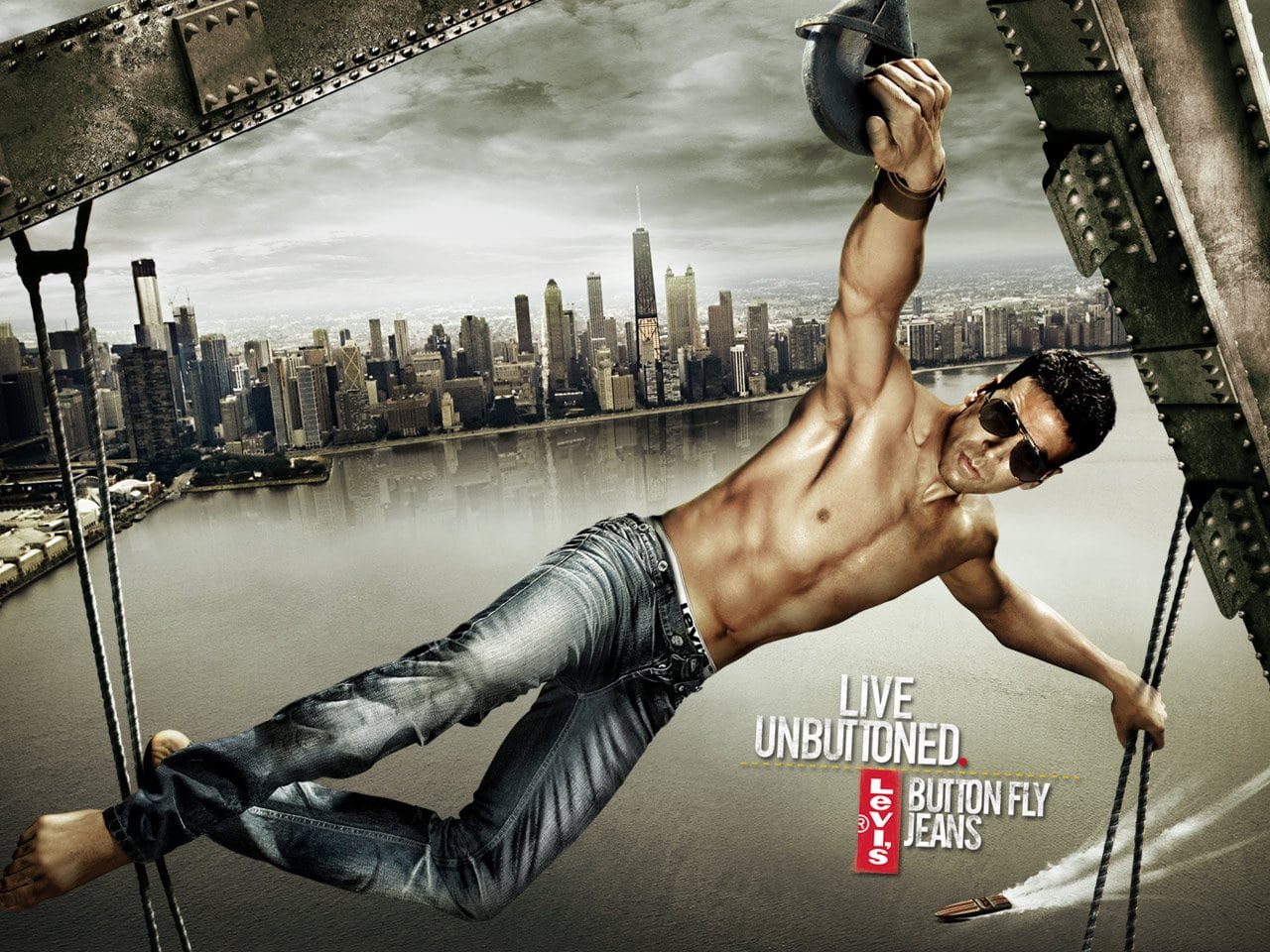
    Levi Strauss & Co (Levi’s) has saved 1 billion litres of water since 2011 through its Water<Less process, which reduces the water used in garment finishing by up to 96 percent, the clothing company said on Wednesday.

    It has also released an update on it 2007 study that examined the environmental impact of Levi’s products – Product Lifecycle Assessment (LCA). The new study analysed the complete product lifecycle, probing deeper into the environmental impacts of cotton in key growing regions, apparel production and distribution in a range of locations, and consumer washing and drying habits in key markets.

    The study shows that of the nearly 3,800 litres of water used throughout the lifetime of a pair of jeans, cotton cultivation (68 percent) and consumer use (23 percent) continue to have the most significant impact on water consumption. Consumer care is also responsible for the most significant energy use and climate impact, representing 37 percent of the 33.4 kilograms of carbon dioxide emitted during the lifecycle of a jean. The new LCA expands on previous research to better understand the impact of cotton cultivation and includes data from the world’s primary cotton producing countries, including the United States, China, Brazil, India, Pakistan and Australia. It also analyses consumer care data from new markets, including China, France and the United Kingdom, to understand the costs and benefits of differences in washing habits.

    To reduce the impact of cotton consumption, Levi’s is working with the Better Cotton Initiative (BCI) to train farmers to grow cotton using less water. Based on the latest BCI harvest data available, in 2013, cotton farmers in China reduced their water use by 23 percent compared with farmers who were not using BCI techniques. Levi’s plans to continue working with its global suppliers with the goal of sourcing approximately 75 percent Better Cotton by 2020, up from 6 percent today.

    The denim company will also continue to work toward using less water during manufacturing by expanding the Water<Less process to include more Levi’s products, such as tops. By 2020, the Levi’s brand aims to make 80 percent of its products using Water<Less techniques, up from nearly 25 percent today.

    The new LCA also reveals that Americans use more water and energy to wash their jeans than consumers in China, France and the UK It shows that consumers in China wear their jeans, on average, four times before tossing them into the wash – and if American consumers did this, they could reduce the water and climate change impact from washing their jeans by 50 percent.

    “It’s time to rethink autopilot behaviours like washing your jeans after every wear because in many cases it’s simply not necessary,” said Chip Bergh, CEO and president of Levi’s. “Our LCA findings have pushed us as a company to rethink how we make our jeans, and we’re proud that our water stewardship actions to date have saved 1 billion litres of water. By engaging and educating consumers, we can fundamentally change the environmental impact of apparel and, ideally, how consumers think about the clothes they wear every day.”

  • FamilyMart in talks to buy Cocostore

    FamilyMart in talks to buy Cocostore

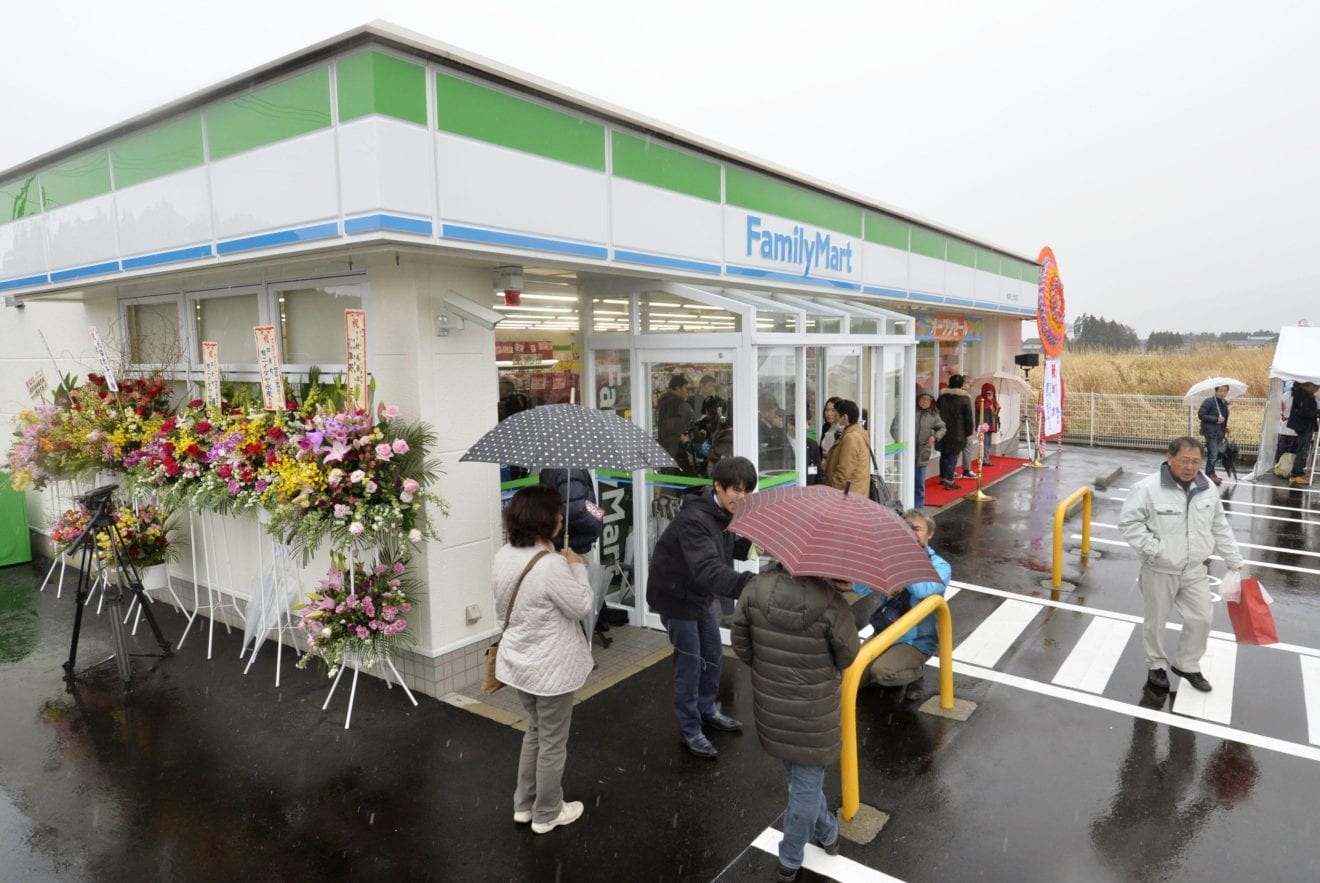
    FamilyMart Co. is in talks to buy Cocostore Corp., which operates convenience stores in central and western Japan, sources familiar with the matter said on Friday.

    FamilyMart, Japan’s third largest convenience store chain, recently announced it is negotiating with the smaller rival operating Circle K Sunkus stores, Uny Group Holdings Co., in an attempt to obtain the number two position behind industry leader Seven-Eleven Japan Co.

    If the integration is realized, FamilyMart’s acquisition of Cocostore will add momentum to moves toward the reorganization of the domestic convenience store industry.

  • Muji moves on Sydney

    Muji moves on Sydney

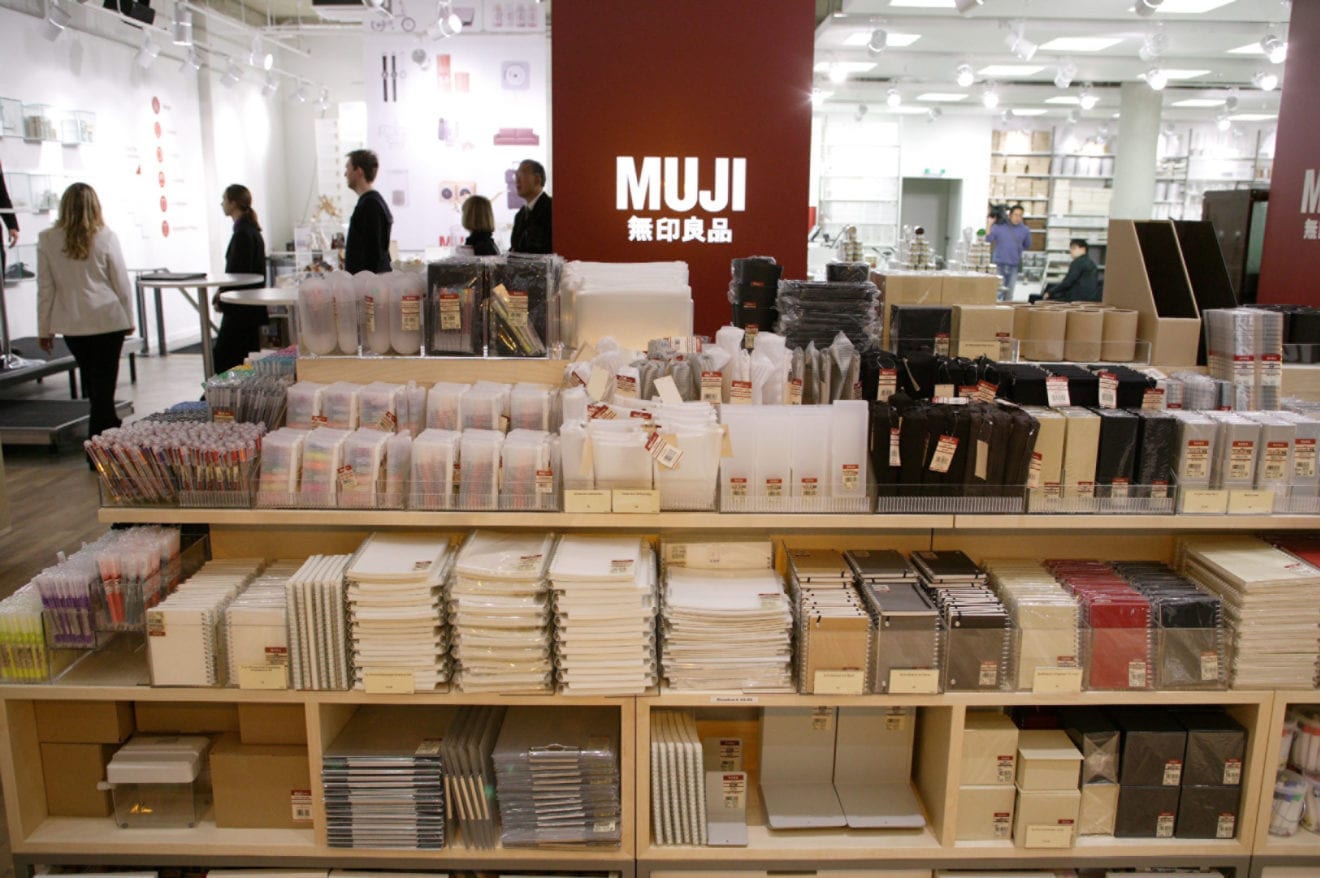
    Japanese lifestyle retailer, Muji, has confirmed it will open its first store in Sydney.

    This will be the third Australian store for Muji, adding to its two locations at Chadstone shopping centre and Emporium in Melbourne.

    Retail News understands the store will be located at The Galeries shopping centre in Sydney’s CBD, replacing the former Freedom site, and will open by May.

    Dubbed “Japan’s answer to Ikea”, Muji stocks a range of categories from men’s, women’s, and children’s apparel and accessories; furniture and homewares; skincare products; stationery; and travel goods.

    The retailer is owned by Tokyo-based company, Ryohin Keikaku, and has more than 600 stores, including more than 200 international stores in Britain, France, the US, China, Taiwan, Thailand, Germany, Sweden, and Italy.

    Muji first launched in 1980 with a range of nine household products and 31 foods. Today, it sells more than 5000 products in Japan.

  • Spotlight Malaysia opens second store

    Spotlight Malaysia opens second store

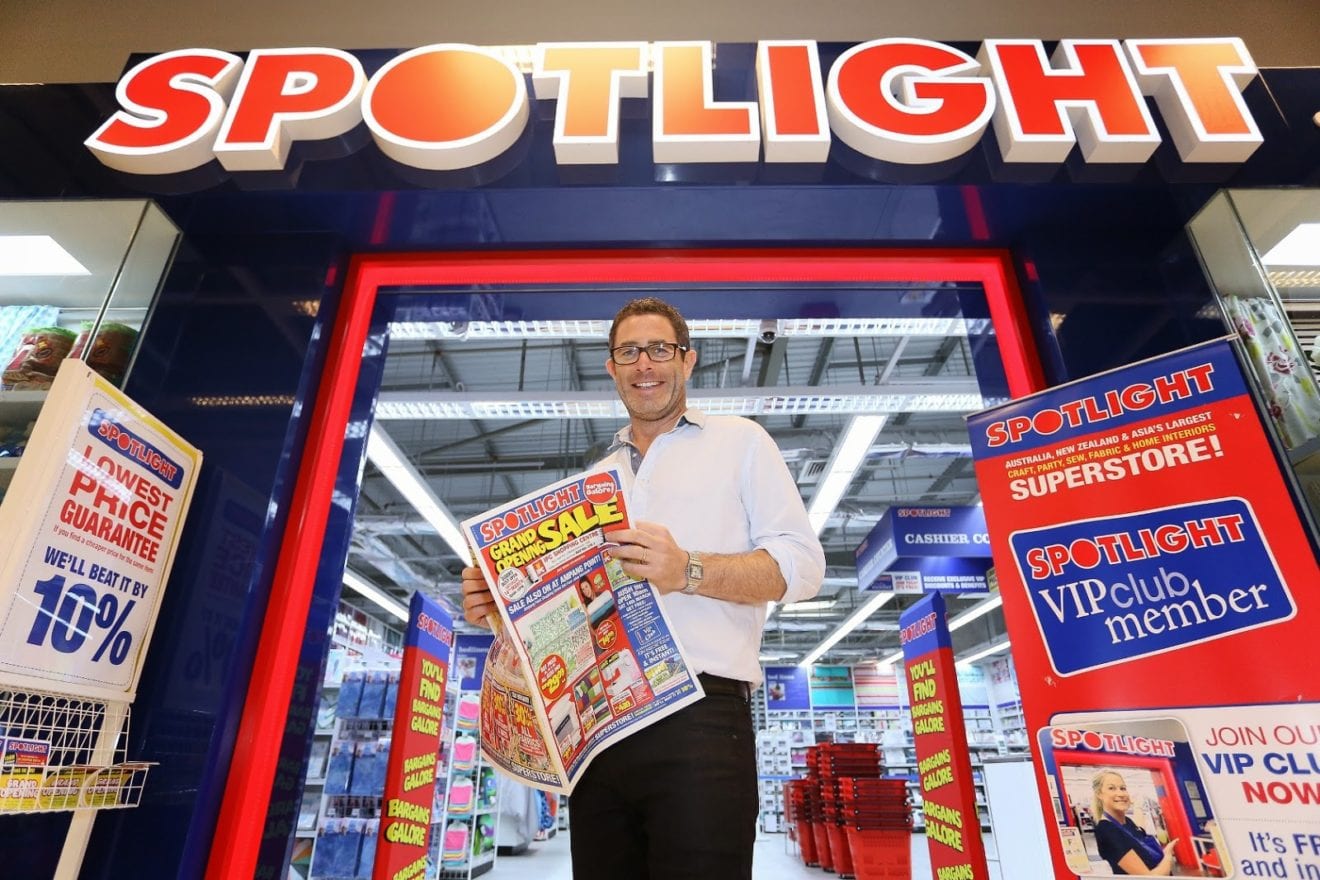
    Australian fabric, craft, party and home and living superstore Spotlight has opened its second store in Malaysia.

    The new stores is in the IPC Shopping Centre, Mutiara Damansara in Petaling Jaya, near Kuala Lumpur. It follows one in Ampang Point, Kuala Lumpur, which opened last July.

    Spotlight Malaysia 7-315.

    The store offers 2000sqm of retail space, and stocks 70,000 products in six categories: home furnishings and decor, bedding, dress and fashion fabrics, crafts, hobby and party essentials.

    Spotlight Malaysia 315

    Spotlight GM Juno Gelfand said the expansion to the IPC mall was part of Spotlight’s philosophy “to be able to offer more neighbourhoods the largest possible choice of fashionable and affordable products”.

    Spotlight Malaysia 6-315.

    “We know too well the inconvenience of searching far and wide, running from store to store just to find that one (or more) beautiful decor piece.

    Spotlight Malaysia 4- 315.

    “Here, with all-time popular home essentials and seasonal selections of products for every room of the house available under one roof, we are certain that sprucing up the home will be less stressful and hassle-free,” he said.

    Spotlight Malaysia 3- 315.

    Spotlight Malaysia 2- 315.

    “Think of it as a pit-stop whenever you are preparing for a party, breathing new life into your home interiors, or pursuing your hobbies.”

    Spotlight Malaysia 5- 315.Spotlight Malaysia 1 - 315.

    Spotlight is targeting home decorators, dressmakers, hobbyists and DIY enthusiasts as well as party organisers.

  • Tag Heuer latest luxury brand to tweak prices on forex

    Tag Heuer latest luxury brand to tweak prices on forex

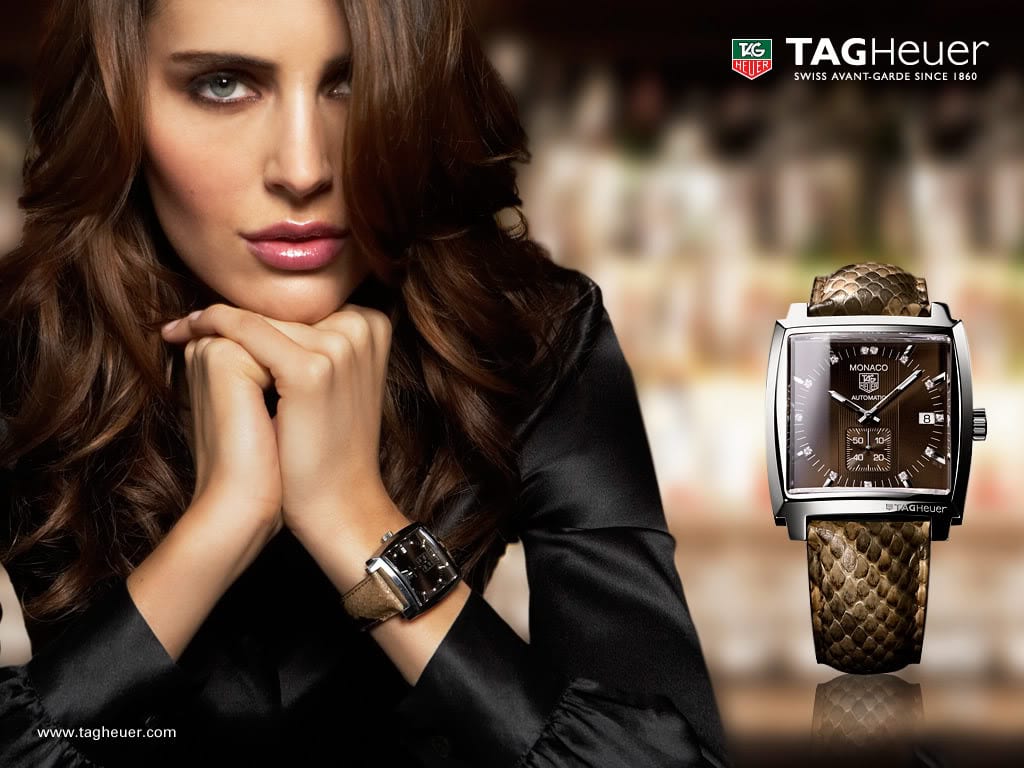
    Tag Heuer, French luxury group LVMH’s biggest watch brand, said on Wednesday it planned to freeze prices in some markets while it cuts them elsewhere in a move to balance out the impacts of the recent jump in the Swiss franc.

    Prices will drop an average 8 per cent in Switzerland, China, the United States, the Caribbean, and Central and South America, 7 per cent in the UK and 13 per cent in Hong Kong, but Tag Heuer said it would not raise prices in the eurozone, Japan or Singapore.

    “Tag Heuer is seizing the opportunity of the recent appreciation of the Swiss franc to rebalance its international price policy,” it said in a statement.

    The news follows a decision by French fashion house Chanel this week to hike prices in Europe and cut them in Asia to counter the euro’s decline and discourage customers from buying fakes, while Swiss family-owned watch brand Patek Philippe was reported to have already made similar moves.

    The Swiss National Bank’s surprise decision two months ago to abandon its longstanding 1.20 Swiss franc per euro cap caused the currency to surge to 0.86 per euro. The franc is currently trading at 1.064 per euro.

    The euro has lost almost a quarter of its value against the dollar in the last 12 months, meanwhile, including 12 per cent since the start of this year.

    “While price harmonisation is easier said than done and forex volatility tends to make things quite complicated, we believe the era of global, unique pricing in the industry is not that far-fetched nor that far away,” HSBC luxury analysts wrote. “Chanel and Patek are showing the way.”

    The analysts said they did not expect many other brands to increase prices significantly short-term in Europe “as there is a risk of alienating what little is left of local European consumer interest”.

    However, they expected most moves to come in Asia, “with likely further brands trimming in Hong Kong and in mainland China, but also likely increasing prices in Tokyo”.

    Patek Philippe did not immediately respond to an email seeking comment.

  • Singapore: world’s most expensive city

    Singapore: world’s most expensive city

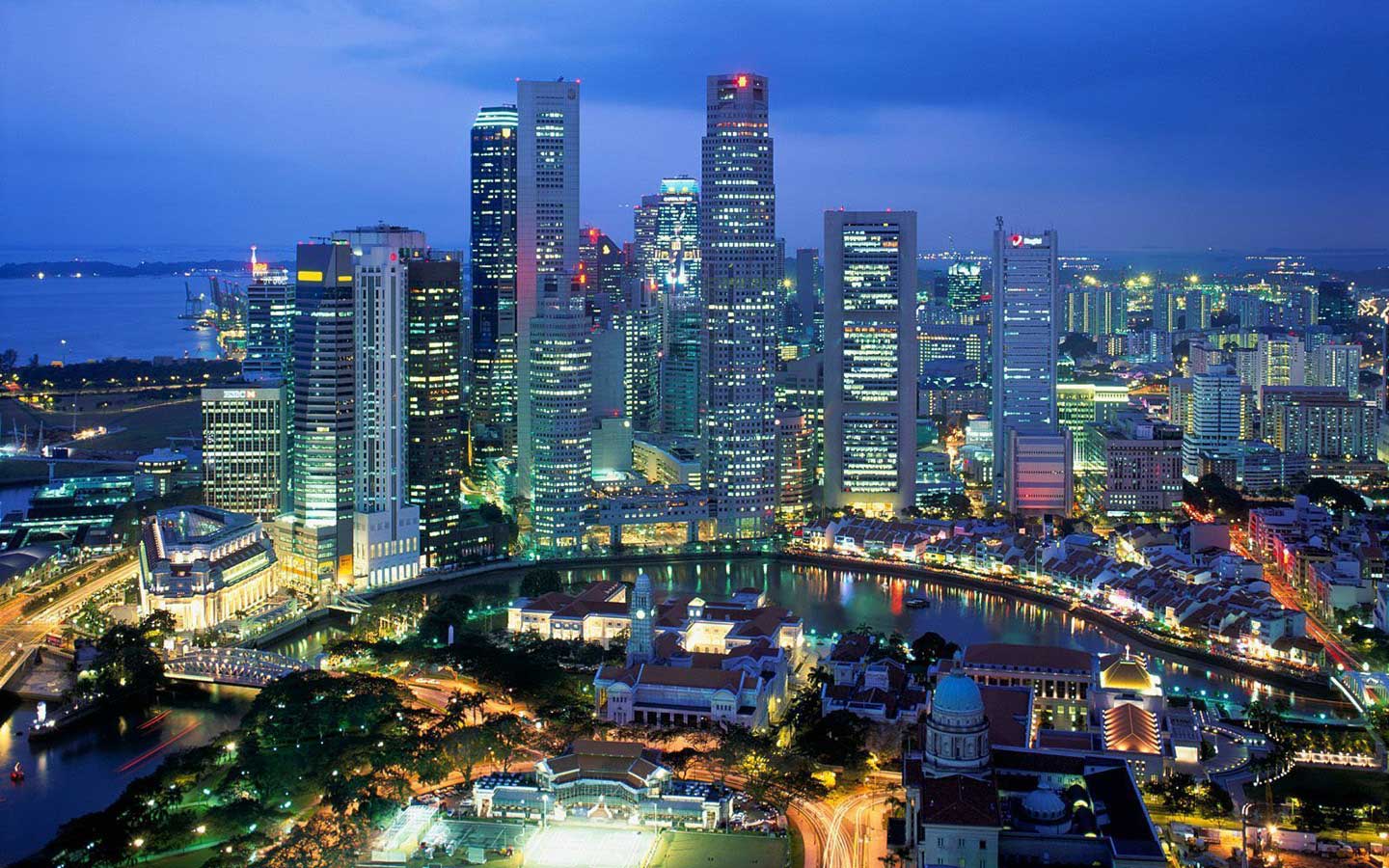
    Singapore has again been ranked the world’s most expensive city to live in, and now the only Asian city in the top five.

    The rankings are contained within The Economist Intelligence Unit’s Worldwide Cost of Living Survey, a relocation tool that compares the cost of living between 133 cities worldwide using New York as a base city.

    Singapore leads for the second year running, the unchanged top five made up by Paris, Oslo, Zurich and Sydney.

    But The EIU says that despite topping the ranking, Singapore still offers relative value in some categories. For basic groceries, Singapore is only 11 per cent more expensive than New York, but it is the joint most expensive place in the world alongside Seoul to buy clothes.

    The malls of Orchard Rd offer a price premium more than 50 per cent higher than New York.

    Most significantly, Singapore’s complex Certificate of Entitlement system makes car prices excessive, with Singaporean and transport costs almost three times higher than in New York.

    Tokyo, which was replaced as the world’s most expensive city only last year, has fallen to 11th place as low inflation and a weak Yen take their toll. Seoul is rising quickly up the rankings: 50th five years ago, it has now made the top 10.

    Karachi in Pakistan and Bangalore in India offer the best value for money. Indian cities make up four of the six cheapest. Structurally low wages and price subsidies on some staples have made for a highly price sensitive market and it seems that falling oil prices will add further weight to this.

    “The situation of an unchanged top five is very rare for the Worldwide Cost of Living Survey and disguises some significant global drivers that are impacting the cost of living everywhere,” said Jon Copestake, chief retail & consumer goods analyst at EIU and editor of the report.

    “In fact, a look at the data six months ago would have shown a different top five, and things are changing quickly, especially with the fall in oil prices. Rebasing the survey to today’s exchange rates would put Zurich top, highlighting how fluid the global cost of living has become.”

  • Mega Home looks to borders in Thailand

    Mega Home looks to borders in Thailand

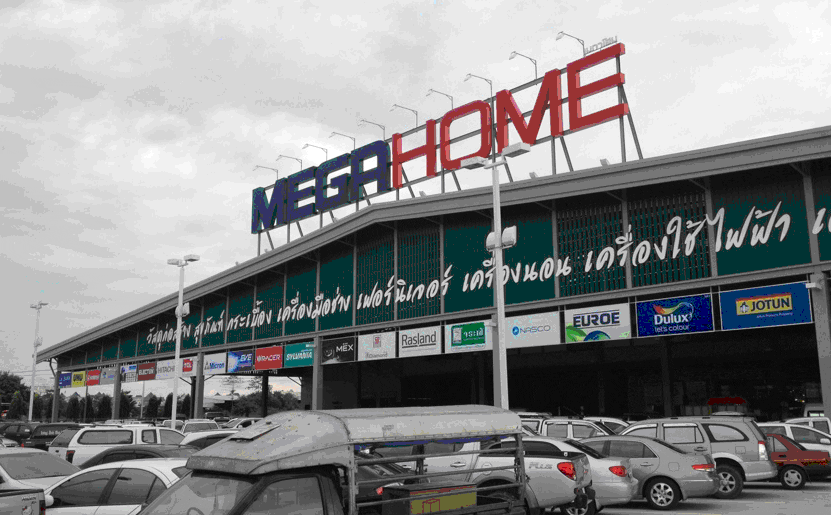
    Thailand’s Mega Home Center Co, the chain seller of home and construction materials, is keen to expand its branches in border provinces to cash in on flourishing border trade and special economic zone activity.

    Supornsri Naktanasukanjn, the company’s chief operating officer, said it aims to open 20 branches by 2018, including four this year with an investment cost of THB400-500 million (USD12.3-15.4 million) per location.

    Founded in late 2013, Mega Home operates four stores in Pathum Thani’s Rangsit, Tak, Nong Khai and Chon Buri. A fifth store in Prachin Buri’s Kabin Buri is scheduled to open in May. New stores in Min Buri, Bangkok and Sa Kaeo’s Aranyaprathet will open in August and October, respectively. The eighth store is being planned.

  • Kate Spade plans furniture future

    Kate Spade plans furniture future

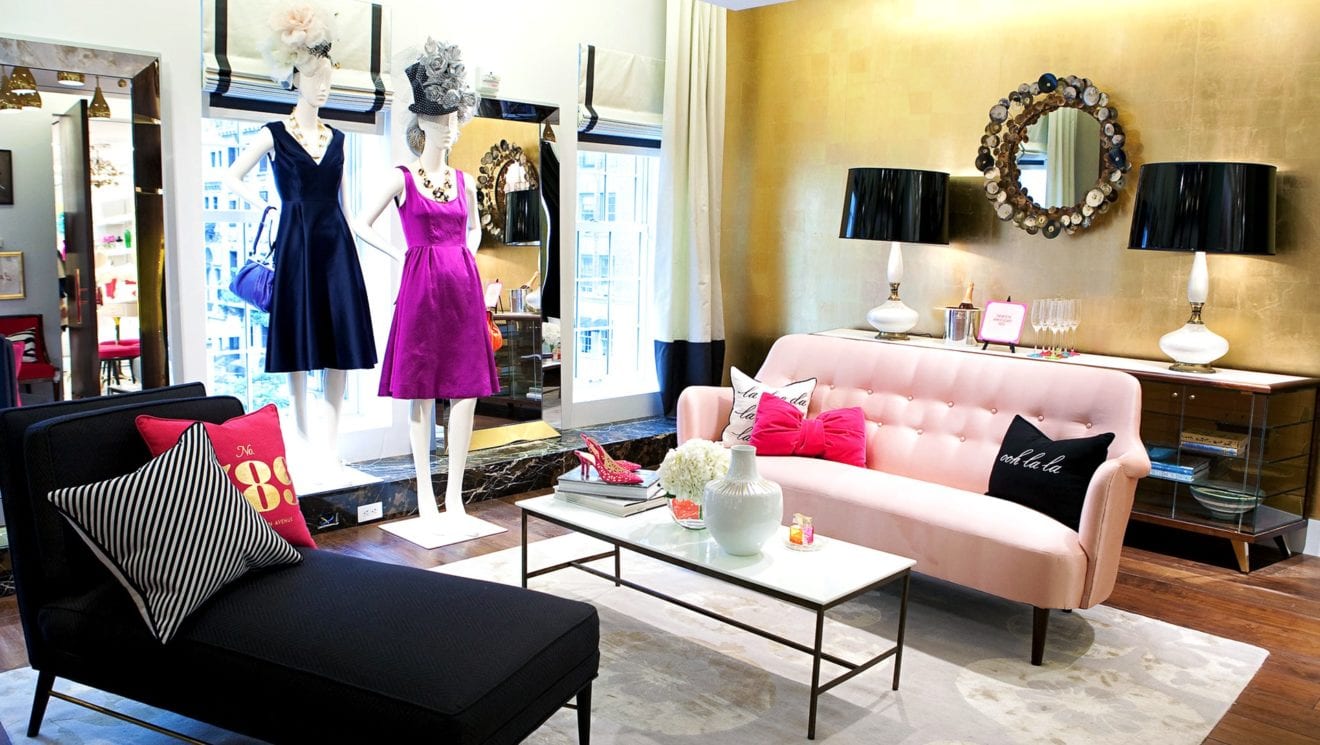
    The luxury apparel retailer has announced four new licensing agreements – for bedding, bath, wallpaper, rugs, furniture and household items, according to a report on Bloomberg.

    In the first year, Kate Spade aims to sell US$100 million to US$150 million worth of the new lines, representing a fraction of its total turnover. But if it makes target in the year it will encourage a broader international rollout of the new categories, and further expansion of the range.

    “The breadth of our home décor line will feature products at all access points in both pricing and distribution from an $8 notebook to an $8000 piece of furniture,” Kate Spade CEO Craig Leavitt said.

    Bloomberg opines the move would make Kate Spade more like Ralph Lauren, and differentiate it from other fashion rivals like Coach, Michael Kors and Tory Burch “which don’t sell couches”.

  • Xerjoff perfume makes Singapore debut

    Xerjoff perfume makes Singapore debut

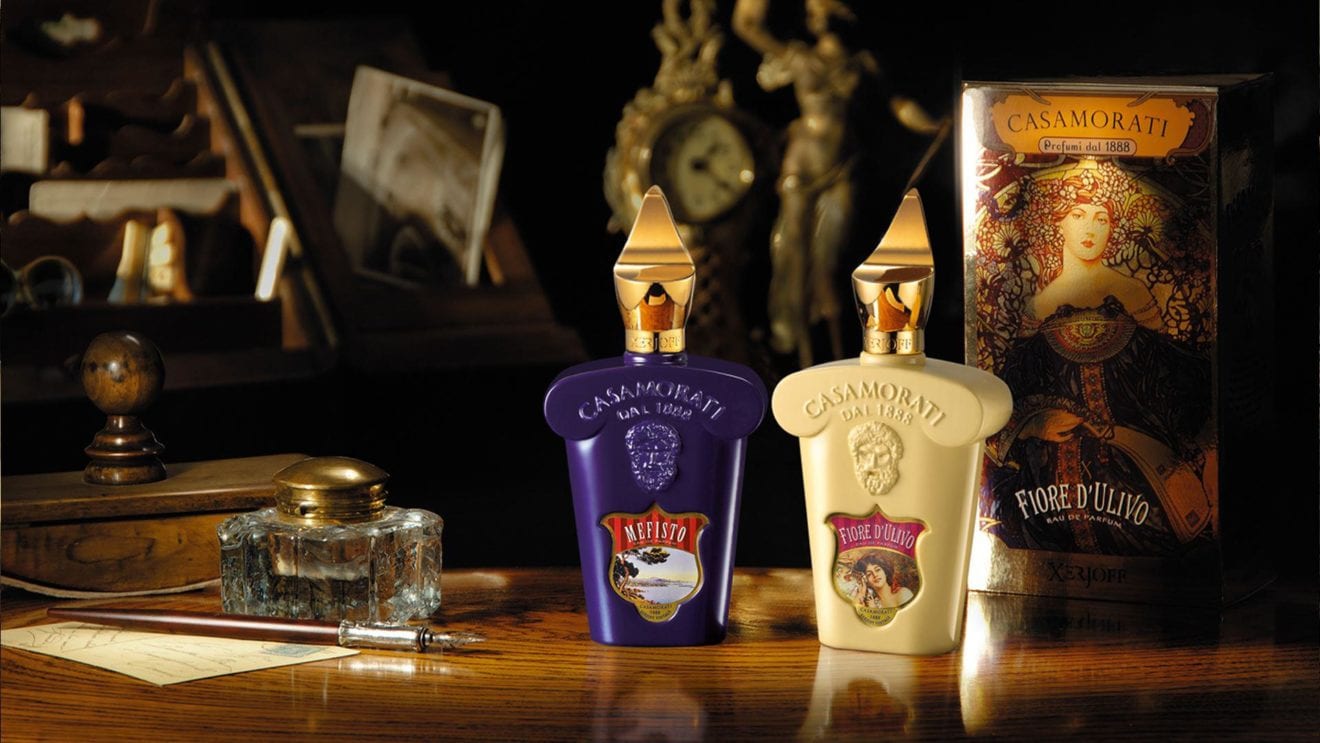
    Luxury Italian perfume brand Xerjoff has made its southeast Asian debut at Fragrance Du Bois’ Singapore flagship boutique in the Fullerton Hotel.

    Founded in 2004, the Turin-based Xerjoff perfume house is expanding its worldwide presence.

    “We are thrilled to be in Singapore to showcase our finest and exclusive perfumes under Fragrance Du Bois,” said Sergio Momo, Xerjoff’s founder and creative director.

    “I believe Fragrance Du Bois shares important principles with Xerjoff in the universe of artistic perfumery. It is extremely important for Xerjoff to be represented by dedicated partners who can introduce and support the philosophy of our brand.

    “Additionally, Singapore is one of the trendiest fashion capitals in the world, and we believe this will be a gateway for many opportunities in the region.”

    Fragrance Du Bois -315

    Nicola Parker, brand director of Fragrance Du Bois, said Singapore is only the first stop.

    “Xerjoff will be available in all our flagship boutiques, outlets and fragrance lounges around the word in the coming weeks. We pride ourselves in giving all our customers a luxury experience in fragrance, each and every time they walk into our boutiques or lounges.

    “This partnership with Xerjoff will further enhance that experience.”

    At the heart of the Xerjoff brand and all of its creations, is a combination of traditional perfumery (dating back hundreds of years), and modern, handcrafted bottles. Sergio Momo’s inspiration is derived from his Italian roots, and his dedication to a time-honoured craft has led to the formulation of some of the most memorable and original fragrances currently on the market. Momo’s empathy and understanding of the natural world has also played a part in the overall aesthetic, with a combination of precious and semi-precious hand cut stones, quartz, Murano glass, wood, brass, bronze, gold and leather, taking roles in the succession of masterpieces.

    Fragrance Du Bois 315

    Working with Fragrance Du Bois, Xerjoff has dedicated two collections to the mystical and enigmatic Oud oil – both presented in beautifully crafted crystal bottles. Sourced from Laos, Indonesia, Thailand, India and Cambodia, the Oud-inspired creations are capturing the imaginations of fragrance enthusiasts worldwide.

    A selection of Xerjoff’s luxury fragrances will also be available in Du Bois’ second flagship boutique in Kuala Lumpur, Malaysia, within a matter of weeks.

    Fragrance Du Bois has exclusive fragrance lounges in Dubai, Hong Kong, Thailand, Malaysia and Singapore.