Category: Living

Retail News Asia is committed to providing both local and global retailers with the latest Living news throughout the Asian market. This on a daily base.

  • 361 Degrees turnaround

    361 Degrees turnaround

    Chinese sports brand 361 Degrees International has defied China’s sportswear glut and posted a nine per cent increase in sales and a 105.6 per cent increase in profit for 2014.

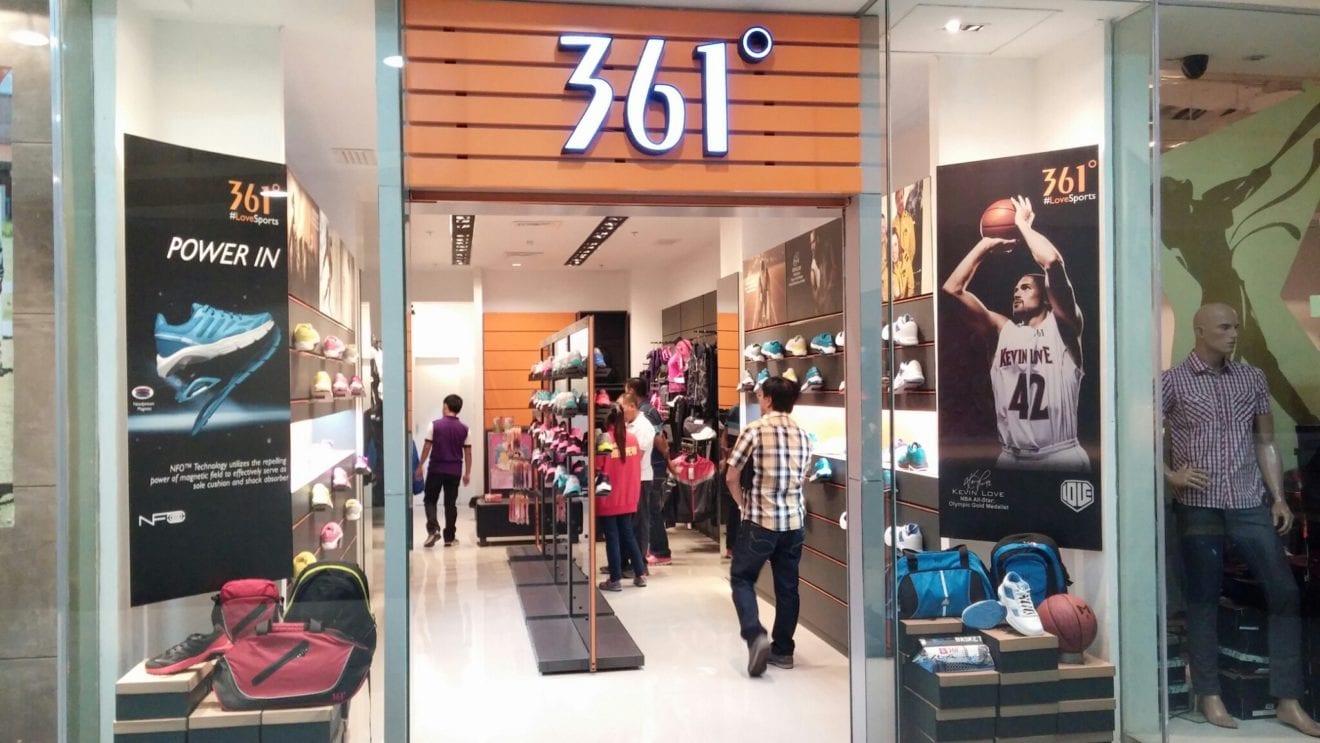
    361 Degrees is one of the leading sports brand enterprises in China, designing, manufacturing, distributing and retailing footwear, apparel, accessories and equipment for sport and leisure through 7319 franchised stores and authorised distributors across China.

    Group turnover was subdued because the bulk of orders were taken in the previous year when the prevailing sentiment remained weak in the face of the industry’s inventory glut.. The company said the rise in operating profit was primarily due to a fully justifiable write-back in impairment provision as a result of a vastly-improved control on trade debtors, “and a generally well-balanced oversight on most of the key operational issues”.

    “There was a general improvement in volumes for all the product groups and despite a reduction in wholesale prices which became effective in the year, average selling prices were on an upward trend. This augurs well for the future as product differentiation and price segmentation become increasingly important in what is still a highly competitive industry.”

    Gross profit margin improved by 140 basis points to 40.9 per cent, as the group juggled between in-house production and OEM sourcing for the best results and higher productivity in the in-house apparel unit also contributing.

    “As there is still an over-capacity in the OEM manufacturing sector, there are good reasons to believe that this level of profitability can still be maintained in the foreseeable future,” the company said.

    The company’s 361° Kids unit reported a 20.7 per cent increase in revenue, buoyed by an improvement in both volume and average selling prices, as it sets a new benchmark in the industry with the launch of ‘Smart’ shoes.

    Over the last three years when the industry has been in the doldrums with the overhang of inventories resulting in severe discounting, the Group has quietly implemented a rack subsidy scheme to help retailers improve the store image and shopping experience. In 2014, the Group accelerated on this promotion, bringing a further 2125 stores into full compliance with the latest corporate and operational standards, which resulted in a charge of RMB214.1 million, up 25.6 per cent from the previous year.

    The company achieved a substantial improvement in credit control: as at December 31, over 62 per cent of the trade debtors are within 90 days (2013: 49 per cent) with none over 180 days (2013: RMB192 million).

    Almost all of the 7319 franchised stores are now re-fitted with a new rack display merchandising system and many of these stores operate as 3-in-1 outlets, offering the full complement of the group’s lines: 361° Sport, 361° Kids and Innofashion, the group’s casual sub-brand.

    “Foot traffic has reportedly been much better in such stores and with the adjustment in the product pricing mechanism, many retailers could now operate profitably.”

    Looking forwards, the group said it is confident that despite a slowing economy in China, the fundamentals of the sportswear industry have never been better, “particularly as the Central Government is resolute in its reforms to encourage a fitter and healthier society and to drive domestic consumption as an engine for sustainable growth”.

    “With a strong order book on hand for 2015, and a good pipeline of value-for-money products, the board is confident of another strong year of earnings.”

  • Ikea drives Hero Indonesia outlook

    Ikea drives Hero Indonesia outlook

    Hero Indonesia, the supermarket and healthcare retailer, is looking to Ikea to boost its fortunes after a disappointing 2014.

    The retailer, 81.9 per cent owned by Hong Hong based Dairy Farm International, has reported a 14 per cent increase in net revenue and nine per cent increase in gross profit. But weak like-for-like sales in the core supermarkets division delivered an “underlying operating loss” of 12 billion IDR (US$925,181) and an “underlying profit” of IDR20 billion ($1.542 million).

    “Challenging conditions are expected to continue in the food business in 2015, although action is being taken to address weaknesses and improve profitability,” President director Stephane Deutsch said in a statement.

    “Nevertheless, the successful opening of the first Ikea store (in October at Alam Sutera) and the continuing profitable development of Guardian provides reason to remain cautiously optimistic about the trading outlook for the year ahead.”

    He said, despite the challenges in the food sector, Hero Indonesia’s health and beauty business experienced good growth with 22 additional stores opening, and early trading results from Ikea were “very encouraging”.

    Group overheads were higher, with electricity increases and a rise in the minimum wage negatively impacting on the business, together with a large store network.

    Deutsch said like-for-like sales in the food business were weak, particularly in the Giant Ekspres operations, and new stores did not perform as well as expected.

    “In the food operations, there is an increased focus on fresh produce and market share continues to improve. Action is also being taken to improve the supply chain with additional distribution centres enabling increased centralisation, rather than having suppliers delivering direct to the stores,” he said.

    The Giant Ekstra hypermarket operation delivered above market like-for-like sales growth which enabled it to absorb the increase in operating costs and maintain its profitability. Giant Ekspres, the supermarket banner, faced a challenging year. Disappointing like-for-like sales, higher utilities costs and minimum wages led to a material deterioration of the profitability of its operations. The upscale format, Hero Supermarket, continues to focus on improving its offer across the fresh, imported and exclusive ranges to provide a more distinctive choice and grow customer appeal.

    “Starmart’s increased focus on Ready-to-Eat has had a positive impact on sales in the stores where this offering has been introduced. A store portfolio optimisation program was launched to address loss making stores, with the closure of 30 stores to improve the overall profitability of the banner. A detailed review of this business is currently being undertaken.”

    Hero’s Guardian store expansion program is progressing well alongside the rollout of a fresh brand look, said Stephane.

    “A dedicated distribution centre was opened to support its supply chain. In addition, a strategic partnership is under trial with a local pharmacy operator, Melawai Pharmacy, in Jakarta to combine their local pharmacy strengths with the broader health and beauty offering of Guardian.”

    Meanwhile, the new Ikea store attracted more than 75,000 customers per month since opening. “The contribution from IKEA to PT Hero’s full-year result was affected by the limited trading period and pre-opening expenses, but this business is expected to contribute positively in 2015.”

    The company is continuing to invest in the supply chain infrastructure, including distribution centres and IT systems, to provide the support necessary to deliver a superior customer offer and to provide a compelling shopping experience for customers.

    Hero opened 22 net new stores in 2014, including four Giant Ekstras, seven Hero Supermarkets and Giant Ekspres, 33 Guardians and the Ikea. This was offset by a net reduction of 23 Starmart outlets. As at December 31, the company operated 704 stores: 55 Giant Ekstras, 165 Hero Supermarkets and Giant Ekspreses, 349 Guardians, one Ikea and 134 Starmart convenience stores.

  • Kingsdown China plans 500 stores

    Kingsdown China plans 500 stores

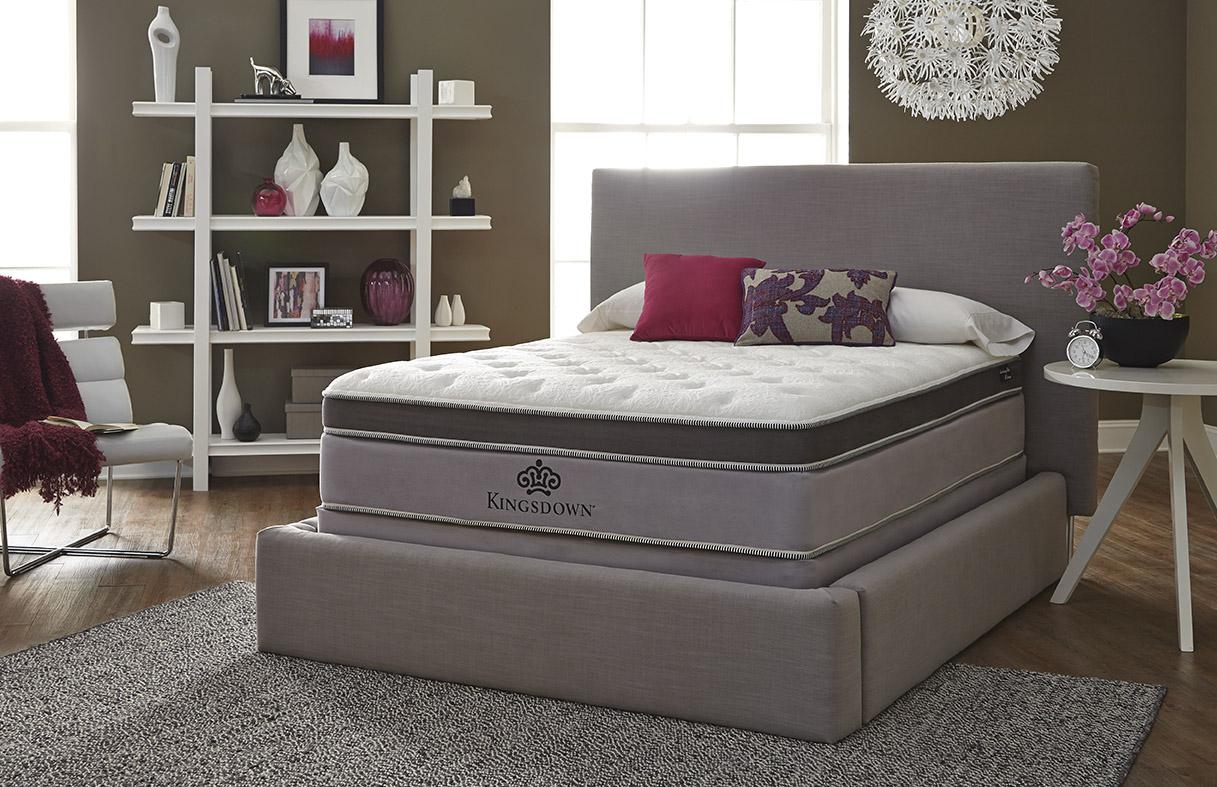
    Mattress maker Kingsdown has entered into a partnership which will see it open 500 new stores in China over the next five years.

    Kingsdown already operates more than 90 MySide / Sleep to Live retail outlets in China, through a licensee and franchise network.

    But its new partnership with Roth Bedding Technology will substantially expand its brand awareness and retail points of sale. Roth will manufacture the bedding and furniture products in China and they’ll be sold under the Kingsdown brand.

    About 65 stores will open initially this year, with two already trading. The roll-out will be ramped up from next year.

    “We have enjoyed a fantastic reception in China over the past few years but saw an even greater opportunity to really capture the country’s luxury consumer,” said Kingsdown president and CEO Frank Hood.

    “This partnership with Roth Bedding is the boldest relationship ever entered into by our company and we are thrilled to have found an organisation that enjoys an equally ideal reputation for their attention to detail, high quality and service.”

    Roth Bedding GM Jie Du says his company believes there is a big opportunity to sell high end bedding into the Chinese market.

    “The company’s focus on styling, quality and groundbreaking research to deliver a more luxurious night’s sleep is a differentiator that will be appreciated by our consumers.”

    North Carolina, US, based Kingsdown was founded in 1904 and besides his US home market, where it has two manufacturing bases, it sells into Australia, Brazil, Canada, China, England, Indonesia, Italy, Malaysia, Taiwan, Turkey and the UAE.

    “We are not the biggest mattress company in the world, nor do we have the loudest voice,” the company declares on its website. “While other companies are preoccupied with getting bigger and louder, we are hard at work holding true to our guiding principle: We make the smartest mattresses in the world.”

  • Ikea reveals wireless charging furniture

    Ikea reveals wireless charging furniture

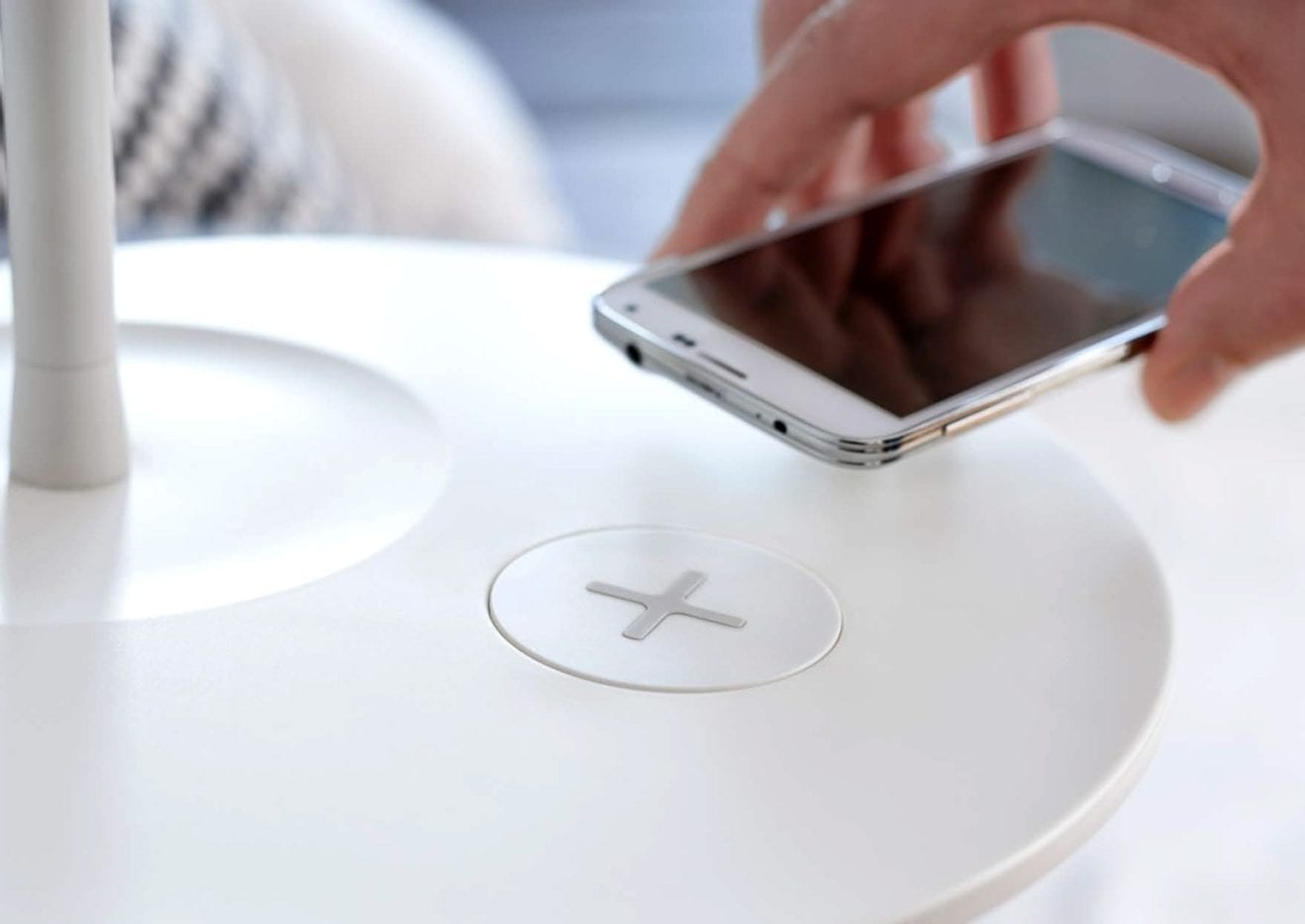
    Ikea is to launch a range of furniture which will allow consumers to charge phones and other devices wirelessly.

    The Swedish retailer says wireless charging furniture will be available in Europe and North America this April, followed by a global rollout.

    Bedside tables, lamps and desks will be fitted with Qi technology that eliminates cables and makes it easier to stay connected with always-charged mobile devices.

    The announcement girds support for Qi – the leading global wireless charging standard from the Wireless Power Consortium, a group of companies developing wireless charging technology which includes Belkin, Haier, HTC, LG, Microsoft, Motorola, Nokia, Panasonic, Samsung, Sony and ZTE.

    “Ikea is delivering on its vision of making life at home better with this innovative, stylish and useful new collection that show consumers the beauty and simplicity of wireless charging,” said Menno Treffers, WPC chairman.

    “We applaud Ikea for its insight and unique passion for making wireless charging affordable and simple for consumers.”

    Qi is the most widely deployed wireless power standard, available in 3000 hotels, restaurants, airports and public locations worldwide. There are now more than 80 Qi-enabled smartphones, 15 models of Qi-enabled cars and countless Qi mobile accessories in the market.

    “Our belief is that mobile phones are vital parts to people’s lives at home and their desire to stay connected, and Qi addresses an unmet need to keep devices powered,” said Bjorn Block, range manager for lighting and wireless charging at Ikea.

    “As a member of WPC, we value the access to the leading and most advanced global standard for wireless charging.”

    Established in 2008, the Wireless Power Consortium is an open, collaborative standards development group of more than 200 company members – large and small competitors and ecosystem partners, from all parts of the industry and all parts of the globe – collaborate for a single purpose: to design and evolve the world’s most useful, safe and efficient standard for wireless power. This global standard is called Qi, and it has become the world’s leading method for transferring electrical power without wires. Qi is designed into 80+ mobile devices, 15 models of cars, has more than 700 registered products that are enjoyed by more than 50 million users worldwide.

  • Yummi House Hong Kong flagship

    Yummi House Hong Kong flagship

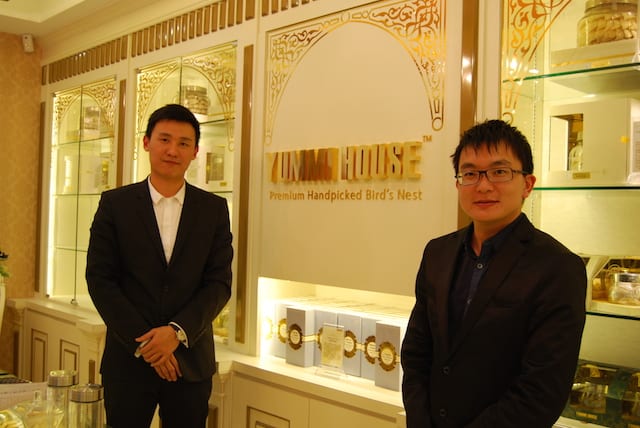
    Singapore bird’s nest and wild honey specialist Yummi House  has opened its first store in Hong Kong.

    The flagship store is described as a regional headquarters and will help the company to expand its business in the eastern Asia-Pacific region.

    Yummi House offers handpicked bird’s nest and unprocessed wild honey. The company aims to lift people’s quality of life by providing natural and healthy products, according to the director Wilson Er.

    “Hong Kong is a world-class city with a huge number of international and mainland visitors. It is the ideal platform for us to reach global markets and build a trusted international brand, by focusing our retail, wholesale and franchise business in the city,” he said.

    “We plan to set up 10 retail stores in Hong Kong within five years.”

    Er said the company was not only selling its natural health products in Hong Kong but also providing in-depth information about its products to local and international customers, ranging from production processes to product classifications, the benefits of the products and ways of enjoying them.

    “We hope to cultivate a good understanding of health products globally through Hong Kong.”

    INvest Hong Kong associate director-general of investment promotion Andrew Davis welcomed Yummi House Hong Kong’s debut.

    “Hong Kong people are health conscious, so they demand high quality health products. In addition, we have a large quantity and high quality of shoppers in the city. It’s the ideal place for an overseas retail chain to promote awareness of its brand.”

    Yummi House, founded in 2007, is well recognised in both Singapore and Malaysia, where it operates seven and 10 stores respectively.

  • Fantastic unveils special dividend after 43pc profit rebound

    Fantastic unveils special dividend after 43pc profit rebound

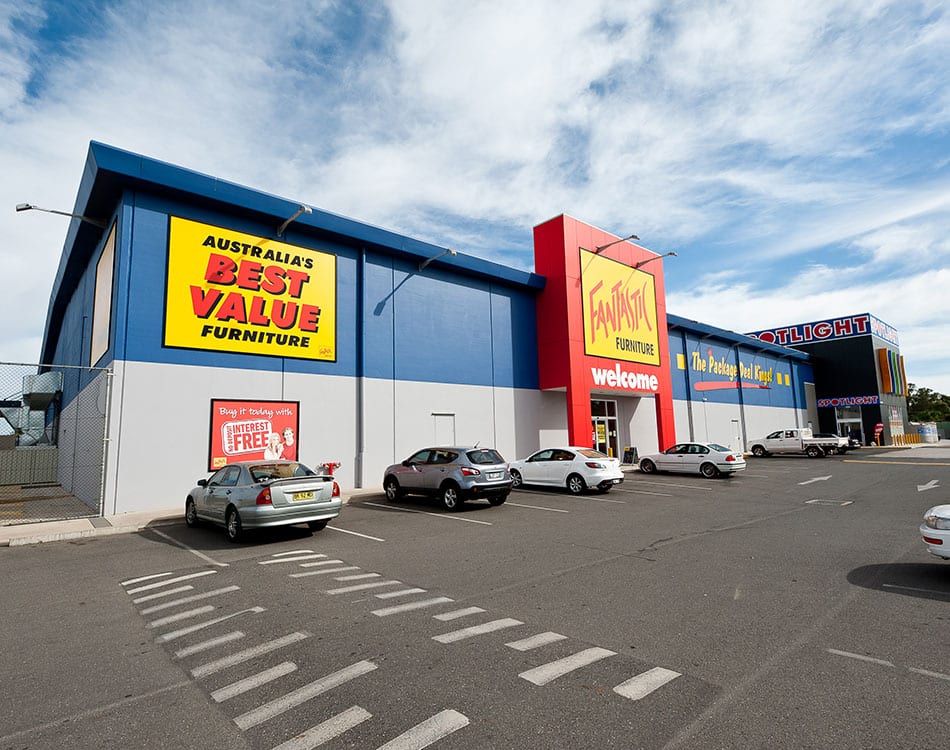
    Discount furniture retailer Fantastic Holdings has rewarded shareholders with a 4 cents-a-share special dividend and doubled its interim payout after net profit rebounded 43 percent to AUD6.9 million (USD5.4m) in the December half.

    Total sales in the six months to December rose 8.7 percent to AUD244.3 million, with like-for-like sales up 8.7 percent, and earnings before interest and tax rose 41.8 percent to AUD10.2 million.

    The net profit came in slightly ahead of forecasts of around AUD6.5 million.

  • China Jo-Jo boosts sales

    China Jo-Jo boosts sales

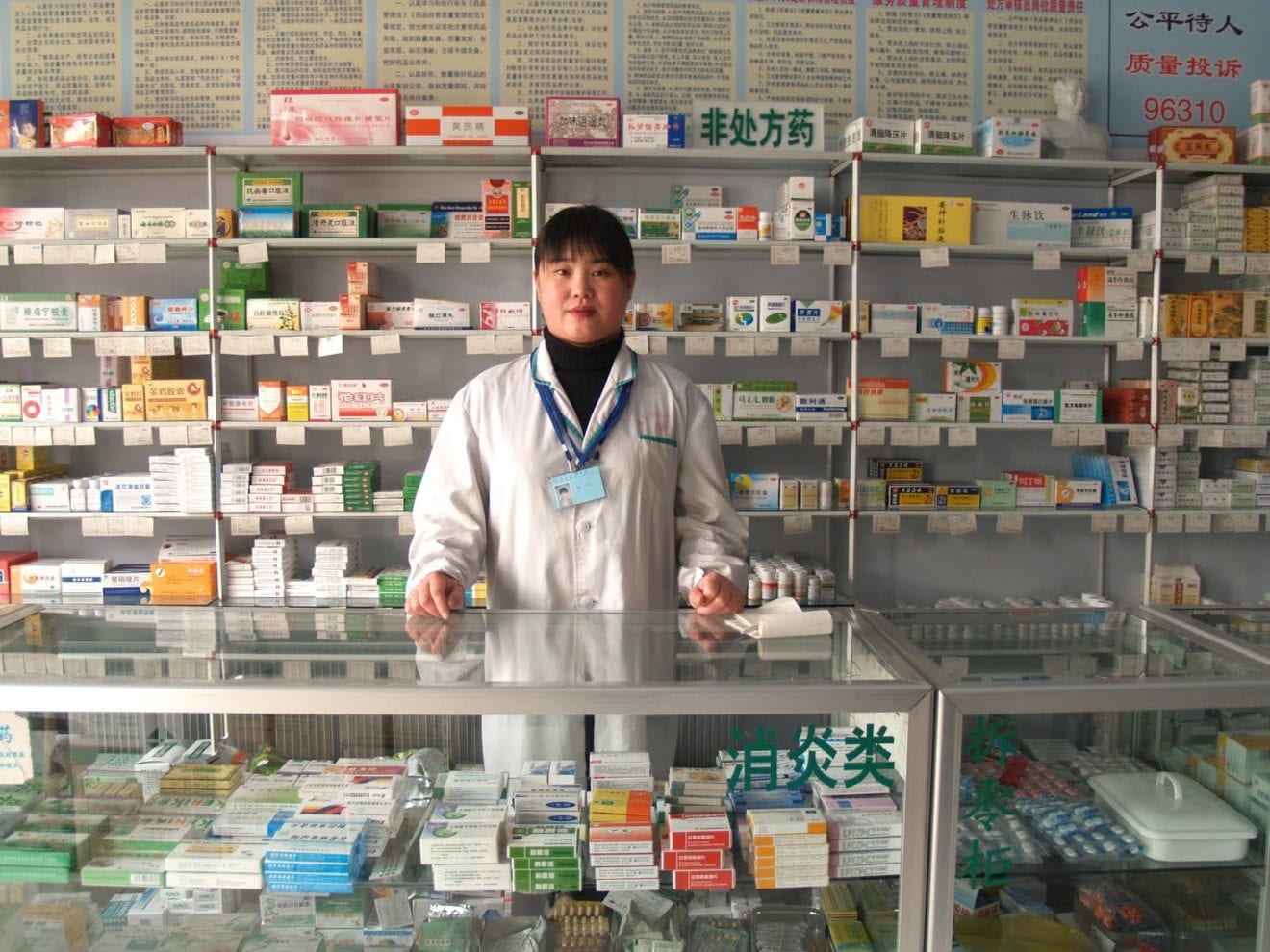
    China Jo-Jo Drugstores says its profits soared 19.5 per cent in the December quarter, with same store sales up 24.3 per cent

    The US-listed, China-based company which retails and wholesales pharmaceutical and health care products through its own online and retail pharmacies, said online sales jumped 110.6 per cent to $4.4 million. Retail drugstore sales rose $2.16 million.

    Gross profit rose by $3.003 million, or 1677 per cent year-on-year. It converted a net quarterly loss of $8.7 million in the December 2013 quarter to a modest profit of $127,525 last quarter.

    “Our retail drugstores sale growth rate is more than twice of the industry average,” the company said in a statement.

    “By acquiring Sanhao Pharmacy during the recent quarter, selecting products catering to local community and continuing to provide quality in-store service such as doctors’ in-store clinics service, we expect to further strengthen our competitive advantage in Hangzhou and Zhejiang Province.”

    The company said expanded cooperation with business-to-consumer online vendors, including Taobao, JD.com and Amazon.com had boosted its online performance.

    “In addition, we have signed a service agreement with Alipay (China) Internet Technology to launch an online payment service for its customers, which gives us a great opportunity to get access to Alipay’s over 300 million registered users. We expect online pharmacy sales will continue to grow fast in the future, especially considering the potential authorisation of the online sale of prescription drugs in 2015,” the statement said.

    Lei Liu, chairman and CEO said the company was heartened to have delivered a solid performance compared to last year’s large deficits.

    “What’s more exciting is the rapid increase in our eCommerce revenue, which greatly contributed to our total revenue. In the next two to three years, the online pharmacy sales will probably exceed our retail drugstore sales and make the company one of the leading online pharmacy stores in China.

    “Now is only a turning point. Going forward,  we will continue to focus our efforts on  developing eCommerce opportunities and drive our physical stores network and sales growth.”

    As of December 31, the company had 60 retail pharmacies in Hangzhou.

  • Ethan Allen China boost

    Ethan Allen China boost

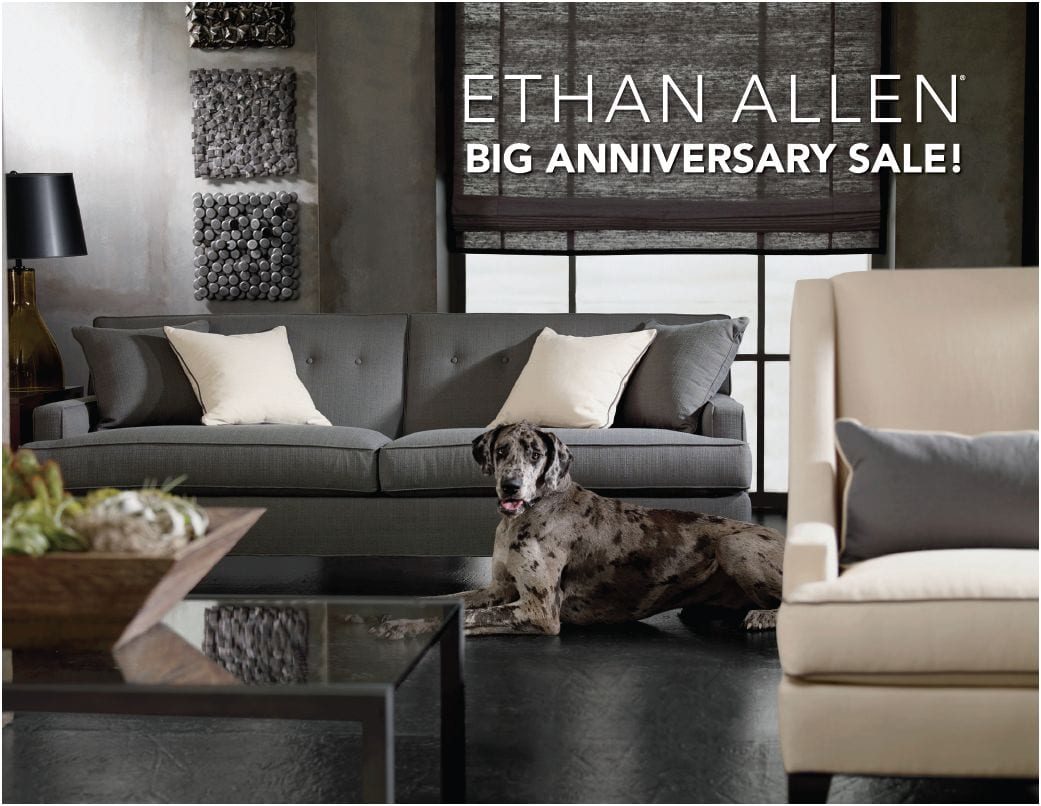
    American home furnishings brand Ethan Allen China has opened its 75th store Chinese store – an elegant, multi-level flagship in Haikou, Hainan’s capital.

    The US-based company shares the retail space with Markor Home Furnishings, its partner throughout the Chinese market.

    The design of the 25,000 sqft store the partnership’s “new generation” retail direction, with a stately and classical façade, and marble-clad interiors throughout. A second “new generation” flagship is planned for Beijing later this year.

    “We are taking the retail experience to the next level,” said Farooq Kathwari, CEO.

    Ethan Allen is in the midst of a product re-invention, introducing new styles and increasing its commitment to producing them in North America. The brand, which now makes over two-thirds of its products in its own workshops in North America, has found an enthusiastic clientele in China, said Kathwari.

    “This is a market that cares deeply about quality and has a passion for classic American style. Needless to say, we feel right at home here.”

    The brand is steadily expanding its retail footprint and has opened 11 new Design Centers in the last year, in key domestic markets like Houston, Las Vegas and Marlton, New Jersey and internationally in Dubai and Doha.

    During the next 12 months, 13 more stores will open, with the company continuing to focus on China.

    “As an American brand, we draw upon influences from all over the world, which is one of the many things that continue to keep Ethan Allen so relevant all over the world,” said Kathwari,

    Ethan Allen was founded in 1932 and today describes itself as a leading international home fashion brand doing business throughout North America, Europe, Asia and the Middle East.

  • Internet revolution will drive FMCG sales in India

    Internet revolution will drive FMCG sales in India

    Internet not only has an edge over physical retail when it comes to apparel and electronics but also fast moving consumer goods (FMCG). A joint study by Google India and Bain and Company said that the Internet will influence 1/3rd of the total FMCG sales in India over the next five years.

  • Patek Philippe slashes prices by over 20pc in HK

    Patek Philippe slashes prices by over 20pc in HK

    Swiss luxury watch brand Patek Philippe announced a significant markdown in prices by up to 22 percent in the Hong Kong market, a move analysts believe is aimed at taking on an influx of European watches through parallel imports, Shanghai’s the Paper reports.

  • Aeon plans big expansion of MaxValu supermarkets in Thailand

    Aeon plans big expansion of MaxValu supermarkets in Thailand

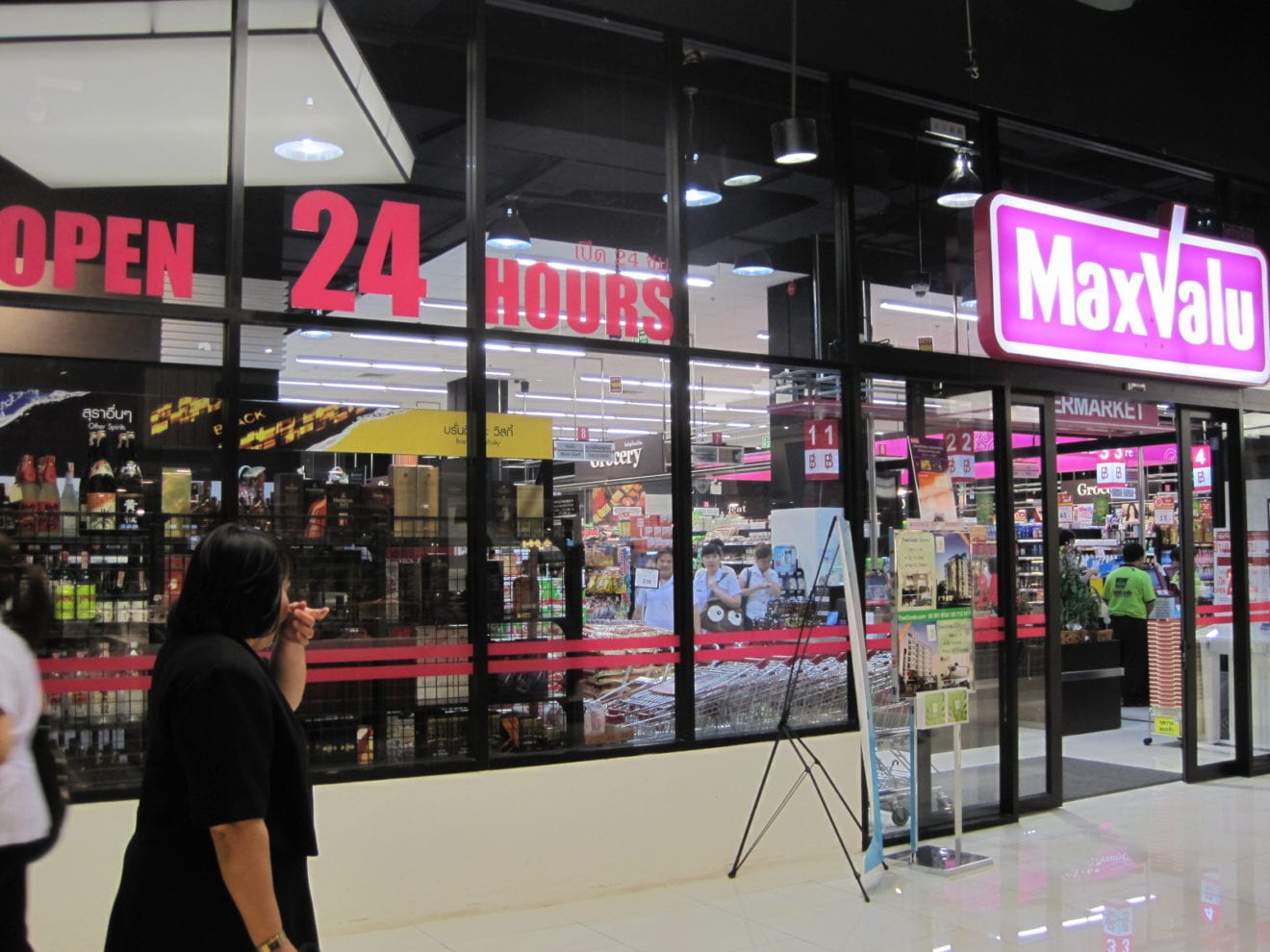
    Aeon (Thailand) Co, the operator of MaxValu supermarkets, has announced plans to speed up expansion in Thailand by increasing its number of stores to 500 by 2020.

    The company, which now operates 76 outlets in supermarket and mini-supermarket formats, is expected to open 15 more outlets this year.

    General manager Keiji Ono said Aeon would spend THB300-400 million (USD9.2m-USD12.3m) to add new stores and modernise some outlets.

  • IKEA to set up more manufacturing facilities in India

    IKEA to set up more manufacturing facilities in India

    Swedish furniture retailer IKEA will set up more manufacturing facilities in India and has plans to increase production in the country, its top official has said.

    In a meeting with the Department of Industrial Policy & Promotion (DIPP) Secretary, Amitabh Kant, on Wednesday, IKEA India CEO Juvenico Maetzu shared the company’s plans for India.

    While IKEA is yet to open its stores in India, it has already announced its plan of investing INR12,500 crore (INR125 billion, USD2b) in the country and set up 25 stores over the next ten years.

  • Mothercare enters Korea

    Mothercare enters Korea

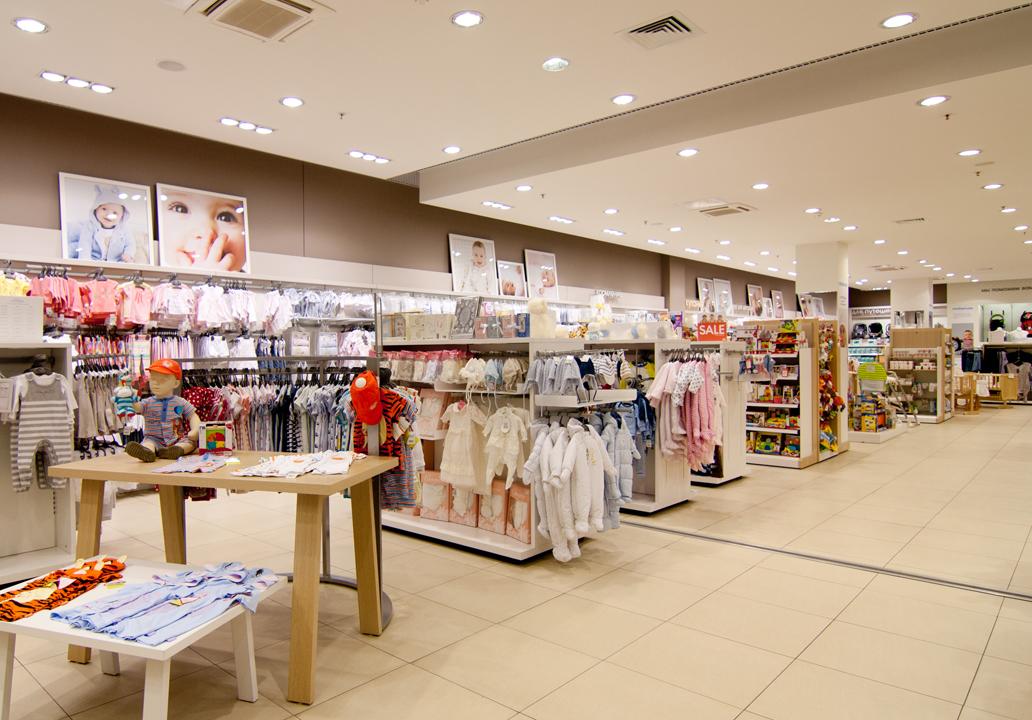
    Babywear retailer Mothercare is to launch in South Korea.

    The UK-based company has entered into a franchise agreement with Homeplus, a local supermarket chain owned by Tesco, to open retail stores and an eCommerce site.

    South Korea becomes the 17th Asian market for Mothercare.

    Four shops will initially open in Seoul, Suwon, Daejeon and Bucheon next month. Products will be sold online in a subsection of the Homeplus online store.

    “South Korea is a country we have been looking to serve for some time and we have found a local partner in Homeplus, with extensive knowledge and experience of retailing in South Korea,” said Mothercare CEO Mark Newton-Jones.

    Homeplus CEO Do Sung-hwan said Mothercare offered a “one-stop-shop specialist retailer” solution to time-poor parents and those preparing for the arrival of a child.

    When the South Korean stores open their doors, Mothercare’s reach will expand to 63 countries and its store network now exceeds 1300.

  • “Fifty Shades of Grey” arouses sex toy boom

    “Fifty Shades of Grey” arouses sex toy boom

    The erotic bestselling novel “Fifty Shades of Grey” was devoured across the world by millions, from British housewives to Guantanamo Bay inmates. Now manufacturers and retailers are hoping that its Valentine’s Day movie release will fuel a boom in sex toy and bondage accessory sales.

    The books have been translated into 50 languages, and have sold more than 100 million copies worldwide, making it one of the fastest-selling book series ever. It’s perhaps so mainstream that US discount retail giant Target, which specialises in everyday items, is selling “Fifty Shades of Grey” lubricant, blindfolds and “love rings”.

    British company Lovehoney worked closely with the author E L James to design official “Fifty Shades” sex toys in late 2012 and before the movie release have branched out into luxurious items. Lovehoney co-owner Neal Slateford credited the books and growing acceptance of sexual openness with causing “the adult sex toy industry to explode”.

  • Under Armour CEO is calling out Nike and Adidas

    Under Armour CEO is calling out Nike and Adidas

    Under Armour is creating the world’s largest digital health and fitness community because the more people exercise, the more shirts and shoes they buy, the sports company founder and CEO Kevin Plank told CNBC on Thursday. He also said he wants Nike and Adidas to know what it feels like to be number two and to “get used to that.”

    Instead trying to play in the highly competitive wearables market, Plank said in a “Squawk Box” interview that he sees value in building a community that users can tap into with any device. “[It’s] a place where we weren’t tied to a consumer electronic but where we could be the destination regardless of what the best ‘widget’ on the market was,” he continued. “Whatever you had, it would plug in and we would read and synthesize that information as easy as possible.”

    Under Armour announced late Wednesday a deal to buy for USD475 million the San Francisco-based fitness app MyFitnessPal, a leading resource for healthy living and nutrition with over 80 million registered users. The company also said it completed in early January its USD85 million acquisition of Denmark-based Endomondo, with about 20 million registered users primarily in Europe.