Category: Living

Retail News Asia is committed to providing both local and global retailers with the latest Living news throughout the Asian market. This on a daily base.

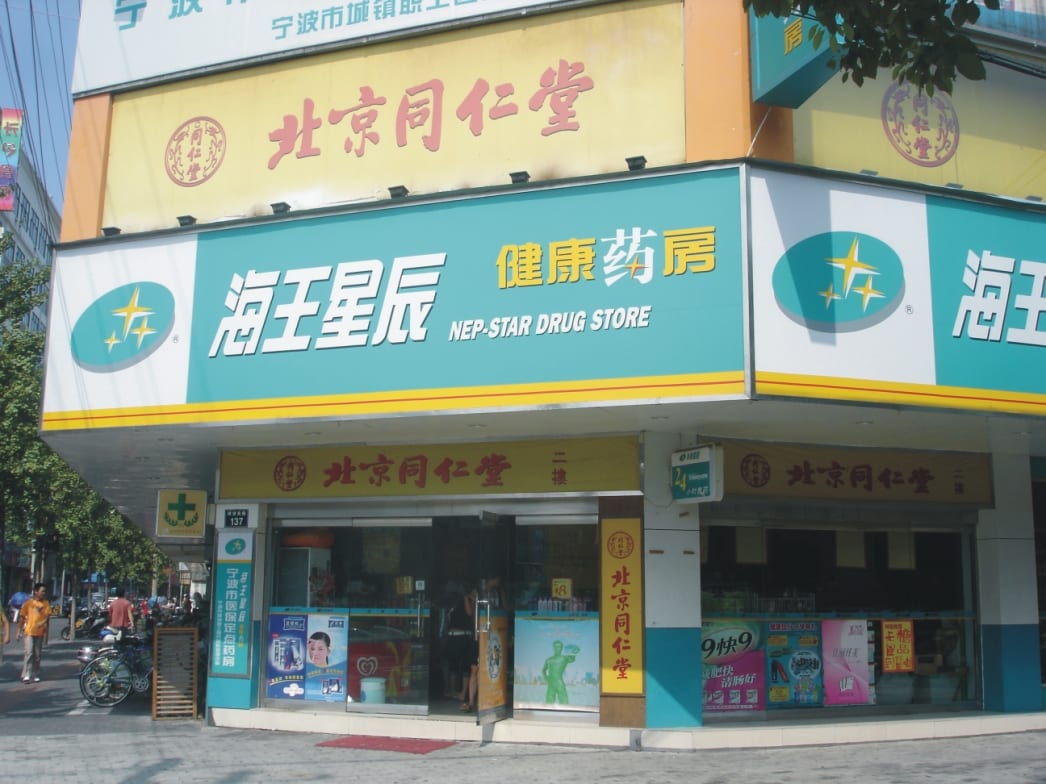
  • China Nepstar boosts gross sales, reduces loss

    China Nepstar boosts gross sales, reduces loss

    NYSE-listed China Nepstar Chain Drugstore has introduced a similar retailer gross sales improve of 13.6 per cent for the primary quarter.

    Complete income elevated by 11.9 per cent to RMB759.1 million, or US$122.5 million and it posted a lack of $500,000, only one fifth of that of the identical interval final yr.

    Chairman Simin Zhang stated the improved efficiency was the results of decreasing administrative bills, leveraging its retailer community and growing in-store promotions and advertising efforts for pharmaceutical merchandise.

    In the course of the first quarter of 2015, China Nepstar opened 26 new shops and closed 37, leaving it with 1969 immediately operated retail shops as at March 31.

    The corporate expanded its personal label vary to 2146 varieties of merchandise as at March 31, with gross sales of personal label merchandise now representing 15.four per cent of complete income and 22.7 per cent of gross revenue.

    Zhang stated the corporate is happy by the momentum in its enterprise improvement within the first quarter of 2015.

    “We’ll proceed to give attention to sustaining progress, managing bills and enhancing margins.  We consider that our robust retailer community, optimised product choices and proactive steps to enhance buyer expertise and loyalty, will proceed to drive retailer visitors and income within the close to time period,” stated Zhang.

    Based mostly on retailer numbers, China Nepstar Chain Drugstore is one in every of China’s largest retail drugstores with retailers in 74 cities and 15 regional distribution centres.

  • Fujita Kanko Opens Bangkok and Jakarta Offices

    Fujita Kanko Opens Bangkok and Jakarta Offices

    Leading Japanese hospitality company Fujita Kanko Inc. will open two new overseas offices in Bangkok, Thailand and Jakarta, Indonesia in June. The openings are intended to accelerate the globalization of its business, one of the key goals the company has set for the next five years, aiming at 25 percent growth in overseas guests by 2019.

    “Adding Bangkok and Jakarta bases is a critical step in our business plan,” said Akira Segawa, Fujita Kanko’s President and CEO. “Southeast Asia is a strategically important market – an increasingly strong inbound market for Japan, and also a very popular destination for Japanese travelers.” Mr. Segawa stressed the importance for the company of maximizing business opportunities in Southeast Asia. “We’ve built a broad range of hospitality expertise, and offer some of Japan’s most upscale, exquisite properties. We’re eager to welcome more international travelers, and to build local businesses, including opening hotels, in other Asian markets.”

    The 60-year-old company opened its first overseas office in Shanghai in 2010 and added offices in Seoul and Taipei in 2012. A Singapore office was added in 2013 to strengthen marketing and sales and pursue business development opportunities in Southeast Asia. The Singapore office will be consolidated with the Jakarta office at the end of May, which will also oversee the Malaysian market.

    Fujita Kanko will use its overseas offices to promote its 70+ properties in Japan and build international recognition for its businesses among travelers and other stakeholders. Last year, the company announced it will open a hotel in Seoul, Korea in 2018, its first overseas property since 2002.

    Fujita Kanko Jakarta Office:
    Mid Plaza 1 Lt. 17 Unit 1718
    Jl. Jend Sudirman Kav 10-11, Jakarta Pusat 10220, Indonesia
    Phone: +62-21-2783-2323

    About Fujita Kanko

    Fujita Kanko Inc., established in 1955, is a publicly-traded tourism industry corporation headquartered in Tokyo. In addition to its core hospitality business, the company operates wedding and banquet facilities, high-end resorts, leisure facilities and related services. It has 70 properties/facilities, including its five-star flagship, Hotel Chinzanso Tokyo, and 30 mid-priced hotels throughout Japan in the Hotel Gracery and Washington Hotels groups.

  • Ikea to open 2 stores every 5 years in Indonesia

    Ikea to open 2 stores every 5 years in Indonesia

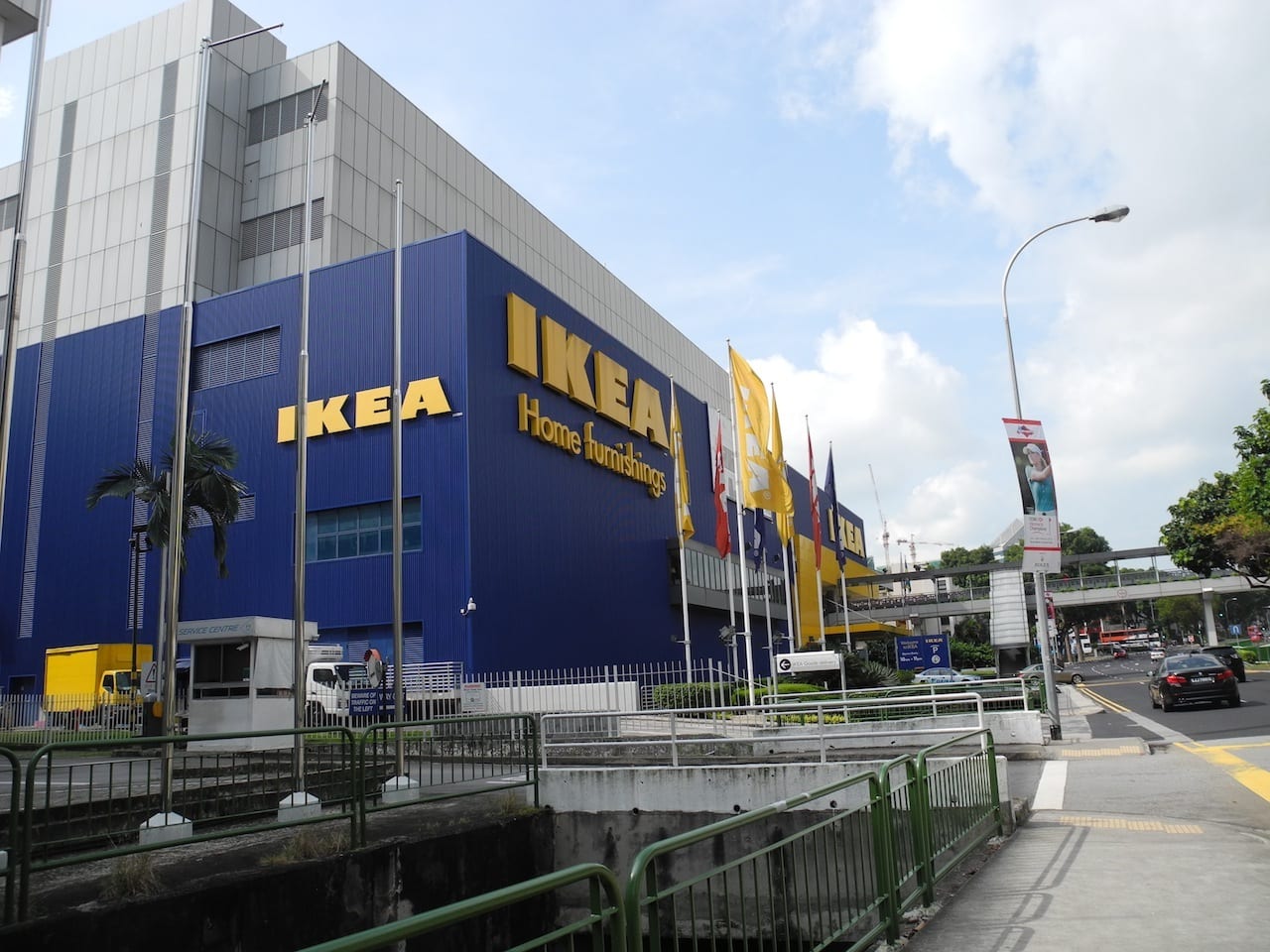
    Ika plans to build two stores every five years until 2025 after opening its first Indonesian store in Alam Sutera, Tangerang, in October 2014.

    Ikea, the world’s biggest furniture seller, will produce more in Indonesia as it has set its sights on boosting its export value tenfold to US$1 billion in the long-run, a company executive says.

    The Swedish multinational company, which had sales of ¤30.1 billion last year in its 361 stores worldwide, was looking to produce mattresses and flat-pack furniture in Indonesia next year, as well as textiles and batik-pattern products by 2017, said Tony Mampuk, Ikea Indonesia’s country government relation manager.

    “The flat-pack furniture will depend on the results of our supplier gathering. If they are interested, it will be very easy to build flat-pack furniture,” he told The Jakarta Post in a visit on Tuesday. “Flat furniture includes particle board and ceramic products such as plates.”

    President Joko “Jokowi” Widodo, intrigued by the fact that Indonesia’s furniture exports only amount to a third of Vietnam’s, has called on furniture exporters to meet a target of $5 billion in exports by 2019, more than double the $2 billion last year.

    All Ikea’s soft toys worldwide are produced in Indonesia as Ikea Indonesia is “all about children”, Tony said.

    “We have tried sourcing soft toys from other countries — China, Vietnam, Thailand — but we never found producers that are as good as here,” he added.

    Ikea in 2014 exported 706 products from Indonesia, or almost 10 percent of the overall 8,500 product range sold worldwide, ranging from soft toys, rattan products and textiles, to ceramics and rugs. That represented a 20 percent growth from the same period in 2013, according to Tony.

    It has 11 suppliers spread across Java and will soon start teaming up with small and medium sized enterprises many involved with the Association of Indonesian Craft Development (Apikri) in Yogyakarta.

    Ikea Indonesia, whose franchise is held by publicly listed retailer PT Hero Supermarket, plans to open two more stores every five years until 2025, Tony revealed, as it sought to cater to the nation’s rapidly emerging middle class with an increasing purchasing power.

    Southeast Asia’s largest economy has grown between 4 to 6 percent per year over the past decade, helping to elevate nearly a third of its more than 250 million citizens into the middle-class or affluent consumer status. This is projected to further double by 2020, meaning that each year, between 8 and 9 million people will enter the middle-income bracket, according to a study by the Boston Consulting Group.

    The rise in the country’s middle class has attracted a number of global retailers to invest in Indonesia, including South Korea’s conglomerate Lotte Group and Japan’s largest retailer AEON Co.

    “Today in Southeast Asia, Indonesia holds the most charm for the retail sector,” said Tony, who is also head of the retail working group at the European Business Chambers of Commerce (Eurocham) in Indonesia.

    About 1.75 million visitors have been to the 35,000-square meter Ikea Alam Sutera, Tangerang, store — some 25 kilometers from Jakarta’s city center — since it opened in October last year, some 8,000 visitors per day. Globally, Ikea store visits reached 821 million last year.

    Ikea Indonesia is tapping into the middle-income consumer market in Greater Jakarta, which is home to a 28-million population and a $1.1 billion market in 2013, a figure that is projected to double to almost $2.2 billion by 2019, company statistics show.

    “But all [our expansion plans] will depend on the regulatory environment and government support,” Tony emphasized.

    He noted several hindrances to expansion in Indonesia, which include infrastructure bottlenecks — with shipping containers being stuck in port for up to three months, creating high logistics costs and uncertainties for the company’s finances — as well as multi-layered taxes that make some of its products more expensive here than elsewhere.

  • Razer Taiwan opens gaming retailer idea

    Razer Taiwan opens gaming retailer idea

    US-based digital video games big Razer has opened a singular flagship retailer in Taiwan’s capital metropolis, Taipei.

    Razer was created by CEO and Min-Liang Tan, a Singaporean, and specialises in merchandise marketed particularly to players. The Razer model is presently being marketed underneath Razer US.

    Within the new Taipei retailer, which opened final Friday, players can attempt the corporate’s distinctive units together with excessive finish pc mice designed for on-line video games, keyboards and different equipment.

    Centrestage are the Razer Edge pill, a handheld pc operating Home windows eight optimised to game-playing – and a purpose-built PC unveiled finally yr’s Shopper Electronics Present in Las Vegas.

    The opening was celebrated on-line with a minisite – #TWRazerStore (in Chinese language language) and weblog and social media postings in English. Most of the firm’s US administration flew to Taiwan for the opening.

  • Successful development by Cale in Indonesia

    Successful development by Cale in Indonesia

    September 26, 2014 marked the first launch of Cale parking terminals in Jakarta, the capital city of Indonesia, a country with a population of 250 million people.

    An initial number of around 10 terminals were installed in Sabang Street, one of the busiest streets in the City. The Swedish Ambassador to Indonesia, Johanna Brismar Skoog, as well as government officials of the City of Jakarta attended the launch ceremony.

    With around 37 million vehicles operating on the streets of the city and the prevalence of illegal parking on street sides that contributes to Jakarta’s severe

    traffic congestion, the city government deemed the on-street parking solutions offered by Cale as important in reducing the traffic problems as well as preventing the misappropriation of the city’s parking revenue.

    The reason Cale is well placed to provide the solution to parking management in Indonesia is largely due to its 60 years of expertise and technology-driven innovations. Its latest parking terminal is designed to meet any possible needs of the user while supported by a sophisticated back office web system and reliable personnel. The company’s business spirit lies in the sustained product development with end-to-end solution in sight and knowledgeable support team, which is something that the end users in Indonesia have greatly benefited from.

    BANDUNG

    By partnering with PT Vertikal Akses Asia as Indonesia’s sole distributor, Cale is cementing its presence in the country by being the Jakarta government’s product of choice due to its technology and reliability. The parking terminals in Jakarta are operated and managed by PT Mata Biru, which has also been tasked in 2015 to install and operate the terminals in Bandung, a city of 2.5 million people, a 2-hour drive away from Jakarta.

    Meanwhile, the second installation of close to 100 CWT Compact terminals in Kelapa Gading Boulevard of North Jakarta in March 2015 was the first of many to come for the city this year, where the government has estimated that more than 1000 terminals are required to cover the entire on-street parking locations in Jakarta.

    So far, the implementation of on-street parking terminals in Jakarta has been met with positive response by the general public as well as the city government who has seen its revenues from on-street parking increase by 12-fold, as paying the fee at the machine plugs leaking revenues and promotes transparency and accountability.

    As Cale reaches its 60th anniversary this year, and with plans of expansion in other cities of Indonesia, 2015 will be the year that the company further solidifies its presence in Asia.

    Cale offers innovative and efficient parking solutions. From the start in 1955, Cale has developed into a world leading brand within the parking business, with a turnover close to half a billion SEK. Cale has subsidiaries, distributors and customers all around the world.

  • Jubilee of Siam opens big diamond boutique

    Jubilee of Siam opens big diamond boutique

    Thai jeweller Jubilee of Siam claims its new retailer in Bangkok is Asia’s largest diamond boutique.

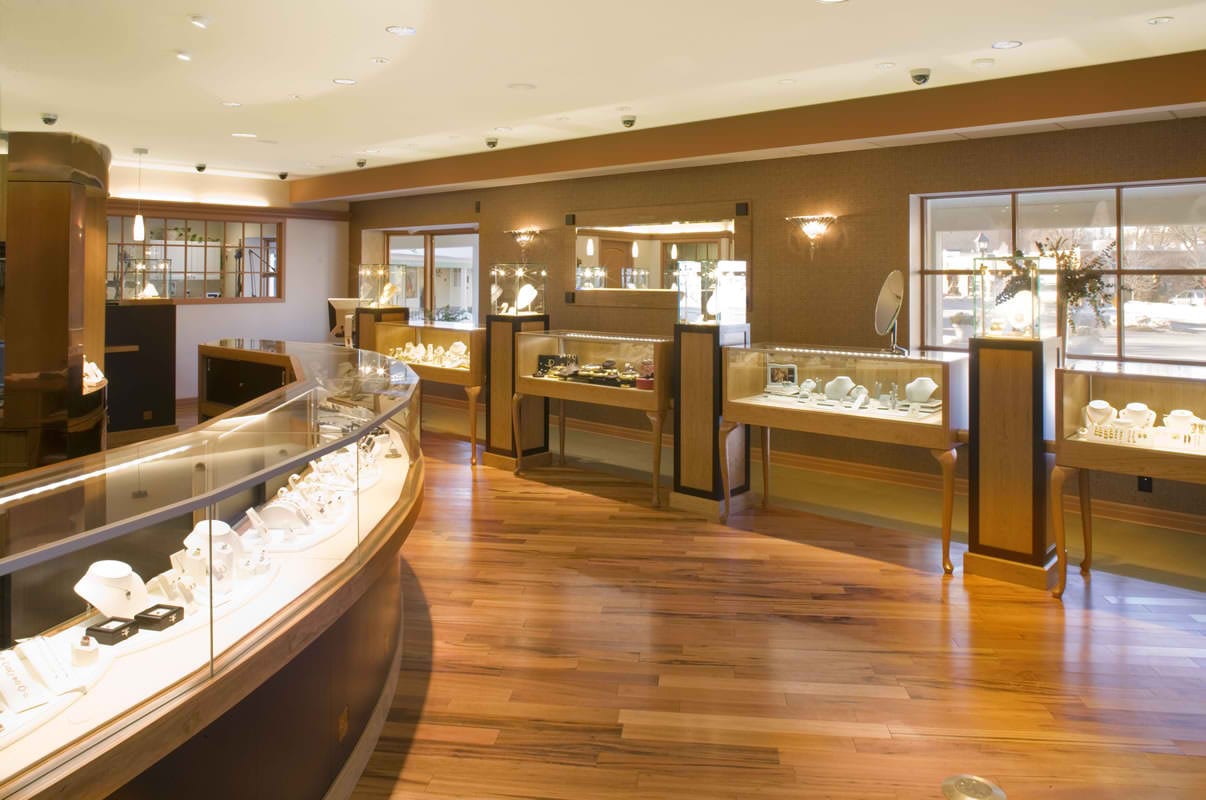
    The huge retailer – for a jeweller – includes 1500 sqm unfold over 4 flooring within the coronary heart of Bangkok’s Silom Rd retail precinct.

    Jubilee of Siam was based in 1993 and now has greater than 100 retail shops and concessions throughout Thailand.

    The corporate’s CFO, Unyarat Pornprak, described on the new flagship as “a phenomenon” for Thailand’s jewelry business.

    “We pioneered jewelry counters at department shops. Nationwide, we now have over 100 retail factors that make individuals accustomed to the Jubilee Diamond model.

    “Now with the flagship retailer, we will present clients a powerful retail expertise and repair,” stated Unyarat.

    Jubilee of Siam is the buying and selling identify of Jubilee Enterprise Public Co, described as Thailand’s main retailer of diamond jewelry and whcih claims to have launched the diamond counter retail format to the native retail market.

  • DoubleDragon eyes 100 Filipino malls

    DoubleDragon eyes 100 Filipino malls

    A Philippines property developer has raised US$112 million to assist fund the formidable improvement plan for 100 purchasing malls throughout the nation.

    DoubleDragon Properties Corp plans to roll out the 100 CityMalls-branded centres by 2020 – the primary 25 by the top of this yr.

    The compact group malls will comprise between 5000 and 10,000 sqm of leasable area every, with the corporate projecting it’s going to have 1 million sqm of leasable area by 2020.

    DoubleDragon chief info officer Joselito Barerra Jr stated successfuly elevating the money – in seven yr company notes – demonstrates robust investor confidence in technique.

    The publicly listed property firm is collectively owned by the founding father of quick meals big Jollibee Meals, Tony Tan Caktiong, and restaurateur Edga Sia Jr. Unsurprisingly, the department stores will prominently function Jollibee eating places.

  • Da Nang: the ‘Singapore of Vietnam’

    Da Nang: the ‘Singapore of Vietnam’

    Whereas Ho Chi Minh Metropolis hogs the limelight in Vietnam’s financial growth, additional north the nation’s third largest metropolis is nicely on its method to its objective of turning into ‘the Singapore of Vietnam’.

    Over the previous 5 years, Da Nang metropolis has undergone a constructing growth, spending US$four.5 billion on infrastructure tasks. For eight years in a row, the town has ranked prime within the Vietnam Provincial Competitiveness Index for the classes of excellent governance and business-friendly insurance policies.

    Da Nang is the primary business and academic middle of central Vietnam, well-known for its clear setting, lovely seashores and good public providers. It’s also known as probably the most livable metropolis in Vietnam.  Presently, the town has an estimated 1 million inhabitants in its city areas, though the town’s grasp plan requires a inhabitants of over 2 million by 2020.

    With higher infrastructure, a beachside way of life attracting increasingly Vietnamese and expats – to not point out a thriving tourism business – the town is now attracting retail heavyweights who till now have principally targeted on simply Ho Chi Minh Metropolis and Hanoi, the capital, within the north.

    Malaysia-based division retailer Parkson this yr opened within the metropolis centre, with an overbridge linking it to the Korean-owned CVG cinema constructed on prime of a Thai Huge C hypermarket.

    Whereas many individuals turned up for the Parkson opening and signed up for membership playing cards, the shop is essentially empty most days and the third-floor meals courtroom has but to open. However the house owners shall be real looking – with a possible doubling of the inhabitants inside 5 years, they know all too properly the purchasers will come.

    Philippines-Vietnam three way partnership Highlands Espresso has opened on the riverfront and is all the time busy, prompting a second cafe just some blocks away. New eating places – each native and overseas – are opening virtually weekly and there’s a regular stream of expatriates shifting north from the crowded business capital.

    Infrastructure growth

    Da Nang’s speedy rise is the product of shrewd infrastructure funding. New tasks have included the Da Nang Hello-Tech Park and the Da Nang IT Park. The Hello-Tech Park is presently underneath development and can include over 1130 hectares as soon as completed. The park goals to spice up science and know-how improvement within the metropolis by attracting each overseas and native buyers. It’s providing monetary incentives to enterprise, together with a 10 per cent tax price 15 years, or a four-year tax exemption and a 50 per cent tax discount for the subsequent 9 years.

    The Da Nang IT Park provides zero per cent tax for the primary 4 years after first turning a revenue, a 5 per cent tax fee for the subsequent 9 years and a 10 per cent tax price for the subsequent two.

    The IT park additionally provides as much as 50 years of free land lease to qualifying “anchor tenants”, relying on the kind of business and measurement of the funding.

    Different key current infrastructure tasks embrace US$60 million for a brand new airport terminal, $88 million on a brand new metropolis corridor and $93 million on a futuristic three-storey overpass.

    A monitoring system, put in by IBM, supplies real-time updates on bus routes and checks water high quality. Cisco Methods has put in over 300 kilometers of fiber-optic cable, which connects all authorities workplaces within the area.

    Already an essential landmark of Da Nang, and a transparent signal of its rising power, is the lately constructed Dragon Bridge, which crosses the Han River, and made headlines around the globe for its spectacular design. The 666-meter-long dragon-shaped bridge breathes hearth and spouts plumes of water. The dragon is among the most necessary symbols in Vietnamese tradition because it symbolises energy, the Aristocracy and luck. Subsequently, extra than simply an award-winning architectural design, the Dragon Bridge has grow to be a logo of the newfound power of the town.

    It’s clear that Da Nang is properly on its option to turning into a contemporary metropolis with an efficient and clear bureaucratic system. With its enhancing enterprise and funding local weather, paired with its plentiful monetary incentives, the town clearly deserves the honorific of Vietnam’s Singapore.

  • Carrefour Taiwan opens mini-hyper retailer

    Carrefour Taiwan opens mini-hyper retailer

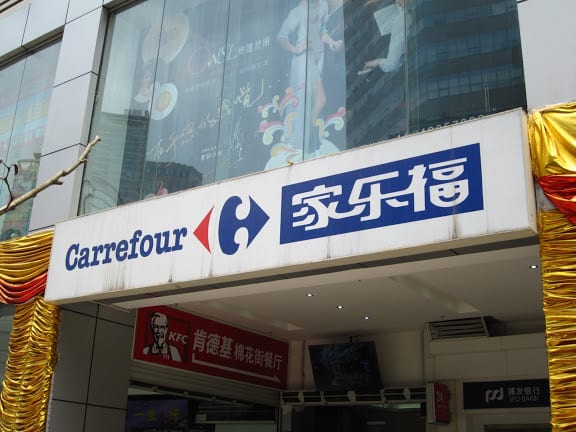
    Carrefour Taiwan has opened its 72nd retailer, a ‘mini-hyper retailer’ within the nation’s central area.

    The shop, within the metropolis of Hu Wei is the second Carrefour outlet in Yun-lin County.

    With a complete gross sales space of 1800 sqm and the Hu Wei retailer provides locals a ‘one cease buying’ answer with greater than 15,000 chosen gadgets together with wide selection of grocery gadgets and recent items, bazaar, textile and home equipment.

    Carrefour reviews the official opening drew “a whole lot” of native clients who queued to be first to buy the shop.

    The primary Carrefour retailer in Taiwan was opened in Kaohsiung on the finish of 1989. The enterprise operates in partnership with President Group.

  • Asean: The Future in Wealth Management

    Asean: The Future in Wealth Management

    Southeast Asia’s economic boom is resulting in the emergence of a new middle class, heralding vast opportunities for global wealth management.

    Since the 1970’s, growth in this region was primarily driven by exports and manufacturing.

    Today, the Association of Southeast Asian Nations is on its way to become one of the world’s leading consumption hubs, fuelling demand for a variety of goods and services, including financial services.

    Asean is composed of Brunei, Cambodia, Indonesia, Laos, Malaysia, Myanmar, the Philippines, Singapore, Thailand, and Vietnam.

    We believe Asean’s middle class will play an increasingly important role in the shift in the balance of global demand over the next few decades, opening up new and unprecedented opportunities for the region and the world.

    With about 600 million people, Asean countries represent only half of India’s population but collectively generate a larger gross domestic product. By 2020, Asean GDP is expected to grow at an annual average of 6 percent and reach $4.7 trillion.

    By 2020, Asia is likely to contribute to more than half of the total global middle class population, with Asean accounting for more than $ 2 trillion of new consumption, according to the International Monetary Fund. Half of Asean’s projected population will be aged under 30.

    With growing purchasing power comes greater aspirations among Asean consumers, driving stronger demand for property, cars, quality education and health care as well as financial services and wealth management.

    Consumption patterns in Asean, however, are not even across this expansive and diverse region. We expect consumers in developing economies to continue directing a large portion of their disposable income towards improving general living standards whilst those in mature markets will forge ahead in consumption and investments.

    For example, discretionary spending by more affluent middle class populations in Singapore, Malaysia and Thailand is far more pronounced in the region; while spending in Indonesia and the Philippines is focused on vehicles, appliances and education services to enhance quality of life.

    Whilst Vietnam has the highest rate of credit card ownership, its emerging middle class is only starting to develop an appetite for luxury goods.

    As populations across Asean become more affluent and the region’s emerging middle class continues to expand, there is a pressing need for services that will help individuals and families preserve, protect and perpetuate their new found prosperity.

    As Southeast Asian populations age, they will need new channels to save for retirement, fund rising costs of health care and ensure adequate insurance protection in the absence of well-established social security systems.

    We expect financial wealth in Asean to grow even faster than in China over the next five years, creating opportunities in international wealth and asset management. Asean has one of the highest saving rates in the world at around 30 percent and international reserves amounting to $800 billion.

    While financial assets remain heavily concentrated in cash and in some markets, concentrated on single assets such as stocks, we expect investment behavior among Asean savers to eventually build a diversified portfolio of assets and move away from home biases.

    Regional financial integration and market liberalization such as what is unfolding in China will allow for more efficient risk diversification of assets.

    The development of its financial systems will also provide easier access to financing.

    We see a future where wealth growth, protection and financing retirement, education and lifestyle needs will become priority goals for Asean consumers. It is critical that financial solutions are designed to meet these long term saving needs, offer transparency and fair value.

    It is important that consumers have access to timely and relevant market information to help them make informed investment decisions either through self-directed channels or through qualified advisors.

    There is also a need to ensure banking and wealth management cater to new consumer behavior.

    As the new Asean working class gains greater financial independence, they seek new experiences through travel, education and employment opportunities overseas. They are also among the most active online users, accessing news and information, doing their shopping and conversations virtually — given social media’s deep penetration in the region, particularly in Indonesia, the Philippines and Vietnam.

    The rise of the middle class will continue to be the big story for Southeast Asia’s economies over the coming years. The promise of growth will transform one of the most overlooked regions in the world to one of the most important.
  • Osim profit plummets

    Osim profit plummets

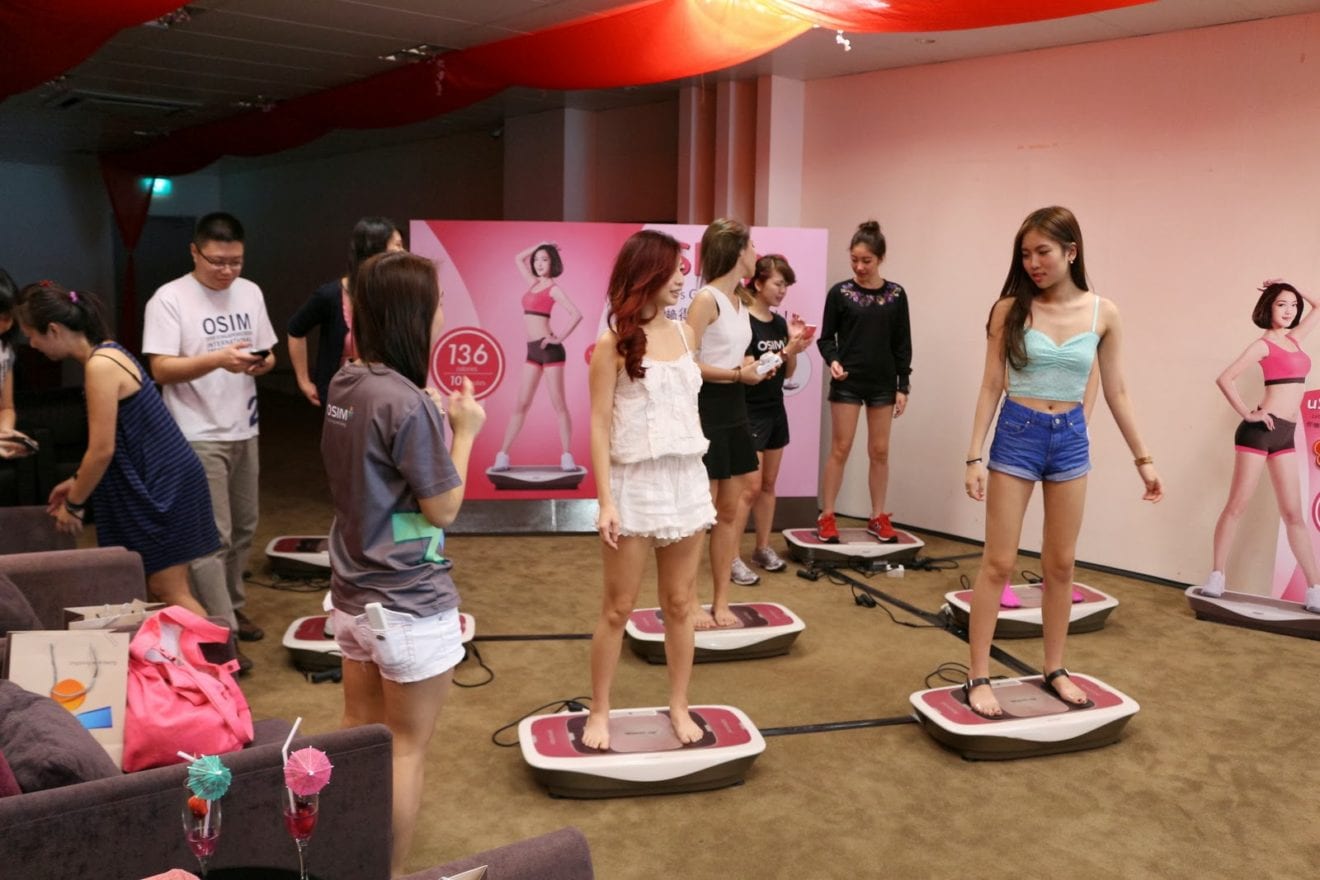
    Lifestyle company Osim has posted a 53 per cent profit drop for the first quarter on declining sales.

    The retailer of massage chairs and other remedial devices, says sales fell 13 per cent quarter-on-quarter, blaming a lack of new products and a drop-off in mainland Chinese tourists into Hong Kong, a key market for the Singapore-listed company.

    Total first quarter sales were S$150 million, and Osim profit $18 million

    “This has been a challenging quarter where retail sales across the core countries has been
    soft and there have been no new major Osim product launches,” the company said in its earnings statement.

    “Despite these challenges, our dominant brand has enabled us to maintain a stable gross margin and highly cash generative business. We are continuing to invest for growth supported by a strong balance sheet.”

    Osim has 560 retail stores and China remains its largest market, where it has 252 stores in 45 cities.

    “Products including uInfinity Luxe, uDiva, uHip, uSqueez Air, uTrek and uShape Music have sustained our dominant position in the market. We have just launched a new massage chair uMagic in April with favourable response and will be introducing more innovative products this year.”

    Osim also operates 233 GNC/Rich Life stores and 44 TWG Tea stores, with plans for 15 more this coming year.

    “With the upcoming planned new product launches we remain positive about the outlook for
    the remainder of the year.”

  • Indonesia targets higher taxes for imported luxury goods

    Indonesia targets higher taxes for imported luxury goods

    Indonesia is planning to impose a higher luxury tax for imported retail goods in its latest attempt to dampen domestic consumption in Southeast Asia’s biggest economy, an official at the finance ministry said today.

    The G20 economy has been struggling to stabilise its external balance sheet, due to persistently high imports and weak structural reforms, which is putting downward pressure on the ailing rupiah currency.

    “For our luxury tax, there are other goods that will be subject for harmonisation — consumer goods,” Deputy Finance Minister Bambang Brodjonegoro said on the sidelines of a Thomson Reuters conference.

    The government in August announced a fiscal package, which include a higher luxury tax on imported cars, to reduce imports.

    The new increase would be significant, said Brodjonegoro, who was unable to give further details on current or the new luxury goods tax plans.

    “Likely, clothes (and) bags,” he added, when asked which luxury items would be hit by the new tax.

    Since June, Bank Indonesia has raised its benchmark reference rate by a total of 175 basis point to discourage lenders from expanding too aggressively.

    Despite intervention by the central bank, the rupiah fell to above 12,000 per dollar in today’s trade.

    Indonesia’s finance ministry is expected to announce further details on the new import taxes soon, including increasing taxes for certain foodstuffs and goods. 

  • Children’s Place boosts Rana Plaza fund

    US retailer Children’s Place, has contributed another $2 million to the Rana Plaza Donors Trust Fund, narrowing the shortfall to $2.7 million.

    The fund was set up to provide assistance to victims of the 2013 disaster when 1129 workers were crushed to death when a multistorey building full of sweatshops collapsed.

    The Children’s Place contribution followed another of $1.1 million by Italy’s Benetton earlier this month and $100,000 from H&M, which never actually sourced any clothes from the complex.

    Last Thursday, Children’s Place working with the ILO convened a conference call of major brands and retailers in an attempt to fill the funding gap by the second anniversary of the Rana Plaza disaster.  This call raised over $1 million in donations to the fund. In addition to those donations, Children’s Place contributed another $2 million to the fund, taking its total contribution to the compensation fund to $2.5 million.

    “We have been calling on brands to work together to collectively resolve the funding crisis for months, and we welcome the initiative of The Children’s Place in doing so now,” said Sam Maher of the Clean Clothes Campaign.

    This last minute initiative coincided with a Global Day of Action, for which activists participated in actions around the world, calling on all brands sourcing from Bangladesh to fill the current funding gap in compensation immediately, and to sign the Bangladesh Accord on Fire and Building Safety. There were major events and demonstrations in at least 20 countries.  Global actions included a mass demonstration held by trade unions and garment workers federations in Dhaka, a public art installation forming a concert of sewing machines in Genova, Italy, demonstrations outside stores including Mango, JC Penney, Zara, and Walmart in the US, and a flashmob outside stores in Berlin.

    “There remains hope that brands and retailers will continue to step up and make additional contributions in order to fully fill the fund at $30 million, the amount required to provide the survivors and victims’ families with full and fair compensation,” said Maher.

    “Over the past several months, there have been rumours of a forthcoming donation of around $4 million from the Bangladesh Alliance, which includes Walmart and a number of other US and Canadian brands with production in Bangladesh.

    “The donations of The Children’s Place and others in the run up to the anniversary has brought us close to the target, but frustratingly, not close enough to finally complete this program.”

    “For months Walmart has been delaying any further donation, claiming that instead the Alliance would be making a significant payment. With only $2.7 million left, the Alliance is presented with a unique opportunity to finally close the gap and we are calling on them to make good on this promise by May Day.”

    The urgency and need for full compensation grows with each passing day.  Many survivors have had to use their entirety of their compensation payments to date on medical fees and are living in abject poverty, awaiting the final installments. To date, claimants have only received 70 per cent of their calculated settlements.


  • Wearable tech drives fitness tracker boom

    Wearable tech drives fitness tracker boom

    Nearly 19,000 health fitness trackers were sold in Singapore in the last six months as wearable technology meets fitness fad.

    According to data from research house GfK, the tracker market was worth more than US$2.3 million during the last six months,as increasing numbers of enthusiasts are slowly, but surely picking up the new ‘tech toy’.

    More than 100 units were sold every day between September and February.

    GfK commenced point of sales tracking of health and fitness trackers soon after the product entered the mainstream market and started witnessing rising consumer receptivity. At its peak month in December 2014, over 5200 of the gadgets were sold -generating more than US$530,000 in overall sales in one month alone.

    “Still considered at the infancy stage of the product lifecycle as it has barely been a year since the product has been launched here, the health and fitness tracker is currently appealing to the tech-savvy early adopters,” said Gerard Tan, account director for Digital World at GfK. “However, since GfK started tracking sales of the product in September, we have witnessed stable demand, growing the market steadily in into an approximate US$2 million business in the six month span.”

    GfK reports eight major brands of health and fitness trackers offering nearly 50 models in Singapore. A comparison of monthly sales performance in the six months revealed some emerging preferences among local consumers. For instance, devices that are equipped with a wireless feature have been consecutively rising in share of sales volume, from 54 per cent in September to 76 per cent in the latest month.

    And there is growing demand for models which come with the heart rate sensor. In February 2015, two in every five health and fitness trackers purchased have this feature – compared to just six per cent six months ago.

    “Consumers in our developed market are receptive towards the new wearable technology and manufacturers continue to actively launch their flagship models in Singapore first for the Asia region,” said Tan. “As the market starts getting increasingly crowded, manufacturers will need to identify their distinct fitness tracking feature or move away from the traditional form factor to create new wearable designs and experiences in order to stand out and gain edge in the market,” he concluded.

  • Baby supplies chains land in Korea

    Baby supplies chains land in Korea

    Two Global SPA brands for baby supplies have entered the Korean market.

    BabiesRus, the world’s largest baby product retailer, has opened a store at Lotte Mart’s Suwon branch.

    Strollers, baby car seats, supplements for babies and clothes from various global brands can be found at the store.

    With the first BabiesRus store established in New York in 1996, Toys “R” Us, the American toy retailer, now operates 670 BabiesRus stores in 17 countries.

    It was previously reported that Lotte Mart has been in talks with Toys “R” Us for a year to establish BabiesRus stores in Korea. Lotte Mart currently operates 34 Toys “R” Us stores in Korea, starting with its first store at its Guro branch.

    The Korean retailer is also offering a special discounts to families with more than two kids under 13 years old at its Toys “R” Us stores.

    Another SPA brand, ‘Mothercare,’ which originated in the U.K in 1961, has opened four stores at Home Plus branches.

    There are currently 1200 Mothercare stores around the world, and there will be five additional stores in Korea within the year.