Retail News Asia is committed to providing both local and global retailers with the latest Living news throughout the Asian market. This on a daily base.
Singapore Designer Collective has opened a pop up store at Singapore Changi Airport to showcase local design.
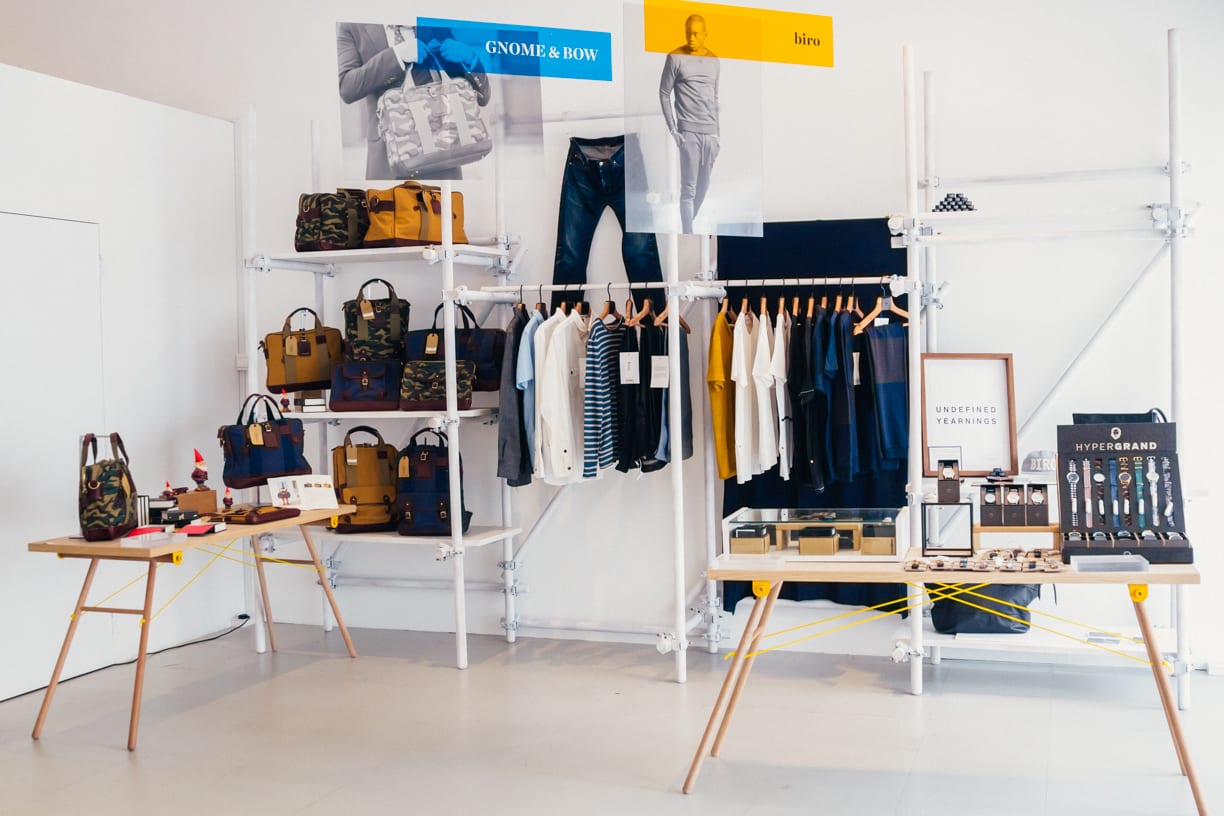
The 21 sqm Keepers store, in Changi Airport’s Terminal 1 departure hall, features works from 11 Singapore designers and will remain open until January 7.
A previous pop up was located at Orchard Green.
On display are fashion items from Ayesha and Matter; jewellery from Carrie K, Saught and Marilyn Tan Jewellery; handmade candles from A Dose of Something; leathergoods from Lingwu, Gnome & Bow and Extreme Exotic; and watches from HyperGrand.
“Having a second location at the airport will help to fast-track our local designers’ footprint to a global audience,” said Carolyn Kan, founder and designer of Carrie K and co-organiser of Keepers.
Lynette Lee, who is CEO of Textile & Fashion Federation and another co-founder of Keepers, said the group chose Changi after noticing about half its customers at Orchard Green were tourists.
“This is very encouraging as it shows that tourists and local shoppers alike are keen on purchasing items by Singapore designers,” she said.
“With Keepers at Changi Airport providing an accessible platform for local designers to showcase their work, we hope more overseas visitors will become advocates of Singapore designers.”
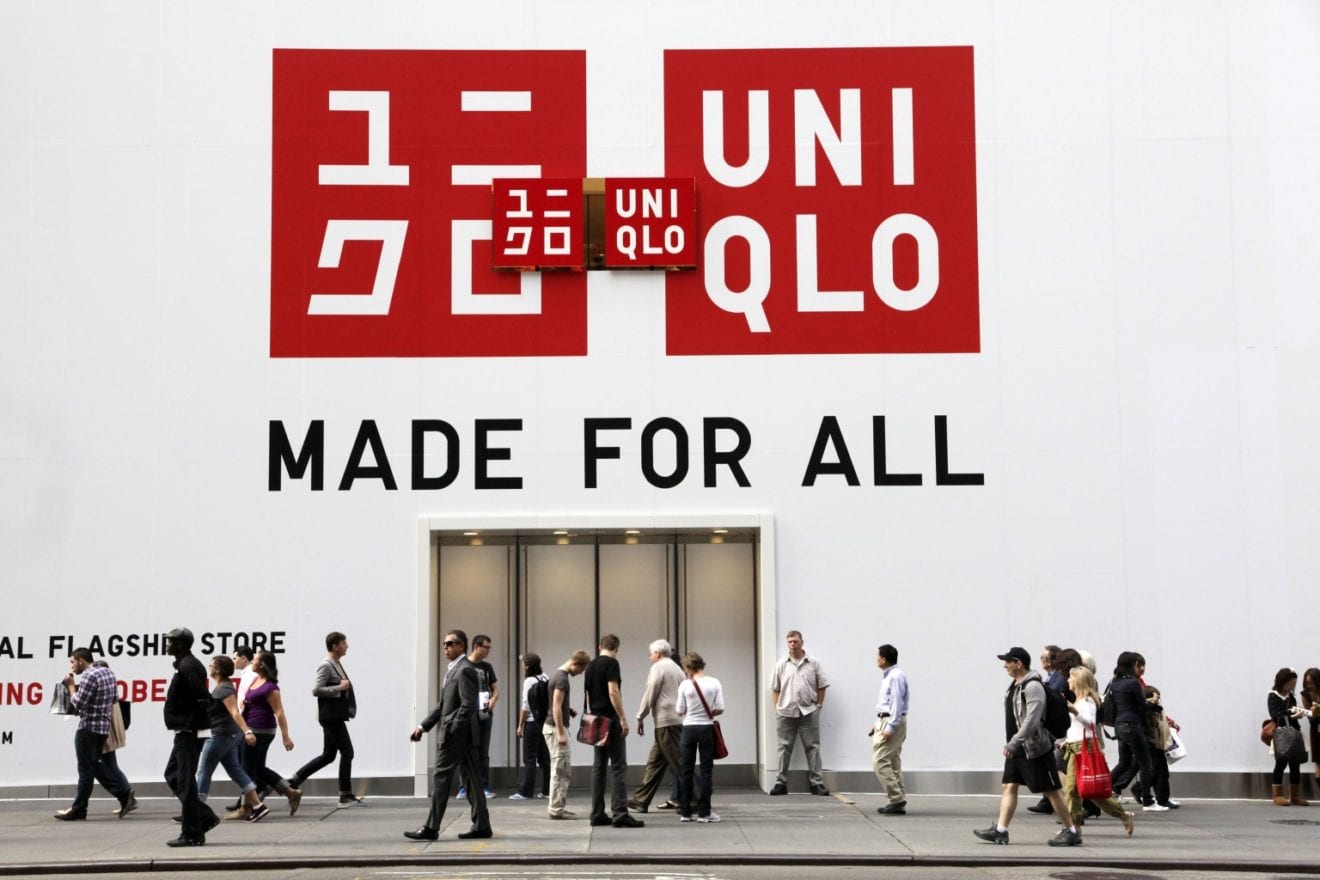
Beijing police have arrested five people they say played a role in the filming of a video of a couple having sex in a Uniqlo fitting room in China’s capital.
The sheer number of people involved in the video, which has gone viral on social media networks around the world, has raised speculation the apparel retailer was somehow involved behind the scenes in engineering the video as a publicity stunt.
But the company has strenuously denied it had anything to do with the one minute long production, or endorses it. And such a viral campaign certainly does not fit with the company’s ethical positioning or its record of community involvement and sponsorships.
Some Chinese media say the police “suspect that the case may possibly be a publicity stunt by Uniqlo”, one going so far as to quote a Beijing lawyer saying the company could face a fine of between 200,000 and 1 million RMB (US$32,000 and $165,000) and have its trading licence revoked if it was found to be involved.
In a statement (not issued through Uniqlo’s normal media media channels) Uniqlo reportedly condemned the filming.
Since the video was uploaded, attracting attention from news organisations worldwide, the Sanlitun flagship in which it was filmed has become something of a tourist attraction, with people posing for photographs outside.
The young couple who had reportedly “only just met” were quickly identified via social media and have become celebrities on Chinese social media networks, albeit they have now reportedly been arrested and charged with indecency.
From censored stills posted online by news media outlets, the video appears to have been filmed entirely by mobile phone. So the involvement of an additional three people is puzzling unless they were responsible for its spread or reposting, rather than production as reported in China.
Meanwhile, Chinese authorities have summoned representatives of Tencent and Weibo to discuss how the video was so widely shared and viewable on its networks. Chinese law prohibits pornography.
K.Diamond is a revolutionary skin care product that comes from the house of Swiss Lausanne Research and Development Center, which is a world leader in cell technology research. Recently, the Switzerland based lab decided to distribute and sell its products directly through its authorized agent in China. The product has reached China and it can be found in retail stores. The creators of the breakthrough skin care product have maintained that they have reinvented fundamentals of skin care that were used during ancient times.
Swiss Lausanne Research and Development Center bears a 53 year old legacy of manufacturing skin care products. A lot of their skin care products are used in the five-star hotels of Switzerland. However, the manufacturers have always focused on research and innovation rather than marketing and promotion. In 2010, the research lab came up with a series of micro-plastic applicators that were introduced in the Chinese market. The creators have claimed that K.Diamond is a value-for-money product which is gradually picking up in popularity across Chinese mainland. The developers have claimed that the skin care products that are now being available in China can have miraculous effects.
One of the senior researchers from Swiss Lausanne Research and Development Center recently met the press here in Beijing and he talked about the future plans and objectives of his lab at great length. He said, “We are more of a research and innovations lab than a skin care products manufacturer. We know consumers in China have always been waiting for a truly beneficial product like K.Diamond and we must say that the huge demand in Chinese market can now be successfully met by our China based general suppliers. All products are shipped directly from our Switzerland based lab and our local supply chain managers and distributors are doing a commendable job in taking the products to the Chinese retail market.” He also indicated that the K.Diamond product distributor network would be expanded in the near future.
Both parties are also ready to jointly develop payment channels and other innovative services in a bid to assist Thai investors in Laos.
Suwat Techawatanawana, KBank’s first senior vice president, said Aeon Leasing Service (Lao) had been granted kip-denominated loans by the bank’s Laotian unit to be used for its retail and motorcycle-loan businesses.
Aeon Group is a successful financial conglomerate in Thailand, offering personal-loan and credit-card services. Given the promising trends in Laos, the group’s business expansion into this marketplace is expected to bring fruitful results.
Aside from financial support, KBank will cooperate with Aeon to develop products and services such as innovative payment channels to facilitate its customers in Laos.
Shiro Kitano, managing director of Aeon Leasing Service (Lao), said this cooperative effort with KBank would be supportive to the company’s business, making it more flexible in its operations.
Aeon Group now centralises its business management of the Asean region in Thailand. After branching out into the Laotian market, the conglomerate may contact KBank. The one-stop service will help reduce the number of relevant procedures and time needed.
The cooperative endeavour between the two companies to develop complete payment channels will not only provide greater convenience to customers in Laos, but also assist in modernising transactions in this market.
Having its headquarters and first branch in Vientiane, Aeon Leasing Service (Lao) is now expanding its services in other major cities in that country.
Amid slowing economic conditions, loans extended during the first half of 2015 accounted for 30 per cent of this year’s target of 50 billion Lao kip (Bt208 million).
The company plans to launch more marketing activities to boost its business during the second half of the year, wherein the overall economy is expected to benefit from the advent of the Asean Economic Community.
Suwat said KBank had operated its locally incorporated institution in Laos since last December, offering loans and financial-transaction services to both individual and corporate customers there, including Thai businesses that have invested in the country.
Providing credit, KBank assesses their business potential in Laos, plus their company outlook in Thailand. Such risk assessment is conducted to evaluate the entire group prospect. Therefore, the bank can better underwrite credit and give other supporting services to the businesses.
Amid Laos’ high economic-growth potential, some Thai operators may wish to cash in on growing business opportunities. KBank says it stands ready to support Thai businesses in advisory services, business matching activities and diverse financial services.
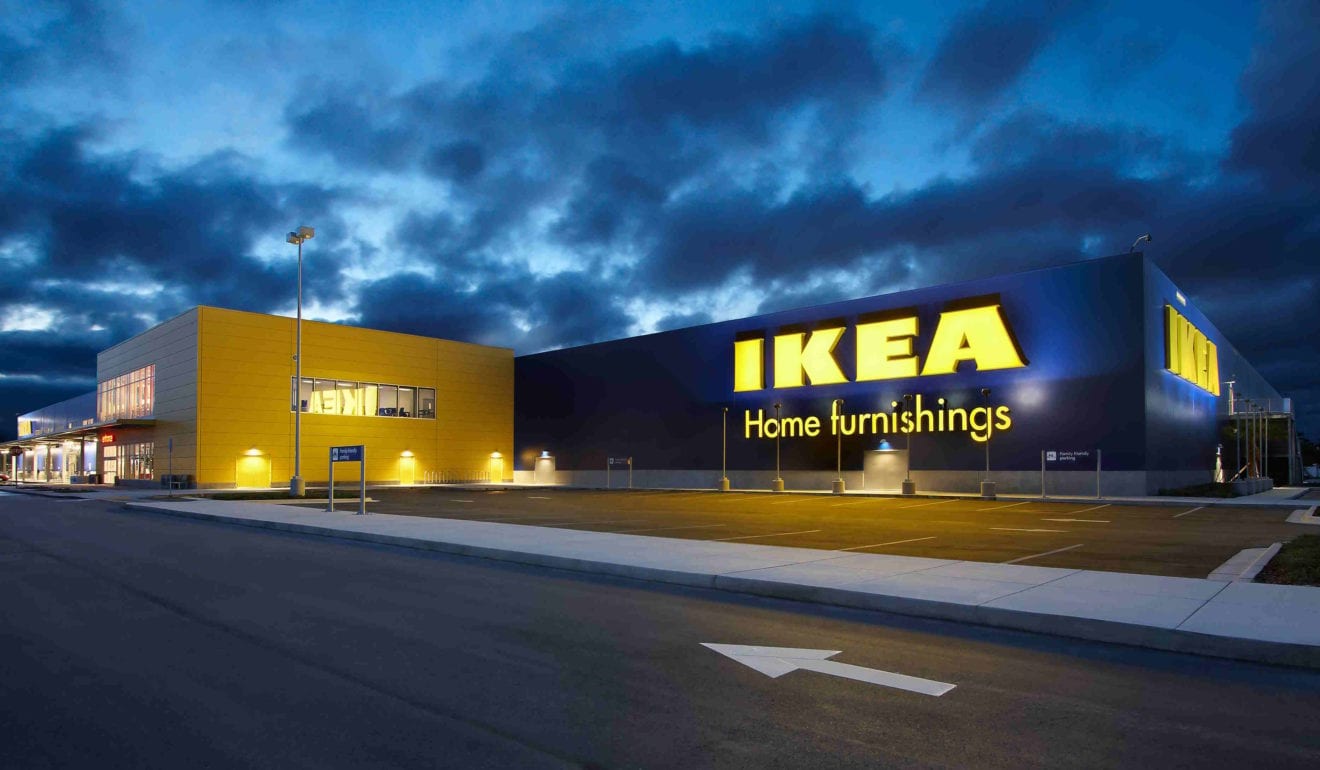
Ikea India has acquired the land for the first of 25 stores planned for the country.
The Swedish home furnishings company says the 13 acre site is located close to the IT hub Hitec City and is close to public transport, including a metro line under construction.
Further details were scant, except that the land was acquired from the Telangana government. Ikea India plans 24 more stores in the long term and is currently evaluating sites in Mumbai, Bengaluru and Delhi NCR.
Each Ikea store will cost about $100 million to establish, including land and construction costs.
Part of the arrangement allowing Ikea to open single brand stores in India is that it has to source product from within the country. The company already has about 50 suppliers in India employing some 45,000 people. Now it is actively searching for more suppliers to boost the proportion of locally-sourced stock.
IKEA India CEO Juvencio Maeztu described India as a promising market because it offers the company the opportunity to source, retail, conduct CSR initiatives through Ikea charitable foundation and empower social entrepreneurs through next generation projects.
“Our focus now is to bring all of it together in Hyderabad as we have bought our first land to build an Ikea store. We will bring a unique shopping experience through our inspiring stores offering affordable home furnishing products,” he said.
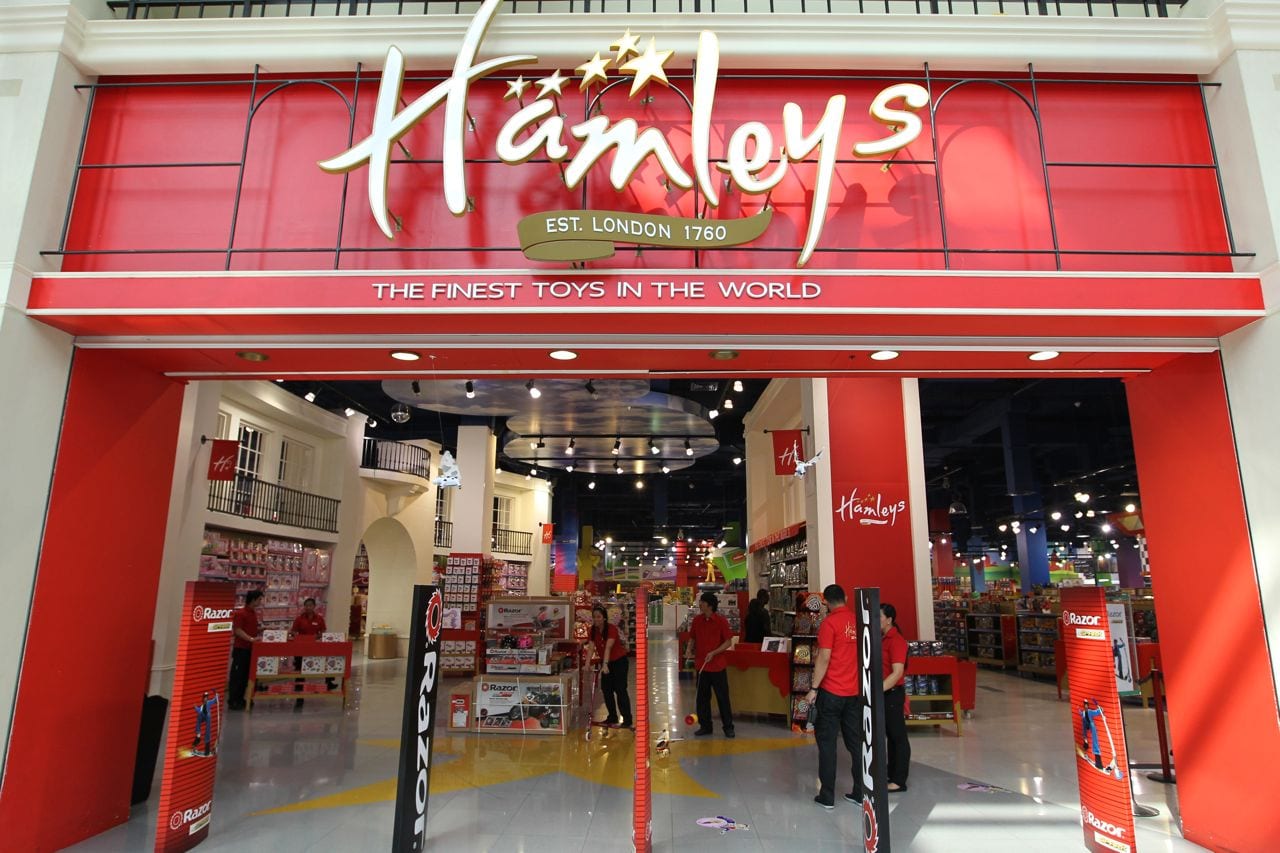
The world’s oldest toy retailer – Hamleys – is to make its Singapore debut this month.
Hamleys Singapore will open its first store in the Plaza Singapura extension on July 24 in a partnership with Global Retail Ventures, which also runs Hamleys’ outlets in Malaysia.
The move is part of an aggressive global expansion strategy for the London-founded, French-owned brand which has this year opened a giant Moscow flagship, has its first store opening in Vietnam this month and in Asia is already also trading in the Philippines. The Plaza Singapura store is likely to be the first of several in Singapore. Hamleys, through a Vietnamese franchise partner, is opening in Singapore-based Mapletree’s joint venture SC VivoCity shopping centre in Ho Chi Minh City.
The toy chain has 54 stores in 17 countries with stock range targeting children from toddlers to adults.
The debut Singapore shop will feature 12,000 sqft of retail space across two stories and stock more than 10,000 items.
Plaza Singapura management want to position the mall as a one-stop destination for families.
Thirteen Nuance Group (HK) stores have been recognised for their environmental performance and commitment out of a total 23 at Hong Kong International Airport’s Environmental Management Recognition Scheme 2014/15.
Essentially, the Airport Authority Hong Kong-backed scheme is aimed at encouraging retailers to adopt green initiatives and take active responsibilities for the environmental management of their stores. The scheme is co-organised by the Hong Kong Productivity Council (HKPC), which conducts on-site assessments of retail F&B premises at HKIA.
Nuance is a wholly-owned subsidiary of Basel-based Dufry AG and the 13 stores which were recognised for their efforts this year include the following: (Silver awards) Sound & Vision store reference numbers 6E102, 6E150 and 6W520; Bally 6E125; Longchamp 6W544.
Bronze awards went to the following Nuance stores: Taste & Delights 6W572; Amazing Grace 7E192; Bags Unlimited 5P084; Best of…Stores 5P103; Fortress 7T096 & 7T097; Fortress 5P028A; Scent & Beauty 5P065; and The Peninsula Boutique 7T040.
Commenting on the initiative, Alessandra Piovesana, Regional Managing Director of Nuance Asia and Regional COO (ad int) Asia & Middle East of Dufry Group said: “My team and I are delighted for our 13 winning stores at the latest HKIA Environmental Management Recognition Scheme, underlining our widespread corporate commitment in environmental conservation and protection across all our stores as part of our mission of ‘Enriching Travel, Enriching Life’.
“We believe that environmental management succeeds only through continuous engagements and stewardship with a consistent attitude acted on a united front. Since we took a lead in this area to kick off our first corporate green initiative ‘Save & Preserve’ to reduce the use of plastic bags as early as in 2007, we have continuously nurtured our staff to take ‘green’ as an everyday approach, making ‘green’ practices part of their daily working lives.
“Every year, we organize different activities to optimize ‘green’ awareness among travellers at HKIA. Our on-going environmental management programmes reflect our passion for life and our will to demonstrate that performing business and environmental actions can surely co-exist. With our concerted efforts with the Airport Authority and other stakeholders, our team is determined to leverage our presence within the airport to continue raising travellers’ consciousness of the need for a sustainable future.”
ENVIRONMENTAL MEASURES TAKEN BY NUANCE
The retailer adds that its continuous efforts at environmentally sensible stewardship and customer engagement include the following: minimizing the environmental impact of shopping bags by choosing certified biodegradable materials and by administrative measures; having agreements with suppliers or service providers to reuse containers or materials in goods delivery; installing energy efficient lighting; regularly maintaining air-conditioning systems; establishing ; Green Procurement Policy; using of state-of-the-art sustainable technologies, such as paperless PO system, use of Radio Data Transfer for stock logistics, Electronic Business Process Management and Digital Filing, etc.
Most importantly, Nuance management says it provides regular training in environmental management to its employees.
THE SIX KEY CRITERIA USED FOR JUDGING
The judging criteria for the HKIA Environmental Management Recognition Scheme was based on six aspects, i.e. waste management, energy efficiency, waste water management, air pollution control, noise pollution control and overall environmental management.
The judging panel consisted of representatives from the Airport Authority Hong Kong, Environmental Protection Department, Hong Kong Waste Management Association, Friends of the Earth (HK) and Academia (Professor C.S. Poon of HK Polytechnic University).
Nuance adds that in 2012 it received five Gold Awards in the first-ever HKIA Environmental Responsible Retail Recognition Scheme held by AAHK. The retailer also received a Green Management Bronze Award from the Green Council Hong Kong in 2011.
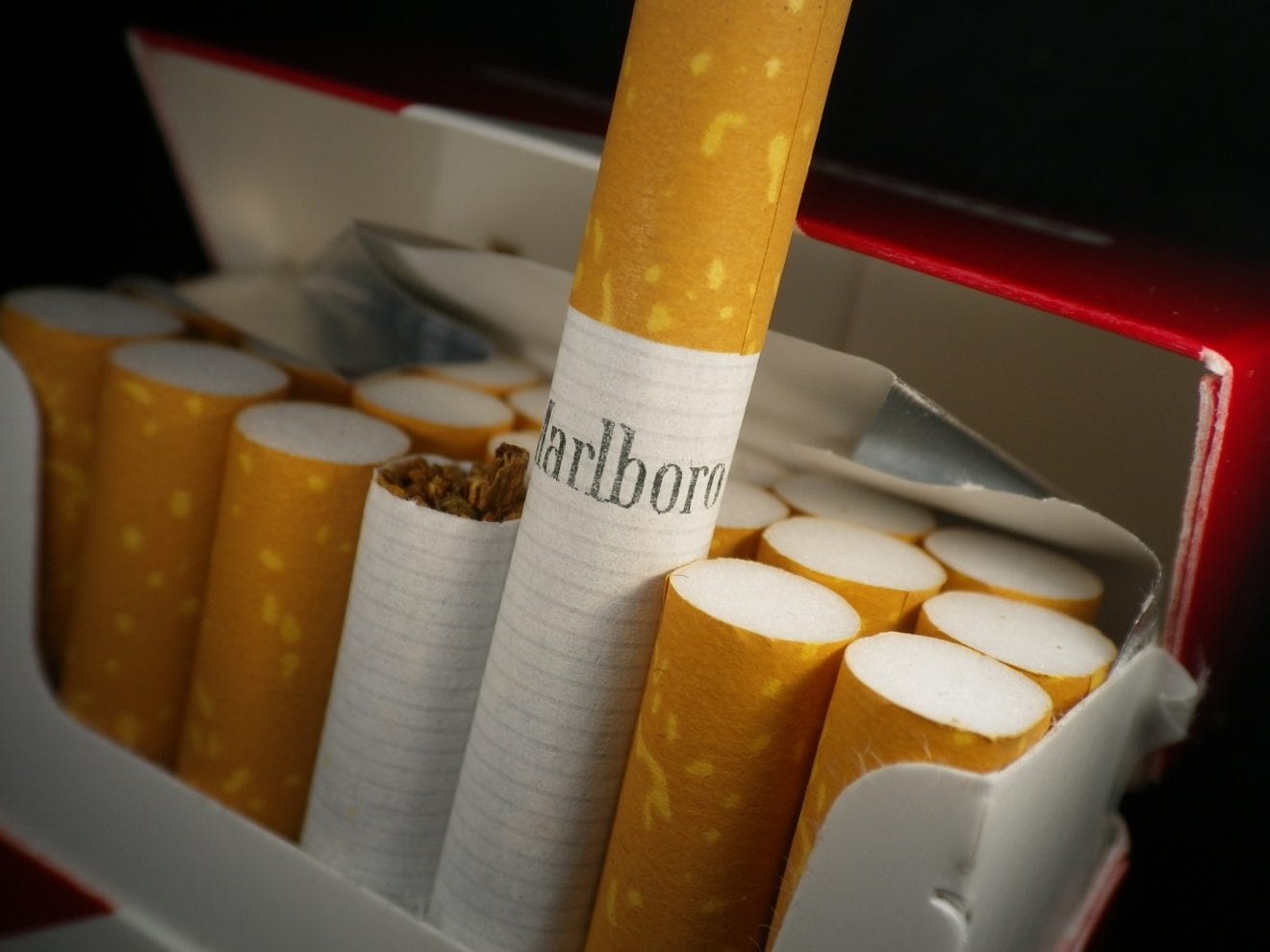
A “sin tax” on cigarettes has sharply cut smoking in the Philippines while also boosting government revenues, the internal revenue chief claimed on Monday.
The number of cigarette packs put on store shelves by retailers fell by nearly a third between 2012 and 2014, said revenue chief Kim Henares.
The government raised excise taxes on tobacco and liquor products in 2012 to raise revenues and discourage smoking, which kills nearly 88,000 Filipinos each year according to World Health Organisation data.
“We exceeded the targets,” Henares told AFP.
The government agency’s data showed 5.764 million packs were withdrawn from storage and placed on retail shelves in 2012, compared to 4.869 billion packs in 2013.
By 2014 the figure was down to 3.917 billion packs, said Henares.
Taxes are levied on the number of packs placed on store shelves rather than the number subsequently sold.
Proceeds from the taxes on cigarettes rose to P74.328 billion ($1.69 billion) last year from 32.16 billion pesos in 2012, the agency said.
Under the law, a portion of the revenues from sin taxes are allotted to finance government health programes including anti-smoking campaigns.
A Department of Health survey in 2009 found that more than 28 per cent of the country’s adult population were smokers.
The government first asked parliament to raise taxes on “sin” products as early as 1997, but a strong lobby by tobacco manufacturers delayed this for years.
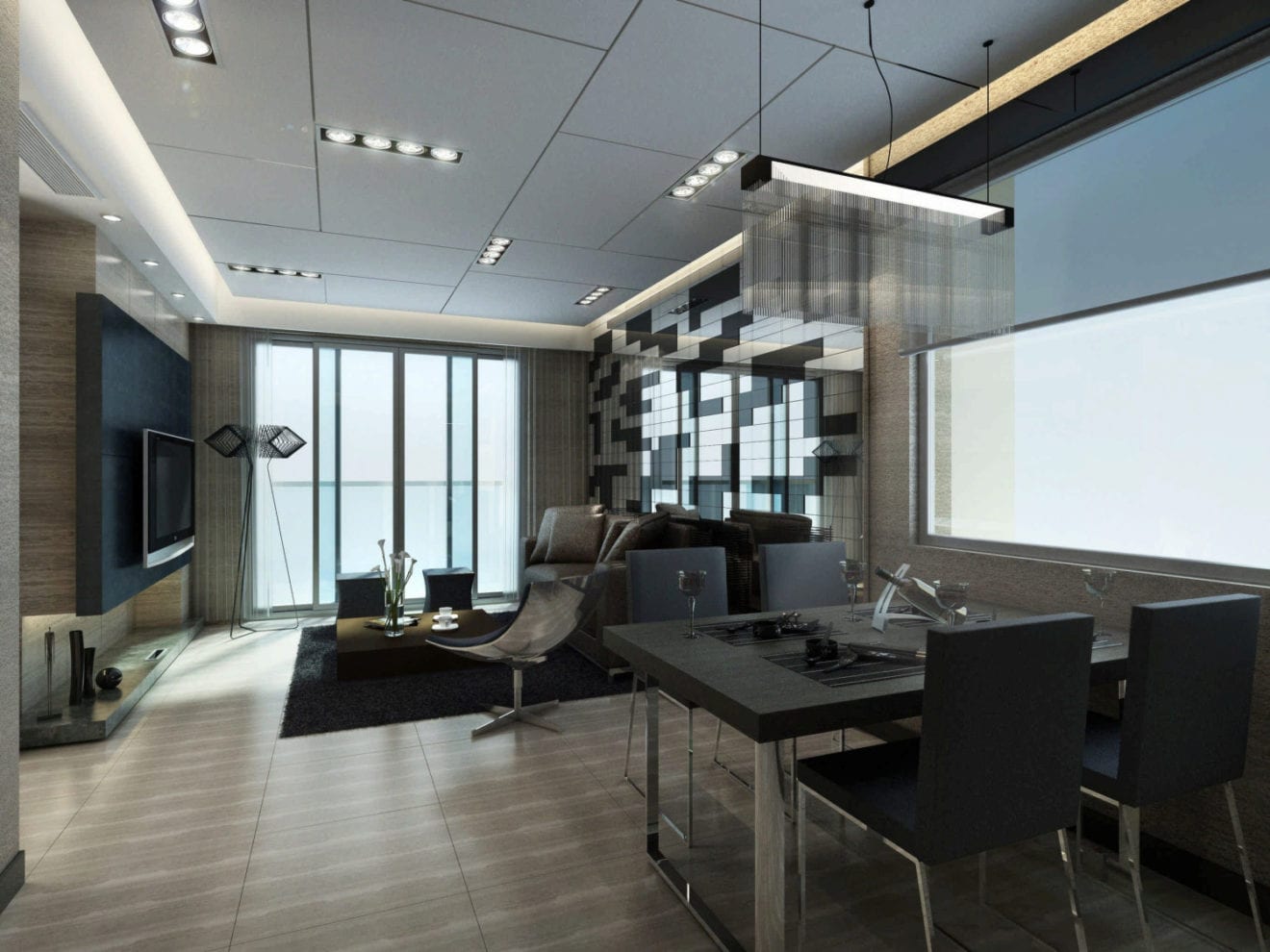
The parent of Chinese furniture retailer Shangpin Home Collection has announced plans for an IPO to raise 2.5 billion yuan (US$402 million).
Guangzhou Shangpin Home Collection Co Ltd will list on the Growth Enterprise Market of Shenzhen Stock Exchange, China’s version of the US Nasdaq exchange.
Shangpin Home Collection operates 969 stores, 901 of them franchised, the balance self-run.
The company makes customised furniture which it sells through Shangpin Home Collection stores and online, where it ranks 42nd in China’s top 500 internet retailers.
The company was founded in 2004. It says it plans to use the funds to upgrade it manufacturing systems, online services and fulfilment centres.
Last year, Shangpin Home Collection boosted profit by 63 per cent, the vast majority of that growth reportedly coming from its eCommerce business on its own site Homekoo.com and on Tmall and JD.com.
Physical stores, however, currently still account for the majority of sales.
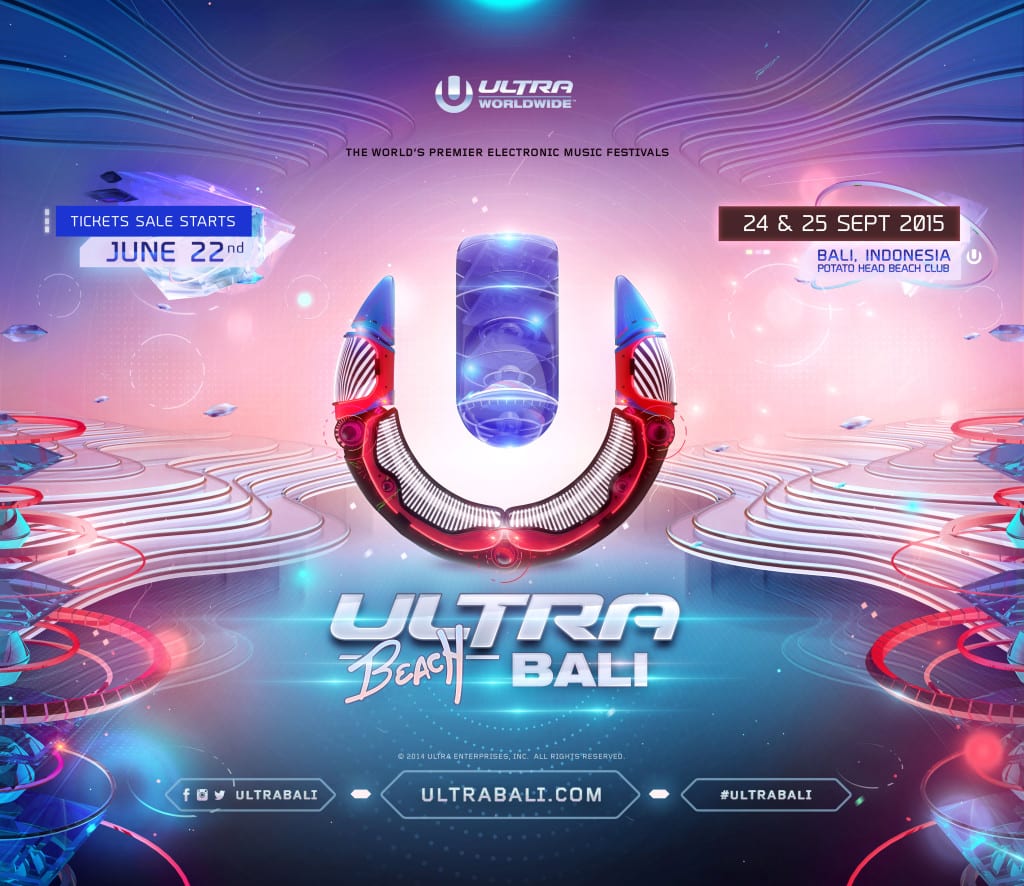
The Ultra Music Festival (UMF), Miami, is undoubtedly one of the world’s most popular electronic dance music fest. As part of the Ultra Worldwide initiative, UMF is now all set to host a spin-off on the beautiful island of Bali in Indonesia this September.
The Ultra Beach Bali festival will be held at the Potato Head Beach Club on 24 and 25 September, 2015. The pre-sale tickets for the festival are already sold out. But don’t be disappointed, you can still grab your ticket.
Click here to buy your ticket for the Ultra Bali Fest.
Viagogo, which is the official ticketing partner for the Ultra Beach Bali fest, has called for ticket sales now. And it has been predicted that the two-day tickets that are available for purchase now may get sold out soon.
This is the first time the Ultra Music Fest will be happening at ‘The Island of God’ and the team behind the show is expecting over 10,000 fans (which they call “Ultranauts) for the fest.
“Bali has always been a dream destination for travelers around the world and now, with Ultra Beach Bali, it’s building a reputation for great live music too. It’s our mission to broaden access to the best events in the world and we’re delighted to provide our world class international ticketing services for this fantastic event,” Viagogo spokesperson.
The artist line-up and other details are yet-to-be announced, but you go to the Ultra Bali website —ultrabali.com to stay tuned and get all the updates.
Bali is the latest addition to the list of Asian countries that have been taken over by the Ultra storm. The festival has already made stops at South Korea, Japan and Thailand and is expected to hit Singapore and Philippines later this year.
Chinese homewares company Jia has opened its first store in Taiwan.
Jia Plus Taiwan opened this week in Shin Kong Place, Suzhou. It features a curated collection of home and kitchen wares sourced from its own portfolio, along with European brands including Italesse Italian cutlery, Denmark’s Menu, German cutlery label Mono and French wine accessories maker L’Atelier du Vin.
The Chinese retailer says the store aims to provide “a guide to a better life”.
“Starting off from the kitchen essentials, Jia aims to unify Hong Kong’s civilisation, Taiwan’s creativity and China’s cultures into one important Chinese [statement] to the world,” said Jia founder Christopher Lin.
“And that nothing is greater than food – the most basic necessity for everyday people. At the same time, Jia designs splendid homeware products and successfully establishes the brand as the leading Chinese design brand in the international homeware market, showing the world the cumulative synergy that Chinese culture has to offer.”
The new store features a garden on the ground floor designed by Taiwanese architect An Yu Qian, inspired by journeys on the Silk Rd.Jia Plus’ open space concept features intertwined metal bars and earth-toned wood. The products are grouped by category.
Indonesia’s PT Matahari Putra Prima has opened the primary of a brand new upmarket grocery retail retailer format.
The multi-format trendy retailer, which operates Hypermart, Foodmart and Boston Well being & Magnificence chains, has branded its new supply Foodmart Primo. The shop, situated on the new MaxxBox Lippo Village in Karawaci, Tangerang, opened final Friday.
The creation of the Foodmart Primo idea is predicated on the corporate’s persevering with remark and analytical research on Indonesian buying tendencies, displaying an upward development of center class consumption all through the area.
Foodmart Primo can be positioned strategically in key areas in a number of metropolitan Indonesia cities.
Matahari says Foodmart Primo clients will expertise trendy grocery store format enhancements associated to retailer format and atmosphere in addition to product choices with a better give attention to offering a extra pleasurable buying expertise, high quality premium merchandise and comfort.
Director of Foodmart Operations, Dave Rao stated: “With the opening of MaxxBox, we’ve got the chance to open our first “upmarket” retailer beneath the Foodmart Primo model. Primo means high-quality.
“Foodmart Primo is a professionally designed an upmarket retailer with further options comparable to able to eat part, “boutique” bakery and wine station underneath one roof. The grocery store gives a excessive degree of native and imported items to serve the rising worldwide group in Lippo Village,” stated Rao.
“A variety of native, imported vegatables and fruits can be found every day along with a wide selection of beef, poultry, seafood and delicatessen.”
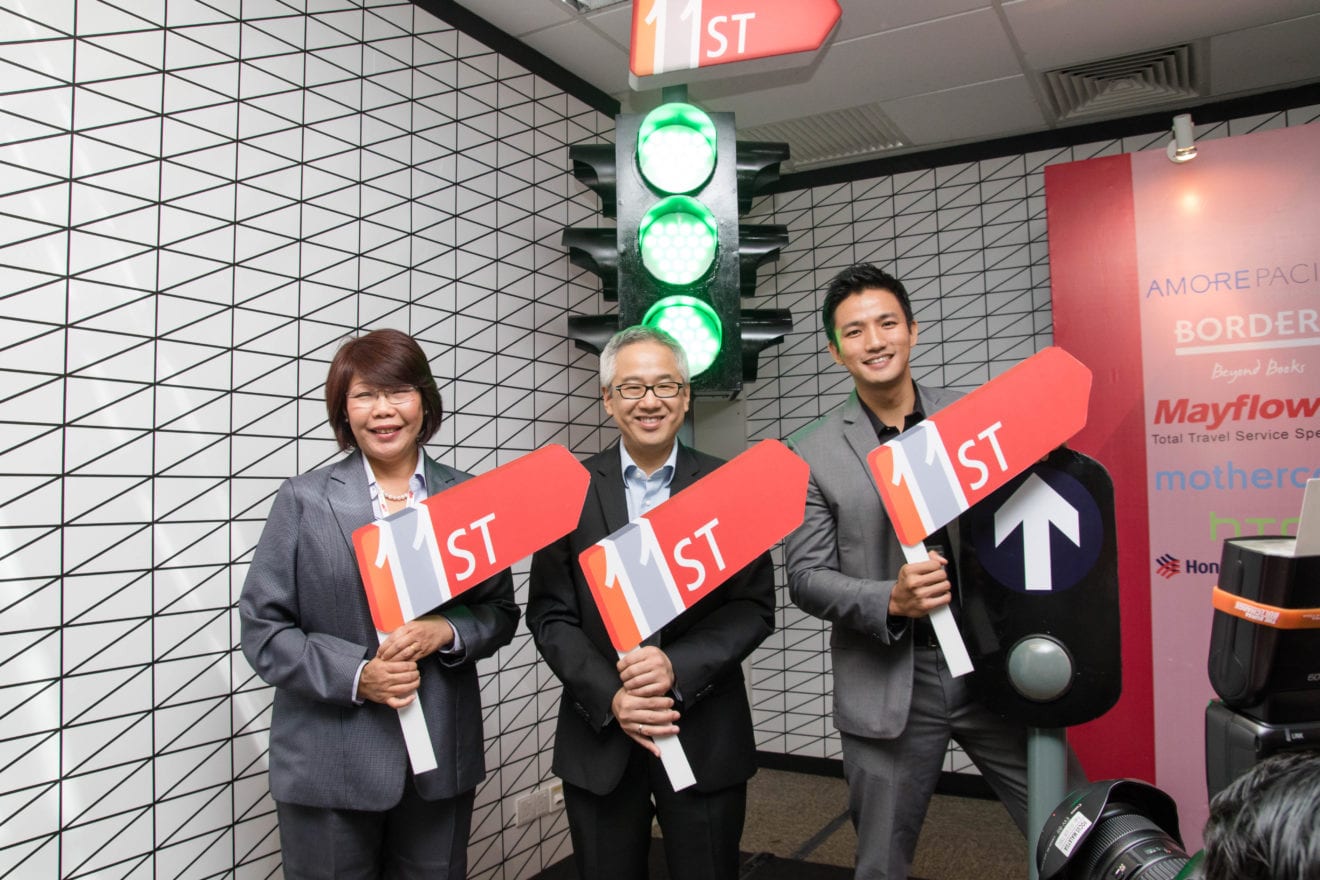
11street (www.11street.my), one of the largest online marketplaces in Malaysia, recently analysed trending products on their website last week which interestingly reveals a whopping 81 percent increase in searches for baby car seats – a positive sign of rising awareness of child passenger safety across the country while everyone gets ready to embark on long car journeys home for the Raya holidays.
The trend among parents surfing on 11street goes in line with the recent urge expressed by Malaysian Consumers Association to enforce car seats for carrying infants and children in vehicles.
11street’s Chief Executive Officer, Hoseok Kim points out that while child car seats has yet to be made mandatory by the local government, the rise of car seat searc indicate parents are becoming more savvy about road safety, especially for long journeys which is a positive step.
Car accidents on the rise
According to statistics revealed by Bukit Aman’s Traffic Branch, there has been a 5.5 percent increase in car accidents in 2014 as compared to 2013. Total car crashes last year amounted to an appalling figure of nearly 60 000 cases. In the event of a vehicle crash, car seat use have been found to significantly reduce the risk of a child’s death.
Kim says, “Parents are increasingly concerned about the safety of their young children. It should come as no surprise that parents search for car seats at online marketplace such as 11street because it is one of the most conducive platforms where people can research for vast product information. At 11street, we stock car seats that offer protection in the event of collision, and ensure your little ones are comfortable throughout the journey.”
Taking your family safety in your own hands
At the same time, using mobile phones and other portable devices while behind the wheel has emerged as a recent trend posing a tremendous risk of car accidents. The sobering statistics on the number car accidents should also prompt vehicle owners to go even further while equipping their cars for this year’s ‘balik kampung’ and ensuring the safety of all passengers.
Kim ends, “Apart from baby car seats, we also begin to see increased search for Bluetooth earphones over the last week by at least two-fold. Hands-free devices should be a priority as well since it enables drivers to make calls safely with minimal disruption. At 11street, we offer a wide selection of safety boosting car accessories at affordable prices including Bluetooth stereo receivers, anti-sleep alarms and many more.”
Data also shown that with the upcoming festivities, other indispensable items such as powerbanks and travel bags have gained in popularity. This indicates that Malaysians are already starting to prepare for Raya to ensure that they can enjoy endless entrainment on the go and easily carry their belongings for their ‘balik kampung’ journey.
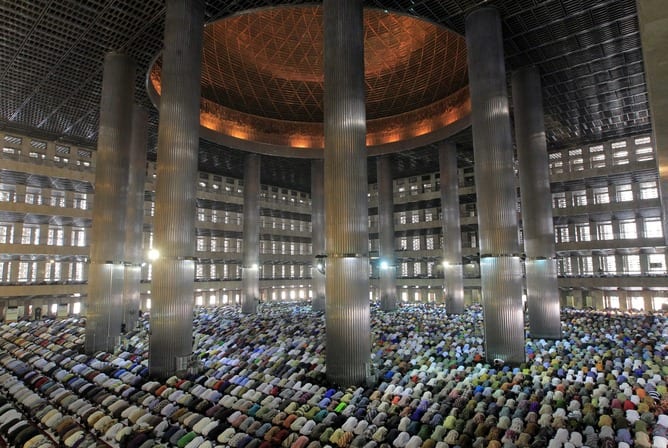
The Islamic calendar has entered the second week of Ramadan. During this month, Muslims refrain from eating, drinking and sexual activities from dawn to dusk.
But, in countries where Muslims are the majority, consumption increases during this month of restraint. This happens not only in high-income countries, such as Qatar and United Arab Emirates, but also in developing countries such as Indonesia. Traditions that spur consumerism during Ramadan and preparations for Eid Fitr, the end of Ramadan, drive this trend.
Spending patterns
People spend more during Ramadan – mainly on food and beverages, but also on clothing. In Indonesia, the retail sales index on these categories showed a 30% increase during the Ramadan month in 2013.
Meals taken during Ramadan help tighten family ties and increase social interactions. In the fasting month, Muslim families usually have sahur – the pre-dawn meal – and iftar – the fast breaking meal – together, with more elaborate menus than in other months. People also have more social gatherings by breaking the fast together in restaurants at malls or in mosques.
Just after Ramadan ends, Muslims celebrate Eid Fitr. They start preparing for this holy day weeks before. People wear new clothes during Eid. They make or buy an assortment of cookies and sweets. They also prepare special menus to be enjoyed and served to guests.
The main ingredients for the festive meals are mostly beef or chicken. The Indonesian government has to ensure that beef is stocked for Ramadan and Eid holidays. Australia, as the biggest exporter of live cattle to Indonesia, benefits much from the Ramadan season.
People take the time to visit family and friends during Eid Fitr. In Muslim majority countries, the time around Eid is a long holiday. In Indonesia, the government obliges employers to pay a religious holy day bonus. This one-month salary bonus helps increase the public’s spending power during Ramadan and Eid.
Clothing sales increase in Ramadan and ahead of Eid Fitr.
Paying alms
During Ramadan, Muslims pay alms (zakat). The increase in alms can quadruple from regular months.
The compulsory alms in Ramadan, the zakat fitrah, is actually not much – around 3.5 litres of rice per person. But many Muslims pay other types of compulsory alms that are actually payable in other months.
Aside from zakat, spending on charities that are not compulsory also increase during Ramadan. The channelling of zakat and charity for the poor also factors in the increase in purchasing power.
Inflation
Indonesians often complain about high inflation during Ramadan. Prices for food, transportation and recreation usually rise during the fasting month.
But the holiday bonus plays a role as a safety net for people’s spending power. Zakat also helps the poor cope with rising prices of food. Last year, food prices increased 2% during Ramadan.
Prices for flights, and train and bus rides, also increase as the end of Ramadan marks the start of a long holiday in Indonesia. A lot of people go to their hometowns or where their parents or grandparents live. Even though formally the Eid Fitr holiday is two days, in reality people take a week off. Many workers take their annual leave. Plane ticket prices can increase twofold. Some are fully booked long before the day of travel.
Productivity during Ramadan
Reduced working hours is common during Ramadan. A two-hour workday reduction, as occurs in Pakistan and Egypt, brings an estimated7.7% decrease in the country’s monthly GDP. For countries that only cut an hour of its workday – such as Indonesia and Malaysia – the decrease is around 3.8%.
Workers’ productivity tends to decline during Ramadan. A rough figureof decrease in productivity in Muslim majority countries is between 35% and 50%. However, the slowing down of productivity in Ramadan is predictable, meaning the economy can anticipate it.
The decrease in productivity happens as people choose subjective well-being from religious and Ramadan-related activities over the benefit people might get from working. During Ramadan, Muslims tend to do more religious activities and take time for activities related to Ramadan, such as breaking the fast with family, sprucing up their house and making cakes.
When people feel they get more positive benefits from non-work activities, the opportunity cost – the value that people sacrifice to gain something – from work increases.
In his study on Ramadan, Harvard economist Filipe Campante finds that, in the fasting month, people tend to choose self-employment (with flexible working hours) over formal employment. Campante says Ramadan makes people poorer but happier.
Being social
Many economic activities related to Ramadan and Eid are not just for private consumption – they are also collective ones.
Networking activities happen during Ramadan and Eid. Fast-breaking gatherings, religious activities in mosques, social bazaars and the Eid holiday exodus facilitate information exchanges. On the journey to their hometowns, people bring souvenirs for family and friends. There, people catch up and exchange information about activities in cities.
These social gatherings can increase further economic activities.
Ramadan has the potential to improve Indonesia’s current economic slowdown with its increase in consumption and trade. However, economic activity on this year’s Ramadan is predicted to be lower than previous years. The lunar calendar has brought Ramadan to coincide with school holidays in Indonesia in 2015. This means less holiday travel for Indonesians.
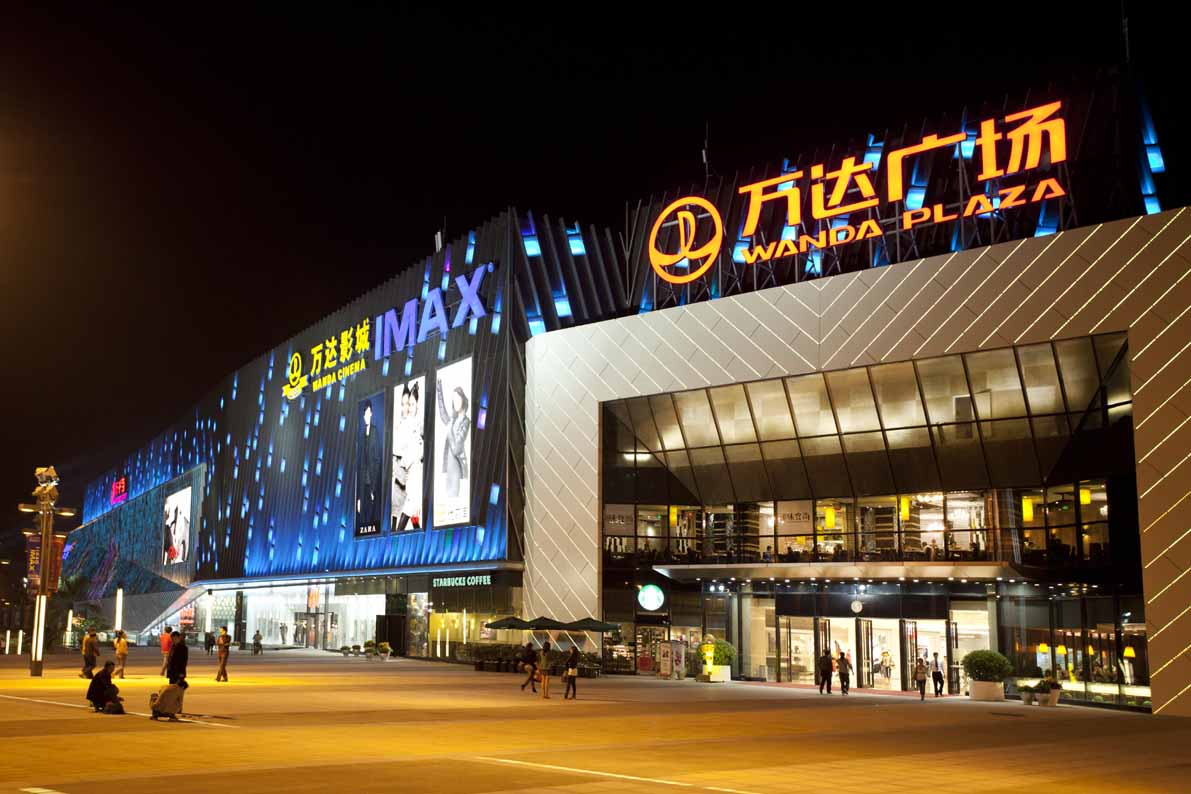
The founder of Chinese retail, property and entertainment powerhouse Wanda Group says he plans to invest in more globally recognised sports clubs.
Wang Jianlin, chairman of Wanda Group, ranked China’s richest man by Bloomberg with assets of $42.1 billion, bought 20 per cent of Spanish football club Atletico Madrid in April for euro 45 million. He also bought Swiss sports marketing group Infront for euro 1.05 billion.
This week he said he will buy into “at least three more” sports clubs this year.
Chinese press agency Xinhua reported Wang Jianlin saying: “Within this year, Wanda will still buy at least three sports companies. Upon the completion of these mergers and acquisitions, Wanda is going to be the world number one in the sports industry.”
It’s all part of a strategy to boost Wanda Group’s influence in the global sports business, which would also benefit its retail networks through brand associations.
Beijing-headquartered Wanda Group owns retail, entertainment and hotel businesses, including the AMC cinema business. He is expanding into theme parks and film production and has a commercial property arm, Dalian Wanda Commercial Properties, which owns shopping malls.