Category: Living

Retail News Asia is committed to providing both local and global retailers with the latest Living news throughout the Asian market. This on a daily base.

  • Matahari has strong half

    Matahari has strong half

    Indonesia’s PT Matahari Putra Prima (MPPA) says its first half year sales rose 6.6 per cent on the back of new stores.

    Like for like sales rose 2.1 per cent in a period of softening economic conditions and when several stores were closed for renovation.

    Matahari has continued with a strong focus on upgrading its store formats, rolling out its new G7 format with brighter, more upmarket store designs and increased range. It also opened the first of its new Foodmart Primo format stores during the half year.

    In the next six months Matahari will open the first of another new concept – a SmartClub wholesale store.

    Operating profit surged 29.4 per cent in the half (excluding extraordinary items) as the retailer continued to improve its infrastructure, boosting internal efficiencies and developing a solid platform for future growth.

  • Banks, insurers to face new rules when selling at malls, public places

    Banks, insurers to face new rules when selling at malls, public places

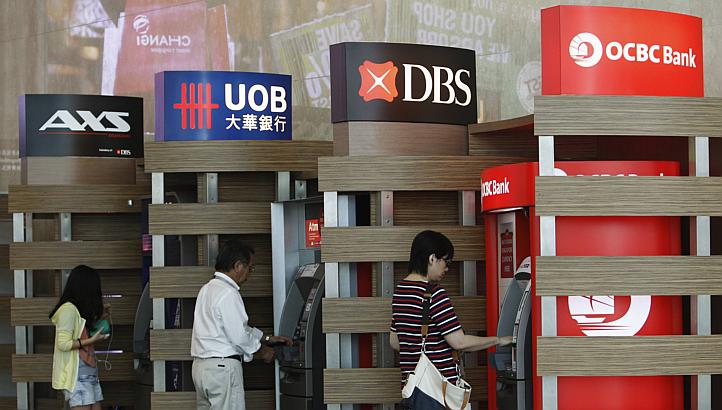
    As financial institutions (FI) jostle to get a bigger share of the consumer dollar by sending their salespeople to hawk everything from credit cards to insurance and investment products at shopping malls, MRT stations and other public places, the Monetary Authority of Singapore (MAS) has stepped in to minimise the risks to consumers from such aggressive marketing tactics.

    In a consultation paper released today (July 23), the financial regulator proposes `Market Conduct Guidelines’ setting out safeguards that FIs — including banks, non-bank credit card and charge card licensees, insurance companies, capital markets and financial advisers — are required to implement while marketing their products and services at retail outlets and public places.

    “These proposals seek to strike a balance between allowing FIs flexibility with their marketing and distribution activities, while safeguarding consumers’ interests when they purchase financial products at retailers and public places,” said Mr Lee Boon Ngiap, assistant managing director of capital markets at the MAS.

    He emphasised that the regulator does recognise the importance of such marketing initiatives as a part of the FIs’ business models. The proliferation of such practises could lead to problems including harassment of consumers, confusion over the roles of the FI and the retailer, enticing consumers to purchase unsuitable products, buying financial products in an unconducive environment and mishandling of monies collected, the MAS said.

    Under the proposals, FIs will have to notify the MAS of their marketing and distribution activities at retailers and public places on a quarterly basis so that the regulator is able to monitor the situation more closely and tailor its supervisory approach accordingly.

    The MAS also proposed that the board and senior management of FIs be accountable for ensuring proper controls over their marketing campaigns at such places. FIs are also expected to call back customers roped in at public places before or within the free-look or cooling-off period to ensure they have understood the insurance and investment schemes they purchased. FIs must regularly conduct mystery shopping and site visits to ensure that their representatives adhere to the required standards and guidelines.

    The proposals complement existing rules and practises, and ensure consistency and alignment of standards across the financial industry, the MAS said, referring to existing guidelines that most FIs already have in place.

    Mr Antony Eldridge, financial services leader at business consultancy PwC Singapore said: “Given innovations in marketing and distribution techniques used by FIs, these proposals should not be unexpected. In fact, the proposals should also help to protect FIs in Singapore from getting caught in the kind of hugely costly scandals that have hit a number of overseas institutions.”

    Mr Rajan Raju, head of retail clients at Standard Chartered Bank Singa­pore, said: “The initiative is about responsible selling, treating customers fairly, and ensuring a robust process for the marketing of financial products and services. Treating customers fairly remains a key priority for us at Standard Chartered.”

    The Life Insurance Association of Singapore said its members are aligned with the MAS in safeguarding consumers’ interests. The implementation of numerous initiatives such as compareFIRST, balanced scorecard and Direct Purchase Insurance products are some examples of the industry’s efforts to ensure that consumers are well-informed and given flexibility in managing their portfolios to meet their protection, savings and investment needs, LIA added.

    The public consultation will close on Aug 24.

  • Banks in Singapore staring to offer higher fixed deposit rates

    Banks in Singapore staring to offer higher fixed deposit rates

    The upcoming Singapore Savings Bonds and stricter rules on how much capital banks must hold may be driving lenders to offer enticing promotional rates for fixed deposits.

    A shortage of funds on deposit available to banks for lending might also have prompted them to step up the competition for cash.

    Putting $25,000 into a 12-month fixed deposit now yields 1.5 per cent at OCBC and 1.45 per cent at Maybank, up from around 0.25 per cent to 0.7 per cent a year.

    Ms Kum Soek Ching, head of South-east Asia research at Credit Suisse, noted that banks could be offering promotions to prepare for the sale of the Singapore Savings Bonds (SSB), which could attract investments that would normally go into a fixed deposit.

    The bonds offer investors with a longer horizon a higher yield than fixed deposit rates, she said.

    Singapore Savings Bonds will start being issued in October and have a term of up to 10 years. They offer yields linked to long-term Singapore Government Securities, which have been between 2 and 3 per cent over the past 10 years.

    SSBs will start being issued in October and have a term of up to 10 years.

    They offer yields linked to long-term Singapore Government Securities, which have been between 2 and 3 per cent over the past 10 years.

    Dr Chua Hak Bin, head of emerging Asia economics at Bank of America Merrill Lynch, noted that the sale of SSBs would “intensify competition for retail deposits and pressure rates higher”.

    He added that the Government intends to issue up to $4 billion of bonds this year, an amount roughly equal to the increase in retail deposits over a six-month period.

    But some analysts believe SSBs will likely only marginally impact bank deposits in the short term.

    Mr Kumar Rachapudi, senior rates strategist for Asia at ANZ Research, said the amount of SSBs to be issued this year is small compared to total bank deposits, which are about $550 billion.

    The total bank deposits would at most be reduced by the amount of SSBs issued – only up to $4 billion – he added.

    Furthermore, retail investors are allowed to buy only up to $100,000 worth of SSBs, he said, adding: “There is no such cap on deposits.”

    Increasing liquidity requirements may also pressure foreign banks into raising rates, analysts here noted.

    Foreign banks deemed systemically important – such as Citi, HSBC, Maybank and Standard Chartered – will have to hold more high quality assets, like deposits, from January next year, noted Mr Chan.

    Ms Kum added that foreign banks could feel the pressure of increased deposit competition more, as they have a much smaller base of low-cost Singdollar deposits.

    However, local banks enjoy this larger base because of their home town advantage.

    The reduced pace of retail deposits, in the light of slower economic growth and a rate hike in the United States, would put further pressure on short-term rates, Dr Chua said.

    Local and foreign banks The Straits Times spoke to said their promotions were part of regular efforts to keep fixed deposit interest rates competitive.

    They also said they expected the SSBs to complement, not compete, against fixed deposits.

    Mr Matthew Colebrok, head of retail banking and wealth management at HSBC Singapore, said fixed deposits offered investors flexibility on terms while not limiting deposit amounts.

    They complemented saving bonds, which are used to meet long-term needs, he added.

  • Warner Music Singapore to stop distributing CDs

    Warner Music Singapore to stop distributing CDs

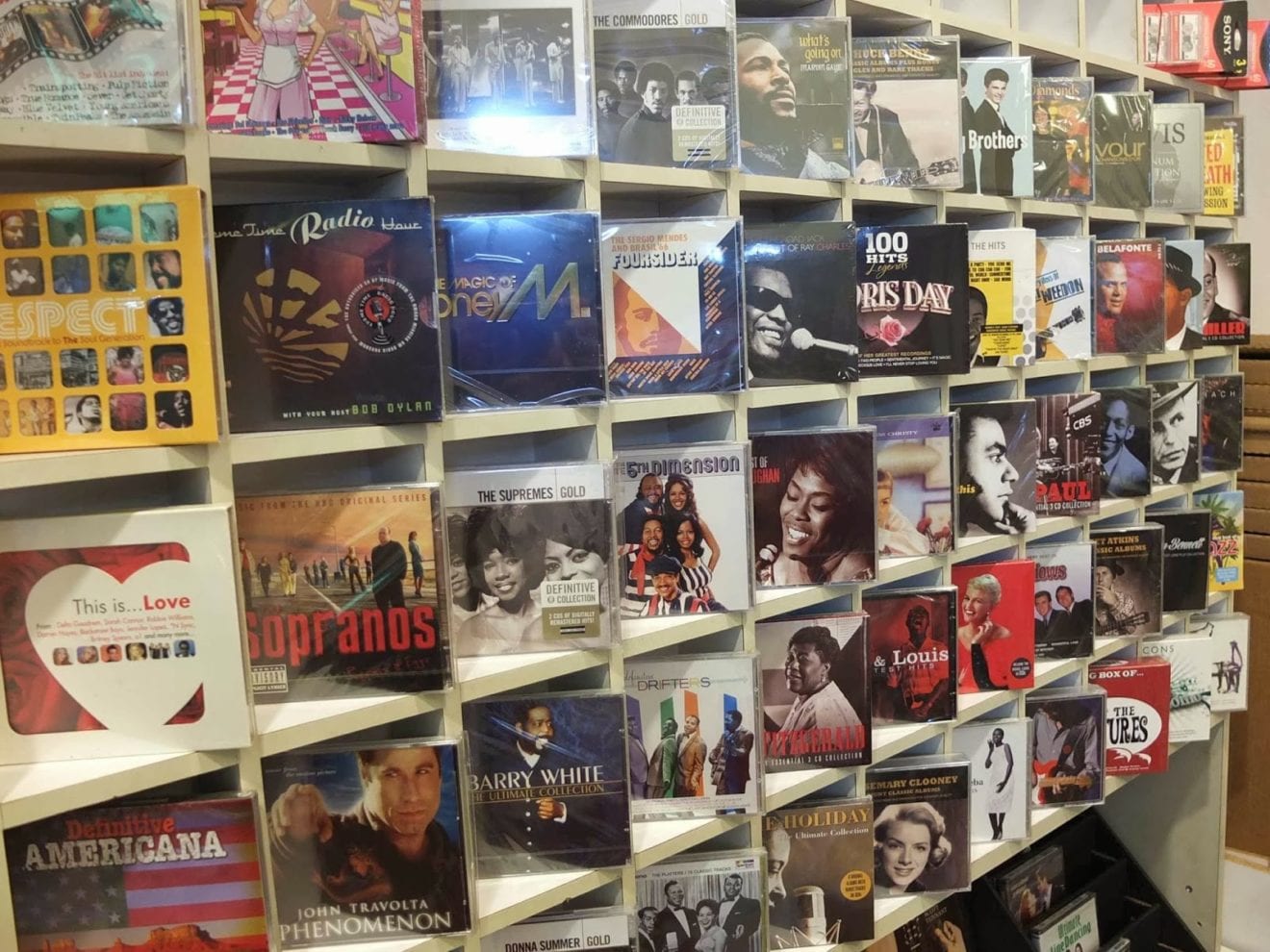
    The Singapore office of Warner Music – one of the major music labels along with Universal Music and Sony Music – is no longer bringing in CDs for sale and distribution here.

    This is what insiders in the local music industry – retailers and other labels – have heard.

    When contacted, Warner declined comment.

    In the last year, it released albums by Stevie Nicks, Ed Sheeran, Jolin Tsai and Singapore’s JJ Lin, according to its website. Other local musicians signed to it include Reuby and hip-hop duo SleeQ.

    While the other labels are still bringing in CDs, Life understands that Sony no longer handles the storage and distribution of these CDs to shops here. It has engaged another company for those functions.

    A veteran in the music industry, who declined to be named, said Warner’s decision was made in July. Retailers have also been informed of the move, and they say it is likely due to falling CD sales worldwide.

    A spokesman for HMV Singapore says it was notified of Warner’s move a couple of weeks ago, and of Sony’s move last year.

    Said the spokesman: “We will need to make slight changes by importing the CDs in the case of Warner.

    “For Sony, we can still get them locally supplied by MM2 (the company engaged by Sony). But some titles may be late, or on a rare occasion, not released.”

    Mr Ho Chan Sian, 60, owner of Memphis Music, a CD shop in Coleman Street, learnt about Warner’s move two weeks ago.

    He says: “It will be more inconvenient for us because we will not be able to draw stocks from Warner like before. We will have to turn to wholesalers to get CDs of artistes under the Warner label.”

    Consumers in the United States, the world’s largest music market, bought 257 million albums last year, a drop of 11 per cent from 2013.

    At Universal, sales of physical CDs in Singapore for the first half of this year have fallen 8 to 9 per cent, compared to the first half of last year.

    Says Ms Kim Lim, the head of marketing and sales for Malaysia and Singapore at Universal Music: “The market has evolved from physical sales towards digital distribution.

    “Digital is more affordable and easier to access. The consumer can also get it more quickly, instead of having to wait for CD stock to be ready in stores.

    “There are also very few stores nowadays as retail store rents are increasing year by year.”

    Says Mr Ngiam Kwang Hwa, 55, managing director of record label and concert organiser Rock Records: “I can totally understand Warner’s position. To bring in a CD, you have to pay for freight, GST, the warehouse to store the CDs, as well as distribution cost. If the sales volume is not high enough, it actually doesn’t make financial sense to do so.”

    Both Universal and Rock still bring in CDs for distribution.

    Ms Lim says: “We still believe some albums – that have nice packaging, exclusive content and limited edition packaging – are collectible items.”

    But Mr Ngiam expresses concern that Warner’s move is the beginning of an unhealthy outlook for the industry.

    He says: “My worry is that another one of the big labels will also stop bringing in CDs. Then the distribution system might change, and we might be forced to react.”

    When contacted, music fans were not surprised by Warner’s move.

    Public servant Tan Wei Ye, 28, has not bought a CD in more than 10 years: “Nowadays, I buy my music mainly from iTunes. I also use Spotify, Soundcloud and Bandcamp, and listen to music on YouTube sometimes.

    “You can just buy the individual songs you want, instead of having to commit to the full 10 or 12 songs on a physical CD. It doesn’t make sense to go to the physical CD shop anymore.”

  • Playphone Game Store Expands into Asia With GASH Prepaid Game Cards at 114000 Retail Outlets

    Playphone Game Store Expands into Asia With GASH Prepaid Game Cards at 114000 Retail Outlets

    Playphone®, Inc., a global leader in mobile social gaming and recently acquired by premier game developer GungHo, announced today a partnership with Gamania Digital Entertainment Co., Ltd. (GASH), a leading Asian online game publisher based in New Taipei City, Taiwan. Playphone and GASH are partnering to offer Asian gamers a revolutionary new social gaming experience with the world’s most popular games, a unique set of advanced social features, and GASH prepaid game cards − the preferred local payment method for the region.

    Playphone develops and operates social game stores worldwide, offering mobile gamers a single engaging app to discover, download, play and share thousands of their favorite games with friends. Playphone Game Stores are deeply integrated with social features throughout the gaming experience, easily connecting gamers with friends to recommend games, challenge or invite to play, brag leaderboard ranks, and more. Playphone’s gaming platform, with games from over 3,000 global developers, is rapidly expanding distribution in emerging markets.

    GASH is the largest online game publisher and digital entertainment platform in Taiwan, and its prepaid card platform is the most widely used game payment system in the region. GASH prepaid cards facilitate mobile purchases of paid games or in-game items without the need of a credit card. Gamers purchase GASH prepaid game cards in varying denominations at over 114,000 retail outlets in Asia. The GASH digital entertainment platform supports over 10 million active users, and current GASH users can now use their prepaid GASH cards to purchase paid games and in-game items from the Playphone Game Store.

    “Our partnership with GASH perfectly aligns with Playphone’s vision of providing the best social gaming experience in Asia, where gamers are hesitant to input credit card information into their mobile apps,” said Ron Czerny, CEO and Founder of Playphone. “As a gaming leader in the region, GASH has provided an invaluable contribution to our efforts to tailor our gaming experience to local Asian gamers.”

    “We are very excited to partner with Playphone to offer GASH gamers a technically-advanced, personalized gaming experience,” said Simon Lu, Chief Operating Officer of GASH. “And our partnership is a huge win for game developers, who simply upload games to the Playphone Developer Portal for instant access to Asian distribution and the GASH payment solution.”

    Game developers add games to the Playphone Game Store simply by uploading their existing Android game file (APK) to Playphone’s Developer Portal (developer.playphone.com). Playphone’s technology automatically integrates the game into the Playphone platform, providing the game with instant access to Playphone’s global distribution channel, preferred local payment solutions including GASH prepaid game cards, and world-class social features.


  • Bank Rakyat Indonesia launches country’s first floating bank

    Bank Rakyat Indonesia launches country’s first floating bank

    Bank Rakyat Indonesia (BRI) has launched a floating bank to make banking accessible to people residing in remote islands or coastal areas.

    The bank which has been named Teras BRI Kapal will currently provide its services to the Thousand Islands regency off north Jakarta. Its services would cover six islands including Pramuka Island, Tidung Island, Kepala Island, Untung Jawa Island, Harapan Island and Panggang Island, reported the Jakarta Post.

    The banks plans to introduce additional boats eventually to further expand its services to other remote islands.

    BRI president director Asmawi Syam was quoted a saying: “We want to provide services for people in coastal areas who previously did not receive optimum banking services.”

    The boat that will comprise 11 staff members including crew, guards and four BRI officers, a teller, a customer service officer and two account officers will provide services including savings, loans and money transfers. It will operate from Monday to Friday.

    As per plans, the bank will launch a new floating boat branch every year and will invest $1.11m (£710,872, €1.02m) on each branch.

    It also plans to cover areas including Ternate in North Maluku, Bau-bau in Southeast Sulawesi and Tanjung Selor in North Kalimantan in the future.

  • Big differences in Asian travel spending

    Big differences in Asian travel spending

    Koreans travel abroad most frequently, Chinese spent the most money and Japanese visit the most faraway places most often.

    Those are findings from a study by Visa card, 2015 Survey on Travel Plans, in which 13,603 people from 25 different countries shared information about their travels.

    According to the results, Koreans traveled an average of five times during the past two years, ranking the highest in travel frequency – well above the global average of three times.

    Around 90 percent of the Korean respondents answered they had travelled abroad within the past two years. But as travellers, Koreans seem to be of frugal mind when it comes to expenses. They spent an average of $1808, which was way below the global average ($2281). They also have a tendency to set a budget and stick to it. Korean travelers paid 46 per cent of their expenses before departure, and 75 per cent of the payments were made by credit card.

    On the other hand, the average travel expense for Chinese travelers was $4780 – more than double the global average. Unlike Koreans, Chinese people had a tendency to decide what they wanted to do on the trip first and then calculate the expenses.

    While 36 per cent of Korean travelers and 34 per cent of Chinese travellers visited Japan, 36 per cent of Japanese travellers visited the US, showing their preference for long distance travel. The average time taken to get to the destination was longer for Japanese travelers (nine hours), compared to eight hours for Chinese travellers and six hours for Korean travellers.

    The average travelling expense for Japanese was $3165, which was less than the average of Chinese.

    In terms of accommodation, 41 per cent of Korean travellers and 62 per cent of Chinese preferred hotels with more than four stars, while 49 per cent of Japanese preferred one to three star hotels.

    The portion of Koreans who preferred package tours (47 per cent) was similar to the portion of those who liked to travel freely (52 per cent). However, more than half of the Chinese (65 per cent) and Japanese (77 per cent) preferred tour packages.

    Ian Jamieson, head of Visa Korea, said it was impressive that Korean travellers prepare well and frequently go on trips and the purchasing power of Chinese travellers was also interesting.

  • Alibaba drive perks up China sperm donations

    Alibaba drive perks up China sperm donations

    Alibaba has used the internet to revolutionise China’s retail, banking and transport markets, and now the ecommerce juggernaut has turned its attention to the country’s sperm shortage.

    Amid spiralling infertility rates, sperm banks across China have been running dry. Worsening environmental conditions and hectic work schedules have taken their toll on male fertility in China, experts say.

    According to a 2012 study by the China Population Association, a state agency, 12.5 per cent of Chinese couples are infertile.

    Enter Alibaba, whose Groupon-like website Juhuasuan markets everything from underwear to insurance. The ecommerce group’s move into boosting sperm donation features a banner advertisement with a phallic cartoon candle exploding into a white cloud, bearing the Chinese character for “semen” in bold lettering.

    “Avid concentration” the ad reads, with a pun on the character jing which in Chinese means both mind and sperm. During the donation drive, Alibaba offered payments of up to $800 for successful sperm donations.

    Posted between July 15-17, the campaign garnered 22,000 new registrants for the seven participating provincial sperm banks — equivalent to nearly a year’s worth of traffic for some of the centres.

    “This exceeded all expectations,” said Wang Zhiqiang, director of the state sperm bank for Guanxi province. “On average, we get about 300 donors a year, but during the three days of the Juhuasuan event, more than 1,000 people signed up. Assuming 20 per cent of them will donate, that is 200 new donors.”

    The mismatch in supply and demand for sperm has prompted donation centres to overcome many taboos in tradition-bound China. In April, the shortage had become so dire in Hubei province that the regional sperm bank turned to Weibo, China’s equivalent of Twitter, to broadcast: “Stop wasting all that tissue paper!”

    “Under-achievers! This is your opportunity! Hubei Sperm Bank is badly in need of sperm,” it said.

    The shortage of sperm donations is partly caused by stringent requirements for donors — roughly one in five is acceptable — but mainly because men in China have “shyness about such topics”, according to Mr Wang. “We mainly try to get recruits by passing out flyers and holding awareness seminars, but we do not get enough qualified men.”

    But Alibaba has made a speciality out of taking dysfunctional markets and overcoming everything from supply bottlenecks to onerous government regulations to low demand — it has done so in areas such as finance and taxis.

    Matching sellers with the masses of online traffic is the company’s speciality, usually combining with a bit of fun, marketing savvy, big data and, most importantly in the case of sperm donation, anonymity.

    “People feel shy and embarrassed when we meet them face-to-face,” said Mr Wang. But he said that marketing via the internet added a layer of privacy that makes previously forbidden topics acceptable.

    “Online, when they don’t have to face a human being, they are more comfortable, and this is a major reason why this project is a success,” he said, adding: “We don’t know whether they will actually come in or not.”

  • MasterCard expands in Myanmar

    MasterCard expands in Myanmar

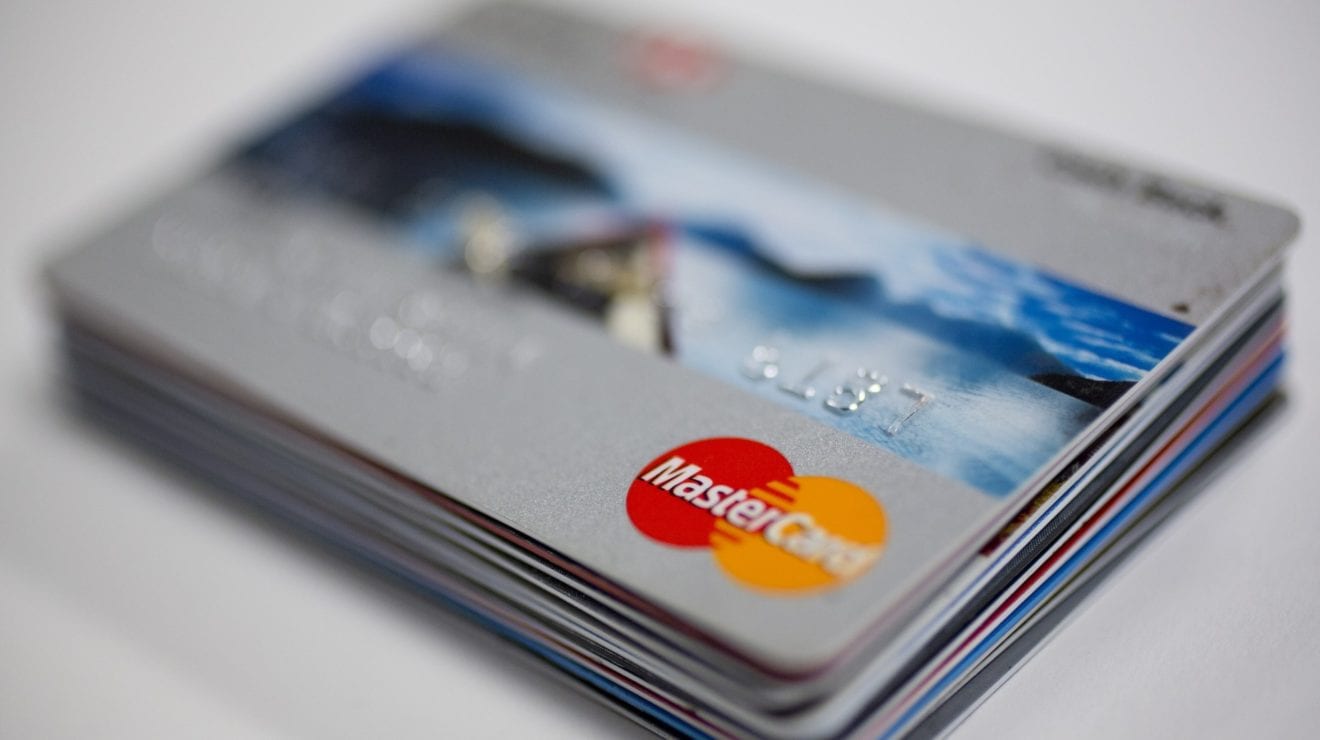
    Its launch comes exactly three years on from the lifting of sanctions in Myanmar and affirms MasterCard’s commitment to  provide safer and easier ways for Myanmar residents to pay for their travels.

    The new prepaid card is also timely given the latest MasterCard survey on consumer purchasing priorities in travel indicates that three out of five Myanmar consumers surveyed intend to travel within the next 12 months (either as much, or more than they did in the past 12 months).

    The MAB Travel Prepaid MasterCard provides a secure way for consumers to make payment when travelling overseas for leisure, business or education, and also when shopping on e-commerce sites.
    “We know that leisure travel and shopping are on the rise among Myanmar citizens and we hope this product will help to meet their needs,” said Win Min Khine, managing director, Myanmar Apex Bank.

    MasterCard country manager, Thailand & Myanmar, Antonio Corro said: “Myanmar’s gradual opening up presents many opportunities for entrepreneurship and commerce to flourish, and their progressive participation in the global payments system that MasterCard enables not only aids the development of the local payments landscape, but also facilitates global connections.”

    Since 2012, MasterCard has launched prepaid cards together with Co-operative Bank, Kanbawza Bank, Ayeyarwady Bank and Myanmar Citizen Bank with 2C2P, the last of which was also Myanmar’s first smartphone-enabled Prepaid Card.

    At present, more than 2,000 restaurants, retail outlets and hotels in Myanmar accept payment cards.

  • Onions-for-One Help Korea’s GS Retail Survive Depressed Markets

    Onions-for-One Help Korea’s GS Retail Survive Depressed Markets

    Convenience store owners love people like Bae Moon Sung. The 34-year-old finance worker lives alone and shops for almost everything at his local minimart.

    “Onions, cucumbers, they come in compact packages at convenience stores, which is more suitable for a single-person household like me,” he said. “They’re open 24 hours and they’re everywhere.”

    People like Bae are driving an expansion in convenience store chains that’s helping them outperform in depressed markets. Shares of GS Retail are up 112 per cent this year through Wednesday versus a 13 per cent slump in a gauge tracking consumer companies on the MSCI Korea Index. The risk the operator of GS25 outlets won’t pay its debt on time has fallen to 0.08 per cent from 0.14 per cent at the end of 2014, according to a Bloomberg default-risk model. Shares in CU store operator BGF Retail have risen 165 per cent.

    The chains’ popularity is in stark contrast to the overall industry in Asia’s fourth-largest economy. Department store sales fell 3.9 per cent in the first quarter, and that was before a deadly respiratory virus sapped confidence. Smaller households in Seoul as the population ages and family sizes shrink means consumers aren’t buying in bulk at supermarkets.

    “Retailers are suffering from low economic growth and online price competition,” Yu Jung Hyun, an analyst in Seoul at Daishin Securities, said. “But convenience stores have their own market. People still need to buy basic items close at hand.”

    Sales at the four main convenience store chains — CU, GS25, 7-Eleven and Buy the Way — have risen every quarter since at least the second three months of 2013, Ministry of Trade, Industry & Energy data show. In May, sales were up 31.5 per cent from a year earlier thanks to more outlets and an increase in the price of cigarettes. Discount store sales meanwhile have dropped every quarter since the second quarter of 2012, the ministry’s data show.


  • Identifying Asia’s regional bank champions

    Identifying Asia’s regional bank champions

    Bank of China is seen as the strongest challenger for Asian leadership

    A swelling population, exponential economic growth and broad financial development are transforming Asia ex-Japan into a global finance hub.

    It is the opportunity to service retail and wealthy clients in Asia that has fired banks’ ambitions to extend their regional networks and boost their distribution power.

    But the odds are stacked against them. They have nowhere near the scale of the international players Citi, HSBC and Standard Chartered. This trio has resources, customer networks and relationships acquired from a century of operations in Asia.

    Asian banks, on the other hand, face constraints in their ability to expand cross-border, including fierce domestic competition and national protectionism.

    Nevertheless, they have become increasingly vocal about their regional ambitions, centred around expanding their wealth management businesses.

    Our leading contenders come from China, Malaysia and Singapore. Hong Kong banks appear content to focus on Greater China, where they will seek to be facilitators of trade flows rather than competitors in regional distribution.

    “From a geographical standpoint, the footprint of the Singaporean banks is wider,” said Michael Wu, senior equity analyst at Morningstar. “They might be in a better position to access Asia.”

    Bank of China is seen as the strongest challenger for Asian leadership. It has the balance sheet and is willing to suffer in the short term to expand, notes CLSA.

    BOC has a network of 11,514 offices, although 10,693 are onshore. Overseas, it has 628 offices in Hong Kong, Macau, Taiwan and in 37 other countries.

    It was first to offer private banking onshore in 2007 and now manages Rmb720 billion ($116 billion) for 74,000 private banking customers, with more than 7,000 wealth management centres and 34 private banking hubs. It has private banking operations in Singapore and Hong Kong and has ambitions to grow in Asia, including Australia, where it opened a branch in 2010.

    Singapore’s largest lender, DBS, has 280 branches across 15 markets in Asia. But Singapore and Hong Kong remain its major markets, despite its attempts for regional leadership. As CLSA points out, its operations in the growth markets of China, India and Indonesia have remained sub-scale.

    DBS is building wealth management/private banking operations. Its private banking business was bolstered by its $220 billion acquisition of Société Générale’s private banking business in Asia last October, boosting its AUM 22% to S$133 billion ($97.4 billion) as of December 2014. DBS’s total wealth management AUM stood at S$141 billion and its private bank AUM at S$95 billion.

    Maybank was a late-comer to private banking, but has been building a solid Asean network. Its regional operation only started 18 months ago, with Singapore as its hub. But it has been hiring aggressively and expanding its proposition, including launching a discretionary portfolio management service.

    Steven Seow, Asia head of wealth management at Mercer, pointed out that Maybank has succeeded in converting long-time Asian corporate banking entrepreneurs to its wealth management business. In terms of private banking assets, Maybank has S$6 billion in overall AUM, having added S$2 billion in new assets over the past year.

    Historically OCBC has focused on Southeast Asia. It has a strong position in Singapore and is one of the largest foreign banks in Malaysia, providing conventional and Islamic finance. Last year it acquired Wing Hang Bank in Hong Kong for $5 billion.

    That increased OCBC’s branches in Greater China from 25 to 120 and deepened its operations in the Pearl River Delta, although it paid a high premium given Wing Hang’s operations in Hong Kong and China were marginal.

    In private banking and wealth management, OCBC’s 2009 acquisition of ING Private Banking (renamed Bank of Singapore) for $1.46 billion has given it the scale to compete with DBS and global banks. The acquisition trebled its private banking AUM to $23 billion.

    As of March this year that AUM had since doubled to $51 billion. It enjoyed 15% year-on-year growth in wealth management income in 2014.

    Among Singaporean banks, UOB’s focus is on Southeast Asia, with universal banking operations in Malaysia, Thailand and Indonesia. But outside of Singapore its strength in Malaysia – it has the largest foreign bank network in the country with 45 branches – is not replicated in Thailand and Indonesia.

    Without the help of an international acquisition, UOB has invested in building its wealth management and private banking capabilities out of Singapore.

    It saw the combined AUM of wealth management and private banking grow 67% to S$80 billion in the four years to 2014, during which time the profit contribution of wealth management doubled to 47%.

    But while it has plans to offer private banking outside of Singapore, its current proposition is acknowledged as behind city-state peers DBS and OCBC.

    The full article appears in the July 2015 edition of AsianInvestor magazine
  • Aldi targeted by Clean Clothes Campaign

    Aldi targeted by Clean Clothes Campaign

    German discounter Aldi is taking the heat from the latest campaign over fair working conditions at suppliers to major retail brands.

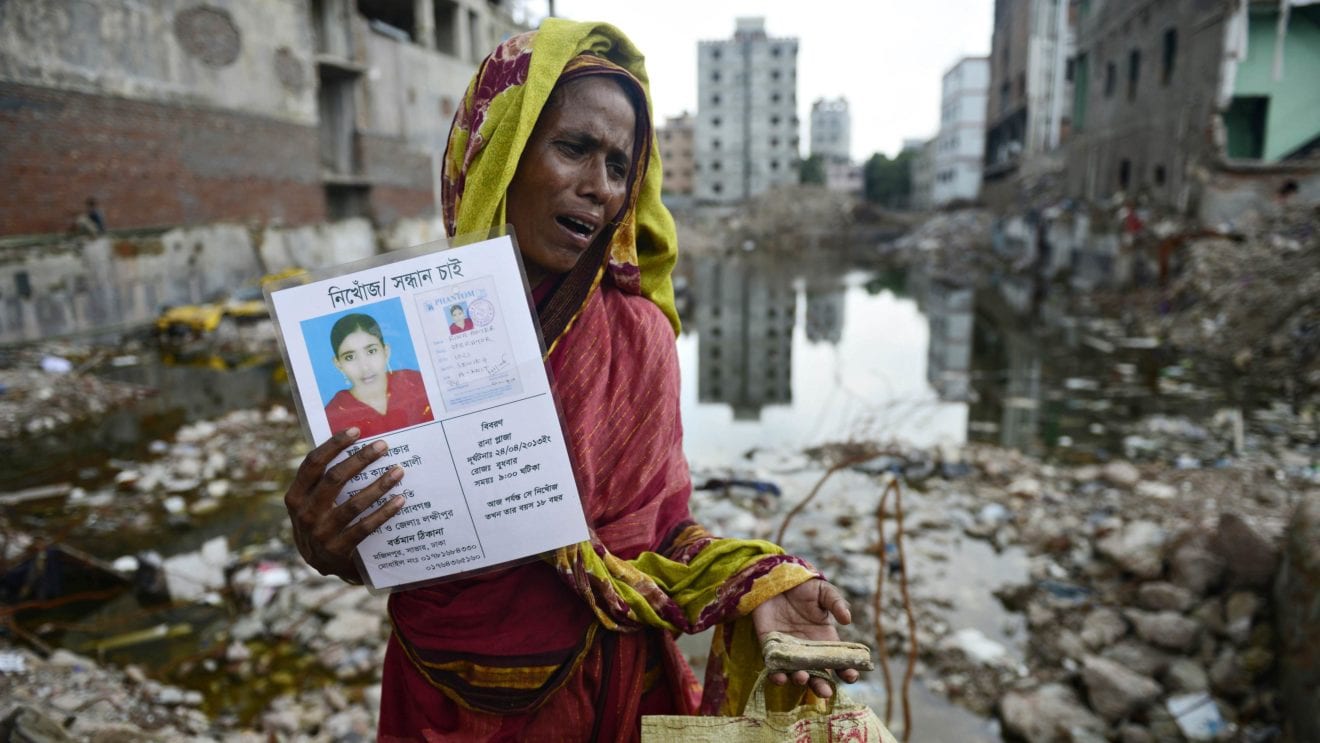
    The Clean Clothes Campaign is lobbying both Aldi and the Bangladesh government to take immediate action to ensure more than 1000 workers employed at the Swan Garment and Swan Jeans factories are provided with months of unpaid wages and bonuses they were allegedly deprived of following “the sudden and illegal closure of the factory” in April.

    Swan workers have been engaged in a sit-in outside the Dhaka Press Club since July 11 to demand action from the Bangladesh government and are due to meet with the Minister of Labour later this week to discuss their demands.

    The CCC says Swan Garments and Swan Jeans are both owned by the Swan Group, who also own a further three factories in the Dhaka area. The Swan Group websites lists a number of European brands as long term buyers from the Group including Lidl, Next, Bestseller, Dunnes and Walmart. Workers claim they were producing for Aldi, Piazza Italia and Motivi in the months prior to closure.

    “After almost three decades of operating in Bangladesh it appears the Swan Group started facing difficulties in 2014, when many of its long term buyers pulled their orders and the factories began to rely on subcontracting to maintain their business. In January 2015 the factory suddenly stopped paying salaries,” CCC said in a statement.

    “The Chinese owner of Swan Group, Ming Yuen Hon (Toby), attempted to flee the country on April 9, but was prevented from doing so by workers who confronted him at the airport and brought him back to the factory. This action forced Hon to pay one month salary to the workers, but on April 10 the two factories were illegally declared closed. According to his family Hon committed suicide some time in the following weeks.

    Workers have been engaged in various demonstrations since April 19 to demand their salaries and the reopening of factories.

    “Concerned that their fate will be the same as the Tuba Group workers who last year were forced to go on hunger strike to demand the wages and bonuses they were owed, several hundred Swan workers have been participating in a permanent sit down protest outside the Dhaka press club since July 12, and a number of workers have been injured by police using force to attempt to disperse protesters. In response the Ministry of Labour and the BGMEA have been promising that steps would be taken to resolve the issue of unpaid wages, but as the Eid holiday passed workers continued to wait for the money they are owed.”

    Joly Talukder, joint general secretary of the Garment Workers Trade Union Centre in Bangladesh said, the government is ignoring the protest, and the state of workers, and has not taken any step to meet the genuine legal demand to pay the arrears.

    CCC says the problem of sudden and illegal closures of garment factories is growing in Bangladesh, in part due to changes in the industry triggered by the Rana Plaza collapse.

    “These closures are leaving thousands of workers unemployed and deprived of their legally owed severance pay. To date little action has been taken by the Bangladesh government or international brands and retailers to ensure workers are not left without the wages and benefits they are owed.

    “Swan Garments is one of many factories that has closed illegally in Bangladesh over the last year. As in the majority of cases it is workers who are left with nothing – not even the wages and severance payments they are owed” says Samantha Maher of the Clean Clothes Campaign. “It is unacceptable that once again workers are being left to pay the price for bad factory management, impossible buyer demands and government inaction and we urge Aldi and the Ministry of Labour to ensure justice for the Swan workers.”

    The CCC did not define a “legal closure” of a factory, or explain where they expected the money to come from if the company was insolvent.

  • Osim Q2 sales hit by weak retail scene

    Osim Q2 sales hit by weak retail scene

    A weak retail scene hit second-quarter sales at Osim International.

    Revenue for the three months to June 30 was down 12.7 per cent to $159.5 million, while net profit declined 25.5 per cent to $21.9 million.

    Despite soft retail sales across its core countries, “our dominant brand has enabled us to maintain a stable gross margin and cash-generative business”, the company said yesterday.

    Osim operates in 23 countries. Its main markets are in North Asia, with 58 per cent of revenue, and South Asia, with 38 per cent.

    The company has 560 Osim outlets in all. “China continues to be our No. 1 market where we are in 45 cities with 251 outlets.

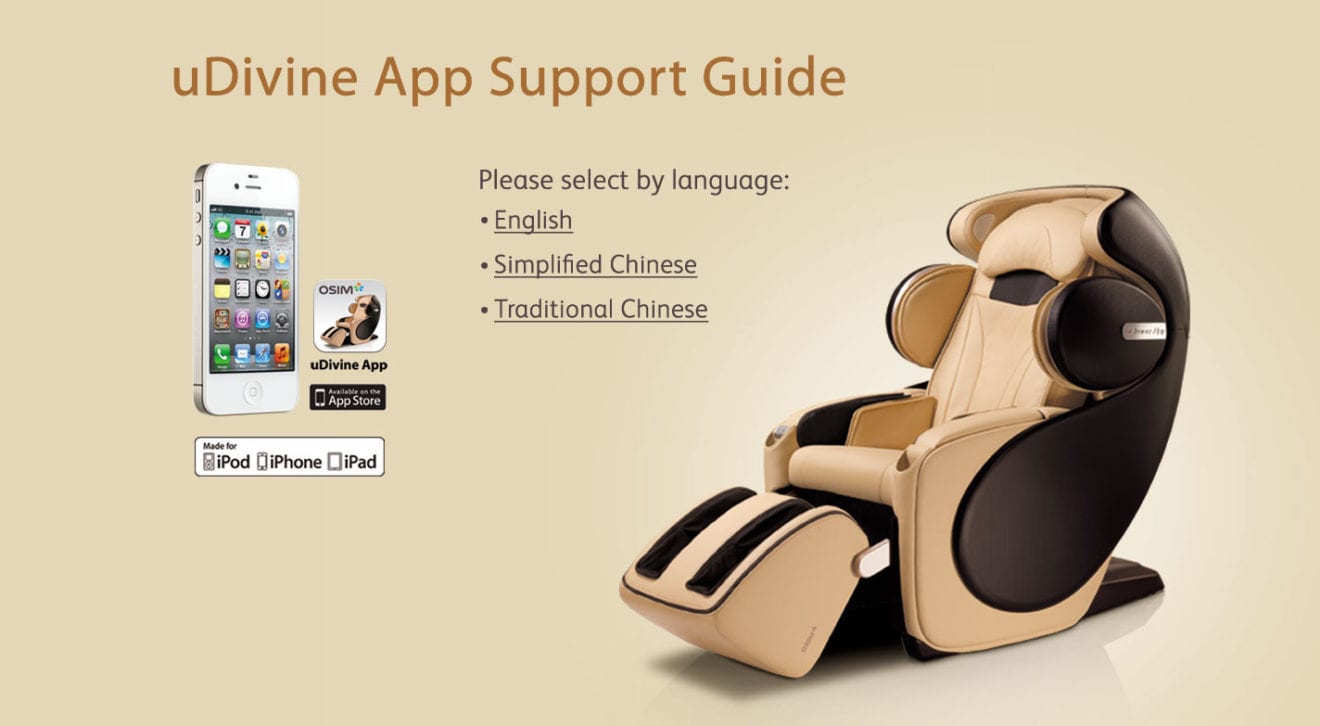
    New products, including uMagic, uInfinity Luxe, uDiva, uHip, uSqueez Air, uTrek and uShape Music, have sustained our dominant position in the market,” the company said.

    It has a further 220 GNC/RichLife outlets in its subsidiary ONI Global, and is growing sales through new product launches, it added. It shed 13 outlets in the second quarter.

    Subsidiary TWG Tea has 47 outlets and the company is targeting to open about 11 new outlets in the second half of the year, it said.

    “We remain optimistic on the prospects for the remainder of the year following the launch of uMagic in key markets and upcoming planned product launches,” it said.

    The company bought back $29 million in shares during the quarter. It declared an interim dividend of two cents per share, similar to a year ago, to be paid on Oct 7.

    Net asset value was 56 cents as at June 30, unchanged from Dec 31 last year. Earnings per share was 2.95 cents, down from 3.87 cents a year back.

    The firm said its balance sheet had strengthened with consolidated net assets at $487 million, and total cash and cash equivalents and fixed income investments of $443 million as at June 30.

    “We are continuing to invest for growth, supported by a strong balance sheet,” it said.

  • Ayala snaps up drug store stake

    Ayala snaps up drug store stake

    The Philippines retail and property conglomerate Ayala Group has bought a 50 per cent interest in local franchised healthcare chain Generika Drugstore.

    Ayala’s subsidiary Ayala Healthcare Holdings completed the deal, acquiring the stake from the family of Julien Bello.

    The chain has more than 500 stores across the Philippines. Co-founder Teodoro Ferrer, and the Bello family, will retain the other 50 per cent and Ferrer retains his role as president and CEO.

    Ferrer left Ayala’s employ in 2003 after more than 30 years for create Generika, which specialises in generic medicines for Filipinos unable to afford branded drugs.

    In a statement, Ayala president and COO Fernando Zobel de Ayala said the company was looking forward to furthering Generika’s goal of closing the gaps in affordable retail healthcare in the Philippines.

    “We believe this is an excellent platform for Ayala to reinvent the space and it will serve as foundation for our emerging healthcare portfolio,” he said. “

    With the combined strengths and management capabilities of Ayala and Generika, we believe we can raise the level of efficiency and accessibility of this platform to better serve Filipino families by providing a wide range of quality medicines at affordable prices.”

    Ayala will add the new business venture to a growing portfolio of companies in the healthcare arena. Last year it bought QualiMed, the Ayala Land subsidiary’s chain of hospitals and medical clinics, in partnership with the Mercado medical group.

  • King Living Singapore opens showroom

    King Living Singapore opens showroom

    International furniture designer, manufacturer and retailer, King Living has opened a showroom in Singapore.

    The Australian based, family-owned company, founded in 1977, focuses on contemporary furniture design, especially sofas and King Living says it plans to offer Singaporeans “new ideas, inspiration and solutions for all areas of their home” now it has debuted in the city state.

    The showroom, at 22 Kallang Ave in the Hong Aik Building, offers a large collection of King Living designs, as well as a range of Italian beds, coffee and dining tables, chairs and storage systems from leading Milan furniture designer and manufacturer Former Italy, stocked exclusively by King Living.

    “King Living is incredibly proud to introduce its wide range of furniture solutions to Singapore residents,” said Renata Bayer-Volf, the company’s GM.

    “This showroom is inspiring and contemporary, displaying some of the latest King Living releases in beautiful lifestyle settings that help customers visualise the potential of each design in their own home.

    “Including a wide selection of pieces from Former Italy, with Italian design and styling, we are confident Singaporeans will embrace our modern and luxurious furniture that complements the urban lifestyle.”