Category: Living

Retail News Asia is committed to providing both local and global retailers with the latest Living news throughout the Asian market. This on a daily base.

  • Marimekko Asia continues expansion

    Marimekko Asia continues expansion

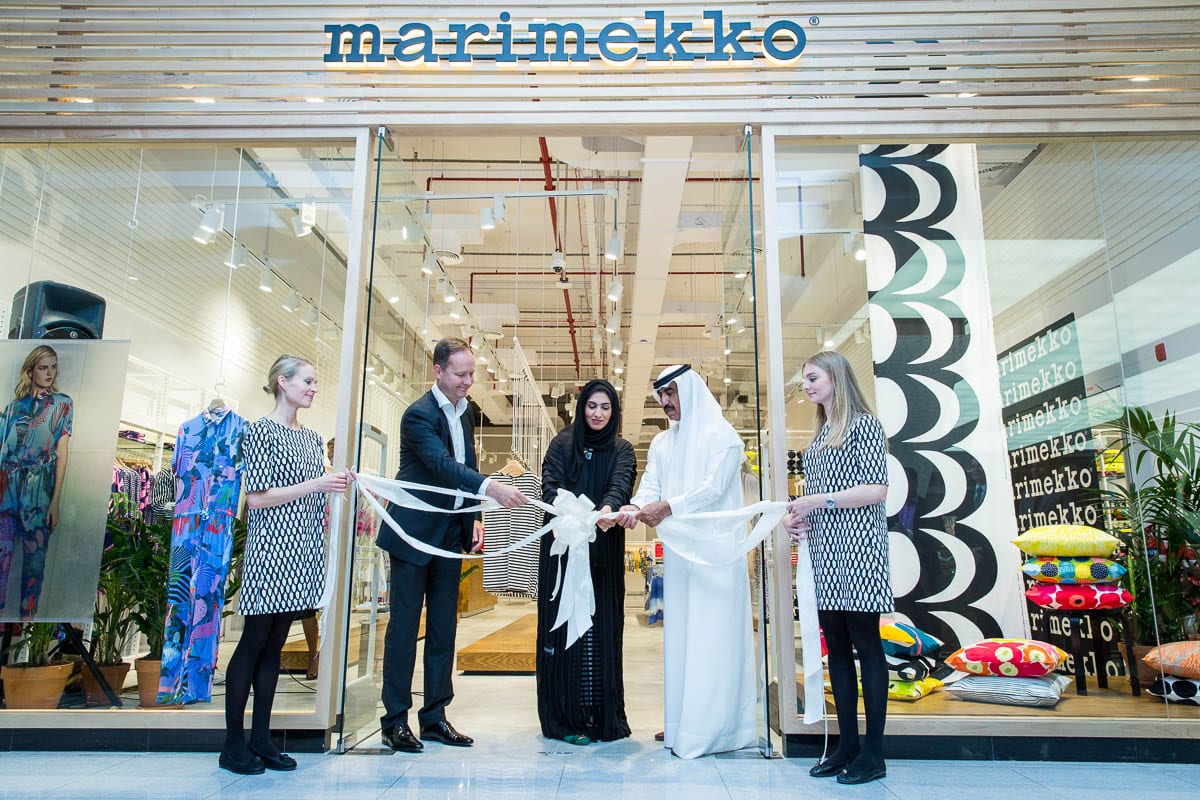
    Finnish homewares retailer Marimekko says it will stick to its Asia and Middle East expansion program despite declining profits.

    “We continue our expansion in line with our internationalisation strategy, particularly in the Asia-Pacific region,” said Marimekko president Tiina Alahuhta-Kasko.

    “This year, new markets have opened up in Bangkok and Singapore as well as Dubai in the Middle East. Deliveries to Japan and the rest of Asia were on a good level in the second quarter, although sales for the whole year are forecast to be lower than in 2014.”

    Marimekko has reported a net sales growth of six per cent globally in the six months to June 30, to euro 43.6 million, driven by new stores and the development of discount outlet stores and an online shop in Finland, together with the stronger US dollar.

    Besides building its Marimekko Asia operations, the company is focusing on its eCommecre offer.

    “The development of digital business is an important part of the current stage in our strategy,” explained Alahuhta-Kasko.

    “The trend in our online sales has continued to be positive and we will continue to focus on enhancing the customer experience to make it even more inspiring and more seamless between our online and offline stores. As part of this process, we are also updating our store and service concept.”

  • Korean banks back Samsung Pay

    Korean banks back Samsung Pay

    South Korean tech giant Samsung Electronics says the country’s 10 credit card companies have agreed to support its new mobile payment system, slated for launch today, Thursday.

    Korea will be the first market in which the Samsung Pay service is launched. It supports not only the near field communication (NFC) technology like its rivals but also magnetic secure transmission (MST) and bar code technologies.

    The MST technology is significant as it is compatible with conventional credit card devices, and therefore, it can be used in a larger number of shops compared with Apple Pay. Samsung’s progress was made possible as it had bought US mobile technology firm LoopPay, which has patent rights related to MST.

    Samsung Pay is available through the Galaxy Note 5 and the Galaxy S6 Edge+ that were showcased last week, and software upgrades will be provided to the users of the two smartphones.

    The service will officially reach the United States on September 28.

  • Profit falls as QKL Stores buys market share

    Profit falls as QKL Stores buys market share

    QKL Stores  a regional supermarket chain in Northeastern China and Inner Mongolia, has announced improved sales, but lower profit in the second quarter.

    Zhuangyi Wang, chairman and CEO, said the company had boosted its promotional activities in existing stores to strengthen its competitive position.

    Second quarter sales rose 9.2 per cent to US$56.4 million and gross profit decreased 4.3 per cent to $9.1 million.

    “The decrease in gross profit relative to net sales was due to competitions arising from the increasing challenge from the online shopping that have significant pricing pressure on our selling of high margin products.”

    Wang said QKL plans to slow down the pace of its new store openings this year.

    “Currently, we expect to open two new supermarket stores this year. We maintain confidence in our strategy of strengthening our store presence in Tier 4 and 5 cities in northeastern China as well as in our core region of operation around Daqing where the majority of our older stores are based.”

    Based in Daqing, QKL Stores sells a broad selection of merchandise, including groceries, fresh food, and non-food items, through its 40-odd retail supermarkets, hypermarkets and department stores; the company also has its own distribution centers that service its supermarkets.

    “As QKL expands its market presence in northeast China, we are uniquely positioned against our local competitors through our large product offering, strong supplier relationships, efficient distribution network and state-of-the-art IT system,” said Wang.

    “We are comfortable with our opportunities in the second half of the year and believe we’ll see an improvement in operating expenses and net result from the current quarter.”

  • Courts Asia fortunes improve

    Courts Asia fortunes improve

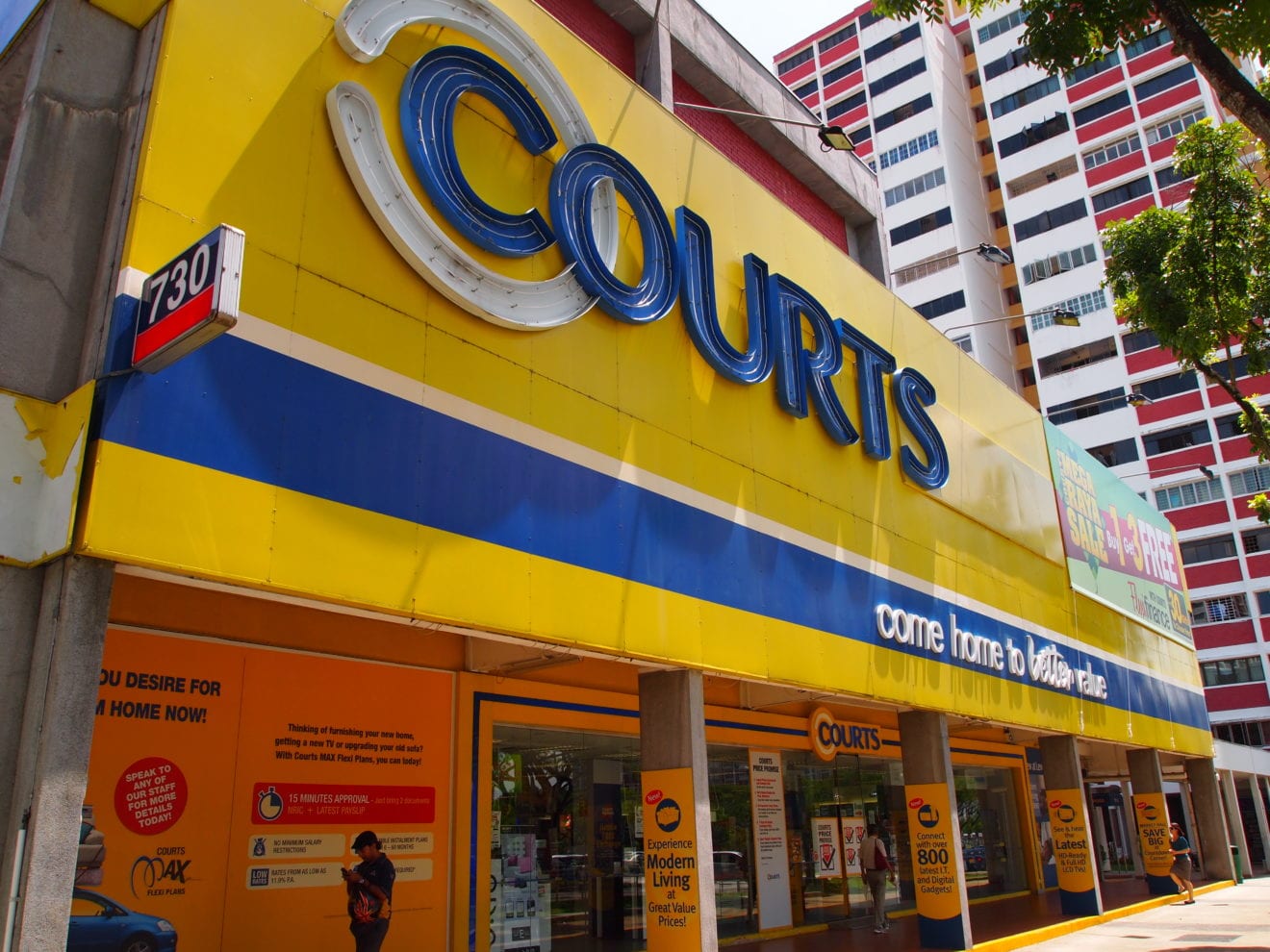
    Strong sales in Malaysia and Indonesia have buffered electronics and furniture retailer Courts Asia from Singapore’s retail downturn.

    The company has reported a 19 per cent increase in quarterly profit, to S$6 million in the three months to June.

    “Our Malaysia business has seen improving profitability with the success of our credit campaign, whilst the Singapore business is still being impacted by the soft retail environment,” group CEO Terry O’Connor said in the earnings statement.

    The Malaysian success will no doubt surprise shareholders and retail analysts given the nation experienced a sharp downturn in retail sales when the goods and service tax was imposed on April 1.

    “For Malaysia, we remain cautiously optimistic on the medium-term outlook. With the Goods and Services Tax implementation underway for several months now, we expect consumption habits to normalise over the next three to four quarters, though the recent weakening of the ringgit may pose some short-term challenges,” he added.

    The ringgit has slumped from 3.5 to USD1 to 4 in less than six months.

    Malaysia accounts for 35 per cent of Courts’ sales, its Singapore home market 63 per cent.

    Indonesia, accounting for the remaining two per cent, is Courts’ newest market. It has three stores operational now with a fourth due to open by December.

    Looking forwards, O’Connor said he expected consumer sentiment in Singapore to remain subdued over the short term.

  • Bleak result for Isetan Singapore

    Bleak result for Isetan Singapore

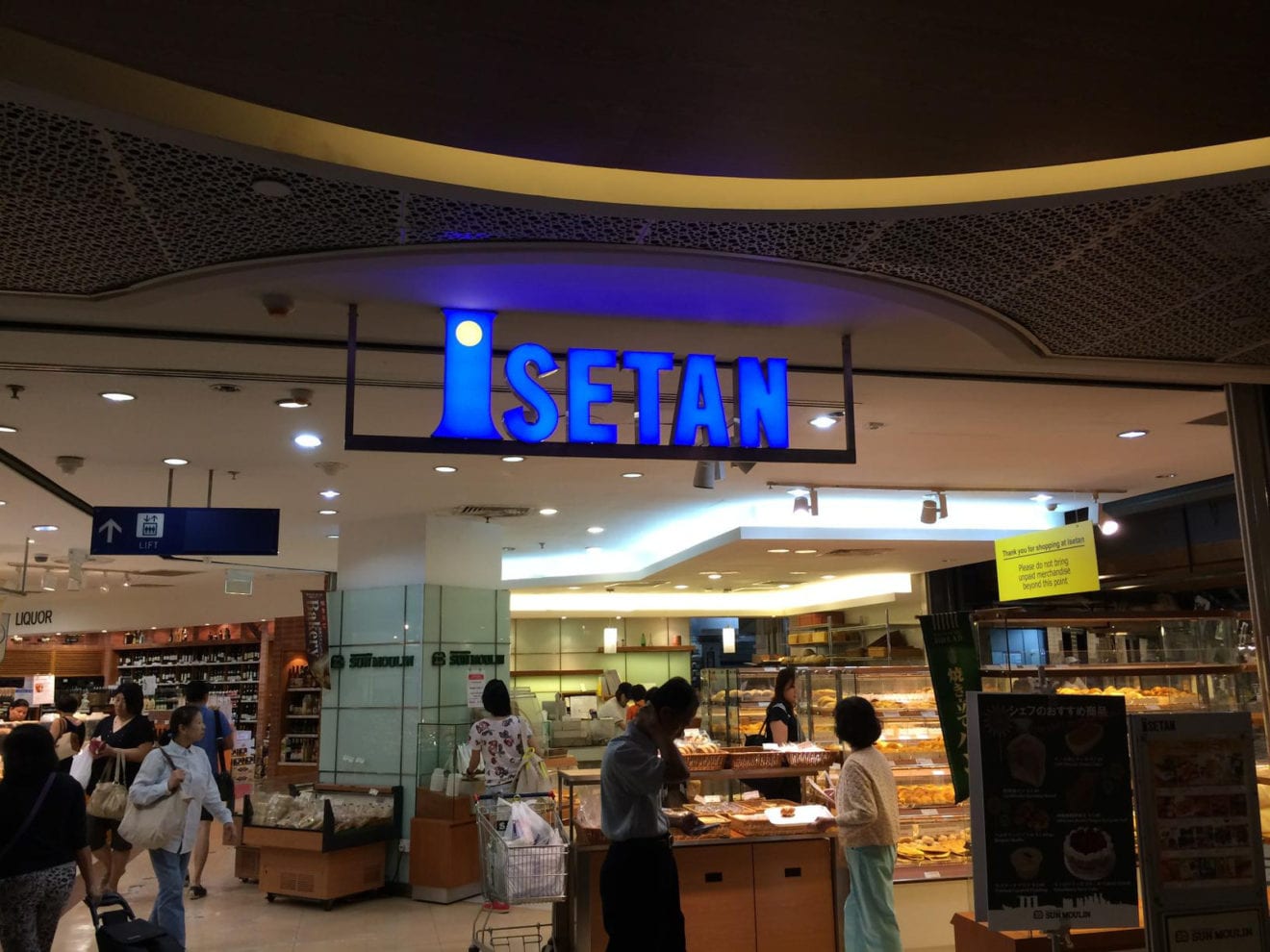
    Japanese department store operator Isetan has reported mounting losses in Singapore as sales fall and rents rise.

    Group sales for the three months to June 30 were $71.467 million, a decrease of $10.819 million or 13.15 per cent over the same quarter a year ago. Isetan said the decrease was largely due to the closure of its Isetan Orchard store at the end of March to prepare the store space for subletting, and a slowdown in sales in all of its stores (except Isetan Jurong East) “due to an environment of slower economic growth and stiff competition amongst retailers”.

    In the second quarter the company incurred a loss after tax of $5.847 million, compared to a loss of $1.214 million in 2014.

    Higher rent at Isetan Scotts, affected both the store’s result and was the main reason for the overall increase in the rent outgoings.

    “At Isetan Orchard, the process of finding tenants and converting the space for renting out is ongoing,” the company said in a statement.

    “In this respect, there was no rental income from this store during Q2.”

    “At Isetan Jurong East, although the store is experiencing sales growth, it is not contributing to profits yet. The general slowdown in sales was also a drag on the results of the Group for Q2.”

    Its other stores are at Katong, Tampines and Serangoon Central.

  • Indonesia liquor retailers brace for downturn

    Indonesia liquor retailers brace for downturn

    Indonesia liquor retailers fear the recent surprise increase in import tariffs on wine and spirits could more than double the price of some drinks.

    Indonesia’s Muslim-controlled government is effectively declaring war on drinkers. In April liquor sales were banned from convenience stores – a move recently blamed by Dairy Farm International for the closure of many of its convenience stores in Indonesia and prompting a strategic review of the entire chain.

    Last month the government announced shock tariff increases on a raft of imported products in a 1970s-styled economic move to protect inefficient local industry and deter imports. This despite its inclusion in the ASEAN bloc which encourages free trade within the region.

    Drinks industry executives told news agency Reuters the tariffs could “more than double prices” that were already sky-high, even by Asian standards. They fear an increase in smuggling activities and a black market for fake alcohol which is already an issue in China and Vietnam, leading to fatalities from people drinking chemical-enhanced fluids sold in fake branded bottles.

    The new tariffs, which took effect on July 23, force importers to pay 90 per cent duty on the value of wine and 150 per cent on spirits. The previous regime was a fixed amount per litre.

    “It’s quite a shock to the industry,” Dendy Borman, a board member at the International Spirit and Wine Association, told Reuters.

    And it could get even worse. Two extremist Islamic political parties want all liquor consumption in the country completely outlawed.

  • AS Watson opens global flagship

    AS Watson opens global flagship

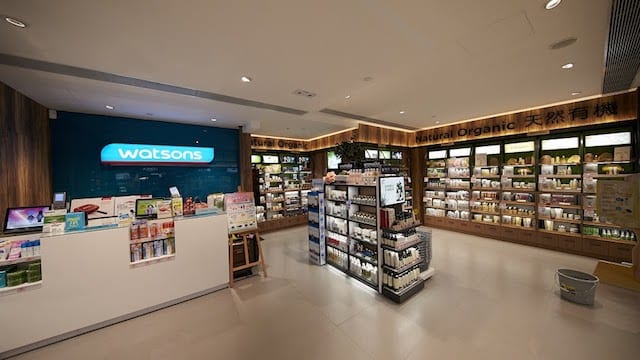
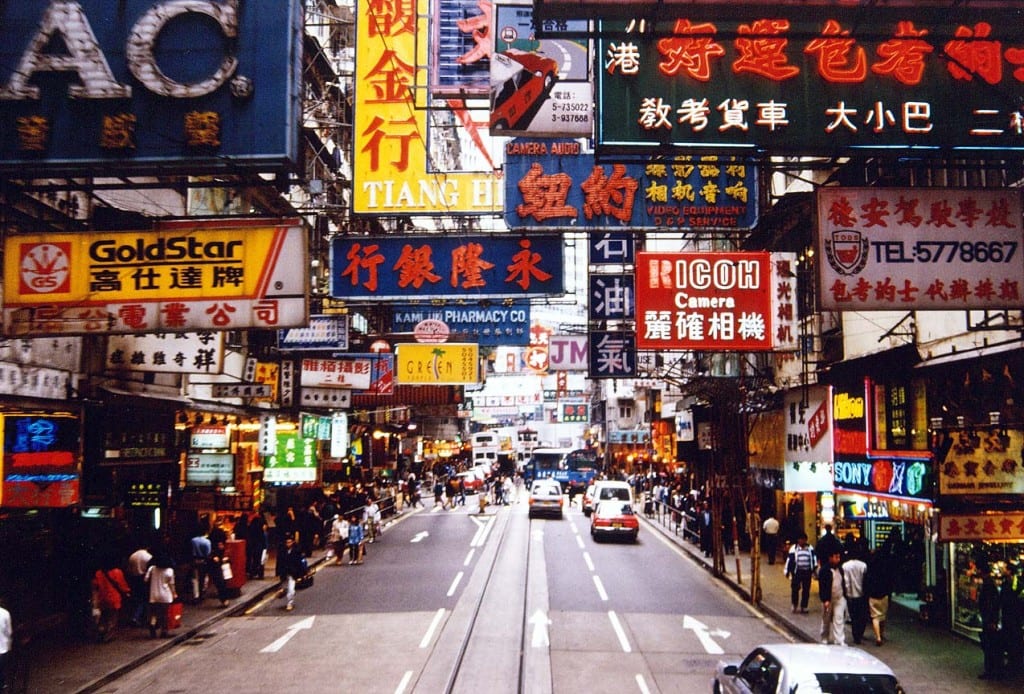
    AS Watson Group has opened its 12,000th store worldwide – in Hong Kong’s Causeway Bay.

    Perhaps fittingly, the store is a three-storey flagship, at 8000 sqft, the brand’s largest store in Hong Kong.

    Located on Yun Ping Rd, the new store features the latest Watsons store design concept internationally, a blend of “contemporary and elegant style”.

    “As an all-rounded health and beauty store, the flagship store provides customers with over 8300 unique products, including 840 healthcare and beauty brands of which 250 are Watsons exclusives,” the company said in a statement.

    The wide selection of products are categorised into different themes, such as organic skincare products, derma cosmetics, baby care area, men’s care area and health checks. Pharmaceutical and beauty consulting services, in-store nursery room and mobile charging stations are available to provide comprehensive customer services.

    At the store’s opening ceremony, Li Tzar Kuoi, Victor, the co-MD and deputy chairman of Watson’s parent CK Hutchison’s Group said Hong Kong has a special place in the company’s heart.

    “Last year, AS Watson Group opened and refitted 76 retail stores in Hong Kong; and for this year, the number is expected to amount to over 80. The capital investment involved would be approximately HK$620 million over these two years,” Li said.

    “We will continue to invest in the city. ”

    Founded back in 1941 as a small dispensary, the AS Watson Group was the 14th company to register in Hong Kong. Now it is the world’s largest international health and beauty retailer and one of the world’s fastest-growing retailers. Watson plans to open 1300 new stores around the world in 2015 – nearly three per day.

    Fortune Centre Watsons Hong Kong Flagship Store has the widest selection of natural & organic skin care products of nine international brands, including the Anumi, a well-known Australian brand with international organic certification, and American brand Burt’s Bees.

    Derma cosmetic products from 12 brands are on sale, including the French cosmetic brands Uriage and Filorga, which will have their exclusive counter, and Watsons’ exclusive brands such as Skin Advanced, CNP. Customers can also enjoy skin analysis and derma cosmetics consulting services.

    A wide range of cosmetic brands, including Clio, Luna and Peripera, etc, from Korea will be exclusively offered in this biggest cosmetic zone among all Watsons stores. Nail brands like Sally Hansen and Depend 7Day will also be available here. Customers can even enjoy makeup or manicure services.

    The Baby Zone offers a large variety of baby products, ranging from diapers, baby wipes, milk powders, etc, giving babies full care and protection. The Men’s Zone offers men’s grooming and health products selections of 14 brands, including Men’s Biore, L’Oréal Men Expert and Za Men, which is a Watson’s exclusive.

    As the Asia’s largest health and beauty retailer, Watsons aims to make customers ‘Look Good, Feel Great’. Nine professionals, including two pharmacists, one dispenser, three health and fitness advisors and three beauty consultants will station in-store to provide customers with professional health consulting and assessment services, such as the Ultrasound Bone Density test as well as measurements for blood pressure and BMI (Body Mass Index).

    The Flagship Store provides customer services such as free wireless internet access, mobile charging stations, baby nursing room, and washrooms.

  • Hongkongers must wake up to new yuan reality

    Hongkongers must wake up to new yuan reality

    For a long time, Hong Kong people and corporates enjoyed a free ride on the renminbi as the Chinese currency promised steady appreciation and high returns.

    But the steep devaluation this week has spoilt the party for good, and everyone — be it multinational corporations operating out of IFC 2 or housewives in Ngau Tou Kok — is now seeking to repatriate money back from China to Hong Kong.

    Thanks to the Stock Connect between Hong Kong and the mainland, the daily limit of transferring Hong Kong dollar to renminbi was lifted last year.

    But for those who took advantage of the easier rules and shifted to China assets and chose to stick with them would have got hurt by the yuan’s downward move and the recent A-share collapse.

    Apparently more corporates have been hurt, rather than benefit, from the weaker yuan.

    Among international firms, Apple Inc, for instance, saw its share price move into correction territory on Wall Street as investors were concerned about the tech giant’s large China sales exposure.

    In Hong Kong, the weak yuan led fashion-wear retailer I.T. Ltd. to issue a profit-warning on Thursday, with the firm saying that it estimates a HK$60 million loss from a decline in the value of its renminbi time deposits.

    The tiny retailer’s decision to swiftly mark down its assets sent some shockwaves through local investing circles and also led to a guessing game as to which other cash-rich listed firms might be having huge exposure to the Chinese currency.

    Last month HKTV announced the purchase of a 11 million yuan bond bearing 6.25 interest and another 15 million yuan bond of 4.85 percent interest, but the asset has seen its value come off 4 percent this week.

    Likewise, Asia Financial chief executive Bernard Chan also said his company had HK$400 million exposure in yuan which earned a 3 percent coupon. With the yuan’s devaluation, the effective returns will be zero.

    Apart from corporates, individuals would also now have to think twice on where to park their money once their fixed-term yuan deposits mature.

    As there are fears of further devaluation of the renminbi, the Chinese unit has lost its earlier safe-haven status.

    For investors, the formula that previously gave them super returns on the yuan is no longer working amid China’s new normal.

    On the bright side, imported deflation could help ease the rise in consumer prices in Hong Kong. Prices will remain elevated no doubt, but they are unlikely to climb much higher.

    Meanwhile, a weaker renminbi could also cool down mainland investor interest in Hong Kong property, providing some relief to locals.

    That said, we should also be prepared for the negative consequences of reduced overseas spending power of the mainlanders.

    There might be diminished capital flows into the local stock market, and the tourism and retail industries could also face more rough weather.

    It’s time for Hongkongers to wake up to a new reality.


  • M&G makes first retail acquisition in South Korea

    M&G makes first retail acquisition in South Korea

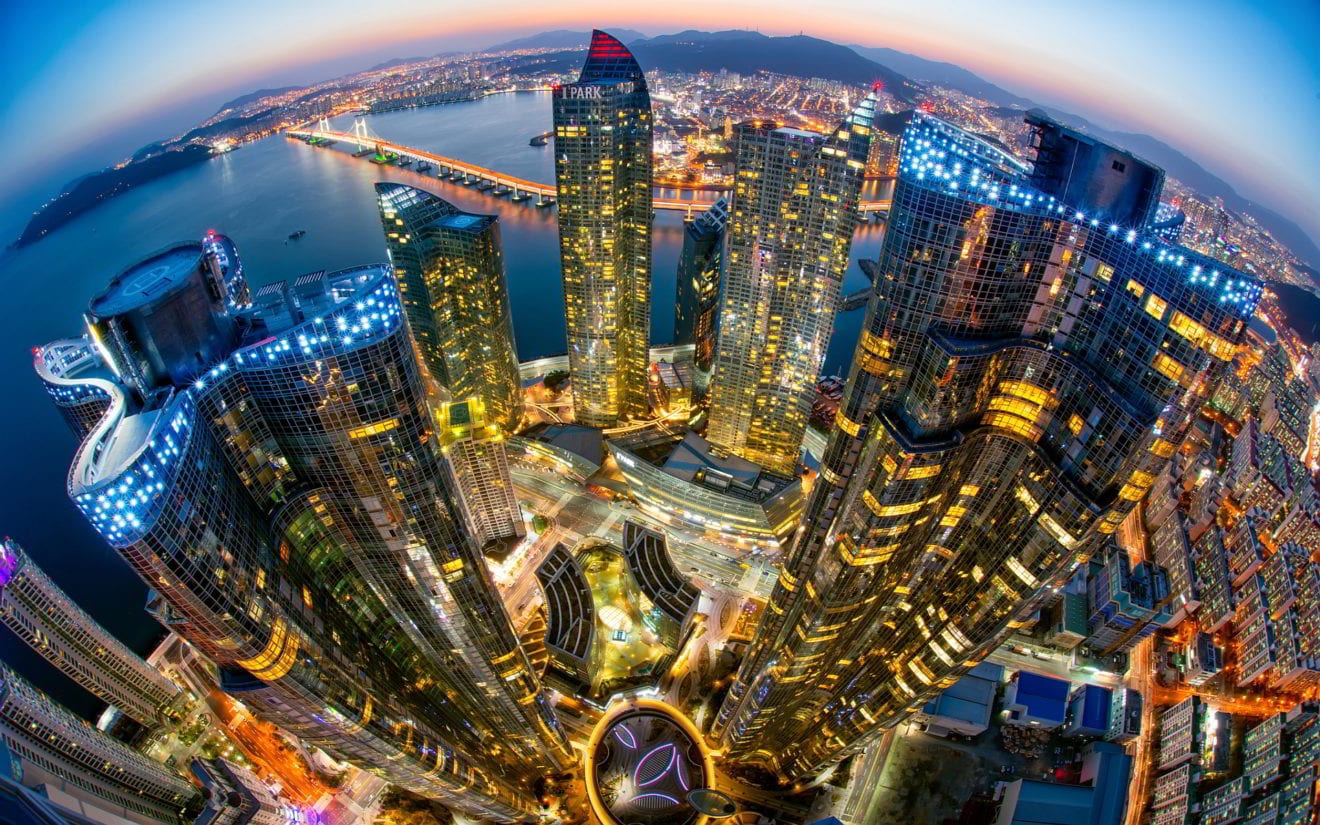
    M&G Real Estate has acquired three retail assets in South Korea at a combined value of US$230 million, representing an average yield of 6.5%. The acquisition was made on behalf of its core Asia real estate strategy, managed by Singapore-based Erle Spratt.

    Under the terms of the deal, M&G Real Estate has acquired two hypermarkets: the first in Daejeon, South Korea’s fifth largest city; the second in Jeju, the capital of the Jeju Province and the nation’s premier tourist destination. The third asset is an outlet mall in Incheon City, the country’s third largest city after Seoul and Busan. All three assets are highly sought after retail outlets in prime locations and are leased to South Korea’s largest retailer, Lotte Shopping.

    Hyesik Ryu, Managing Director, M&G Real Estate Korea, comments: “We were one of the first non-domestic institutional investors to invest in South Korea when we bought into the country’s commercial office sector in 2004. M&G Real Estate has developed a deep understanding of the market, enabling us to make this latest investment in the retail sector, which will strengthen the strategy’s long term income stream.”

    Erle Spratt adds: “We’re seeing strong capital flows, particularly from global pension funds and insurance companies in the UK and Europe. With responsibility for more than US$2 billion in assets, we are well positioned to pursue property investments across the region to further improve our risk adjusted returns and sustain the outperformance of our portfolio.”

    Stefan Cornelissen, M&G’s head of institutional business, Benelux, Nordics and Switzerland, says: “The Asia Pacific real estate market is now the second largest in the world and rivals the US and Europe in terms of its maturity, transparency and liquidity. European investors in search of diversification can now benefit from Asia’s strong economic growth and attractive long term returns without going higher up the risk curve.

    “We have recently had a significant commitment from Dutch investor, Blue Sky Group, which has invested on behalf of its recently launched Core Asia Pacific Fund. We expect further capital to follow from other UK and European investors. Asian real estate has come of age and is earning itself a strategic place in a diversified core real estate portfolio.”

  • HK retailers arrested for $1.68 million in unpaid wages

    HK retailers arrested for $1.68 million in unpaid wages

     The founders of Hong Kong retail chain DSC, Mr Hui Ming-shun and his wife Lin Wai-yin, have been arrested after the closure of all 14 of its stores on 3 August. They are said to owe approximately $1.68 million in unpaid wages to their staff.

    The couple were arrested on 10 August after they returned to Hong Kong from Macau. They had briefly fled there after the sudden closure of their company, a move which left almost 900 staff jobless. Police apprehended the pair on their return, arresting them from conspiracy to defraud. Approximately 350 employees have filed complaints with the Labour Department.

    In addition to its staff, DSC has also angered landlords and suppliers with the Consumer Council receiving more than 500 complaints. It is claimed that DSC owes more than $1.68 million in unpaid rent and undelivered goods.

    Before 3 August, suspicions were raised when DSC held a summer sale with discounts of up to 50%. Allegedly, the firm only accepted cash payments in-store during the week prior and still encouraged customers to place orders in the days leading up to the closure.

    The company informed its employees of the move by attaching printed notices to the front doors of each of its branches. Claiming the need to dismiss its staff because of financial difficulty, the notices told employees to seek assistance from the Labour Department.

    Tired of the delay, employees took this advice and marched in protest to the Central Government Offices on Tuesday demanding the expedited payment of their unpaid wages. The secretary for Labour and Welfare, Matthew Cheung Kin-chung, expressed his desire for DSC’s founder to declare himself insolvent before that could happen.

    “This morning we contacted the lawyer of Mr Hui to demand him to sign a declaration of insolvency and to determine as soon as possible the amount of money he owed to his employees,” Cheung said. “Once we receive Mr Hui’s declaration, the Labour Department will help the employees to apply for legal aid to petition to wind up the company.”

    In a statement to the Labour Department, Hui’s lawyer stated that his client would not be meeting his staff to discuss the outstanding wages.

    Employees have now asked the Labour Department to draw from the Protection of Wages on Insolvency Fund. This can be a maximum of $48,389 per person with the department first having to determine how much each worker is owed.

    Both founders of DSC remain in police custody. A Labour Tribunal has been planned for 21 August.

  • Coca-Cola Amatil Indonesia and Quiksilver Continue to Preserve Bali’s Beach Ecosystems

    Coca-Cola Amatil Indonesia and Quiksilver Continue to Preserve Bali’s Beach Ecosystems

    As one of the most popular destinations in the world, Bali represents Indonesia on the global scene. To contribute in keeping Bali’s beaches clean and safe, Coca-Cola Amatil Indonesia and Quiksilver are holding Bali’s Big Eco Weekend 2015 from August 14-16, inviting local communities, the government, visitors and industry players of Bali to renew the commitment and take real action to tackle the waste problem in Bali.

    Bali’s Big Eco Weekend is an annual campaign of the regular Bali Beach Clean-Up, both initiated by Coca-Cola Amatil Indonesia (CCAI) and Quiksilver as continuous efforts to bring more attention to Bali’s environmental state and drive more support for the Bali government’s program in creating a ‘Clean and Green Bali’.

    “We’ve invested in the programs since 2007 and it has been a very good collaboration between Coca-Cola Amatil Indonesia, Quiksilver, the Bali government and local communities. While the regular beach cleaning has been contributing impact, through Bali’s Big Eco Weekend we are still calling for more support from everyone in Bali, including both the growing citizens and tourists,” says Kadir Gunduz, President Director of Coca-Cola Amatil Indonesia.

    “At Coca-Cola Amatil Indonesia, we believe that we have roles and responsibilities in helping to create a sustainable environment anywhere we operate. It’s about all of us making the right decisions and taking real actions. We are pleased with the strong support we are getting, especially today. We hope that the commitment will only grow stronger, so together we can continue to preserve our ecosystem,” Kadir adds.

    This year’s Bali’s Big Eco Weekend marks the 8th year of Coca-Cola Amatil Indonesia’s and Quiksilver’s commitment to keeping Bali’s beaches clean & safe. Started in 2007, Bali Beach Clean Up (BBCU) empowers the local communities in Bali by hiring 78 local workers and providing them with regular training in waste management and clean environment awareness. As front-liners, BBCU workers run daily clean-up in 5 iconic beaches in Bali (Jimbaran, Legian, Kuta, Seminyak, Kedonganan) and maximize the clean-up facilities which include 3 surf rakes, 3 garbage trucks, 4 beach tractors, and at least 150 new bins per year. The total amount of waste collected through the program has reached more than 29 million kilograms as of July 2015.

    “We are glad that the collaboration in keeping Bali clean and safe has been going well for 8 years. This cements Quiksilver’s passion and involvement in promoting eco conservation to ensure that Bali’s beautiful beaches and waterways will stay clean and safe for many years to come,” says Paul Hutson, General Manager of Quiksilver South Pacific. “We have Quiksilver’s global athletes joining the Bali’s Big Eco Weekend this year, and everyone is excited to celebrate Indonesia’s Independence Day long weekend on the beaches of Jimbaran, Legian and Uluwatu.”

    Joining the thousands of visitors in rolling up their sleeves and collecting waste on Jimbaran Beach and Padma Beach Legian are Dadang Rizki Ratman, Directorate General for Tourism Destination Development, Ministry of Tourism; Rijaluzzaman, Head of Centre of Development Monitoring on Eco-region of Bali and Nusa Tenggara; Ketut Wija, Deputy Economic & Development of Bali Province; and Quiksilver global athletes, including world champions Mark Richards (4X World Champion), Tom Carroll (2X World Champion), Jake Paterson, Matt Hoy, Kelia Moniz (2X Longboarding World Champion), and Torah Bright (Olympic Gold Medallist).

    Appreciating the attendance, Alison Watkins, Managing Director of Coca-Cola Amatil Group, says the special effort to participate in this iconic weekend supports both Bali’s and Coca-Cola Amatil Indonesia’s commitment to running business and growing together with communities in Bali.

    In 2010, Coca-Cola Amatil Indonesia and Quiksilver built the Kuta Beach Sea Turtles Conservation (KBSTC) in a commitment to support a safe environment. Since then, the number of eggs collected has significantly increased from 1,947 eggs in 6 years (2002-2008), to 122,230 eggs in the next 6 years (2009-2015). The Bali’s Big Eco Weekend crowd today participated in releasing approximately 1,000 baby sea turtles back to the sea.

    The turtle release wrapped up a day of various eco activities including ROXY Challenge Run-Sup-Yoga, meet and greet with the ROXY surf team, Coke Kicks, lifeguard race, fun sea turtle release, CSR exhibition, Kecak dance performance, and the renowned beach clean-up. On Sunday, visitors are welcome to join the surfing legends in WSL Quiksilver Uluwatu Surf Challenge 2015, also part of the Bali’s Big Eco Weekend, proudly co-sponsored by Coca-Cola Amatil Indonesia and Australian Embassy Jakarta.

    For more information about Bali’s Beach Clean Up program, download the latest Infographic at bbew.coca-colaamatil.co.id.

  • German giant buys Classic Fine Foods

    German giant buys Classic Fine Foods

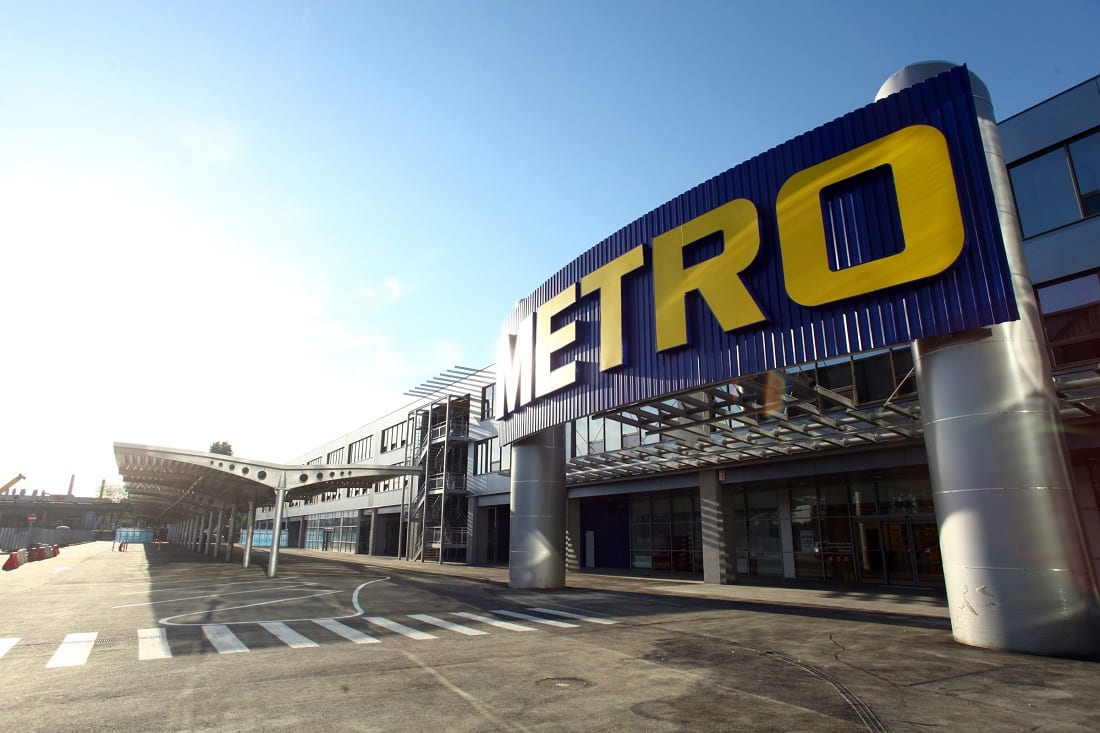
    German retailer Metro AG has paid $290 million to buy Singapore restaurant supplier Classic Fine Foods Group from private equity owned EQT.

    CFF operates in 25 cities, including Singapore, Dubai, Hong Kong, Bangkok, Kuala Lumpur, London, Ho Chi Minh City and Jakarta. The deal will expand Metro Cash & Carry’s presence from 26 countries to 36.

    Metro said in a statement the acquisition would strengthen its wholesale subsidiary Metro Cash & Carry by bolting on an experienced food service distribution arm.

    “It provides access to growth and value creation potential in the attractive premium foodservice distribution markets. The transaction covers the operations and all fixed assets of CFF for an enterprise value of $290 million plus an earn-out of up to $38 million depending on the EBITDA performance in 2015 to 2017,” the company said.

    “Metro Cash & Carry aims to strongly expand its FSD operations. With the acquisition of CFF we strengthen our value proposition and enlarge our wholesale market presence fuelling future sales and earnings growth“, said Olaf Koch, chairman of Metro AG’s management board.

    Pieter Boone, CEO of Metro Cash & Carry, added: “With Classic Fine Foods, we found the perfect partner to expand in high growth Asian FSD markets. CFF has a strong market position and a unique exposure to Asian mega cities and Middle East. CFF partners with some of the world’s most sought after fine food producers and has excellent customer relationships in the high margin premium Hotels, Restaurants and Caterers (HoReCa) segment. The acquisition boosts our FSD capabilities widening the services for our HoReCa customers.”

    CFF, founded in 1999, has its own distribution and warehousing network in the cities in which it operates. Metro says post- acquisition, CFF will remain largely independent, maintaining its own sourcing base and distribution network.

  • Chinese bookstores rank among ‘world’s coolest’

    Chinese bookstores rank among ‘world’s coolest’

    Three Greater Chinese bookstores have been ranked amongst ‘the world’s coolest’ by US-based global news organisation CNN.

    In a newly-released selection posted online CNN observes that old or new, all of the stores round the world its editors selected for the “World’s Coolest” list have fascinating stories, serving as “historic sites, sanctuaries, salons of culture and must-visit entries in any travel itinerary”.

    The three Asian stores making the list are Eslite Bookstore in Taipei, Librairie Avant-Garde in Nanjing, China and 1200 Bookshop in Guangzhou, China.

    The 17,000 sqm Eslite store, which opened in 1999, trades 24-seven and stocks books and magazines in a multitude of languages. Its success has been followed with more stores in Taipei and another in Hong Kong’s Hysan Place.

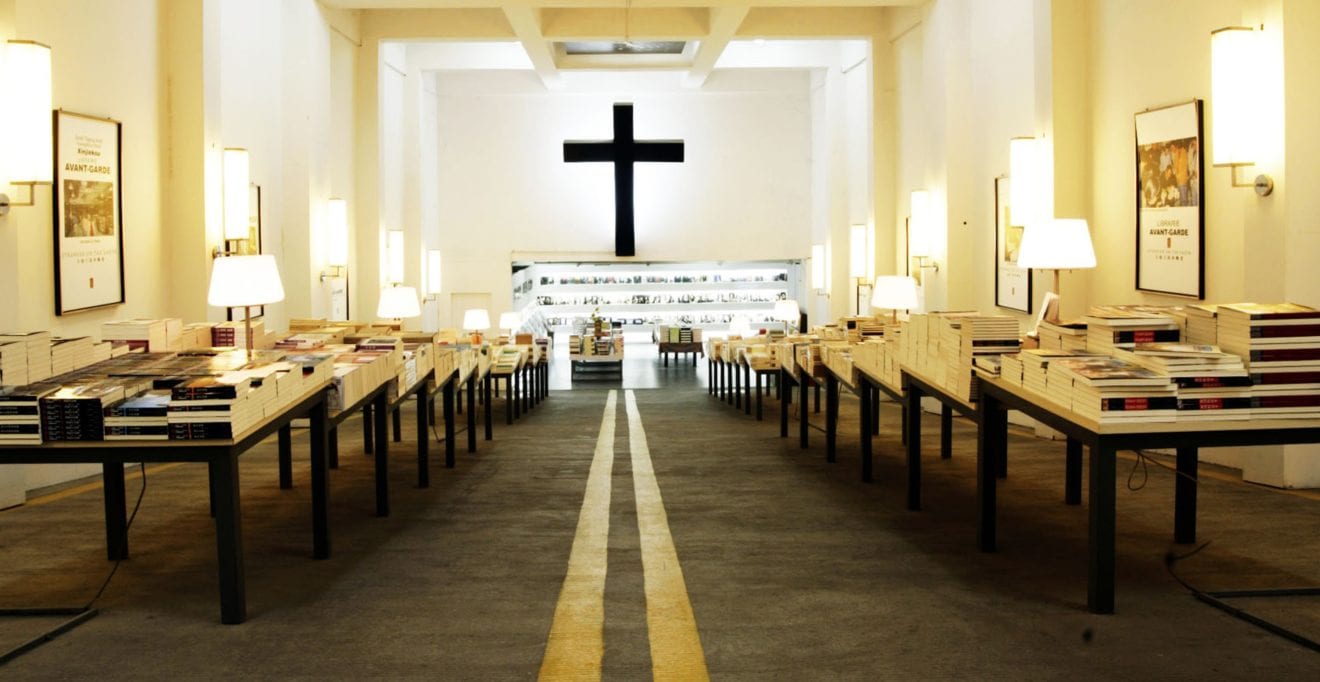
    The Librairie Avant-Garde is described by CNN as “China’s most beautiful bookstore”, located in a massive underground parking lot once used as a bomb shelter.

    “The 4000 sqm store’s unusual features include large crosses, a copy of Rodin’s ‘The Thinker’ and a checkout counter built out of thousands of old books,” writes CNN.

    “A good bookshop should provide space, vision and nurture the city with its humanitarian spirit,” owner Qian Xiaohua told CNN. “It’s a place for people to have dreams in the city.”

    And the 1200 Bookshop, which also trades around the clock, has earned a reputation for great books and coffee as well as a haven for travellers, with backpackers invited to stay in a private room in-store.

    “We are doing business at the store during daytime but making friends at night,” says founder Liu Erxi.


  • Shinsegae opens luxury bike shop

    Shinsegae opens luxury bike shop

    Shinsegae Department Store has opened a bicycle shop at its main store in Chungmuro, being the first department store in Korea that is home to a bicycle shop.

    The shop features classic models from Pedersen Bicycles, often called ‘the Bentley of Bicycles,’ multi-purposed ‘Cargo and Cruiser’ bikes from Johnny Loco, and stylish E-bikes from Mando Footloose.

    The shop’s wide range of bikes from classical to electric will satisfy the needs of many bike lovers. Several models featured in the shop are also of rarities hardly seen on the Korean streets. The shop is located on the first basement level of the Chungmuro store.

  • Mers outbreak dents Korea retail sales

    Mers outbreak dents Korea retail sales

    South Korea retail sales slipped in June – a predictable result of the outbreak of Middle East Respiratory Syndrome (Mers).

    As South Korea’s shunned larger retail outlets to reduce the risk of potential exposure to the illness, discretionary spending fell. Some spending on essential goods moved online.

    South Korea’s government agency Statistics Korea says retail sales in June were worth 29.34 trillion won, about US$25.15 billion, which was 0.6 per cent lower than in the same month last year. It was more than 2 trillion won less than May’s spending.

    “The Mers outbreak caused shoppers to shy away from large markets where people converge, which effectively hurt overall sales,” a Statistics Korea spokesman said.

    However, last week the government officially declared May’s outbreak to be over, after 186 infections and 36 fatalities.

    A breakdown of the figures shows the fall in sales affected mostly categories where shopping could be postponed – appliances and computers were down 5.7 per cent year on year and clothing down nearly 10 per cent.

    Department store sales fell 12.4 per cent and discount department store sales down 9.5 per cent.

    Online spending rose 26.6 per cent in May, while convenience store sales soared 34.6 per cent and supermarket sales rose 4.4 per cent.