Category: Living

Retail News Asia is committed to providing both local and global retailers with the latest Living news throughout the Asian market. This on a daily base.

  • Philip Morris Starts Testing Investor Demand For Indonesia Cigarette

    Philip Morris Starts Testing Investor Demand For Indonesia Cigarette

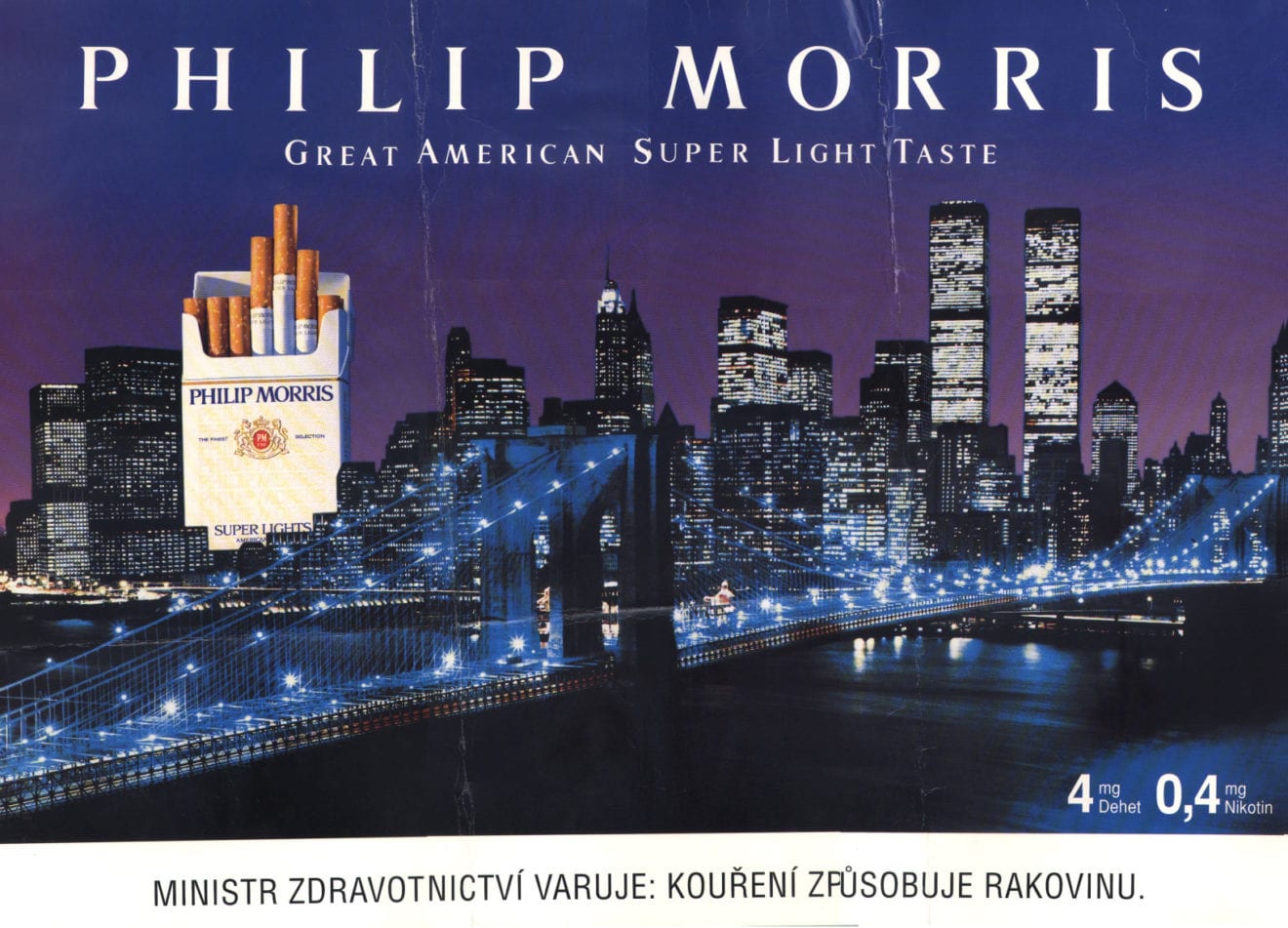
    Philip Morris International Inc., which makes and sells Marlboro cigarettes outside the U.S., has started testing investor appetite for an over $1.5 billion sale of its shares in its Indonesian operation, according to people familiar with the situation, in what would be one of the biggest share sales in Southeast Asia this year.

    New York-based Philip Morris is talking to potential investors to place its shares in PT HM Sampoerna Tbk. through a rights issue and hopes to start taking orders from Sept. 21, one of the people said. Another person said a decision to go ahead would depend on market conditions.

    The sale will allow Philip Morris to comply with a pending stock-exchange rule requiring all Indonesia-listed companies to have at least 7.5% of their shares in public hands. Philip Morris currently owns 98.2% of the unit, which has a market capitalization of about $23.6 billion.

    Philip Morris is the top cigarette manufacturer in Indonesia, the world’s second-largest market for cigarettes after China. Given the limited number of freely traded shares in PT HM Sampoerna Tbk. (HMSP.JK), it is unclear at what price the shares would be sold to investors.

    The deal, if successful, would be the second largest equity-market transaction in Southeast Asia after a $1.7 billion initial public offering by Thailand’sJasmine Broadband Internet Growth Infrastructure Fund (JASIF.TH) in January. Deal activity in the region has been slowing due to volatile markets and Indonesia has been one of the worst hit.

    Indonesia’s Jakarta Composite Index is down 15.6% in the year through Tuesday’s close, the worst performer in Asia. The market has been rocked this year by a combination of negative events. Weaker-than-expected demand from China has put pressure on commodity prices, which has hurt Indonesia’s producers and exporters. At home, President Joko Widodo’s plans to increase economic growth through infrastructure spending have been met with disappointment as projects fail to mature and the government rolls out new protectionist policies.

    In late June, Philip Morris announced that the unit had engaged investment banks to assist in evaluating options for meeting the stock exchange’s mandatory float requirement, which takes effect Jan. 30, 2016. The statement didn’t name the banks or specify the amount to be raised, and Philip Morris declined to give further details.

    Goldman Sachs Group Inc., Credit Suisse Group AG, CitiBank Inc., J.P. Morgan and local firm Mandiri Sekuritas are managing the share placement.

    Bankers will be meeting investors in Indonesia, Singapore, Hong Kong, Malaysia and London for about two weeks to gauge interest in Sampoerna shares, one of the people said.

    Sampoerna sells clove cigarettes and is the distributor of Philip Morris’s Marlboro brand in Indonesia. The share should result in additional cash for Philip Morris without ceding any control in the Indonesia business. If successful, the sale will be the biggest such divestments in Indonesia this year.
  • Carrefour online store + Carrefour easy store

    Carrefour online store + Carrefour easy store

    French retailer Carrefour is embracing advanced technology to bring shoppers closer to its services in the fast-changing retail landscape.

    In June, the company launched its second Easy Carrefour store in Xuhui District. It’s a new initiative to cater to changing consumer habits and demand for neighborhood services in locations near residential or commercial areas.

    By the end of this year, Carrefour plans to open about 10 Easy Carrefour stores in Shanghai, Olivier Tollet, new format projects director of Carrefour China, told Shanghai Daily.

    “We have a much bigger plan but currently we’re still in the pilot phase,” he said.

    Regarding its e-commerce operations, Carrefour also launched its online shopping store www.carrefour.cn for its Shanghai customers in mid June and Tollet said he is pleased to see it working smoothly during the trial period.

    Shopping online

    “The basic idea of our website is to bring Carrefour products closer to consumers and all the products will be available for online shoppers,” he said.

    “Our intention is to duplicate the service wherever there’s a Carrefour presence in China, but we’ll go step by step for both formats,” he added.

    Easy Carrefour is offering products in three categories — immediate consumption, take-away, and groceries.

    By covering these categories, Easy Carrefour hopes consumers can find the right products and services when they need them.

    The Easy Carrefour store on Chaling Road N. also provides mobile top-up and credit card reimbursement in an effort to link consumers with online-to-offline services.

    Carrefour is looking for new locations for its Easy stores, and Tollet said they are targeting a combination of residential areas, transportation hubs and office areas.

    People living around or people passing by are basically the key customers Easy Carrefour aims to serve. Easy Carrefour is a new format adapted for people who value their time and convenience while shopping. It’s also adjusting the operations of the Easy Carrefour store step by step, with more services likely in the future.

    Commenting on Carrefour China’s e-commerce operations, Tollet said logistics is one of its key strengths as the chain can rely on its existing stores in more than 70 cities all over China.

    Merchandise ordered by consumers will be delivered from stores to their doorsteps, while packages ordered from e-commerce websites have to go through several dispatch hubs before delivery.

    Pick-up stations

    Currently, three out of Carrefour’s 29 outlets in Shanghai act as pick-up stops or stations for return of goods.

    Earlier this year, Carrefour China restructured its merchandise department and set up six territory merchandise centers to streamline supply chain management and leverage the advantages of a centralized procurement model.

    “The restructuring of the merchandise team is aimed at having new logistics capability to support the development of new formats such as our Easy stores and online shopping website,” Tollet added.

    Carrefour’s e-commerce operation is expected to launch in Beijing at the end of this year and eventually will be available all over the country.

  • Chinese shoppers keep Japan’s tills ringing

    Chinese shoppers keep Japan’s tills ringing

    According to the English-language Japan news site RocketNews 24, a few weeks ago two families got into a fight at a large retail outlet in Kobe over disposable diapers. Both families had come to the store when it opened in order to buy as many diapers as they could, only to discover that the store had already sold out. Apparently these two families knew each other from previous diaper-buying binges and harbored mutual resentments that turned physical. A store employee called the police, who broke up the fight. Neither party filed a complaint or disclosed what the argument was about.

    RocketNews speculates that the two families resell the diapers in China, since both have members who are Chinese nationals. Japanese diapers are particularly popular in China, and, in fact, this particular brand — Merries, made by Kao — is sold in China. Nevertheless, there’s obviously enough demand to support a lucrative resale market.

    It’s not as if the Chinese don’t make and sell their own disposable diapers, but when it comes to their children, consumers will pay a premium for Japanese products because they don’t trust domestic makers. This sensibility has been growing since 2008, when locally made baby formula caused the deaths of six children and sent thousands to the hospital after somebody adulterated it with melamine to make it seem as if the protein content was higher.

    It is illegal to import Japanese formula made in certain prefectures because of radiation fears, but apparently there’s substantial black-market trade in the product. Last month, 425 kg of smuggled formula made in Gunma Prefecture was discovered by authorities in Hunan province with an estimated retail value of ¥800,000.

    It’s often said that despite the diplomatic frictions that exist between Japan and China, they are dependent on each other economically and, as far as Japan’s dependence goes, it is very much influenced by Chinese consumers’ trust of Japanese products, which runs pretty deep.

    Some economists thought that China’s stock market plunge and the resulting government-approved devaluation of the yuan would hurt sales of Japanese goods both in China and in Japan, where Chinese tourists seem to be supporting the Japanese economy. But according to Luo Yiwen, the president of home electronics retailer Laox, speaking at an Aug. 13 news conference, the stock and currency issues aren’t having any negative effect on sales at his store’s duty-free shop, which caters mainly to Chinese visitors. As it stands, sales for January to June at the shop have more than doubled since the same period in 2014 to ¥45 billion, with profits increasing nearly eightyfold to ¥4.6 billion. Laox received 1.49 million Chinese customers last year, four times the number for the previous year, and “much more than we expected,” he said. He predicts not only that the devaluation of the yuan will not hurt sales, but that they’ll go up even more. He projects a net profit this year of ¥8.3 billion on sales of ¥90 billion.

    The two reasons for the strong Chinese tourist market are the lower yen and fewer visa restrictions for Chinese tourists. The Nihon Keizai Shimbun cites a third reason: more cheap flights between China and Japan thanks to the proliferation of low-cost carriers. The economic value of Chinese tourism in Japan bottomed out in 2011 at ¥813 billion due to the March 11 disaster, but rebounded to ¥1.8 trillion the next year. In 2014 the economic value was ¥2.3 trillion.

    In that year, 2.4 million Chinese came to Japan, which is actually less than the number of visitors from Taiwan, which was 2.8 million. The difference is that per person, the Chinese spent more: ¥231,000 compared to ¥125,000 for the Taiwanese and ¥147,000 for visitors from Hong Kong, who are counted separately from mainlanders.

    In fact, Chinese account for one-third of all the tourist money spent in Japan, and this figure is rising. The amount of money Chinese visitors spent increased by 83 percent from 2013 to 2014. More to the point, 55 percent of the money Chinese spend in Japan is for shopping. For all tourists, the average spent on shopping is 35 percent. In contrast, Chinese spend less on accommodation than visitors from other countries, which suggests they are more concerned with buying stuff than sightseeing.

    Also, according to a Tourism Agency survey cited in the Nikkei, it isn’t just rich Chinese who are spending. More middle-class Chinese are coming and buying things. Broken down by category, the agency says that 76 percent of Chinese buy “confections,” 63 percent cosmetics and perfume, 55 percent food, liquor and cigarettes, and 52 percent drugs and toiletries. Only 37 percent buy appliances, but when they buy them, they buy a lot. The average spent by all foreign tourists on electronics is ¥65,000. Chinese on average spend ¥88,000.

    Chinese tourists, in fact, seem to be single-handedly keeping Japanese department stores in business. Although airport duty-free shops are the main venue for Chinese purchases followed by “shopping centers,” department stores that offer tariff-free sales to foreigners are a strong third and, according to the Nikkei, the reason is that they know the designer brands they buy in department stores are “authentic,” meaning not knock-offs. (For what it’s worth, both real designer goods and their fake counterparts tend to be made in China.) And if it seems unwise to purchase such goods in department stores, which tend to charge more, they’re likely still cheaper than those bought in China, which may be subject to tariffs.

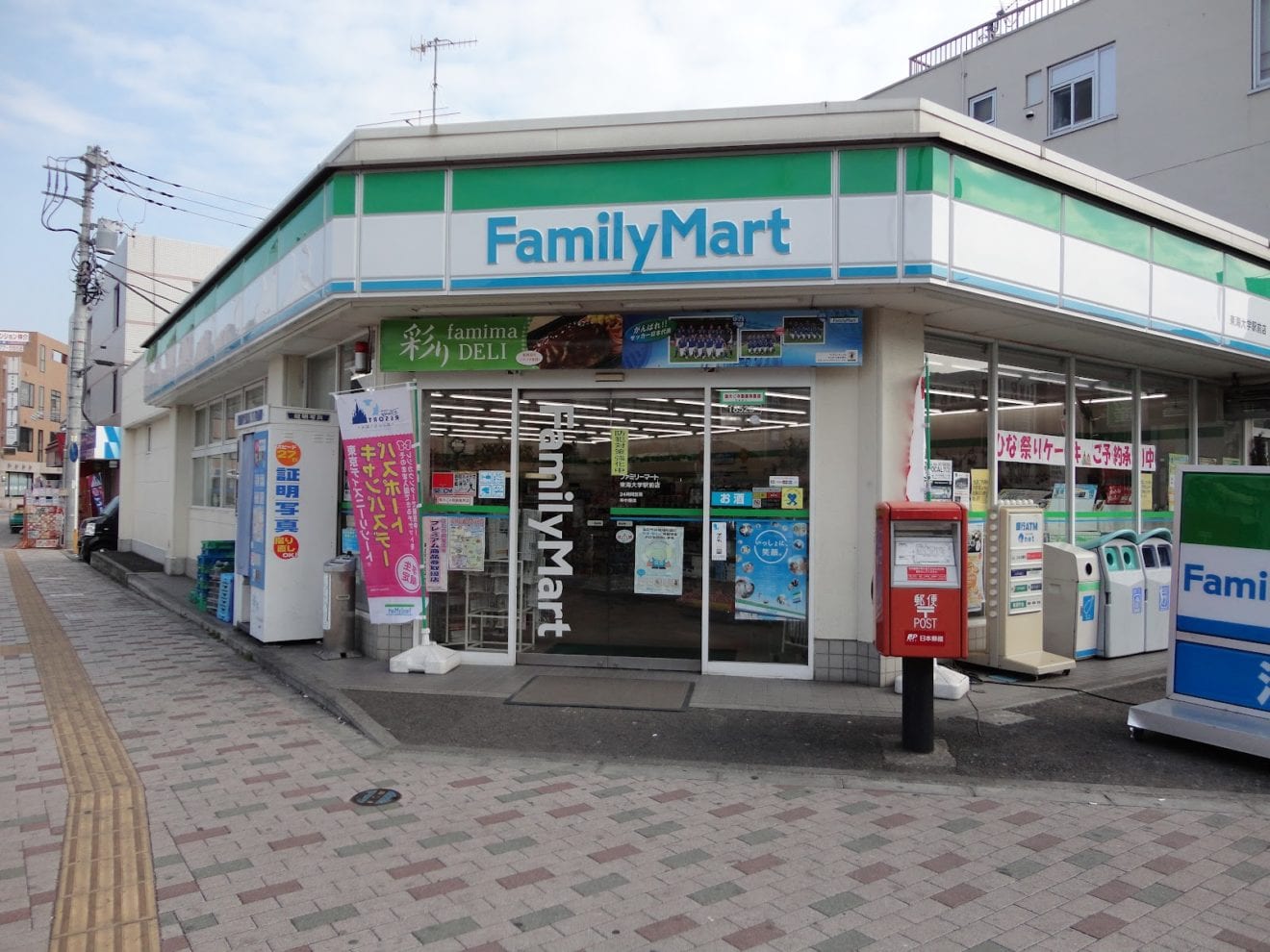
  • FamilyMart, Uny may put off business integration accord

    FamilyMart, Uny may put off business integration accord

    Retailers FamilyMart Co. and Uny Group Holdings Co. are mulling putting off the conclusion of a basic accord on their planned business integration to September or later, it was learned on Thursday.

    This is because Uny’s work to draw up measures to shore up its slumping general merchandise store operations has been delayed, informed sources said. The two firms originally planned to reach a basic accord this month.

    Still, there is no change in their goal of realizing the integration in September 2016 after obtaining approval at their respective general shareholder meetings in May the same year, according to the sources.

    FamilyMart, a major convenience store operator, and Uny said in March this year that they had started negotiations on integrating their operations.

  • Tesco saved 1m plastic bags Saturday

    Tesco saved 1m plastic bags Saturday

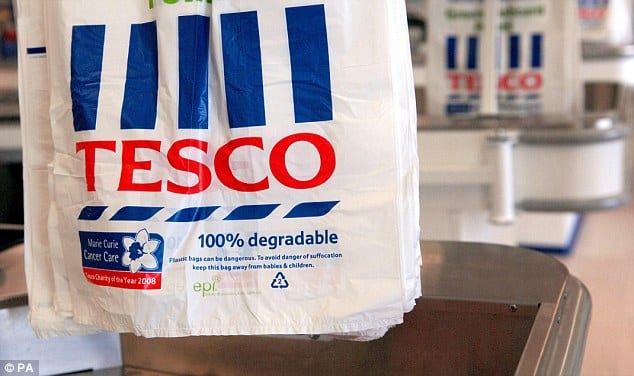
    Discount retailer Tesco Lotus said it saved a million plastic bags in the first day of a government campaign to stop use of disposable sacks on the 15th of every month.

    The Department of Environmental Quality Promotion has enrolled 15 retailers in the programme that began Saturday. Charkrit Direkwattanachai, Tesco Lotus’ head of corporate communication and sustainability, said the company has set a goal to save 40 million plastic bags in 2015 under its own “proud not to use plastic bags” campaign.

    The store began efforts to reduce plastic use in 2010 and so far has saved 50 million bags.

    According to statistics from the Pollution Control Department, the average Thai uses eight plastic bags per day; a total of 2.7 million tonnes of plastic and polystyrene foam waste or an average of 7,000 tonnes per day. Of that, 80%, or 5,300 tonnes, is plastic bags, which generally take up to 450 years to degrade.

  • Chinese medicines drive Zhongzhi growth

    Chinese medicines drive Zhongzhi growth

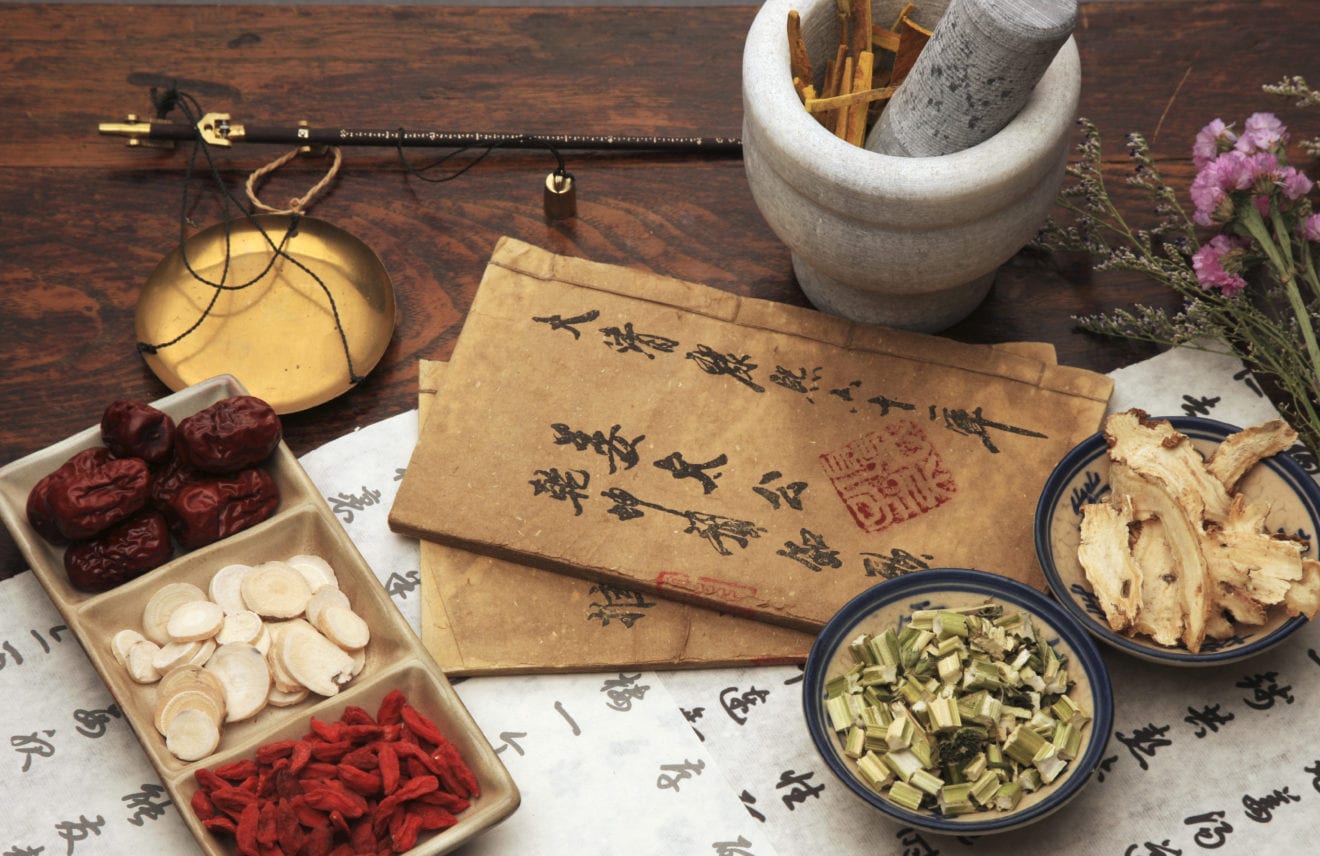
    Zhongzhi Pharmaceutical Holdings, which operates a network of pharmacies in the Guangdong province of China, has reported strong sales and earnings growth.

    Zhongzhi develops, manufactures and sells Chinese patent medicines, herbal remedies and food products sold under the core brands of Zeus, Liumian and Caojinghua.

    In the six months to June, the group achieved sales of RMB347.3 million, an increase of 20.6 per cent on the same period last year. Sales of ‘modern’ herbal remedies rose 44.5 per cent as a result of the group’s effort to expand its distribution and marketing network.

    “The continuous growth in the PRC pharmaceutical industry has been driven by favourable demographic trends, continuing urbanisation, the overall economy’s healthy expansion, and income growth which encourage greater public health awareness and consumption of pharmaceutical products,” the company said in its half year report.

    “The demand on pharmaceutical products will remain high and the related consumer expenditure is expected to increase year by year, which is beneficial to the further growth and development of the group. As such, it is anticipated that stable sales growth of our own-branded products in the PRC will continue in the near future.”

    In the year ahead, the company plans to expand its pharmacy network in the Guangdong province, boost its distribution network and expand its production capacity at the same time as putting more resources into researching new products and brand awareness marketing.

    Zhongshan has been operating chain pharmacies in Zhongshan under the Zeus banner for the sale of pharmaceutical products since 2001. As at June 30 it had 201 self-operated chain pharmacies in Zhongshan, five more than last year. Pharmacy sales increased by 15.9 per cent to RMB171.5 million for the six months, contributing 49.4 per cent of the company’s total revenue.

  • Samsonite sales soar globally

    Samsonite sales soar globally

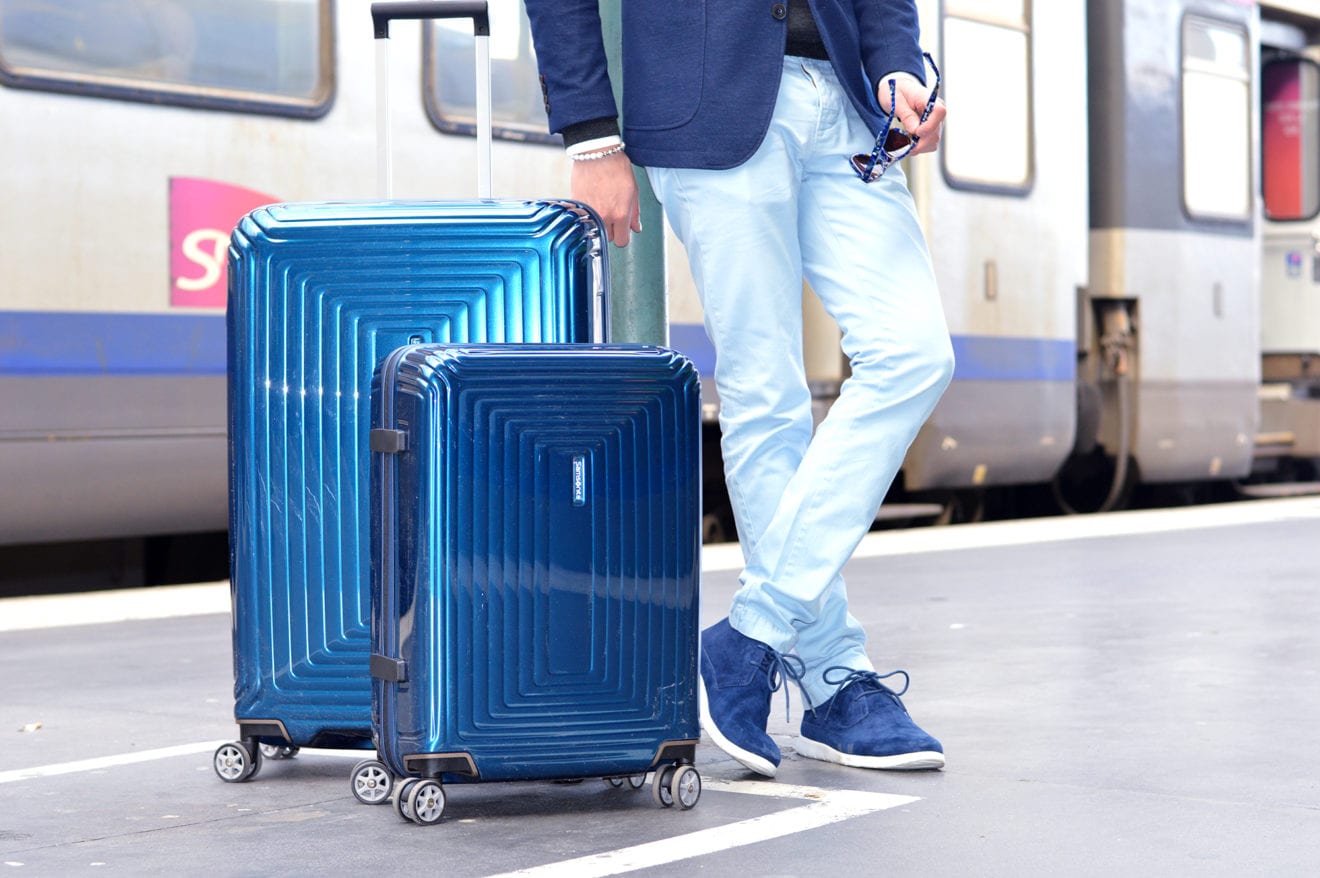
    Samsonite sales soared 16.6 per cent in the first half of this year.

    The Hong Kong-based travel luggage retailer says it has benefited from “robust growth in travel and tourism worldwide” achieving sales of US$1.197 billion in the six months to June 30.

    Excluding the effects of foreign currency exchange rates, Samsonite’s profit attributable to shareholders increased by 8.9 per cent.

    Fresh from bedding down the acquisition of Rolling Luggage in February, Samsonite says it will continue to evaluate further potential acquisition opportunities “that offer both a compelling strategic and financial rationale”.

    Rolling Luggage is one of the world’s leading airport retailers of branded luggage and travel products. The acquisition provides Samsonite with a significant retail footprint in some of the leading airports in Europe and the Asia Pacific region, and establishes a strong multi-brand platform to showcase the group’s brands and collections.

    Samsonite chairman Tim Parker said behind the strong numbers for the first half year, “some strong foundations are being laid for future growth”.

    “It is worth bearing in mind that Samsonite, our flagship brand, is still number one in most markets of the world. One of the key strengths of our business is its diversity in terms of brands, segments and geographical markets. Thus, in the first half of 2015, pockets of local market pressure were more than compensated for by good performances elsewhere.”

    CEO Ramesh Tainwala added: “Samsonite achieved a very encouraging set of results for the first half of 2015 despite challenging economic and trading conditions in almost all of our major markets. All of our operating regions posted solid constant currency net sales growth, underscoring the resilience of our multi-brand, multi-category and multi-channel business model.”

    Samsonite’s net sales in Asia continued to grow across all markets within the region, reaching US$471.4 million for the six months, an increase of 17.2 per cent year on year. The growth was driven by both Samsonite and American Tourister, whose net sales grew by 15.1 per cent and 9.6 per cent, respectively.

    The group’s Samsonite Red sub-brand was the driving force behind the 42.3 per cent increase in the casual product category in the Asia region. The group also recorded net sales of US$7.1 million from the High Sierra brand in the region during the first half of 2015, representing an increase of 64.4 per cent from the previous year.

    Samsonite introduced the Kamiliant brand in Asia during the second half of 2014, which has contributed US$1.0 million of net sales in the first half of 2015. All of the group’s brands continue to benefit from products and marketing campaigns that are designed specifically for the region.

    Driven by Samsonite and Samsonite Red through the eCommerce channel and strong business-to-business sales, China saw first half net sales increase by 29.8 per cent year on year. South Korea continued to grow, recording a 4.8 per cent increase in net sales despite the negative impact from the MERS outbreak.

    India, Japan, Hong Kong and Australia all recorded strong year-on-year net sales growth of 13 per cent, 44.6 per cent, 8.1 per cent and 33.5 per cent, respectively.

    “Aside from additional points of sale and increased product offerings, the success of the group’s business in Asia has been bolstered by its continued focus on country-specific products and marketing strategies to drive increased awareness of, and demand for, the group’s products,” the company said in a statement.

    For the second half of 2015, the Group will continue to leverage the strength of its diverse portfolio of brands to gain market share across all of its markets. Those brands include Samsonite, American Tourister, Hartmann, High Sierra, Gregory, Speck and Lipault.

  • Chow Sang Sang local sales slide

    Chow Sang Sang local sales slide

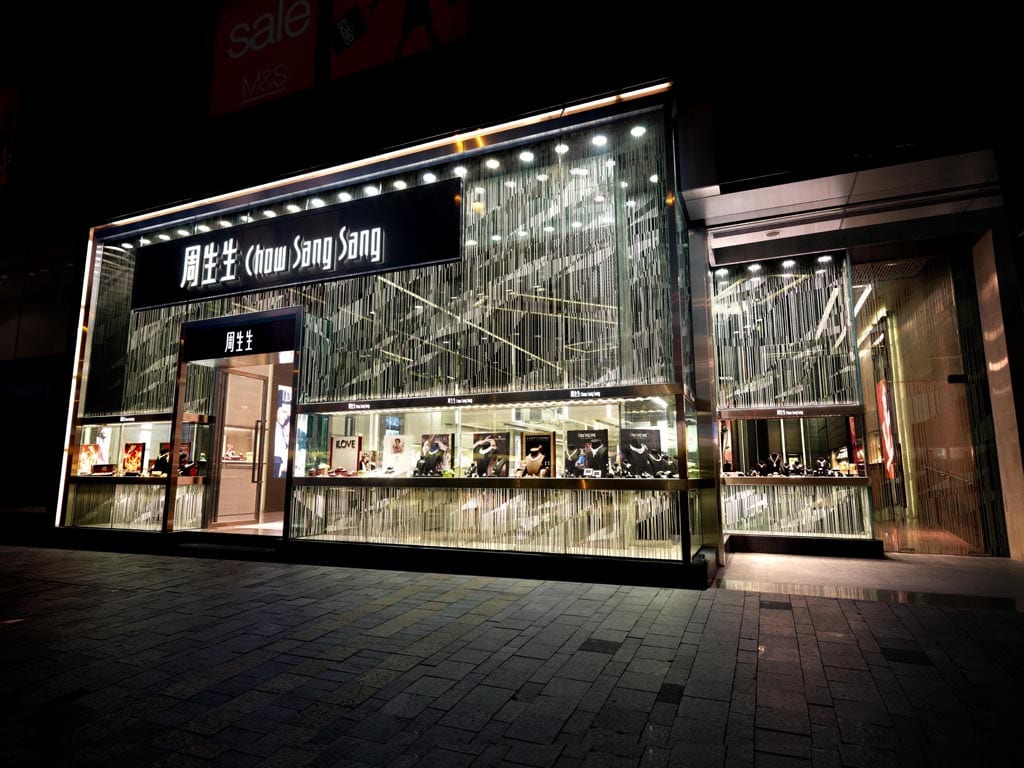
    Jeweller Chow Sang Sang has reported a 12 per cent slump in same store sales in Hong Kong and Macau during the first half of this year.

    But the company’s total sales slipped just one per cent and its profit rose 40 per cent during the six months, due to its disposal of shares in Hong Kong Exchanges and Clearing Ltd. Operating profit was down about 12 per cent.

    The company said while official records show a 5.9 per cent increase in the number of visits to Hong Kong by Mainland Chinese in the first five months, “actual spending by these visitors did not bring much cheer to the luxury retail sector”.

    “Negative sentiments towards cross-border traders and even mainland visitors probably cast a pall over shopping activities. Exchange rate fluctuations caused price differences that made it worthwhile for consumers from the mainland, and even those from Hong Kong, to shop in Japan and Europe for luxury goods.”

    During the half, Chow Sang Sang closed its Metroplaza store in Kwai Chung, but expanded its store in Elements, West Kowloon and converted the fitout to the company’s new generation shop design.

    The company said Macau was especially hard hit by the anti-graft campaigns and the measure to restrict funds outflow. One street-level store was closed there at the expiry of its lease.

    “On the Mainland, the slowing growth in the economy, the continued anti-corruption and austerity drive affected high-ticket spending, but in general the retail sector was healthy.”

    The jeweller opened 21 stores during the half taking its reach to 102 cities. Ten underperforming stores were closed for a net gain of 11 and a total network of 333.

    The company says in the months ahead it will continue to closely monitor its inventory levels. It has revamped its online shops both for the Mainland and Hong Kong and online sales continue to grow.

    “We are making progress in facilitating our online customers to take advantage of the network of physical stores.”

    In Hong Kong the company has acquired space in Citywalk, Tsuen Wan, to open a Rolex and Tudor store.

    The existing store in the same mall shall cease to operate its watch counters.

    In China 18 stores are planned between now and Christmas, along with several refitting and closings.

  • Roche Bobois to open in Hong Kong

    Roche Bobois to open in Hong Kong

    French luxury furniture retailer Roche Bobois is to open its first store in Hong Kong.

    The store will be the company’s eighth in Greater China and comes soon after the brand’s debut in the southern Chinese city of Chongqing.

    The new showroom will open in September in the ground floor of Horizon Plaza at 2 Lee Wing St.

    Roche Bobois works closely with renowned designers such as Ora Ito, Cédric Ragot, Sacha Lakic, Christophe Delcourt and Stephen Burks and with Haute Couture fashion houses such as Jean Paul Gaultier, Sonia Rykiel Maison and Missoni Home.

    It offers a broad range of exclusive made-to-order designs, manufactured with a high level of customisation in small European workshops. Its collection includes premium-quality furniture, including sofas, armchairs, cocktail tables, dining chairs, sideboards, beds, wardrobes, storage and accessories including lighting, cushions and rugs.

    The company has 250 showrooms worldwide.

    In Chongqing, Roche Bobois opened in the high-end furniture mall Redstar Macalline in the Yubei district, in the city’s northeast.

    In a taste of what Hongkongers can expect, the fit out features marble floors and a Paris skyline on the wall.

  • New startup Balkonie wants to be Houzz for Indonesia

    New startup Balkonie wants to be Houzz for Indonesia

    The home improvement market in Indonesia was worth about US$3 billion at last count, back in 2013. Rasmus Rasmussen, co-founder and CEO of Jakarta-based startup Balkonie, believes you can double that number if you include the home furnishing market. The Danish entrepreneur, who now lives in Indonesia, reckons tech-enabled home design services represent a US$1 billion opportunity this year

    “Balkonie is a free online platform that allows homeowners to get inspired by and connect with interior designers, architects, contractors, and other home service professionals across Indonesia,” explains Rasmussen. “We are launching our platform to help the Indonesian people, by making the process of building, renovating, and general home improvement much simpler […] and cheaper online.”

    Rasmussen is well-travelled. He studied business administration and economics at Harvard and the University of Southern Denmark. He then earned his postgraduate degree in international business from Hult International Business School, jumping around to different campuses in London, San Francisco, and Shanghai. It was this travel experience which got him interested in Southeast Asia.

    “During and after my studies, I founded and worked with several startups in industries ranging from goods trading and accounting to the Muslim and halal industry. Some startups failed and others succeeded, and they all gave me invaluable experience,” recalls Rasmussen. “I initially took a job at a venture builder in Malaysia, but was quickly drawn back to the startup scene.” Rasmussen is also the managing partner at Gomo Global, an international trade and development firm aiming to bridge Northern Europe and Southeast Asia’s business worlds.

    Rasmus Rasmussen, CEO Balkonie

    Houzz for Indonesia

    Coming from Denmark, Rasmussen says he’s used to finding everything online. “Of course, I didn’t expect everything to be online in Indonesia, but I expected to find help for basic necessities like home inspiration and professionals online.” However, Rasmussen found this wasn’t the case. He ran into troubles when trying to help his Indonesian fiancé’s family design and build a house. He says:

    In Indonesia we rely on buying home design magazines and going to exhibitions to find inspiration and home professionals […] Finding contact details online and getting recommendations from previous customers is nearly impossible. So, I set out to change that with three Indonesian partners.

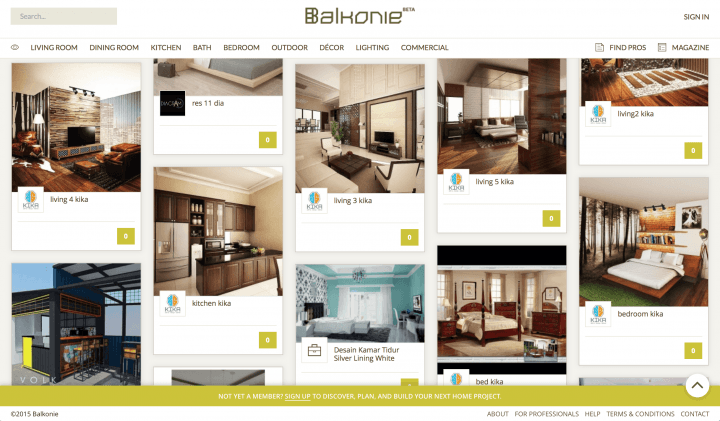
    Balkonie is pretty simple. Users can go onto the site and login with social media. From there, they can peruse all the interior “design porn” pics until they find a style they like. Each image has the designer or company responsible attached to the photo. Users arrive at the designer’s Balkonie profile page when they decide they want to know more, and from there can contact the vendor directly to strike a deal.

    Complementing the competitors

    According to the team, Balkonie is something like the Pinterest of home design combined with a directory of industry professionals who are also the site’s contributors. Rasmussen likens the concept to that of US-based startup Houzz. For monetization, Rasmussen also hopes to replicate the success of Houzz, which makes money from ad revenue, premium listings, and ecommerce commissions. However, he says right now Balkonie is only focusing on building the site’s traffic and user base. Money will have to wait until later.

    Balkonie Inspiration Page

    The site launched in beta in July. Because Balkonie is still brand new, not a whole lot can be reasonably expected in terms of market traction. However, Rasmussen says Balkonie has already gained several thousand users. He adds that the site has received hundreds of signups, with users continuously improving their profiles and uploading projects.

    Balkonie’s business model puts it in a unique position in Indonesia. Rasmussen says potential competitors such as Rooang are geared more toward being purely media, while startups like Fabelio and Livaza are focusing on furniture ecommerce only.

    Currently, Balkonie is a completely bootstrapped startup. Rasmussen says he is looking to raise funds, but before he starts banging on the doors of VCs in Jakarta, he wants to gain more validation for his product.

    “We see that the growth of middle class and affluent households in the country is very encouraging to support our vertical,” explains Rasmussen. “We first wanted to test our hypothesis that the market is ready for this service, rather than wasting everyone’s time and money.”

  • China grocery boom accelerates

    China grocery boom accelerates

    The China grocery boom is accelerating – but India and the so-called MINT countries are chasing.

    Chinese grocery sales are set to grow by a third between now and 2020 and reach US$1.5 trillion per year, according to new forecasts from IGD. While China will comfortably retain its position as the largest grocery market in the foreseeable future, other markets will grow faster.

    IGD predicts:

    • The grocery sector in India will grow by nearly 80 per cent and be worth just over US$900 billion by 2020.
    • Nigeria’s grocery market will achieve the fastest growth of the largest markets, increasing in value by 85 per cent to hit just over US$300 billion by 2020.
    • The other ‘MINT’ countries will also experience rapid growth – grocery sales in Mexico, Indonesia and Turkey will increase by nearly 40 per cent, 63 per cent and 61 per cent respectively.
    • Indonesia’s grocery market will be worth almost as much as the UK’s (ranked seventh in the world) at US$351 billion by 2020.

    IGD CEO Joanne Denney-Finch says while grocery industry growth prospects appear limited in Europe at the moment, this is a time of tremendous opportunity for grocery companies further afield.

    “The vast majority of global grocery growth will come from Asia, Africa and the Middle East supported by increasing affluence, urbanisation, and rising population. With many European products and brands highly regarded in these regions, this will be a boom time for companies with export skills.”

    On China, she observed: “Although the Chinese growth rate is slowing, it’s still very impressive, particularly in ‘tier three and four cities’. These are regional, medium-income cities, undergoing rapid development. There are many more opportunities for retailers and Western brands. For example, online grocery will enjoy explosive growth in China, though from a modest base, tripling in size between now and 2020. This will be powered by more Chinese having access to the internet through smartphones and other devices.”

    Denney-Finch said in India, while traditional stores will continue to take the lion’s share of the grocery market, consumer spending per capita in real terms will grow faster in the subcontinent than in any of the top grocery markets.

    “Combined with an expanding working-age population this will support the growth of modern convenience and supermarket retailing. Retailers are also rapidly setting up online grocery services hoping to tap into the potential of India’s half a billion smartphone users. Despite restrictions on foreign direct investment (FDI), international retailers continue to see the potential of investing in India.

    “If the expected effects of inflation are stripped out, then India would be the fastest growing of the largest grocery markets while most of the MINT countries would also appear higher up the growth rankings,” she said.

  • Carat* opens two new boutiques in Asia

    Carat* opens two new boutiques in Asia

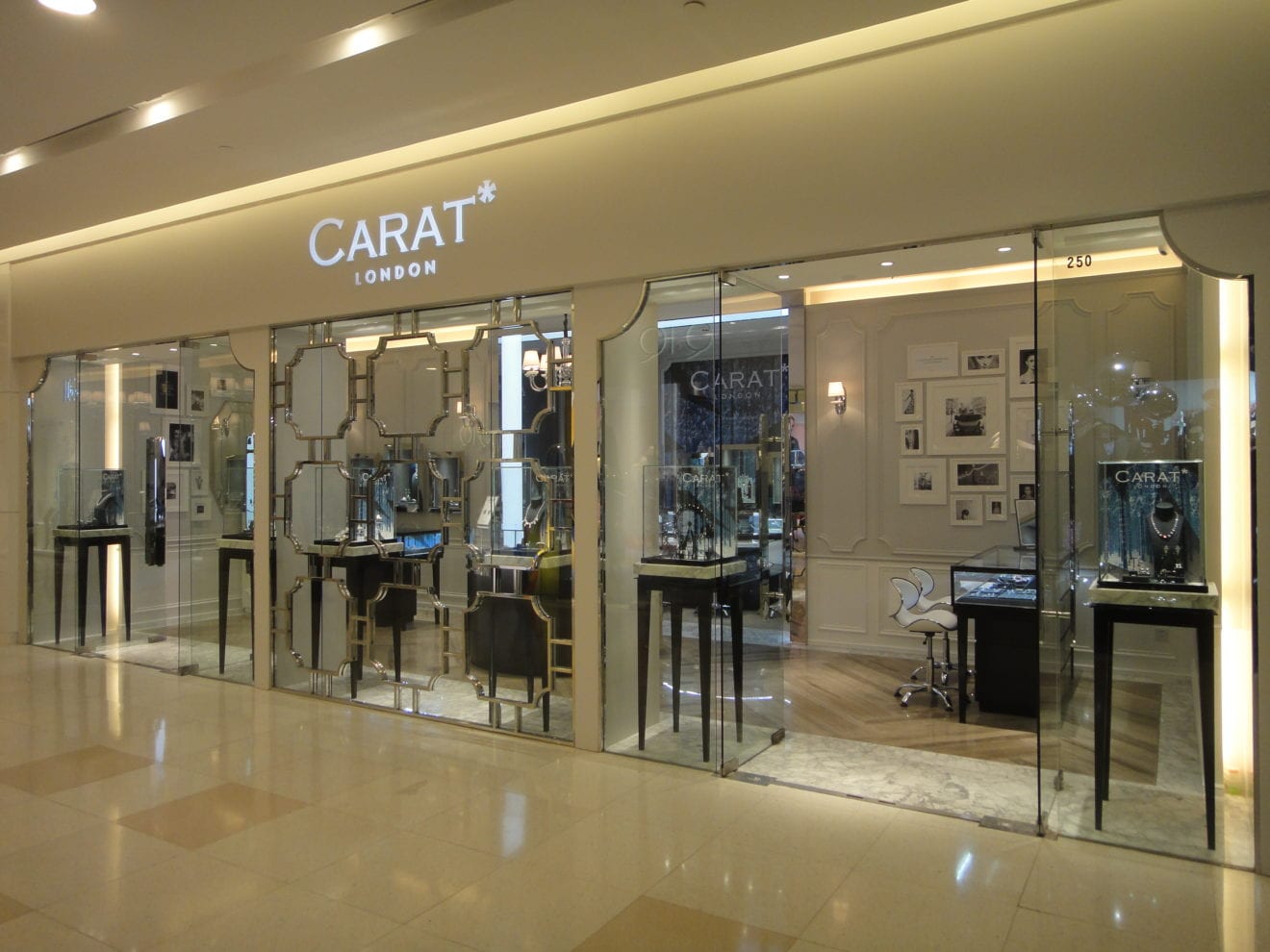
    London jeweller Carat* has opened a new boutique in IFC Mall in Central.

    The store is one of two opened in Greater China in recent weeks – the other being inside IFC Mall in Shanghai.

    Founded by Englishman Scott Thompson in 2003, Carat* describes itself as one of the world’s leading luxury fashion jewellers.

    “Our pieces combine the timeless glamour of a bygone era with a little modern day wearability. Carat* jewellery is about fantasy rather than reality and our jewels are chosen rather than invested, admired rather than shown off. Most importantly, though, our jewels are supposed to be worn rather than hidden in a safe,” the company says online.

    The two new stores feature a “refreshed” Carat* global store model with pale tones and a luxury ambience.

    As well as its stand alone boutiques, the jeweller has shop-in-shops in luxury department store Lane Crawford in Hong Kong, and in Harrod’s in London.

    Carat* designs, develops and assembles jewellery using its own uniquely created gemstones. Each stage of preparation is done by hand – from pre-forming and faceting to polishing and setting.

    The brand has been worn by celebrities all over the world, including Lisa Snowdon, Michelle Williams, the cast of Gossip Girl, Melissa, George, Katherine Kelly, Lucy Jo Hudson, Lydia Bright, Amy Nuttall, Kara Tointon, Juliet Stevenson, and Vicky McClure.

  • Hong Kong’s unemployment rate rises slightly

    Hong Kong’s unemployment rate rises slightly

    Fall in the number of tourists and depreciation in RMB has led to a slight increase in Hong Kong’s unemployment figures.

    According to the latest labour force statistics released by Census and Statistics Department yesterday, the city-stat’s unemployment rate increased from 3.2% in April – June 2015 to 3.3% in May – July 2015.

    The underemployment rate remained, however, unchanged at 1.4% in the two periods.

    Commenting on the latest unemployment figures, the Secretary for Labour and Welfare, Matthew Cheung Kin Chung, said an unemployment rate of 3.3% is still at a low level but with a unsteady global financial market and decrease in number of tourist, the situation may get worse.

    The hospitality and retail industries were identified as sectors contributing to this latest rise in unemployment rate.

    The hospitality sector’s unemployment rate stood at 4.4% – a 1.4% year on increase, while the retail sector saw a 0.1 % increase in unemployment compared to  April – June 2015.

    Unemployment rate in the retail sector stood at 4.1%.

    Shedding light into the matter, managing director of AMAC Human Resources Consultants Limited Alexa Chow Yee Ping said the retail sector is currently on hiring freeze.

    “Resigned staff will not be replaced, it will be a quiet market until Christmas,” she said.

    The insurance industry was also found to have recorded a 0.4% increase in unemployment rate to 1.9% in July.

    Roy Cheung Wai Leung from the Hong Kong Insurance Practitioners General Union said high office rent has out insurance companies under a lot of pressure to cut manpower.

    “Take Kwun Tong for example, the rent of Grade-A offices in the area has increased from HK$11 per square feet five years ago to $25 now.  Many companies need to save cost and lay off agents with underwhelming sales performance,” he said.

    Economics academic professor Terence Chong  executive director, institute of global economics and finance  at The Chinese University of Hong Kong had a more positive view.

    He said the end of European debt crisis implies less fluctuation in the stock market.

    “The Hong Kong-Shenzhen stock through train which will take place soon will be a boost to the economy although I expect the employment market to remain weak in the forth quarter, the unemployment rate should go no higher than 3.5%,” he said.

  • EcoWaste Coalition calls for crackdown on fake cosmetics in the Philippines

    EcoWaste Coalition calls for crackdown on fake cosmetics in the Philippines

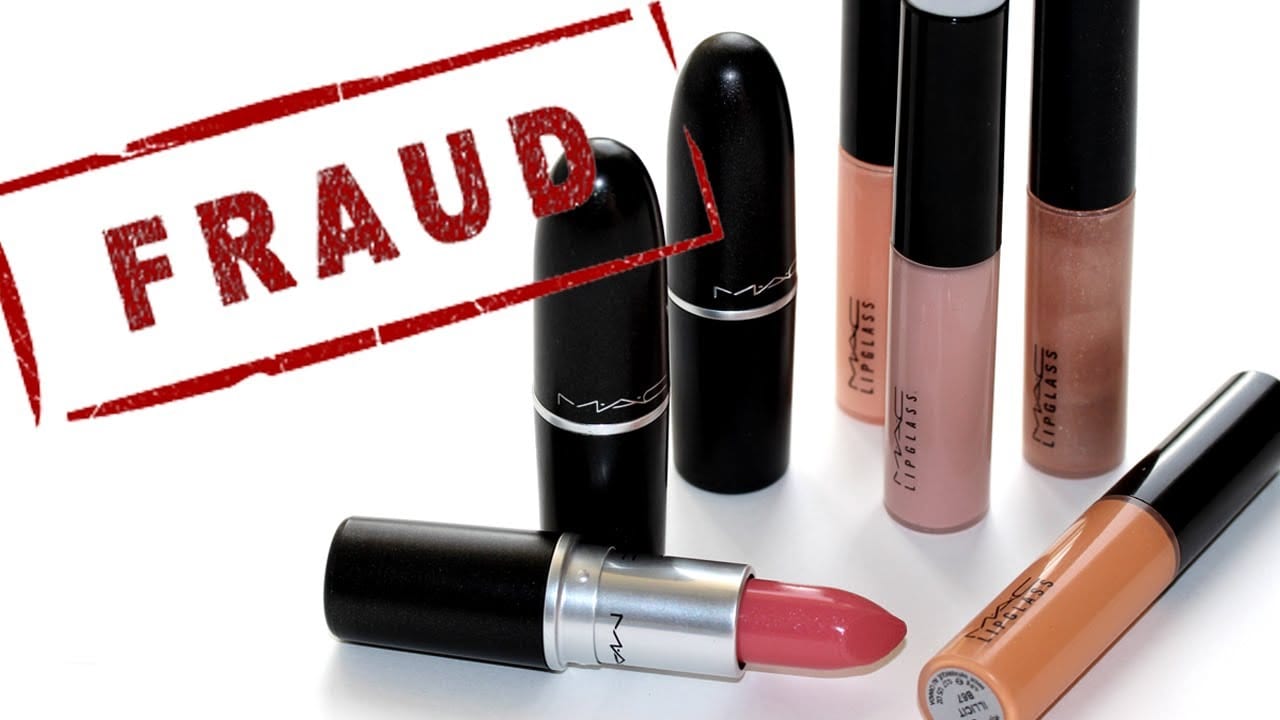
    The call comes after the watchdog found seven beauty and herbal vendors at the Guadalupe Commercial Complex selling cosmetics that had been banned by the Food and Drug Administration.

    Beauty brands Erna, Jiaoli and S’zitang were among the skin whitening creams found to have dangerously high levels of mercury.

    To curb this illegal trade of dangerous products that had no FDA notification, we request the Makati government seize the unregistered items, issue formal warning against non-compliant vendors and/or shut retail outlets engaged in such illicit business,” says Ecowaste project coordinator Thony Dizo.

    In-organic mercury in face cream is absorbed following application to the skin and toxic levels in the body can develop gradually with prolonged use.

    The signs and symptoms of mild to moderate toxicity due to exposure in skin lightening products may include nervousness and irritability, difficulty with concentration, headache, tremors, memory loss, depression, insomnia, weight loss, fatigue, numbness or tingling in hands, feet, or around the lips.

    Nanotech tracker to change how the industry tackles counterfeit goods

    Sydney-based YPB Group announced last year that it had bought tracer patents developed by China’s Dalian Maritime University to pair with its own scanners to determine counterfeit goods.

    The Australian company claims the cheap tool will initially change how the industry will tackle fake goods from China.

     The nanotech tracer is invisible to the naked eye and can only be read by a YPB-developed scanner that costs about $35. The material can be applied to any product and costs less than 50¢.

    According to John Houston, chief executive YPB Group; “Only two people in the world know the tracer formula.” 

    PB Group also acquired Brand Reporter, a US-based start-up that developed a platform for companies to identify and track counterfeit products in the supply chain and at retail points.

    The tracer can be put into fibers, plastics and inks to determine a product’s authenticity,” Mr Houston said.

  • Hong Kong pop-up mall aims to ease tensions over mainland shoppers

    Hong Kong pop-up mall aims to ease tensions over mainland shoppers

    From London’s trendy Shoreditch to a downtown revitalisation project in Las Vegas, pop-up shopping malls have become all the rage among urbanites keen to sample craft beer and buy designer sneakers.

    But, in Hong Kong, plans for the first temporary mall are designed to assuage popular anger with visiting shoppers from mainland China — derided by locals as “locusts” — rather than cater to the whims of hipsters.

    As political tensions between Hong Kong and Beijing have risen, the semi-autonomous Chinese territory has seen a growing backlash against the thousands of “parallel traders” who come from the mainland every day in search of cheap baby milk, jewellery and other goods they can sell back home for a profit.

    Now two of Hong Kong’s biggest property developers have teamed up with lawmakers to turn a car park near the Chinese border into a mall made out of shipping containers that is meant to serve mainland visitors attracted by the city’s low-tax shopping.

    Wong Ting-kwong, one of the legislative council members promoting the project, said it would “reduce the nuisance brought by excessive mainland tourists and relieve the traffic inside the city”.

    Mr Wong is a member of the main pro-Beijing political party in Hong Kong, which has frequently come under attack for failing to defend residents’ interests in the face of pressure from the central government in China.

    He hopes that the mall, which will be about the size of two football pitches, according to a recently submitted planning application, will open for business early next year.

    The land for the pop-up mall is jointly owned by Henderson Land and Sun Hung Kai Properties, which are controlled respectively by Hong Kong billionaires Lee Shau-kee and the Kwok brothers.

    SHKP said that if the plan was approved by the government, they would lease the land for a nominal HK$1 ($0.13) per square metre to a charitable foundation, which would run the pop-up mall on a non-profit basis for two years.

    After that period, the developers expect to remove the shipping containers and start construction of a permanent mall on the same site.

    The initiative has succeeded in grabbing the headlines in Hong Kong, but those who have organised protests against mainland shoppers are far from convinced it will solve their problem.

    Ray Wong, a member of HK Indigenous, a group that campaigns against mainland Chinese influence in Hong Kong, said that while the pop-up mall could alleviate some pressures, it could also disturb local residents if it generated too much traffic.

    “I think the root of the problem is that mainlanders don’t trust Chinese goods so they have to turn to Hong Kong for guaranteed quality,” he said.