Category: Living

Retail News Asia is committed to providing both local and global retailers with the latest Living news throughout the Asian market. This on a daily base.

  • Coca-Cola Amatil Indonesia and Quiksilver Continue to Preserve Bali’s Beach Ecosystems

    Coca-Cola Amatil Indonesia and Quiksilver Continue to Preserve Bali’s Beach Ecosystems

    As one of the most popular destinations in the world, Bali represents Indonesia on the global scene. To contribute in keeping Bali’s beaches clean and safe, Coca-Cola Amatil Indonesia and Quiksilver are holding Bali’s Big Eco Weekend 2015 from August 14-16, inviting local communities, the government, visitors and industry players of Bali to renew the commitment and take real action to tackle the waste problem in Bali.

    Bali’s Big Eco Weekend is an annual campaign of the regular Bali Beach Clean-Up, both initiated by Coca-Cola Amatil Indonesia (CCAI) and Quiksilver as continuous efforts to bring more attention to Bali’s environmental state and drive more support for the Bali government’s program in creating a ‘Clean and Green Bali’.

    “We’ve invested in the programs since 2007 and it has been a very good collaboration between Coca-Cola Amatil Indonesia, Quiksilver, the Bali government and local communities. While the regular beach cleaning has been contributing impact, through Bali’s Big Eco Weekend we are still calling for more support from everyone in Bali, including both the growing citizens and tourists,” says Kadir Gunduz, President Director of Coca-Cola Amatil Indonesia.

    “At Coca-Cola Amatil Indonesia, we believe that we have roles and responsibilities in helping to create a sustainable environment anywhere we operate. It’s about all of us making the right decisions and taking real actions. We are pleased with the strong support we are getting, especially today. We hope that the commitment will only grow stronger, so together we can continue to preserve our ecosystem,” Kadir adds.

    This year’s Bali’s Big Eco Weekend marks the 8th year of Coca-Cola Amatil Indonesia’s and Quiksilver’s commitment to keeping Bali’s beaches clean & safe. Started in 2007, Bali Beach Clean Up (BBCU) empowers the local communities in Bali by hiring 78 local workers and providing them with regular training in waste management and clean environment awareness. As front-liners, BBCU workers run daily clean-up in 5 iconic beaches in Bali (Jimbaran, Legian, Kuta, Seminyak, Kedonganan) and maximize the clean-up facilities which include 3 surf rakes, 3 garbage trucks, 4 beach tractors, and at least 150 new bins per year. The total amount of waste collected through the program has reached more than 29 million kilograms as of July 2015.

    “We are glad that the collaboration in keeping Bali clean and safe has been going well for 8 years. This cements Quiksilver’s passion and involvement in promoting eco conservation to ensure that Bali’s beautiful beaches and waterways will stay clean and safe for many years to come,” says Paul Hutson, General Manager of Quiksilver South Pacific. “We have Quiksilver’s global athletes joining the Bali’s Big Eco Weekend this year, and everyone is excited to celebrate Indonesia’s Independence Day long weekend on the beaches of Jimbaran, Legian and Uluwatu.”

    Joining the thousands of visitors in rolling up their sleeves and collecting waste on Jimbaran Beach and Padma Beach Legian are Dadang Rizki Ratman, Directorate General for Tourism Destination Development, Ministry of Tourism; Rijaluzzaman, Head of Centre of Development Monitoring on Eco-region of Bali and Nusa Tenggara; Ketut Wija, Deputy Economic & Development of Bali Province; and Quiksilver global athletes, including world champions Mark Richards (4X World Champion), Tom Carroll (2X World Champion), Jake Paterson, Matt Hoy, Kelia Moniz (2X Longboarding World Champion), and Torah Bright (Olympic Gold Medallist).

    Appreciating the attendance, Alison Watkins, Managing Director of Coca-Cola Amatil Group, says the special effort to participate in this iconic weekend supports both Bali’s and Coca-Cola Amatil Indonesia’s commitment to running business and growing together with communities in Bali.

    In 2010, Coca-Cola Amatil Indonesia and Quiksilver built the Kuta Beach Sea Turtles Conservation (KBSTC) in a commitment to support a safe environment. Since then, the number of eggs collected has significantly increased from 1,947 eggs in 6 years (2002-2008), to 122,230 eggs in the next 6 years (2009-2015). The Bali’s Big Eco Weekend crowd today participated in releasing approximately 1,000 baby sea turtles back to the sea.

    The turtle release wrapped up a day of various eco activities including ROXY Challenge Run-Sup-Yoga, meet and greet with the ROXY surf team, Coke Kicks, lifeguard race, fun sea turtle release, CSR exhibition, Kecak dance performance, and the renowned beach clean-up. On Sunday, visitors are welcome to join the surfing legends in WSL Quiksilver Uluwatu Surf Challenge 2015, also part of the Bali’s Big Eco Weekend, proudly co-sponsored by Coca-Cola Amatil Indonesia and Australian Embassy Jakarta.

    For more information about Bali’s Beach Clean Up program, download the latest Infographic at bbew.coca-colaamatil.co.id.

  • German giant buys Classic Fine Foods

    German giant buys Classic Fine Foods

    German retailer Metro AG has paid $290 million to buy Singapore restaurant supplier Classic Fine Foods Group from private equity owned EQT.

    CFF operates in 25 cities, including Singapore, Dubai, Hong Kong, Bangkok, Kuala Lumpur, London, Ho Chi Minh City and Jakarta. The deal will expand Metro Cash & Carry’s presence from 26 countries to 36.

    Metro said in a statement the acquisition would strengthen its wholesale subsidiary Metro Cash & Carry by bolting on an experienced food service distribution arm.

    “It provides access to growth and value creation potential in the attractive premium foodservice distribution markets. The transaction covers the operations and all fixed assets of CFF for an enterprise value of $290 million plus an earn-out of up to $38 million depending on the EBITDA performance in 2015 to 2017,” the company said.

    “Metro Cash & Carry aims to strongly expand its FSD operations. With the acquisition of CFF we strengthen our value proposition and enlarge our wholesale market presence fuelling future sales and earnings growth“, said Olaf Koch, chairman of Metro AG’s management board.

    Pieter Boone, CEO of Metro Cash & Carry, added: “With Classic Fine Foods, we found the perfect partner to expand in high growth Asian FSD markets. CFF has a strong market position and a unique exposure to Asian mega cities and Middle East. CFF partners with some of the world’s most sought after fine food producers and has excellent customer relationships in the high margin premium Hotels, Restaurants and Caterers (HoReCa) segment. The acquisition boosts our FSD capabilities widening the services for our HoReCa customers.”

    CFF, founded in 1999, has its own distribution and warehousing network in the cities in which it operates. Metro says post- acquisition, CFF will remain largely independent, maintaining its own sourcing base and distribution network.

  • Chinese bookstores rank among ‘world’s coolest’

    Chinese bookstores rank among ‘world’s coolest’

    Three Greater Chinese bookstores have been ranked amongst ‘the world’s coolest’ by US-based global news organisation CNN.

    In a newly-released selection posted online CNN observes that old or new, all of the stores round the world its editors selected for the “World’s Coolest” list have fascinating stories, serving as “historic sites, sanctuaries, salons of culture and must-visit entries in any travel itinerary”.

    The three Asian stores making the list are Eslite Bookstore in Taipei, Librairie Avant-Garde in Nanjing, China and 1200 Bookshop in Guangzhou, China.

    The 17,000 sqm Eslite store, which opened in 1999, trades 24-seven and stocks books and magazines in a multitude of languages. Its success has been followed with more stores in Taipei and another in Hong Kong’s Hysan Place.

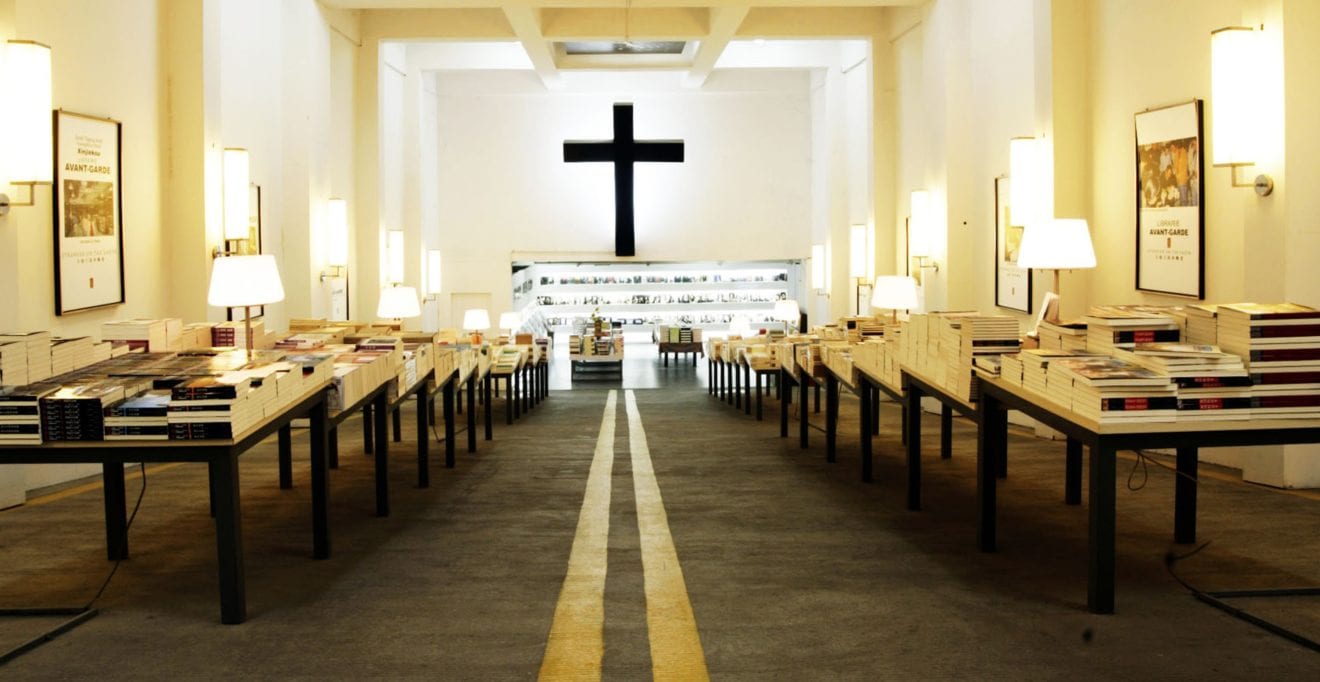
    The Librairie Avant-Garde is described by CNN as “China’s most beautiful bookstore”, located in a massive underground parking lot once used as a bomb shelter.

    “The 4000 sqm store’s unusual features include large crosses, a copy of Rodin’s ‘The Thinker’ and a checkout counter built out of thousands of old books,” writes CNN.

    “A good bookshop should provide space, vision and nurture the city with its humanitarian spirit,” owner Qian Xiaohua told CNN. “It’s a place for people to have dreams in the city.”

    And the 1200 Bookshop, which also trades around the clock, has earned a reputation for great books and coffee as well as a haven for travellers, with backpackers invited to stay in a private room in-store.

    “We are doing business at the store during daytime but making friends at night,” says founder Liu Erxi.


  • Shinsegae opens luxury bike shop

    Shinsegae opens luxury bike shop

    Shinsegae Department Store has opened a bicycle shop at its main store in Chungmuro, being the first department store in Korea that is home to a bicycle shop.

    The shop features classic models from Pedersen Bicycles, often called ‘the Bentley of Bicycles,’ multi-purposed ‘Cargo and Cruiser’ bikes from Johnny Loco, and stylish E-bikes from Mando Footloose.

    The shop’s wide range of bikes from classical to electric will satisfy the needs of many bike lovers. Several models featured in the shop are also of rarities hardly seen on the Korean streets. The shop is located on the first basement level of the Chungmuro store.

  • Mers outbreak dents Korea retail sales

    Mers outbreak dents Korea retail sales

    South Korea retail sales slipped in June – a predictable result of the outbreak of Middle East Respiratory Syndrome (Mers).

    As South Korea’s shunned larger retail outlets to reduce the risk of potential exposure to the illness, discretionary spending fell. Some spending on essential goods moved online.

    South Korea’s government agency Statistics Korea says retail sales in June were worth 29.34 trillion won, about US$25.15 billion, which was 0.6 per cent lower than in the same month last year. It was more than 2 trillion won less than May’s spending.

    “The Mers outbreak caused shoppers to shy away from large markets where people converge, which effectively hurt overall sales,” a Statistics Korea spokesman said.

    However, last week the government officially declared May’s outbreak to be over, after 186 infections and 36 fatalities.

    A breakdown of the figures shows the fall in sales affected mostly categories where shopping could be postponed – appliances and computers were down 5.7 per cent year on year and clothing down nearly 10 per cent.

    Department store sales fell 12.4 per cent and discount department store sales down 9.5 per cent.

    Online spending rose 26.6 per cent in May, while convenience store sales soared 34.6 per cent and supermarket sales rose 4.4 per cent.

  • Malaysian GST hammers retail sales

    Malaysian GST hammers retail sales

    Grocery retailers in Malaysia have reported a slump in retail sales of up to 20 per cent in the second quarter of this year – the three months after the introduction of Malaysian GST.

    Malaysian GST of a modest six per cent was imposed on April 1. Prior to that there was evidence of consumers stockpiling products – especially fast moving consumer goods – many of which the new tax was not applied to anyway.

    The nation’s largest convenience store operator, 7-Eleven, says the scale of the downturn took many retailers by surprise.

    “I think all retailers anticipated a slowdown in sales as a result of GST, but they probably did not anticipate the weak consumer sentiment and low consumer confidence at the same time,” 7-Eleven CEO Gary Brown told The Malaysian Reserve.

    With 1840 stores across Malaysia and 80 per cent of the c-store market, 7-Eleven is well placed to gauge the national spending mood.

    It plans to respond to the downturn in sales by broadening the range of services it offers customers and expanding the in-store experience beyond mere convenience.

    “We will continue to expand our innovative promotion activities and campaigns to reward our existing shoppers and to attract new shoppers.

    “This includes expanding our in-store services such as mobile phone reloads, bill payment, Touch n Go reloads and eCommerce.”

    The 7-Eleven CEO’s comments come just weeks after the Malaysia Retailers Association (MRA) lowered its growth projections for retail sales growth this year for the third time – down nearly one per cent to four per cent.

    While the tax has had an arguably short term effect, the local currency, the Ringgit has weakened substantially during the last six months, causing price increases on imported goods and raising transport costs. The arrival of GST weakened consumer sentiment.

    According to the MRA, retail sales overall declined three per cent in the second quarter after a 4.6 per cent increase in the first quarter, partly due to consumers stockpiling or buying big ticket items before April 1.

    The MRA expects third quarter growth of 4.8 per cent and fourth quarter growth of 6.9 per cent.

    “Malaysian consumers will get used to the GST by the last quarter of 2015. Retail spending will return to normal again by this period. This industry is expected to recover strongly with a 6.9% growth rate,” it said.

    But anecdotal feedback from retailers Inside Retail Asia has spoken with suggests those projections may well be overly optimistic.

    Malaysian retailers say consumers have been slow to resume spending even after recognising the overall impact of GST is lower than they feared.

  • Matahari has strong half

    Matahari has strong half

    Indonesia’s PT Matahari Putra Prima (MPPA) says its first half year sales rose 6.6 per cent on the back of new stores.

    Like for like sales rose 2.1 per cent in a period of softening economic conditions and when several stores were closed for renovation.

    Matahari has continued with a strong focus on upgrading its store formats, rolling out its new G7 format with brighter, more upmarket store designs and increased range. It also opened the first of its new Foodmart Primo format stores during the half year.

    In the next six months Matahari will open the first of another new concept – a SmartClub wholesale store.

    Operating profit surged 29.4 per cent in the half (excluding extraordinary items) as the retailer continued to improve its infrastructure, boosting internal efficiencies and developing a solid platform for future growth.

  • Banks, insurers to face new rules when selling at malls, public places

    Banks, insurers to face new rules when selling at malls, public places

    As financial institutions (FI) jostle to get a bigger share of the consumer dollar by sending their salespeople to hawk everything from credit cards to insurance and investment products at shopping malls, MRT stations and other public places, the Monetary Authority of Singapore (MAS) has stepped in to minimise the risks to consumers from such aggressive marketing tactics.

    In a consultation paper released today (July 23), the financial regulator proposes `Market Conduct Guidelines’ setting out safeguards that FIs — including banks, non-bank credit card and charge card licensees, insurance companies, capital markets and financial advisers — are required to implement while marketing their products and services at retail outlets and public places.

    “These proposals seek to strike a balance between allowing FIs flexibility with their marketing and distribution activities, while safeguarding consumers’ interests when they purchase financial products at retailers and public places,” said Mr Lee Boon Ngiap, assistant managing director of capital markets at the MAS.

    He emphasised that the regulator does recognise the importance of such marketing initiatives as a part of the FIs’ business models. The proliferation of such practises could lead to problems including harassment of consumers, confusion over the roles of the FI and the retailer, enticing consumers to purchase unsuitable products, buying financial products in an unconducive environment and mishandling of monies collected, the MAS said.

    Under the proposals, FIs will have to notify the MAS of their marketing and distribution activities at retailers and public places on a quarterly basis so that the regulator is able to monitor the situation more closely and tailor its supervisory approach accordingly.

    The MAS also proposed that the board and senior management of FIs be accountable for ensuring proper controls over their marketing campaigns at such places. FIs are also expected to call back customers roped in at public places before or within the free-look or cooling-off period to ensure they have understood the insurance and investment schemes they purchased. FIs must regularly conduct mystery shopping and site visits to ensure that their representatives adhere to the required standards and guidelines.

    The proposals complement existing rules and practises, and ensure consistency and alignment of standards across the financial industry, the MAS said, referring to existing guidelines that most FIs already have in place.

    Mr Antony Eldridge, financial services leader at business consultancy PwC Singapore said: “Given innovations in marketing and distribution techniques used by FIs, these proposals should not be unexpected. In fact, the proposals should also help to protect FIs in Singapore from getting caught in the kind of hugely costly scandals that have hit a number of overseas institutions.”

    Mr Rajan Raju, head of retail clients at Standard Chartered Bank Singa­pore, said: “The initiative is about responsible selling, treating customers fairly, and ensuring a robust process for the marketing of financial products and services. Treating customers fairly remains a key priority for us at Standard Chartered.”

    The Life Insurance Association of Singapore said its members are aligned with the MAS in safeguarding consumers’ interests. The implementation of numerous initiatives such as compareFIRST, balanced scorecard and Direct Purchase Insurance products are some examples of the industry’s efforts to ensure that consumers are well-informed and given flexibility in managing their portfolios to meet their protection, savings and investment needs, LIA added.

    The public consultation will close on Aug 24.

  • Banks in Singapore staring to offer higher fixed deposit rates

    Banks in Singapore staring to offer higher fixed deposit rates

    The upcoming Singapore Savings Bonds and stricter rules on how much capital banks must hold may be driving lenders to offer enticing promotional rates for fixed deposits.

    A shortage of funds on deposit available to banks for lending might also have prompted them to step up the competition for cash.

    Putting $25,000 into a 12-month fixed deposit now yields 1.5 per cent at OCBC and 1.45 per cent at Maybank, up from around 0.25 per cent to 0.7 per cent a year.

    Ms Kum Soek Ching, head of South-east Asia research at Credit Suisse, noted that banks could be offering promotions to prepare for the sale of the Singapore Savings Bonds (SSB), which could attract investments that would normally go into a fixed deposit.

    The bonds offer investors with a longer horizon a higher yield than fixed deposit rates, she said.

    Singapore Savings Bonds will start being issued in October and have a term of up to 10 years. They offer yields linked to long-term Singapore Government Securities, which have been between 2 and 3 per cent over the past 10 years.

    SSBs will start being issued in October and have a term of up to 10 years.

    They offer yields linked to long-term Singapore Government Securities, which have been between 2 and 3 per cent over the past 10 years.

    Dr Chua Hak Bin, head of emerging Asia economics at Bank of America Merrill Lynch, noted that the sale of SSBs would “intensify competition for retail deposits and pressure rates higher”.

    He added that the Government intends to issue up to $4 billion of bonds this year, an amount roughly equal to the increase in retail deposits over a six-month period.

    But some analysts believe SSBs will likely only marginally impact bank deposits in the short term.

    Mr Kumar Rachapudi, senior rates strategist for Asia at ANZ Research, said the amount of SSBs to be issued this year is small compared to total bank deposits, which are about $550 billion.

    The total bank deposits would at most be reduced by the amount of SSBs issued – only up to $4 billion – he added.

    Furthermore, retail investors are allowed to buy only up to $100,000 worth of SSBs, he said, adding: “There is no such cap on deposits.”

    Increasing liquidity requirements may also pressure foreign banks into raising rates, analysts here noted.

    Foreign banks deemed systemically important – such as Citi, HSBC, Maybank and Standard Chartered – will have to hold more high quality assets, like deposits, from January next year, noted Mr Chan.

    Ms Kum added that foreign banks could feel the pressure of increased deposit competition more, as they have a much smaller base of low-cost Singdollar deposits.

    However, local banks enjoy this larger base because of their home town advantage.

    The reduced pace of retail deposits, in the light of slower economic growth and a rate hike in the United States, would put further pressure on short-term rates, Dr Chua said.

    Local and foreign banks The Straits Times spoke to said their promotions were part of regular efforts to keep fixed deposit interest rates competitive.

    They also said they expected the SSBs to complement, not compete, against fixed deposits.

    Mr Matthew Colebrok, head of retail banking and wealth management at HSBC Singapore, said fixed deposits offered investors flexibility on terms while not limiting deposit amounts.

    They complemented saving bonds, which are used to meet long-term needs, he added.

  • Warner Music Singapore to stop distributing CDs

    Warner Music Singapore to stop distributing CDs

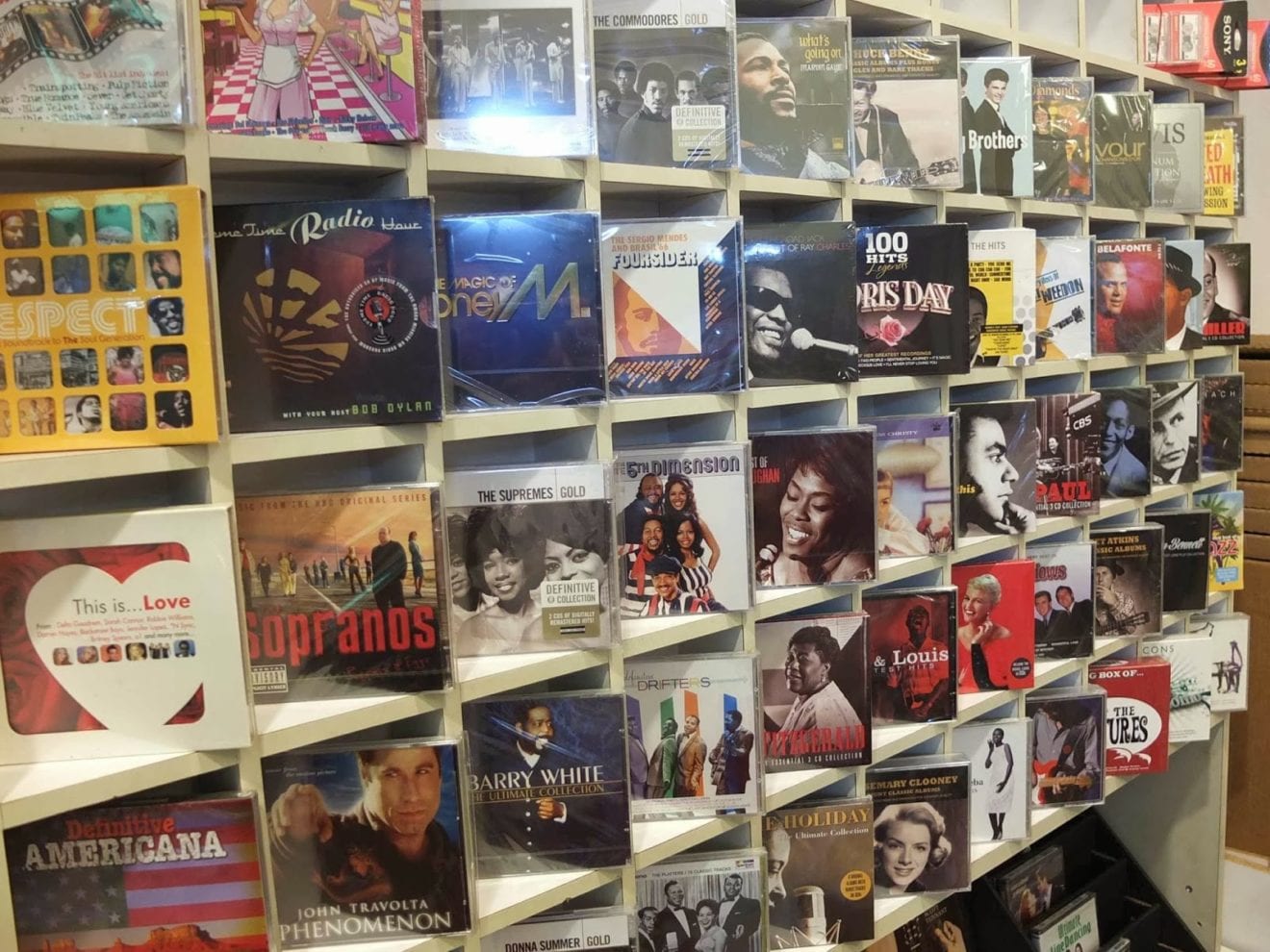
    The Singapore office of Warner Music – one of the major music labels along with Universal Music and Sony Music – is no longer bringing in CDs for sale and distribution here.

    This is what insiders in the local music industry – retailers and other labels – have heard.

    When contacted, Warner declined comment.

    In the last year, it released albums by Stevie Nicks, Ed Sheeran, Jolin Tsai and Singapore’s JJ Lin, according to its website. Other local musicians signed to it include Reuby and hip-hop duo SleeQ.

    While the other labels are still bringing in CDs, Life understands that Sony no longer handles the storage and distribution of these CDs to shops here. It has engaged another company for those functions.

    A veteran in the music industry, who declined to be named, said Warner’s decision was made in July. Retailers have also been informed of the move, and they say it is likely due to falling CD sales worldwide.

    A spokesman for HMV Singapore says it was notified of Warner’s move a couple of weeks ago, and of Sony’s move last year.

    Said the spokesman: “We will need to make slight changes by importing the CDs in the case of Warner.

    “For Sony, we can still get them locally supplied by MM2 (the company engaged by Sony). But some titles may be late, or on a rare occasion, not released.”

    Mr Ho Chan Sian, 60, owner of Memphis Music, a CD shop in Coleman Street, learnt about Warner’s move two weeks ago.

    He says: “It will be more inconvenient for us because we will not be able to draw stocks from Warner like before. We will have to turn to wholesalers to get CDs of artistes under the Warner label.”

    Consumers in the United States, the world’s largest music market, bought 257 million albums last year, a drop of 11 per cent from 2013.

    At Universal, sales of physical CDs in Singapore for the first half of this year have fallen 8 to 9 per cent, compared to the first half of last year.

    Says Ms Kim Lim, the head of marketing and sales for Malaysia and Singapore at Universal Music: “The market has evolved from physical sales towards digital distribution.

    “Digital is more affordable and easier to access. The consumer can also get it more quickly, instead of having to wait for CD stock to be ready in stores.

    “There are also very few stores nowadays as retail store rents are increasing year by year.”

    Says Mr Ngiam Kwang Hwa, 55, managing director of record label and concert organiser Rock Records: “I can totally understand Warner’s position. To bring in a CD, you have to pay for freight, GST, the warehouse to store the CDs, as well as distribution cost. If the sales volume is not high enough, it actually doesn’t make financial sense to do so.”

    Both Universal and Rock still bring in CDs for distribution.

    Ms Lim says: “We still believe some albums – that have nice packaging, exclusive content and limited edition packaging – are collectible items.”

    But Mr Ngiam expresses concern that Warner’s move is the beginning of an unhealthy outlook for the industry.

    He says: “My worry is that another one of the big labels will also stop bringing in CDs. Then the distribution system might change, and we might be forced to react.”

    When contacted, music fans were not surprised by Warner’s move.

    Public servant Tan Wei Ye, 28, has not bought a CD in more than 10 years: “Nowadays, I buy my music mainly from iTunes. I also use Spotify, Soundcloud and Bandcamp, and listen to music on YouTube sometimes.

    “You can just buy the individual songs you want, instead of having to commit to the full 10 or 12 songs on a physical CD. It doesn’t make sense to go to the physical CD shop anymore.”

  • Playphone Game Store Expands into Asia With GASH Prepaid Game Cards at 114000 Retail Outlets

    Playphone Game Store Expands into Asia With GASH Prepaid Game Cards at 114000 Retail Outlets

    Playphone®, Inc., a global leader in mobile social gaming and recently acquired by premier game developer GungHo, announced today a partnership with Gamania Digital Entertainment Co., Ltd. (GASH), a leading Asian online game publisher based in New Taipei City, Taiwan. Playphone and GASH are partnering to offer Asian gamers a revolutionary new social gaming experience with the world’s most popular games, a unique set of advanced social features, and GASH prepaid game cards − the preferred local payment method for the region.

    Playphone develops and operates social game stores worldwide, offering mobile gamers a single engaging app to discover, download, play and share thousands of their favorite games with friends. Playphone Game Stores are deeply integrated with social features throughout the gaming experience, easily connecting gamers with friends to recommend games, challenge or invite to play, brag leaderboard ranks, and more. Playphone’s gaming platform, with games from over 3,000 global developers, is rapidly expanding distribution in emerging markets.

    GASH is the largest online game publisher and digital entertainment platform in Taiwan, and its prepaid card platform is the most widely used game payment system in the region. GASH prepaid cards facilitate mobile purchases of paid games or in-game items without the need of a credit card. Gamers purchase GASH prepaid game cards in varying denominations at over 114,000 retail outlets in Asia. The GASH digital entertainment platform supports over 10 million active users, and current GASH users can now use their prepaid GASH cards to purchase paid games and in-game items from the Playphone Game Store.

    “Our partnership with GASH perfectly aligns with Playphone’s vision of providing the best social gaming experience in Asia, where gamers are hesitant to input credit card information into their mobile apps,” said Ron Czerny, CEO and Founder of Playphone. “As a gaming leader in the region, GASH has provided an invaluable contribution to our efforts to tailor our gaming experience to local Asian gamers.”

    “We are very excited to partner with Playphone to offer GASH gamers a technically-advanced, personalized gaming experience,” said Simon Lu, Chief Operating Officer of GASH. “And our partnership is a huge win for game developers, who simply upload games to the Playphone Developer Portal for instant access to Asian distribution and the GASH payment solution.”

    Game developers add games to the Playphone Game Store simply by uploading their existing Android game file (APK) to Playphone’s Developer Portal (developer.playphone.com). Playphone’s technology automatically integrates the game into the Playphone platform, providing the game with instant access to Playphone’s global distribution channel, preferred local payment solutions including GASH prepaid game cards, and world-class social features.


  • Bank Rakyat Indonesia launches country’s first floating bank

    Bank Rakyat Indonesia launches country’s first floating bank

    Bank Rakyat Indonesia (BRI) has launched a floating bank to make banking accessible to people residing in remote islands or coastal areas.

    The bank which has been named Teras BRI Kapal will currently provide its services to the Thousand Islands regency off north Jakarta. Its services would cover six islands including Pramuka Island, Tidung Island, Kepala Island, Untung Jawa Island, Harapan Island and Panggang Island, reported the Jakarta Post.

    The banks plans to introduce additional boats eventually to further expand its services to other remote islands.

    BRI president director Asmawi Syam was quoted a saying: “We want to provide services for people in coastal areas who previously did not receive optimum banking services.”

    The boat that will comprise 11 staff members including crew, guards and four BRI officers, a teller, a customer service officer and two account officers will provide services including savings, loans and money transfers. It will operate from Monday to Friday.

    As per plans, the bank will launch a new floating boat branch every year and will invest $1.11m (£710,872, €1.02m) on each branch.

    It also plans to cover areas including Ternate in North Maluku, Bau-bau in Southeast Sulawesi and Tanjung Selor in North Kalimantan in the future.

  • Big differences in Asian travel spending

    Big differences in Asian travel spending

    Koreans travel abroad most frequently, Chinese spent the most money and Japanese visit the most faraway places most often.

    Those are findings from a study by Visa card, 2015 Survey on Travel Plans, in which 13,603 people from 25 different countries shared information about their travels.

    According to the results, Koreans traveled an average of five times during the past two years, ranking the highest in travel frequency – well above the global average of three times.

    Around 90 percent of the Korean respondents answered they had travelled abroad within the past two years. But as travellers, Koreans seem to be of frugal mind when it comes to expenses. They spent an average of $1808, which was way below the global average ($2281). They also have a tendency to set a budget and stick to it. Korean travelers paid 46 per cent of their expenses before departure, and 75 per cent of the payments were made by credit card.

    On the other hand, the average travel expense for Chinese travelers was $4780 – more than double the global average. Unlike Koreans, Chinese people had a tendency to decide what they wanted to do on the trip first and then calculate the expenses.

    While 36 per cent of Korean travelers and 34 per cent of Chinese travellers visited Japan, 36 per cent of Japanese travellers visited the US, showing their preference for long distance travel. The average time taken to get to the destination was longer for Japanese travelers (nine hours), compared to eight hours for Chinese travellers and six hours for Korean travellers.

    The average travelling expense for Japanese was $3165, which was less than the average of Chinese.

    In terms of accommodation, 41 per cent of Korean travellers and 62 per cent of Chinese preferred hotels with more than four stars, while 49 per cent of Japanese preferred one to three star hotels.

    The portion of Koreans who preferred package tours (47 per cent) was similar to the portion of those who liked to travel freely (52 per cent). However, more than half of the Chinese (65 per cent) and Japanese (77 per cent) preferred tour packages.

    Ian Jamieson, head of Visa Korea, said it was impressive that Korean travellers prepare well and frequently go on trips and the purchasing power of Chinese travellers was also interesting.

  • Alibaba drive perks up China sperm donations

    Alibaba drive perks up China sperm donations

    Alibaba has used the internet to revolutionise China’s retail, banking and transport markets, and now the ecommerce juggernaut has turned its attention to the country’s sperm shortage.

    Amid spiralling infertility rates, sperm banks across China have been running dry. Worsening environmental conditions and hectic work schedules have taken their toll on male fertility in China, experts say.

    According to a 2012 study by the China Population Association, a state agency, 12.5 per cent of Chinese couples are infertile.

    Enter Alibaba, whose Groupon-like website Juhuasuan markets everything from underwear to insurance. The ecommerce group’s move into boosting sperm donation features a banner advertisement with a phallic cartoon candle exploding into a white cloud, bearing the Chinese character for “semen” in bold lettering.

    “Avid concentration” the ad reads, with a pun on the character jing which in Chinese means both mind and sperm. During the donation drive, Alibaba offered payments of up to $800 for successful sperm donations.

    Posted between July 15-17, the campaign garnered 22,000 new registrants for the seven participating provincial sperm banks — equivalent to nearly a year’s worth of traffic for some of the centres.

    “This exceeded all expectations,” said Wang Zhiqiang, director of the state sperm bank for Guanxi province. “On average, we get about 300 donors a year, but during the three days of the Juhuasuan event, more than 1,000 people signed up. Assuming 20 per cent of them will donate, that is 200 new donors.”

    The mismatch in supply and demand for sperm has prompted donation centres to overcome many taboos in tradition-bound China. In April, the shortage had become so dire in Hubei province that the regional sperm bank turned to Weibo, China’s equivalent of Twitter, to broadcast: “Stop wasting all that tissue paper!”

    “Under-achievers! This is your opportunity! Hubei Sperm Bank is badly in need of sperm,” it said.

    The shortage of sperm donations is partly caused by stringent requirements for donors — roughly one in five is acceptable — but mainly because men in China have “shyness about such topics”, according to Mr Wang. “We mainly try to get recruits by passing out flyers and holding awareness seminars, but we do not get enough qualified men.”

    But Alibaba has made a speciality out of taking dysfunctional markets and overcoming everything from supply bottlenecks to onerous government regulations to low demand — it has done so in areas such as finance and taxis.

    Matching sellers with the masses of online traffic is the company’s speciality, usually combining with a bit of fun, marketing savvy, big data and, most importantly in the case of sperm donation, anonymity.

    “People feel shy and embarrassed when we meet them face-to-face,” said Mr Wang. But he said that marketing via the internet added a layer of privacy that makes previously forbidden topics acceptable.

    “Online, when they don’t have to face a human being, they are more comfortable, and this is a major reason why this project is a success,” he said, adding: “We don’t know whether they will actually come in or not.”

  • MasterCard expands in Myanmar

    MasterCard expands in Myanmar

    Its launch comes exactly three years on from the lifting of sanctions in Myanmar and affirms MasterCard’s commitment to  provide safer and easier ways for Myanmar residents to pay for their travels.

    The new prepaid card is also timely given the latest MasterCard survey on consumer purchasing priorities in travel indicates that three out of five Myanmar consumers surveyed intend to travel within the next 12 months (either as much, or more than they did in the past 12 months).

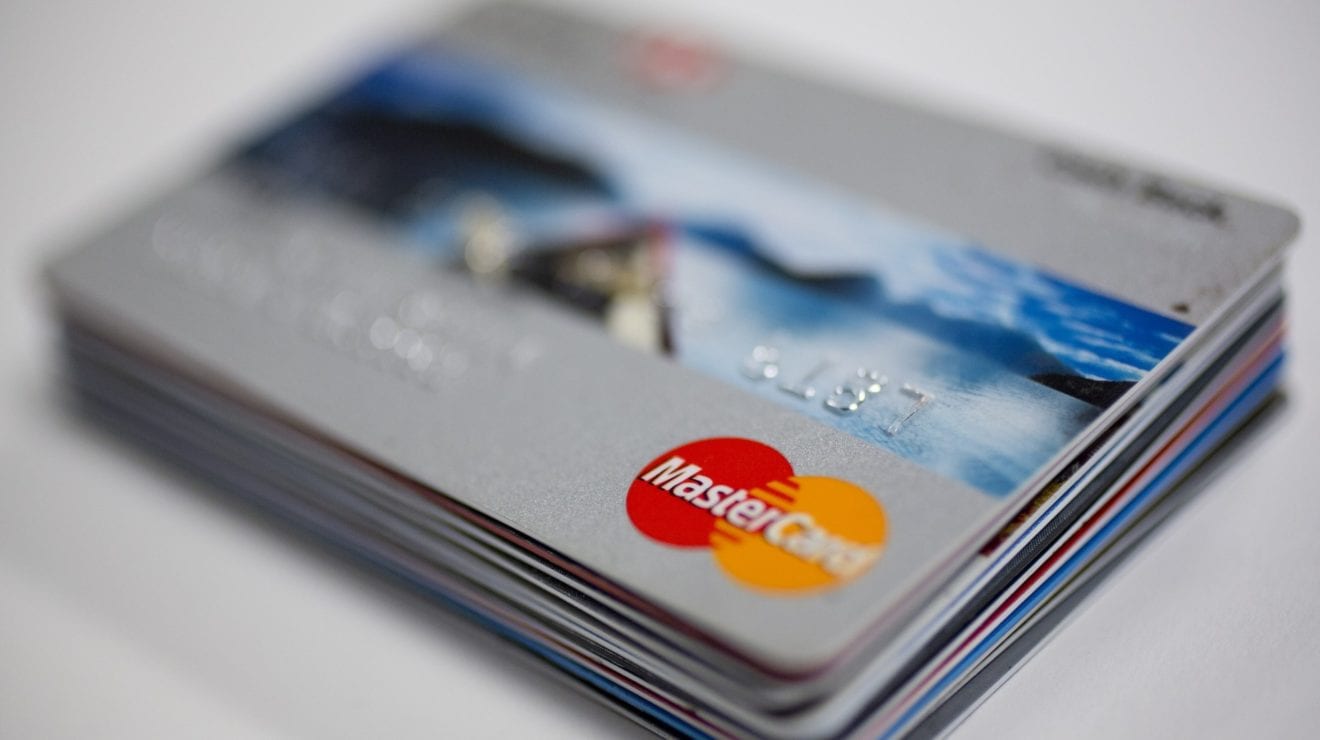
    The MAB Travel Prepaid MasterCard provides a secure way for consumers to make payment when travelling overseas for leisure, business or education, and also when shopping on e-commerce sites.
    “We know that leisure travel and shopping are on the rise among Myanmar citizens and we hope this product will help to meet their needs,” said Win Min Khine, managing director, Myanmar Apex Bank.

    MasterCard country manager, Thailand & Myanmar, Antonio Corro said: “Myanmar’s gradual opening up presents many opportunities for entrepreneurship and commerce to flourish, and their progressive participation in the global payments system that MasterCard enables not only aids the development of the local payments landscape, but also facilitates global connections.”

    Since 2012, MasterCard has launched prepaid cards together with Co-operative Bank, Kanbawza Bank, Ayeyarwady Bank and Myanmar Citizen Bank with 2C2P, the last of which was also Myanmar’s first smartphone-enabled Prepaid Card.

    At present, more than 2,000 restaurants, retail outlets and hotels in Myanmar accept payment cards.