Category: Living

Retail News Asia is committed to providing both local and global retailers with the latest Living news throughout the Asian market. This on a daily base.

  • China grocery boom accelerates

    China grocery boom accelerates

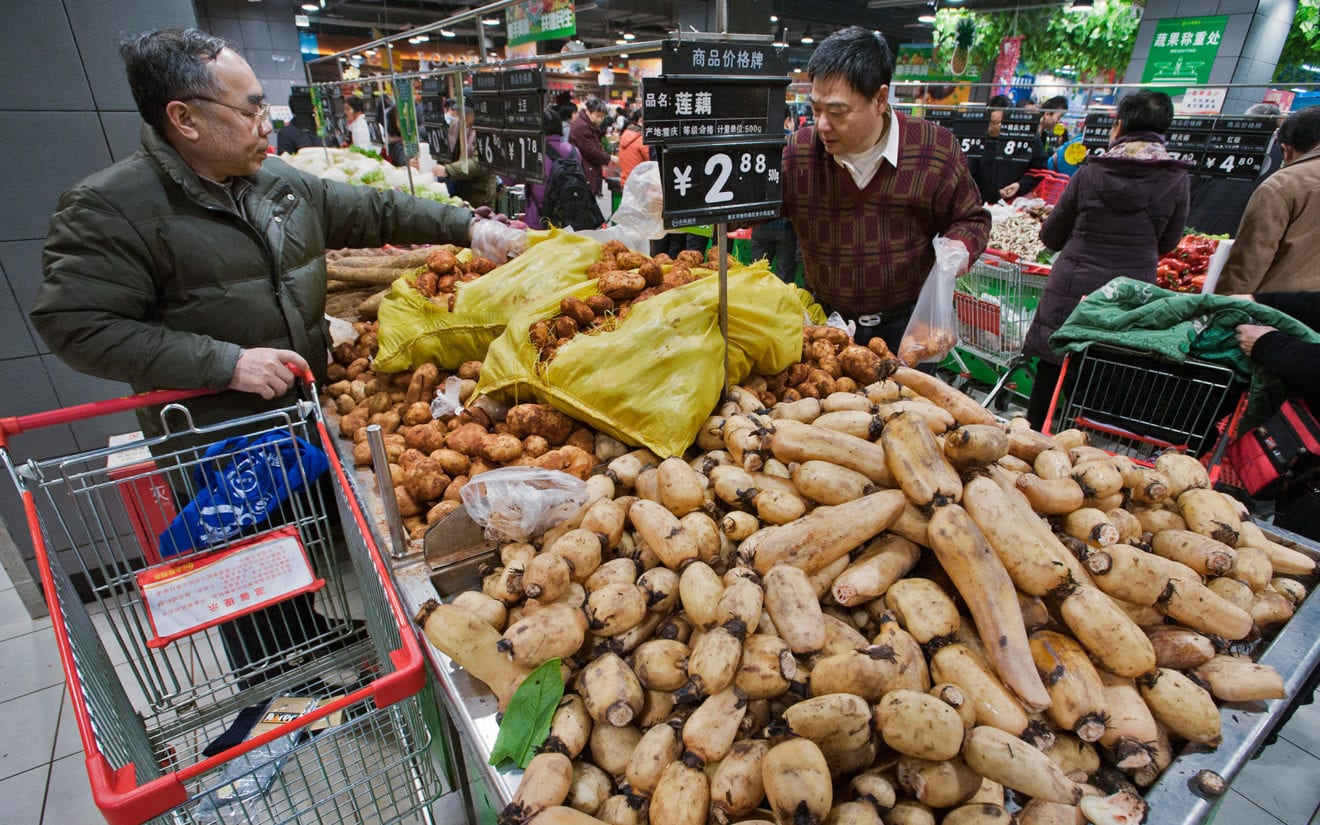
    The China grocery boom is accelerating – but India and the so-called MINT countries are chasing.

    Chinese grocery sales are set to grow by a third between now and 2020 and reach US$1.5 trillion per year, according to new forecasts from IGD. While China will comfortably retain its position as the largest grocery market in the foreseeable future, other markets will grow faster.

    IGD predicts:

    • The grocery sector in India will grow by nearly 80 per cent and be worth just over US$900 billion by 2020.
    • Nigeria’s grocery market will achieve the fastest growth of the largest markets, increasing in value by 85 per cent to hit just over US$300 billion by 2020.
    • The other ‘MINT’ countries will also experience rapid growth – grocery sales in Mexico, Indonesia and Turkey will increase by nearly 40 per cent, 63 per cent and 61 per cent respectively.
    • Indonesia’s grocery market will be worth almost as much as the UK’s (ranked seventh in the world) at US$351 billion by 2020.

    IGD CEO Joanne Denney-Finch says while grocery industry growth prospects appear limited in Europe at the moment, this is a time of tremendous opportunity for grocery companies further afield.

    “The vast majority of global grocery growth will come from Asia, Africa and the Middle East supported by increasing affluence, urbanisation, and rising population. With many European products and brands highly regarded in these regions, this will be a boom time for companies with export skills.”

    On China, she observed: “Although the Chinese growth rate is slowing, it’s still very impressive, particularly in ‘tier three and four cities’. These are regional, medium-income cities, undergoing rapid development. There are many more opportunities for retailers and Western brands. For example, online grocery will enjoy explosive growth in China, though from a modest base, tripling in size between now and 2020. This will be powered by more Chinese having access to the internet through smartphones and other devices.”

    Denney-Finch said in India, while traditional stores will continue to take the lion’s share of the grocery market, consumer spending per capita in real terms will grow faster in the subcontinent than in any of the top grocery markets.

    “Combined with an expanding working-age population this will support the growth of modern convenience and supermarket retailing. Retailers are also rapidly setting up online grocery services hoping to tap into the potential of India’s half a billion smartphone users. Despite restrictions on foreign direct investment (FDI), international retailers continue to see the potential of investing in India.

    “If the expected effects of inflation are stripped out, then India would be the fastest growing of the largest grocery markets while most of the MINT countries would also appear higher up the growth rankings,” she said.
  • Carat* opens two new boutiques in Asia

    Carat* opens two new boutiques in Asia

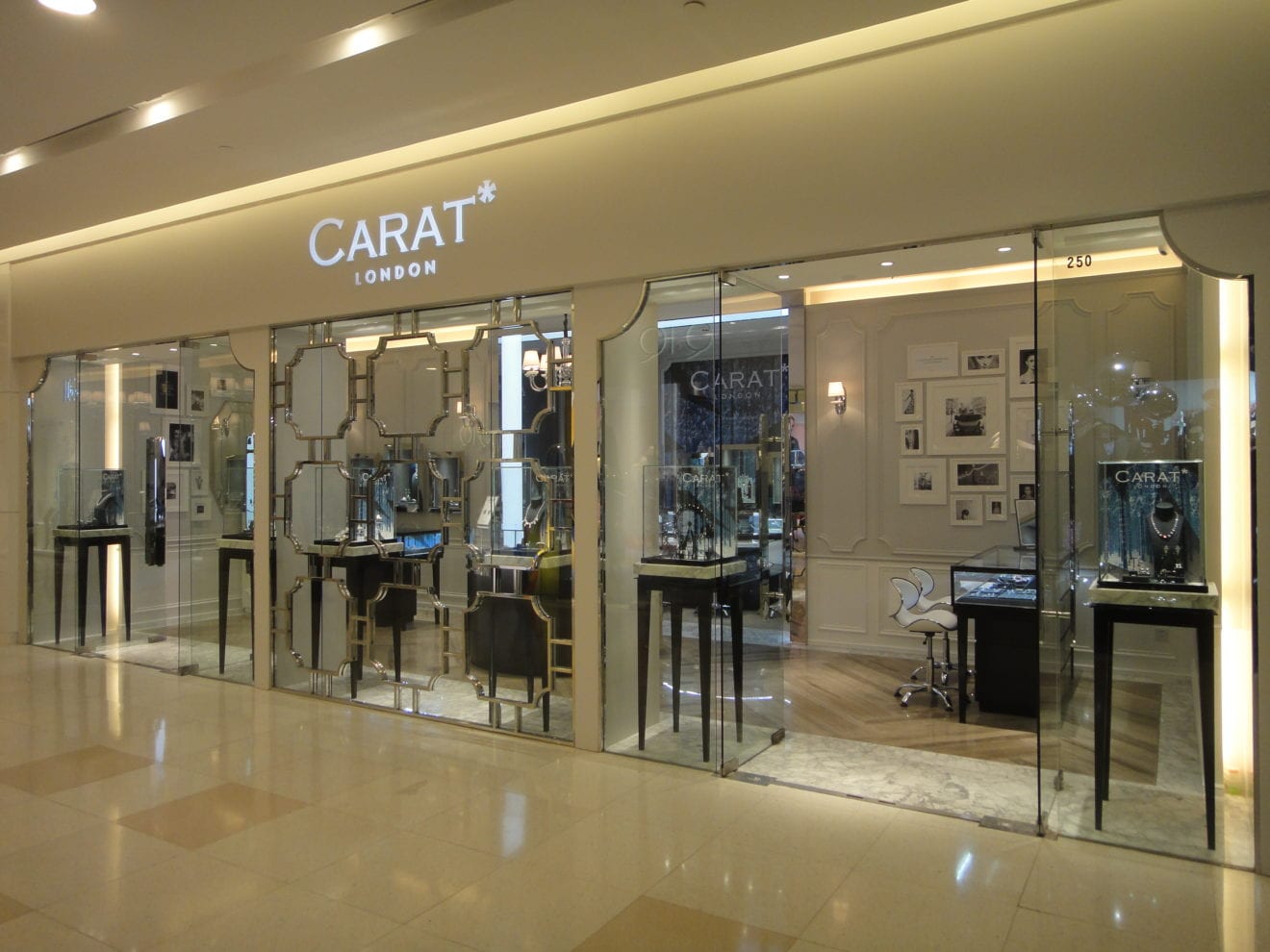
    London jeweller Carat* has opened a new boutique in IFC Mall in Central.

    The store is one of two opened in Greater China in recent weeks – the other being inside IFC Mall in Shanghai.

    Founded by Englishman Scott Thompson in 2003, Carat* describes itself as one of the world’s leading luxury fashion jewellers.

    “Our pieces combine the timeless glamour of a bygone era with a little modern day wearability. Carat* jewellery is about fantasy rather than reality and our jewels are chosen rather than invested, admired rather than shown off. Most importantly, though, our jewels are supposed to be worn rather than hidden in a safe,” the company says online.

    The two new stores feature a “refreshed” Carat* global store model with pale tones and a luxury ambience.

    As well as its stand alone boutiques, the jeweller has shop-in-shops in luxury department store Lane Crawford in Hong Kong, and in Harrod’s in London.

    Carat* designs, develops and assembles jewellery using its own uniquely created gemstones. Each stage of preparation is done by hand – from pre-forming and faceting to polishing and setting.

    The brand has been worn by celebrities all over the world, including Lisa Snowdon, Michelle Williams, the cast of Gossip Girl, Melissa, George, Katherine Kelly, Lucy Jo Hudson, Lydia Bright, Amy Nuttall, Kara Tointon, Juliet Stevenson, and Vicky McClure.

  • Hong Kong’s unemployment rate rises slightly

    Hong Kong’s unemployment rate rises slightly

    Fall in the number of tourists and depreciation in RMB has led to a slight increase in Hong Kong’s unemployment figures.

    According to the latest labour force statistics released by Census and Statistics Department yesterday, the city-stat’s unemployment rate increased from 3.2% in April – June 2015 to 3.3% in May – July 2015.

    The underemployment rate remained, however, unchanged at 1.4% in the two periods.

    Commenting on the latest unemployment figures, the Secretary for Labour and Welfare, Matthew Cheung Kin Chung, said an unemployment rate of 3.3% is still at a low level but with a unsteady global financial market and decrease in number of tourist, the situation may get worse.

    The hospitality and retail industries were identified as sectors contributing to this latest rise in unemployment rate.

    The hospitality sector’s unemployment rate stood at 4.4% – a 1.4% year on increase, while the retail sector saw a 0.1 % increase in unemployment compared to  April – June 2015.

    Unemployment rate in the retail sector stood at 4.1%.

    Shedding light into the matter, managing director of AMAC Human Resources Consultants Limited Alexa Chow Yee Ping said the retail sector is currently on hiring freeze.

    “Resigned staff will not be replaced, it will be a quiet market until Christmas,” she said.

    The insurance industry was also found to have recorded a 0.4% increase in unemployment rate to 1.9% in July.

    Roy Cheung Wai Leung from the Hong Kong Insurance Practitioners General Union said high office rent has out insurance companies under a lot of pressure to cut manpower.

    “Take Kwun Tong for example, the rent of Grade-A offices in the area has increased from HK$11 per square feet five years ago to $25 now.  Many companies need to save cost and lay off agents with underwhelming sales performance,” he said.

    Economics academic professor Terence Chong  executive director, institute of global economics and finance  at The Chinese University of Hong Kong had a more positive view.

    He said the end of European debt crisis implies less fluctuation in the stock market.

    “The Hong Kong-Shenzhen stock through train which will take place soon will be a boost to the economy although I expect the employment market to remain weak in the forth quarter, the unemployment rate should go no higher than 3.5%,” he said.

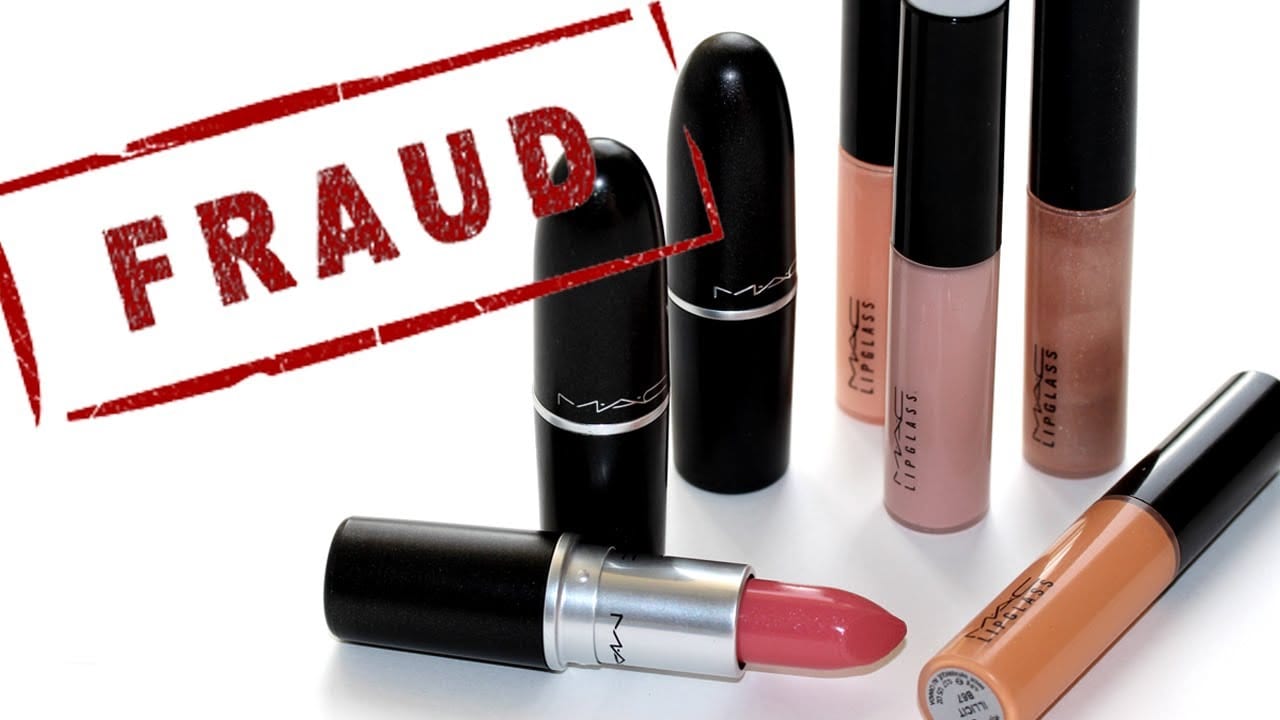
  • EcoWaste Coalition calls for crackdown on fake cosmetics in the Philippines

    EcoWaste Coalition calls for crackdown on fake cosmetics in the Philippines

    The call comes after the watchdog found seven beauty and herbal vendors at the Guadalupe Commercial Complex selling cosmetics that had been banned by the Food and Drug Administration.

    Beauty brands Erna, Jiaoli and S’zitang were among the skin whitening creams found to have dangerously high levels of mercury.

    To curb this illegal trade of dangerous products that had no FDA notification, we request the Makati government seize the unregistered items, issue formal warning against non-compliant vendors and/or shut retail outlets engaged in such illicit business,” says Ecowaste project coordinator Thony Dizo.

    In-organic mercury in face cream is absorbed following application to the skin and toxic levels in the body can develop gradually with prolonged use.

    The signs and symptoms of mild to moderate toxicity due to exposure in skin lightening products may include nervousness and irritability, difficulty with concentration, headache, tremors, memory loss, depression, insomnia, weight loss, fatigue, numbness or tingling in hands, feet, or around the lips.

    Nanotech tracker to change how the industry tackles counterfeit goods

    Sydney-based YPB Group announced last year that it had bought tracer patents developed by China’s Dalian Maritime University to pair with its own scanners to determine counterfeit goods.

    The Australian company claims the cheap tool will initially change how the industry will tackle fake goods from China.

     The nanotech tracer is invisible to the naked eye and can only be read by a YPB-developed scanner that costs about $35. The material can be applied to any product and costs less than 50¢.

    According to John Houston, chief executive YPB Group; “Only two people in the world know the tracer formula.” 

    PB Group also acquired Brand Reporter, a US-based start-up that developed a platform for companies to identify and track counterfeit products in the supply chain and at retail points.

    The tracer can be put into fibers, plastics and inks to determine a product’s authenticity,” Mr Houston said.

  • Hong Kong pop-up mall aims to ease tensions over mainland shoppers

    Hong Kong pop-up mall aims to ease tensions over mainland shoppers

    From London’s trendy Shoreditch to a downtown revitalisation project in Las Vegas, pop-up shopping malls have become all the rage among urbanites keen to sample craft beer and buy designer sneakers.

    But, in Hong Kong, plans for the first temporary mall are designed to assuage popular anger with visiting shoppers from mainland China — derided by locals as “locusts” — rather than cater to the whims of hipsters.

    As political tensions between Hong Kong and Beijing have risen, the semi-autonomous Chinese territory has seen a growing backlash against the thousands of “parallel traders” who come from the mainland every day in search of cheap baby milk, jewellery and other goods they can sell back home for a profit.

    Now two of Hong Kong’s biggest property developers have teamed up with lawmakers to turn a car park near the Chinese border into a mall made out of shipping containers that is meant to serve mainland visitors attracted by the city’s low-tax shopping.

    Wong Ting-kwong, one of the legislative council members promoting the project, said it would “reduce the nuisance brought by excessive mainland tourists and relieve the traffic inside the city”.

    Mr Wong is a member of the main pro-Beijing political party in Hong Kong, which has frequently come under attack for failing to defend residents’ interests in the face of pressure from the central government in China.

    He hopes that the mall, which will be about the size of two football pitches, according to a recently submitted planning application, will open for business early next year.

    The land for the pop-up mall is jointly owned by Henderson Land and Sun Hung Kai Properties, which are controlled respectively by Hong Kong billionaires Lee Shau-kee and the Kwok brothers.

    SHKP said that if the plan was approved by the government, they would lease the land for a nominal HK$1 ($0.13) per square metre to a charitable foundation, which would run the pop-up mall on a non-profit basis for two years.

    After that period, the developers expect to remove the shipping containers and start construction of a permanent mall on the same site.

    The initiative has succeeded in grabbing the headlines in Hong Kong, but those who have organised protests against mainland shoppers are far from convinced it will solve their problem.

    Ray Wong, a member of HK Indigenous, a group that campaigns against mainland Chinese influence in Hong Kong, said that while the pop-up mall could alleviate some pressures, it could also disturb local residents if it generated too much traffic.

    “I think the root of the problem is that mainlanders don’t trust Chinese goods so they have to turn to Hong Kong for guaranteed quality,” he said.

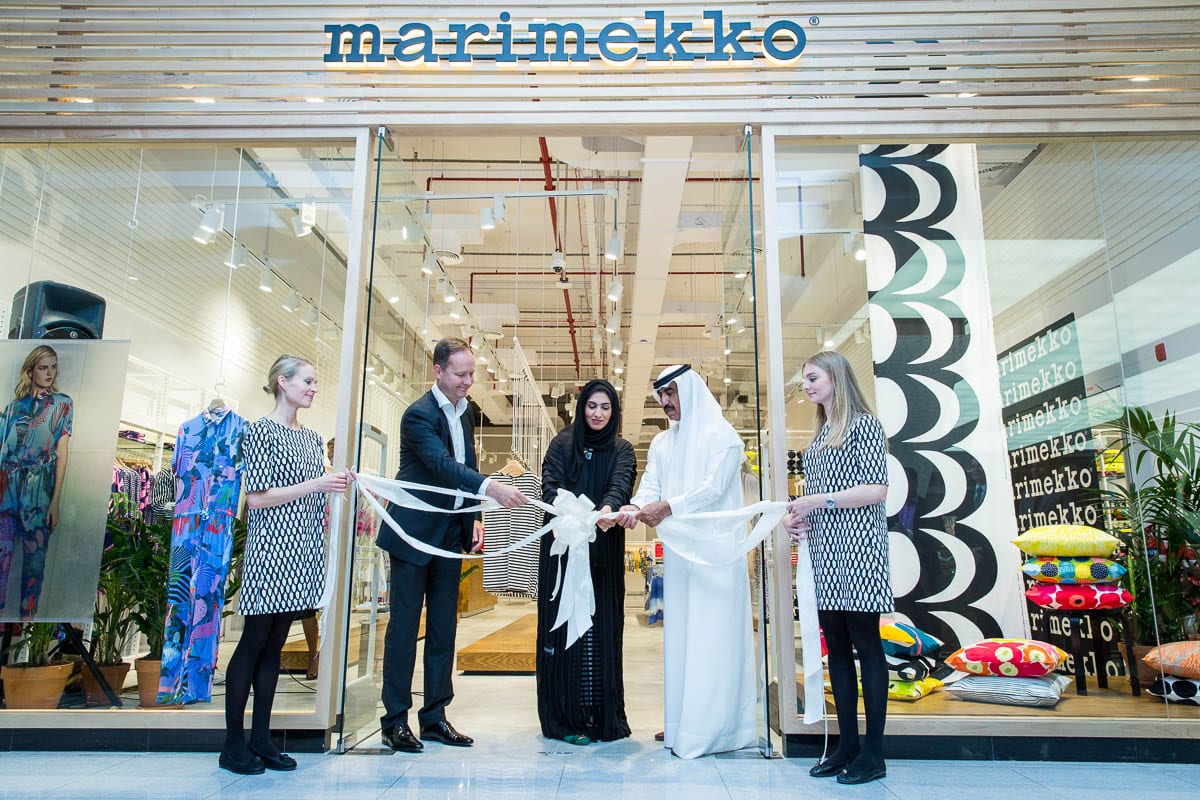
  • Marimekko Asia continues expansion

    Marimekko Asia continues expansion

    Finnish homewares retailer Marimekko says it will stick to its Asia and Middle East expansion program despite declining profits.

    “We continue our expansion in line with our internationalisation strategy, particularly in the Asia-Pacific region,” said Marimekko president Tiina Alahuhta-Kasko.

    “This year, new markets have opened up in Bangkok and Singapore as well as Dubai in the Middle East. Deliveries to Japan and the rest of Asia were on a good level in the second quarter, although sales for the whole year are forecast to be lower than in 2014.”

    Marimekko has reported a net sales growth of six per cent globally in the six months to June 30, to euro 43.6 million, driven by new stores and the development of discount outlet stores and an online shop in Finland, together with the stronger US dollar.

    Besides building its Marimekko Asia operations, the company is focusing on its eCommecre offer.

    “The development of digital business is an important part of the current stage in our strategy,” explained Alahuhta-Kasko.

    “The trend in our online sales has continued to be positive and we will continue to focus on enhancing the customer experience to make it even more inspiring and more seamless between our online and offline stores. As part of this process, we are also updating our store and service concept.”

  • Korean banks back Samsung Pay

    Korean banks back Samsung Pay

    South Korean tech giant Samsung Electronics says the country’s 10 credit card companies have agreed to support its new mobile payment system, slated for launch today, Thursday.

    Korea will be the first market in which the Samsung Pay service is launched. It supports not only the near field communication (NFC) technology like its rivals but also magnetic secure transmission (MST) and bar code technologies.

    The MST technology is significant as it is compatible with conventional credit card devices, and therefore, it can be used in a larger number of shops compared with Apple Pay. Samsung’s progress was made possible as it had bought US mobile technology firm LoopPay, which has patent rights related to MST.

    Samsung Pay is available through the Galaxy Note 5 and the Galaxy S6 Edge+ that were showcased last week, and software upgrades will be provided to the users of the two smartphones.

    The service will officially reach the United States on September 28.

  • Profit falls as QKL Stores buys market share

    Profit falls as QKL Stores buys market share

    QKL Stores  a regional supermarket chain in Northeastern China and Inner Mongolia, has announced improved sales, but lower profit in the second quarter.

    Zhuangyi Wang, chairman and CEO, said the company had boosted its promotional activities in existing stores to strengthen its competitive position.

    Second quarter sales rose 9.2 per cent to US$56.4 million and gross profit decreased 4.3 per cent to $9.1 million.

    “The decrease in gross profit relative to net sales was due to competitions arising from the increasing challenge from the online shopping that have significant pricing pressure on our selling of high margin products.”

    Wang said QKL plans to slow down the pace of its new store openings this year.

    “Currently, we expect to open two new supermarket stores this year. We maintain confidence in our strategy of strengthening our store presence in Tier 4 and 5 cities in northeastern China as well as in our core region of operation around Daqing where the majority of our older stores are based.”

    Based in Daqing, QKL Stores sells a broad selection of merchandise, including groceries, fresh food, and non-food items, through its 40-odd retail supermarkets, hypermarkets and department stores; the company also has its own distribution centers that service its supermarkets.

    “As QKL expands its market presence in northeast China, we are uniquely positioned against our local competitors through our large product offering, strong supplier relationships, efficient distribution network and state-of-the-art IT system,” said Wang.

    “We are comfortable with our opportunities in the second half of the year and believe we’ll see an improvement in operating expenses and net result from the current quarter.”

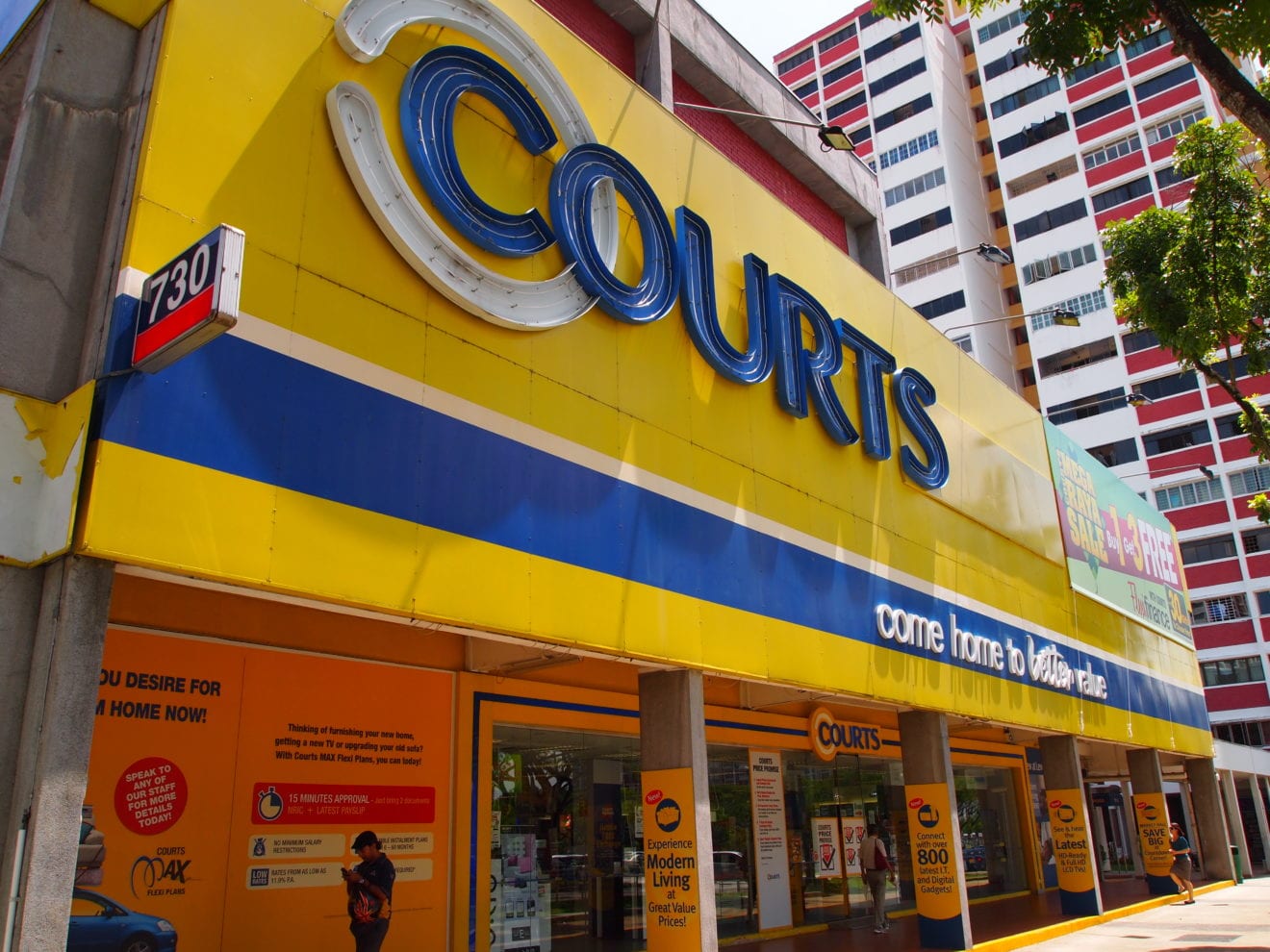
  • Courts Asia fortunes improve

    Courts Asia fortunes improve

    Strong sales in Malaysia and Indonesia have buffered electronics and furniture retailer Courts Asia from Singapore’s retail downturn.

    The company has reported a 19 per cent increase in quarterly profit, to S$6 million in the three months to June.

    “Our Malaysia business has seen improving profitability with the success of our credit campaign, whilst the Singapore business is still being impacted by the soft retail environment,” group CEO Terry O’Connor said in the earnings statement.

    The Malaysian success will no doubt surprise shareholders and retail analysts given the nation experienced a sharp downturn in retail sales when the goods and service tax was imposed on April 1.

    “For Malaysia, we remain cautiously optimistic on the medium-term outlook. With the Goods and Services Tax implementation underway for several months now, we expect consumption habits to normalise over the next three to four quarters, though the recent weakening of the ringgit may pose some short-term challenges,” he added.

    The ringgit has slumped from 3.5 to USD1 to 4 in less than six months.

    Malaysia accounts for 35 per cent of Courts’ sales, its Singapore home market 63 per cent.

    Indonesia, accounting for the remaining two per cent, is Courts’ newest market. It has three stores operational now with a fourth due to open by December.

    Looking forwards, O’Connor said he expected consumer sentiment in Singapore to remain subdued over the short term.

  • Bleak result for Isetan Singapore

    Bleak result for Isetan Singapore

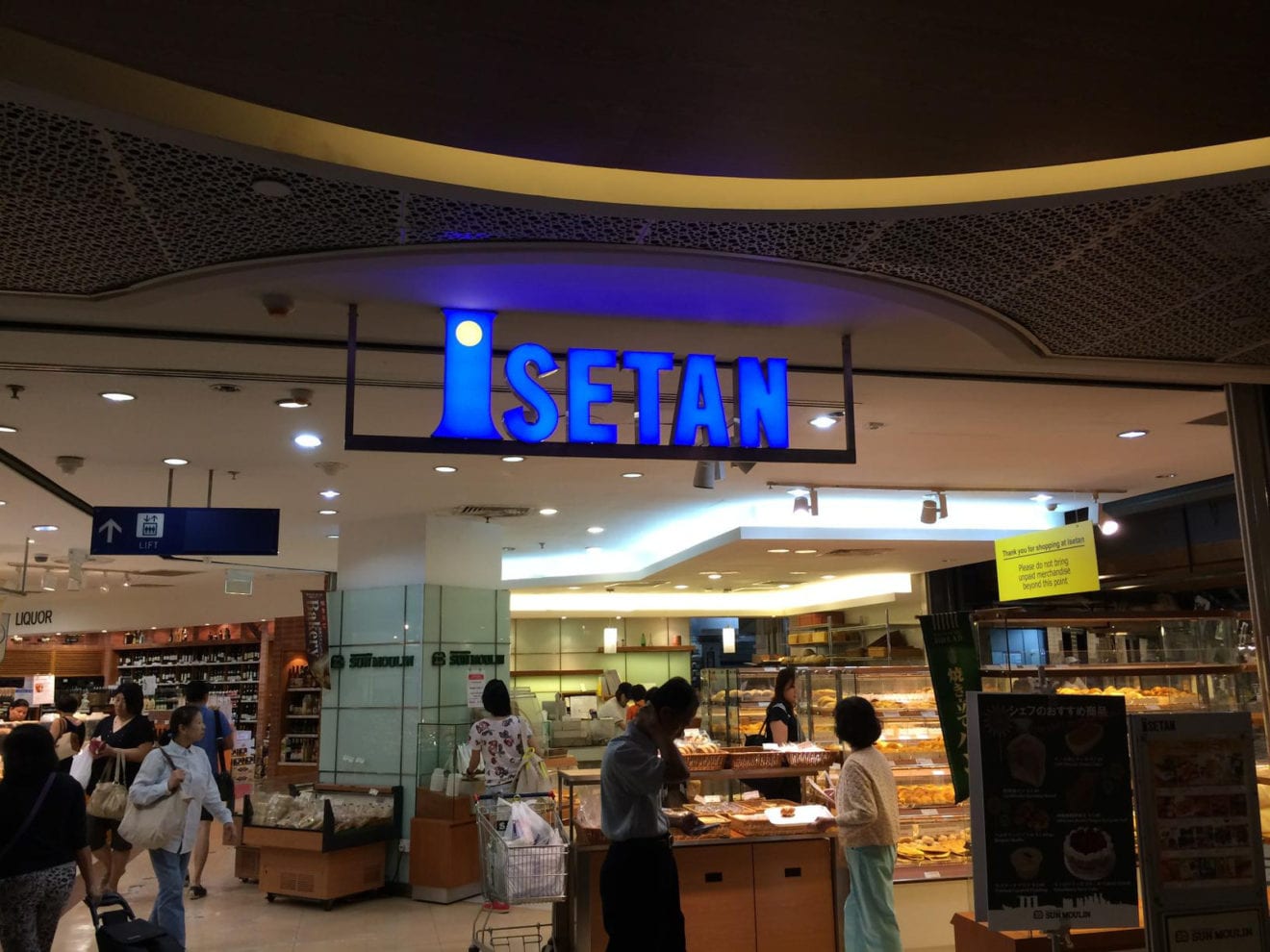
    Japanese department store operator Isetan has reported mounting losses in Singapore as sales fall and rents rise.

    Group sales for the three months to June 30 were $71.467 million, a decrease of $10.819 million or 13.15 per cent over the same quarter a year ago. Isetan said the decrease was largely due to the closure of its Isetan Orchard store at the end of March to prepare the store space for subletting, and a slowdown in sales in all of its stores (except Isetan Jurong East) “due to an environment of slower economic growth and stiff competition amongst retailers”.

    In the second quarter the company incurred a loss after tax of $5.847 million, compared to a loss of $1.214 million in 2014.

    Higher rent at Isetan Scotts, affected both the store’s result and was the main reason for the overall increase in the rent outgoings.

    “At Isetan Orchard, the process of finding tenants and converting the space for renting out is ongoing,” the company said in a statement.

    “In this respect, there was no rental income from this store during Q2.”

    “At Isetan Jurong East, although the store is experiencing sales growth, it is not contributing to profits yet. The general slowdown in sales was also a drag on the results of the Group for Q2.”

    Its other stores are at Katong, Tampines and Serangoon Central.

  • Indonesia liquor retailers brace for downturn

    Indonesia liquor retailers brace for downturn

    Indonesia liquor retailers fear the recent surprise increase in import tariffs on wine and spirits could more than double the price of some drinks.

    Indonesia’s Muslim-controlled government is effectively declaring war on drinkers. In April liquor sales were banned from convenience stores – a move recently blamed by Dairy Farm International for the closure of many of its convenience stores in Indonesia and prompting a strategic review of the entire chain.

    Last month the government announced shock tariff increases on a raft of imported products in a 1970s-styled economic move to protect inefficient local industry and deter imports. This despite its inclusion in the ASEAN bloc which encourages free trade within the region.

    Drinks industry executives told news agency Reuters the tariffs could “more than double prices” that were already sky-high, even by Asian standards. They fear an increase in smuggling activities and a black market for fake alcohol which is already an issue in China and Vietnam, leading to fatalities from people drinking chemical-enhanced fluids sold in fake branded bottles.

    The new tariffs, which took effect on July 23, force importers to pay 90 per cent duty on the value of wine and 150 per cent on spirits. The previous regime was a fixed amount per litre.

    “It’s quite a shock to the industry,” Dendy Borman, a board member at the International Spirit and Wine Association, told Reuters.

    And it could get even worse. Two extremist Islamic political parties want all liquor consumption in the country completely outlawed.

  • AS Watson opens global flagship

    AS Watson opens global flagship

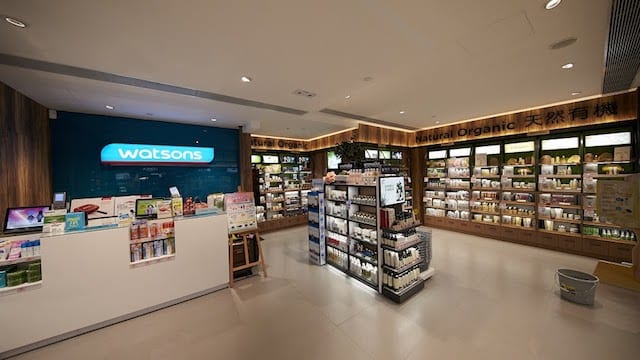
    AS Watson Group has opened its 12,000th store worldwide – in Hong Kong’s Causeway Bay.

    Perhaps fittingly, the store is a three-storey flagship, at 8000 sqft, the brand’s largest store in Hong Kong.

    Located on Yun Ping Rd, the new store features the latest Watsons store design concept internationally, a blend of “contemporary and elegant style”.

    “As an all-rounded health and beauty store, the flagship store provides customers with over 8300 unique products, including 840 healthcare and beauty brands of which 250 are Watsons exclusives,” the company said in a statement.

    The wide selection of products are categorised into different themes, such as organic skincare products, derma cosmetics, baby care area, men’s care area and health checks. Pharmaceutical and beauty consulting services, in-store nursery room and mobile charging stations are available to provide comprehensive customer services.

    At the store’s opening ceremony, Li Tzar Kuoi, Victor, the co-MD and deputy chairman of Watson’s parent CK Hutchison’s Group said Hong Kong has a special place in the company’s heart.

    “Last year, AS Watson Group opened and refitted 76 retail stores in Hong Kong; and for this year, the number is expected to amount to over 80. The capital investment involved would be approximately HK$620 million over these two years,” Li said.

    “We will continue to invest in the city. ”

    Founded back in 1941 as a small dispensary, the AS Watson Group was the 14th company to register in Hong Kong. Now it is the world’s largest international health and beauty retailer and one of the world’s fastest-growing retailers. Watson plans to open 1300 new stores around the world in 2015 – nearly three per day.

    Fortune Centre Watsons Hong Kong Flagship Store has the widest selection of natural & organic skin care products of nine international brands, including the Anumi, a well-known Australian brand with international organic certification, and American brand Burt’s Bees.

    Derma cosmetic products from 12 brands are on sale, including the French cosmetic brands Uriage and Filorga, which will have their exclusive counter, and Watsons’ exclusive brands such as Skin Advanced, CNP. Customers can also enjoy skin analysis and derma cosmetics consulting services.

    A wide range of cosmetic brands, including Clio, Luna and Peripera, etc, from Korea will be exclusively offered in this biggest cosmetic zone among all Watsons stores. Nail brands like Sally Hansen and Depend 7Day will also be available here. Customers can even enjoy makeup or manicure services.

    The Baby Zone offers a large variety of baby products, ranging from diapers, baby wipes, milk powders, etc, giving babies full care and protection. The Men’s Zone offers men’s grooming and health products selections of 14 brands, including Men’s Biore, L’Oréal Men Expert and Za Men, which is a Watson’s exclusive.

    As the Asia’s largest health and beauty retailer, Watsons aims to make customers ‘Look Good, Feel Great’. Nine professionals, including two pharmacists, one dispenser, three health and fitness advisors and three beauty consultants will station in-store to provide customers with professional health consulting and assessment services, such as the Ultrasound Bone Density test as well as measurements for blood pressure and BMI (Body Mass Index).

    The Flagship Store provides customer services such as free wireless internet access, mobile charging stations, baby nursing room, and washrooms.

  • Hongkongers must wake up to new yuan reality

    Hongkongers must wake up to new yuan reality

    For a long time, Hong Kong people and corporates enjoyed a free ride on the renminbi as the Chinese currency promised steady appreciation and high returns.

    But the steep devaluation this week has spoilt the party for good, and everyone — be it multinational corporations operating out of IFC 2 or housewives in Ngau Tou Kok — is now seeking to repatriate money back from China to Hong Kong.

    Thanks to the Stock Connect between Hong Kong and the mainland, the daily limit of transferring Hong Kong dollar to renminbi was lifted last year.

    But for those who took advantage of the easier rules and shifted to China assets and chose to stick with them would have got hurt by the yuan’s downward move and the recent A-share collapse.

    Apparently more corporates have been hurt, rather than benefit, from the weaker yuan.

    Among international firms, Apple Inc, for instance, saw its share price move into correction territory on Wall Street as investors were concerned about the tech giant’s large China sales exposure.

    In Hong Kong, the weak yuan led fashion-wear retailer I.T. Ltd. to issue a profit-warning on Thursday, with the firm saying that it estimates a HK$60 million loss from a decline in the value of its renminbi time deposits.

    The tiny retailer’s decision to swiftly mark down its assets sent some shockwaves through local investing circles and also led to a guessing game as to which other cash-rich listed firms might be having huge exposure to the Chinese currency.

    Last month HKTV announced the purchase of a 11 million yuan bond bearing 6.25 interest and another 15 million yuan bond of 4.85 percent interest, but the asset has seen its value come off 4 percent this week.

    Likewise, Asia Financial chief executive Bernard Chan also said his company had HK$400 million exposure in yuan which earned a 3 percent coupon. With the yuan’s devaluation, the effective returns will be zero.

    Apart from corporates, individuals would also now have to think twice on where to park their money once their fixed-term yuan deposits mature.

    As there are fears of further devaluation of the renminbi, the Chinese unit has lost its earlier safe-haven status.

    For investors, the formula that previously gave them super returns on the yuan is no longer working amid China’s new normal.

    On the bright side, imported deflation could help ease the rise in consumer prices in Hong Kong. Prices will remain elevated no doubt, but they are unlikely to climb much higher.

    Meanwhile, a weaker renminbi could also cool down mainland investor interest in Hong Kong property, providing some relief to locals.

    That said, we should also be prepared for the negative consequences of reduced overseas spending power of the mainlanders.

    There might be diminished capital flows into the local stock market, and the tourism and retail industries could also face more rough weather.

    It’s time for Hongkongers to wake up to a new reality.


  • M&G makes first retail acquisition in South Korea

    M&G makes first retail acquisition in South Korea

    M&G Real Estate has acquired three retail assets in South Korea at a combined value of US$230 million, representing an average yield of 6.5%. The acquisition was made on behalf of its core Asia real estate strategy, managed by Singapore-based Erle Spratt.

    Under the terms of the deal, M&G Real Estate has acquired two hypermarkets: the first in Daejeon, South Korea’s fifth largest city; the second in Jeju, the capital of the Jeju Province and the nation’s premier tourist destination. The third asset is an outlet mall in Incheon City, the country’s third largest city after Seoul and Busan. All three assets are highly sought after retail outlets in prime locations and are leased to South Korea’s largest retailer, Lotte Shopping.

    Hyesik Ryu, Managing Director, M&G Real Estate Korea, comments: “We were one of the first non-domestic institutional investors to invest in South Korea when we bought into the country’s commercial office sector in 2004. M&G Real Estate has developed a deep understanding of the market, enabling us to make this latest investment in the retail sector, which will strengthen the strategy’s long term income stream.”

    Erle Spratt adds: “We’re seeing strong capital flows, particularly from global pension funds and insurance companies in the UK and Europe. With responsibility for more than US$2 billion in assets, we are well positioned to pursue property investments across the region to further improve our risk adjusted returns and sustain the outperformance of our portfolio.”

    Stefan Cornelissen, M&G’s head of institutional business, Benelux, Nordics and Switzerland, says: “The Asia Pacific real estate market is now the second largest in the world and rivals the US and Europe in terms of its maturity, transparency and liquidity. European investors in search of diversification can now benefit from Asia’s strong economic growth and attractive long term returns without going higher up the risk curve.

    “We have recently had a significant commitment from Dutch investor, Blue Sky Group, which has invested on behalf of its recently launched Core Asia Pacific Fund. We expect further capital to follow from other UK and European investors. Asian real estate has come of age and is earning itself a strategic place in a diversified core real estate portfolio.”

  • HK retailers arrested for $1.68 million in unpaid wages

    HK retailers arrested for $1.68 million in unpaid wages

     The founders of Hong Kong retail chain DSC, Mr Hui Ming-shun and his wife Lin Wai-yin, have been arrested after the closure of all 14 of its stores on 3 August. They are said to owe approximately $1.68 million in unpaid wages to their staff.

    The couple were arrested on 10 August after they returned to Hong Kong from Macau. They had briefly fled there after the sudden closure of their company, a move which left almost 900 staff jobless. Police apprehended the pair on their return, arresting them from conspiracy to defraud. Approximately 350 employees have filed complaints with the Labour Department.

    In addition to its staff, DSC has also angered landlords and suppliers with the Consumer Council receiving more than 500 complaints. It is claimed that DSC owes more than $1.68 million in unpaid rent and undelivered goods.

    Before 3 August, suspicions were raised when DSC held a summer sale with discounts of up to 50%. Allegedly, the firm only accepted cash payments in-store during the week prior and still encouraged customers to place orders in the days leading up to the closure.

    The company informed its employees of the move by attaching printed notices to the front doors of each of its branches. Claiming the need to dismiss its staff because of financial difficulty, the notices told employees to seek assistance from the Labour Department.

    Tired of the delay, employees took this advice and marched in protest to the Central Government Offices on Tuesday demanding the expedited payment of their unpaid wages. The secretary for Labour and Welfare, Matthew Cheung Kin-chung, expressed his desire for DSC’s founder to declare himself insolvent before that could happen.

    “This morning we contacted the lawyer of Mr Hui to demand him to sign a declaration of insolvency and to determine as soon as possible the amount of money he owed to his employees,” Cheung said. “Once we receive Mr Hui’s declaration, the Labour Department will help the employees to apply for legal aid to petition to wind up the company.”

    In a statement to the Labour Department, Hui’s lawyer stated that his client would not be meeting his staff to discuss the outstanding wages.

    Employees have now asked the Labour Department to draw from the Protection of Wages on Insolvency Fund. This can be a maximum of $48,389 per person with the department first having to determine how much each worker is owed.

    Both founders of DSC remain in police custody. A Labour Tribunal has been planned for 21 August.