Retail News CRM

Category: Living

Retail News Asia is committed to providing both local and global retailers with the latest Living news throughout the Asian market. This on a daily base.

  • Smiggle speeds Asian expansion

    Smiggle speeds Asian expansion

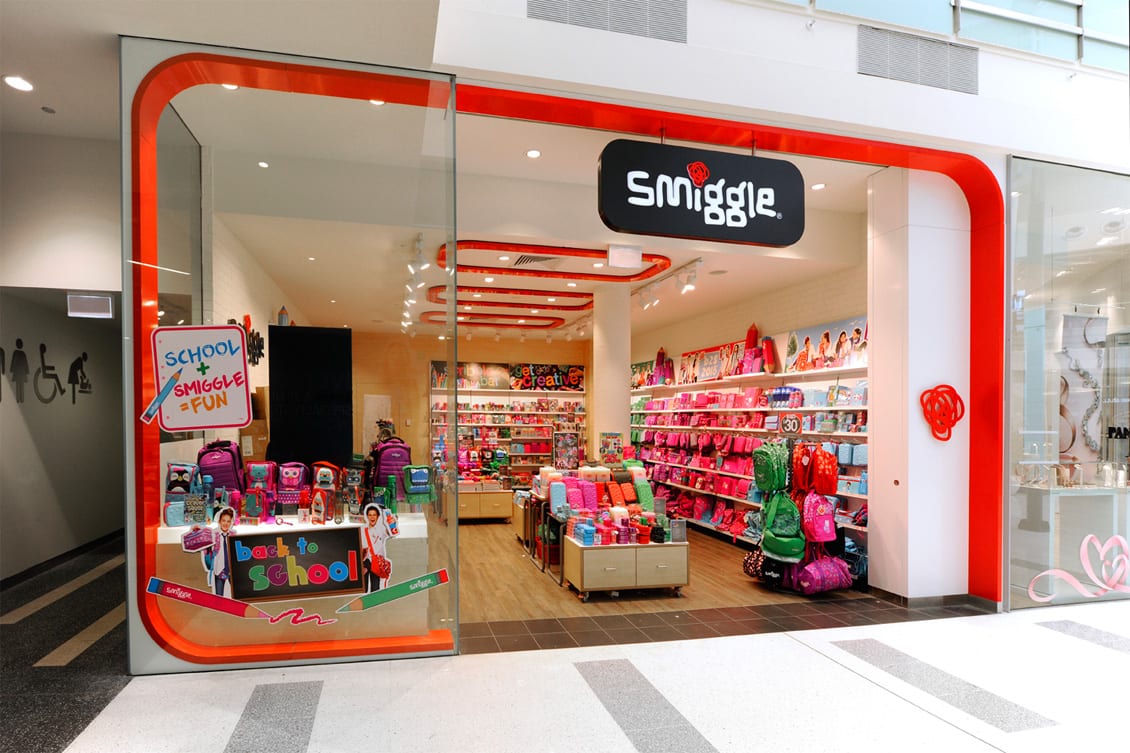
    Smiggle, the trendy, stationery retail concept from Australia, is to open stores in Hong Kong and Malaysia within 14 months.

    Smiggle – popular with students and people seeking gifts – has proven an enormous success in Singapore for its parent, Melbourne-based Premier Investments. During the announcement of the company’s trading results yesterday (read about Premier’s year here) founder and chairman Solomon Lew outlined plans to expand into Hong Kong, Malaysia, Wales and Scotland over the next 14 months.

    Based on trading figures from the company’s Singapore store network, Lew said management expected Hong Kong and Malaysia to support 50 stores within five years.

    “I am pleased to announce the expansion of the Smiggle footprint in Asia through entry into two new markets, Malaysia and Hong Kong.”

    Smiggle’s worldwide sales rose 26 per cent. The company opened 24 stores in the UK during the last trading year and expects to have another 16 open before Christmas.

    Lew says both Smiggle and its sleepwear chain Peter Alexander performed beyond expectations in the year past.

    The company opened eight new Peter Alexander stores in the first half of the current year and plans as many as 15 more over the next two years in Australia and New Zealand.

  • ‘First’ high-end luxury concession for Kunming

    ‘First’ high-end luxury concession for Kunming

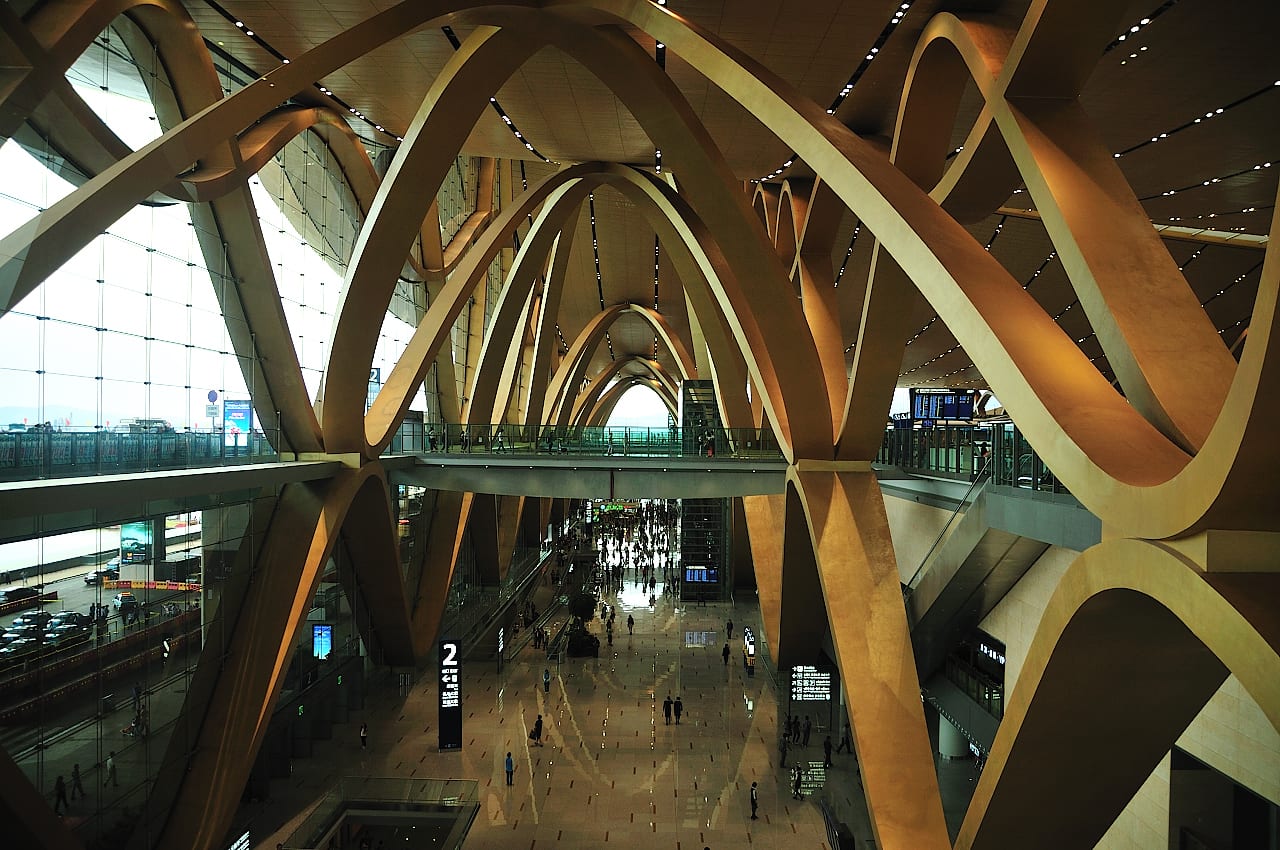
    Lagardère Travel Retail has opened the first high-end luxury concession in Kunming’s Changshui International Airport in South-Western China, which the retailer says is the result of a ‘close and successful partnership’ with Yunnan Airport Group and Asiaray Media Group.

    Inaugurated in 2012, Changshui airport is said to be one of the largest and most modern in Asia and serves as a gateway to China’s Yunnan region with growing links to neighbouring countries of South-East Asia.

    Evidence of this can be found in the airport’s traffic reports, which show that the number of passengers at Kunming airport has risen rapidly in recent years. In 2015, the airport is expected to serve over 36m passengers and will be the fastest-growing of China’s large airports.

    The master-concession, encompassing an area of over 1,000sq m in the main departure concourse, brings together ‘ten of the biggest names in luxury fashion and cosmetics’, says LTR.

    Emporio Armani, Salvatore Ferragamo, Dior, Hugo Boss, Bally, Montblanc, Coach, MCM, Tommy Hilfiger and Calvin Klein Jean comprise a strong brand line-up offering a range of ready-to-wear, accessories and beauty products.

    Dublin-based Aer Rianta International originally opened 11 domestic shops at what was Kunming’s newly-built Changshui International Airport in south-west China in June 2012.

    The contract, secured in 2011, was seen as an important one at the time for ARI, marking its first Mainland China airport store openings where it held exclusive rights to sell duty paid fashion goods and accessories, perfume and cosmetics, confectionery, jewellery and souvenirs at the capital city airport in Yunnan Province.

    However, in September 2014, Aer Rianta International confirmed that it had has ceased duty paid operations at Kunming International Airport and in a brief statement issued at the time, ARI CEO Jack MacGowan said: “We are pleased that ARI Yunnan has reached this constructive and amicable agreement with Yunnan Airports Group in the best interests of both parties and look forward to potential opportunities for working together again.”

    ‘WORLD-CLASS SERVICE FROM SALES CONSULTANTS’

    According to LTR, customers will be able to enjoy “world-class service delivered by Lagardère Travel Retail’s sales consultants who benefit from the company’s ISO-9001 certified OSCAR training programme,” says the Paris headquartered group.

    “The industry leading training program covers customer service, brand philosophy and product knowledge, is unique in the travel retail industry and gives the font-line team the expertise and confidence to provide the exceptional service and personalised experience.

    “The addition of high-end brands to the retail offer at Changshui airport was made possible by the complete transformation of the main commercial surfaces in the airport’s departure concourse.”

    LTR and Asiaray Media have worked closely with Yunnan Airport Group to plan and implement the terminal’s commercial upgrade, which intends to elevate the passenger experience by aligning the quality of the commercial offer with that of the terminal’s ‘outstanding’ architectural design.

    “We are also very pleased to have the opportunity to further deepen our working relationship with our global brand partners that have taken part in this project. We look forward to further development in Kunming Changshui airport across the spectrum of categories. Our partnership with Asiaray creates novel and unique opportunities to drive passenger engagement and increase the visibility of the commercial offer.Eudes Fabre, General Manager – China for Lagardère Travel Retail, said: “This new opening is an exciting development for Lagardère Travel Retail in China. We are grateful to Yunnan Airport Group for their trust in our capabilities and for their effective support throughout the planning and building process.

    “We are now working together with the airport to offer exclusive and personalised services that improve the airport experience for our customers, create delightful moments and build loyalty.”

    Vincent Lam, CEO of Asiaray Media Group added: “We very pleased with the collaboration with Lagardère Travel Retail. They are a global leader in the airport retail and F&B sector and have demonstrated their professionalism, innovative spirit and understanding of local market trends throughout the different stages of this project. This partnership is an important development for our company.

    “We aim to create an innovative business model that benefits all parties by delivering an engaging experience between customers, shops and airport. This is our first pilot site where we have exclusive advertising concession at Kunming Changshui airport.

    “By closely integrating advertising and commercial assets within the terminal, we will be able to create a more interactive and ultimately more compelling experience for travellers. Our media assets will support the growth of the retail operation which shall certainly benefit us as advertising service provider riding on the business performance of such operation.”“We look forward to cover the other 25 airports where we have similar exclusive rights in the whole of China. This new development creates many new possibilities for our mutual brand partners.

    Wang Xinrui, Director of Commercial Management of Kunming Changshui International airport, added: “Kunming Airport is very satisfied with the outcome of our collaboration with Lagardère Travel Retail and Asiaray Media Group.

    “The newly-opened luxury brands significantly enhance the image and service provided by our airport and help bring our commercial offer in line with the best airports in the region. We look forwards to growing the collaboration with our partners.”
  • Lulu Group to enter Indonesia

    Lulu Group to enter Indonesia

    Plans $500mn investment in the country over the next five years

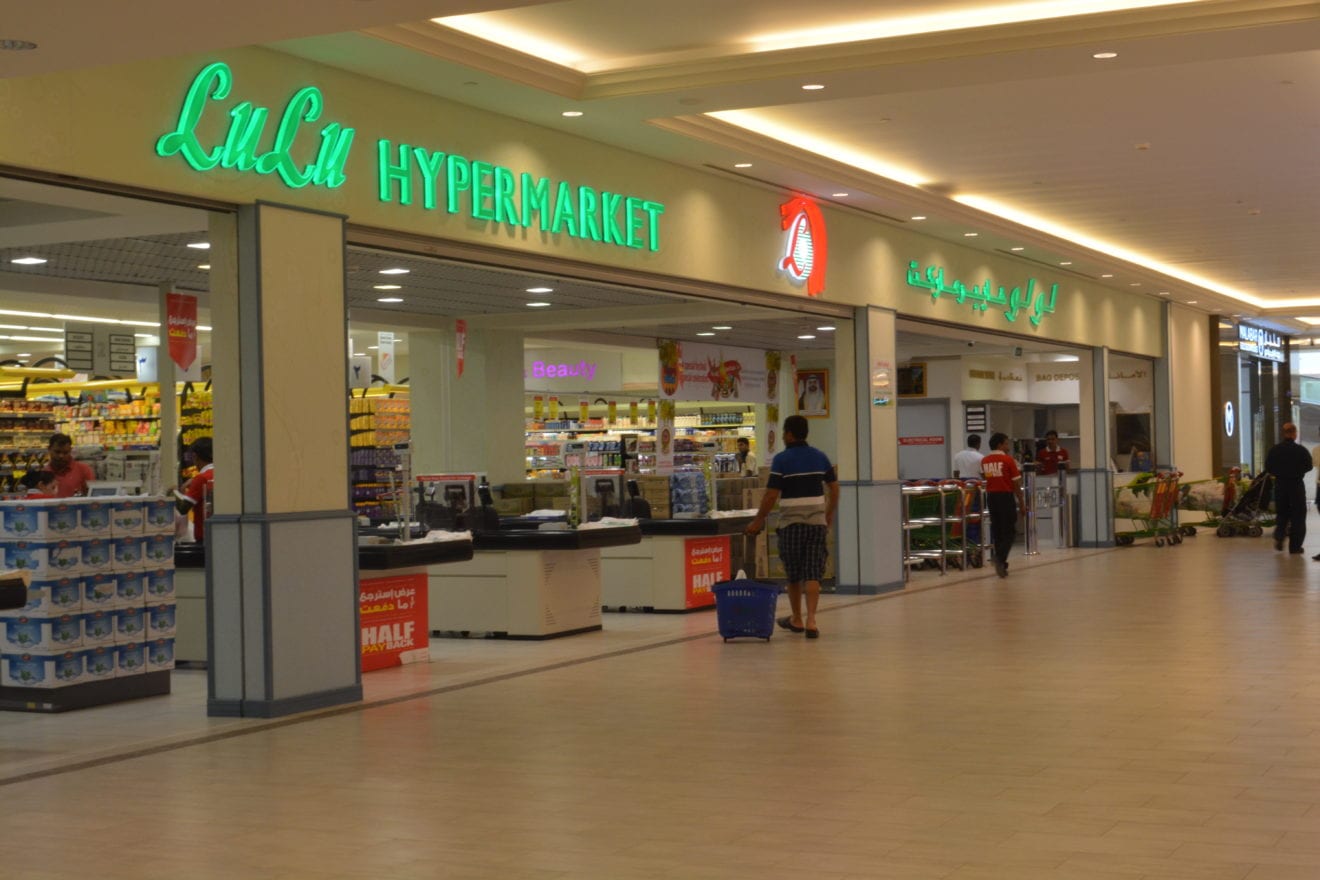
    The first LuLu Hypermarket in Indonesia will be opened in Jakarta by the year-end as the group has announced plans to invest $500mn in the country over the next five years.  The announcement came during the visit of Indonesian President, Joko Widodo to Abu Dhabi. He visited LuLu Hypermarket along with a high-level delegation at Khalidiyah Mall in Abu Dhabi. “With an initial investment of $300mn in the first phase, we plan to open some 15 hypermarkets by the end of 2017 and a central logistics and warehousing facility in Jakarta.

    These projects are likely to generate more than 5,000 job opportunities for Indonesians and help train them at all levels” said MA Yusuffali, LuLu Group managing director. The fact that we are going to Indonesia with our Halal Hypermarket concept, is giving us the encouragement to look for a wider market segment there” Yusuffali said. Apart from Jakarta, LuLu intends to open hypermarkets in Bandung, Solo, Semarang, Surabaya and Yogyakarta. “We also plan to set up contract farming to ensure continuous supply of high-quality products and support the Indonesian agriculture sector,” Yusuffali added.

    The Indonesian president is on a five-day state visit to Saudi Arabia, the United Arab Emirates and Qatar, to boost the country’s ties with the three countries, particularly on investment, trade and Indonesian migrant worker protection.

    Coordinating Minister of Economy Darmin Nasution, Trade Minister Thomas Lembong, Minister of National Development Plans Sofyan Djalil, State Secretariat Minister Pratikno, head of the Investment Coordinating Board Franky Sibarani and Cabinet Secretary Pramono Anung were also part of Widodo’s delegation.  The Indonesian president was given a rousing welcome at the LuLu Hypermarket by Yusuffali; Saifee Rupawala, CEO; Salim MA, director; Rajmohan Nair, director – LuLu (Far East Operations); and a large number of Indonesian expatriates.

    President Widodo and the accompanying delegation were taken to a guided tour of the hypermarket by Yusuffali who briefed him about specialties of the retail store. The president later said his visit to LuLu Hypermarket was to see Indonesian products mainly agricultural products and asked Yusuffali to import more products from villages and towns in Indonesia.  A LuLu release said Widodo inquired about the prices as well of the various Indonesian products imported to Abu Dhabi.

    The LuLu chain currently operates some 117 stores across the UAE, Oman, Bahrain, Kuwait, Qatar, Saudi Arabia, Yemen, Egypt, and India.

  • Swisse bought by Hong Kong company Biostime

    Swisse bought by Hong Kong company Biostime

    The first 'Suisse' shop in Airport West in Melbourne in the 1970s.The first ‘Suisse’ shop in Airport West in Melbourne in the 1970s.
    It was the brainchild of organic baker Kevin Ring, who started selling pollen tablets from his St Kilda naturopathics shop back in 1972.

    Ring’s hand-made vitamin tablets, inspired by a trip to Switzerland in the late 1960s, were soon doing better than the bread, and a little shop under the Suisse brand was opened in Melbourne’s suburbs in the early 1970s.

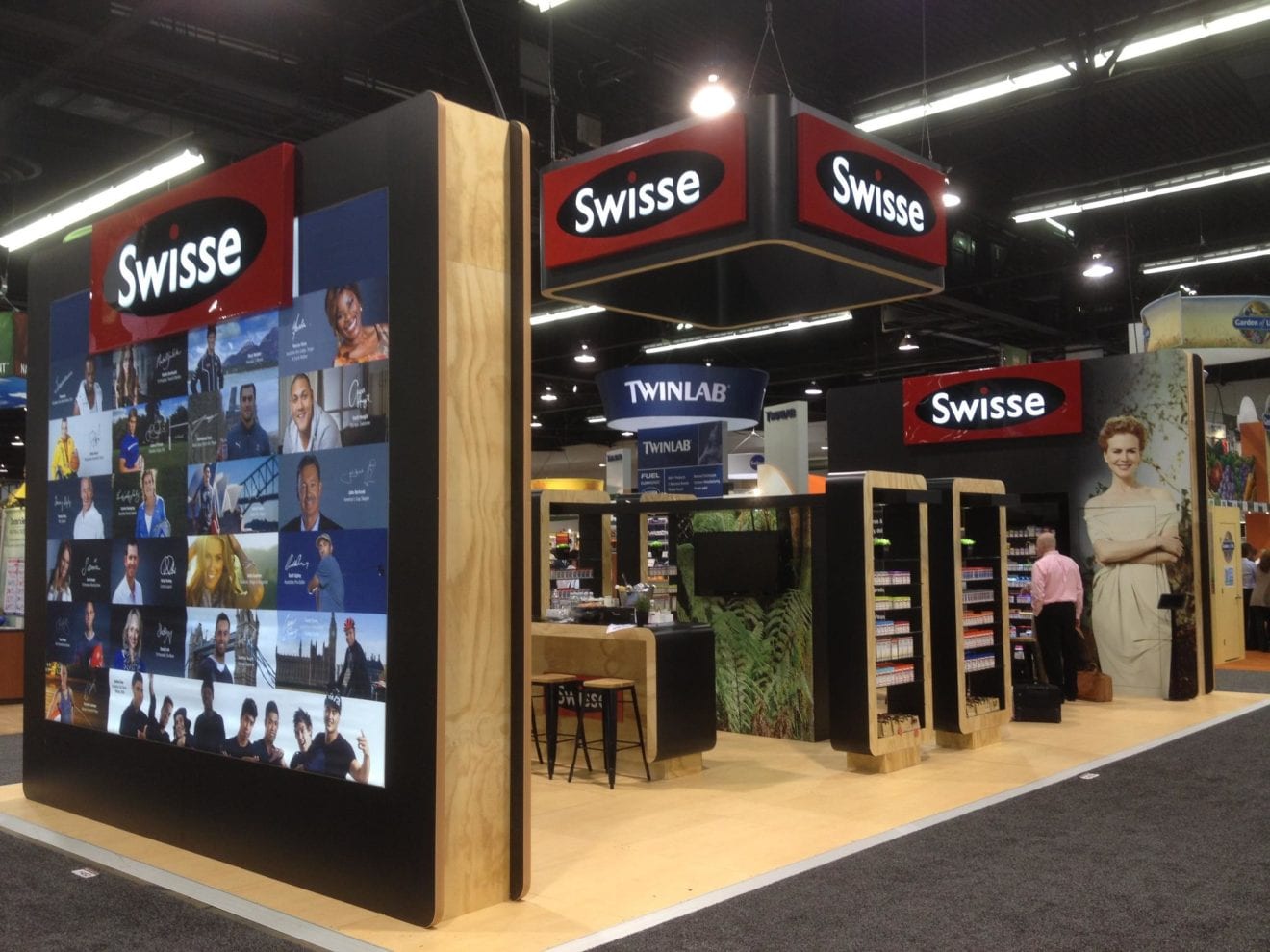
    Later changed to Swisse for legal reasons, that little shop blossomed into the country’s biggest wellness company, and has just been sold to overseas buyers for an astonishing $1.67 billion.

    Hong Kong-listed company Biostime International Holdings on Thursday won the auction to buy Swisse, beating out two Chinese companies, Hony Capital and manufacturer Shanghai Pharma, on the way. Swisse will remain based in Melbourne, with a head office in Collingwood, but 83 per cent of the company is now in the hands of Biostime.

    The deal will lift the fortunes of Kevin Ring’s son, Stephen, and his business partners Radek Sali and Michael Saba. All become some of Melbourne’s richest men, with estimated net worths in excess of $250 million each.

    It’s a long way from the company’s first outlet back in the 1970s, a “naturopathics” shop in working-class Airport West.

    The Swisse deal highlights the demand for Australian brands and products in China, which are regarded as “clean and green” when compared with domestic produce. The share price of rival Australian vitamin maker Blackmores has more than quadrupled in the past year, from $31 a share on the ASX to in excess of $137.50 during trade on Thursday, on the back of massive sales growth in China.

    Australian infant formula brands, such as Bellamy’s Organic and A2 Platinum, have notched windfalls sales thanks to huge demand from China.

    Much of the success has come from internet and grey market sales, with gangs of Chinese students buying up stock from Australian chemists and supermarket shelves to send back home.

    One milk industry CEO recently suggested Australian domestic sales of infant formula were now more than double the actual consumption by Australian babies.

    A2’s Australian chief executive, Peter Nathan, admitted the success of his infant formula was partly based on shoppers sending his product to China.

    “We have had significant growth on online sites such as Alibaba, and also at retail level at grocery and pharmacy where Chinese tourists and nationals are often buying products on trips and taking it back with them,” he said. “We are clearly demonstrating that we are having enormous traction with Chinese nationals. There is no question about that.”

    The deal at Swisse justifies the big-spending strategy of CEO Radek Sali, a former executive at Village Roadshow. His father, Avni Sali, helped to develop the men’s and women’s Ultivite range of multi-vitamins for Swisse, which have been the mainstays of the company for the past decade.

    When Radek became CEO in 2005, he embarked on a massive marketing push. Nicole Kidman and Ellen De Generes were signed as ambassadors, along with a galaxy of sports stars including Cadel Evans, Ricky Ponting and Mark Webber.

    Lavish parties at the Birdcage at Flemington helped push the glamorous image.

    Such was the extent of the marketing push, at one point Swisse’s $50 million annual marketing spend was almost 40 times the cost of the ingredients used in vitamin production. It was all part of Radek’s plan to make vitamins “fashionable and fun”.

    That has paid off.

    “We have grown from small, family-owned business in the suburbs of Melbourne to become Australia’s number one wellness brand,” Sali said after the deal was inked. “We have done it on the back of an unwavering commitment to the highest standards of quality, safety and product efficacy.”

    Founding shareholder Stephen Ring was equally happy after the deal.

    “I am incredibly proud to have been part of Swisse’s journey so far,” he said. “The strength of the business is testament to the hard work, passion and energy of the entire Swisse team and I thank them for their ongoing commitment.”

  • Singapore’s Changi seeks retail tenants

    Singapore’s Changi seeks retail tenants

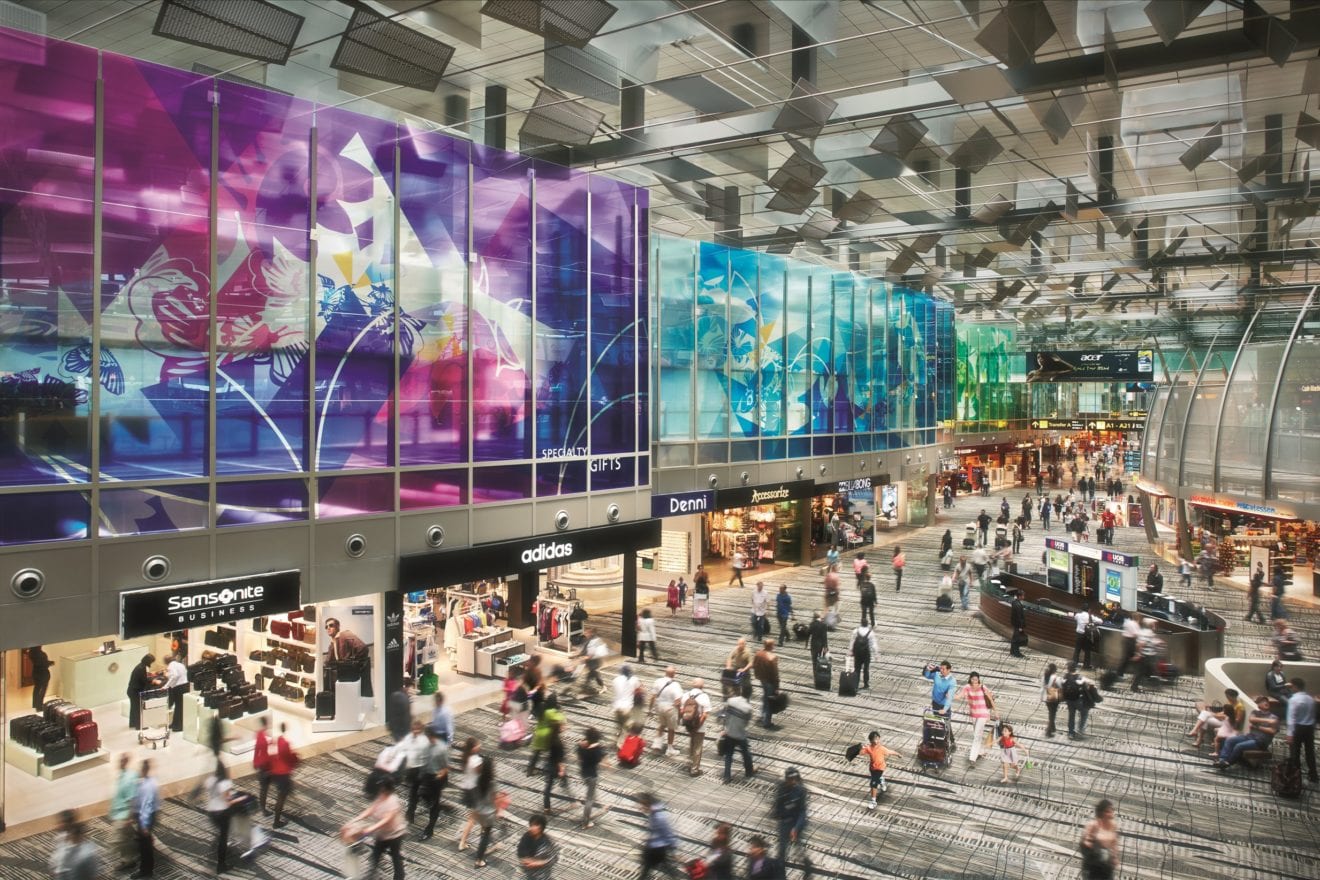
    Changi Airport is seeking new retailers for concessions in Terminals 2 and 3, along with food and beverage operators.

    The airport has a fashion concession available in Terminal 2 within the departure/transit lounge area for which it says it is seeking a multi-brand boutique from a retailer capable of delivering “a luxurious shopping experience”.

    The space is 519 sqm with a contract period of three years. Changi says the space can incorporate store-in-store concessions for individual brands.

    In Terminal 3 it has an open category concession, meaning it is open to approaches from retailers in any category. That 25.4 sqm space is on Basement 2 in the northern end of the terminal, and also has a three year term.

    “We are looking for brands with proven track record over the years that will differentiate the retail offering at Terminal 3,” said CAG in its documentation.

    Submissions close on September 21.

    Meanwhile, the airport is seeking a range of food and beverage operators – including Chinese restaurant, a food court solution and a canteen.

    The deadline for submissions for these spaces range from September 28 to October 15.

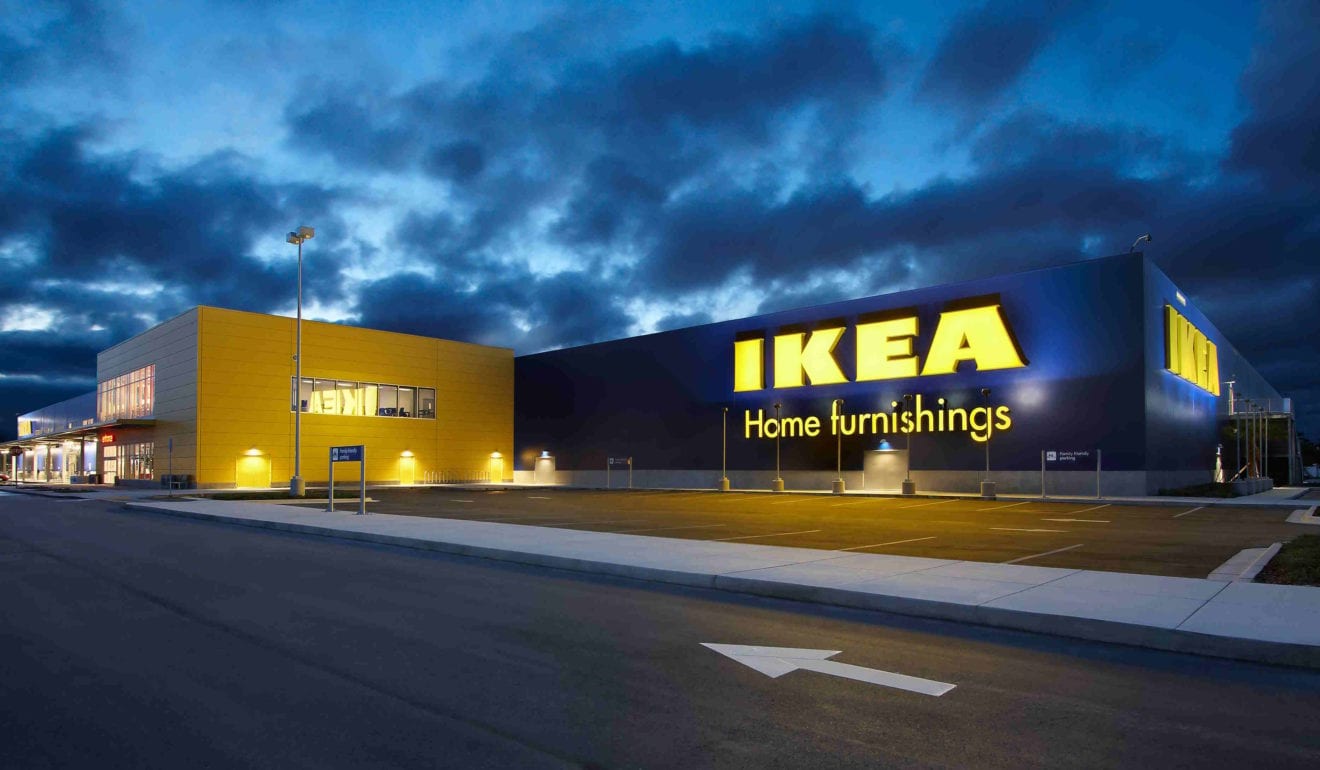
  • Ikea sets new records

    Ikea sets new records

    Ikea has set new records in sales and store visits in its latest financial year, to August 31.

    The Swedish furniture and homewares chain now has 328 stores in 28 countries and says it served 771 million customers in the last year.

    Total sales reached US$35.5 billion.

    “We are growing in almost all our markets and we are happy about last year’s sales development,” said president and CEO Pete Agnefjall.

    The chain’s two fastest growing markets are China and Russia.

    “The Chinese middle class continues developing and in pace with its growth an interest for our product rises too,” said Agnefjall.

    “We have more visitors in our department stores now and we have opened three new stores in China during the year. We are going to open three new stores the next year too…”

    Sales were also strong in Germany, North America and Southern Europe.

  • HTVFun a Video-On-Demand Service for Malaysia launched using Muvi Studio

    HTVFun a Video-On-Demand Service for Malaysia launched using Muvi Studio

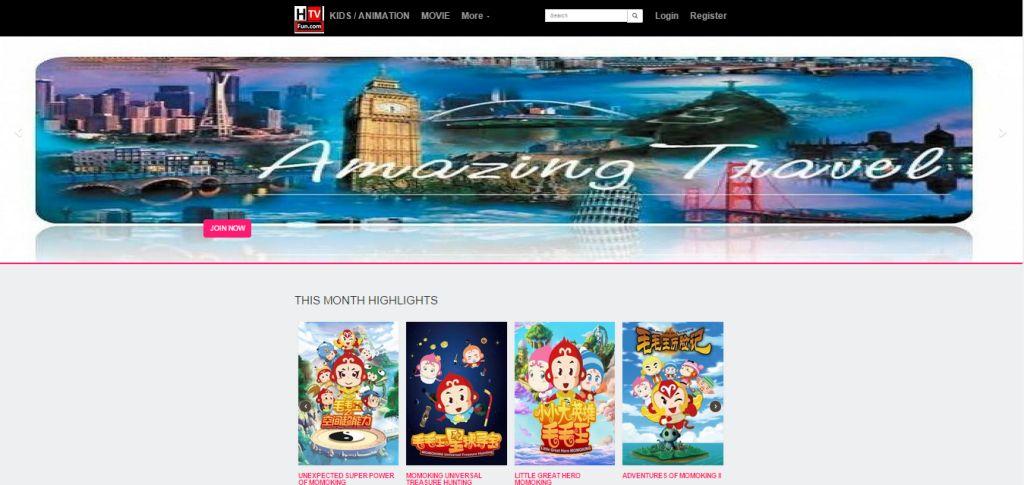
    Malaysian content networkHTV Entertainment has teamed up with Muvi (https://www.studio.muvi.com) to launch its Video-on-Demand (VOD) service HTVFun.com (https://www.htvfun.com), with an offering of a wide range of Movies, Kids content & Animation, TV Shows featuring a wide range of genre like Cooking, Travel, Drama, Entertainment, Documentaries and even a dedicated Japanese Content Channel for the Malaysian audience in particular.

    HTVFun.com is a content delivery platform for the web and “connected devices” using over-the-top (OTT) technology. HTVFun.com licenses digital VOD rights to catalogs from other distributors and independent filmmakers.HTV brings online streaming of worldwide movies and TV shows that entertains, inspire and delight audiences of all ages that they can enjoy anywhere on any devices for free and also subscription based (ad free). HTV will continue to acquire and bring in more variety of contents from around the world by renowned producers and other hard-to-find contents not offered anywhere else to its library.

    Shuffling across a variety of playlists like cooking shows, documentaries, comedy shows, animations and even music videos, HTV Fun is a complete VOD package for every Malaysian who is ready to cut the cord and switch to what analysts are referring to as the future of television, i.e. Video On Demand Streaming.

    With a library spanning across genres and age-groups, HTV Fun is arriving in Malaysia with a promise. A promise of wholesome entertainment at the most affordable prices.

    It’s been a great pleasure to work with Muvi and team. They know exactly what we need, and do everything possible to make our collaboration easy and pleasant.” says KokYin Wah – Business Owner at HTV Entertainment Limited.

    Muvi (https://www.studio.muvi.com) a New York based Tech Company which has in the past launched VOD Platforms for MAA TV (www.maaflix.com) and ISKCON (www.iskcontelevisionindia.com)usingits end-to-end OTT Video Streaming Platform–Muvi Studio, has helped launched HTV’s on-demand video streaming servicehttps://www.htvfun.comas well, and powers its entire platform from IT Infrastructure likeCloud Hosting, Servers, Storage, CDN,Video CMS, HTML5 Video Player to it’s website end-to-end, and incorporates in-built DRMfor piracy protection of the licensed content that HTV lines up. ­

    Asia is one of the next big breeding grounds for video streamers. The APAC region in specific is likely to create more customers than many European nations. We look forward to powering these businesses and be a part of the next entertainment revolution.” says Viraj Mehta – Head of International Business at Muvi.

    Muvi Studio works on Platform-as-a-Service (PaaS) model, offering video content owners, broadcasters, TV Channels and Cable Companies an out-of-the-box, end-to-end Multi-Screen Video Streaming / Video-on-Demand Platform using which they can launch their own branded VOD &Video Streaming platformoffering across Web, Mobile, Smart TVs, STBs, Media Boxes and Gaming Consoles in matter of few days and with Zero Upfront Investment!

    Muvi Studio takes care of everything end-to-end, from providing Cloud Based IT Infrastructure, CDN, Unlimited Storage, Server Side Security & Firewall and bandwidth management to HTML5 Video Player with in-build DRM and encryption for enhanced protection against piracy as well as building, managing and hosting of the website and mobile apps, all deployable at a click on a button in matter of days!

    The video streaming industry is abuzz with major production houses, broadcasters, TV networks, cable companies and creative shifting to online video to showcase and monetize their work. The lure of being able to watch TV anywhere, anytime and with any device has caught the fancy of the audiences and the industry alike.

  • As Sales Slump, Hong Kong’s Luxury Jewelers Think Local

    As Sales Slump, Hong Kong’s Luxury Jewelers Think Local

    Hong Kong businesses, which used to focus their advertising predominantly on mainland tourists, are now setting their sights on Hong Kongers themselves in an effort to make up for sluggish sales as cross-border visits are drying up.

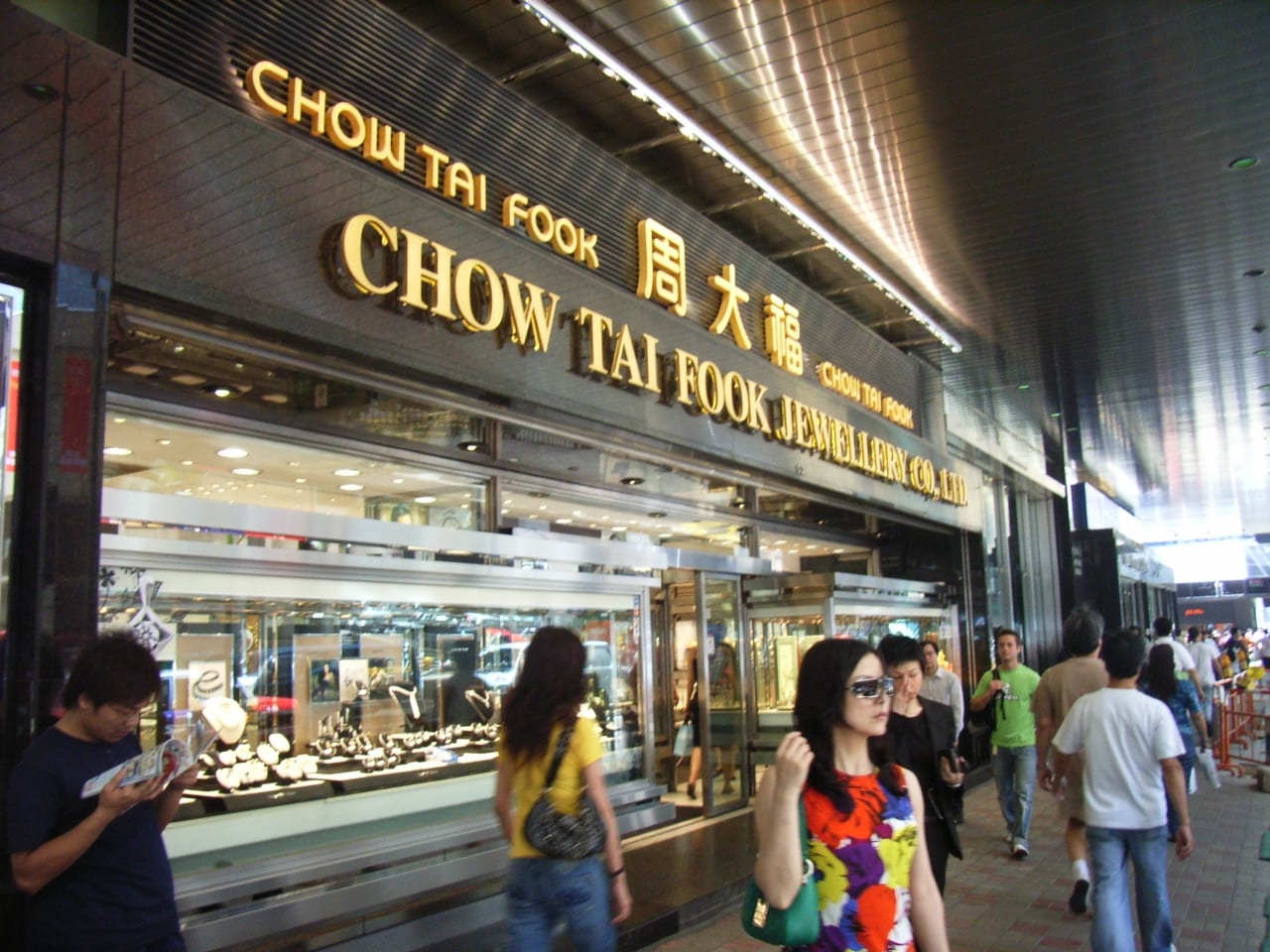
    Luxury jewelers such as Chow Tai Fook Jewellery Group Ltd. and Luk Fook Holdings International Hong Kong Ltd. are tapping into the spending power of the city’s seven million residents through promotional offers and special events. Although their stores are seemingly ubiquitous and their advertisements are plastered all over Hong Kong’s busses, they have not always considered the city’s residents their top priority, analysts say.

    “Previously, jewelers took local consumers for granted,” said Emily Huang, consumer analyst at Barclays. “Although locals grew up with the brand, they wouldn’t buy in bulk like Chinese tourists do.”

    The former British colony has long been the favored destination for mainland Chinese consumers looking to purchase everything from Swiss watches to medicinal oils. Industry experts say that in recent years, spending by mainlanders has accounted for as much as 40% of all retail sales in the city.

    But a crackdown on conspicuous consumption has led some mainlanders to hold back on buying luxury goods – and those that do purchase them are instead flocking to places with weaker currencies, such as Europe and Japan, rather than Hong Kong.

    Tighter visa restrictions for visitors from the southern Chinese boomtown of Shenzhen, which neighbors Hong Kong, have also slowed the flow of cross-border visits.

    In July, nearly 10% fewer mainland Chinese tourists traveled to Hong Kong compared with a year earlier, and retail sales by value contracted by 2.8%. Luxury retailers such as Prada and Burberry now report slumping sales, and Coach last month closed its four-story shop in prime Central district.

    The drop has hit luxury jewelers particularly hard: Chow Tai Fook and Luk Fook reported a respective 24% and 19% contraction in same-store sales in Hong Kong for the three months ending in June,compared to a year ago.

    With retail sales continuing to fall and tourist arrivals slowing, the jewelers have had to innovate to stay afloat. Chow Tai Fook is now organizing parades of its products in residential neighborhoods and is hosting events to bring residents into its shops. Luk Fook has begun planning luncheons and fashion shows for repeat buyers and is offering do-it-yourself jewelry sessions for VIP customers.

    The slump is not just affecting luxury stores; several mid-market businesses, including cosmetics retailers and drugstores, have also been shuttered.

    The city’s major theme parks, Ocean Park and Disneyland, are also shifting their tactics, offering discounts to local ID card holders. A spokesperson for Ocean Park billed the theme park as the “Hong Kong people’s park” in a statement — even though 65% of its visitors are tourists. Disneyland says nearly half its visitors are mainland Chinese.

    “A lot of locals actually stopped going [to theme parks] because there were too many tourists,” said Nicole Wong, an analyst at CLSA. “They can definitely do something to attract more locals to go.” She is more skeptical of the ability of jewelry chains and drugstores to draw local customers, however. “Hong Kong people can’t buy that many drugs,” she said.
    The city’s chief executive Leung Chun-ying has also said he is concerned about the drop in visitor numbers and has cast blame partly on “particular activities that have taken place in Hong Kong in the past year.” The city has been rocked by last year’s pro-democracy Occupy Central campaign as well as by ongoing small-scale protests by Hong Kong groups angry at the influx of mainland Chinese shoppers in specific neighborhoods close to the border.It’s unlikely that consumption by the city’s 7 million residents could make up for the more than 47 million Chinese tourists that streamed into Hong Kong in 2014. Local shoppers usually buy diamonds and gold products in small quantities as gifts for special occasions, not in bulk as visitors typically do. “In the short-term, local spending won’t make up (for) the shortfall in mainland spending,” said Helen Mak, senior director at Colliers International. She added: “How many weddings a year can you have?”The jewelers have adopted an additional strategy: Reaching out to mainland consumers on their home turf. Kathy Chan, Luk Fook’s chief financial officer, said the company sees “great potential” in mainland China and is “opening 100 stores there every year.”

    At 0% growth, the mainland operations of Hong Kong jewelers are far from robust. But less penetration and a much larger market mean the possibility for growth is greater, say the companies.


  • Ikea’s impressive year: sales rising for furniture giant

    Ikea’s impressive year: sales rising for furniture giant

    Ikea has announced impressive growth in sales across the globe, achieving £23bn in the year at the end of August. Sales were up by 5% on the previous year in comparable sales.

    The furniture giant has 328 stores across 28 countries, and estimates that they enjoyed 771m visits in its most recent financial year.

    Ikea’s President and Chief Executive Pete Agnefjall said: “We are growing in almost all our markets and we are happy about last year’s sales development.”

    At the forefront of the company’s growth is its China market. Increased mass migration to the major cities in the world’s most populous country has created a stable and huge customer base. China is home to eight of Ikea’s ten largest stores, including two in the city of Beijing: a city of 10m people.

    “The Chinese middleclass continues developing and in pace with its growth an interest for our product rises too. We have more visitors in our department stores now and we have opened three new stores in China during the year (2015). We are going to open three new stores the next year too…”

    Russia, the Swedish retailer’s second fastest growing market, enjoys 14 ‘Mega shopping centres’: a chain of 14 complexes from St Petersburg to Novosibirsk. Russia, like China, has proved a problem for many other retailers.

    Sales in Germany and North America were also positive, and the company also enjoyed “positive progress” in Southern Europe.

    Andy Street, MD at John Lewis, announced last month that the department store chain is gunning for Ikea’s position as the UK’s largest furniture retailer, with aims to surpass the company in the next four years. Retail consultancy firm Conlumino estimates that Ikea will have 6% of the UK market for homeware, furniture and flooring sales in 2015, whilst John Lewis will have 5.8%.

    Ikea can certainly enjoy its success for now, however. Unlike its rival, John Lewis’s most recent financial report was decidedly negative.

    A more detailed financial report for Ikea will be released in December 2015.

  • GSS shoppers spent $2b using MasterCard this year

    GSS shoppers spent $2b using MasterCard this year

    Despite slowing tourism growth and competition from online re- tailers, shoppers shelled out a five-year high of $2.12 billion using their MasterCard cards at the Great Singapore Sale (GSS) this year.

    The amount spent during the eight-week event, held from May 30 to July 26, was a 2.2 per cent increase from last year, the credit card company said on Monday.

    The number of transactions made during the sale between its cardholders and Singapore merchants also rose by 7.3 per cent to hit more than 14.5 million.

    The growth was fuelled mainly by tourists, who spent 15.3 per cent more and used their cards 21.8 per cent more than they did last year.

    This was despite falling tourist numbers. According to Singapore Tourism Board figures, visitor arrivals from January to June this year were 7.26 million, down 3.4 per cent from the same period last year.

    In contrast, Singapore-based cardholders spent slightly less than they did last year – $1.41 billion, down from last year’s $1.46 billion – although transaction numbers grew 2.6 per cent to 10.5 million.

    Nonetheless, these cardholders made up two-thirds of the amount spent in all by MasterCard users.

    Singapore Polytechnic senior retail lecturer Sarah Lim said the sale, now in its 22nd year, may have lost its shine among Singaporeans.

    “Some retailers hold sales throughout the year. So to locals, GSS may not be something special,” she said. “But to tourists, the GSS is quite established and is something they look forward to, so their objective is to spend when they are here.”

    The top five countries where most of the shoppers came from remained the same as those last year. Australia, Malaysia and China retained the top three positions, while Indonesia overtook Japan to take the fourth spot.

    Of the five, those from Indonesia spent the most at department stores, while the rest splurged at restaurants and eating places.

    Local online merchants were not left out, with Singapore-based cardholders spending $303.5 million online during the sales period, a 5.6 per cent increase from last year.

    Rakuten, which held a one-week sales campaign during the GSS, saw revenue rise by over 350 per cent, while site traffic was up by nearly 90 per cent. “Rakuten is definitely keen to participate in next year’s Great Singapore Sale,” said Mr Masaya Ueno, general manager of Rakuten Singapore online shopping.

    The growth in spending shows that the annual GSS remains attractive to tourists, said MasterCard Singapore group head and general manager Deborah Heng, adding: “What’s interesting is that, this year, we are seeing dining places emerge consistently as a top spend category for visitors, an indication that fine dining may be growing in appeal for travellers to Singapore.”

    Said Ms Jannie Chan, president of the Singapore Retailers Association, which organises the GSS: “With its well-established branding, the GSS has remained an essential pillar in driving spending and generating a positive impact on our economy.”

    Filipino accountant Charmaine Garcia, 37, who visits Singapore twice a year, said she looks forward to the GSS for its good deals. “I like to shop for shoes, clothes and bags and, during the sale, there are discounts not just on the old stock, but on the newer range of items, too.”

  • Myanmar National Airlines connects to Sabre

    Myanmar National Airlines connects to Sabre

    Myanmar National Airlines will now distribute its fares via Sabre

    Myanmar National Airlines‘ expansion strategy has taken another step forward, with the signing of a new distribution deal with Sabre.

    The Yangon-based airline started distributing its fares to travel agents last month via the Amadeus GDS, and it will now be able to access even more travel agents with the Sabre GDS deal. Effective immediately, the carrier’s fares and inventory will be made available to more than 100,000 Sabre-connected travel agents across the Asia Pacific region.

    “This agreement will help us to stimulate demand within the most important retail sales channel for Myanmar, supporting our ambitious expansion plans,” said Captain Than Tun, CEO of Myanmar National Airlines.

    “Shopping for flights to our 26 corporate and leisure domestic destinations becomes easy and more transparent, while we also promote our new international routes which have just started with Singapore.”

    In recent months Myanmar National Airlines has started taking delivery of a new fleet of modern aircraft, and also launched its first international services to Singapore. It now plans to add four more international destinations within the Asia Pacific region by early 2016.

    “Myanmar has become a strategic growth market in Southeast Asia for both tourism and trade. This agreement with Myanmar National Airlines provides travel agents across the region with access to the full domestic network, while the flag carrier enjoys a boost in ticket sales,” said Hans Belle, Sabre Travel Network’s vice president of supplier commerce & strategic partnerships for Asia Pacific.

  • Lawson, Three F in partnership talks

    Lawson, Three F in partnership talks

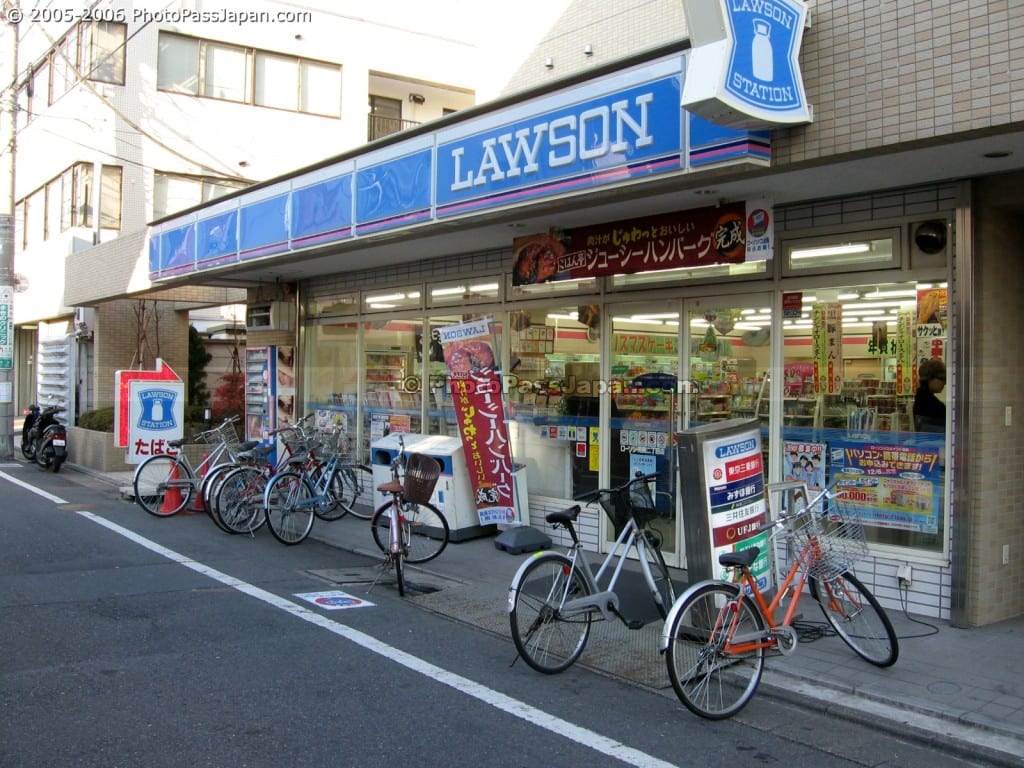
    Japanese convenience store rivals Lawson and Three F say they are “discussing options” for a capital and business alliance.

    The move was announced in a statement which was short on detail.

    Lawson, a subsidiary of Mitsubishi Corporation, is Japan’s second largest c-store operator behind 7-Eleven with a network of more than 11,500 stores in Japan, Indonesia, China and Thailand. Three F Co, headquartered in Yokohama, operates only in Japan where it has about 560 stores in Tokyo, Chiba, Saitama and Kanagawa.

    In the statement, the companies said an alliance would help boost their convenience store operations in an extremely competitive environment. Japan is a mature market, which is main reason its convenience store players are seeking growth offshore.

    While both companies will maintain independent management and protect their individual corporate brands and culture, they would conduct joint product development, procurement and promotional campaigns, and also share information that could boost management efficiency.

    “Both companies are determined to discuss ideas frankly and openly, with the aim of creating a concrete, workable alliance agreement. Further developments will be announced once they are finalised,” the statement said.

  • China Nepstar turns from loss to profit

    China Nepstar turns from loss to profit

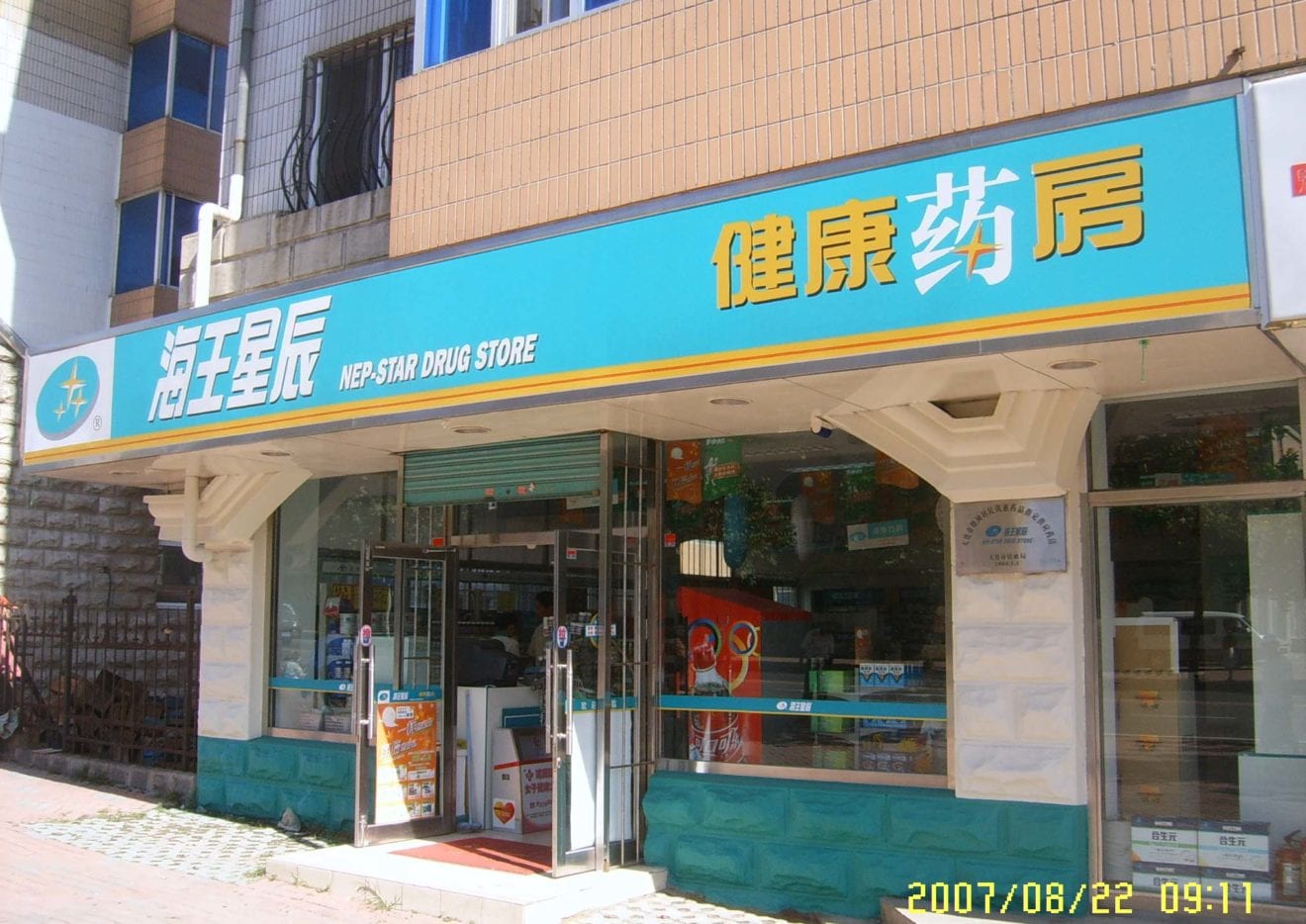
    NYSE-listed pharmaceutical retailer China Nepstar Chain Drugstore says increased staff training and promotional activity fuelled a 12.9 per cent rise in sales in the latest quarter.

    In the three months to June 30, China Nepstar achieved US$125 million in sales, with same store sale up 16.7 per cent year on year. The company reported a net income of $1.4 million compared to a net loss of $2.5 million last year.

    CEO Rebecca Zhang said the same-store-sales growth had accelerated during the quarter due to higher store traffic as a result of effective promotions on pharmaceutical products and professional store service training.

    “While we focus on productivity at the store level, we also managed to achieve better operational efficiency by reducing our general and administrative expenses and constantly optimising our store management,” she said.

    During the second quarter of 2015, the company opened 38 stores and closed 59. As of June 30, it had 1948 directly operated stores in total.

    China Nepstar had a portfolio of 2155 private label products at the end of June 30, which now account for 14.7 per cent of its revenue and 22 per cent of gross profit.

    “As we gradually achieve recovery in growth on profit, we will focus on accelerating our organic revenue growth by fine-tuning our store management system and improving our store image to customers,” Zhang said of the business’ outlook.

  • Tesco Thailand to offer phone services

    Tesco Thailand to offer phone services

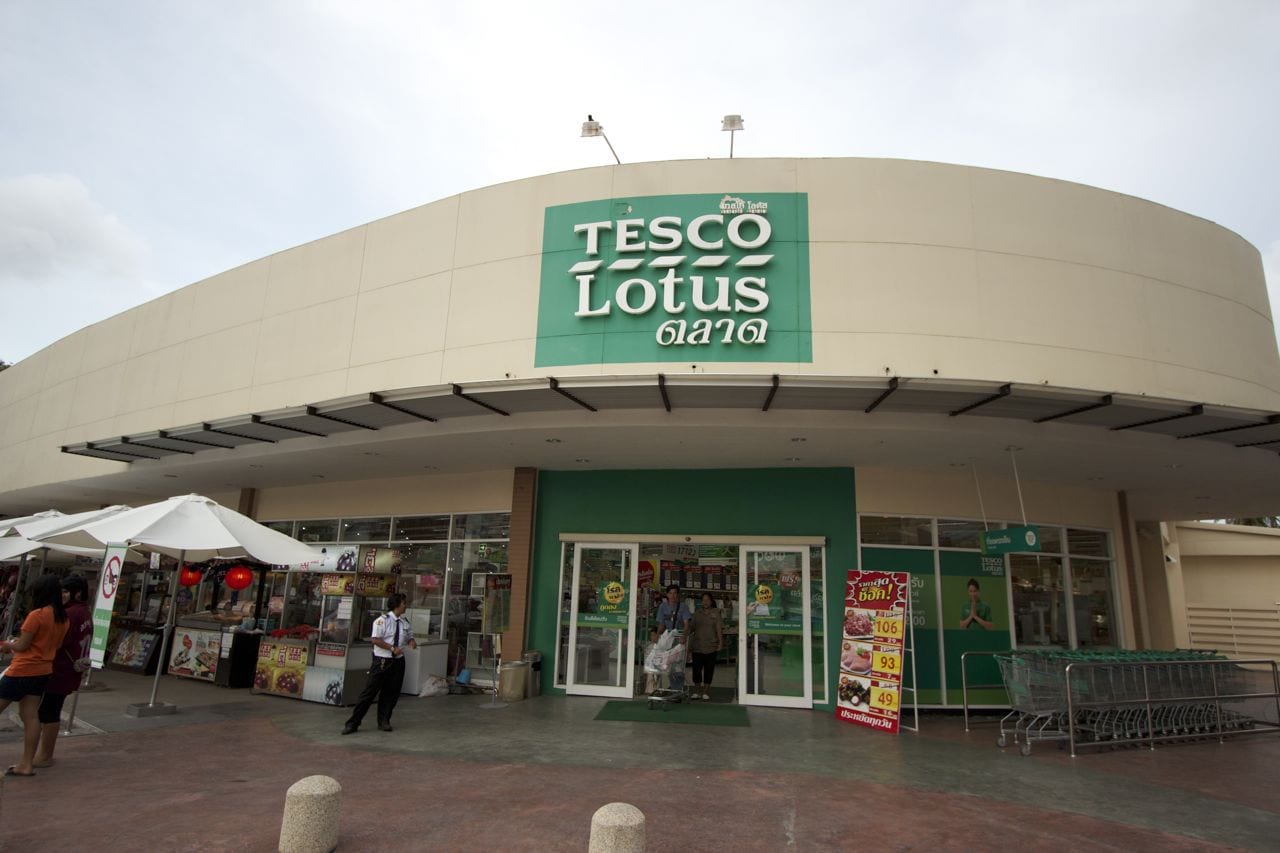
    Tesco Lotus Thailand is teaming up with CAT Telecom to offer a mobile virtual network service.

    The deal will see Tesco Thailand selling SIM cards to its 3 million Clubcard loyalty program members and other customers and marketing cellular network services under its own brand.

    CAT has similar partnerships with True and Real Move, among others. Real Move accounts for 80 per cent of its capacity, serving 13.5 million customers.

    The 50-50 joint venture partnership will run until CAT’s current licence expires in 2025, with Tesco Lotus marketing commencing next year. CAT will lease space on its network and Tesco Lotus will develop a marketing plan and distribute SIM cards.

  • HSBC to rebrand Britsh retail operation as HSBC UK..

    HSBC to rebrand Britsh retail operation as HSBC UK..

    The bank, which is based in Britain and has operations in 73 countries, announced in June that it would rebrand its UK business – and fuelled speculation it could potentially sell them off – as a result of the rules that require high street banking to be ringfenced from investment banking.

    HSBC announces today that the name of its UK ring-fenced bank will be HSBC UK.

    It was not immediately clear whether the red and white logo that HSBC uses across its global operations, and which features on airbridges at Heathrow airport, will remain part of its UK facias.

    “Adding “UK” [will] distinguish the ring-fenced bank from the non-ring-fenced bank”, it helpfully pointed out.

    The famous old Midland Bank name will NOT be revived on the high street after finance giant HSBC decided against restoring the brand.

    Feedback indicated that the HSBC brand represents strength and connectivity, supporting the domestic and global ambitions of our customers.

    The news comes just days after HSBC became the latest UK bank to be affected by a processing error which temporarily affected payments to customers.

    However, a person close to the bank said the decision about the branding of its ring-fenced operation should not lead investors to draw conclusions about the outcome of the domicile review.

    But in a statement this morning, HSBC said that after a “consultation process with retail, private and commercial banking customers, as well as customer-facing staff” (we wonder how much that cost), it had chose to opt for HSBC UK.

    But the business was bought by HSBC in 1992 and branches were re-named in 1999.

    It has been hit by the banking levy introduced since the financial crisis – seen as a key reason why HSBC is considering relocating away from London and possibly back to Hong Kong where it originated.

    While HSBC’s bill from the Bank Levy will reduce over time, the impact on its overall tax burden remains unclear because of a new Corporation Tax surcharge that the Chancellor has also chose to implement on banks which make profits of more than £25m.