Retail News CRM

Category: Living

Retail News Asia is committed to providing both local and global retailers with the latest Living news throughout the Asian market. This on a daily base.

  • IMAX China Listing Underperforming

    IMAX China Listing Underperforming

    The demand for IMAX China shares has not met expectations, according to a filing on Wednesday.

    The $248-million initial public offering (IPO) of IMAX China Holding Inc. in Hong Kong saw a relatively weak demand from retail investors, according to a filing on Wednesday.

    The demand for new listings in Asia Pacific stock markets has been hurt by the weakening of the Chinese stock markets earlier this year, as well as the rather sporadic performance of other equity markets around the world.

    IMAX China Holding Inc., majority-owned by the giant screen movie theater equipment maker of the same name, is most likely a casualty of this market slowdown.

    There have been some signs of improving confidence in the market, with China Huarong Asset Management Co. and China Reinsurance Group interested to make their Hong Kong IPOs this week, worth a combined $5 billion. However, market players and analysts have said that it is still too early to predict a recovery.

    “Sentiment has not recovered, it’s not that strong yet because the market remains volatile recently,” according to Jasper Chan, a Corporate Finance Officer at brokerage Phillip Securities in Hong Kong.

    The IMAX China IPO was priced last week at HK$31 ($4) per share, near the bottom of its marketed range. Demand for shares from retail investors accounted for a mere 70 percent of the shares that were offered, according to the filing.

    In comparison, the listing of Yunnan Water Investment Co. Ltd. in May was demanded by retail investors 354 times the number of shares offered.

    In April, the listing of Shanghai Haohai Biological Technology Co. Ltd. was oversubscribed around 180 times the shares offered.

    However, the institutional tranche of the deal was oversubscribed, according to IMAX China.

    The IMAX Corp. China unit debuted on the Hong Kong stock exchange on Thursday, marking the first listing by a major global brand there since 2011.

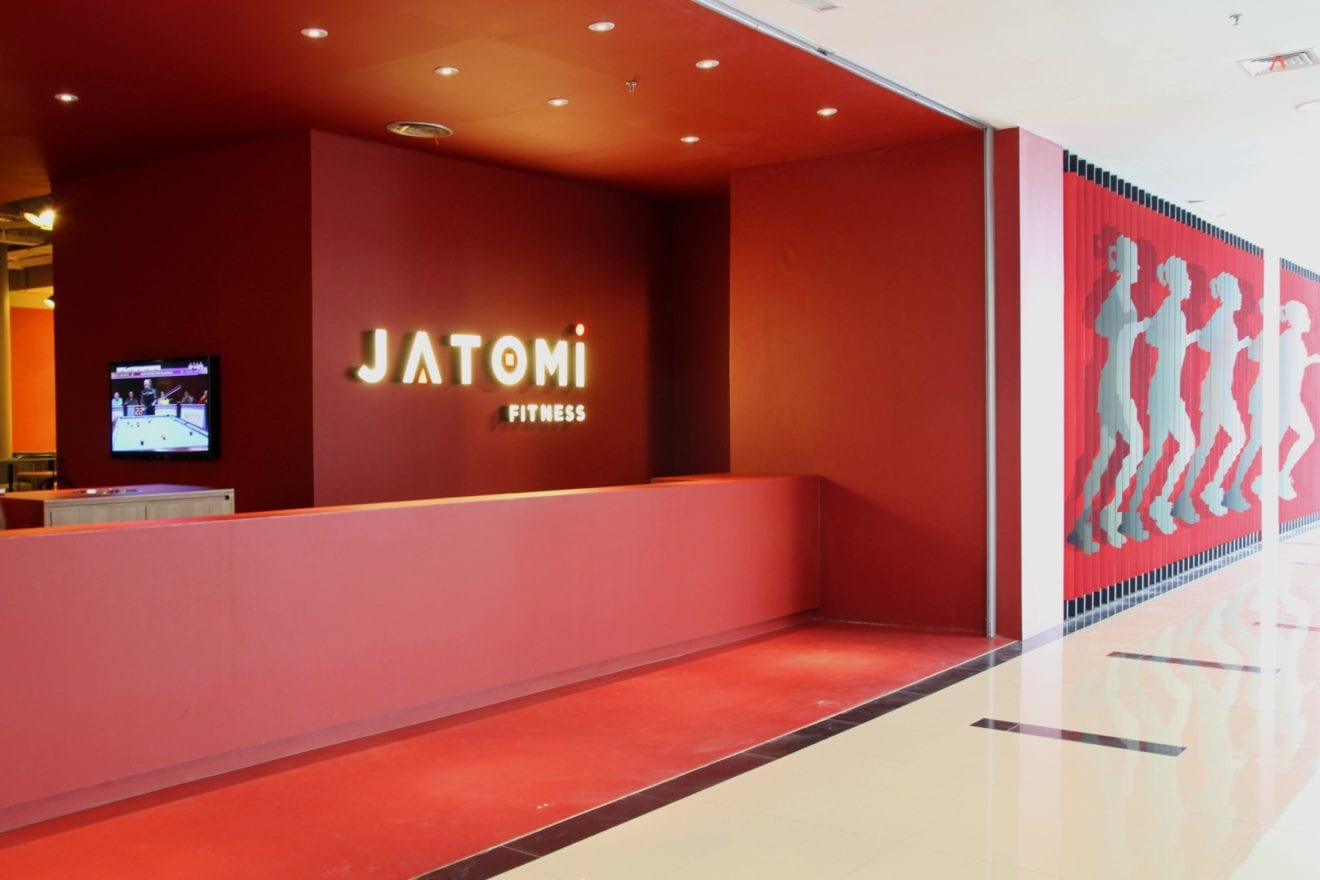
  • Poland’s Jatomi Fitness moves into Thailand

    Poland’s Jatomi Fitness moves into Thailand

    Thailand is Jatomi’s third country in Asean after the company opened branches in Malaysia and Indonesia, group chief executive officer Tracy Gehlan said.

    Currently, the company has more than 150,000 members across its 70 clubs in seven countries. Originating in 2008 from Poland, it has locations in the Czech Republic, Romania and Turkey as well as expanding into Southeast Asia, where it has locations in Malaysia, Indonesia and now Thailand.

    It plans to expand to 250 clubs worldwide over the next five years, she said.

    Gehlan said the company was expanding into Thailand because of the country’s strong market potential. Currently, only 0.3 per cent of the Thai population regularly uses a fitness club, with many finding the expense of joining such a club too high, and many quit working out as they fail to achieve their desired results.

    Jatomi Fitness is focused on being one of the world’s most innovative fitness-club operators. It says it aims to deliver a truly accessible and vibrant fitness experience to its members at good value, using state-of-the-art equipment and professional personal trainers who have expertise in nutrition and health.

    Its first club in Bangkok opened at Big C Rajdamri with 1,300 square metres of club space. The second is at Tesco Lotus Rama 4, with 1,450sqm of club space. Both locations are easily accessible via public transport and located to ensure that going to the gym fits in with their daily routine, Jatomi says.

    The club offers membership fees starting at Bt1,300 per month.

    The company aims to have 48,000 members in Thailand by 2018.

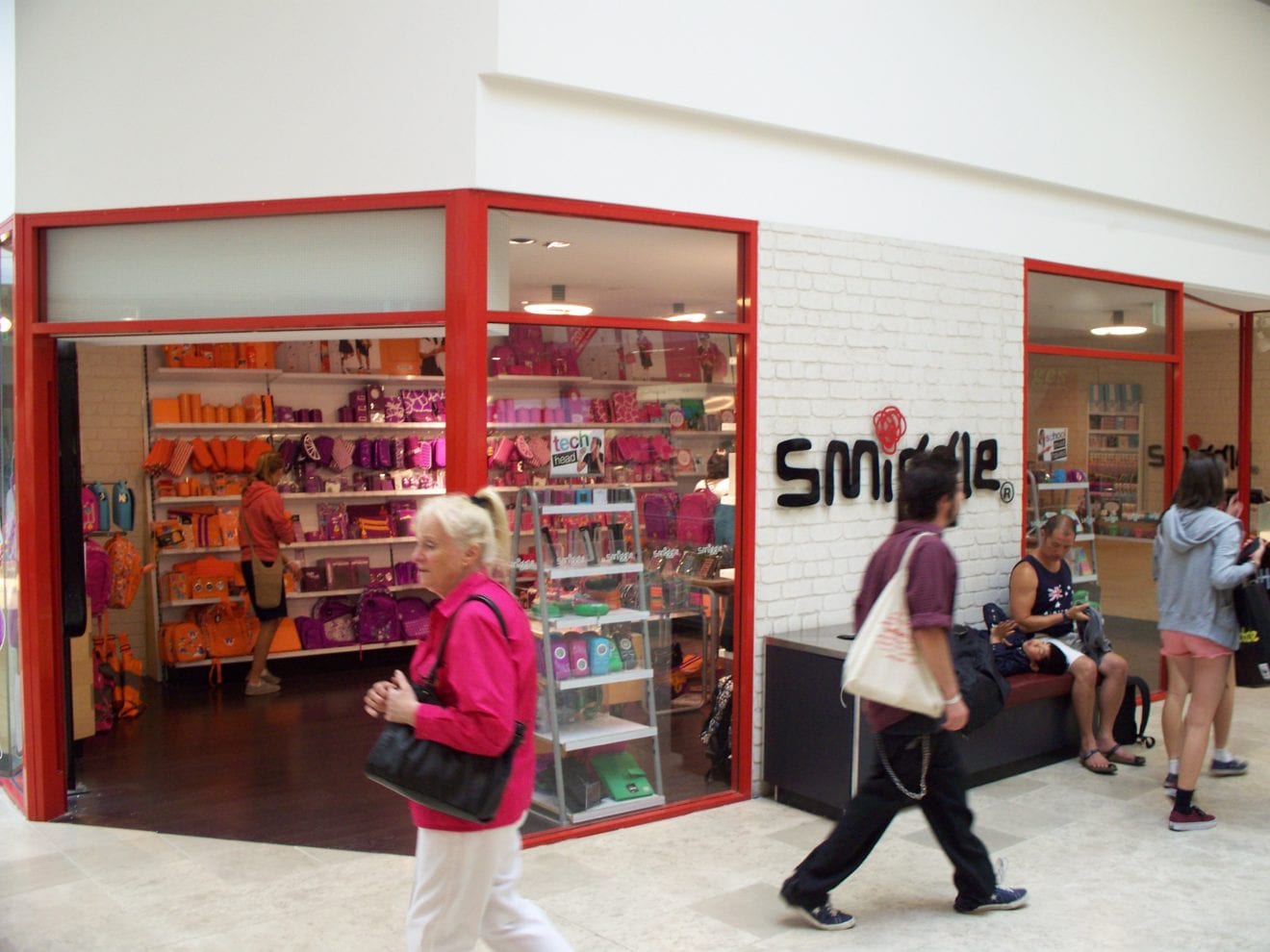
  • Smash hit Australian kids’ stationary store Smiggle is going global

    Smash hit Australian kids’ stationary store Smiggle is going global

    Billionaire retail veteran Solomon Lew is boosting the global presence of his iconic kids’ stationary store, Smiggle, after announcing plans to open up 50 new stores across Hong Kong and Malaysia over the next five years.

    Managing director of Premier Investments’ Smiggle, John Cheston, has singled out the growing appetite for fashion-based stationary in Hong Kong’s shopping centres which he describes as being a “fertile ground” with “limited competition”.

    “In Hong Kong if you are hot they want you and if you are cold they don’t. We are in demand from the landlords over here. We need to leverage that business with the agents who represent us and get good locations and get good deals. The biggest challenge is getting the space and the rents,” Cheston told the AFR.

    So far, the retail chain store has opened more than 100 stores in Australia with shop fronts in New Zealand, Singapore including another 16 stores to open up before Christmas in UK this year, bringing the total to 200 stores in the UK.

    The decision to go global rides off the success of the stationary empire with last month’s figures reporting a sales jump of 26% to $132.6 million, making it the fastest-growing business within the Premier Investments apparel group.

    The retail is holding optimistic expectations about its first foray into the Hong Kong and Malaysian marketplace after testing the waters in Singapore earlier last year with plans to generate $55 million in revenue.

    “The international business in a very short period of time will be much larger than the Australian business and there are not too many Australian retailers who have been successful offshore,” said Lew.

    “This is going to be world-class operation and there is no reason it shouldn’t work in any country in the world where there is moderate income.”

    The decision for the retail giant to take things global has been on the cards for some time now.

    “The retail environment in Australia remains challenging, however we continue to adapt by rejuvenating our core brands, growing uniquely positioned brands like Peter Alexander and seeking opportunities for further offshore expansion of Smiggle,” said Solomon Lew more than two years ago.

    These comments were followed up by Lew who said that there would be continued investment to support the growth of Smiggle in local and overseas markets earlier this year despite volatile consumer confidence.

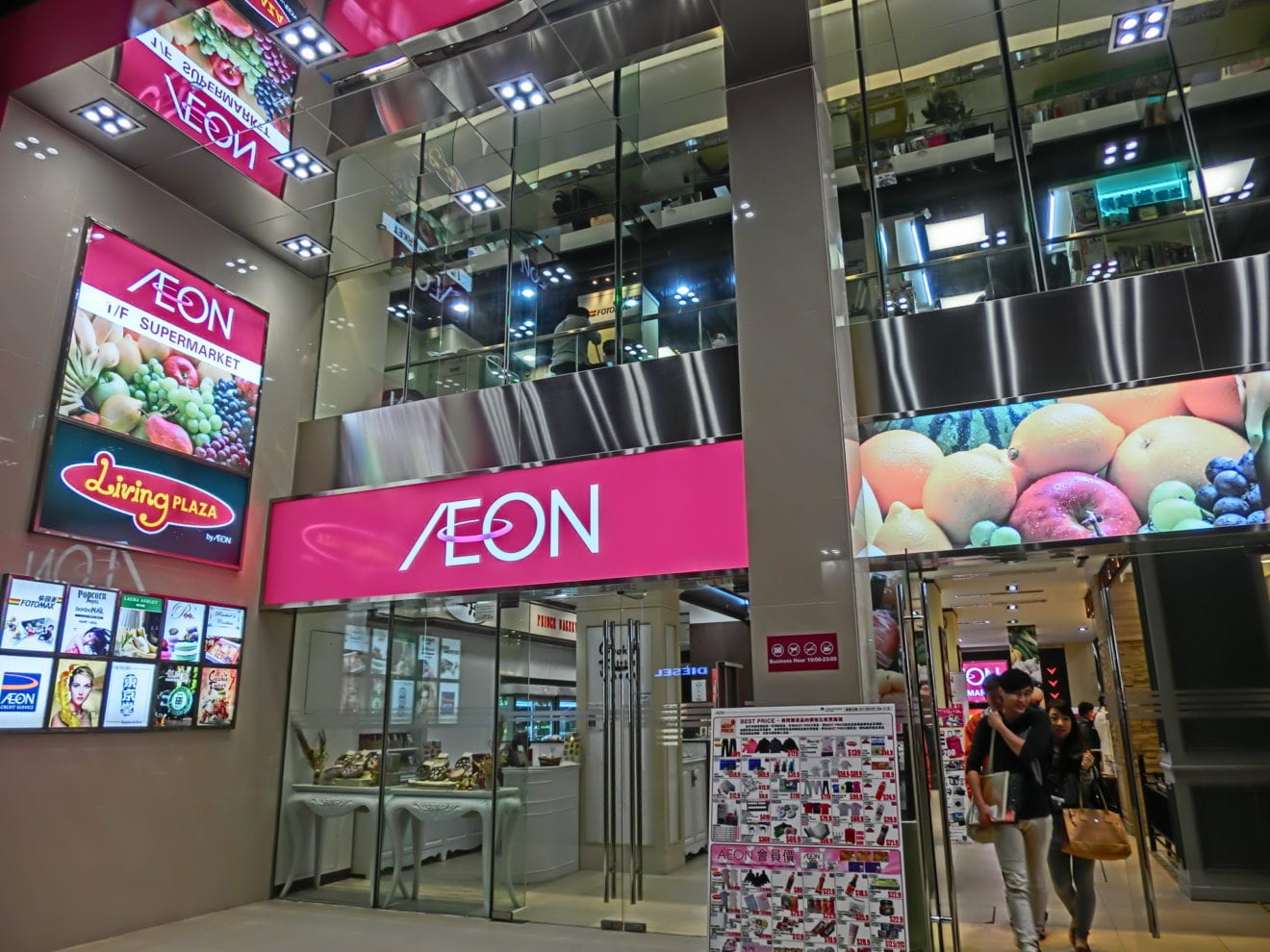
  • Aeon Living Plaza opens at HKIA

    Aeon Living Plaza opens at HKIA

    Aeon Living Plaza has opened at Hong Kong International Airport.

    The new 4200 sqft store offers 8000 items ranging from snacks and convenience items through to home furnishings, fine stationery and other giftwares.

    Aeon Living Plaza at HKIA 1

    The shop takes up three retail spaces on the second floor of Terminal 2 and trades from 9am to 9pm daily.

    Aeon Stores (Hong Kong) Department Store was founded in 1987 and listed on the Hong Kong Stock Exchange in 1994. It operates eight integrated general merchandise department stores (GMS) in Hong Kong, five supermarkets, 27 Living Plaza by Aeon stores, six Bento Express by Aeon and two independent La Bohéme Bakery outlets. In Guangdong Province it has opened 20 GMS stores, six independent supermarkets and two shopping centres.

    Aeon Living Plaza at HKIA 2

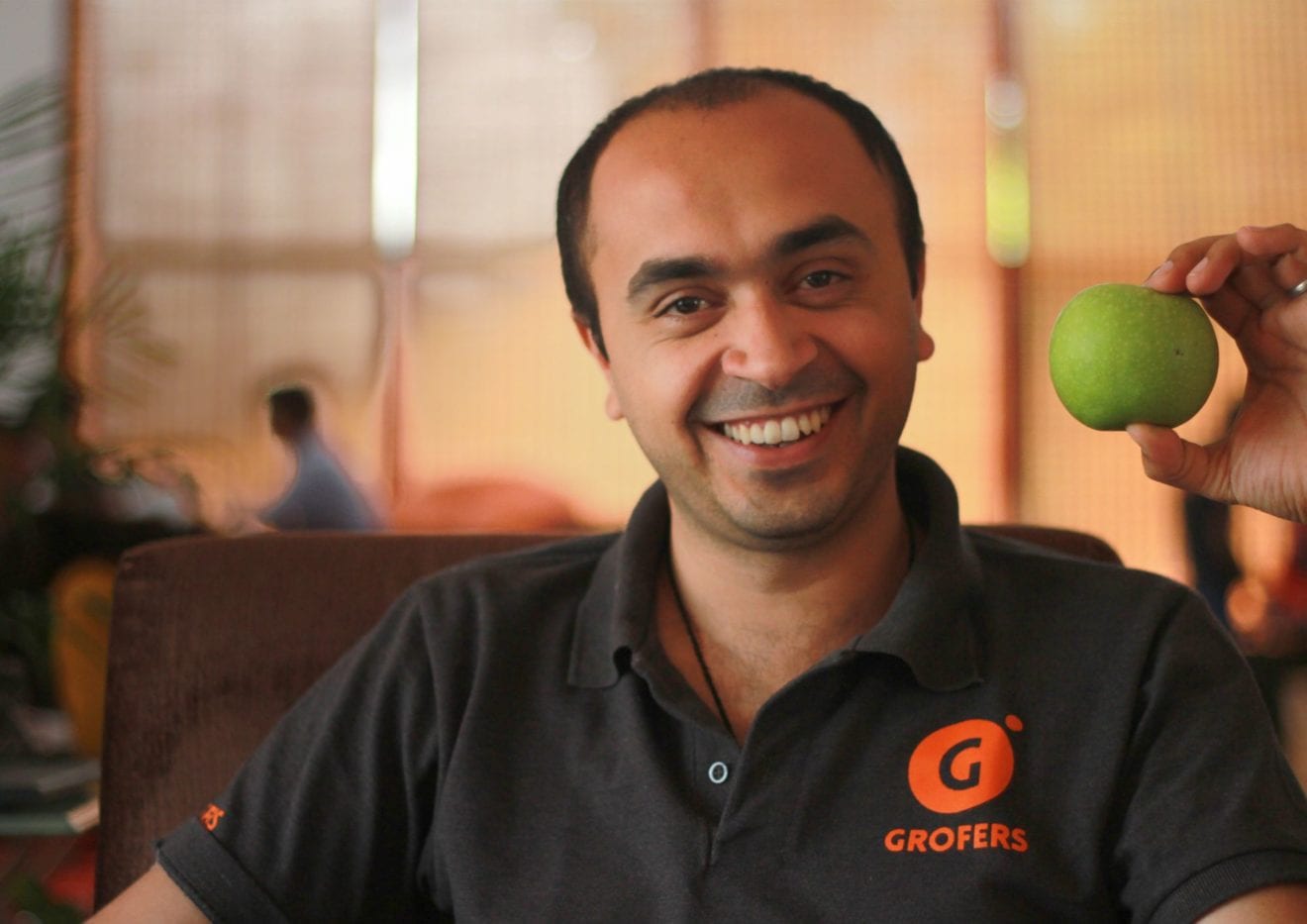
  • Grofers shifts base to Singapore

    Grofers shifts base to Singapore

    PM Narendra Modi may have been the flag-bearer of `Make in India’, with his recent trip to the US being a highlight for `Digital India’. But another Indian startup has joined the growing list of new companies moving base out of India. Gurgaon-based Grofers decided to shift headquarters to Singapore from India.

    A hyperlocal grocery delivery firm, Grofers’ moving out is primarily due to a friendlier corporate regime in foreign countries.

    The shift has again highlighted a `brain drain’ of sorts with regards to Indian companies. Earlier, companies like Mobikon and AdNear had also moved out of India. In fact, Indian e-commerce’s poster boy Flipkart too shifted its base to Singapore, while some of the others like Fresh Desk and Druva chose USA.

    Grofers co-founder Albinder Dhindsa said, “Our main reason for a Singapore holding company is owing to listing potential in the future. Our assets are still on the books of the Indian entity, so tax equation remains same for us.”

    India’s high corporate tax rates and compliance issues are the key reasons for companies to join the exodus, industry experts pointed out.

    In fact, investors too are more confident putting money into a startup when the company headquarters operates out of a tech-friendly foreign country .Corporate tax rate is 30% in India, while the same in Singapore is 17%. “India is a hot spot for startups now. But it is yet to catch up in terms of regulations and tax structures. In a tech-friendly market, which is mature enough to house them, getting relatively higher fundings and more valuation becomes easier,” said a domestic investor.

    Key stakeholders pointed out what also makes it even tougher for early stage or emerging companies in the new economy space is the fact that a fairly modestvalued company has to exercise same sort of compliances which an established conglomerate is expected to meet in India. “It is a strenuous task for even a middlesized company to match the corporate compliance standards of, say , a behemoth like ITC,” a corporate lawyer said.

    For Grofers’ next round of funding too, the Singapore entity might come in handy as its competitors like BigBasket and PepperTap have recently raised funds for expansion and acquired consumers in a sector which is the hottest in the ecommerce arena in India.What remains to be seen is whether the government can arrest the rising exodus and `Make In India’ becomes a reality.

  • Despite Slowdown, China’s Outbound Tourists Reach 242 Million

    Despite Slowdown, China’s Outbound Tourists Reach 242 Million

    As Chinese tourists head across the globe for Golden Week this week, luxury retailers are worried that an ailing stock market and devalued yuan will lead to muted growth compared to holiday seasons of the past. But according to newly released figures, long-term growth prospects remain strong for Chinese travelers, who are expected to double in number over the next decade.

    Some destinations may be in for a Chinese spending slump when it comes to luxury shopping over the holiday. According to recent figures released by Global Blue, UK luxury retailers are especially expected to feel the pain of China’s current economic woes during Golden Week.

    The retail tourism firm reported that the devaluation of the yuan in June led to a 2 percent year-on-year decline in Chinese tourist spending in August for the UK, down from 8 percent growth in spending between January and July.

    According to an official statement, “Global Blue is anticipating the Golden Week rush will be significantly weaker this year, and the decline could continue throughout the fourth quarter as Chinese are left disinclined to book trips abroad.”

    But retailers shouldn’t fret too much about long-term prospects, as a recent study published by HSBC found that outbound Chinese traveler numbers are expected to hit 242 million by 2024—a number more than double last year’s amount, which was estimated by HSBC to be 116 million. In addition, a recent report by the Fung Business Intelligence Center and China Luxury Advisors found that outbound Chinese traveler spending will hit $422 billion by 2020, up from an estimated $200 billion this year.

    Even as retailers fret about their sales prospects for this Golden Week, not everyone is expected to lose out. A weak euro still makes Europe a popular destination despite the devalued Chinese currency, and Global Blue found that Chinese shopper numbers in Europe rose by 74 percent in the first half of this year.

    Online travel agency Ctrip still expects outbound tour bookings to double for the period, and has reported that Hong Kong, Tokyo, and Bangkok are the top three holiday destinations for Chinese tourists. While luxury retailers in some destinations may be noticing the slowdown much more than others, those that keep their eye on the prize when it comes to Chinese travelers are more likely to have a fruitful decade to come.

  • Sri Lanka to revive Sathosa with help from Singapore

    Sri Lanka to revive Sathosa with help from Singapore

    Sri Lanka’s state owned retail chain Lanka Sathosa, plans to get support to revive from Singapore as the retail chain is making continues losses, ministry of industry and commerce said in a release.

    Lanka Sathosa owned more than 310 outlets around the Island.

    “We are restructuring LAKSATHOSA and are still experiencing monthly losses,” Rishad Bathiudeen, minister of industry and commerce was quoted saying in the release.

    In 2014, Singapore became the fourth in importing products and services to Sri Lanka representing 6.6 percent of Sri Lanka’s total import.

    Sri Lanka import petroleum oils, milk & creams, fertilizers, iron, steel and plastics from Singapore at around 1.2 billion dollars.

    “I recommend you to follow Singapore’s NTUC Fairprice Co-operative model for LAKSATHOSA. NTUC Fairprice is Singapore’s largest retailer with multiple retail formats,” Chandra Das, High Commissioner of Singapore and the former Member of Parliament of Singapore from Chong Boon was quoted saying in the release.

    “I see that SATHOSA too is basically a cooperative model. I was NTUC Chairman for 33 years therefore I can see that it’s a good model you can adopt. We have made NTUC Fairprice shops world-class. NTUC Fairprice competes on a “patronage rebate and a 10 percent lower price than comparable popular brands” model of retail, which brought it a revenue of 2.2 billion dollars in 2014,”

    “NTUC Fairprice belongs to workers and trade unions and NTUC profits are given back to Singaporeans who buy its shares,”

    “I notice that there is no central warehouse for LAKSATHOSA! You need to establish central logistics,”

    Das had asked to send a study team from sathosa to Singapore for a NTUC Fairprice training.

    “We’ll do this for Sri Lanka. Singapore is pleased to support LAKSATHOSA.” He added.

    Since it was founded by the labour movement in 1973, NTUC Fairprice today sells more than 2000 house-brand products across 120 outlets in Singapore serving more than 400,000 shoppers daily.

    However in June the industry and commerce ministry said the Lanka Sathosa, will be given a 7.5 billion rupee bail out from the treasury and audit firm  KPMG has been appointed to look into ways of re-structuring it.

    “The Finance Minister Ravi Karunanayake had agreed to give 7.5 billion rupees from the treasury to keep the firm out of trouble,” Rishard Bathiudeen, Minister of Trade and Commerce said in June.

    “Lanka Sathosa owes 10 billion rupees to two state banks and three billion rupees to suppliers and we are facing problems to keep it profitable,”

    “KPMG is expected to find ways to sustain Lanka Sathosa in a profitable manner.”

  • Hamleys Vietnam sets opening date

    Hamleys Vietnam sets opening date

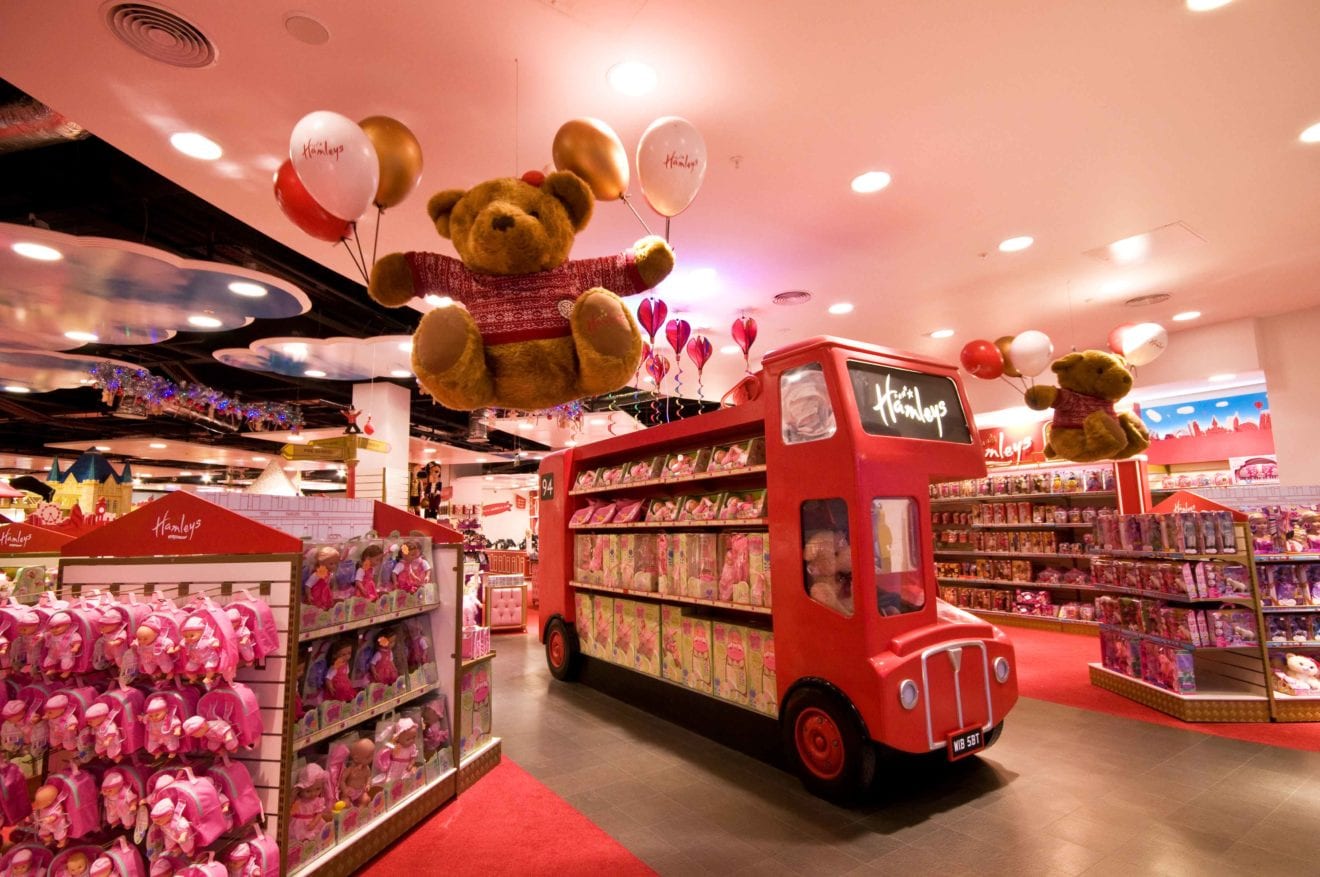
    Hamleys Vietnam will stage a mobile roadshow around the shopping centres and schools of downtown Ho Chi Minh to help build brand awareness ahead of the store’s Vietnam debut.

    Hamleys Vietnam will open its doors on October 21 in the recently opened SC Vivo City mall in District 7, a popular expat enclave.

    Hamleys, the world’s oldest toy shop established in 1760, announced in June it would open its first store in Vietnam. It promises to be the largest toy shop in Vietnam when it opens its doors to the general public, with a character parade and ceremony at 7pm.

    In the lead up to the opening, Hamley Bear will be touring the city in a specially marked red minibus, visiting international schools, shopping malls, and other areas. The tour will be held from October 9 to 10, and 16 to 17.

    In addition to the Hamley Bear visits, there will be a competition on social media to a win prize and exclusive tickets to the VIP and media event, taking place from 5.30pm on October 21 at SC VivoCity.

    Nina Komolova, Hamleys’ PR and marketing manager says the London Bus Tour will bring excitement to families in advance of the store’s opening.

    Hamleys Vietnam

    Wee Keng, general director of SC VivoCity said with Hamleys’ tradition internationally of lively store demonstrators, strong brand identity and immersive environment, the new store will take VivoCity’s concept of a one-stop family lifestyle destination mall to a new level.

    In Hamleys Vietnam, shoppers will step into a magical toy wonderland that is stocked with thousands of safe, quality approved toys ranging from the traditional to the high-tech, games and puzzles to arts and crafts, magic, the Luvley Boutique – where children will find a selection of hair and nail products to dress themselves up with – and of course the iconic Hamleys Teddy Bears.

    Hamleys’ unique approach focuses on ‘bringing toys to life’ for children and families by actively encouraging children to play with the toys in store or by engaging with toy demonstrators.

    Hamleys Vivo city

    Memories underpin the essence of the Hamleys brand – customers will be able to meet the Hamleys Bear, characters from television and film on special occasions and participate in interactive workshops and events.

    The Hamleys Vietnam franchise is owner by Maison Joint Stock Company, founded in 2002 by Richard Trinh and Mai Son Pham. The company operates 61 stores in Vietnam selling brands including Christian Louboutin, Topshop/Topman, Miss Selfridge, Dorothy Perkins, Max Mara, Max & Co, Mango, Karen Millen, Coast, Warehouse, Oasis, Bebe, Charles & Keith, Pedro, Accessorize, Monsoon Children, Havaianas and NYS Sunglasses. It will soon open the nation’s first CH by Carolina Herrera and Santoni stores.

  • Ikea Malaysia sets Cheras opening date

    Ikea Malaysia sets Cheras opening date

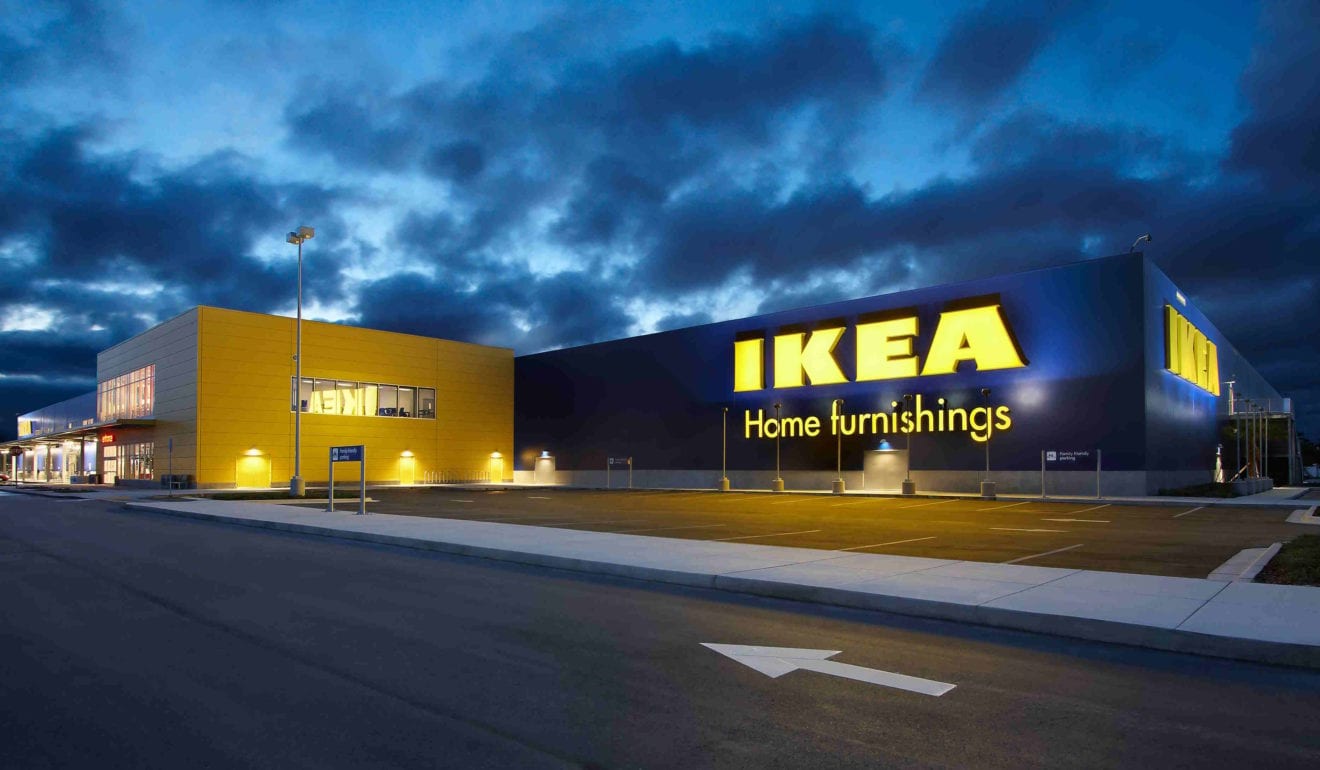
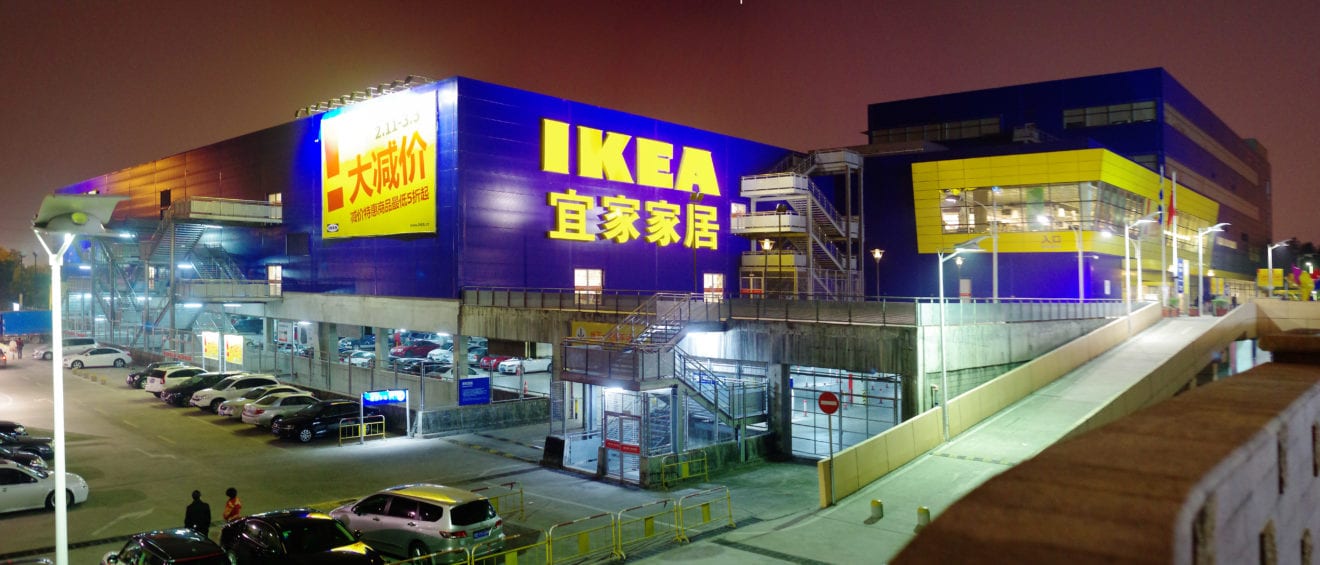
    Ikea Malaysia says its second store located at Jalan Cochrane, Cheras. is on track to open at the end of November.

    The timing was revealed at the store’s roof capping ceremony, a Swedish tradition to celebrate the end of construction and thank neighbours who helped out in the building phase.

    “Come November, Ikea Cheras will provide more Malaysians with Swedish home furnishings that are well-designed, functional, affordable and good quality,” said Mike King, retail director, Ikea Malaysia, Singapore and Thailand.

    “The new Ikea store is part our overall ambition to expand in Southeast Asia. Our entry into Cheras neighbourhood reflects our vision to create a better everyday life for the many people.”

    Ikea Cheras will provide Malaysians with greater convenience and a wide selection of home furnishing inspiration and solutions at incredibly low prices. The store has 41,000 sqm of shopping space, 20 per cent more than the Damansara store. Ikea Cheras is also located a five minute drive from the city centre, accessible from MAJU Expressway and Smart highways, and connects to the Cochrane MRT station (to be completed in 2017).

    As the opening fast approaches, the team is now in the midst of interior fittings, operational setup and co-workers’ training. To support its overall operation, a nationwide recruitment exercise was carried out recently.

    “We had an overwhelming response of which we hired a great mix of over 300 co-workers of various talent and expertise. With the passionate and committed co-workers we have on-board, this new store ensures more Malaysians will get a chance to enjoy the unique Ikea store experience many have come to know and love,” added King.

    Ikea Cheras will be one of the first few retail developments to be ready in the booming township. The new iconic landmark spots the potential in transforming Cheras into a vibrant retail destination, drawing upon the liveliness Ikea brings to Mutiara Damansara with its standalone store since 2003.

  • Where Muslim tourists shop

    Where Muslim tourists shop

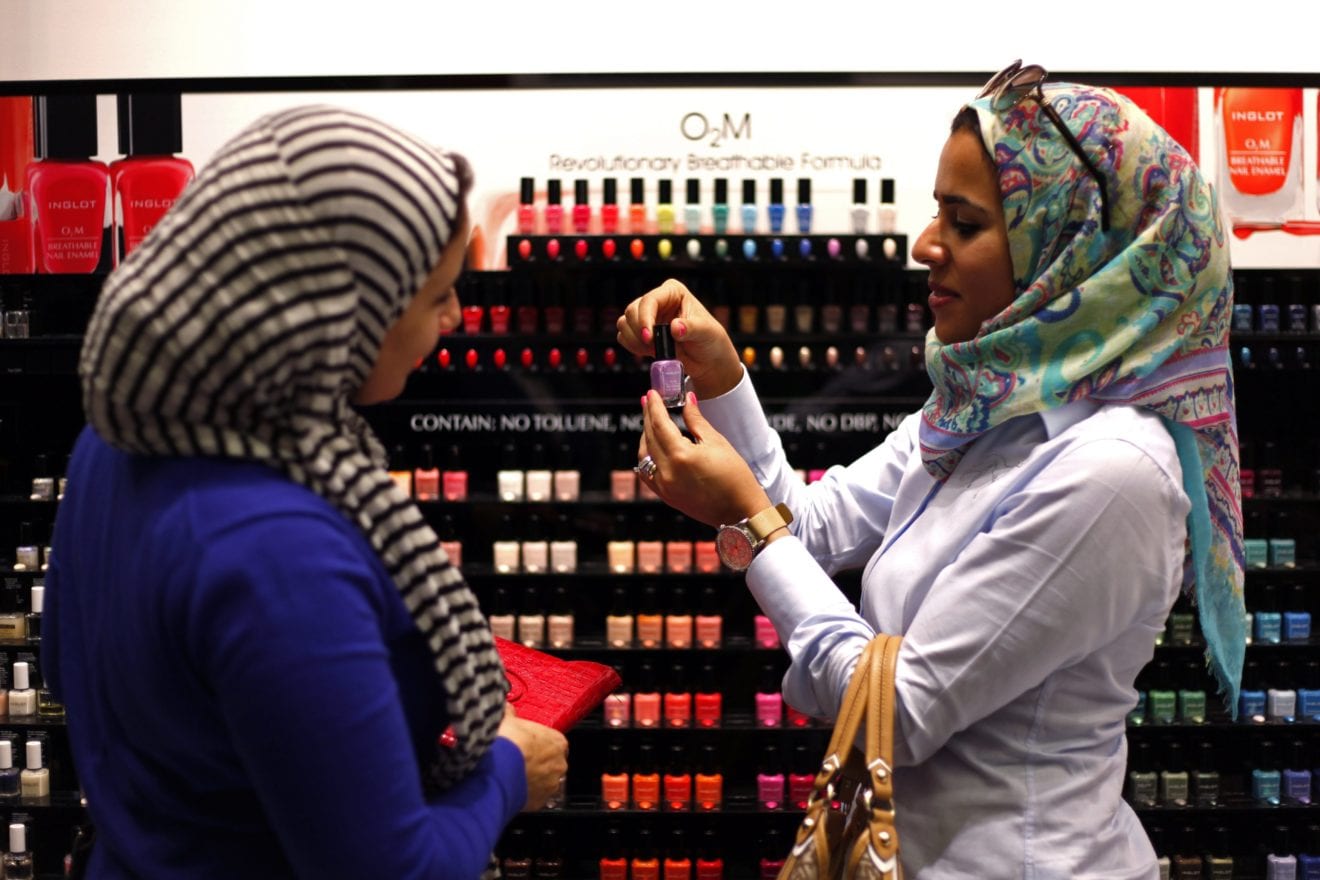
    Muslim tourists spent $62 billion shopping and dining last year – and Asia got a huge share.

    Malaysia and Singapore were the second and third most popular shopping destinations for Muslim tourists last year, lagging behind only Dubai, according to the MasterCard-CrescentRating Muslim Shopping Travel Index 2015 just released.

    Fourteen cities from Asia Pacific made it onto the overall list of 40 destinations.

    The research shows shopping expenditure by Muslims in 2014 amounted to $36 billion, while dining expenditure amounted to $26 billion

    The MTSI 2015 looks at in-depth data covering Muslim travel shopping from 40 international cities creating an overall index, based on a number of criteria. It is the first time detailed insights have been provided on the consumer spending behaviour of Muslim travellers.

    The MTSI 2015 is the latest research collaboration between MasterCard and CrescentRating on this sector following the launch of the Global Muslim Travel Index (GMTI) 2015 earlier this year.

    “The MasterCard-CrescentRating Muslim Travel Shopping Index is a fascinating insight into the shopping habits of Muslim consumers and will prove to be an invaluable tool to the entire sector,” said Fazal Bahardeen, CEO of CrescentRating & HalalTrip.

    “The research looks at two of the most important expenditure components of Muslim travellers which are shopping and dining. The index reveals how important Asia Pacific is to the sector and the vital contribution they are making.”

    The 40 international cities covered in the MTSI 2015 were scored against a comprehensive set of metrics which included suitability as a shopping destination, Muslim friendly services and facilities and ease of travel. Each criterion was then weighted to make up the overall index score.

    Dubai topped the ranking for overall Muslim Travel Shopping with a score of 79.5 followed by Kuala Lumpur with a score of 73.3.  Singapore scored 71.6 on the Index making it the number one ranked city from the non-OIC countries and third in the overall list.

    Bali also made into the top 10 scoring 58.2 closely followed by Penang with 56.9. In total, Asia Pacific contributed 14 cities to the overall top 40 list.

    A significant highlight of the MTSI 2015 was the high number of non-OIC countries featuring in the top 40 list.

    Singapore, secured a rank among the top five overall destinations for Muslim traveller shopping.  This further revealed the potential for non-OIC destinations, with 25 on the list, to attract Muslim travellers by proactively catering to this segment.

    Earlier this year, the GMTI 2015 showed that in 2014, the Muslim travel segment was worth $145 billion with 108 million Muslim travellers representing 10 per cent of the entire travel economy.

    This is forecasted to grow to 150 million visitors by 2020 and 11 per cent of the market segment with a market value projected to grow to $200 billion.

    MTSI 2015 will be updated on an annual basis and will feature more cities in future releases.

    “The MTSI 2015 provides a deeper look at two key components of the traveler consumer experience – shopping and dining. We see this as an important resource not only for us to better understand this significant and fast-growing traveller segment, but also a source of data that will inform and support the efforts of our partners in the travel industry,” said Matthew Driver, group executive, global products and solutions, Asia Pacific, MasterCard.

    Shopping chart

  • IKEA positive on China despite economic slowdown, CEO says

    IKEA positive on China despite economic slowdown, CEO says

    IKEA does not expect a slowdown in demand for its products in its fastest-growing market, China, despite a sluggish economy, and the world’s biggest furniture retailer is sticking to investment plans for the country, its chief executive said.

    A faltering economy has prompted several international retailers to rethink their China strategies, with Britain’s Marks & Spencer saying this week that its expansion drive there could be slower than hoped.

    Sweden’s IKEA Group, which owns most of the IKEA stores worldwide that are best known for their budget self-assembly furniture, is however not reappraising its growth plans for China, Chief Executive Peter Agnefjall said.

    Having opened three stores in China in the fiscal year to Aug. 31, it plans another three this year, and expects to expand at at least the same pace also in the following three, he told Reuters in an interview.

    “We are very, very small still in China,” he said.

    “What we see is that many people in China appreciate the IKEA offer and we are making it more accessible to them through new stores. And the middle class will continue to grow, I’m pretty confident about that, so we have a positive view on China.”

    IKEA entered China in 1998 and has stepped up expansion in recent years, making the country a priority growth market.

    The China business, which still accounts for a small share of group turnover, saw “solid double-digit growth,” above 15 per cent, last year with its 18 stores, with very strong growth also in comparable stores, Agnefjall said.

    An online store in China is however not on the immediate agenda but will open only once the group has in place new e-commerce platforms that are in the works.

    “It all depends on how well we succeed with that,” Agnefjall said.

    ONLINE PLANS

    IKEA’s website had 1.9 billion visitors in the 2014/15 year, up from 1.5 billion the year before. Online sales were however still just a fraction of group turnover, although they exceeded €1-billion for the first time, Agnefjall said.

    Companies across the retail sector have rushed to step up e-commerce in the past few years to keep up with rapidly changing consumer patterns, but IKEA has been taking it slower.

    IKEA certainly aims longer-term to be a full multichannel retailer, Agnefjall said, but will first finish developing the necessary IT-solutions, and work out how to manage the logistics of large-scale online furniture trade.

    “You have to have a reasonable service level. I have respect for doing this with quality rather than with speed, and that’s the way we are driving it,” Agnefjall said.

    IKEA sells online in 13 of its 28 markets, having added no online markets last year, Agnefjall said.

    “We are investing heavily to make all IKEA markets e-commerce markets. The front end is one thing, to make a new web and e-commerce capabilities online. But the big work lies in the underlying distribution flow.”

    IKEA has begun piloting a new web platform in Ireland that it hopes to roll out to all markets in coming years, and is developing an e-commerce platform to connect to it.

    On the distribution side, IKEA is trying out a handful of pickup points and Agnefjall expected several more to open in the coming years.

    “You have to organize the e-commerce in a thorough way in order to create the right conditions for serving your customers in a good way. We are also investing a lot of energy to convert IKEA to a multi-channel retailer.”

    IKEA Group, which runs 328 stores and is controlled by the Stichting INGKA Foundation in the Netherlands, reported on Tuesday an 11 per cent rise in group sales for the fiscal year, with comparable stores accounting for 5 per cent, to a record €31.9-billion ($35.7-billion U.S.).

    Sales rose in nearly all its markets, with China the fastest-growing followed by Russia. Agnefjall said the United States was now roughly neck-and-neck with Germany as IKEA’s single biggest market.

    IKEA is targeting group sales of €50-billion by 2020.

  • Oxfam urges listed Hong Kong companies to do more to improve society

    Oxfam urges listed Hong Kong companies to do more to improve society

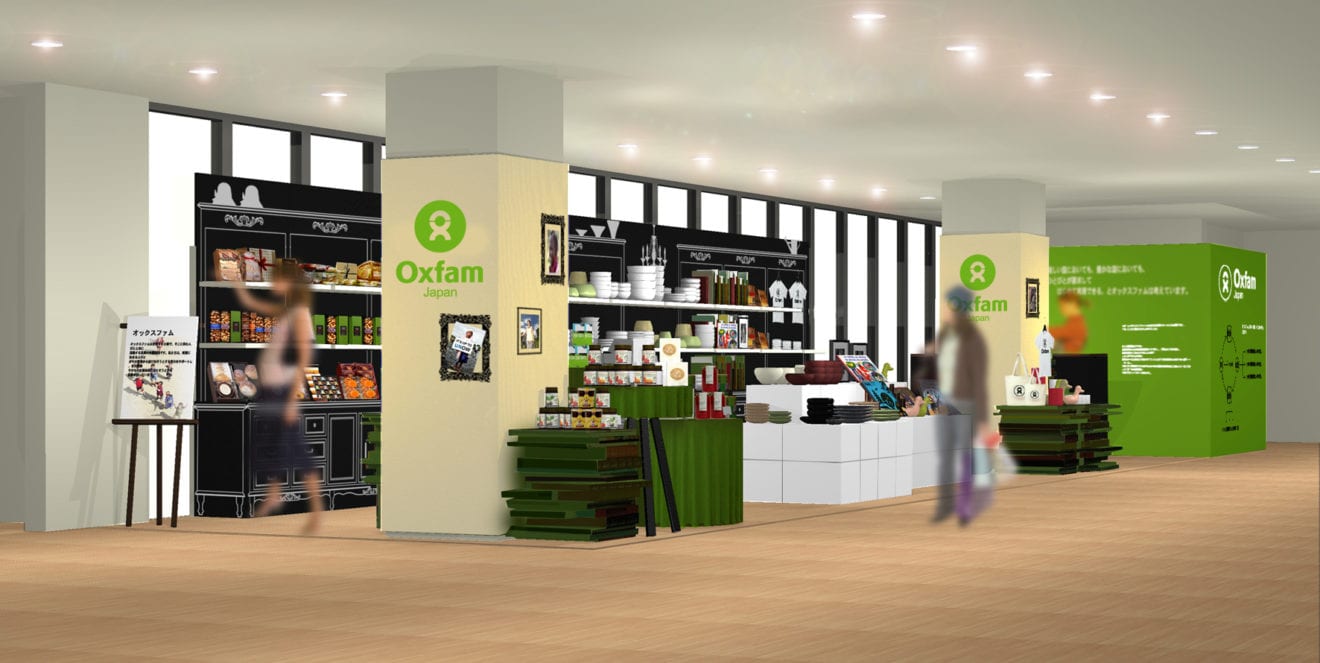
    But one leading finance academic questioned whether local investors were ready to place corporate social responsibility (CSR) high on their list of priorities for companies in picking stocks.

    “Good CSR performance can build a good reputation, which enables listed companies to raise money more easily in the stock market,” said Kalina Tsang Ka-wai, senior programme manager at Oxfam Hong Kong.

    “Investors would have more confidence in the companies that have good CSR records,” she told the media yesterday.

    The global community was now facing various critical issues including economic crises, skyrocketing food prices and the exploitation of labour, said Oxfam.

    The organisation believed that companies, by integrating social responsibility initiatives into their core business operations and decision-making processes, would significantly help reduce these problems.

    Financial adviser David Ng Chak-wai, who manages assets worth hundreds of millions of Hong Kong dollars, said his clients, many of whom are veteran investors, attached importance to companies’ contributions to “social harmony”.

    “They would like to ensure a fast food chain treats its staff well if they own stocks in the company,” Ng said. “These investors want long-term stable investments. They do not just focus on returns. They care about labour rights and working conditions.”

    Tsang said blue-chip companies in the city had been doing a better job regarding CSR, but stressed there was still room for improvement.

    She said listed companies, regardless of their size or market capitalisation, should publish detailed information relating to their environmental, social and governance policies.

    “Increasing transparency is the first step. It can facilitate more effective monitoring by members of the public,” she added.

    She noted that an Oxfam survey completed in June showed nearly six out of 10 institutional investors admitted that environmental, social and governance factors affected their investment decisions. A total of 42 companies, which together manage assets worth more than US$4 trillion, responded to the study.

    “The CSR culture is still developing in Hong Kong,” said Raymond So Wai-man, dean of the school of business at the Hang Seng Management College.

    “Unlike the developed stock markets in the US or Europe, Hong Kong’s bourse is dominated by retail investors, who are more concerned about returns.”

    So said some funds in Western societies would specifically avoid “sinful” companies like casinos, while retail investors in Hong Kong would have no scruples about taking the plunge if they expected high returns.

    This article appeared in the South China Morning Post print edition as Listed companies urged todo more to improve society

  • Casio plans high-end watches for rising middle class

    Casio plans high-end watches for rising middle class

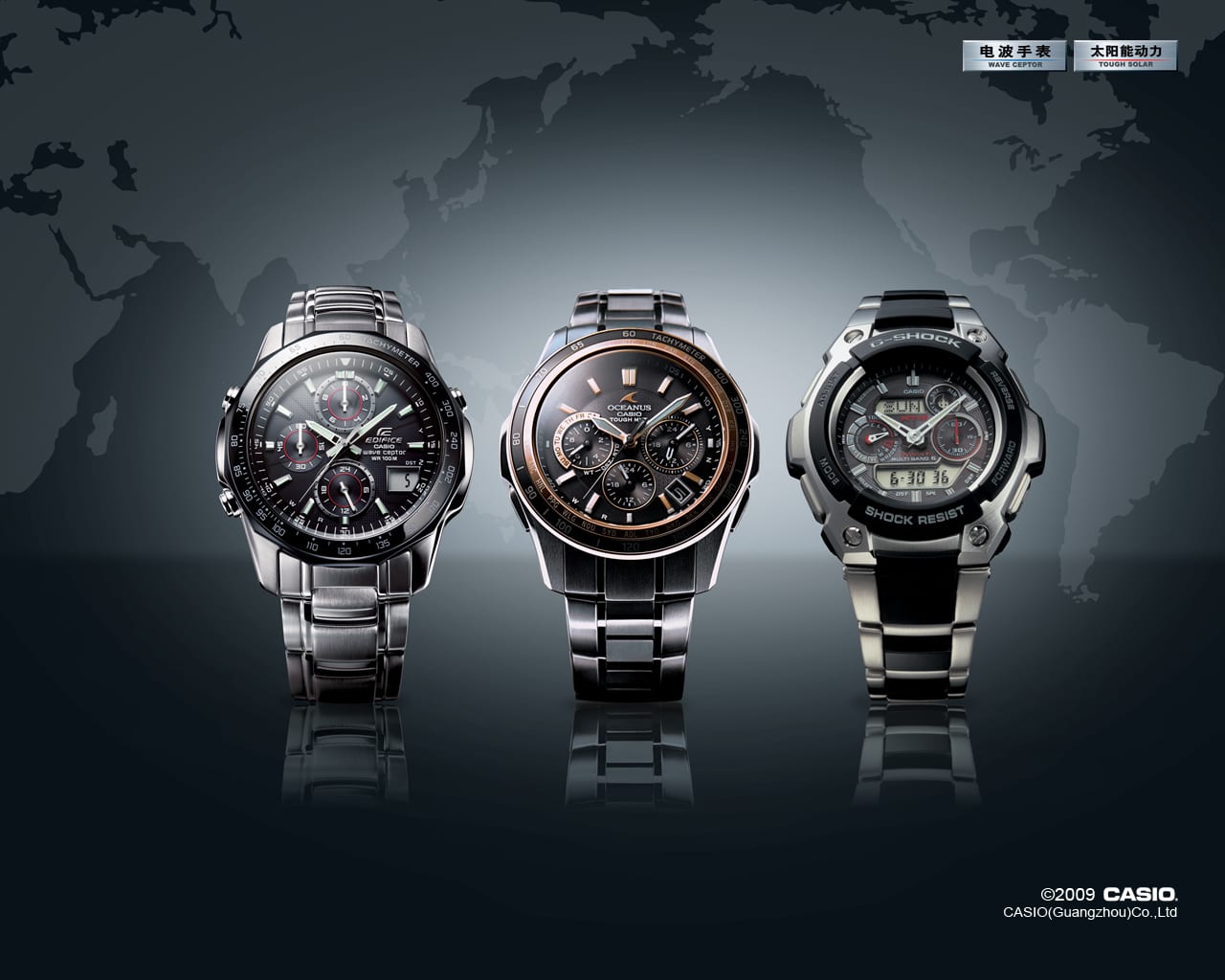
    Casio Computer Co. Ltd., maker of G-Shock watches, is targeting the middle-class market with high-end electronic watches priced at over HK$10,000 each.

    The company has long been in the mass market selling plastic watches for US$100 to US$150 each.

    But Hiroshi Nakamura, Casio head of sales, told the Hong Kong Economic Journal that the swelling ranks of the middle class provide a favorable condition for the company to enter the high-end market segment.

    Casio is poised to expand its presence in mainland China, Southeast Asia and the Middle East. Its largest G-Shock store opened in Shanghai in June.

    It is also working to enhance product functions and technology to increase consumer interest.

    Nakamura said the company will launch a smart watch model next year with style and user-friendly features that differentiate it from Apple Watch.

    Casio has recently launched its Oceanus series which is equipped with GPS timing system that can be synchronized with a smartphone.

  • Indonesia to promote diving tourism to Japan tourists

    Indonesia to promote diving tourism to Japan tourists

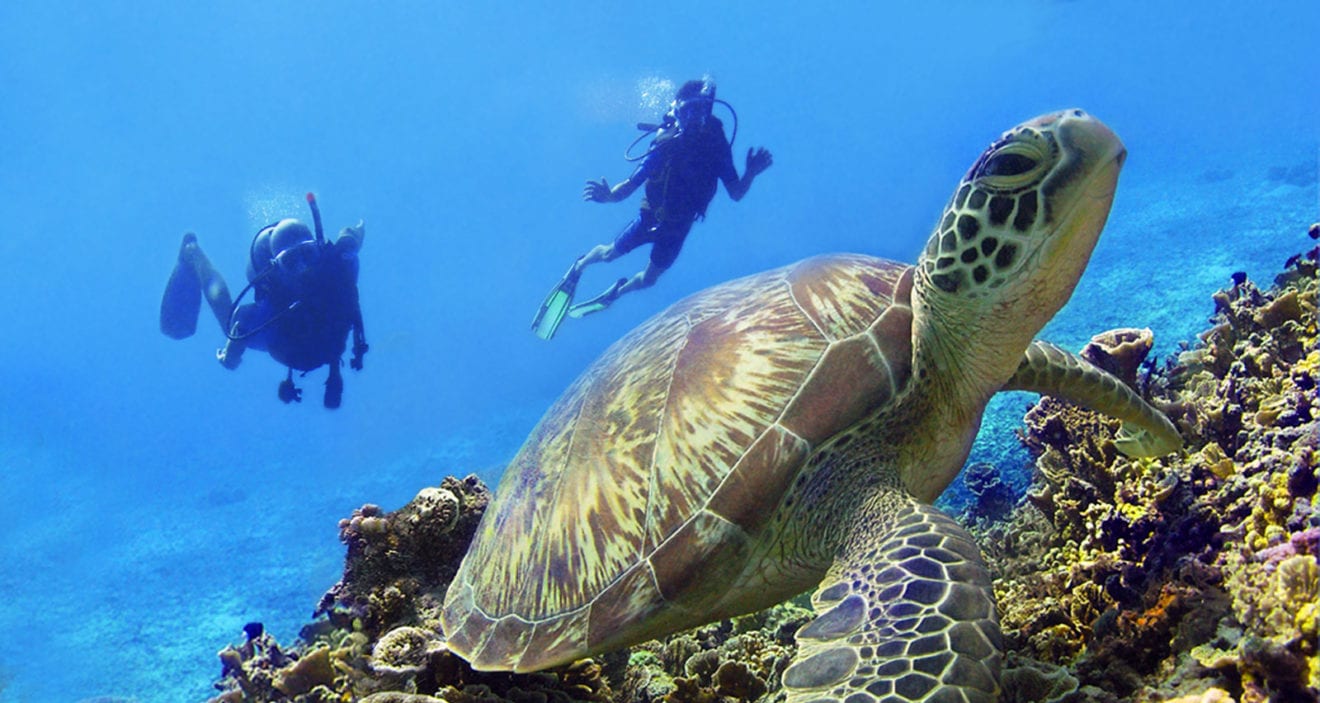
    Indonesia will promote its world-class diving sites to Japanese tourists during a tourism promotion event entitled “Diving Sales Mission”, to be held in Japan on October 8 and 9, 2015.

    The promotion is to be held following a successful similar event, carried out in Beijing on Sept. 9, I Gde Pitana, the deputy for international marketing development of the tourism ministry, said here on Saturday.

    The government anticipates that revenues from diving tourism could be increased four times from the current amount, according to Pitana.

    The promotion event is part of the tourism ministrys tourism marketing strategies, which include branding, advertising and selling (BAS), that was launched by Tourism Minister Arief Yahya.

    “The sale event is an effort of the tourism ministry to attract 529 thousand Japanese tourists,” he noted.

    In line with presidential regulation No. 69 Year 2015, the Indonesian government now offers visa free entry to Japanese citizens visiting Indonesia.

    “The tourism ministry has set a target of attracting some 10 million foreign tourists in 2015,” he remarked.

    Indonesia has a large potential for diving tourism, with excellent diving spots spreading from Weh Island in the countrys western most province of Aceh to Raja Ampat isles located in the countrys eastern most province of West Papua.

    Between these two tourist destinations, there are other exotic diving sites located in Banda Island (Maluku), Bunaken (North Sulawesi), Wakatobi (Southeast Sulawesi), Lembeh Strait, Alor Isle, TogeBetwan, Gili Air, Komodo Island (East Nusa Tenggara), and Cendrawasih Bay.

    Among the worlds best diving spots to be found in Indonesia are those in Raja Ampat, Komodo Isle, Derawan, Togean, Wakatobi, Gilir Air and Bunaken.

    Deputy Assistant for Asia and the Pacific Market Development of the tourism ministry Vinsensius Jemadu said some 35 percent of the total earnings from the tourism industry comes from maritime tourism.

    Further, an estimated 35 percent of Japanese tourists visiting Indonesia were engaged in maritime-related activities, such as diving.

    At least seven representatives selling tourism packages will join the Diving Sale Mission to Japan.

    According to a Japanese travel agent, Travelco, Bali is one of the top ten tourism destinations for Japanese tourists.

    Indonesia is in the fifth most popular destination for the Japanese, after Seoul (South Korea), Guam, Taipei (Taiwan), and Honolulu (Hawaii).

  • Rhapsody looks at kids as a new opportunity

    Rhapsody looks at kids as a new opportunity

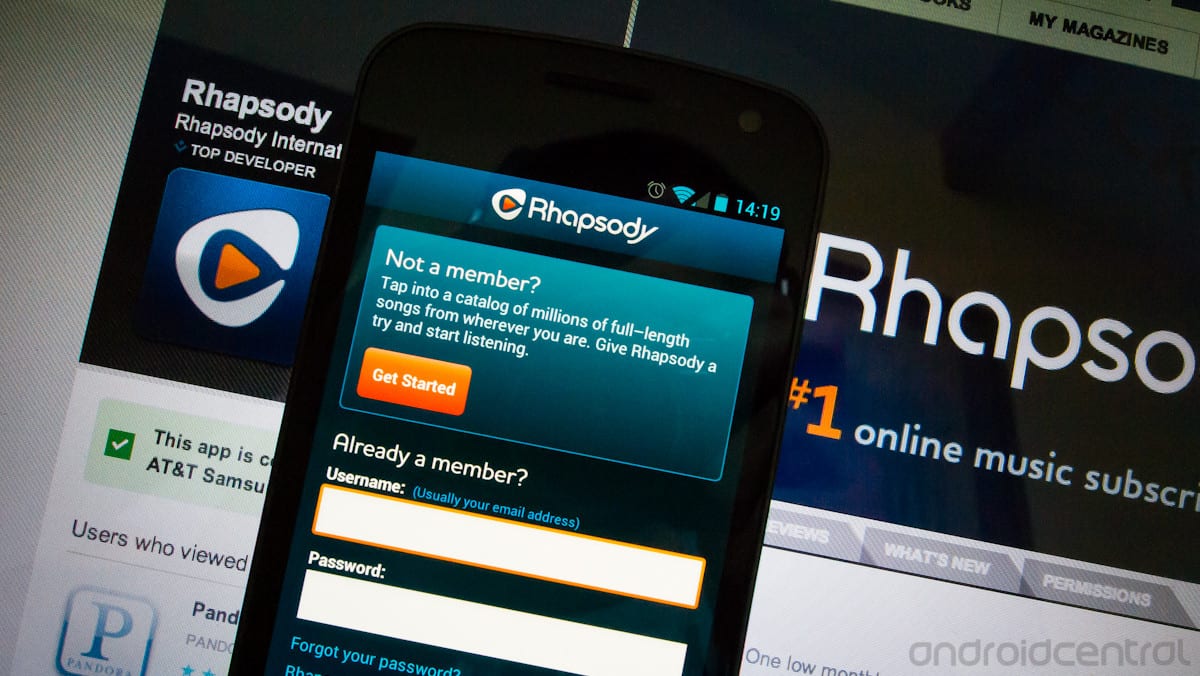
    Streaming music service Rhapsody has launched a version for kids that limits their access to only tailored programming and content that parents add. The company said it was adding the service as many of its customers have moved into “a new chapter of their life” and would like to share music with their kids. Other music and video providers have also targeted the kids market. YouTube, for example, launched a service for kids, but the service has been dogged by controversies over advertising and inappropriate content.

    Rhapsody said it had a safe and controlled environment for kids, and has added a parental verification step to make it more difficult for young kids to leave designated areas without supervision. Its playlists are also safe and fun, and designed for kids, it added. The Rhapsody Kids service is available from Thursday on Android devices at no additional cost with a Rhapsody or Napster subscription, with a version of the service for iOS expected soon.

    The kids version is rolling out as a free update to over 3 million Napster and Rhapsody premier subscribers worldwide, Rhapsody said. Rhapsody International, which runs the Rhapsody and Napster services, is facing tough competition from newer entrants in the music streaming market, like Google and Apple.

    The company said in July it had reached 3 million subscribers, up by 50 percent from a year earlier. RealNetworks, which owns 43 percent of Rhapsody, reported in a regulatory filing to the U.S. Securities and Exchange Commission that Rhapsody saw its revenue increase to US$50 million in the quarter ended June 30, up from $42 million in the same quarter last year.

    But losses increased to $12 million in the quarter from $4.7 million in the same quarter in the previous year. Parents can access Rhapsody Kids from the app’s main menu, and add songs from the Rhapsody catalog. The bookmarks are automatically downloaded for offline playback to help parents save on their data plans and phone batteries, Rhapsody said. Kids can also explore a catalog of kid-friendly music and playlists curated by the company’s editorial team.